Understanding the Genetic Landscape of Pancreatic Ductal Adenocarcinoma to Support Personalized Medicine: A Systematic Review
by
 , ,
, ,
Antonino Pantaleo
1,†,
Giovanna Forte
1,†,
Candida Fasano
1,
Martina Lepore Signorile
1,
Paola Sanese
1,
Katia De Marco
1,
Elisabetta Di Nicola
1,
Marialaura Latrofa
1,
Valentina Grossi
1, 
Vittoria Disciglio
1,*,‡ and
Cristiano Simone
1,2,*,‡ 1
Medical Genetics, National Institute of Gastroenterology-IRCCS “Saverio de Bellis” Research Hospital, 70013 Bari, Italy
2
Medical Genetics, Department of Precision and Regenerative Medicine and Jonic Area (DiMePRe-J), University of Bari Aldo Moro, 70124 Bari, Italy
*
Authors to whom correspondence should be addressed.
†
These authors contributed equally to the work.
‡
These authors also contributed equally to the work.
Cancers 2024, 16(1), 56; https://doi.org/10.3390/cancers16010056
Submission received: 9 November 2023
/
Revised: 13 December 2023
/
Accepted: 15 December 2023
/
Published: 21 December 2023
(This article belongs to the Special Issue Advanced Research in Pancreatic Ductal Adenocarcinoma)
Simple Summary
Pancreatic ductal adenocarcinoma (PDAC) is an aggressive cancer with high mortality. Most patients present with an advanced stage of the disease, highlighting the urgent need for early detection. Recent studies of individuals at high risk of PDAC showed benefits from participating in clinical management and surveillance programs. PDAC clinical management and surveillance programs are suggested for individuals with a germline pathogenic variant in a cancer predisposition gene or a strong family history. In the present study, we performed a systematic literature review to investigate the mutational portrait of the main genes (ATM, BRCA1, BRCA2, CDKN2A, EPCAM, MLH1, MSH2, MSH6, PALB2, PMS2, STK11, TP53) involved in PDAC susceptibility. Our findings may support the development of tailored management and follow-up strategies in PDAC patients with specific germline genetic variants.
Abstract
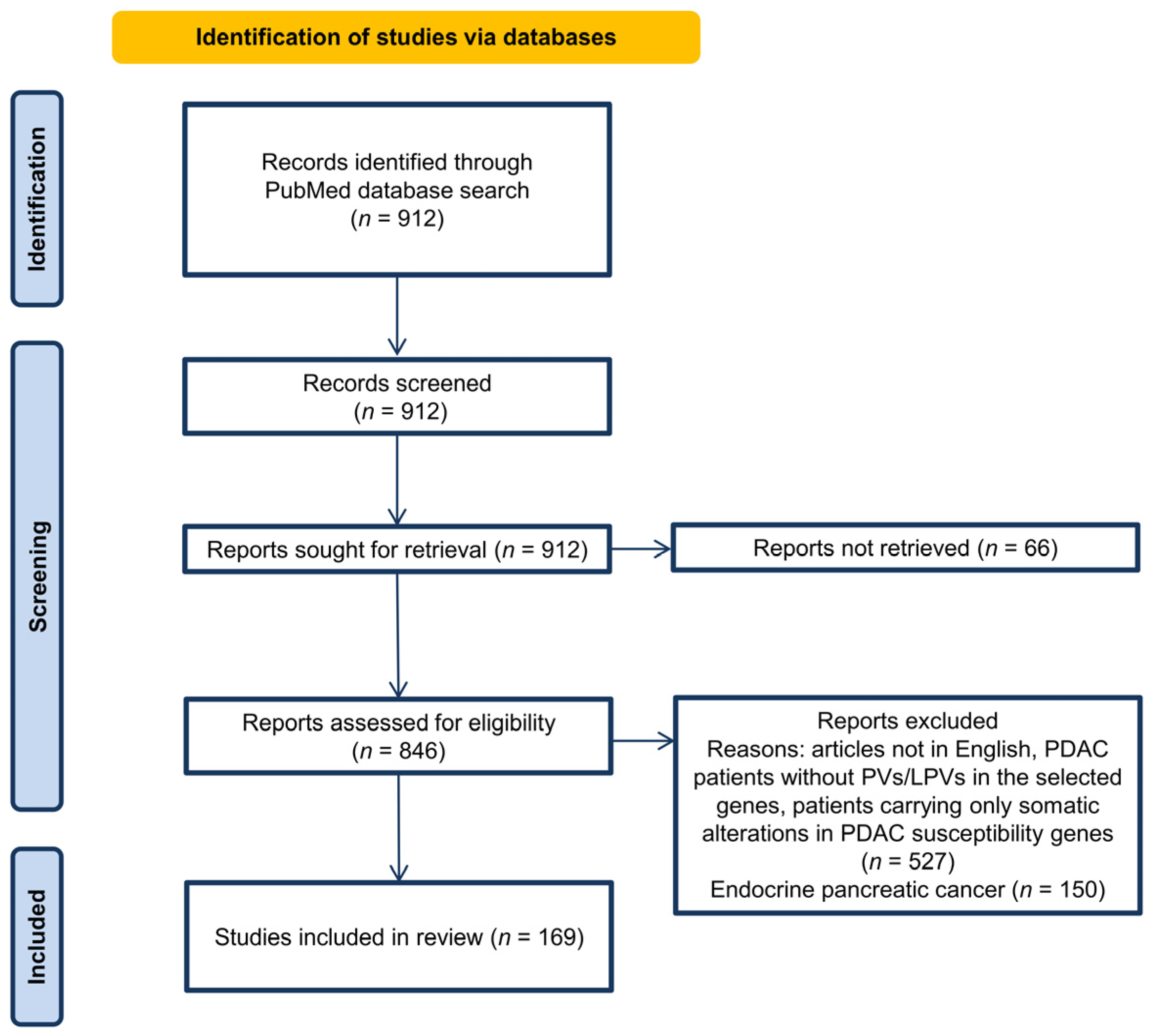
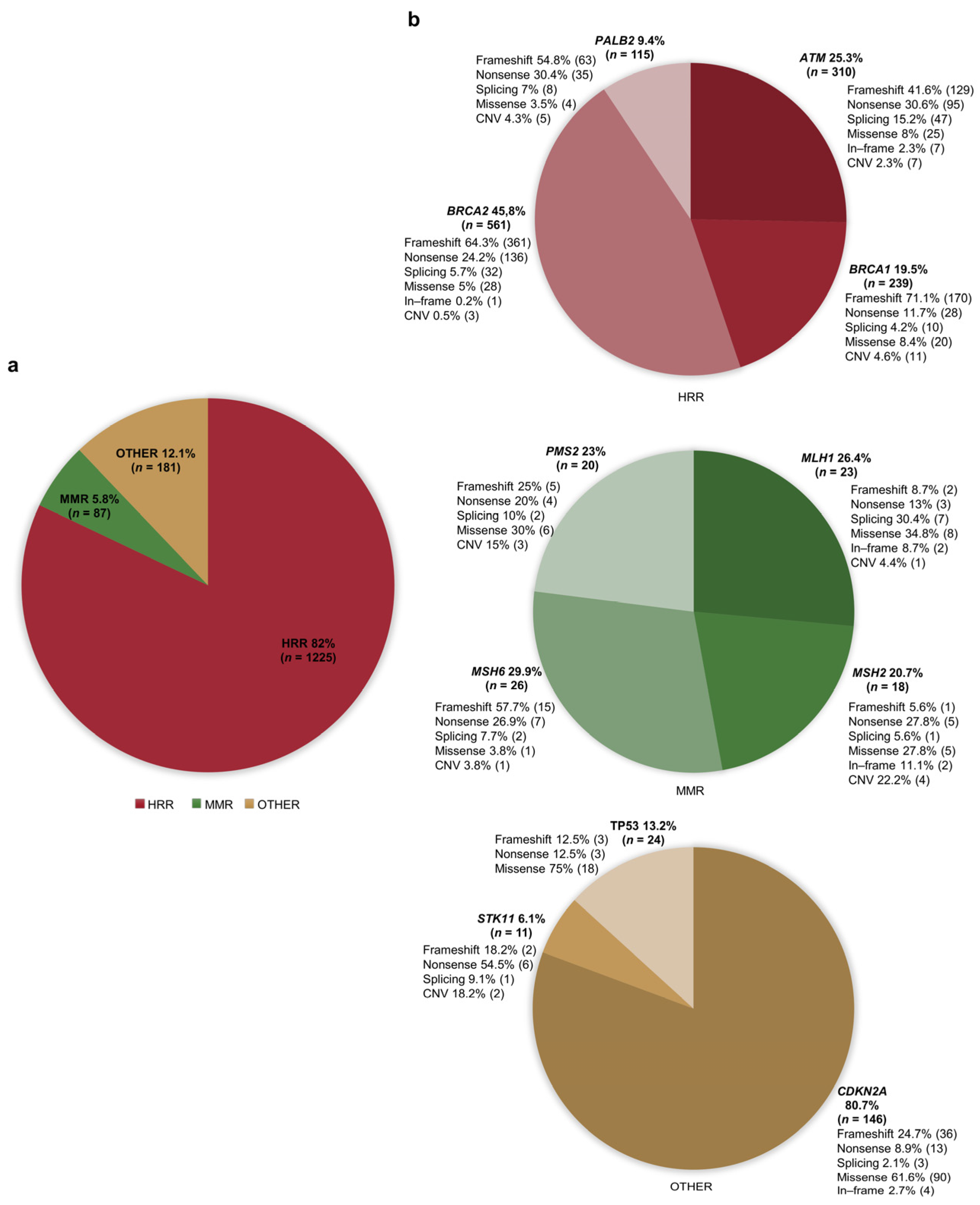
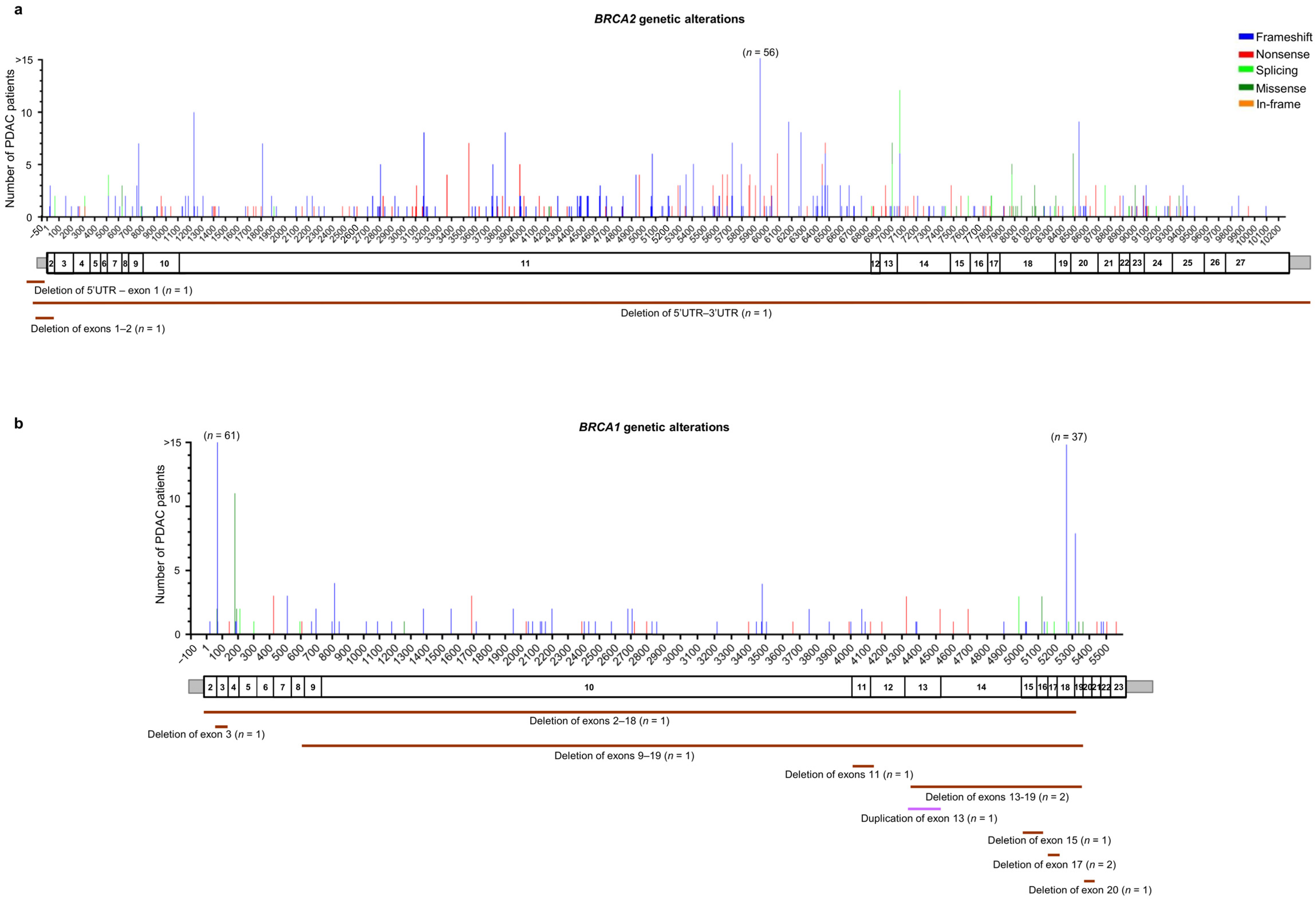
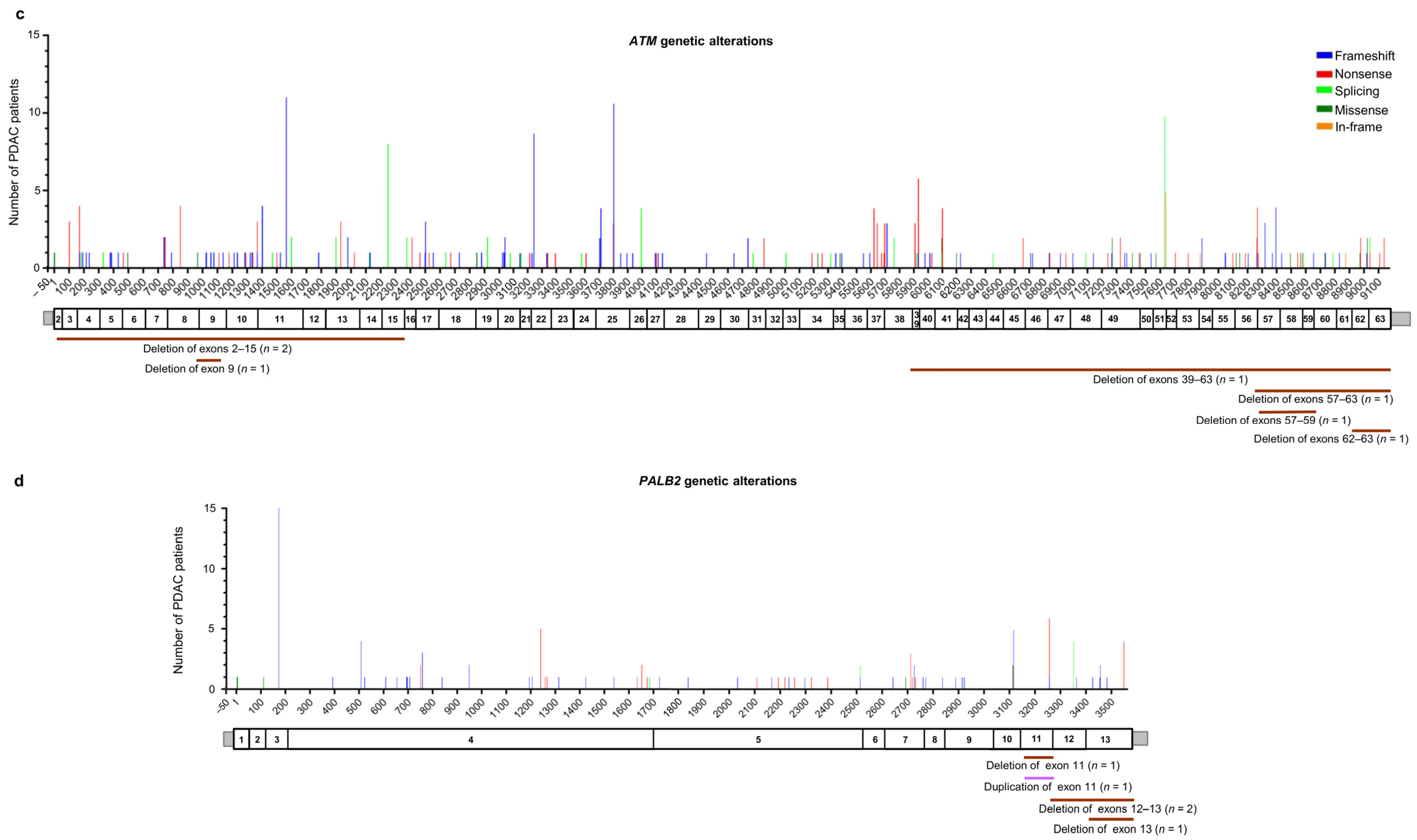
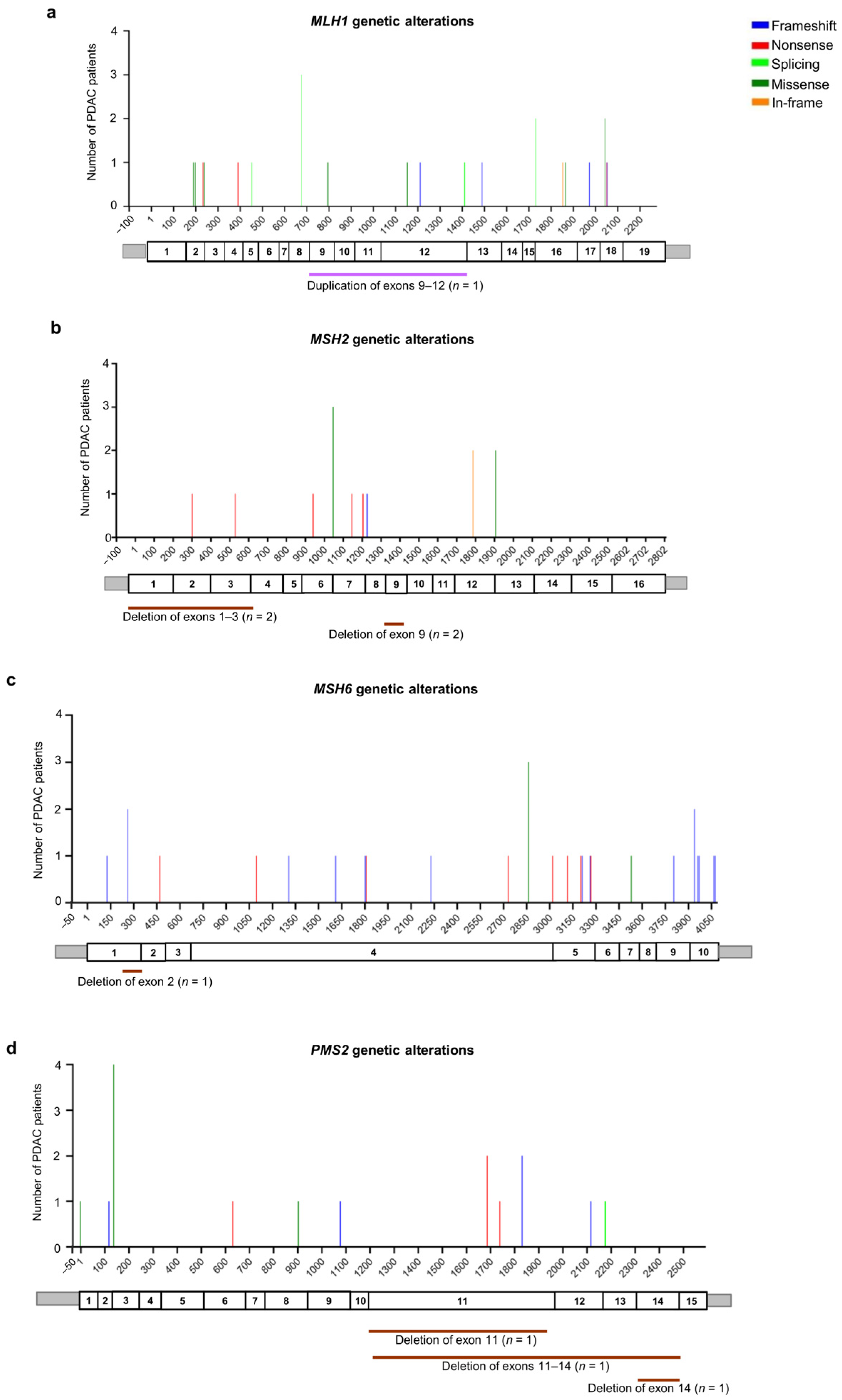
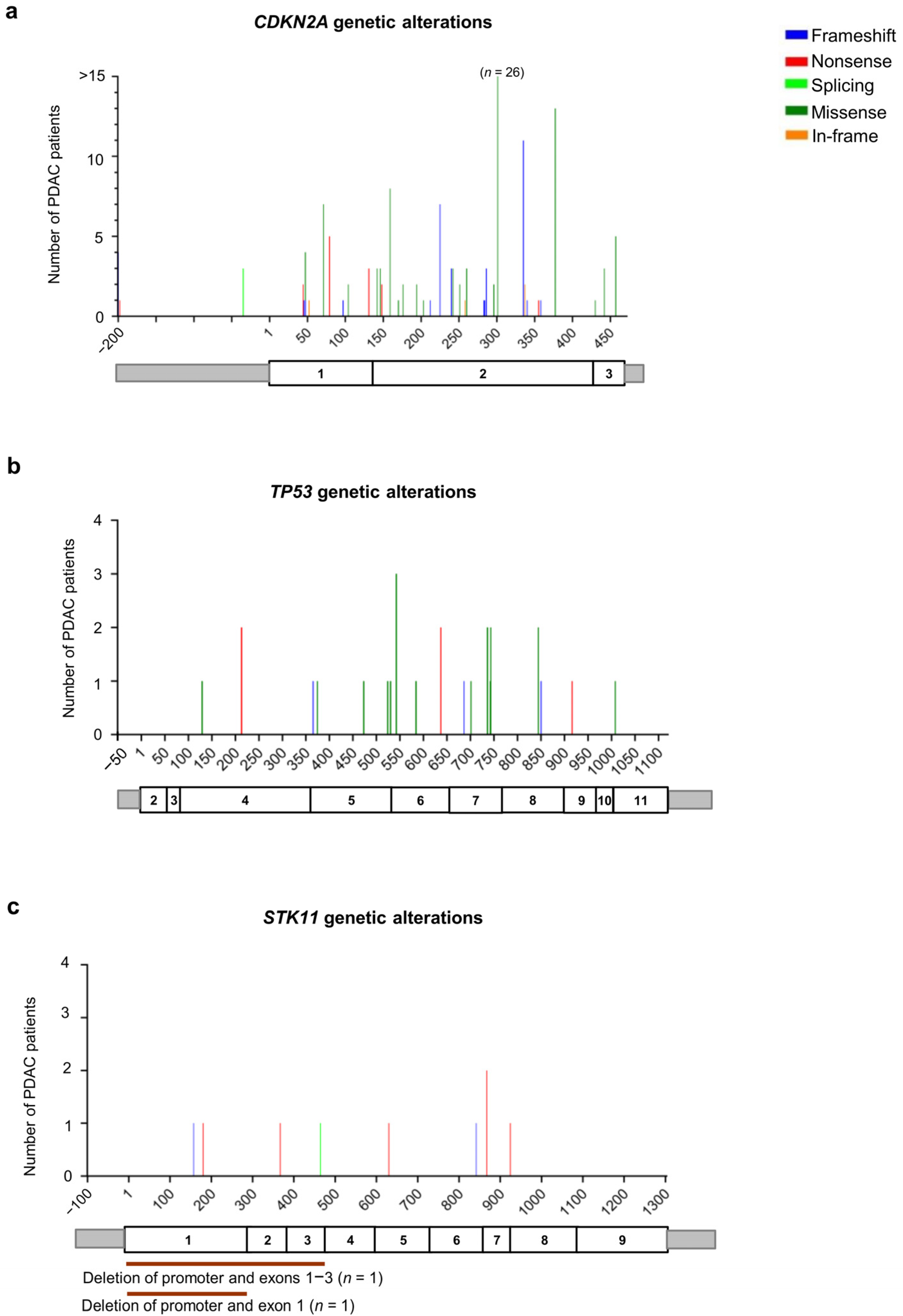
Pancreatic ductal adenocarcinoma (PDAC) is one of the most fatal malignancies worldwide. While population-wide screening recommendations for PDAC in asymptomatic individuals are not achievable due to its relatively low incidence, pancreatic cancer surveillance programs are recommended for patients with germline causative variants in PDAC susceptibility genes or a strong family history. In this study, we sought to determine the prevalence and significance of germline alterations in major genes (ATM, BRCA1, BRCA2, CDKN2A, EPCAM, MLH1, MSH2, MSH6, PALB2, PMS2, STK11, TP53) involved in PDAC susceptibility. We performed a systematic review of PubMed publications reporting germline variants identified in these genes in PDAC patients. Overall, the retrieved articles included 1493 PDAC patients. A high proportion of these patients (n = 1225/1493, 82%) were found to harbor alterations in genes (ATM, BRCA1, BRCA2, PALB2) involved in the homologous recombination repair (HRR) pathway. Specifically, the remaining PDAC patients were reported to carry alterations in genes playing a role in other cancer pathways (CDKN2A, STK11, TP53; n = 181/1493, 12.1%) or in the mismatch repair (MMR) pathway (MLH1, MSH2, MSH6, PMS2; n = 87/1493, 5.8%). Our findings highlight the importance of germline genetic characterization in PDAC patients for better personalized targeted therapies, clinical management, and surveillance.