CT-Derived Sarcopenia and Outcomes after Thoracoscopic Pulmonary Resection for Non-Small Cell Lung Cancer
by
 , and
, and
Arpad Hasenauer
1 ,
,
Céline Forster
1,
Johan Hungerbühler
1,
Jean Yannis Perentes
1,2,
Etienne Abdelnour-Berchtold
1,
Joachim Koerfer
3,
Thorsten Krueger
1,2,
Fabio Becce
2,3 and
and
Michel Gonzalez
1,2,* 1
Service of Thoracic Surgery, Lausanne University Hospital (CHUV), 1011 Lausanne, Switzerland
2
Faculty of Biology and Medicine, University of Lausanne (UNIL), 1011 Lausanne, Switzerland
3
Department of Diagnostic and Interventional Radiology, Lausanne University Hospital (CHUV), 1011 Lausanne, Switzerland
*
Author to whom correspondence should be addressed.
Cancers 2023, 15(3), 790; https://doi.org/10.3390/cancers15030790
Submission received: 31 December 2022
/
Revised: 23 January 2023
/
Accepted: 25 January 2023
/
Published: 27 January 2023
(This article belongs to the Special Issue The Role of Surgery in Lung Cancer Treatment: Present Indications and Future Perspectives)
Simple Summary
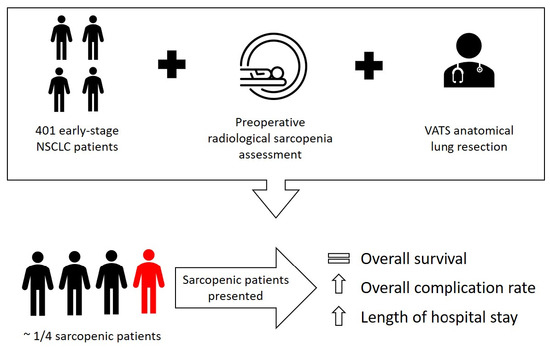
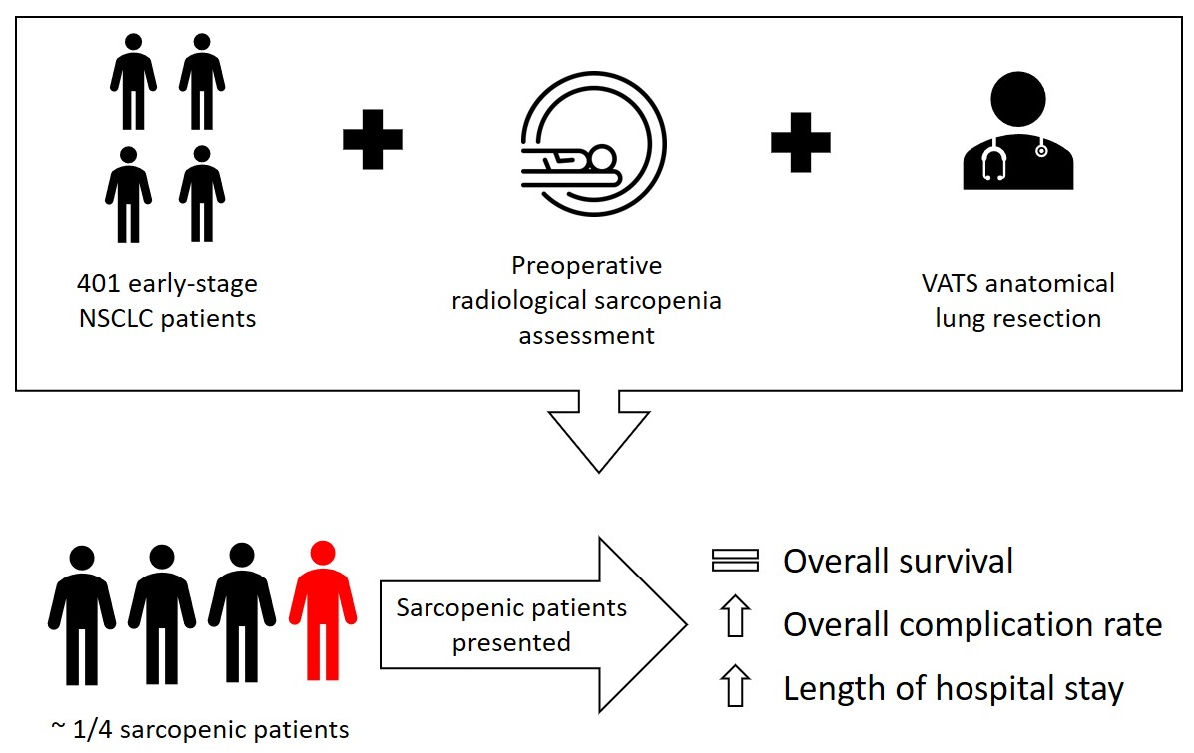
Sarcopenia is defined as a progressive loss of skeletal muscle strength, mass, and function. Lung cancer patients frequently present with sarcopenia, which may be associated with poorer postoperative outcomes. This study aimed to evaluate the impact of CT-derived preoperative sarcopenia on postoperative outcomes and survival in patients that underwent thoracoscopic anatomical pulmonary resection for non-small cell lung cancer. Sarcopenia was observed in almost one-quarter of patients. Our results showed that CT-derived sarcopenia seems to have a small impact on early postoperative outcomes but no effect on overall survival. Preoperative sarcopenia screening may be a useful tool to include in the surgical risk assessment.
Abstract
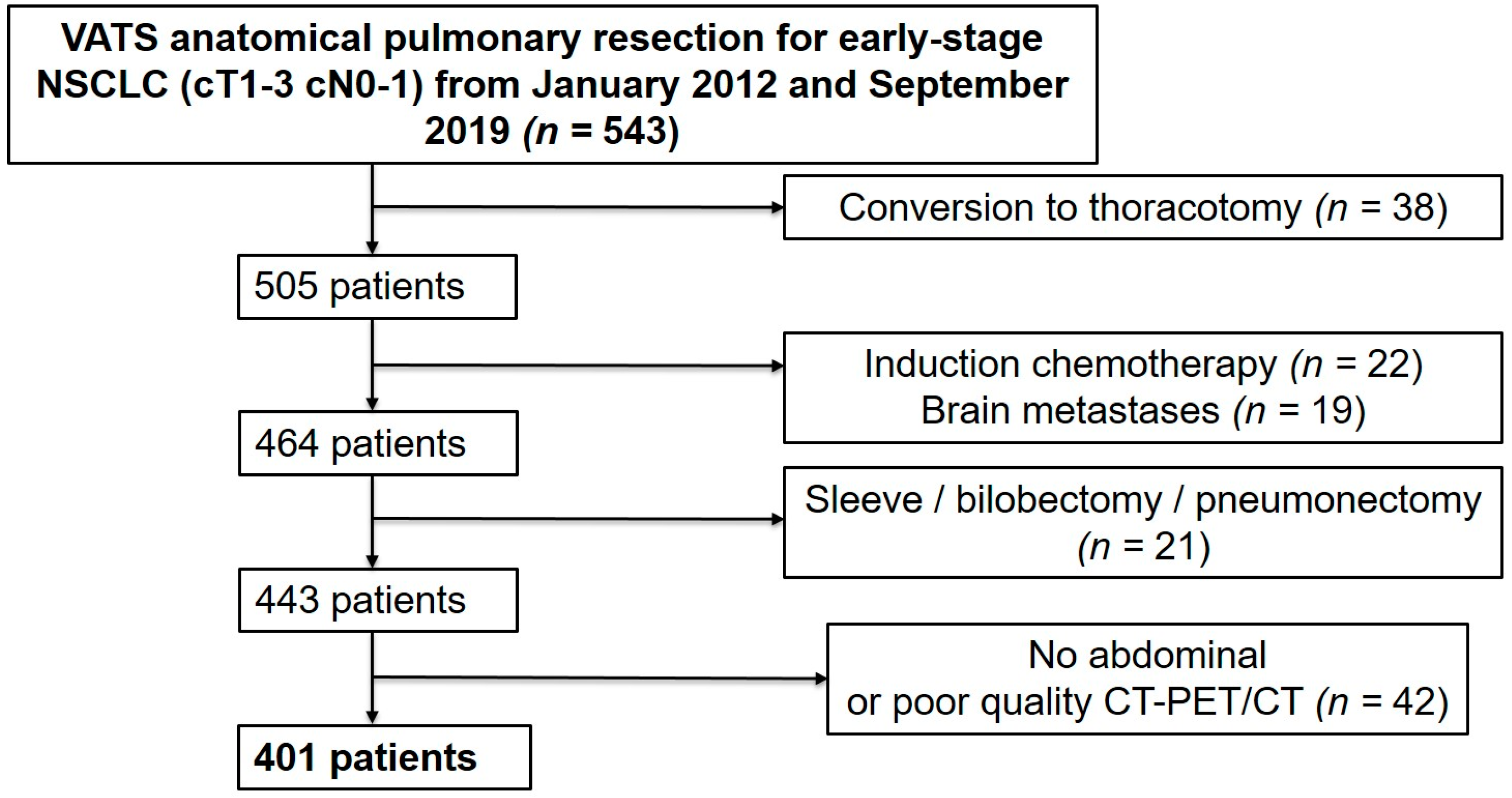
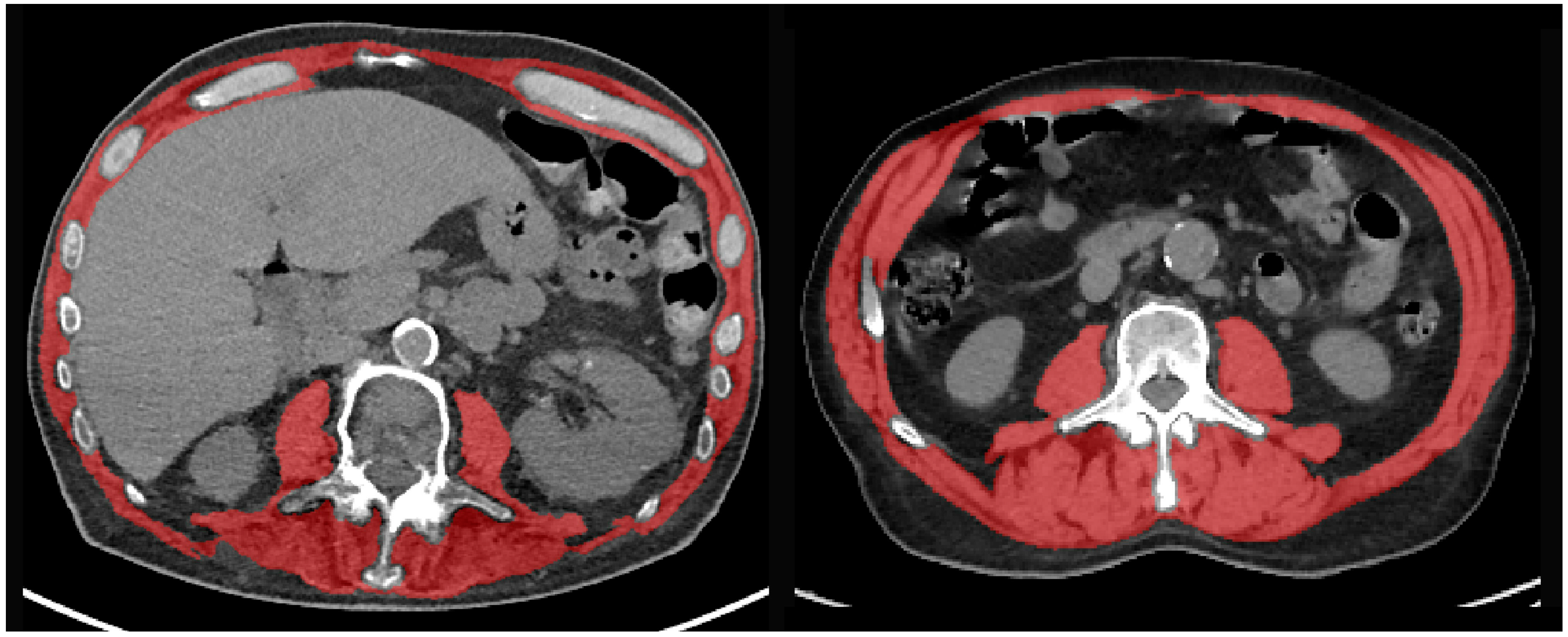
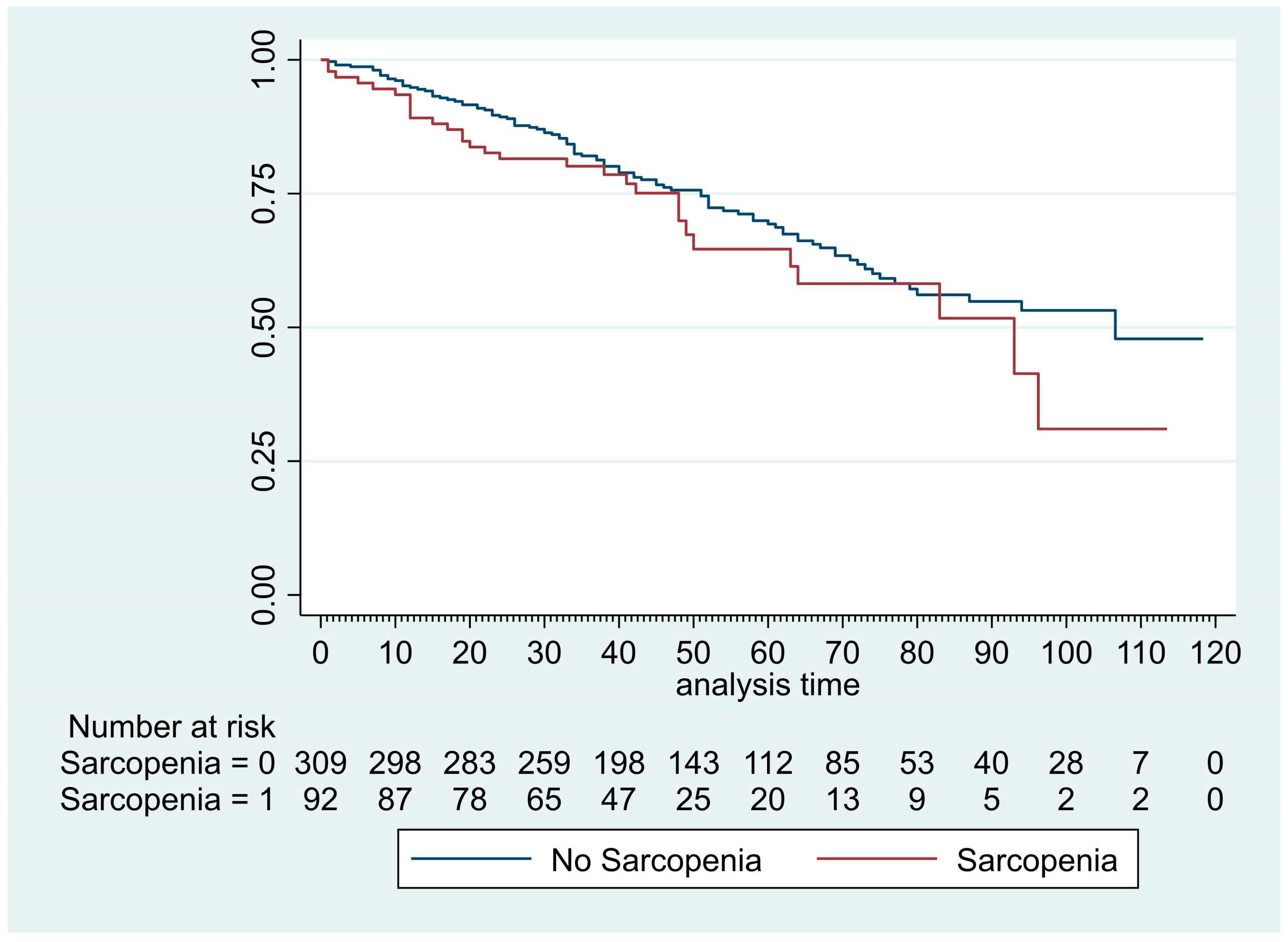
We aimed to evaluate whether computed tomography (CT)-derived preoperative sarcopenia measures were associated with postoperative outcomes and survival after video-assisted thoracoscopic (VATS) anatomical pulmonary resection in patients with early-stage non-small cell lung cancer (NSCLC). We retrospectively reviewed all consecutive patients that underwent VATS anatomical pulmonary resection for NSCLC between 2012 and 2019. Skeletal muscle mass was measured at L3 vertebral level on preoperative CT or PET/CT scans to identify sarcopenic patients according to established threshold values. We compared postoperative outcomes and survival of sarcopenic vs. non-sarcopenic patients. A total of 401 patients underwent VATS anatomical pulmonary resection for NSCLC. Sarcopenia was identified in 92 patients (23%). Sarcopenic patients were predominantly males (75% vs. 25%; p < 0.001) and had a lower BMI (21.4 vs. 26.5 kg/m2; p < 0.001). The overall postoperative complication rate was significantly higher (53.2% vs. 39.2%; p = 0.017) in sarcopenic patients and the length of hospital stay was prolonged (8 vs. 6 days; p = 0.032). Two factors were associated with postoperative morbidity in multivariate analysis: BMI and American Society of Anesthesiologists score >2. Median overall survival was comparable between groups (41 vs. 46 months; p = 0.240). CT-derived sarcopenia appeared to have a small impact on early postoperative clinical outcomes, but no effect on overall survival after VATS anatomical lung resection for NSCLC.
Keywords:
non-small cell lung cancer; sarcopenia; VATS; lobectomy; segmentectomy; outcomes