Radiomics Signature Based on Support Vector Machines for the Prediction of Pathological Complete Response to Neoadjuvant Chemoradiotherapy in Locally Advanced Rectal Cancer
by
 ,
,
Chao Li
1,† ,
,
Haiyan Chen
1,†,
Bicheng Zhang
1,
Yimin Fang
2,
Wenzheng Sun
1,
Dang Wu
1,
Zhuo Su
1,
Li Shen
1,* and
Qichun Wei
1,* 1
Department of Radiation Oncology (Key Laboratory of Cancer Prevention and Intervention, China National Ministry of Education, Key Laboratory of Molecular Biology in Medical Sciences), The Second Affiliated Hospital, Zhejiang University School of Medicine, Hangzhou 310009, China
2
Department of Colorectal Surgery and Oncology (Key Laboratory of Cancer Prevention and Intervention, China National Ministry of Education, Key Laboratory of Molecular Biology in Medical Sciences), The Second Affiliated Hospital, Zhejiang University School of Medicine, Hangzhou 310009, China
*
Authors to whom correspondence should be addressed.
†
These authors contributed equally to this work.
Cancers 2023, 15(21), 5134; https://doi.org/10.3390/cancers15215134
Submission received: 18 September 2023
/
Revised: 15 October 2023
/
Accepted: 19 October 2023
/
Published: 25 October 2023
(This article belongs to the Special Issue Recent Advances in Oncology Imaging)
Simple Summary
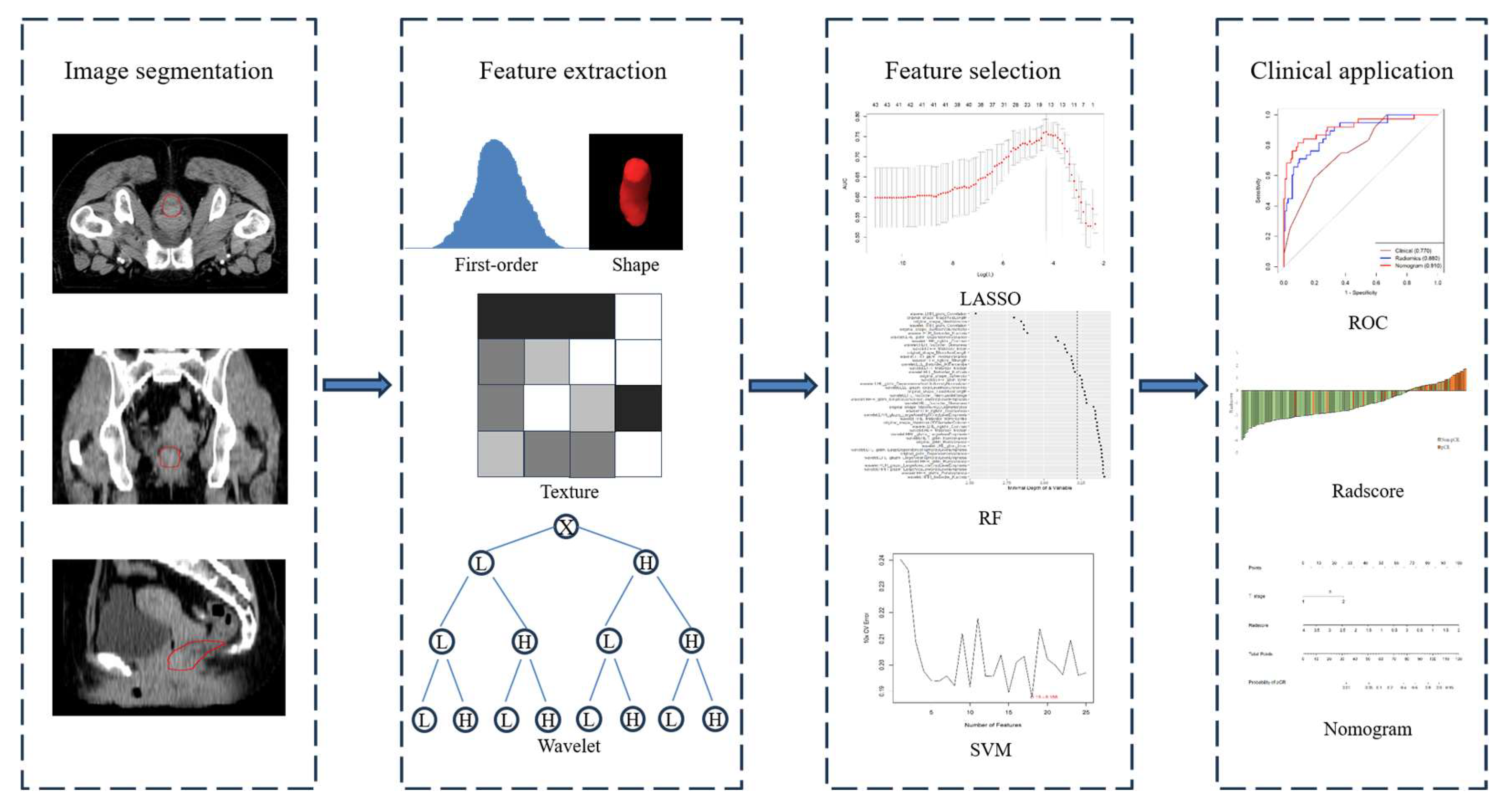
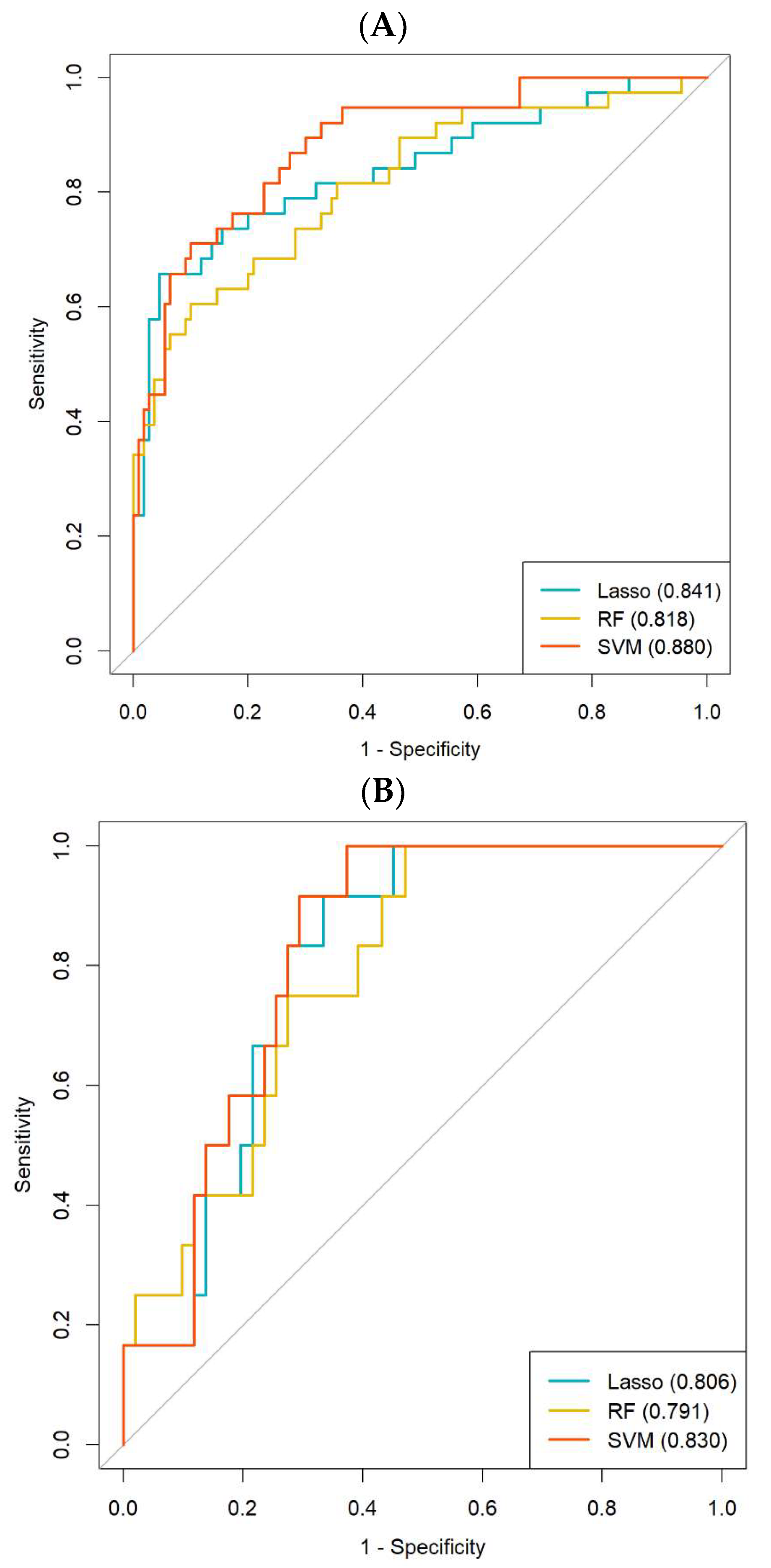
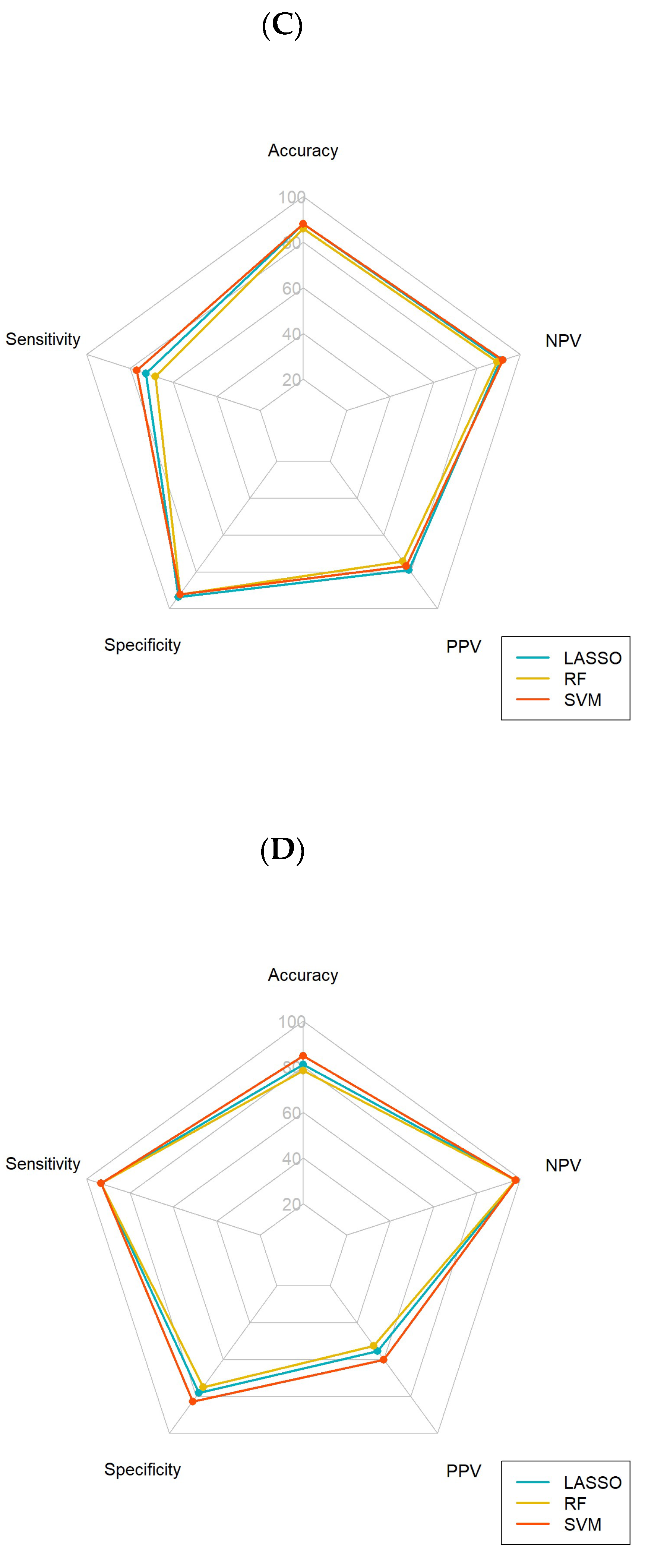
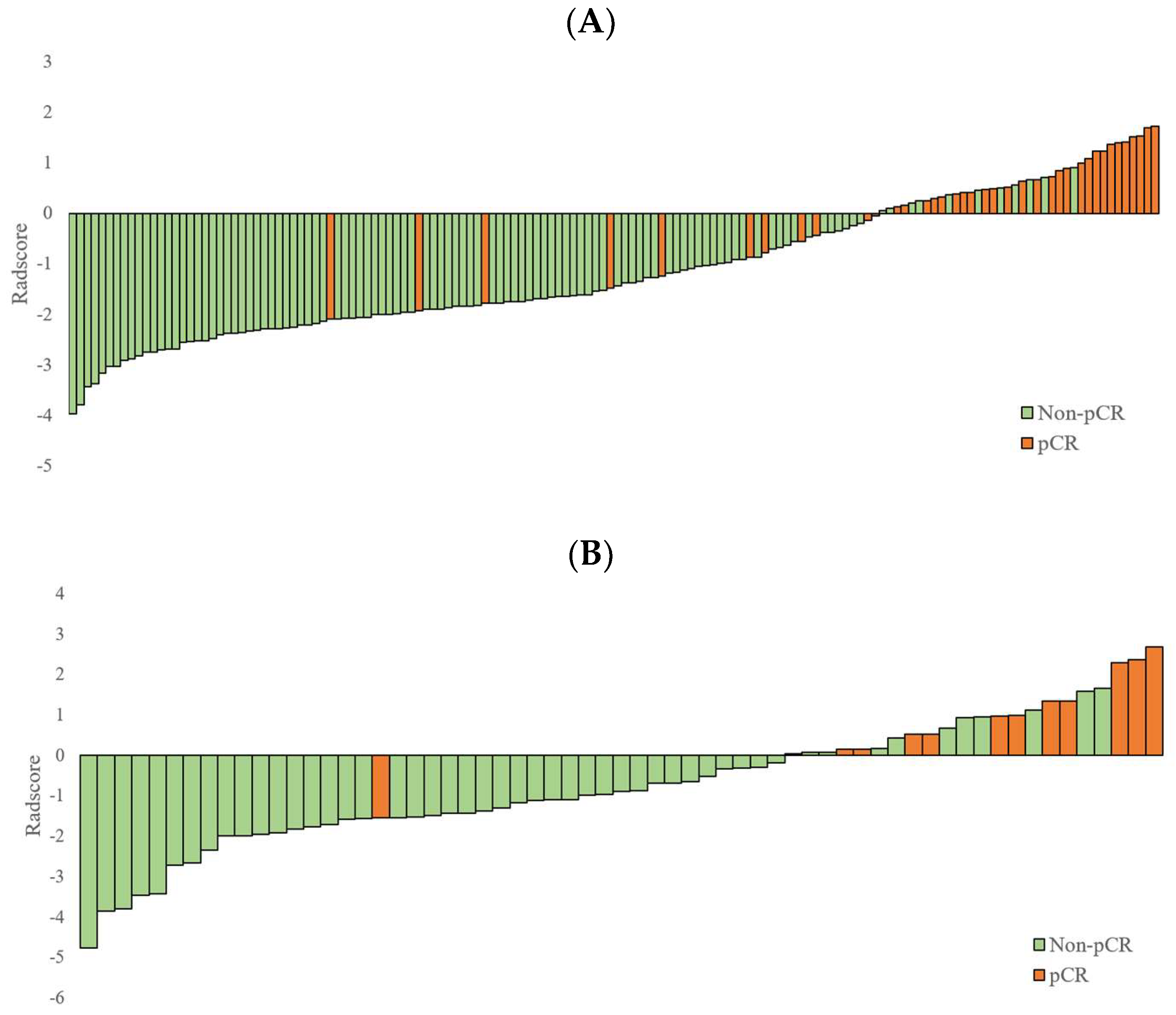
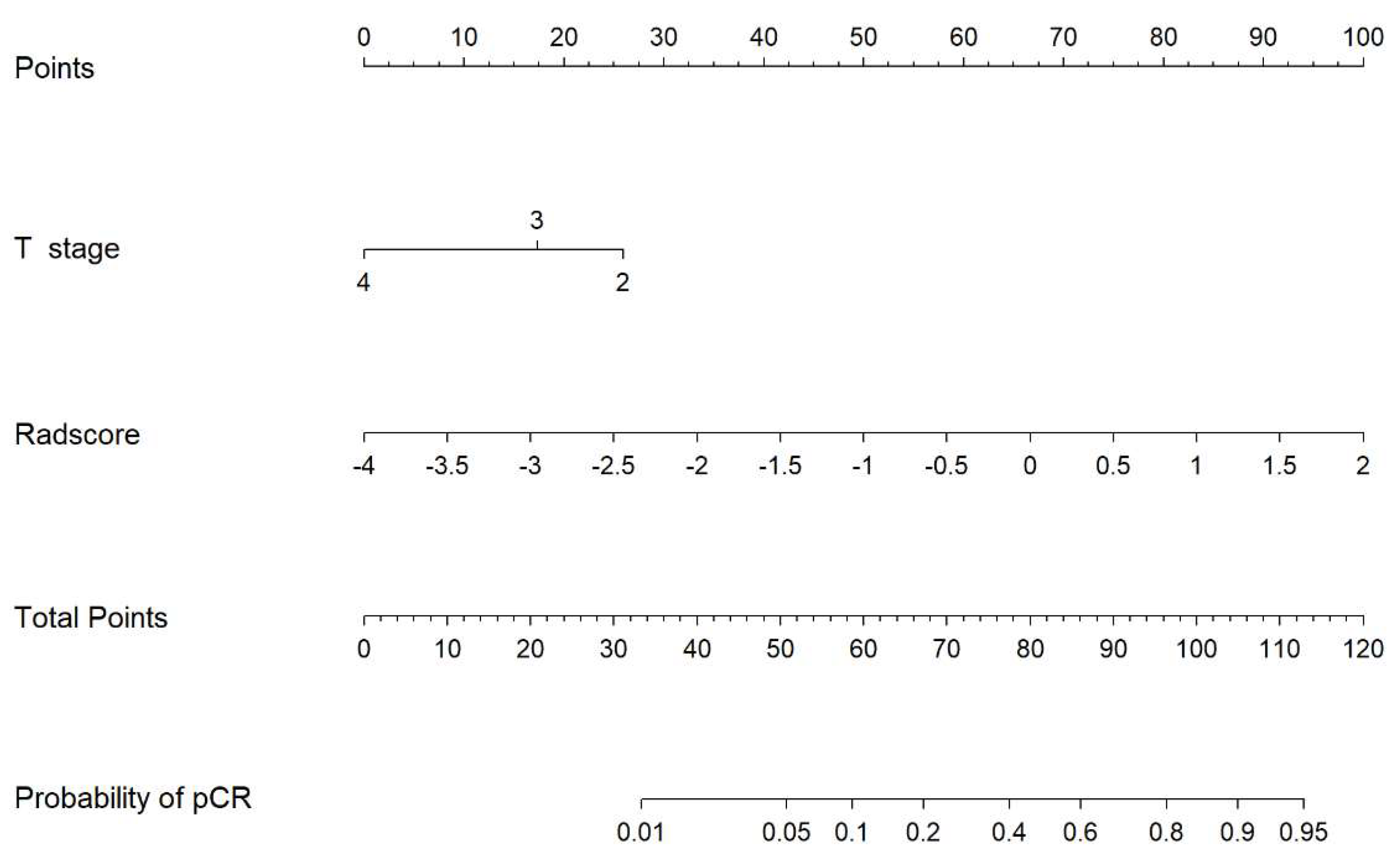
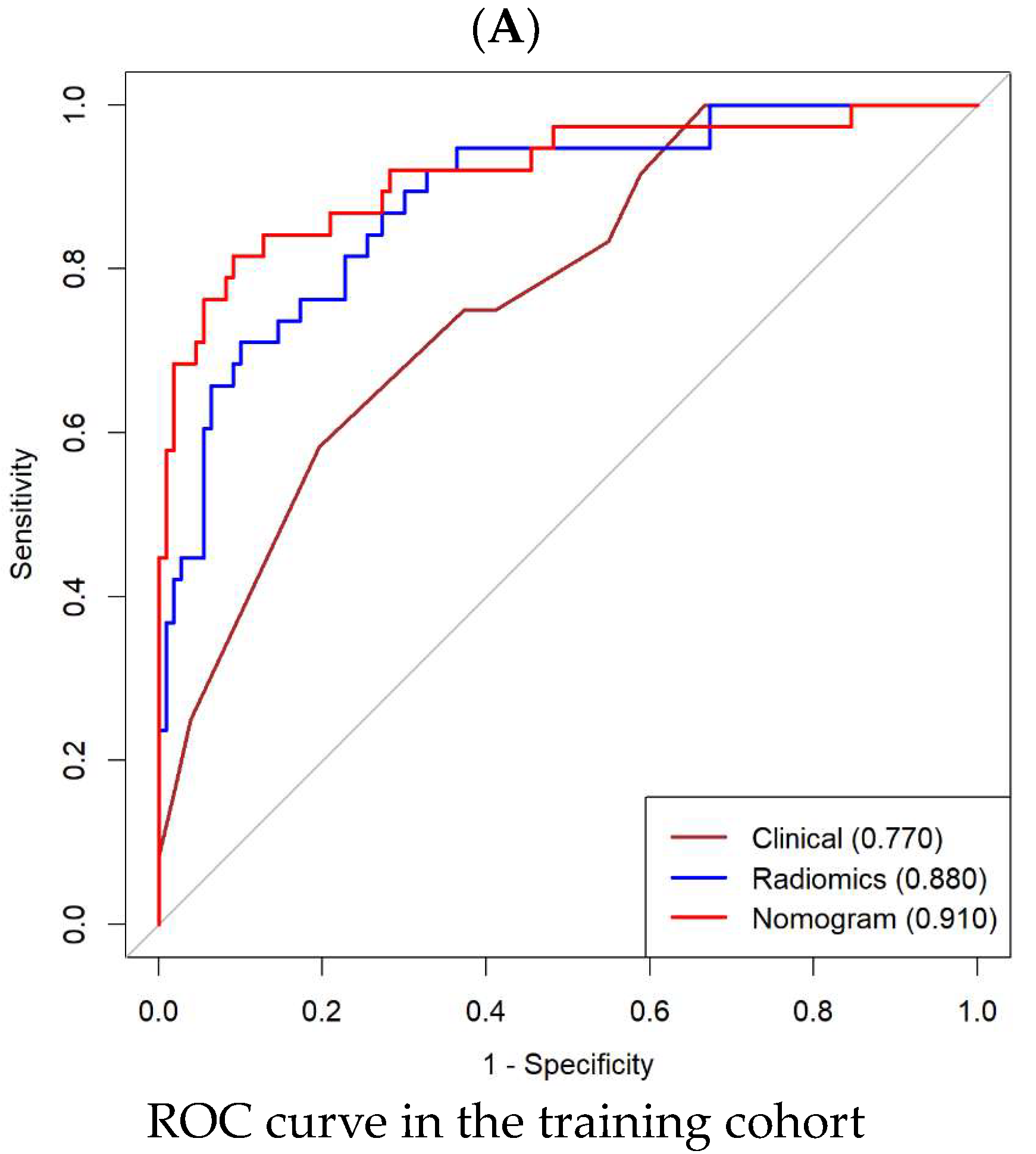
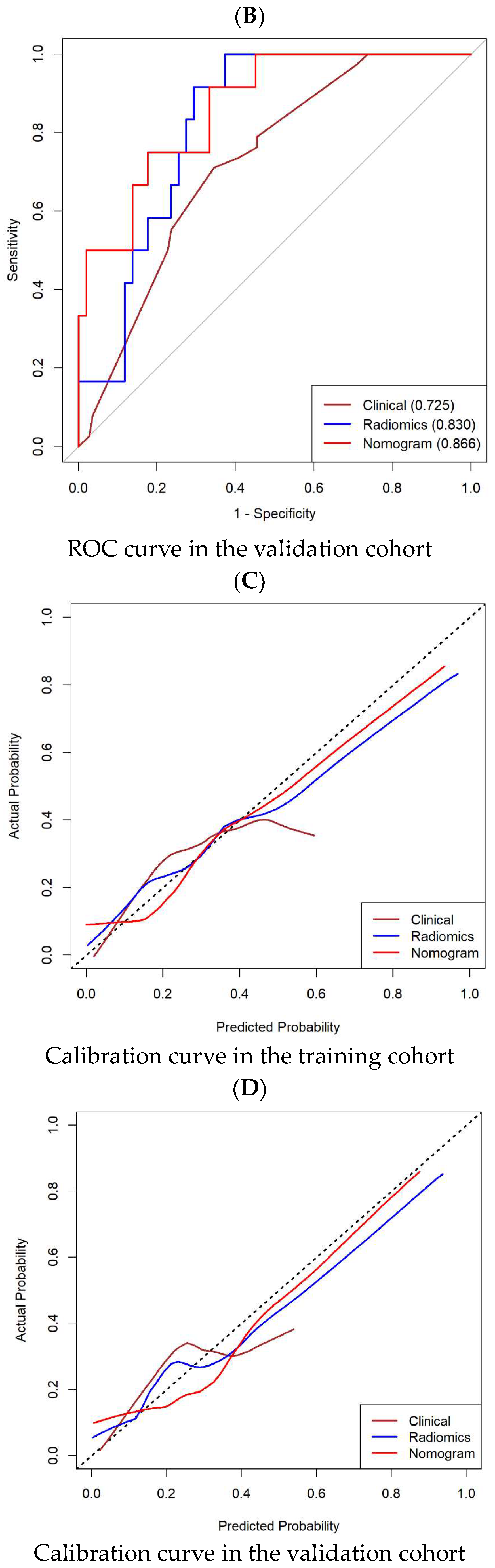
This study developed CT-based radiomics signatures using the least absolute shrinkage and selection operator (LASSO), random forest (RF) and support vector machine (SVM) algorithms to predict the pathological complete response (pCR) in locally advanced rectal cancer (LARC) patients who underwent neoadjuvant chemoradiotherapy. Among these methods, the SVM-based radiomics score (Radscore) exhibited superior performance compared to the others, with area under the receiver operating characteristic curves (AUCs) of 0.880 and 0.830 in the training and validation cohorts, respectively. By integrating the SVM-based Radscore with clinical indicators, a nomogram was created for predicting pCR, achieving AUCs of 0.910 and 0.866 in the training and validation cohorts, respectively. The study highlighted the promising performance of the SVM-based Radscore and the value of the radiomics nomogram for predicting pCR in LARC patients. Additionally, the identification of an optimal radiomics signature can significantly improve the accuracy of pCR prediction.
Abstract
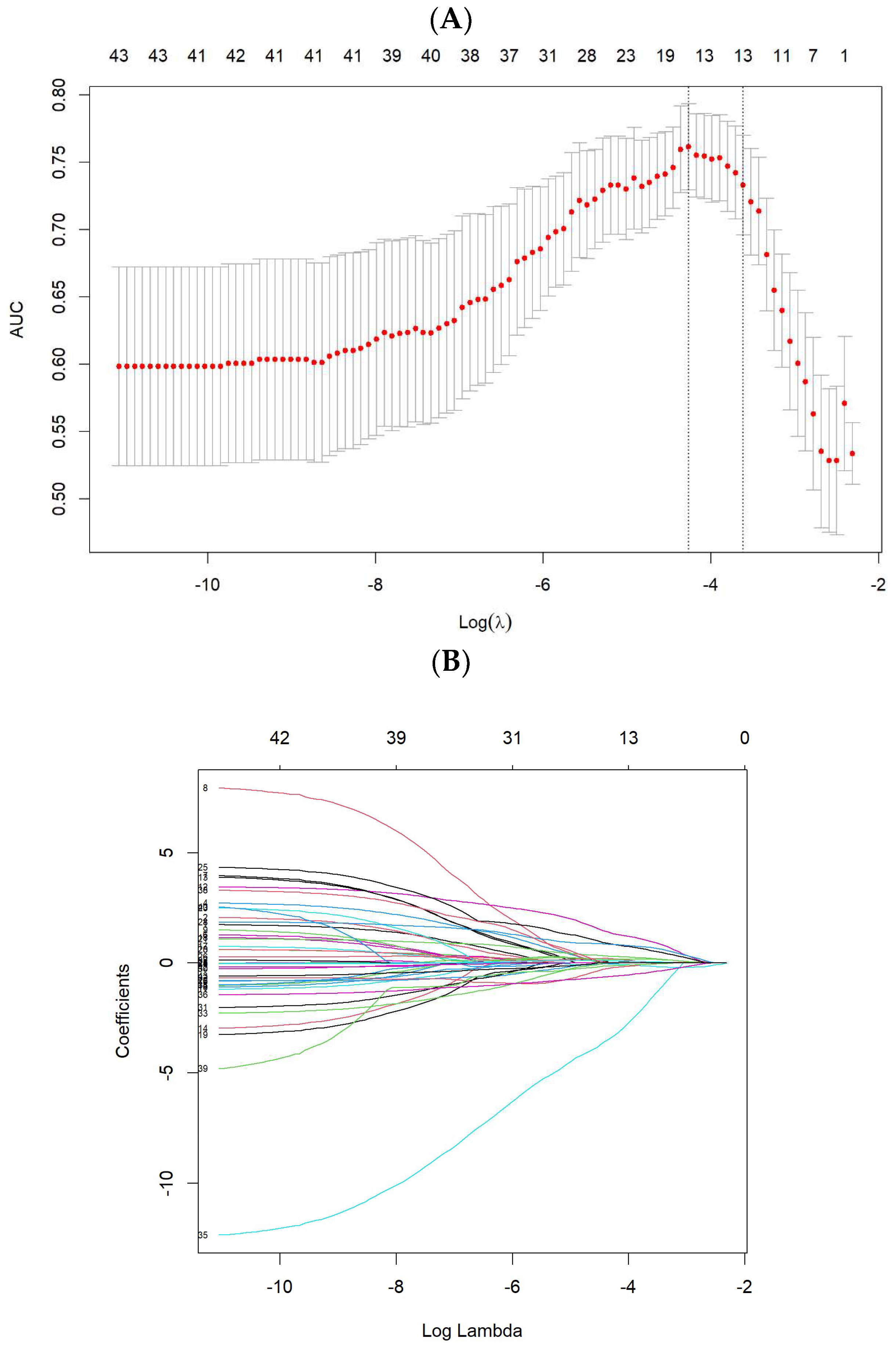
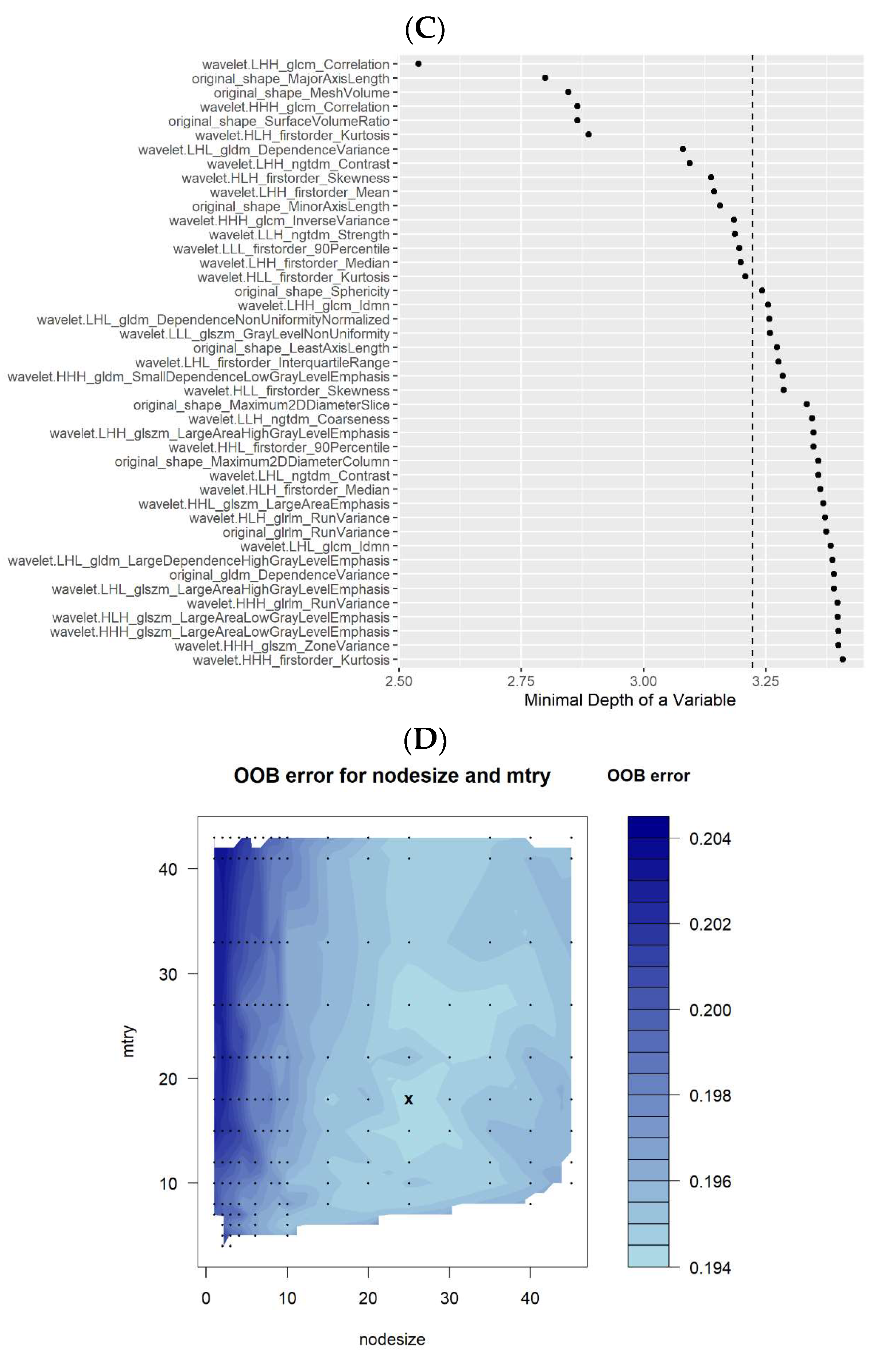
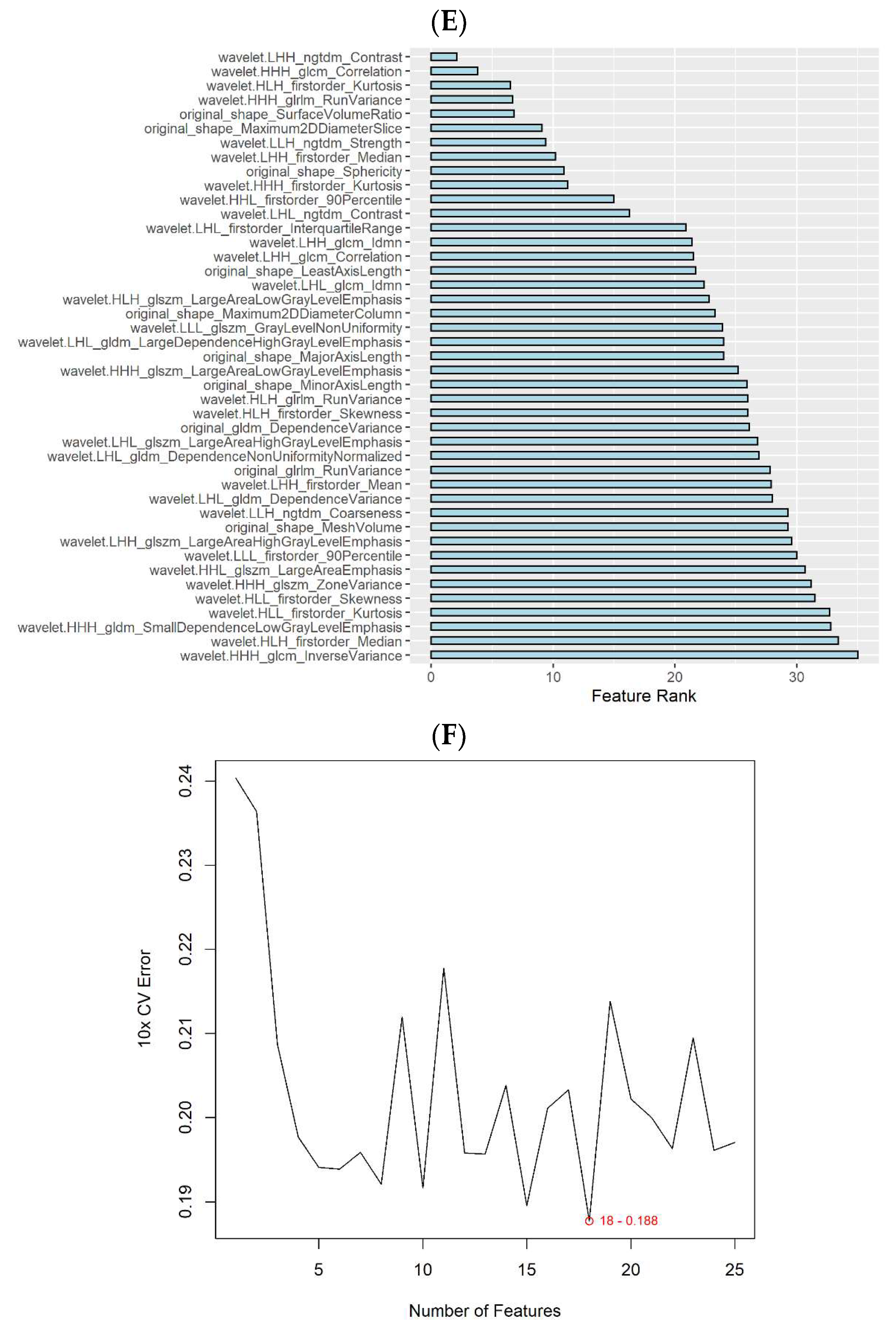
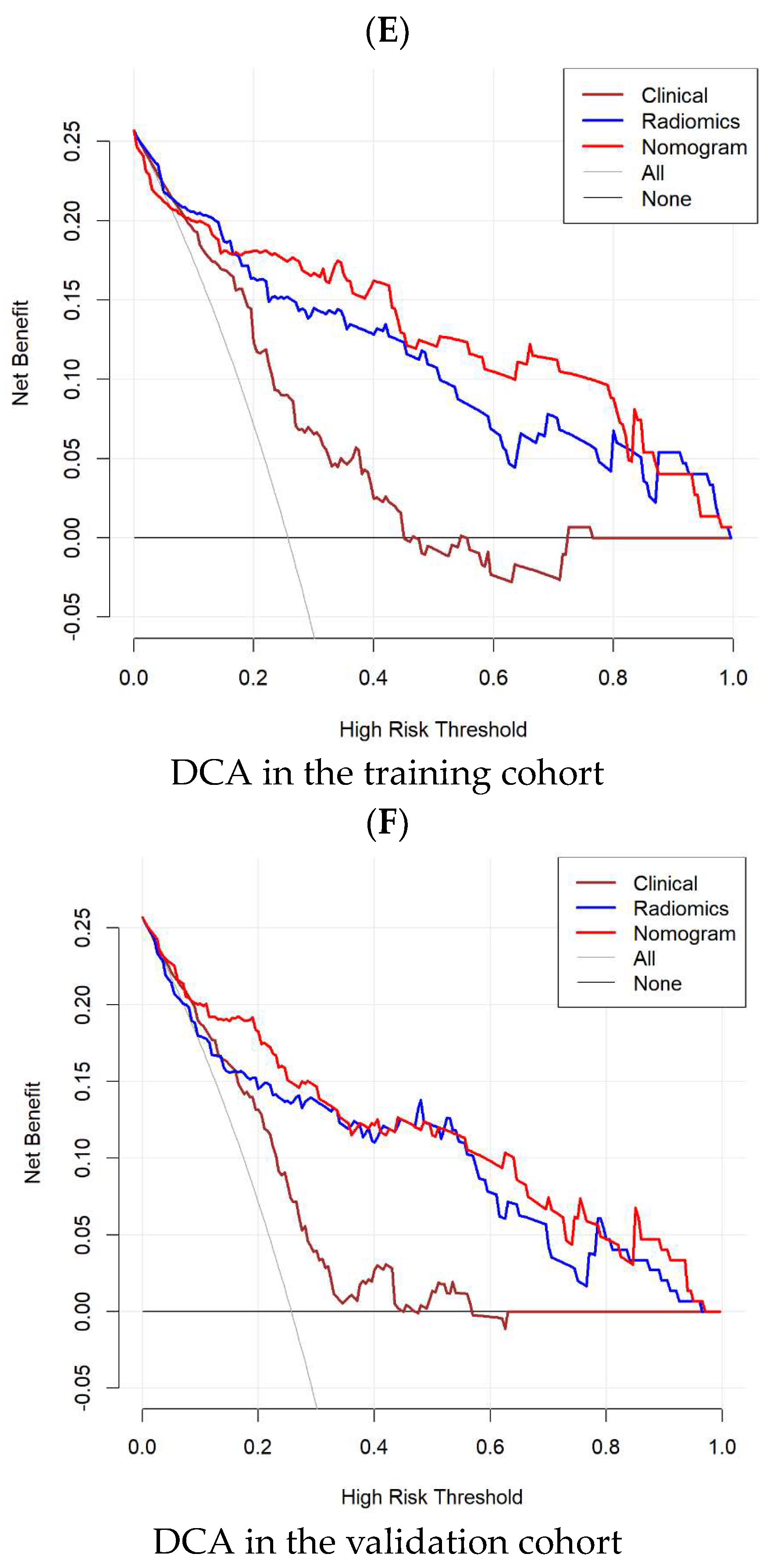
The objective of this study was to evaluate the discriminative capabilities of radiomics signatures derived from three distinct machine learning algorithms and to identify a robust radiomics signature capable of predicting pathological complete response (pCR) after neoadjuvant chemoradiotherapy in patients diagnosed with locally advanced rectal cancer (LARC). In a retrospective study, 211 LARC patients were consecutively enrolled and divided into a training cohort (n = 148) and a validation cohort (n = 63). From pretreatment contrast-enhanced planning CT images, a total of 851 radiomics features were extracted. Feature selection and radiomics score (Radscore) construction were performed using three different machine learning methods: least absolute shrinkage and selection operator (LASSO), random forest (RF) and support vector machine (SVM). The SVM-derived Radscore demonstrated a strong correlation with the pCR status, yielding area under the receiver operating characteristic curves (AUCs) of 0.880 and 0.830 in the training and validation cohorts, respectively, outperforming the RF and LASSO methods. Based on this, a nomogram was developed by combining the SVM-based Radscore with clinical indicators to predict pCR after neoadjuvant chemoradiotherapy. The nomogram exhibited superior predictive power, achieving AUCs of 0.910 and 0.866 in the training and validation cohorts, respectively. Calibration curves and decision curve analyses confirmed its appropriateness. The SVM-based Radscore demonstrated promising performance in predicting pCR for LARC patients. The machine learning-driven nomogram, which integrates the Radscore and clinical indicators, represents a valuable tool for predicting pCR in LARC patients.