Post-Chemoradiation Metastatic, Persistent and Resistant Nodes in Locally Advanced Rectal Cancer: Metrics and Their Impact on Long-Term Outcome
by
Felipe A. Calvo
1,2,*, 
María Tudela
1,
Javier Serrano
2,
Mercedes Muñoz-Fernández
1,
María Isabel Peligros
1,
Pilar Garcia-Alfonso
1 and
Emilio del Valle
1 1
Hospital General Universitario Gregorio Marañón, 28007 Madrid, Spain
2
Department of Oncology, Clinica Universidad de Navarra, 28027 Madrid, Spain
*
Author to whom correspondence should be addressed.
Cancers 2023, 15(18), 4591; https://doi.org/10.3390/cancers15184591
Submission received: 14 July 2023
/
Revised: 6 September 2023
/
Accepted: 11 September 2023
/
Published: 15 September 2023
(This article belongs to the Special Issue Advances in Radiotherapy and Prognosis of Rectal Cancer)
Simple Summary
The tumor response to neoadjuvant radiochemotherapy is one of the most important prognostic factors in patients with locally advanced rectal cancer. Locally advanced rectal cancer contains migrant cell populations, the source of locoregional metastases. Neoadjuvant radiochemotherapy treatment identifies with pathological certainty lymph node metastatic radiochemoresistance. These patients have a higher risk biology for regional and systemic migrant recurrence that requires consideration of an evidence-based change in therapeutic strategy. The aim of this work is to analyze the impact of post-neoadjuvant nodal status as an independent prognostic factor in locally advanced rectal cancer to implement adjuvant chemotherapy administration tailored to each patient’s individualized risk response. The hypotheses that we evaluate in this study can guide the individualization of the therapeutic approach in patients with post-neoadjuvant metastatic lymph node persistent rectal cancer, as well as the definition of subgroups based on certain patient characteristics and tumor biology.
Abstract
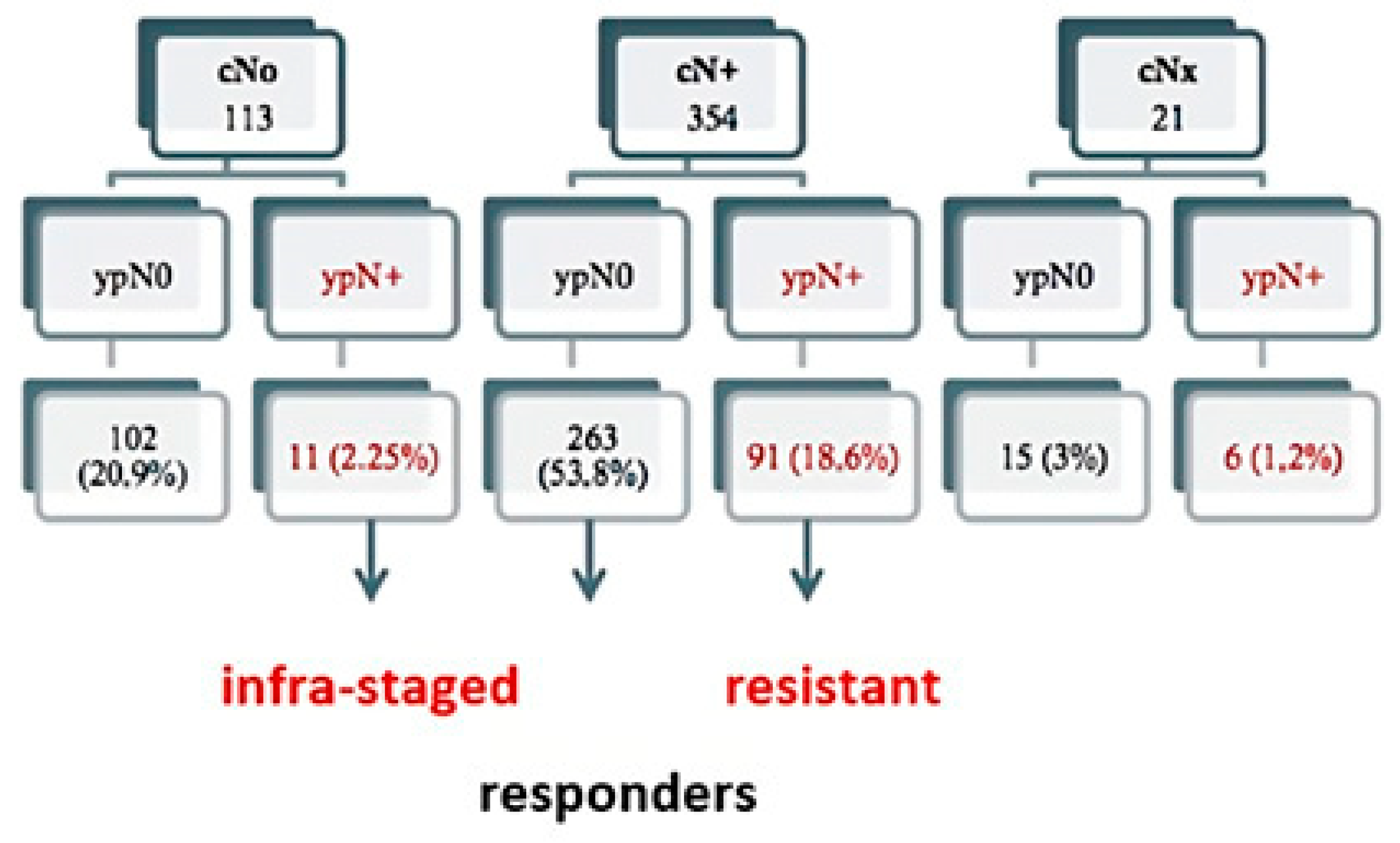
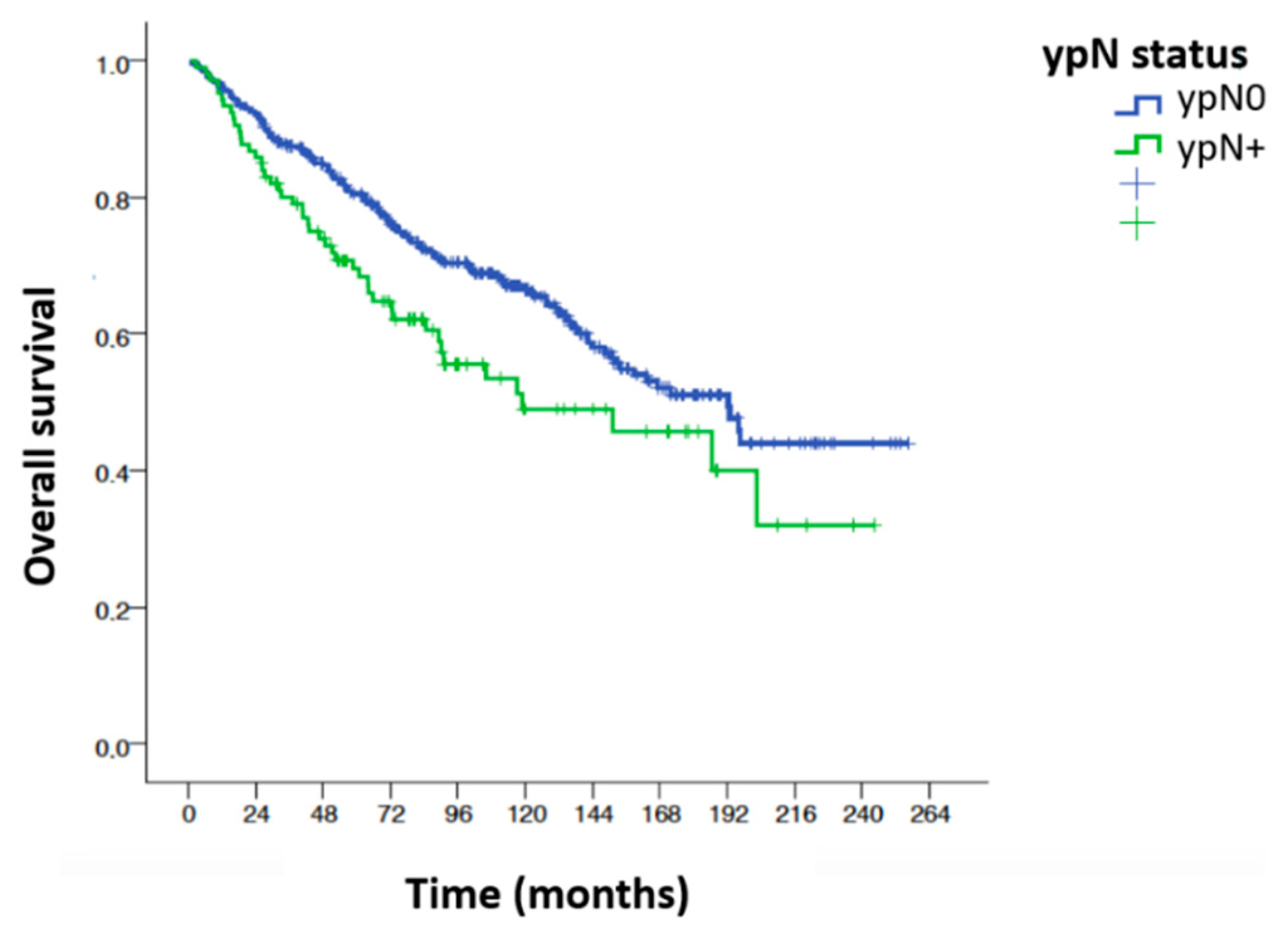
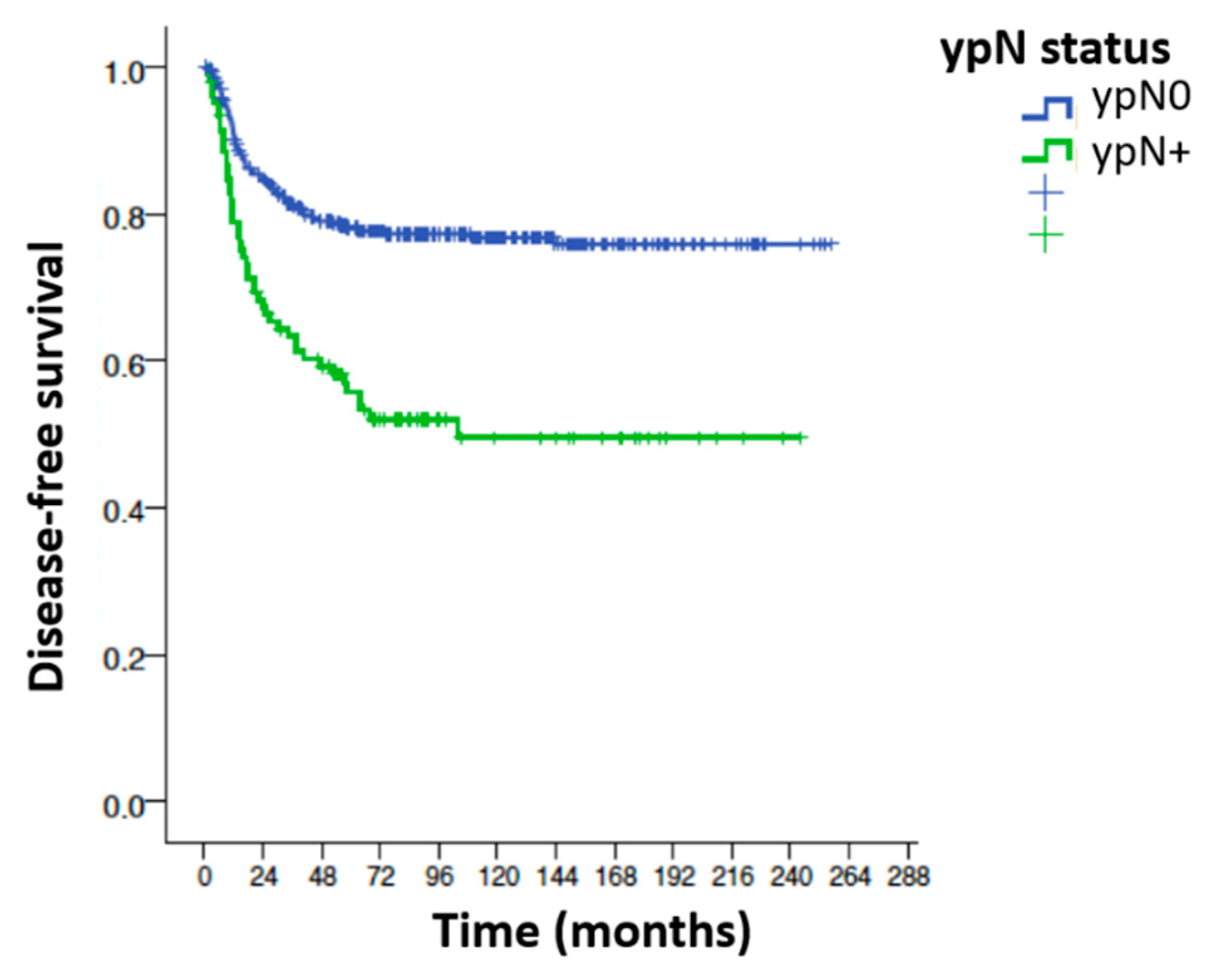
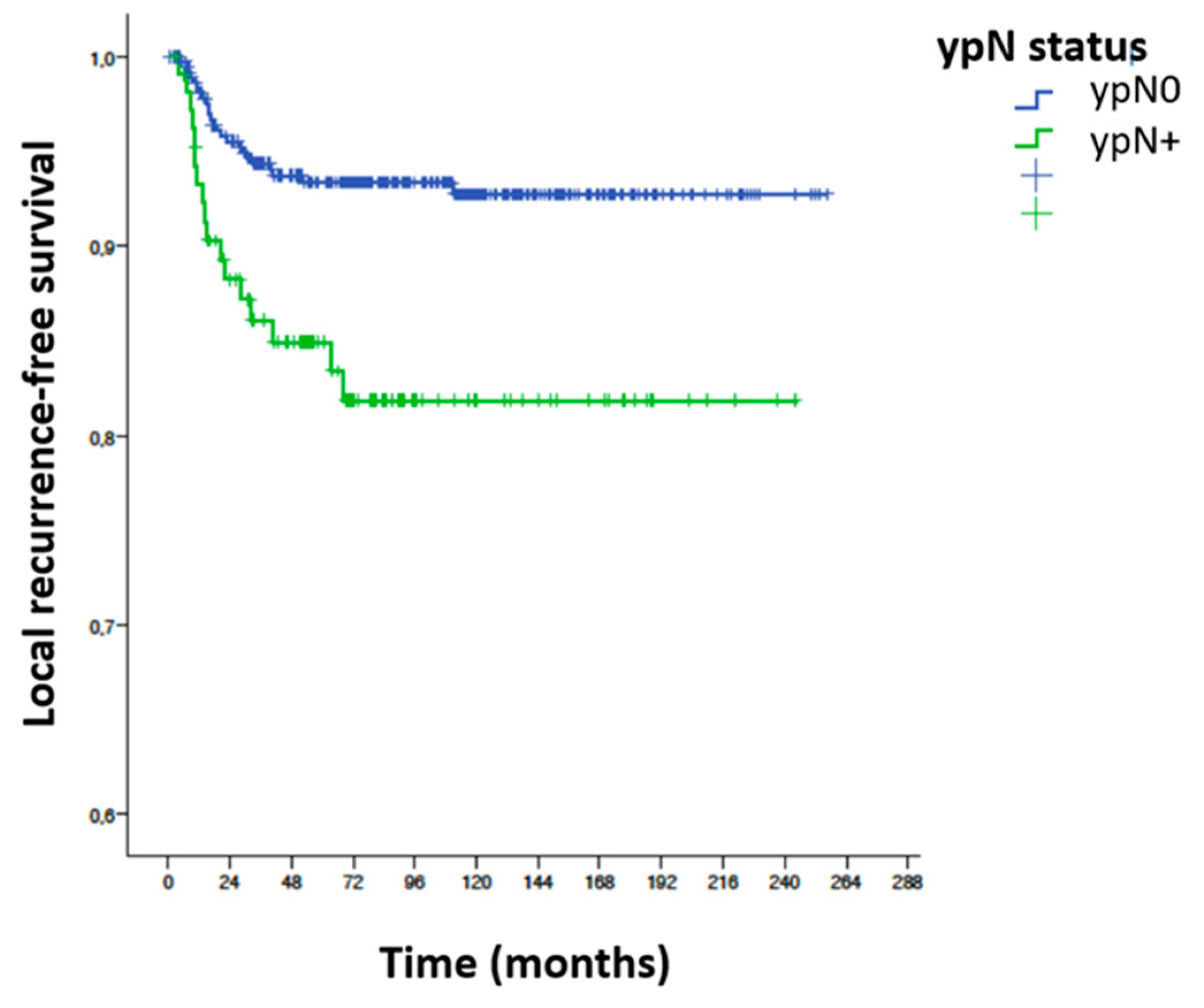
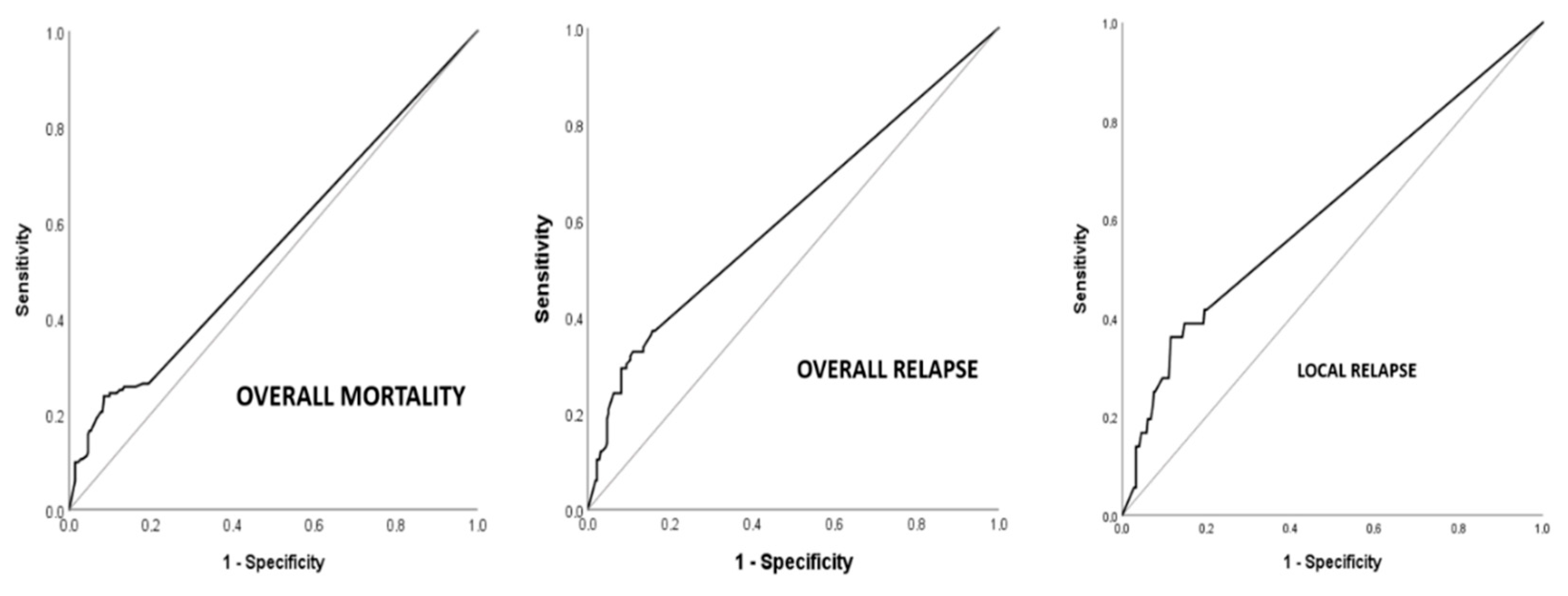
Background: The purpose of this study was to evaluate the long-term oncological progression pattern of locally advanced rectal cancer patients with post-neoadjuvant nodal metastatic disease (ypN+) and correlate potential prognostic features associated with proven radiochemoresistant nodal biology. Methods: Individual patient data (100 variables) from a 20-year consecutive single-institution multidisciplinary experience (1995–2015), delivering multimodal therapy to rectal cancer patient candidates for radical treatment, including a neoadjuvant component and surgical resection with or without intraoperative radiotherapy followed by optional adjuvant chemotherapy. The ypN+ disease data was registered in the context of initial staging categories post-neoadjuvant T status (ypT). Results: Data on 487 patients showed histologically confirmed diagnoses of metastatic nodal disease in 108 specimens (ypN+, 22.1). There was a significant age difference (p = 0.009) between the ypN groups: age ≥ 65 was 57.6% in pN0 and 43.5% in ypN+ and patients aged < 65 constituted 42.4% of pN0 and 56.5% of ypN+. According to the clinical stage there were statistically significant differences (p = 0.001) in the categories’ distribution: ypN+ patients 10.8% were stage II and 89.2% were stage III. Univariant analysis on outcome variables showed statistically significant differences in overall survival at 7 years (63.8% vs. 55.7%, p = 0.016) disease-free survival (DFS) (78% vs. 53.8%, p = 0.000) and local recurrence-free survival (LRFS) (93.6% vs. 84%, p = 0.002). Conclusions: The presence of nodal metastases (ypN+) after neoadjuvant therapy containing long-course pelvic irradiation severely impacts the long-term outcome for patients with locally advanced rectal cancer and correlates with multiple clinical and therapeutic variable metrics. Implementation of local and systemic therapies should be adapted and intensified in relation to the finding of ypN+ category in surgical specimens.