Intronic Polyadenylation in Acquired Cancer Drug Resistance Circumvented by Utilizing CRISPR/Cas9 with Homology-Directed Repair: The Tale of Human DNA Topoisomerase IIα
by
 ,
,
Terry S. Elton
* ,
,
Victor A. Hernandez
,
Jessika Carvajal-Moreno
,
Xinyi Wang
,
Deborah Ipinmoroti
and
Jack C. Yalowich
* Division of Pharmaceutics and Pharmacology, College of Pharmacy, The Ohio State University, Columbus, OH 43210, USA
*
Authors to whom correspondence should be addressed.
Cancers 2022, 14(13), 3148; https://doi.org/10.3390/cancers14133148
Submission received: 12 May 2022
/
Revised: 23 June 2022
/
Accepted: 24 June 2022
/
Published: 27 June 2022
(This article belongs to the Special Issue Alternative and Aberrant Splicing in Cancer: How Can We Fix It?)
Simple Summary
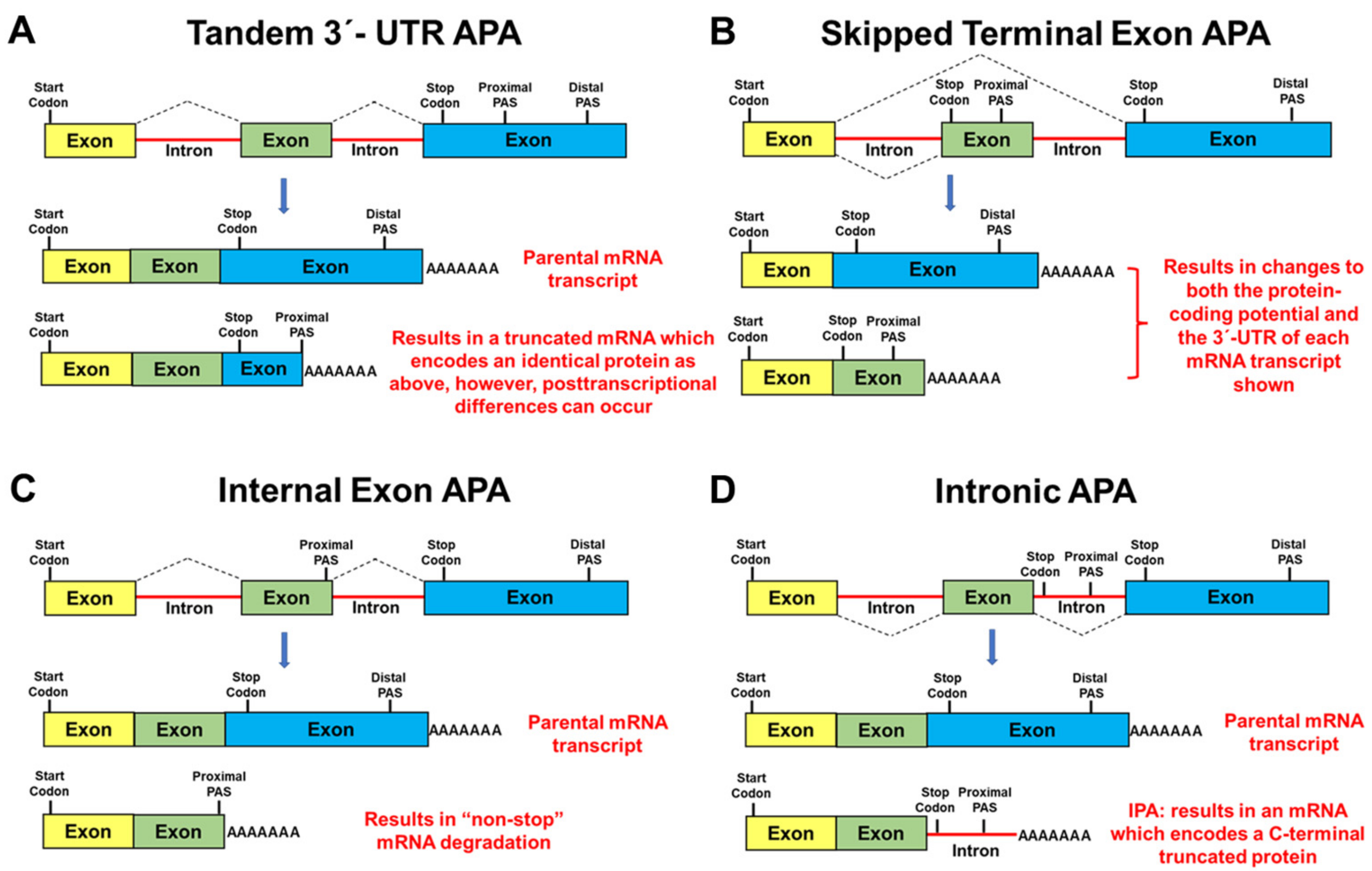
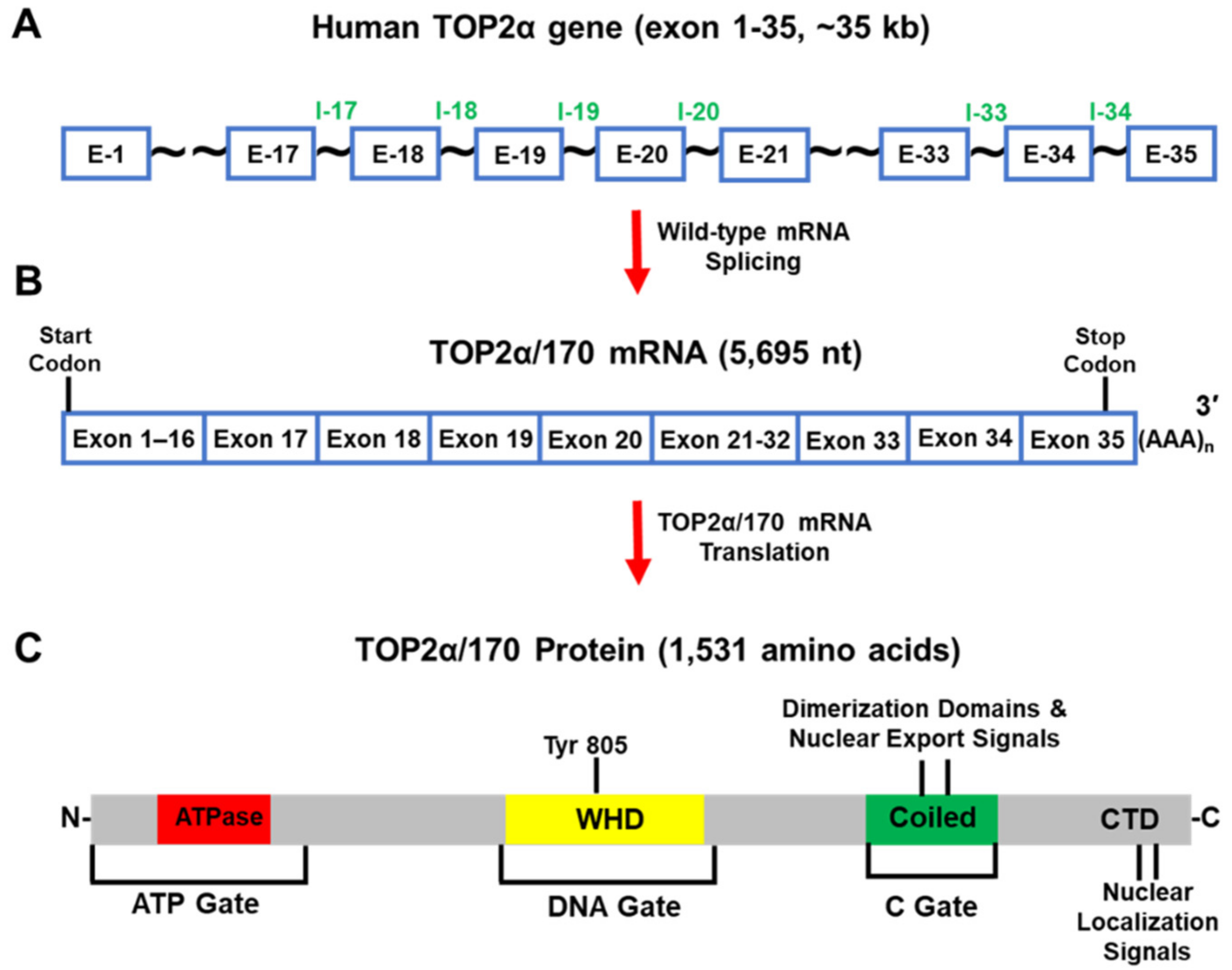
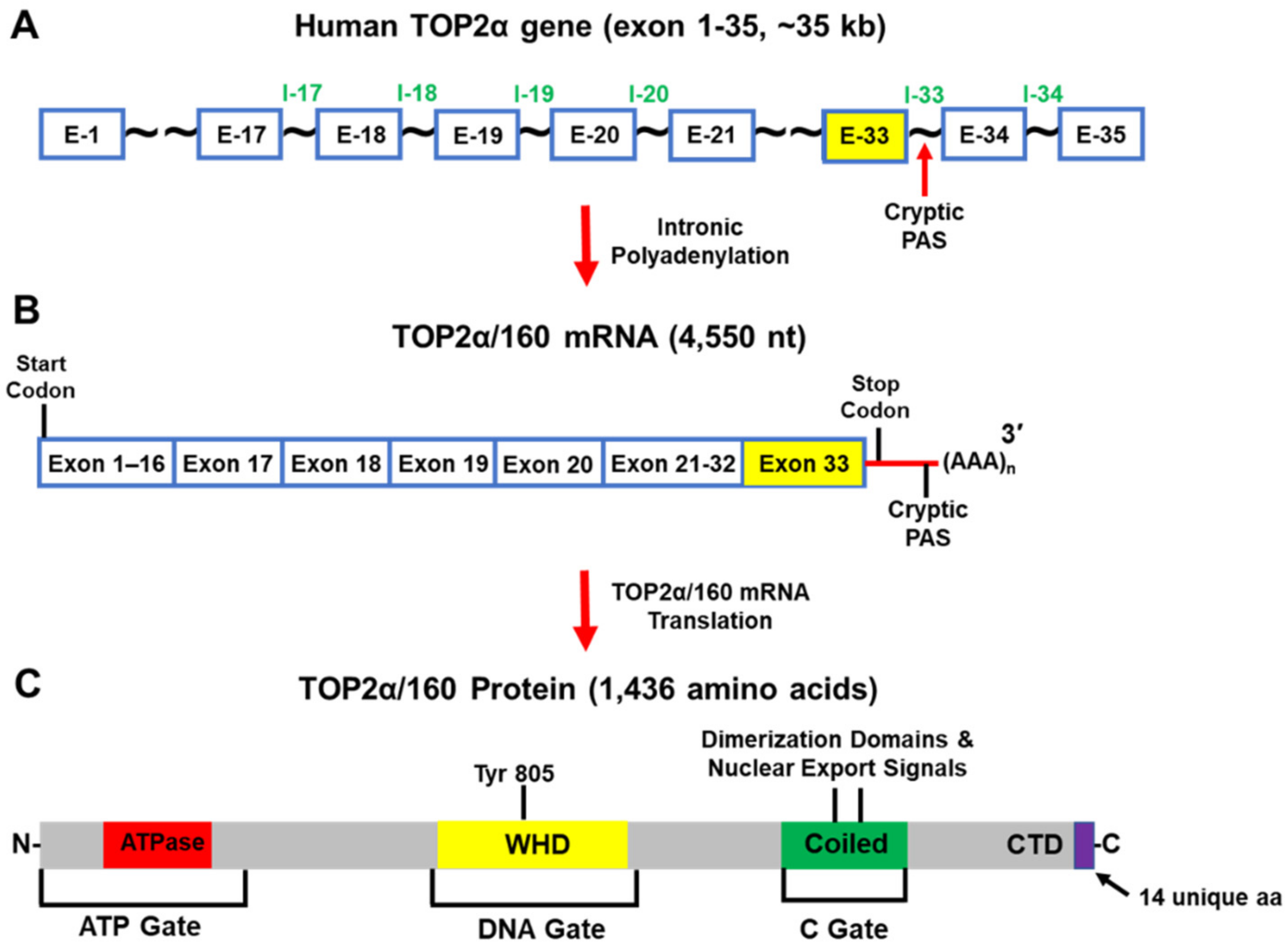
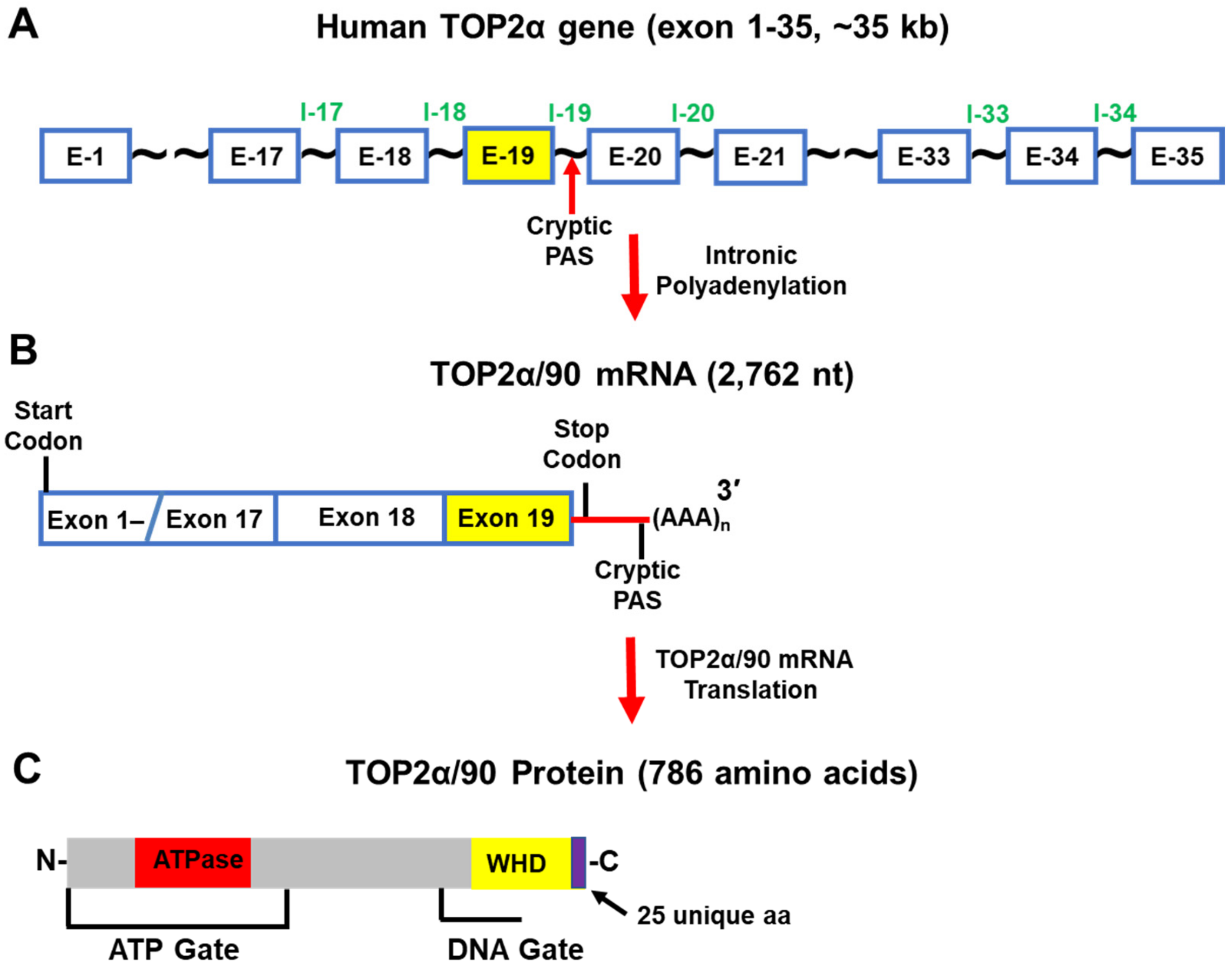
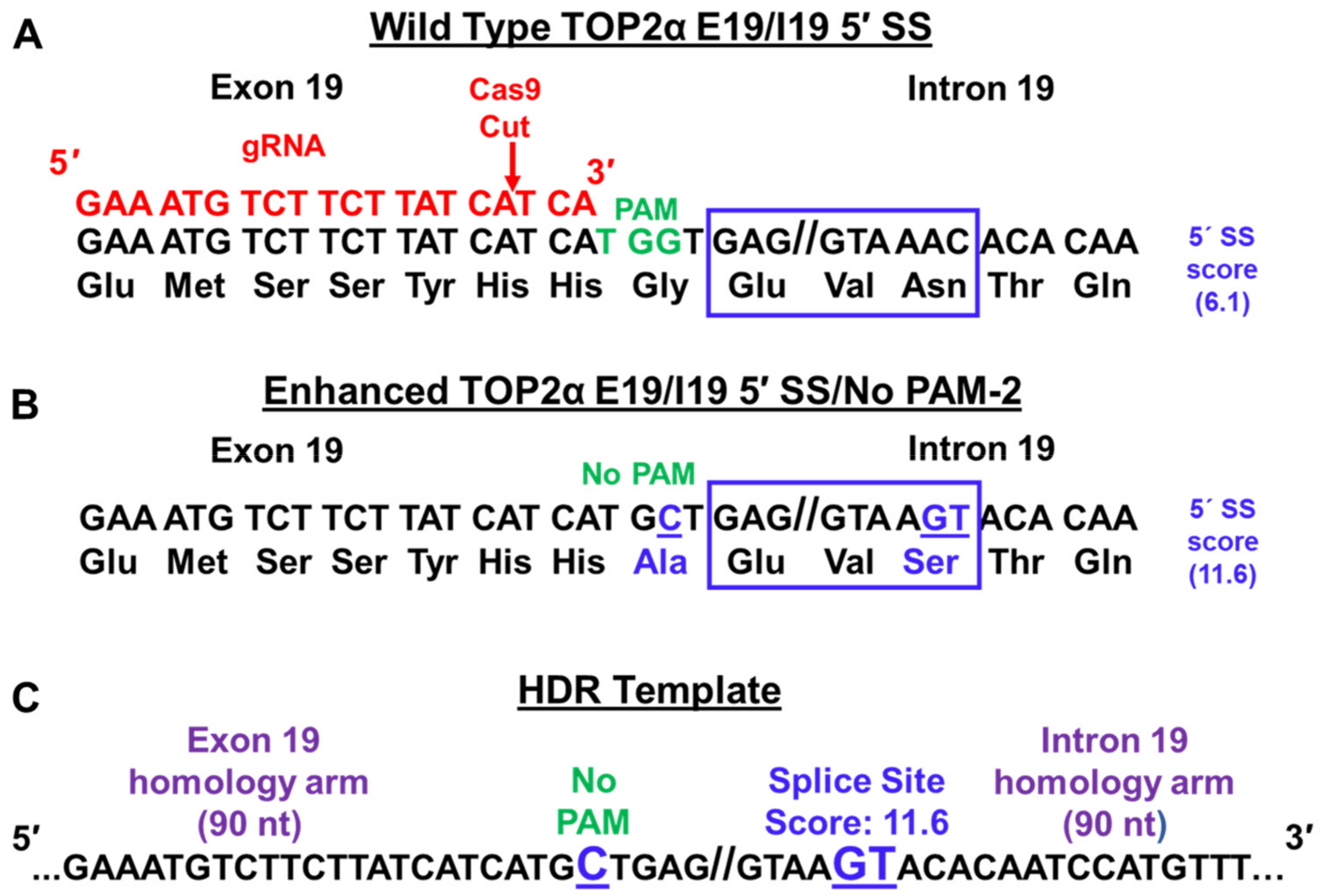
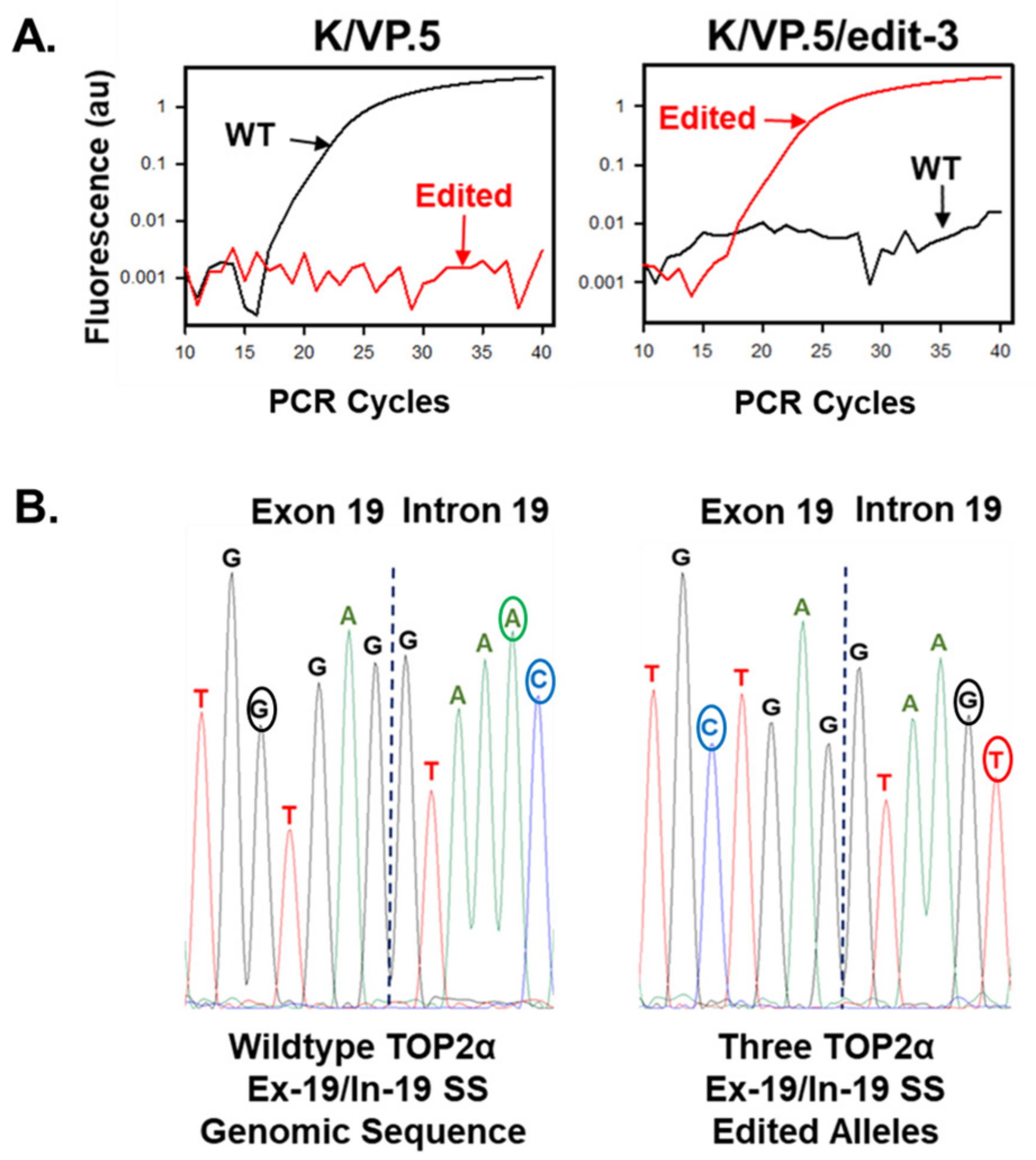
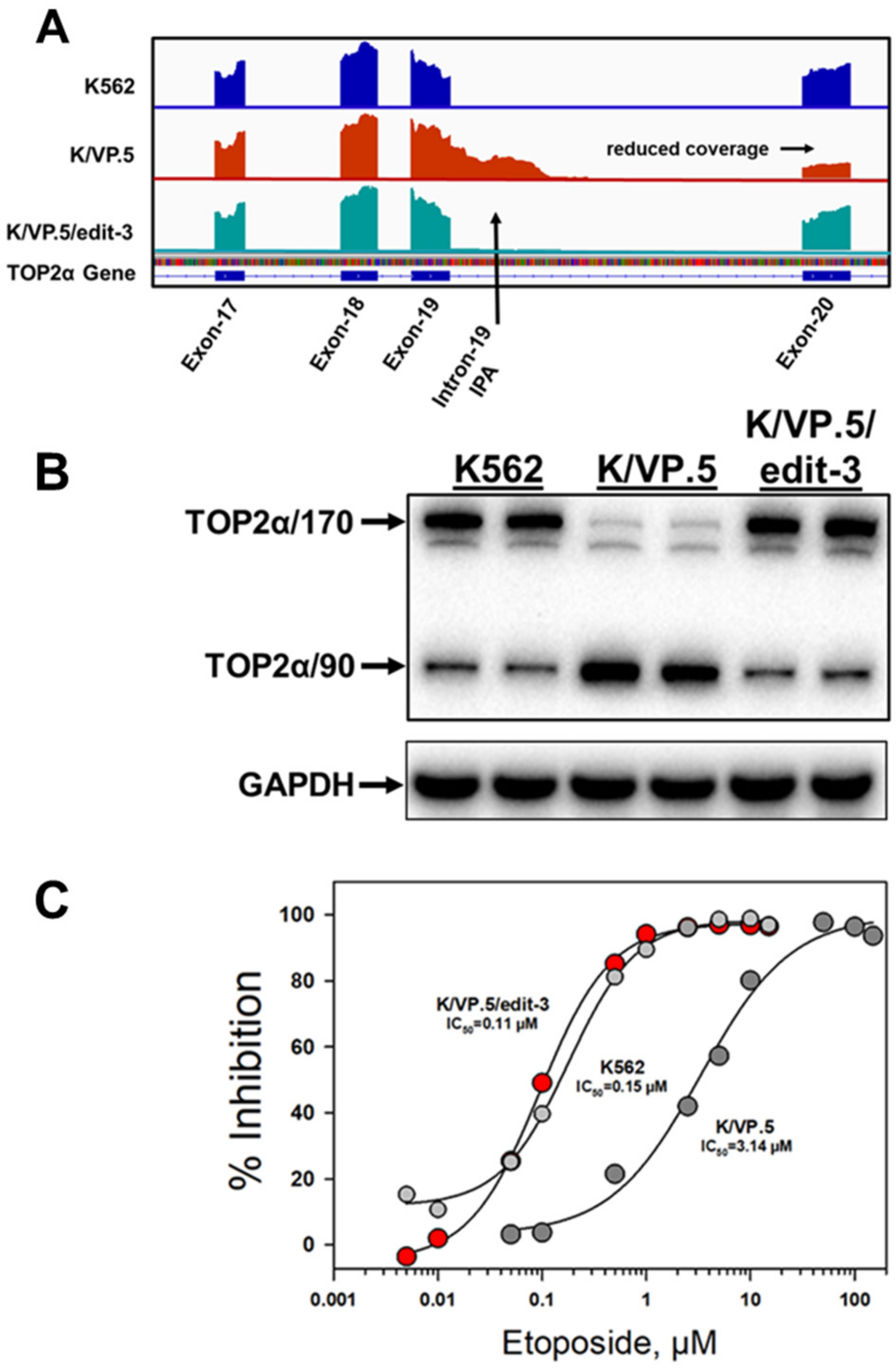
DNA topoisomerase IIα (170 kDa, TOP2α/170) resolves nucleic acid topological entanglements by generating transient double-strand DNA breaks. TOP2α inhibitors/poisons stabilize TOP2α-DNA covalent complexes resulting in persistent DNA damage and are frequently utilized to treat a variety of cancers. Acquired resistance to these chemotherapeutic agents is often associated with decreased TOP2α/170 expression levels. Studies have demonstrated that a reduction in TOP2α/170 results from a type of alternative polyadenylation designated intronic polyadenylation (IPA). As a consequence of IPA, variant TOP2α mRNA transcripts have been characterized that have resulted in the translation of C-terminal truncated TOP2α isoforms with altered biological activities. In this paper, an example is discussed where circumvention of acquired TOP2α-mediated drug resistance was achieved by utilizing CRISPR/Cas9 specific gene editing of an exon/intron boundary through homology directed repair (HDR) to reduce TOP2α IPA. These results illustrate the therapeutic potential of CRISPR/Cas9/HDR to impact drug resistance associated with aberrant IPA.
Abstract
Intronic polyadenylation (IPA) plays a critical role in malignant transformation, development, progression, and cancer chemoresistance by contributing to transcriptome/proteome alterations. DNA topoisomerase IIα (170 kDa, TOP2α/170) is an established clinical target for anticancer agents whose efficacy is compromised by drug resistance often associated with a reduction of nuclear TOP2α/170 levels. In leukemia cell lines with acquired resistance to TOP2α-targeted drugs and reduced TOP2α/170 expression, variant TOP2α mRNA transcripts have been reported due to IPA that resulted in the translation of C-terminal truncated isoforms with altered nuclear-cytoplasmic distribution or heterodimerization with wild-type TOP2α/170. This review provides an overview of the various mechanisms regulating pre-mRNA processing and alternative polyadenylation, as well as the utilization of CRISPR/Cas9 specific gene editing through homology directed repair (HDR) to decrease IPA when splice sites are intrinsically weak or potentially mutated. The specific case of TOP2α exon 19/intron 19 splice site editing is discussed in etoposide-resistant human leukemia K562 cells as a tractable strategy to circumvent acquired TOP2α-mediated drug resistance. This example supports the importance of aberrant IPA in acquired drug resistance to TOP2α-targeted drugs. In addition, these results demonstrate the therapeutic potential of CRISPR/Cas9/HDR to impact drug resistance associated with aberrant splicing/polyadenylation.