Changing the Treatment Paradigm for Hepatocellular Carcinoma Using Atezolizumab plus Bevacizumab Combination Therapy


Department of Gastroenterology and Hepatology, Faculty of Medicine, Kindai University, Osaka 589-8511, Japan
Cancers 2021, 13(21), 5475; https://doi.org/10.3390/cancers13215475
Submission received: 1 October 2021
/
Revised: 15 October 2021
/
Accepted: 19 October 2021
/
Published: 30 October 2021
(This article belongs to the Special Issue Advances in Cancer Immunotherapy)
Simple Summary
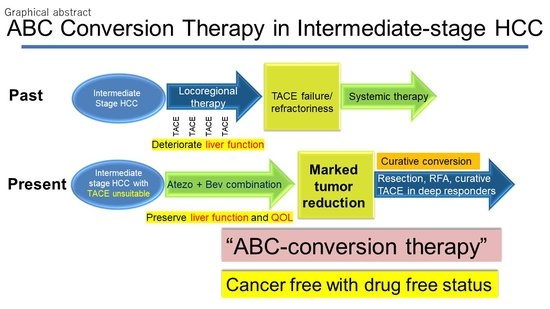
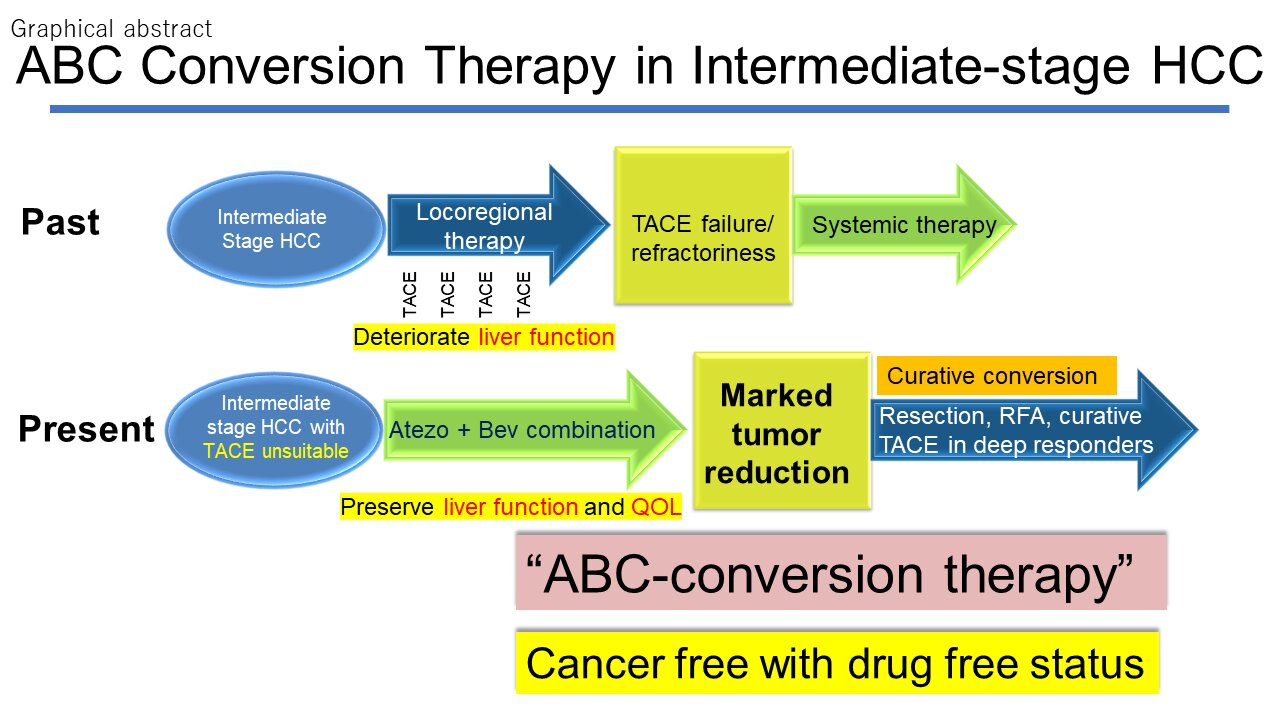
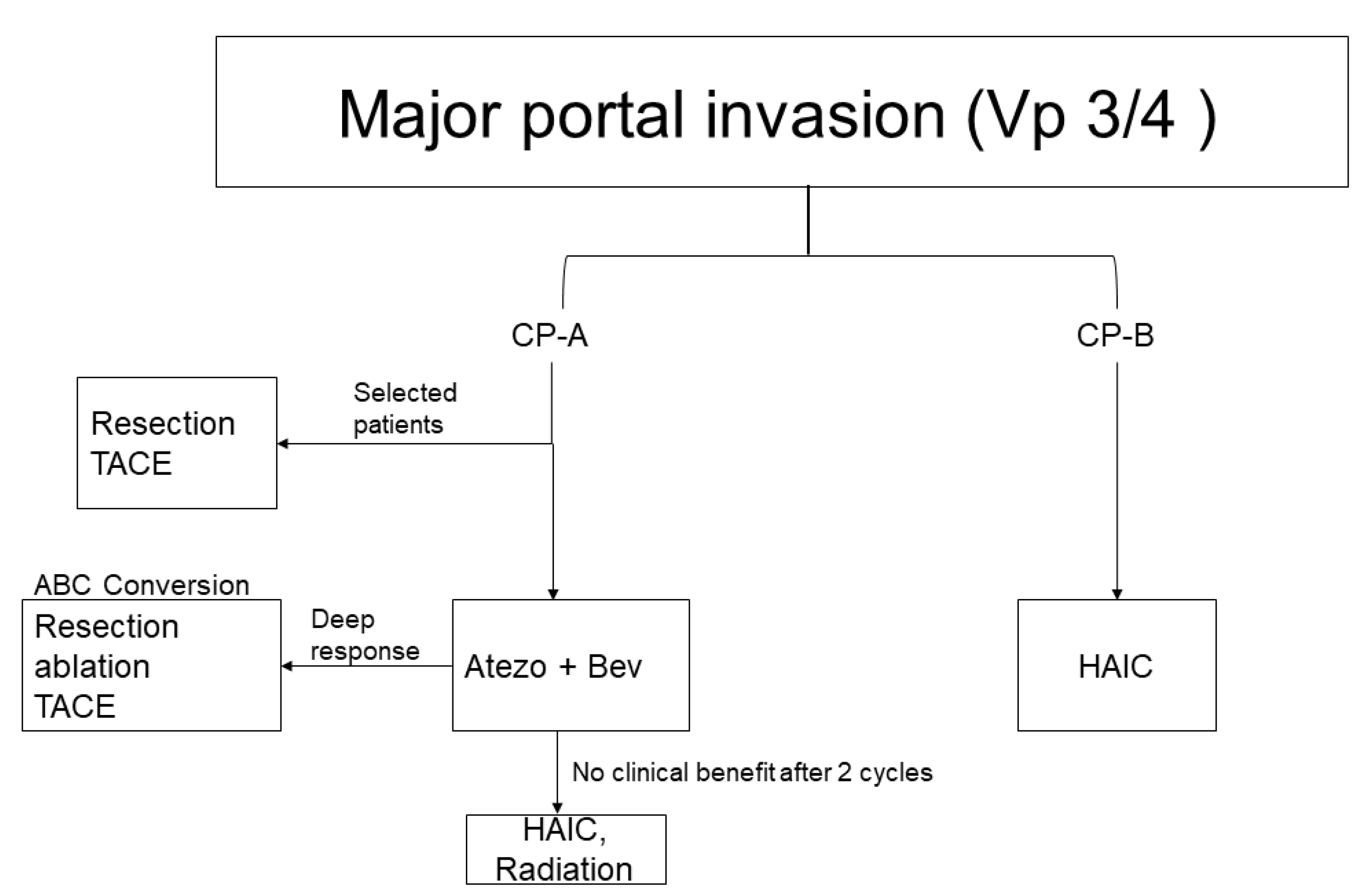
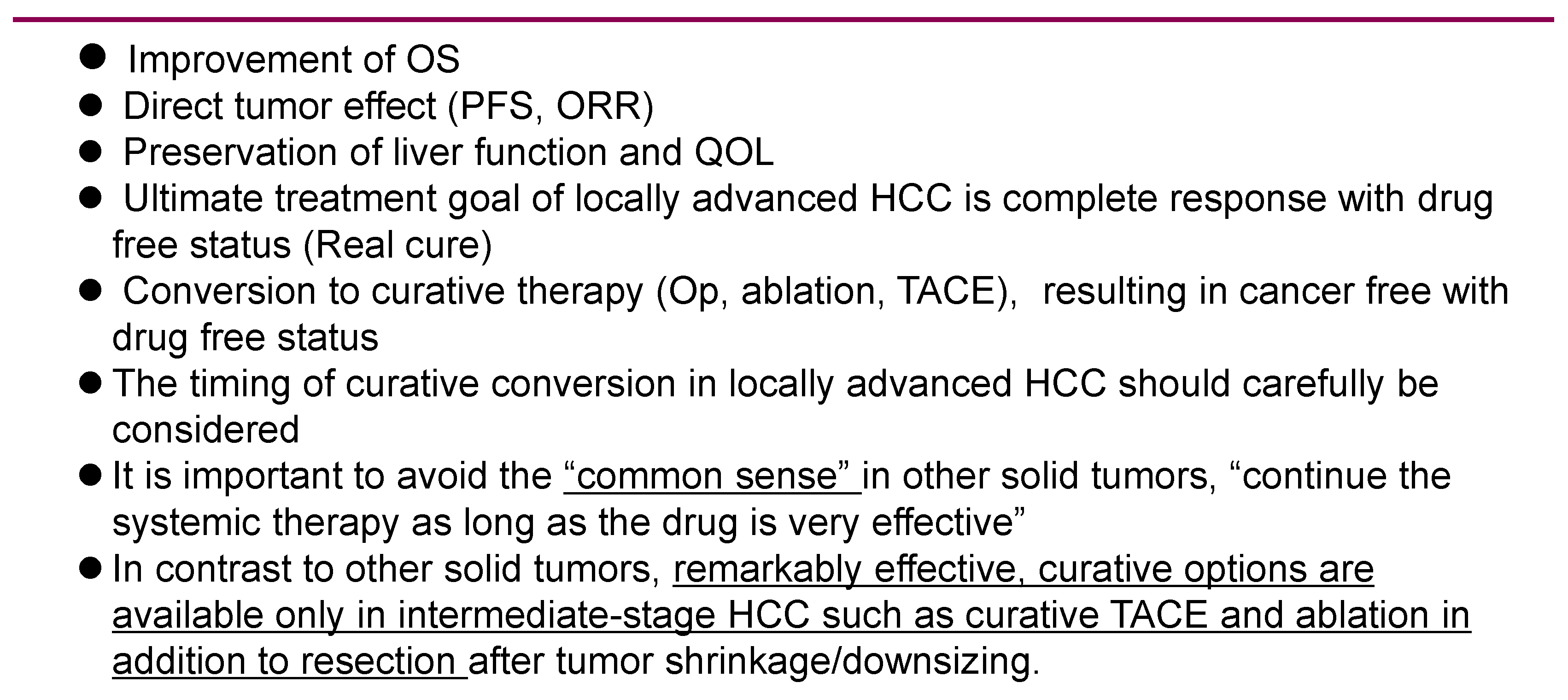
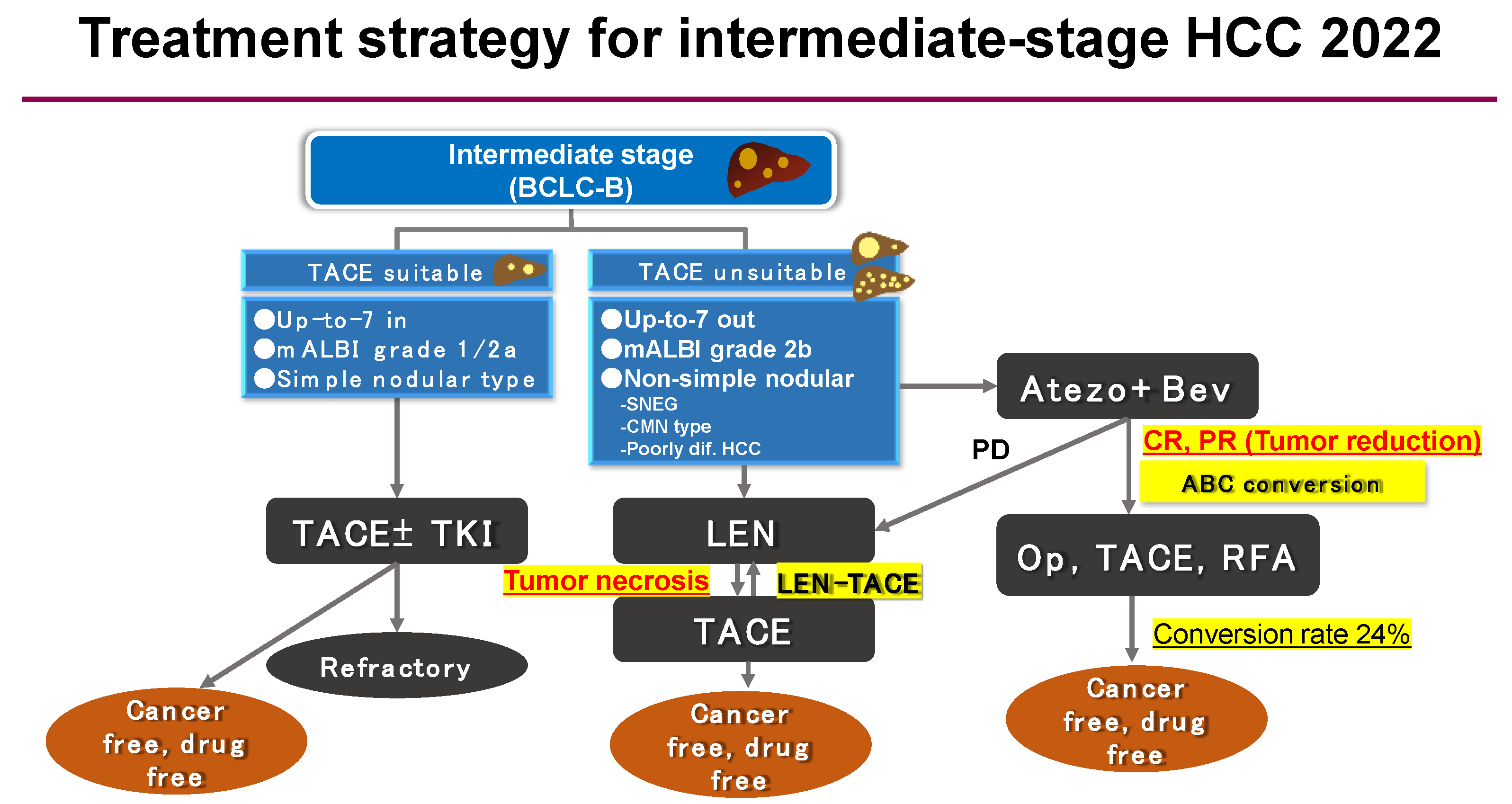
A phase 3 IMbrave150 trial showed that atezolizumab plus bevacizumab combination therapy had an improved survival benefit over sorafenib. An excellent direct anti-cancer effect, including progression-free survival and objective response rate, was also observed with this combination therapy. It also showed very favorable effects in patients who had poor prognoses, with main portal vein invasion, tumor occupancy ≥50%, or biliary tract invasion. The liver function was determined through the albumin–bilirubin score, which was well-maintained throughout the treatment period. Patients reported excellent outcomes in terms of quality of life. With these favorable features, the treatment paradigm for hepatocellular carcinoma was drastically changed by atezolizumab plus bevacizumab combination therapy. This was especially observed in intermediate-stage hepatocellular carcinoma, where cancer-free and drug-free status was achieved through the switch to a curative therapy such as resection, ablation, or curative transarterial chemoembolization. This review covers these important issues in this paradigm shift, in addition to recently raised and debated issues, such as its response to tumors with WNT/β-catenin mutations and non-alcoholic steatohepatitis-related hepatocellular carcinoma.
Abstract
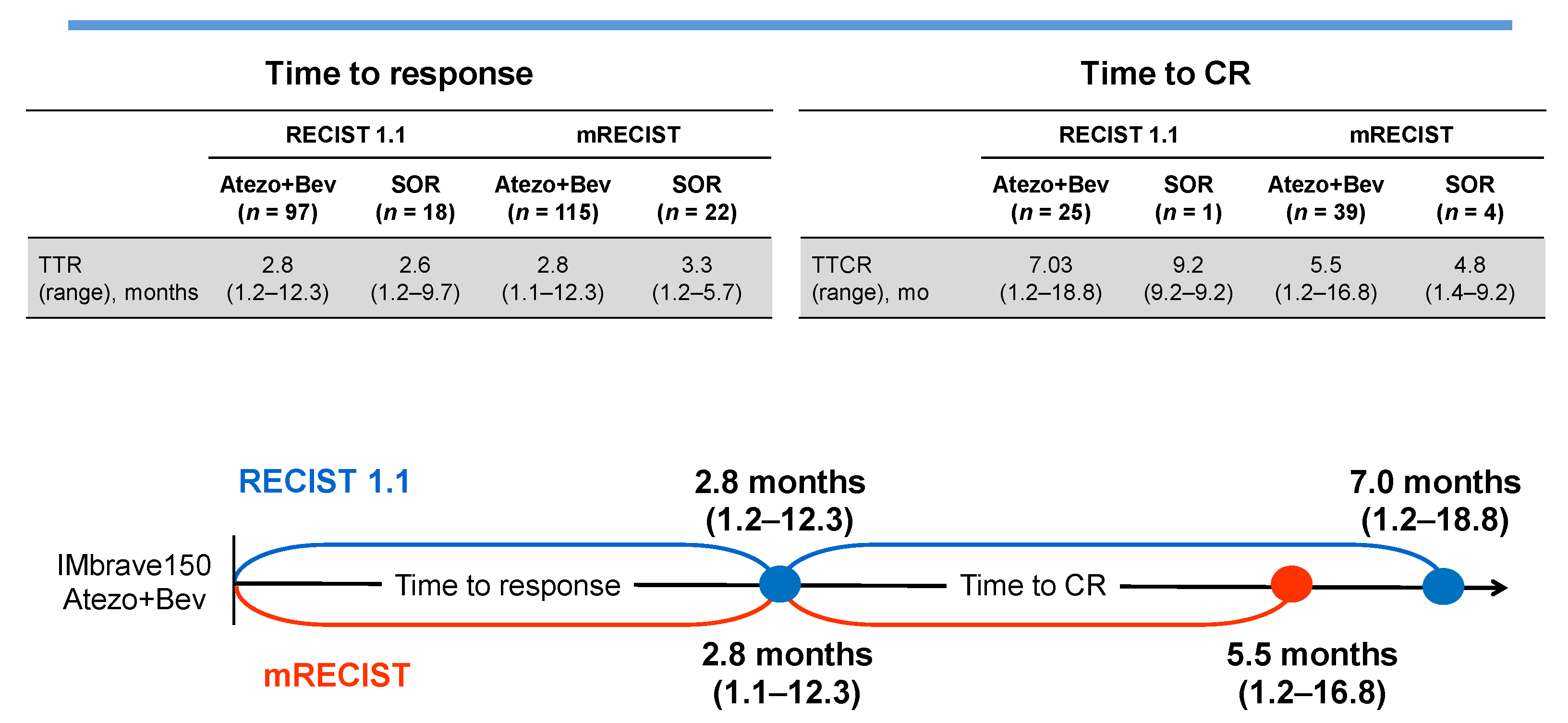
Atezolizumab plus bevacizumab combination therapy was approved worldwide for use in 2020. A 30% objective response rate with 8% complete response (CR) was achieved in a phase 3 IMbrave150 trial. Here, the change in the treatment strategy for hepatocellular carcinoma (HCC) using atezolizumab plus bevacizumab combination therapy is reviewed. The phase 3 IMbrave150 clinical trial was successful because of the direct antitumor effect of bevacizumab, which shifted the suppressive immune microenvironment to a responsive immune microenvironment, in addition to its synergistic effects when combined with atezolizumab. The analysis of CR cases was effective in patients with poor conditions, particularly tumor invasion in the main portal trunk (Vp4), making the combination therapy a breakthrough for HCC treatment. The response rate of the combination therapy was 44% against intermediate-stage HCC. Such a strong tumor-reduction effect paves the way for curative conversion (ABC conversion) therapy and, therefore, treatment strategies for intermediate-stage HCC may undergo a significant shift in the future. As these treatment strategies are effective in maintaining liver function, even in elderly patients, the transition frequency to second-line treatments could also be improved. These strategies may be effective against nonalcoholic steatohepatitis-related hepatocellular carcinoma and WNT/β-catenin mutations to a certain degree.