Gram-Negative Bacterial Lipopolysaccharide Promotes Tumor Cell Proliferation in Breast Implant-Associated Anaplastic Large-Cell Lymphoma
by
 , , , , , ,
Maria Mempin
1 ,
,
Honghua Hu
1,* ,
,
Karen Vickery
1 ,
,
Marshall E. Kadin
2,
H. Miles Prince
3,4 ,
,
Nicola Kouttab
5,
John W. Morgan
5,
William P. Adams, Jr.
6 and
Anand K. Deva
1,7,* 1
Surgical Infection Research Group, Faculty of Medicine, Health and Human Sciences, Macquarie University, Sydney, NSW 2109, Australia
2
Warren Alpert School of Medicine, Brown University, Providence, RI 02903, USA
3
Epworth Healthcare, Peter MacCallum Cancer Center, Melbourne, VIC 3000, Australia
4
Department of Oncology, University of Melbourne, Melbourne, VIC 3001, Australia
5
Roger Williams Medical Center, Providence, RI 02908, USA
6
Department of Plastic Surgery, University of Texas Southwestern, Dallas, TX 75205, USA
7
Integrated Specialist Healthcare Education and Research Foundation, Sydney, NSW 2228, Australia
*
Authors to whom correspondence should be addressed.
Cancers 2021, 13(21), 5298; https://doi.org/10.3390/cancers13215298
Submission received: 3 September 2021
/
Revised: 2 October 2021
/
Accepted: 11 October 2021
/
Published: 22 October 2021
(This article belongs to the Special Issue Molecular Pathogenesis and Management of Anaplastic Large Cell Lymphoma)
Simple Summary
The development of a rare cancer of the immune system (lymphoma) associated with breast implants has been increasingly reported around the world. It has been hypothesized that the cancer is triggered by inflammation from bacteria residing within the textured surface of these implants, transforming the lymphocytes of some genetically prone patients over many years. This study shows that bacteria rather than the implant itself can trigger activation and multiplication of these cancer cells in the laboratory, lending support that bacteria and their products play an important role in causation. The unique response of these cancer cells to bacterial antigen was dampened significantly in the presence of a Toll-like receptor 4 inhibitor peptide. This finding has significance for both cancer prevention and treatment.
Abstract
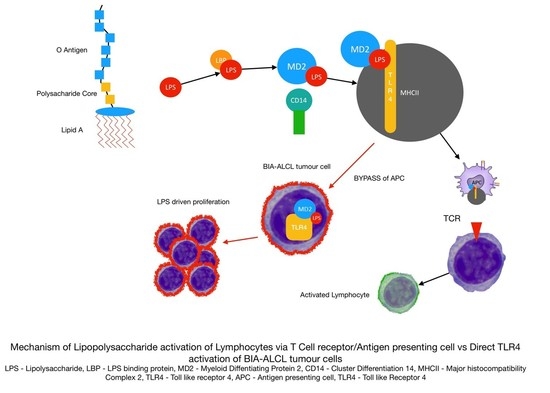
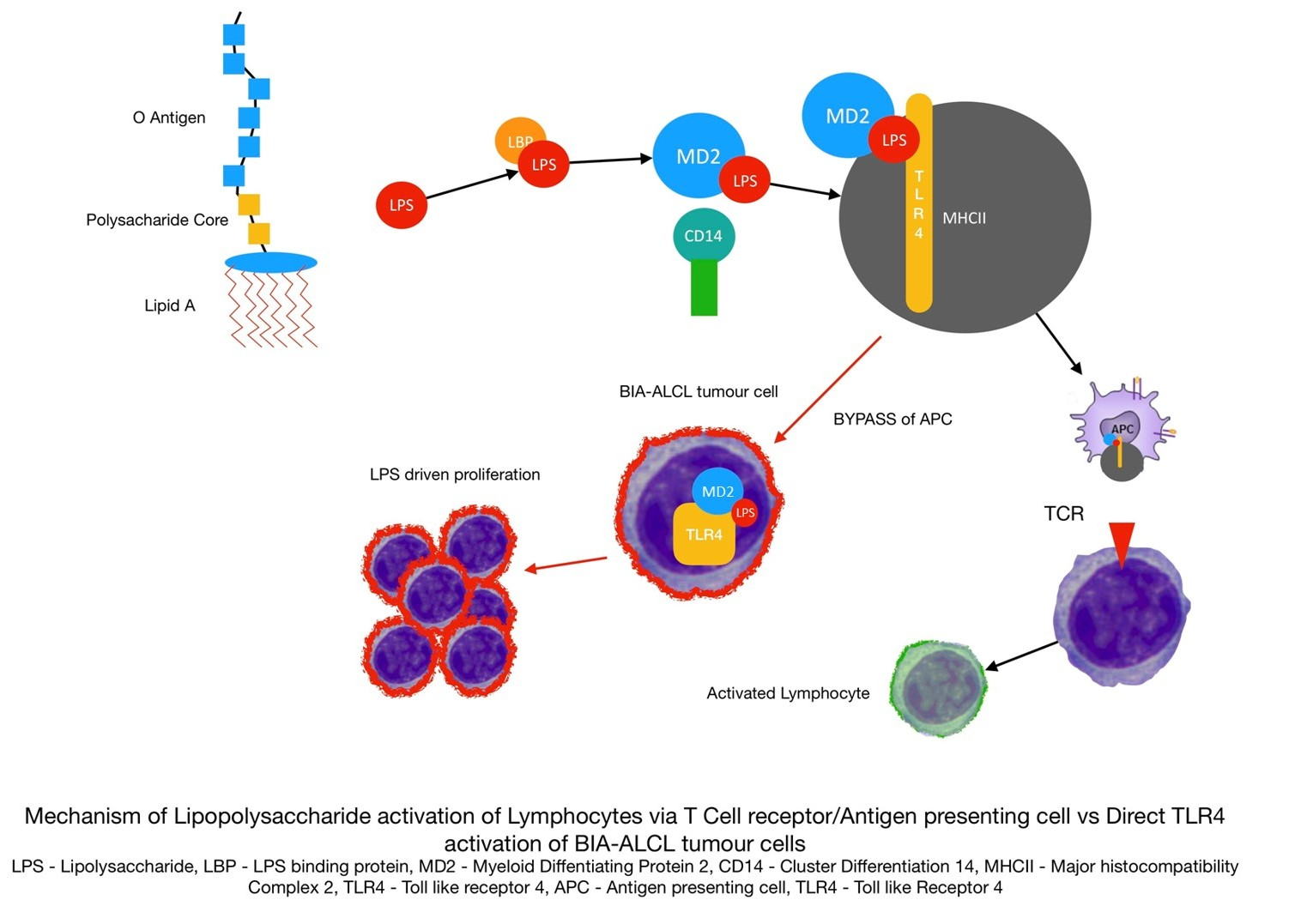
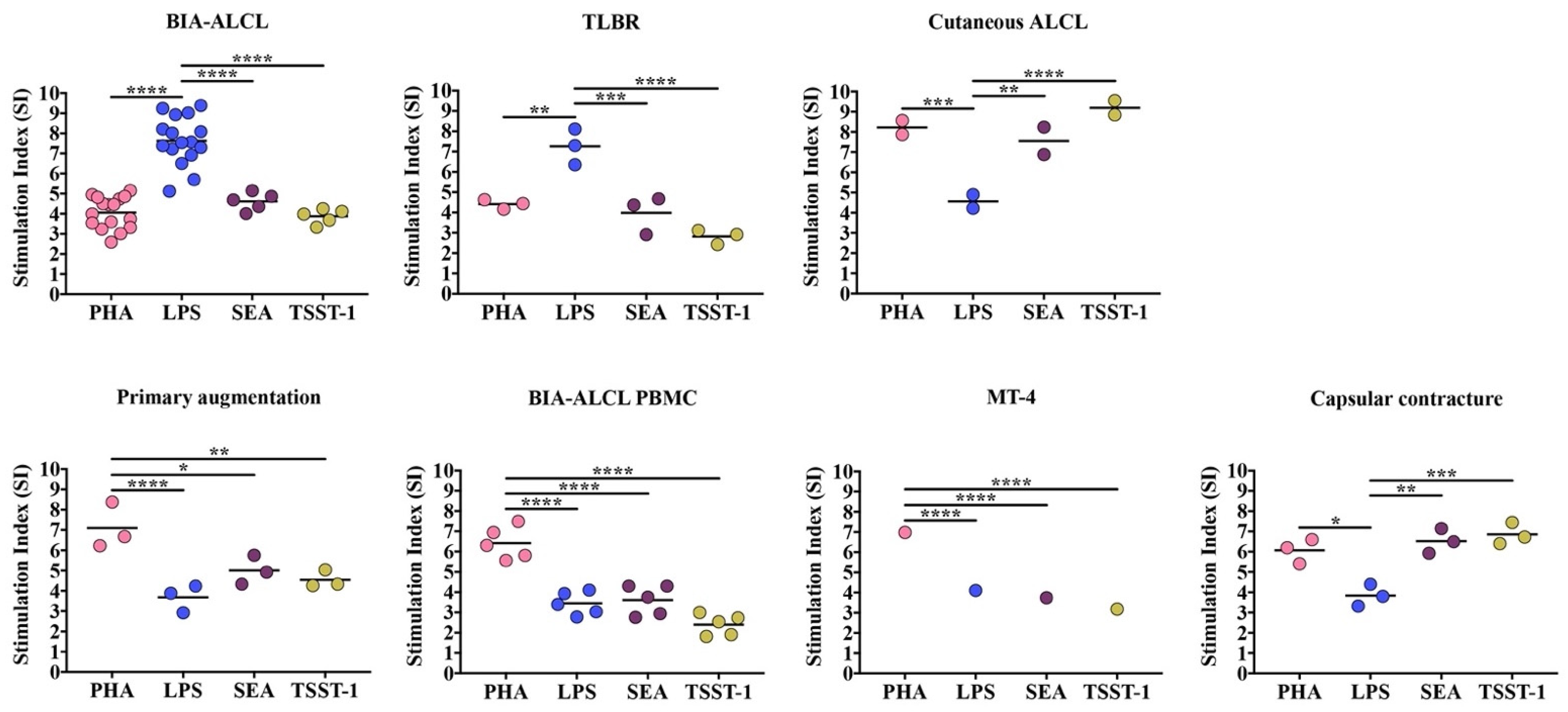
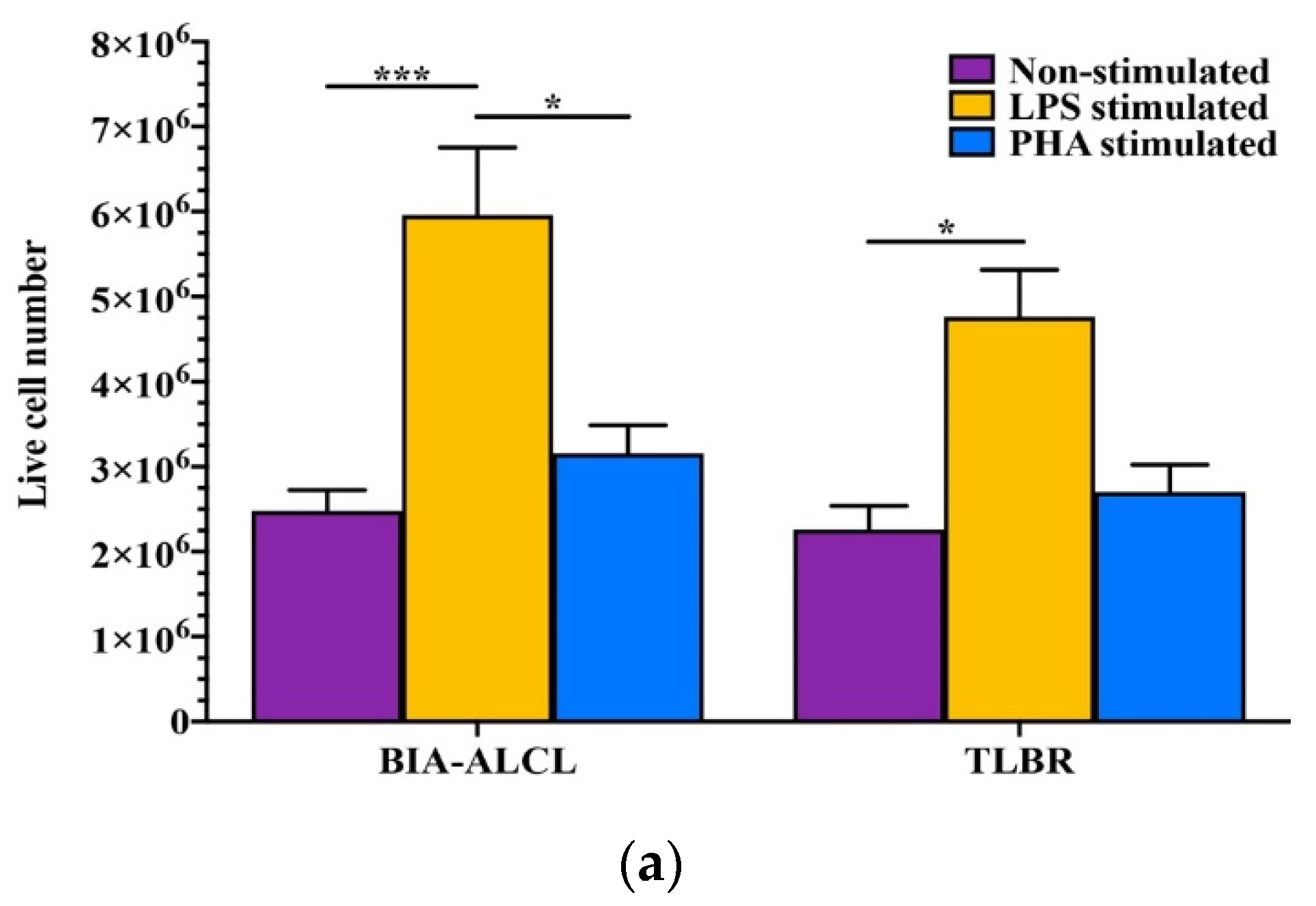
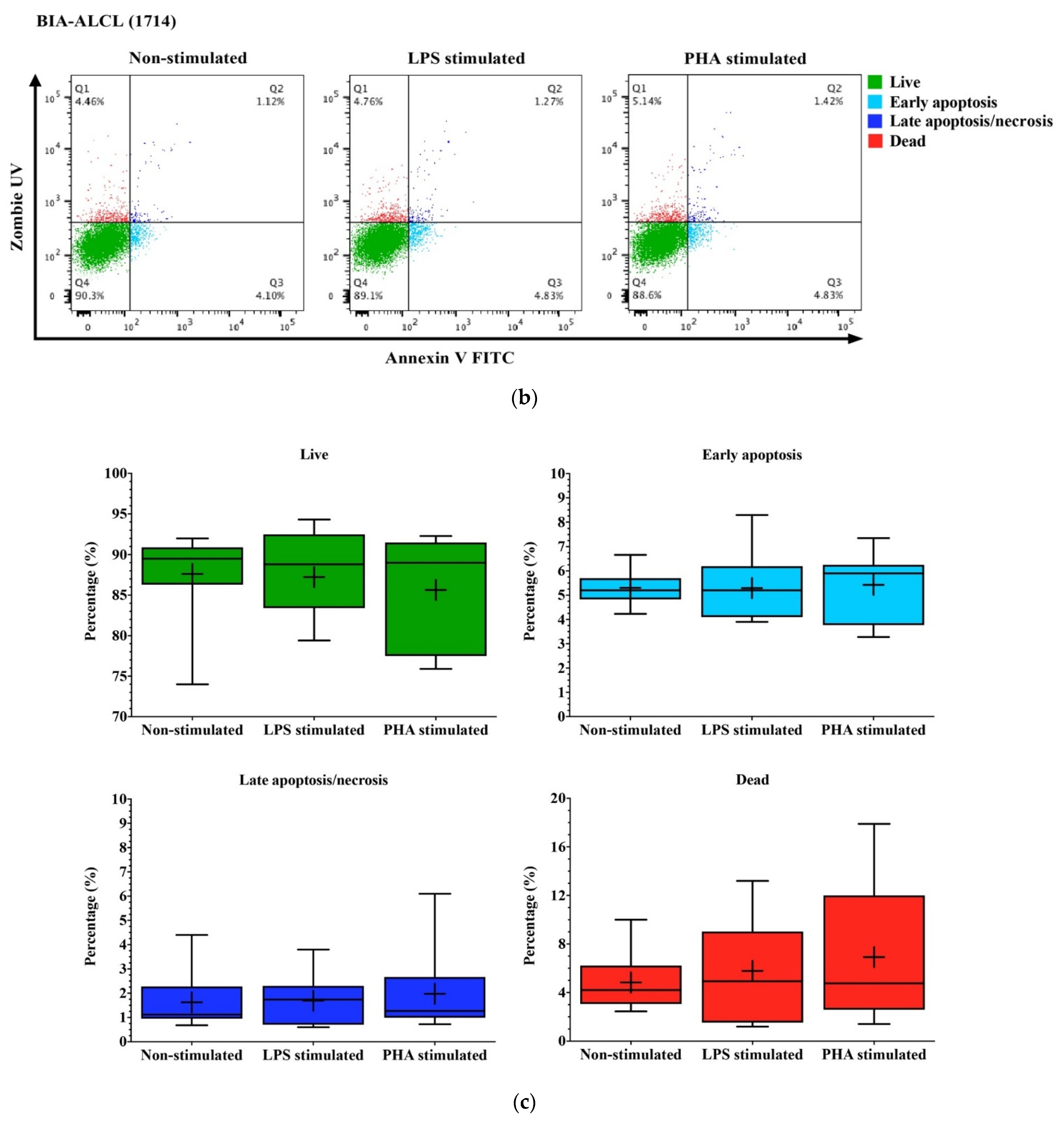
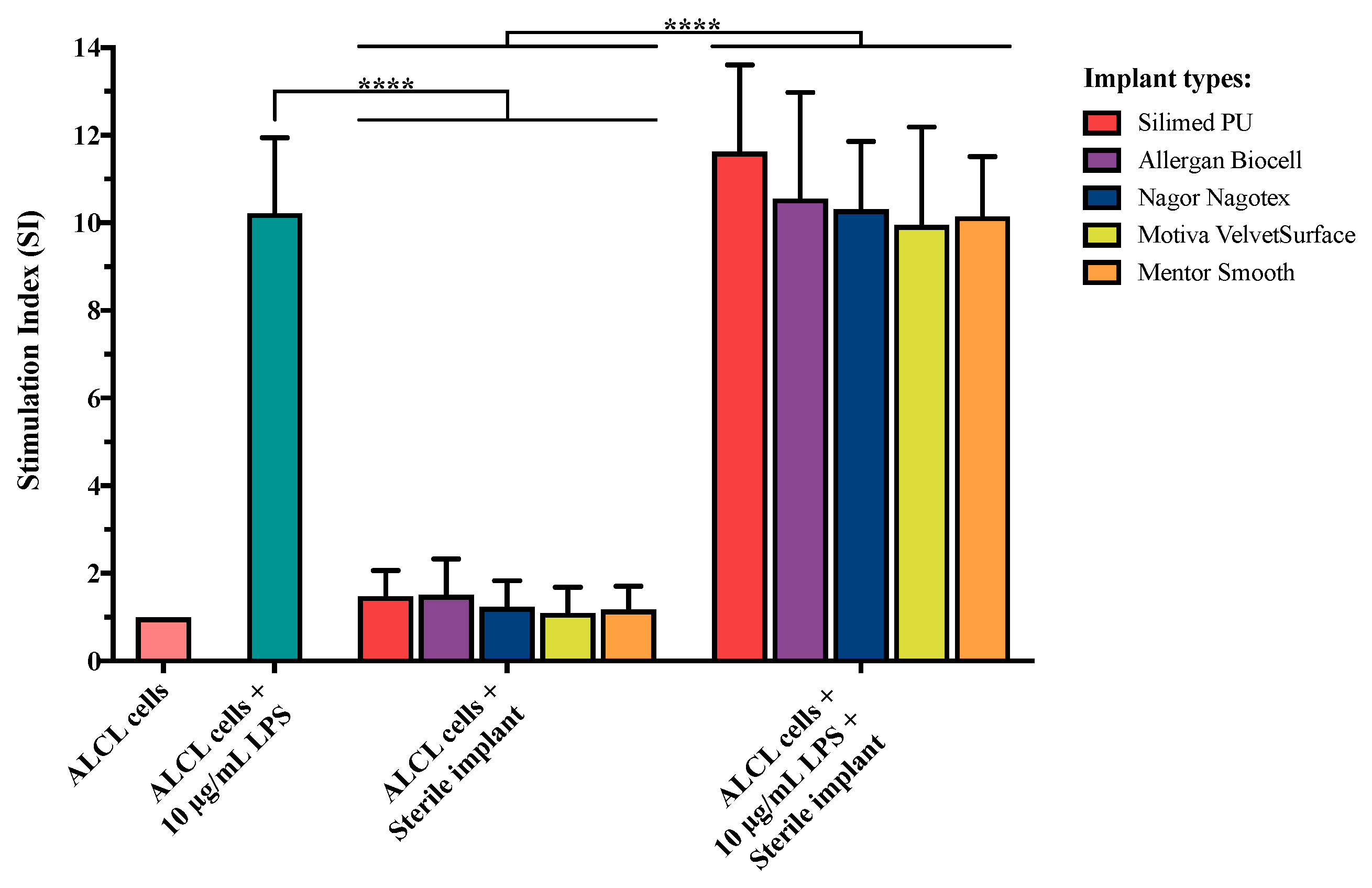
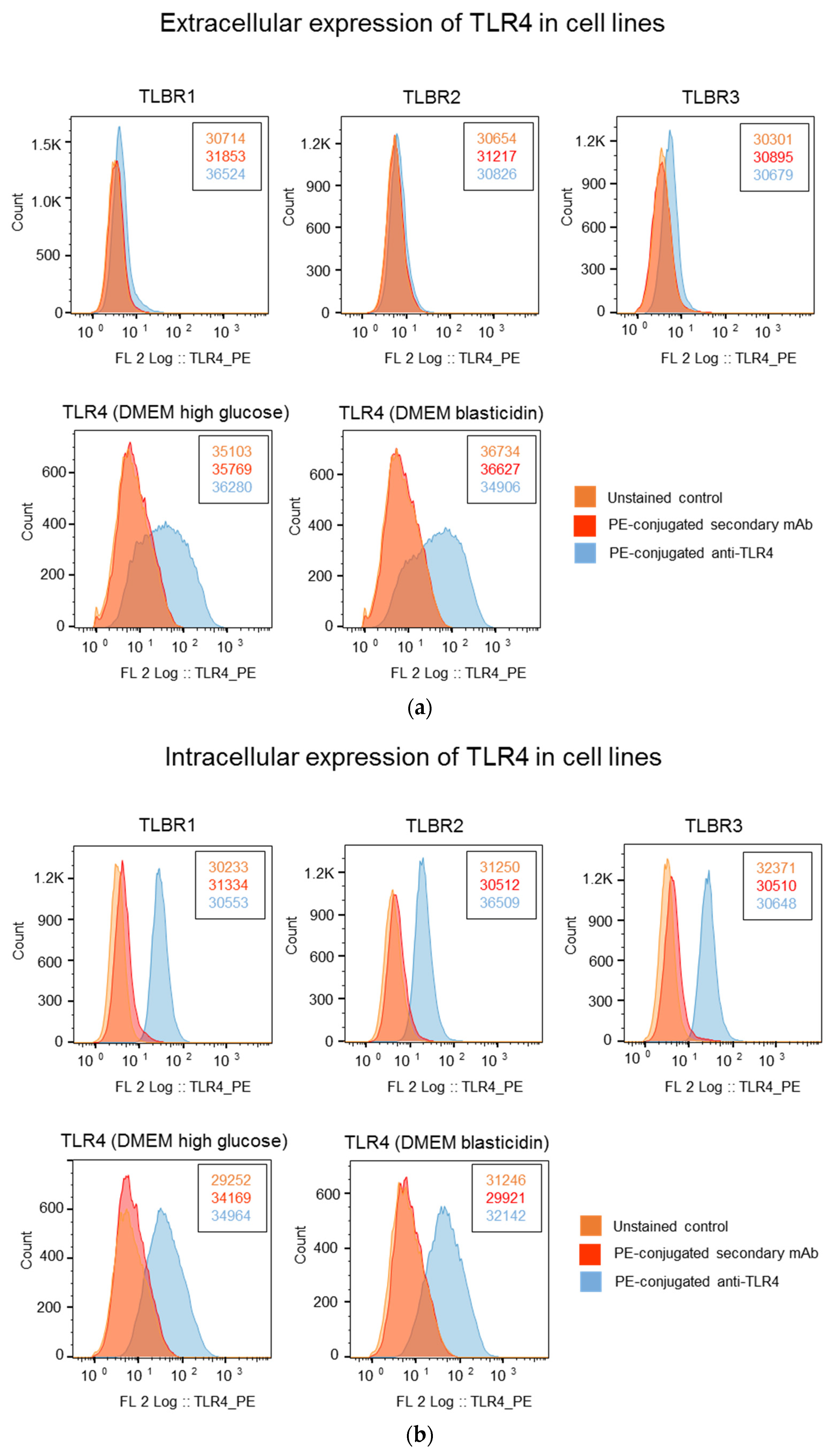
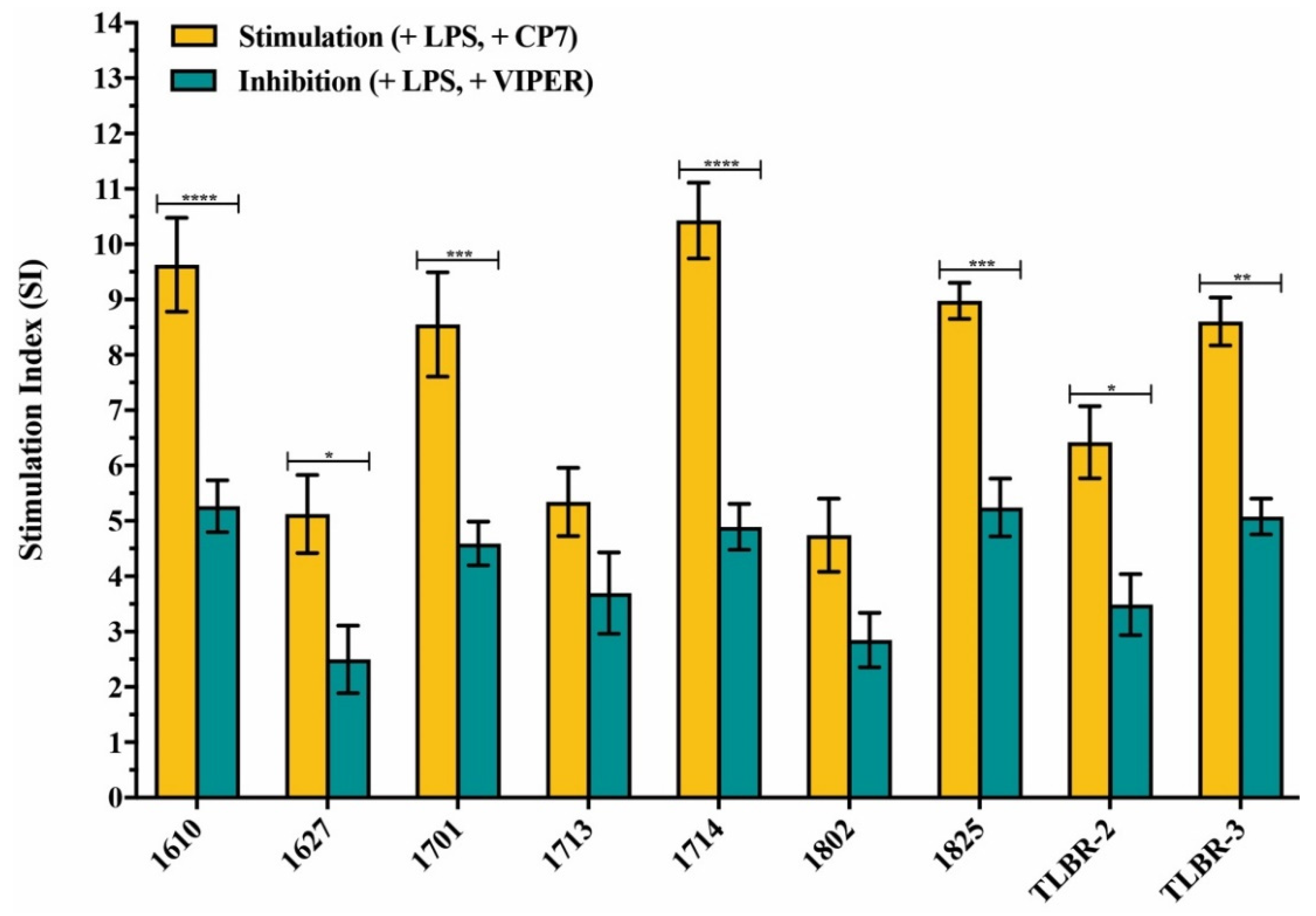
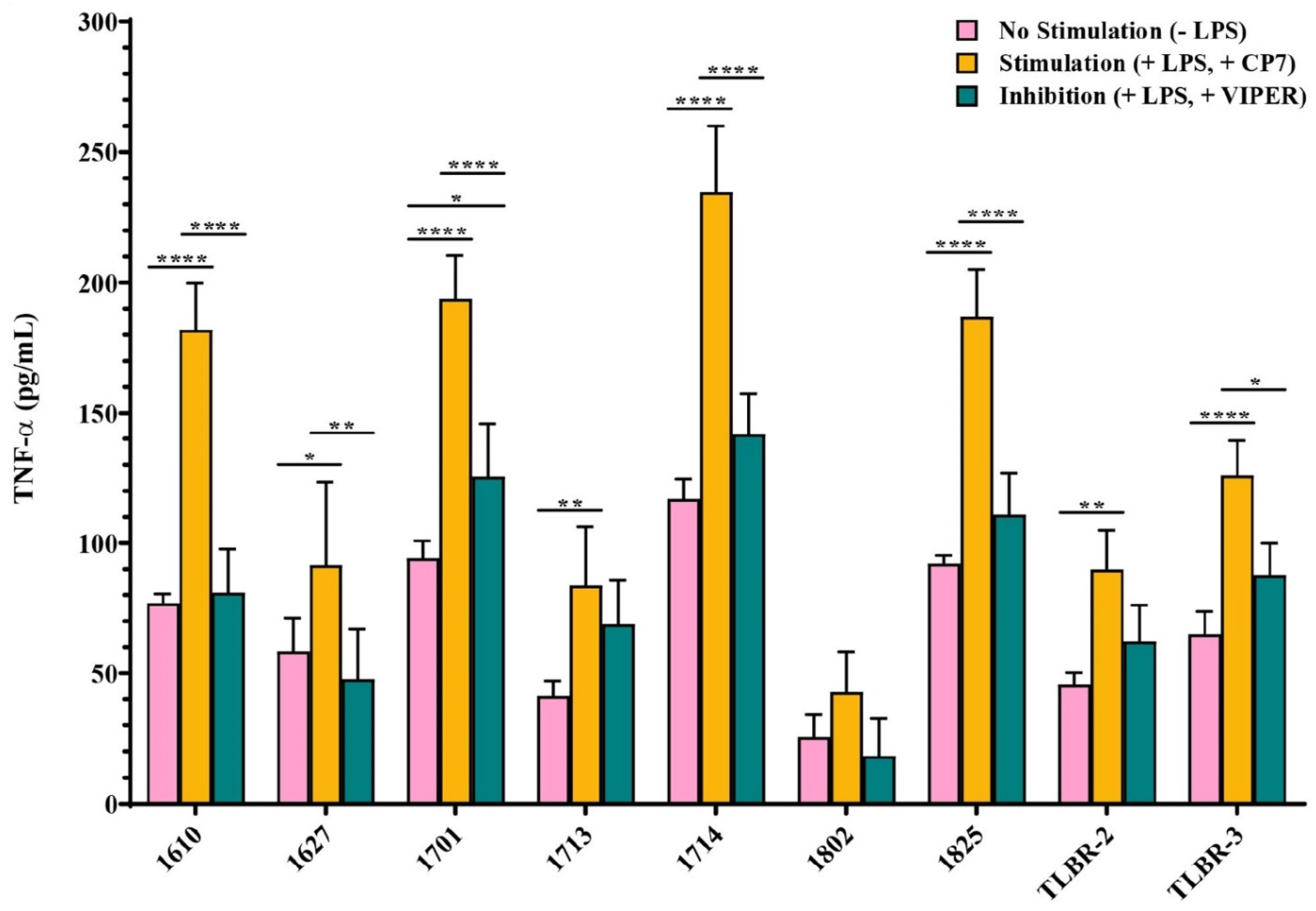
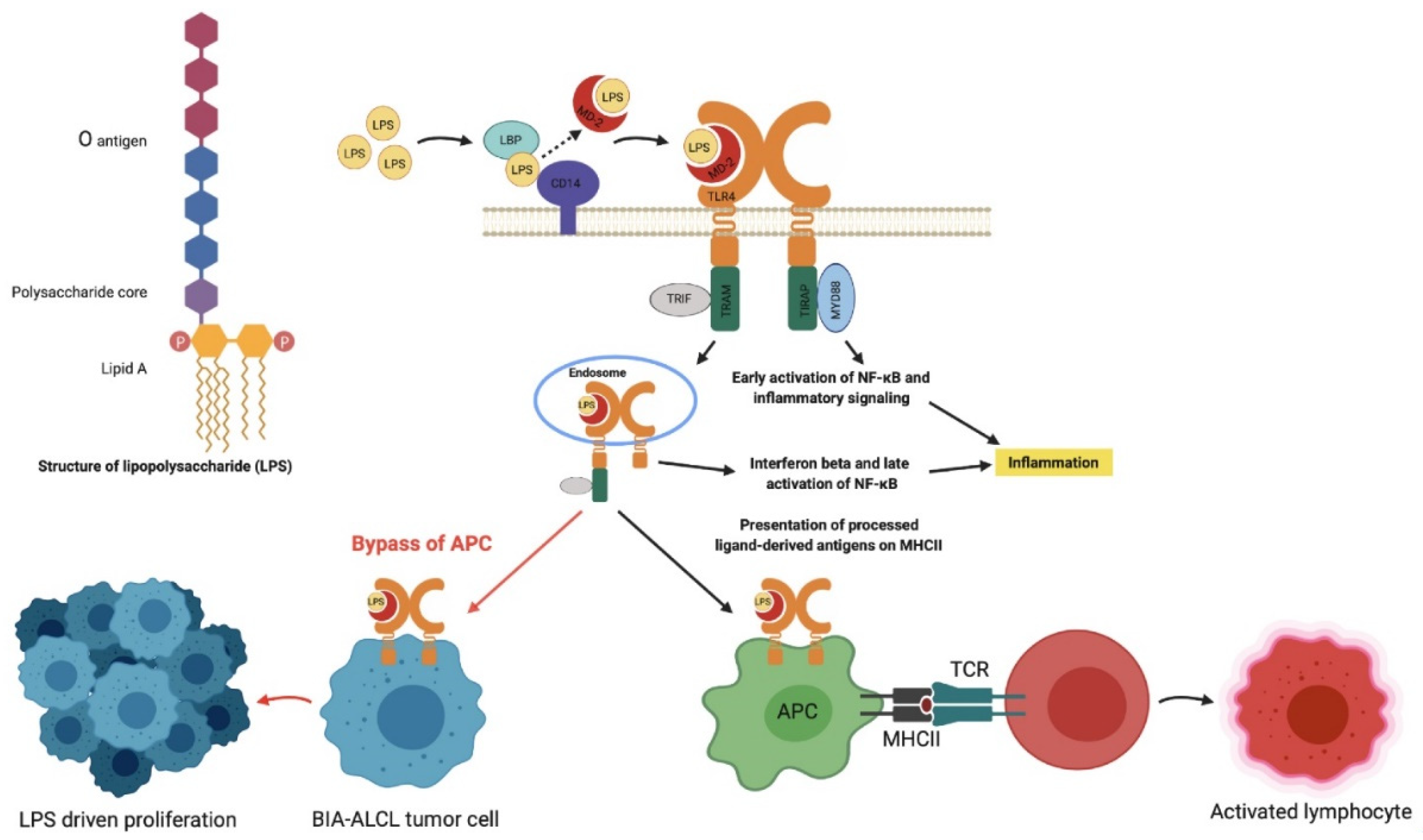
Breast implant-associated anaplastic large-cell lymphoma (BIA-ALCL) is a distinct malignancy associated with textured breast implants. We investigated whether bacteria could trigger the activation and multiplication of BIA-ALCL cells in vitro. BIA-ALCL patient-derived BIA-ALCL tumor cells, BIA-ALCL cell lines, cutaneous ALCL cell lines, an immortal T-cell line (MT-4), and peripheral blood mononuclear cells (PBMC) from BIA-ALCL, capsular contracture, and primary augmentation patients were studied. Cells were subjected to various mitogenic stimulation assays including plant phytohemagglutinin (PHA), Gram-negative bacterial lipopolysaccharide (LPS), Staphylococcal superantigens enterotoxin A (SEA), toxic shock syndrome toxin-1 (TSST-1), or sterilized implant shells. Patient-derived BIA-ALCL tumor cells and BIA-ALCL cell lines showed a unique response to LPS stimulation. This response was dampened significantly in the presence of a Toll-like receptor 4 (TLR4) inhibitor peptide. In contrast, cutaneous ALCL cells, MT-4, and PBMC cells from all patients responded significantly more to PHA, SEA, and TSST-1 than to LPS. Breast implant shells of all surface grades alone did not produce a proliferative response of BIA-ALCL cells, indicating the breast implant does not act as a pro-inflammatory stimulant. These findings indicate a possible novel pathway for LPS to promote BIA-ALCL cell proliferation via a TLR4 receptor-mediated bacterial transformation of T-cells into malignancy.