Article

Robotic Micropipette Aspiration for Multiple Cells

1
Institute of Robotics and Automatic Information System and the Tianjin Key Laboratory of Intelligent Robotics, Nankai University, Tianjin 300071, China
2
Institute of Animal Sciences, Tianjin 300112, China
*
Author to whom correspondence should be addressed.
Micromachines 2019, 10(5), 348; https://doi.org/10.3390/mi10050348
Submission received: 20 May 2019 / Revised: 23 May 2019 / Accepted: 24 May 2019 / Published: 27 May 2019

Abstract

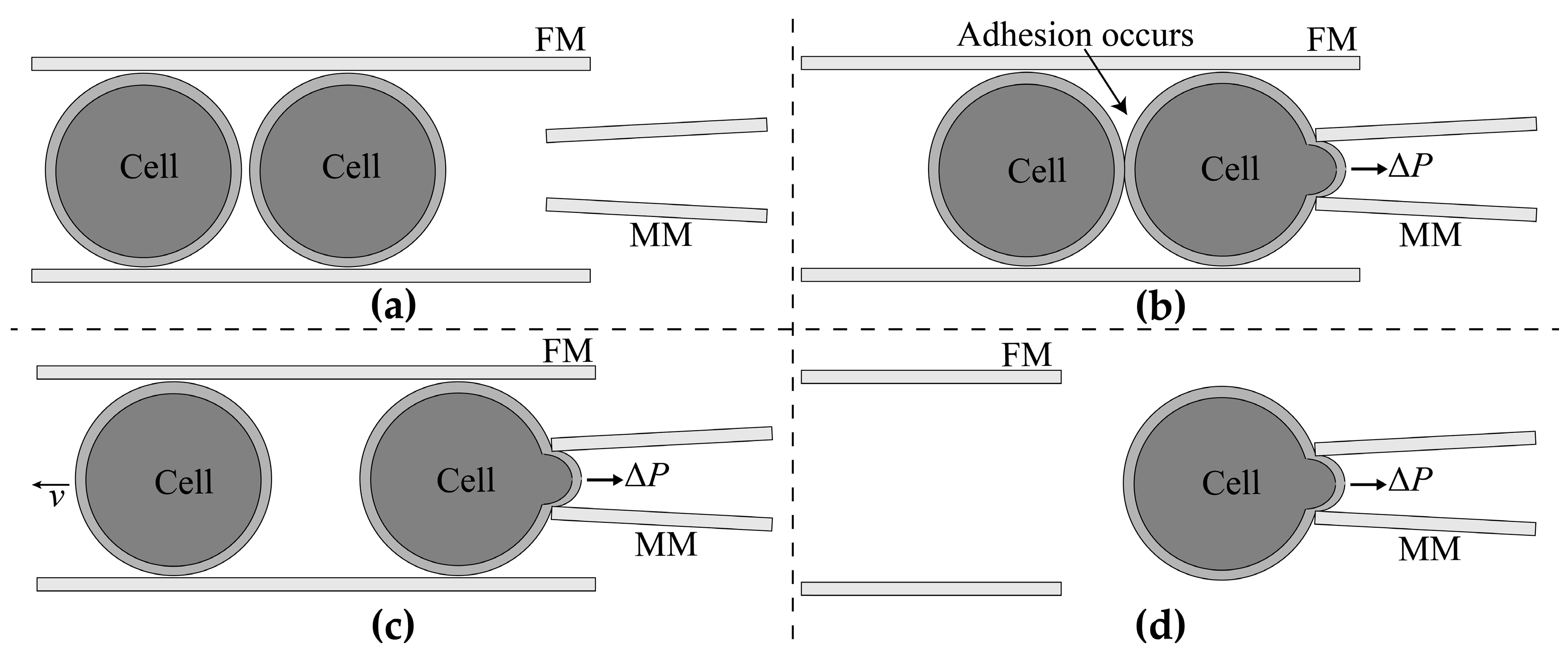
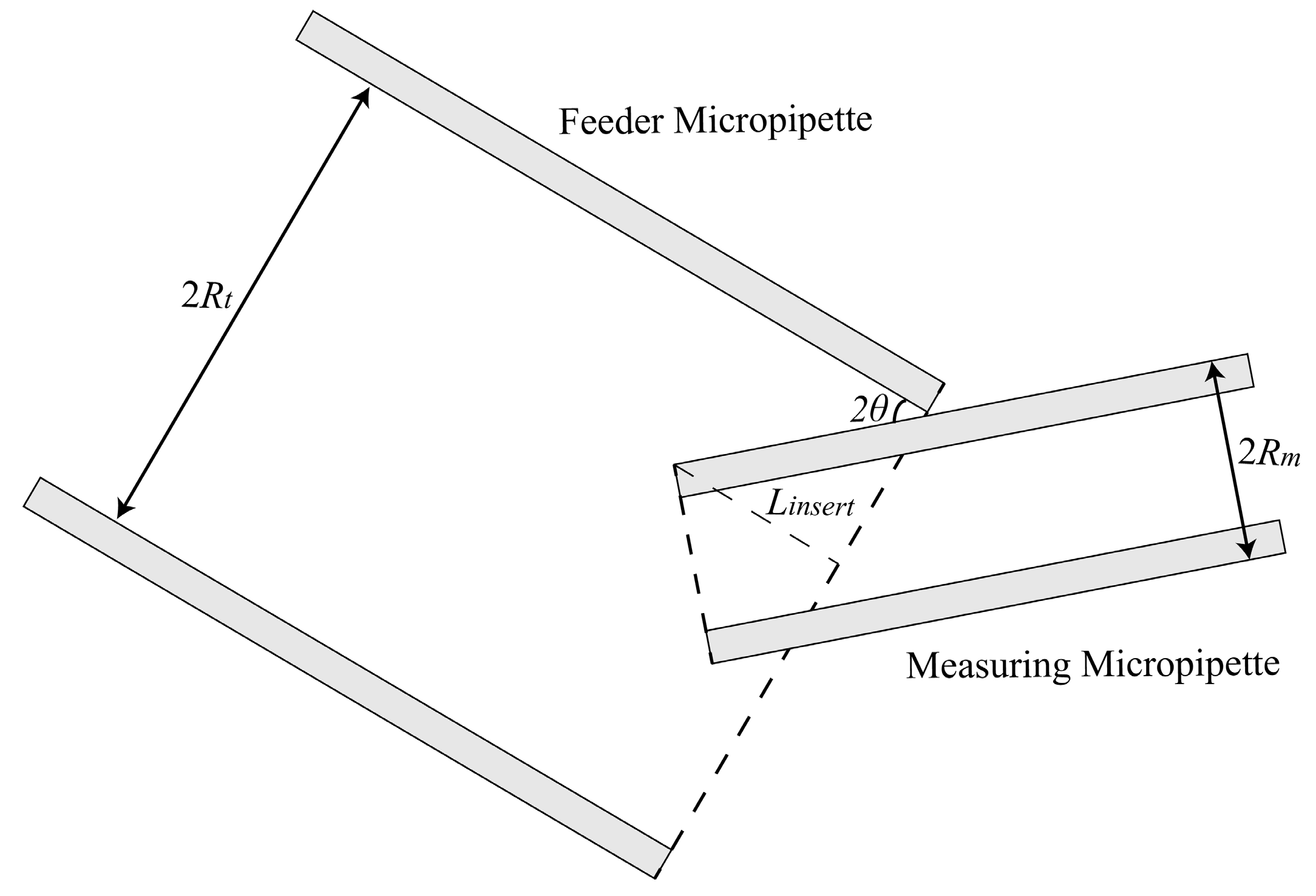
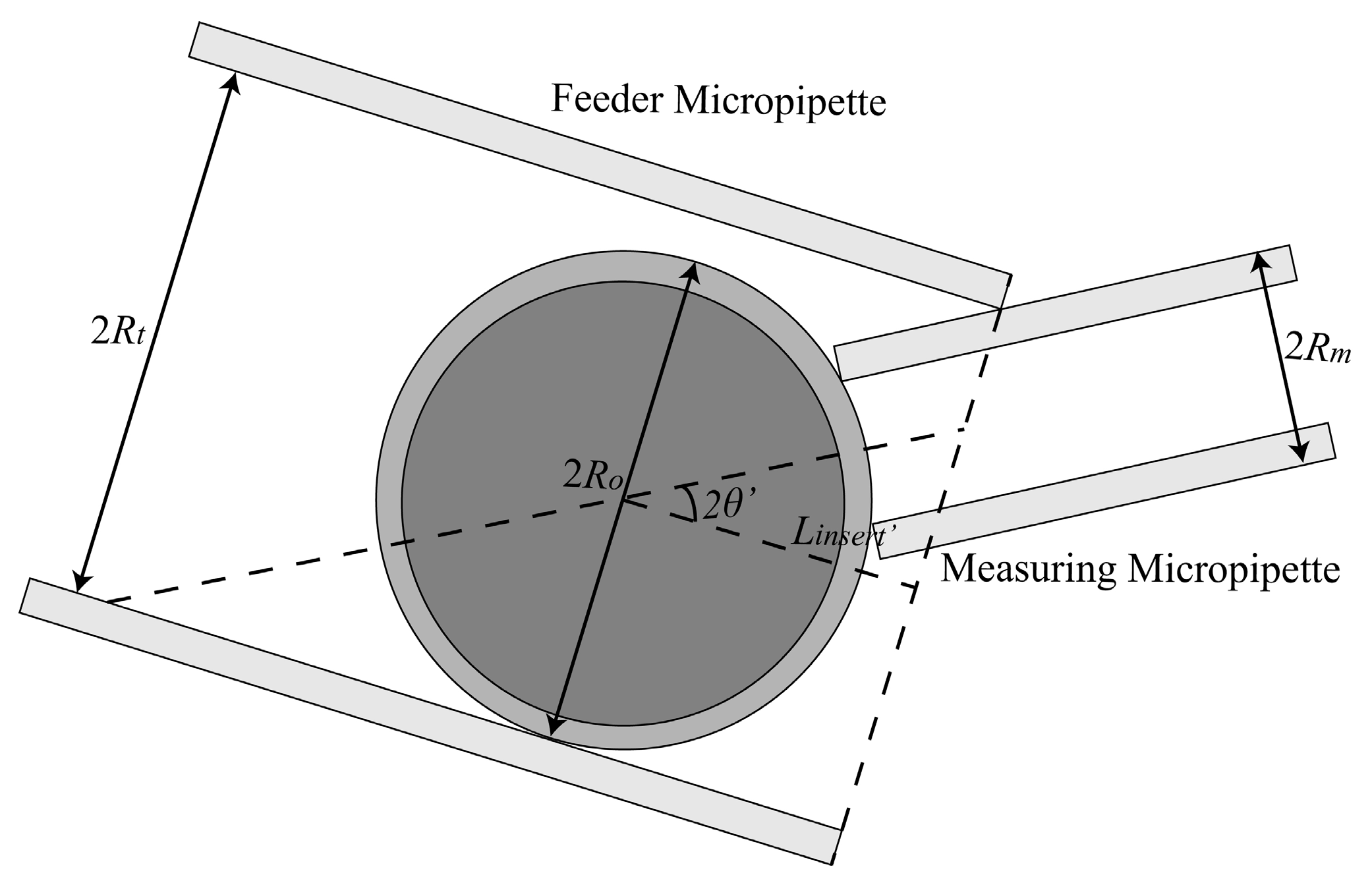
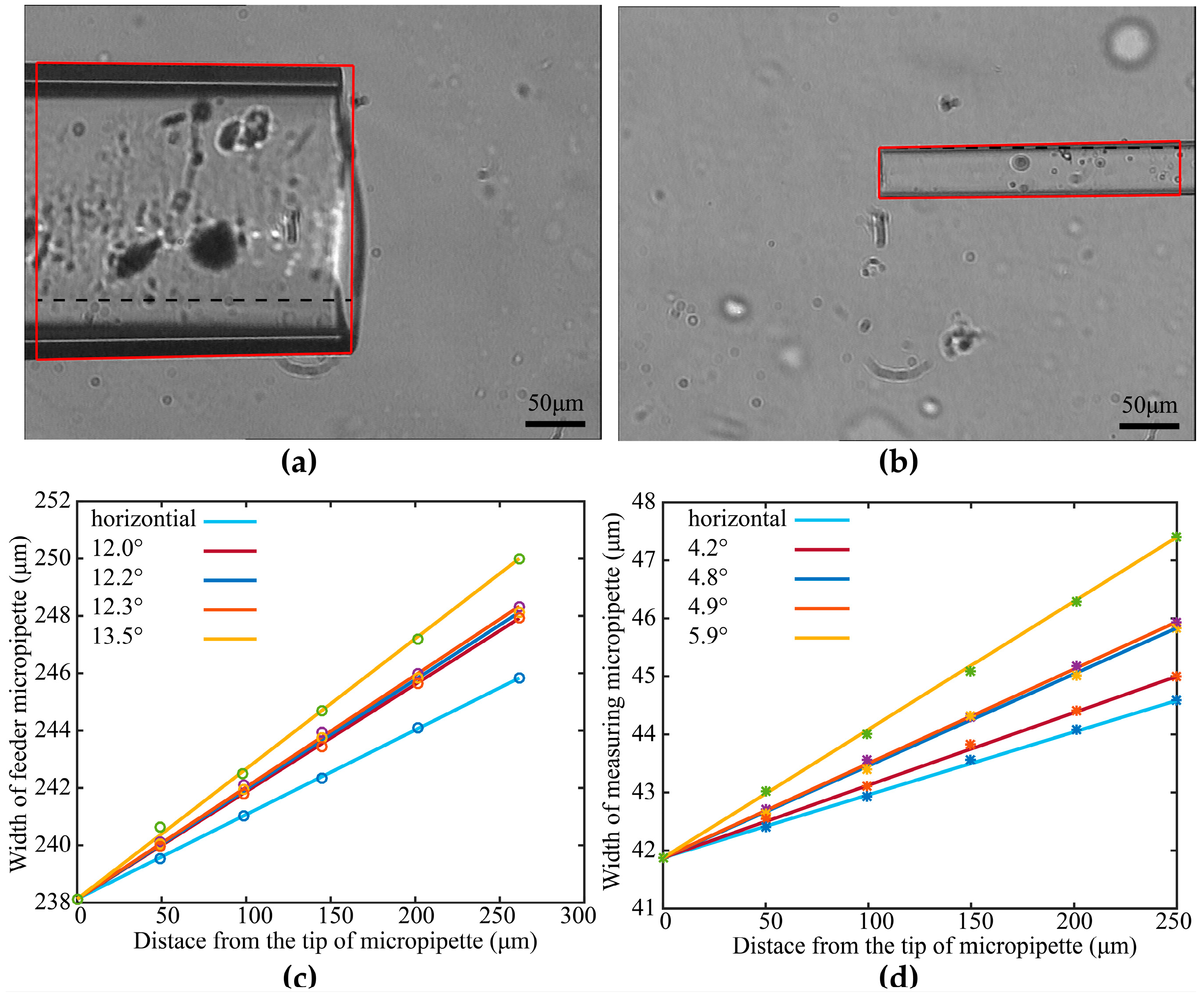
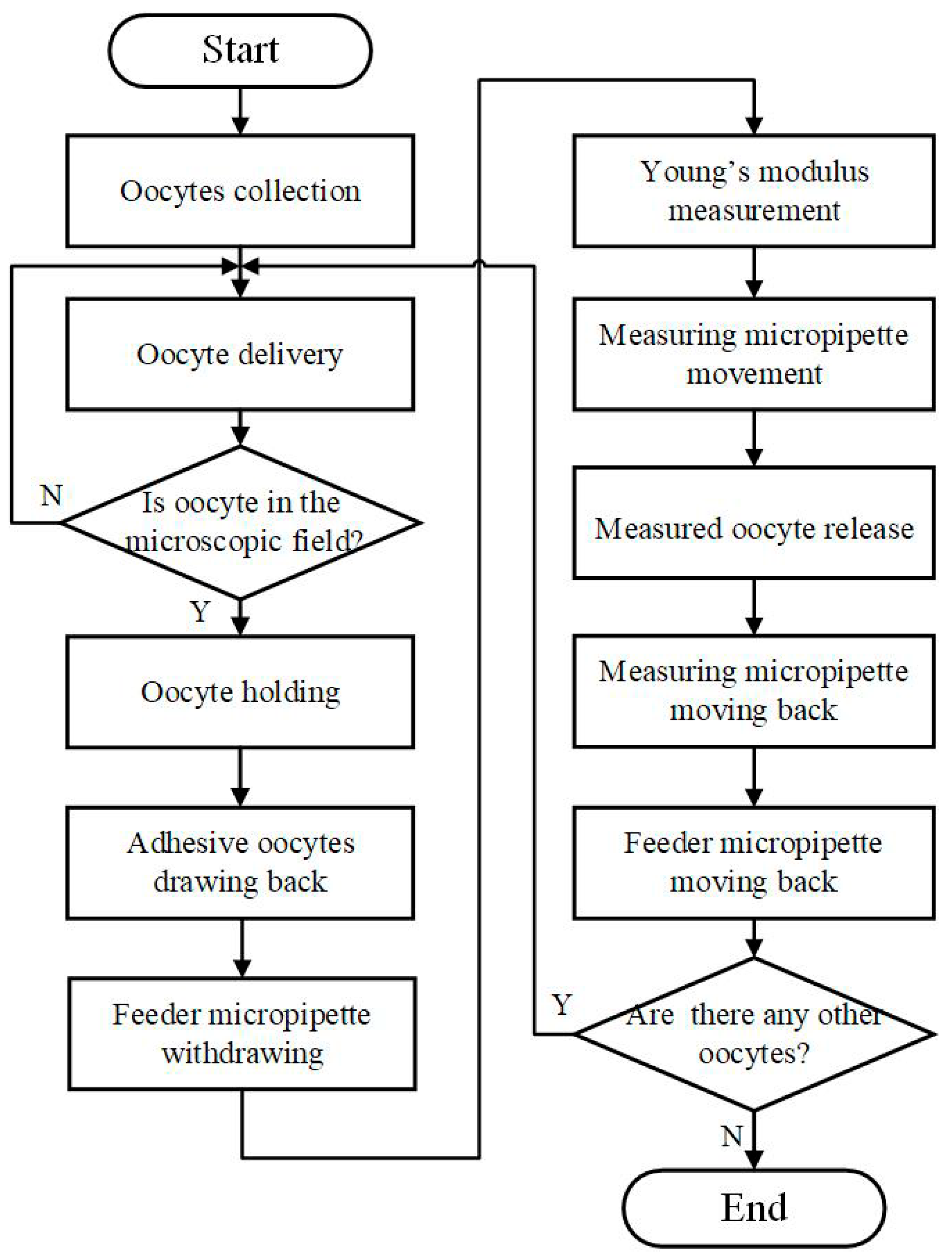
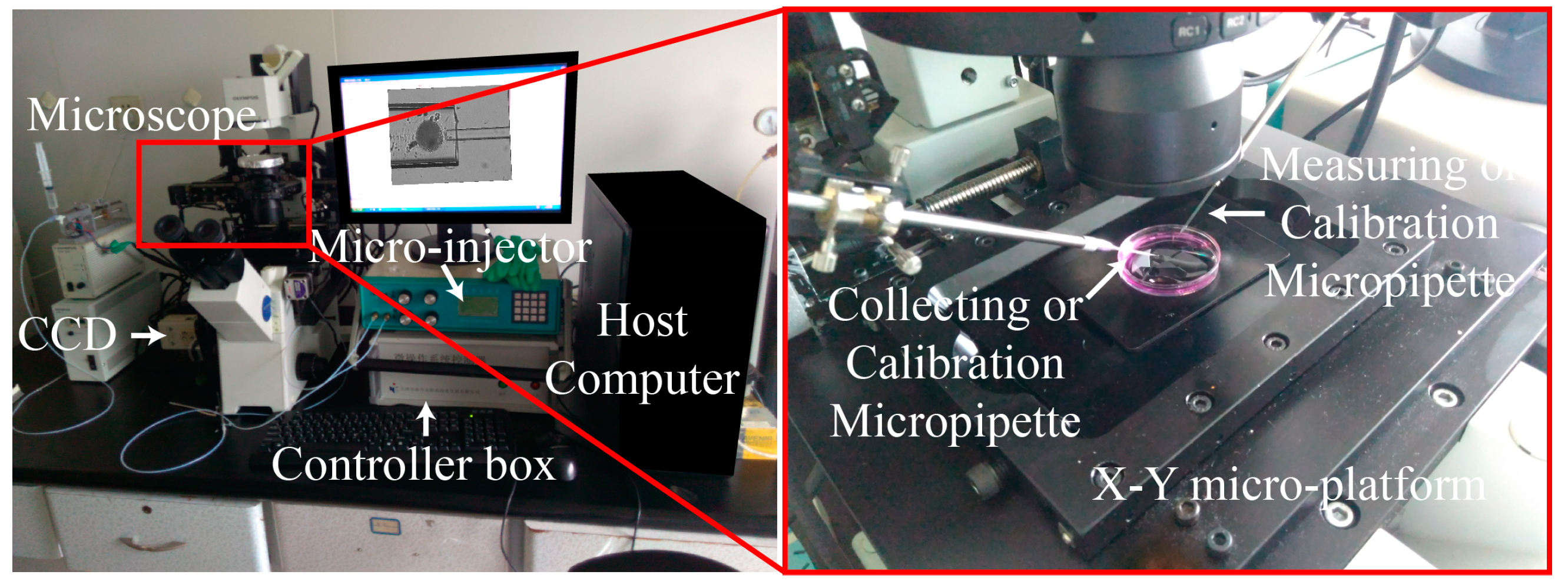
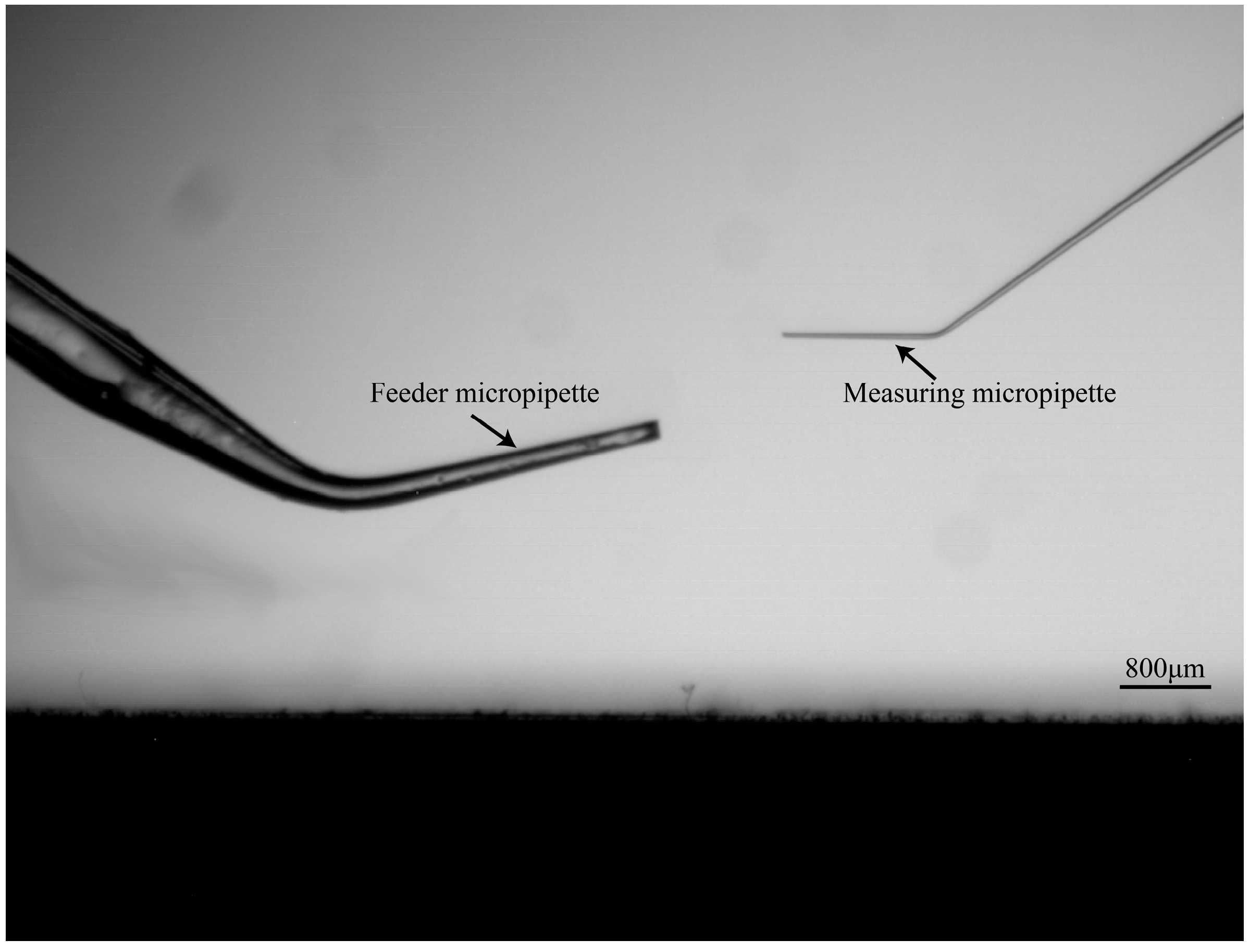
As there are significant variations of cell elasticity among individual cells, measuring the elasticity of batch cells is required for obtaining statistical results of cell elasticity. At present, the micropipette aspiration (MA) technique is the most widely used cell elasticity measurement method. Due to a lack of effective cell storage and delivery methods, the existing manual and robotic MA methods are only capable of measuring a single cell at a time, making the MA of batch cells low efficiency. To address this problem, we developed a robotic MA system capable of storing multiple cells with a feeder micropipette (FM), picking up cells one-by-one to measure their elasticity with a measurement micropipette (MM). This system involved the following key techniques: Maximum permissible tilt angle of MM and FM determination, automated cell adhesion detection and cell adhesion break, and automated cell aspiration. The experimental results demonstrated that our system was able to continuously measure more than 20 cells with a manipulation speed quadrupled in comparison to existing methods. With the batch cell measurement ability, cell elasticity of pig ovum cultured in different environmental conditions was measured to find optimized culturing protocols for oocyte maturation.
Keywords: micropipette aspiration; robotic batch cell manipulation; Young’s modulus measurement; cell transportation; cell detection; force analysis micropipette aspiration; robotic batch cell manipulation; Young’s modulus measurement; cell transportation; cell detection; force analysis