Article

Experimental Study on Surface Integrity of Nickel-Based Superalloy in Ultrasonic Elliptical Vibration Cutting

1
College of Mechanical Engineering, Tianjin University of Technology and Education, Tianjin 300222, China
2
Tianjin Key Laboratory of High Performance Manufacturing Technology & Equipment, Tianjin 300222, China
3
Engineering Training Center, Tianjin University of Technology and Education, Tianjin 300222, China
*
Author to whom correspondence should be addressed.
Micromachines 2025, 16(7), 728; https://doi.org/10.3390/mi16070728
Submission received: 1 April 2025 / Revised: 13 June 2025 / Accepted: 19 June 2025 / Published: 22 June 2025
(This article belongs to the Section E: Engineering and Technology)

Abstract

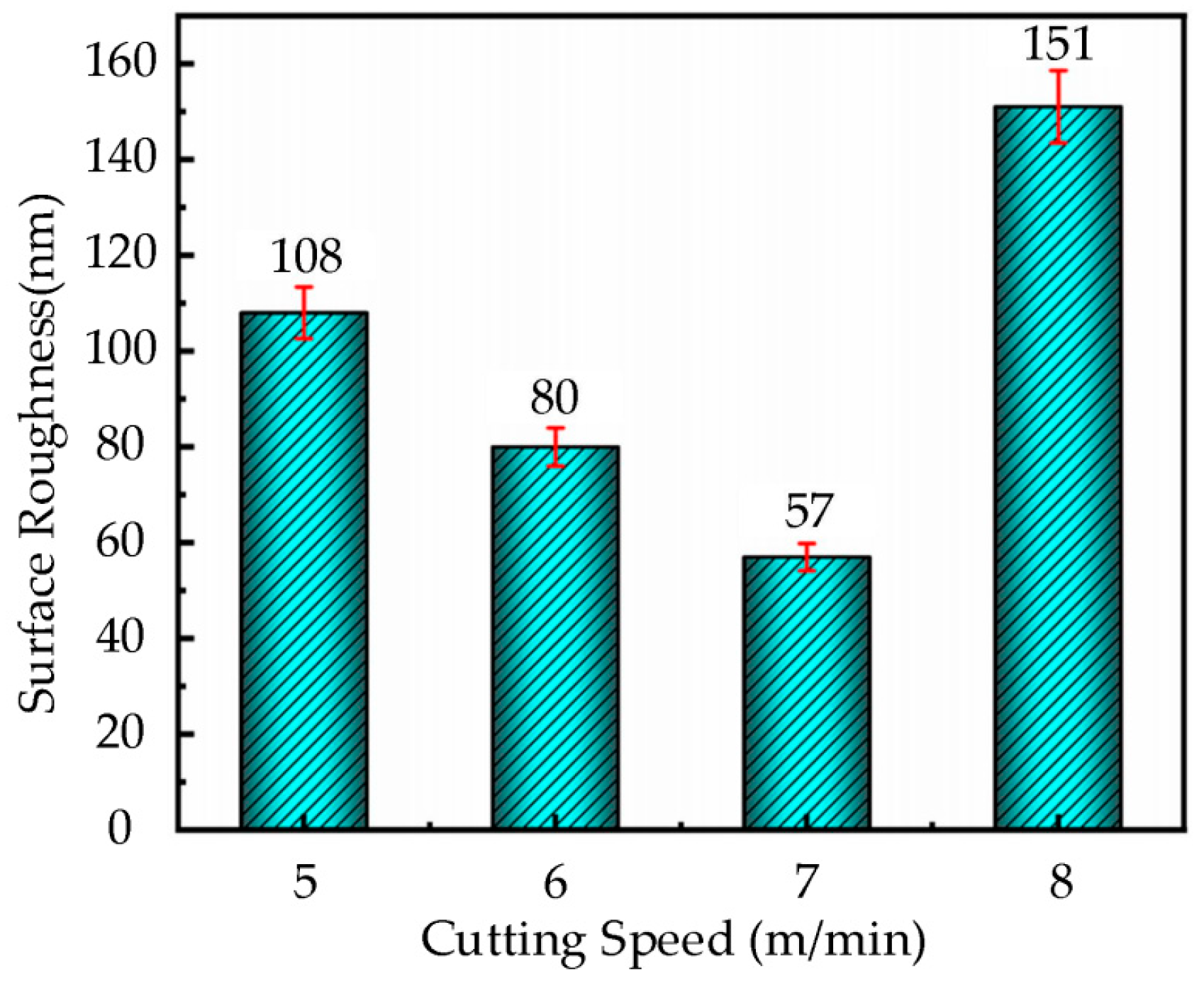
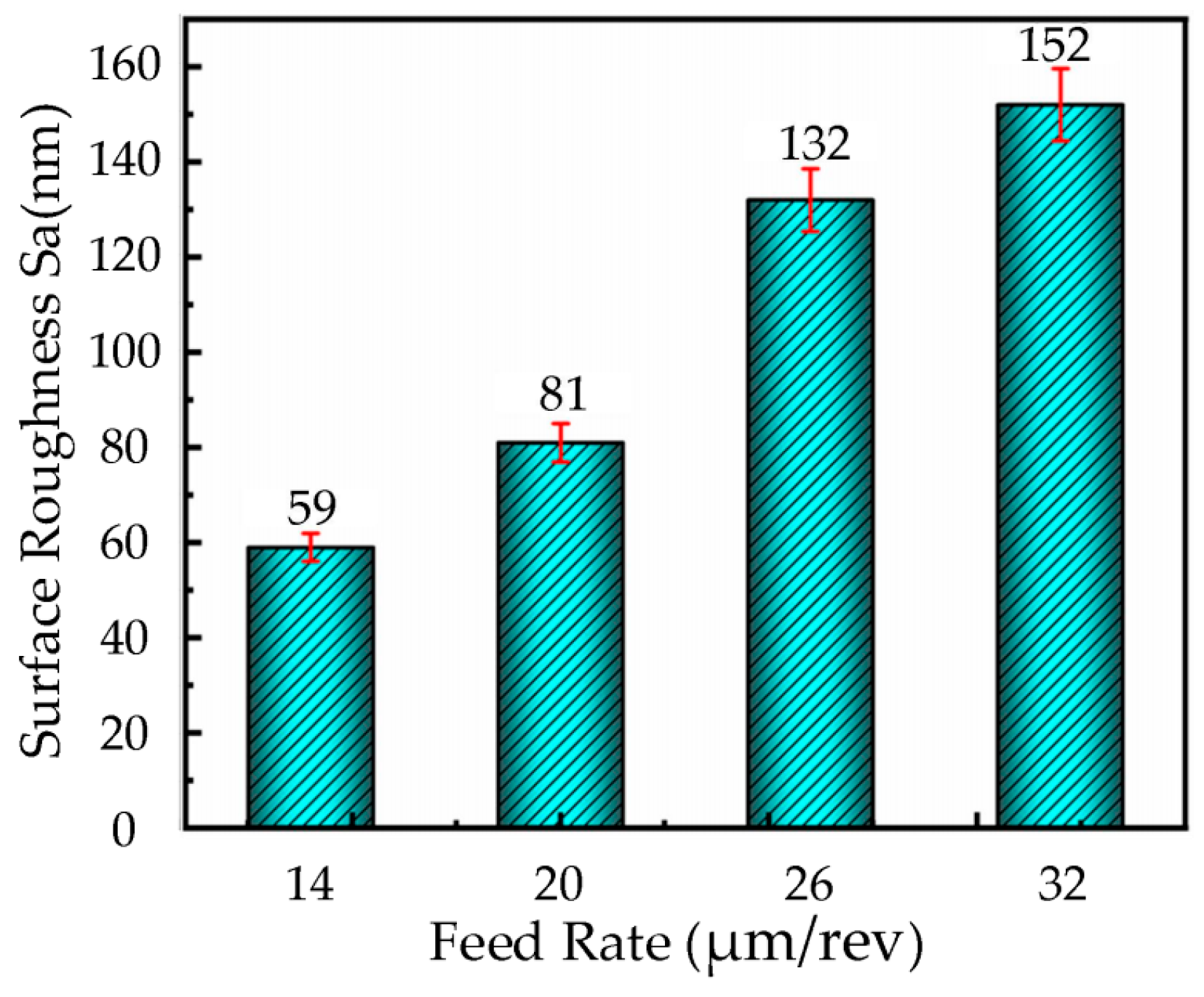
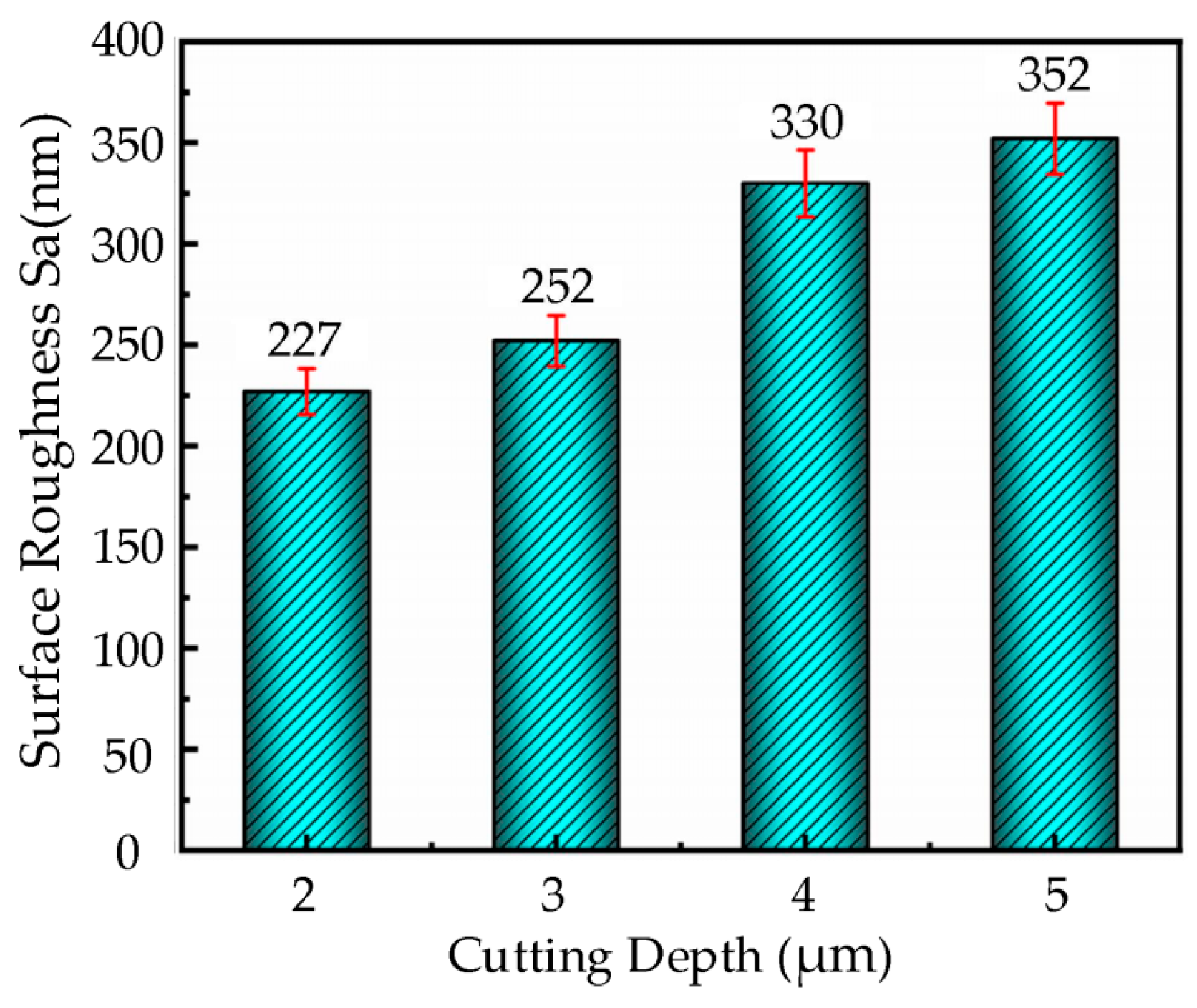
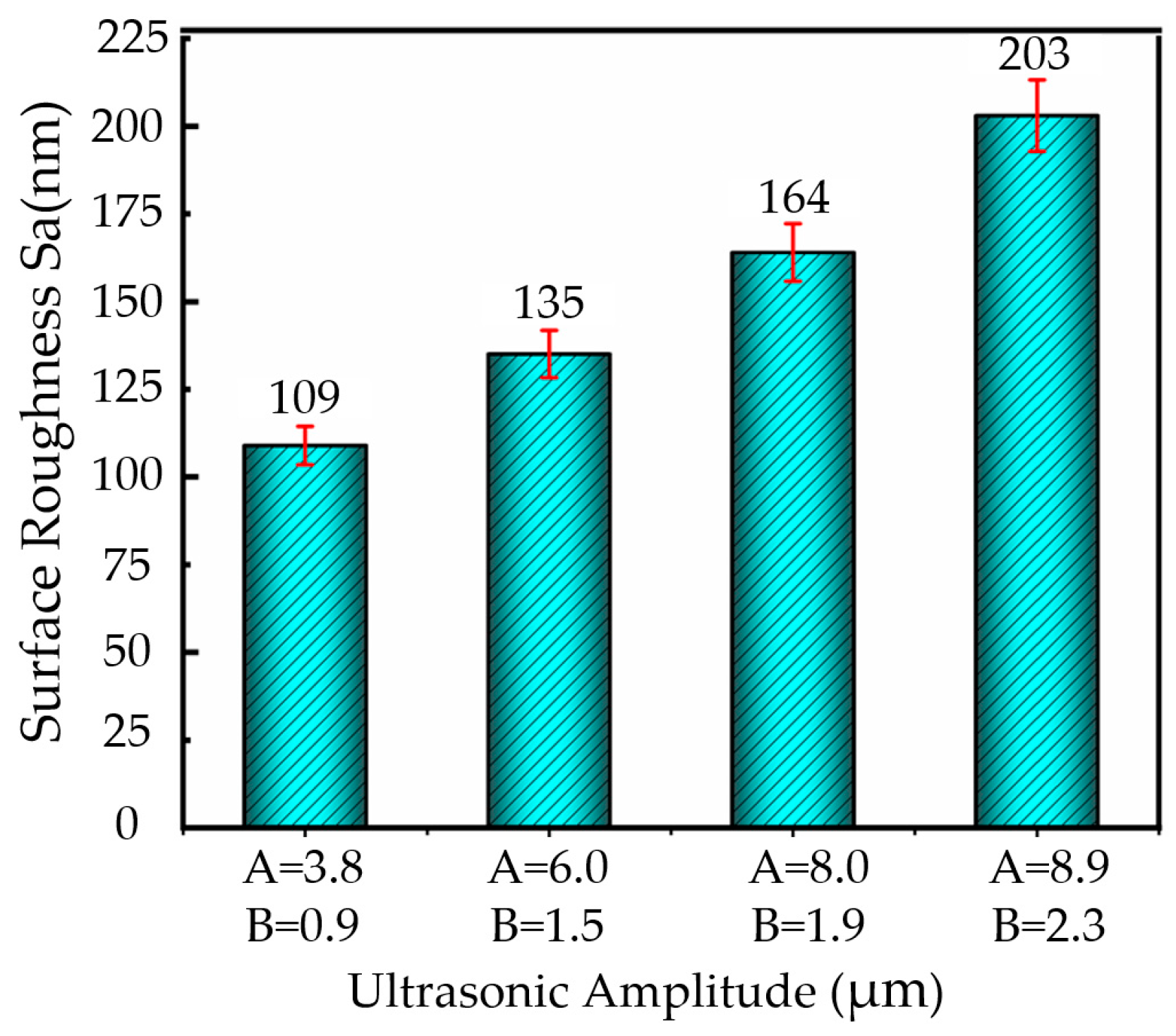
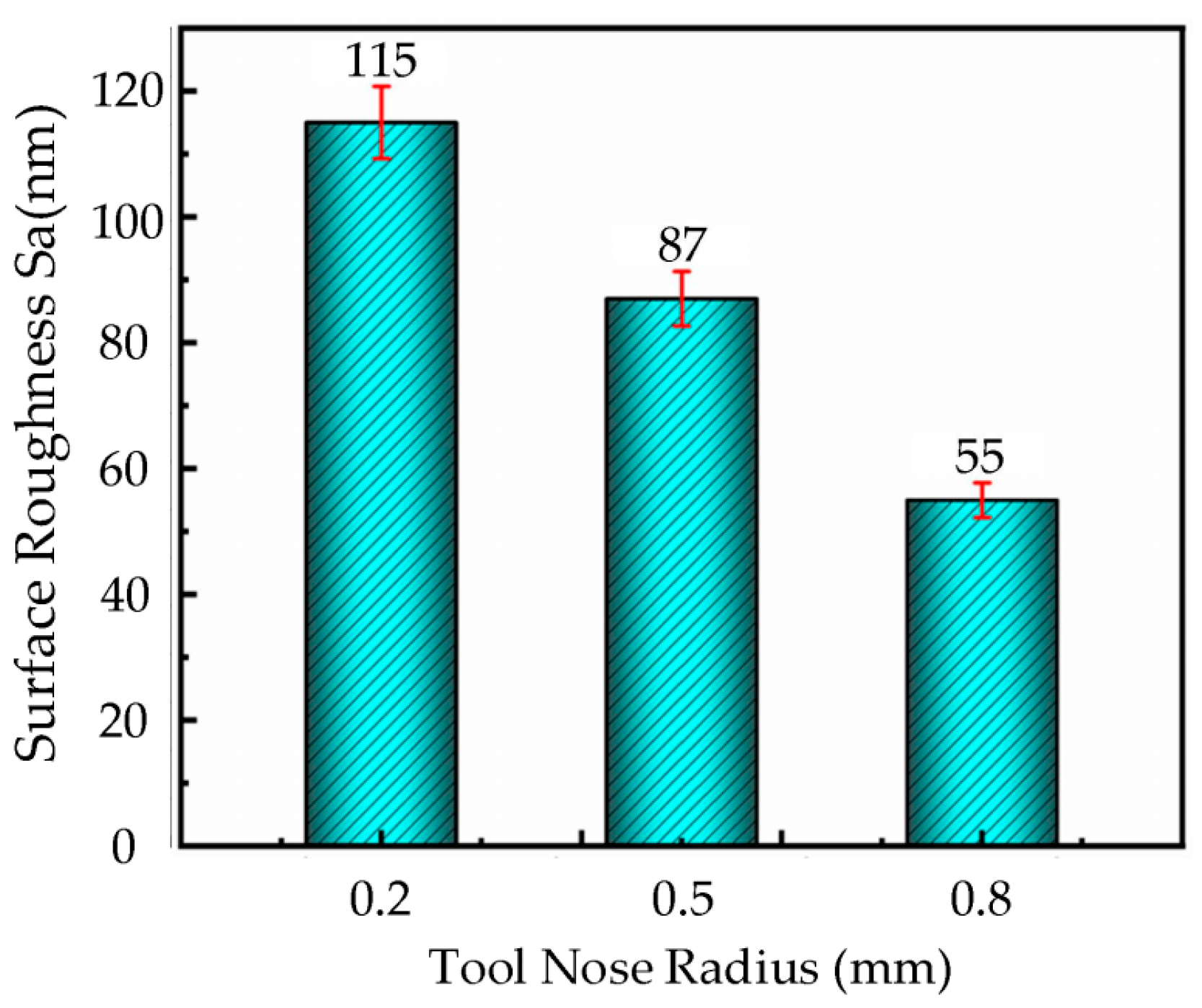
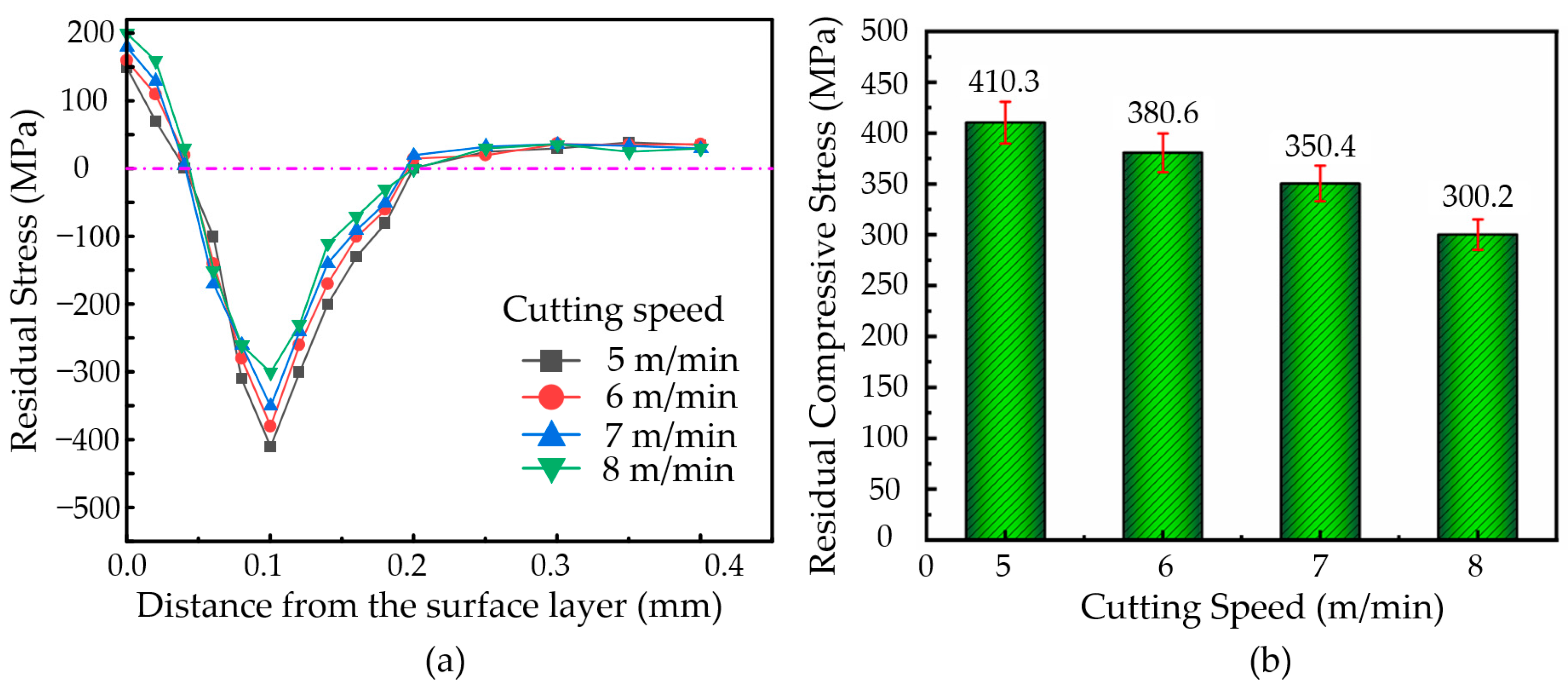
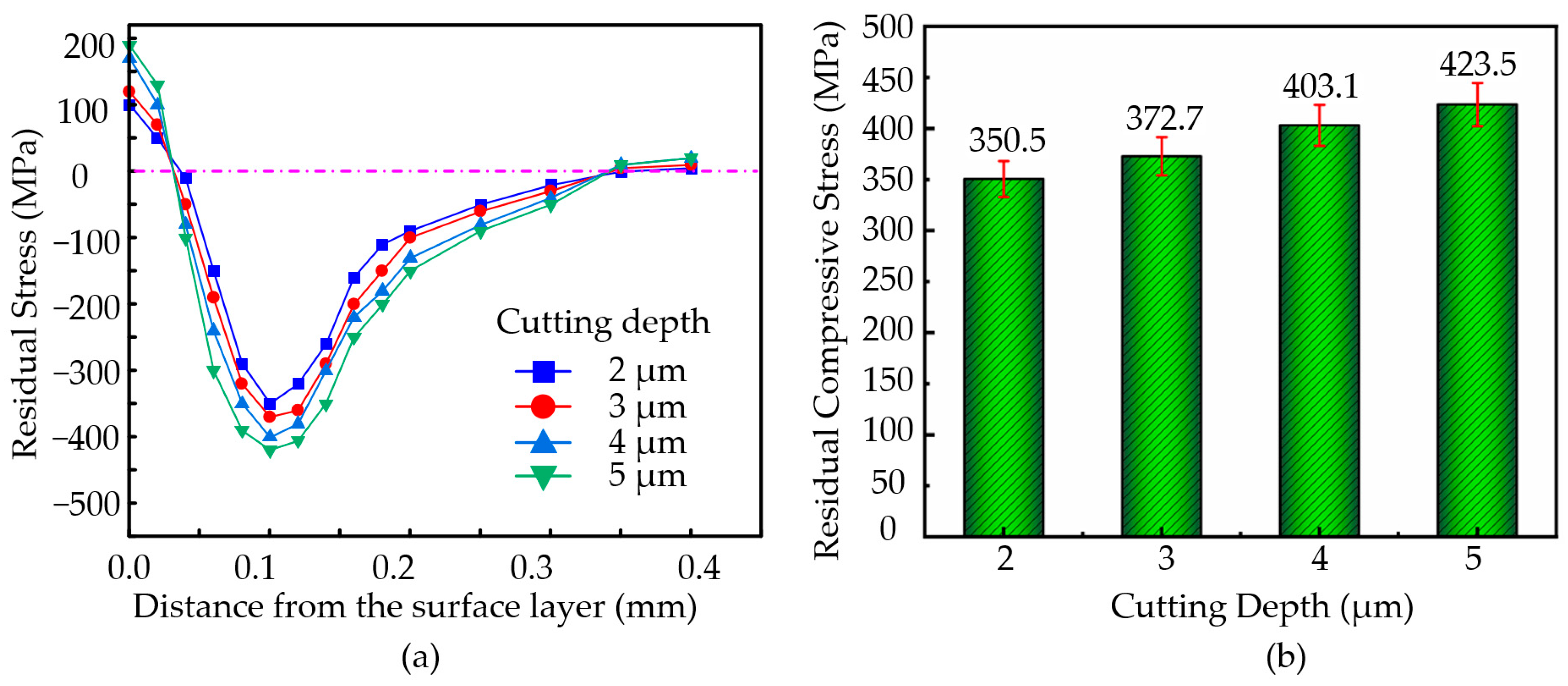
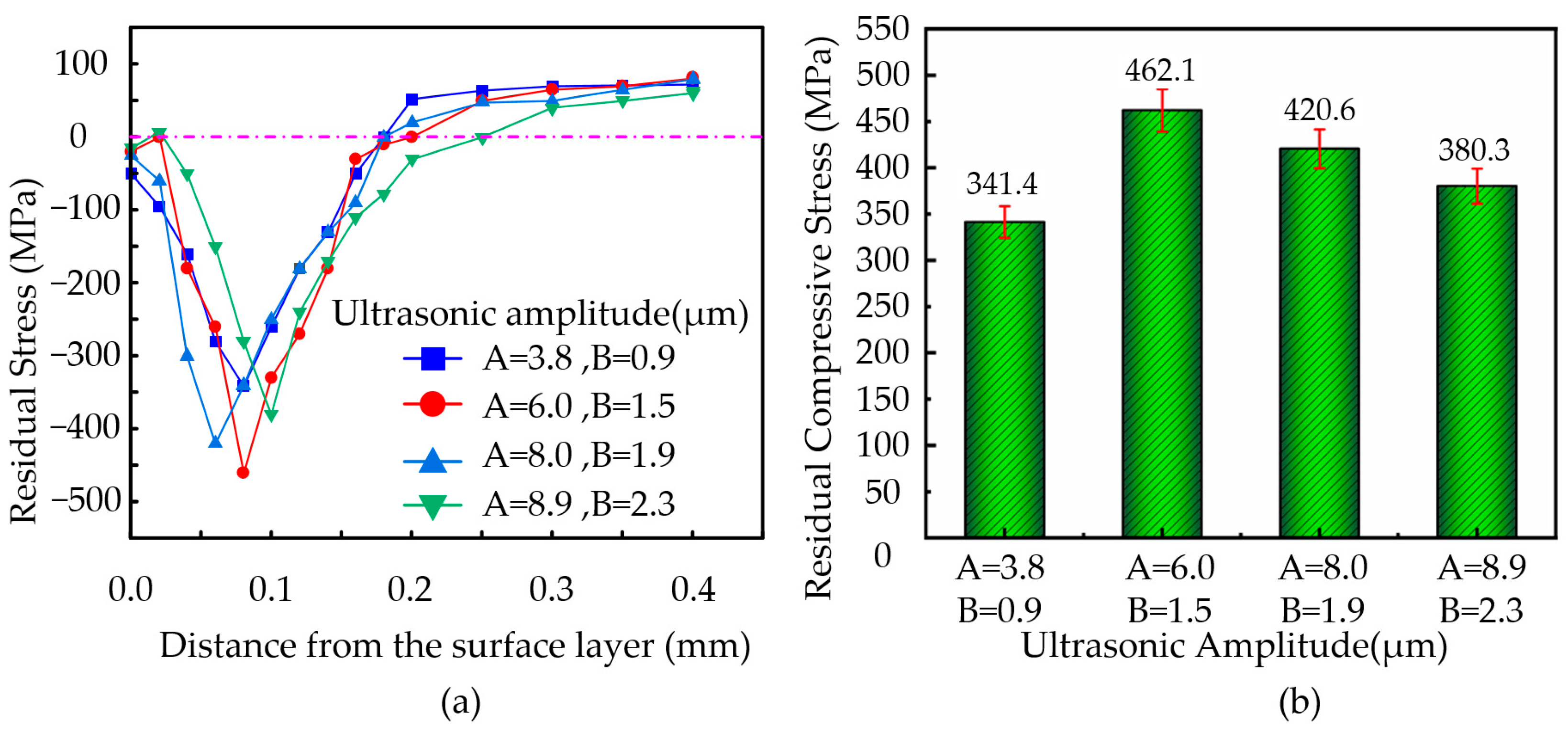
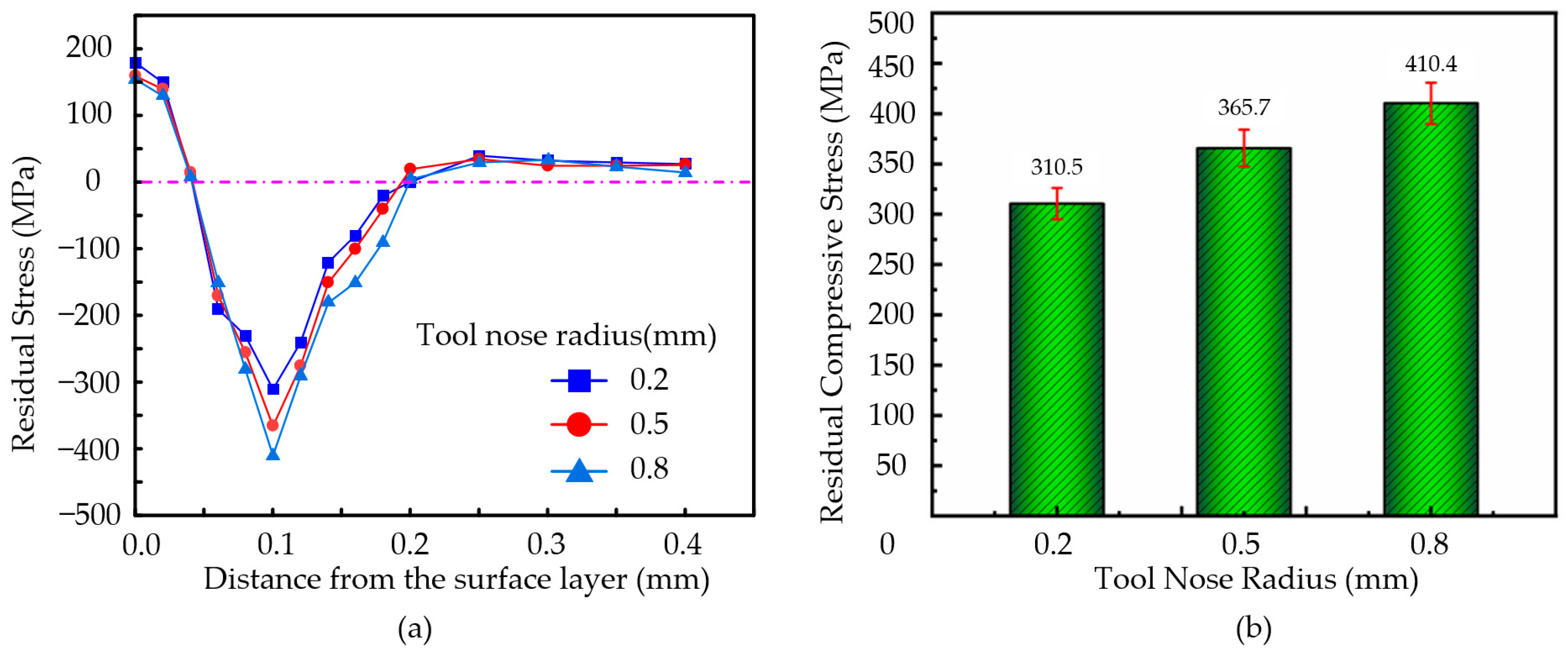
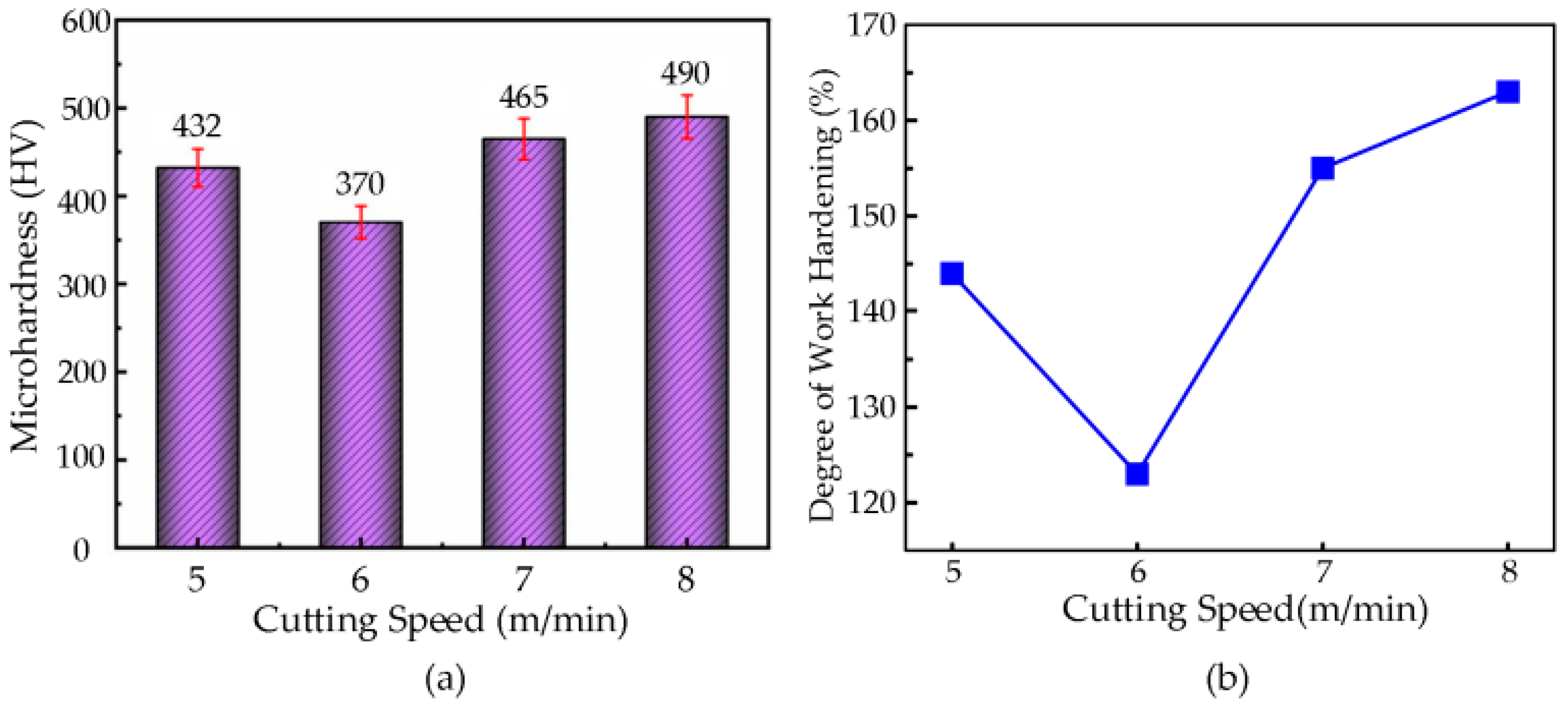
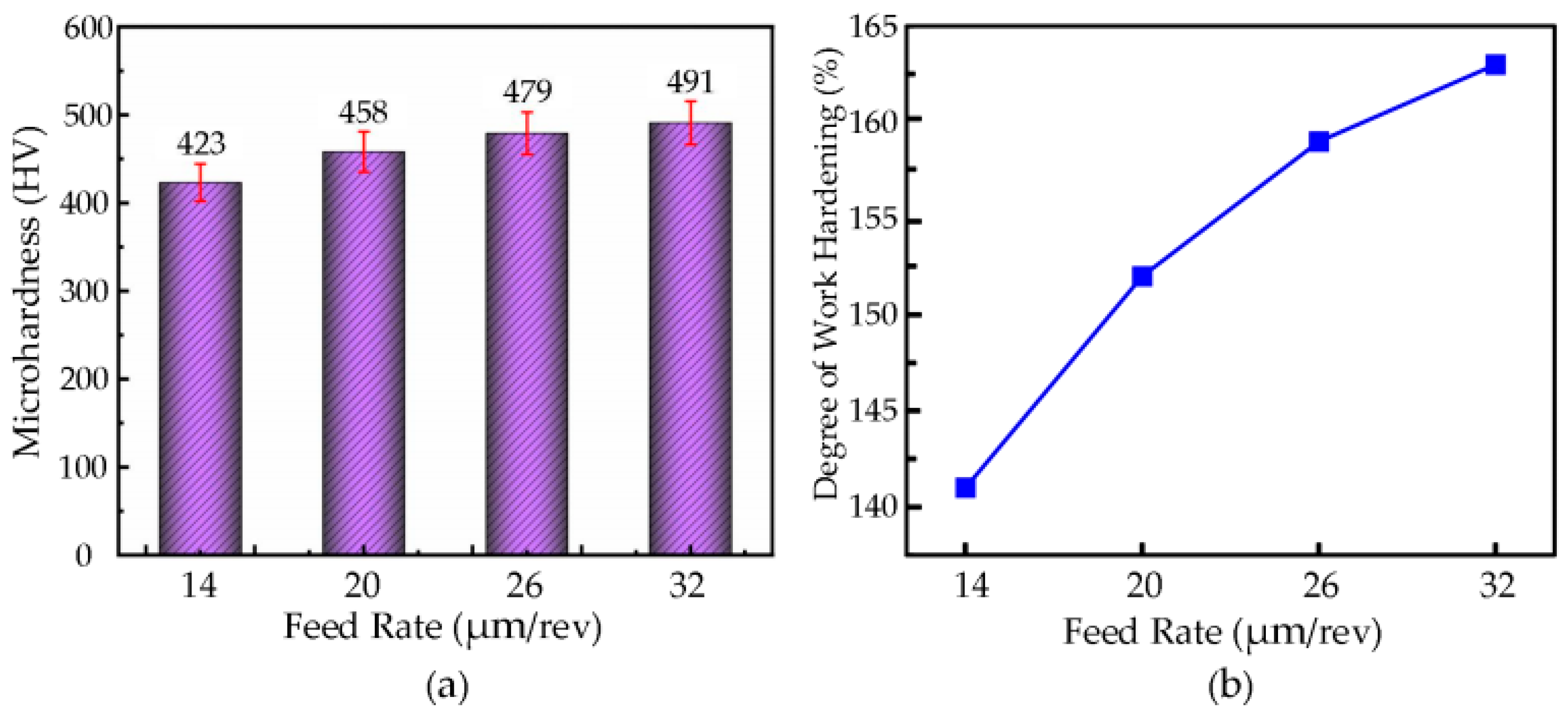
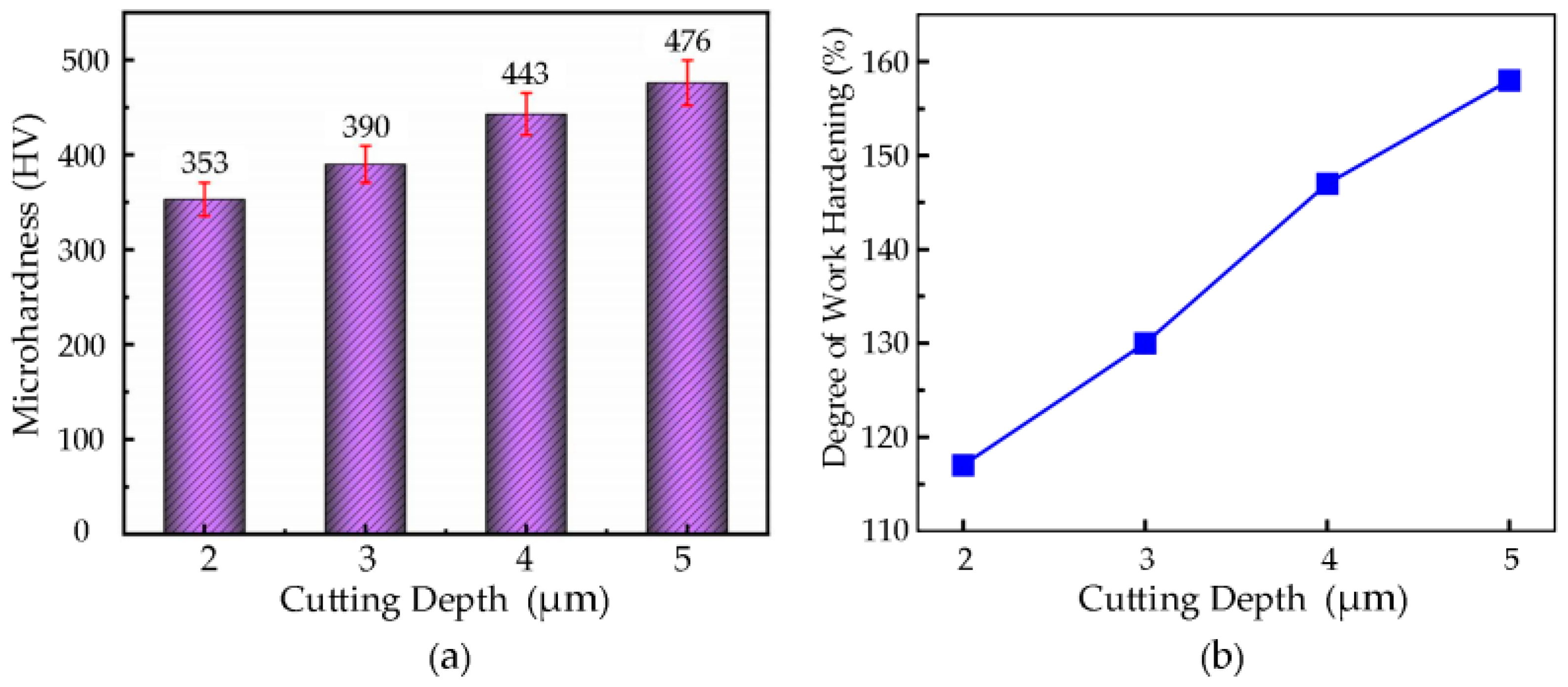
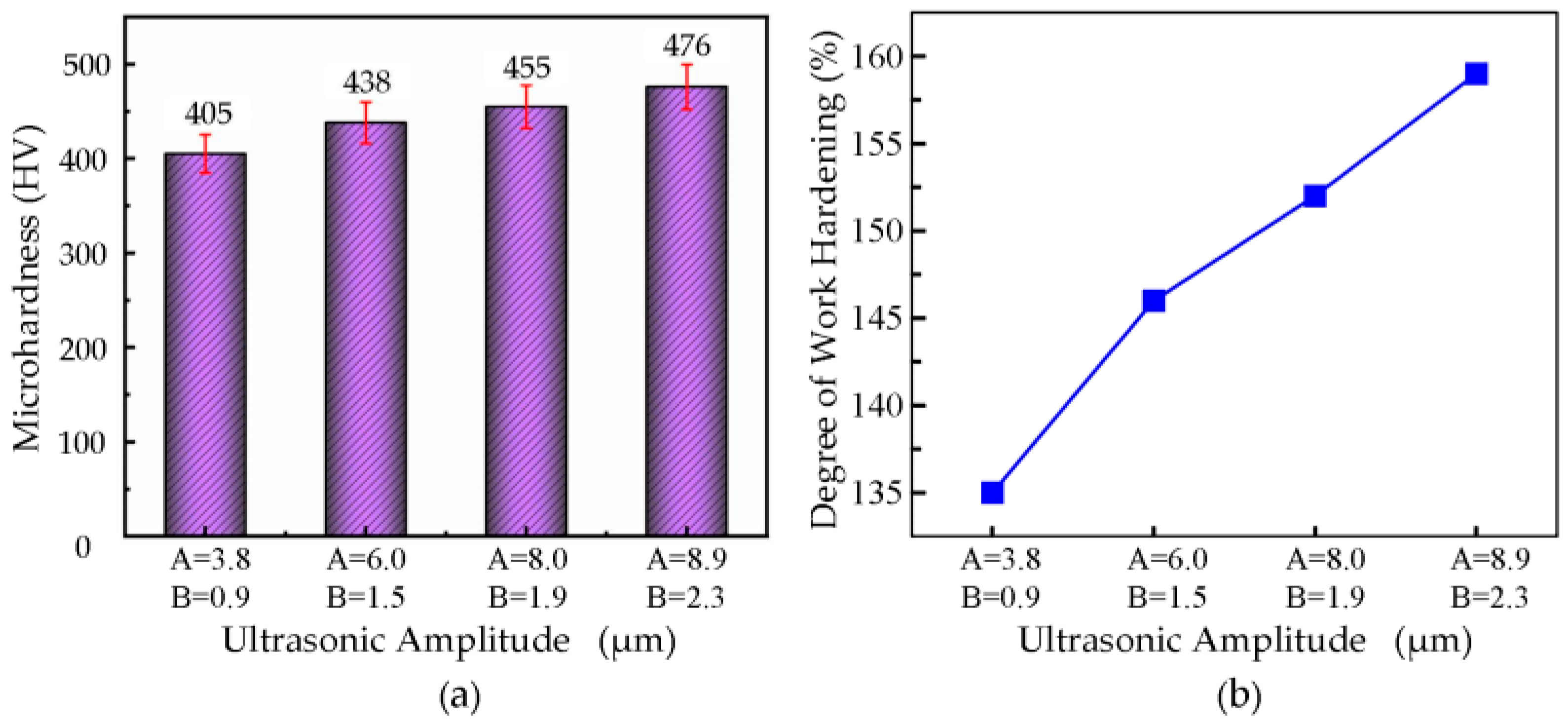
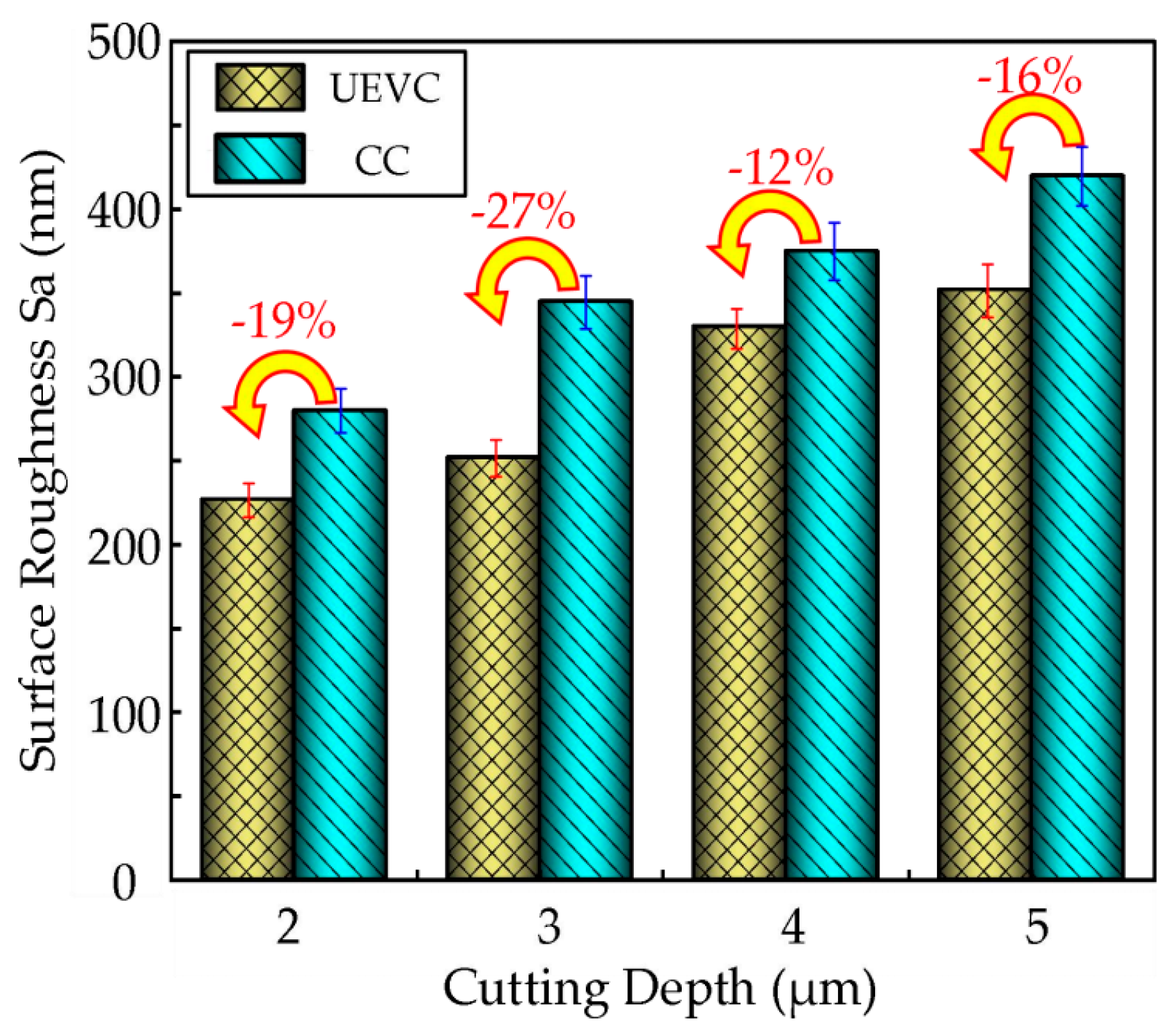
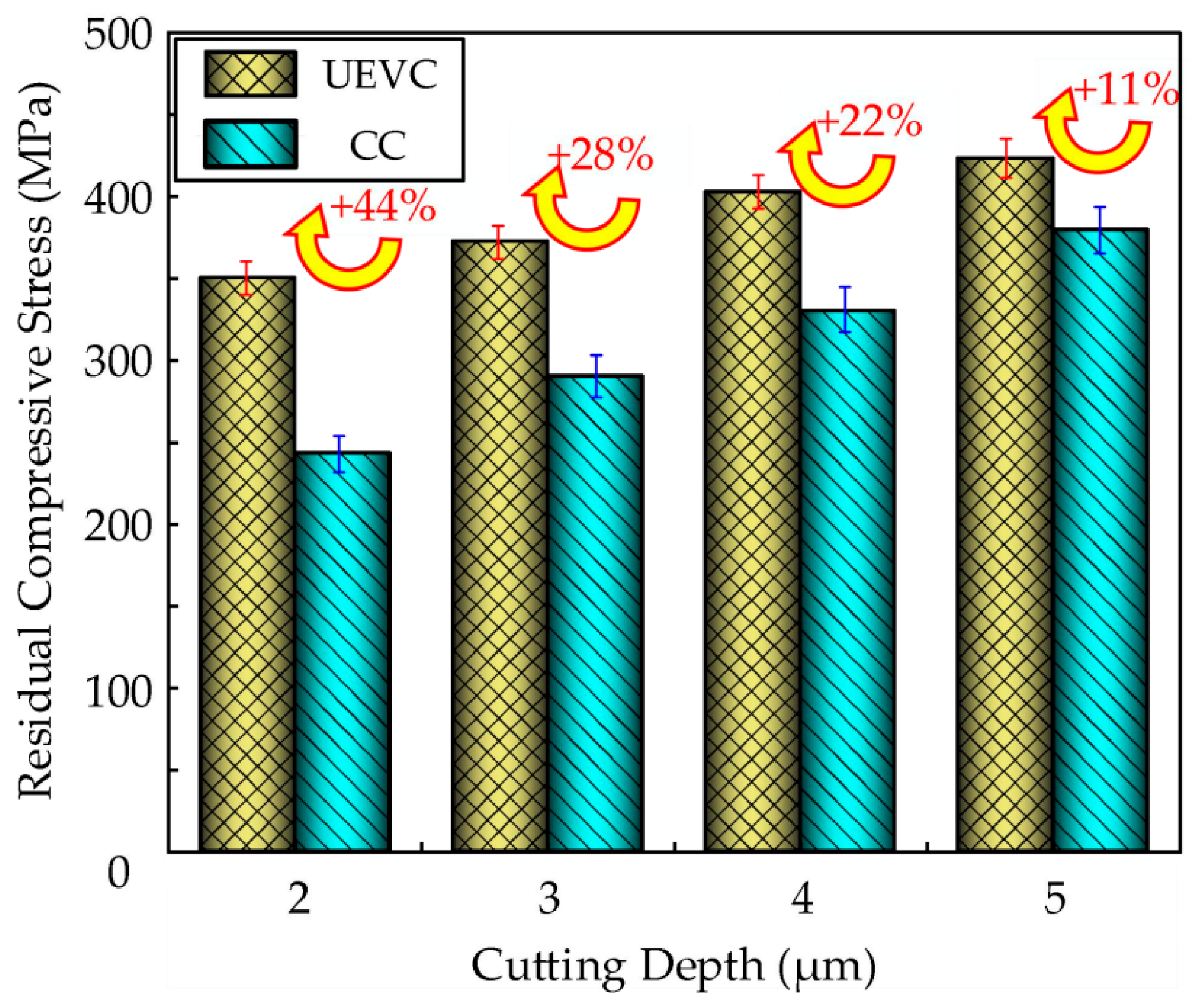
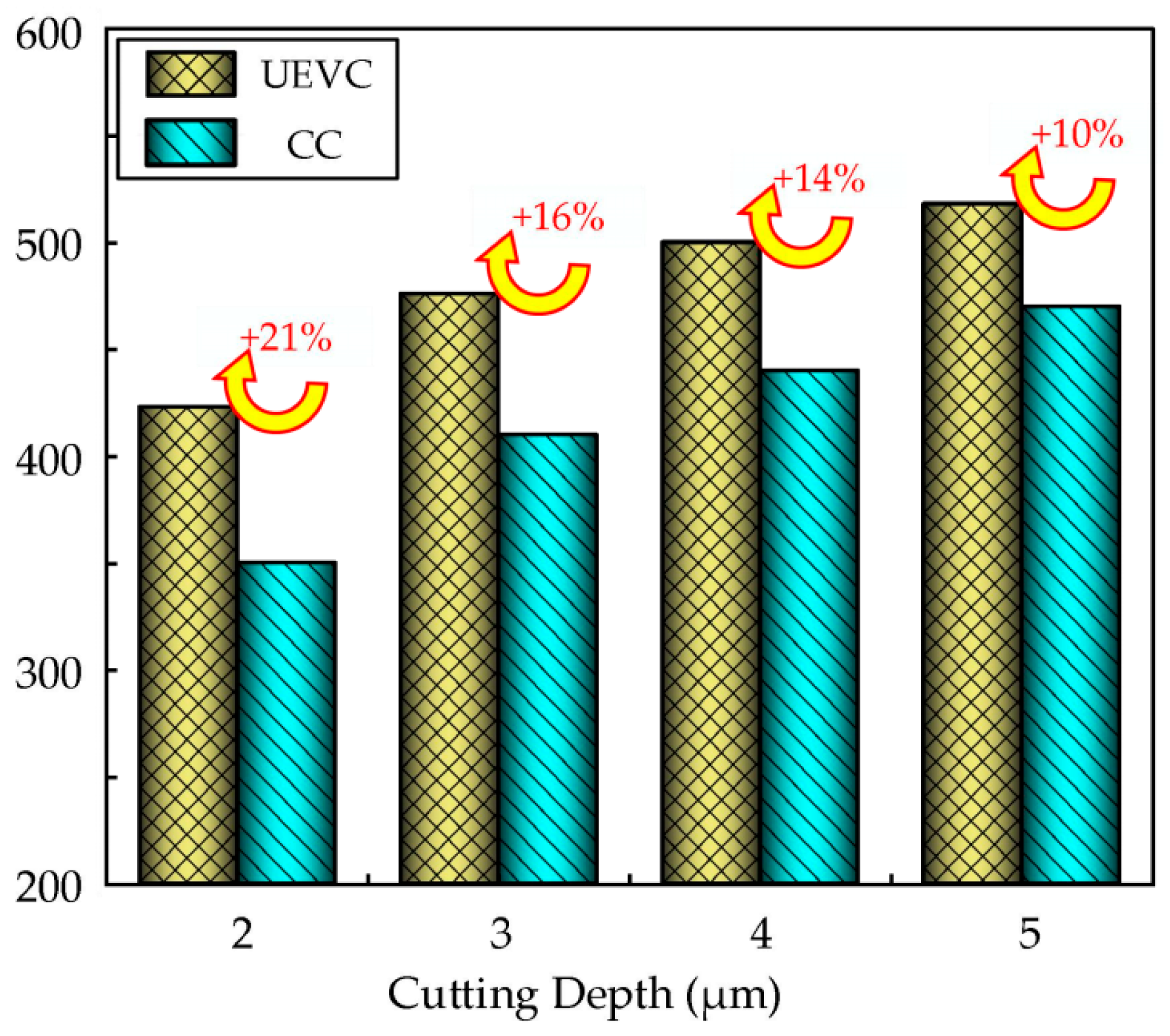
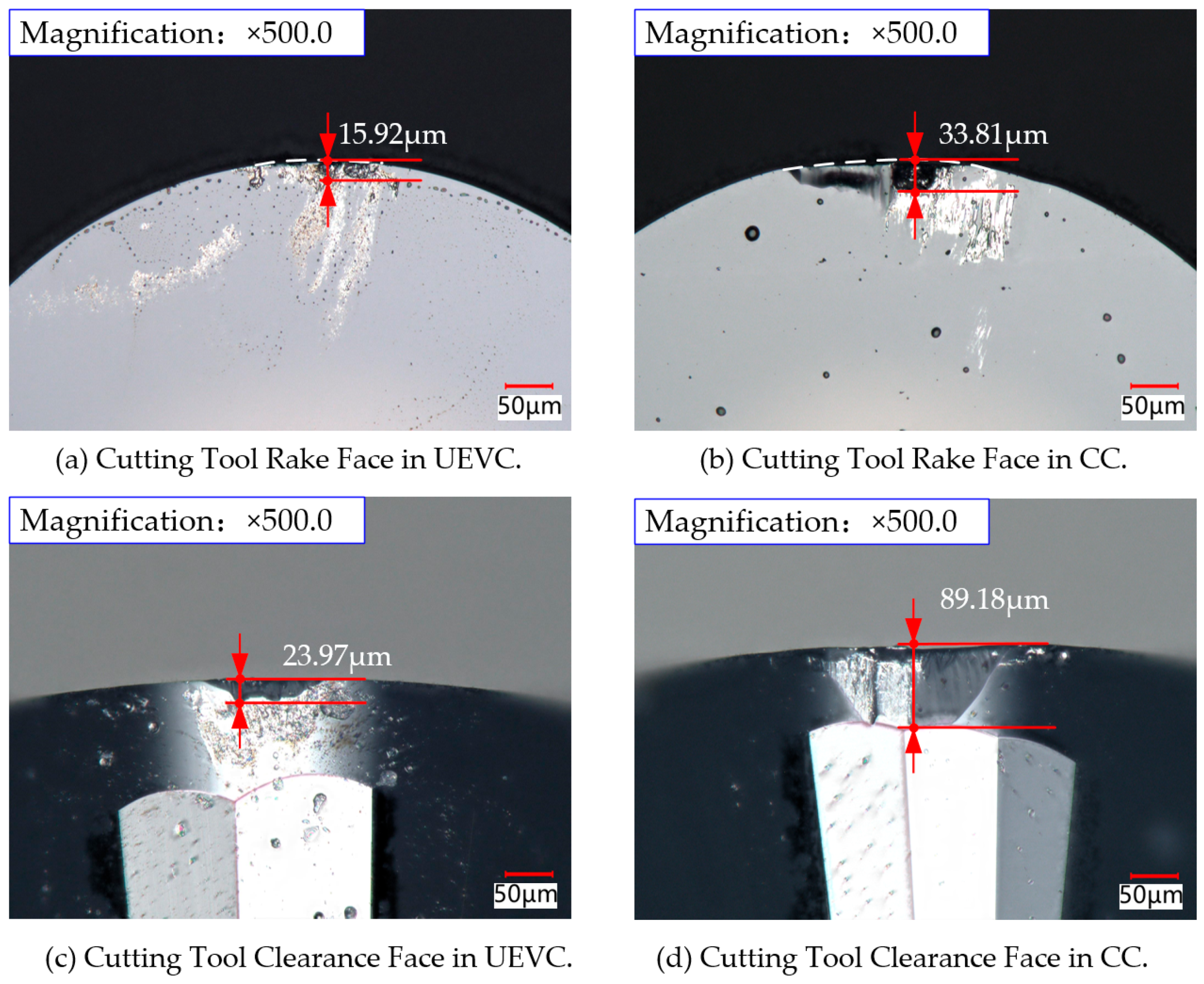
Nickel-based superalloys, renowned for their exceptional high-temperature strength, oxidation resistance, and corrosion resistance, have become essential materials in the aerospace, defense, and nuclear industries. However, due to their poor machinability, common cutting processes often result in poor surface quality, difficulties in chip breaking, and significant tool wear. This study investigates the surface integrity of nickel-based superalloys during ultrasonic elliptical vibration cutting. The effects of various process parameters on the surface roughness, residual stress, and microhardness are systematically analyzed. The results indicate that under ultrasonic elliptical vibration cutting conditions, the surface roughness of the workpiece increases with the ultrasonic amplitude, cutting depth, and feed rate. It initially decreases and then increases with cutting speed, and decreases with an increase in the tool tip radius. The post-cutting residual stress in the nickel-based superalloy decreases with higher cutting speed and ultrasonic amplitude, but increases with greater cutting depth and tool tip radius. The surface microhardness increases with the cutting speed up to a point, after which it decreases, while it significantly increases with a higher ultrasonic amplitude, feed rate, and cutting depth. A comparative experiment was conducted between ultrasonic elliptical vibration and conventional cutting. The research results showed that when the cutting depth was 2 µm, the surface roughness and wear decreased by 19% and 53%, respectively, and the residual compressive stress and microhardness increased by 44% and 21%, respectively. This further verified the significant advantages of ultrasonic elliptical vibration cutting in optimizing machining performance.
Keywords: ultrasonic elliptical vibration cutting; nickel-based superalloys; surface integrity ultrasonic elliptical vibration cutting; nickel-based superalloys; surface integrity