Article

Hollow Microcavity Electrode for Enhancing Light Extraction

1
Display and Nanosensor Laboratory, Department of Electrical Engineering, Korea University, Seoul 02841, Republic of Korea
2
Department of Semiconductor and Display Engineering, Sun Moon University, Asan 31460, Republic of Korea
*
Authors to whom correspondence should be addressed.
These authors contributed equally to this work.
Micromachines 2024, 15(3), 328; https://doi.org/10.3390/mi15030328
Submission received: 2 February 2024 / Revised: 18 February 2024 / Accepted: 19 February 2024 / Published: 27 February 2024

Abstract

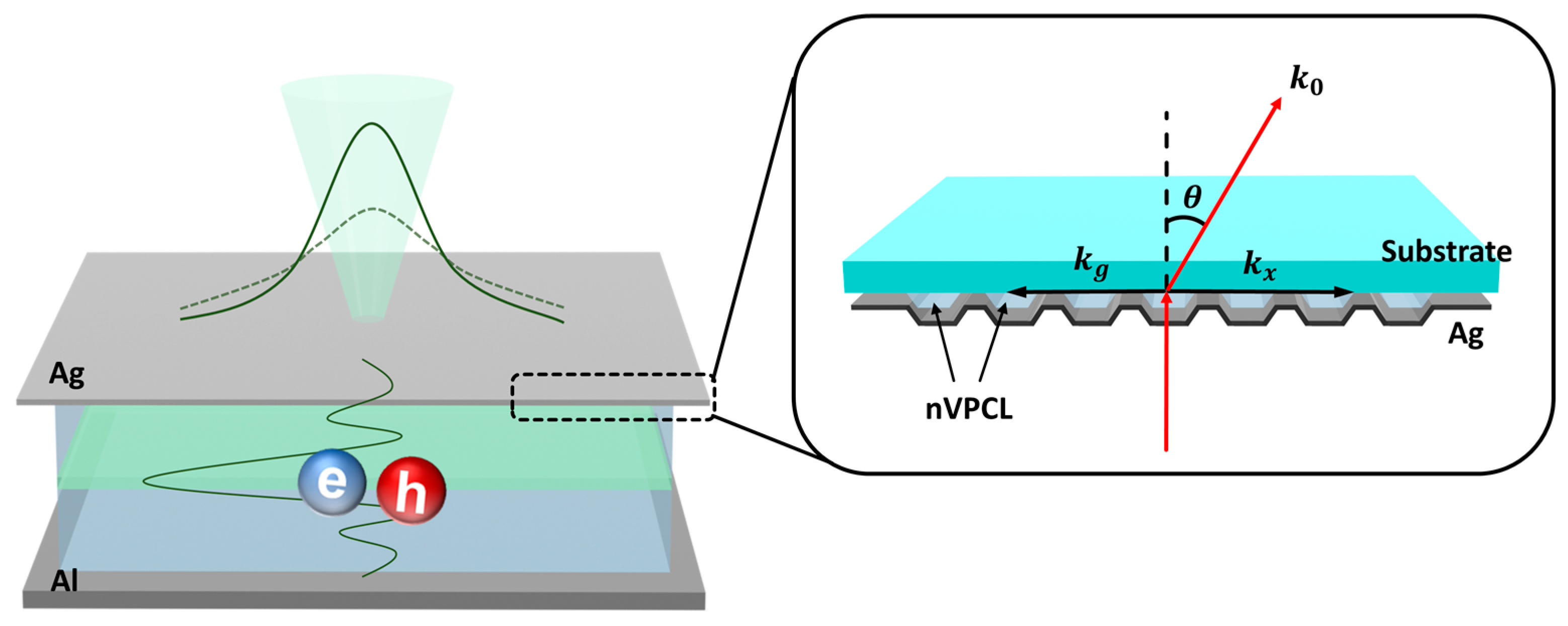
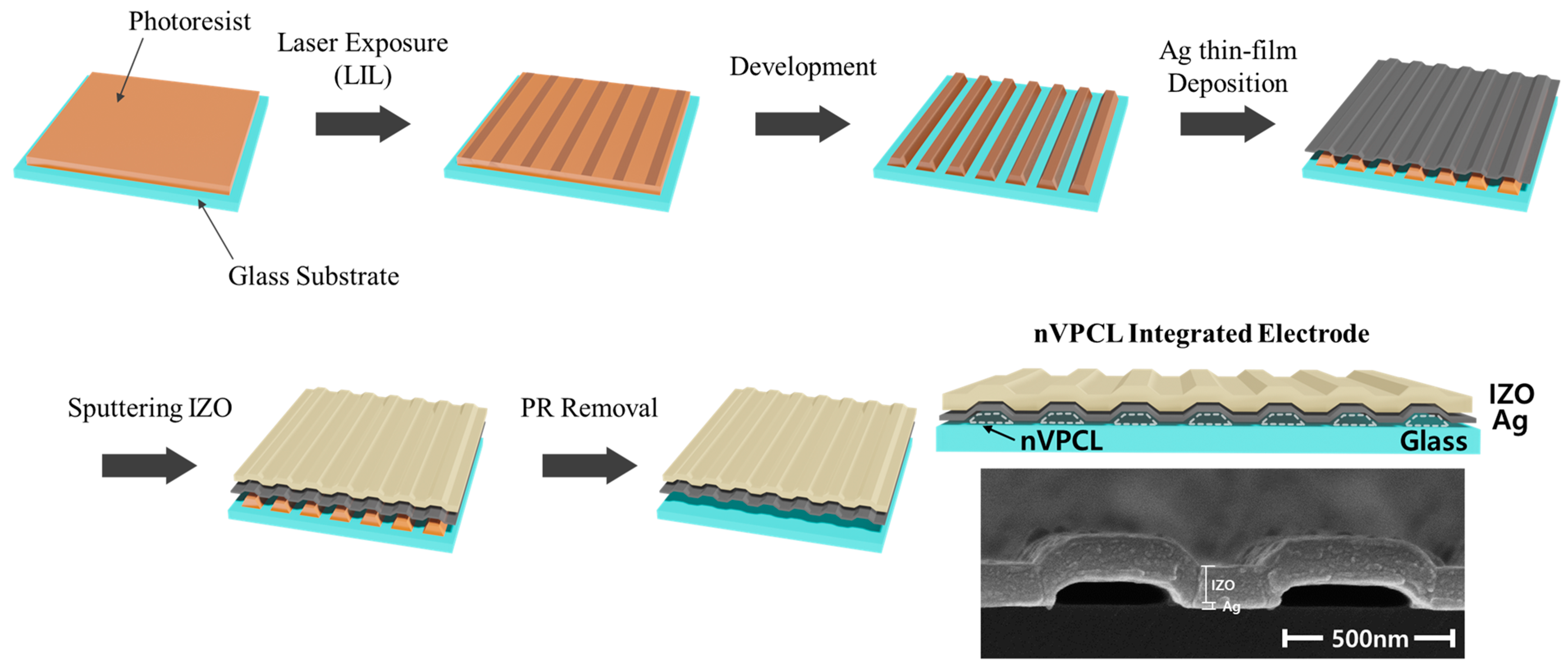
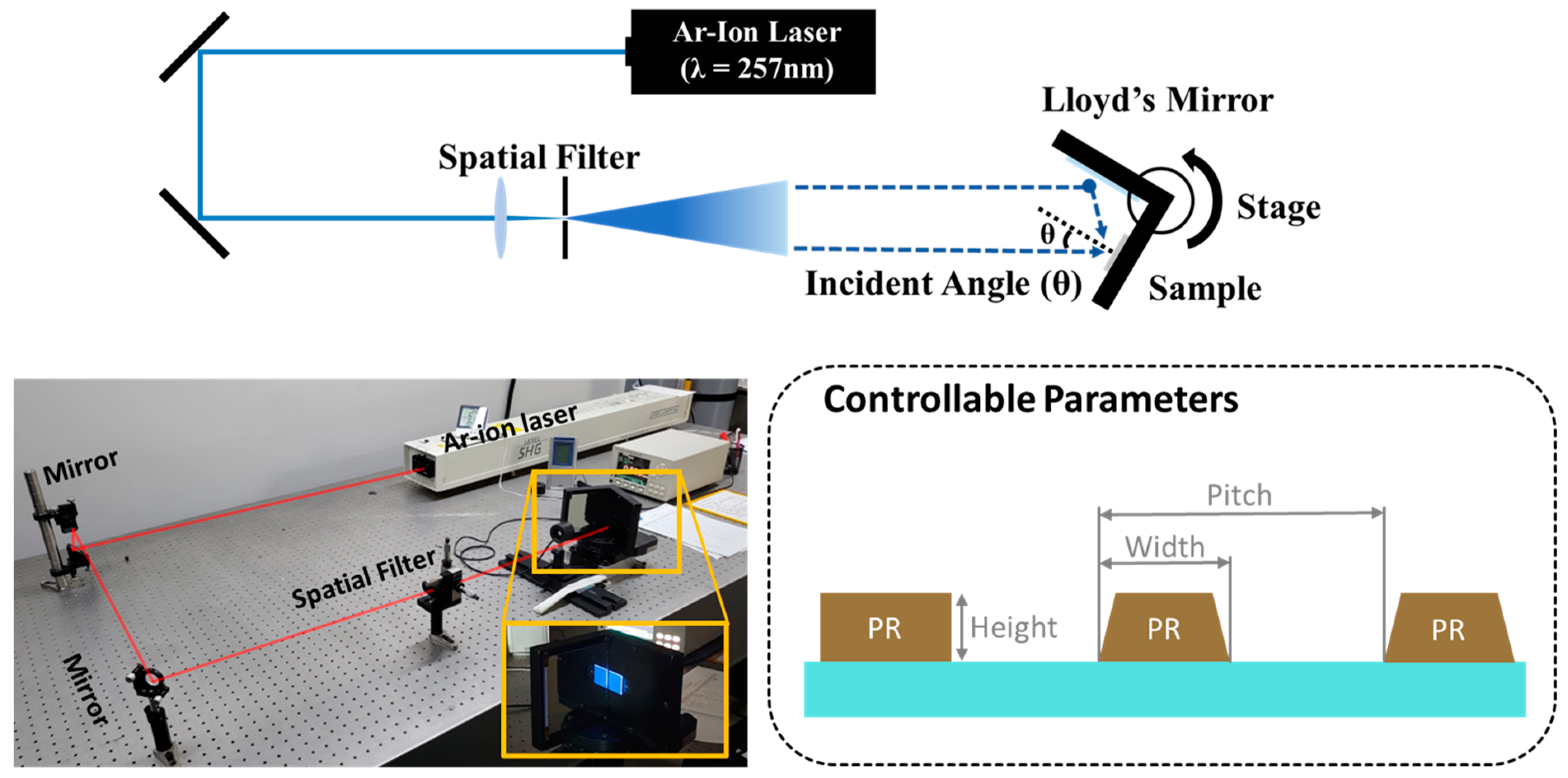
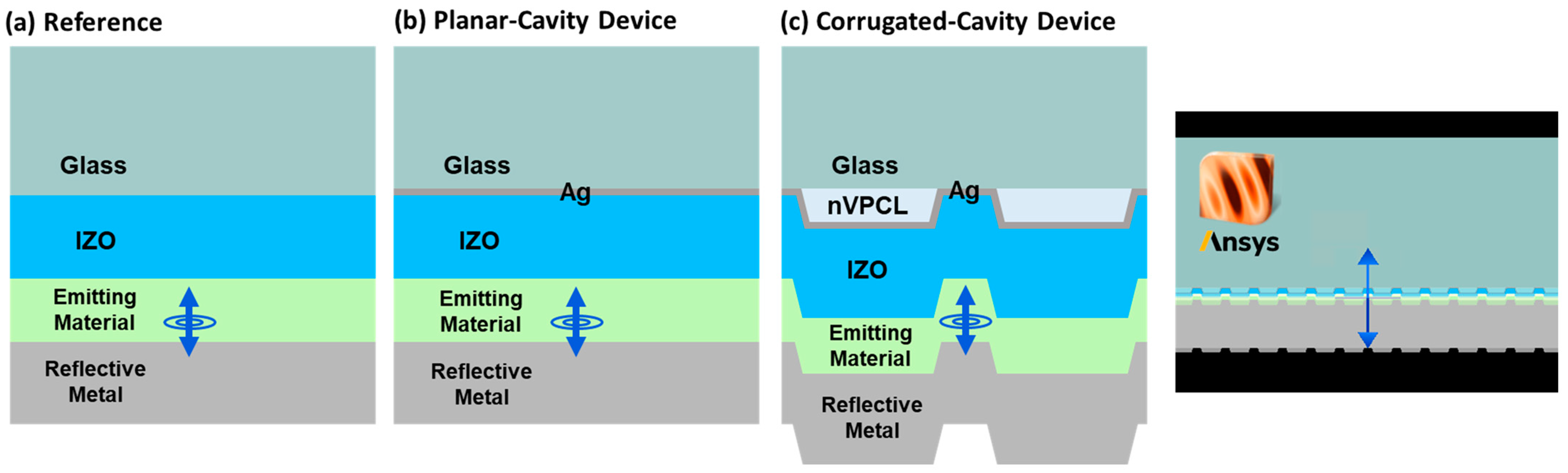
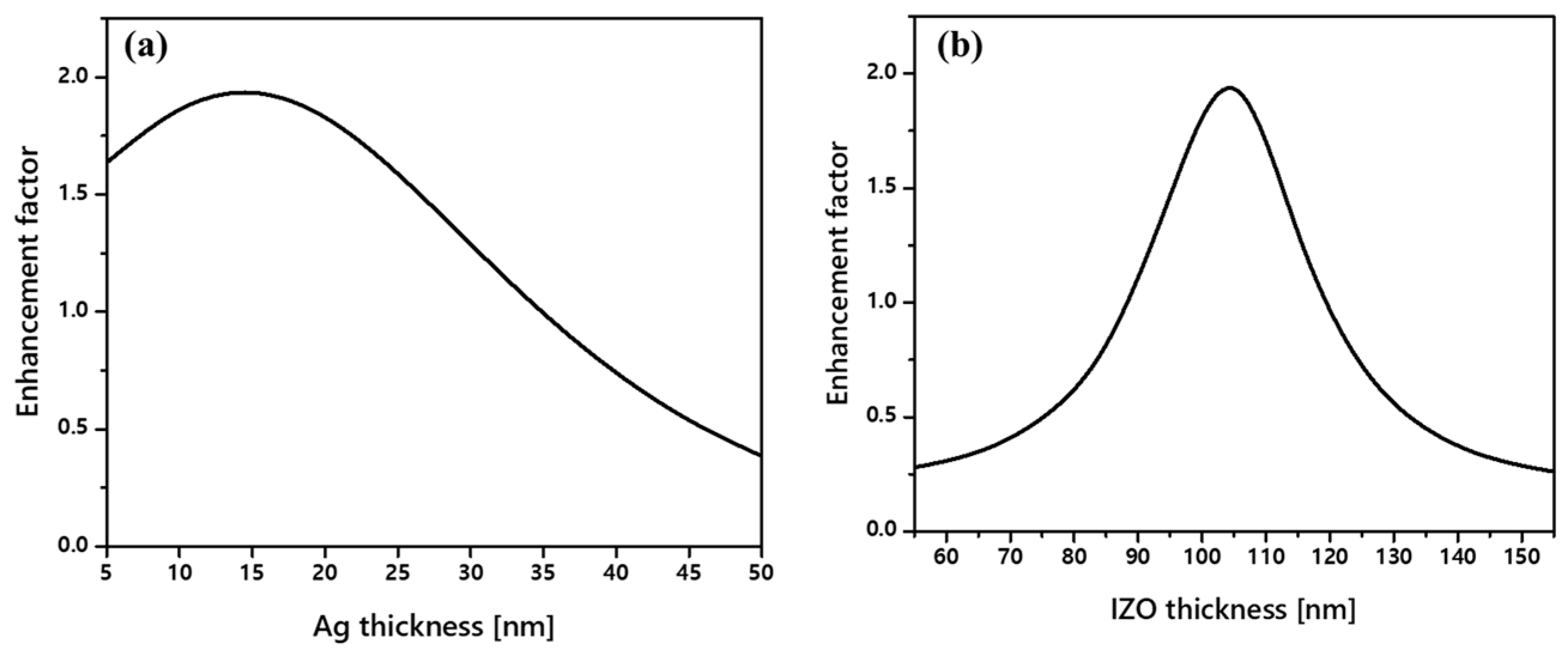
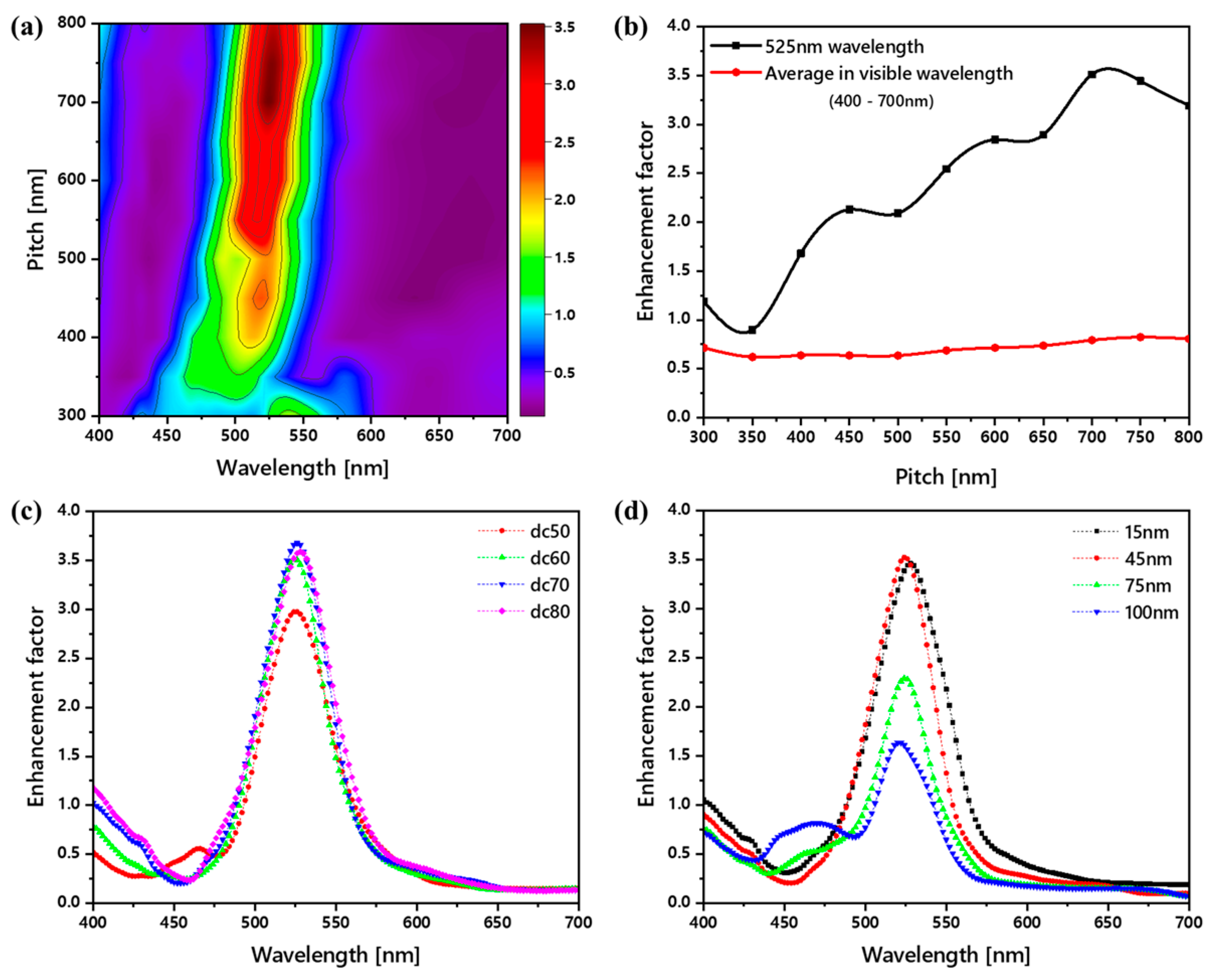
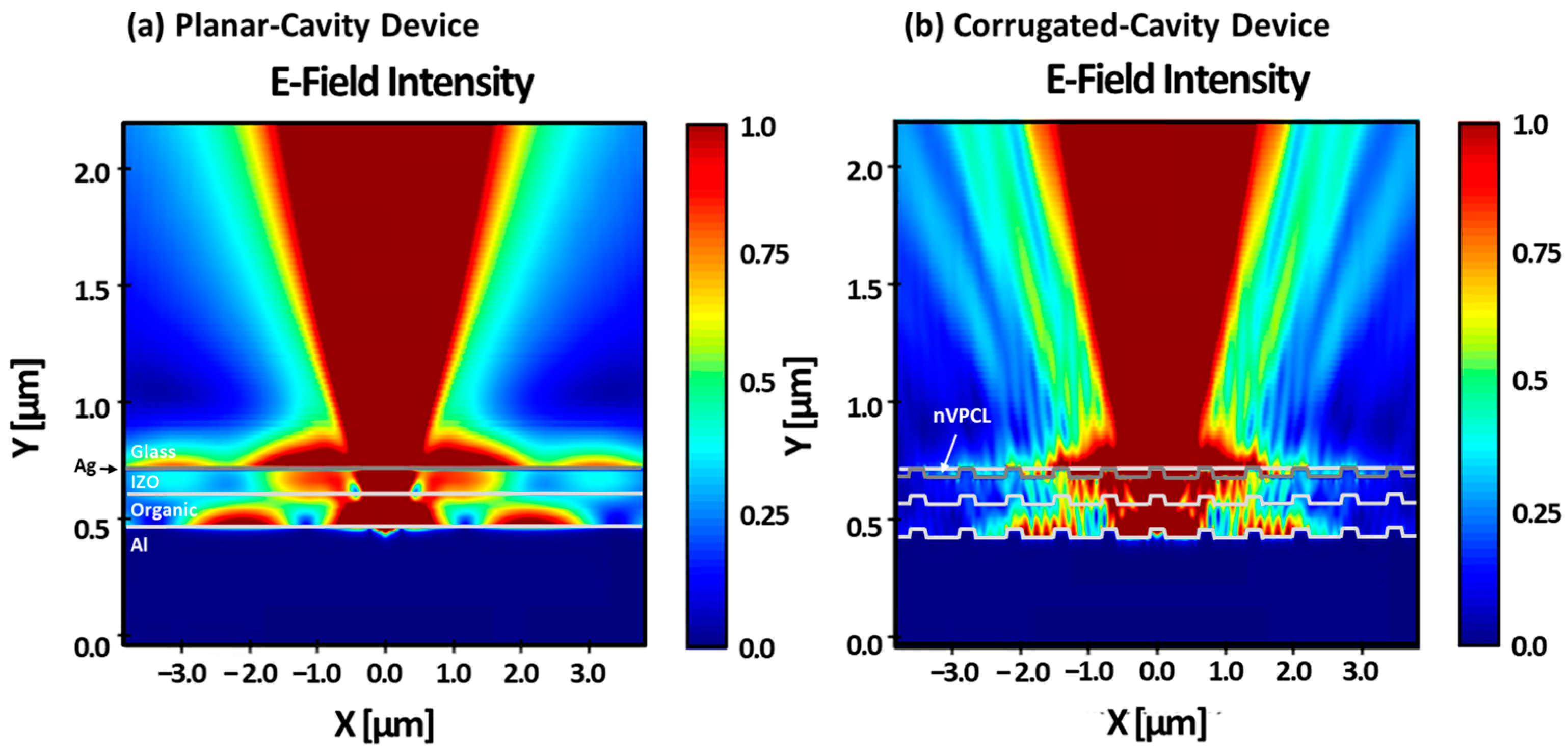
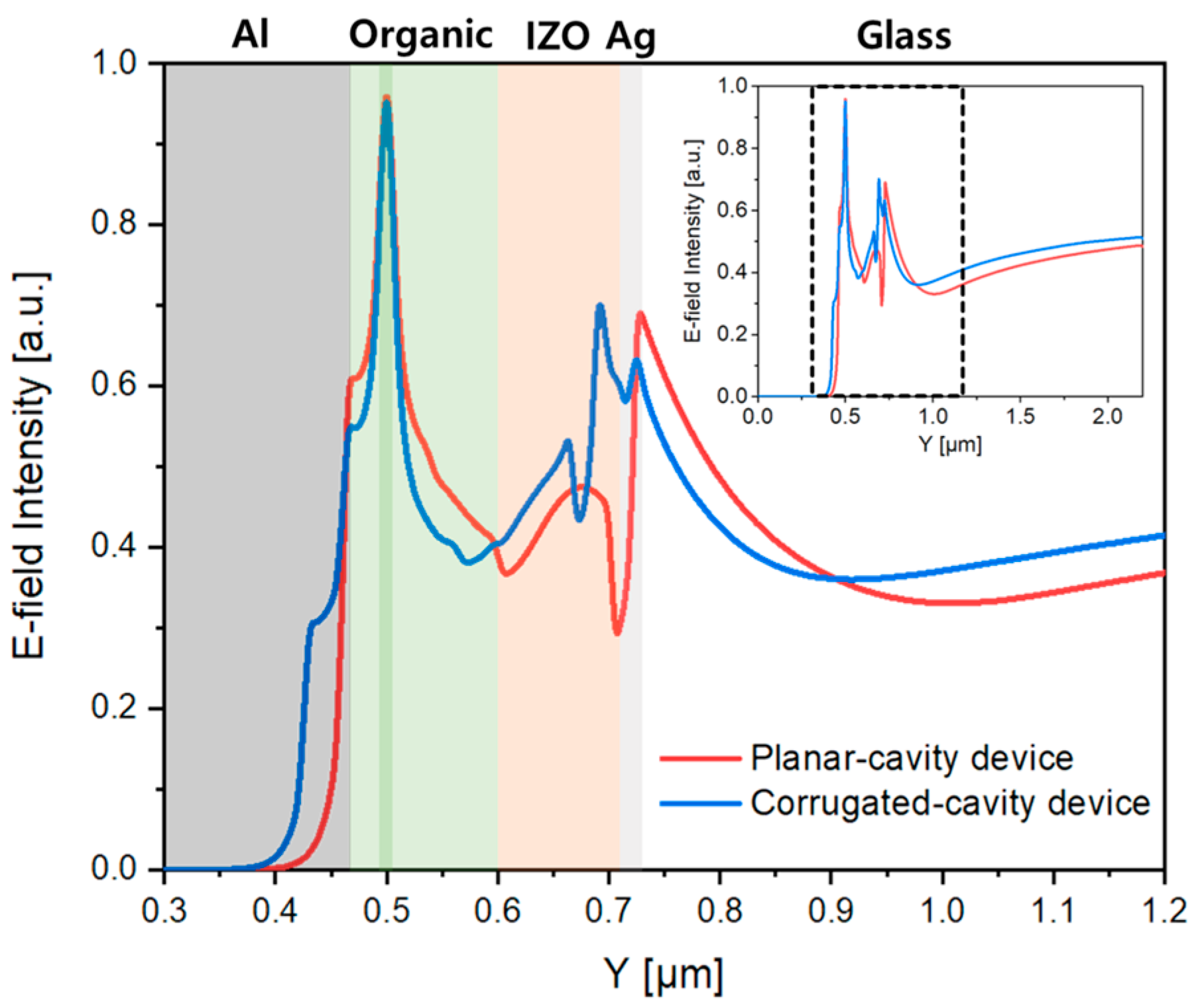
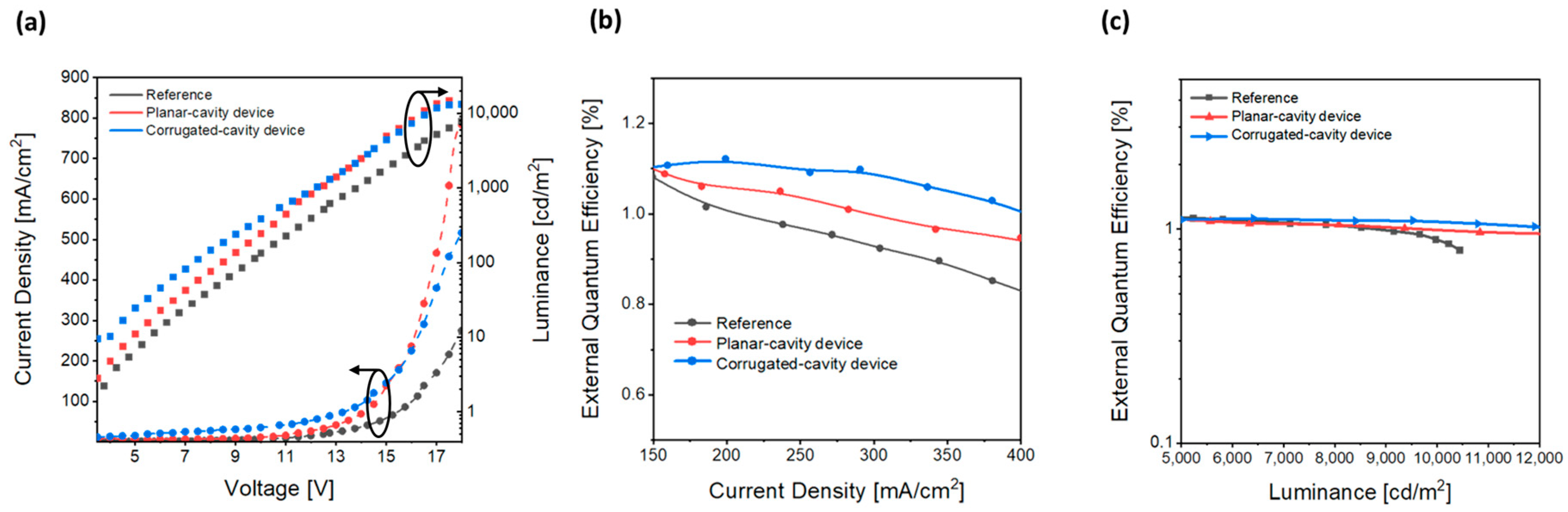
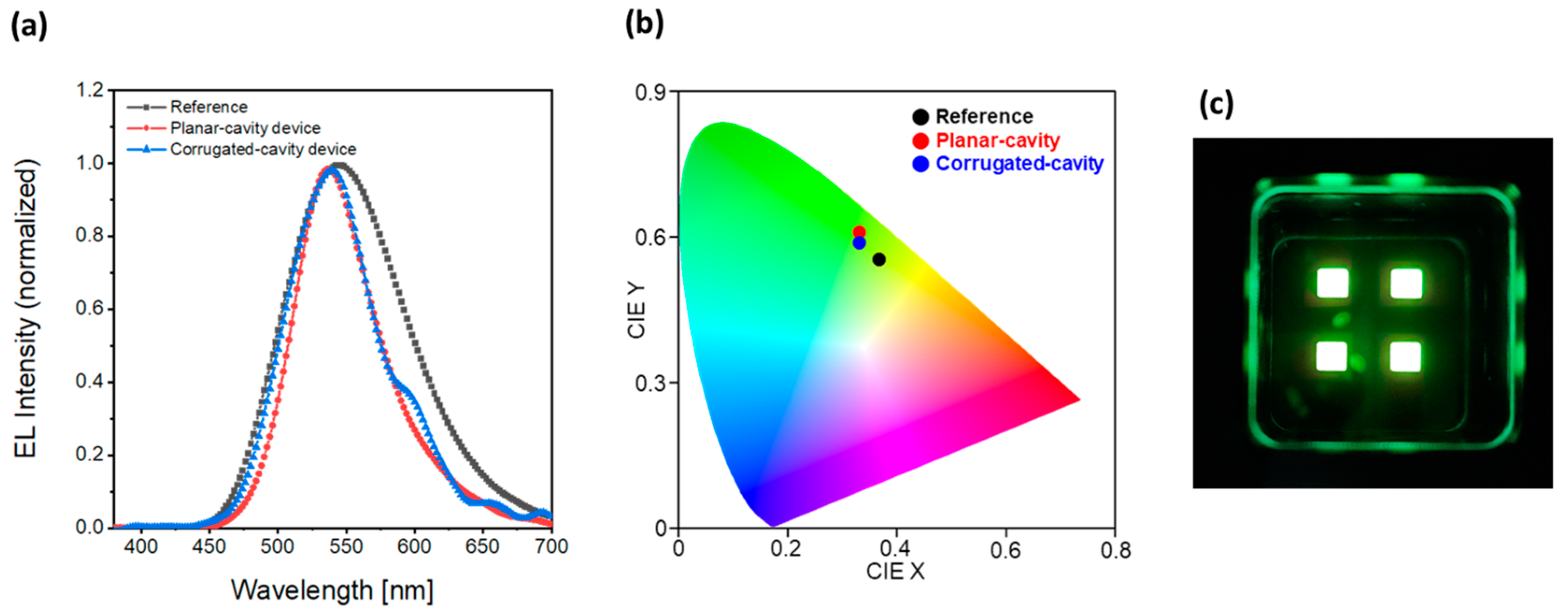
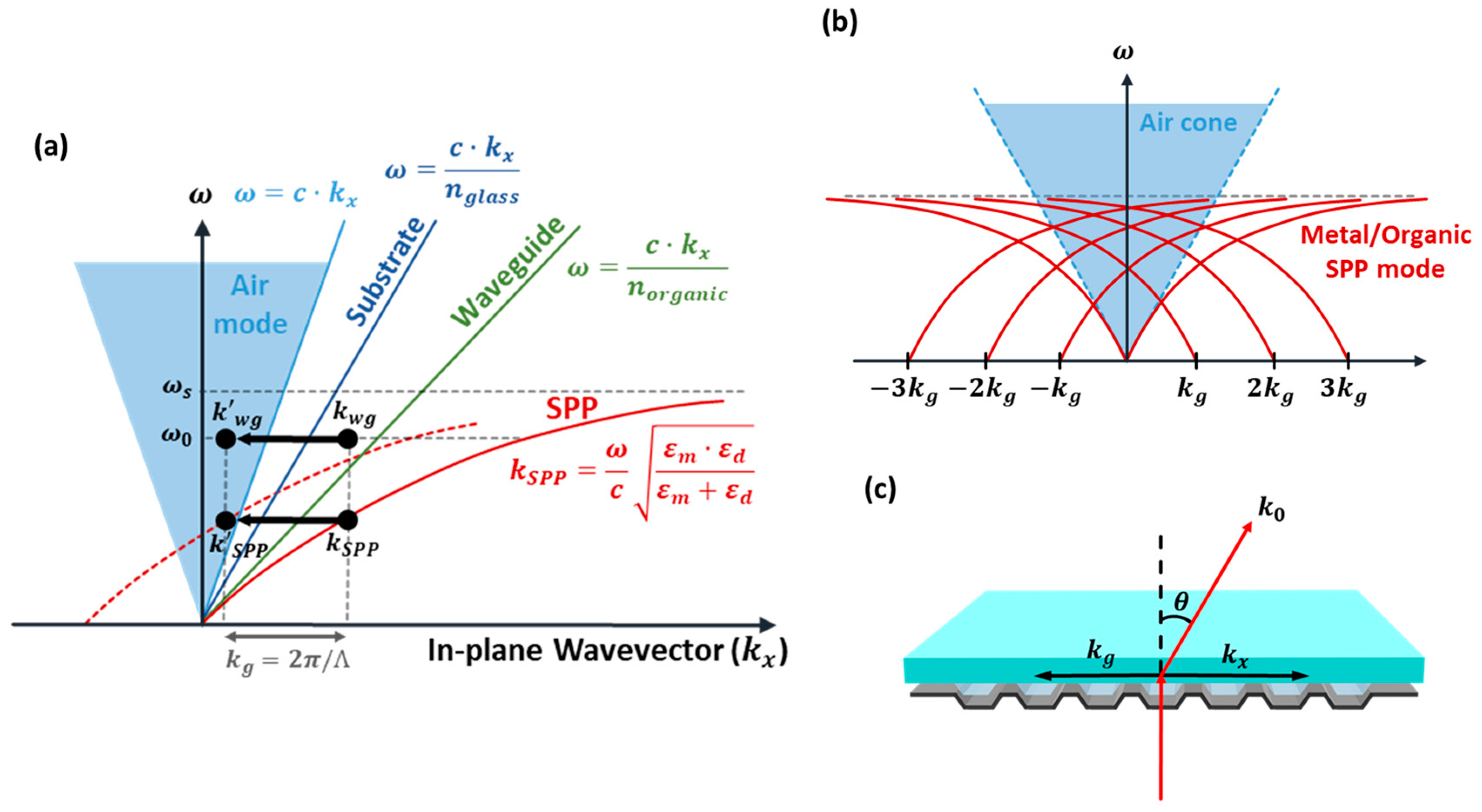
Luminous efficiency is a pivotal factor for assessing the performance of optoelectronic devices, wherein light loss caused by diverse factors is harvested and converted into the radiative mode. In this study, we demonstrate a nanoscale vacuum photonic crystal layer (nVPCL) for light extraction enhancement. A corrugated semi-transparent electrode incorporating a periodic hollow-structure array was designed through a simulation that utilizes finite-difference time-domain computational analysis. The corrugated profile, stemming from the periodic hollow structure, was fabricated using laser interference lithography, which allows the precise engineering of various geometrical parameters by controlling the process conditions. The semi-transparent electrode consisted of a 15 nm thick Ag film, which acted as the exit mirror and induced microcavity resonance. When applied to a conventional green organic light-emitting diode (OLED) structure, the optimized nVPCL-integrated device demonstrated a 21.5% enhancement in external quantum efficiency compared to the reference device. Further, the full width at half maximum exhibited a 27.5% reduction compared to that of the reference device, demonstrating improved color purity. This study presents a novel approach by applying a hybrid thin film electrode design to optoelectronic devices to enhance optical efficiency and color purity.
Keywords: laser interference lithography; periodic array; hollow structure; nanoscale vacuum photonic crystal layer; finite-difference time-domain simulation; microcavity; OLED laser interference lithography; periodic array; hollow structure; nanoscale vacuum photonic crystal layer; finite-difference time-domain simulation; microcavity; OLED