Review

Optical Whispering-Gallery-Mode Microbubble Sensors
The Key Laboratory of Micro and Nano Photonic Structures, Department of Optical Science and Engineering, Fudan University, Shanghai 200438, China
*
Author to whom correspondence should be addressed.
Micromachines 2022, 13(4), 592; https://doi.org/10.3390/mi13040592
Submission received: 20 March 2022 / Revised: 1 April 2022 / Accepted: 7 April 2022 / Published: 9 April 2022
(This article belongs to the Special Issue Microfluidics and Lab-on-a-Chip Applications for Biosensing)

Abstract

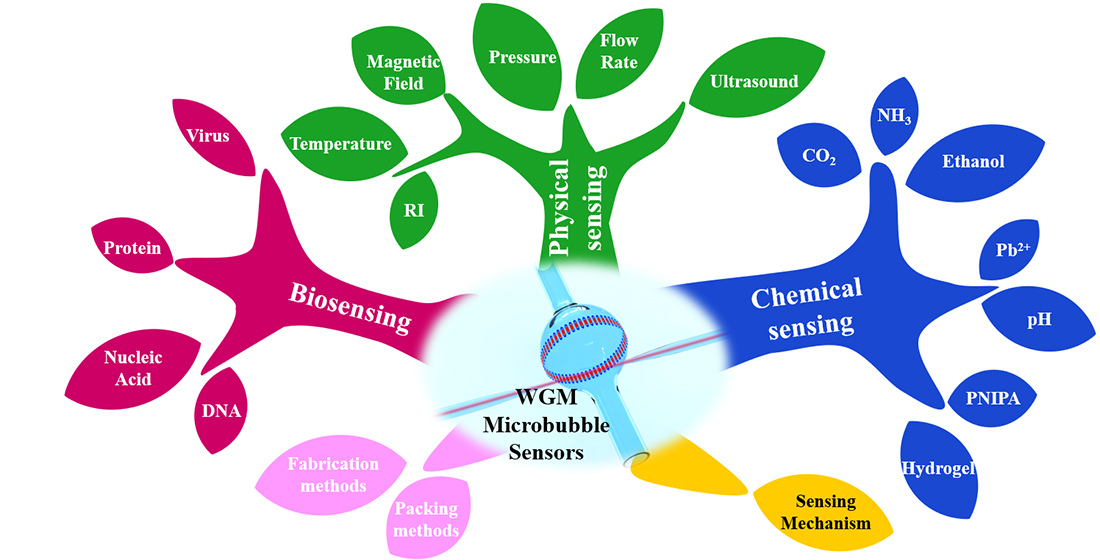
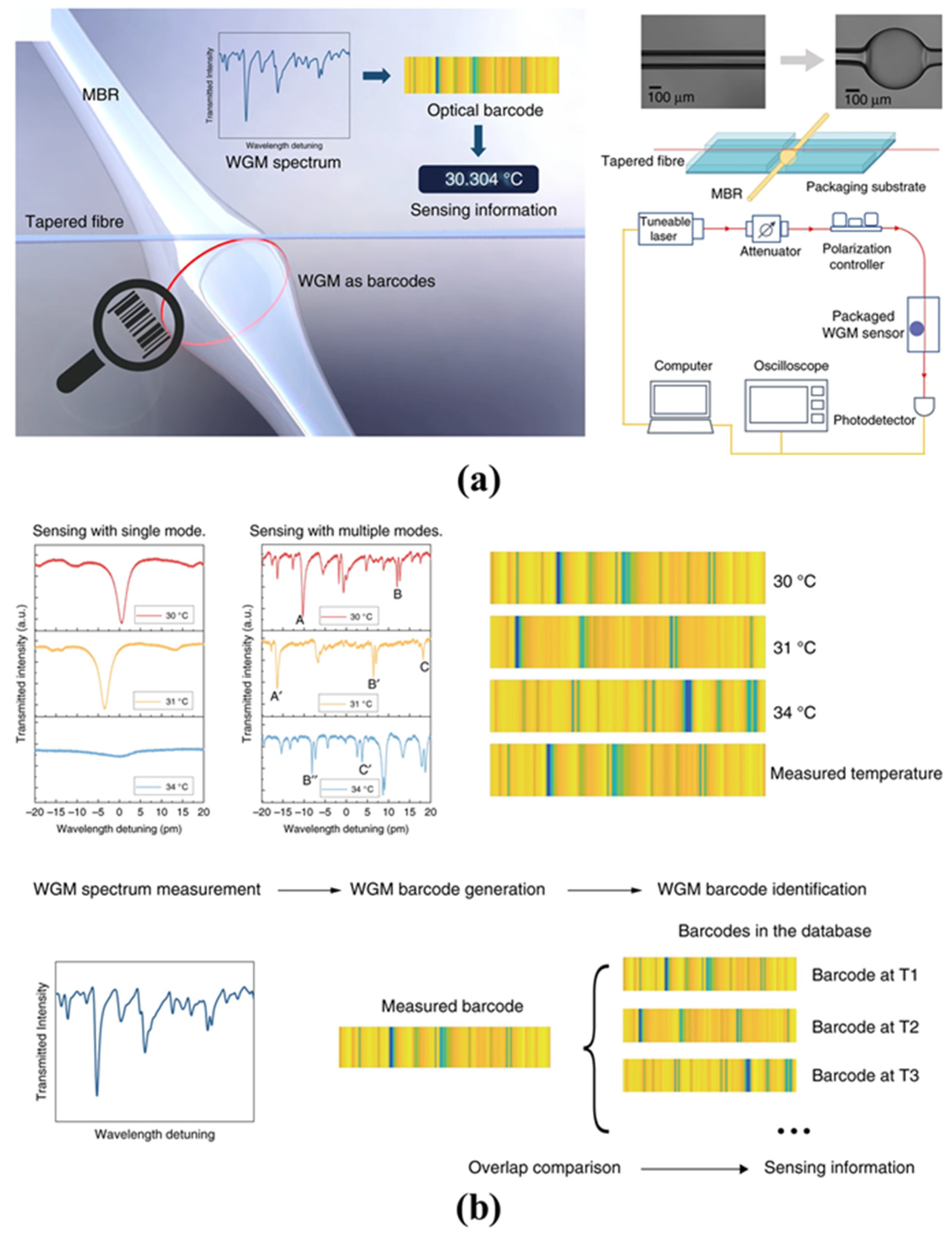
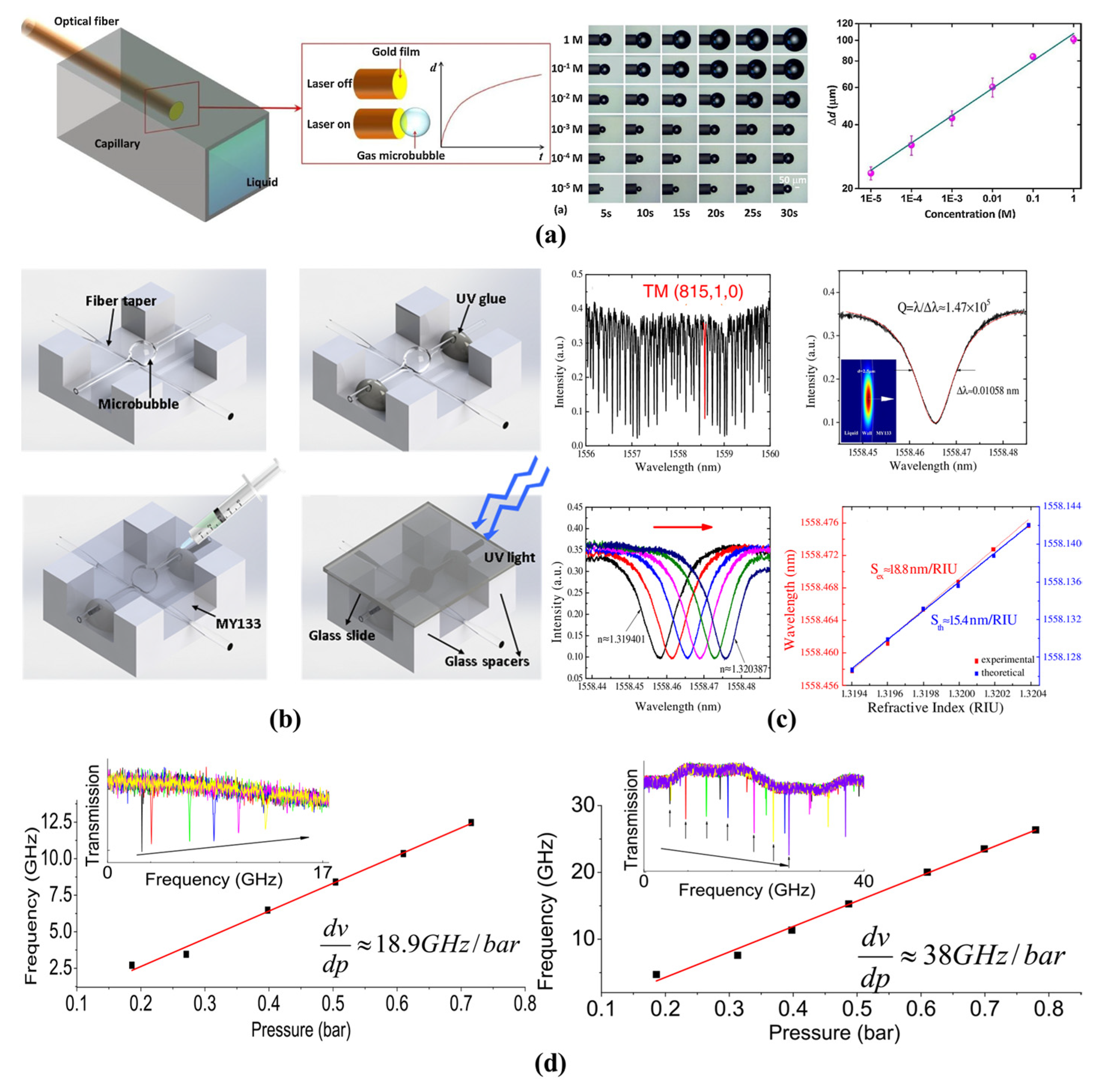
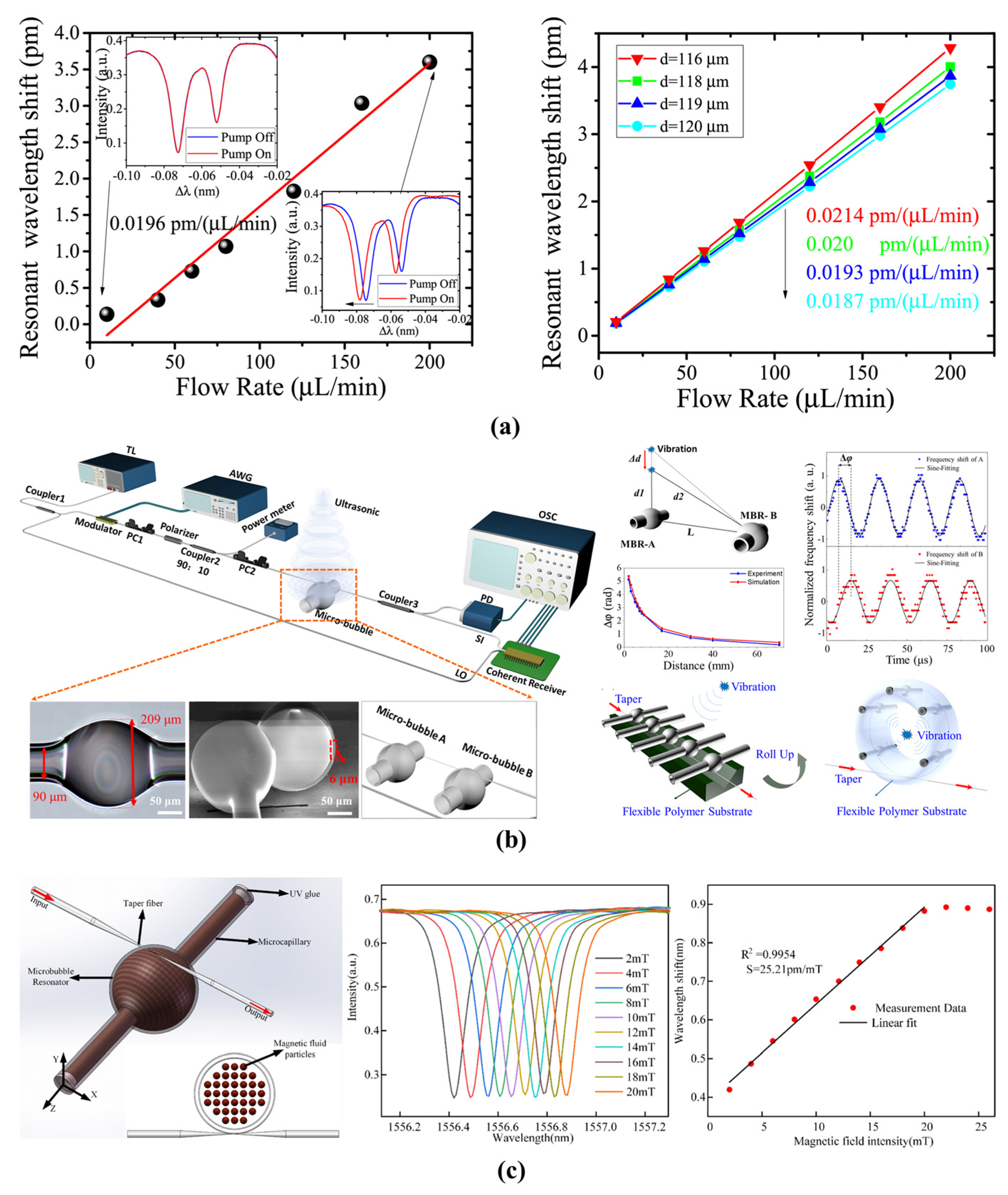
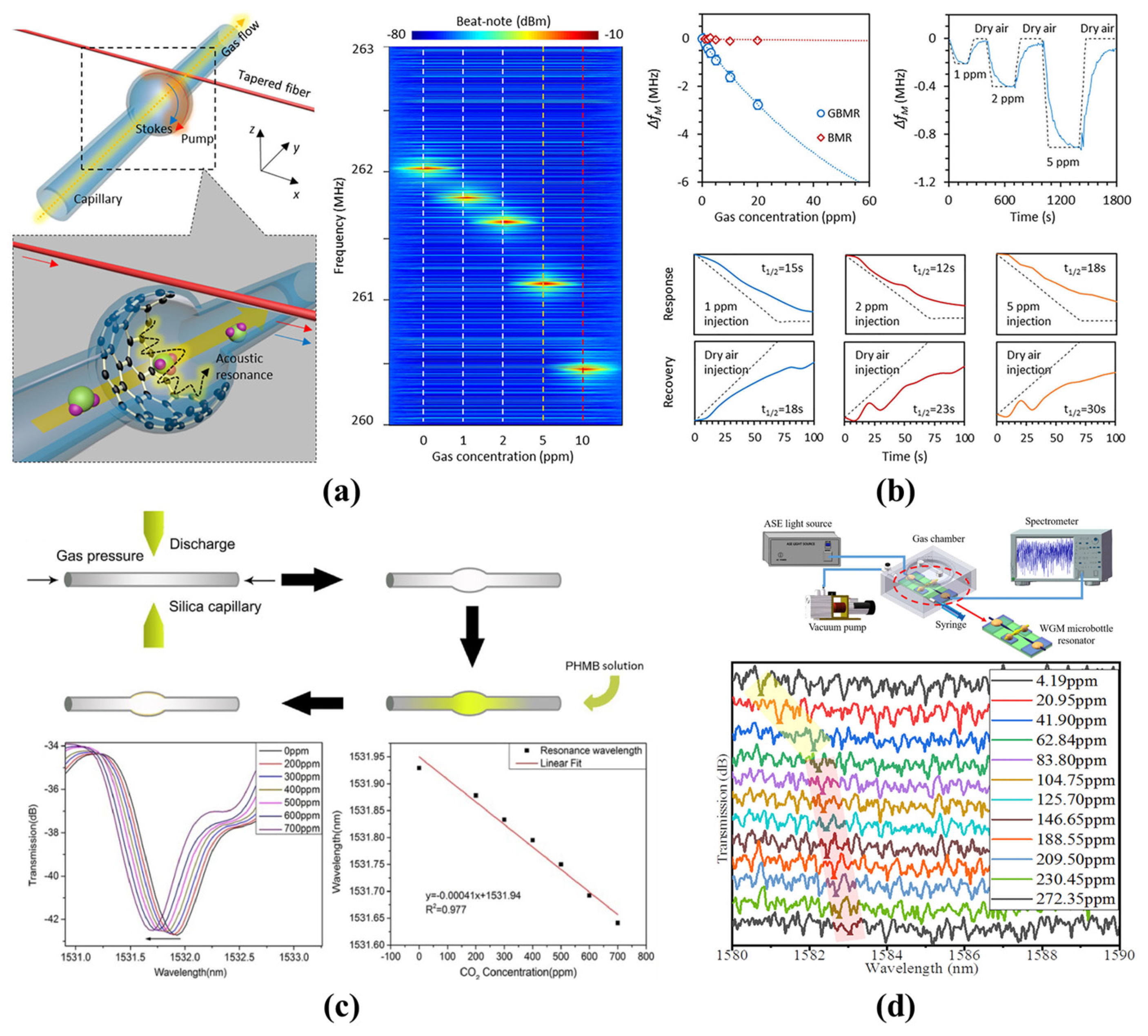
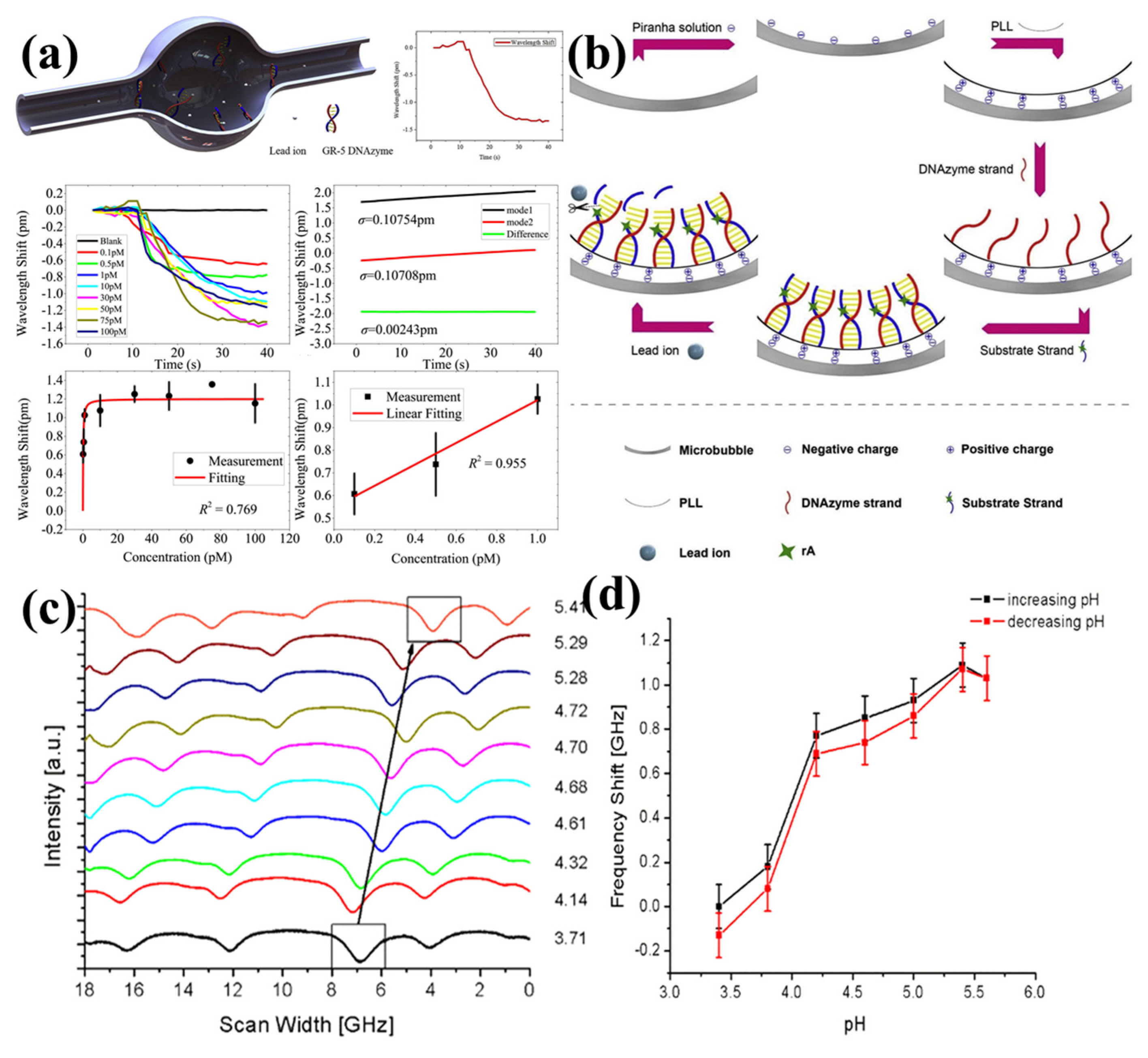
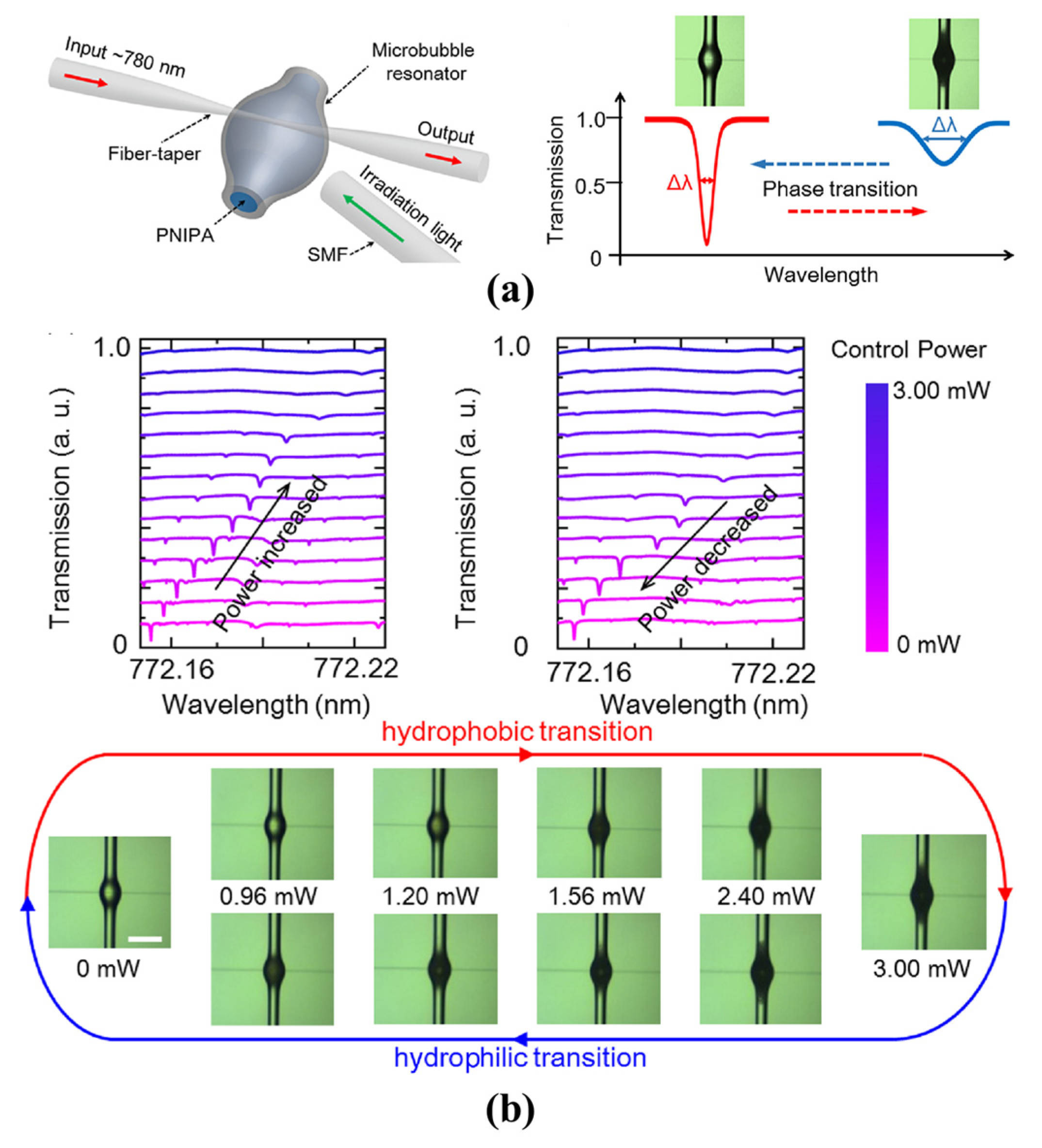
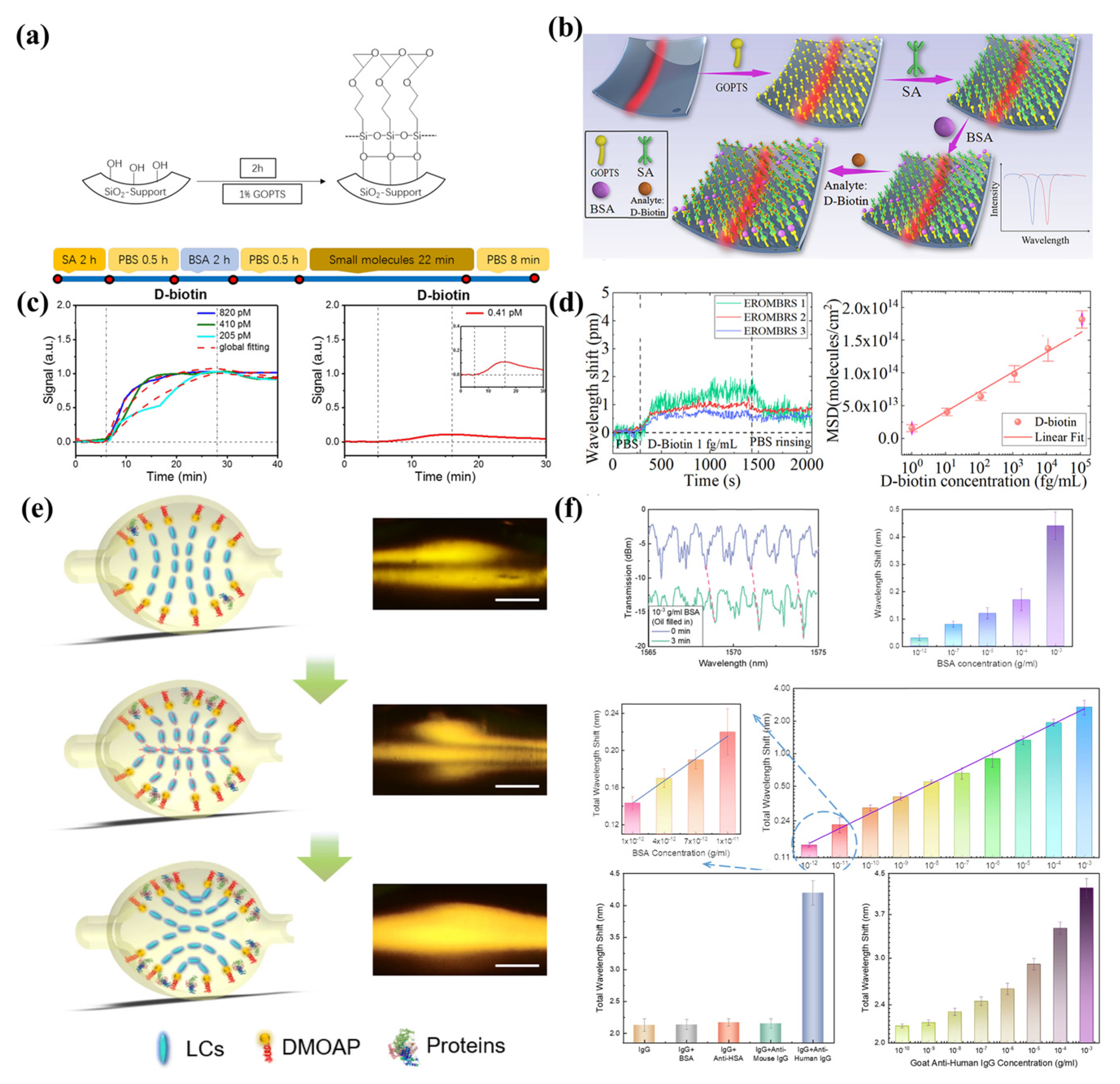
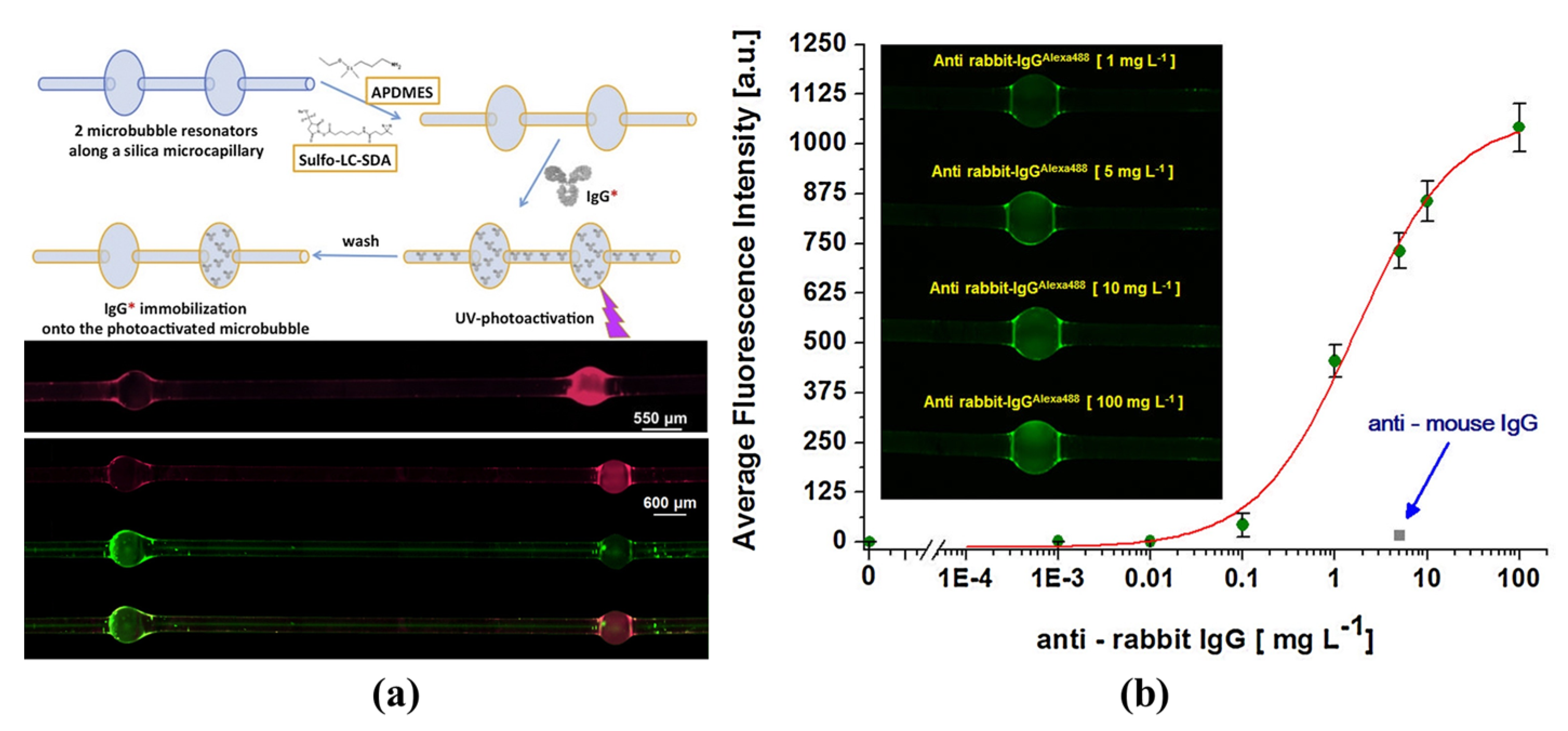
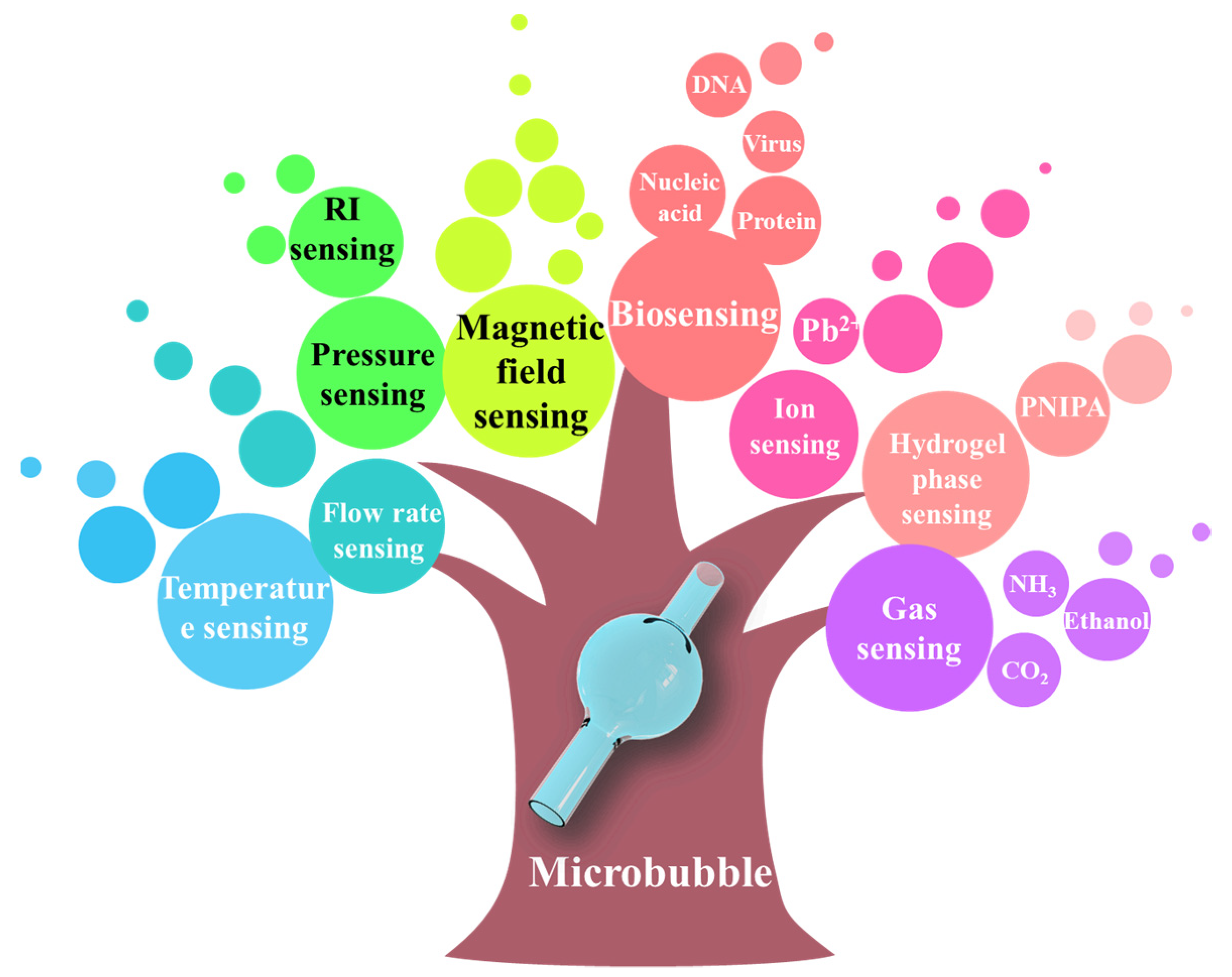
Whispering-gallery-mode (WGM) microbubble resonators are ideal optical sensors due to their high quality factor, small mode volume, high optical energy density, and geometry/design/structure (i.e., hollow microfluidic channels). When used in combination with microfluidic technologies, WGM microbubble resonators can be applied in chemical and biological sensing due to strong light–matter interactions. The detection of ultra-low concentrations over a large dynamic range is possible due to their high sensitivity, which has significance for environmental monitoring and applications in life-science. Furthermore, WGM microbubble resonators have also been widely used for physical sensing, such as to detect changes in temperature, stress, pressure, flow rate, magnetic field and ultrasound. In this article, we systematically review and summarize the sensing mechanisms, fabrication and packing methods, and various applications of optofluidic WGM microbubble resonators. The challenges of rapid production and practical applications of WGM microbubble resonators are also discussed.
Keywords: whispering-gallery-mode microcavity; optical microbubble resonator; sensors; microfluidic technology whispering-gallery-mode microcavity; optical microbubble resonator; sensors; microfluidic technology
Graphical Abstract