Article

Thermodynamic Modeling of Solvent-Assisted Lipid Bilayer Formation Process
1
School of Mechanical and Aerospace Engineering, Nanyang Technological University, Singapore 639798, Singapore
2
School of Materials Science and Engineering, Nanyang Technological University, Singapore 639798, Singapore
3
School of Chemical and Biomedical Engineering, Nanyang Technological University, Singapore 637459, Singapore
*
Authors to whom correspondence should be addressed.
Micromachines 2022, 13(1), 134; https://doi.org/10.3390/mi13010134
Submission received: 22 December 2021 / Revised: 10 January 2022 / Accepted: 11 January 2022 / Published: 15 January 2022
(This article belongs to the Special Issue Lipid Bilayers on Chip, Volume II)

Abstract

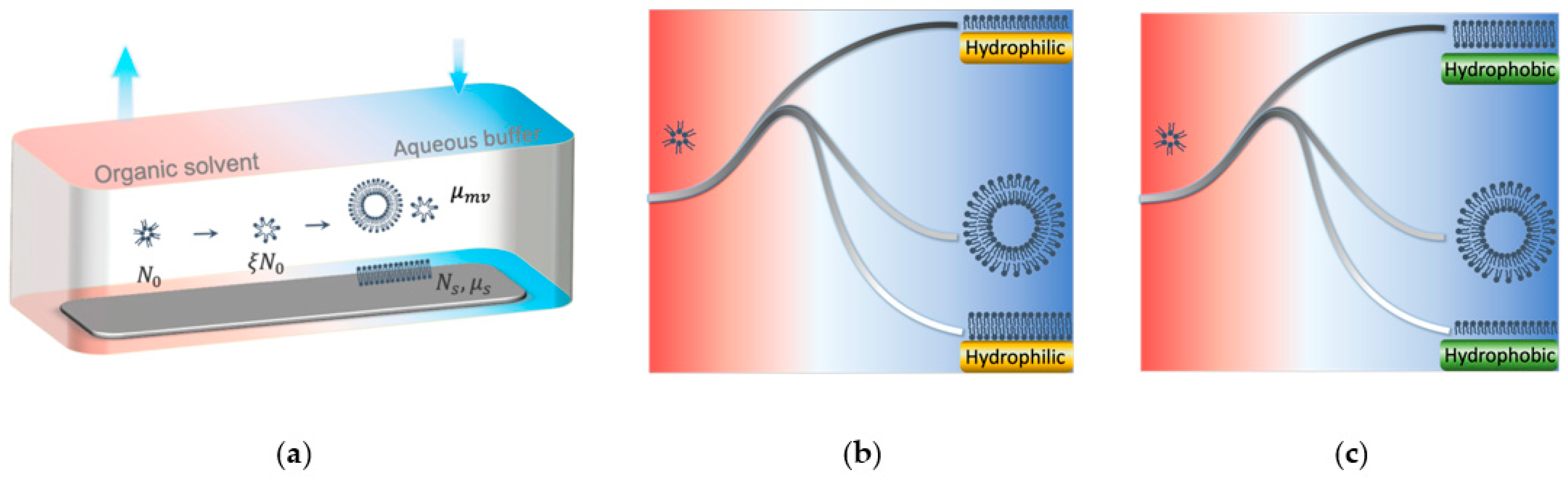
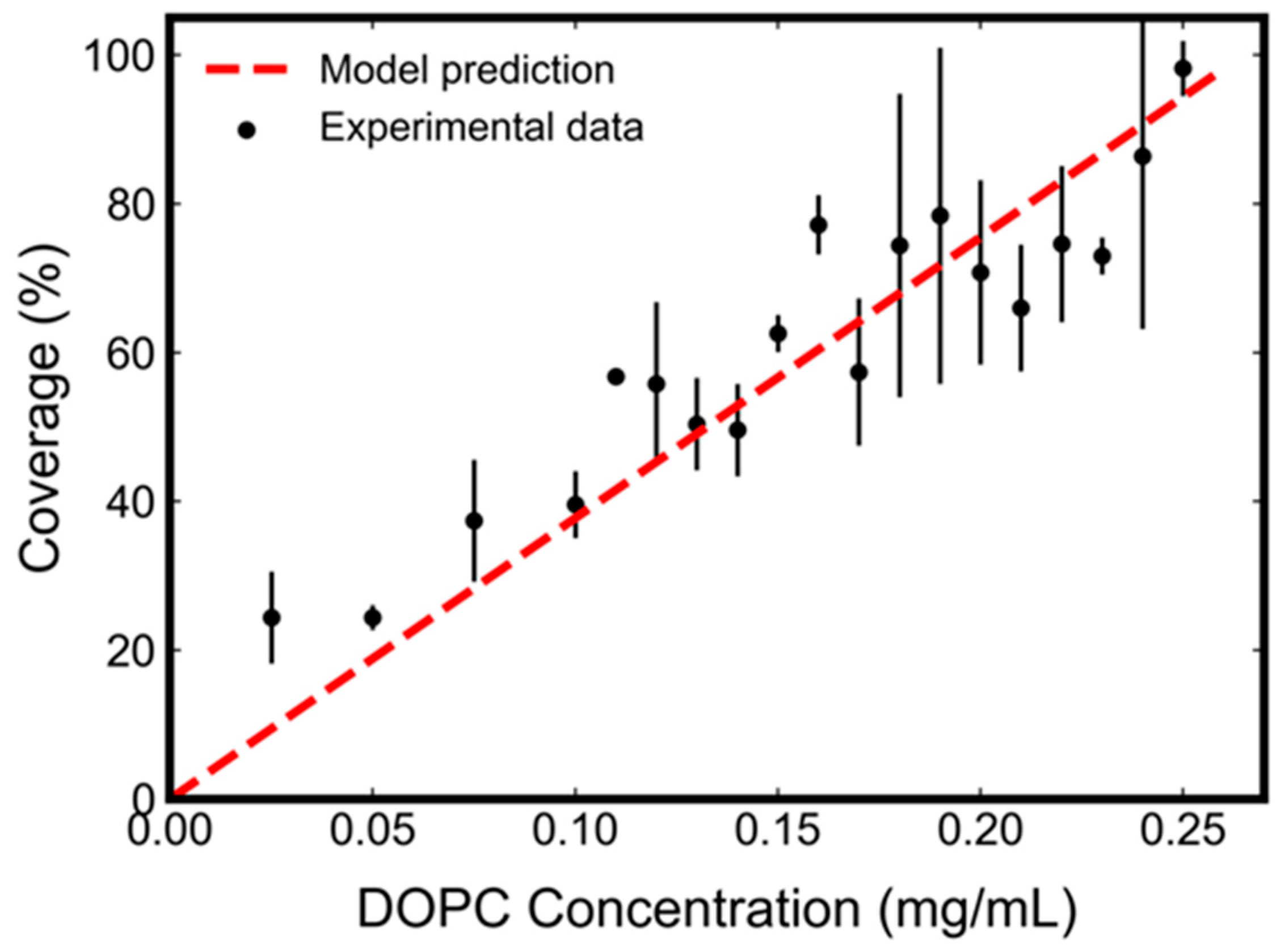
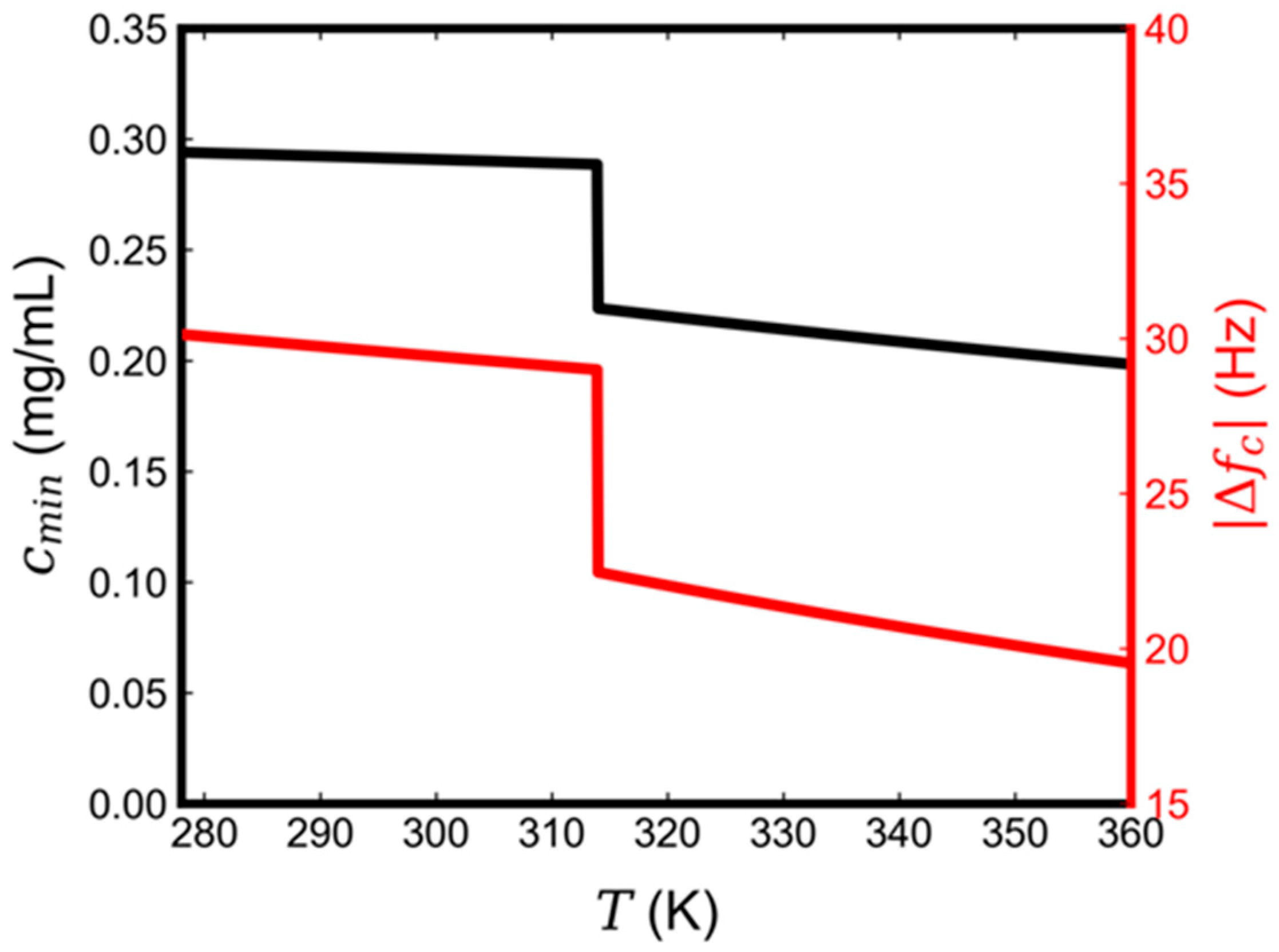
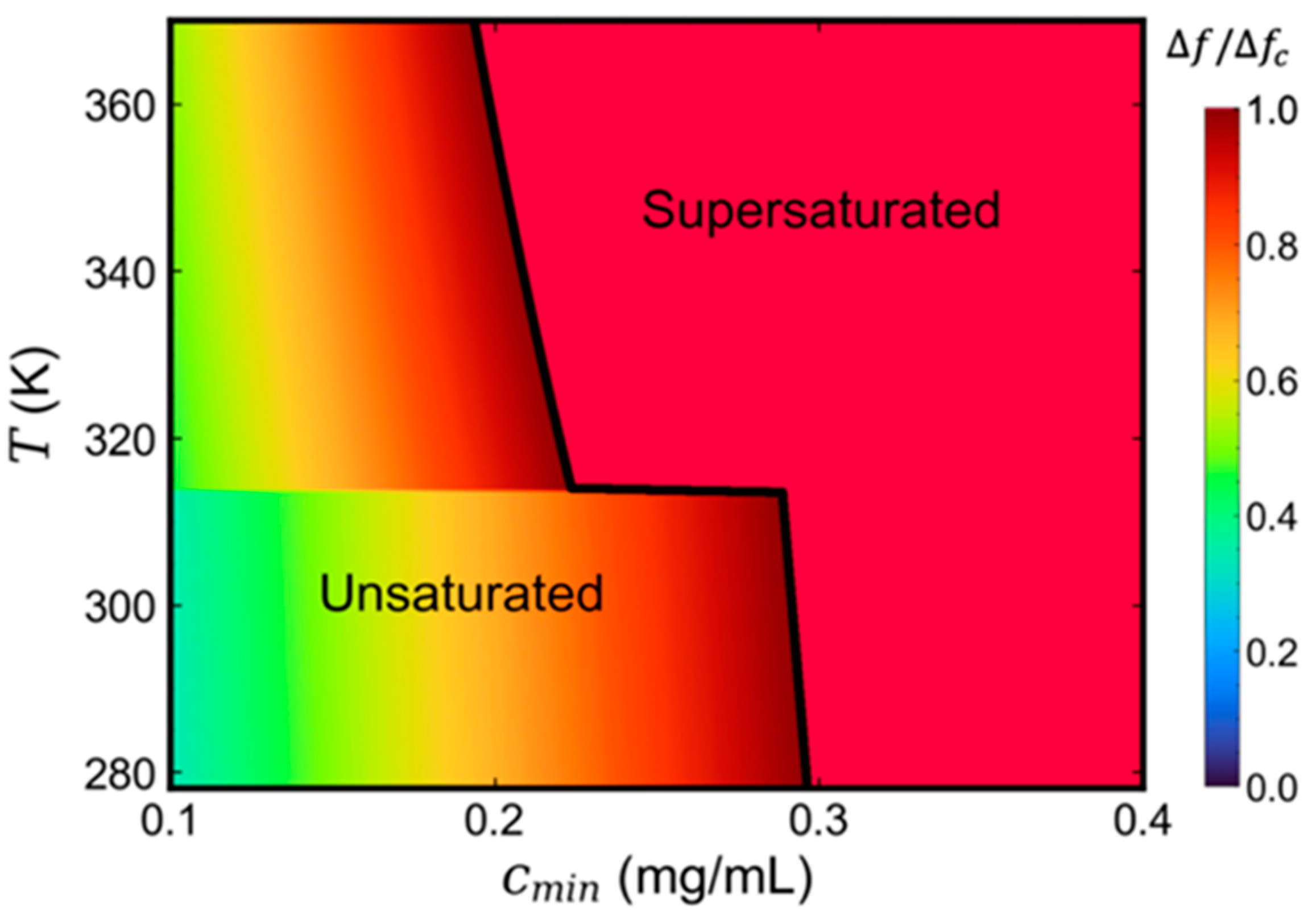
The solvent-assisted lipid bilayer (SALB) formation method provides a simple and efficient, microfluidic-based strategy to fabricate supported lipid bilayers (SLBs) with rich compositional diversity on a wide range of solid supports. While various studies have been performed to characterize SLBs formed using the SALB method, relatively limited work has been carried out to understand the underlying mechanisms of SALB formation under various experimental conditions. Through thermodynamic modeling, we studied the experimental parameters that affect the SALB formation process, including substrate surface properties, initial lipid concentration, and temperature. It was found that all the parameters are critically important to successfully form high-quality SLBs. The model also helps to identify the range of parameter space within which conformal, homogeneous SLBs can be fabricated, and provides mechanistic guidance to optimize experimental conditions for lipid membrane-related applications.
Keywords: supported lipid bilayer; thermodynamics; solvent exchange; self-assembly; SALB supported lipid bilayer; thermodynamics; solvent exchange; self-assembly; SALB