Article

Topology Optimization for FDM Parts Considering the Hybrid Deposition Path Pattern

1
Department of Mechanical Engineering, University of Alberta, Edmonton, AB T2G 2G8, Canada
2
Center for Advanced Jet Engineering Technologies (CaJET), Key Laboratory of High Efficiency and Clean Mechanical Manufacture (Ministry of Education), School of Mechanical Engineering, Shandong University, Jinan 250100, China
*
Author to whom correspondence should be addressed.
Micromachines 2020, 11(8), 709; https://doi.org/10.3390/mi11080709
Submission received: 11 June 2020 / Revised: 11 July 2020 / Accepted: 15 July 2020 / Published: 22 July 2020
(This article belongs to the Special Issue Next-Generation Additive Manufacturing)

Abstract

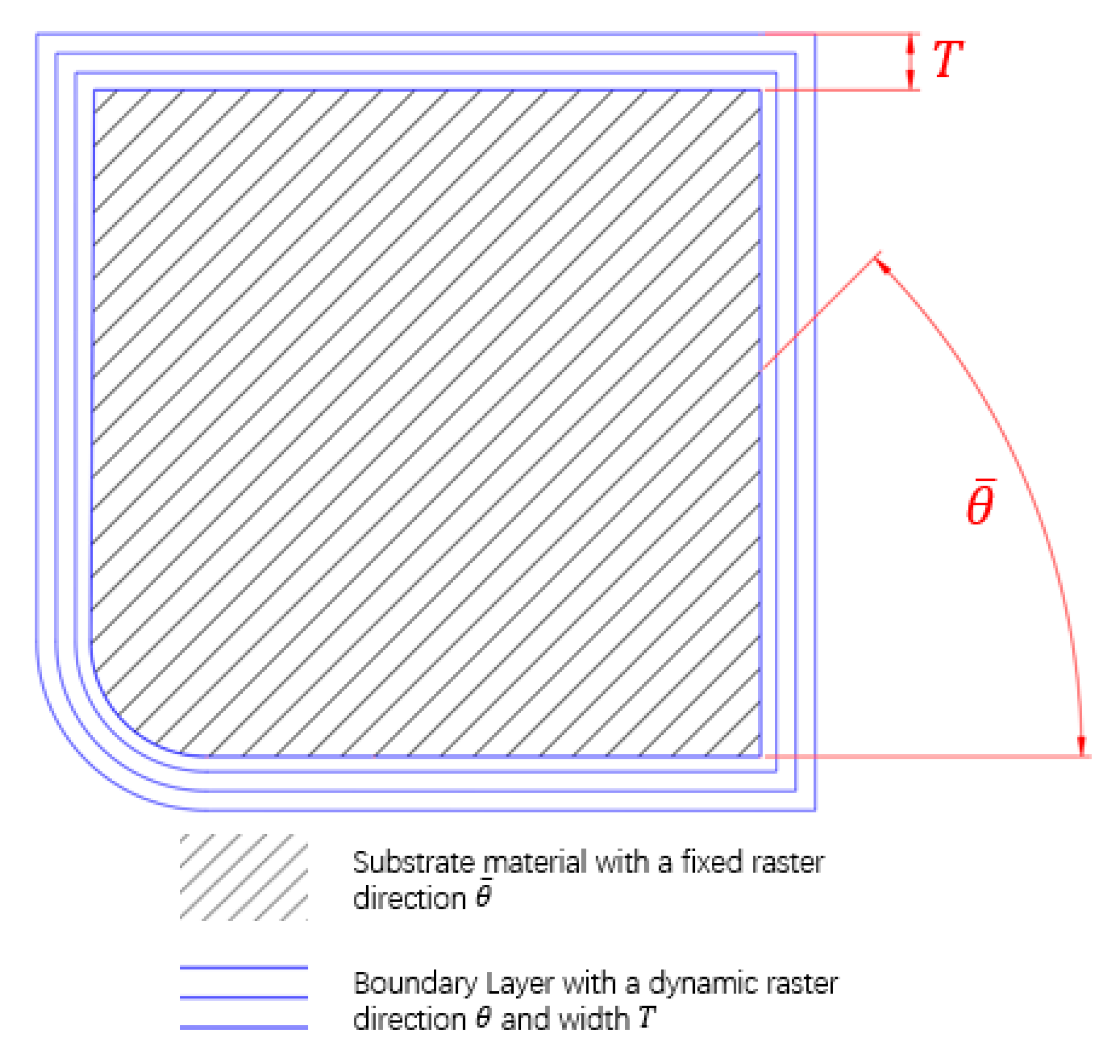
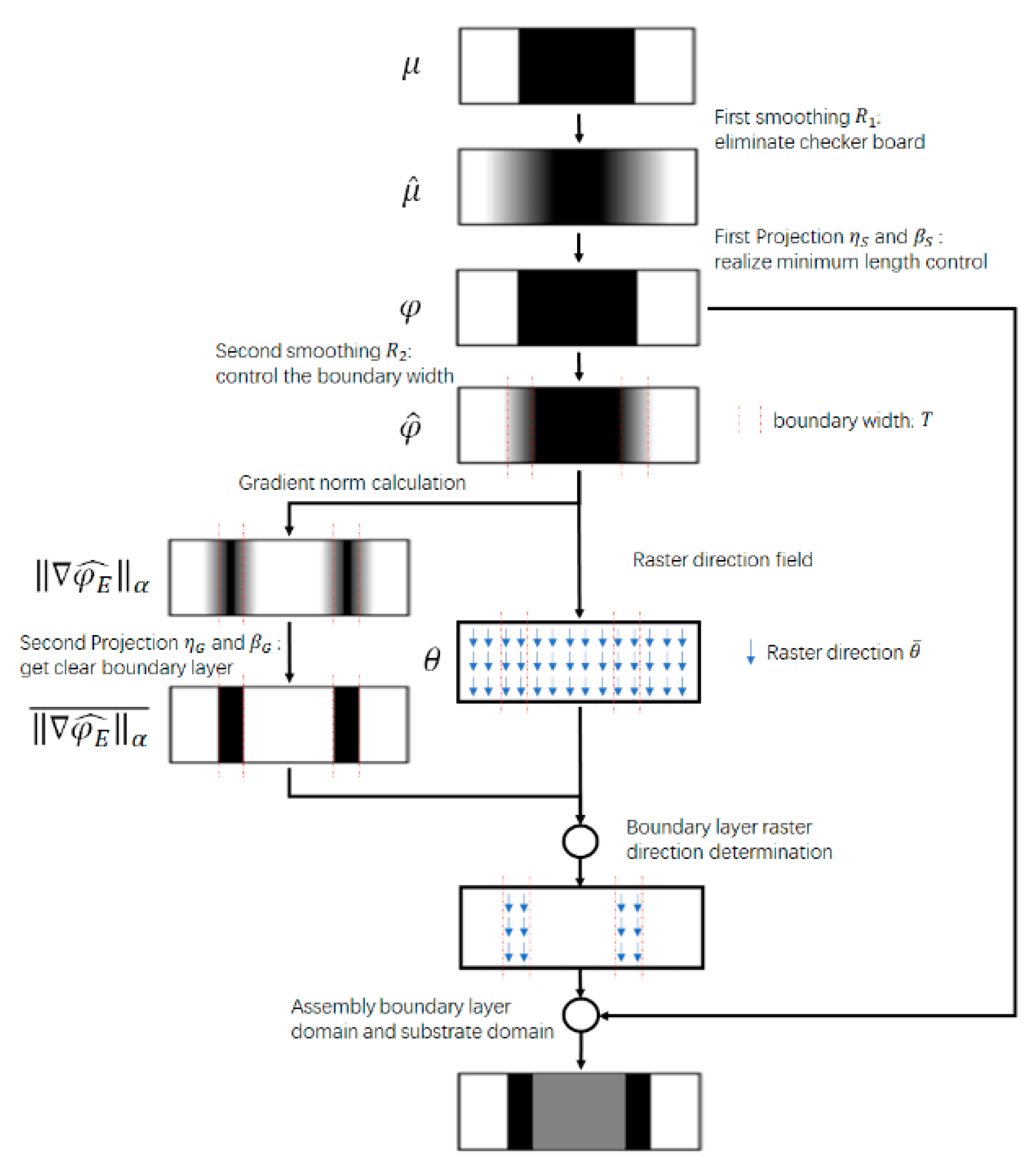
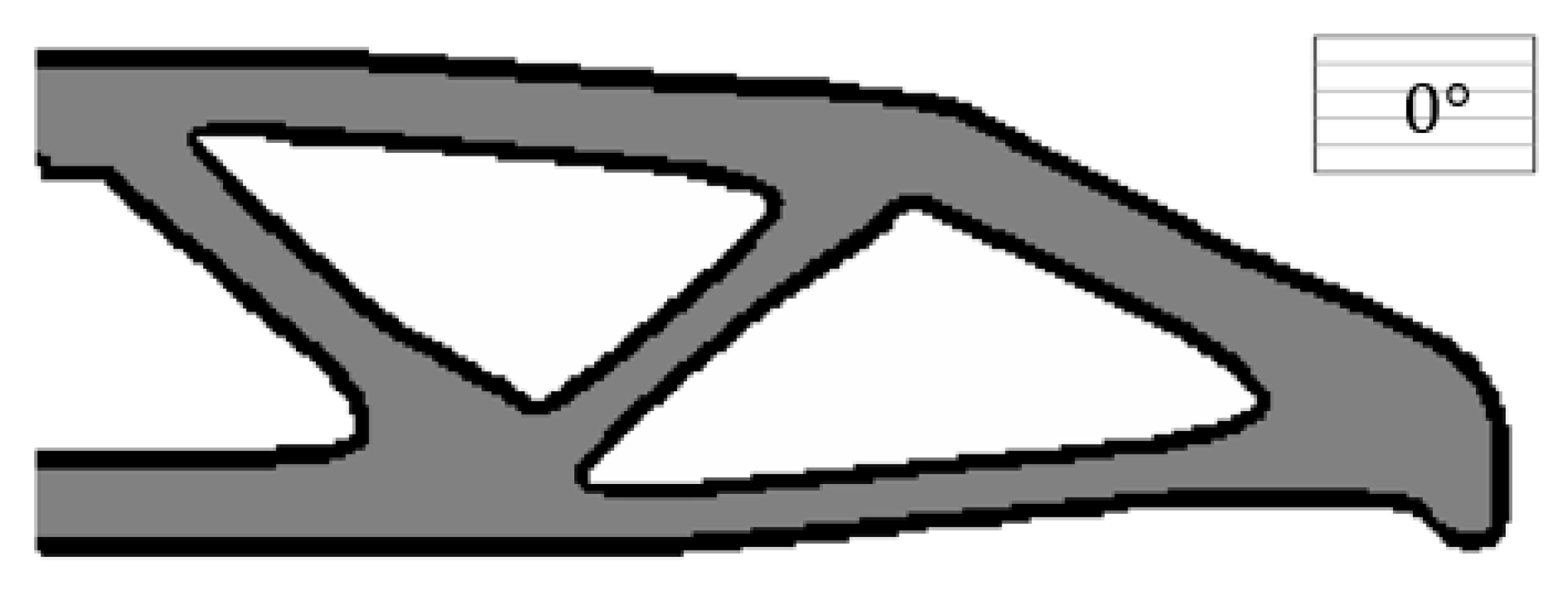
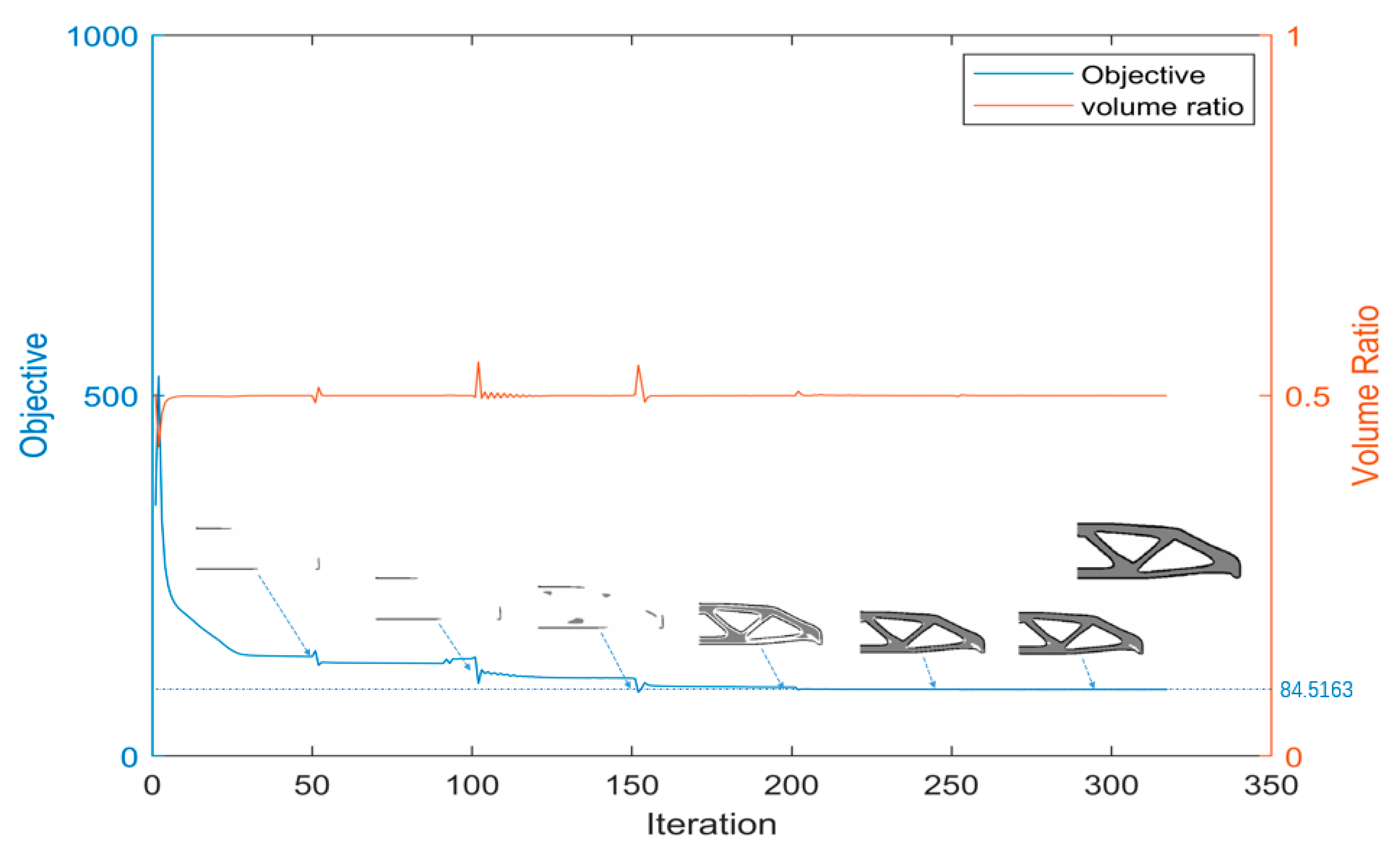
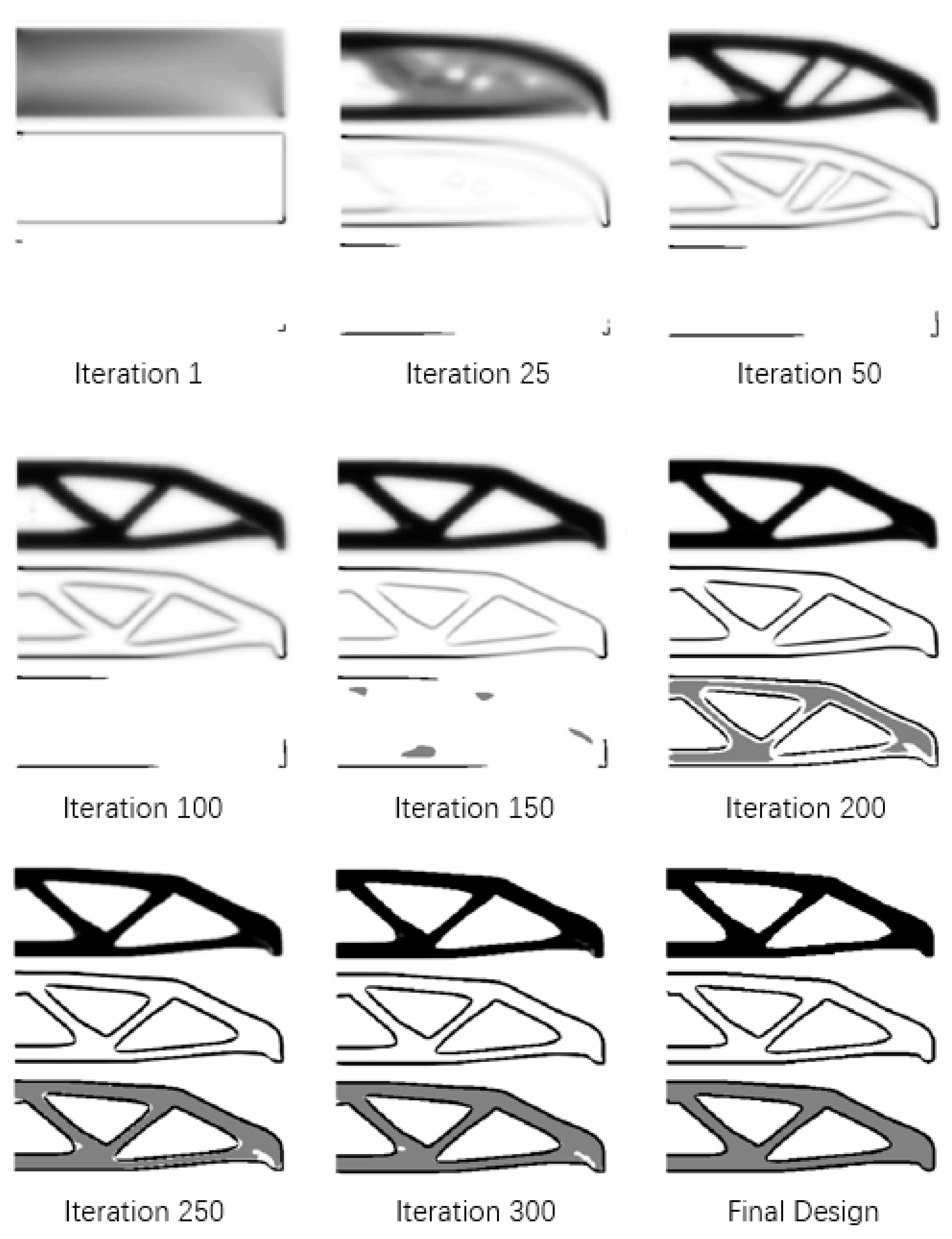
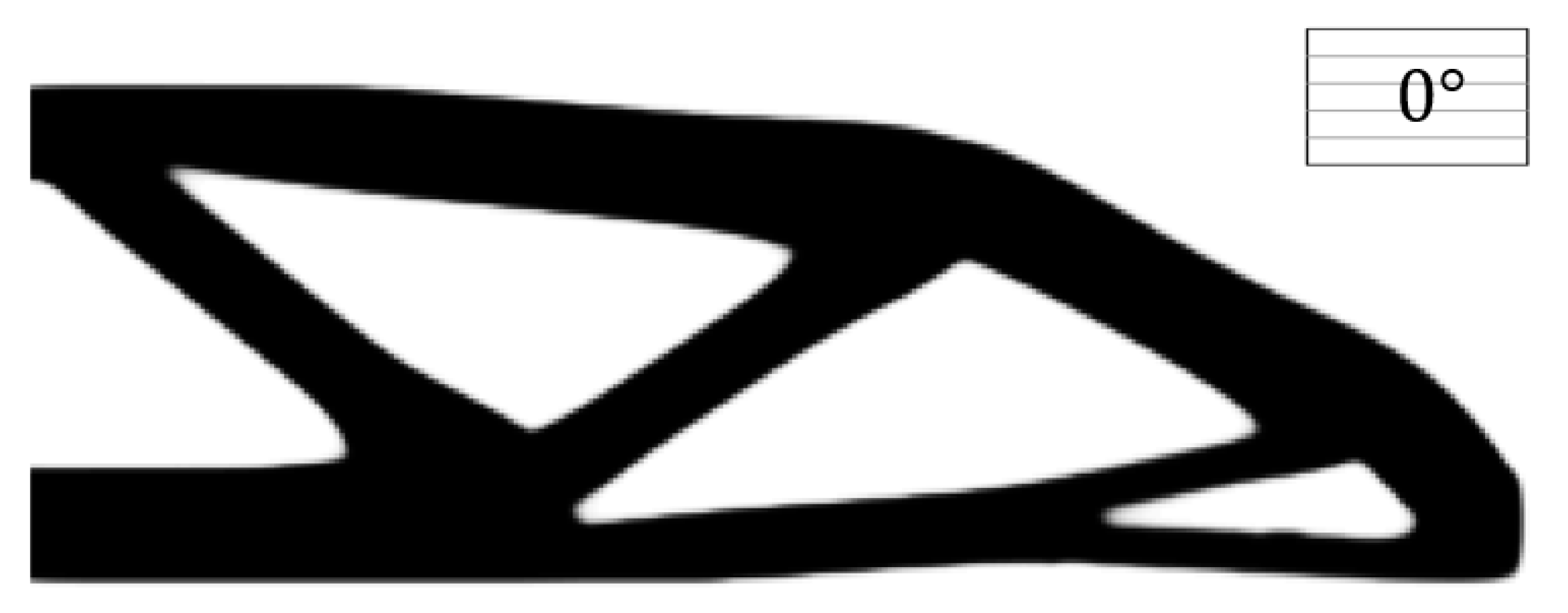
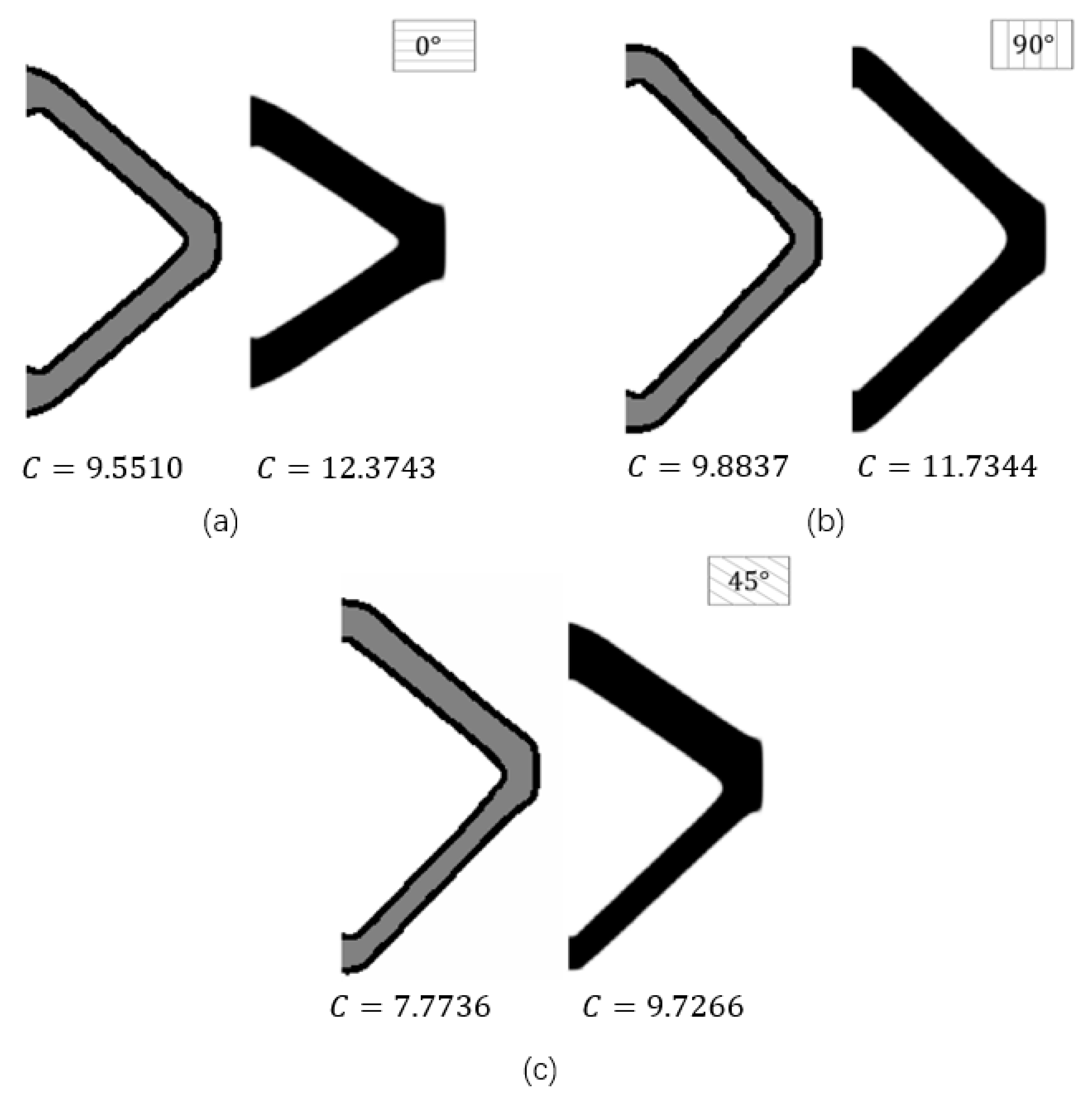
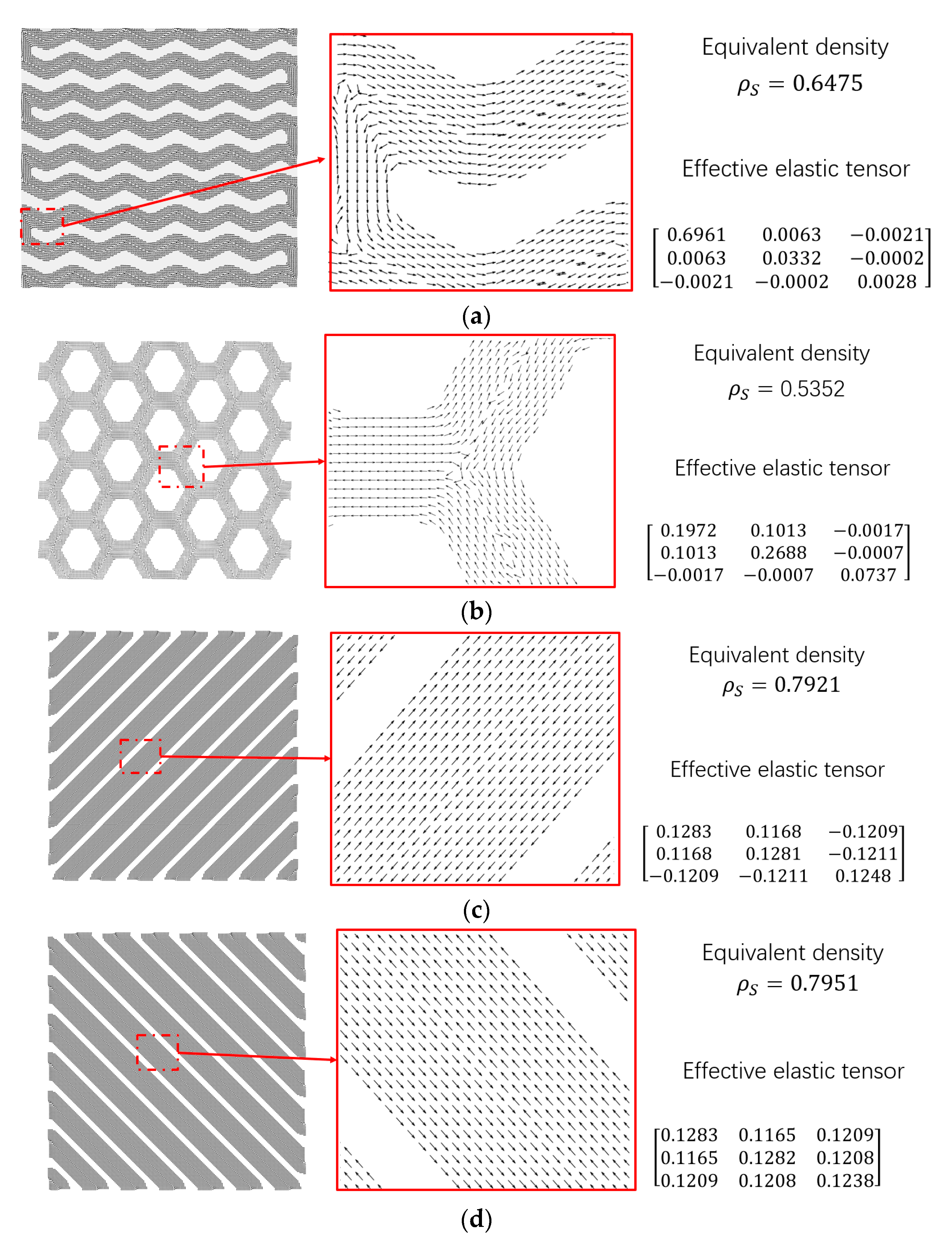
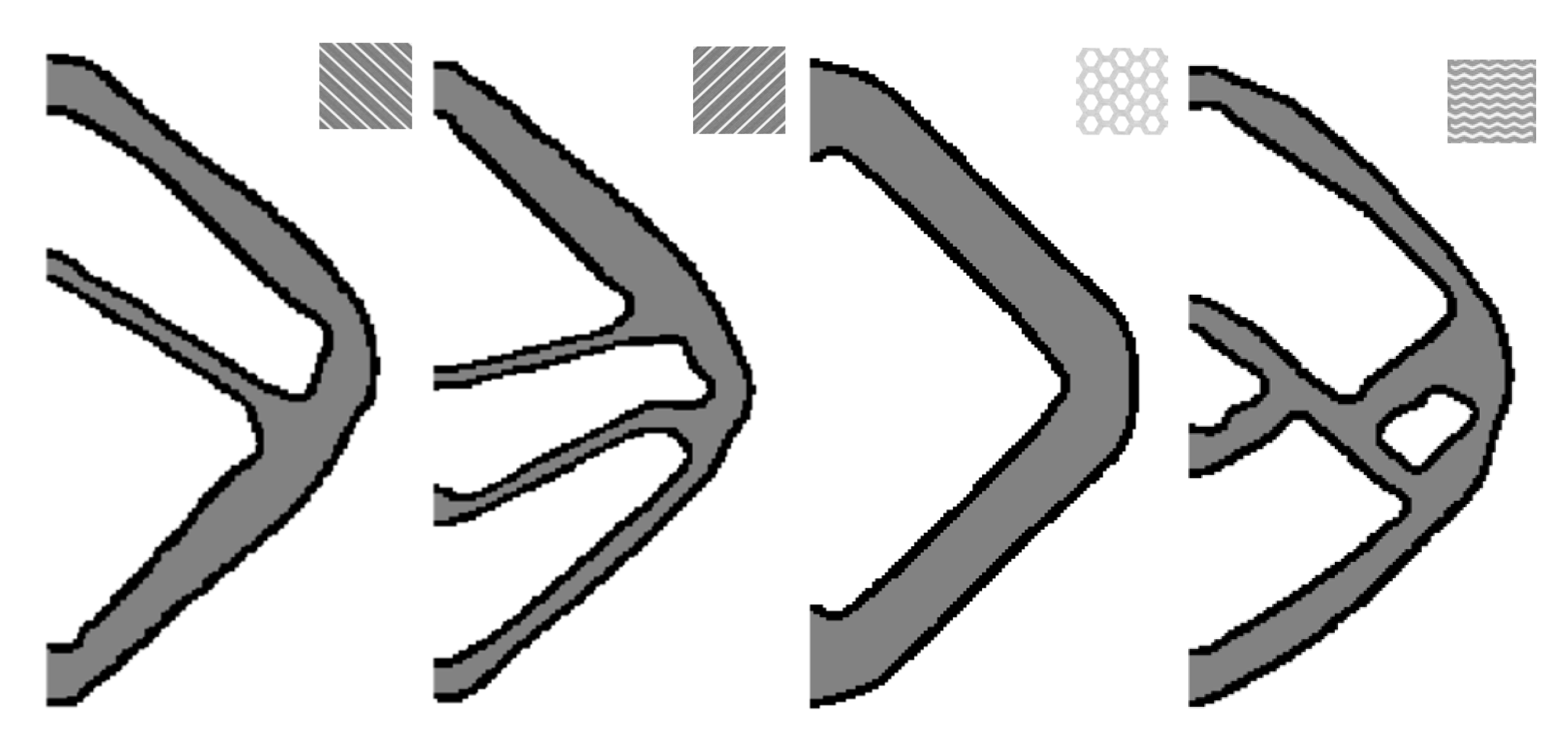
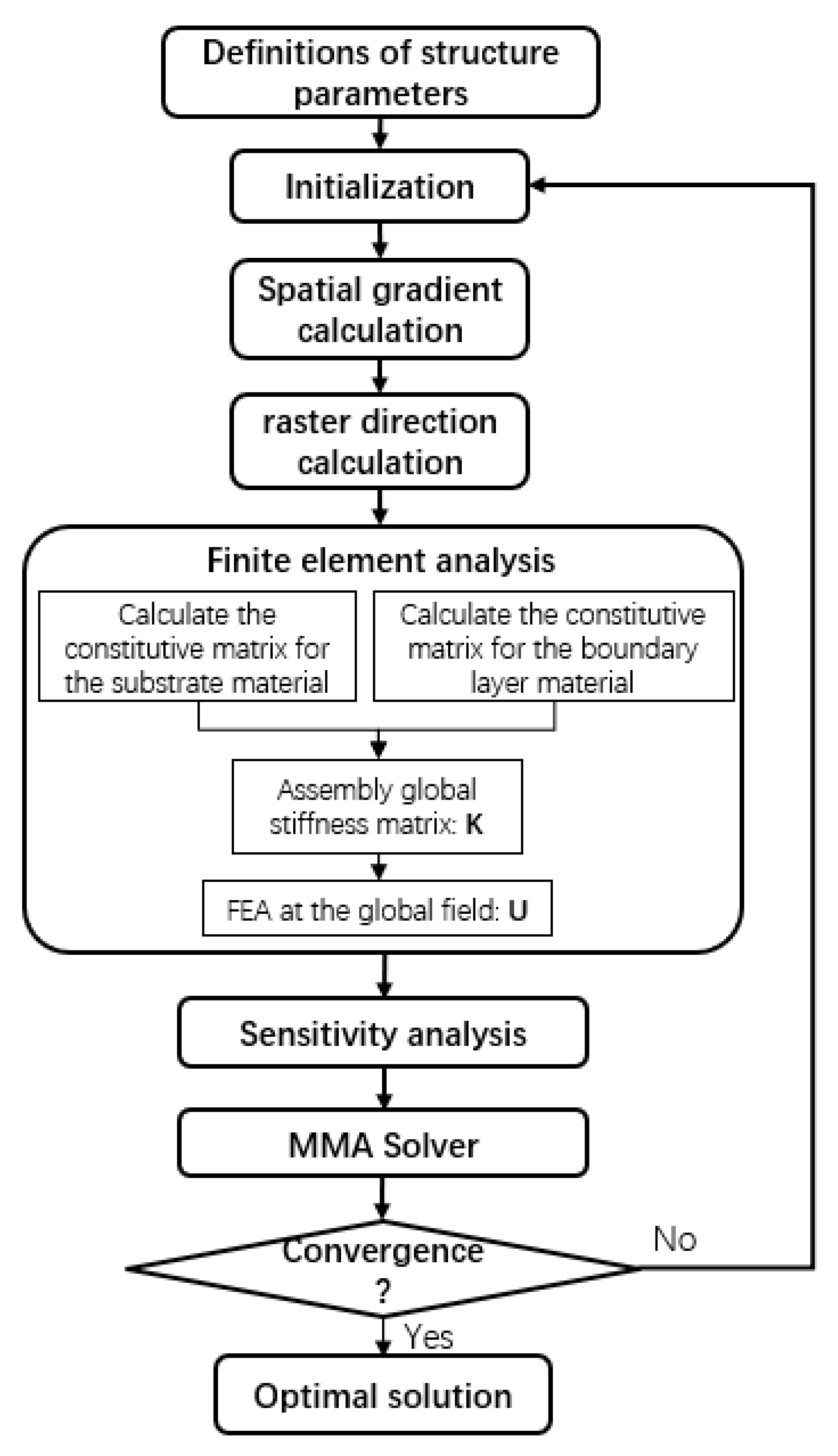
Based on a solid orthotropic material with penalization (SOMP) and a double smoothing and projection (DSP) approach, this work proposes a methodology to find an optimal structure design which takes the hybrid deposition path (HDP) pattern and the anisotropic material properties into consideration. The optimized structure consists of a boundary layer and a substrate. The substrate domain is assumed to be filled with unidirectional zig-zag deposition paths and customized infill patterns, while the boundary is made by the contour offset deposition paths. This HDP is the most commonly employed path pattern for the fused deposition modeling (FDM) process. A critical derivative of the sensitivity analysis is presented in this paper, which ensures the optimality of the final design solutions. The effectiveness of the proposed method is validated through several 2D numerical examples.
Keywords: solid orthotropic material with penalization; hybrid deposition paths; double smoothing and projection; fused deposition modeling solid orthotropic material with penalization; hybrid deposition paths; double smoothing and projection; fused deposition modeling