Review

Monitoring Mycotoxin Exposure in Food-Producing Animals (Cattle, Pig, Poultry, and Sheep)


by
Borja Muñoz-Solano
,
Elena Lizarraga Pérez
and
Elena González-Peñas
*
Department of Pharmaceutical Sciences, Faculty of Pharmacy and Nutrition, Universidad de Navarra, 31008 Pamplona, Spain
*
Author to whom correspondence should be addressed.
Toxins 2024, 16(5), 218; https://doi.org/10.3390/toxins16050218

Submission received: 8 April 2024 / Revised: 30 April 2024 / Accepted: 7 May 2024 / Published: 9 May 2024
(This article belongs to the Special Issue Mycotoxins: Risk Assessment, Biomonitoring and Toxicology)

Abstract

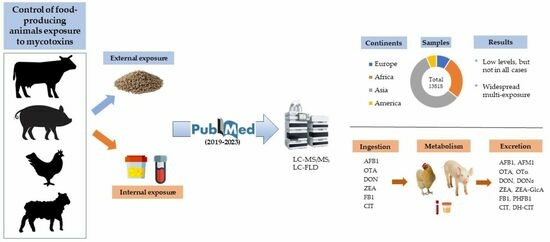
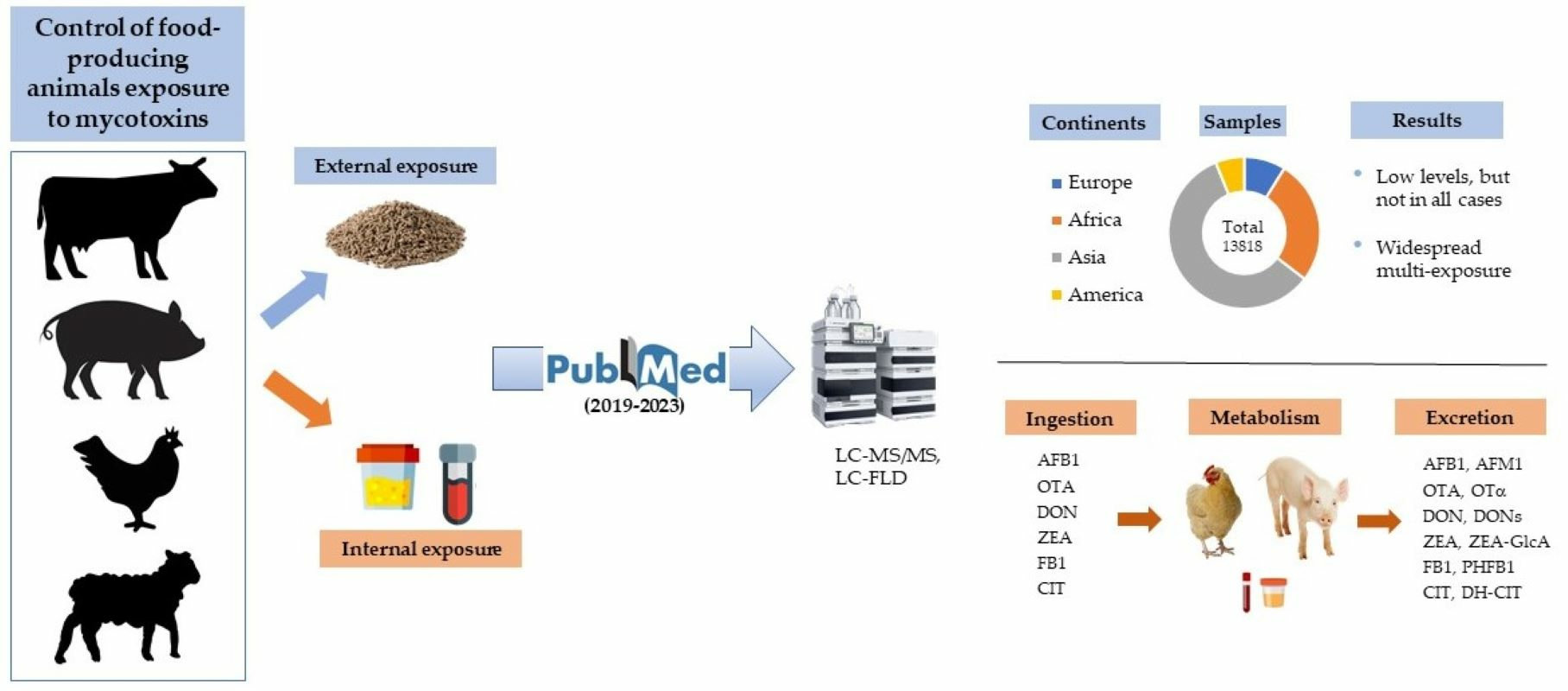
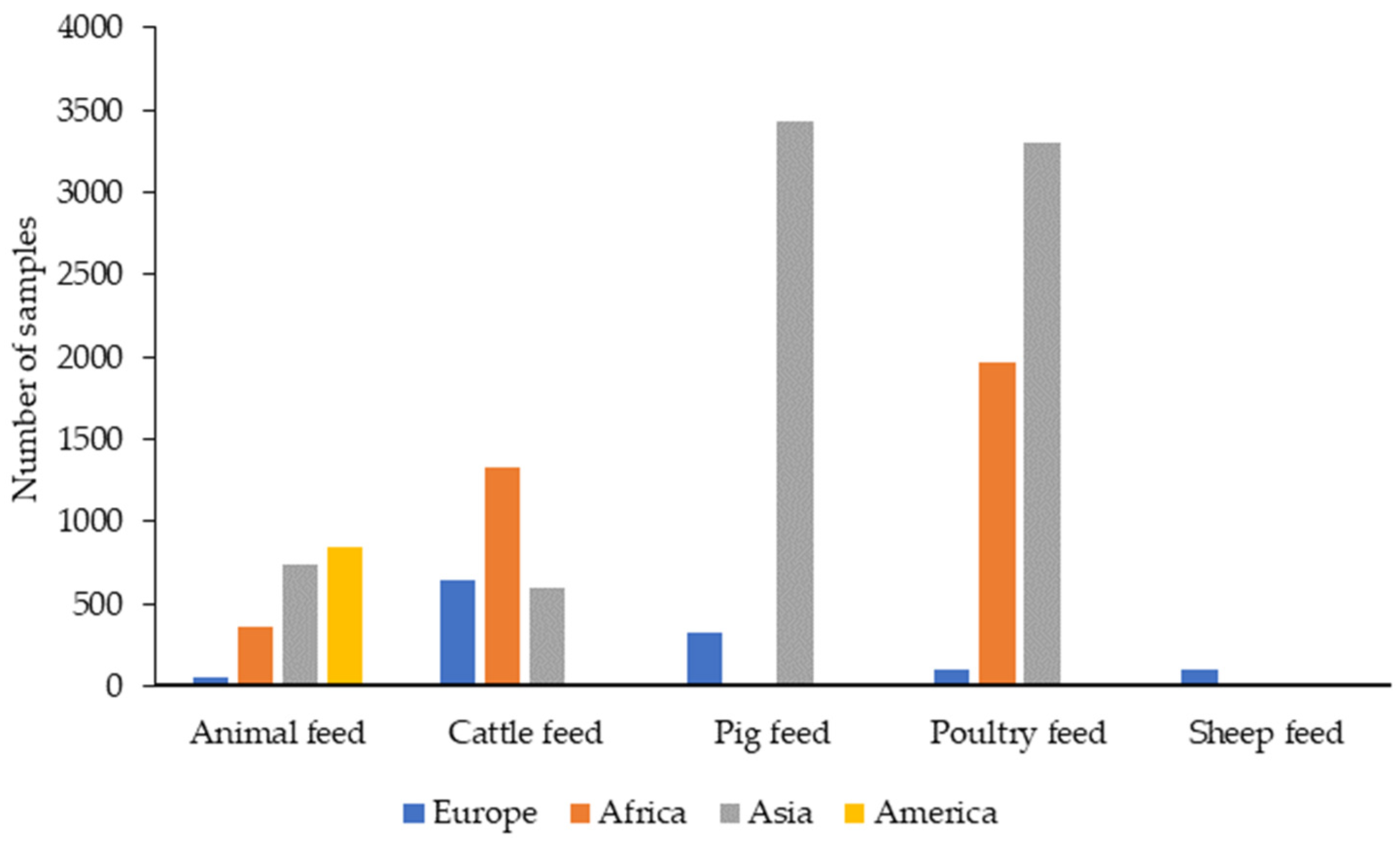
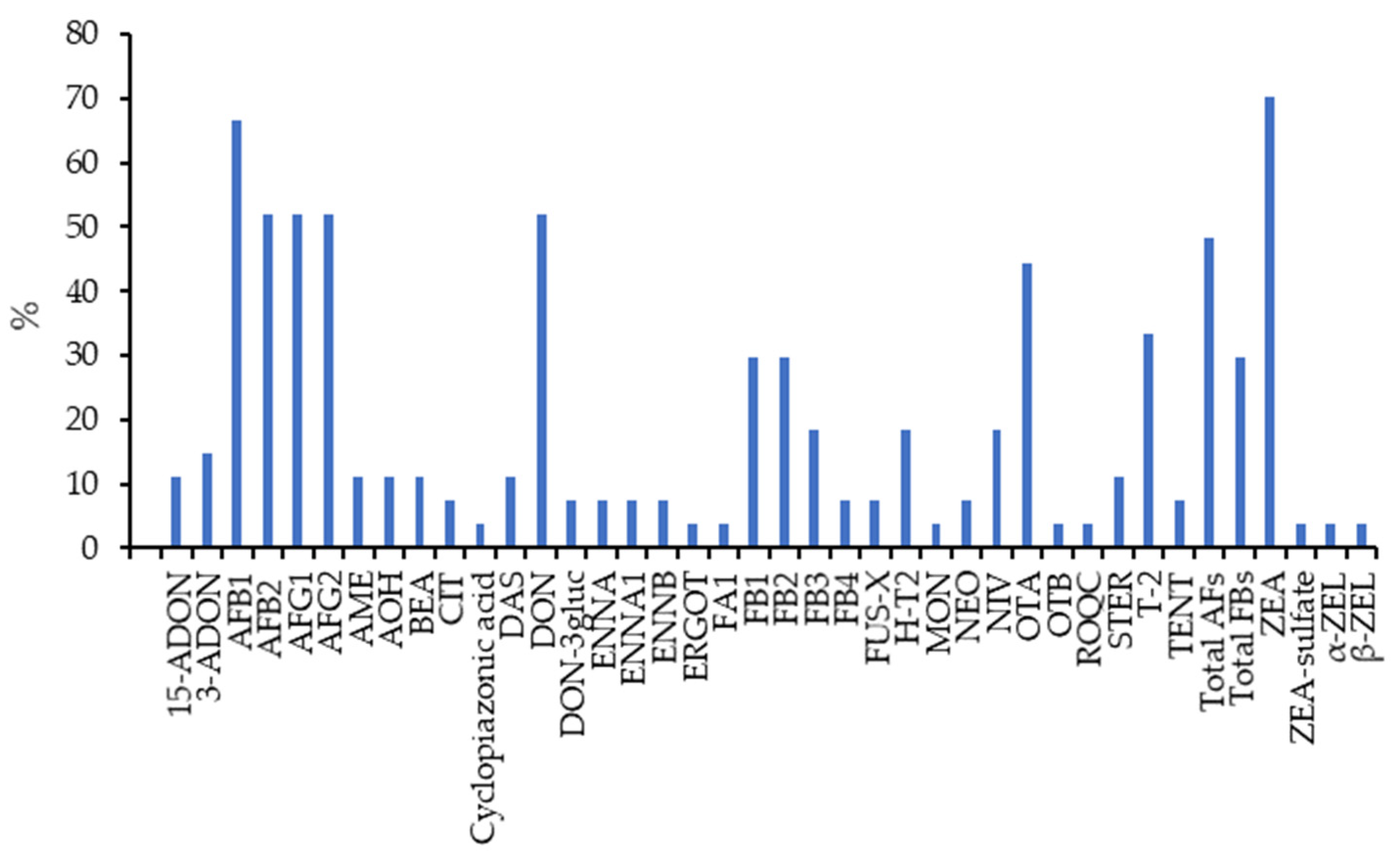
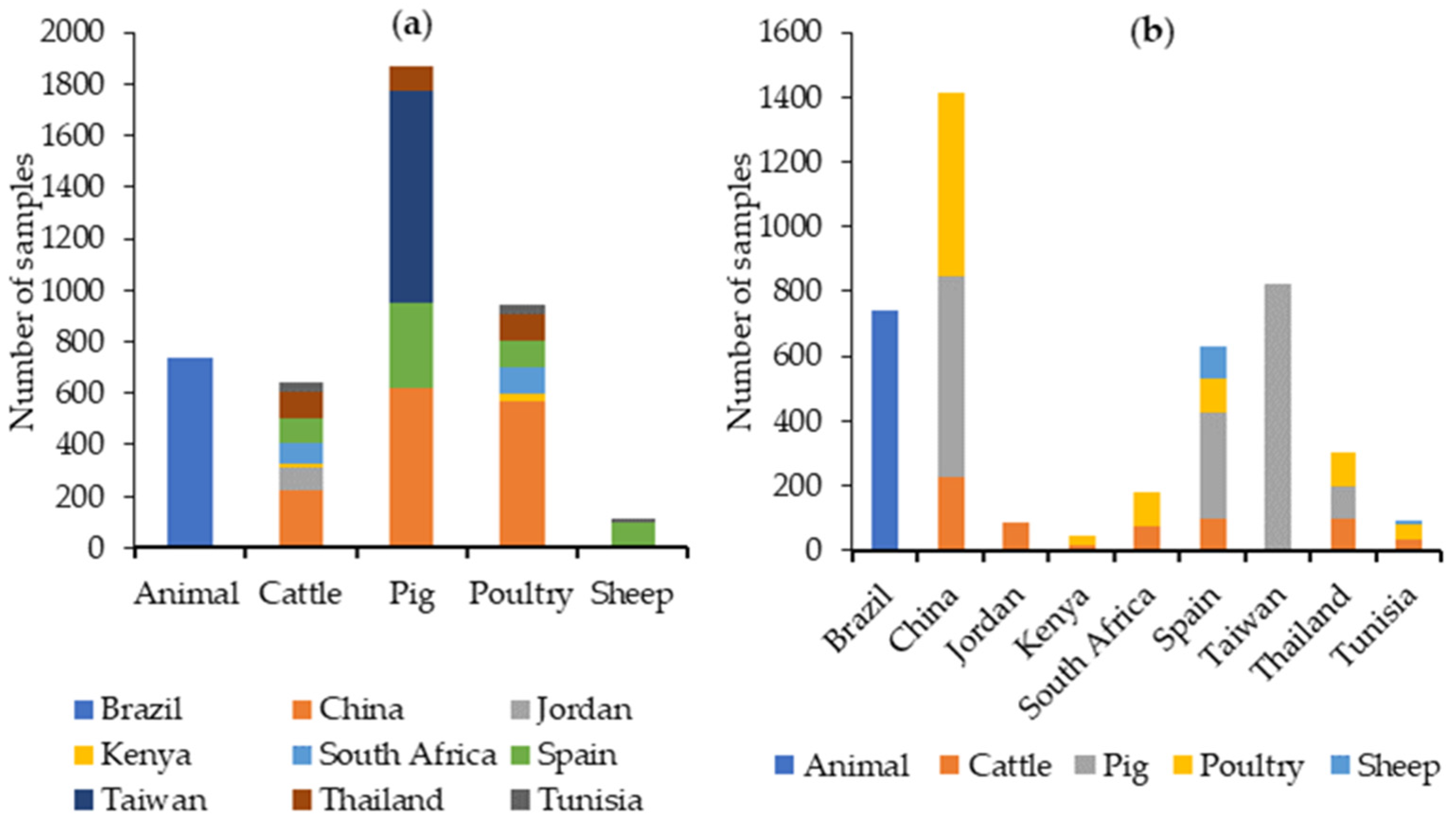
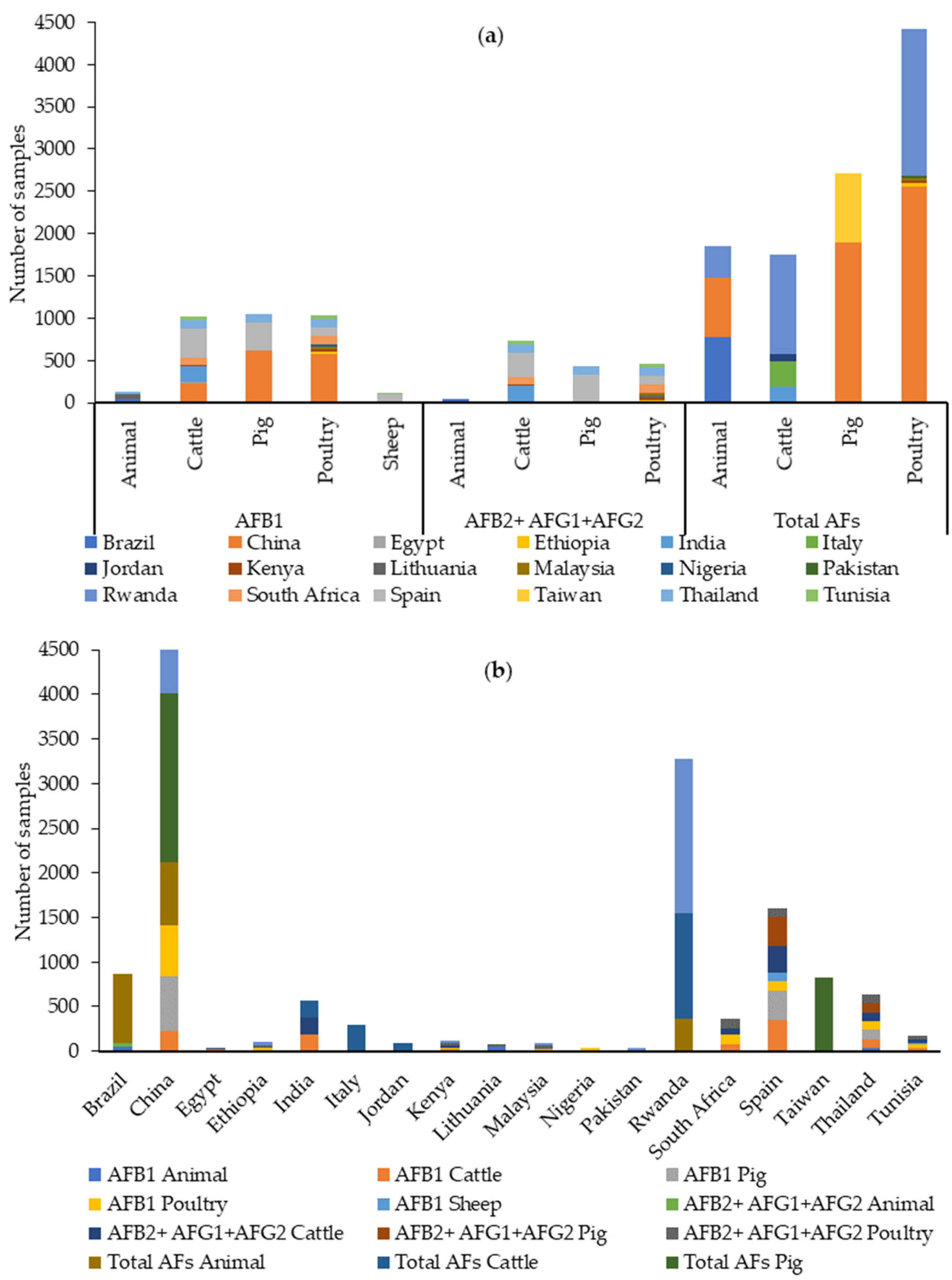
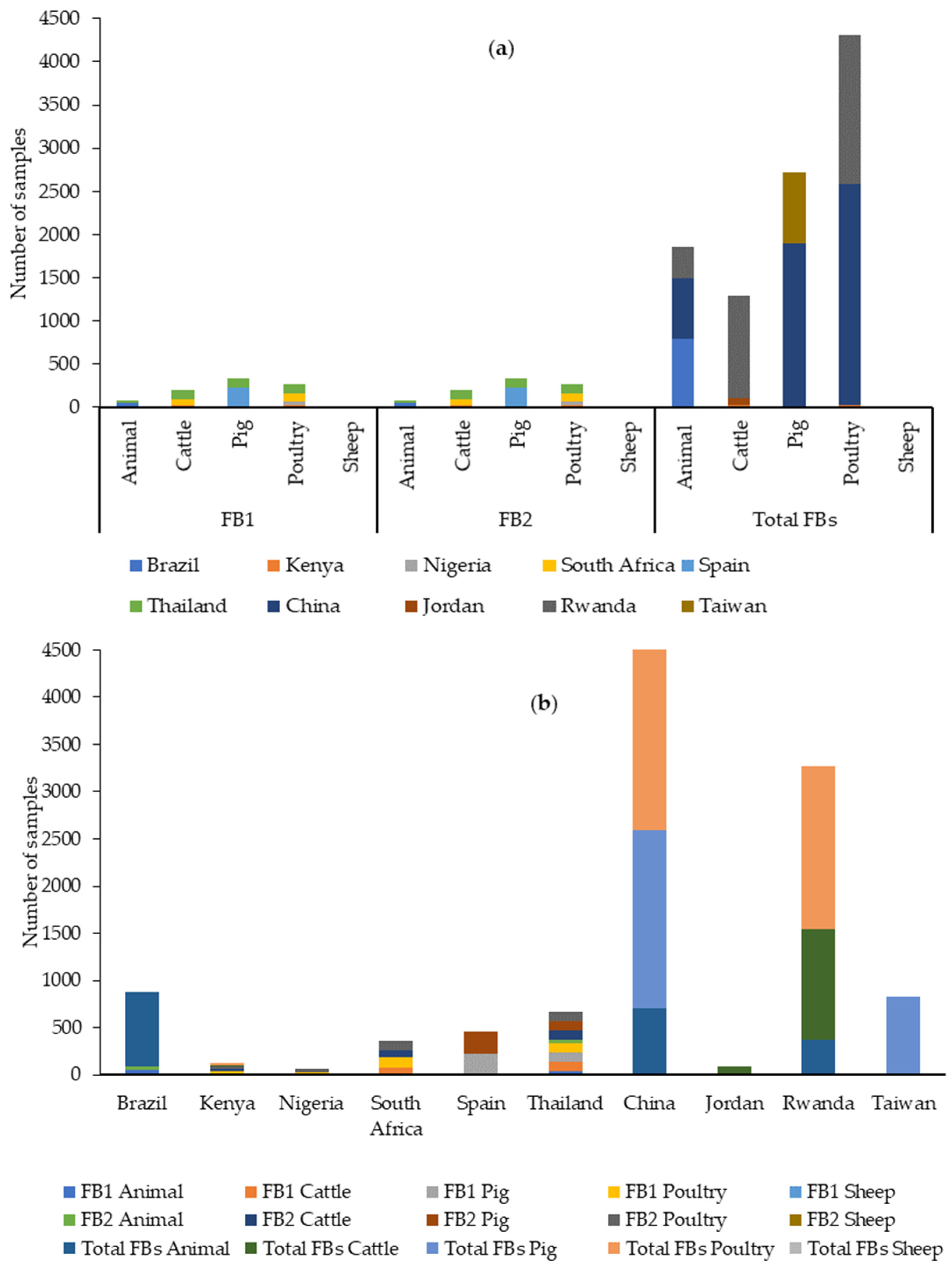
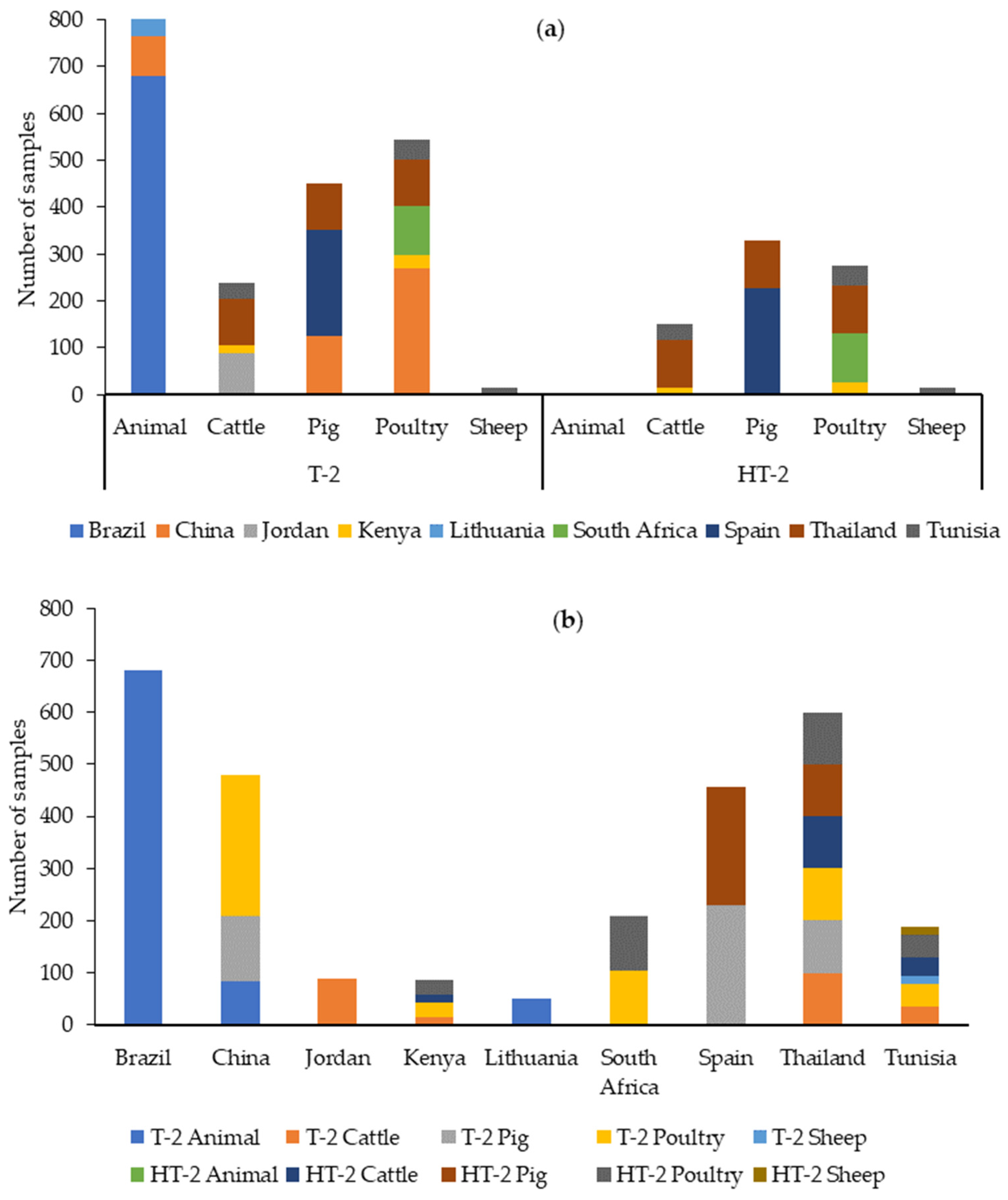
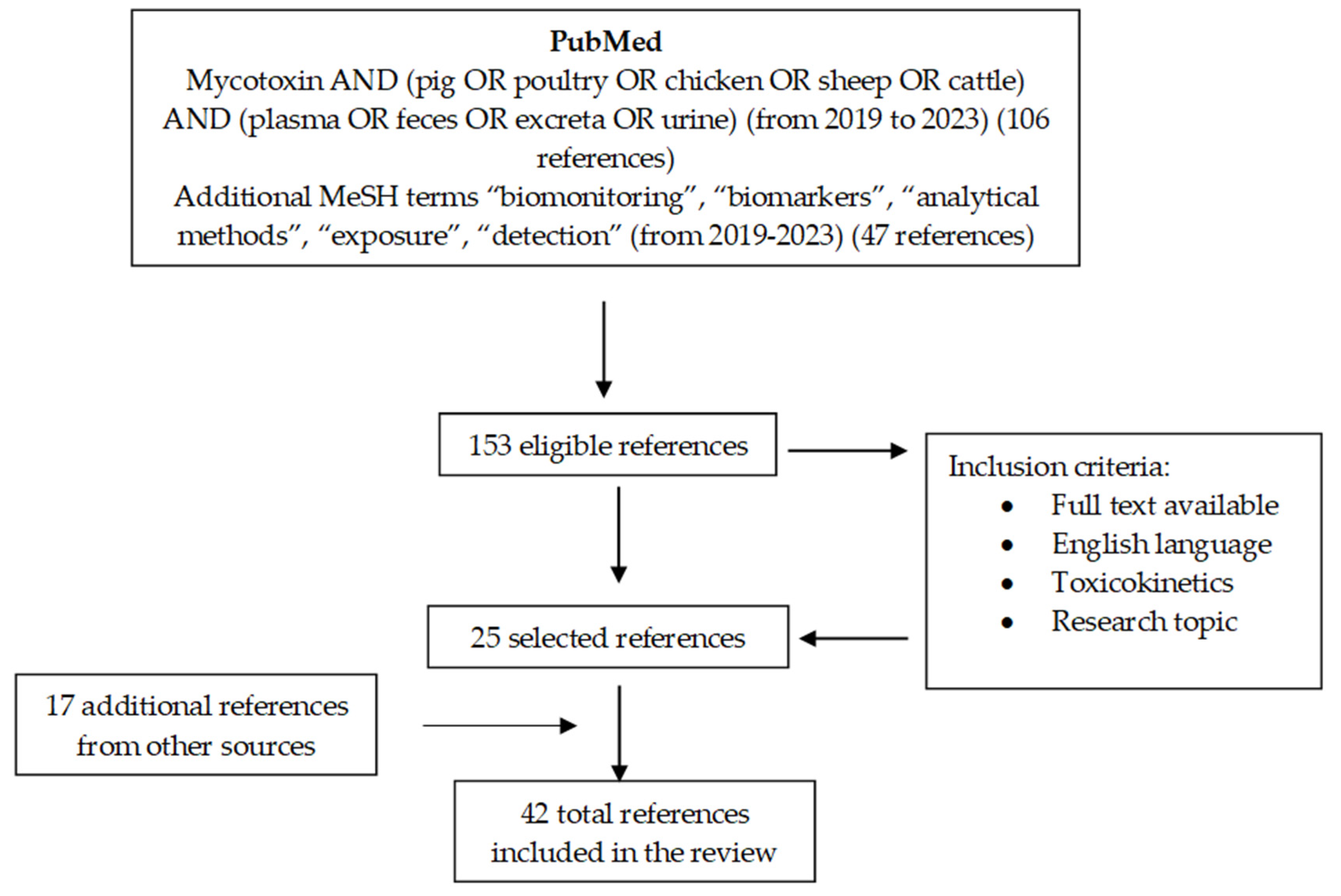
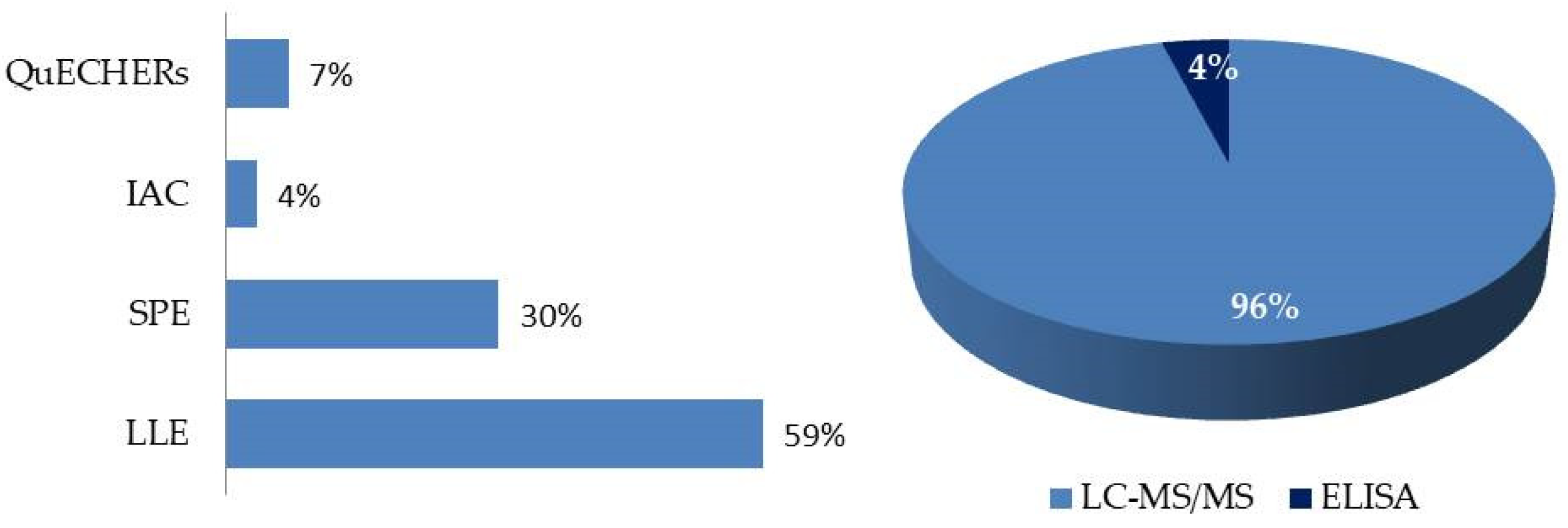
Food-producing animals are exposed to mycotoxins through ingestion, inhalation, or dermal contact with contaminated materials. This exposure can lead to serious consequences for animal health, affects the cost and quality of livestock production, and can even impact human health through foods of animal origin. Therefore, controlling mycotoxin exposure in animals is of utmost importance. A systematic literature search was conducted in this study to retrieve the results of monitoring exposure to mycotoxins in food-producing animals over the last five years (2019–2023), considering both external exposure (analysis of feed) and internal exposure (analysis of biomarkers in biological matrices). The most commonly used analytical technique for both approaches is LC-MS/MS due to its capability for multidetection. Several mycotoxins, especially those that are regulated (ochratoxin A, zearalenone, deoxynivalenol, aflatoxins, fumonisins, T-2, and HT-2), along with some emerging mycotoxins (sterigmatocystin, nivalenol, beauvericin, enniantins among others), were studied in 13,818 feed samples worldwide and were typically detected at low levels, although they occasionally exceeded regulatory levels. The occurrence of multiple exposure is widespread. Regarding animal biomonitoring, the primary objective of the studies retrieved was to study mycotoxin metabolism after toxin administration. Some compounds have been suggested as biomarkers of exposure in the plasma, urine, and feces of animal species such as pigs and poultry. However, further research is required, including many other mycotoxins and animal species, such as cattle and sheep.
Keywords: food-producing animals; biomarker; animal biomonitoring; exposure; feed; mycotoxins food-producing animals; biomarker; animal biomonitoring; exposure; feed; mycotoxins
Graphical Abstract