Bee Venom Induces Acute Inflammation through a H2O2-Mediated System That Utilizes Superoxide Dismutase


Abstract
1. Introduction
2. Results
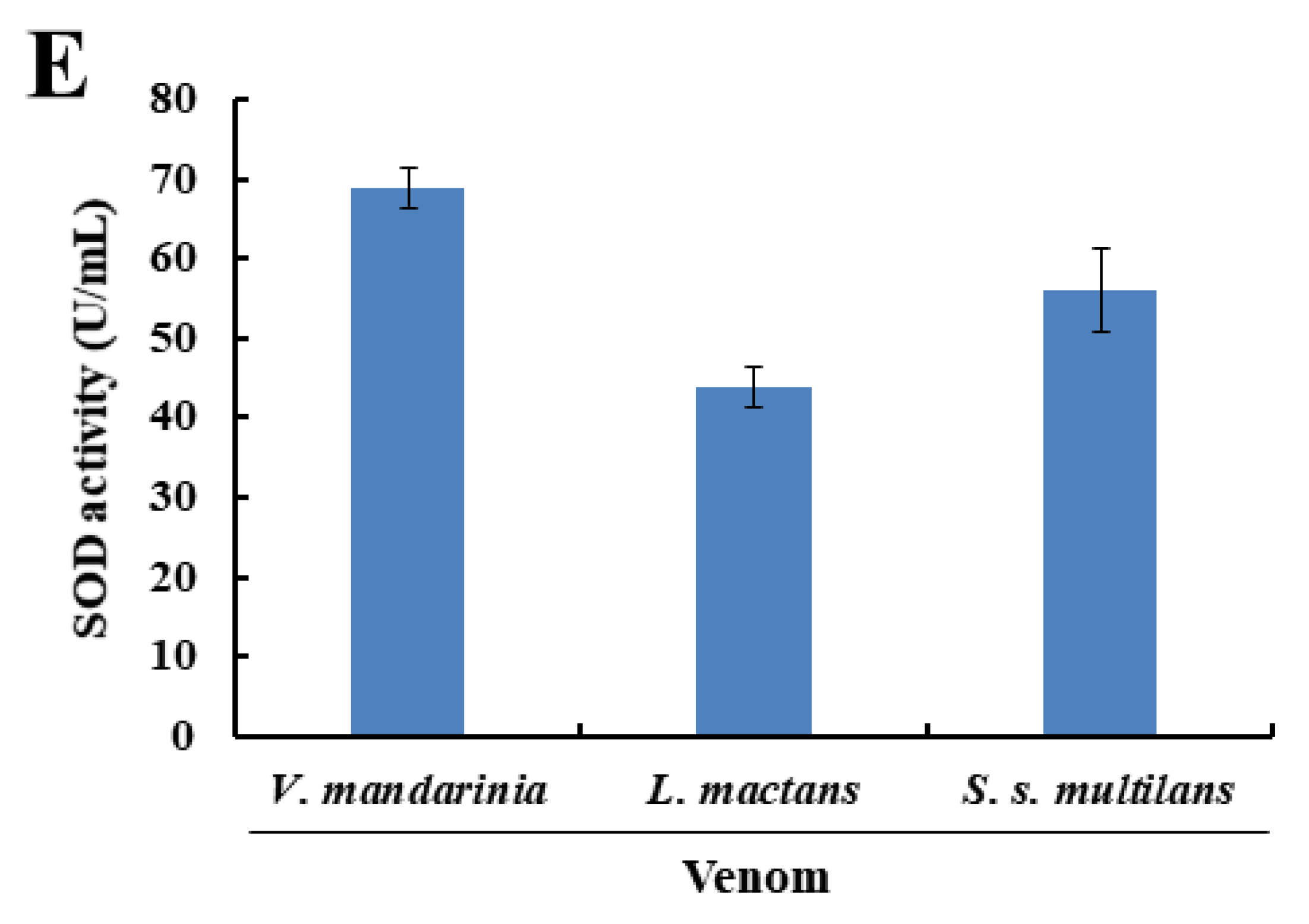
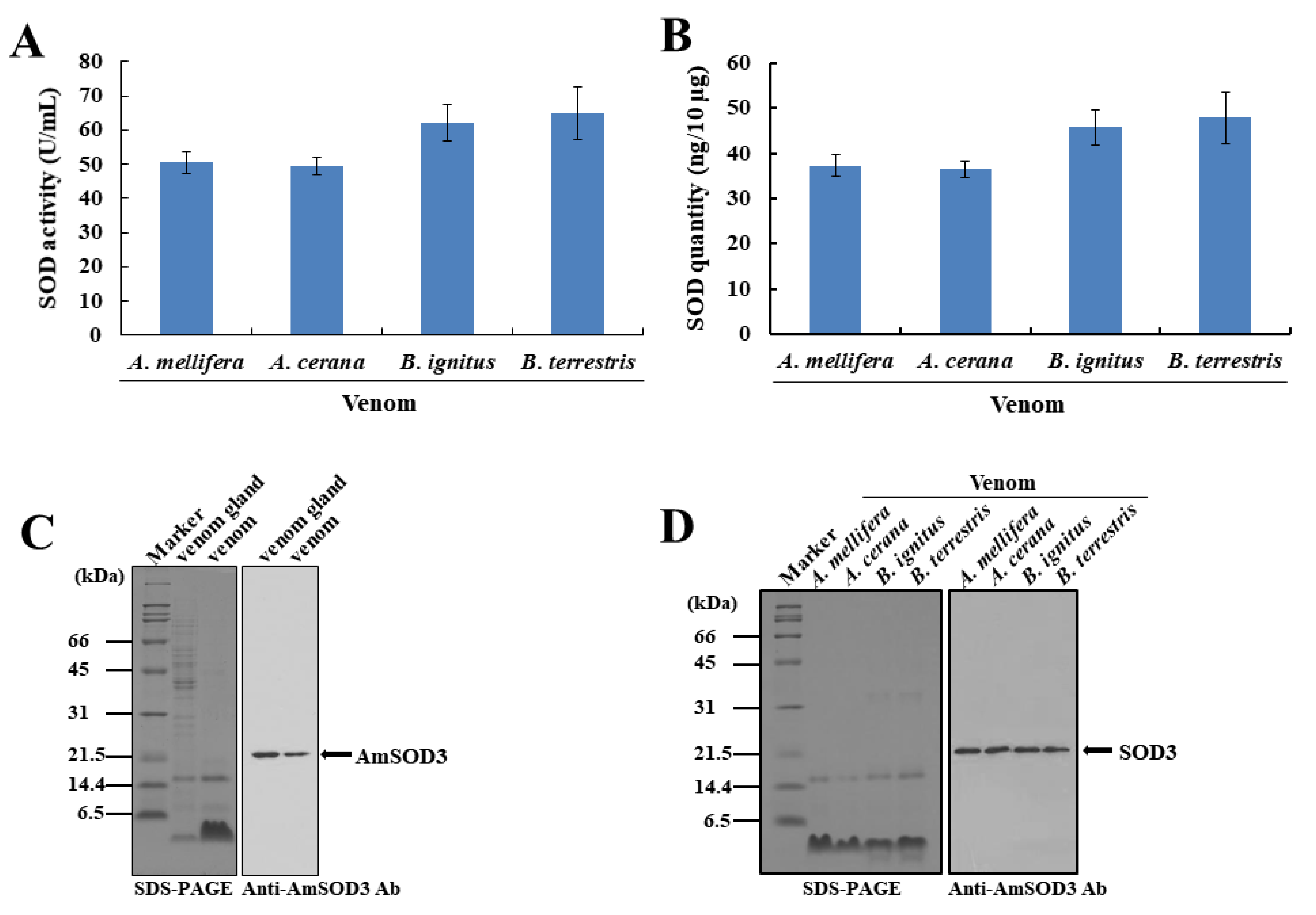
2.1. Bee and Arthropod Venoms Contain a Functional SOD3 Enzyme
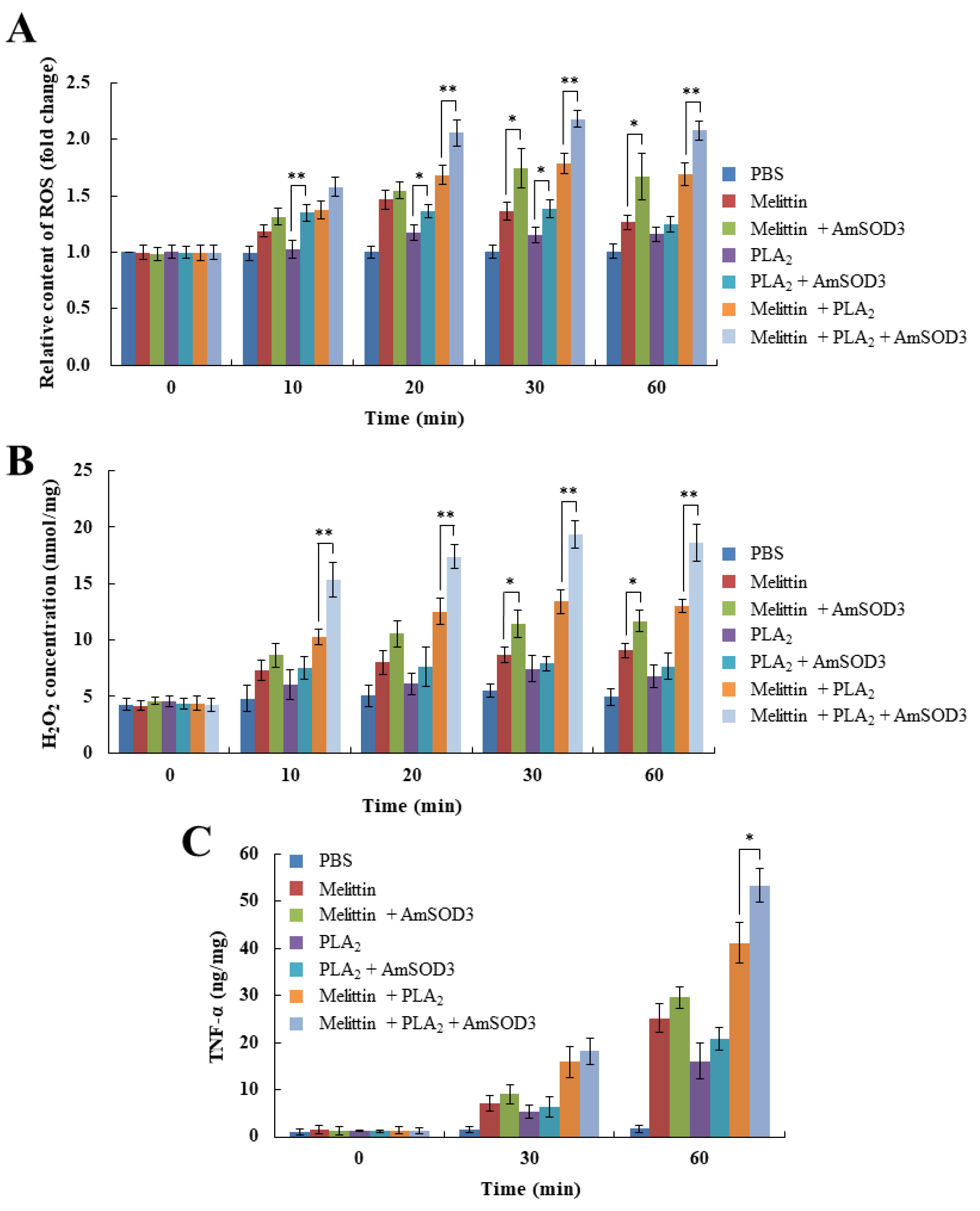
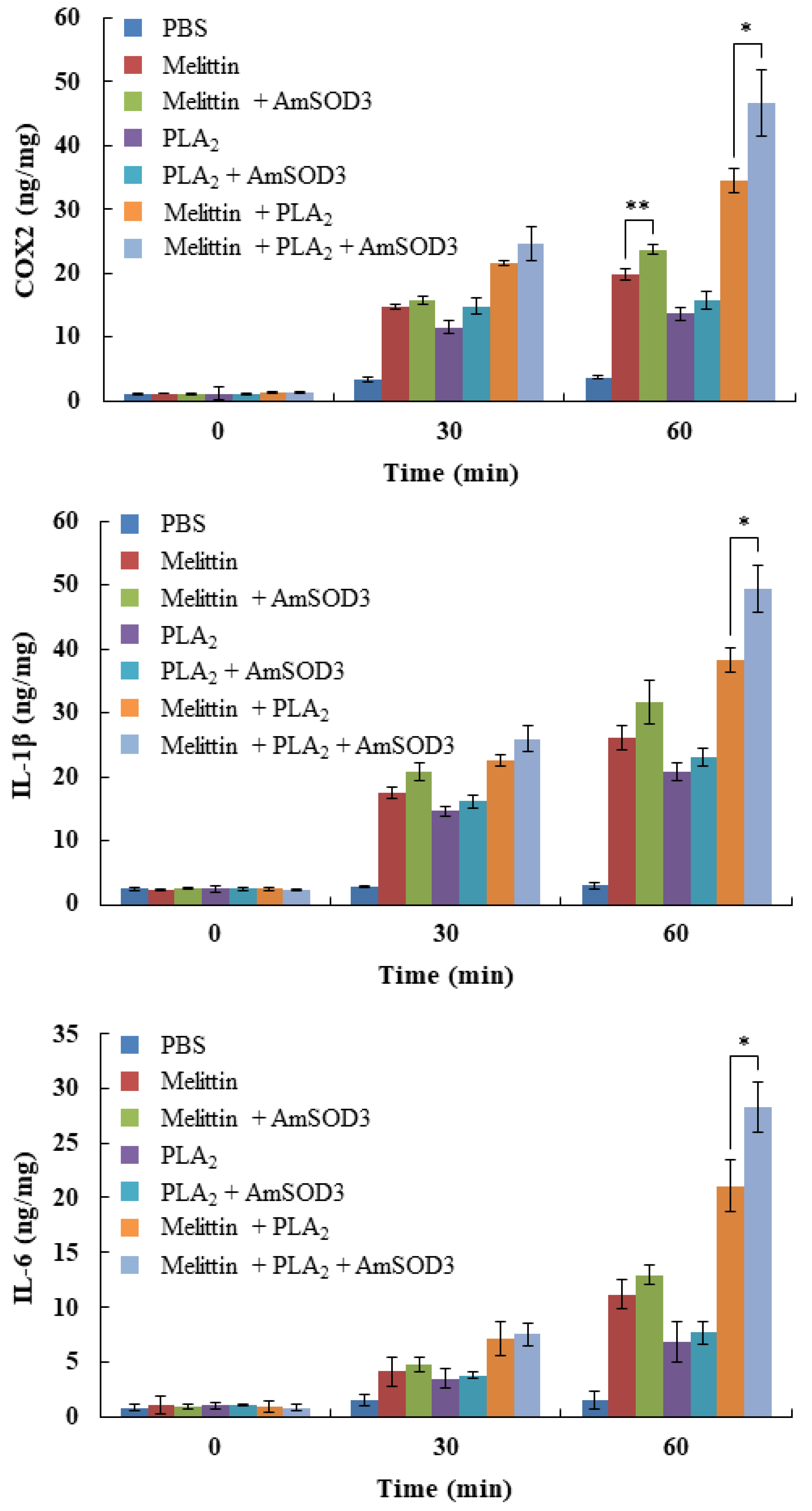
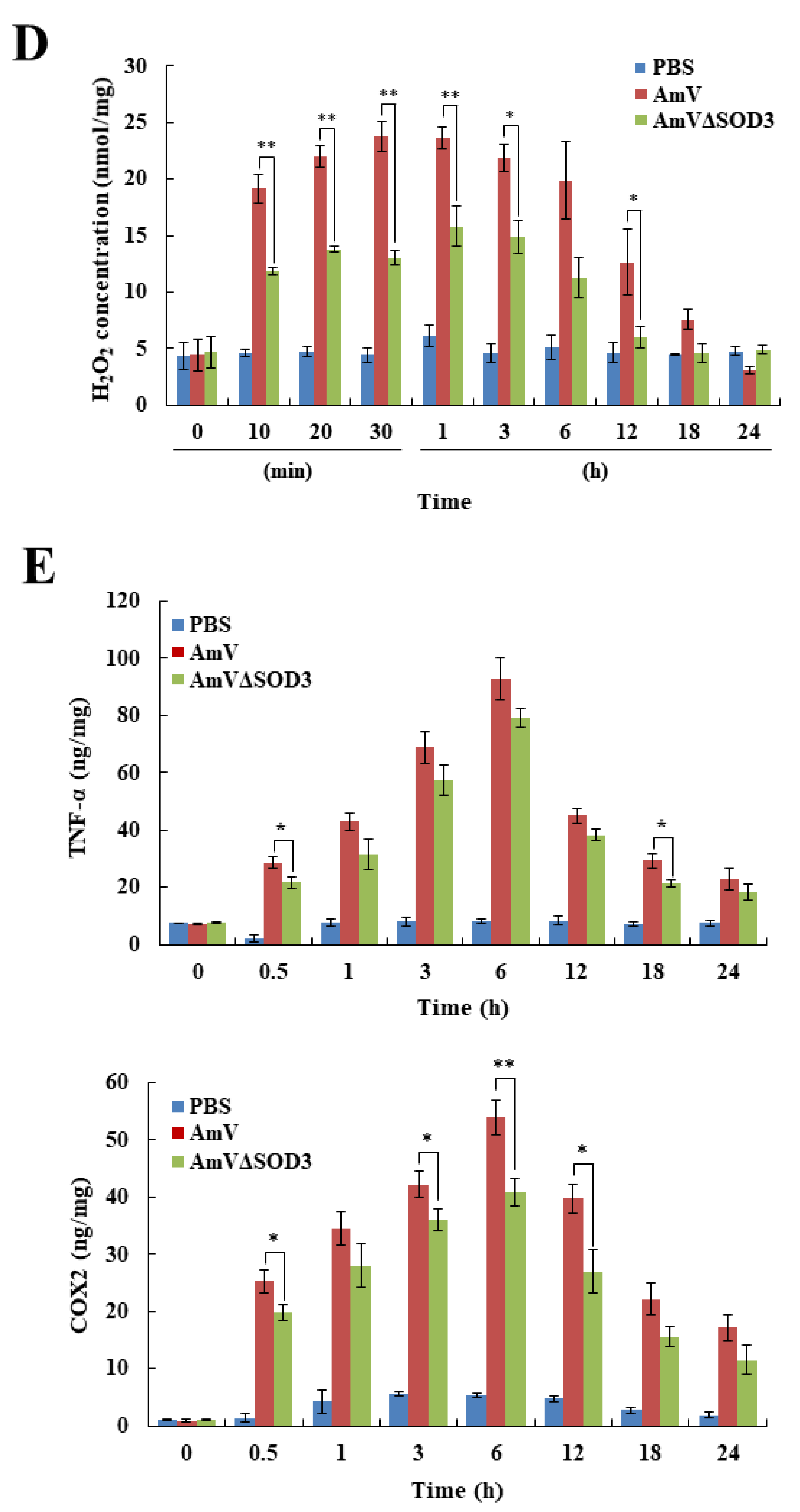
2.2. bvSOD3 Induces Caspase-1 Activation and Proinflammatory Molecule Secretion via H2O2 Overproduction
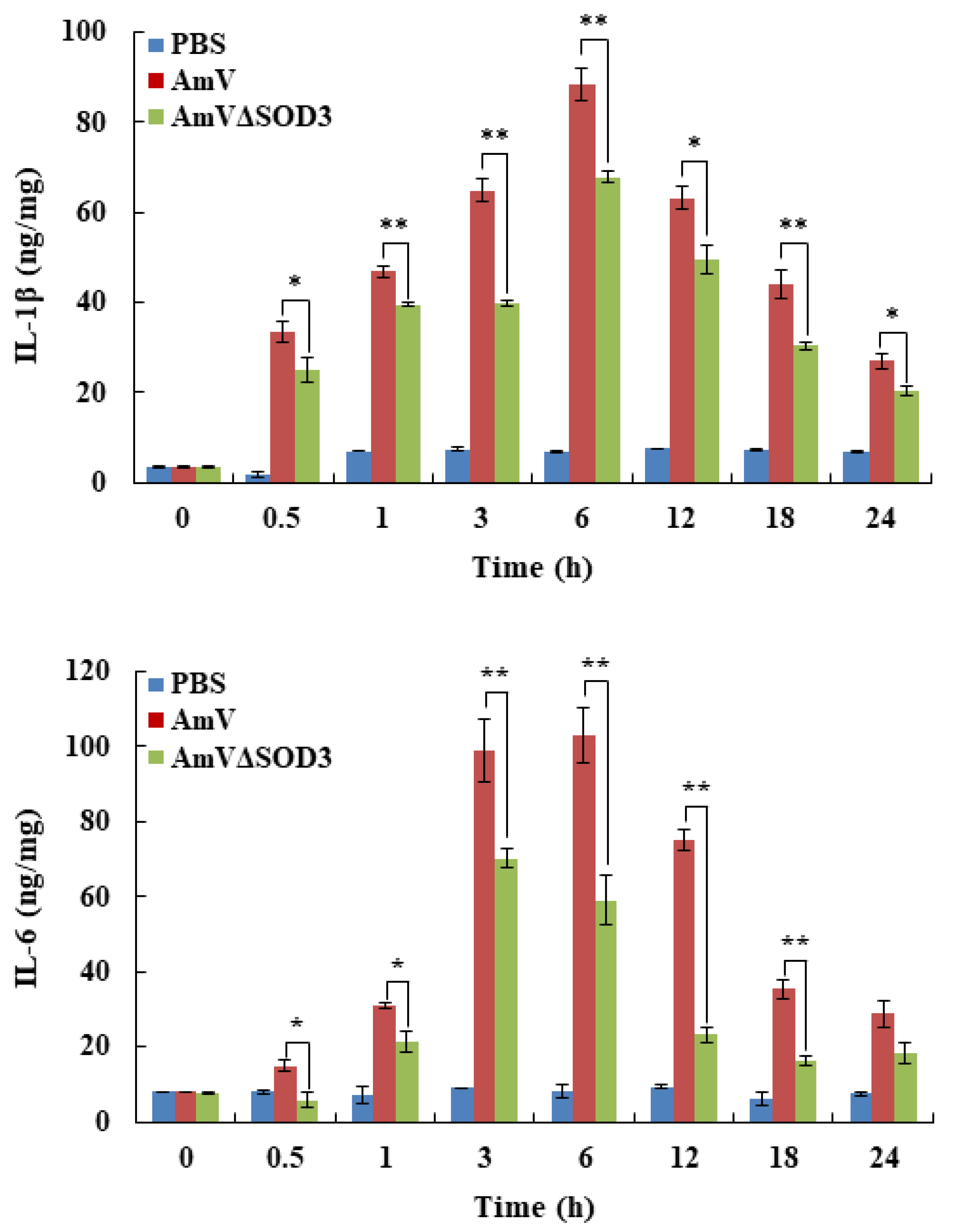
2.3. bvSOD3 Promotes Acute Induction of Inflammatory Responses
2.4. Noxious Effects of bvSOD3 Elevate Type 2 Immune Responses
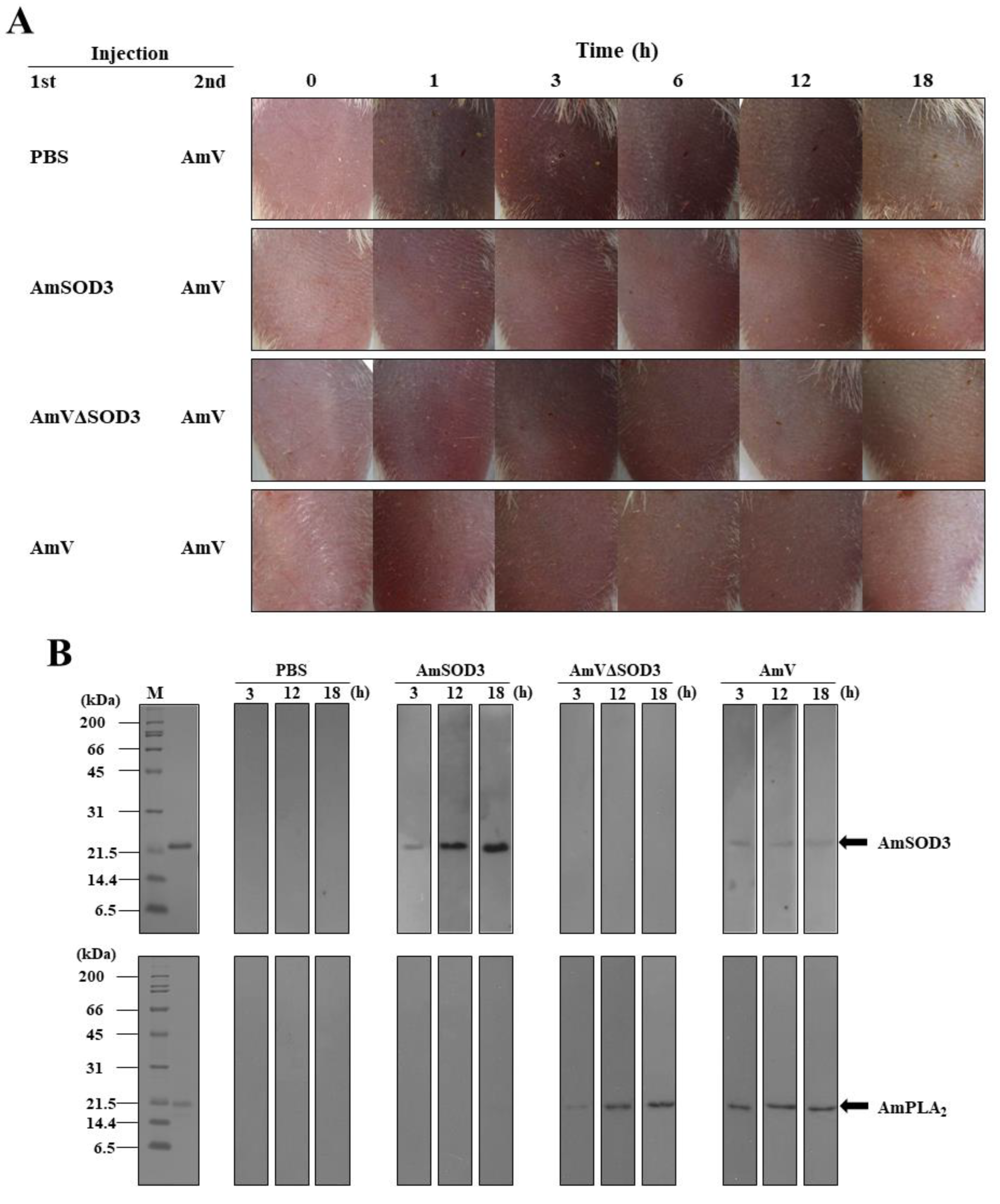
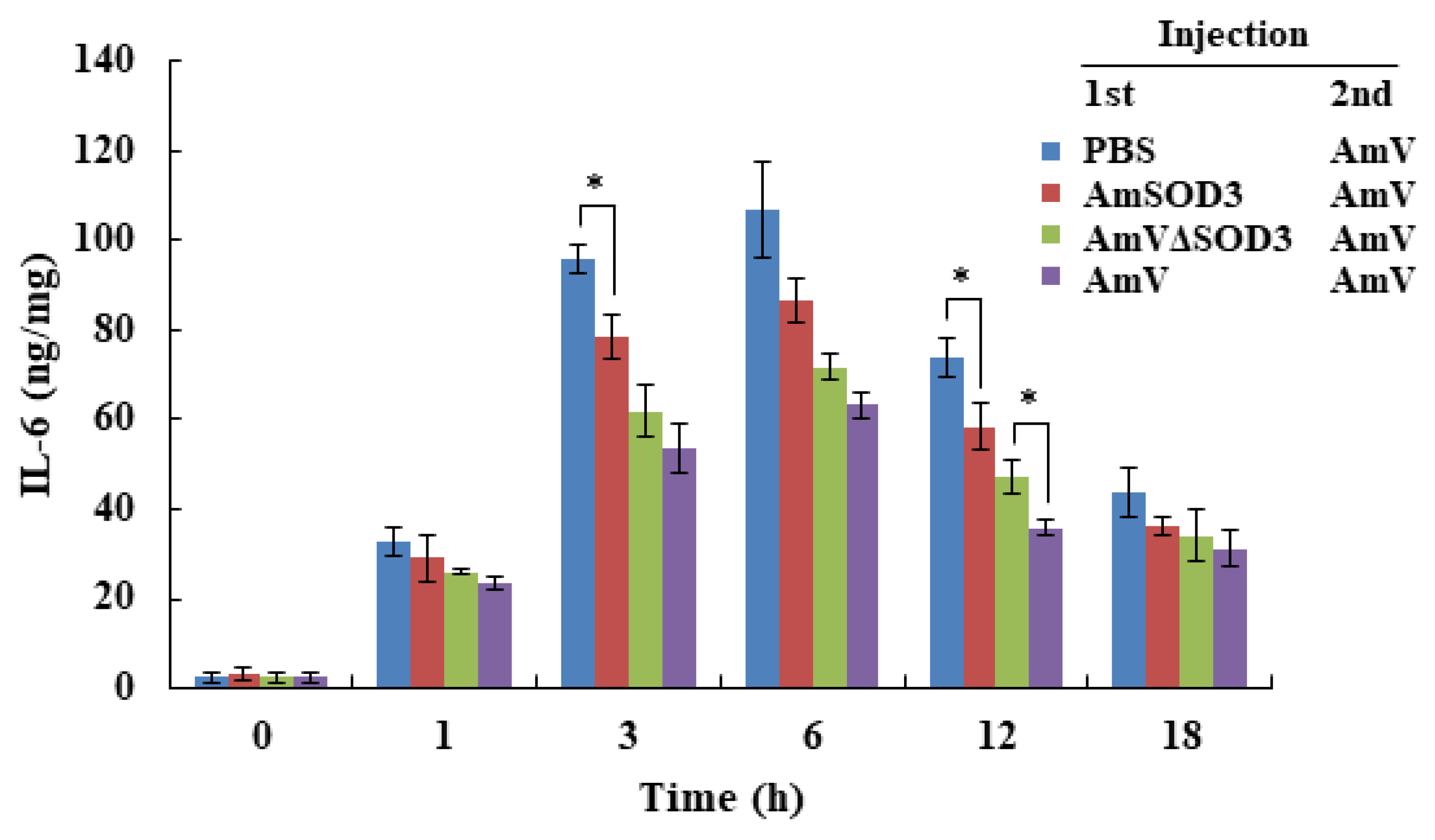
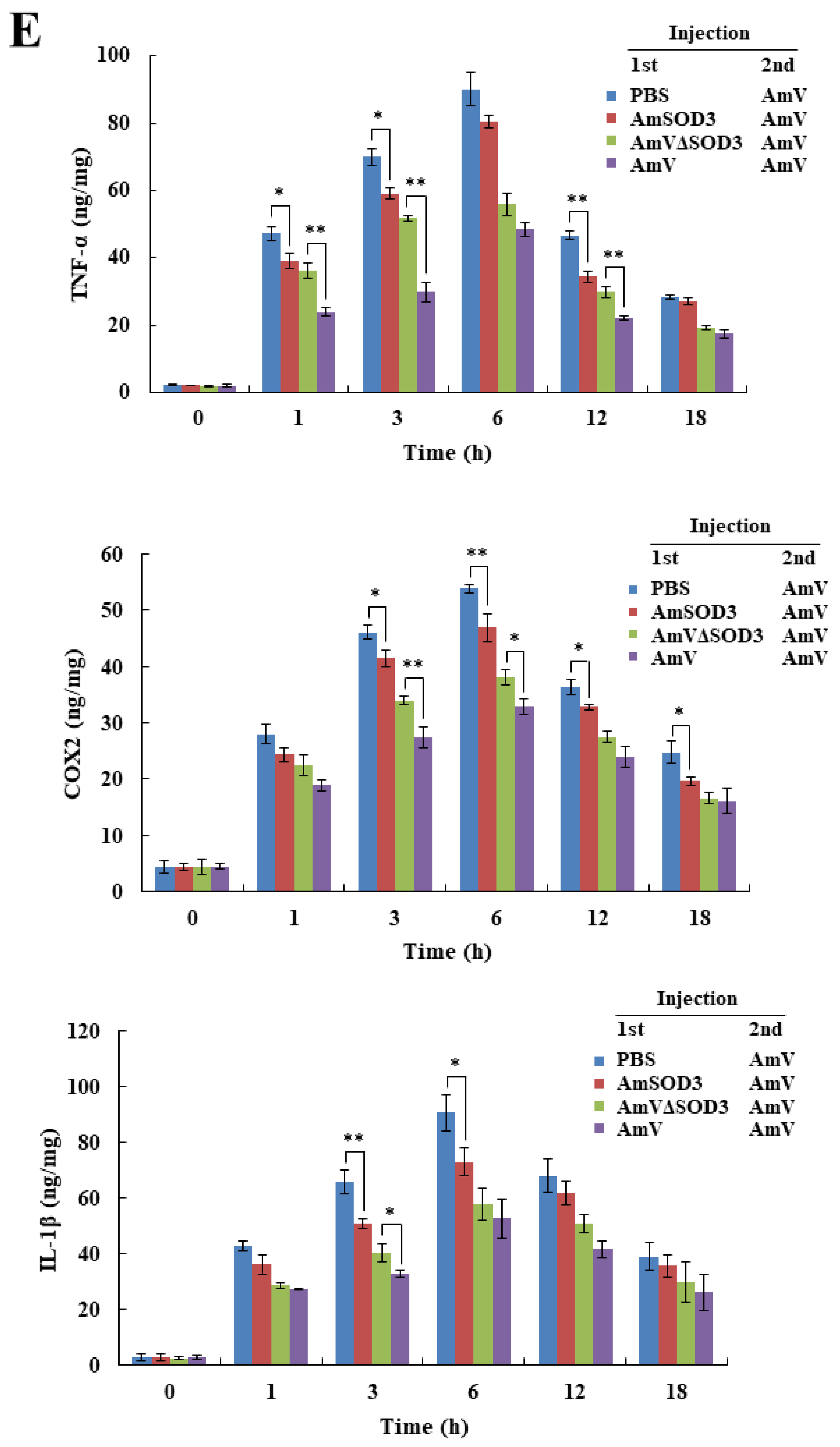
2.5. bvSOD3 Immunization Protects against Bee Venom-Induced Inflammation
3. Discussion
4. Conclusions
5. Materials and Methods
5.1. Arthropods and Venoms
5.2. Cloning and Sequence Analysis
5.3. Protein Expression and Analysis
5.4. Antibody Preparation and Immunoprecipitation
5.5. Enzyme Activity Assay
5.6. ROS Measurement
5.7. Venom Administration in Mice
5.8. Apoptosis Assay
5.9. Enzyme-Linked Immunosorbent Assay (ELISA)
5.10. Protection Assay
5.11. Statistical Analysis
Supplementary Materials
Author Contributions
Funding
Institutional Review Board Statement
Informed Consent Statement
Data Availability Statement
Conflicts of Interest
References
- Müller, U.R. Insect venoms. Chem. Immunol. Allergy 2010, 95, 141–156. [Google Scholar] [CrossRef] [Scilit]
- Son, D.J.; Lee, J.E.; Lee, Y.H.; Song, H.S.; Lee, C.K.; Hong, J.T. Therapeutic application of anti-arthritis, pain-releasing, and anti-cancer effects of bee venom and its constituent compounds. Pharmacol. Ther. 2007, 115, 246–270. [Google Scholar] [CrossRef] [Scilit] [PubMed]
- Kim, H.; Park, S.Y.; Lee, G. Potential therapeutic applications of bee venom on skin disease and its mechanisms: A literature review. Toxins 2019, 11, 374. [Google Scholar] [CrossRef] [Scilit] [PubMed]
- Lin, T.Y.; Hsieh, C.L. Clinical applications of bee venom acupoint injection. Toxins 2020, 12, 618. [Google Scholar] [CrossRef] [Scilit] [PubMed]
- Badawi, J.K. Bee venom components as therapeutic tools against prostate cancer. Toxins 2021, 13, 337. [Google Scholar] [CrossRef] [Scilit]
- Chen, J.; Lariviere, W.R. The nociceptive and anti-nociceptive effects of bee venom injection and therapy: A double-edged sword. Prog. Neurobiol. 2010, 92, 151–183. [Google Scholar] [CrossRef] [Scilit]
- Golden, D.B.K.; Kelly, D.; Hamilton, R.G.; Craig, T.J. Venom immunotherapy reduces large local reactions to insect stings. J. Allergy Clin. Immunol. 2009, 123, 1371–1375. [Google Scholar] [CrossRef] [Scilit]
- Ozdemir, C.; Kucuksezer, U.C.; Akdis, M.; Akdis, C.A. Mechanisms of immunotherapy to wasp and bee venom. Clin. Exp. Allergy 2011, 41, 1226–1234. [Google Scholar] [CrossRef] [Scilit]
- Pucca, M.B.; Cerni, F.A.; Oliveira, I.S.; Jenkins, T.P.; Argemi, L.A.; Sørensen, C.V.; Ahmadi, S.; Barbosa, J.E.; Laustsen, A.H. Bee updated: Current knowledge on bee venom and bee envenoming therapy. Front. Immunol. 2019, 10, 2090. [Google Scholar] [CrossRef] [Scilit]
- Seppälä, U.; Francese, S.; Turillazzi, S.; Moneti, G.; Clench, M.; Barber, D. In Situ imaging of honeybee (Apis mellifera) venom components from aqueous and aluminum hydroxide-adsorbed venom immunotherapy preparations. J. Allergy Clin. Immunol. 2012, 129, 1314–1320. [Google Scholar] [CrossRef] [Scilit]
- Danneels, E.L.; Van Vaerenbergh, M.; Debyser, G.; Devreese, B.; de Graaf, D.C. Honeybee venom proteome profile of queens and winter bees as determined by a mass spectrometric approach. Toxins 2015, 7, 4468–4483. [Google Scholar] [CrossRef] [Scilit]
- Matysiak, J.; Hajduk, J.; Mayer, F.; Hebeler, R.; Kokot, Z.J. Hyphenated LC-MALDI-ToF/ToF and LC-ESI-QToF approach in proteomic characterization of honeybee venom. J. Pharm. Biomed. Anal. 2016, 121, 69–76. [Google Scholar] [CrossRef] [Scilit]
- Hartman, D.A.; Tomchek, L.A.; Lugay, J.R.; Lewin, A.C.; Chau, T.T.; Carlson, R.P. Comparison of anti-inflammatory and antiallergic drugs in the melittin- and D49 PLA2-induced mouse paw edema models. Agents Actions 1991, 34, 84–88. [Google Scholar] [CrossRef] [Scilit]
- Nair, X.; Nettleton, D.; Clever, D.; Tramposch, K.M.; Ghosh, S.; Franson, R.C. Swine as a model of skin inflammation: Phospholipase A2-induced inflammation. Inflammation 1993, 17, 205–215. [Google Scholar] [CrossRef] [Scilit]
- Landucci, E.C.; Toyama, M.; Marangoni, S.; Oliveira, B.; Cirino, G.; Antunes, E.; de Nucci, G. Effect of crotapotin and heparin on the rat paw oedema induced by different secretory phospholipases A2. Toxicon 2000, 38, 199–208. [Google Scholar] [CrossRef] [Scilit]
- Stuhlmeier, K.M. Apis mellifera venom and melittin block neither NF-κB-p50-DNA interactions nor the activation of NF-κB, instaed they activate the transcription of proinflammatory genes and the release of reactive oxygen intermediates. J. Immunol. 2007, 179, 655–664. [Google Scholar] [CrossRef] [Scilit]
- Palm, N.W.; Medzhitov, R. Role of the inflammasome in defense against venoms. Proc. Natl. Acad. Sci. USA 2013, 110, 1809–1814. [Google Scholar] [CrossRef] [Scilit]
- Hodgson, E.K.; Fridovich, I. The interaction of bovine erythrocyte superoxide dismutase with hydrogen peroxide: Chemiluminescence and peroxidation. Biochemistry 1975, 14, 5299–5303. [Google Scholar] [CrossRef] [Scilit]
- Hodgson, E.K.; Fridovich, I. The interaction of bovine erythrocyte superoxide dismutase with hydrogen peroxide: Inactivation of the enzyme. Biochemistry 1975, 14, 5294–5299. [Google Scholar] [CrossRef] [Scilit]
- Liochev, S.I.; Fridovich, I. The effects of superoxide dismutase on H2O2 formation. Free Radic. Biol. Med. 2007, 42, 1465–1469. [Google Scholar] [CrossRef] [Scilit]
- Liochev, S.I.; Fridovich, I. Mechanism of the peroxidase activity of Cu, Zn superoxide dismutase. Free Radic. Biol. Med. 2010, 48, 1565–1569. [Google Scholar] [CrossRef] [Scilit] [PubMed]
- Lisanti, M.P.; Martinez-Outschoorn, U.E.; Lin, Z.; Pavlides, S.; Whitaker-Menezes, D.; Pestell, R.G.; Howell, A.; Sotgia, F. Hydrogen peroxide fuels aging, inflammation, cancer metabolism and metastasis: The seed and soil also needs “fertilizer”. Cell Cycle 2011, 10, 2440–2449. [Google Scholar] [CrossRef] [Scilit] [PubMed]
- Watt, B.E.; Proudfoot, A.T.; Vale, J.A. Hydrogen peroxide poisoning. Toxicol. Rev. 2004, 23, 51–57. [Google Scholar] [CrossRef] [Scilit] [PubMed]
- Wittmann, C.; Chockley, P.; Singh, S.K.; Pase, L.; Lieschke, G.J.; Grabher, C. Hydrogen peroxide in inflammation: Messenger, guide, and assassin. Adv. Hematol. 2012, 2012, 541471. [Google Scholar] [CrossRef] [Scilit] [PubMed]
- van der Vliet, A.; Janssen-Heininger, Y.M.W. Hydrogen peroxide as a damage signal in tissue injury and inflammation: Murderer, mediator, or messenger? J. Cell. Biochem. 2014, 115, 427–435. [Google Scholar] [CrossRef] [Scilit]
- Sies, H. Hydrogen peroxide as a central redox signaling molecule in physiological oxidative stress: Oxidative eustress. Redox Biol. 2017, 11, 613–619. [Google Scholar] [CrossRef] [Scilit]
- Kobayashi, Y.; Nishikawa, M.; Hyoudou, K.; Yamashita, F.; Hashida, M. Hydrogen peroxide-mediated nuclear factor kappaB activation in both liver and tumor cells during initial stages of hepatic metastasis. Cancer Sci. 2008, 99, 1546–1552. [Google Scholar] [CrossRef] [Scilit]
- Pucca, M.B.; Ahmadi, S.; Cerni, F.A.; Ledsgaard, L.; Sørensen, C.V.; McGeoghan, F.T.S.; Stewart, T.; Schoof, E.; Lomonte, B.; auf dem Keller, U.; et al. Unity makes strength: Exploring intraspecies and interspecies toxin synergism between phospholipases A2 and cytotoxins. Front. Pharmacol. 2020, 11, 611. [Google Scholar] [CrossRef] [Scilit]
- Habermann, E. Bee and wasp venoms. Science 1972, 177, 314–322. [Google Scholar] [CrossRef] [Scilit]
- Colinet, D.; Cazes, D.; Belghazi, M.; Gatti, J.L.; Poirié, M. Extracellular superoxide dismutase in insects. Characterization, function, and interspecific variation in parasitoid wasp. J. Biol. Chem. 2011, 286, 40110–40121. [Google Scholar] [CrossRef] [Scilit]
- Strowig, T.; Henao-Mejia, J.; Elinav, E.; Flavell, R. Inflammasomes in health and disease. Nature 2012, 481, 278–286. [Google Scholar] [CrossRef] [Scilit]
- Trenam, C.W.; Blake, D.R.; Morris, C.J. Skin inflammation: Reactive oxygen species and the role of iron. J. Invest. Dermatol. 1992, 99, 675–682. [Google Scholar] [CrossRef] [Scilit]
- Zoccal, K.F.; da Silva Bitencourt, C.; Sorgi, C.A.; Bordon, K.D.C.F.; Sampaio, S.V.; Arantes, E.C.; Faccioli, L.H. Ts6 and Ts2 from Tityus serrulatus venom induce inflammation by mechanisms dependent on lipid nediators and cytokine production. Toxicon 2013, 61, 1–10. [Google Scholar] [CrossRef] [Scilit]
- Kimura, L.F.; Prezotto-Neto, J.P.; Távora, B.D.C.L.F.; Antoniazzi, M.M.; Knysak, I.; Guizze, S.P.G.; Santoro, M.L.; Barbaro, K.C. Local inflammatory reaction induced by Scolopendra viridicornis centipede venom in mice. Toxicon 2013, 76, 239–246. [Google Scholar] [CrossRef] [Scilit]
- Santhosh, M.S.; Sundaram, M.S.; Sunitha, K.; Kemparaju, K.; Girish, K.S. Viper venom-induced oxidative stress and activation of inflammatory cytokines: A therapeutic approach for overlooked issues of snakebite management. Inflamm. Res. 2013, 62, 721–731. [Google Scholar] [CrossRef] [Scilit]
- Palm, N.W.; Rosenstein, R.K.; Medzhitov, R. Allergic host defences. Nature 2012, 484, 465–472. [Google Scholar] [CrossRef] [Scilit]
- Heredia, J.E.; Mukundan, L.; Chen, F.M.; Mueller, A.A.; Deo, R.C.; Locksley, R.M.; Rando, T.A.; Chawla, A. Type 2 innate signals stimulate fibro/adipogenic progenitors to facilitate muscle regeneration. Cell 2013, 153, 376–388. [Google Scholar] [CrossRef] [Scilit]
- Haddad Junior, V.; Amorim, P.C.; Haddad Junior, W.T.; Cardoso, J.L. Venomous and poisonous arthropods: Identification, clinical manifestations of envenomation, and treatments used in human injuries. Rev. Soc. Bras. Med. Trop. 2015, 48, 650–657. [Google Scholar] [CrossRef] [Scilit]
- Elroy-Stein, O.; Bernstein, Y.; Groner, Y. Overproduction of human Cu/Zn-superoxide dismutase to transfected cells: Extenuation of paraquat-mediated cytotoxicity and enhancement of lipid peroxidation. EMBO J. 1986, 5, 615–622. [Google Scholar] [CrossRef] [Scilit]
- Amstad, P.; Moret, R.; Cerutti, P. Glutathione peroxidase compensates for the hypersensitivity of Cu,Zn-superoxide dismutase overproducers to oxidant stress. J. Biol. Chem. 1994, 269, 1606–1609. [Google Scholar] [CrossRef] [Scilit]
- Amstad, P.; Peskin, A.; Shah, G.; Mirault, M.E.; Moret, R.; Zbinden, I.; Cerutti, P. The balance between Cu,Zn-superoxide dismutase and catalase affects the sensitivity of mouse epidermal cells to oxidative stress. Biochemistry 1991, 30, 9305–9313. [Google Scholar] [CrossRef] [Scilit]
- Abais, J.M.; Xia, M.; Li, G.; Gehr, T.W.B.; Boini, K.M.; Li, P.L. Contribution of endogenously produced reactive oxygen species to the activation of podocyte NLRP3 inflammasomes in hyperhomocysteinemia. Free Radic. Biol. Med. 2014, 67, 211–220. [Google Scholar] [CrossRef] [Scilit]
- Halliwell, B.; Gutteridge, J.M. Role of free radicals and catalytic metal ions in human disease: An overview. Methods Enzymol. 1990, 186, 1–85. [Google Scholar]
- Schulze-Osthoff, K.; Bauer, M.K.; Vogt, M.; Wesselborg, S. Oxidative stress and signal transduction. Int. J. Vitam. Nutr. Res. 1997, 67, 336–342. [Google Scholar] [PubMed]
- Menezes, T.N.; Carnielli, J.B.T.; Gomes, H.L.; Pereira, F.E.L.; Lemos, E.M.; Bissoli, N.S.; Lopes-Ferreira, M.; Andrich, F.; Figueiredo, S.G. Local inflammatory response induced by scorpionfish Scorpaena plumieri venom in mice. Toxicon 2012, 60, 4–11. [Google Scholar] [CrossRef] [Scilit] [PubMed]
- Carneiro, A.S.; Ribeiro, O.G.; De Franco, M.; Cabrera, W.H.K.; Vorraro, F.; Siqueira, M.; Ibañez, O.M.; Starobinas, N. Local inflammatory reaction induced by Bothrops jararaca venom differs in mice selected for acute inflammatory response. Toxicon 2002, 40, 1571–1579. [Google Scholar] [CrossRef] [Scilit]
- Moreira, V.; Dos-Santos, M.C.; Nascimento, N.G.; Borges da Silva, H.; Fernandes, C.M.; D’Império Lima, M.R.; Teixeira, C. Local inflammatory events induced by Bothrops atrox snake venom and the release of distinct classes of inflammatory mediators. Toxicon 2012, 60, 12–20. [Google Scholar] [CrossRef] [Scilit]
- Sebastin Santhosh, M.S.; Hemshekhar, M.; Thushara, R.M.; Devaraja, S.; Kemparaju, K.; Girish, K.S. Vipera russelli venom-induced oxidative stress and hematological alterations: Amelioration by crocin a dietary colorant. Cell. Biochem. Funct. 2013, 31, 41–50. [Google Scholar] [CrossRef] [Scilit]
- Wanderley, C.W.S.; Silva, C.M.S.; Wong, D.V.T.; Ximenes, R.M.; Morelo, D.F.C.; Cosker, F.; Aragao, K.S.; Fernandes, C.; Palheta-Júnior, R.C.; Havt, A.; et al. Bothrops jararacussu snake venom-induced a local inflammatory response in a prostanoid- and neutrophil-dependent manner. Toxicon 2014, 90, 134–147. [Google Scholar] [CrossRef] [Scilit]
- Kim, B.Y.; Lee, K.S.; Zou, F.M.; Wan, H.; Choi, Y.S.; Yoon, H.J.; Kwon, H.W.; Je, Y.H.; Jin, B.R. Antimicrobial activity of a honeybee (Apis cerana) venom Kazal-type serine protease inhibitor. Toxicon 2013, 76, 110–117. [Google Scholar] [CrossRef] [Scilit]
- Je, Y.H.; Chang, J.H.; Kim, M.H.; Roh, J.Y.; Jin, B.R.; O’Reilly, D.R.; Kang, S.K. A defective viral genome maintained in Escherichia coli for the generation of baculovirus expression vectors. Biotechnol. Lett. 2001, 23, 575–582. [Google Scholar] [CrossRef] [Scilit]
- Deng, Y.; Kim, B.Y.; Lee, K.Y.; Yoon, H.J.; Wan, H.; Li, J.; Lee, K.S.; Jin, B.R. Lipolytic activity of a carboxylesterase from bumblebee (Bombus ignitus) venom. Toxins 2021, 13, 239. [Google Scholar] [CrossRef] [Scilit]
- Hoffman, D.R.; Jacobson, R.S. Allergens in Hymeoptera venom. XII-How much protein is in a sting? Ann. Allergy 1984, 52, 276–278. [Google Scholar]
- Schumacher, M.J.; Tveten, M.S.; Egen, N.B. Rate and quantity of delivery of venom from honeybee stings. J. Allergy Clin. Immunol. 1994, 93, 831–835. [Google Scholar] [CrossRef] [Scilit]
- Xin, Y.; Choo, Y.M.; Hu, Z.; Lee, K.S.; Yoon, H.J.; Cui, Z.; Sohn, H.D.; Jin, B.R. Molecular cloning and characterization of a venom phospholipase A2 from the bumblebee Bombus ignitus. Comp. Biochem. Physiol. B Biochem. Mol. Biol. 2009, 154, 195–202. [Google Scholar] [CrossRef] [Scilit]






Publisher’s Note: MDPI stays neutral with regard to jurisdictional claims in published maps and institutional affiliations. |
© 2022 by the authors. Licensee MDPI, Basel, Switzerland. This article is an open access article distributed under the terms and conditions of the Creative Commons Attribution (CC BY) license (https://creativecommons.org/licenses/by/4.0/).
Share and Cite
Lee, K.-S.; Kim, B.-Y.; Park, M.-J.; Deng, Y.; Kim, J.-M.; Kim, Y.-H.; Heo, E.-J.; Yoon, H.-J.; Lee, K.-Y.; Choi, Y.-S.; et al. Bee Venom Induces Acute Inflammation through a H2O2-Mediated System That Utilizes Superoxide Dismutase. Toxins 2022, 14, 558. https://doi.org/10.3390/toxins14080558
Lee K-S, Kim B-Y, Park M-J, Deng Y, Kim J-M, Kim Y-H, Heo E-J, Yoon H-J, Lee K-Y, Choi Y-S, et al. Bee Venom Induces Acute Inflammation through a H2O2-Mediated System That Utilizes Superoxide Dismutase. Toxins. 2022; 14(8):558. https://doi.org/10.3390/toxins14080558
Chicago/Turabian StyleLee, Kwang-Sik, Bo-Yeon Kim, Min-Ji Park, Yijie Deng, Jin-Myung Kim, Yun-Hui Kim, Eun-Jee Heo, Hyung-Joo Yoon, Kyeong-Yong Lee, Yong-Soo Choi, and et al. 2022. "Bee Venom Induces Acute Inflammation through a H2O2-Mediated System That Utilizes Superoxide Dismutase" Toxins 14, no. 8: 558. https://doi.org/10.3390/toxins14080558
APA StyleLee, K.-S., Kim, B.-Y., Park, M.-J., Deng, Y., Kim, J.-M., Kim, Y.-H., Heo, E.-J., Yoon, H.-J., Lee, K.-Y., Choi, Y.-S., & Jin, B.-R. (2022). Bee Venom Induces Acute Inflammation through a H2O2-Mediated System That Utilizes Superoxide Dismutase. Toxins, 14(8), 558. https://doi.org/10.3390/toxins14080558