1. Introduction
Cardiovascular diseases remain the leading cause of mortality worldwide despite substantial advances in prevention and treatment [
1]. Lowering low-density lipoprotein cholesterol (LDL-C) through dietary and pharmacological interventions has consistently reduced cardiovascular events; however, a considerable proportion of myocardial infarctions and strokes continues to occur even among individuals achieving guideline-recommended LDL-C targets. This persistent burden has led to increasing recognition of residual cardiovascular risk, reflecting the multifactorial nature of atherosclerosis in which lipid fractions beyond LDL-C, together with metabolic and lifestyle-related factors, contribute to ongoing vascular injury. Thus, LDL-C reduction, while essential, does not eliminate cardiovascular risk [
2,
3,
4,
5].
Among these additional factors, triglycerides (TGs) and triglyceride-rich lipoproteins (TRLs) have received renewed attention. Elevated TG concentrations are consistently associated with increased cardiovascular risk, particularly in individuals with insulin resistance, obesity, or type 2 diabetes [
6,
7]. However, this relationship is not necessarily causal per se, as growing evidence indicates that the atherogenic risk is more directly mediated by TRLs and their remnants, especially remnant cholesterol. Traditionally, lipid assessment has relied on fasting measurements, largely for methodological convenience rather than physiological relevance. In everyday life, individuals spend most waking hours in a fed or postprandial state, and several professional societies now consider non-fasting lipid profiles acceptable for routine cardiovascular risk screening [
8,
9,
10]. This shift has renewed interest in TG fluctuations after meals and their clinical significance.
The postprandial state is characterized by intestinal production of chylomicrons and hepatic secretion of very-low-density lipoproteins (VLDLs), leading to transient elevations in circulating TGs and remnant particles. In metabolically healthy individuals, TGs typically peak 3–4 h after a mixed meal and return toward baseline within several hours, whereas insulin resistance, central adiposity, or hepatic steatosis are associated with higher peaks and delayed clearance. TGs themselves are not directly deposited within the arterial wall; rather, they are transported within TRLs, which undergo progressive lipolysis, generating smaller remnant particles enriched in cholesterol. These remnant lipoproteins can penetrate the arterial intima and contribute directly to atherogenesis. This mechanism supports the concept that TGs act primarily as markers of atherogenic remnant lipoprotein burden rather than direct causal agents [
11,
12,
13]. Standardized cut-off values for defining abnormal postprandial TG responses remain lacking. However, several studies and expert consensus statements have proposed indicative non-fasting thresholds, most commonly in the range of approximately 175–220 mg/dL (≈2.0–2.5 mmol/L). These values vary depending on study design, timing of measurement, and population characteristics, and should therefore be interpreted with caution in the absence of universally accepted protocols [
10,
14]. In this context, the present review does not aim to define specific thresholds, but rather to synthesize current evidence and highlight the methodological and biological factors that currently limit standardization while outlining key considerations for future research.
Nutrition plays a central role in shaping postprandial TG metabolism. Meal composition, dietary fat quality, carbohydrate characteristics, alcohol intake, and eating patterns, including meal timing and frequency, influence the magnitude and duration of TG excursions. However, nutritional counseling in cardiovascular prevention continues to focus primarily on fasting lipid values, while the acute metabolic consequences of meals receive comparatively little attention. This gap is particularly relevant in contemporary dietary environments characterized by energy-dense foods, extended eating windows, and increasing metabolic disease prevalence [
15,
16,
17].
Although TGs have been extensively studied, existing reviews often emphasize molecular mechanisms, epidemiological associations, or isolated dietary factors, with limited integration into a clinically oriented and nutrition-focused framework [
18,
19]. The aim of this narrative review is therefore to integrate current evidence on postprandial TG metabolism, discuss key nutritional and behavioral determinants, and explore their implications for cardiometabolic risk assessment and management. In particular, this review frames postprandial TG dynamics as a functional marker of metabolic flexibility and residual cardiovascular risk, bridging mechanistic insights with clinically relevant interpretation. In addition, the present work incorporates more recent evidence on metabolic dysfunction-associated steatotic liver disease (MASLD), ultra-processed food consumption, and circadian influences on lipid metabolism while also emphasizing the clinical relevance of non-fasting lipid assessment and remnant cholesterol. By integrating these elements with phenotype-specific nutritional and behavioral determinants, this review aims to provide a more comprehensive and clinically applicable perspective on postprandial TG metabolism.
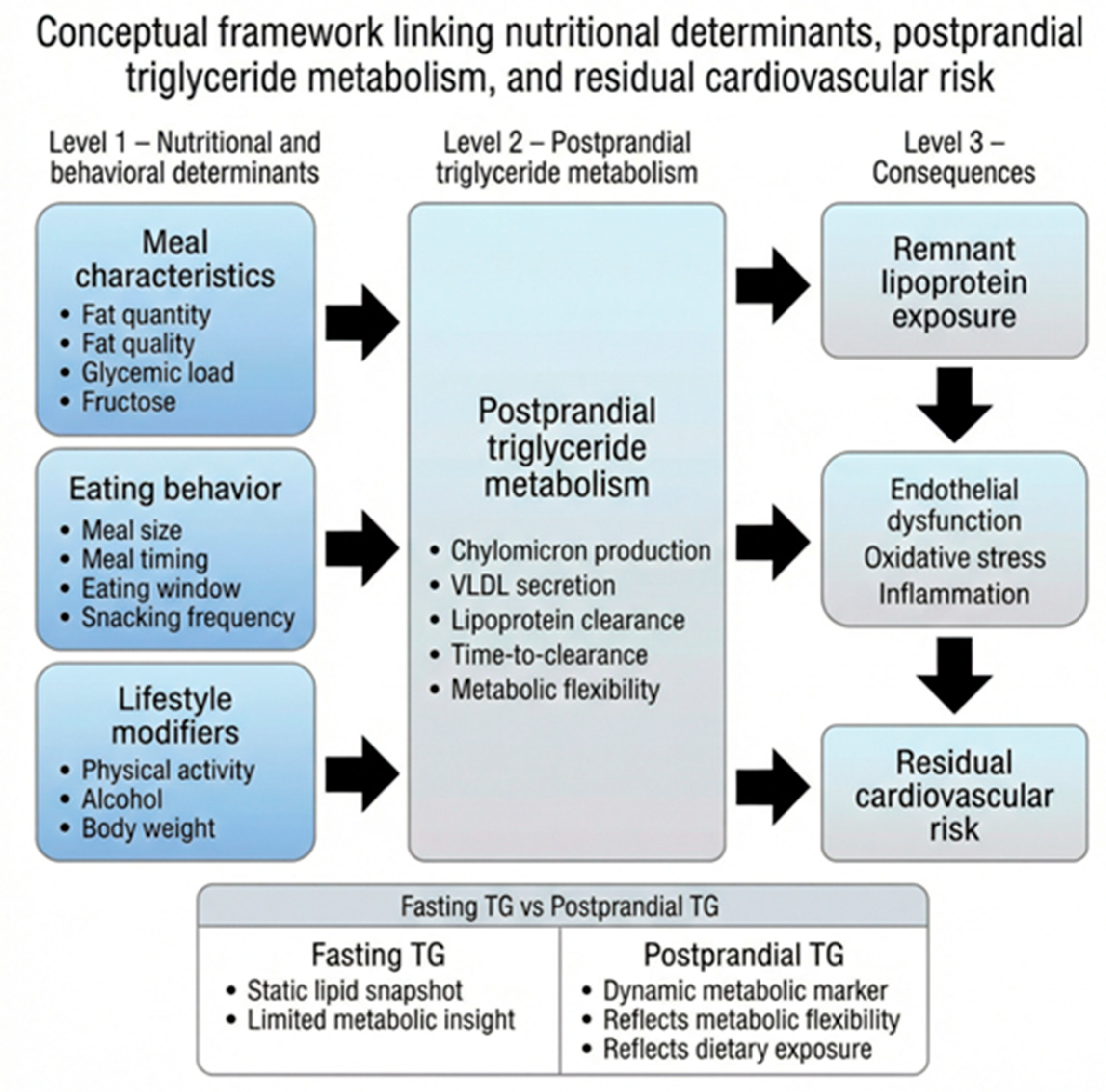
The conceptual framework linking nutritional determinants, postprandial TG metabolism, and residual cardiovascular risk is illustrated in
Figure 1 and provides the structural basis for the present review.
2. Materials and Methods
This narrative review was based on a literature search guided by predefined thematic areas related to postprandial triglyceride metabolism and its cardiovascular implications. The primary search was conducted in the PubMed and Scopus databases up to January 2026. The search strategy included combinations of relevant keywords such as “postprandial triglycerides”, “postprandial lipemia”, “triglyceride-rich lipoproteins”, “non-fasting triglycerides”, “diet and triglycerides”, “remnant cholesterol”, and “residual cardiovascular risk”, which were combined using Boolean operators (e.g., AND, OR) to refine the search. The search focused on publications from 2000 onwards, reflecting the evolution of contemporary concepts related to postprandial lipid metabolism, remnant cholesterol, and non-fasting lipid assessment. Earlier foundational studies were considered where necessary to support key mechanistic concepts. Additional relevant articles were identified through manual screening of reference lists from key reviews, consensus documents, and international clinical guidelines. Approximately 350 publications were screened for relevance, of which around 70–75 articles were considered central to the present synthesis. The screening process was conducted through title and abstract evaluation, followed by full-text assessment of potentially relevant articles, based on predefined thematic relevance and alignment with the objectives of the review. Article selection was based on relevance to the topic and contribution to the conceptual framework of the review. Eligible sources included randomized controlled trials, observational studies (prospective and cross-sectional), meta-analyses, consensus statements, and major narrative reviews addressing postprandial lipid metabolism, dietary determinants of triglyceride responses, and cardiometabolic risk. Priority was given to human studies reporting postprandial triglyceride dynamics, remnant lipoproteins, or cardiovascular and metabolic outcomes. Animal studies were included selectively when providing essential mechanistic insights with direct translational relevance. Publications not available in English, pediatric-only studies, case reports, and studies lacking clear clinical or mechanistic relevance were excluded.
Given the narrative nature of this review, no formal systematic risk-of-bias assessment or quantitative synthesis was performed. However, study selection and interpretation were guided by an implicit appraisal of methodological quality and level of evidence, with greater emphasis placed on randomized controlled trials, large prospective studies, and high-quality meta-analyses. Findings from lower levels of evidence were interpreted with appropriate caution. Efforts were made to balance foundational studies with recent high-impact publications in order to provide both historical context and an updated perspective on emerging concepts in postprandial lipid metabolism.
3. Postprandial TG Metabolism: Why It Matters Clinically
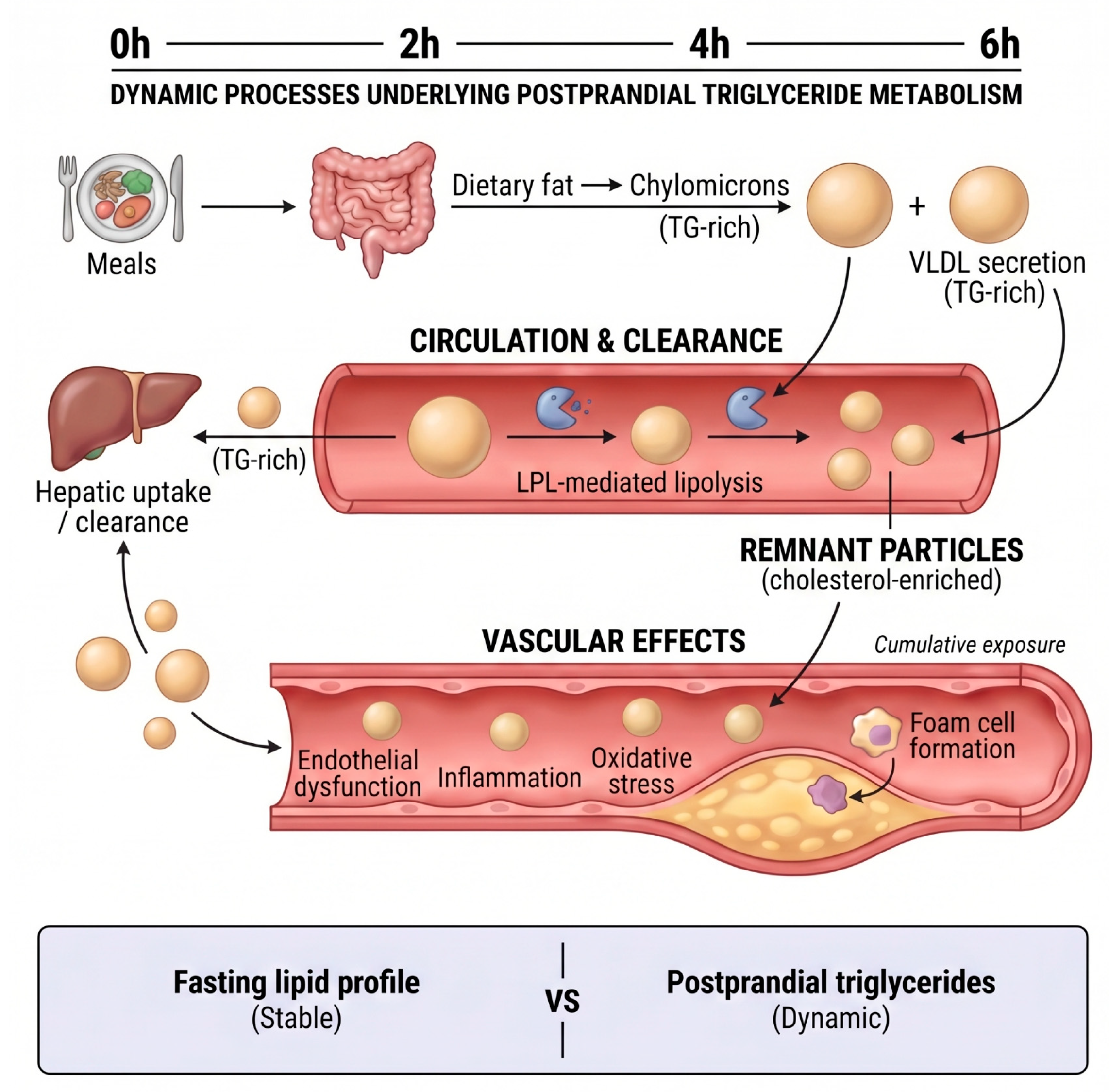
The postprandial state represents a metabolically dynamic period during which circulating TRLs increase in response to intestinal fat absorption and hepatic lipid secretion. Following a mixed meal containing fat, TGs are packaged into chylomicrons within enterocytes and released into the circulation, while the liver simultaneously secretes VLDL. This dual input produces a transient rise in plasma TG levels that typically peaks 3–4 h after food intake and gradually declines as TRLs are hydrolyzed by lipoprotein lipase and cleared as remnant particles [
11,
12,
13,
20,
21]. In metabolically healthy adults, TG concentrations generally return toward baseline within several hours. In contrast, insulin resistance, central adiposity, or impaired hepatic lipid handling are associated with higher peaks and delayed clearance beyond 6–8 h, resulting in prolonged vascular exposure to TG-rich particles and their cholesterol-enriched remnants [
14,
22,
23]. The dynamic processes underlying postprandial TG metabolism and vascular exposure to remnant lipoproteins are illustrated in
Figure 2.
Remnant lipoproteins, generated from partially metabolized chylomicrons and VLDL, have attracted particular clinical interest because of their atherogenic potential. Unlike larger TG-rich particles, remnants are sufficiently small to penetrate the arterial intima, where they may be retained and taken up by macrophages, contributing to foam cell formation. Experimental, mechanistic, and epidemiological studies suggest that these particles are relatively enriched in cholesterol for their size, a feature often conceptualized as remnant cholesterol, and may promote endothelial dysfunction, oxidative stress, and local inflammatory signaling. Although TGs themselves are not directly deposited within atherosclerotic plaques, the lipoprotein carriers and their cholesterol-rich remnants represent biologically active entities capable of interacting with the vascular wall in ways that extend beyond lipid transport alone [
24,
25,
26].
Postprandial lipid responses are also closely linked to inflammatory and endothelial pathways central to atherogenesis. Short-term elevations in TRLs have been associated in controlled feeding studies with transient increases in inflammatory mediators, impaired endothelium-dependent vasodilation, and enhanced oxidative stress [
27]. These perturbations are generally modest and reversible in metabolically healthy individuals but become more pronounced and sustained in the presence of obesity, metabolic syndrome, or type 2 diabetes. This has led to the hypothesis that repeated daily postprandial TG excursions may contribute cumulatively to vascular exposure to atherogenic lipoproteins. This concept is supported primarily by observational associations and mechanistic studies, while direct longitudinal evidence remains limited. As such, this cumulative burden should be interpreted as a plausible pathophysiological framework rather than a definitively established causal mechanism [
28,
29,
30,
31].
From a clinical perspective, an important distinction exists between fasting LDL-C and postprandial TRLs. LDL-C reflects a relatively stable lipid fraction and remains a primary therapeutic target because of its well-established causal relationship with atherosclerotic cardiovascular disease. In contrast, postprandial TGs represent a dynamic marker that captures metabolic flexibility, dietary exposure, and the efficiency of lipoprotein clearance mechanisms. Individuals with optimal LDL-C values may still exhibit exaggerated postprandial TG responses, particularly in the presence of insulin resistance or hepatic steatosis, suggesting that fasting lipid panels alone may incompletely characterize cardiometabolic risk [
10,
14,
32]. Rather than replacing LDL-C as a cornerstone of risk assessment, evaluation of postprandial TG metabolism provides complementary information that may help explain residual risk and identify individuals whose vascular exposure to atherogenic remnant lipoproteins remains underestimated in the fasting state.
Taken together, these observations support the view that postprandial TG metabolism may represent a clinically relevant dimension of lipid physiology that complements conventional fasting lipid assessment.
Remnant Cholesterol and the Limits of TG as a Proxy
Circulating TG concentrations are widely used to characterize postprandial lipemia, yet they represent an indirect marker of lipoprotein metabolism rather than the atherogenic lipid burden itself. TGs primarily reflect the flux of lipid transport following dietary fat intake and hepatic VLDL secretion. In contrast, remnant cholesterol, defined as the cholesterol content carried within partially metabolized chylomicron and VLDL remnants, has emerged as a more proximal indicator of atherogenic potential. Unlike larger TRLs, remnants are sufficiently small to penetrate the arterial intima and are relatively enriched in cholesterol per particle, a characteristic that may amplify their contribution to foam cell formation, endothelial dysfunction, and vascular inflammation [
10,
14,
33,
34,
35].
This distinction highlights an important conceptual limitation: elevated TG concentrations do not uniformly translate into elevated remnant cholesterol, and conversely, individuals with only moderate TG levels may still exhibit a disproportionate remnant burden. Postprandial TGs should therefore be interpreted less as a direct measure of dietary fat intake and more as a functional marker of metabolic flexibility and lipoprotein clearance efficiency. Within this framework, TG excursions serve as a practical clinical proxy for dynamic lipid handling, whereas remnant cholesterol more closely approximates the atherogenic component of postprandial lipoprotein metabolism. Recognizing this distinction helps explain why fasting TG values alone may underestimate residual cardiovascular risk and underscores the importance of contextual interpretation rather than reliance on isolated thresholds [
9,
34,
36,
37,
38].
This conceptual perspective also clarifies why non-fasting TG measurements may provide functional insight into lipid clearance, whereas calculated or directly measured remnant cholesterol may better reflect cumulative atherogenic exposure. From a practical standpoint, remnant cholesterol can be estimated in routine clinical settings using standard lipid profiles, most commonly calculated as total cholesterol minus LDL-C minus HDL-C. While this approach offers a convenient surrogate, it remains influenced by fasting status and methodological variability, and direct measurement techniques are not yet widely standardized. Future clinical approaches may therefore benefit from integrating postprandial TG assessment with remnant cholesterol evaluation in order to better characterize residual cardiovascular risk, although further validation and standardization are required before routine implementation.
4. Dietary Determinants of Postprandial TGs
4.1. Macronutrient Composition
Meal macronutrient composition is a major determinant of the magnitude and duration of postprandial TG responses. Dietary fat quantity shows the most pronounced and consistent dose-dependent relationship with circulating TG excursions, with larger fat loads, often exceeding 30–40 g in controlled feeding trials, producing higher and more prolonged peaks. Beyond quantity, fat quality also influences postprandial lipid handling [
21,
39,
40]. Randomized crossover studies indicate that meals enriched in saturated fatty acids are generally associated with less favorable TG clearance than those emphasizing mono- and polyunsaturated fatty acids, although individual variability and overall dietary context remain important modifiers. Mixed meals combining unsaturated fats, dietary fiber, and minimally processed ingredients have been associated with more efficient TG clearance and shorter lipemic duration [
17,
41,
42,
43].
Carbohydrate composition exerts an additional and often synergistic, but generally more variable, influence. High-glycemic-index carbohydrates and refined starches may amplify postprandial TG responses, particularly in individuals with insulin resistance or excess visceral adiposity, likely through increased hepatic very-low-density lipoprotein production and delayed lipid clearance [
44,
45,
46]. Fructose intake is associated with increased hepatic de novo lipogenesis and higher circulating TG concentrations, especially when consumed as sugar-sweetened beverages or ultra-processed foods, whereas whole-food sources appear metabolically less disruptive [
47,
48,
49,
50,
51]. In contrast, carbohydrate sources rich in dietary fiber and lower glycemic load tend to attenuate postprandial TG excursions, partly by slowing nutrient absorption and improving metabolic flexibility [
51,
52,
53]. Adequate protein co-ingestion may exert a modest attenuating effect on postprandial glycemic and lipemic responses through effects on gastric emptying and insulin dynamics.
Overall, total dietary fat load appears to exert the strongest and most consistent effect on postprandial triglyceride responses, followed by fatty acid composition, while carbohydrate quality, protein co-ingestion, and overall meal structure demonstrate more variable and generally moderate effects depending on metabolic context. These effects are further amplified in individuals with insulin resistance or obesity, in whom postprandial lipid handling is consistently impaired [
54,
55].
Beyond individual macronutrients, dietary patterns provide a more integrative framework for understanding postprandial TG responses. Mediterranean-style dietary patterns, characterized by a high intake of monounsaturated fats, fiber, and minimally processed foods, have been consistently associated with more favorable postprandial lipemic profiles and improved remnant lipoprotein handling in both observational and interventional studies, including controlled trials such as CORDIOPREV. In contrast, Western dietary patterns rich in refined carbohydrates, saturated fats, and ultra-processed foods are more consistently associated with exaggerated and prolonged postprandial TG excursions and increased remnant lipoprotein exposure. Lower-carbohydrate and plant-based dietary patterns may also improve postprandial lipid responses, although their effects appear to depend on overall dietary composition and metabolic context. These observations highlight the relevance of dietary patterns as practical tools for modulating postprandial lipid metabolism beyond isolated nutrient effects [
15,
18,
23,
28,
53].
4.2. Meal Pattern and Timing
Beyond meal composition, eating patterns strongly influence postprandial TG dynamics. Large or energy-dense mixed meals typically induce higher and more sustained TG elevations than smaller, evenly distributed meals, particularly in metabolically vulnerable individuals. Closely spaced eating occasions may result in cumulative lipemic exposure across the day, as TG concentrations often fail to return fully to baseline before subsequent meals. This pattern is increasingly relevant in modern dietary environments characterized by frequent snacking and extended daily eating windows [
20,
22,
31,
34,
56,
57].
Circadian factors and meal timing also interact with lipid metabolism. Human studies suggest that evening or late-night meals are associated with less efficient TG clearance and greater postprandial lipemic responses compared with earlier daytime intake. These observations may reflect diurnal variations in insulin sensitivity and hepatic lipid handling. Experimental and mechanistic studies further support a role for circadian regulation of lipid metabolism, although their direct translation to clinical practice remains limited. Although clear clinical thresholds remain undefined, structured meal timing and adequate metabolic recovery between meals appear to support more efficient lipid clearance [
57,
58,
59,
60].
4.3. Alcohol Intake and Ultra-Processed Food Context
Alcohol intake is a well-recognized modulator of TG metabolism, particularly in the postprandial state. Even moderate alcohol consumption with meals has been associated with delayed TG clearance and higher circulating concentrations in controlled feeding studies. These effects are partly attributed to increased hepatic TG synthesis and competition for oxidative pathways in the liver. The impact is more pronounced in individuals with pre-existing hypertriglyceridemia, insulin resistance, or hepatic steatosis [
61,
62,
63,
64,
65].
Ultra-processed foods further exacerbate postprandial lipid disturbances through their characteristic combination of high energy density, refined carbohydrates, added sugars, industrial fats, and low fiber content. Such meals frequently deliver simultaneous glycemic and lipemic loads that challenge metabolic clearance mechanisms. Observational cohorts and short-term feeding trials have linked diets rich in ultra-processed foods with adverse cardiometabolic profiles, including elevated TG concentrations and reduced metabolic flexibility, sometimes independent of total caloric intake [
66,
67,
68,
69]. Overall, the broader dietary context and meal composition pattern, rather than isolated nutrients, appear to determine the cumulative postprandial TG burden.
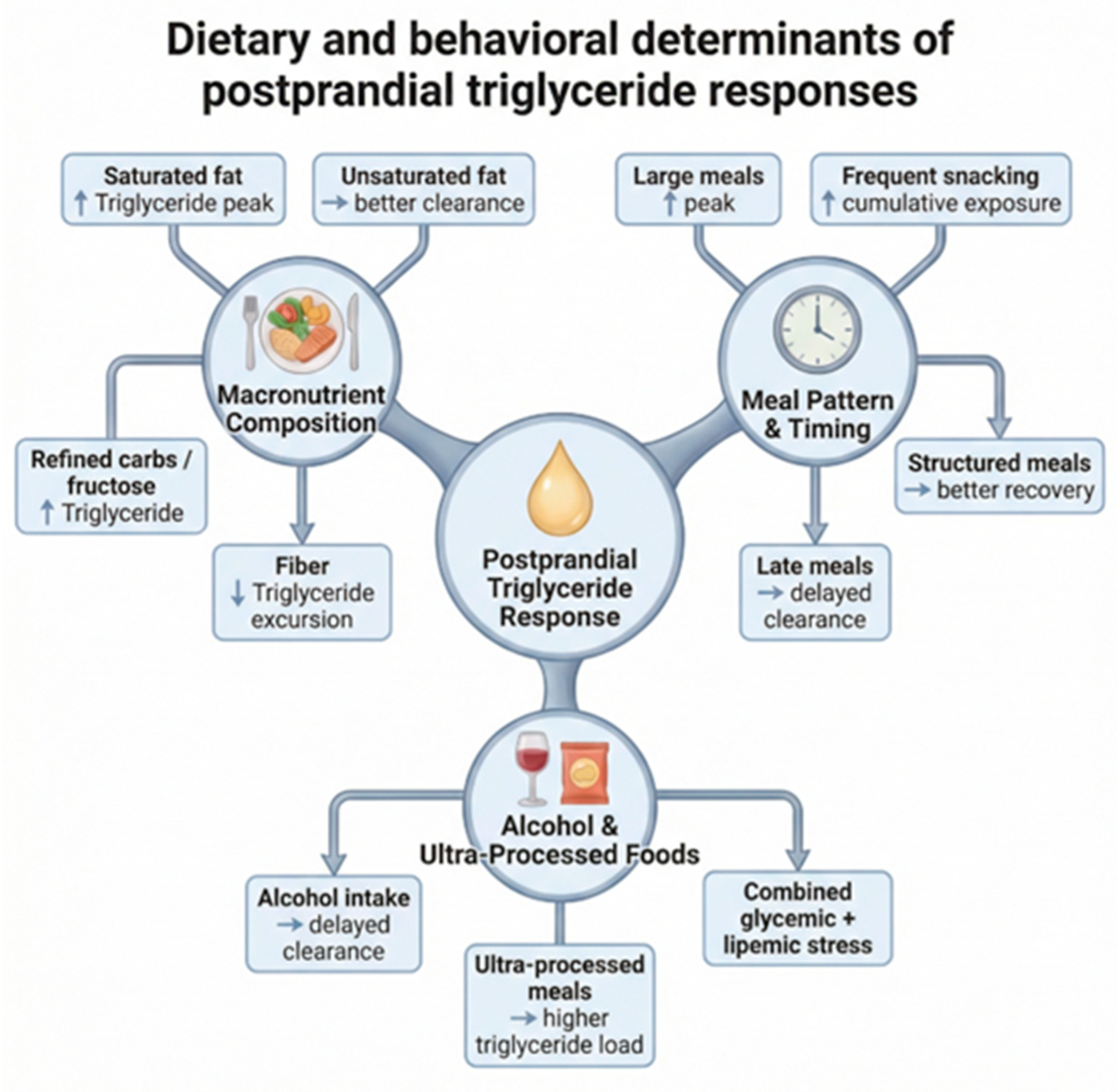
The major dietary and behavioral determinants of postprandial TG responses are summarized in
Figure 3.
5. Clinical Contexts Where Postprandial TGs Become Relevant
Postprandial TG responses are particularly informative in clinical settings characterized by impaired metabolic flexibility, where fasting lipid measurements may underestimate true vascular exposure to TRLs. Individuals with insulin resistance and type 2 diabetes consistently demonstrate exaggerated and prolonged postprandial lipemia compared with metabolically healthy controls, with controlled studies reporting higher TG area-under-the-curve and delayed return to baseline extending beyond the typical 6–8 h window. These alterations are attributed to increased hepatic VLDL secretion, reduced lipoprotein lipase activity, and delayed remnant clearance. Even in the presence of near-normal fasting TG values, postprandial excursions often remain elevated, suggesting that dynamic lipid handling captures additional aspects of metabolic dysfunction not fully reflected by fasting TG alone [
4,
7,
25,
28].
A similar pattern is observed in obesity and metabolic syndrome, conditions associated with central adiposity, chronic low-grade inflammation, and altered adipokine signaling. Excess visceral fat promotes increased free fatty acid flux to the liver and enhanced hepatic TG synthesis, contributing to elevated TG levels in both fasting and postprandial states. The postprandial period frequently reveals a disproportionate burden of cholesterol-enriched remnant lipoproteins that may not be evident in routine fasting lipid panels, supporting the value of postprandial assessment for refining cardiometabolic risk in individuals with increased adiposity [
8,
14,
36,
70,
71,
72].
MASLD represents another clinical context in which postprandial TG metabolism is commonly disturbed. Hepatic steatosis is associated with increased hepatic lipogenesis, impaired lipid oxidation, and altered very-low-density lipoprotein production, which may amplify TG excursions and prolong lipemic duration. Delayed clearance of TG-rich particles may coexist with only modest fasting TG elevations, suggesting that hepatic fat accumulation exerts an independent influence on postprandial lipid handling [
73,
74,
75].
Additional contexts, although less extensively studied, also demonstrate clinically relevant alterations in postprandial TG metabolism. Women with polycystic ovary syndrome (PCOS) frequently exhibit insulin resistance-related dyslipidemia, including higher postprandial TG excursions [
76]. Advancing age is associated with gradual declines in insulin sensitivity and lipid clearance efficiency, contributing to more sustained postprandial lipemia even in the absence of overt metabolic disease. Hormonal changes across the menopausal transition may further influence remnant lipoprotein dynamics [
29,
77].
Overall, postprandial TG responses vary substantially across populations and may serve as a sensitive marker of metabolic vulnerability. In clinical and research settings, non-fasting TG measurements are typically obtained within approximately 2–4 h after habitual food intake, reflecting a pragmatic approach to lipid assessment. However, the absence of standardized timing protocols remains a key limitation, as postprandial TG responses are influenced by meal composition, metabolic status, and time since ingestion [
9,
10]. In clinical practice, such variability may reveal discordance between apparently acceptable fasting lipid values and the actual daily burden of TG-rich and remnant lipoprotein exposure. A summary of key determinants influencing postprandial triglyceride responses and targeted nutritional strategies is presented in
Table 1 (based on evidence from clinical trials, observational studies, and mechanistic research).
Taken together, these findings suggest that the relative importance of nutritional determinants, such as fat quality, carbohydrate composition, fructose intake, alcohol consumption, and meal timing, varies across clinical phenotypes, including insulin resistance/type 2 diabetes, obesity, MASLD, PCOS, and aging. This supports a more phenotype-specific approach to dietary modulation of postprandial TG responses.
6. Assessment in Clinical Practice
Assessment of TGs in routine clinical care has traditionally relied on fasting measurements; however, growing evidence supports the practicality and clinical relevance of non-fasting lipid testing in many situations. Because most individuals spend the majority of their waking hours in a fed state, non-fasting TG values may better reflect real-world metabolic exposure to TG-rich lipoproteins. Several professional societies now consider non-fasting lipid profiles acceptable for initial cardiovascular risk screening, particularly when TG levels are clearly within normal ranges. Non-fasting testing offers logistical advantages, improves patient compliance, and facilitates opportunistic screening, while markedly elevated values remain clinically meaningful irrespective of fasting status [
9,
10,
11].
Interpretation becomes more nuanced when TG concentrations are borderline or moderately elevated. Intermediate non-fasting elevations may reflect recent dietary intake rather than persistent metabolic dysregulation, and confirmatory fasting measurements remain appropriate when TG levels exceed commonly accepted laboratory thresholds or when therapeutic decisions depend on precise lipid quantification. Rather than representing competing strategies, fasting and non-fasting measurements should be viewed as complementary tools, with the choice guided by clinical context and baseline metabolic risk.
Targeted evaluation of postprandial TG responses may be particularly informative in selected patient populations. Individuals with insulin resistance, type 2 diabetes, obesity, metabolic syndrome, or MASLD frequently exhibit exaggerated or prolonged postprandial lipemia even when fasting TG values appear acceptable. In such cases, a single fasting panel may underestimate exposure to TG-rich remnant particles and reveal discordance between fasting and non-fasting lipid profiles. Although formal oral fat tolerance tests remain largely confined to research settings, clinicians may still obtain practical insight from pragmatic approaches, such as measuring TGs several hours after a typical meal or evaluating trends across repeated measurements rather than relying on isolated values [
9,
10,
11,
14,
78].
Important limitations currently restrict routine implementation of standardized postprandial testing. No universally accepted definition of abnormal postprandial TG response exists, and methodological heterogeneity across studies, particularly regarding meal composition, sampling intervals, and outcome metrics, limits translation into clinical practice. Laboratory reference ranges are typically derived from fasting populations, and substantial inter-individual variability related to diet, physical activity, circadian rhythm, and medication use further complicates interpretation [
9,
10,
11,
14,
78]. Consequently, postprandial TG assessment should be regarded as an adjunctive rather than definitive diagnostic tool.
From a pragmatic clinical perspective, TG evaluation is best integrated into broader cardiometabolic assessment rather than considered in isolation. Non-fasting measurements are appropriate for general screening and follow-up in stable patients, whereas fasting confirmation is advisable when TGs are elevated, pancreatitis risk is a concern, or therapeutic thresholds are being considered. Ultimately, dynamic TG responses provide complementary insight into metabolic flexibility, remnant lipoprotein exposure, and residual cardiovascular risk, particularly in populations where fasting values alone may be misleading.
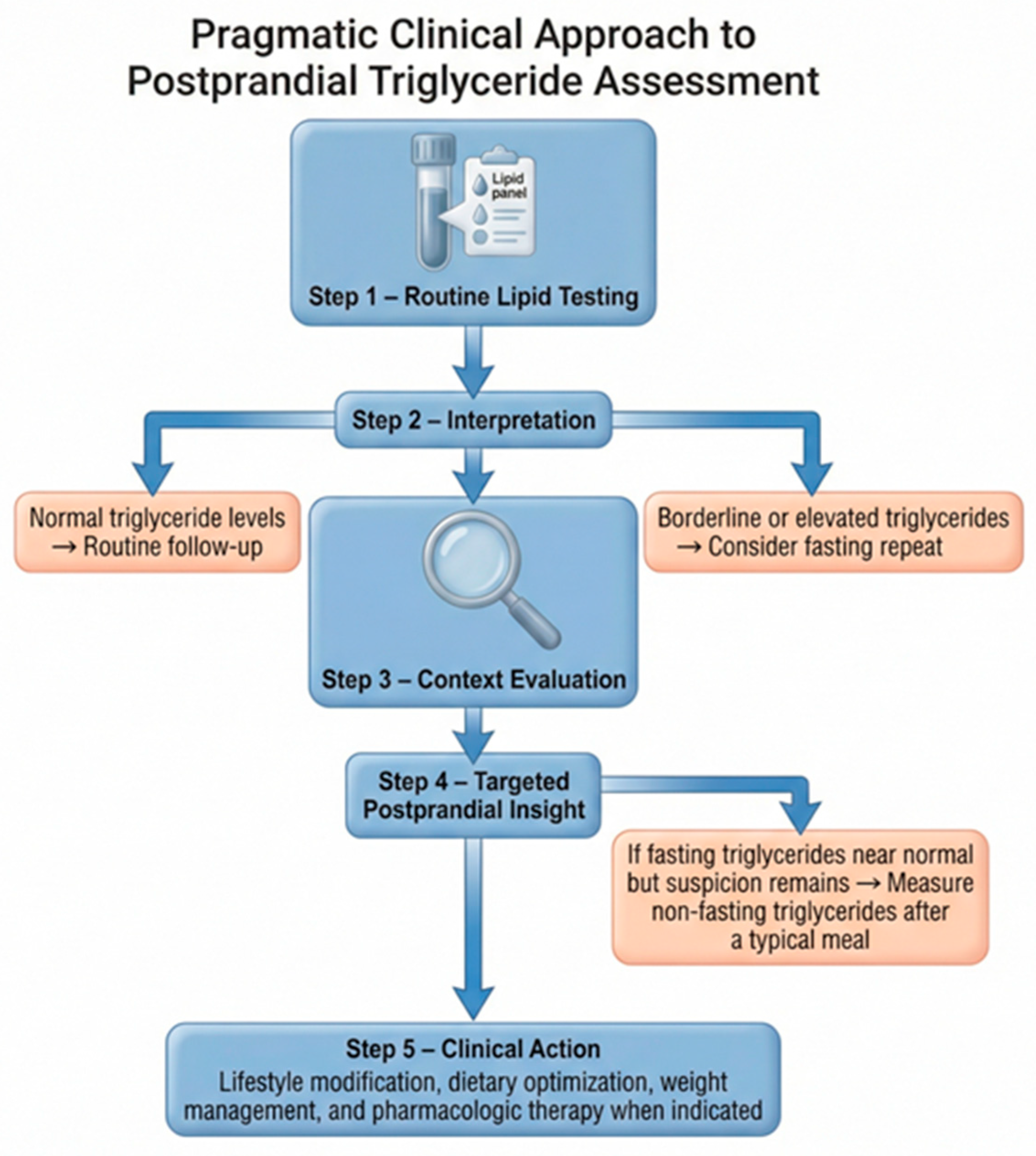
A pragmatic clinical approach to postprandial TG assessment is illustrated in
Figure 4.
7. Interventions: Nutritional and Pharmacological Perspectives
Management of exaggerated or prolonged postprandial TG responses requires an integrated approach in which lifestyle, nutrition, and pharmacologic therapy function as complementary rather than competing strategies. Because postprandial lipemia is strongly influenced by dietary composition, eating behavior, and overall metabolic health, non-pharmacological interventions represent the primary and most broadly applicable approach [
8,
18,
79]. Pharmacologic therapies, when indicated, serve as an adjunct for patients with persistent hypertriglyceridemia or elevated cardiometabolic risk despite optimized lifestyle measures [
19].
Dietary and lifestyle modification remains the cornerstone of intervention. Evidence from randomized feeding studies and longer-term behavioral interventions indicates that reducing excess energy intake, improving dietary fat quality, and limiting refined carbohydrates and added sugars are associated with more favorable postprandial TG dynamics. Dietary patterns emphasizing unsaturated fats, whole foods, and fiber-rich foods have been linked to improved TG clearance and reduced lipemic excursions. Weight reduction in individuals with overweight or obesity is commonly accompanied by improvements in insulin sensitivity and hepatic lipid handling, leading to attenuation of postprandial TG peaks. Both acute and habitual physical activity enhance TG clearance by increasing skeletal muscle lipoprotein lipase activity and improving metabolic flexibility. Structured meal patterns and avoidance of frequent energy-dense snacking may further reduce cumulative daily TG exposure. Collectively, these measures address upstream determinants of postprandial lipemia and confer cardiometabolic benefits beyond lipid metabolism alone [
8,
11,
79].
Pharmacologic interventions are most relevant in patients with persistently elevated TG, high cardiovascular risk, or metabolic conditions in which lifestyle modification alone is insufficient. Long-chain omega-3 fatty acids at adequate therapeutic doses reduce circulating TG concentrations and, in selected populations, have been associated with reductions in cardiovascular events, although responses vary according to baseline TG levels and formulation characteristics [
8,
80,
81,
82]. EPA-dominant preparations have generally demonstrated more consistent TG-lowering and cardiometabolic effects than mixed EPA/DHA formulations, particularly in individuals with elevated baseline TGs.
Fibrate therapy improves TG clearance and remnant lipoprotein metabolism, particularly in individuals with combined dyslipidemia characterized by elevated TG and low high-density lipoprotein cholesterol. These effects may be partly mediated through enhanced remnant lipoprotein clearance, making fibrates particularly relevant in hypertriglyceridemic phenotypes characterized by increased remnant cholesterol exposure [
80,
81,
82,
83]. Emerging lipid-modifying agents targeting pathways involved in TRL regulation, such as apolipoprotein C-III or angiopoietin-like protein signaling, show promise, although evidence regarding their specific impact on postprandial TG dynamics remains limited [
84,
85,
86,
87]. Pharmacologic therapy should therefore be viewed as reinforcing, rather than replacing, dietary optimization.
A pragmatic clinical strategy emphasizes lifestyle and nutritional interventions as first-line measures, with pharmacologic therapy introduced when TG levels remain elevated, pancreatitis risk is a concern, or overall cardiovascular risk justifies intensification. The goal is not only to reduce fasting TG concentrations but also to improve lipid handling and metabolic flexibility across the day, thereby limiting cumulative exposure to TG-rich remnant particles [
19,
79,
88].
The principal nutritional and pharmacological interventions influencing postprandial TG responses are summarized in
Table 2 (based on evidence from randomized controlled trials, observational studies, and consensus statements cited in the text).
8. Discussion and Clinical Implications
The evidence reviewed in this manuscript highlights postprandial TG metabolism as a dynamic and clinically meaningful dimension of lipid physiology that complements, rather than replaces, traditional fasting lipid assessment. While fasting LDL-C remains a central and causally established target in cardiovascular prevention, postprandial TG responses provide additional insight into metabolic flexibility, dietary exposure, and the efficiency of TRL clearance across the day. The convergence of physiological, epidemiological, and nutritional evidence suggests that repeated daily excursions in TG-rich particles may contribute to a cumulative vascular burden, particularly in contemporary dietary environments characterized by frequent energy-dense meals and extended eating windows. However, this concept is supported primarily by indirect and mechanistic evidence, while direct longitudinal confirmation remains limited. Recent reviews continue to emphasize the growing interest in postprandial TG metabolism as an integrative marker linking nutrition, metabolic flexibility, and cardiometabolic risk [
89]. Part of this burden is likely mediated by variability in remnant lipoprotein exposure, which more closely reflects the atherogenic component of postprandial lipid metabolism than TG concentrations alone.
Within the context of existing literature, the present review extends prior work by integrating mechanistic, nutritional, and clinical perspectives on postprandial TG metabolism. By framing postprandial TG dynamics as a functional marker of metabolic flexibility and residual cardiovascular risk, this synthesis aims to bridge experimental evidence with clinically relevant interpretation and support a more comprehensive understanding of lipid-related cardiometabolic risk.
A consistent finding across studies is the substantial inter-individual variability of postprandial TG handling. This variability appears closely related to insulin sensitivity, body fat distribution, hepatic lipid metabolism, and habitual dietary patterns. Individuals with insulin resistance, type 2 diabetes, obesity, and MASLD repeatedly demonstrate exaggerated or prolonged postprandial lipemia compared with metabolically healthy controls. In these populations, fasting TG concentrations alone may underestimate exposure to cholesterol-enriched remnant lipoproteins and fail to capture disturbances that are primarily expressed in the fed state. Conversely, metabolically healthy individuals typically exhibit efficient and transient TG clearance, underscoring that postprandial lipemia becomes clinically relevant primarily when clearance mechanisms are impaired.
Dietary composition and eating behavior emerge as central and modifiable determinants of postprandial TG dynamics. Evidence from controlled feeding studies and observational research indicates that meal size, fat quality, refined carbohydrate intake, fructose exposure, alcohol consumption, and overall dietary patterns influence both the amplitude and duration of TG excursions. These effects interact with the underlying metabolic phenotype, such that the same dietary stimulus may elicit modest responses in some individuals and exaggerated excursions in others. This perspective supports the prioritization of dietary and lifestyle interventions as foundational strategies for improving postprandial lipid handling. Postprandial TG metabolism also appears acutely responsive to physical activity, with even a single session of moderate-intensity aerobic exercise capable of attenuating next-meal TG excursions. Emerging evidence also suggests a potential role of gut microbiota and bile acid signaling in modulating postprandial lipid metabolism, although these mechanisms remain incompletely understood and currently have limited direct clinical applicability [
90,
91].
From a clinical perspective, TG evaluation should be interpreted within a broader metabolic context rather than as a single fasting laboratory value. While fasting lipid panels remain essential for cardiovascular risk stratification and therapeutic decision-making, exclusive reliance on fasting TGs may overlook disturbances in lipid handling that occur throughout the day and create discordance between apparent lipid control and actual lipemic exposure. Incorporating non-fasting measurements or contextual postprandial assessment, particularly in individuals with metabolic vulnerability, may therefore provide complementary insight into residual cardiometabolic risk without altering established lipid management frameworks.
Certain patient groups appear particularly likely to benefit from greater attention to postprandial TG dynamics. Individuals with insulin resistance, type 2 diabetes, obesity, metabolic syndrome, and MASLD frequently demonstrate prolonged or exaggerated TG excursions and increased remnant lipoprotein exposure that may not be evident in fasting profiles. Additional consideration may also be warranted in women with PCOS and in older adults experiencing age-related declines in metabolic flexibility. In these contexts, postprandial TG assessment should be viewed as an adjunctive tool capable of refining risk perception and supporting lifestyle-oriented interventions rather than as a standalone diagnostic test.
Despite increasing interest, several areas of uncertainty and methodological heterogeneity limit direct translation into standardized clinical practice. Study protocols vary substantially with respect to meal composition, sampling intervals, duration of observation, and outcome definitions, making cross-study comparisons difficult. No universally accepted threshold currently defines an abnormal postprandial TG response, and consensus is lacking regarding optimal timing for measurement outside research settings. Much of the available evidence derives from short-term interventions or observational studies, which constrain causal inference and long-term risk prediction. These limitations have important implications for the interpretation of the present findings, as they preclude definitive clinical recommendations and limit the ability to establish standardized thresholds. Accordingly, the conclusions of this review should be interpreted as integrative and hypothesis-generating rather than prescriptive, highlighting the need for further prospective and interventional studies.
Selective rather than universal clinical application therefore appears most defensible. Non-fasting TG measurements are practical for routine screening and may better reflect daily metabolic exposure, whereas targeted postprandial evaluation appears most informative in individuals with metabolic vulnerability or discordance between clinical risk and fasting lipid values. Postprandial data should function as supportive information rather than as a standalone diagnostic criterion. Lifestyle optimization, including dietary quality, weight management, and regular physical activity, remains the primary intervention, with pharmacologic therapies serving as adjuncts in patients with persistent hypertriglyceridemia or elevated cardiovascular risk.
Future Directions
Future research should prioritize standardization and clinical applicability. Well-designed prospective studies are needed to identify which postprandial TG patterns, such as prolonged time-to-baseline or increased area-under-the-curve, most strongly predict long-term cardiovascular and metabolic outcomes and to establish pragmatic thresholds suitable for clinical use. Greater emphasis on diverse populations, real-world dietary patterns, and longitudinal follow-up will be essential for improving generalizability.
In parallel, research integrating nutritional interventions, circadian biology, digital metabolic monitoring, and emerging lipid-modifying therapies may help define how dynamic TG responses can be incorporated into personalized prevention strategies. Advancing methodological consistency and clinical applicability will be essential for determining whether postprandial TG assessment evolves from a predominantly research-oriented construct into a structured component of routine cardiometabolic care focused on metabolic flexibility and residual cardiovascular risk.
9. Conclusions
Postprandial TG metabolism represents a dynamic and clinically informative dimension of lipid physiology that extends beyond the information provided by fasting lipid panels alone. While LDL-C remains the primary therapeutic target in cardiovascular prevention, accumulating evidence indicates that TRLs and their cholesterol-enriched remnants contribute to residual cardiometabolic burden despite apparently adequate fasting lipid control. Because the postprandial state occupies a substantial portion of daily life, postprandial TG responses provide a relevant window into metabolic flexibility and the efficiency of lipid clearance across the day.
Dietary composition, eating patterns, and overall lifestyle behaviors are central determinants of postprandial TG responses, highlighting the pivotal role of nutrition in both assessment and management. Individuals with insulin resistance, type 2 diabetes, obesity, and MASLD appear particularly susceptible to exaggerated or prolonged postprandial lipemia, even when fasting TG values are not markedly elevated. In these settings, non-fasting measurements and contextual interpretation of TG dynamics may provide complementary insight into cardiometabolic risk when integrated into broader clinical evaluation.
Although the absence of standardized protocols and universally accepted thresholds currently limits routine implementation, a pragmatic approach emphasizing dietary quality, weight management, regular physical activity, and adjunctive pharmacologic therapy when indicated may support improved TG handling and metabolic flexibility. Until clearer consensus emerges, postprandial TGs should be viewed not as a replacement for established lipid markers, but as a complementary perspective that refines the understanding of residual cardiovascular risk and supports a more comprehensive approach to cardiometabolic assessment.
At the same time, the current evidence base remains heterogeneous and largely derived from observational and short-term studies, limiting causal inference and immediate clinical standardization. Therefore, postprandial TG assessment should currently be regarded as a complementary and evolving tool, with its integration into routine practice requiring further prospective validation and consensus development.
Author Contributions
Conceptualization, O.P., A.P., A.B. and S.C.; methodology, O.P., A.B. and S.C.; software, O.P. and S.C.; validation, C.V., C.-T.L. and S.C.; formal analysis, O.P., A.P., A.B. and S.C.; investigation, O.P., S.L., C.V., A.-I.C. and B.E.; resources, O.P., S.L., C.V., A.-I.C., D.C. and B.E.; data curation, O.P., A.P., S.L., C.V., A.-I.C. and B.E.; writing—original draft preparation, O.P., A.P., A.B., B.E. and S.C.; writing—review and editing O.P., A.B., B.E. and S.C.; visualization, D.C., C.-T.L. and S.C.; supervision, D.C., C.-T.L. and S.C.; project administration, B.E., C.-T.L. and S.C.; funding acquisition, O.P., B.E. and S.C. All authors have read and agreed to the published version of the manuscript.
Funding
This research received no external funding. We would like to acknowledge the “Victor Babeș” University of Medicine and Pharmacy Timișoara, for their support in covering the costs of publication for this research paper.
Institutional Review Board Statement
Not applicable.
Informed Consent Statement
Not applicable.
Data Availability Statement
No new data were created or analyzed in this study. Data sharing is not applicable to this article.
Acknowledgments
During the preparation of this manuscript, the authors used
https://illustrae.co/ for graphical support in figure visualization. All scientific content, interpretation, and final figure design were developed and verified by the authors.
Conflicts of Interest
The authors declare no conflicts of interest.
Abbreviations
The following abbreviations are used in this manuscript:
| Abbreviation | Definition |
| ASCVD | Atherosclerotic Cardiovascular Disease |
| AUC | Area Under the Curve |
| DHA | Docosahexaenoic Acid |
| EPA | Eicosapentaenoic Acid |
| HDL-C | High-Density Lipoprotein Cholesterol |
| LDL-C | Low-Density Lipoprotein Cholesterol |
| LPL | Lipoprotein Lipase |
| MASLD | Metabolic-Associated Steatotic Liver Disease |
| PCOS | Polycystic Ovary Syndrome |
| RCT | Randomized Controlled Trial |
| TG | Triglyceride |
| TRLs | Triglyceride-Rich Lipoproteins |
| VLDL | Very-Low-Density Lipoprotein |
References
- Global Cardiovascular Risk Consortium; Magnussen, C.; Ojeda, F.M.; Leong, D.P.; Alegre-Diaz, J.; Amouyel, P.; Aviles-Santa, L.; De Bacquer, D.; Ballantyne, C.M.; Bernabé-Ortiz, A.; et al. Global effect of modifiable risk factors on cardiovascular disease and mortality. N. Engl. J. Med. 2023, 389, 1273–1285. [Google Scholar] [CrossRef] [PubMed]
- Fegers-Wustrow, I.; Gianos, E.; Halle, M.; Yang, E. Comparison of American and European guidelines for primary prevention of cardiovascular disease. J. Am. Coll. Cardiol. 2022, 79, 1304–1313. [Google Scholar] [CrossRef] [PubMed]
- Ridker, P.M.; Bhatt, D.L.; Pradhan, A.D.; Glynn, R.J.; MacFadyen, J.G.; Nissen, S.E. Inflammation and cholesterol as predictors of cardiovascular events among patients receiving statin therapy. Lancet 2023, 401, 1293–1301. [Google Scholar] [CrossRef] [PubMed]
- Pirillo, A.; Casula, M.; Catapano, A.L. European guidelines for the treatment of dyslipidaemias: New concepts and future challenges. Pharmacol. Res. 2023, 196, 106936. [Google Scholar] [CrossRef]
- Atar, D.; Jukema, J.W.; Molemans, B.; Taub, P.R.; Goto, S.; Mach, F.; Cerezo-Olmos, C.; Underberg, J.; Keech, A.; Tokgözoğlu, L.; et al. New cardiovascular prevention guidelines: How to optimally manage dyslipidaemia and cardiovascular risk in patients needing secondary prevention. Atherosclerosis 2021, 319, 51–61. [Google Scholar] [CrossRef]
- Nordestgaard, B.G. TG-rich lipoproteins and atherosclerotic cardiovascular disease: New insights from epidemiology, genetics and biology. Circ. Res. 2016, 118, 547–563. [Google Scholar] [CrossRef]
- Mechanick, J.I.; Farkouh, M.E.; Newman, J.D.; Garvey, W.T. Cardiometabolic-based chronic disease, adiposity and dysglycemia drivers. J. Am. Coll. Cardiol. 2020, 75, 525–538. [Google Scholar] [CrossRef]
- Newman, C.B.; Blaha, M.J.; Boord, J.B.; Cariou, B.; Chait, A.; Fein, H.G.; Ginsberg, H.N.; Goldberg, I.J.; Murad, M.H.; Subramanian, S.; et al. Lipid management in patients with endocrine disorders: An Endocrine Society clinical practice guideline. J. Clin. Endocrinol. Metab. 2020, 105, 3613–3682. [Google Scholar] [CrossRef]
- Mora, S.; Chang, C.L.; Moorthy, M.V.; Sever, P.S. Association of nonfasting vs fasting lipid levels with risk of major coronary events. JAMA Intern. Med. 2019, 179, 898–905. [Google Scholar] [CrossRef]
- Nordestgaard, B.G.; Langsted, A.; Mora, S.; Kolovou, G.; Baum, H.; Bruckert, E.; Watts, G.F.; Sypniewska, G.; Wiklund, O.; Borén, J.; et al. Fasting is not routinely required for determination of a lipid profile: Clinical and laboratory implications. Eur. Heart J. 2016, 37, 1944–1958. [Google Scholar] [CrossRef]
- Miller, M.; Stone, N.J.; Ballantyne, C.; Bittner, V.; Criqui, M.H.; Ginsberg, H.N.; Goldberg, A.C.; Howard, W.J.; Jacobson, M.S.; Kris-Etherton, P.M.; et al. Triglycerides and cardiovascular disease: A scientific statement from the American Heart Association. Circulation 2011, 123, 2292–2333. [Google Scholar] [CrossRef]
- Saeed, A.; Feofanova, E.V.; Yu, B.; Sun, W.; Virani, S.S.; Nambi, V.; Coresh, J.; Guild, C.S.; Boerwinkle, E.; Ballantyne, C.M.; et al. Remnant-like particle cholesterol, low-density lipoprotein triglycerides and incident cardiovascular disease. J. Am. Coll. Cardiol. 2018, 72, 156–169. [Google Scholar] [CrossRef]
- Björnson, E.; Packard, C.J.; Adiels, M.; Andersson, L.; Matikainen, N.; Söderlund, S.; Kahri, J.; Hakkarainen, A.; Lundbom, N.; Lundbom, J.; et al. Apolipoprotein B48 metabolism in chylomicrons and very low-density lipoproteins and its role in triglycerides transport. J. Intern. Med. 2020, 288, 422–438. [Google Scholar] [CrossRef]
- Kolovou, G.D.; Watts, G.F.; Mikhailidis, D.P.; Pérez-Martínez, P.; Mora, S.; Bilianou, H.; Panotopoulos, G.; Katsiki, N.; Ooi, T.C.; Lopez-Miranda, J.; et al. Postprandial hypertriglyceridaemia revisited in the era of non-fasting lipid profile testing. Curr. Vasc. Pharmacol. 2019, 17, 498–514. [Google Scholar] [CrossRef]
- Marques-Vidal, P.; Tsampasian, V.; Cassidy, A.; Biondi-Zoccai, G.; Chrysohoou, C.; Koskinas, K.; Verschuren, W.M.M.; Czapla, M.; Kavousi, M.; Kouvari, M.; et al. Diet and nutrition in cardiovascular disease prevention: A scientific statement of the European Society of Cardiology. Eur. J. Prev. Cardiol. 2025, 32, 1540–1552. [Google Scholar] [CrossRef] [PubMed]
- Williams, K.; Aggarwal, M.; Agustina, R.; Dastmalchi, L.N.; Ferdinand, K.C.; Lohr, N.L.; Panjrath, G.S. Nutrition and front-of-package food labeling as a catalyst for cardiovascular health. J. Am. Coll. Cardiol. 2026, 87, 638–653. [Google Scholar] [CrossRef]
- Lee, D.P.S.; Low, J.H.M.; Chen, J.R.; Zimmermann, D.; Actis-Goretta, L.; Kim, J.E. The influence of different foods and food ingredients on acute postprandial triglyceride response: A systematic review and meta-analysis of randomized controlled trials. Adv. Nutr. 2020, 11, 1529–1543. [Google Scholar] [CrossRef]
- Kirkpatrick, C.F.; Sikand, G.; Petersen, K.S.; Anderson, C.A.M.; Aspry, K.E.; Bolick, J.P.; Kris-Etherton, P.M.; Maki, K.C. Nutrition interventions for adults with dyslipidemia: A clinical perspective from the National Lipid Association. J. Clin. Lipidol. 2023, 17, 428–451. [Google Scholar] [CrossRef]
- Laufs, U.; Parhofer, K.G.; Ginsberg, H.N.; Hegele, R.A. Clinical review on triglycerides. Eur. Heart J. 2020, 41, 99–109. [Google Scholar] [CrossRef] [PubMed]
- Bozzetto, L.; Della Pepa, G.; Vetrani, C.; Rivellese, A.A. Dietary impact on postprandial lipemia. Front. Endocrinol. 2020, 11, 337. [Google Scholar] [CrossRef] [PubMed]
- Neumann, H.F.; Egert, S. Impact of meal fatty acid composition on postprandial lipemia in metabolically healthy adults and individuals with cardiovascular disease risk factors: A systematic review. Adv. Nutr. 2022, 13, 193–207. [Google Scholar] [CrossRef]
- Lopez-Miranda, J.; Williams, C.; Lairon, D. Dietary, physiological, genetic and pathological influences on postprandial lipid metabolism. Br. J. Nutr. 2007, 98, 458–473. [Google Scholar] [CrossRef]
- Leon-Acuña, A.; Torres-Peña, J.D.; Alcala-Diaz, J.F.; Vals-Delgado, C.; Roncero-Ramos, I.; Yubero-Serrano, E.; Tinahones, F.J.; Castro-Clerico, M.; Delgado-Lista, J.; Ordovas, J.M.; et al. Lifestyle factors modulate postprandial hypertriglyceridemia: From the CORDIOPREV study. Atherosclerosis 2019, 290, 118–124. [Google Scholar] [CrossRef]
- Chapman, M.J.; Packard, C.J.; Björnson, E.; Ginsberg, H.N.; Borén, J. Triglyceride-rich lipoproteins, remnants and atherosclerotic cardiovascular disease: What we know and what we need to know. Atherosclerosis 2025, 410, 120529. [Google Scholar] [CrossRef] [PubMed]
- Ginsberg, H.N.; Packard, C.J.; Chapman, M.J.; Borén, J.; Aguilar-Salinas, C.A.; Averna, M.; Ference, B.A.; Gaudet, D.; Hegele, R.A.; Kersten, S.; et al. Triglyceride-rich lipoproteins and their remnants: Metabolic insights, role in atherosclerotic cardiovascular disease, and emerging therapeutic strategies—A consensus statement from the European Atherosclerosis Society. Eur. Heart J. 2021, 42, 4791–4806. [Google Scholar] [CrossRef] [PubMed]
- Salinas, C.A.A.; Chapman, M.J. Remnant lipoproteins: Are they equal to or more atherogenic than LDL? Curr. Opin. Lipidol. 2020, 31, 132–139. [Google Scholar] [CrossRef]
- Norata, G.D.; Grigore, L.; Raselli, S.; Redaelli, L.; Hamsten, A.; Maggi, F.; Eriksson, P.; Catapano, A.L. Postprandial endothelial dysfunction in hypertriglyceridemic subjects: Molecular mechanisms and gene expression studies. Atherosclerosis 2007, 193, 321–327. [Google Scholar] [CrossRef] [PubMed]
- Alcala-Diaz, J.F.; Delgado-Lista, J.; Perez-Martinez, P.; Garcia-Rios, A.; Marin, C.; Quintana-Navarro, G.M.; Gomez-Luna, P.; Camargo, A.; Almaden, Y.; Caballero, J.; et al. Hypertriglyceridemia influences the degree of postprandial lipemic response in patients with metabolic syndrome and coronary artery disease: From the CORDIOPREV study. PLoS ONE 2014, 9, e96297. [Google Scholar] [CrossRef]
- Rathnayake, K.M.; Weech, M.; Jackson, K.G.; Lovegrove, J.A. Impact of meal fatty acid composition on postprandial lipaemia, vascular function and blood pressure in postmenopausal women. Nutr. Res. Rev. 2018, 31, 193–203. [Google Scholar] [CrossRef]
- Mazidi, M.; Valdes, A.M.; Ordovas, J.M.; Hall, W.L.; Pujol, J.C.; Wolf, J.; Hadjigeorgiou, G.; Segata, N.; Sattar, N.; Koivula, R.; et al. Meal-induced inflammation: Postprandial insights from the Personalised Responses to Dietary Composition Trial (PREDICT) study in 1000 participants. Am. J. Clin. Nutr. 2021, 114, 1028–1038. [Google Scholar] [CrossRef]
- Pirillo, A.; Norata, G.D.; Catapano, A.L. Postprandial lipemia as a cardiometabolic risk factor. Curr. Med. Res. Opin. 2014, 30, 1489–1503. [Google Scholar] [CrossRef]
- Jellinger, P.S.; Handelsman, Y.; Rosenblit, P.D.; Bloomgarden, Z.T.; Fonseca, V.A.; Garber, A.J.; Grunberger, G.; Guerin, C.K.; Bell, D.S.H.; Mechanick, J.I.; et al. American Association of Clinical Endocrinologists and American College of Endocrinology guidelines for management of dyslipidemia and prevention of cardiovascular disease. Endocr. Pract. 2017, 23, 1–87. [Google Scholar] [CrossRef]
- Stefanutti, C.; Labbadia, G.; Athyros, V.G. Hypertriglyceridaemia, postprandial lipaemia and non-HDL cholesterol. Curr. Pharm. Des. 2014, 20, 6238–6248. [Google Scholar] [CrossRef]
- Rosenson, R.S.; Davidson, M.H.; Hirsh, B.J.; Kathiresan, S.; Gaudet, D. Genetics and causality of TG-rich lipoproteins in atherosclerotic cardiovascular disease. J. Am. Coll. Cardiol. 2014, 64, 2525–2540. [Google Scholar] [CrossRef] [PubMed]
- Borén, J.; Matikainen, N.; Adiels, M.; Taskinen, M.R. Postprandial hypertriglyceridemia as a coronary risk factor. Clin. Chim. Acta 2014, 431, 131–142. [Google Scholar] [CrossRef]
- Castañer, O.; Pintó, X.; Subirana, I.; Amor, A.J.; Ros, E.; Hernáez, Á.; Martínez-González, M.A.; Corella, D.; Salas-Salvadó, J.; Estruch, R.; et al. Remnant cholesterol, not LDL cholesterol, is associated with incident cardiovascular disease. J. Am. Coll. Cardiol. 2020, 76, 2712–2724. [Google Scholar] [CrossRef]
- Nordestgaard, B.G.; Hegele, R.A. Residual lipid risk in atherosclerotic cardiovascular disease. Eur. Heart J. 2026, ehag087. [Google Scholar] [CrossRef]
- Sandesara, P.B.; Virani, S.S.; Fazio, S.; Shapiro, M.D. The forgotten lipids: Triglycerides, remnant cholesterol, and atherosclerotic cardiovascular disease risk. Endocr. Rev. 2019, 40, 537–557. [Google Scholar] [CrossRef] [PubMed]
- Jeppesen, J.; Chen, Y.D.; Zhou, M.Y.; Wang, T.; Reaven, G.M. Effect of variations in oral fat and carbohydrate load on postprandial lipemia. Am. J. Clin. Nutr. 1995, 62, 1201–1205. [Google Scholar] [CrossRef] [PubMed]
- Shishehbor, F.; Roche, H.M.; Gibney, M.J. The effect of low and moderate fat intakes on the postprandial lipaemic and hormonal responses in healthy volunteers. Br. J. Nutr. 1999, 81, 25–30. [Google Scholar] [CrossRef][Green Version]
- Marquez-Paradas, E.; Torrecillas-Lopez, M.; Corell-Almuraza, A.; Gonzalez-de la Rosa, T.; Barrera-Chamorro, L.; Bermudez, B.; Claro-Cala, C.M.; Montserrat-de la Paz, S. Fatty acid composition of isoenergetic meals drives distinct postprandial immunometabolic responses in healthy adults: A randomized crossover pilot study. J. Nutr. Biochem. 2026, 150, 110242. [Google Scholar] [CrossRef]
- Vors, C.; Pineau, G.; Gabert, L.; Drai, J.; Louche-Pélissier, C.; Defoort, C.; Lairon, D.; Désage, M.; Danthine, S.; Lambert-Porcheron, S.; et al. Modulating absorption and postprandial handling of dietary fatty acids by structuring fat in the meal: A randomized crossover clinical trial. Am. J. Clin. Nutr. 2013, 97, 23–36. [Google Scholar] [CrossRef]
- Kdekian, A.; Alssema, M.; Van Der Beek, E.M.; Greyling, A.; Vermeer, M.A.; Mela, D.J.; Trautwein, E.A. Impact of isocaloric exchanges of carbohydrate for fat on postprandial glucose, insulin, TG and free fatty acid responses: A systematic review and meta-analysis. Eur. J. Clin. Nutr. 2020, 74, 1–8. [Google Scholar] [CrossRef]
- Harbis, A.; Perdreau, S.; Vincent-Baudry, S.; Charbonnier, M.; Bernard, M.C.; Raccah, D.; Senft, M.; Lorec, A.M.; Defoort, C.; Portugal, H.; et al. Glycemic and insulinemic meal responses modulate postprandial hepatic and intestinal lipoprotein accumulation in obese insulin-resistant subjects. Am. J. Clin. Nutr. 2004, 80, 896–902. [Google Scholar] [CrossRef] [PubMed]
- Hoffman, S.; Alvares, D.; Adeli, K. Intestinal lipogenesis: How carbohydrates turn on triglyceride production in the gut. Curr. Opin. Clin. Nutr. Metab. Care 2019, 22, 284–288. [Google Scholar] [CrossRef]
- Parks, E.J. Effect of dietary carbohydrate on triglyceride metabolism in humans. J. Nutr. 2001, 131, 2772S–2774S. [Google Scholar] [CrossRef] [PubMed]
- Buziau, A.M.; Eussen, S.J.P.M.; Kooi, M.E.; van der Kallen, C.J.H.; van Dongen, M.C.J.M.; Schaper, N.C.; Henry, R.M.A.; Schram, M.T.; Dagnelie, P.C.; van Greevenbroek, M.M.J.; et al. Fructose intake from fruit juice and sugar-sweetened beverages is associated with higher intrahepatic lipid content: The Maastricht study. Diabetes Care 2022, 45, 1116–1123. [Google Scholar] [CrossRef]
- Geidl-Flueck, B.; Hochuli, M.; Németh, Á.; Eberl, A.; Derron, N.; Köfeler, H.C.; Tappy, L.; Berneis, K.; Spinas, G.A.; Gerber, P.A. Fructose- and sucrose- but not glucose-sweetened beverages promote hepatic de novo lipogenesis: A randomized controlled trial. J. Hepatol. 2021, 75, 46–54. [Google Scholar] [CrossRef] [PubMed]
- Geidl-Flueck, B.; Gerber, P.A. Fructose drives de novo lipogenesis affecting metabolic health. J. Endocrinol. 2023, 257, e220270. [Google Scholar] [CrossRef]
- Herman, M.A.; Samuel, V.T. The sweet path to metabolic demise: Fructose and lipid synthesis. Trends Endocrinol. Metab. 2016, 27, 719–730. [Google Scholar] [CrossRef]
- Liese, A.D.; Gilliard, T.; Schulz, M.; D’Agostino, R.B.; Wolever, T.M. Carbohydrate nutrition, glycaemic load and plasma lipids: The insulin resistance atherosclerosis study. Eur. Heart J. 2007, 28, 80–87. [Google Scholar] [CrossRef] [PubMed]
- Ludwig, D.S.; Ebbeling, C.B. The carbohydrate–insulin model of obesity: Beyond calories in, calories out. JAMA Intern. Med. 2018, 178, 1098–1103. [Google Scholar] [CrossRef] [PubMed]
- Reynolds, A.; Mann, J.; Cummings, J.; Winter, N.; Mete, E.; Te Morenga, L. Carbohydrate quality and human health: A series of systematic reviews and meta-analyses. Lancet 2019, 393, 434–445. [Google Scholar] [CrossRef] [PubMed]
- Dao, G.M.; Shaw, C.S.; Betik, A.C.; Kuriel, V.; Bruce, C.R.; Kowalski, G.M. Mechanistic insights into postprandial insulin–glucagon interactions and their impact on glucose flux after protein–glucose coingestion in humans. Diabetes 2025, 74, 1946–1956. [Google Scholar] [CrossRef]
- Wolever, T.M.; Zurbau, A.; Koecher, K.; Au-Yeung, F. The effect of adding protein to a carbohydrate meal on postprandial glucose and insulin responses: A systematic review and meta-analysis of acute controlled feeding trials. J. Nutr. 2024, 154, 2640–2654. [Google Scholar] [CrossRef]
- Schönknecht, Y.B.; Crommen, S.; Stoffel-Wagner, B.; Coenen, M.; Fimmers, R.; Holst, J.J.; Simon, M.C.; Stehle, P.; Egert, S. Acute effects of three different meal patterns on postprandial metabolism in older individuals with a cardiometabolic risk phenotype: A randomized controlled crossover trial. Mol. Nutr. Food Res. 2020, 64, e1901035. [Google Scholar] [CrossRef]
- Grant, L.K.; Czeisler, C.A.; Lockley, S.W.; Rahman, S.A. Time-of-day and meal size effects on clinical lipid markers. J. Clin. Endocrinol. Metab. 2021, 106, e1373–e1379. [Google Scholar] [CrossRef]
- Bonham, M.P.; Kaias, E.; Zimberg, I.; Leung, G.K.W.; Davis, R.; Sletten, T.L.; Windsor-Aubrey, H.; Huggins, C.E. Effect of nighttime eating on postprandial triglyceride metabolism in healthy adults: A systematic review. J. Biol. Rhythm. 2019, 34, 119–130. [Google Scholar] [CrossRef]
- Gu, C.; Brereton, N.; Schweitzer, A.; Cotter, M.; Duan, D.; Børsheim, E.; Wolfe, R.R.; Pham, L.V.; Polotsky, V.Y.; Jun, J.C. Metabolic effects of late dinner in healthy volunteers: A randomized crossover clinical trial. J. Clin. Endocrinol. Metab. 2020, 105, 2789–2802. [Google Scholar] [CrossRef]
- Knutson, K.L.; Dixon, D.D.; Grandner, M.A.; Jackson, C.L.; Kline, C.E.; Maher, L.; Makarem, N.; Martino, T.A.; St-Onge, M.P.; Johnson, D.A.; et al. Role of circadian health in cardiometabolic health and disease risk: A scientific statement from the American Heart Association. Circulation 2025, 152, e408–e419. [Google Scholar] [CrossRef]
- Kovář, J.; Zemánková, K. Moderate alcohol consumption and triglyceridemia. Physiol. Res. 2015, 64, S371–S375. [Google Scholar] [CrossRef] [PubMed]
- Mudráková, E.; Poledne, R.; Kovář, J. Postprandial triglyceridemia after a single dose of alcohol in healthy young men. Nutr. Metab. Cardiovasc. Dis. 2013, 23, 183–188. [Google Scholar] [CrossRef]
- Berglund, L.; Brunzell, J.D.; Goldberg, A.C.; Goldberg, I.J.; Sacks, F.; Murad, M.H.; Stalenhoef, A.F. Evaluation and treatment of hypertriglyceridemia: An Endocrine Society clinical practice guideline. J. Clin. Endocrinol. Metab. 2012, 97, 2969–2989. [Google Scholar] [CrossRef]
- Valenzuela, R.; Farías, C.; Muñoz, Y.; Zúñiga-Hernández, J.; Videla, L.A. Interrelationship between alcohol consumption, overnutrition, and pharmacotherapy for liver steatosis: Considerations and proposals. Mol. Cell. Endocrinol. 2026, 611, 112676. [Google Scholar] [CrossRef] [PubMed]
- Gaubatz, J.W.; Gillard, B.K.; Rosales, C.; Pownall, H.J. Dietary alcohol and fat differentially affect plasma cholesteryl ester transfer activity and TG in normo- and hypertriglyceridemic subjects. Lipids 2020, 55, 299–307. [Google Scholar] [CrossRef]
- Monteiro, C.A.; Louzada, M.L.; Steele-Martinez, E.; Cannon, G.; Andrade, G.C.; Baker, P.; Bes-Rastrollo, M.; Bonaccio, M.; Gearhardt, A.N.; Khandpur, N.; et al. Ultra-processed foods and human health: The main thesis and the evidence. Lancet 2025, 406, 2667–2684. [Google Scholar] [CrossRef]
- Anderer, S. Ultraprocessed foods and cardiometabolic health: New report on a growing public health challenge. JAMA 2025, 334, 1218–1220. [Google Scholar] [CrossRef]
- Lane, M.M.; Gamage, E.; Du, S.; Ashtree, D.N.; McGuinness, A.J.; Gauci, S.; Baker, P.; Lawrence, M.; Rebholz, C.M.; Srour, B.; et al. Ultra-processed food exposure and adverse health outcomes: Umbrella review of epidemiological meta-analyses. BMJ 2024, 384, e077310. [Google Scholar] [CrossRef]
- González-Palacios, S.; Oncina-Cánovas, A.; García-de-la-Hera, M.; Martínez-González, M.Á.; Salas-Salvadó, J.; Corella, D.; Schröder, H.; Martínez, J.A.; Alonso-Gómez, Á.M.; Wärnberg, J.; et al. Increased ultra-processed food consumption is associated with worsening cardiometabolic risk factors in adults with metabolic syndrome: Longitudinal analysis from a randomized trial. Atherosclerosis 2023, 377, 12–23. [Google Scholar] [CrossRef]
- Després, J.P.; Carpentier, A.C.; Tchernof, A.; Neeland, I.J.; Poirier, P. Management of obesity in cardiovascular practice. J. Am. Coll. Cardiol. 2021, 78, 513–531. [Google Scholar] [CrossRef] [PubMed]
- Neeland, I.J.; Ross, R.; Després, J.P.; Matsuzawa, Y.; Yamashita, S.; Shai, I.; Seidell, J.; Magni, P.; Santos, R.D.; Arsenault, B.; et al. Visceral and ectopic fat, atherosclerosis, and cardiometabolic disease: A position statement. Lancet Diabetes Endocrinol. 2019, 7, 715–725. [Google Scholar] [CrossRef]
- Bays, H.E.; Kirkpatrick, C.F.; Maki, K.C.; Toth, P.P.; Morgan, R.T.; Tondt, J.; Christensen, S.M.; Dixon, D.L.; Jacobson, T.A. Obesity, dyslipidemia, and cardiovascular disease: A joint expert review from the Obesity Medicine Association and the National Lipid Association. J. Clin. Lipidol. 2024, 18, e320–e350. [Google Scholar] [CrossRef]
- Girish, V.; John, S. Metabolic dysfunction-associated steatotic liver disease (MASLD). In StatPearls; StatPearls Publishing: Treasure Island, FL, USA, 2025. [Google Scholar]
- Stefan, N.; Yki-Järvinen, H.; Neuschwander-Tetri, B.A. Metabolic dysfunction-associated steatotic liver disease: Heterogeneous pathomechanisms and effectiveness of metabolism-based treatment. Lancet Diabetes Endocrinol. 2025, 13, 134–148. [Google Scholar] [CrossRef]
- Ionescu, V.A.; Gheorghe, G.; Bacalbasa, N.; Diaconu, C.C. Metabolic dysfunction-associated steatotic liver disease: Pathogenetic links to cardiovascular risk. Biomolecules 2025, 15, 163. [Google Scholar] [CrossRef]
- Kyaw Tun, T.; McGowan, A.; Phelan, N.; Correia, N.; Boran, G.; O’Connor, A.L.; Roche, H.M.; Gibney, J. Obesity and insulin resistance are the main determinants of postprandial lipoprotein dysmetabolism in polycystic ovary syndrome. Int. J. Endocrinol. 2016, 2016, 9545239. [Google Scholar] [CrossRef] [PubMed]
- Nappi, R.E.; Chedraui, P.; Lambrinoudaki, I.; Simoncini, T. Menopause: A cardiometabolic transition. Lancet Diabetes Endocrinol. 2022, 10, 442–456. [Google Scholar] [CrossRef]
- Farukhi, Z.; Mora, S. Assessing dyslipidemias: To fast or not to fast? Curr. Opin. Endocrinol. Diabetes Obes. 2021, 28, 97–103. [Google Scholar] [CrossRef] [PubMed]
- Virani, S.S.; Morris, P.B.; Agarwala, A.; Ballantyne, C.M.; Birtcher, K.K.; Kris-Etherton, P.M.; Ladden-Stirling, A.B.; Miller, M.; Orringer, C.E.; Stone, N.J. 2021 ACC expert consensus decision pathway on ASCVD risk reduction in patients with persistent hypertriglyceridemia. J. Am. Coll. Cardiol. 2021, 78, 960–993. [Google Scholar] [CrossRef] [PubMed]
- Ray, K.K.; Corral, P.; Morales, E.; Nicholls, S.J. Pharmacological lipid-modification therapies for prevention of ischaemic heart disease: Current and future options. Lancet 2019, 394, 697–708. [Google Scholar] [CrossRef]
- Rosenson, R.S.; Shaik, A.; Song, W. New therapies for lowering triglyceride rich lipoproteins. J. Am. Coll. Cardiol. 2021, 78, 1817–1830. [Google Scholar] [CrossRef]
- Skulas-Ray, A.C.; Wilson, P.W.F.; Harris, W.S.; Brinton, E.A.; Kris-Etherton, P.M.; Richter, C.K.; Jacobson, T.A.; Engler, M.B.; Miller, M.; Robinson, J.G.; et al. Omega-3 fatty acids for the management of hypertriglyceridemia: A science advisory from the American Heart Association. Circulation 2019, 140, e673–e691. [Google Scholar] [CrossRef]
- Bhatt, D.L.; Miller, M.; Brinton, E.A.; Jacobson, T.A.; Steg, P.G.; Ketchum, S.B.; Doyle, R.T.; Juliano, R.A.; Jiao, L.; Granowitz, C.; et al. REDUCE-IT USA: Results from patients randomized in the United States. Circulation 2020, 141, 367–375. [Google Scholar] [CrossRef]
- Ferreira, J.; Domingues, M.; Ferreira, A. Emerging triglyceride-rich lipoprotein-targeted therapies: An unmet need in cardiometabolic disease. Pharmaceutics 2025, 17, 1107. [Google Scholar] [CrossRef]
- Larouche, M.; Khoury, E.; Brisson, D.; Gaudet, D. Inhibition of angiopoietin-like protein 3 or 3/8 complex and ApoC-III in severe hypertriglyceridemia. Curr. Atheroscler. Rep. 2023, 25, 1101–1111. [Google Scholar] [CrossRef]
- Prakash, Y.; Bhatt, D.L.; Malick, W.A. Emerging agents targeting triglycerides. Curr. Opin. Lipidol. 2025, 36, 119–129. [Google Scholar] [CrossRef]
- Bergmark, B.A.; Marston, N.A.; Prohaska, T.A.; Alexander, V.J.; Zimerman, A.; Moura, F.A.; Kang, Y.M.; Weinland, J.; Murphy, S.A.; Goodrich, E.L.; et al. Targeting APOC3 with olezarsen in moderate hypertriglyceridemia. N. Engl. J. Med. 2025, 393, 1279–1291. [Google Scholar] [CrossRef] [PubMed]
- Averna, M.; Banach, M.; Bruckert, E.; Drexel, H.; Farnier, M.; Gaita, D.; Magni, P.; März, W.; Masana, L.; Mello e Silva, A.; et al. Practical guidance for combination lipid-modifying therapy in high- and very-high-risk patients. Atherosclerosis 2021, 325, 99–109. [Google Scholar] [CrossRef] [PubMed]
- Pătru, O.; Păunescu, A.; Bena, A.; Luca, S.; Văcărescu, C.; Ciornei, A.-I.; Virtosu, M.; Enache, B.; Luca, C.-T.; Crisan, S. How we sleep, how we move, how long we expect to live: An integrative review of lifestyle behaviors and subjective life expectancy. Nutrients 2026, 18, 515. [Google Scholar] [CrossRef] [PubMed]
- Lv, J.; Zhao, H.-P.; Yu, Y.; Wang, J.-H.; Zhang, X.-J.; Guo, Z.-Q.; Jiang, W.-Y.; Wang, K.; Guo, L. From gut microbial ecology to lipid homeostasis: Decoding the role of gut microbiota in dyslipidemia pathogenesis and intervention. World J. Gastroenterol. 2025, 31, 108680. [Google Scholar] [CrossRef]
- Yu, Y.; Raka, F.; Adeli, K. The role of the gut microbiota in lipid and lipoprotein metabolism. J. Clin. Med. 2019, 8, 2227. [Google Scholar] [CrossRef]
| Disclaimer/Publisher’s Note: The statements, opinions and data contained in all publications are solely those of the individual author(s) and contributor(s) and not of MDPI and/or the editor(s). MDPI and/or the editor(s) disclaim responsibility for any injury to people or property resulting from any ideas, methods, instructions or products referred to in the content. |




 ,
,