From Macromolecule to Microbe: Identification of Ligilactobacillus salivarius D3-8 as a Key Degrader of Ejiao and a Novel Therapeutic Probiotic for Ulcerative Colitis


Abstract
1. Introduction
2. Materials and Methods
2.1. Chemicals and Reagents
2.2. Isolation of the Ejiao-Degrading Bacteria
2.3. Genomic Analysis of L. salivarius D3-8
2.4. Peptide Analysis of Ejiao Fermented by L. salivarius D3-8
2.5. Animal Treatment and Sample Collection
- (1)
- Normal control (NC): received regular drinking water throughout the experiment.
- (2)
- Model (MD): received 2.2% (w/v) dextran sulfate sodium (DSS) in drinking water for the first 6 days.
- (3)
- Low-dose L. salivarius D3-8 (LSL): DSS as in MD group, plus daily oral gavage of 3.14 × 10⁷ CFU/mouse.
- (4)
- Medium-dose L. salivarius D3-8 (LSM): DSS as in MD group, plus daily oral gavage of 3.14 × 10⁸ CFU/mouse.
- (5)
- High-dose L. salivarius D3-8 (LSH): DSS as in MD group, plus daily oral gavage of 3.14 × 10⁹ CFU/mouse.
2.6. 16S rRNA Gene Amplicon Sequencing and Bioinformatic Analyses
2.7. Metabolomic Analysis
2.8. Statistical Analysis
3. Results
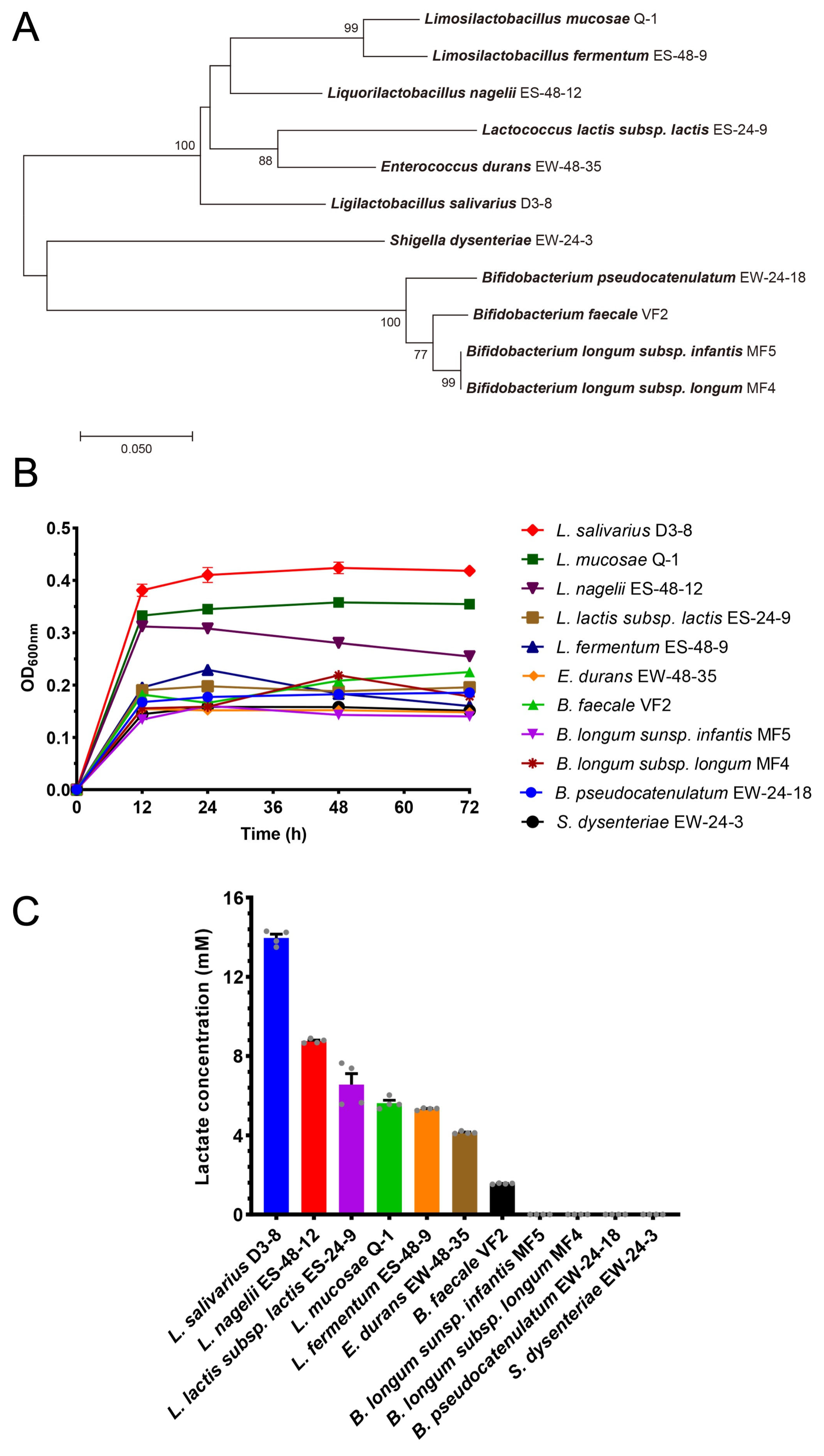
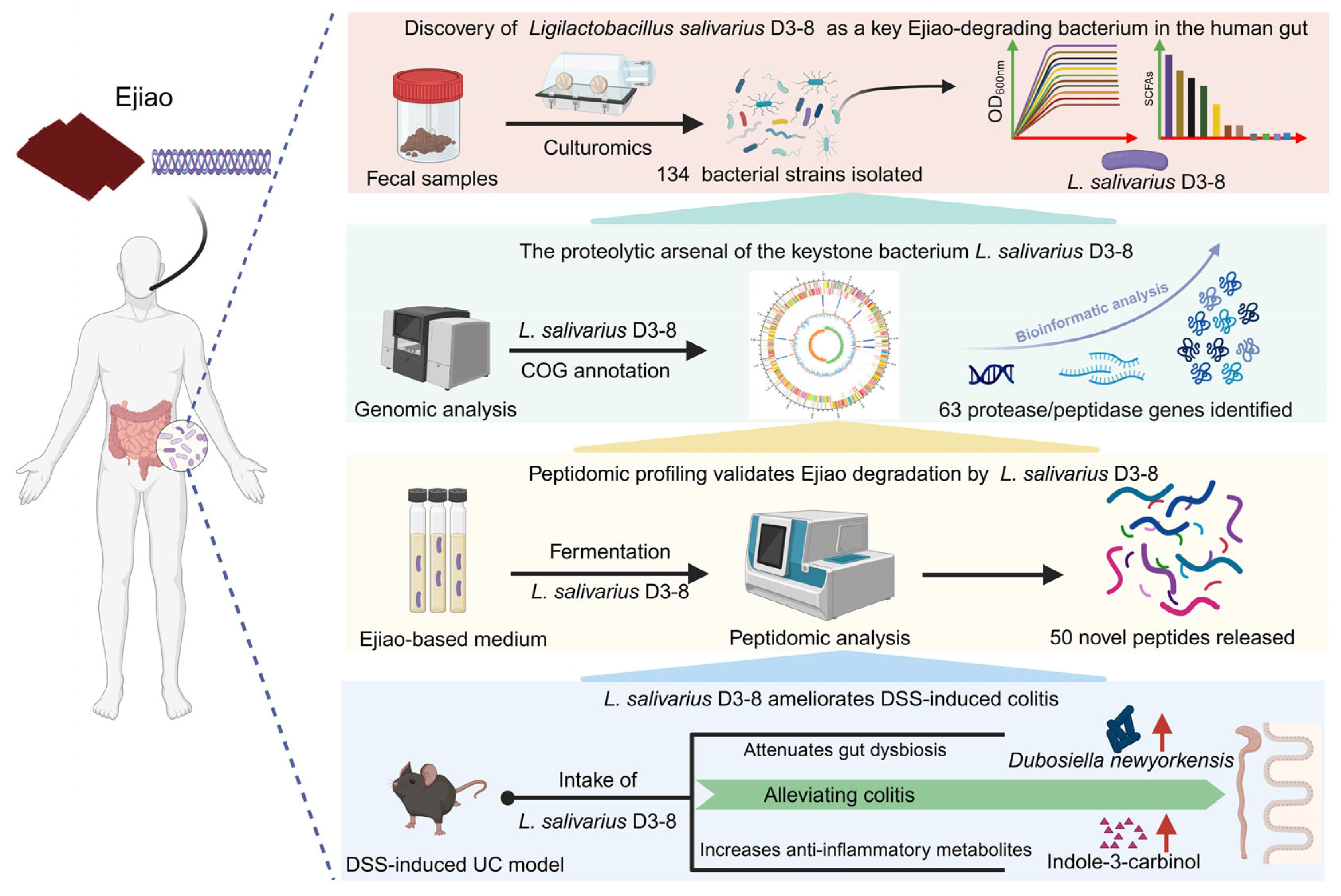
3.1. Isolation and Screening Identify L. salivarius D3-8 as a Key Ejiao-Degrading Bacterium in the Human Gut
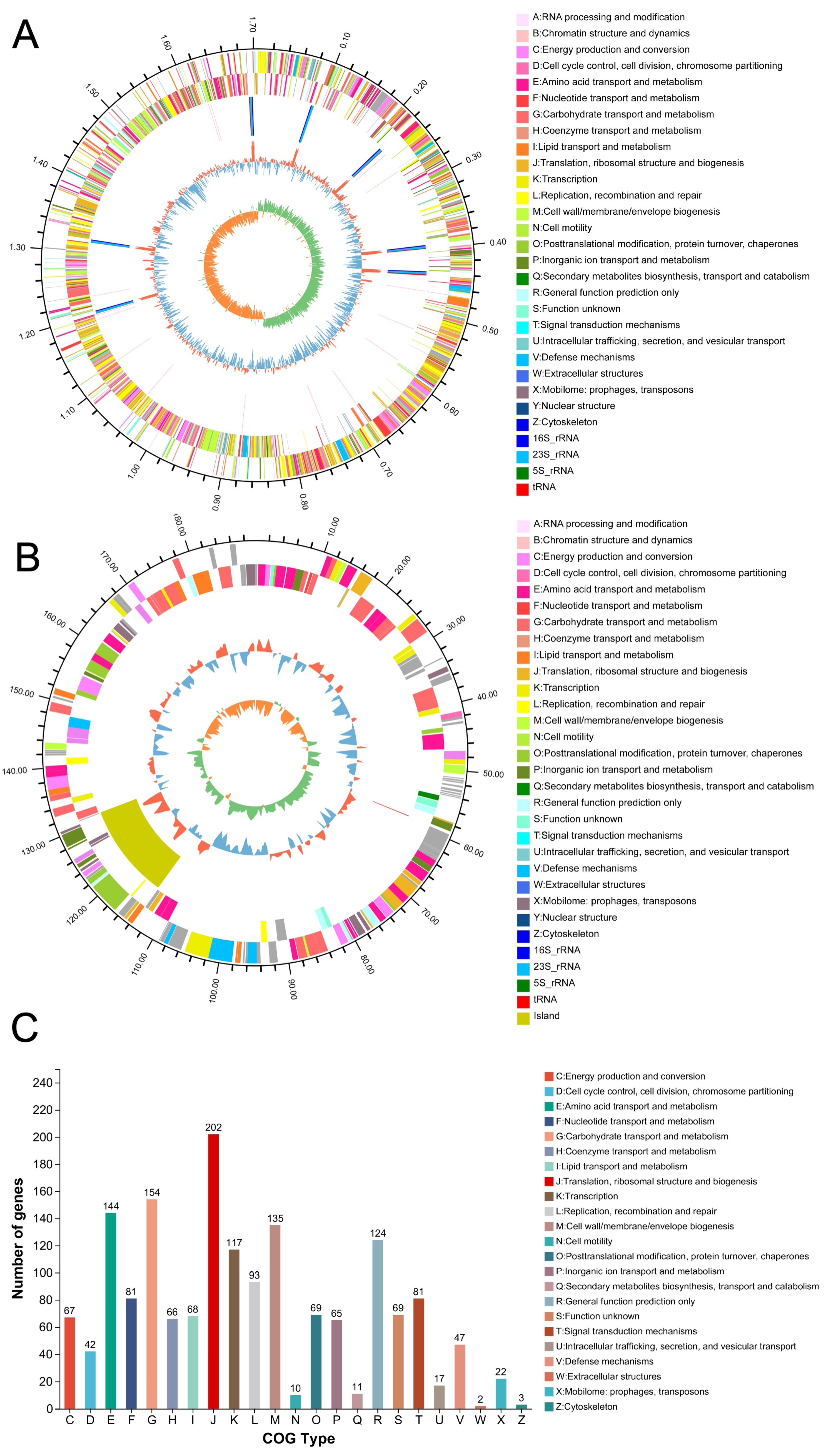
3.2. Genomic Analysis Reveals the Proteolytic Arsenal of the Keystone Bacterium L. salivarius D3-8
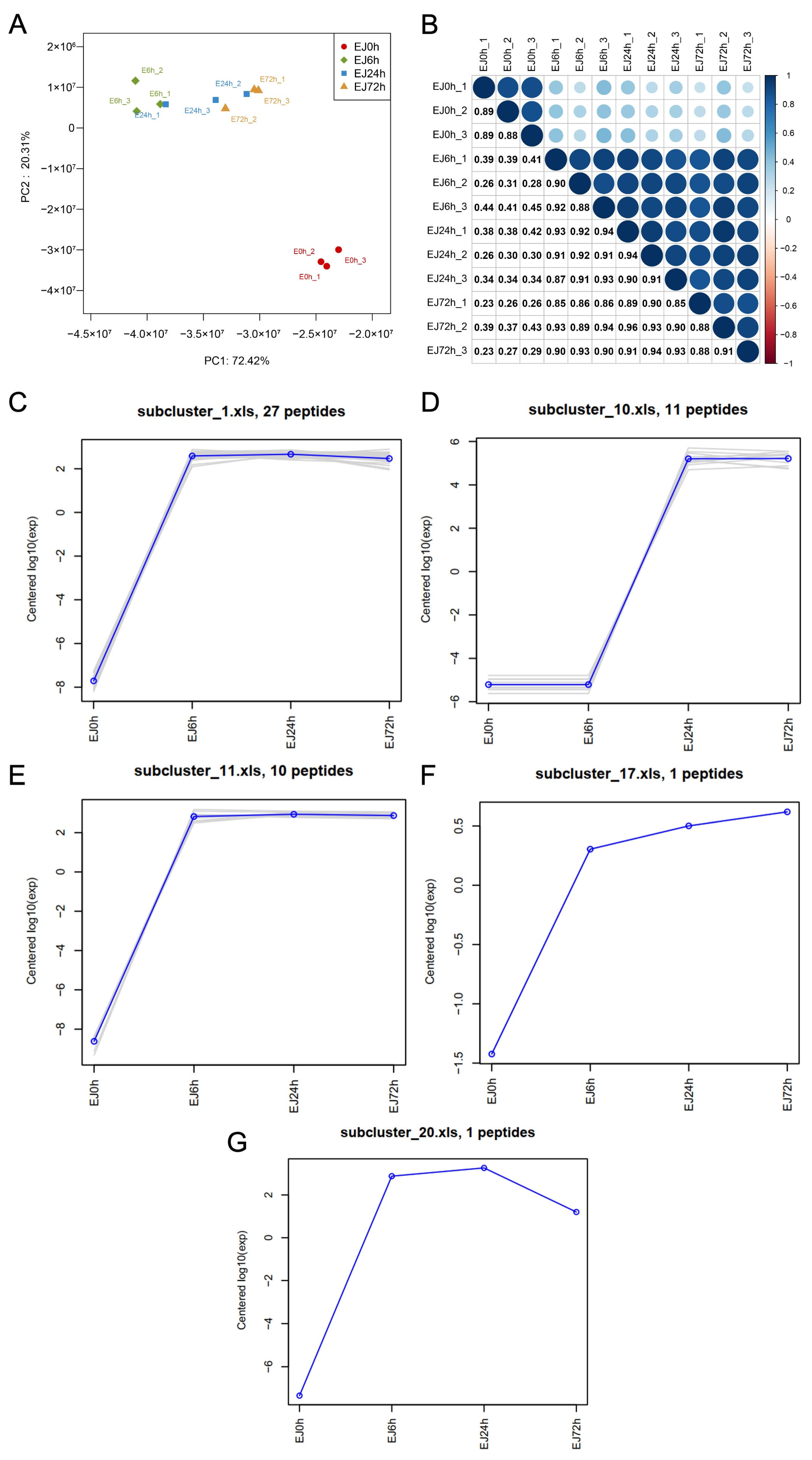
3.3. Peptidomic Profiling Validates Ejiao Degradation and Identifies Novel Bioactive Peptides
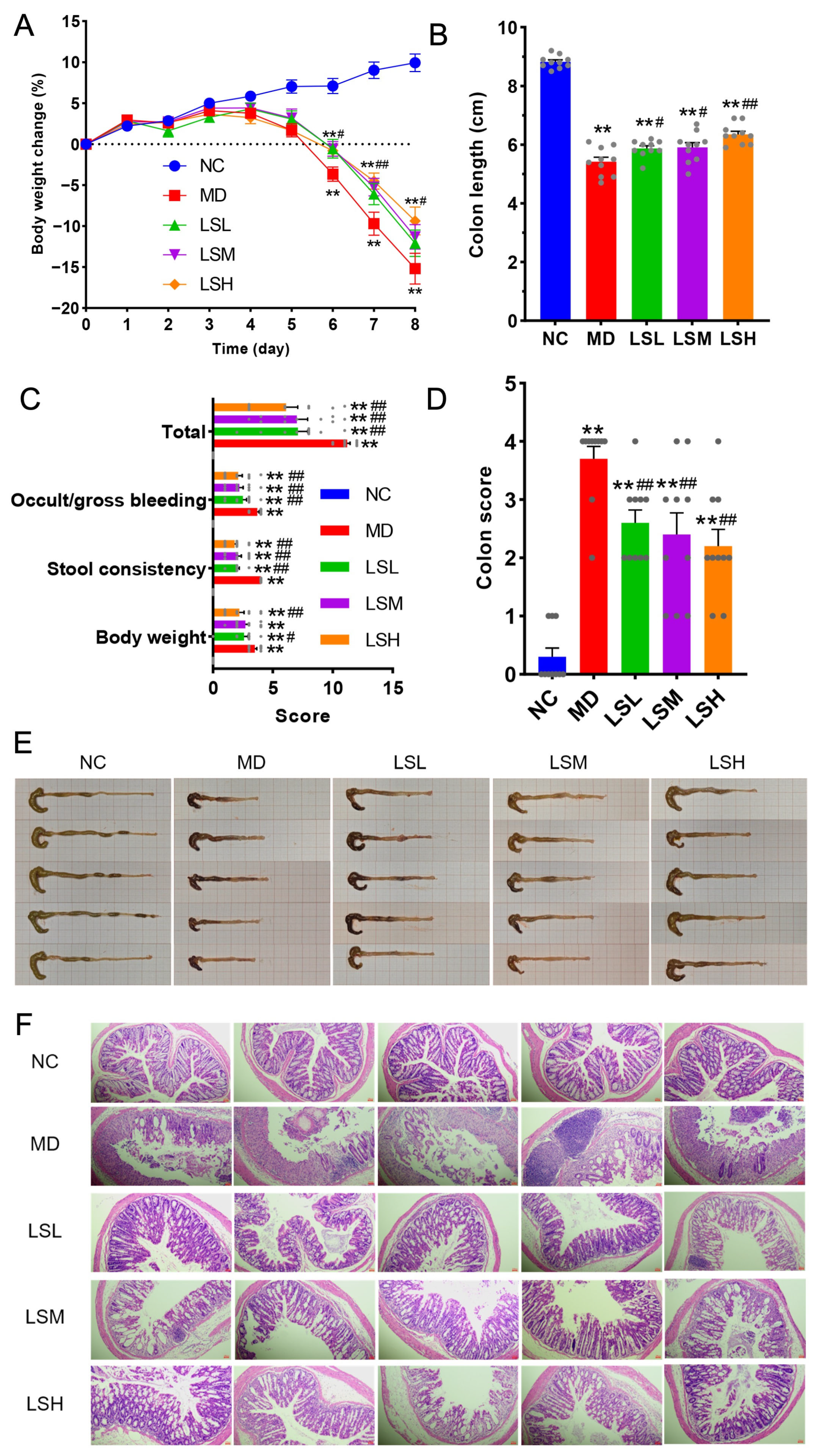
3.4. Administration of L. salivarius D3-8 Alone Dose-Dependently Ameliorates DSS-Induced Colitis
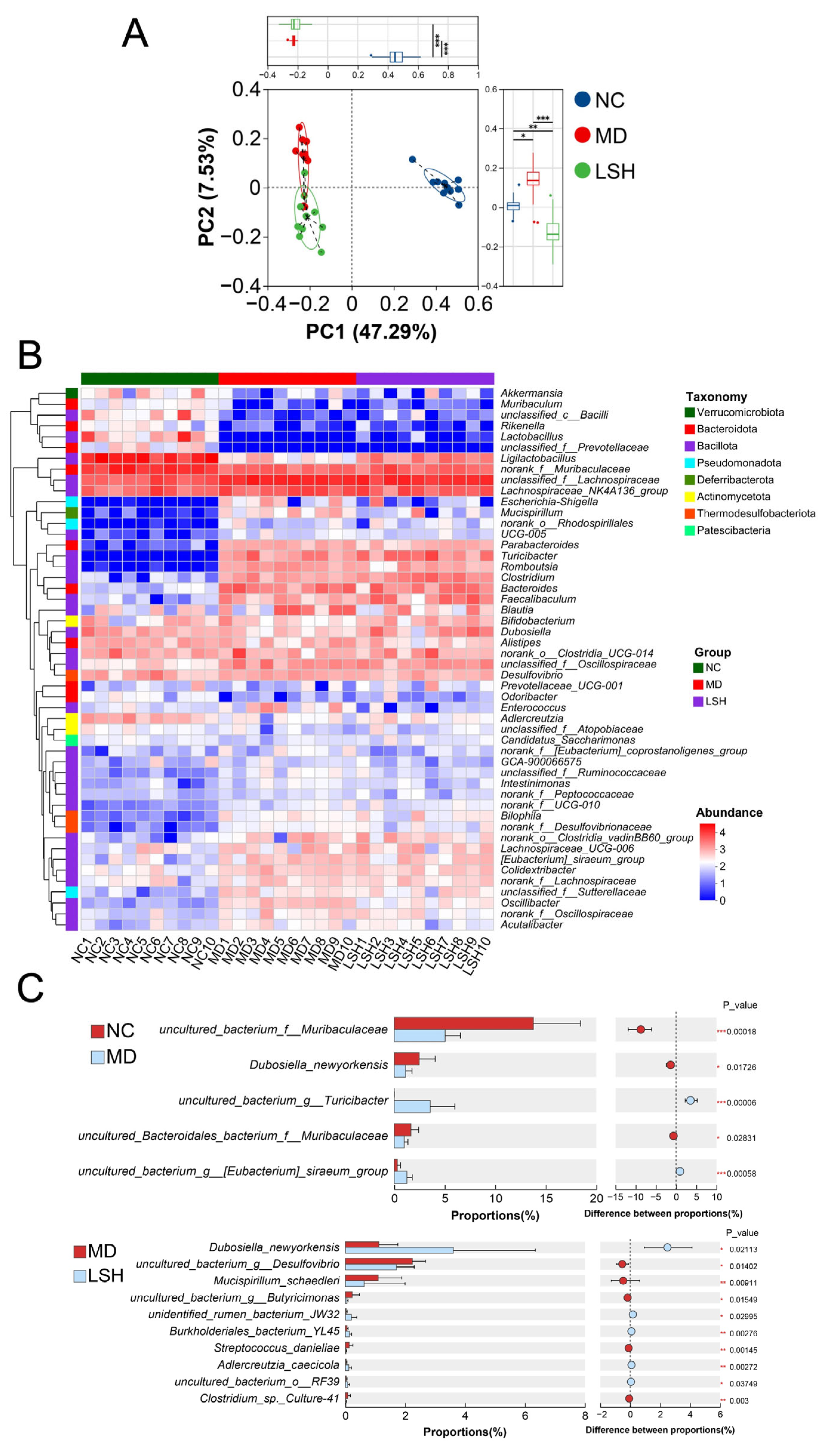
3.5. L. salivarius D3-8 Attenuated Gut Dysbiosis by Enriching the Probiotic Dubosiella newyorkensis
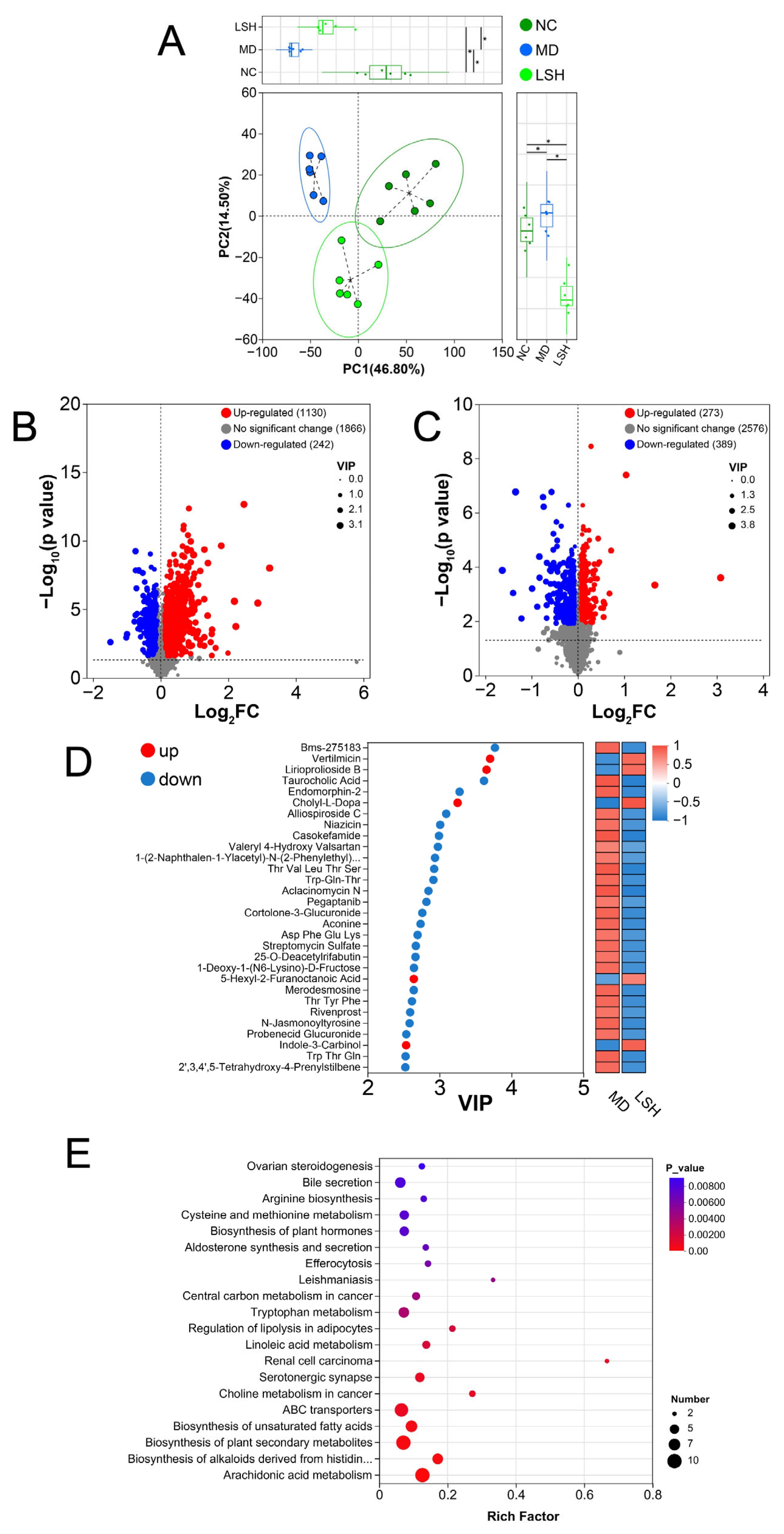
3.6. L. salivarius D3-8 Ameliorates Colitis by Upregulating Tryptophan Metabolism and Elevating the Anti-Inflammatory Metabolite Indole-3-Carbinol
4. Discussion
5. Conclusions
Author Contributions
Funding
Institutional Review Board Statement
Informed Consent Statement
Data Availability Statement
Conflicts of Interest
Abbreviations
| SCFAs | Short-chain fatty acids |
| COG | Clusters of orthologous groups |
| OD | Optical density |
| DSS | Dextran sulfate sodium |
| LC-MS | Liquid chromatography coupled with tandem mass spectrometry |
| PCA | Principal component analysis |
| SPF | Specific-pathogen-free |
| UC | Ulcerative colitis |
| VIP | Variable importance in projection |
| KEGG | Kyoto Encyclopedia of Genes and Genomes |
| I3C | Inole-3-carbinol |
| TCM | Traditional Chinese medicine |
References
- Le Berre, C.; Honap, S.; Peyrin-Biroulet, L. Ulcerative colitis. Lancet 2023, 402, 571–584. [Google Scholar] [CrossRef]
- Glick, L.R.; Cifu, A.S.; Feld, L. Ulcerative colitis in adults. J. Am. Med. Assoc. 2020, 324, 1205–1206. [Google Scholar] [CrossRef]
- Kobayashi, T.; Siegmund, B.; Le Berre, C.; Wei, S.C.; Ferrante, M.; Shen, B.; Bernstein, C.N.; Danese, S.; Peyrin-Biroulet, L.; Hibi, T. Ulcerative colitis. Nat. Rev. Dis. Primers 2020, 6, 74. [Google Scholar] [CrossRef] [PubMed]
- Liu, Y.; Li, B.G.; Su, Y.H.; Wang, L.; Zhang, W.; He, J.; Yu, X.; Zhao, M.; Ren, J.; Chen, L.; et al. Potential activity of traditional Chinese medicine against ulcerative colitis: A review. J. Ethnopharmacol. 2022, 289, 115084. [Google Scholar] [CrossRef] [PubMed]
- Zheng, S.; Xue, T.; Wang, B.; Guo, H.; Liu, Q. Chinese medicine in the treatment of ulcerative colitis: The mechanisms of signaling pathway regulations. Am. J. Chin. Med. 2022, 50, 1781–1798. [Google Scholar] [CrossRef] [PubMed]
- Wang, M.; Fu, R.; Xu, D.; Chen, Y.; Yue, S.; Zhang, S.; Tang, Y. Traditional Chinese medicine: A promising strategy to regulate the imbalance of bacterial flora, impaired intestinal barrier and immune function attributed to ulcerative colitis through intestinal microecology. J. Ethnopharmacol. 2024, 318, 116879. [Google Scholar] [CrossRef]
- Yu, X.-J.; Kong, L.-M.; Wang, B.; Zhai, C.-Q.; Lao, Y.-Z.; Zhang, L.-J.; Gao, Y.; Zhao, B.-N. Asini Corii Colla (Ejiao) as a health-care food and traditional Chinese medicine: A review of its chemical composition, pharmacological activity, quality control, modern applications. J. Funct. Foods 2025, 125, 106678. [Google Scholar] [CrossRef]
- Zhang, L.; Xu, Z.J.; Jiang, T.; Zhang, J.L.; Huang, P.X.; Tan, J.Q.; Chen, G.; Yuan, M.; Li, Z.; Liu, H.B.; et al. Efficacy and safety of Ejiao (Asini Corii Colla) in women with blood deficient symptoms: A randomized, double-blind, and placebo-controlled clinical trial. Front. Pharmacol. 2021, 12, 718154. [Google Scholar] [CrossRef]
- Jia, Z.; Zhu, X.; Zhou, Y.; Wu, J.; Cao, M.; Hu, C.; Yu, L.; Xu, R.; Chen, Z. Polypeptides from traditional Chinese medicine: Comprehensive review of perspective towards cancer management. Int. J. Biol. Macromol. 2024, 260, 129423. [Google Scholar] [CrossRef]
- Zeng, L.; Li, X.; Bai, G.; Liu, Y.; Lu, Q. Rectal administration of Panax notoginseng and Colla Corii Asini suppositories in ulcerative colitis: Clinical effect and influence on immune function. Am. J. Transl. Res. 2022, 14, 603–611. [Google Scholar]
- Tang, J.; Hu, Y.; Fang, J.; Zhu, W.; Xu, W.; Yu, D.; Zheng, Z.; Zhou, Q.; Fu, H.; Zhang, W. Huanglian Ejiao Decoction alleviates ulcerative colitis in mice through regulating the gut microbiota and inhibiting the ratio of Th1 and Th2 cells. Drug Des. Devel. Ther. 2025, 19, 303–324. [Google Scholar] [CrossRef] [PubMed]
- Zhang, J.-J.; Zhang, Y.; Meng, J.; Wu, M.-H.; Ma, Z.-G.; Xia, M.; Fu, G.-L.; Cao, H. Herbalogical study of Colla Corii Asini (Ejiao). Zhongguo Zhong Yao Za Zhi 2020, 45, 2464–2472. [Google Scholar]
- Cheng, X.R.; Guan, L.J.; Muskat, M.N.; Cao, C.C.; Guan, B. Effects of Ejiao peptide–iron chelates on intestinal inflammation and gut microbiota in iron deficiency anemic mice. Food Funct. 2021, 12, 10887–10902. [Google Scholar] [CrossRef]
- Qiu, J.-R.; Yang, M.-Y.; Ma, Y.-L.; Yang, M.-C. Effect of Ejiao (Asini Corii Colla) and turtle carapace glue on gut microbiota in nude mice with uterine fibroids based on high-throughput sequencing of 16SrRNA gene. Evidence-Based Complement. Altern. Med. 2022, 2022, 3934877. [Google Scholar] [CrossRef]
- Lin, T.-L.; Lu, C.-C.; Lai, W.-F.; Wu, T.-S.; Lu, J.-J.; Chen, Y.-M.; Tzeng, C.-M.; Liu, H.-T.; Wei, H.; Lai, H.-C. Role of gut microbiota in identification of novel TCM-derived active metabolites. Protein Cell 2021, 12, 394–410. [Google Scholar] [CrossRef] [PubMed]
- Lu, Y.-M.; Xie, J.-J.; Peng, C.-G.; Wang, B.-H.; Wang, K.-C.; Li, L.-J. Enhancing clinical efficacy through the gut microbiota: A new field of traditional Chinese medicine. Engineering 2018, 5, 40–49. [Google Scholar] [CrossRef]
- Xia, W.; Liu, B.; Tang, S.; Yasir, M.; Khan, I. The science behind TCM and Gut microbiota interaction-their combinatorial approach holds promising therapeutic applications. Front. Cell Infect. Microbiol. 2022, 12, 875513. [Google Scholar] [CrossRef]
- Yue, B.; Zong, G.; Tao, R.; Wei, Z.; Lu, Y. Crosstalk between traditional Chinese medicine-derived polysaccharides and the gut microbiota: A new perspective to understand traditional Chinese medicine. Phytother. Res. 2022, 36, 4125–4138. [Google Scholar] [CrossRef]
- Zhong, H.; Ma, M.; Yu, G.; Shang, Q. How proinflammatory oligosaccharides are produced from carrageenan in mammalian gut? Key roles of Bacteroides xylanisolvens, Bacteroides zhangwenhongii, and Bacteroides difficilis. Int. J. Biol. Macromol. 2025, 328, 147694. [Google Scholar] [CrossRef] [PubMed]
- Wang, Y.; Ma, M.; Dai, W.; Shang, Q.; Yu, G. Bacteroides salyersiae is a potent chondroitin sulfate-degrading species in the human gut microbiota. Microbiome 2024, 12, 41. [Google Scholar] [CrossRef]
- Chalita, M.; Kim, Y.O.; Park, S.; Oh, H.S.; Cho, J.H.; Moon, J.; Baek, N.; Moon, C.; Lee, K.; Yang, J.; et al. EzBioCloud: A genome-driven database and platform for microbiome identification and discovery. Int. J. Syst. Evol. Microbiol. 2024, 74, 006421. [Google Scholar] [CrossRef]
- Kumar, S.; Stecher, G.; Tamura, K. MEGA7: Molecular Evolutionary Genetics Analysis version 7.0 for bigger datasets. Mol. Biol. Evol. 2016, 33, 1870–1874. [Google Scholar] [CrossRef]
- Ren, Y.; Yu, G.; Shi, C.; Liu, L.; Guo, Q.; Han, C.; Zhang, D.; Zhang, L.; Liu, B.; Gao, H.; et al. Majorbio Cloud: A one-stop, comprehensive bioinformatic platform for multiomics analyses. iMeta 2022, 1, e12. [Google Scholar] [CrossRef]
- Ren, Q.; Zhang, M.; Xue, R.; Liu, T.; Yang, Z.; Yang, Z. Purification and characterization of a novel low-molecular-weight antimicrobial peptide produced by Lactiplantibacillus plantarum NMGL2. Int. J. Biol. Macromol. 2023, 248, 125932. [Google Scholar] [CrossRef] [PubMed]
- Pan, L.; Ma, M.; Wang, Y.; Dai, W.; Fu, T.; Wang, L.; Shang, Q.; Yu, G. Polyguluronate alleviates ulcerative colitis by targeting the gut commensal Lactobacillus murinus and its anti-inflammatory metabolites. Int. J. Biol. Macromol. 2024, 257, 128592. [Google Scholar] [CrossRef] [PubMed]
- Mukhopadhya, I.; Louis, P. Gut microbiota-derived short-chain fatty acids and their role in human health and disease. Nat. Rev. Microbiol. 2025, 23, 635–651. [Google Scholar] [CrossRef] [PubMed]
- Mann, E.R.; Lam, Y.K.; Uhlig, H.H. Short-chain fatty acids: Linking diet, the microbiome and immunity. Nat. Rev. Immunol. 2024, 24, 577–595. [Google Scholar] [CrossRef]
- Gómez-Guillén, M.C.; Giménez, B.; López-Caballero, M.E.; Montero, M.P. Functional and bioactive properties of collagen and gelatin from alternative sources: A review. Food Hydrocoll. 2011, 25, 1813–1827. [Google Scholar] [CrossRef]
- Lee, E.J.; Hur, J.; Ham, S.A.; Jo, Y.; Lee, S.; Choi, M.J.; Seo, H.G. Fish collagen peptide inhibits the adipogenic differentiation of preadipocytes and ameliorates obesity in high fat diet-fed mice. Int. J. Biol. Macromol. 2017, 104, 281–286. [Google Scholar] [CrossRef]
- Pessione, E.; Cirrincione, S. Bioactive molecules released in food by lactic acid bacteria: Encrypted peptides and biogenic amines. Front. Microbiol. 2016, 7, 876. [Google Scholar] [CrossRef]
- Fan, Y.; Ru, W.; Shi, C.; Qian, L.; Liao, F. Composition and its antioxidant activity of Colla Corii Asini oligopeptides. Sci. Technol. Food Ind. 2020, 41, 314–318,323. [Google Scholar]
- Zhang, Y.; Tu, S.; Ji, X.; Wu, J.; Meng, J.; Gao, J.; Shao, X.; Shi, S.; Wang, G.; Qiu, J.; et al. Dubosiella newyorkensis modulates immune tolerance in colitis via the L-lysine-activated AhR-IDO1-Kyn pathway. Nat. Commun. 2024, 15, 1333. [Google Scholar] [CrossRef] [PubMed]
- Liu, T.H.; Chen, M.H.; Zhang, C.Y.; Xie, T.; Zhang, S.; Hao, H.; Bai, Z.Y.; Xue, Y.Z.; Wang, J.W.; Xiao, Y.; et al. Hypertension inhibition by Dubosiella newyorkensis via reducing pentosidine synthesis. npj Biofilms Microbiomes 2025, 11, 34. [Google Scholar] [CrossRef] [PubMed]
- Zhao, Q.; Liu, Y.; Li, M.; Zhao, L.; Wang, T.; Xiao, Y.; Wei, S.; Wu, K.; Yang, J.; Wang, Y.; et al. Hawthorn pectin mitigates high-fat diet induced hyperlipidemia in mice through promoting Dubosiella newyorkensis. Carbohydr. Polym. 2025, 359, 123570. [Google Scholar] [CrossRef] [PubMed]
- Busbee, P.B.; Menzel, L.; Alrafas, H.R.; Dopkins, N.; Becker, W.; Miranda, K.; Tang, C.; Chatterjee, S.; Singh, U.; Nagarkatti, M.; et al. Indole-3-carbinol prevents colitis and associated microbial dysbiosis in an IL-22-dependent manner. JCI Insight 2020, 5, e127551. [Google Scholar] [CrossRef]
- Epikmen, E.T.; İpek, E.; Hesapçıoğlu, M.; Karaboğa, M.; Öztürk, A.R.; Avci, H. Investigation of ameliorative effects of indole-3 carbinol on TNBS-induced ulcerative colitis in rats. Biotech. Histochem. 2025, 100, 475–485. [Google Scholar] [CrossRef]
- Ala, M. Tryptophan metabolites modulate inflammatory bowel disease and colorectal cancer by affecting immune system. Int. Rev. Immunol. 2022, 41, 326–345. [Google Scholar] [CrossRef]
- Qu, Z.; Liu, H.; Yang, J.; Zheng, L.; Huang, J.; Wang, Z.; Xie, C.; Zuo, W.; Xia, X.; Sun, L.; et al. Selective utilization of medicinal polysaccharides by human gut Bacteroides and Parabacteroides species. Nat. Commun. 2025, 16, 638. [Google Scholar] [CrossRef]
- Liu, N.; Li, M.; Yuan, X.; Fu, T.; Lv, Y.; Shang, Q. Selective utilization of polyguluronate by the human gut Bacteroides species. Mar. Drugs 2025, 23, 348. [Google Scholar] [CrossRef]
- Zhang, Y.; Zhu, M.; Dai, Y.; Gao, L.; Cheng, L. Research progress in ulcerative colitis: The role of traditional chinese medicine on gut microbiota and signaling pathways. Am. J. Chin. Med. 2024, 52, 2277–2336. [Google Scholar] [CrossRef]
- Tursi, A.; D’Avino, A.; Brandimarte, G.; Mocci, G.; Pellegrino, R.; Savarino, E.V.; Gravina, A.G.; the HERICIUM-UC Study Group. Enhancing oral 5-ASA effectiveness in mild-to-moderate ulcerative colitis through an H. erinaceus-based nutraceutical add-on multi-compound: The “HERICIUM-UC” two-arm multicentre retrospective study. Pharmaceutics 2024, 16, 1133. [Google Scholar] [CrossRef]



| Obtained Ejiao-Degrading Bacteria | Number of Strains |
|---|---|
| Bifidobacterium longum subsp. longum | 21 |
| Bifidobacterium longum subsp. infantis | 2 |
| Bifidobacterium faecale | 18 |
| Bifidobacterium pseudocatenulatum | 20 |
| Limosilactobacillus fermentum | 24 |
| Liquorilactobacillus nagelii | 1 |
| Lactococcus lactis subsp. lactis | 2 |
| Enterococcus durans | 30 |
| Shigella dysenteriae | 1 |
| Ligilactobacillus salivarius | 13 |
| Limosilactobacillus mucosae | 2 |
| Gene ID | Location | COG Description |
|---|---|---|
| gene0059; gene1111 | Chromosome | Periplasmic serine protease, S1-C subfamily, contains C-terminal PDZ domain |
| gene0073; gene0214; gene0342; gene0795 | Chromosome | ATP-dependent Clp protease, ATP-binding subunit ClpA |
| gene0135; gene1123; gene1489; gene1629 | Chromosome | Membrane protease YdiL, CAAX protease family |
| gene0087 | Chromosome | Predicted Zn-dependent protease |
| pA gene0044 | Plasmid A | Membrane protease YdiL, CAAX protease family |
| gene0236 | Chromosome | Zn-dependent protease with chaperone function |
| gene0265 | Chromosome | Serine protease, subtilase family |
| gene0547 | Chromosome | Membrane-associated serine protease, rhomboid family |
| gene0563 | Chromosome | Membrane-associated protease RseP, regulator of RpoE activity |
| gene0642 | Chromosome | ATP-dependent protease Clp, ATPase subunit ClpX |
| gene0783 | Chromosome | Outer membrane protein chaperone/metalloprotease BepA/YfgC, contains M48 and TPR domains |
| gene0874 | Chromosome | ATP-dependent protease HslVU (ClpYQ), ATPase subunit HslU |
| gene0875 | Chromosome | ATP-dependent protease HslVU (ClpYQ), peptidase subunit |
| gene1096 | Chromosome | ATP-dependent protease ClpP, protease subunit |
| gene1169 | Chromosome | Predicted Zn-dependent metalloprotease, SprT family |
| gene1283 | Chromosome | ATP-dependent Zn proteases |
| pA gene0119 | Plasmid A | Serine protease, subtilisin family |
| pA gene0121 | Plasmid A | Regulator of protease activity HflC, stomatin/prohibitin superfamily |
| Gene ID | Location | COG Description |
|---|---|---|
| gene0012; gene1459 | Chromosome | Murein DD-endopeptidase MepM and murein hydrolase activator NlpD, contains LysM domain |
| gene0037; gene0371 | Chromosome | Oligoendopeptidase F |
| gene0044; gene0130; gene0311; gene0179 | Chromosome | Lipoprotein-anchoring transpeptidase ErfK/SrfK |
| gene0093; gene0309; gene1445 | Chromosome | D-alanyl-D-alanine carboxypeptidase |
| gene0182; gene0932 | Chromosome | Dipeptidase |
| gene0217 | Chromosome | Prepilin signal peptidase PulO (type II secretory pathway) or related peptidase |
| gene0388; gene1007 | Chromosome | Xaa-Pro aminopeptidase |
| gene0469 | Chromosome | Metal-dependent amidase/aminoacylase/carboxypeptidase |
| gene0472; gene0865 | Chromosome | Penicillin-binding protein 1B/1F, peptidoglycan transglycosylase/transpeptidase |
| gene0538 | Chromosome | SOS-response transcriptional repressor LexA (RecA-mediated autopeptidase) |
| pA gene0170 | Plasmid A | SOS-response transcriptional repressor LexA (RecA-mediated autopeptidase) |
| gene0583 | Chromosome | CubicO group peptidase, beta-lactamase class C family |
| gene0756 | Chromosome | Lipoprotein signal peptidase |
| gene0780 | Chromosome | Di- or tripeptidase |
| gene0808 | Chromosome | Signal peptidase I |
| gene0875 | Chromosome | ATP-dependent protease HslVU (ClpYQ), peptidase subunit |
| gene0976; gene1012 | Chromosome | Cell division protein FtsI, peptidoglycan transpeptidase (Penicillin-binding protein 2) |
| gene1060; gene1061 | Chromosome | Predicted Zn-dependent peptidase, M16 family |
| gene1163 | Chromosome | Aminopeptidase C |
| gene1187 | Chromosome | Methionine aminopeptidase |
| gene1195 | Chromosome | Leucyl aminopeptidase (aminopeptidase T) |
| gene1302 | Chromosome | D-alanyl-D-alanine dipeptidase |
| gene1448 | Chromosome | Predicted cysteine peptidase, C39 family |
| gene1519 | Chromosome | Sortase (surface protein transpeptidase) |
| gene1569 | Chromosome | Predicted metalloendopeptidase |
| pA gene0045 | Plasmid A | Aminopeptidase N, contains DUF3458 domain |
| Subcluster | Accession | Annotated Sequence |
|---|---|---|
| 1 | peptide 467 | VVGKPGIPTGPI |
| peptide 461 | VMGPAGSRGATGPA | |
| peptide 399 | SIVGRPR | |
| peptide 85 | DIVPGDIVEV | |
| peptide 313 | PIQSPLPVIPH | |
| peptide 460 | VLDRPGPPEGPL | |
| peptide 269 | LFDKPVSPL | |
| peptide 476 | YELPDGQV | |
| peptide 308 | PHQYPALTPEQ | |
| peptide 19 | AGPAGPAGPIGPVGARGPA | |
| peptide 154 | GEAGPAGPAGPIGPVGARGPAGPQ | |
| peptide 60 | DAPRAVFPSIVGRPRHQ | |
| peptide 75 | DGSVGPVGPAGPI | |
| peptide 442 | VFPSIVGRPR | |
| peptide 117 | DVPGPPTGPI | |
| peptide 116 | DVPGPPGPIEI | |
| peptide 420 | SVGPVGPAGPI | |
| peptide 46 | APPIQSPLPVIPH | |
| peptide 211 | GPMGLMGPR | |
| peptide 452 | VGPVGPAGPI | |
| peptide 100 | DRGEAGPAGPAGPIGPVGAR | |
| peptide 133 | FPSIVGRP | |
| peptide 238 | GRPGPPVGPI | |
| peptide 239 | GSDGSVGPVGPAGPI | |
| peptide 27 | AGPAGPIGPV | |
| peptide 240 | GSVGPVGPAGPI | |
| peptide 307 | PGPMGPSGPR | |
| 10 | peptide 195 | GLDGLPGVPG |
| peptide 25 | AGPAGPAGPIGPVGARGPAGPQGPRG | |
| peptide 205 | GPAGPAGPIGPV | |
| peptide 23 | AGPAGPAGPIGPVGARGPAGPQG | |
| peptide 132 | FLPQPPQE | |
| peptide 153 | GEAGPAGPAGPIGPVGARGPAG | |
| peptide 425 | SVWIGGSI | |
| peptide 303 | PGPMGLM(+15.99)GPRGPPGA | |
| peptide 248 | GVPGPPGAVGPA | |
| peptide 209 | GPIGPVGARGPAGPQ | |
| peptide 310 | PIERPSPPV | |
| 11 | peptide 52 | AVFPSIVGRPR |
| peptide 51 | AVFPSIVGRP | |
| peptide 134 | FPSIVGRPR | |
| peptide 216 | GPVGPTGPV | |
| peptide 208 | GPAGPIGPV | |
| peptide 441 | VFPSIVGRP | |
| peptide 260 | IKIIAPPE | |
| peptide 127 | FDKPVSPL | |
| peptide 329 | PSIVGRPR | |
| peptide 298 | PGEPGPQGPIGVP | |
| 17 | peptide 190 | GISVPGPMG |
| 20 | peptide 246 | GVGVLPGVPT |
Disclaimer/Publisher’s Note: The statements, opinions and data contained in all publications are solely those of the individual author(s) and contributor(s) and not of MDPI and/or the editor(s). MDPI and/or the editor(s) disclaim responsibility for any injury to people or property resulting from any ideas, methods, instructions or products referred to in the content. |
© 2026 by the authors. Licensee MDPI, Basel, Switzerland. This article is an open access article distributed under the terms and conditions of the Creative Commons Attribution (CC BY) license.
Share and Cite
Dai, W.; Ma, M.; Feng, Q.; Duan, X.; Zhang, Y.; Zhou, X.; Liu, H.; Shang, Q. From Macromolecule to Microbe: Identification of Ligilactobacillus salivarius D3-8 as a Key Degrader of Ejiao and a Novel Therapeutic Probiotic for Ulcerative Colitis. Nutrients 2026, 18, 947. https://doi.org/10.3390/nu18060947
Dai W, Ma M, Feng Q, Duan X, Zhang Y, Zhou X, Liu H, Shang Q. From Macromolecule to Microbe: Identification of Ligilactobacillus salivarius D3-8 as a Key Degrader of Ejiao and a Novel Therapeutic Probiotic for Ulcerative Colitis. Nutrients. 2026; 18(6):947. https://doi.org/10.3390/nu18060947
Chicago/Turabian StyleDai, Wei, Mingfeng Ma, Qin Feng, Xiaobo Duan, Yaru Zhang, Xiaoying Zhou, Haibin Liu, and Qingsen Shang. 2026. "From Macromolecule to Microbe: Identification of Ligilactobacillus salivarius D3-8 as a Key Degrader of Ejiao and a Novel Therapeutic Probiotic for Ulcerative Colitis" Nutrients 18, no. 6: 947. https://doi.org/10.3390/nu18060947
APA StyleDai, W., Ma, M., Feng, Q., Duan, X., Zhang, Y., Zhou, X., Liu, H., & Shang, Q. (2026). From Macromolecule to Microbe: Identification of Ligilactobacillus salivarius D3-8 as a Key Degrader of Ejiao and a Novel Therapeutic Probiotic for Ulcerative Colitis. Nutrients, 18(6), 947. https://doi.org/10.3390/nu18060947