Article

Assessment of Hospitalized Patients’ Awareness Regarding Food for Special Medical Purposes

by
Aleksandra Raczyńska-Holińska
1,2,*,
Teresa Leszczyńska
1,
Piotr Skotnicki
2,
Anna Spólnik
1 and
Aneta Koronowicz
1,*
1
Department of Human Nutrition and Dietetics, Faculty of Food Technology, University of Agriculture in Krakow, al. Mickiewicza 21, 31-120 Krakow, Poland
2
Department of Surgery with a Sub-Department of Oncological Surgery, Independent Public Health Care Facility in Bochnia “District Hospital” Named After Blessed Marta Wiecka, ul. Krakowska 31, 32-700 Bochnia, Poland
*
Authors to whom correspondence should be addressed.
Nutrients 2026, 18(5), 808; https://doi.org/10.3390/nu18050808
Submission received: 8 February 2026 / Revised: 26 February 2026 / Accepted: 27 February 2026 / Published: 1 March 2026
(This article belongs to the Special Issue The Role of Nutrition and Lifecare on Malnutrition)

Highlights

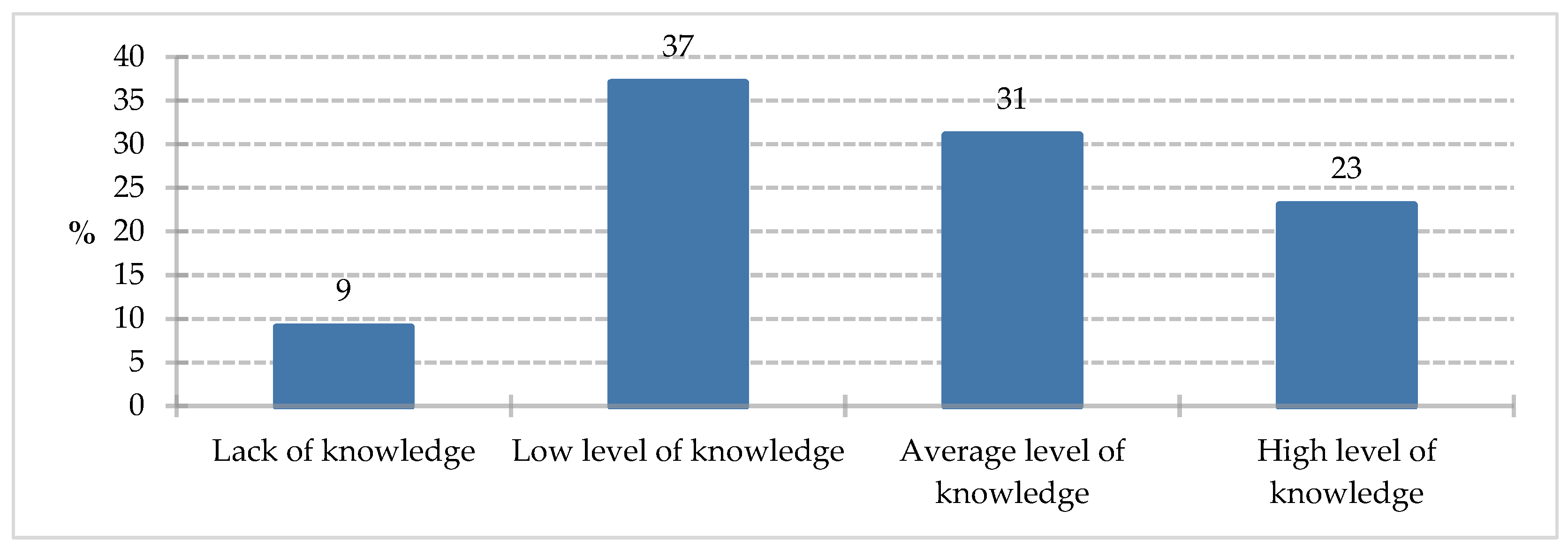
  1. Hospitalized patients had limited knowledge of foods for special medical purposes (FSMP) (mean 48.8%).
  2. Older patients showed lower FSMP knowledge than younger respondents.
  3. Knowledge of immunomodulatory ingredients was limited.
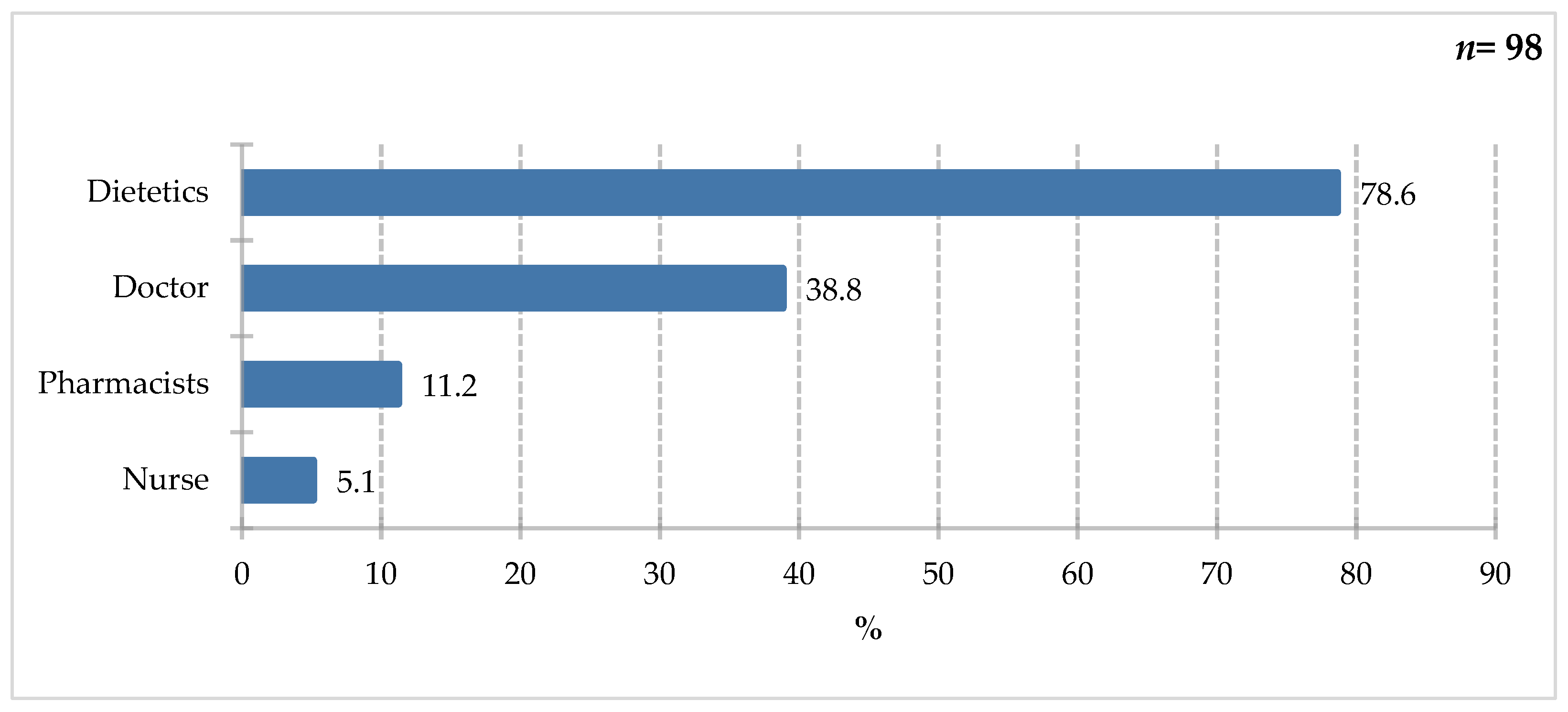
  4. Dietitians were indicated as FSMP experts by 78.6% of respondents.
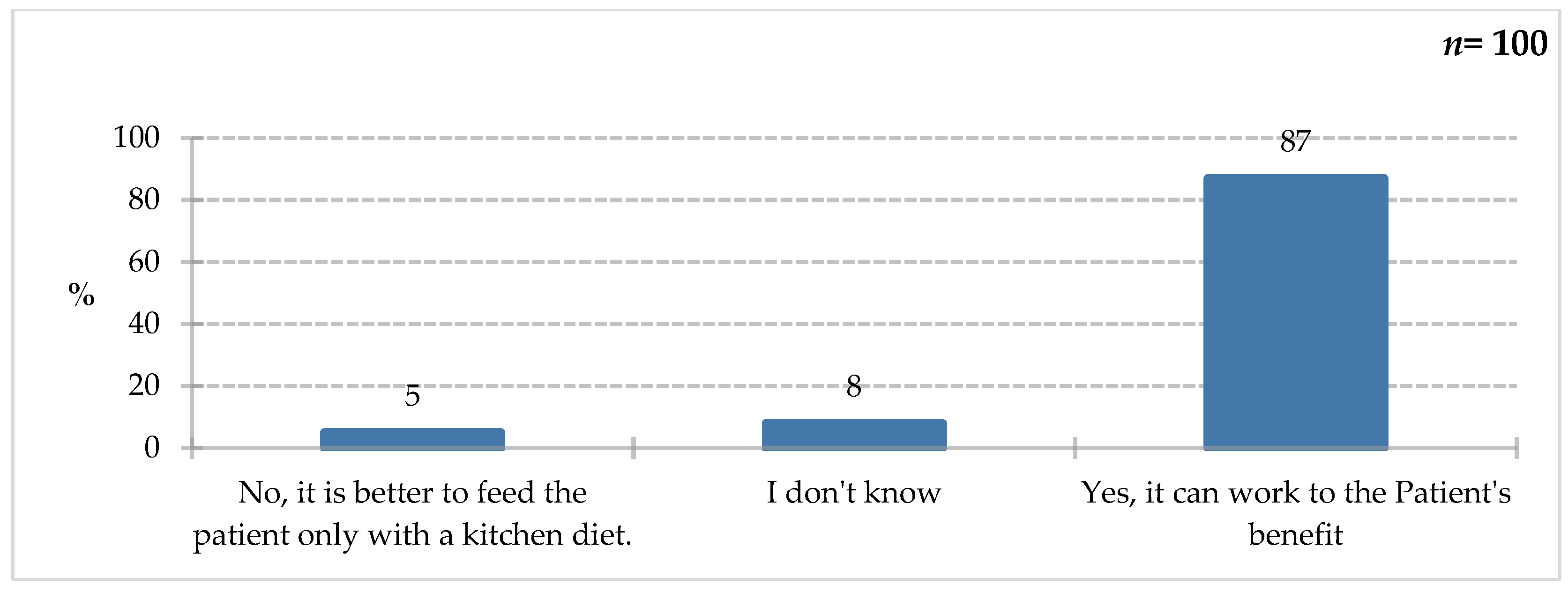
  5. Most patients (87%) believed FSMP can improve nutritional status.

Abstract

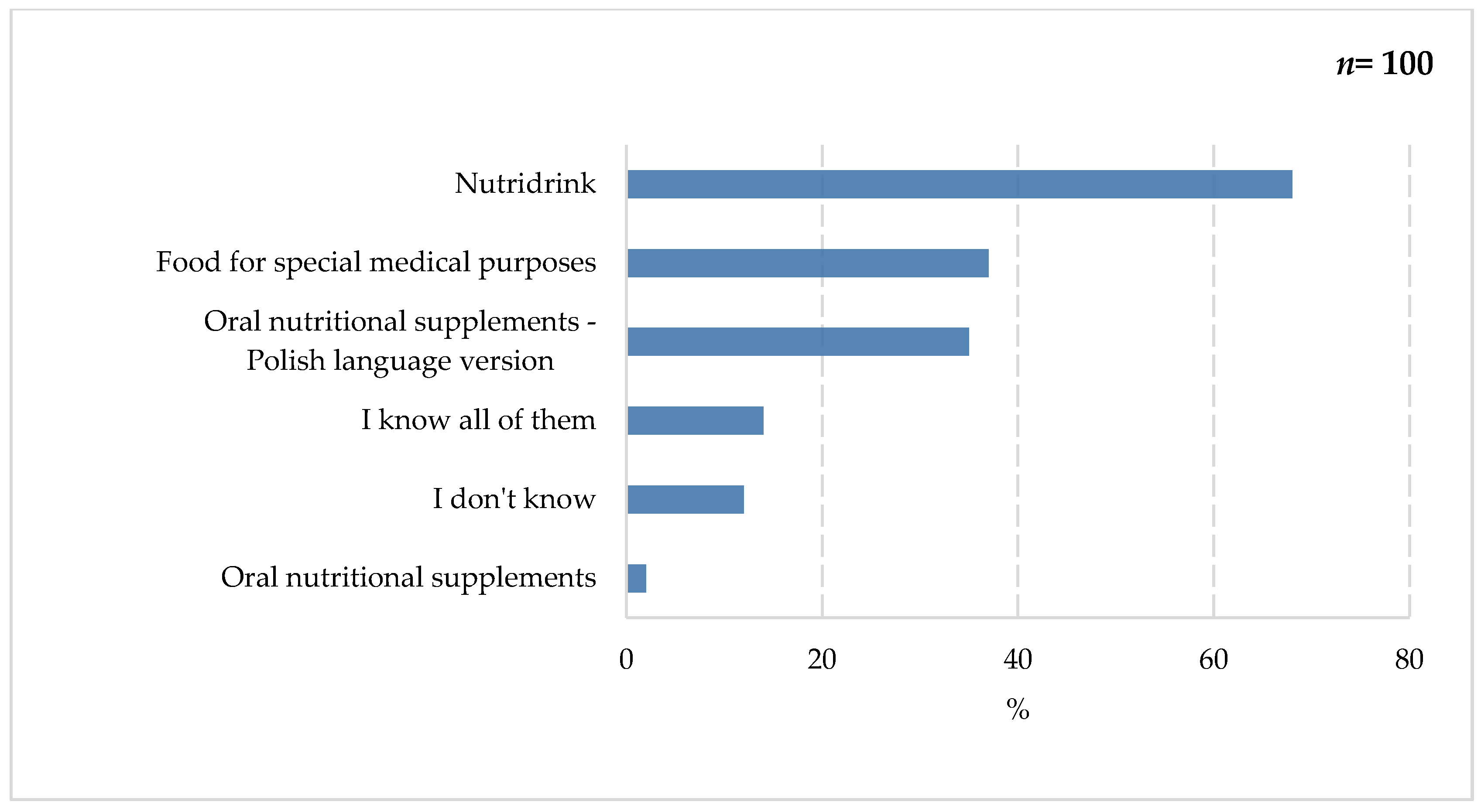
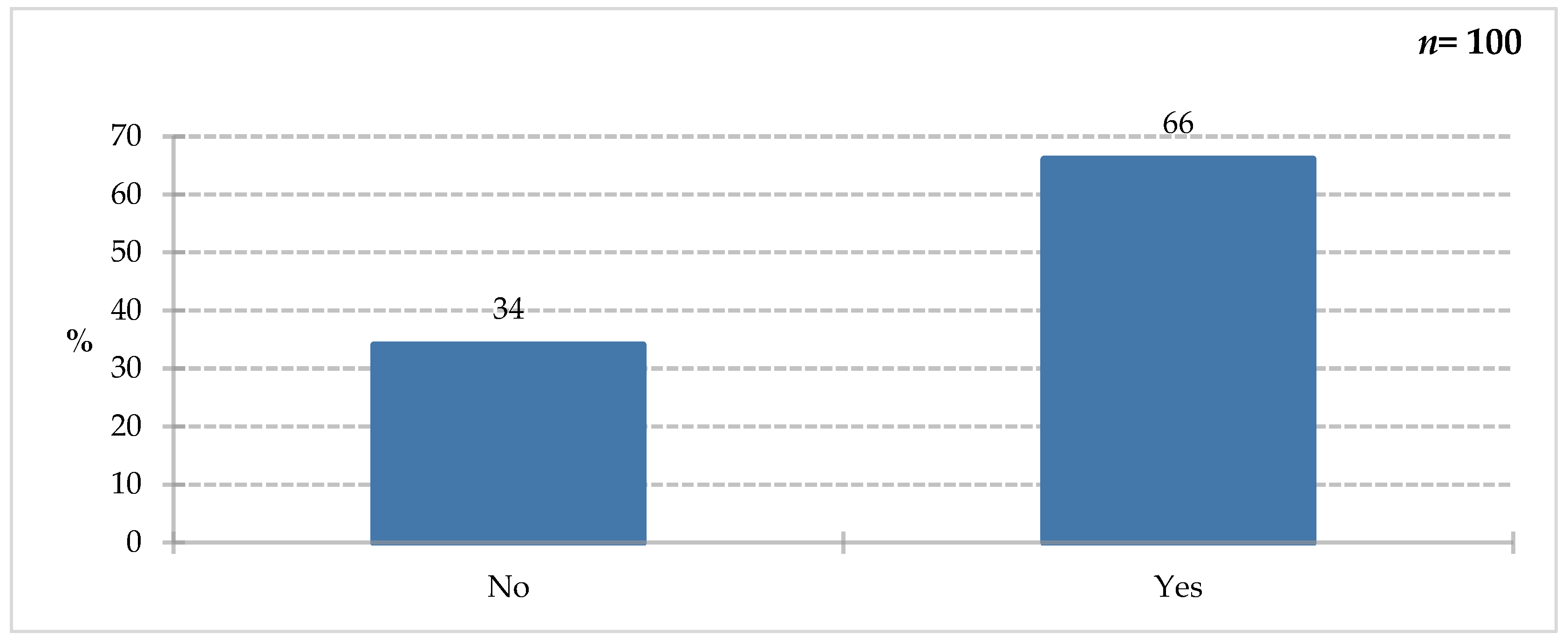
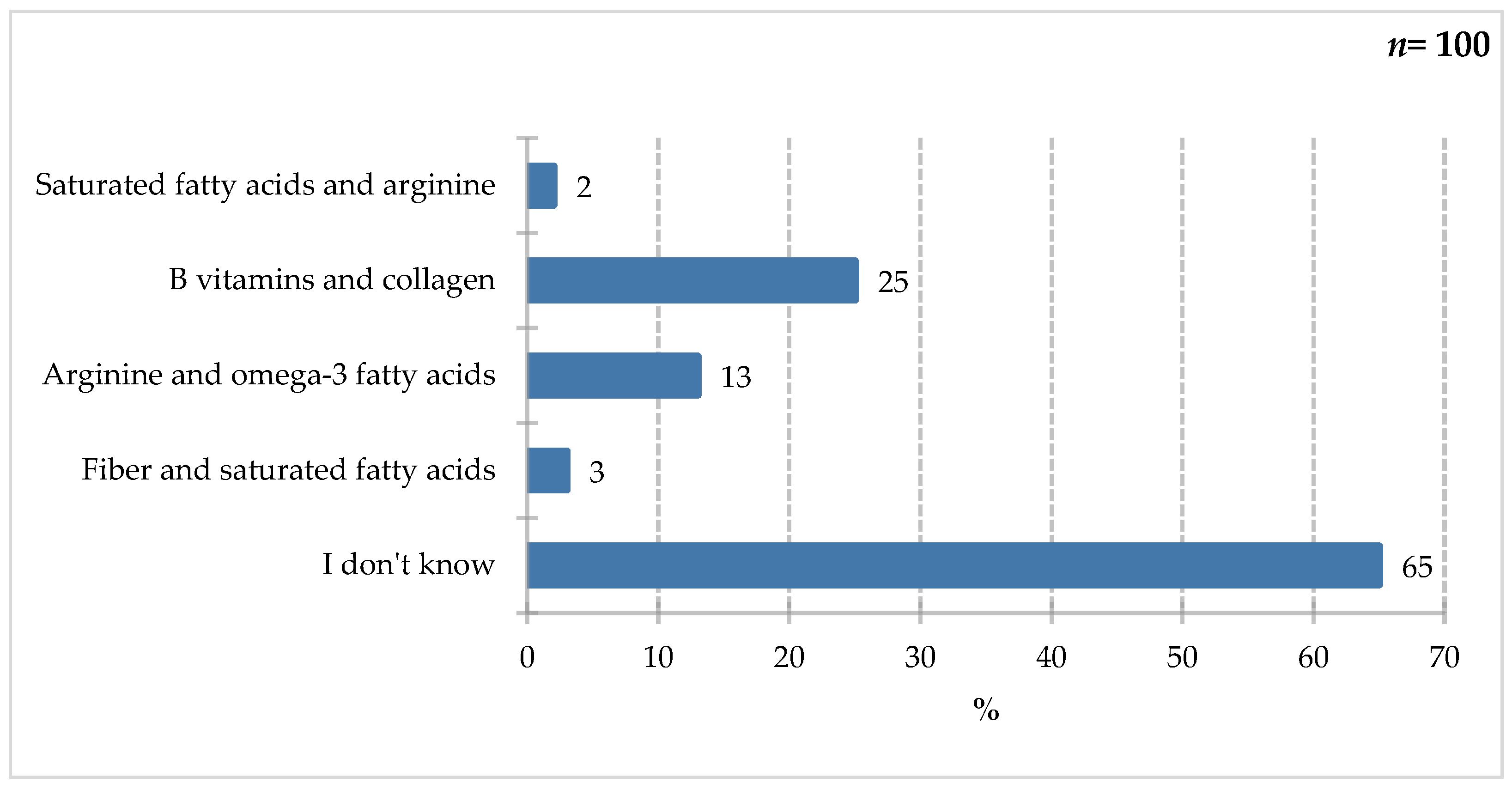
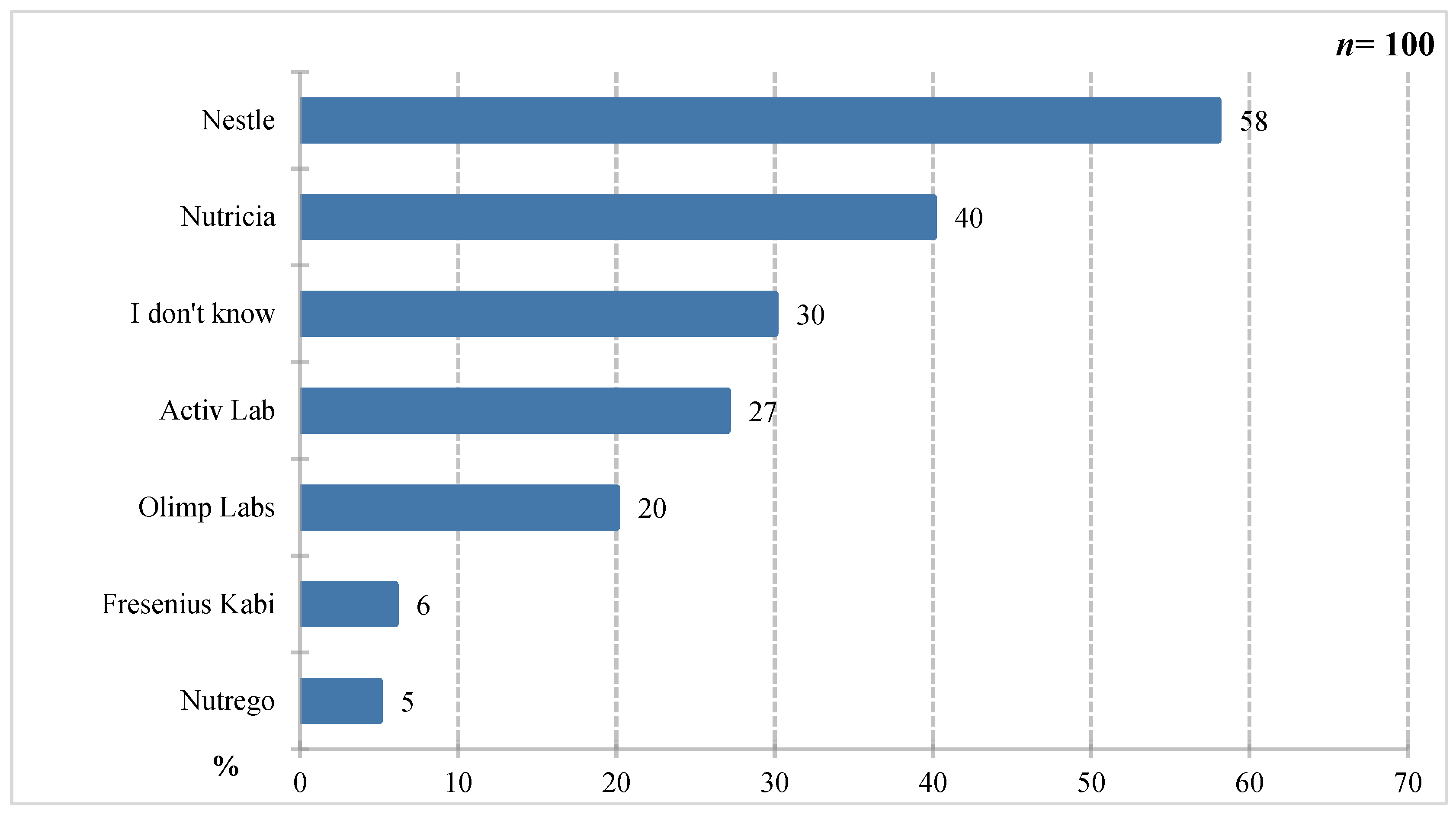
(1) Background: Malnutrition increases the risk of complications, prolongs the period of hospitalization, worsens the results of treatment, and increases the costs of hospital stay. Patients’ lack of knowledge on how to cope with it may increase the occurrence of these unfavorable consequences. The aim of this study was to assess hospitalized patients’ awareness of foods for special medical purposes (FSMP) and to determine the perception of the dietitian’s role in the hospital treatment process. (2) Methods: The survey was conducted among patients hospitalized in one of the hospitals in the Małopolska region. The sample consisted of 100 respondents. Participation in the research was anonymous and voluntary. The author’s survey contained 14 closed- and open-ended questions. The answers were single or multiple choice. A knowledge test was used to determine the level of awareness among respondents. The maximum score was 8. Appropriately selected tests were applied to the collected data, such as Spearman’s correlation, Shapiro–Wilk’s normality test, and Levene’s and Mann–Witney’s tests. The level of statistical significance was assumed to be p ≤ 0.05. (3) Results: Respondents were most familiar with the term Nutridrink (68%). Only 66% declared they knew what foods for special medical purposes were used for. Most were unfamiliar with the concept of immunomodulatory ingredients. Statistically significant correlation was found between age and knowledge. Older patients achieved lower scores (rho = −0.32, p = 0.001). No statistical significance was found between sexes or comorbidities and knowledge on the discussed topic. A dietitian was pointed out as the expert in selecting FSMP (78.6%). The findings indicate that that 87% of respondents believe that FSMP consumption may be beneficial for nutritional status. (4) Conclusions: The results indicate limited knowledge among hospitalized patients about foods for special medical purposes. The role of dietitians in the treatment process is highly valued by respondents. The study results suggest that educational initiatives in hospitals may be relevant to increasing patient awareness. Potentially, such initiatives could increase the effectiveness of nutritional therapy and preventive measures aimed at improving patient nutritional status.
Keywords: foods for special medical purposes; malnutrition; nutritional treatment; hospitalized patients; oral nutritional supplements foods for special medical purposes; malnutrition; nutritional treatment; hospitalized patients; oral nutritional supplements