


Abstract
The service tree (Sorbus domestica L.) fruits are rich in polyphenols, which exhibit promising therapeutic effects on bone health. This review summarizes the potential benefits of polyphenols identified in Sorbus domestica L. fruits, such as chlorogenic acid (CGA), protocatechuic acid (PCA), rutin, epicatechin, and naringin on bone biology and on bone-related diseases, including osteoporosis and diabetes mellitus. Current evidence suggests that the aforementioned polyphenols may modulate osteoblast and osteoclast activity, enhance mineralization, mitigate oxidative stress and inflammation, thereby supporting overall bone health. Specific studies highlight the anabolic and anti-resorptive effects of CGA, the osteoprotective potential of PCA, and the ability of rutin, epicatechin, and naringin to promote osteogenic differentiation and inhibit osteoclastogenesis. Although the exact mechanisms are still unclear, it is believed that these bioactive metabolites can act through a variety of signalling pathways and epigenetic mechanisms. Despite existing preclinical evidence, there is a significant gap in clinical trials evaluating the direct impact of polyphenols mentioned above on bone health in humans. Therefore, further research is needed to confirm their effectiveness in clinical settings. The therapeutic potential of the most common polyphenols from Sorbus domestica L. fruits has been evaluated by available in vitro and in vivo studies, which highlight their promising potential as dietary interventions to prevent bone loss and improve skeletal integrity in metabolic bone diseases. Based on available information, maximum health benefits may be achieved if mature Sorbus domestica L. fruits are consumed approximately two weeks after harvest or as unripe fruit-based fermented products.
1. Introduction
The service tree (Sorbus domestica L.) is a long-lived, typically 15–20 m tall tree (up to 30 m under favourable conditions) with imparipinnate leaves bearing 13–21 leaflets [1]. It is native to southern and central Europe, with notable presence in the Balkan Peninsula and Italy, and scattered populations in North Africa, the Caucasus, and Turkey [2]. The edible fruits (2–3 cm) resemble apples or pears and change from greenish-yellow to red-brown with sun exposure [3]. Both fruits and bark are used in traditional medicine to treat diarrhoea, vomiting, diabetes, and kidney stones due to their content of bioactive compounds with antioxidant, anti-inflammatory, and antidiabetic properties [4,5,6].
Osteoporosis and diabetes mellitus (especially type 2 diabetes mellitus-T2DM) are the most common metabolic bone diseases worldwide, and there is a complex pathological relationship between them. They often coexist, especially in the elderly, creating a “dual pandemic” in which metabolic disturbances compromise bone health (diabetic bone disease/secondary osteoporosis), leading to increased bone fragility and fracture risk [7,8,9]. Common risk factors such as unhealthy diet and physical inactivity exacerbate both of these conditions [10,11], while diabetes mellitus directly impairs bone cells and elevates fracture risk more than primary (postmenopausal and senile) osteoporosis [12], making bone health a crucial and often overlooked complication. In vivo models of diabetes mellitus have demonstrated elevated plasma levels of glucose, insulin (INS), total cholesterol, triglycerides, glycosylated haemoglobin (HbA1c) along with bone damage compared to non-diabetic subjects [13,14,15]. This finding confirms the systemic impact of chronic diabetes on both metabolic and skeletal health.
In general, the aforementioned metabolic bone disorders are associated with increased production of reactive oxygen species (ROS) and inflammatory cytokines, such as tumor necrosis factor-alpha (TNF-α), interleukin-6 (IL-6), which, together with impaired glucose–INS signalling in diabetes, disrupt bone cell function and mineralization [16,17,18,19]. Diabetes mellitus and chronic inflammatory diseases often drive secondary skeletal dysfunction, reflecting the integrated role of redox biology, inflammation, and energy metabolism in bone health. Pharmacological agents, such as antidiabetic sulfphonylureas and anti-inflammatory glucocorticoids, can further elevate fracture risk and reduce bone mineral density (BMD) [20,21,22]. This underscores the potential of plant-derived polyphenols as complementary strategies to promote skeletal health in bone-related diseases. It is widely known that polyphenols have the ability to scavenge ROS, reduce chronic inflammation, lower hyperglycemia, increase INS sensitivity, improve INS secretion, and mitigate complications related to osteoporosis and diabetes mellitus [23,24,25].
Sorbus domestica L. fruits are rich in polyphenols, including chlorogenic acid (CGA), protocatechuic acid (PCA), rutin, epicatechin, naringin, and quercetin-3-β-glucoside (a major metabolite of quercetin) [26,27,28], which have been shown to modulate bone biology via direct and indirect mechanisms [29,30,31,32,33]. These include extracellular actions on bone cell receptors (e.g., estrogen receptors) and intracellular effects after absorption, modulation of signalling, gene expression, and metabolism [34]. Molecular docking calculations suggest that the aforementioned polyphenols may engage osteogenic mediators (such as TNF-α) and influence mineralization processes. Proposed mechanisms include direct binding to hydroxyapatite, interactions with collagen to enhance matrix properties, and modulation of epigenetic regulators, such as DNA methylation, histone modification, and non-coding RNAs [35,36]. While bone-specific data for many polyphenols remain limited, naringin, in particular, has shown protective effects mediated by miRNA pathways [37]. The bioactive outcomes may be modulated by plant matrix effects, protein–polyphenol interactions, and the generation of metabolites in vivo that differ from the parent compounds observed in vitro.
This review aimed to summarize the potential therapeutic effects of the most common polyphenols identified in Sorbus domestica L. fruits, including CGA, PCA, rutin, epicatechin, and naringin on bone biology and on bone-related diseases such as osteoporosis and diabetes mellitus by evaluating available in vitro and in vivo studies. It elucidates how these polyphenols may influence bone cell activity, mineralization, and overall bone integrity. Furthermore, it focuses on the physicochemical properties of the polyphenols and interactions with bone-related mediators and signalling mediators, as well as epigenetic modification of bone-related targets, and discusses their implications for the promotion of bone health and the prevention of metabolic bone diseases. Despite quercetin’s presence in Sorbus domestica L. fruits, we have excluded it from this review because its beneficial effect on bone health has been comprehensively described in our previous reviews [8,24,38]. However, quercetin was included in the chapter on polyphenol-polyphenol interactions.
2. Sorbus domestica L. Fruits: Nutrient Composition
There are limited data on the nutrient composition of Sorbus domestica L. fruits. A Bulgarian study examined pear-shaped fruits, while the study from Spain included two morphologically distinct fruit types, pear-shaped and apple-shaped. Overall, the Bulgarian samples were dominated by carbohydrates (approximately 14% of the fruit fresh weight-fw) with proteins around 1% fw and lipids around 0.25% fw [28]. In contrast, the fruits from Spain contained higher carbohydrate content (approximately 28–30% fw) and lower protein levels (0.54–0.68% fw) with lipids around 0.43–0.67% fw [39]. The macronutrient composition of Sorbus domestica L. fruits changes during maturation and postharvest ripening, although data are limited. An Italian study of Sorbus domestica L. fruits revealed that freshly harvested fruits had a higher starch content (approximately 267 mg/g fw), which decreased to approximately 48 mg/g fw during storage. Sugar content increased from 50 mg/g fw to 248 mg/g fw, suggesting a shift from complex to simple carbohydrates, which likely improves palatability. The protein profile changed during maturation, with enzymes associated with cell wall softening and sugar metabolism (e.g., β-galactosidase, malic enzyme) increasing, while enzymes related to starch synthesis decreased. Additionally, levels of certain lipid metabolites, including oleamide and hexadecanamide, varied, and terpenoid compounds generally decreased in later stages of maturation, which could have an impact on flavor and nutritional quality [40].
Ognyanov et al. [28] further characterized the fatty acid composition of Sorbus domestica L. fruits. Palmitic acid was the predominant saturated fatty acid, with linoleic acid being the main unsaturated fatty acid. Polyunsaturated fatty acid (PUFA) content was approximately twice that of saturated fatty acids, indicating a high-quality lipid fraction. β-sitosterol was identified as the most abundant sterol.
Regarding macroelements, Ognyanov et al. [28] reported lower total concentrations, with potassium (K: 155 mg/100 g fw) and phosphorus (P: 12.4 mg/100 g fw) being the most abundant. Calcium (Ca: 0.95 mg/100 g fw) was present in the fruits in smaller amounts. In contrast, Raigón Jiménez et al. [39] reported higher levels of K (185.5–221.2 mg/100 g fw), Ca (43.9–44.6 mg/100 g fw) and P (17.2–18.2 mg/100 g fw). In both aforementioned studies, the measured macroelements totaled less than 1% of the fw. Among the microelements, iron (Fe), copper (Cu), zinc (Zn), aluminum (Al), and boron (B) were represented in the samples [28,39]. Overall, Sorbus domestica L. fruits have a moderate mineral content compared to many other fruits, with the exception of vitamin B, which is notable for supporting bone health via calcium (Ca), vitamin D, and sex-hormone metabolism [41,42]. Seeds and bark showed higher Ca and magnesium (Mg) content compared to fruits [43]. Ca levels in seeds and bark were comparable to other Ca-rich foods such as cheese [44]. During fruit maturation, the levels of macroelements (e.g., Na, K, Ca) remained relatively stable [43].
Malic and quinic acids were the most abundant organic acids in the Sorbus domestica L. fruit organic-acid profile, with quinic acid acting as a key intermediate in the shikimate pathway. This compound may be involved in the biosynthesis of phenols (e.g., chlorogenic acids) in various species [28,45]. Ascorbic acid was qualitatively detectable but not quantifiable, with levels varying depending on genotype and extraction solvent [2,3,27].
The polyphenolic profile of Sorbus domestica L. fruits (including phenolic acids, flavonoids, and tannins) has been examined in several studies, with slight differences based on fruit maturity, geographical origin, and genotype [2,3,46]. The bark and immature exocarp exhibited the highest total polyphenol content, with the exocarp containing the greatest flavonoid content. Tannins were most abundant in the bark and mesocarp [43]. Well-ripened fruits, which are most commonly consumed, showed the lowest antioxidant capacity, while unripe fruits and the mesocarp (pulp) had higher capacity [47]. Unripe fruits are also rich in flavonoids [46]. For this reason, unripe fruit is processed into products such as vinegars to preserve high levels of polyphenols, antioxidants, and bioactive compounds [48]. In general, maturation tends to reduce the total polyphenol content in Sorbus domestica L. fruits, but the effects vary depending on the tissue (exocarp vs. mesocarp), maturity stage, and extraction method. A significant decrease in polyphenol concentration occurs within two to four weeks after harvest. However, the optimal period for consumption is approximately two weeks after harvest, when organoleptic properties improve and certain beneficial metabolites (e.g., citric acid) peak [40]. In this context, mature fruits are traditionally used for jams, jellies, compotes or alcoholic fermentation, which preserves a high level of beneficial compounds and enhances their palatability [27].
In general, the most abundant phenolic acids are CGA and its common forms 5-O-caffeoylquinic acid (5-CQA) and neochlorogenic acid (3-CQA), as well as protocatechuic acid (PCA, 3,4-dihydroxybenzoic acid). Among flavonoids, rutin, epicatechin, naringin, and quercetin are often detected [2,3,4,26,27,28].
Studies utilizing Sorbus domestica L. fruits are limited and focus primarily on their antioxidant, anti-inflammatory, and antidiabetic properties. Akkol et al. [4] demonstrated that extracts of Sorbus domestica L. fruits exhibited strong antioxidant and anti-inflammatory effects in a rat model of ulcerative colitis, as evidenced by elevated superoxide dismutase (SOD) and catalase (CAT) activities and decreased IL-6, TNF-α, caspase-3, myeloperoxidase (MPO), and nitrite in colonic tissue and blood. Hasbal et al. [5] reported that the plant extract potently inhibited α-glucosidase and elastase, with weaker effects on α-amylase, butyrylcholinesterase (BChE), and xanthine oxidase (XO). It indicates its promising potential in the treatment of diabetes mellitus and inflammation with possible neuroprotective implications. The antidiabetic activity of Sorbus domestica L. fruits may derive from inhibition of aldose reductase, which limits glucose-to-sorbitol conversion and mitigates osmotic and tissue damage under hyperglycaemic conditions [6,49].
In general, the antioxidant, anti-inflammatory, and antidiabetic properties of Sorbus domestica L. fruits suggest that their bioactive metabolites may modulate critical mechanisms (e.g., redox signalling, inflammatory responses, hyperglycaemia) that influence bone health.
3. The Most Common Polyphenols from Sorbus domestica L. Fruits: Their Effects on Bone Health
Research on the effects of Sorbus domestica L. fruits on bone health is currently lacking. Therefore, we selected polyphenols known to be present in these fruits, including CGA, PCA, rutin, epicatechin, and naringin, and conducted a literature search to investigate their impacts on bone biology and on bone-related diseases such as osteoporosis and diabetes mellitus.
3.1. Chlorogenic Acid (CGA; 5-CQA)
CGAs include a family of caffeoylquinic acids that differ in the number and position of caffeoyl groups. 5-CQA is the most common form of CGAs identified in plants. It is an ester of caffeic and quinic acids found in coffee, stone fruits, apples, artichoke, Yerba Mate, and Sorbus domestica L. fruits [26,50]. Sorbus domestica L. fruits from Italy contained approximately 113.4 mg/100 g fw of CGA. In contrast, fruits collected from Turkey showed a higher CGA content, around 377 mg/100 g fw, both samples being collected at the mature stage [2,26]. Currently, CGAs often refer in particular to 5-CQA, which has been extensively studied due to its good availability in comparison with other isomers. CGAs are synthesized via the phenylpropanoid metabolic pathway, with three common and two restricted distinct biosynthetic pathways characterized in plants. In common pathways, L-phenylalanine produces trans-cinnamic acid, which is hydroxylated to trans-4-coumaric acid (p-coumaric acid, p-CA) and subsequently modified by downstream enzymes to form CGAs [51]. CGAs exhibit antioxidant, anti-inflammatory, and metabolic-modulating effects [52].
The bioavailability of 5-CQA involves sequential absorption and metabolism. About 33% of 5-CQA is absorbed intact in the upper gastrointestinal tract, approximately 7% in the small intestine after hydrolysis to caffeic and quinic acids, and roughly two-thirds reach the colon for microbial metabolism. The primary metabolites include p-CA, 3-(3-hydroxyphenyl) propionic acid (HPPA), and 3-(3-hydroxyphenyl) acetic acid (3-HPAA) [53,54]. Intact 5-CQA and metabolites enter the bloodstream and are further modified in the liver by methylation, sulfation, glucuronidation, glycine conjugation, hydrogenation, and dehydrogenation. Caffeic acid is converted to ferulic/isoferulic acids; quinic acid is transformed to gallic acid, then to p-hydroxybenzoic and syringic acids. In humans, 37 metabolites have been detected in blood, urine, and faeces, reflecting widespread biotransformation and excretion [54]. Most CGA is metabolized before reaching the systemic circulation, therefore its effects on bone in vivo are mediated by both the intact compound and metabolites. CGA has demonstrated potential anti-osteoporotic effects both in vitro and in vivo with anabolic stimulation of osteoblasts/osteoprogenitors, antiresorptive impacts on osteoclasts, and context-dependent inflammatory modulation. CGA at 0.1–10 μg/mL enhanced proliferation of MG-63 osteoblast-like cells, and reduced receptor activator of nuclear factor kappa-Β ligand (RANKL)-induced osteoclastogenesis in RAW264.7 macrophage cell line, indicating its dual anabolic/anti-resorptive actions [29]. In addition, treatment with 1 or 10 μM of CGA increased proliferation of bone mesenchymal stem cells (BMSC) and their differentiation to osteoblasts, with an important role of the Shp2/PI3K/Akt/cyclin D1 pathway [55]. CGA also promoted the nuclear factor erythroid 2-related factor transcription factor/Hemoxygenase 1 (Nrf2/HO-1) anti-oxidative pathway. In MC3T3-E1 preosteoblasts, dexamethasone (DEX)–induced overproduction of ROS was mitigated by CGA at 50 and 100 μM, which improved viability, activated Nrf2/HO1 axis, and downregulated Kelch-like ECH-associated protein 1 (Keap1). CGA also preserved p21 and reduced caspase-3/-9 activation, improving the B-cell lymphoma 2/BCL2 associated X (BCL2/BAX) ratio and decreasing mitochondrial apoptosis [21]. Similarly, CGA reduced ROS and apoptosis in DEX-treated MLO-Y4 osteocytes (10, 100 μM) and upregulated bone-forming genes, including runt-related transcription factor 2 (Runx2), bone gamma-carboxyglutamate protein (Bglap, osteocalcin), β-catenin, Cx43. Mechanistically, CGA acted via HER2/AKT/mTOR signalling [56]. CGA in drug-containing serum (from rats treated with a 20 mg/kg of CGA) was able to increase the proliferation capabilities of osteoblasts and accelerate the transition process of G0/G1 phase to S phase, as well as enhance mitosis, regeneration of osteoblasts, and inhibit osteoblast apoptosis [57]. However, CGA can have pro-inflammatory effects in certain contexts. In TNF-α–driven MC3T3-E1 preosteoblasts, treatment with 50 μM CGA increased IL-6 release, indicating environment-dependent inflammatory modulation [58]. Thus, CGA may augment certain inflammatory outputs when inflammation is already present. Regarding the effect on osteoclasts, CGA (up to 50 μg/mL) inhibited osteoclast differentiation from mouse bone marrow-derived macrophages (BMMs) cultured with macrophage colony-stimulating factor (M-CSF) and RANKL [59]. Considering CGA metabolites, p-CA at concentrations of 1 and 4 μg/mL enhanced alkaline phosphatase (ALP) activity in the MC3T3-E1 cell line after 5 days of treatment, indicating a promotion of osteoblastic differentiation [60]. Similarly, various concentrations of HPPA (1, 5, 10, 50, and 100 µg/dL) applied to ST2 cells (mouse bone marrow-derived stromal cells) for 10 days demonstrated increased osteoblastic differentiation. Furthermore, mRNA levels of collagen type I alpha 1 (COL1A1) and osteoprotegerin (OPG) were elevated in the 5 and 50 µg/dL dose groups following 24 h of treatment [61]. On the other hand, an application of HPPA at concentrations of 1, 10, and 100 µg/dL to RANKL-induced RAW 264.7 cells resulted in a significant reduction in osteoclast differentiation [62].
In ovariectomized (OVX) rats, 50 and 75 mg/day of CGA for 8 weeks significantly improved trabecular number (Tb.N), trabecular thickness (Tb.Th), bone volume fraction (BV/TV), and mechanical properties of the tibia [29]. In another study, 27 and 45 mg/kg/day of CGA for 12 weeks attenuated estrogen deficiency–induced bone loss in rats, preserving BMD and trabecular bone microarchitecture, and increasing serum osteocalcin and ALP levels [55]. In addition, CGA at 100 mg/kg/day for 4 weeks improved skeletal health in female rats regardless of estrogen status [63]. Complementing these findings, CGA at 45 mg/kg/day for 12 weeks in OVX rats significantly enhanced bone microarchitecture of the femur [64]. Finally, CGA protected bone integrity in rat models of femoral head necrosis by reducing inflammation and infection. At a dose of 20 mg/kg/day for 4 weeks, it increased femoral head BMD, improved blood viscosity, and boosted osteoblast proliferation, while lowering BAX and raising BCL2 to reduce apoptosis [57]. The beneficial effects of CGA on bone health have also been obtained using mouse models. Supplementation with 0.5 mg/kg/day of CGA for 4 weeks improved bone microstructure and increased ALP and procollagen type 1 N-terminal propeptide (P1NP) levels in DEX-induced osteoporotic mice [56]. In addition, CGA (10 mg/kg/day for 8 days) reduced lipopolysaccharide (LPS)-induced bone erosion and improved trabecular bone microarchitecture [59]. Regarding CGA metabolites, p-CA (100 mg/kg for 10 days) facilitated longitudinal bone growth in adolescent rats by stimulating chondrocyte proliferation and upregulating insulin-like growth factor 1 (IGF-1) expression [65]. In OVX rats, the administration of p-CA at a dosage of 10 mg/kg/day for 4 weeks resulted in a significant enhancement of bone mass [66]. Application of HPPA to healthy mice at concentrations of 0.5 and 1 mg/kg/day for 30 days significantly improved bone microarchitecture (higher BMD, BV/TV, Conn. D, and Tb.Th). Additionally, an increase in bone turnover markers, including ALP and osteocalcin, was determined [61].
To date, no clinical trials have directly determined CGA’s effects on bone health. Nonetheless, trials using green coffee bean polyphenols (rich in CGA isomers) showed certain metabolic benefits. In a metabolic syndrome study (body mass index-BMI > 25 kg/m2), decaffeinated green coffee bean extract (400 mg twice daily for 8 weeks) significantly reduced fasting blood glucose (FBG) level, improved INS resistance (HOMA-IR), and decreased body weight [67]. A novel formulation derived from green coffee bean extract, GCB70® (70% 5-CQA, 30% 3-CQA; <1% caffeine) administered to overweight participants at 500 mg twice daily for 12 weeks, significantly reduced plasma levels of leptin, FBG, HbA1c, thyroid-stimulating hormone (TSH), and low-density lipoprotein (LDL). On the other hand, high-density lipoprotein (HDL) levels were elevated [68]. In another randomized trial, participants consumed polyphenol-rich lettuce cultivated under saline eustress and high in CGA (100 g/day for 12 days). Improvements in total cholesterol, LDL cholesterol, vitamin D and P levels were recorded compared with the control group receiving standard lettuce. However, no significant differences in bone turnover markers (osteocalcin, C-terminal telopeptide of type 1 collagen-CTx) were found, likely due to the short duration [69]. Collectively, aforementioned clinical trials indicate certain metabolic benefits from green coffee bean polyphenols containing CGA isomers that could plausibly influence bone health, but direct bone-specific evidence remains lacking.
In summary, the preclinical evidence supports bone-protective effects of CGA, as summarized in Table 1.
Table 1.
Studies utilizing CGA and monitoring its effects on bone health.
3.2. Protocatechuic Acid (PCA)
PCA is a hydroxybenzoic acid found in bran, brown rice, grapes, chicory, star anise, and Sorbus domestica L. fruits [28,70,71]. It occurs free or conjugated, produced via the shikimate/phenylpropanoid pathways. The PCA content was approximately 886 mg/100 g dry weight (dw) in mature Sorbus domestica L. fruits collected in Bulgaria [28], while in fruits from Bosnia and Herzegovina it was approximately 5.1 mg/100 g g dw [27]. In general, PCA exhibits antioxidant, anti-hyperglycaemic, anti-inflammatory, antibacterial, antitumor, and neuroprotective activities [72].
PCA has limited intact bioavailability. After oral dosing, PCA is mainly absorbed in the small intestine and rapidly metabolized in the liver to sulphate and glucuronide conjugates (e.g., PCA-3-sulfate, PCA-4-sulfate, PCA-glucuronide). The kidney is a major excretory route [73,74]. In humans, chicory-derived PCA is found as both the parent compound and its metabolites, with reported distribution of approximately 24% in blood, 12% in urine, and 13% in faeces. The exact proportion of intact PCA remains uncertain [71]. Consequently, bone effects are likely driven by PCA metabolites or local biotransformation rather than the unmetabolized compound, which may explain discrepancies between in vitro and in vivo findings.
PCA has demonstrated beneficial effects on bone health in in vitro and in vivo animal model studies. In primary human osteoblast cultures, PCA at 50 and 100 μM increased the expression of osteogenic genes SPP1 (osteopontin), integrin-binding sialoprotein (IBSP), tissue non-specific alkaline phosphatase (ALPL), and bone morphogenetic protein 6 (BMP6). PCA also induced the expression of the anti-osteogenic marker interleukin-1 beta (IL-1β). However, statistical analyses were not conducted to confirm significance [75]. Overall, PCA improved bone health by mitigating glucocorticoid-induced osteoblast dysfunction. At 12.5, 25, and 50 μmol/L, PCA enhanced proliferation in DEX-treated MC3T3-E1 preosteoblasts. Additionally, PCA enhanced osteoblast differentiation, indicated by increased ALP levels, reduced ROS and malondialdehyde (MDA), and boosted antioxidant enzymes SOD and glutathione (GSH) [76]. PCA application at 8 μM reduced RANKL-induced tartrate-resistant acid phosphatase (TRAP) production in the RAW264.7 cell line, inhibiting osteoclast differentiation. This treatment also decreased ROS levels, increased antioxidant enzymes (SOD, glutathione peroxidase-GPx, GSH), and downregulated osteoclast markers such as Trap, TNF receptor-associated factor-6 (Traf6), proto-oncogene tyrosine-protein kinase Src (c-Src), cathepsin, matrix metalloproteinase-9 (Mmp9), nuclear factor of activated T-cells (Nfatc1), and activator protein 1 (AP-1). PCA inhibited mitogen-activated protein kinase (MAPK) and inflammatory pathways and enhanced apoptosis by increasing mitochondrial membrane potential and caspase activity [77]. In another study using the same model and conditions, 8 μM of PCA similarly suppressed osteoclastogenesis, reducing TRAP-positive osteoclasts [78]. PCA treatment at 80 μM of murine C3H10T1/2 mesenchymal stem cells (MSCs) significantly increased mineralization, Ca/P deposits, and ALP activity. It upregulated osteogenic genes Runx2, Alpl, and osterix (Sp7) while suppressing adipogenesis [79].
In OVX mice, PCA treatment (10 and 20 mg/kg/day for 12 weeks) improved trabecular bone microarchitecture (higher BV/TV, Tb.N, Tb.Th) and lowered RANKL while raising OPG (at 20 mg/kg/day). Additionally, PCA administration reduced expression of key osteoclast-related genes in bone marrow–derived cells, including Traf6, Nfatc1, and the calcitonin receptor [31]. Furthermore, PCA administration (50 mg/kg for 40 days) in a murine model of alcohol-induced bone loss significantly improved trabecular bone parameters of the tibia, including BMD, BV/TV, and Tb.N [80].
To date, no clinical trials have evaluated the effects of PCA or its derivatives on bone health, either directly or via predefined biomarkers. Since PCA is a major metabolite of anthocyanins in vivo, the broader literature on anthocyanins offers indirect context. Anthocyanins occur in Sorbus domestica L. fruits and have demonstrated metabolic benefits (improved lipid profiles, lower FBG, and increased antioxidant capacity) that could plausibly affect bone health in metabolic syndrome conditions, though direct effects are not known [2,39,81,82]. Well-designed human studies are needed to clarify direct or indirect bone-specific effects of PCA or anthocyanin-derived PCA.
The aforementioned data indicate that PCA exhibits a multifaceted bone-protective effects in vivo and in vitro, promoting osteoblast activity and mineralization while inhibiting osteoclast differentiation and activity, with antioxidant and anti-inflammatory mechanisms likely contributing to its overall bone-sparing action (Table 2).
Table 2.
Studies using PCA to assess its effects on bone health.
3.3. Rutin (Quercetin-3-O-Rutinoside)
Rutin is a flavonol glycoside of quercetin linked to rutinose. It is widespread in plants, especially in buckwheat, tea, citrus, and Sorbus domestica L. fruits [3,83]. The rutin content in mature Sorbus domestica L. fruits collected in Turkey was 125 mg/100 g fw in one study, while another study reported a higher value of 600 mg/100 g fw [2,3]. Rutin has limited water solubility, with greater solubility in organic solvents such as alcohols, influencing its stability, bioavailability, and activity [84]. Pharmacologically, rutin has antioxidant, anti-inflammatory, vasoprotective, and neuroprotective properties via modulation of oxidative stress and inflammatory pathways [85].
Rutin has low oral bioavailability (20%), driven by its size, glycoside form, and poor solubility [86,87]. It largely reaches the colon unmetabolized, where gut microbes hydrolyse it to quercetin and short-chain phenolics (e.g., 3,4-dihydroxyphenylacetic acid, homovanillic acid) [88]. Phase II enzymes conjugate rutin and quercetin to sulfates or glucuronides. These conjugates can circulate and be deconjugated at target tissues (e.g., liver, kidney, lungs, brain) to exert their effects [85,89]. Bioavailability can be enhanced through encapsulation (e.g., nanoparticles, phospholipid complexes) [90].
Rutin exhibits multilevel effects on bone biology, with evidence from in vitro, in vivo animal model studies, and limited human data. In an in vitro study, rutin at 1 μM enhanced osteogenic proliferation and differentiation in human periodontal ligament stem cells (PDLSCs). It also upregulated COL1A1, ALP, RUNX2, and SPP1 (osteopontin) at both mRNA and protein levels [91]. In human osteoblast-like MG-63 cells, rutin application (10 and 25 μg/mL) enhanced osteogenic differentiation by boosting proliferation, ALP activity, collagen formation, and mineral deposition [92]. Another study demonstrated that rutin (50 mg/mL) induced osteogenic differentiation of MSCs over adipocyte formation, mediated by the downregulation of p53, upregulation of extracellular matrix components, and activation of osteogenic genes such as ALPL, BGLAP, SPP1, and RUNX2 [93]. Isolated mouse bone marrow cells incubated with M-CSF and RANKL and treated with rutin (20 μM) showed a significant reduction in osteoclast numbers, ROS, and TNF-α levels, which was associated with inhibition of NF-κB signalling [94].
Rutin demonstrated therapeutic potential in osteoporosis treatment based on in vivo data. In an OVX mice model, intraperitoneal administration of rutin (50 mg/kg/day for 4 or 8 weeks) improved lumbar vertebrae and femoral bone histomorphometry (increased BV/TV, Tb.Th), and lowered inflammation (reduced IL-1β, IL-6, and TNF-α). Additionally, serum ALP and CTx levels were also decreased compared with the OVX group, indicating lower bone resorption [32]. Similarly, supplementation with rutin (10 mg/kg/day for 3 months) in OVX rats increased BMD and reduced levels of IL-6, TNF-α, and interferon-gamma (IFN-γ) [95]. Rutin (2.5 mg mixed with 900 mg of demineralized freeze-dried bone allograft) has been shown to accelerate bone repair in a rabbit model over 6 weeks, potentially by decreasing the gene expression of matrix metalloproteinases (MMPs) and increasing the expression of collagen type III (COL3A1) [96].
There is limited evidence for the direct application of rutin in humans and for monitoring its effects on the skeletal system. However, rutin application (500 mg/day for 3 months) in a randomized, double-blind, placebo-controlled trial improved glycaemic control in patients with T2DM, as indicated by lower FBG, INS, HbA1c, and HOMA-IR, as well as improved INS sensitivity and pancreatic β-cell function. It also enhanced lipid profiles and provided antioxidant/anti-inflammatory benefits (higher total antioxidant capacity, lower IL-6 and MDA levels) [97]. In another clinical trial, the impact of rutin (1 g/day; 500 mg of pure rutin combined with other components for 3 months) in patients with T2DM was investigated. Rutin ameliorated blood pressure and elevated activities of SOD and GPx [98].
Based on these findings, rutin exhibits osteogenic effects in animal model studies and in vitro experiments, as well as anti-osteoclastogenic potential via NF-κB inhibition (Table 3).
Table 3.
Studies utilizing rutin to assess its effects on bone health.
3.4. Epicatechin
Epicatechin is a flavanol (aglycone dominant, with glycosides such as epicatechin-3-O-glycosides) found in cocoa, dark chocolate, green tea, apples, grapes, and Sorbus domestica L. fruits [3,99]. The epicatechin content in Sorbus domestica L. fruits from Turkey was approximately 293.5 mg/100 g fw. In contrast, ripe fruits from Bulgaria contained about 22.2 mg/100 g fw of epicatechin [3,28]. The flavan-3-ol structure confers strong antioxidant activity via multiple hydroxyl groups. Epicatechin demonstrates poor water solubility but solubility in alcohols. The aglycone epicatechin is more lipophilic and better absorbed than glycosides, which gut microbiota can hydrolyse to the aglycone [100,101]. Pharmacologically, epicatechin exhibits antioxidant, anti-inflammatory, vasodilatory, INS-sensitizing, neuroprotective, and osteo-modulatory effects, acting through free-radical scavenging and modulation of nitric oxide (NO) signalling and mitochondrial function [102]. These properties support its potential for improving skeletal health [103].
Epicatechin has moderate oral bioavailability from partial absorption and extensive first-pass metabolism. Absorption occurs mainly in the small intestine; aglycones are absorbed better than glycosides. It undergoes glucuronidation, sulfation, and methylation to conjugated metabolites such as epicatechin-3′-O-glucuronide, epicatechin-3′-O-sulfate, and 3′-O-methyl-epicatechin, which dominate in plasma and reach liver, kidney, brain, and vasculature. Unabsorbed epicatechin is metabolized by gut microbiota to phenolic acids (e.g., 5-(hydroxyphenyl)-γ-valerolactones) with systemic activity. Advanced strategies like nanoparticle formulations and bioenhancers aim to improve stability and transport [104,105,106].
Epicatechin and its derivatives show significant osteoprotective potential in preclinical studies; however, evidence of their positive effects on bone health in humans remains limited. Treatment of human MSC with 1 or 100 µM epicatechin in combination with diluted osteogenic medium significantly upregulated osteogenic marker RUNX2 and increased secreted protein acidic and cysteine rich (SPARC; bone-linked matricellular protein) expression [107]. Additionally, epicatechin significantly enhanced rat osteoblast proliferation at 25 and 50 μg/mL, as monitored by enhanced ALP activity, mineralization, and hydroxyapatite formation. Furthermore, epicatechin demonstrated a significant protective effects against hydrogen peroxide-induced cell damage in C2C12 mouse myoblasts, highlighting its osteoprotective properties through antioxidant mechanisms [108]. Finally, treatment with epicatechin 3-O-β-D-allopyranoside (ECAP, a glycosylated epicatechin derivative) at 50 and 100 μg/mL reduced TRAP-positive osteoclasts, probably by downregulating RANKL-induced NF-κB and NFATc1 signalling [30] (Table 4).
Table 4.
Studies utilizing epicatechin to assess its effects on bone health.
In vivo, epicatechin exhibited substantial osteoprotective properties by stimulating bone formation and reducing bone resorption, making it a compelling candidate for managing osteoporosis. Supplementation with ECAP at 100 mg/kg/day for 4 weeks mitigated OVX-induced bone loss in mice, which was manifested by improved trabecular bone microarchitecture [30].
There are no clinical studies investigating the impact of epicatechin on bone health. However, in a large study involving 21,442 healthy participants, the daily cocoa extract supplement containing 500 mg/day flavanols and 80 mg/day epicatechin was not associated with lower risk of incident clinical fracture [109]. Nevertheless, epicatechin supplementation can improve INS sensitivity and postprandial metabolism in humans. In a 4-week long, randomized, double-blind, placebo-controlled crossover study in adults with elevated systolic blood pressure, daily epicatechin administration (100 mg) improved fasting INS and HOMA-IR, whereas quercetin did not, suggesting that epicatechin contributes to the cardiometabolic benefits of flavonoid-rich foods [110]. Similarly, in postprandial tests, oral epicatechin at 1 mg/kg increased lipid oxidation and lowered plasma glucose and triglyceride (TAG) levels with greater benefits in overweight adults [111]. In postmenopausal women with T2DM, one year of flavonoid-enriched chocolate (90 mg epicatechin daily, combined with flavan-3-ols and isoflavones) improved HOMA-IR, INS, and lipid levels, and reduced estimated 10-year coronary heart disease risk without altering HbA1c or blood pressure [112]. Even absent direct evidence that epicatechin alters bone parameters, its favourable impacts on INS sensitivity and glucose and lipid metabolism may indirectly benefit bone health.
3.5. Naringin
Naringin (naringenin-7-O-neohesperidoside) is a major citrus flavanone glycoside with low oral bioavailability (≈5–9%) due to poor solubility and glycosylation. In ripe Sorbus domestica L. fruits from Bulgaria, naringin constituted 16 mg/100 g fw [28]. After ingestion, intestinal α-rhamnosidase and β-glucosidase rapidly deglycosylate it to naringenin, the more absorbable aglycone, which then undergoes extensive phase II metabolism [113,114].
The pharmacokinetics of naringin vary across species. Bioavailability is 44.1% in rats and 34.4% in dogs, reflecting substantial first-pass metabolism. In humans, naringin shows a longer half-life with extensive metabolism; about 12 metabolites have been identified [115]. Gut microbiota generate a broad range of naringin catabolites (methylated and hydroxylated phenolics) and metabolites such as neoeriocitrin, rhoifolin, and naringenin, which contribute to bioactivity in vivo [116]. Together with hepatic conjugation and cytochrome P450 (CYP)-mediated metabolism, this highlights naringin’s complex pharmacokinetic profile. To improve clinical efficacy, advanced formulations or prodrug strategies may be needed to enhance bioavailability.
In MC3T3-E1 preosteoblasts, naringin (0.5–1 μM) increased proliferation and ALP activity, enhanced mineralization, and upregulated RUNX2, COL1A1, and osteopontin at the gene and protein levels, indicating stimulated osteoblast differentiation. Supplementation with naringin (30 mg/kg/day for 12 weeks) improved trabecular bone microarchitecture in OVX mice (increased BMD, BV/TV, Tb.N, Tb.Th; decreased Tb.Sp) and elevated serum P1NP and osteocalcin levels, while lowering CTx [117]. A comprehensive review by Nor Muhamad et al. [33] documented the positive effects of naringenin on the skeletal system through several key signalling pathways, including BMP-2/p38MAPK/RUNX2/Osx, SDF-1/CXCR4, and PI3K/Akt/c-Fos/c-Jun/AP-1 [33] (Table 5).
Table 5.
Studies utilizing naringin and monitoring its effects on bone health.
There is limited clinical evidence on the effects of naringin on the human skeleton. A small pilot study in a single female subject with diabetes found that oral naringenin, the aglycone (sugar-free) version of naringin (150 mg three times daily for 8 weeks), reduced body weight, increased resting metabolic rate, and lowered INS levels without significant influence on glucose [118]. In primary human adipocytes, naringenin increased oxygen consumption and upregulated uncoupling protein 1 (UCP1), glucose transporter type 4 (GLUT4), and carnitine palmitoyltransferase 1 beta (CPT1β) via peroxisome proliferator-activated receptor alpha (PPARα) and gamma (PPARγ) signaling, suggesting its potential to boost energy expenditure and improve insulin sensitivity [118].
Overall, Figure 1 summarizes the therapeutic effects of CGA, PCA, rutin, epicatechin, and naringin on bone biology.
Figure 1.
Summary of the bioactive effects of the most common polyphenols found in Sorbus domestica L. fruits on bone health. Bone cells regulate bone microstructure at multiple levels, from transcriptional and epigenetic regulation to post-translational modification of matrix proteins that control bone remodelling and mineralization (circled; details of the effects and interactions are given in Figure 2). Polyphenols can modulate these processes directly or indirectly. Cumulative evidence suggests that CGA, PCA, rutin, epicatechin, and naringin positively influence the bone microenvironment. In damaged bone microarchitecture, these compounds may attenuate bone loss and promote improved bone integrity through increased osteoblast and osteocyte differentiation and enhanced mineralization, while reducing oxidative stress, inflammation, and osteoclast differentiation. HSC—hematopoietic stem cells; MSC—mesenchymal stem cells. ↑—increased and ↓—decreased. Created with BioRender.com using chemical structures from PubChem (https://pubchem.ncbi.nlm.nih.gov); CIDs: 1794427, 72, 5280805, 442428, 72276.
4. Physicochemical Properties of Polyphenols and Interactions with Bone-Related and Signalling Mediators
For a phytochemical metabolite to exert a bioactive effect, it must reach the site of action to interact with target cells, either extracellularly or intracellularly. Polyphenols exhibit bioactivity through extracellular receptor interactions, triggering signalling pathways that enhance cellular function. For example, they may interact with G protein-coupled estrogen receptor 1 (GPER1) expressed in osteoblasts and osteocytes [34,119]. Cellular entry is shaped by serum proteins and membrane transporters that govern systemic distribution and intracellular availability [120]. Passive diffusion favours small, nonpolar molecules, while larger and more polar polyphenols show limited transcellular transport. Biotransformation and hydrolysis generate smaller, more nonpolar metabolites that often cross membranes more readily, potentially increasing cellular uptake relative to the parent compounds. In complex tissues such as bone, active transport through membrane carriers may be required [121]. Although direct uptake by osteoblasts, osteoclasts, or osteocytes has not been firmly established, studies suggest that transporters in the ABC and SLC (SLC21/SLC22) families could mediate polyphenol movement between intracellular compartments and the extracellular environment during mineralization [122].
5-CQA (molecular weight; MW = 354.31 g/mol) is relatively large for efficient passive membrane diffusion, and its polarity at physiological pH further reduces transcellular permeability [123,124]. It undergoes deprotonation with pKa1 ≈ 3.5 (carboxyl group) and a second deprotonation around pKa2 ≈ 8.4–11 [125]. Consequently, transcellular transport of 5-CQA and its metabolites may be limited by size and polarity. GCA has been found to affect important signalling pathways and processes in bone, specifically increasing the expression of osteogenesis genes for frizzled-related protein and pyruvate dehydrogenase kinase 4 and inhibiting the expression of osteoclastogenesis genes such as the genes for asporin and cytokine-like 1. CGA also reduced canonical Wnt/β-catenin signalling but increased noncanonical Wnt/Ca2+ signalling (Figure 2) [126]. In silico molecular docking indicates drug-like properties of 5-CQA and its potential intracellular actions via interactions with TNF-α, RUNX2, and osteocalcin, but these predictions require experimental validation [127].
Figure 2.
Interactions of the most common polyphenols found in Sorbus domestica L. fruits with the bone-related pathways and signaling mediators of osteoblast and osteoclast development. Osteoblast development begins with mesenchymal stem cells that differentiate into osteoprogenitor cells, pre-osteoblasts and active osteoblasts. Osteoblasts produce mineralized organic matrix to form new bone, which is accompanied by the production of marker molecules such as ALP, osteocalcin. The process is influenced by signalling pathways (such as Wnt) and gene regulation (such as Runx2). Osteoclast development originates from hematopoietic stem cells, involving specific differentiation of precursors and their fusion into multinucleated cells. The process is regulated by signalling molecules such as M-CSF, RANKL, and is encouraged by oxidative stress and inflammation. Active osteoclasts resorb bone and express functional markers such as TRAP, cathepsin K. The polyphenols described in this article interact with both signalling pathways and mediators of osteoblast and osteoclast development. Blunt red arrows indicate an inhibitory effect, sharp green arrows designate a stimulatory effect. Grey arrows indicate the connection of individual mechanisms. ALP—alkaline phosphatase; CGA—chlorogenic acid; COL1A1—collagen type I alpha 1; FOXC2—forkhead box C2; IBSP—integrin-binding sialoprotein; M-CSF—macrophage colony-stimulating factor; NF-κB—nuclear factor kappa B; NFATc1—nuclear factor of activated T-cells; PCA—protocatechuic acid; RANK—receptor activator of nuclear factor kappa-Β; RANKL—receptor activator of nuclear factor kappa-Β ligand; ROS—reactive oxygen species; RUNX2—runt-related transcription factor 2; TNF-α—tumor necrosis factor-alpha; TRAP—tartrate-resistant acid phosphatase. Created with BioRender.com.
PCA (MW = 154.12 g/mol) is mainly monoanionic at physiological pH, with carboxyl deprotonated (pKa1 ≈ 4–4.5) and phenolic OH groups largely protonated (pKa2 ≈ 8.5–12), resulting in high polarity and limited passive diffusion at pH 7.4 [72,128,129]. A recent in vitro analysis using human MSCs revealed a positive effect of PCA on osteoblast differentiation, as demonstrated by increased expression of SPP1, RUNX2 and ALPL genes and elevated Ca deposition [130]. Molecular docking showed that PCA binds IGF-1, potentially activating AKT serine/threonine kinase 1 (AKT1) signalling in osteoprogenitor cells and promoting osteoblast proliferation and differentiation [76]. Protocatechuic aldehyde, a related less-polar compound, can activate signalling via G protein-coupled estrogen receptor (GPER) and upregulate GPER expression, supporting its pharmacological effects [131]. In addition, according to BindingDB (www.bindingdb.org), PCA can inhibit carbonic anhydrase 2 enzyme, which is essential for bone resorption and osteoclast differentiation [132].
Rutin (MW = 610.52 g/mol [88]) is a relatively large polyphenolic glycoside. Its hydrophilic character limits passive diffusion across membranes, and its ionization depends on the presence of multiple phenolic OH groups and the glycosidic bonds. Therefore, there is no universal pKa value [133]. At pH 7.4, rutin is largely polar and weakly ionized, depending on deprotonation. Rutin increased the expression of Runx2 gene and the activity of ALP in MC3T3-E1 cells [134], and positive regulated the Wnt signalling pathway in MSCs (Figure 2) [93]. It also inhibited osteoclast formation by decreasing ROS and TNF-α by inhibiting NF-κB activation [85]. In addition, molecular docking suggests possible binding affinity of rutin with TRAF-6 and BCL2, regulators of inflammation and apoptosis [135].
Epicatechin (MW = 290.27 g/mol) is moderately polar due to its multiple hydroxyl groups [136]. At pH 7.4, it is not strongly ionized, and its polarity and hydrogen-bonding capacity may limit passive diffusion, making transporter-mediated uptake plausible. A study of human epithelial cells demonstrated unsaturated uptake, indicating that diffusion (or paracellular routes) may dominate under these conditions, although diffusion and carrier-mediated transport could coexist in other contexts [137]. Epicatechin demonstrated positive effect on the osteogenic markers such as RUNX2, BMP2, and ALP. It also promoted osteogenesis by blocking NFATc-1, NF-κB and inhibited the RANKL-RANK interaction [107,138]. Molecular docking suggests high affinity for GPER, implying potential GPER-mediated signalling in bone cells, but experimental validation is required [139]. According to BindingDB, epicatechin can inhibit fatty acid synthase and aldose reductase enzymes, which in turn enhances bone formation and affects secondary diabetic complications (including diabetic bone disease) [8,140].
Naringin (MW = 580.54 g/mol) is a polar polyphenol with multiple hydroxyl groups [141]. Its pKa values (~7.05–8.84) indicate that it can exist in both ionized and non-ionized forms at pH 7.4. Membrane passage may occur via active transport, although passive diffusion is possible in human colorectal adenocarcinoma cells (Caco-2 cells) [142]. Naringin promoted osteogenic differentiation of BMSCs by upregulating Forkhead box C2 gene (Foxc2) expression via the hedgehog signalling pathway [143]. Foxc2 is known to stimulate osteoblast differentiation of mesenchymal cells and preosteoblasts by activating the canonical Wnt/β-catenin signalling (Figure 2). In silico analyses showed strong binding to bone-regulatory proteins, including IL-6, TNF-α, BCL2, AKT1, estrogen receptor 1 (ESR1), and signal transducer and activator of transcription 3 (STAT3) [144].
Possible polyphenol mechanisms in bone are being actively studied. In vitro, compounds such as CGA can bind directly to free Ca2+ or hydroxyapatite, possibly coordinating Ca2+ in hydroxyapatite to facilitate association with the mineral phase [35,145]. At physiological pH, deprotonation creates charged oxygen sites that can chelate metals, often via catechol groups. Chelation of Ca-polyphenols may occur in osteoblasts, facilitating incorporation into bone. An alternative mechanism for the distribution of polyphenols into hydroxyapatite involves their binding to phospholipids to form matrix vesicles that deliver Ca2+ to hydroxyapatite and polyphenols to the mineralizing matrix [122,146].
Polyphenols can also interact with COL1A1, with cross-linking enhancing mechanical properties of the bone matrix. Covalent bonds may dominate under acidic conditions, while noncovalent interactions predominate at alkaline pH [36,147]. Most of the data are obtained in vitro, and in vivo cross-linking remains poorly studied. It is possible that polyphenols interact with bone matrix directly from the circulation and they are redeposited into bone. During remodelling, osteoclast activity creates a mildly acidic microenvironment (pH~6.8), which can promote deconjugation and alter polyphenol binding near the mineralization front [148].
In general, bioactive effects of polyphenols are modulated by pH, temperature, pressure, environmental factors, and the cellular microenvironment. An important factor to consider in experiments is the use of fetal bovine serum (FBS) in cell culture medium. FBS components can interact with polyphenols. Tang et al. [149] showed that hydroxylated resveratrol analogues are destabilized by FBS, while glycosylation and methoxylation enhance stability. These interactions in the serum may mask antioxidant effects and reduce polyphenol bioavailability in vitro. Polyphenols bind strongly to proteins, causing conformational and physicochemical changes [150]. Albumin, a major plasma protein, can interact with rutin to enable electrostatic interactions and stabilise it in circulation [151]. Similar albumin–polyphenol interactions have been documented for CGA, PCA, epicatechin, and naringin [152,153,154,155]. Protein-polyphenol interactions are context-dependent. They can reduce polyphenol bioavailability when dietary proteins bind to them and limit absorption, but they can also stabilize or form complexes that alter a protein’s hydrophobic-hydrophilic balance and solubility, potentially enhancing protein structure [150,156,157].
Dietary components can modulate polyphenol bioaccessibility and bioactivity, as is the case for Sorbus domestica L. fruits. For example, the matrix extract of black chokeberry contained more polyphenols than the isolated extract (2.3×), but the isolated polyphenols showed greater bioactivity. Digestion significantly reduced the polyphenol content and bioactivity in the matrix extract [158]. These findings highlight the need to study polyphenols from Sorbus domestica L. fruits in relevant contexts, including digestion, serum interactions, and protein binding to understand their potential osteoprotective mechanisms.
5. Polyphenol-Polyphenol Interactions
Understanding the interactions among polyphenols is essential for maximizing their health benefits. The effects of polyphenol combinations are dose- and concentration-dependent. Within certain concentration ranges, specific polyphenol pairs can exhibit synergistic interactions that enhance bioactivity, including antioxidant capacity and anti-inflammatory responses. By contrast, at higher concentrations, polyphenols may produce antagonistic or inhibitory effects that diminish overall efficacy and potentially alter bioavailability and metabolic outcomes [159,160]. Given the limited evidence on the modulatory effects of polyphenol-polyphenol interactions on bone health, this section focuses on investigating combinations of polyphenols from Sorbus domestica L. fruits (CGA, PCA, rutin, epicatechin, naringin, quercetin) and their bioactivities (Table 6).
Antioxidant activity is a critical parameter in bone health, as maintaining redox homeostasis supports osteoblast and osteoclast function and helps prevent oxidative stress-induced bone fragility [161]. In addition, the potency of polyphenols, often assessed using assays such as Ferric Reducing Antioxidant Power (FRAP) and 2,2-diphenyl-1-picrylhydrazyl (DPPH), and higher in vitro antioxidant activity may reflect a greater ability to mitigate oxidative damage to bone tissue. Notably, several polyphenol-polyphenol interactions have been shown to exhibit synergistic or additive enhancement of antioxidant activity. For example, CGA (0.1 mM) in combination with PCA (0.1 mM) resulted in a synergistic increase in radical scavenging activity as measured by DPPH, while CGA (600 μM) with rutin (150 μM) resulted in an additive interaction [162,163]. Additional additive antioxidant effects have been reported for CGA with rutin and epicatechin with rutin based on both DPPH and FRAP [164,165]. Although these in vitro antioxidant interactions do not directly demonstrate bone health outcomes, the increased redox-modulating potential they represent may provide a plausible mechanistic basis for indirect benefits to bone health—particularly in contexts where oxidative stress causes bone loss. Consequently, the synergistic effects of polyphenol combinations in antioxidant activity could help maintain the balance of bone remodelling under oxidative stress. However, further studies focusing directly on bone are needed to confirm these indirect conclusions.
The beneficial effects of the aforementioned polyphenols also include anticancer activity, particularly in various cancer cell lines. This dual property may be critically linked to bone health, especially in the context of cancer, where the pathological state of malignant cells alters the normal physiological processes of bone remodelling [166]. Cancer cells often reside in a microenvironment with elevated ROS. While moderate ROS may support cancer cell survival and metabolic adaptation, higher levels of ROS may trigger cellular stress responses that promote autophagy and, in some contexts, apoptosis, reflecting the dual role of ROS and autophagy in cancer progression [167]. For example, studies have shown that the combination of naringin, rutin, and quercetin not only synergistically promoted ROS production but also triggered apoptosis in HeLa cervical cancer cells, suggesting that polyphenols can exploit the vulnerability of cancer cells while potentially protecting normal cells from similar oxidative stress [168]. Furthermore, interactions between epicatechin and naringenin in colorectal cancer cells have demonstrated cytotoxicity while exhibiting less deleterious effects in normal colon cell lines, highlighting the selective nature of polyphenols in targeting diseased tissues [169]. This selective induction of apoptosis in cancer cells could have a significant impact on bone health, particularly in patients with cancer-induced bone loss or metastasis [167]. Oxidative stress produced by cancer cells can disrupt bone remodelling, contributing to osteolytic lesions and other skeletal complications [166]. By promoting apoptosis of cancer cells, polyphenols may help alleviate cancer-related bone deterioration.
Table 6.
The combination of CGA, PCA, rutin, epicatechin, naringin, and quercetin and their dose-dependent interaction type.
6. Polyphenols and Epigenetic Modifications of Bone-Related Targets
Epigenetic regulation, including DNA methylation, histone modifications, and non-coding RNAs (miRNA, lncRNA) plays a critical role in balancing osteoblast and osteoclast activity and bone health. Understanding these epigenetic modifications may enable the diagnosis and therapy of osteoporosis and osteoarthritis [170,171]. The epigenetic methylation of CpG dinucleotides plays an important role in the regulation of ALPL expression in cells of the osteoblastic lineage and specifically in gene silencing during the transition from osteoblasts to osteocytes [172]. Posttranslational modifications of histones also shape gene expression. Histone acetylation generally promotes transcription (e.g., higher osteocalcin expression with increased acetylation), whereas deacetylation can suppress RUNX2-target gene transcription and osteoblast differentiation. MicroRNAs affect the bone metabolism by regulating the differentiation, proliferation, apoptosis, and autophagy of osteoblasts, osteoclasts, and osteocytes. Some miRNAs, such as miRNA-33-5p and miRNA-433-3p, promote osteoblastic differentiation via the downregulation of osteoblastogenesis inhibitors or through RUNX2 activation (miRNA-194). In contrast, other miRNAs, such as miRNA-125b, miRNA-375, and miRNA-133a-5p, can inhibit osteoblastogenic differentiation by acting directly or indirectly on RUNX2. Additionally, there are several miRNAs, such as miRNA-34a or miRNA-124-3p, miRNA-125a-5p that inhibit osteoclastogenesis by blocking transforming growth factor-beta-induced factor 2 or suppressing NFATc1 expression, respectively. Conversely, other miRNAs can promote osteoclastogenesis by acting on relevant signalling pathways (e.g., miRNA-21-5p, miRNA-29, miRNA-183-5p) [173]. Several miRNAs have been studied in relation to the regulation of osteogenesis in osteoporosis, such as let-7a-5p, miR-10b, miR-221-5p, miR-203-3p, miR-590-5p, miR-1297, miR-9-5p, miR-129-5p, miR-135a-5p, miR-338-3p, and miR-205 [174]. Furthermore, miR-21, miR-133a, and miR-146a were found to be related to BMD or fragility fractures in postmenopausal women [7].
Polyphenols may influence bone health by reprogramming epigenetic pathways, offering potential strategies against osteoporosis. However, the evidence in bone biology is limited and much information comes from non-bone contexts. CGA can reduce DNA methylation through DNA methyltransferase inhibition in leukemic cells [175]. Anthocyanins, whose major metabolite is PCA, have been linked to multiple epigenetic mechanisms in bone cells via non-coding RNAs (including lncRNA), with anthocyanin-rich foods showing epigenetic effects in osteoblasts and osteocytes, such as changes in histone acetylation/deacetylation [176,177]. Epicatechin has been shown to decrease the activity of CBP/p300 histone acetyltransferases and histone deacetylase (HDAC4), enzymes that are upregulated in inflammatory human monocytes induced by high glucose [178]. Naringin/naringenin exerts anticancer, antioxidant, and anti-inflammatory effects through diverse epigenetic mechanisms, potentially via regulation of non-coding RNAs (miRNA, lncRNA, circRNA) [179]. Finally, 3,4-dihydroxytoluene, a rutin metabolite, inhibits the bromodomain-recognition activity of p300, a histone acetyltransferase, thereby contributing to the suppression of non-alcoholic fatty liver disease progression [180].
Notably, naringin has been investigated for its potential to promote osteoblastogenesis, in part via modulation of miRNA pathways. In BMSCs cultured in osteogenic medium, 100–1000 μM of naringin for 24 h reduced expression of Ski (a negative regulator of osteoblast differentiation) and markedly upregulated miR-26a, likely by targeting the Ski mRNA 3′ UTR [37]. In another study, naringin (1 μM for 48 h) also reduced the protein levels of PPARγ in BMSCs and increased miR-20a expression. Transfection of miR-20a further reduced PPARγ protein levels, and co-treatment of miR-20a with naringin partially blocked this effect, suggesting that naringin acts through miR-20a–mediated regulation of PPARγ [181]. Since Sorbus domestica L. fruits contain all these polyphenols, they may affect bone health through epigenetic mechanisms as well, but conclusive bone-specific evidence is still lacking.
7. Conclusions
A growing body of research on polyphenols underscores their potential role in maintaining and improving bone health. The diverse mechanisms through which these metabolites function—ranging from antioxidant and anti-inflammatory activities to modulation of osteoblast and osteoclast differentiation—suggest that they could be a valuable addition to nutritional strategies aimed at preventing bone loss. Preliminary evidence supporting the osteoprotective properties of CGA, PCA, rutin, epicatechin, and naringin, found in Sorbus domestica L. fruits, highlights the need for further investigation of their bioavailability and metabolic pathways to fully understand their implications for human health. Current studies have largely focused on preclinical models; therefore, well-designed clinical trials are essential to verify the efficacy of these polyphenols. As metabolic bone diseases, including osteoporosis and diabetes mellitus, represent a significant public health challenge, especially in the aging population, the integration of Sorbus domestica L. fruits into dietary recommendations could represent a practical approach to improve bone health and thereby reduce fracture risk. Considering the maturation of Sorbus domestica L. fruits, the trade-off between polyphenol content and sensory properties suggests that the optimal period from harvest to consumption is approximately two weeks after harvest, with the exact time being influenced by the stage of ripening, storage duration and desired sensory properties. Studies also suggest that unripe fruit may have higher polyphenol content and stronger antioxidant activity. Therefore, it is processed into fermented products such as vinegar. Future research should also explore the synergistic effects of these polyphenols in combination with other dietary components, as well as their potential epigenetic influences on bone metabolism, to further elucidate their role in promoting bone health.
Author Contributions
Conceptualization, M.M. and N.P.; methodology, M.M., N.P. and R.O.; formal analysis, R.B. and V.M.; writing—original draft preparation, N.P., R.O., A.S. and M.M.; writing—review and editing, R.O., V.K. and M.M.; visualization, N.P. and R.O.; supervision, R.O. and M.M.; funding acquisition, R.O. and M.M. All authors have read and agreed to the published version of the manuscript.
Funding
This work was supported by the Ministry of Education, Research, Development and Youth of the Slovak Republic, grant numbers VEGA 1/0416/22, VEGA 1/0328/24, and KEGA 012UKF-4/2023.
Data Availability Statement
No new data were created or analyzed in this study.
Conflicts of Interest
The authors declare no conflicts of interest.
Abbreviations
| 3-HPAA | 3-(3-hydroxyphenyl) acetic acid |
| AKT1 | AKT serine/threonine kinase 1 |
| Al | aluminum |
| ALP | alkaline phosphatase |
| ALPL | alkaline phosphatase gene |
| AP-1 | activator protein 1 |
| B | boron |
| BAX | BCL2 associated X |
| Bche | butyrylcholinesterase |
| BCL2 | B-cell lymphoma 2 |
| Bglap | bone gamma-carboxyglutamate protein gene |
| BMD | bone mineral density |
| BMI | body mass index |
| BMMs | bone mouse marrow-derived macrophages |
| BMP6 | bone morphogenetic protein 6 gene |
| BMSC | bone mesenchymal stem cells |
| BV/TV | bone volume fraction |
| Ca | calcium |
| CAT | catalase |
| CGA | chlorogenic acid |
| COL1A1 | collagen type I alpha 1 |
| COL1A1 | gene encoding collagen type I alpha 1 |
| COL3A1 | collagen type III alpha 1 gene |
| Conn.D | connectivity density |
| CPT1β | carnitine palmitoyltransferase 1 beta gene |
| c-Src | proto-oncogene tyrosine-protein kinase Src gene |
| CTx | C-terminal telopeptide of type 1 collagen |
| Cu | copper |
| DEX | dexamethasone |
| DPPH | 2,2-diphenyl-1-picrylhydrazyl |
| dw | dry weight |
| ECAP | epicatechin 3-O-β-D-allopyranoside |
| ESR1 | estrogen receptor 1 |
| FBG | fasting blood glucose |
| FBS | fetal bovine serum |
| Fe | iron |
| FRAP | Ferric Reducing Antioxidant Power |
| fw | fresh weight |
| GLUT4 | glucose transporter type 4 gene |
| GPER | G protein-coupled estrogen receptor |
| GPER1 | G protein-coupled estrogen receptor 1 |
| GPx | glutathione peroxidases |
| GSH | glutathione |
| HbA1c | glycosylated haemoglobin |
| HDL | high-density lipoprotein |
| HO-1 | hemoxygenase 1 |
| HOMA-IR | Homeostasis Model Assessment of Insulin Resistance |
| HPPA | 3-(3-hydroxyphenyl) propionic acid |
| IBSP | integrin-binding sialoprotein gene |
| IBSP | integrin-binding sialoprotein |
| IFN-γ | interferon-gamma |
| IGF-1 | insulin-like growth factor 1 |
| IL-1β | interleukin-1 beta |
| IL-6 | interleukin-6 |
| INS | insulin |
| K | potassium |
| Keap1 | Kelch-like ECH-associated protein 1 |
| LDL | low-density lipoprotein |
| LPS | lipopolysaccharide |
| M-CSF | macrophage colony-stimulating factor |
| MDA | malondialdehyde |
| Mmp9 | matrix metalloproteinase-9 gene |
| MMP9 | matrix metalloproteinase-9 |
| MMPs | matrix metalloproteinase genes |
| MPO | myeloperoxidase |
| MSC | mesenchymal stem cells |
| MSC-hBM | human mesenchymal stem cells |
| Nfatc1 | nuclear factor of activated T-cells gene |
| NFATC1 | nuclear factor of activated T-cells |
| NF-Κb | nuclear factor kappa B |
| Nrf2 | erythroid 2-related factor transcription factor |
| OPG | osteoprotegerin |
| OVX | ovariectomized |
| P | phosphorus |
| P1NP | procollagen type 1 N-terminal propeptide |
| p-CA | p-coumaric acid |
| PCA | protocatechuic acid |
| PDLSCs | human periodontal ligament stem cells |
| PPARα | peroxisome proliferator-activated receptor alpha |
| PPARγ | peroxisome proliferator-activated receptor gamma gene |
| PPARγ | peroxisome proliferator-activated receptor gamma |
| PTH | parathyroid hormone |
| RANKL | receptor activator of nuclear factor kappa-Β ligand |
| ROS | oxygen species |
| Runx2 | runt-related transcription factor 2 gene |
| RUNX2 | runt-related transcription factor 2 |
| SMI | structure model index |
| SOD | superoxide dismutase |
| Sp7 | Sp7 transcription factor 7 gene (osterix) |
| SPARC | secreted protein acidic and cysteine rich gene |
| SPP1 | osteopontin gene |
| SPP1 | osteopontin |
| STAT3 | signal transducer and activator of transcription 3 |
| T2DM | diabetes mellitus type 2 |
| TAG | triacylglycerol |
| Tb.N | trabecular number |
| Tb.Sp | trabecular separation |
| Tb.Th | trabecular thickness |
| TNF-α | tumor necrosis factor-alpha |
| Traf6 | TNF receptor-associated factor-6 gene |
| TRAP | tartrate-resistant acid phosphatase |
| Trap | tartrate-resistant acid phosphatase gene |
| TSH | thyroid-stimulating hormone |
| UCP1 | uncoupling protein 1 gene |
| XO | xanthine oxidase |
| Zn | zinc |
References
- Enescu, C.; de Rigo, D.; Durrant, T.; Caudullo, G. Sorbus domestica in Europe: Distribution, Habitat, Usage and Threats. In European Atlas of Forest Tree Species; Publications Office of the European Union: Luxembourg, 2016; p. e019db5. [Google Scholar]
- Tas, A.; Gundogdu, M.; Ercisli, S.; Orman, E.; Celik, K.; Marc, R.A.; Buckova, M.; Adamkova, A.; Mlcek, J. Fruit Quality Characteristics of Service Tree (Sorbus domestica L.) Genotypes. ACS Omega 2023, 8, 19862–19873. [Google Scholar] [CrossRef] [Scilit]
- Balta, M.F.; Kırkaya, H.; Balta, F.; Uzun, S.; Karakaya, O. Evaluation of the Diversity among the Service Tree (Cormus domestica L. Spach) Accessions Grown in the Seben (Bolu, Türkiye) Region Based on Fruit Traits and Bioactive Compounds. Euphytica 2025, 221, 104. [Google Scholar] [CrossRef] [Scilit]
- Akkol, E.; Gürağaç Dereli, F.T.; Taştan, H.; Sobarzo-Sánchez, E.; Khan, H. Effect of Sorbus domestica and Its Active Constituents in an Experimental Model of Colitis Rats Induced by Acetic Acid. J. Ethnopharmacol. 2020, 251, 112521. [Google Scholar] [CrossRef] [Scilit] [PubMed]
- Hasbal, G.; Yilmaz-Ozden, T.; Sen, M.; Yanardag, R.; Can, A. In Vitro Investigation of Sorbus domestica as an Enzyme Inhibitor. Istanb. J. Pharm. 2020, 50, 28–32. [Google Scholar] [CrossRef] [Scilit]
- Termentzi, A.; Alexiou, P.; Demopoulos, V.J.; Kokkalou, E. The Aldose Reductase Inhibitory Capacity of Sorbus domestica Fruit Extracts Depends on Their Phenolic Content and May Be Useful for the Control of Diabetic Complications. Die Pharm.-Int. J. Pharm. Sci. 2008, 63, 693–696. [Google Scholar]
- Martiniakova, M.; Biro, R.; Penzes, N.; Sarocka, A.; Kovacova, V.; Mondockova, V.; Omelka, R. Links among Obesity, Type 2 Diabetes Mellitus, and Osteoporosis: Bone as a Target. Int. J. Mol. Sci. 2024, 25, 4827. [Google Scholar] [CrossRef] [Scilit]
- Biro, R.; Omelka, R.; Sarocka, A.; Penzes, N.; Kovacova, V.; Mondockova, V.; Martiniakova, M. Beneficial Effects of Elaeagnus rhamnoides (L.) A. Nelson and Its Most Abundant Flavonoids on the Main Mechanisms Related to Diabetic Bone Disease. Pharm. Biol. 2025, 63, 460–489. [Google Scholar] [CrossRef] [Scilit]
- Zhang, X.; Xu, D.; Zhang, R.; Wang, H.; Yang, G. Interaction between Diabetes and Osteoporosis: Imbalance between Inflammation and Bone Remodeling. Osteoporos. Int. 2025, 36, 2401–2409. [Google Scholar] [CrossRef] [Scilit]
- Wang, W.; Zhou, H.; Qi, S.; Yang, H.; Hong, X. The Association between Physical Activities Combined with Dietary Habits and Cardiovascular Risk Factors. Heliyon 2024, 10, e28845. [Google Scholar] [CrossRef] [Scilit]
- Martiniakova, M.; Mondockova, V.; Kovacova, V.; Babikova, M.; Zemanova, N.; Biro, R.; Penzes, N.; Omelka, R. Interrelationships among Metabolic Syndrome, Bone-Derived Cytokines, and the Most Common Metabolic Syndrome-Related Diseases Negatively Affecting Bone Quality. Diabetol. Metab. Syndr. 2024, 16, 217. [Google Scholar] [CrossRef] [Scilit]
- Sharma, P.; Sharma, R.K.; Gaur, K. Understanding the Impact of Diabetes on Bone Health: A Clinical Review. Metab. Open 2024, 24, 100330. [Google Scholar] [CrossRef] [Scilit] [PubMed]
- Martiniakova, M.; Soltesova Prnova, M.; Kovacova, V.; Mondockova, V.; Svik, K.; Londzin, P.; Folwarczna, J.; Omelka, R. Insufficient Impact of the Aldose Reductase Inhibitor Cemtirestat on the Skeletal System in Type 2 Diabetic Rat Model. PLoS ONE 2025, 20, e0336508. [Google Scholar] [CrossRef] [Scilit]
- Martiniakova, M.; Kovacova, V.; Mondockova, V.; Svik, K.; Londzin, P.; Folwarczna, J.; Soltesova Prnova, M.; Stefek, M.; Omelka, R. The Effects of Prolonged Treatment with Cemtirestat on Bone Parameters Reflecting Bone Quality in Non-Diabetic and Streptozotocin-Induced Diabetic Rats. Pharmaceuticals 2023, 16, 628. [Google Scholar] [CrossRef] [Scilit]
- Costantini, S.; Conte, C. Bone Health in Diabetes and Prediabetes. World J. Diabetes 2019, 10, 421–445. [Google Scholar] [CrossRef] [Scilit]
- Bailey, S.; Poundarik, A.A.; Sroga, G.E.; Vashishth, D. Structural Role of Osteocalcin and Its Modification in Bone Fracture. Appl. Phys. Rev. 2023, 10, 011410. [Google Scholar] [CrossRef] [Scilit]
- Pathak, J.L.; Bakker, A.D.; Luyten, F.P.; Verschueren, P.; Lems, W.F.; Klein-Nulend, J.; Bravenboer, N. Systemic Inflammation Affects Human Osteocyte-Specific Protein and Cytokine Expression. Calcif. Tissue Int. 2016, 98, 596–608. [Google Scholar] [CrossRef] [Scilit] [PubMed]
- Qi, J.; Hu, K.-S.; Yang, H.-L. Roles of TNF-α, GSK-3β and RANKL in the Occurrence and Development of Diabetic Osteoporosis. Int. J. Clin. Exp. Pathol. 2015, 8, 11995–12004. [Google Scholar]
- Sánchez-de-Diego, C.; Pedrazza, L.; Pimenta-Lopes, C.; Martinez-Martinez, A.; Dahdah, N.; Valer, J.A.; Garcia-Roves, P.; Rosa, J.L.; Ventura, F. NRF2 Function in Osteocytes Is Required for Bone Homeostasis and Drives Osteocytic Gene Expression. Redox Biol. 2021, 40, 101845. [Google Scholar] [CrossRef] [Scilit]
- Ferrari, S.L.; Abrahamsen, B.; Napoli, N.; Akesson, K.; Chandran, M.; Eastell, R.; El-Hajj Fuleihan, G.; Josse, R.; Kendler, D.L.; Kraenzlin, M.; et al. Diagnosis and Management of Bone Fragility in Diabetes: An Emerging Challenge. Osteoporos. Int. 2018, 29, 2585–2596. [Google Scholar] [CrossRef] [Scilit] [PubMed]
- Han, D.; Gu, X.; Gao, J.; Wang, Z.; Liu, G.; Barkema, H.W.; Han, B. Chlorogenic Acid Promotes the Nrf2/HO-1 Anti-Oxidative Pathway by Activating P21Waf1/Cip1 to Resist Dexamethasone-Induced Apoptosis in Osteoblastic Cells. Free. Radic. Biol. Med. 2019, 137, 1–12. [Google Scholar] [CrossRef] [Scilit]
- Wu, B.; Fu, Z.; Wang, X.; Zhou, P.; Yang, Q.; Jiang, Y.; Zhu, D. A Narrative Review of Diabetic Bone Disease: Characteristics, Pathogenesis, and Treatment. Front. Endocrinol. 2022, 13, 1052592. [Google Scholar] [CrossRef] [Scilit]
- Perrone, P.; De Rosa, C.; D’Angelo, S. Polyphenols and Bone Health: A Comprehensive Review of Their Role in Osteoporosis Prevention and Treatment. Molecules 2025, 30, 4154. [Google Scholar] [CrossRef] [Scilit]
- Martiniakova, M.; Babikova, M.; Mondockova, V.; Blahova, J.; Kovacova, V.; Omelka, R. The Role of Macronutrients, Micronutrients and Flavonoid Polyphenols in the Prevention and Treatment of Osteoporosis. Nutrients 2022, 14, 523. [Google Scholar] [CrossRef] [Scilit]
- Martiniakova, M.; Sarocka, A.; Penzes, N.; Biro, R.; Kovacova, V.; Mondockova, V.; Sevcikova, A.; Ciernikova, S.; Omelka, R. Protective Role of Dietary Polyphenols in the Management and Treatment of Type 2 Diabetes Mellitus. Nutrients 2025, 17, 275. [Google Scholar] [CrossRef] [Scilit]
- Forino, M.; Tenore, G.C.; Tartaglione, L.; Carmela, D.; Novellino, E.; Ciminiello, P. (1S,3R,4S,5R)5-O-Caffeoylquinic Acid: Isolation, Stereo-Structure Characterization and Biological Activity. Food Chem. 2015, 178, 306–310. [Google Scholar] [CrossRef] [Scilit]
- Mrkonjić, Z.; Nadjpal, J.; Beara, I.; Šibul, F.; Knezevic, P.; Lesjak, M.; Mimica-Dukic, N. Fresh Fruits and Jam of Sorbus domestica L. and Sorbus Intermedia (Ehrh.) Pers.: Phenolic Profiles, Antioxidant Action and Antimicrobial Activity. Bot. Serbica 2019, 43, 187–196. [Google Scholar] [CrossRef] [Scilit]
- Ognyanov, M.; Denev, P.; Petkova, N.; Petkova, Z.; Stoyanova, M.; Zhelev, P.; Matev, G.; Teneva, D.; Georgiev, Y. Nutrient Constituents, Bioactive Phytochemicals, and Antioxidant Properties of Service Tree (Sorbus domestica L.) Fruits. Plants 2022, 11, 1832. [Google Scholar] [CrossRef] [Scilit]
- Ho, C.-Y.; Tang, C.-H.; Ho, T.-L.; Wang, W.-L.; Yao, C.-H. Chlorogenic Acid Prevents Ovariectomized-Induced Bone Loss by Facilitating Osteoblast Functions and Suppressing Osteoclast Formation. Aging 2024, 16, 4832–4840. [Google Scholar] [CrossRef] [Scilit] [PubMed]
- Hsiao, H.B.; Wu, J.B.; Lin, W.C. (−)-Epicatechin 3-O-β-D-Allopyranoside Prevent Ovariectomy-Induced Bone Loss in Mice by Suppressing RANKL-Induced NF-κB and NFATc-1 Signaling Pathways. BMC Complement. Altern. Med. 2017, 17, 245. [Google Scholar] [CrossRef] [Scilit]
- Jang, S.-A.; Song, H.S.; Kwon, J.E.; Baek, H.J.; Koo, H.J.; Sohn, E.-H.; Lee, S.R.; Kang, S.C. Protocatechuic Acid Attenuates Trabecular Bone Loss in Ovariectomized Mice. Oxidative Med. Cell. Longev. 2018, 2018, 7280342. [Google Scholar] [CrossRef] [Scilit] [PubMed]
- Lee, H.-H.; Jang, J.-W.; Lee, J.-K.; Park, C.-K. Rutin Improves Bone Histomorphometric Values by Reduction of Osteoclastic Activity in Osteoporosis Mouse Model Induced by Bilateral Ovariectomy. J. Korean Neurosurg. Soc. 2020, 63, 433–443. [Google Scholar] [CrossRef] [Scilit] [PubMed]
- Nor Muhamad, M.L.; Ekeuku, S.O.; Wong, S.-K.; Chin, K.-Y. A Scoping Review of the Skeletal Effects of Naringenin. Nutrients 2022, 14, 4851. [Google Scholar] [CrossRef] [Scilit] [PubMed]
- Su, Z.; Yao, B.; Liu, G.; Fang, J. Polyphenols as Potential Preventers of Osteoporosis: A Comprehensive Review on Antioxidant and Anti-Inflammatory Effects, Molecular Mechanisms, and Signal Pathways in Bone Metabolism. J. Nutr. Biochem. 2024, 123, 109488. [Google Scholar] [CrossRef] [Scilit]
- Palierse, E.; Masse, S.; Laurent, G.; Le Griel, P.; Mosser, G.; Coradin, T.; Jolivalt, C. Synthesis of Hybrid Polyphenol/Hydroxyapatite Nanomaterials with Anti-Radical Properties. Nanomaterials 2022, 12, 3588. [Google Scholar] [CrossRef] [Scilit]
- Wu, L.; Shao, H.; Fang, Z.; Zhao, Y.; Cao, C.Y.; Li, Q. Mechanism and Effects of Polyphenol Derivatives for Modifying Collagen. ACS Biomater. Sci. Eng. 2019, 5, 4272–4284. [Google Scholar] [CrossRef] [Scilit] [PubMed]
- Zou, J.; Zhou, L.; Liu, G.; Zhang, Y.; Zeng, L. Naringin Promotes Osteogenic Potential in Bone Marrow-Derived Mesenchymal Stem Cells via Mediation of miR-26a/Ski Axis. Bone Rep. 2024, 23, 101815. [Google Scholar] [CrossRef] [Scilit]
- Martiniakova, M.; Penzes, N.; Bíro, R.; Sarocka, A.; Kováčová, V.; Mondockova, V.; Ciernikova, S.; Omelka, R. Sea Buckthorn and Its Flavonoids Isorhamnetin, Quercetin, and Kaempferol Favorably Influence Bone and Breast Tissue Health. Front. Pharmacol. 2024, 15, 1462823. [Google Scholar] [CrossRef] [Scilit]
- Raigón Jiménez, M.D.; García-Martínez, M.D.; Esteve Ciudad, P.; Fukalova Fukalova, T. Nutritional, Bioactive, and Volatile Characteristics of Two Types of Sorbus domestica Undervalued Fruit from Northeast of Iberian Peninsula, Spain. Molecules 2024, 29, 4321. [Google Scholar] [CrossRef] [Scilit]
- Tartaglia, M.; Zuzolo, D.; Prigioniero, A.; Ranauda, M.A.; Scarano, P.; Tienda-Parrilla, M.; Hernandez-Lao, T.; Jorrín-Novo, J.; Guarino, C. Changes in the Proteomics and Metabolomics Profiles of Cormus domestica (L.) Fruits during the Ripening Process. BMC Plant Biol. 2024, 24, 945. [Google Scholar] [CrossRef] [Scilit]
- Rondanelli, M.; Faliva, M.A.; Peroni, G.; Infantino, V.; Gasparri, C.; Iannello, G.; Perna, S.; Riva, A.; Petrangolini, G.; Tartara, A. Pivotal Role of Boron Supplementation on Bone Health: A Narrative Review. J. Trace Elem. Med. Biol. 2020, 62, 126577. [Google Scholar] [CrossRef] [Scilit]
- Rybicka, I.; Kiewlicz, J.; Kowalczewski, P.Ł.; Gliszczyńska-Świgło, A. Selected Dried Fruits as a Source of Nutrients. Eur. Food Res. Technol. 2021, 247, 2409–2419. [Google Scholar] [CrossRef] [Scilit]
- Majić, B.; Šola, I.; Likić, S.; Cindrić, I.J.; Rusak, G. Characterisation of Sorbus domestica L. Bark, Fruits and Seeds: Nutrient Composition and Antioxidant Activity. Food Technol. Biotechnol. 2015, 53, 463–471. [Google Scholar] [CrossRef] [Scilit] [PubMed]
- Bourassa, M.W.; Abrams, S.A.; Belizán, J.M.; Boy, E.; Cormick, G.; Quijano, C.D.; Gibson, S.; Gomes, F.; Hofmeyr, G.J.; Humphrey, J.; et al. Interventions to Improve Calcium Intake through Foods in Populations with Low Intake. Ann. N. Y. Acad. Sci. 2022, 1511, 40–58. [Google Scholar] [CrossRef] [Scilit] [PubMed]
- Volpi e Silva, N.; Mazzafera, P.; Cesarino, I. Should I Stay or Should I Go: Are Chlorogenic Acids Mobilized towards Lignin Biosynthesis? Phytochemistry 2019, 166, 112063. [Google Scholar] [CrossRef] [Scilit]
- Termentzi, A.; Kefalas, P.; Kokkalou, E. LC-DAD-MS (ESI+) Analysis of the Phenolic Content of Sorbus domestica Fruits in Relation to Their Maturity Stage. Food Chem. 2008, 106, 1234–1245. [Google Scholar] [CrossRef] [Scilit]
- Termentzi, A.; Kefalas, P.; Kokkalou, E. Antioxidant Activities of Various Extracts and Fractions of Sorbus Domestica Fruits at Different Maturity Stages. Food Chem. 2006, 98, 599–608. [Google Scholar] [CrossRef] [Scilit]
- Esin, E. The Effect of Maturity, Storage Duration, and Conditions on Service Tree (Sorbus domestica L.) Fruit Vinegars: Physicochemical, Phytochemical, and Anti-Diabetic Properties. J. Food Meas. Charact. 2025, 19, 1–12. [Google Scholar] [CrossRef] [Scilit]
- Safi, S.Z.; Qvist, R.; Kumar, S.; Batumalaie, K.; Ismail, I.S.B. Molecular Mechanisms of Diabetic Retinopathy, General Preventive Strategies, and Novel Therapeutic Targets. BioMed Res. Int. 2014, 2014, 801269. [Google Scholar] [CrossRef] [Scilit]
- Wianowska, D.; Gil, M. Recent Advances in Extraction and Analysis Procedures of Natural Chlorogenic Acids. Phytochem. Rev. 2019, 18, 273–302. [Google Scholar] [CrossRef] [Scilit]
- He, Y.; Mao, S.; Zhao, Y.; Yang, J. Research Advances in the Synthesis, Metabolism, and Function of Chlorogenic Acid. Foods 2025, 14, 1914. [Google Scholar] [CrossRef] [Scilit]
- Naveed, M.; Hejazi, V.; Abbas, M.; Kamboh, A.A.; Khan, G.J.; Shumzaid, M.; Ahmad, F.; Babazadeh, D.; FangFang, X.; Modarresi-Ghazani, F.; et al. Chlorogenic Acid (CGA): A Pharmacological Review and Call for Further Research. Biomed. Pharmacother. 2018, 97, 67–74. [Google Scholar] [CrossRef] [Scilit]
- Lu, H.; Tian, Z.; Cui, Y.; Liu, Z.; Ma, X. Chlorogenic Acid: A Comprehensive Review of the Dietary Sources, Processing Effects, Bioavailability, Beneficial Properties, Mechanisms of Action, and Future Directions. Compr. Rev. Food Sci. Food Saf. 2020, 19, 3130–3158. [Google Scholar] [CrossRef] [Scilit]
- Shen, J.; Zhang, S.; Zhang, J.; Wei, X.; Wang, Z.; Han, B. Osteogenic Mechanism of Chlorogenic Acid and Its Application in Clinical Practice. Front. Pharmacol. 2024, 15, 1396354. [Google Scholar] [CrossRef] [Scilit] [PubMed]
- Zhou, R.P.; Lin, S.J.; Wan, W.B.; Zuo, H.L.; Yao, F.F.; Ruan, H.B.; Xu, J.; Song, W.; Zhou, Y.C.; Wen, S.Y.; et al. Chlorogenic Acid Prevents Osteoporosis by Shp2/PI3K/Akt Pathway in Ovariectomized Rats. PLoS ONE 2016, 11, e0166751. [Google Scholar] [CrossRef] [Scilit] [PubMed]
- Xie, A.; Zhang, S.; Zhang, Y.; Cao, J.; Wang, C.; Wang, L.; Wu, H.; Zhang, J.; Dai, W. Chlorogenic Acid Mitigates Glucocorticoid-Induced Osteoporosis via Modulation of HER2/AKT/mTOR Signaling Pathway. J. Integr. Med. 2025, 23, 670–682. [Google Scholar] [CrossRef] [Scilit] [PubMed]
- Zhang, M.; Hu, X. Mechanism of Chlorogenic Acid Treatment on Femoral Head Necrosis and Its Protection of Osteoblasts. Biomed. Rep. 2016, 5, 57–62. [Google Scholar] [CrossRef] [Scilit]
- Yamamoto, N.; Tokuda, H.; Kuroyanagi, G.; Kainuma, S.; Ohguchi, R.; Fujita, K.; Matsushima-Nishiwaki, R.; Kozawa, O.; Otsuka, T. Amplification by (-)-Epigallocatechin Gallate and Chlorogenic Acid of TNF-α-Stimulated Interleukin-6 Synthesis in Osteoblasts. Int. J. Mol. Med. 2015, 36, 1707–1712. [Google Scholar] [CrossRef] [Scilit] [PubMed]
- Kwak, S.C.; Lee, C.; Kim, J.-Y.; Oh, H.M.; So, H.-S.; Lee, M.S.; Rho, M.C.; Oh, J. Chlorogenic Acid Inhibits Osteoclast Differentiation and Bone Resorption by Down-Regulation of Receptor Activator of Nuclear Factor Kappa-B Ligand-Induced Nuclear Factor of Activated T Cells C1 Expression. Biol. Pharm. Bull. 2013, 36, 1779–1786. [Google Scholar] [CrossRef] [Scilit]
- Cho, E.-S.; Lee, C.H.; Ko, M.S.; Choi, J.Y.; Hwang, K.W.; Park, S.-Y. Isolation of Osteoblastic Differentiation-Inducing Constituents from Peanut Sprouts and Development of Optimal Extraction Method. Separations 2023, 10, 435. [Google Scholar] [CrossRef] [Scilit]
- Chen, J.-R.; Wankhade, U.D.; Alund, A.W.; Blackburn, M.L.; Shankar, K.; Lazarenko, O.P. 3-(3-Hydroxyphenyl)-Propionic Acid (PPA) Suppresses Osteoblastic Cell Senescence to Promote Bone Accretion in Mice. JBMR Plus 2019, 3, e10201. [Google Scholar] [CrossRef] [Scilit]
- Zhao, H.; Lazarenko, O.P.; Chen, J.-R. Hippuric Acid and 3-(3-Hydroxyphenyl) Propionic Acid Inhibit Murine Osteoclastogenesis through RANKL-RANK Independent Pathway. J. Cell. Physiol. 2020, 235, 599–610. [Google Scholar] [CrossRef] [Scilit]
- Folwarczna, J.; Pytlik, M.; Zych, M.; Cegieła, U.; Nowinska, B.; Kaczmarczyk-Sedlak, I.; Sliwinski, L.; Trzeciak, H.; Trzeciak, H.I. Effects of Caffeic and Chlorogenic Acids on the Rat Skeletal System. Eur. Rev. Med. Pharmacol. Sci. 2015, 19, 682–693. [Google Scholar]
- Min, J.; Yuan, Z.; Zhang, Q.; Lin, S.; Wang, K.; Luo, J. Analysis of Anti-Osteoporosis Function of Chlorogenic Acid by Gene Microarray Profiling in Ovariectomy Rat Model. Biosci. Rep. 2018, 38, BSR20180775. [Google Scholar] [CrossRef] [Scilit]
- Lee, J.H.; Chung, Y.H.; Kim, H.H.; Bang, J.S.; Jung, T.W.; Park, T.; Park, J.; Kim, U.; Lee, S.H.; Jeong, J.H. P-Coumaric Acid Stimulates Longitudinal Bone Growth through Increasing the Serum Production and Expression Levels of Insulin-like Growth Factor 1 in Rats. Biochem. Biophys. Res. Commun. 2018, 505, 1103–1106. [Google Scholar] [CrossRef] [Scilit] [PubMed]
- Folwarczna, J.; Zych, M.; Burczyk, J.; Trzeciak, H.; Trzeciak, H.I. Effects of Natural Phenolic Acids on the Skeletal System of Ovariectomized Rats. Planta Med. 2009, 75, 1567–1572. [Google Scholar] [CrossRef] [Scilit] [PubMed]
- Roshan, H.; Nikpayam, O.; Sedaghat, M.; Sohrab, G. Effects of Green Coffee Extract Supplementation on Anthropometric Indices, Glycaemic Control, Blood Pressure, Lipid Profile, Insulin Resistance and Appetite in Patients with the Metabolic Syndrome: A Randomised Clinical Trial. Br. J. Nutr. 2018, 119, 250–258. [Google Scholar] [CrossRef] [Scilit]
- Verma, N.; Mittal, M.; Ali Mahdi, A.; Awasthi, V.; Kumar, P.; Goel, A.; Banik, S.P.; Chakraborty, S.; Rungta, M.; Bagchi, M.; et al. Clinical Evaluation of a Novel, Patented Green Coffee Bean Extract (GCB70®), Enriched in 70% Chlorogenic Acid, in Overweight Individuals. J. Am. Nutr. Assoc. 2024, 43, 315–325. [Google Scholar] [CrossRef] [Scilit]
- Ferrantelli, V.; Vasto, S.; Alongi, A.; Sabatino, L.; Baldassano, D.; Caldarella, R.; Gagliano, R.; Di Rosa, L.; Consentino, B.B.; Vultaggio, L.; et al. Boosting Plant Food Polyphenol Concentration by Saline Eustress as Supplement Strategies for the Prevention of Metabolic Syndrome: An Example of Randomized Interventional Trial in the Adult Population. Front. Nutr. 2023, 10, 1288064. [Google Scholar] [CrossRef] [Scilit]
- López-Herrador, S.; Corral-Sarasa, J.; González-García, P.; Morillas-Morota, Y.; Olivieri, E.; Jiménez-Sánchez, L.; Díaz-Casado, M.E. Natural Hydroxybenzoic and Hydroxycinnamic Acids Derivatives: Mechanisms of Action and Therapeutic Applications. Antioxidants 2025, 14, 711. [Google Scholar] [CrossRef] [Scilit]
- Zheng, J.; Xiong, H.; Li, Q.; He, L.; Weng, H.; Ling, W.; Wang, D. Protocatechuic Acid from Chicory Is Bioavailable and Undergoes Partial Glucuronidation and Sulfation in Healthy Humans. Food Sci. Nutr. 2019, 7, 3071–3080. [Google Scholar] [CrossRef] [Scilit] [PubMed]
- Cadena-Iñiguez, J.; Santiago-Osorio, E.; Sánchez-Flores, N.; Salazar-Aguilar, S.; Soto-Hernández, R.M.; Riviello-Flores, M.d.L.L.; Macías-Zaragoza, V.M.; Aguiñiga-Sánchez, I. The Cancer-Protective Potential of Protocatechuic Acid: A Narrative Review. Molecules 2024, 29, 1439. [Google Scholar] [CrossRef] [Scilit]
- Gutierrez-Zetina, S.M.; Gonzalez-Manzano, S.; Perez-Alonso, J.J.; Gonzalez-Paramas, A.M.; Santos-Buelga, C. Preparation and Characterization of Protocatechuic Acid Sulfates. Molecules 2019, 24, 307. [Google Scholar] [CrossRef] [Scilit]
- Song, J.; He, Y.; Luo, C.; Feng, B.; Ran, F.; Xu, H.; Ci, Z.; Xu, R.; Han, L.; Zhang, D. New Progress in the Pharmacology of Protocatechuic Acid: A Compound Ingested in Daily Foods and Herbs Frequently and Heavily. Pharmacol. Res. 2020, 161, 105109. [Google Scholar] [CrossRef] [Scilit]
- Johnson, L.L.; Chen, P.; D’lIma, D. Protocatechuic Acid Induces Expression of Osteogenic Genes in Human Osteoblast Cultures: Implications for the Treatment of Osteoporosis and Fractures. J. Orthop. Sports Med. 2025, 7, 494–499. [Google Scholar] [CrossRef] [Scilit]
- Feng, X.; Feng, W.; Wu, P.; Wang, S.; Zhang, K.; Liu, W.; Lv, J.; Zhang, J.; Sun, J. Exploration the Mechanism Underlying Protocatechuic Acid in Treating Osteoporosis by HIF-1 Pathway Based on Network Pharmacology, Molecular Docking, Molecular Dynamics Simulation and Experimental Verification. J. Funct. Foods 2024, 122, 106531. [Google Scholar] [CrossRef] [Scilit]
- Wu, Y.-X.; Wu, T.-Y.; Xu, B.-B.; Xu, X.-Y.; Chen, H.-G.; Li, X.-Y.; Wang, G. Protocatechuic Acid Inhibits Osteoclast Differentiation and Stimulates Apoptosis in Mature Osteoclasts. Biomed. Pharmacother. 2016, 82, 399–405. [Google Scholar] [CrossRef] [Scilit] [PubMed]
- Zhang, J.; Fu, B.; Chen, X.; Chen, D.; Yang, H. Protocatechuic Acid Attenuates Anterior Cruciate Ligament Transection-Induced Osteoarthritis by Suppressing Osteoclastogenesis. Exp. Ther. Med. 2020, 19, 232–240. [Google Scholar] [CrossRef] [Scilit]
- Rivera-Piza, A.; An, Y.J.; Kim, D.K.; Lee, S.-H.; Kim, J.-B.; Choi, J.-S.; Lee, S.-J. Protocatechuic Acid Enhances Osteogenesis, but Inhibits Adipogenesis in C3H10T1/2 and 3T3-L1 Cells. J. Med. Food 2017, 20, 309–319. [Google Scholar] [CrossRef] [Scilit]
- Qian, D.; Zhou, H.; Yang, Q.; Liu, Y.; Wang, Z.; Lu, S.; Tong, G.; Zhang, L.; Wang, X.; Zhou, S. Protocatechuic Acid as a Potential Phytomedicine in a TCM Herbal Extract Mitigates Alcohol-Induced Osteoporosis. Int. J. Pharmacol. 2024, 20, 229–240. [Google Scholar] [CrossRef] [Scilit]
- Jang, H.-H.; Hwang, I.-G.; Lee, Y.-M. Effects of Anthocyanin Supplementation on Blood Lipid Levels: A Systematic Review and Meta-Analysis. Front. Nutr. 2023, 10, 1207751. [Google Scholar] [CrossRef] [Scilit]
- Li, D.; Zhang, Y.; Liu, Y.; Sun, R.; Xia, M. Purified Anthocyanin Supplementation Reduces Dyslipidemia, Enhances Antioxidant Capacity, and Prevents Insulin Resistance in Diabetic Patients. J. Nutr. 2015, 145, 742–748. [Google Scholar] [CrossRef] [Scilit]
- Kreft, I.; Fabjan, N.; Yasumoto, K. Rutin Content in Buckwheat (Fagopyrum Esculentum Moench) Food Materials and Products. Food Chem. 2006, 98, 508–512. [Google Scholar] [CrossRef] [Scilit]
- Gullón, B.; Lú-Chau, T.A.; Moreira, M.T.; Lema, J.M.; Eibes, G. Rutin: A Review on Extraction, Identification and Purification Methods, Biological Activities and Approaches to Enhance Its Bioavailability. Trends Food Sci. Technol. 2017, 67, 220–235. [Google Scholar] [CrossRef] [Scilit]
- Ganeshpurkar, A.; Saluja, A.K. The Pharmacological Potential of Rutin. Saudi Pharm. J. SPJ 2017, 25, 149–164. [Google Scholar] [CrossRef] [Scilit]
- Mauludin, R.; Müller, R.H.; Keck, C.M. Kinetic Solubility and Dissolution Velocity of Rutin Nanocrystals. Eur. J. Pharm. Sci. 2009, 36, 502–510. [Google Scholar] [CrossRef] [Scilit] [PubMed]
- Naeem, A.; Yu, C.; Zang, Z.; Zhu, W.; Deng, X.; Guan, Y. Synthesis and Evaluation of Rutin–Hydroxypropyl β-Cyclodextrin Inclusion Complexes Embedded in Xanthan Gum-Based (HPMC-g-AMPS) Hydrogels for Oral Controlled Drug Delivery. Antioxidants 2023, 12, 552. [Google Scholar] [CrossRef] [Scilit]
- Iriti, M.; Varoni, E.M.; Vitalini, S. Bioactive Compounds in Health and Disease—Focus on Rutin. Bioact. Compd. Health Dis.—Online 2023, 6, 235–242. [Google Scholar] [CrossRef] [Scilit]
- Yang, C.-Y.; Hsiu, S.-L.; Wen, K.-C.; Lin, S.-P.; Tsai, S.-Y.; Hou, Y.-C.; Chao, P.-D.L. Bioavailability and Metabolic Pharmacokinetics of Rutin and Quercetin in Rats. J. Food Drug Anal. 2020, 13, 5. [Google Scholar] [CrossRef] [Scilit]
- Muvhulawa, N.; Dludla, P.V.; Ziqubu, K.; Mthembu, S.X.H.; Mthiyane, F.; Nkambule, B.B.; Mazibuko-Mbeje, S.E. Rutin Ameliorates Inflammation and Improves Metabolic Function: A Comprehensive Analysis of Scientific Literature. Pharmacol. Res. 2022, 178, 106163. [Google Scholar] [CrossRef] [Scilit]
- Zhao, B.; Zhang, Y.; Xiong, Y.; Xu, X. Rutin Promotes the Formation and Osteogenic Differentiation of Human Periodontal Ligament Stem Cell Sheets In Vitro. Int. J. Mol. Med. 2019, 44, 2289–2297. [Google Scholar] [CrossRef] [Scilit]
- Hyun, H.; Park, H.; Jeong, J.; Kim, J.; Kim, H.; Oh, H.I.; Hwang, H.S.; Kim, H.H. Effects of Watercress Containing Rutin and Rutin Alone on the Proliferation and Osteogenic Differentiation of Human Osteoblast-like MG-63 Cells. Korean J. Physiol. Pharmacol. 2014, 18, 347–352. [Google Scholar] [CrossRef] [Scilit]
- Li, D.; Yin, W.; Xu, C.; Feng, Y.; Huang, X.; Hao, J.; Zhu, C. Rutin Promotes Osteogenic Differentiation of Mesenchymal Stem Cells (MSCs) by Increasing ECM Deposition and Inhibiting P53 Expression. Aging 2024, 16, 3583–3595. [Google Scholar] [CrossRef] [Scilit] [PubMed]
- Kyung, T.-W.; Lee, J.-E.; Shin, H.-H.; Choi, H.-S. Rutin Inhibits Osteoclast Formation by Decreasing Reactive Oxygen Species and TNF-α by Inhibiting Activation of NF-κB. Exp. Mol. Med. 2008, 40, 52–58. [Google Scholar] [CrossRef] [Scilit] [PubMed]
- Wang, Q.-L.; Huo, X.-C.; Wang, J.-H.; Wang, D.-P.; Zhu, Q.-L.; Liu, B.; Xu, L.-L. Rutin Prevents the Ovariectomy-Induced Osteoporosis in Rats. Eur. Rev. Med. Pharmacol. Sci. 2017, 21, 1911–1917. [Google Scholar]
- Albaqami, F.F.; Althurwi, H.N.; Alharthy, K.M.; Hamad, A.M.; Awartani, F.A. Rutin Gel with Bone Graft Accelerates Bone Formation in a Rabbit Model by Inhibiting MMPs and Enhancing Collagen Activities. Pharmaceuticals 2023, 16, 774. [Google Scholar] [CrossRef] [Scilit]
- Bazyar, H.; Moradi, L.; Zaman, F.; Zare Javid, A. The Effects of Rutin Flavonoid Supplement on Glycemic Status, Lipid Profile, Atherogenic Index of Plasma, Brain-Derived Neurotrophic Factor (BDNF), Some Serum Inflammatory, and Oxidative Stress Factors in Patients with Type 2 Diabetes Mellitus: A Double-Blind, Placebo-Controlled Trial. Phytother. Res. PTR 2023, 37, 271–284. [Google Scholar] [CrossRef] [Scilit]
- Bazyar, H.; Zare Javid, A.; Ahangarpour, A.; Zaman, F.; Hosseini, S.A.; Zohoori, V.; Aghamohammadi, V.; Yazdanfar, S.; Ghasemi Deh Cheshmeh, M. The Effects of Rutin Supplement on Blood Pressure Markers, Some Serum Antioxidant Enzymes, and Quality of Life in Patients with Type 2 Diabetes Mellitus Compared with Placebo. Front. Nutr. 2023, 10, 1214420. [Google Scholar] [CrossRef] [Scilit] [PubMed]
- Scherr, R.E.; Keen, C.L.; Zidenberg-Cherr, S. Nutrition and Health Info Sheet: Catechins and Epicatechins; University of California: Oakland, CA, USA, 2016. [Google Scholar]
- Bordin Davidson, C.; Forrati Machado, É.; Kolinski Machado, A.; Valente de Souza, D.; Pappis, L.; Kolinski Cossettin Bonazza, G.; Ulrich Bick, D.L.; Schuster Montagner, T.R.; Gündel, A.; Zanella da Silva, I.; et al. Epicatechin-Loaded Nanocapsules: Development, Physicochemical Characterization, and NLRP3 Inflammasome-Targeting Anti-Inflammatory Activity. Biology 2025, 14, 1520. [Google Scholar] [CrossRef] [Scilit]
- Zhang, H.; Hassan, Y.I.; Liu, R.; Mats, L.; Yang, C.; Liu, C.; Tsao, R. Molecular Mechanisms Underlying the Absorption of Aglycone and Glycosidic Flavonoids in a Caco-2 BBe1 Cell Model. ACS Omega 2020, 5, 10782–10793. [Google Scholar] [CrossRef] [Scilit]
- Rutkowska, M.; Olszewska, M.A.; Kolodziejczyk-Czepas, J.; Nowak, P.; Owczarek, A. Sorbus domestica Leaf Extracts and Their Activity Markers: Antioxidant Potential and Synergy Effects in Scavenging Assays of Multiple Oxidants. Molecules 2019, 24, 2289. [Google Scholar] [CrossRef] [Scilit]
- Miranda Buendia, E.; González-Gómez, G.H.; Maciel-Cerda, A.; González-Torres, M. Epicatechin Derivatives in Tissue Engineering: Antioxidant, Anti-Inflammatory, Regenerative Use. Tissue Eng. Part B Rev. 2025, 31, 504–516. [Google Scholar] [CrossRef] [Scilit]
- Barnett, C.F.; Moreno-Ulloa, A.; Shiva, S.; Ramirez-Sanchez, I.; Taub, P.R.; Su, Y.; Ceballos, G.; Dugar, S.; Schreiner, G.; Villarreal, F. Pharmacokinetic, Partial Pharmacodynamic and Initial Safety Analysis of (-)-Epicatechin in Healthy Volunteers. Food Funct. 2015, 6, 824–833. [Google Scholar] [CrossRef] [Scilit]
- Borges, G.; Ottaviani, J.I.; van der Hooft, J.J.J.; Schroeter, H.; Crozier, A. Absorption, Metabolism, Distribution and Excretion of (-)-Epicatechin: A Review of Recent Findings. Mol. Asp. Med. 2018, 61, 18–30. [Google Scholar] [CrossRef] [Scilit]
- Perez-Ruiz, A.G.; Ganem, A.; Olivares-Corichi, I.M.; García-Sánchez, J.R. Lecithin–Chitosan–TPGS Nanoparticles as Nanocarriers of (−)-Epicatechin Enhanced Its Anticancer Activity in Breast Cancer Cells. RSC Adv. 2018, 8, 34773–34782. [Google Scholar] [CrossRef] [Scilit]
- Palma-Lara, I.; Calzada-Mendoza, C.C.; Mera-Jiménez, E.; Romero López, E.; Amaya-Espinoza, J.L.; Parra-Barrera, A.; Gutiérrez-Iglesias, G. Phytochemical Properties of (-)-Epicatechin Promotes Bone Regeneration Inducing Osteogenic Markers Expression BMP2, SPARC, and RUNX2 in Mesenchymal Stem Cells In Vitro. J. Med. Food 2025, 28, 757–767. [Google Scholar] [CrossRef] [Scilit]
- Zeng, X.; Tian, J.; Cai, K.; Wu, X.; Wang, Y.; Zheng, Y.; Su, Y.; Cui, L. Promoting Osteoblast Differentiation by the Flavanes from Huangshan Maofeng Tea Is Linked to a Reduction of Oxidative Stress. Phytomedicine 2014, 21, 217–224. [Google Scholar] [CrossRef] [Scilit]
- Crandall, C.J.; Chou, S.; Kim, E.; Ratnarajah, D.; Cook, N.R.; Clar, A.; Sesso, H.D.; Manson, J.E.; LeBoff, M.S. Effects of Cocoa Extract Supplementation and Multivitamin/Multimineral Supplements on Self-Reported Fractures in the Cocoa Supplement and Multivitamins Outcomes Study Randomized Clinical Trial. J. Bone Miner. Res. 2025, 40, 591–602. [Google Scholar] [CrossRef] [Scilit]
- Dower, J.I.; Geleijnse, J.M.; Gijsbers, L.; Zock, P.L.; Kromhout, D.; Hollman, P.C.H. Effects of the Pure Flavonoids Epicatechin and Quercetin on Vascular Function and Cardiometabolic Health: A Randomized, Double-Blind, Placebo-Controlled, Crossover Trial. Am. J. Clin. Nutr. 2015, 101, 914–921. [Google Scholar] [CrossRef] [Scilit] [PubMed]
- Gutiérrez-Salmeán, G.; Ortiz-Vilchis, P.; Vacaseydel, C.M.; Rubio-Gayosso, I.; Meaney, E.; Villarreal, F.; Ramírez-Sánchez, I.; Ceballos, G. Acute Effects of an Oral Supplement of (−)-Epicatechin on Postprandial Fat and Carbohydrate Metabolism in Normal and Overweight Subjects. Food Funct. 2014, 5, 521–527. [Google Scholar] [CrossRef] [Scilit] [PubMed]
- Curtis, P.J.; Sampson, M.; Potter, J.; Dhatariya, K.; Kroon, P.A.; Cassidy, A. Chronic Ingestion of Flavan-3-Ols and Isoflavones Improves Insulin Sensitivity and Lipoprotein Status and Attenuates Estimated 10-Year CVD Risk in Medicated Postmenopausal Women with Type 2 Diabetes: A 1-Year, Double-Blind, Randomized, Controlled Trial. Diabetes Care 2012, 35, 226–232. [Google Scholar] [CrossRef] [Scilit] [PubMed]
- Arafah, A.; Rehman, M.U.; Mir, T.M.; Wali, A.F.; Ali, R.; Qamar, W.; Khan, R.; Ahmad, A.; Aga, S.S.; Alqahtani, S.; et al. Multi-Therapeutic Potential of Naringenin (4′,5,7-Trihydroxyflavonone): Experimental Evidence and Mechanisms. Plants 2020, 9, 1784. [Google Scholar] [CrossRef] [Scilit]
- Yang, Y.; Trevethan, M.; Wang, S.; Zhao, L. Beneficial Effects of Citrus Flavanones Naringin and Naringenin and Their Food Sources on Lipid Metabolism: An Update on Bioavailability, Pharmacokinetics, and Mechanisms. J. Nutr. Biochem. 2022, 104, 108967. [Google Scholar] [CrossRef] [Scilit] [PubMed]
- Bai, Y.; Peng, W.; Yang, C.; Zou, W.; Liu, M.; Wu, H.; Fan, L.; Li, P.; Zeng, X.; Su, W. Pharmacokinetics and Metabolism of Naringin and Active Metabolite Naringenin in Rats, Dogs, Humans, and the Differences Between Species. Front. Pharmacol. 2020, 11, 364. [Google Scholar] [CrossRef] [Scilit] [PubMed]
- Zeng, X.; Zheng, Y.; He, Y.; Zhang, J.; Peng, W.; Su, W. Microbial Metabolism of Naringin and the Impact on Antioxidant Capacity. Nutrients 2022, 14, 3765. [Google Scholar] [CrossRef] [Scilit] [PubMed]
- Cui, Y.; Yang, Z.; Yu, G.; Hu, J.; Li, D.; Fu, X.; Yang, W.; Yang, F. Naringin Promotes Osteoblast Differentiation and Ameliorates Osteoporosis in Ovariectomized Mice. Sci. Rep. 2025, 15, 12651. [Google Scholar] [CrossRef] [Scilit]
- Murugesan, N.; Woodard, K.; Ramaraju, R.; Greenway, F.L.; Coulter, A.A.; Rebello, C.J. Naringenin Increases Insulin Sensitivity and Metabolic Rate: A Case Study. J. Med. Food 2020, 23, 343–348. [Google Scholar] [CrossRef] [Scilit]
- Heino, T.J.; Chagin, A.S.; Sävendahl, L. The Novel Estrogen Receptor G-Protein-Coupled Receptor 30 Is Expressed in Human Bone. J. Endocrinol. 2008, 197, R1–R6. [Google Scholar] [CrossRef] [Scilit]
- Renaud, J.; Martinoli, M.-G. Considerations for the Use of Polyphenols as Therapies in Neurodegenerative Diseases. Int. J. Mol. Sci. 2019, 20, 1883. [Google Scholar] [CrossRef] [Scilit]
- Bohn, T.; McDougall, G.J.; Alegría, A.; Alminger, M.; Arrigoni, E.; Aura, A.-M.; Brito, C.; Cilla, A.; El, S.N.; Karakaya, S.; et al. Mind the Gap—Deficits in Our Knowledge of Aspects Impacting the Bioavailability of Phytochemicals and Their Metabolites—A Position Paper Focusing on Carotenoids and Polyphenols. Mol. Nutr. Food Res. 2015, 59, 1307–1323. [Google Scholar] [CrossRef] [Scilit]
- Scott, M.B.; Styring, A.K.; McCullagh, J.S.O. Polyphenols: Bioavailability, Microbiome Interactions and Cellular Effects on Health in Humans and Animals. Pathogens 2022, 11, 770. [Google Scholar] [CrossRef] [Scilit]
- Behne, S.; Franke, H.; Schwarz, S.; Lachenmeier, D.W. Risk Assessment of Chlorogenic and Isochlorogenic Acids in Coffee By-Products. Molecules 2023, 28, 5540. [Google Scholar] [CrossRef] [Scilit]
- Lorenz, M. Cellular Targets for the Beneficial Actions of Tea Polyphenols. Am. J. Clin. Nutr. 2013, 98, 1642S–1650S. [Google Scholar] [CrossRef] [Scilit]
- Seruga, M.; Tomac, I. Electrochemical Behaviour of Some Chlorogenic Acids and Their Characterization in Coffee by Square-Wave Voltammetry. Int. J. Electrochem. Sci. 2014, 9, 6134–6154. [Google Scholar] [CrossRef] [Scilit]
- Hu, X.; Wang, L.; He, Y.; Wei, M.; Yan, H.; Zhu, H. Chlorogenic Acid Promotes Osteogenic Differentiation of Human Dental Pulp Stem Cells Through Wnt Signaling. Stem Cells Dev. 2021, 30, 641–650. [Google Scholar] [CrossRef] [Scilit]
- Nugraha, A.P.; Ardani, I.G.A.W.; Sitalaksmi, R.M.; Ramadhani, N.F.; Rachmayanti, D.; Kumala, D.; Kharisma, V.D.; Rahmadani, D.; Puspitaningrum, M.S.; Rizqianti, Y.; et al. Anti-Peri-Implantitis Bacteria’s Ability of Robusta Green Coffee Bean (Coffea canephora) Ethanol Extract: An In Silico and In Vitro Study. Eur. J. Dent. 2023, 17, 649–662. [Google Scholar] [CrossRef] [Scilit] [PubMed]
- Beltrán, J.L.; Sanli, N.; Fonrodona, G.; Barrón, D.; Özkan, G.; Barbosa, J. Spectrophotometric, Potentiometric and Chromatographic pKa Values of Polyphenolic Acids in Water and Acetonitrile–Water Media. Anal. Chim. Acta 2003, 484, 253–264. [Google Scholar] [CrossRef] [Scilit]
- Cornard, J.-P.; Lapouge, C.; André, E. pH Influence on the Complexation Site of Al(III) with Protocatechuic Acid. A Spectroscopic and Theoretical Approach. Spectrochim. Acta Part A Mol. Biomol. Spectrosc. 2013, 108, 280–287. [Google Scholar] [CrossRef] [Scilit]
- Johnson, L.L.; Chen, P.; D’Lima, D. Protocatechuic Acid Promotes Osteoblast Differentiation of Human Mesenchymal Stem Cells: Impact on Bone Metabolism, Osteoporosis and Fractures. J. Orthop. Sports Med. 2025, 7, 579–584. [Google Scholar] [CrossRef] [Scilit]
- Kong, B.S.; Cho, Y.H.; Lee, E.J. G Protein-Coupled Estrogen Receptor-1 Is Involved in the Protective Effect of Protocatechuic Aldehyde against Endothelial Dysfunction. PLoS ONE 2014, 9, e113242. [Google Scholar] [CrossRef] [Scilit] [PubMed]
- Lehenkari, P.; Hentunen, T.A.; Laitala-Leinonen, T.; Tuukkanen, J.; Väänänen, H.K. Carbonic Anhydrase II Plays a Major Role in Osteoclast Differentiation and Bone Resorption by Effecting the Steady State Intracellular pH and Ca2+. Exp. Cell Res. 1998, 242, 128–137. [Google Scholar] [CrossRef] [Scilit]
- Hassan, A.S.; Soliman, G.M. Rutin Nanocrystals with Enhanced Anti-Inflammatory Activity: Preparation and Ex Vivo/In Vivo Evaluation in an Inflammatory Rat Model. Pharmaceutics 2022, 14, 2727. [Google Scholar] [CrossRef] [Scilit]
- Liu, X.-W.; Ma, B.; Zi, Y.; Xiang, L.-B.; Han, T.-Y. Effects of Rutin on Osteoblast MC3T3-E1 Differentiation, ALP Activity and Runx2 Protein Expression. Eur. J. Histochem. EJH 2021, 65, 3195. [Google Scholar] [CrossRef] [Scilit]
- Chen, X.; Yu, M.; Xu, W.; Zou, L.; Ye, J.; Liu, Y.; Xiao, Y.; Luo, J. Rutin Inhibited the Advanced Glycation End Products-Stimulated Inflammatory Response and Extra-Cellular Matrix Degeneration via Targeting TRAF-6 and BCL-2 Proteins in Mouse Model of Osteoarthritis. Aging 2021, 13, 22134–22147. [Google Scholar] [CrossRef] [Scilit]
- Ouamnina, A.; Alahyane, A.; Elateri, I.; Ouhammou, M.; Abderrazik, M. In Vitro and Molecular Docking Studies of Antiglycation Potential of Phenolic Compounds in Date Palm (Phoenix dactylifera L.) Fruit: Exploring Local Varieties in the Food Industry. Horticulturae 2024, 10, 657. [Google Scholar] [CrossRef] [Scilit]
- Sanchez-Bridge, B.; Lévèques, A.; Li, H.; Bertschy, E.; Patin, A.; Actis-Goretta, L. Modulation of (–)-Epicatechin Metabolism by Coadministration with Other Polyphenols in Caco-2 Cell Model. Drug Metab. Dispos. 2015, 43, 9–16. [Google Scholar] [CrossRef] [Scilit] [PubMed]
- German, I.J.S.; Barbalho, S.M.; Andreo, J.C.; Zutin, T.L.M.; Laurindo, L.F.; Rodrigues, V.D.; Araújo, A.C.; Guiguer, E.L.; Direito, R.; Pomini, K.T.; et al. Exploring the Impact of Catechins on Bone Metabolism: A Comprehensive Review of Current Research and Future Directions. Metabolites 2024, 14, 560. [Google Scholar] [CrossRef] [Scilit] [PubMed]
- Ávila-Avilés, R.D.; Bahena-Culhuac, E.; Hernández-Hernández, J.M. (-)-Epicatechin Metabolites as a GPER Ligands: A Theoretical Perspective. Mol. Divers. 2025, 29, 2099–2115. [Google Scholar] [CrossRef] [Scilit] [PubMed]
- Bermeo, S.; Al Saedi, A.; Vidal, C.; Khalil, M.; Pang, M.; Troen, B.R.; Myers, D.; Duque, G. Treatment with an Inhibitor of Fatty Acid Synthase Attenuates Bone Loss in Ovariectomized Mice. Bone 2019, 122, 114–122. [Google Scholar] [CrossRef] [Scilit]
- Shilpa, V.S.; Shams, R.; Dash, K.K.; Pandey, V.K.; Dar, A.H.; Ayaz Mukarram, S.; Harsányi, E.; Kovács, B. Phytochemical Properties, Extraction, and Pharmacological Benefits of Naringin: A Review. Molecules 2023, 28, 5623. [Google Scholar] [CrossRef] [Scilit]
- Joshi, R.; Kulkarni, Y.A.; Wairkar, S. Pharmacokinetic, Pharmacodynamic and Formulations Aspects of Naringenin: An Update. Life Sci. 2018, 215, 43–56. [Google Scholar] [CrossRef] [Scilit]
- Lin, F.-X.; Du, S.-X.; Liu, D.-Z.; Hu, Q.-X.; Yu, G.-Y.; Wu, C.-C.; Zheng, G.-Z.; Xie, D.; Li, X.-D.; Chang, B. Naringin Promotes Osteogenic Differentiation of Bone Marrow Stromal Cells by Up-Regulating Foxc2 Expression via the IHH Signaling Pathway. Am. J. Transl. Res. 2016, 8, 5098–5107. [Google Scholar]
- Li, X.; Qi, X.; Wang, Y.; Yang, X.; Cui, X.; Wang, D.; Kang, B.; Zhang, X.; Xu, X. Mechanistic Insights into the Anti-Osteoporotic Effects of Naringin via Network Pharmacology and Molecular Docking Studies. J. Biomed. Res. Environ. Sci. 2024, 5, 880–895. [Google Scholar] [CrossRef] [Scilit]
- Alldritt, I.; Whitham-Agut, B.; Sipin, M.; Studholme, J.; Trentacoste, A.; Tripp, J.A.; Cappai, M.G.; Ditchfield, P.; Devièse, T.; Hedges, R.E.M.; et al. Metabolomics Reveals Diet-Derived Plant Polyphenols Accumulate in Physiological Bone. Sci. Rep. 2019, 9, 8047. [Google Scholar] [CrossRef] [Scilit]
- Phan, H.T.T.; Yoda, T.; Chahal, B.; Morita, M.; Takagi, M.; Vestergaard, M.C. Structure-Dependent Interactions of Polyphenols with a Biomimetic Membrane System. Biochim. Biophys. Acta BBA—Biomembr. 2014, 1838, 2670–2677. [Google Scholar] [CrossRef] [Scilit]
- Russo, N.; Cassinelli, C.; Torre, E.; Morra, M.; Iviglia, G. Improvement of the Physical Properties of Guided Bone Regeneration Membrane from Porcine Pericardium by Polyphenols-Rich Pomace Extract. Materials 2019, 12, 2564. [Google Scholar] [CrossRef] [Scilit]
- Manzano-Moreno, F.J.; Ramos-Torrecillas, J.; de Luna-Bertos, E.; Illescas-Montes, R.; Arnett, T.R.; Ruiz, C.; García-Martínez, O. Influence of pH on Osteoclasts Treated with Zoledronate and Alendronate. Clin. Oral Investig. 2019, 23, 813–820. [Google Scholar] [CrossRef] [Scilit] [PubMed]
- Tang, F.; Xie, Y.; Cao, H.; Yang, H.; Chen, X.; Xiao, J. Fetal Bovine Serum Influences the Stability and Bioactivity of Resveratrol Analogues: A Polyphenol-Protein Interaction Approach. Food Chem. 2017, 219, 321–328. [Google Scholar] [CrossRef] [Scilit] [PubMed]
- Mutlu, D.; Doldur, A.; Cavdar, D.; Ozkan, G.; Ceylan, F.D. Current Methodologies for Assessing Protein–Phenolic Interactions. Discov. Food 2025, 5, 331. [Google Scholar] [CrossRef] [Scilit]
- Sengupta, P.; Sardar, P.S.; Roy, P.; Dasgupta, S.; Bose, A. Investigation on the Interaction of Rutin with Serum Albumins: Insights from Spectroscopic and Molecular Docking Techniques. J. Photochem. Photobiol. B 2018, 183, 101–110. [Google Scholar] [CrossRef] [Scilit]
- Anitha, S.; Saranya, V.; Shankar, R.; Sasirekha, V. Structural Exploration of Interactions of (+) Catechin and (−) Epicatechin with Bovine Serum Albumin: Insights from Molecular Dynamics and Spectroscopic Methods. J. Mol. Liq. 2022, 348, 118026. [Google Scholar] [CrossRef] [Scilit]
- Jia, W.; Jin, X.; Liu, W.; Zhao, B.; Zhang, M.; Yang, Y.; Yin, W.; Zhang, Y.; Liu, Y.; Zhou, S.; et al. Evaluation the Binding of Chlorogenic Acid with Bovine Serum Albumin: Spectroscopic Methods, Electrochemical and Molecular Docking. Spectrochim. Acta Part A Mol. Biomol. Spectrosc. 2023, 291, 122289. [Google Scholar] [CrossRef] [Scilit]
- Liu, C.; Zhang, C.; Li, M.; Fu, J.; Yang, H.; Ge, W.; Shi, Y.; Lee, Y.; Huang, C. High Affinity of Protocatechuic Acid to Human Serum Albumin and Modulatory Effects against Oxidative Stress and Inflammation in Alveolar Epithelial Cells: Modulation of Pulmonary Fibrosis. Arab. J. Chem. 2023, 16, 105225. [Google Scholar] [CrossRef] [Scilit]
- Zhang, X.; Li, L.; Xu, Z.; Liang, Z.; Su, J.; Huang, J.; Li, B. Investigation of the Interaction of Naringin Palmitate with Bovine Serum Albumin: Spectroscopic Analysis and Molecular Docking. PLoS ONE 2013, 8, e59106. [Google Scholar] [CrossRef] [Scilit]
- Jiang, J.; Zhang, Z.; Zhao, J.; Liu, Y. The Effect of Non-Covalent Interaction of Chlorogenic Acid with Whey Protein and Casein on Physicochemical and Radical-Scavenging Activity of in Vitro Protein Digests. Food Chem. 2018, 268, 334–341. [Google Scholar] [CrossRef] [Scilit] [PubMed]
- Sęczyk, Ł.; Gawlik-Dziki, U.; Świeca, M. Influence of Phenolic-Food Matrix Interactions on In Vitro Bioaccessibility of Selected Phenolic Compounds and Nutrients Digestibility in Fortified White Bean Paste. Antioxidants 2021, 10, 1825. [Google Scholar] [CrossRef] [Scilit] [PubMed]
- Lachowicz-Wiśniewska, S.; Świeca, M.; Kapusta, I.; Sip, A.; Ochmian, I. Comparative Assessment of Polyphenol Stability, Bioactivity, and Digestive Availability in Purified Compounds and Fruit Extracts from Four Black Chokeberry Cultivars. Sci. Rep. 2025, 15, 28805. [Google Scholar] [CrossRef] [Scilit] [PubMed]
- Aslam, S.; Jahan, N.; Rahman, K.U.; Zafar, F.; Ashraf, M. Synergistic Interactions of Polyphenols & Their Effect on Antiradical Potential. Pak. J. Pharm. Sci. 2017, 30, 1297–1304. [Google Scholar]
- Quesada-Vázquez, S.; Eseberri, I.; Les, F.; Pérez-Matute, P.; Herranz-López, M.; Atgié, C.; Lopez-Yus, M.; Aranaz, P.; Oteo, J.A.; Escoté, X.; et al. Polyphenols and Metabolism: From Present Knowledge to Future Challenges. J. Physiol. Biochem. 2024, 80, 603–625. [Google Scholar] [CrossRef] [Scilit]
- Marques-Carvalho, A.; Kim, H.-N.; Almeida, M. The Role of Reactive Oxygen Species in Bone Cell Physiology and Pathophysiology. Bone Rep. 2023, 19, 101664. [Google Scholar] [CrossRef] [Scilit]
- Palafox-Carlos, H.; Gil-Chávez, J.; Sotelo-Mundo, R.R.; Namiesnik, J.; Gorinstein, S.; González-Aguilar, G.A. Antioxidant Interactions between Major Phenolic Compounds Found in ‘Ataulfo’ Mango Pulp: Chlorogenic, Gallic, Protocatechuic and Vanillic Acids. Molecules 2012, 17, 12657–12664. [Google Scholar] [CrossRef] [Scilit]
- Hajimehdipoor, H.; Shahrestani, R.; Shekarchi, M. Investigating the Synergistic Antioxidant Effects of Some Flavonoid and Phenolic Compounds. Res. J. Pharmacogn. 2014, 1, 35–40. [Google Scholar]
- Habza-Kowalska, E.; Kaczor, A.A.; Żuk, J.; Matosiuk, D.; Gawlik-Dziki, U. Thyroid Peroxidase Activity Is Inhibited by Phenolic Compounds—Impact of Interaction. Molecules 2019, 24, 2766. [Google Scholar] [CrossRef] [Scilit] [PubMed]
- Mercado-Mercado, G.; de la Rosa, L.A.; Alvarez-Parrilla, E. Effect of Pectin on the Interactions among Phenolic Compounds Determined by Antioxidant Capacity. J. Mol. Struct. 2020, 1199, 126967. [Google Scholar] [CrossRef] [Scilit]
- Shupp, A.B.; Kolb, A.D.; Mukhopadhyay, D.; Bussard, K.M. Cancer Metastases to Bone: Concepts, Mechanisms, and Interactions with Bone Osteoblasts. Cancers 2018, 10, 182. [Google Scholar] [CrossRef] [Scilit]
- Gu, X.; Xiang, D.; Zhu, H.; He, X.; Yang, C.; Chen, R. Dual Role of Autophagy in Bone Metastasis: Mechanistic Insights and Therapeutic Targeting. Am. J. Clin. Exp. Urol. 2025, 13, 92–117. [Google Scholar] [CrossRef] [Scilit] [PubMed]
- Goharpour, S.; Rahimnejad, M.; Najafpour, G.; Farzaei, M.H. Synergistic Effects of the Combination of Quercetin, Naringin, and Rutin on Cervical Cancer: Roles of Apoptosis and Autophagy. J. Food Biochem. 2025, 2025, 9402123. [Google Scholar] [CrossRef] [Scilit]
- Dükel, M. Combination of Naringenin and Epicatechin Sensitizes Colon Carcinoma Cells to Anoikis via Regulation of the Epithelial–Mesenchymal Transition (EMT). Mol. Cell. Toxicol. 2022, 19, 187–203. [Google Scholar] [CrossRef] [Scilit]
- Hassan, M.Q.; Tye, C.E.; Stein, G.S.; Lian, J.B. Non-Coding RNAs: Epigenetic Regulators of Bone Development and Homeostasis. Bone 2015, 81, 746–756. [Google Scholar] [CrossRef] [Scilit]
- Marini, F.; Cianferotti, L.; Brandi, M.L. Epigenetic Mechanisms in Bone Biology and Osteoporosis: Can They Drive Therapeutic Choices? Int. J. Mol. Sci. 2016, 17, 1329. [Google Scholar] [CrossRef] [Scilit]
- Delgado-Calle, J.; Sañudo, C.; Sánchez-Verde, L.; García-Renedo, R.J.; Arozamena, J.; Riancho, J.A. Epigenetic Regulation of Alkaline Phosphatase in Human Cells of the Osteoblastic Lineage. Bone 2011, 49, 830–838. [Google Scholar] [CrossRef] [Scilit]
- Iantomasi, T.; Romagnoli, C.; Palmini, G.; Donati, S.; Falsetti, I.; Miglietta, F.; Aurilia, C.; Marini, F.; Giusti, F.; Brandi, M.L. Oxidative Stress and Inflammation in Osteoporosis: Molecular Mechanisms Involved and the Relationship with microRNAs. Int. J. Mol. Sci. 2023, 24, 3772. [Google Scholar] [CrossRef] [Scilit]
- Bravo Vázquez, L.A.; Moreno Becerril, M.Y.; Mora Hernández, E.O.; de León Carmona, G.G.; Aguirre Padilla, M.E.; Chakraborty, S.; Bandyopadhyay, A.; Paul, S. The Emerging Role of MicroRNAs in Bone Diseases and Their Therapeutic Potential. Molecules 2021, 27, 211. [Google Scholar] [CrossRef] [Scilit]
- Hernandes, L.C.; Machado, A.R.T.; Tuttis, K.; Ribeiro, D.L.; Aissa, A.F.; Dévoz, P.P.; Antunes, L.M.G. Caffeic Acid and Chlorogenic Acid Cytotoxicity, Genotoxicity and Impact on Global DNA Methylation in Human Leukemic Cell Lines. Genet. Mol. Biol. 2020, 43, e20190347. [Google Scholar] [CrossRef] [Scilit]
- Cai, D.; Li, Y.; Sun, D.; Zhang, Y.; Bai, W.; Li, X. Anthocyanin-Mediated Epigenetic Modifications: A New Perspective in Health Promoting and Disease Prevention. J. Adv. Res. 2025; in press. [CrossRef] [Scilit] [PubMed]
- Domazetovic, V.; Marcucci, G.; Pierucci, F.; Bruno, G.; Di Cesare Mannelli, L.; Ghelardini, C.; Brandi, M.L.; Iantomasi, T.; Meacci, E.; Vincenzini, M.T. Blueberry Juice Protects Osteocytes and Bone Precursor Cells against Oxidative Stress Partly through SIRT1. FEBS Open Bio 2019, 9, 1082–1096. [Google Scholar] [CrossRef] [Scilit]
- Cordero-Herrera, I.; Chen, X.; Ramos, S.; Devaraj, S. (-)-Epicatechin Attenuates High-Glucose-Induced Inflammation by Epigenetic Modulation in Human Monocytes. Eur. J. Nutr. 2017, 56, 1369–1373. [Google Scholar] [CrossRef] [Scilit] [PubMed]
- Wu, X.; Wu, H.; Zhong, M.; Chen, Y.; Su, W.; Li, P. Epigenetic Regulation by Naringenin and Naringin: A Literature Review Focused on the Mechanisms Underlying Its Pharmacological Effects. Fitoterapia 2025, 181, 106353. [Google Scholar] [CrossRef] [Scilit]
- Lee, J.; Song, J.-H.; Chung, M.-Y.; Lee, J.-H.; Nam, T.-G.; Park, J.H.; Hwang, J.-T.; Choi, H.-K. 3,4-Dihydroxytoluene, a Metabolite of Rutin, Suppresses the Progression of Nonalcoholic Fatty Liver Disease in Mice by Inhibiting P300 Histone Acetyltransferase Activity. Acta Pharmacol. Sin. 2021, 42, 1449–1460. [Google Scholar] [CrossRef] [Scilit]
- Fan, J.; Li, J.; Fan, Q. Naringin Promotes Differentiation of Bone Marrow Stem Cells into Osteoblasts by Upregulating the Expression Levels of microRNA-20a and Downregulating the Expression Levels of PPARγ. Mol. Med. Rep. 2015, 12, 4759–4765. [Google Scholar] [CrossRef] [Scilit] [PubMed]
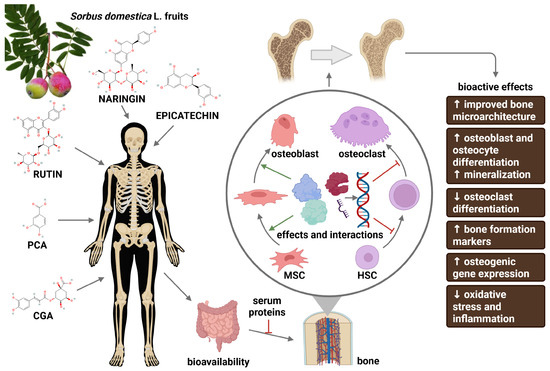
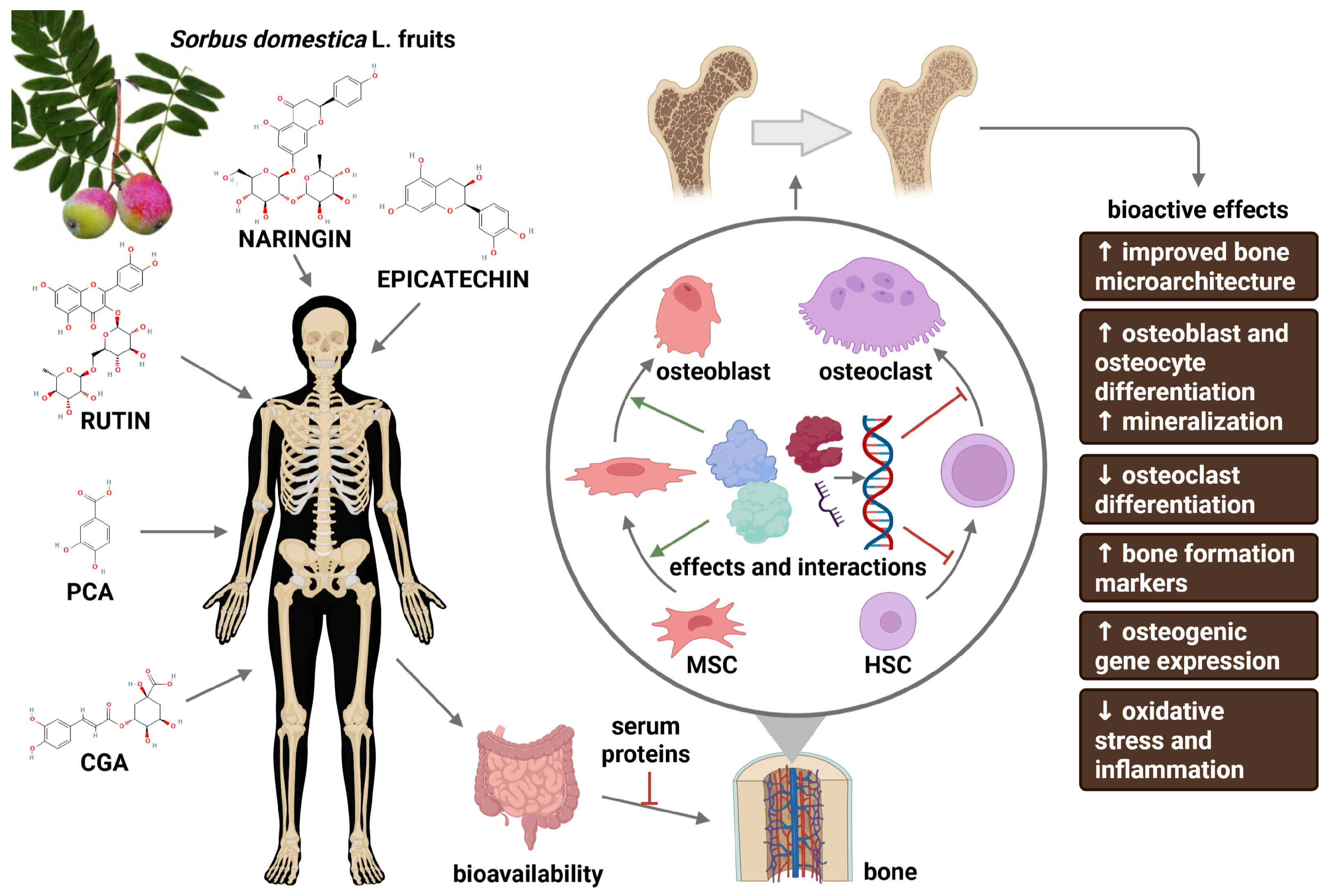
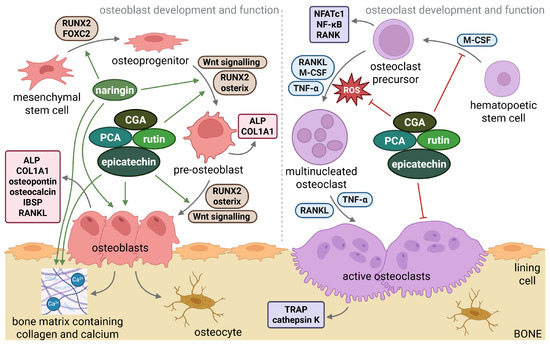
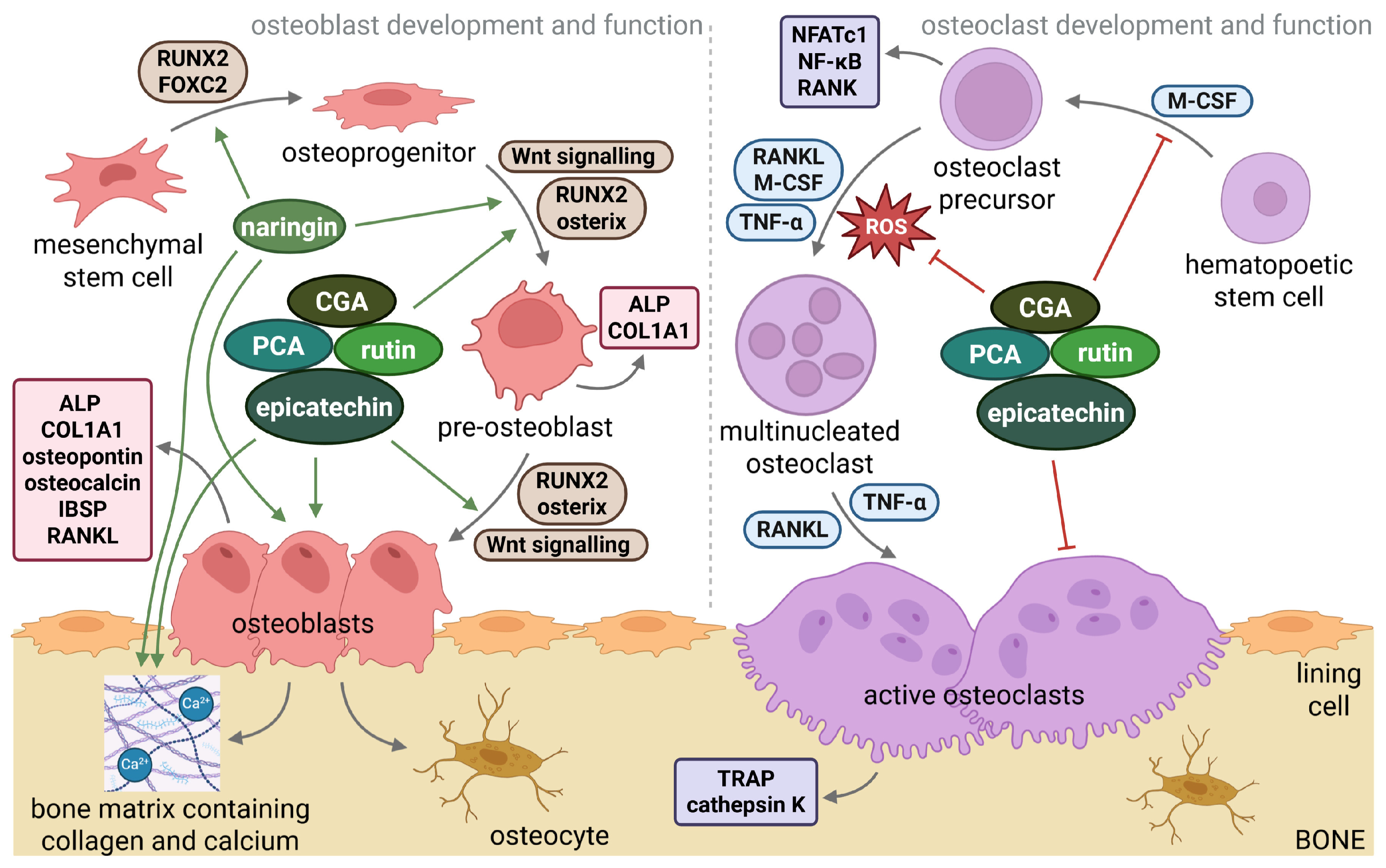

Disclaimer/Publisher’s Note: The statements, opinions and data contained in all publications are solely those of the individual author(s) and contributor(s) and not of MDPI and/or the editor(s). MDPI and/or the editor(s) disclaim responsibility for any injury to people or property resulting from any ideas, methods, instructions or products referred to in the content. |
© 2026 by the authors. Licensee MDPI, Basel, Switzerland. This article is an open access article distributed under the terms and conditions of the Creative Commons Attribution (CC BY) license.