
The Gut Microbiota as a Mediator of the Metabolic Benefits of Fungi and Their Polysaccharides: A Review of Evidence Addressing Causality


 , ,
, ,  , ,
, ,
Abstract
1. Introduction
2. Methods
3. Results
4. Discussion
4.1. Potential Mechanisms Linking Gut Microbiota Modulation to Metabolic Benefits
4.2. Potential Mediating Role of Microbiota-Associated Metabolites
4.3. Limitations of the Current Evidence and Future Research Needs
5. Conclusions
Supplementary Materials
Author Contributions
Funding
Institutional Review Board Statement
Informed Consent Statement
Data Availability Statement
Acknowledgments
Conflicts of Interest
References
- Obesity and Overweight. Available online: https://www.who.int/news-room/fact-sheets/detail/obesity-and-overweight (accessed on 13 December 2025).
- Diabetes. Available online: https://www.who.int/news-room/fact-sheets/detail/diabetes (accessed on 13 December 2025).
- Wong, V.W.-S.; Ekstedt, M.; Wong, G.L.-H.; Hagström, H. Changing Epidemiology, Global Trends and Implications for Outcomes of NAFLD. J. Hepatol. 2023, 79, 842–852. [Google Scholar] [CrossRef] [Scilit] [PubMed]
- Fan, Y.; Pedersen, O. Gut Microbiota in Human Metabolic Health and Disease. Nat. Rev. Microbiol. 2021, 19, 55–71. [Google Scholar] [CrossRef] [Scilit] [PubMed]
- Koning, M.; Herrema, H.; Nieuwdorp, M.; Meijnikman, A.S. Targeting Nonalcoholic Fatty Liver Disease via Gut Microbiome-Centered Therapies. Gut Microbes 2023, 15, 2226922. [Google Scholar] [CrossRef] [Scilit] [PubMed]
- Olofsson, L.E.; Bäckhed, F. The Metabolic Role and Therapeutic Potential of the Microbiome. Endocr. Rev. 2022, 43, 907–926. [Google Scholar] [CrossRef] [Scilit] [PubMed]
- Lu, X.; Jing, Y.; Zhang, N.; Chen, L.; Tai, J.; Cao, Y. Structural Characterization and Anti-Obesity Effect of a Novel Water-Soluble Galactomannan Isolated from Eurotium cristatum. Carbohydr. Polym. 2025, 348, 122870. [Google Scholar] [CrossRef] [Scilit] [PubMed]
- Lu, X.; Jing, Y.; Li, Y.; Zhang, N.; Zhang, W.; Cao, Y. The Differential Modulatory Effects of Eurotium cristatum on the Gut Microbiota of Obese Dogs and Mice Are Associated with Improvements in Metabolic Disturbances. Food Funct. 2021, 12, 12812–12825. [Google Scholar] [CrossRef] [Scilit] [PubMed]
- Zhu, M.; Shang, B.; Zhou, F.; Yuan, Y.; Yin, F.; Cao, J.; Huang, J.; Wang, K.; Zeng, X.; Li, M.; et al. Polysaccharides of Aspergillus cristatus Attenuate Obesity by Regulating Gut Microbiota and Gut Microbiota-Related Metabolites. Food Sci. Hum. Wellness 2024, 13, 1513–1530. [Google Scholar] [CrossRef] [Scilit]
- Tan, Z.; Tian, A.; Ma, R.; Yang, C.; Liu, X.; Wang, L.; Niu, P.; Zhao, Y.; Yang, X. Extracellular Polysaccharides of Eurotium cristatum from Fu Brick Tea Ameliorated Type 2 Diabetes in Mice by Remodeling of Gut Microbiota-Dependent Tryptophan Metabolism to Activate the Hepatic AhR/TSC2/mTORC1 Axis. J. Agric. Food Chem. 2026, 74, 8425–8441. [Google Scholar] [CrossRef] [Scilit] [PubMed]
- Zong, X.; Zhang, H.; Zhu, L.; Deehan, E.C.; Fu, J.; Wang, Y.; Jin, M. Auricularia auricula Polysaccharides Attenuate Obesity in Mice through Gut Commensal Papillibacter cinnamivorans. J. Adv. Res. 2023, 52, 203–218. [Google Scholar] [CrossRef] [Scilit] [PubMed]
- Zhou, Y.; Jia, Y.; Xu, N.; Tang, L.; Chang, Y. Auricularia auricula-judae (Bull.) Polysaccharides Improve Obesity in Mice by Regulating Gut Microbiota and TLR4/JNK Signaling Pathway. Int. J. Biol. Macromol. 2023, 250, 126172. [Google Scholar] [CrossRef] [Scilit] [PubMed]
- Zhao, M.; Liu, Z.; Geng, Y.; Lv, X.; Xu, J.; Zhao, X.; Yu, Z.; Zhu, R.; Li, M.; Han, F.; et al. Role of a Low-Molecular-Weight Polysaccharide from Boletus edulis Bull: Fr. in Modulating Gut Microbiota and Metabolic Disorders. Int. J. Biol. Macromol. 2025, 309, 142789. [Google Scholar] [CrossRef] [Scilit] [PubMed]
- Zhao, H.; Li, M.; Liu, L.; Li, D.; Zhao, L.; Wu, Z.; Zhou, M.; Jia, L.; Yang, F. Cordyceps militaris Polysaccharide Alleviates Diabetic Symptoms by Regulating Gut Microbiota against TLR4/NF-κB Pathway. Int. J. Biol. Macromol. 2023, 230, 123241. [Google Scholar] [CrossRef] [Scilit] [PubMed]
- Cai, J.; Huang, A.; You, L.; Wang, Z.; Huang, C.; Huang, R.; Li, Y.; Liang, T.; Zhang, F.; Wu, Q.; et al. Neomycin-Sensitive Gut Bacteria-Derived Brassicasterol Mediates the Anti-Obesity Effects of Cordyceps militaris Polysaccharide. Food Res. Int. 2026, 230, 118574. [Google Scholar] [CrossRef] [Scilit] [PubMed]
- Chang, C.-J.; Lin, C.-S.; Lu, C.-C.; Martel, J.; Ko, Y.-F.; Ojcius, D.M.; Tseng, S.-F.; Wu, T.-R.; Chen, Y.-Y.M.; Young, J.D.; et al. Ganoderma lucidum Reduces Obesity in Mice by Modulating the Composition of the Gut Microbiota. Nat. Commun. 2015, 6, 7489. [Google Scholar] [CrossRef] [Scilit] [PubMed]
- Sang, T.; Guo, C.; Guo, D.; Wu, J.; Wang, Y.; Wang, Y.; Chen, J.; Chen, C.; Wu, K.; Na, K.; et al. Suppression of Obesity and Inflammation by Polysaccharide from Sporoderm-Broken Spore of Ganoderma lucidum via Gut Microbiota Regulation. Carbohydr. Polym. 2021, 256, 117594. [Google Scholar] [CrossRef] [Scilit] [PubMed]
- Sang, T.; Xu, T.; Chen, C.; Wu, J.; Zhou, C.; Li, F.; Xu, L.; Liu, S.; Wang, M.; Zhang, Y.; et al. Ganoderma lucidum Polysaccharides Alleviate High-Fat Diet-Induced Obesity by Promoting Lipolysis and Inhibiting Inflammation through Lactobacillus johnsonii-Butyrate Axis. J. Agric. Food Chem. 2026, 74, 834–850. [Google Scholar] [CrossRef] [Scilit] [PubMed]
- Zhao, H.; Li, Y.; Liu, N.; Chen, P.; Yu, X.; Li, G.; Deng, B.; Li, D.; Yang, F.; Wang, G. Ganoderma lucidum Polysaccharides Alleviate Non-Alcoholic Fatty Liver Disease by Modulating Gut Microbiota against TLR4/NF-κB/MAPK Pathway and Activating AMPK Pathway. J. Ethnopharmacol. 2026, 355, 120723. [Google Scholar] [CrossRef] [Scilit] [PubMed]
- Sun, X.; Wei, X.; Dong, M.; Liu, H.; Zhu, T.; Zhang, Y.; Wang, L.; Li, Y.; Xu, H. Inonotus obliquus Ameliorates Metabolic Dysfunction and Attenuates Obesity by Enriching Enterococcus casseliflavus. Food Front. 2026, 7, e70308. [Google Scholar] [CrossRef] [Scilit]
- Wang, Y.; Ni, Z.; Li, J.; Shao, Y.; Yong, Y.; Lv, W.; Zhang, S.; Fu, T.; Chen, A. Cordyceps cicadae Polysaccharides Alleviate Hyperglycemia by Regulating Gut Microbiota and Its Mmetabolites in High-Fat Diet/Streptozocin-Induced Diabetic Mice. Front. Nutr. 2023, 10, 1203430. [Google Scholar] [CrossRef] [Scilit] [PubMed]
- Xu, H.; Zhang, T.; Zhou, Z.; Gao, T.; Zhao, R.; Chen, L. Polysaccharides from Lactarius volemus Fr. Ameliorate High-Fat and High-Fructose Diet Induced Metabolic Disorders and Intestinal Barrier Dysfunction. Int. J. Biol. Macromol. 2025, 287, 138341. [Google Scholar] [CrossRef] [Scilit] [PubMed]
- Wang, T.; Han, J.; Dai, H.; Sun, J.; Ren, J.; Wang, W.; Qiao, S.; Liu, C.; Sun, L.; Liu, S.; et al. Polysaccharides from Lyophyllum decastes Reduce Obesity by Altering Gut Microbiota and Increasing Energy Expenditure. Carbohydr. Polym. 2022, 295, 119862. [Google Scholar] [CrossRef] [Scilit] [PubMed]
- Liu, B.; Yu, L.; Zhai, Q.; Li, M.; Li, L.; Tian, F.; Chen, W. Effect of Water-Soluble Polysaccharides from Morchella esculenta on High-Fat Diet-Induced Obese Mice: Changes in Gut Microbiota and Metabolic Functions. Food Funct. 2023, 14, 5217–5231. [Google Scholar] [CrossRef] [Scilit] [PubMed]
- Zang, X.; Jin, X.; Liu, B.; Zhang, C.; Narbad, A.; Zhao, J.; Chen, W.; Tian, F.; Yu, L.; Zhai, Q. Morchella esculenta Polysaccharides Ameliorate Obesity by Enriching Bifidobacterium and Bacteroides. Food Biosci. 2025, 68, 106552. [Google Scholar] [CrossRef] [Scilit]
- Wu, T.-R.; Lin, C.-S.; Chang, C.-J.; Lin, T.-L.; Martel, J.; Ko, Y.-F.; Ojcius, D.M.; Lu, C.-C.; Young, J.D.; Lai, H.-C. Gut Commensal Parabacteroides goldsteinii Plays a Predominant Role in the Anti-Obesity Effects of Polysaccharides Isolated from Hirsutella sinensis. Gut 2019, 68, 248–262. [Google Scholar] [CrossRef] [Scilit] [PubMed]
- Ni, Z.; Li, J.; Qian, X.; Yong, Y.; Wu, M.; Wang, Y.; Lv, W.; Zhang, S.; Zhang, Y.; Shao, Y.; et al. Phellinus igniarius Polysaccharides Ameliorate Hyperglycemia by Modulating the Composition of the Gut Microbiota and Their Metabolites in Diabetic Mice. Molecules 2023, 28, 7136. [Google Scholar] [CrossRef] [Scilit] [PubMed]
- Ni, Z.; Chen, L.; Qian, X.; Yong, Y.; Wu, M.; Li, Y.; Li, J.; Wang, Y.; Li, L.; Shao, Y.; et al. Preliminary Characterization of Ramaria botrytoides Polysaccharide RB-P1-1 and Analysis of Its Hypoglycemic Effects by Altering the Gut Microbiota and Metabolites in Mice with Type 2 Diabetes Mellitus. Int. J. Biol. Macromol. 2025, 289, 138774. [Google Scholar] [CrossRef] [Scilit] [PubMed]
- Yin, C.; Li, C.; Fan, X.; Shi, D.; Li, J.; Qiu, J.; Yao, F.; Yu, W.; Gao, H. Schizophyllum commune Polysaccharide Ameliorates Diet-Induced Obesity by Regulating the Faecalibaculum rodentium/Indole-3-Lactic Acid/microRNA Axis. Carbohydr. Polym. 2026, 371, 124436. [Google Scholar] [CrossRef] [Scilit] [PubMed]
- Wei, X.; Wu, J.; Zhang, L.; Jin, L.; Rong, W.; Cao, J.; Jiang, Y.; Yun, S.; Cheng, F.; Zhao, W.; et al. Gut Microbiota Reshaping by Sparassis latifolia Polysaccharides Ameliorates Glucose Metabolism through Microbiota-Mediated Activation of Intestinal Gluconeogenesis. J. Agric. Food Chem. 2026, 74, 23522–23542. [Google Scholar] [CrossRef] [Scilit] [PubMed]
- Li, X.; Chen, P.; Zhang, P.; Chang, Y.; Cui, M.; Duan, J. Protein-Bound β-Glucan from Coriolus versicolor Has Potential for Use Against Obesity. Mol. Nutr. Food Res. 2019, 63, 1801231. [Google Scholar] [CrossRef] [Scilit] [PubMed]
- He, G.; Chen, T.; Huang, L.; Zhang, Y.; Feng, Y.; Qu, S.; Yin, X.; Liang, L.; Yan, J.; Liu, W. Tremella fuciformis Polysaccharide Reduces Obesity in High-Fat Diet-Fed Mice by Modulation of Gut Microbiota. Front. Microbiol. 2022, 13, 1073350. [Google Scholar] [CrossRef] [Scilit] [PubMed]
- Sun, S.-S.; Wang, K.; Ma, K.; Bao, L.; Liu, H.-W. An Insoluble Polysaccharide from the Sclerotium of Poria cocos Improves Hyperglycemia, Hyperlipidemia and Hepatic Steatosis in Ob/Ob Mice via Modulation of Gut Microbiota. Chin. J. Nat. Med. 2019, 17, 3–14. [Google Scholar] [CrossRef] [Scilit] [PubMed]
- Liu, W.; Yu, L.; Chen, Q.; Zhang, C.; Wang, L.; Yu, N.; Peng, D.; Ou, J.; Chen, W.; Zhang, Y.; et al. Poria cocos Polysaccharides Alleviate Obesity-Related Adipose Tissue Insulin Resistance via Gut Microbiota-Derived Short-Chain Fatty Acids Activation of FGF21/PI3K/AKT Signaling. Food Res. Int. 2025, 215, 116671. [Google Scholar] [CrossRef] [Scilit] [PubMed]
- Zhu, L.; Ye, C.; Hu, B.; Xia, H.; Bian, Q.; Liu, Y.; Kong, M.; Zhou, S.; Liu, H. Regulation of Gut Microbiota and Intestinal Metabolites by Poria cocos Oligosaccharides Improves Glycolipid Metabolism Disturbance in High-Fat Diet-Fed Mice. J. Nutr. Biochem. 2022, 107, 109019. [Google Scholar] [CrossRef] [Scilit] [PubMed]
- Chaudhari, S.N.; McCurry, M.D.; Devlin, A.S. Chains of Evidence from Correlations to Causal Molecules in Microbiome-Linked Diseases. Nat. Chem. Biol. 2021, 17, 1046–1056. [Google Scholar] [CrossRef] [Scilit] [PubMed]
- Reagan-Shaw, S.; Nihal, M.; Ahmad, N. Dose Translation from Animal to Human Studies Revisited. FASEB J. 2008, 22, 659–661. [Google Scholar] [CrossRef] [Scilit] [PubMed]


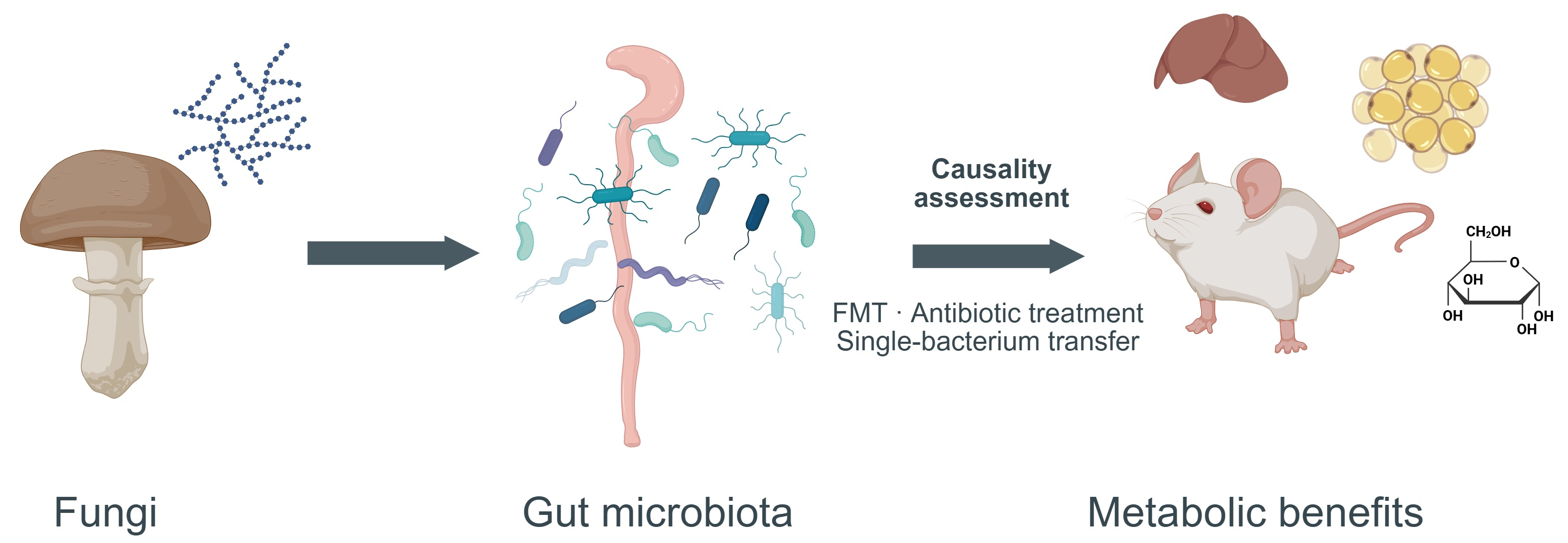
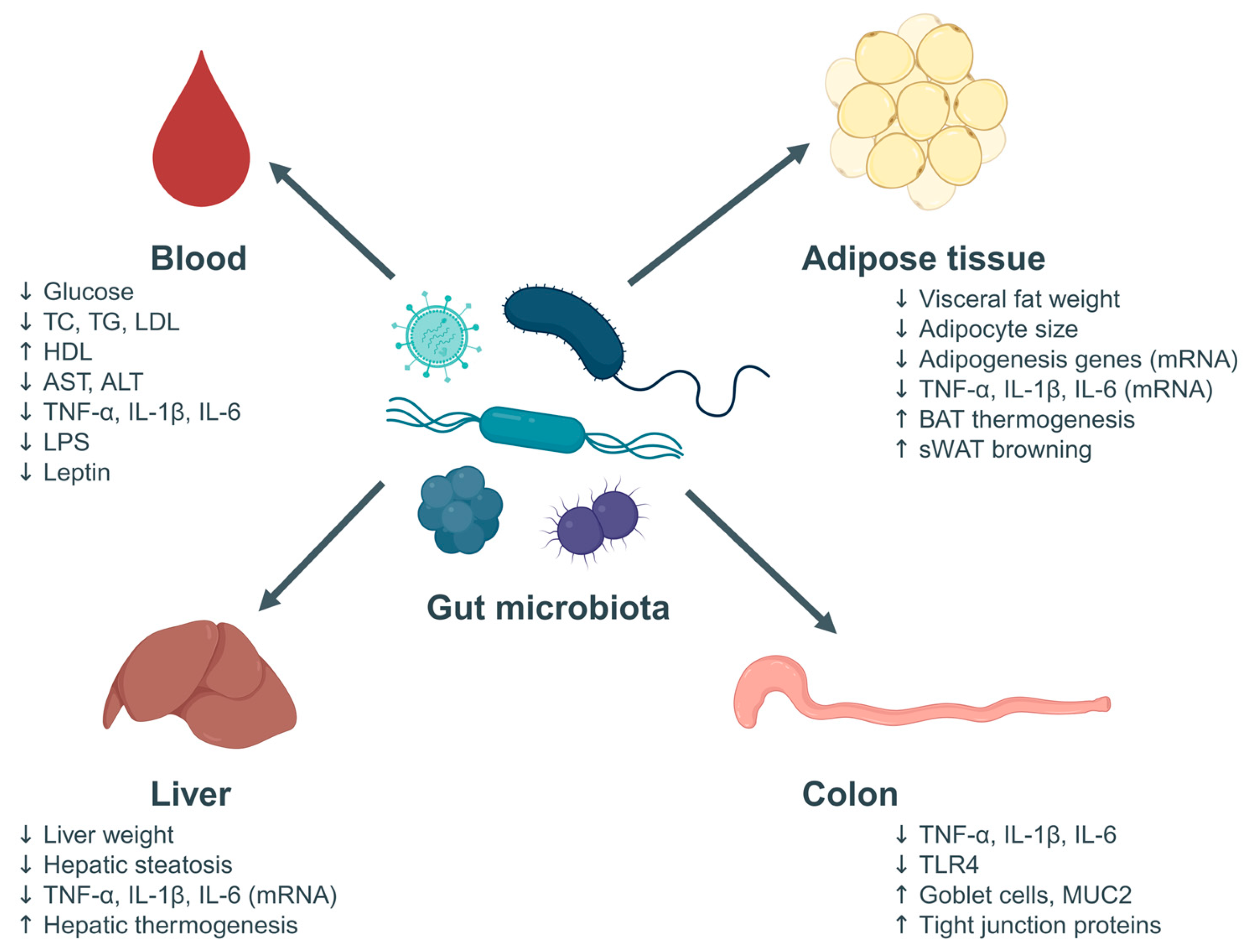
| # | Fungal Intervention and Animal Model | Gut Microbiota Changes Following Fungal Interventions, FMT, or Administration of Specific Bacterial Strains a | Method(s) Used to Explore Causality and Outcomes Relevant to Metabolic Health Potentially Linked to the Gut Microbiota b | Reference |
|---|---|---|---|---|
| 1 | fungal intervention purified water-soluble galactomannan (peak molecular weight (Mp): 26,827 Da; weight-average molecular weight (Mw): 32,305 Da; number-average molecular weight (Mn): 22,514 Da; monosaccharide composition: mainly mannose and galactose with small amounts of glucose) from mature spores of Aspergillus cristatus (syn.: Eurotium cristatum) isolated from Fuzhuan tea animal model HFD-induced obesity (C57BL/6J mice) | fungal intervention-treated mice alpha diversity metrics: ↑ Shannon index, Chao1 index phylum: ↑ Bacteroidetes ↓ Firmicutes ↓ Firmicutes/Bacteroidetes ratio genus: ↑ Parabacteroides ↓ Lachnoclostridium species: ↓ Clostridium leptum, Mucispirillum schaedleri ↑ Parabacteroides goldsteinii, Parabacteroides distasonis, Faecalibaculum rodentium, Blautia producta, Bacteroides thetaiotaomicron, Bacteroides uniformis | method to explore causality FMT outcomes relevant to metabolic health ↓ body weight, body weight gain ↓ liver weight and hepatic steatosis ↓ inguinal fat weight, epididymal fat weight ↓ adipocyte size ↓ fasting insulin levels and insulin resistance ↓ AUC (GTT) ↓ serum TG, serum TC, serum LDL ↑ serum HDL | Lu et al., 2025 [7] |
| 2 | fungal intervention live Aspergillus cristatus (syn.: Eurotium cristatum) isolated from Fuzhuan tea animal model HFD-induced obesity (C57BL/6J mice) | fungal intervention-treated mice phylum: ↓ Firmicutes ↑ Bacteroidetes genus: ↓ Lactobacillus, Streptococcus, Anaerovibrio, Allobaculum ↑ Alistipes, Anaerotruncus, Oscillibacter, Helicobacter, Rikenella species: ↓ Lactobacillus reuteri ↑ Bacteroides acidifaciens, Blautia coccoides, Faecalibacterium prausnitzii other taxa: ↓ Prevotellaceae UCG-003, Ruminococcus torques group ↑ Ruminococcaceae UCG-014, Lachnospiraceae NK4A136 group, unidentified Ruminococcaceae, Rikenellaceae RC9 gut group, Ruminococcaceae NK4A214 group, Ruminococcaceae UCG-010, Coprococcus 1, Ruminiclostridium 5 | method to explore causality FMT outcomes relevant to metabolic health ↓ body weight, body weight gain ↓ inguinal fat, epididymal fat ↓ liver weight ↓ fasting glucose ↓ AUC (GTT) ↓ serum TG, serum TC, serum LDL | Lu et al., 2021 [8] |
| 3 | fungal intervention purified polysaccharides (content: 39.54% carbohydrate, 17.23% uronic acid, 26.37% protein; average molecular weight: 21.16 kDa; ribose, glucose, galactose, and mannose in a molar ratio of 1:1.7:4.4:5.2) from sporoderm-broken cleistothecia of Aspergillus cristatus (syn.: Eurotium cristatum) originating from Fu-brick tea animal model HFD-induced obesity (Sprague-Dawley rats) | fungal intervention-treated rats alpha diversity metrics: ↑ Shannon index ↓ Simpson index phylum: ↓ Firmicutes ↑ Bacteroidetes ↓ Firmicutes/Bacteroidetes ratio genus: ↓ Blautia, Desulfovibrio, Lachnoclostridium, Roseburia, Streptococcus ↑ Bacteroides, Romboutsia, Akkermansia, Faecalibaculum, Parabacteroides species: ↑ Akkermansia muciniphila other taxa: ↑ Ruminococcaceae_UCG-005, Clostridium_sensu_stricto_1 FMT recipient rats alpha diversity metrics: ↑ Shannon index ↓ Simpson index phylum: ↓ Firmicutes ↑ Bacteroidetes ↓ Firmicutes/Bacteroidetes ratio genus: ↑ Akkermansia, Alloprevotella, Bacteroides, Faecalibaculum, Romboutsia, Rikenella, Roseburia ↓ Allobaculum, Blautia, Desulfovibrio, Streptococcus other taxa: ↓ Escherichia-Shigella | method to explore causality FMT outcomes relevant to metabolic health ↓ body weight, body weight gain ↓ epididymal fat weight, perirenal fat weight ↓ epididymal adipocyte hypertrophy ↓ liver/body weight ratio, hepatic steatosis ↓ serum AST, serum ALT ↓ HOMA-IR ↓ serum TC, serum LDL, serum TG ↑ serum HDL ↑ periodic acid-Schiff-positive area in colon ↑ goblet cell count in colon ↑ colonic expression of tight junction proteins (occludin, zonula occludens-1, claudin-1) ↓ serum MCP-1, serum TNF-α, serum IL-6 ↓ serum LPS ↑ serum IL-10 | Zhu et al., 2024 [9] |
| 4 | fungal intervention crude extracellular polysaccharides (purity: 47.45%; uronic acids: approximately 12.22%; proteins: approximately 10.80%; main monosaccharides: glucose, 70.53%, and galactose, 10.15%) produced by Aspergillus cristatus (syn.: Eurotium cristatum) originating from Fu brick tea animal model HFD- and STZ-induced T2DM (C57BL/6J mice) | fungal intervention-treated mice other taxa: ↓ norank_f__Eubacterium_coprostanoligenes_group | method to explore causality antibiotic treatment outcomes relevant to metabolic health Beneficial effects were attenuated under antibiotic treatment, as evidenced by no significant changes in the following parameters: AUC (GTT), AUC (ITT), fasting insulin, insulin sensitivity index, serum TC, serum TG, serum HDL, serum LDL, serum glucagon-like peptide-1, hepatic mRNA Ahr, hepatic mRNA Tsc2, hepatic mTORC1 content | Tan et al., 2026 [10] |
| 5 | fungal intervention Auricularia auricula-judae (syn.: Auricularia auricula) polysaccharides (content of polysaccharides: 97.6%; average molecular weight: 1065.2 kDa; mainly composed of mannose, glucose, xylose, galactose, glucuronic acid and fucose in a molar ratio of 50.84%, 21.61%, 9.24%, 8.58%, 5.78%, and 3.96%) animal model HFD-induced obesity (C57BL/6 mice) | fungal intervention-treated mice genus: ↓ Mucispirillum ↑ Peptococcus, Muribaculum, Anaerovorax, Papillibacter | methods to explore causality (1) antibiotic treatment, (2) FMT, (3) Papillibacter cinnamivorans treatment outcomes relevant to metabolic health (1) antibiotic treatment Beneficial effects were attenuated under antibiotic treatment, as evidenced by no significant changes in the following parameters: body weight, body weight gain, liver weight, abdominal fat pad weight, mRNA expression of adipogenesis and lipogenesis-related genes in abdominal fat, average area of fat cells, liver TG, plasma TG, plasma TC, plasma LDL, glycemia in GTT, AUC in GTT (2) FMT ↓ body weight, body weight gain ↓ glycemia and AUC (GTT) ↓ liver and plasma TG ↓ serum TC, serum LDL ↑ serum HDL ↓ abdominal fat pad, average area of fat cells ↓ mRNA expression of adipogenesis-related genes in abdominal fat (Cebpα, Srebf1, Pparγ, Fasn, Acc1, Atgl, Lpl) (3) Papillibacter cinnamivorans treatment ↓ body weight, relative weight gain ↓ liver and abdominal fat weight ↓ average area of fat cells ↓ mRNA expression of fat-metabolism-related genes in abdominal fat (Cebpα, Acc1) ↓ blood Glu and AUC (GTT) ↓ histological evidence of HFD-induced colon inflammation ↓ colon IL-6, colon TNF-α ↓ serum IL-6, serum TNF-α ↓ IL-6 mRNA, TNF-α mRNA, IL-18 mRNA in colon ↑ IL-17α mRNA, IL-22 mRNA in colon ↓ liver and serum TG ↓ serum cholesterol ↓ activation of JAK-STAT signaling ↑ protein and mRNA expression of zonula occludens-1 ↓ serum LPS ↓ intestinal lipid absorption ↑ hepatic thermogenesis | Zong et al., 2023 [11] |
| 6 | fungal intervention Auricularia auricula-judae polysaccharides (neutral sugar content: 67.68%; uronic acid content: 25.50%; main units: mannose and galacturonic acid; average molecular weight: 1210 kDa) animal model HFD-induced obesity (C57BL/6J mice) | fungal intervention-treated mice alpha diversity metrics: ↑ Simpson index phylum: ↑ Firmicutes, Bacteroidetes ↓ Proteobacteria FMT recipient mice alpha diversity metrics: ↑ Observed species, Simpson index phylum: ↑ Firmicutes, Bacteroidetes ↓ Proteobacteria ↓ Firmicutes/Bacteroidetes ratio genus: ↑ Allobaculum, Roseburia, Anaerotruncus, Lactococcus, Alistipes ↓ Shigella | method to explore causality FMT outcomes relevant to metabolic health ↓ body weight, liver weight ↓ Lee’s index ↓ epididymal adipose tissue weight/body weight ↓ mesenteric adipose tissue weight/body weight ↓ perirenal adipose tissue weight/body weight ↓ mean adipocyte size ↓ blood Glu ↓ AUC (GTT) ↑ fasting serum insulin ↓ HOMA-IR ↓ serum TC, serum TG, serum LDL, serum HDL ↓ LDL/HDL ratio ↓ serum AST, serum ALT ↑ intestinal barrier integrity (histological evidence) ↓ serum LPS, serum TNF-α, serum IL-6 ↓ TLR4/JNK signaling | Zhou et al., 2023 [12] |
| 7 | fungal intervention Boletus edulis purified polysaccharide (molecular weight: 11,485 Da; monosaccharide constituents: mannose and glucose) animal model HFD-induced obesity (ICR mice) | fungal intervention-treated mice alpha diversity and coverage metrics: ↑ Chao1 index, Simpson index, Shannon index, observed_species index, Pielou’s index ↓ Good_coverage index phylum: ↓ Firmicutes ↓ Firmicutes/Bacteroidetes ratio family: ↑ Lachnospiraceae, Lactobacillaceae, S24–7 ↓ Erysipelotrichaceae, Desulfovibrionaceae genus: ↑ [Prevotella], Lactobacillus ↓ Allobaculum, Desulfovibrio FMT recipient mice alpha diversity metrics: ↑ Chao1 index, Shannon index, observed_species index, Pielou-e index phylum: ↓ Firmicutes ↑ Bacteroidetes family: ↑ Lactobacillaceae, S24–7 ↓ Desulfovibrionaceae genus: ↑ Lactobacillus, Bacteroides ↓ Allobaculum, Desulfovibrio | method to explore causality FMT outcomes relevant to metabolic health ↓ body weight ↓ fasting blood glucose ↓ glycemia and AUC (GTT) ↓ serum TC, serum TG, serum LDL ↓ liver TC, liver TG, liver LDL ↓ serum ALT, serum AST ↓ adipose deposition ↓ serum LPS ↓ serum TNF-α ↑ mucin 2 and occludin in colon ↓ TLR4, Myd88, p-JNK/JNK, p-P38/P38, PEPCK, FOXO1, FASN, SREBP-1c in liver ↑ p-Akt/Akt in liver | Zhao et al., 2025 [13] |
| 8 | fungal intervention Cordyceps militaris neutral refined polysaccharide (molecular weight: 87.8 kDa; α- and β-glycosidic linkages; consists of mannose, galactose and glucose in a molar ratio of 2.2:15.1:1) animal model HFD- and STZ-induced T2DM (C57BL/6 mice) | fungal intervention-treated mice alpha diversity metrics: ↑ Sobs index, ACE index, Chao1 index, Shannon index ↓ Simpson index phylum: ↑ Bacteroidota, Campilobacterota ↓ Firmicutes/Bacteroidetes ratio genus: ↑ Alistipes, Helicobacter ↓ Enterococcus other taxa: ↑ norank_f_Muribaculaceae, Lachnospiraceae_NK4A136_group, norank_o_Clostridia_UCG-014, Eubacterium_xylanophilum_group ↓ Escherichia-Shigella | method to explore causality FMT outcomes relevant to metabolic health ↓ drinking water, food intake ↓ fasting blood Glu level ↓ AUC (GTT) ↓ fasting serum insulin level ↓ HOMA-IR ↓ serum TC, serum TG ↓ serum AST, serum ALT ↓ blood urea nitrogen level ↓ serum creatinine ↓ serum LPS ↓ TNF-α, IL-1β, IL-6, p-IκBα/IκBα, p-p65/p65, and TLR4 in colon ↑ claudin-1, occludin, and zonula occludens-1 in colon ↓ abnormal changes in histopathology of the pancreas and colon | Zhao et al., 2023 [14] |
| 9 | fungal intervention Cordyceps militaris polysaccharide (monosaccharide composition: 45.72% mannose, 24.78% galactose, and 29.50% glucose; molecular weight exceeds 670 kDa; structural backbone: linear (1 → 4)-linked α-D-glucopyranose) animal model HFD-induced obesity (C57BL/6J mice) | fungal intervention-treated mice phylum: ↑ Bacteroidetes ↓ Firmicutes genus: ↑ Parabacteroides, Lactobacillus species: ↑ Parabacteroides goldsteinii | method to explore causality antibiotic treatment outcomes relevant to metabolic health Beneficial effects were attenuated under neomycin treatment, as evidenced by no significant changes in the following parameters: body weight, body weight gain, energy intake, energy efficiency, epididymal fat weight, hepatic steatosis and inflammation (histological evidence), serum TC, serum TG, serum LDL, blood Glu level, serum insulin level, colon length, intestinal barrier injury (histological evidence), colon zonula occludens-1 and occludin protein levels, serum LPS | Cai et al., 2026 [15] |
| 10 | fungal intervention Ganoderma lucidum mycelium water extract animal model HFD-induced obesity (C57BL/6NCrlBltw mice) | fungal intervention-treated mice phylum: ↓ Firmicutes/Bacteroidetes ratio FMT recipient mice phylum: ↓ Proteobacteria ↓ Firmicutes/Bacteroidetes ratio species: ↓ Mucispirillum schaedleri, Escherichia fergusonii, Lactococcus lactis, Clostridium scindens, Oscillibacter valericigenes, Clostridium cocleatum, Bacteroides caccae, Eubacterium dolichum, Coprobacillus cateniformis ↑ Parabacteroides goldsteinii | method to explore causality FMT outcomes relevant to metabolic health ↓ body weight, liver weight ↓ epididymal fat, subcutaneous fat ↓ TNF-α mRNA, IL-1β mRNA, IL-6 mRNA, and MCP-1 mRNA in liver and adipose tissue ↑ occludin mRNA and zonula occludens-1 mRNA in the ileum ↓ lipogenic gene expression (ACC-1 mRNA, FAS mRNA, SREBP-1c mRNA, PPAR-γ mRNA in liver and adipose tissue) | Chang et al., 2015 [16] |
| 11 | fungal intervention Ganoderma lucidum polysaccharides from sporoderm-broken spores (total carbohydrate content: 80.87%; weight-average molecular weight: 26.0 kDa; composed of glucose, mannose, and galactose in a molar ratio of 87.4:4.81:8.14; β-D-glucan containing (1 → 3)-β-D-Glcp, (1 → 3,6)-β-D-Glcp, (1 → 6)-β-D-Glcp, and terminal-β-D-Glcp moieties) animal model HFD-induced obesity (C57BL/6J mice) | fungal intervention-treated mice species: ↑ Bacteroides_chinchillae other taxa: ↑ Christensenellaceae_R-7_group ↓ Ruminococcaceae_UCG-009, Lachnospiraceae_FCS020_group, Lachnospiraceae_UCG-001, Firmicutes_bacterium_ASF500 | method to explore causality FMT outcomes relevant to metabolic health ↓ body weight, body weight gain ↓ epididymal white adipose tissue weight ↓ inguinal white adipose tissue weight ↓ serum LPS ↓ serum TNF-α | Sang et al., 2021 [17] |
| 12 | fungal intervention Ganoderma lucidum polysaccharides from sporoderm-broken spores (purity: 80.87%; average molecular weight: 26.0 kDa; monosaccharide composition: glucose, mannose, and galactose in a molar ratio of 87.04:4.81:8.14; four β-D-Glcp units: (1 → 3)-linked, (1 → 3,6)-linked, (1 → 6)-linked, and terminal) animal model HFD-induced obesity (C57BL/6J mice) | fungal intervention-treated mice alpha diversity metrics: ↓ Shannon index, Sobs index family: ↑ Lactobacillaceae, Bifidobacteriaceae ↓ Oscillospiraceae genus: ↓ Colidextribacter, Roseburia, Dubosiella ↑ Lactobacillus, Bifidobacterium species: ↑ Lactobacillus johnsonii, Lactobacillus reuteri other taxa: ↓ norank_f__Desulfovibrionaceae | methods to explore causality (1) antibiotic treatment, (2) Lactobacillus johnsonii treatment outcomes relevant to metabolic health (1) antibiotic treatment Beneficial effects were attenuated under antibiotic treatment, as evidenced by no significant changes in the following parameters: body weight, body weight gain, weight of white adipose tissue, AUC (GTT), cell diameter of adipocytes, macrophage infiltration in adipose tissue (F4/80-positive area), number of goblet cells per villus in the ileum, serum TG, serum LPS-binding protein, ileal FABP4 and PPARγ protein expression (2) Lactobacillus johnsonii treatment ↓ body weight gain ↓ weight of white adipose tissue ↓ adipocyte diameter in white adipose tissue ↓ fasting blood Glu, AUC (GTT) ↑ protein expression of adipose triglyceride lipase ↓ IL-6 and CCL2 mRNA levels in white adipose tissue ↓ macrophage infiltration in white adipose tissue (F4/80-positive area) ↑ number of goblet cells per villus of the ileum ↑ ileal claudin-1 and occludin immunofluorescence ↑ PPARγ protein expression in the ileum | Sang et al., 2026 [18] |
| 13 | fungal intervention purified uniform fraction of enzyme-hydrolyzed polysaccharides from Ganoderma lucidum fruiting bodies (sugar content: 93.87%; protein content: 0.94%; monosaccharide composition: fucose, galactose, glucose, and mannose in a molar ratio of 1.00:1.70:8.41:2.15; molecular weight: 33.602 kDa; molecular weight/number-average molecular weight ratio: 1.119) animal model HFD-induced NAFLD (C57BL/6J mice) | fungal intervention-treated mice alpha diversity metrics: ↑ Sobs index, ACE index, Chao index, Shannon index phylum: ↑ Patescibacteria ↓ Verrucomicrobiota, Proteobacteria genus: ↑ Lachnoclostridium, Lactobacillus ↓ Akkermansia, Blautia, Romboutsia, Odoribacter other taxa: ↑ Lachnospiraceae_NK4A136_group, norank_f__norank_o__Clostridia_UCG-014, norank_f__Muribaculaceae ↓ Escherichia-Shigella | method to explore causality FMT outcomes relevant to metabolic health ↓ serum ALT, serum AST ↓ serum LPS ↓ liver lipid accumulation ↓ TLR4/NF-κB/MAPK pathway in the liver | Zhao et al., 2026 [19] |
| 14 | fungal intervention Inonotus obliquus combined extract obtained by three successive hot-reflux extractions using 90% and 100% ethanol animal model HFD-induced obesity (C57BL/6N mice) | fungal intervention-treated mice genus: ↑ Enterococcus species: ↑ Enterococcus casseliflavus | methods to explore causality (1) FMT, (2) Enterococcus casseliflavus treatment outcomes relevant to metabolic health (1) FMT ↓ body weight ↓ liver weight ↓ brown, subcutaneous white, and epididymal white adipose tissue weights ↓ lipid droplet content in brown, subcutaneous white, and epididymal white adipose tissues ↑ rectal temperature in recipient mice during cold challenge ↓ adipocyte hypertrophy and hepatic steatosis ↑ protein levels of UCP1 and key oxidative phosphorylation subunits in brown and subcutaneous white adipose tissues ↑ mRNA expression of the thermogenic genes (Ucp1, Dio2, Cidea, Ppara, Prdm16, and Ppargc1a) in brown and subcutaneous white adipose tissues (2) Enterococcus casseliflavus treatment ↓ body weight ↓ liver weight and hepatic steatosis ↓ brown, subcutaneous white, and epididymal white adipose tissue weights ↓ lipid droplet content in brown, subcutaneous white, and epididymal white adipose tissues ↓ AUC (GTT and ITT) ↓ serum TC, serum TG, serum LDL ↑ serum HDL ↑ protein levels of UCP1 and key oxidative phosphorylation components in brown and subcutaneous white adipose tissues ↑ mRNA expression of the thermogenic genes (Ucp1, Dio2, Cidea, Ppara, Prdm16, and Ppargc1a) in brown and subcutaneous white adipose tissues ↑ volume of consumed oxygen ↑ mouse core body temperature after acute cold exposure ↑ number of colonic goblet cells ↓ inflammatory cell infiltration in colon ↓ histological score (colon tissue) ↑ intestinal tight junction proteins (zonula occludens-1, occludin, and claudin-1) ↓ TNF-α, IL-1β, IL-6, and MCP-1 mRNA ↓ serum LPS | Sun et al., 2026 [20] |
| 15 | fungal intervention Isaria cicadae (syn.: Cordyceps cicadae) crude polysaccharides animal model HFD- and STZ-induced T2DM (C57/BL6J mice) | fungal intervention-treated mice alpha diversity metrics: ↑ Chao index, Shannon index phylum: ↓ Firmicutes ↑ Bacteroidetes ↓ Firmicutes/Bacteroidetes ratio order: ↓ Clostridiales family: ↓ Lachnospiraceae genus: ↓ Helicobacter, Lactobacillus, Ruminococcus ↑ Bacteroides, Odoribacter, Alloprevotella, Parabacteroides, Mucispirillum, Marvinbryantia species: ↓ Streptococcus hyointestinalis ↑ Bacteroides vulgatus | method to explore causality FMT outcomes relevant to metabolic health ↓ water intake, urinary output ↓ blood Glu ↓ AUC (GTT) ↑ HOMA-IS | Wang et al., 2023 [21] |
| 16 | fungal intervention crude polysaccharides from fruiting bodies of Lactifluus volemus (syn.: Lactarius volemus) (polysaccharide content: 86.45%; protein content: 7.26%; monosaccharide composition: mannose, glucose, galactose, arabinose and fucose in a molar ratio of 4.14:1.0:11.67:7.89:2.35) animal model HFHFr diet-induced obesity (BALB/c mice) | fungal intervention-treated mice alpha diversity metrics: ↑ Chao1 index, Observed species index, Shannon index phylum: ↓ Firmicutes, Proteobacteria ↑ Bacteroidetes, Actinobacteria, Verrucomicrobia ↓ Firmicutes/Bacteroidetes ratio genus: ↑ Bacteroides, Akkermansia, Bifidobacterium, Lactobacillus, Clostridium, Roseburia, Oscillospira ↓ Parasutterella | method to explore causality antibiotic treatment outcomes relevant to metabolic health Beneficial effects were attenuated under antibiotic treatment, as evidenced by no significant changes in the following parameters: food efficiency ratio, adipose tissue weight, epididymal white adipose tissue weight, serum HDL, serum LDL, serum TC, serum TG, serum atherogenic index, fasting blood glucose, fasting serum insulin, HOMA-IR, insulin sensitivity index, AUC (GTT) | Xu et al., 2025 [22] |
| 17 | fungal intervention Lyophyllum decastes polysaccharides composed of polysaccharide 1 (number-average molecular weight Mn: 3.92 × 10⁴ Da; peak molecular weight Mp: 2.05 × 10⁴ Da; weight-average molecular weight Mw: 5.02 × 10⁵ Da; Z-average molecular weight Mz: 1.85 × 10⁶ Da; monosaccharide composition: mannose/glucose/galactose/fucose = 1:2.38:2.58:0.73; protein content: 0.12%) and polysaccharide 2 (number-average molecular weight Mn: 4.03 × 10⁵ Da; peak molecular weight Mp: 1.17 × 10⁶ Da; weight-average molecular weight Mw: 1.13 × 10⁶ Da; Z-average molecular weight Mz: 1.77 × 10⁶ Da; monosaccharide composition: mannose/glucose/galactose/fucose = 1:2.33:2.51:0.78; protein content: 2.40%) animal model HFD-induced obesity (C57BL/6J mice) | fungal intervention-treated mice phylum: ↑ Bacteroidetes family: ↑ Bacteroidaceae genus: ↑ Bacteroides species: ↑ Bacteroides intestinalis, Lactobacillus johnsonii bacterial intervention-treated mice (Bi = Bacteroides intestinalis, Lj = Lactobacillus johnsonii, Bi+Lj = Bacteroides intestinalis + Lactobacillus johnsonii) alpha diversity metrics: ↑ Simpson index (Lj), Chao1 index (Lj, Bi+Lj), Shannon index (Lj, Bi+Lj) phylum: ↑ Bacteroidetes (Bi, Lj), Verrucomicrobiota (Bi, Lj, Bi+Lj) ↓ Firmicutes/Bacteroidetes ratio (Bi, Lj) family: ↑ Bacteroidaceae (Bi), Akkermansiaceae (Bi, Lj, Bi+Lj) genus: ↑ Bacteroides (Bi), Parabacteroides (Bi), Akkermansia (Bi, Lj, Bi+Lj) species: ↑ Bacteroides vulgatus (Bi), Bacteroides sartorii (Bi), Bacteroides acidifaciens (Bi), Parabacteroides distasonis (Bi), Lactobacillus johnsonii (Lj, Bi+Lj), Akkermansia muciniphila (Bi, Lj, Bi+Lj) ↓ Parabacteroides distasonis (Bi+Lj) | method to explore causality oral treatment with Bacteroides intestinalis (Bi), Lactobacillus johnsonii (Lj), or a combination of these two strains (Bi+Lj) outcomes relevant to metabolic health ↓ body weight (Bi, Lj, Bi+Lj) ↓ total white adipose tissue weight (Bi, Lj, Bi+Lj) ↓ subcutaneous white adipose tissue weight (Bi, Lj, Bi+Lj) ↓ mesenteric white adipose tissue weight (Bi, Lj, Bi+Lj) ↓ relative cell diameter of adipocytes (Bi, Lj, Bi+Lj) ↓ plasma TC (Bi, Lj, Bi+Lj) ↓ plasma TG (Lj) ↓ plasma LDL (Bi, Bi+Lj) ↓ hepatic TC (Bi, Lj, Bi+Lj) ↓ hepatic TG, hepatic LDL (Bi, Bi+Lj) ↓ plasma AST, plasma ALT (Bi, Lj, Bi+Lj) ↑ brown adipose tissue thermogenesis (Bi, Lj, Bi+Lj) ↑ browning of subcutaneous white adipose tissue (Bi, Lj, Bi+Lj) | Wang et al., 2022 [23] |
| 18 | fungal intervention [24,25] Morchella esculenta water-soluble polysaccharides animal model [24,25] HFD-induced obesity (C57BL/6J mice) | fungal intervention-treated mice [24] alpha diversity metrics: ↑ Shannon index phylum: ↓ Firmicutes/Bacteroidetes ratio genus: ↑ Lactobacillus, Dubosiella ↓ Faecalibaculum other taxa: ↑ Rikenellaceae RC9 | method to explore causality [25] antibiotic treatment outcomes relevant to metabolic health [25] Beneficial effects shown in a study by Liu et al. (2023) [24] were attenuated under antibiotic treatment, as evidenced by no significant changes in the following parameters: weight gain rate, AUC in GTT, epididymal fat index, liver index, serum AST, serum ALT | Liu et al., 2023; Zang et al., 2025 [24,25] |
| 19 | fungal intervention Hirsutella sinensis (anamorph of Ophiocordyceps sinensis) mycelium water extract (HSM) and its fraction H1 containing high-molecular weight polysaccharides (molecular weight: >300 kDa; monosaccharide composition of H1: mannose, glucose, galactose, N-glucosamine, arabinose, N-galactosamine, rhamnose, fucose in a ratio of 50.4%:12.5%:23.8%:4.6%:1.7%:0.4%:3.4%:3.2%) animal model HFD-induced obesity (C57BL/6J mice) | H1-treated mice species: ↑ Parabacteroides goldsteinii, Ruminococcus gnavus, Intestinimonas butyriciproducens, Clostridium cocleatum, Ruminococcus flavefaciens, Butyrivibrio hungatei, Ochrobactrum anthropi, Ruminococcus bromii, Achromobacter insolitus, Delftia acidovorans, Haemophilus haemolyticus ↓ Bacteroides acidifaciens, Mucispirillum schaedleri, Dorea longicatena, Romboutsia timonensis, Shewanella algae | methods to explore causality (1) antibiotic treatment, (2) FMT, (3) FMT+ex vivo antibiotic treatment of feces, (4) Parabacteroides goldsteinii treatment outcomes relevant to metabolic health (1) antibiotic treatment (H1) Beneficial effects of H1 were attenuated under treatment with neomycin or an antibiotic cocktail containing neomycin, as evidenced by no significant changes in the following parameters: body weight gain, visceral fat pad weight, HOMA-IR index, serum TNF-α, serum endotoxin, intestinal permeability, crown-like structures/100 adipocytes, NASH activity index score (2) FMT (HSM, H1) ↓ body weight gain, visceral fat pad ↓ HOMA-IR ↓ serum IL-1β, serum TNF-α ↓ serum endotoxin ↑ colonic zonula occludens-1 mRNA ↓ intestinal permeability (FITC-dextran) ↓ adipocyte mean size ↓ crown-like structures/100 adipocytes ↓ NASH activity index score (3) FMT + ex vivo antibiotic treatment of feces (H1) Ex vivo treatment of fecal microbiota from H1-treated donors with neomycin or a neomycin-containing antibiotic cocktail abolished the beneficial effects of FMT on body weight gain, visceral fat pad weight, HOMA-IR index, serum IL-1β, serum TNF-α, serum endotoxin, and intestinal permeability (4) Parabacteroides goldsteinii treatment ↓ body weight gain, visceral fat pad ↓ HOMA-IR ↓ serum IL-1β ↓ serum endotoxin ↓ intestinal permeability (FITC-dextran) ↓ IL-1β mRNA in colon ↑ IL-10 mRNA in colon ↑ zonula occludens-1 mRNA in colon ↓ adipocyte mean size ↓ crown-like structures/100 adipocytes ↑ UCP1 mRNA in brown adipose tissues and inguinal white adipose tissues ↓ NASH activity index score normalizes gene expression involved in lipid metabolism in the liver (↓ FABP1 mRNA, DGAT2 mRNA; ↑ Acsl3 mRNA) | Wu et al., 2019 [26] |
| 20 | fungal intervention Phellinus igniarius polysaccharides animal model HFD- and STZ-induced T2DM (C57/BL6J mice) | fungal intervention-treated mice alpha diversity metrics: ↑ Chao1 index genus: ↑ Bacteroides, Lactobacillus, Alloprevotella, Alistipes, Parabacteroides ↓ Helicobacter, Desulfovibrio, Odoribacter, Mucispirillum, Ruminiclostridium | method to explore causality FMT outcomes relevant to metabolic health ↓ water intake ↓ blood glucose, AUC (GTT), insulin ↓ IL-6, IL-1β, TNF-α in blood ↓ urinary output ↓ abnormal islet morphology ↑ clear islet boundaries ↓ swelling of the liver and kidney ↓ fatty tissue surrounding the kidney ↓ vacuolization and swelling of hepatocytes ↓ glomerular volume hypertrophy and renal mesangial hyperplasia | Ni et al., 2023 [27] |
| 21 | fungal intervention Ramaria botrytoides purified polysaccharide (total carbohydrate content: 89.33%; uronic acid content: 4.14%; protein content: 3.29%; average molecular weight: 3.635 kDa; monosaccharide composition: fucose, galactose, glucose, and mannose in a molar ratio of 0.058:0.349:0.515:0.079) animal model HFD- and STZ-induced T2DM (C57BL/6J mice) | fungal intervention-treated mice alpha diversity metrics: ↑ Chao1 index phylum: ↓ Firmicutes, Proteobacteria, Cyanobacteria ↑ Bacteroidetes, Actinobacteria, Verrucomicrobia, Tenericutes, Deferribacteres genus: ↑ Alistipes, Bacteroides, Ruminococcus, Odoribacter, Akkermansia, Lactobacillus, Alloprevotella, Turicibacter, Ruminiclostridium ↓ Desulfovibrio, Enterorhabdus other taxa: ↓ Candidatus_Saccharimonas | method to explore causality FMT outcomes relevant to metabolic health ↓ food and water intake ↓ urinary output ↓ liver lipid accumulation ↓ hepatocyte hypertrophy ↓ pancreatic islet structure damage ↓ blood glucose, AUC (GTT), insulin level | Ni et al., 2025 [28] |
| 22 | fungal intervention polysaccharide from Schizophyllum commune fruiting bodies (monosaccharide composition: fucose, glucosamine hydrochloride, galactose, glucose, and mannose in a relative molar ratio of 14:6:210:593:177; molecular weight: 15.1 kDa) animal model HFD-induced obesity (C57BL/6J mice) | fungal intervention-treated mice phylum: ↑ Bacteroidota species: ↓ Bifidobacterium pseudolongum ↑ Faecalibaculum rodentium FMT recipient mice species: ↓ Romboutsia ilealis ↑ Faecalibaculum rodentium, Lactobacillus johnsonii, Lactobacillus reuteri | method to explore causality FMT outcomes relevant to metabolic health ↓ body weight ↓ liver index ↓ epididymal white adipose tissue index ↓ number and size of lipid droplets in liver and epididymal white adipose tissue adipocytes ↓ serum TC, serum TG, serum LDL ↑ serum HDL ↓ serum non-esterified fatty acids ↓ serum LPS ↓ serum diamine oxidase ↑ liver catalase, liver total antioxidant capacity ↓ liver malondialdehyde ↓ liver TC, liver TG ↓ serum AST, serum ALT ↓ liver IL-6, liver TNF-α ↓ serum IL-6, serum TNF-α ↓ serum D-lactate ↑ ZO-1 mRNA ↑ length and number of colonic villi | Yin et al., 2026 [29] |
| 23 | fungal intervention Sparassis latifolia purified polysaccharides (purity: 95%; molecular weight: 215–393 kDa; structure: β-(1 → 3)-D-glucan main chain with β-(1 → 6)-D-glucan branches; monosaccharide composition: galactose, glucose, rhamnose, mannose, and fructose in a molar ratio of 10.55:24.76:2.51:5.64:1.3) animal model HFHS diet- and STZ-induced T2DM (C57BL/6 mice) | fungal intervention-treated mice phylum: ↓ Firmicutes/Bacteroidetes ratio | method to explore causality cohousing outcomes relevant to metabolic health ↓ fasting blood glucose ↓ blood glucose at 2 h (GTT), AUC (GTT) ↓ intestinal crypt depth | Wei et al., 2026 [30] |
| 24 | fungal intervention Trametes versicolor (syn.: Coriolus versicolor) protein-bound β-glucan (molecular weight: 53.9 kDa; monosaccharide composition: glucose; mainly composed of 4-linked and 4,6-linked glucosyl residues (77.4%), along with a small portion of 3-linked and 3,6-linked glucosyl residues (8.8%); peptide residues main amino acid: tyrosine) animal model HFD-induced obesity (C57Bl/6J mice) | fungal intervention-treated mice phylum: ↑ Verrucomicrobia genus: ↑ Akkermansia, Bacteroides, Bacterium other taxa: ↑ Ruminiclostridium_10 | method to explore causality FMT outcomes relevant to metabolic health ↓ body weight ↑ serum adiponectin ↓ serum leptin ↓ serum IL-6, serum IL-1β, serum TNF-α | Li et al., 2019 [31] |
| 25 | fungal intervention Tremella fuciformis polysaccharide (molecular weight distribution: 10.07 to 66.29 kDa; main molecular weight: 37.28 kDa; composed of mannose, rhamnose, glucuronic acid, glucose, galactose, and xylose in a molar ratio of 15.95:0.31:2.47:1.20:3.18:1.72) animal model HFD-induced obesity (C57BL/6J mice) | fungal intervention-treated mice alpha diversity metrics: ↑ Simpson index phylum: ↓ Firmicutes ↑ Bacteroidota ↓ Firmicutes/Bacteroidota ratio family: ↓ Desulfovibrionaceae, Clostridiaceae ↑ Muribaculaceae genus: ↑ Alistipes ↓ Desulfovibrio, Bilophila FMT recipient mice phylum: ↓ Firmicutes ↑ Bacteroidota ↓ Firmicutes/Bacteroidota ratio family: ↑ Muribaculaceae, Peptococcaceae genus: ↑ Blautia, Colidextribacter other taxa: ↓ Clostridia_UCG-014 ↑ Lachnospiraceae_NK4A136_group | method to explore causality FMT outcomes relevant to metabolic health ↓ epididymal fat weight, perirenal fat weight ↓ liver weight ↓ adipocyte size ↓ fasting glucose ↓ serum TC, serum TG, serum LDL ↑ serum HDL ↑ serum glucagon-like peptide-1 ↑ serum glucagon-like peptide-2 | He et al., 2022 [32] |
| 26 | fungal intervention water-insoluble polysaccharide from the sclerotium of Wolfiporia cocos (syn.: Poria cocos) (main chain: (1-3)-β-D-glucan; weight-average molecular weight (Mw): 4486 kDa; number-average molecular weight (Mn): 403.1 kDa; monosaccharide composition: glucose) animal model ob/ob mice | fungal intervention-treated mice alpha diversity metrics: ↓ Shannon index phylum: ↑ Bacteroidetes family: ↑ Lachnospiraceae genus: ↑ Alloprevotella, Parabacteroides, Ruminococcus, Bacteroides ↓ Megamonas, Proteus other taxa: ↑ Clostridium IV | method to explore causality FMT outcomes relevant to metabolic health ↓ weight change ↓ free-diet blood Glu ↓ plasma TC, plasma TG ↑ insulin sensitivity index | Sun et al., 2019 [33] |
| 27 | fungal intervention Wolfiporia cocos (syn.: Poria cocos) polysaccharides animal model HFD-induced obesity (C57BL/6J mice) | fungal intervention-treated mice alpha diversity metrics: ↑ Chao1 index, Shannon index genus: ↑ Lactobacillus, Allobaculum, Phascolarctobacterium | method to explore causality FMT outcomes relevant to metabolic health ↓ body weight ↓ fasting insulin, HOMA-IR ↓ serum TC, serum TG, serum LDL ↓ serum leptin ↓ leptin-to-adiponectin ratio ↑ number of adipocytes ↓ epididymal adipocyte area ↓ IL-6 mRNA, IL-1β mRNA, and TNF-α mRNA in epididymal adipose tissue ↓ IL-6 mRNA, IL-1β mRNA in colon ↑ claudin-1 in colon ↓ serum LPS ↑ protein expression levels of FGF21, PI3K, p-AKT, and GLUT4 in the epididymal adipose tissue | Liu et al., 2025 [34] |
| 28 | fungal intervention Wolfiporia cocos (syn.: Poria cocos) oligosaccharides (monosaccharide composition: mannose (0.57%), glucose (93.16%), galactose (3.49%), arabinose (2.78%); polymerization degree: 2–6; protein content: 1.3%; total sugar content: 94.0%) animal model HFD-induced obesity (C57BL/6J mice) | fungal intervention-treated mice phylum: ↑ Bacteroidetes; ↓ Firmicutes family: ↓ Ruminococcaceae, Anaeroplasmataceae ↑ Lactobacillaceae, Rikenellaceae genus: ↑ Lactobacillus, Bacteroides ↓ Faecalibaculum, Helicobacter, Desulfovibrio, Mucispirillum, Alistipes other taxa: ↑ Clostridium_sensu_stricto_1 ↓ Lachnospiraceae_NK4A136_group, Ruminococcus_1 FMT recipient mice alpha diversity metrics: ↑ Shannon index genus: ↑ Bifidobacterium, Desulfovibrio, Bacteroides ↓ Staphylococcus, Roseburia other taxa: ↓ Lachnospiraceae_NK4A136_group | methods to explore causality (1) antibiotic treatment, (2) FMT outcomes relevant to metabolic health (1) antibiotic treatment Beneficial effects were attenuated under antibiotic treatment, as evidenced by no significant changes in the following parameters: fasting blood glucose level, glycemia in intraperitoneal glucose tolerance test, glycemia and AUC in insulin tolerance test (2) FMT ↓ body weight ↓ pancreas weight | Zhu et al., 2022 [35] |
Disclaimer/Publisher’s Note: The statements, opinions and data contained in all publications are solely those of the individual author(s) and contributor(s) and not of MDPI and/or the editor(s). MDPI and/or the editor(s) disclaim responsibility for any injury to people or property resulting from any ideas, methods, instructions or products referred to in the content. |
© 2026 by the authors. Licensee MDPI, Basel, Switzerland. This article is an open access article distributed under the terms and conditions of the Creative Commons Attribution (CC BY) license.
Share and Cite
Samardžić, S.; Božić, D.D.; Drobac, M.; Marčetić, M.; Arsenijević, J.; Medarević, D.; Maksimović, Z. The Gut Microbiota as a Mediator of the Metabolic Benefits of Fungi and Their Polysaccharides: A Review of Evidence Addressing Causality. Nutrients 2026, 18, 3281. https://doi.org/10.3390/nu18193281
Samardžić S, Božić DD, Drobac M, Marčetić M, Arsenijević J, Medarević D, Maksimović Z. The Gut Microbiota as a Mediator of the Metabolic Benefits of Fungi and Their Polysaccharides: A Review of Evidence Addressing Causality. Nutrients. 2026; 18(19):3281. https://doi.org/10.3390/nu18193281
Chicago/Turabian StyleSamardžić, Stevan, Dragana D. Božić, Milica Drobac, Mirjana Marčetić, Jelena Arsenijević, Djordje Medarević, and Zoran Maksimović. 2026. "The Gut Microbiota as a Mediator of the Metabolic Benefits of Fungi and Their Polysaccharides: A Review of Evidence Addressing Causality" Nutrients 18, no. 19: 3281. https://doi.org/10.3390/nu18193281
APA StyleSamardžić, S., Božić, D. D., Drobac, M., Marčetić, M., Arsenijević, J., Medarević, D., & Maksimović, Z. (2026). The Gut Microbiota as a Mediator of the Metabolic Benefits of Fungi and Their Polysaccharides: A Review of Evidence Addressing Causality. Nutrients, 18(19), 3281. https://doi.org/10.3390/nu18193281