


High-Amylose Starch and Human Health: Microbiota Modulation, Metabolic Reprogramming, and Disease Prevention




Abstract
1. Introduction
2. Digestion Process of High-Amylose Starch from the Mouth to the Colon
3. Impact of High-Amylose Starch on Gut Microbiota
4. Dietary HAS and Its Suppressive Effects on Harmful Gut Microbiota
5. Health-Promoting Effects of HAS: Mechanistic Insights and Disease Prevention
5.1. Anti-Inflammatory Properties
5.2. Chronic Kidney Disease (CKD)
5.3. Obesity
5.4. Type 2 Diabetes
5.5. Colorectal Cancer (CRC)
6. Metabolic Alteration by High-Amylose Starches
7. Gut–Brain Axis
8. Future Studies and Limitations of This Study
9. Conclusions
Author Contributions
Funding
Institutional Review Board Statement
Informed Consent Statement
Data Availability Statement
Conflicts of Interest
Abbreviations
| ALT | Alanine aminotransferase |
| AmOn | Amylose-only barley flour |
| CKD | Chronic kidney disease |
| CRC | Colorectal cancer |
| CRISPR/Cas9 | Clustered regularly interspaced short palindromic repeats/CRISPR-associated protein 9 |
| CTLs | Cytotoxic T lymphocytes |
| DA | Dopamine |
| DHA175 | Mutagenized durum wheat line |
| DNA | Deoxyribonucleic acid |
| DRD1a | Dopamine receptor D1a |
| DRD2 | Dopamine receptor D2 |
| GABA | Gamma-aminobutyric acid |
| GBA | Gut–brain axis |
| GBSS | Granule-bound starch synthase |
| GIP | Glucose-dependent insulinotropic polypeptide |
| GLP-1 | Glucagon-like peptide-1 |
| GPR41 | G-protein-coupled receptor 41 |
| GPR43 | G-protein-coupled receptor 43 |
| GSH | Glutathione |
| HAS | High-amylose starch |
| HFD | High-fat diet |
| HDL | High-density lipoprotein |
| IGF-I | Insulin-like growth factor I |
| IL-1β | Interleukin-1 beta |
| IL-6 | Interleukin-6 |
| LDL | Low-density lipoprotein |
| miRNAs | MicroRNAs |
| mRNA | Messenger RNA |
| NF-κB | Nuclear factor kappa B |
| OVX | Ovariectomized |
| PS | High-amylose starch diet |
| RS | Resistant starch |
| RS1 | Physically inaccessible resistant starch |
| RS2 | Native granular resistant starch |
| RS3 | Retrograded resistant starch |
| RS4 | Chemically modified resistant starch |
| RS5 | Amylose–lipid complex resistant starch |
| SBE | Starch branching enzyme |
| SCFA | Short-chain fatty acid |
| SSIIa | Starch synthase IIa |
| T2D | Type 2 diabetes |
| TG | Triglycerides |
| Th17 | T helper 17 cells |
| TMAO | Trimethylamine N-oxide |
| TNF-α | Tumor necrosis factor alpha |
| TS | Low-amylose diet |
| Treg | Regulatory T cell |
References
- Han, J.; Wu, J.; Liu, X.; Shi, J.; Xu, J. Physiological Effects of Resistant Starch and Its Applications in Food: A Review. Food Prod. Process. Nutr. 2023, 5, 48. [Google Scholar] [CrossRef] [Scilit]
- Lee, C.-S.; Chung, H.-J. Enhancing Resistant Starch Content of High Amylose Rice Starch through Heat–Moisture Treatment for Industrial Application. Molecules 2022, 27, 6375. [Google Scholar] [CrossRef] [Scilit] [PubMed]
- Huang, M.; Kim, J.S.; No, J.; Shin, M. Physicochemical Properties and Preparation of RS3 Resistant Starch Prepared from High Amylose Dodamssal Rice Starch. Korean J. Food Cook. Sci. 2019, 35, 299–307. [Google Scholar] [CrossRef] [Scilit]
- Seung, D. Amylose in Starch: Towards an Understanding of Biosynthesis, Structure and Function. New Phytol. 2020, 228, 1490–1504. [Google Scholar] [CrossRef] [Scilit] [PubMed]
- Zhong, Y.; Qu, J.Z.; Liu, X.; Ding, L.; Liu, Y.; Bertoft, E.; Petersen, B.L.; Hamaker, B.R.; Hebelstrup, K.H.; Blennow, A. Different Genetic Strategies to Generate High Amylose Starch Mutants by Engineering the Starch Biosynthetic Pathways. Carbohydr. Polym. 2022, 287, 119327. [Google Scholar] [CrossRef] [Scilit] [PubMed]
- Gong, Y.; Xiao, S.; Yao, Z.; Deng, H.; Chen, X.; Yang, T. Factors and Modification Techniques Enhancing Starch Gel Structure and Their Applications in Foods:A Review. Food Chem. X 2024, 24, 102045. [Google Scholar] [CrossRef] [Scilit] [PubMed]
- Wang, Y.; Ou, X.; Al-Maqtari, Q.A.; He, H.-J.; Othman, N. Evaluation of Amylose Content: Structural and Functional Properties, Analytical Techniques, and Future Prospects. Food Chem. X 2024, 24, 101830. [Google Scholar] [CrossRef] [Scilit] [PubMed]
- Li, H.-T.; Zhang, W.; Zhu, H.; Chao, C.; Guo, Q. Unlocking the Potential of High-Amylose Starch for Gut Health: Not All Function the Same. Fermentation 2023, 9, 134. [Google Scholar] [CrossRef] [Scilit]
- Zhong, Y.; Tai, L.; Blennow, A.; Ding, L.; Herburger, K.; Qu, J.; Xin, A.; Guo, D.; Hebelstrup, K.H.; Liu, X. High-Amylose Starch: Structure, Functionality and Applications. Crit. Rev. Food Sci. Nutr. 2023, 63, 8568–8590. [Google Scholar] [CrossRef] [Scilit] [PubMed]
- Ma, M.; Sun, S.; Zhu, J.; Qi, X.; Li, G.; Hu, J.; Xie, C.; Liu, C. Engineering High Amylose and Resistant Starch in Maize by CRISPR/Cas9-Mediated Editing of Starch Branching Enzymes. Crop J. 2024, 12, 1252–1258. [Google Scholar] [CrossRef] [Scilit]
- Arora, A.; Bhamare, D.; Das, A.K.; Dixit, S.; Venadan, S.; Yathish, K.R.; Kumar, R.; Paul, D.; Sekhar, J.C.; Neelam, S.; et al. Development of High-Amylose Maize (Zea Mays L.) Genotypes Adapted to Indian Conditions through Molecular Breeding. Crop Pasture Sci. 2024, 75, CP23343. [Google Scholar] [CrossRef] [Scilit]
- Qi, W.; Liu, J.; Yu, T.; Huang, S.; Song, R.; Qiao, Z. Ae1/Sbe1 Maize-Derived High Amylose Improves Gut Barrier Function and Ameliorates Type II Diabetes in High-Fat Diet-Fed Mice by Increasing Akkermansia. Front. Nutr. 2022, 9, 999020. [Google Scholar] [CrossRef] [Scilit] [PubMed]
- Zhao, Y.; Li, N.; Li, B.; Li, Z.; Xie, G.; Zhang, J. Reduced Expression of Starch Branching Enzyme IIa and IIb in Maize Endosperm by RNAi Constructs Greatly Increases the Amylose Content in Kernel with Nearly Normal Morphology. Planta 2015, 241, 449–461. [Google Scholar] [CrossRef] [Scilit] [PubMed]
- Han, J.; Guo, Z.; Wang, M.; Liu, S.; Hao, Z.; Zhang, D.; Yong, H.; Weng, J.; Zhou, Z.; Li, M.; et al. Using the Dominant Mutation Gene Ae1-5180 (Amylose Extender) to Develop High-Amylose Maize. Mol. Breed. 2022, 42, 57. [Google Scholar] [CrossRef] [Scilit] [PubMed]
- Li, L.; Jiang, H.; Campbell, M.; Blanco, M.; Jane, J. Characterization of Maize Amylose-Extender (Ae) Mutant Starches. Part I: Relationship between Resistant Starch Contents and Molecular Structures. Carbohydr. Polym. 2008, 74, 396–404. [Google Scholar] [CrossRef] [Scilit]
- Whistler, R.L.; BeMiller, J.N.; Paschall, E.F. Starch: Chemistry and Technology; Elsevier: Amsterdam, The Netherlands, 1984. [Google Scholar]
- Wei, C.; Xu, B.; Qin, F.; Yu, H.; Chen, C.; Meng, X.; Zhu, L.; Wang, Y.; Gu, M.; Liu, Q. C-Type Starch from High-Amylose Rice Resistant Starch Granules Modified by Antisense RNA Inhibition of Starch Branching Enzyme. J. Agric. Food Chem. 2010, 58, 7383–7388. [Google Scholar] [CrossRef] [Scilit] [PubMed]
- Zhu, L.; Gu, M.; Meng, X.; Cheung, S.C.K.; Yu, H.; Huang, J.; Sun, Y.; Shi, Y.; Liu, Q. High-amylose Rice Improves Indices of Animal Health in Normal and Diabetic Rats. Plant Biotechnol. J. 2012, 10, 353–362. [Google Scholar] [CrossRef] [Scilit] [PubMed]
- Itoh, K.; Ozaki, H.; Okada, K.; Hori, H.; Takeda, Y.; Mitsui, T. Introduction of Wx Transgene into Rice Wx Mutants Leads to Both High- and Low-Amylose Rice. Plant Cell Physiol. 2003, 44, 473–480. [Google Scholar] [CrossRef] [Scilit] [PubMed]
- Slade, A.J.; McGuire, C.; Loeffler, D.; Mullenberg, J.; Skinner, W.; Fazio, G.; Holm, A.; Brandt, K.M.; Steine, M.N.; Goodstal, J.F.; et al. Development of High Amylose Wheat through TILLING. BMC Plant Biol. 2012, 12, 69. [Google Scholar] [CrossRef] [Scilit] [PubMed]
- Leal-Lazareno, C.G.; Agama-Acevedo, E.; Ibba, M.I.; Ammar, K.; Bello-Pérez, L.A. Structural, Molecular, and Physicochemical Properties of Starch in High-Amylose Durum Wheat Lines. Food Hydrocoll. 2025, 160, 110791. [Google Scholar] [CrossRef] [Scilit]
- Rakszegi, M.; Kisgyörgy, B.N.; Kiss, T.; Sestili, F.; Láng, L.; Lafiandra, D.; Bedő, Z. Development and Characterization of High-amylose Wheat Lines. Starch Stärke 2015, 67, 247–254. [Google Scholar] [CrossRef] [Scilit]
- Regina, A.; Bird, A.; Topping, D.; Bowden, S.; Freeman, J.; Barsby, T.; Kosar-Hashemi, B.; Li, Z.; Rahman, S.; Morell, M. High-Amylose Wheat Generated by RNA Interference Improves Indices of Large-Bowel Health in Rats. Proc. Natl. Acad. Sci. USA 2006, 103, 3546–3551. [Google Scholar] [CrossRef] [Scilit] [PubMed]
- Schoen, A.; Joshi, A.; Tiwari, V.; Gill, B.S.; Rawat, N. Triple Null Mutations in Starch Synthase SSIIa Gene Homoeologs Lead to High Amylose and Resistant Starch in Hexaploid Wheat. BMC Plant Biol. 2021, 21, 74. [Google Scholar] [CrossRef] [Scilit] [PubMed]
- Hogg, A.C.; Gause, K.; Hofer, P.; Martin, J.M.; Graybosch, R.A.; Hansen, L.E.; Giroux, M.J. Creation of a High-Amylose Durum Wheat through Mutagenesis of Starch Synthase II (SSIIa). J. Cereal Sci. 2013, 57, 377–383. [Google Scholar] [CrossRef] [Scilit]
- Schwall, G.P.; Safford, R.; Westcott, R.J.; Jeffcoat, R.; Tayal, A.; Shi, Y.-C.; Gidley, M.J.; Jobling, S.A. Production of Very-High-Amylose Potato Starch by Inhibition of SBE A and B. Nat. Biotechnol. 2000, 18, 551–554. [Google Scholar] [CrossRef] [Scilit] [PubMed]
- Blennow, A.; Skryhan, K.; Tanackovic, V.; Krunic, S.L.; Shaik, S.S.; Andersen, M.S.; Kirk, H.-G.; Nielsen, K.L. Non-GMO Potato Lines, Synthesizing Increased Amylose and Resistant Starch, Are Mainly Deficient in Isoamylase Debranching Enzyme. Plant Biotechnol. J. 2020, 18, 2096–2108. [Google Scholar] [CrossRef] [Scilit] [PubMed]
- Andersson, M.; Melander, M.; Pojmark, P.; Larsson, H.; Bülow, L.; Hofvander, P. Targeted Gene Suppression by RNA Interference: An Efficient Method for Production of High-Amylose Potato Lines. J. Biotechnol. 2006, 123, 137–148. [Google Scholar] [CrossRef] [Scilit] [PubMed]
- Zhao, X.; Jayarathna, S.; Turesson, H.; Fält, A.-S.; Nestor, G.; González, M.N.; Olsson, N.; Beganovic, M.; Hofvander, P.; Andersson, R.; et al. Amylose Starch with No Detectable Branching Developed through DNA-Free CRISPR-Cas9 Mediated Mutagenesis of Two Starch Branching Enzymes in Potato. Sci. Rep. 2021, 11, 4311. [Google Scholar] [CrossRef] [Scilit] [PubMed]
- Yang, Q.; Ral, J.-P.; Jiang, Q.; Li, Z. Engineering High-Amylose and High-Dietary-Fibre Barley Grains Through Multiplex Genome Editing of Four Starch-Synthetic Genes. Foods 2025, 14, 2319. [Google Scholar] [CrossRef] [Scilit] [PubMed]
- Morell, M.K.; Kosar-Hashemi, B.; Cmiel, M.; Samuel, M.S.; Chandler, P.; Rahman, S.; Buleon, A.; Batey, I.L.; Li, Z. Barley Sex6 Mutants Lack Starch Synthase IIa Activity and Contain a Starch with Novel Properties. Plant J. 2003, 34, 173–185. [Google Scholar] [CrossRef] [Scilit] [PubMed]
- Carciofi, M.; Blennow, A.; Jensen, S.L.; Shaik, S.S.; Henriksen, A.; Buléon, A.; Holm, P.B.; Hebelstrup, K.H. Concerted Suppression of All Starch Branching Enzyme Genes in Barley Produces Amylose-Only Starch Granules. BMC Plant Biol. 2012, 12, 223. [Google Scholar] [CrossRef] [Scilit] [PubMed]
- Ding, L.; Liang, W.; Persson, S.; Głazowska, S.; Kirkensgaard, J.J.K.; Khakimov, B.; Enemark-Rasmussen, K.; Hebelstrup, K.H.; Blennow, A.; Zhong, Y. Mechanism of Maltogenic α-Amylase Modification on Barley Granular Starches Spanning the Full Range of Amylose. Food Chem. 2025, 464, 141890. [Google Scholar] [CrossRef] [Scilit] [PubMed]
- Ulbrich, M.; Scholz, F.; Flöter, E. Chromatographic Study of High Amylose Corn Starch Genotypes—Investigation of Molecular Properties after Specific Enzymatic Digestion. Starch Stärke 2022, 74, 2100303. [Google Scholar] [CrossRef] [Scilit]
- Tian, Y.; Wang, Y.; Liu, X.; Westh, P.; Møller, M.S.; Hebelstrup, K.H.; Svensson, B.; Blennow, A.; Zhong, Y. Unravelling the Mechanism of Enzymatic Resistance in Different High Amylose Starch Granules. Carbohydr. Polym. 2025, 368, 124052. [Google Scholar] [CrossRef] [Scilit] [PubMed]
- Liu, S.; Reimer, M.; Ai, Y. In Vitro Digestibility of Different Types of Resistant Starches under High-Temperature Cooking Conditions. Food Hydrocoll. 2020, 107, 105927. [Google Scholar] [CrossRef] [Scilit]
- Giuberti, G.; Fortunati, P.; Cerioli, C.; Gallo, A. Gluten Free Maize Cookies Prepared with High-Amylose Starch: In Vitro Starch Digestibility and Sensory Characteristics. J. Nutr. Food Sci. 2015, 5, 424. [Google Scholar] [CrossRef]
- Li, L.; Yuan, T.Z.; Setia, R.; Raja, R.B.; Zhang, B.; Ai, Y. Characteristics of Pea, Lentil and Faba Bean Starches Isolated from Air-Classified Flours in Comparison with Commercial Starches. Food Chem. 2019, 276, 599–607. [Google Scholar] [CrossRef] [Scilit] [PubMed]
- Regmi, P.R.; Metzler-Zebeli, B.U.; Gänzle, M.G.; Van Kempen, T.A.T.G.; Zijlstra, R.T. Starch with High Amylose Content and Low In Vitro Digestibility Increases Intestinal Nutrient Flow and Microbial Fermentation and Selectively Promotes Bifidobacteria in Pigs. J. Nutr. 2011, 141, 1273–1280. [Google Scholar] [CrossRef] [Scilit] [PubMed]
- Ikuse, M.; Richter, J.K.; Ganjyal, G.M. Talc and Calcium Carbonate Inclusions in Direct Expanded Pea Starch Extrudates Exhibit Different Behavior under Increasing Screw Speeds. J. Food Sci. 2024, 89, 2292–2304. [Google Scholar] [CrossRef] [Scilit] [PubMed]
- Leite, T.S.; De Jesus, A.L.T.; Schmiele, M.; Tribst, A.A.L.; Cristianini, M. High Pressure Processing (HPP) of Pea Starch: Effect on the Gelatinization Properties. LWT—Food Sci. Technol. 2017, 76, 361–369. [Google Scholar] [CrossRef] [Scilit]
- Liu, Y.; Zhong, W.; Ai, Y.; Xing, M. Double Cross-Linked Methacrylated Carboxymethyl Pea Starch Cryogels with Highly Compressive Elasticity and Hemostatic Function. Biomacromolecules 2025, 26, 883–899. [Google Scholar] [CrossRef] [Scilit] [PubMed]
- Lim, S.M.; Choo, J.M.; Li, H.; O’Rielly, R.; Carragher, J.; Rogers, G.B.; Searle, I.; Robertson, S.A.; Page, A.J.; Muhlhausler, B. A High Amylose Wheat Diet Improves Gastrointestinal Health Parameters and Gut Microbiota in Male and Female Mice. Foods 2021, 10, 220. [Google Scholar] [CrossRef] [Scilit] [PubMed]
- Chiou, W.-C.; Lai, W.-H.; Cai, Y.-L.; Du, M.-L.; Lai, H.-M.; Chen, J.-C.; Huang, H.-C.; Liu, H.-K.; Huang, C. Gut Microbiota-Directed Intervention with High-Amylose Maize Ameliorates Metabolic Dysfunction in Diet-Induced Obese Mice. Food Funct. 2022, 13, 9481–9495. [Google Scholar] [CrossRef] [Scilit] [PubMed]
- Headley, S.A.; Chapman, D.J.; Germain, M.J.; Evans, E.E.; Madsen, K.L.; Miele, E.M.; Kirton, K.; Loseke, J.; Cornelius, A.; Martin, B.; et al. Effects of High Amylose-Resistant Starch on Gut Microbiota and Uremic Toxin Levels in Patients With Stage-G3a-G4 Chronic Kidney Disease: A Randomized Trial. J. Ren. Nutr. 2024, 35, 248–258. [Google Scholar] [CrossRef] [Scilit] [PubMed]
- Li, C.; Dhital, S.; Gidley, M.J. High Amylose Wheat Foods: A New Opportunity to Improve Human Health. Trends Food Sci. Technol. 2023, 135, 93–101. [Google Scholar] [CrossRef] [Scilit]
- Zheng, X.; Zeng, F. Inhibition of Starch Retrogradation: Advances in Physical, Chemical, and Biological Methods. Int. J. Biol. Macromol. 2025, 306, 141390. [Google Scholar] [CrossRef] [Scilit] [PubMed]
- Ma, Q.; Jia, S.; Yan, S.; Liu, S.; Wang, X.; Hu, Y.; Xu, H.; Wang, P.; Fazheng, R.; Guo, J. Structural Insights into Fatty Acid-Driven Enhancement of Digestive Resistance in High-Amylose Maize Starch-Lipid Complexes. Int. J. Biol. Macromol. 2026, 371, 152882. [Google Scholar] [CrossRef] [Scilit] [PubMed]
- Kapelko-Żeberska, M.; Zięba, T.; Meisel, M.; Buksa, K.; Gryszkin, A. Production of Resistant Starch by Roasting Retrograded Starch with Glucose. Molecules 2024, 29, 2883. [Google Scholar] [CrossRef] [Scilit] [PubMed]
- Ding, Y.; Wan, J.; Liu, C.; Shi, X.; Xia, X.; Prakash, S.; Zhang, X. Retrogradation Properties and in Vitro Digestibility of Wild Starch from Castanopsis Sclerophylla. Food Hydrocoll. 2020, 103, 105693. [Google Scholar] [CrossRef] [Scilit]
- Ma, Q.; Zang, Z.; Yan, S.; Han, B.; Liu, S.; Wang, X.; Hu, Y.; Xu, H.; Wang, P.; Guo, J. Structural Reconstruction and Enhanced Digestive Resistance in High-Amylose Maize Starch-Fatty Acid Complexes via Debranching and Heat-Moisture Treatment. Foods 2026, 15, 907. [Google Scholar] [CrossRef] [Scilit] [PubMed]
- Li, M.; Wang, F.; Wang, J.; Wang, A.; Yao, X.; Strappe, P.; Zhou, Z.; Wu, Q.; Guo, T. Starch Acylation of Different Short-Chain Fatty Acids and Its Corresponding Influence on Gut Microbiome and Diabetic Indexes. Food Chem. 2022, 389, 133089. [Google Scholar] [CrossRef] [Scilit] [PubMed]
- West, N.P.; Christophersen, C.T.; Pyne, D.B.; Cripps, A.W.; Conlon, M.A.; Topping, D.L.; Kang, S.; McSweeney, C.S.; Fricker, P.A.; Aguirre, D.; et al. Butyrylated Starch Increases Colonic Butyrate Concentration but Has Limited Effects on Immunity in Healthy Physically Active Individuals. Exerc. Immunol. Rev. 2013, 19, 102–119. [Google Scholar] [PubMed]
- Sakr, M. Applied Physiology of the Salivary Glands. In Surgery of the Salivary Glands; Springer Nature: Cham, Switzerland, 2024; pp. 23–34. [Google Scholar]
- Zhang, Y.; Chen, Y.; Chen, J. The Starch Hydrolysis and Aroma Retention Caused by Salivary α-Amylase during Oral Processing of Food. Curr. Opin. Food Sci. 2022, 43, 237–245. [Google Scholar] [CrossRef] [Scilit]
- Goza, J.L.; Ziegler, G.R.; Wee, J.; Hayes, J.E.; Hopfer, H. Salivary α-Amylase Activity and Flow Rate Explain Differences in Temporal Flavor Perception in a Chewing Gum Matrix Comprising Starch-Limonene Inclusion Complexes. Food Res. Int. 2022, 158, 111573. [Google Scholar] [CrossRef] [Scilit] [PubMed]
- Visvanathan, R.; Houghton, M.J.; Barber, E.; Williamson, G. Structure-Function Relationships in (Poly)Phenol-Enzyme Binding: Direct Inhibition of Human Salivary and Pancreatic α-Amylases. Food Res. Int. 2024, 188, 114504. [Google Scholar] [CrossRef] [Scilit] [PubMed]
- Nadia, J.; Olenskyj, A.G.; Stroebinger, N.; Hodgkinson, S.M.; Estevez, T.G.; Subramanian, P.; Singh, H.; Singh, R.P.; Bornhorst, G.M. Correction: Tracking Physical Breakdown of Rice- and Wheat-Based Foods with Varying Structures during Gastric Digestion and Its Influence on Gastric Emptying in a Growing Pig Model. Food Funct. 2021, 12, 6117–6119. [Google Scholar] [CrossRef] [Scilit] [PubMed]
- Silva, Y.P.; Bernardi, A.; Frozza, R.L. The Role of Short-Chain Fatty Acids From Gut Microbiota in Gut-Brain Communication. Front. Endocrinol. 2020, 11, 25. [Google Scholar] [CrossRef] [Scilit] [PubMed]
- Richardson, P.H.; Jeffcoat, R.; Shi, Y.-C. High-Amylose Starches: From Biosynthesis to Their Use as Food Ingredients. MRS Bull. 2000, 25, 20–24. [Google Scholar] [CrossRef] [Scilit]
- Walsh, S.K.; Lucey, A.; Walter, J.; Zannini, E.; Arendt, E.K. Resistant Starch—An Accessible Fiber Ingredient Acceptable to the Western Palate. Compr. Rev. Food Sci. Food Saf. 2022, 21, 2930–2955. [Google Scholar] [CrossRef] [Scilit] [PubMed]
- Baxter, N.T.; Schmidt, A.W.; Venkataraman, A.; Kim, K.S.; Waldron, C.; Schmidt, T.M. Dynamics of Human Gut Microbiota and Short-Chain Fatty Acids in Response to Dietary Interventions with Three Fermentable Fibers. mBio 2019, 10, e02566-18. [Google Scholar] [CrossRef] [Scilit] [PubMed]
- Martínez, I.; Kim, J.; Duffy, P.R.; Schlegel, V.L.; Walter, J. Resistant Starches Types 2 and 4 Have Differential Effects on the Composition of the Fecal Microbiota in Human Subjects. PLoS ONE 2010, 5, e15046. [Google Scholar] [CrossRef] [Scilit] [PubMed]
- Henrick, B.M.; Rodriguez, L.; Lakshmikanth, T.; Pou, C.; Henckel, E.; Arzoomand, A.; Olin, A.; Wang, J.; Mikes, J.; Tan, Z.; et al. Bifidobacteria-Mediated Immune System Imprinting Early in Life. Cell 2021, 184, 3884–3898.e11. [Google Scholar] [CrossRef] [Scilit] [PubMed]
- Li, C.; Peng, K.; Xiao, S.; Long, Y.; Yu, Q. The Role of Lactobacillus in Inflammatory Bowel Disease: From Actualities to Prospects. Cell Death Discov. 2023, 9, 361. [Google Scholar] [CrossRef] [Scilit] [PubMed]
- Gebeyew, K.; Chen, K.; Wassie, T.; Azad, M.A.K.; He, J.; Jiang, W.; Song, W.; He, Z.; Tan, Z. Dietary Amylose/Amylopectin Ratio Modulates Cecal Microbiota and Metabolites in Weaned Goats. Front. Nutr. 2021, 8, 774766. [Google Scholar] [CrossRef] [Scilit] [PubMed]
- Zheng, T.; Meng, C.; Lv, Z.; Wu, C.; Zhou, X.; Mao, W. The Critical Role of Faecalibacterium Prausnitzii in Cardiovascular Diseases. Rev. Cardiovasc. Med. 2025, 26, 26740. [Google Scholar] [CrossRef] [Scilit] [PubMed]
- Gondalia, S.V.; Wymond, B.; Benassi-Evans, B.; Berbezy, P.; Bird, A.R.; Belobrajdic, D.P. Substitution of Refined Conventional Wheat Flour with Wheat High in Resistant Starch Modulates the Intestinal Microbiota and Fecal Metabolites in Healthy Adults: A Randomized, Controlled Trial. J. Nutr. 2022, 152, 1426–1437. [Google Scholar] [CrossRef] [Scilit] [PubMed]
- Iakiviak, M.; Devendran, S.; Skorupski, A.; Moon, Y.H.; Mackie, R.I.; Cann, I. Functional and Modular Analyses of Diverse Endoglucanases from Ruminococcus Albus 8, a Specialist Plant Cell Wall Degrading Bacterium. Sci. Rep. 2016, 6, 29979. [Google Scholar] [CrossRef] [Scilit] [PubMed]
- Schaus, S.R.; Vasconcelos Periera, G.; Luis, A.S.; Madlambayan, E.; Terrapon, N.; Ostrowski, M.P.; Jin, C.; Hansson, G.C.; Martens, E.C. Ruminococcus Torques Is a Keystone Degrader of Intestinal Mucin Glycoprotein, Releasing Oligosaccharides Used by Bacteroides Thetaiotaomicron. mBio 2024, 15, e0003924. [Google Scholar] [CrossRef] [Scilit] [PubMed]
- Kang, E.-J.; Kim, J.-H.; Kim, Y.E.; Lee, H.; Jung, K.B.; Chang, D.-H.; Lee, Y.; Park, S.; Lee, E.-Y.; Lee, E.-J.; et al. The Secreted Protein Amuc_1409 from Akkermansia Muciniphila Improves Gut Health through Intestinal Stem Cell Regulation. Nat. Commun. 2024, 15, 2983. [Google Scholar] [CrossRef] [Scilit] [PubMed]
- Fouhse, J.M.; Gänzle, M.G.; Regmi, P.R.; Van Kempen, T.A.; Zijlstra, R.T. High Amylose Starch with Low In Vitro Digestibility Stimulates Hindgut Fermentation and Has a Bifidogenic Effect in Weaned Pigs. J. Nutr. 2015, 145, 2464–2470. [Google Scholar] [CrossRef] [Scilit] [PubMed]
- Li, H.; Zhang, L.; Li, J.; Wu, Q.; Qian, L.; He, J.; Ni, Y.; Kovatcheva-Datchary, P.; Yuan, R.; Liu, S.; et al. Resistant Starch Intake Facilitates Weight Loss in Humans by Reshaping the Gut Microbiota. Nat. Metab. 2024, 6, 578–597. [Google Scholar] [CrossRef] [Scilit] [PubMed]
- Kaper, J.B.; Nataro, J.P.; Mobley, H.L.T. Pathogenic Escherichia Coli. Nat. Rev. Microbiol. 2004, 2, 123–140. [Google Scholar] [CrossRef] [Scilit] [PubMed]
- Yu, M.; Li, Z.; Chen, W.; Rong, T.; Wang, G.; Ma, X. Microbiome-Metabolomics Analysis Investigating the Impacts of Dietary Starch Types on the Composition and Metabolism of Colonic Microbiota in Finishing Pigs. Front. Microbiol. 2019, 10, 1143. [Google Scholar] [CrossRef] [Scilit] [PubMed]
- Hung, Y.-P.; Lee, J.-C.; Tsai, B.-Y.; Wu, J.-L.; Liu, H.-C.; Liu, H.-C.; Lin, H.-J.; Tsai, P.-J.; Ko, W.-C. Risk Factors of Clostridium Difficile-Associated Diarrhea in Hospitalized Adults: Vary by Hospitalized Duration. J. Microbiol. Immunol. Infect. 2021, 54, 276–283. [Google Scholar] [CrossRef] [Scilit] [PubMed]
- Mikołajczyk, M.; Złotkowska, D.; Mikołajczyk, A. Impact on Human Health of Salmonella Spp. and Their Lipopolysaccharides: Possible Therapeutic Role and Asymptomatic Presence Consequences. Int. J. Mol. Sci. 2024, 25, 11868. [Google Scholar] [CrossRef] [Scilit] [PubMed]
- Mkangara, M. Prevention and Control of Human Salmonella Enterica Infections: An Implication in Food Safety. Int. J. Food Sci. 2023, 2023, 8899596. [Google Scholar] [CrossRef] [Scilit] [PubMed]
- Trachsel, J.M.; Bearson, B.L.; Kerr, B.J.; Shippy, D.C.; Byrne, K.A.; Loving, C.L.; Bearson, S.M.D. Short Chain Fatty Acids and Bacterial Taxa Associated with Reduced Salmonella Enterica Serovar I 4,[5],12:I:- Shedding in Swine Fed a Diet Supplemented with Resistant Potato Starch. Microbiol. Spectr. 2022, 10, e0220221. [Google Scholar] [CrossRef] [Scilit] [PubMed]
- Sayols-Baixeras, S.; Dekkers, K.F.; Baldanzi, G.; Jönsson, D.; Hammar, U.; Lin, Y.-T.; Ahmad, S.; Nguyen, D.; Varotsis, G.; Pita, S.; et al. Streptococcus Species Abundance in the Gut Is Linked to Subclinical Coronary Atherosclerosis in 8973 Participants From the SCAPIS Cohort. Circulation 2023, 148, 459–472. [Google Scholar] [CrossRef] [Scilit] [PubMed]
- Wellington, M.O.; Adams, S.; Lee, J.W.; Agyekum, A.K.; Woyengo, T.A. Dietary Inclusion of High Amylose Cornstarch Increased Lactobacillus and Terrisporobacter and Decreased Streptococcus in the Cecal Digesta of Weanling Pigs. J. Anim. Sci. 2025, 103, skaf008. [Google Scholar] [CrossRef] [Scilit] [PubMed]
- Shin, J.H.; Tillotson, G.; MacKenzie, T.N.; Warren, C.A.; Wexler, H.M.; Goldstein, E.J.C. Bacteroides and Related Species: The Keystone Taxa of the Human Gut Microbiota. Anaerobe 2024, 85, 102819. [Google Scholar] [CrossRef] [Scilit] [PubMed]
- Wang, X.; Conway, P.L.; Brown, I.L.; Evans, A.J. In Vitro Utilization of Amylopectin and High-Amylose Maize (Amylomaize) Starch Granules by Human Colonic Bacteria. Appl. Environ. Microbiol. 1999, 65, 4848–4854. [Google Scholar] [CrossRef] [Scilit] [PubMed]
- Kaakoush, N.O. Insights into the Role of Erysipelotrichaceae in the Human Host. Front. Cell. Infect. Microbiol. 2015, 5, 84. [Google Scholar] [CrossRef] [Scilit] [PubMed]
- Xie, Z.; Yao, M.; Castro-Mejía, J.L.; Ma, M.; Zhu, Y.; Fu, X.; Huang, Q.; Zhang, B. Propionylated High-Amylose Maize Starch Alleviates Obesity by Modulating Gut Microbiota in High-Fat Diet-Fed Mice. J. Funct. Foods 2023, 102, 105447. [Google Scholar] [CrossRef] [Scilit]
- Iwata, R.; Otomo, Y.; Nishitsuji, Y.; Node, J.; Toyota, K.; Ebihara, S.; Kikuchi, Y. In Vivo and In Vitro Effects of Fermentable Dietary Fiber from High-Amylose Wheat Containing Resistant Starch on the Intestinal Environment: A Randomized, Double-Blind, Placebo-Controlled, Human Trial. Microorganisms 2026, 14, 797. [Google Scholar] [CrossRef] [Scilit] [PubMed]
- Chen, W.-J.; Chen, Y.-T.; Ko, J.-L.; Chen, J.-Y.; Zheng, J.-Y.; Liao, J.-W.; Ou, C.-C. Butyrate Modulates Gut Microbiota and Anti-Inflammatory Response in Attenuating Cisplatin-Induced Kidney Injury. Biomed. Pharmacother. 2024, 181, 117689. [Google Scholar] [CrossRef] [Scilit] [PubMed]
- Lyte, M.; Chapel, A.; Lyte, J.M.; Ai, Y.; Proctor, A.; Jane, J.-L.; Phillips, G.J. Resistant Starch Alters the Microbiota-Gut Brain Axis: Implications for Dietary Modulation of Behavior. PLoS ONE 2016, 11, e0146406. [Google Scholar] [CrossRef] [Scilit] [PubMed]
- Singh, S.; Bhatia, R.; Khare, P.; Sharma, S.; Rajarammohan, S.; Bishnoi, M.; Bhadada, S.K.; Sharma, S.S.; Kaur, J.; Kondepudi, K.K. Anti-Inflammatory Bifidobacterium Strains Prevent Dextran Sodium Sulfate Induced Colitis and Associated Gut Microbial Dysbiosis in Mice. Sci. Rep. 2020, 10, 18597. [Google Scholar] [CrossRef] [Scilit] [PubMed]
- Li, J.; Zou, Y.; Kantapan, J.; Su, H.; Wang, L.; Dechsupa, N. TGF-β/Smad Signaling in Chronic Kidney Disease: Exploring Post-translational Regulatory Perspectives (Review). Mol. Med. Rep. 2024, 30, 143. [Google Scholar] [CrossRef] [Scilit] [PubMed]
- Yuan, Q.; Tang, B.; Zhang, C. Signaling Pathways of Chronic Kidney Diseases, Implications for Therapeutics. Signal Transduct. Target. Ther. 2022, 7, 182. [Google Scholar] [CrossRef] [Scilit] [PubMed]
- Vaziri, N.D.; Liu, S.-M.; Lau, W.L.; Khazaeli, M.; Nazertehrani, S.; Farzaneh, S.H.; Kieffer, D.A.; Adams, S.H.; Martin, R.J. High Amylose Resistant Starch Diet Ameliorates Oxidative Stress, Inflammation, and Progression of Chronic Kidney Disease. PLoS ONE 2014, 9, e114881. [Google Scholar] [CrossRef] [Scilit] [PubMed]
- Hu, J.; Zheng, P.; Qiu, J.; Chen, Q.; Zeng, S.; Zhang, Y.; Lin, S.; Zheng, B. High-Amylose Corn Starch Regulated Gut Microbiota and Serum Bile Acids in High-Fat Diet-Induced Obese Mice. Int. J. Mol. Sci. 2022, 23, 5905. [Google Scholar] [CrossRef] [Scilit] [PubMed]
- Park, J.; Mok, B.; Chung, H.-J.; Park, H.Y.; Kim, H.-S. Heat-Treated Brown Rice Starch Structure and Effect on Short-Chain Fatty Acids and Mouse Intestinal Microbiota. Int. J. Biol. Macromol. 2024, 283, 137597. [Google Scholar] [CrossRef] [Scilit] [PubMed]
- Maki, K.C.; Pelkman, C.L.; Finocchiaro, E.T.; Kelley, K.M.; Lawless, A.L.; Schild, A.L.; Rains, T.M. Resistant Starch from High-Amylose Maize Increases Insulin Sensitivity in Overweight and Obese Men. J. Nutr. 2012, 142, 717–723. [Google Scholar] [CrossRef] [Scilit] [PubMed]
- Costabile, G.; Vetrani, C.; Calabrese, I.; Vitale, M.; Cipriano, P.; Salamone, D.; Testa, R.; Paparo, L.; Russo, R.; Rivellese, A.A.; et al. High Amylose Wheat Bread at Breakfast Increases Plasma Propionate Concentrations and Reduces the Postprandial Insulin Response to the Following Meal in Overweight Adults. J. Nutr. 2023, 153, 131–137. [Google Scholar] [CrossRef] [Scilit] [PubMed]
- Aziz, A.A.; Kenney, L.S.; Goulet, B.; Abdel-Aal, E.-S. Dietary Starch Type Affects Body Weight and Glycemic Control in Freely Fed but Not Energy-Restricted Obese Rats 1, 2, 3. J. Nutr. 2009, 139, 1881–1889. [Google Scholar] [CrossRef] [Scilit] [PubMed]
- Liu, Y.; Chandran Matheyambath, A.; Ivusic Polic, I.; LaPointe, G. Differential Fermentation of Raw and Processed High-Amylose and Waxy Maize Starches in the Simulator of the Human Intestinal Microbial Ecosystem (SHIME®). J. Funct. Foods 2021, 86, 104735. [Google Scholar] [CrossRef] [Scilit]
- Lee, D.-H.; Kim, M.-T.; Han, J.-H. GPR41 and GPR43: From Development to Metabolic Regulation. Biomed. Pharmacother. 2024, 175, 116735. [Google Scholar] [CrossRef] [Scilit] [PubMed]
- Anachad, O.; Taouil, A.; Taha, W.; Bennis, F.; Chegdani, F. The Implication of Short-Chain Fatty Acids in Obesity and Diabetes. Microbiol. Insights 2023, 16, 11786361231162720. [Google Scholar] [CrossRef] [Scilit] [PubMed]
- Bodinham, C.L.; Smith, L.; Thomas, E.L.; Bell, J.D.; Swann, J.R.; Costabile, A.; Russell-Jones, D.; Umpleby, A.M.; Robertson, M.D. Efficacy of Increased Resistant Starch Consumption in Human Type 2 Diabetes. Endocr. Connect. 2014, 3, 75–84. [Google Scholar] [CrossRef] [Scilit] [PubMed]
- Li, J.; Maruyama, K.; Minakuchi, S.; Toshimitu, K.; Kawamura, R.; Takata, Y.; Osawa, H. Effect of High-Amylose Rice “Hoshinishiki” on postprandial Glucose Levels Measured by continuous Glucose Monitoring in Patients with diabetes. J. Clin. Biochem. Nutr. 2024, 74, 230–234. [Google Scholar] [CrossRef] [Scilit] [PubMed]
- Wang, Z.; Hu, Z.; Deng, B.; Gilbert, R.G.; Sullivan, M.A. The Effect of High-Amylose Resistant Starch on the Glycogen Structure of Diabetic Mice. Int. J. Biol. Macromol. 2022, 200, 124–131. [Google Scholar] [CrossRef] [Scilit] [PubMed]
- Tang, R.; Li, L. Modulation of Short-Chain Fatty Acids as Potential Therapy Method for Type 2 Diabetes Mellitus. Can. J. Infect. Dis. Med. Microbiol. 2021, 2021, 6632266. [Google Scholar] [CrossRef] [Scilit] [PubMed]
- Xi, Y.; Xu, P. Global Colorectal Cancer Burden in 2020 and Projections to 2040. Transl. Oncol. 2021, 14, 101174. [Google Scholar] [CrossRef] [Scilit] [PubMed]
- Mathers, J.C.; Elliott, F.; Macrae, F.; Mecklin, J.-P.; Möslein, G.; McRonald, F.E.; Bertario, L.; Evans, D.G.; Gerdes, A.-M.; Ho, J.W.C.; et al. Cancer Prevention with Resistant Starch in Lynch Syndrome Patients in the CAPP2-Randomized Placebo Controlled Trial: Planned 10-Year Follow-Up. Cancer Prev. Res. 2022, 15, 623–634. [Google Scholar] [CrossRef] [Scilit] [PubMed]
- Le Leu, R.K.; Winter, J.M.; Christophersen, C.T.; Young, G.P.; Humphreys, K.J.; Hu, Y.; Gratz, S.W.; Miller, R.B.; Topping, D.L.; Bird, A.R.; et al. Butyrylated Starch Intake Can Prevent Red Meat-Induced O6 -Methyl-2-Deoxyguanosine Adducts in Human Rectal Tissue: A Randomised Clinical Trial. Br. J. Nutr. 2015, 114, 220–230. [Google Scholar] [CrossRef] [Scilit] [PubMed]
- Nielsen, T.S.; Bendiks, Z.; Thomsen, B.; Wright, M.E.; Theil, P.K.; Scherer, B.L.; Marco, M.L. High-Amylose Maize, Potato, and Butyrylated Starch Modulate Large Intestinal Fermentation, Microbial Composition, and Oncogenic miRNA Expression in Rats Fed A High-Protein Meat Diet. Int. J. Mol. Sci. 2019, 20, 2137. [Google Scholar] [CrossRef] [Scilit] [PubMed]
- Olive, V.; Li, Q.; He, L. Mir-17-92: A Polycistronic Oncomir with Pleiotropic Functions. Immunol. Rev. 2013, 253, 158–166. [Google Scholar] [CrossRef] [Scilit] [PubMed]
- Clarke, J.M.; Topping, D.L.; Bird, A.R.; Young, G.P.; Cobiac, L. Effects of High-Amylose Maize Starch and Butyrylated High-Amylose Maize Starch on Azoxymethane-Induced Intestinal Cancer in Rats. Carcinogenesis 2008, 29, 2190–2194. [Google Scholar] [CrossRef] [Scilit] [PubMed]
- Le Leu, R.K.; Brown, I.L.; Hu, Y.; Esterman, A.; Young, G.P. Suppression of Azoxymethane-Induced Colon Cancer Development in Rats by Dietary Resistant Starch. Cancer Biol. Ther. 2007, 6, 1621–1626. [Google Scholar] [CrossRef] [Scilit] [PubMed]
- Toden, S.; Belobrajdic, D.P.; Bird, A.R.; Topping, D.L.; Conlon, M.A. Effects of Dietary Beef and Chicken with and without High Amylose Maize Starch on Blood Malondialdehyde, Interleukins, IGF-I, Insulin, Leptin, MMP-2, and TIMP-2 Concentrations in Rats. Nutr. Cancer 2010, 62, 454–465. [Google Scholar] [CrossRef] [Scilit] [PubMed]
- Luu, M.; Riester, Z.; Baldrich, A.; Reichardt, N.; Yuille, S.; Busetti, A.; Klein, M.; Wempe, A.; Leister, H.; Raifer, H.; et al. Microbial Short-Chain Fatty Acids Modulate CD8+ T Cell Responses and Improve Adoptive Immunotherapy for Cancer. Nat. Commun. 2021, 12, 4077. [Google Scholar] [CrossRef] [Scilit] [PubMed]
- Zhang, C.; Li, L.; Lin, J.; Luo, J.; Liu, L.; Peng, X. Barley Polysaccharides Inhibit Colorectal Cancer by Two Relatively Independent Pathways. Int. J. Biol. Macromol. 2024, 277, 133820. [Google Scholar] [CrossRef] [Scilit] [PubMed]
- Bui, A.T.; Williams, B.A.; Hoedt, E.C.; Morrison, M.; Mikkelsen, D.; Gidley, M.J. High Amylose Wheat Starch Structures Display Unique Fermentability Characteristics, Microbial Community Shifts and Enzyme Degradation Profiles. Food Funct. 2020, 11, 5635–5646. [Google Scholar] [CrossRef] [Scilit] [PubMed]
- Cummings, J.H.; Beatty, E.R.; Kingman, S.M.; Bingham, S.A.; Englyst, H.N. Digestion and Physiological Properties of Resistant Starch in the Human Large Bowel. Br. J. Nutr. 1996, 75, 733–747. [Google Scholar] [CrossRef] [Scilit] [PubMed]
- Kishida, T.; Nogami, H.; Ebihara, K.; Ogawa, H. The Hypocholesterolemic Effect of High Amylose Cornstarch in Rats Is Mediated by an Enlarged Bile Acid Pool and Increased Fecal Bile Acid Excretion, Not by Cecal Fermented Products. J. Nutr. 2002, 132, 2519–2524. [Google Scholar] [CrossRef] [Scilit] [PubMed]
- Koay, Y.C.; Wali, J.A.; Luk, A.W.S.; Macia, L.; Cogger, V.C.; Pulpitel, T.J.; Wahl, D.; Solon-Biet, S.M.; Holmes, A.; Simpson, S.J.; et al. Ingestion of Resistant Starch by Mice Markedly Increases Microbiome-derived Metabolites. FASEB J. 2019, 33, 8033–8042. [Google Scholar] [CrossRef] [Scilit] [PubMed]
- Bird, A.R.; Vuaran, M.S.; King, R.A.; Noakes, M.; Keogh, J.; Morell, M.K.; Topping, D.L. Wholegrain Foods Made from a Novel High-Amylose Barley Variety (Himalaya 292) Improve Indices of Bowel Health in Human Subjects. Br. J. Nutr. 2008, 99, 1032–1040. [Google Scholar] [CrossRef] [Scilit] [PubMed]
- Li, H.; Zhou, X.; Yu, W. Impact of High- and Low-Amylose Rice Residues on Gut Microbiota and Metabolic Profiles: Insights from in Vitro Fermentation. SSRN 2025. [Google Scholar] [CrossRef] [Scilit]
- Noakes, M.; Clifton, P.; Nestel, P.; Le Leu, R.; McIntosh, G. Effect of High-Amylose Starch and Oat Bran on Metabolic Variables and Bowel Function in Subjects with Hypertriglyceridemia. Am. J. Clin. Nutr. 1996, 64, 944–951. [Google Scholar] [CrossRef] [Scilit] [PubMed]
- Liu, X.; Ogawa, H.; Kishida, T.; Ebihara, K. The Effect of High-Amylose Cornstarch on Lipid Metabolism in OVX Rats Is Affected by Fructose Feeding. J. Nutr. Biochem. 2010, 21, 89–97. [Google Scholar] [CrossRef] [Scilit] [PubMed]
- Yoshida, R.; Yano, Y.; Hoshi, N.; Okamoto, N.; Sui, Y.; Yamamoto, A.; Asaji, N.; Shiomi, Y.; Yasutomi, E.; Hatazawa, Y.; et al. Acid-treated High-amylose Corn Starch Suppresses High-fat Diet-induced Steatosis. J. Food Sci. 2022, 87, 2173–2184. [Google Scholar] [CrossRef] [Scilit] [PubMed]
- Liu, Z.; Deng, N.; Luo, S.; Liu, C.; Hu, X. Fermentation of Resistant Starch from the Starch-Ferulic Acid Inclusion Complex Compared with High-Amylose Corn Starch. Int. J. Biol. Macromol. 2023, 246, 125647. [Google Scholar] [CrossRef] [Scilit] [PubMed]
- Umeda, T.; Yamada, C.; Kawase, T.; Tsukahara, T.; Inoue, R.; Hino, S.; Nishimura, N. Dietary Supplementation of Vitamin B12 to Rats Fed High-Amylose Cornstarch Normalizes Propionate Fermentation in the Colon. J. Nutr. Sci. Vitaminol. 2024, 70, 139–149. [Google Scholar] [CrossRef] [Scilit] [PubMed]
- Haini, N.; Jau-Shya, L.; Mohd Rosli, R.G.; Mamat, H. Effects of High-Amylose Maize Starch on the Glycemic Index of Chinese Steamed Buns (CSB). Heliyon 2022, 8, e09375. [Google Scholar] [CrossRef] [Scilit] [PubMed]
- Bohl, M.; Gregersen, S.; Zhong, Y.; Hebelstrup, K.H.; Hermansen, K. Beneficial Glycaemic Effects of High-Amylose Barley Bread Compared to Wheat Bread in Type 2 Diabetes. Eur. J. Clin. Nutr. 2024, 78, 243–250. [Google Scholar] [CrossRef] [Scilit] [PubMed]
- Ang, K.; Bourgy, C.; Fenton, H.; Regina, A.; Newberry, M.; Diepeveen, D.; Lafiandra, D.; Grafenauer, S.; Hunt, W.; Solah, V. Noodles Made from High Amylose Wheat Flour Attenuate Postprandial Glycaemia in Healthy Adults. Nutrients 2020, 12, 2171. [Google Scholar] [CrossRef] [Scilit] [PubMed]
- Belobrajdic, D.P.; Regina, A.; Klingner, B.; Zajac, I.; Chapron, S.; Berbezy, P.; Bird, A.R. High-Amylose Wheat Lowers the Postprandial Glycemic Response to Bread in Healthy Adults: A Randomized Controlled Crossover Trial. J. Nutr. 2019, 149, 1335–1345. [Google Scholar] [CrossRef] [Scilit] [PubMed]
- Corrado, M.; Ahn-Jarvis, J.H.; Fahy, B.; Savva, G.M.; Edwards, C.H.; Hazard, B.A. Effect of High-Amylose Starch Branching Enzyme II Wheat Mutants on Starch Digestibility in Bread, Product Quality, Postprandial Satiety and Glycaemic Response. Food Funct. 2022, 13, 1617–1627. [Google Scholar] [CrossRef] [Scilit] [PubMed]
- Ohtsubo, K.; Nakamura, S.; Maeda, S.; Kobayashi, A.; Yamazaki, A.; Watanabe, S. Possibility of Diabetes Prevention by High-Amylose Rice and Super Hard Rice. J. Diabetes Obes. 2016, 3, 1–7. [Google Scholar] [CrossRef] [Scilit]
- Li, Z.; Hu, G.; Zhu, L.; Zhao, Z.; Jiang, Y.; Gao, M.; Zhan, X. In Vitro Digestion and Fecal Fermentation of Highly Resistant Starch Rice and Its Effect on the Gut Microbiota. Food Chem. 2021, 361, 130095. [Google Scholar] [CrossRef] [Scilit] [PubMed]
- Alsaffar, A.A. Effect of Food Processing on the Resistant Starch Content of Cereals and Cereal Products—A Review. Int. J. Food Sci. Technol. 2011, 46, 455–462. [Google Scholar] [CrossRef] [Scilit]
- Carabotti, M.; Scirocco, A.; Maselli, M.A.; Severi, C. The Gut-Brain Axis: Interactions between Enteric Microbiota, Central and Enteric Nervous Systems. Ann. Gastroenterol. 2015, 28, 203–209. [Google Scholar] [PubMed]
- Mittal, R.; Debs, L.H.; Patel, A.P.; Nguyen, D.; Patel, K.; O’Connor, G.; Grati, M.; Mittal, J.; Yan, D.; Eshraghi, A.A.; et al. Neurotransmitters: The Critical Modulators Regulating Gut-Brain Axis. J. Cell. Physiol. 2017, 232, 2359–2372. [Google Scholar] [CrossRef] [Scilit] [PubMed]
- Nuss, P. Anxiety Disorders and GABA Neurotransmission: A Disturbance of Modulation. Neuropsychiatr. Dis. Treat. 2015, 11, 165–175. [Google Scholar] [CrossRef] [Scilit] [PubMed]
- Braga, J.D.; Thongngam, M.; Kumrungsee, T. Gamma-Aminobutyric Acid as a Potential Postbiotic Mediator in the Gut–Brain Axis. npj Sci. Food 2024, 8, 16. [Google Scholar] [CrossRef] [Scilit] [PubMed]
- Chang, M.J.; Soel, S.M.; Bang, M.H.; Park, J.H.Y.; Kang, N.E.; Kim, W.K. Interactions of High Amylose Starch and Deoxycholic Acid on Gut Functions in Rats. Nutrition 2006, 22, 152–159. [Google Scholar] [CrossRef] [Scilit] [PubMed]
- Gopalsamy, G.; Mortimer, E.; Greenfield, P.; Bird, A.R.; Young, G.P.; Christophersen, C.T. Resistant Starch Is Actively Fermented by Infant Faecal Microbiota and Increases Microbial Diversity. Nutrients 2019, 11, 1345. [Google Scholar] [CrossRef] [Scilit] [PubMed]
- Hsu, C.-Y.; Khachatryan, L.G.; Younis, N.K.; Mustafa, M.A.; Ahmad, N.; Athab, Z.H.; Polyanskaya, A.V.; Kasanave, E.V.; Mirzaei, R.; Karampoor, S. Microbiota-Derived Short Chain Fatty Acids in Pediatric Health and Diseases: From Gut Development to Neuroprotection. Front. Microbiol. 2024, 15, 1456793. [Google Scholar] [CrossRef] [Scilit] [PubMed]
- Van De Wouw, M.; Boehme, M.; Lyte, J.M.; Wiley, N.; Strain, C.; O’Sullivan, O.; Clarke, G.; Stanton, C.; Dinan, T.G.; Cryan, J.F. Short-chain Fatty Acids: Microbial Metabolites That Alleviate Stress-induced Brain–Gut Axis Alterations. J. Physiol. 2018, 596, 4923–4944. [Google Scholar] [CrossRef] [Scilit] [PubMed]
- Kanen, J.W.; Arntz, F.E.; Yellowlees, R.; Cardinal, R.N.; Price, A.; Christmas, D.M.; Apergis-Schoute, A.M.; Sahakian, B.J.; Robbins, T.W. Serotonin Depletion Amplifies Distinct Human Social Emotions as a Function of Individual Differences in Personality. Transl. Psychiatry 2021, 11, 81. [Google Scholar] [CrossRef] [Scilit] [PubMed]
- Barandouzi, Z.A.; Lee, J.; Del Carmen Rosas, M.; Chen, J.; Henderson, W.A.; Starkweather, A.R.; Cong, X.S. Associations of Neurotransmitters and the Gut Microbiome with Emotional Distress in Mixed Type of Irritable Bowel Syndrome. Sci. Rep. 2022, 12, 1648. [Google Scholar] [CrossRef] [Scilit] [PubMed]
- Jadhav, V.V.; Han, J.; Fasina, Y.; Harrison, S.H. Connecting Gut Microbiomes and Short Chain Fatty Acids with the Serotonergic System and Behavior in Gallus Gallus and Other Avian Species. Front. Physiol. 2022, 13, 1035538. [Google Scholar] [CrossRef] [Scilit] [PubMed]
- Buey, B.; Forcén, A.; Grasa, L.; Layunta, E.; Mesonero, J.E.; Latorre, E. Gut Microbiota-Derived Short-Chain Fatty Acids: Novel Regulators of Intestinal Serotonin Transporter. Life 2023, 13, 1085. [Google Scholar] [CrossRef] [Scilit] [PubMed]
- Loh, J.S.; Mak, W.Q.; Tan, L.K.S.; Ng, C.X.; Chan, H.H.; Yeow, S.H.; Foo, J.B.; Ong, Y.S.; How, C.W.; Khaw, K.Y. Microbiota–Gut–Brain Axis and Its Therapeutic Applications in Neurodegenerative Diseases. Signal Transduct. Target. Ther. 2024, 9, 37. [Google Scholar] [CrossRef] [Scilit] [PubMed]
- Duan, W.-X.; Wang, F.; Liu, J.-Y.; Liu, C.-F. Relationship Between Short-Chain Fatty Acids and Parkinson’s Disease: A Review from Pathology to Clinic. Neurosci. Bull. 2024, 40, 500–516. [Google Scholar] [CrossRef] [Scilit] [PubMed]
- Miri, S.; Yeo, J.; Abubaker, S.; Hammami, R. Neuromicrobiology, an Emerging Neurometabolic Facet of the Gut Microbiome? Front. Microbiol. 2023, 14, 1098412. [Google Scholar] [CrossRef] [Scilit] [PubMed]
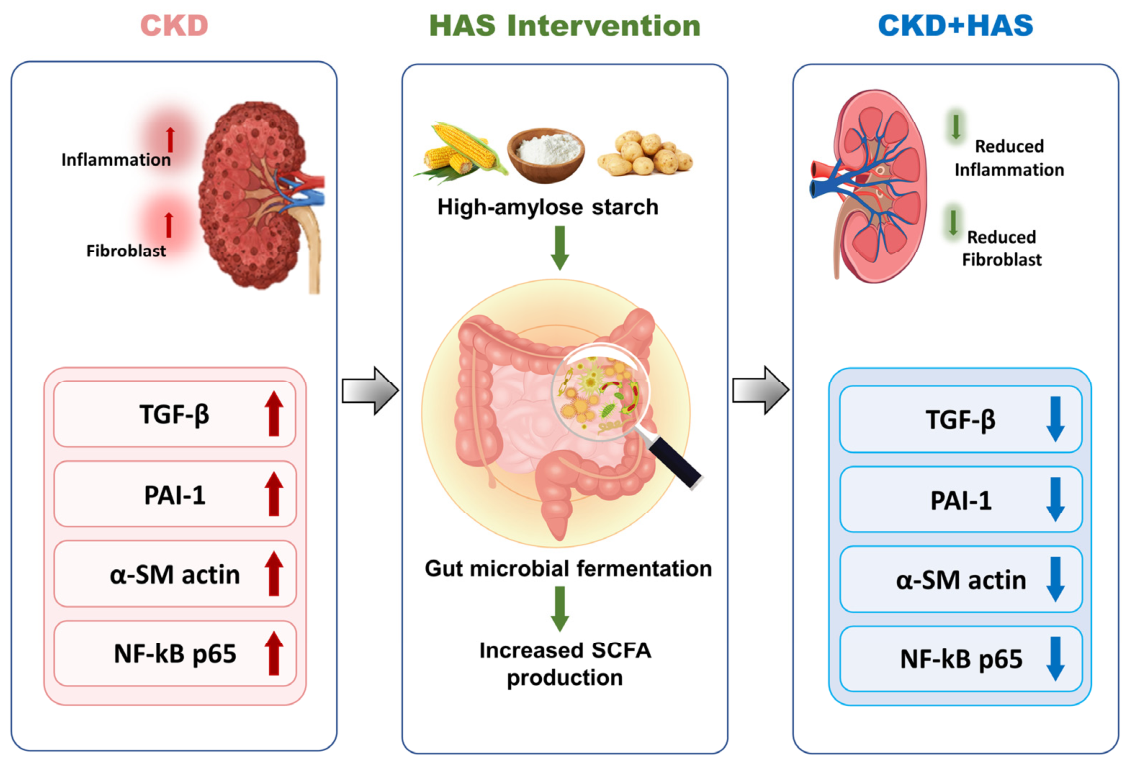
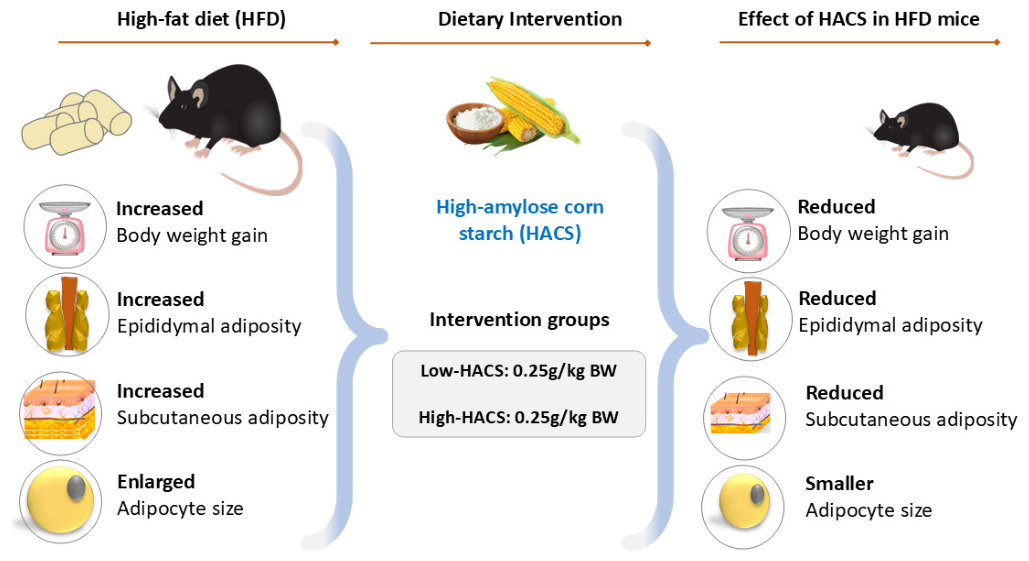
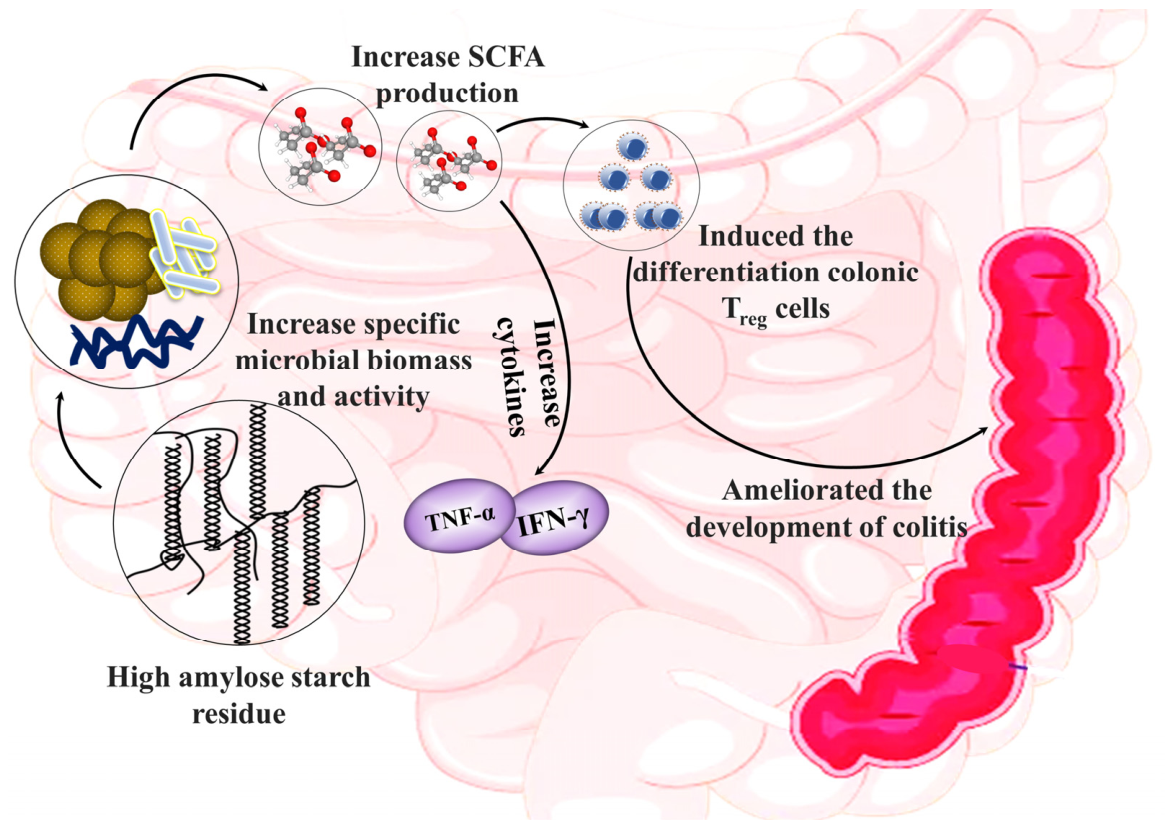
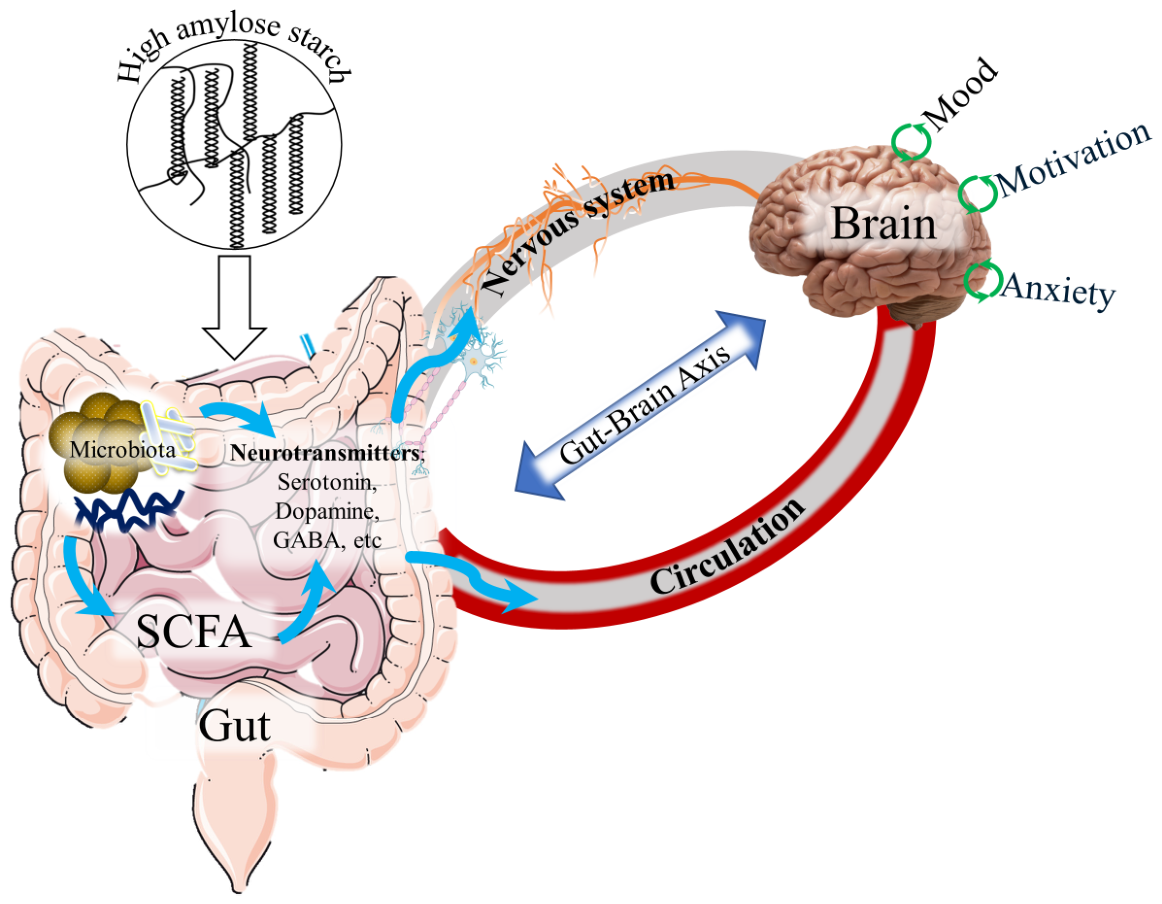

| Crop Source | Technology/Strategy to Increase Amylose | Amylose Content * (%) Natural (Max) | Amylose Content (%) Enhanced * (Max) | Reference |
|---|---|---|---|---|
| Experimental Samples | ||||
| Maize | CRISPR/Cas9-mediated editing of starch branching enzyme IIb (SBEIIb; Zm00001d016684). | 31.63 | 53.48 | [10] |
| Maize | Marker-assisted backcross breeding. | 26.39 | 58.10 | [11] |
| Maize | U6 promoter and U6 terminators were cloned into HindIII and PstI site with the maize codon-optimized Cas9 gene. | 19.31 | 40.06 | [12] |
| Maize | Reduced expression of starch branching enzyme IIa and IIb | 29.07 | 55.89 | [13] |
| Maize | Introgressed the Ae1-5180 gene into the Ae1-5180 mutant maize. | 26.08 | 47.23 | [14] |
| Maize | Guatemalan breeding cross | - | 85.6 | [15] |
| Maize | Multiple mutation (du su variety) | 29 | 70 | [16] |
| Rice | Antisense RNA inhibition of starch branching enzymes | 29.98 | 58.32 | [17] |
| Rice | Inhibition of two isoforms of starch branching enzyme (SBE), SBEI and SBEIIb | 27.2 | 64.8 | [18] |
| Rice | Wx Transgene into Rice wx Mutants Leads | - | 46.3 | [19] |
| Wheat | Transgenic modification of starch biosynthesis genes. | 25.00 | 55.00 | [20] |
| Wheat | Durum wheat near-isogenic lines. | 45.10 | 69.80 | [21] |
| Wheat | Triple SGP-1 mutant line crossed with ‘Ukrainka’, ‘Lona’, and ‘Solstice’. | 24.85 | 43.03 | [22] |
| Wheat | Transgenic wheat: suppression of SBEIIa and SBEIIb expression. | 31.80 | 88.50 | [23] |
| Wheat | Knock-out mutations in starch synthase IIa (SSIIa) across the three genomes of wheat cultivar ‘Jagger’. | 31.15 | 35.70 | [24] |
| Wheat | Mutagenized durum wheat line (DHA175). | 38.00 | 53.60 | [25] |
| Potato | Antisense-mediated suppression of starch branching enzyme SBEI and SBEII (retransformation approach). | 25.59 | 89.14 | [26] |
| Potato | Solanum sandemanii introgression followed by repeated backcrossing to Solanum tuberosum lines. | 21.00 | 37.90 | [27] |
| Potato | Inhibition of SBE1 and SBE2 genes encoding starch branching enzymes. | 20.00 | 87.00 | [28] |
| Potato | DNA-free genome editing to induce branching enzyme genes. | 25 | 98 | [29] |
| Barley | Genome editing to alter starch branching. | 12.28 | 73.61 | [30] |
| Barley | Mutagenized using sodium azide. | 25.0 | 71.7 | [31] |
| Barley | Using a chimeric RNAi hairpin suppressed SBE I, SBE IIa, SBE IIb. | 29 | 65 | [32] |
| Barley | Provided by PlantCarb ApS, Hørsholm, Denmark | 82.7–99.8 | [33] | |
| Commercial Samples | ||||
| Maize | HYLON V starch was developed by selective plant breeding and is available commercially from Ingredion. | - | 55.0 | [34] |
| Maize | HYLON VII starch was developed by selective plant breeding and is available commercially from Ingredion | - | 73.8 | [34] |
| Maize | Gelose 50 starch is commercially available from Penford Australia, now part of Ingredion. | - | 50.0–59.0 | [35] |
| Maize | Gelose 80 starch is commercially available from Penford Australia, now part of Ingredion. | - | 80.0 | [35] |
| Maize | Amylogel™ 03001, a high-amylose maize starch, was developed by selective breeding and is available commercially from Cargill. | - | 59.1 | [36] |
| Maize | Amylogel™ 03003, a high-amylose maize starch, was developed by breeding and is available commercially from Cargill. | - | 68.2 | [36] |
| Maize | AMYLO STARCH N-400 was developed by selective breeding and is available commercially from Roquette. | - | 65.0 | [37] |
| Pea | Commercial pea starch from Parrheim Foods (P&H Milling Group). | - | 41.10 | [38] |
| Pea | NASTAR pea starch is commercially available from COSUCRA | - | 35.5 | [39] |
| Pea (Ingredion) | Commercial Purity P 1002 native pea starch is commercially available from Ingredion. | - | 30.44 | [40] |
| Pea | Commercial ingredient | - | 33.0 | [41] |
| Pea | Commercial ingredient | - | 40.7 | [42] |
| Pea | Commercial ingredient available from Roquette Canada Ltd. | - | 40.70 | [38] |
| Mechanism-Based HAS Category | Primary Mechanism of Enzyme Resistance | Examples | Reference |
|---|---|---|---|
| Native granular/crystalline HAS | Intact starch granules, compact crystalline organization, and limited enzyme attack sites reduce enzymatic hydrolysis. | Native high-amylose maize, rice, wheat, barley, and potato starches. | [47] |
| Molecular structure-based HAS | Increased amylose content, longer amylopectin branch chains, altered branching pattern, and modified crystalline/thermal properties reduce enzyme accessibility. | SBE-inactivated, mutant, transgenic, or gene-edited high-amylose cereals and tubers. | [48] |
| Retrograded HAS/RS3-like structures | Gelatinized starch chains, especially amylose, reassociate during cooling or storage to form ordered structures that resist digestion. | Cooked-and-cooled HAS foods, cooled rice, bread, noodles, pasta, and steamed products. | [49] |
| Amylose–lipid inclusion complex HAS/RS5-like structures | Amylose forms single-helical inclusion complexes with lipids, reducing enzyme accessibility and slowing starch digestion. | HAS is processed with lipids, emulsifiers, fatty acids, or lipid-containing food matrices. | [50,51] |
| Chemically modified or acylated HAS | Chemical substitution or acylation reduces digestibility and may deliver specific SCFAs, such as butyrate or propionate, to the colon. | Butyrylated high-amylose maize starch, propionylated high-amylose maize starch, acetylated starches. | [52,53] |
| Region | Key Process | Reference |
|---|---|---|
| Mouth | Salivary amylase hydrolyzes amylose into oligosaccharides and dextrins. | [55] |
| Stomach | Limited digestion due to acidic pH; starch granules remain intact. | [56] |
| Small Intestine | Pancreatic amylase and brush-border enzymes break down amylose into glucose. | [8] |
| Colon | Resistant starch is fermented by gut microbiota, producing SCFAs. | [59] |
| Microbiota | Function | Starch Type/Source | Effect on Microbiota | Outcome | Reference |
|---|---|---|---|---|---|
| Bifidobacteria | Often regarded as beneficial; associated with immune development and higher neutrophils, basophils, plasmablasts, and memory CD8+ T cells. | Rice starch (0% and 20% amylose; Remyline AX-DR, Remy B7), pea starch (35.5% amylose; Nastar), and maize starch (80% amylose; Gelose). | Starch containing 63% amylose increased Bifidobacterium spp. compared with starches containing <5%, 20%, or 28% amylose. | Higher amylose (and lower in vitro digestibility) increased post-ileal substrate delivery and fermentation, selectively enriching Bifidobacterium spp. in the distal gut. | [64,72] |
| Lactobacillus | Supports intestinal barrier function and may reduce gut injury by strengthening immune, epithelial, and mucus barriers. | Commercial high-amylose cornstarch (Hainan Shanliang Technology Co., Ltd.). | A diet with 50% high-amylose starch increased Lactobacillus in the digesta and increased Akkermansia in the mucosa versus a 0% amylose control. | Lower fatty-acyl-related metabolites were observed, consistent with a healthier cecal microbiota profile and improved host immune function. | [65,66] |
| Faecalibacteria | Key butyrate-producing commensal; helps regulate immunity (Th17/Treg balance), reduces inflammatory cytokines, and supports gut barrier integrity. | Butyrylated high-amylose maize starch (Ingredion Incorporated; formerly National Starch and Chemical Company). | High-amylose maize starch increased Faecalibacterium prausnitzii abundance (~5.1-fold) compared with low-amylose maize starch. | Total butyrate increased with high-amylose starch; plasma IL-10 and TNF-α increased in one study, while other immune indices were unchanged. | [53,67] |
| Ruminococcus | Degrades complex carbohydrates (e.g., cellulose), releasing substrates that other microbes and the host can use. | Refined wheat starches with high-amylose vs. low-amylose profiles. | High-amylose wheat starch increased Ruminococcus spp. relative to the low-amylose wheat starch control. | High-amylose wheat starch consumption was associated with changes in fecal butyrate excretion. | [68,69,70] |
| Akkermansia | Mucin-degrading genus linked to improved barrier integrity and immune regulation. | Maize-derived high-amylose starch from ae1/sbe1 lines. | Individuals consuming high-amylose maize starch showed greater enrichment of Akkermansia than those consuming control starch. | In vivo, high-amylose starch improved gut barrier function, reduced chronic inflammation, and lowered blood glucose in high-fat diet (HFD) models. | [12,71] |
| Name | Function of the Microbiota | Effect of (HAS) on the Microbiota | Reference |
|---|---|---|---|
| Escherichia coli (pathogenic strains) | Pathogenic strains can cause urinary tract infections, diarrheal disease, and invasive infections (e.g., sepsis or meningitis). | A high-amylose starch diet (PS) reduced Escherichia coli abundance compared with a low-amylose diet (TS). | [74,75] |
| Clostridium difficile | Clostridium difficile causes nosocomial infectious diarrhea and can end in pseudomembranous colitis and toxic megacolon. | Clostridium clusters IV and XIVa were decreased in pigs consuming high amylose (63%) compared with low amylose (0%, 20%, and 28%). | [72,76] |
| Salmonella spp. | Foodborne zoonotic pathogens that cause gastroenteritis; some infections are associated with an increased risk of hepatobiliary and colorectal diseases. | High-amylose potato starch reduced fecal Salmonella in pigs; in human studies, HAS reduced multidrug-resistant Salmonella enterica serovar I 4,[5],12:i:- | [77,78,79] |
| Streptococcus spp. | Higher gut Streptococcus abundance has been associated with systemic inflammation and cardiovascular risk markers. | High-amylose cornstarch decreased the relative abundance of Streptococcus. | [80,81] |
| Bacteroides (selected species) | Some species contribute to reservoirs of antimicrobial resistance genes and may behave as pathobionts under dysbiosis. | In vitro, growth media containing high-amylose maize starch inhibited the growth of Bacteroides fragilis and Bacteroides vulgatus. | [82,83] |
| Erysipelotrichaceae (unclassified genera) | Higher abundance has been reported in colorectal cancer and other inflammatory states. | Relative to a high-fat diet control, high-amylose maize starch lowered the abundance of unclassified Erysipelotrichaceae. | [84,85] |
| Source of Amylose | Percentage of Treatment | Study Model/Species | Affected Metabolites | Reference |
|---|---|---|---|---|
| High-amylose cornstarch/maize starch | 200 g/kg diet | Sham-operated and cecectomized rats | Lowered plasma total cholesterol levels. Increased intestinal bile acid pool identified. Reduced hepatic HMG-CoA reductase mRNA in cecectomized rats. Elevated propionate concentration in the cecal contents of sham-operated rats. Enhanced biliary bile acid flux into the small intestine. | [117] |
| High-amylose cornstarch/maize starch | Supplemented 20% in AIN93G rodent diet | C57BL/6 male mice | The levels of tyrosine, tryptophan, kynurenate, anthranilate, xanthurenate, 5-hydroxyindoleacetate, IPA, GSH (reduced), glycine, leucine, methionine, asparagine, succinate, fumarate, malate, cholesteryl sulfate, TMAO, β-hydroxybutyrate, cholate, deoxycholate, NAD (NAD+), and riboflavin (vitamin B2) were increased in the circulation. | [118] |
| High-amylose cornstarch/maize starch | 150 g/kg diet | Ovariectomized (OVX) rats | Plasma total cholesterol and LDL cholesterol concentrations declined. The farnesoid X receptor mRNA levels, along with fecal bile acids and neutral sterols excretion, were elevated relative to a high-sucrose diet. | [122] |
| High-amylose cornstarch/maize starch | 40% high-amylose cornstarch | Pig | Significantly increased ceceal butyrate and volatile fatty acids by 40% high amylose, with 40% cold pressed canola cake supplementation in a common commercial diet. | [81] |
| High-amylose cornstarch/maize starch | 21% acidified high-amylose cornstarch in a high-fat diet (45% lipid) | C57BL/6J male mice | Plasma alanine aminotransferase (ALT), LDL-C, HDL-C, and TG decreased significantly compared to the high-fat diet. Cecum stool acetic acid and Propanoic acid were found to be significantly higher, but butyric acid was found to be non-significantly higher. | [123] |
| High-amylose cornstarch/maize starch | 9.97 mg/mL digested high-amylose cornstarch | In vitro | Compared to basal medium, the production of acetate, propionate, butyrate, and total SCFAs (D) during fermentation was significantly higher in the high-amylose cornstarch group. | [124] |
| High-amylose cornstarch/maize starch | 40% high-amylose starch in a basal diet. | Pig | Significantly increased volatile fatty acids, Acetate, Propionate, Butyrate, and branched-chain fatty acids (p = 0.09) in the cecum. | [81] |
| High-amylose cornstarch/maize starch | 0.025–25 mg/kg VB12 with and without 5–30% high-amylose cornstarch | Sprague-Dawley male rat | Only 20% of high-amylose cornstarch supplementation significantly increased cecal succinate concentration. 20–30% high-amylose cornstarch supplementation increased cecal cobalamin by 75% compared to control. Propionate decreased in cecal by 30% high amylose cornstarch by the addition of sufficient VB12 increased propionate. | [125] |
| High-amylose cornstarch/maize starch | 30% wheat flour replaced with high-amylose maize starch in Chinese steamed buns. | Human | Significantly decreased blood glucose. | [126] |
| High-Amylose Barley | High-amylose barley variety flour in bread 20%, crackers 37%, and muffins 21%. | Human | Increased butyrate concentration in feces (42%) and 91% in excretion. Increased total SCFA in feces by 57% but decreased p-cresol concentration by 33%. | [119] |
| High-Amylose Barley | 50% amylose-only barley flour (AmOn)-containing bread | Human | Plasma gastric inhibitory peptide (GIP) was reduced, but free fatty acids were increased significantly. | [127] |
| High-amylose wheat | Two 85% and 75% high-amylose flour-containing breads | Human | Propionate levels rose by 9% and 12% six hours post consumption of 85- and 70% high-amylose wheat breads, respectively. | [96] |
| High-amylose wheat | 15%, 20%, and 45% amylose-containing wheat noodles | Human | Individuals who consumed noodles with a 45% amylose content exhibited notably reduced blood glucose concentrations. | [128] |
| High-amylose wheat | Refined and non-refined high-amylose starch wheat bread. | Human | Compared to the refined low-amylose wheat bread group, the refined high-amylose wheat bread group showed 38% higher fecal butyrate. | [68] |
| High-amylose wheat | 24% and 74% amylose wheat bread | Human | HAS wheat breads showed a 39% lower glycemic response, 24–30% less insulinemic, and incretin responses. | [129] |
| High-amylose wheat | sbeII mutant bread wheat flour | In vitro | High-amylose maize starch showed around 15% lower glycemic response compared to normal-level amylose maize starch. | [130] |
| High-amylose wheat | >70% high-amylose wheat starch | Sprague-Dawley male rats | Significantly increased cecal pool of total SCFA and individual acids (acetate, propionate, and butyrate), and fecal excretion of SCFA in rats fed the HAS wheat diet than in controls. | [23] |
| High-amylose rice | Rice contained 7% to 40% amylose | In vitro | Significantly high amounts of butyrate and slightly higher amounts of acetic acid were found in high-amylose rice in vitro fermentation. | [120] |
| High-amylose rice | High-amylose transgenic rice | Sprague-Dawley Rat | Fecal Acetic acid, propionic acid, and butyric acid were increased significantly. Plasma potassium has significantly increased. | [18] |
| High-amylose rice | High-amylose rice “Hoshinishiki”. | Human | Significantly lower 24 h blood glucose levels were observed following the consumption of HAS rice. | [102] |
| High-amylose rice | High-amylose rice “Hoshinishiki”. | Human | Significantly inhibited post-meal blood glucose elevation. Significantly lower blood GLP-1 was observed in the high-amylose rice group after 30–60 min of a meal. | [131] |
| High-amylose rice | Samgwang (21%) and Dodamssal (47.5%) amylose | C57BL/6J male mice | Serum glucose decreased in both the amylose diet and the high-fat diet but maintained blood glucose levels the same as a normal diet. Significantly reduced plasma GLP-1 compared to HFD but maintained the same level as a normal diet. 47.5% high-amylose rice diet increased significantly higher levels of butyric acid and acetic acid compared to the HFD, 21% amylose rice diet, and the normal diet. | [94] |
| High-amylose rice | High-amylose-containing YiTang Rice | In vitro | Significantly increased butyrate concentration in high-amylose-containing rice product. Decreased isobutyrate and isovalerate during fermentation compared to inulin and control. | [132] |
Disclaimer/Publisher’s Note: The statements, opinions and data contained in all publications are solely those of the individual author(s) and contributor(s) and not of MDPI and/or the editor(s). MDPI and/or the editor(s) disclaim responsibility for any injury to people or property resulting from any ideas, methods, instructions or products referred to in the content. |
© 2026 by the authors. Licensee MDPI, Basel, Switzerland. This article is an open access article distributed under the terms and conditions of the Creative Commons Attribution (CC BY) license.
Share and Cite
Suzauddula, M.; Wang, W.; Shi, Y.-C. High-Amylose Starch and Human Health: Microbiota Modulation, Metabolic Reprogramming, and Disease Prevention. Nutrients 2026, 18, 2682. https://doi.org/10.3390/nu18162682
Suzauddula M, Wang W, Shi Y-C. High-Amylose Starch and Human Health: Microbiota Modulation, Metabolic Reprogramming, and Disease Prevention. Nutrients. 2026; 18(16):2682. https://doi.org/10.3390/nu18162682
Chicago/Turabian StyleSuzauddula, Md, Weiqun Wang, and Yong-Cheng Shi. 2026. "High-Amylose Starch and Human Health: Microbiota Modulation, Metabolic Reprogramming, and Disease Prevention" Nutrients 18, no. 16: 2682. https://doi.org/10.3390/nu18162682
APA StyleSuzauddula, M., Wang, W., & Shi, Y.-C. (2026). High-Amylose Starch and Human Health: Microbiota Modulation, Metabolic Reprogramming, and Disease Prevention. Nutrients, 18(16), 2682. https://doi.org/10.3390/nu18162682

