Fatigue-Associated Alterations in Gut Microbiota, Mitochondrial Energy Metabolism, and Immune Function in Mice: Implications for Future Nutrition Studies


Abstract
1. Introduction
2. Materials and Methods
2.1. Experimental Animals and Housing Environment
2.2. Assay Kits
2.3. Experimental Instruments
2.4. Experimental Grouping and Model Preparation
2.5. Index Detection
2.5.1. General Condition of Mice
2.5.2. Rotarod Fatigue Test
2.5.3. Open-Field Test
2.5.4. Serum IgG Measurement
2.5.5. Organ Index
2.5.6. Mitochondrial Respiratory Chain Complexes I-IV Activity Assay
2.5.7. ATP Content Assay
2.5.8. Hematoxylin–Eosin (H&E) Staining
2.5.9. Measurement of Intestinal Microbial Activity
2.5.10. Intestinal Enzyme Activity Assay
2.5.11. High-Throughput Sequencing of the 16S rRNA Gene
2.5.12. Correlation Analysis Method
2.6. Statistical Analysis and Figure Production
3. Results
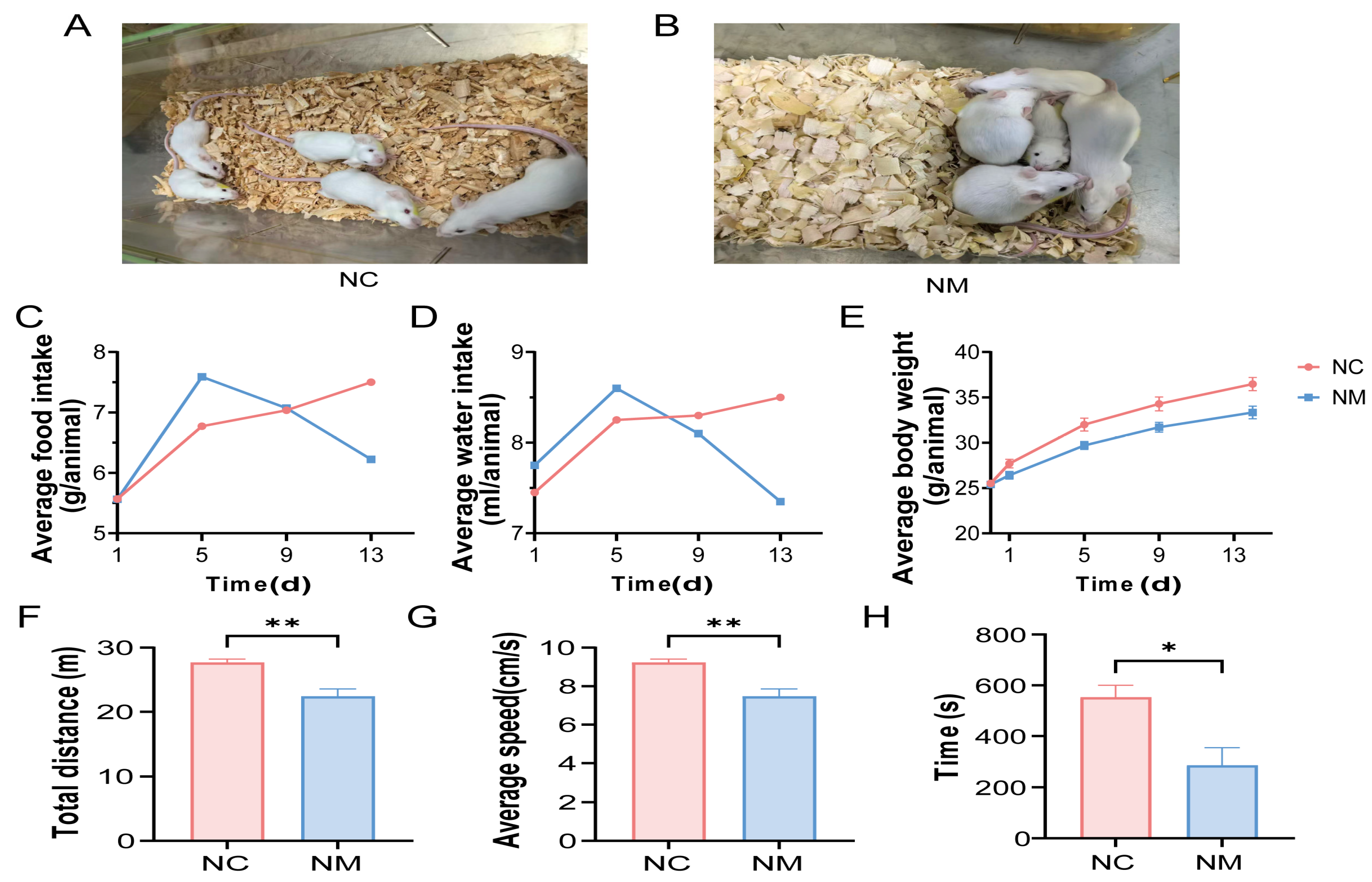
3.1. Alterations in the General Condition of Mice
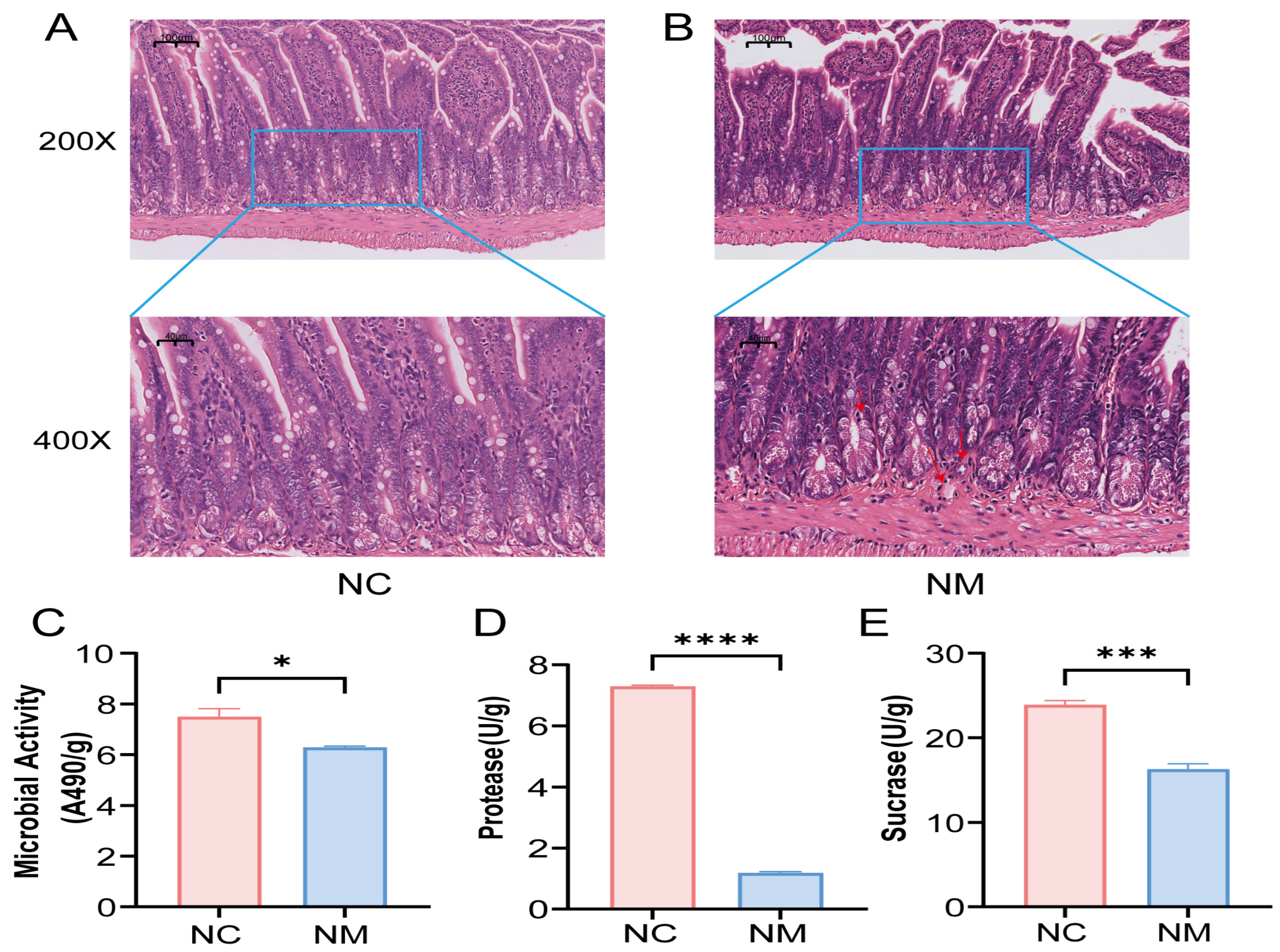
3.2. Alterations in Intestinal Morphology and Intestinal Enzyme Activity of Mice
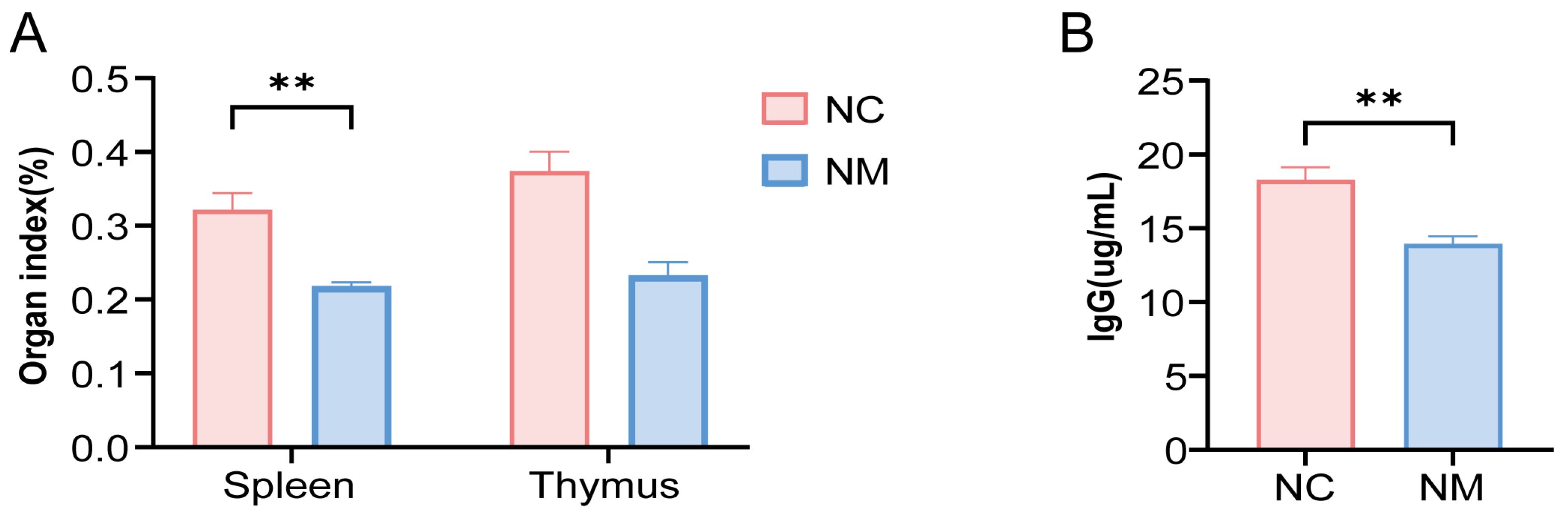
3.3. Alterations in Immune Status of Mice
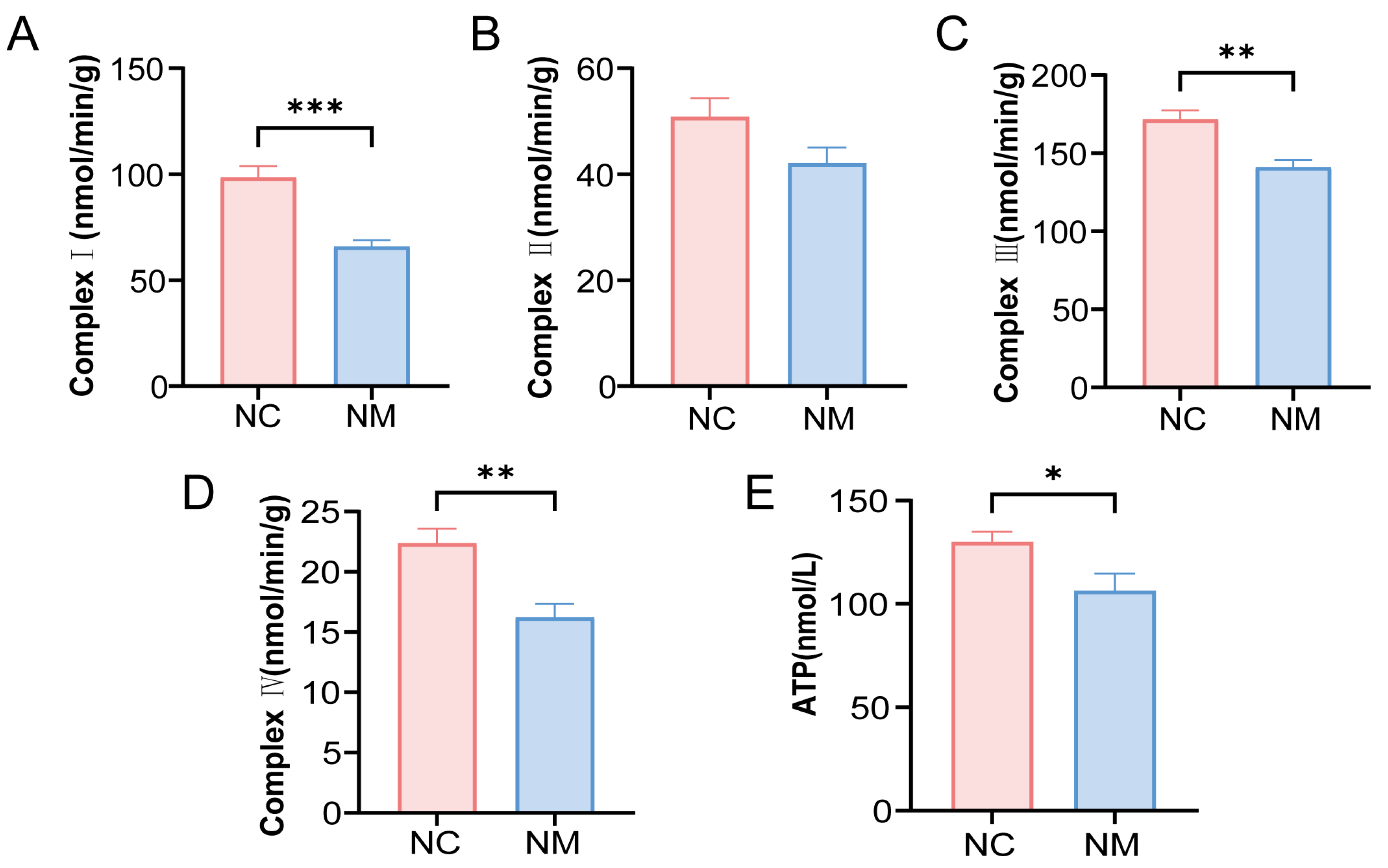
3.4. Alterations in Energy Metabolism of Mice
3.5. Alterations in the Gut Microbiota of Mice
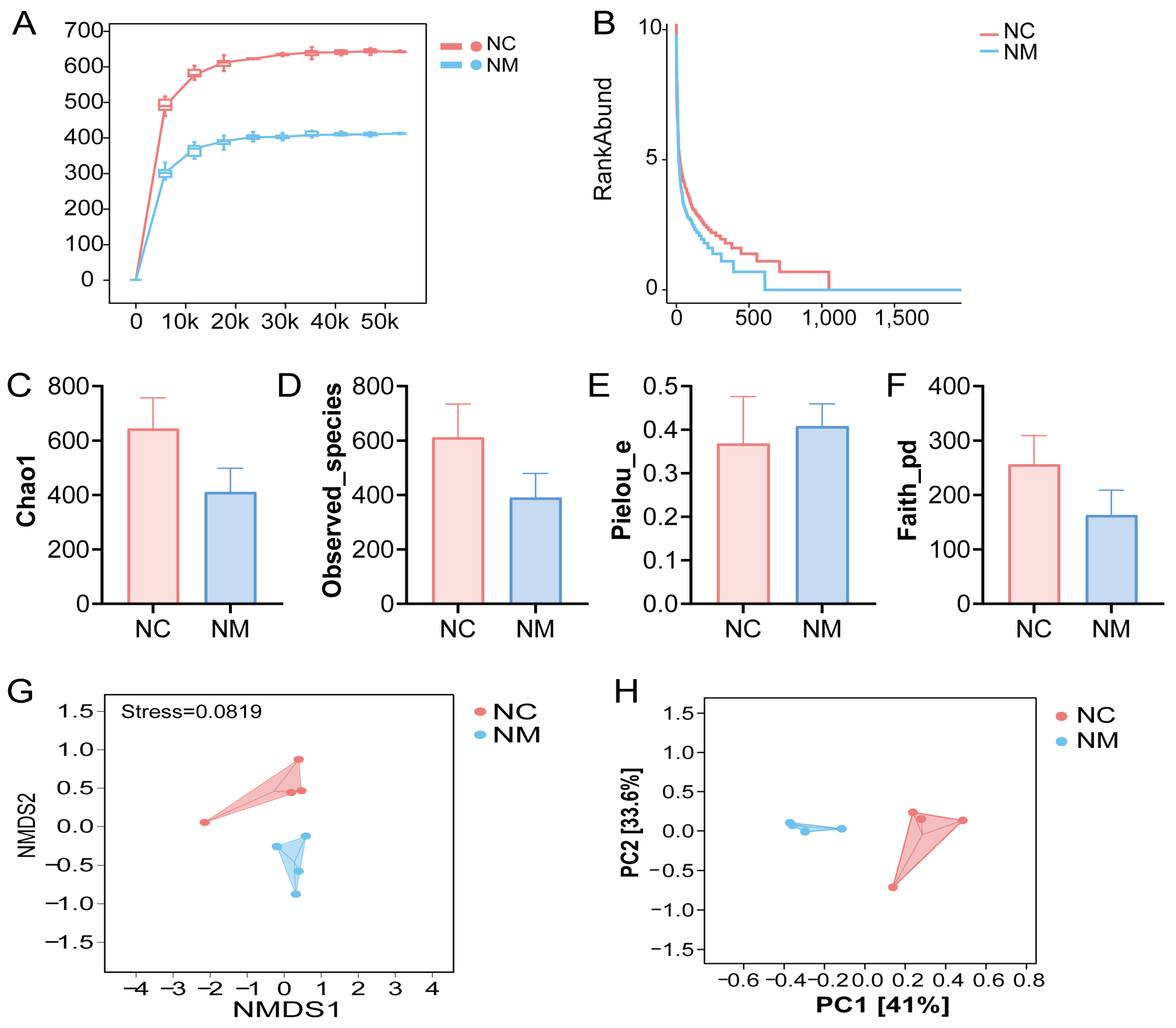
3.5.1. Alterations in Gut Mucosal Microbiota Diversity of Mice
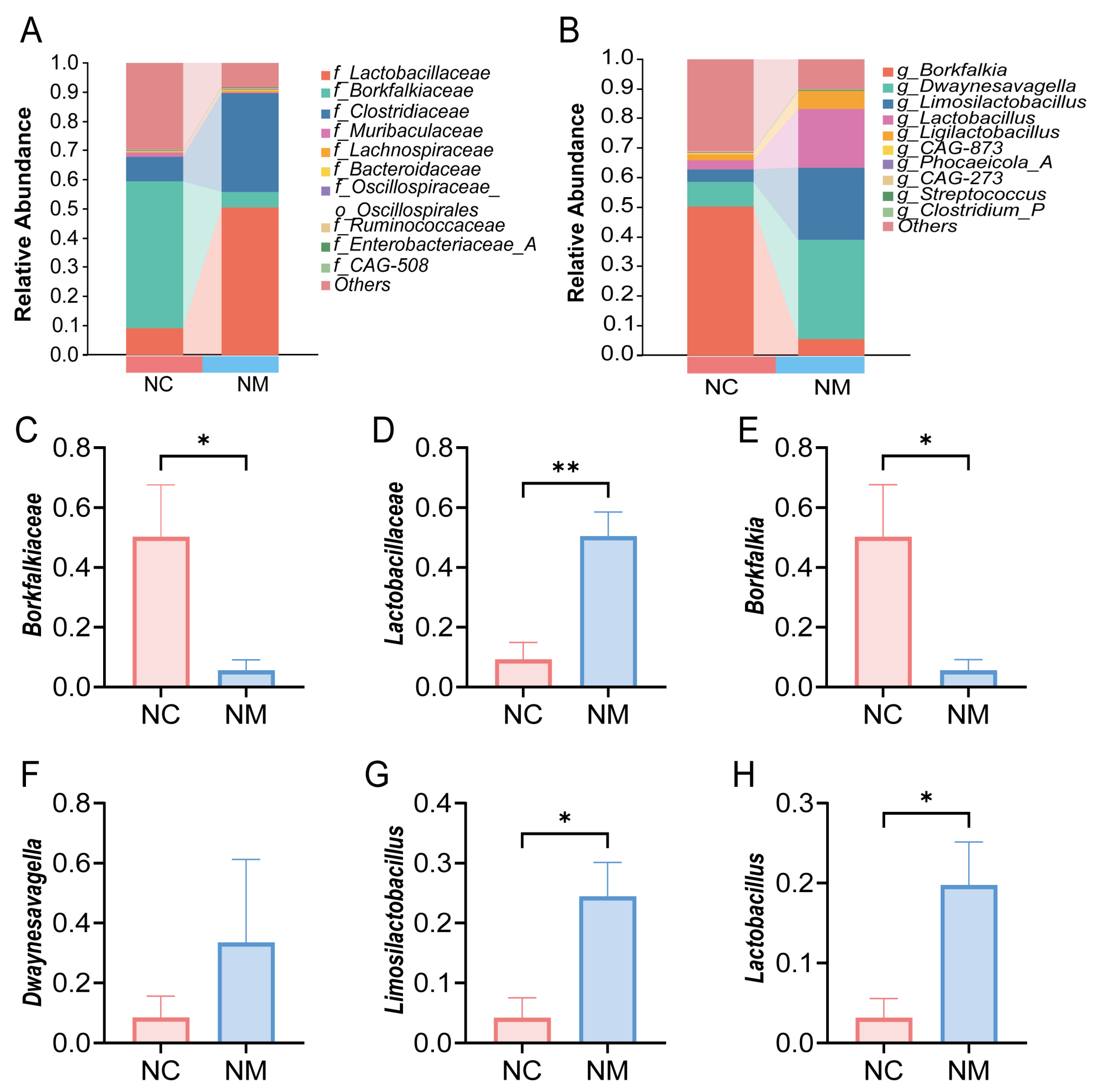
3.5.2. Alterations in the Species Composition of the Gut Microbiota of Mice
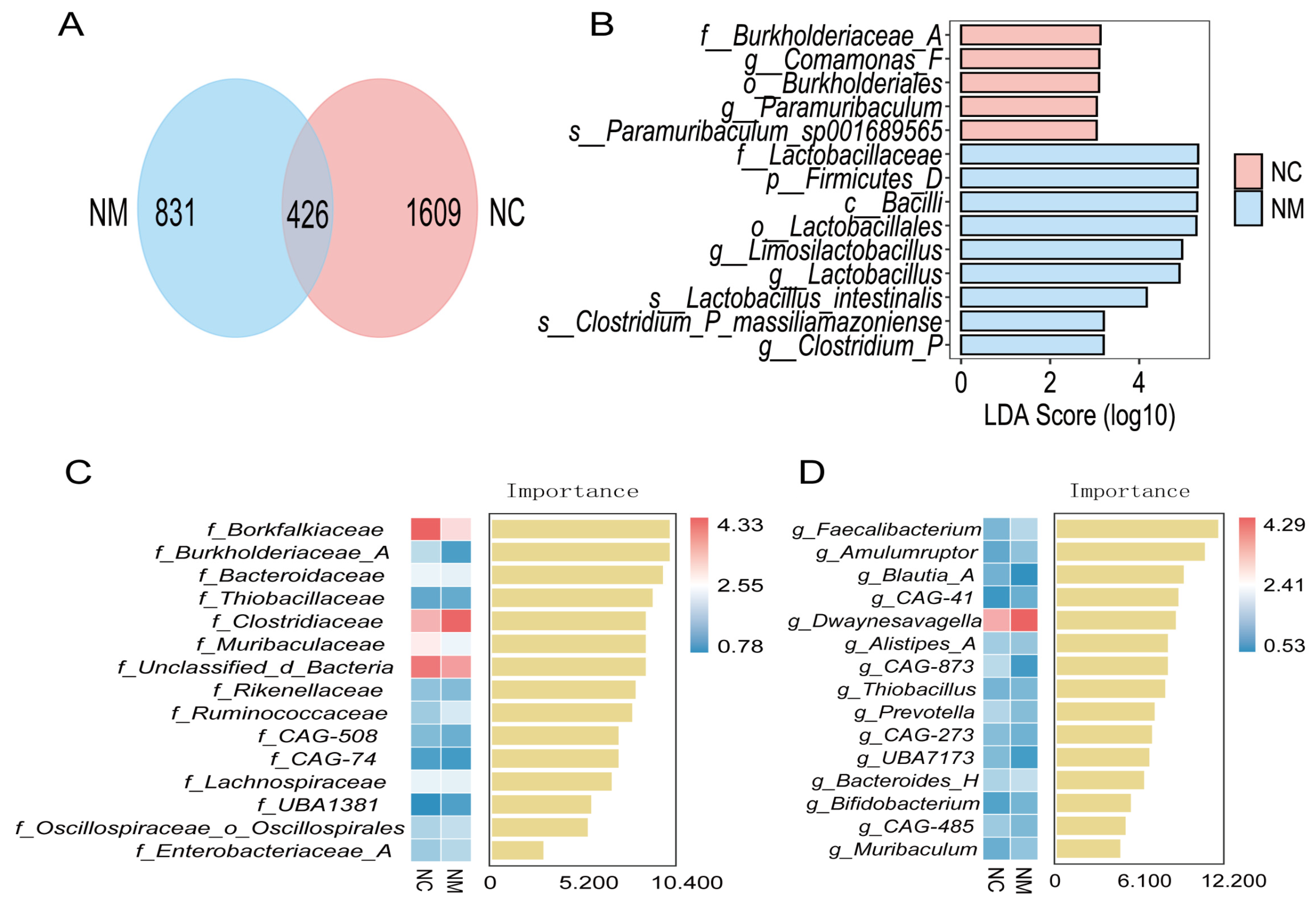
3.5.3. Alterations in Characteristic Gut Mucosal Microbiota of Mice
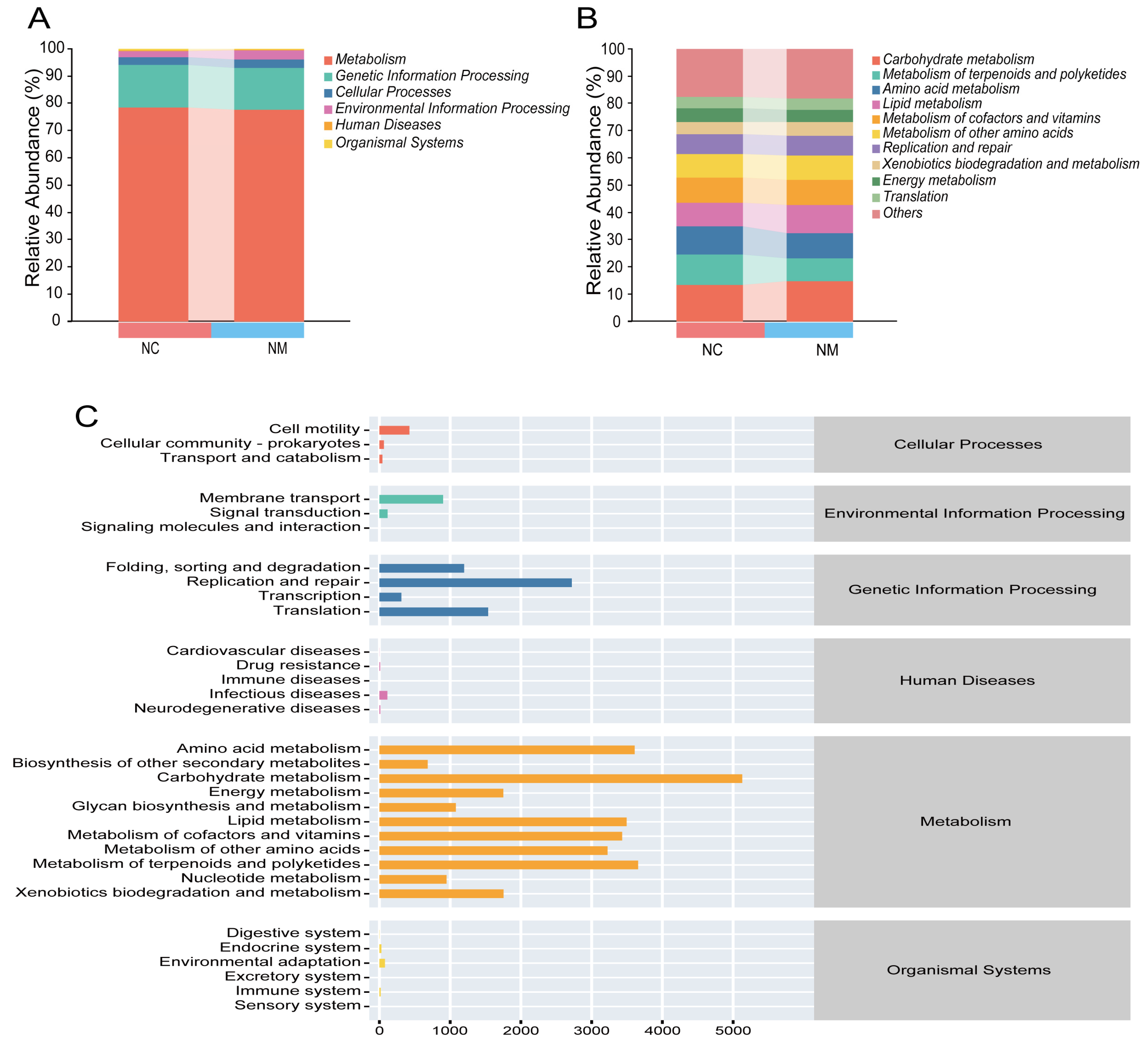
3.5.4. Alterations in Predicted Gut Microbiota Functions of Mice
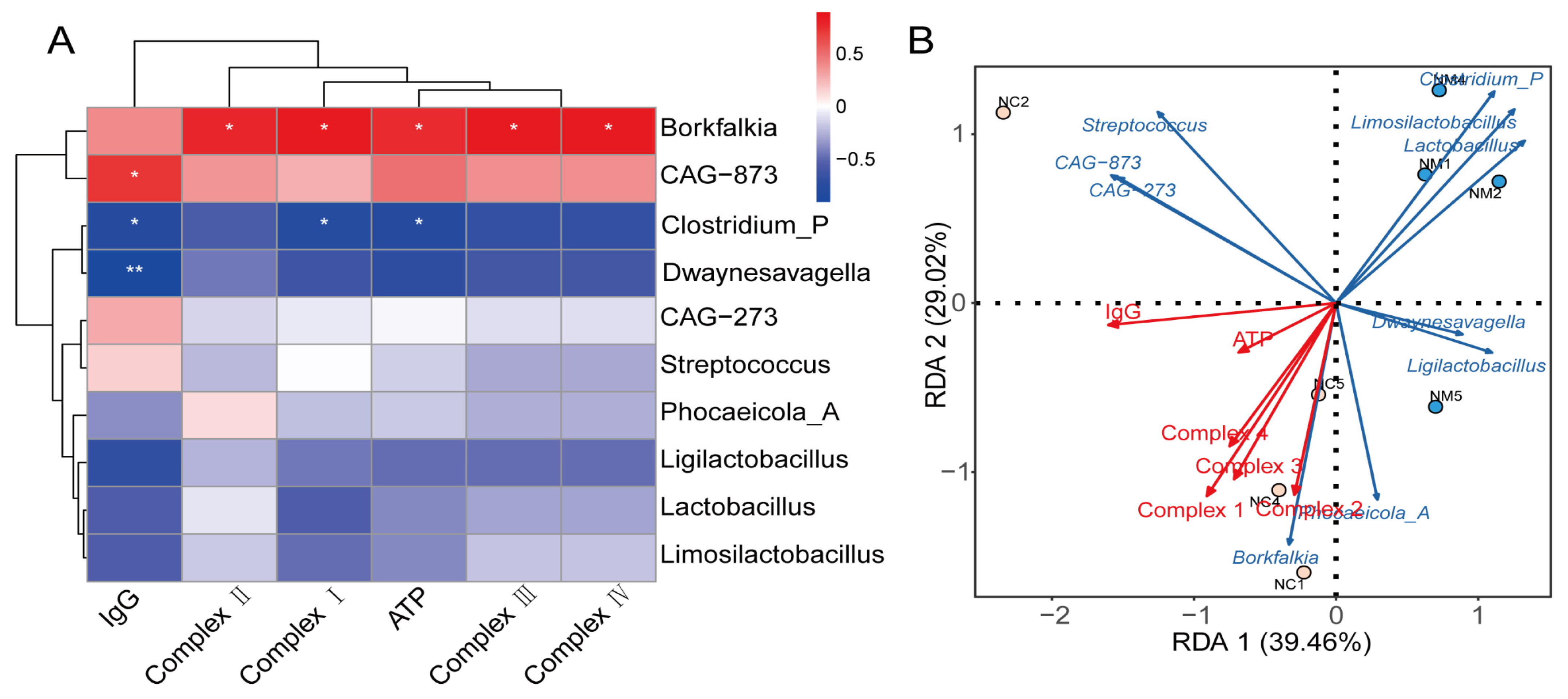
3.5.5. Correlation Analysis
4. Discussion
4.1. Effects of Fatigue on Mitochondrial Energy Metabolism in Mice
4.2. Effects of Fatigue on Immune Function in Mice
4.3. Effects of Fatigue on the Murine Gut Microbiome
4.4. Associations Among Gut Microbiota, Energy Metabolism, and Immune-Related Indicators in Fatigued Mice
4.5. Limitations
5. Conclusions
Author Contributions
Funding
Institutional Review Board Statement
Informed Consent Statement
Data Availability Statement
Acknowledgments
Conflicts of Interest
References
- Billones, R.; Liwang, J.K.; Butler, K.; Graves, L.; Saligan, L.N. Dissecting the fatigue experience: A scoping review of fatigue definitions, dimensions, and measures in non-oncologic medical conditions. Brain Behav. Immun. Health 2021, 15, 100266. [Google Scholar] [CrossRef] [PubMed]
- Abd-Elfattah, H.M.; Abdelazeim, F.H.; Elshennawy, S. Physical and cognitive consequences of fatigue: A review. J. Adv. Res. 2015, 6, 351–358. [Google Scholar] [CrossRef] [PubMed]
- Maisel, P.; Baum, E.; Donner-Banzhoff, N. Fatigue as the chief complaint–epidemiology, causes, diagnosis, and treatment. Dtsch. Arztebl. Int. 2021, 118, 566–576. [Google Scholar] [CrossRef] [PubMed]
- Tornero-Aguilera, J.F.; Jimenez-Morcillo, J.; Rubio-Zarapuz, A.; Clemente-Suárez, V.J. Central and peripheral fatigue in physical exercise explained: A narrative review. Int. J. Environ. Res. Public Health 2022, 19, 3909. [Google Scholar] [CrossRef] [PubMed]
- Yang, Y.; Feng, Z.; Luo, Y.H.; Chen, J.M.; Zhang, Y.; Liao, Y.J.; Jiang, H.; Long, Y.; Wei, B. Exercise-induced central fatigue: Biomarkers and non-medicinal interventions. Aging Dis. 2024, 16, 1302–1315. [Google Scholar] [CrossRef] [PubMed]
- Eaton-Fitch, N.; Rudd, P.; Er, T.; Hool, L.; Herrero, L.; Marshall-Gradisnik, S. Immune exhaustion in ME/CFS and long COVID. JCI Insight 2024, 9, e183810. [Google Scholar] [CrossRef] [PubMed]
- Liu, X.; Liu, J. Research progress on exercise fatigue from the perspective of fatigue biomarkers. PeerJ 2026, 14, e20424. [Google Scholar] [CrossRef] [PubMed]
- Yoon, J.H.; Park, N.H.; Kang, Y.E.; Ahn, Y.C.; Lee, E.J.; Son, C.G. The demographic features of fatigue in the general population worldwide: A systematic review and meta-analysis. Front. Public Health 2023, 11, 1192121. [Google Scholar] [CrossRef] [PubMed]
- Park, N.H.; Kang, Y.E.; Yoon, J.H.; Ahn, Y.C.; Lee, E.J.; Park, B.J.; Son, C.G. Comparative study for fatigue prevalence in subjects with diseases: A systematic review and meta-analysis. Sci. Rep. 2024, 14, 23348. [Google Scholar] [CrossRef] [PubMed]
- Pi, R.; Liu, Y.; Yan, R.; De, Z.; Wan, Y.; Chen, Y.; He, Z.; Liu, F.; Wang, Y.; Li, S. Nurses’ occupational fatigue level and risk factors: A systematic review and meta-analysis. PLoS ONE 2025, 20, e0326519. [Google Scholar] [CrossRef] [PubMed]
- Wang, W.; Yan, Y.; Guo, Z.; Hou, H.; Garcia, M.; Tan, X.; Anto, E.O.; Mahara, G.; Zheng, Y.; Li, B.; et al. All around suboptimal health—A joint position paper of the Suboptimal Health Study Consortium and European Association for Predictive, Preventive and Personalised Medicine. EPMA J. 2021, 12, 403–433. [Google Scholar] [CrossRef] [PubMed]
- Arron, H.E.; Marsh, B.D.; Kell, D.B.; Khan, M.A.; Jaeger, B.R.; Pretorius, E. Myalgic encephalomyelitis/chronic fatigue syndrome: The biology of a neglected disease. Front. Immunol. 2024, 15, 1386607. [Google Scholar] [CrossRef] [PubMed]
- Leong, K.H.; Yip, H.T.; Kuo, C.F.; Tsai, S.Y. Treatments of chronic fatigue syndrome and its debilitating comorbidities: A 12-year population-based study. J. Transl. Med. 2022, 20, 268. [Google Scholar] [CrossRef] [PubMed]
- Zhao, Z.; Zhao, S.; Li, W.; Lai, Z.; Zhou, Y.; Guan, F.; Liang, X.; Zhang, J.; Wang, L. Gut microbiota and exercise-induced fatigue: A narrative review of mechanisms, nutritional interventions, and future directions. Nutrients 2026, 18, 502. [Google Scholar] [CrossRef] [PubMed]
- Zhu, H.; Wang, R.; Hua, H.; Cheng, Y.; Guo, Y.; Qian, H.; Du, P. Network pharmacology exploration reveals gut microbiota modulation as a common therapeutic mechanism for anti-fatigue effect treated with Maca compounds prescription. Nutrients 2022, 14, 1533. [Google Scholar] [CrossRef] [PubMed]
- Holden, S.; Maksoud, R.; Eaton-Fitch, N.; Cabanas, H.; Staines, D.; Marshall-Gradisnik, S. A systematic review of mitochondrial abnormalities in myalgic encephalomyelitis/chronic fatigue syndrome/systemic exertion intolerance disease. J. Transl. Med. 2020, 18, 290. [Google Scholar] [CrossRef] [PubMed]
- Ali, N.; Strahler, J.; Nater, U.M. The effects of chronic fatigue and chronic stress on alterations in immune cell responses to acute psychosocial stress. Brain Behav. Immun. 2025, 123, 707–716. [Google Scholar] [CrossRef] [PubMed]
- de Vos, W.M.; Tilg, H.; Van Hul, M.; Cani, P.D. Gut microbiome and health: Mechanistic insights. Gut 2022, 71, 1020–1032. [Google Scholar] [CrossRef] [PubMed]
- He, Y.; Shaoyong, W.; Chen, Y.; Li, M.; Gan, Y.; Sun, L.; Liu, Y.; Wang, Y.; Jin, M. The functions of gut microbiota-mediated bile acid metabolism in intestinal immunity. J. Adv. Res. 2026, 80, 351–370. [Google Scholar] [CrossRef] [PubMed]
- Clark, A.; Mach, N. The crosstalk between the gut microbiota and mitochondria during exercise. Front. Physiol. 2017, 8, 319. [Google Scholar] [CrossRef] [PubMed]
- Heidari, M.; Maleki Vareki, S.; Yaghobi, R.; Karimi, M.H. Microbiota activation and regulation of adaptive immunity. Front. Immunol. 2024, 15, 1429436. [Google Scholar] [CrossRef] [PubMed]
- Wu, Y.; Peng, X.; Li, X.; Li, D.; Tan, Z.; Yu, R. Sex hormones influence the intestinal microbiota composition in mice. Front. Microbiol. 2022, 13, 964847. [Google Scholar] [CrossRef] [PubMed]
- Liu, Q.; Peng, H.; Xie, X.; Jiang, M.; Peng, M.; Tan, Z. New Insights into Diarrhea Caused by High-Fat Diet and Fatigue: Gut Microbiota Dysbiosis-Driven Bile Acid Metabolism Disorder. Nutrients 2026, 18, 1317. [Google Scholar] [CrossRef] [PubMed]
- Liu, J.; Qiao, B.; Cai, Y.; Tan, Z.; Deng, N. Diarrhea accompanies intestinal inflammation and intestinal mucosal microbiota dysbiosis during fatigue combined with a high-fat diet. BMC Microbiol. 2023, 23, 151. [Google Scholar] [CrossRef] [PubMed]
- Qiao, B.; Liu, J.; Deng, N.; Cai, Y.; Bian, Y.; Wu, Y.; Tan, Z. Gut content microbiota dysbiosis and dysregulated lipid metabolism in diarrhea caused by high-fat diet in a fatigued state. Food Funct. 2023, 14, 3880–3892. [Google Scholar] [CrossRef] [PubMed]
- Tang, Y.; Zheng, Q.; Wang, J.; Fan, M.; Qian, H.; Wang, L.; Li, Y. Effects and Mechanisms of Long-Term Lycium barbarum Water Consumption on Skeletal Muscle Function in Aged Mice. Foods 2025, 14, 3049. [Google Scholar] [CrossRef] [PubMed]
- Qiao, B.; Xiao, N.; Deng, N.; Tan, Z. Shenling Baizhu powder attenuates lard diet in a fatigued state-induced diarrhea via targeting microbial metabolites short chain fatty acids-mediated lipid metabolism. 3 Biotech 2024, 14, 203. [Google Scholar] [CrossRef] [PubMed]
- Li, C.; Xiao, N.; Deng, N.; Li, D.; Tan, Z.; Peng, M. Dose of sucrose affects the efficacy of Qiweibaizhu powder on antibiotic-associated diarrhea: Association with intestinal mucosal microbiota, short-chain fatty acids, IL-17, and MUC2. Front. Microbiol. 2023, 14, 1108398. [Google Scholar] [CrossRef] [PubMed]
- Long, Q.; Li, L.; Tan, Z.; Deng, N. Sishen Pill treats spleen-kidney yang deficiency IBS-D by influencing ATPase activity and intestinal microbiota. Front. Microbiol. 2025, 16, 1610928. [Google Scholar] [CrossRef] [PubMed]
- Zhou, M.; Li, X.; Liu, J.; Wu, Y.; Tan, Z.; Deng, N. Adenine’s impact on mice’s gut and kidney varies with the dosage administered and relates to intestinal microorganisms and enzyme activities. 3 Biotech 2024, 14, 88. [Google Scholar] [CrossRef] [PubMed]
- Peng, H.Y.; Peng, X.X.; Liu, Q.; Deng, N.; Xie, X.J.; Tan, Z.J. Novel insights into diarrhea mechanism from gut-kidney axis perspective: Correlations among intestinal mucosal injury, AQP4 water transport disorder and gut microbiota dysbiosis. 3 Biotech 2026, 16, 148. [Google Scholar] [CrossRef] [PubMed]
- Liu, H.; Wang, S.; Wang, J.; Guo, X.; Song, Y.; Fu, K.; Gao, Z.; Liu, D.; He, W.; Yang, L.L. Energy metabolism in health and diseases. Signal Transduct. Target. Ther. 2025, 10, 69. [Google Scholar] [CrossRef] [PubMed]
- Mantle, D.; Dewsbury, M.; Hargreaves, I.P. The ubiquinone-ubiquinol redox cycle and its clinical consequences: An overview. Int. J. Mol. Sci. 2024, 25, 6765. [Google Scholar] [CrossRef] [PubMed]
- Nolfi-Donegan, D.; Braganza, A.; Shiva, S. Mitochondrial electron transport chain: Oxidative phosphorylation, oxidant production, and methods of measurement. Redox Biol. 2020, 37, 101674. [Google Scholar] [CrossRef] [PubMed]
- Zong, Y.; Li, H.; Liao, P.; Chen, L.; Pan, Y.; Zheng, Y.; Zhang, C.; Liu, D.; Zheng, M.; Gao, J. Mitochondrial dysfunction: Mechanisms and advances in therapy. Signal Transduct. Target. Ther. 2024, 9, 124. [Google Scholar] [CrossRef] [PubMed]
- Zhao, R.Z.; Jiang, S.; Zhang, L.; Yu, Z.B. Mitochondrial electron transport chain, ROS generation and uncoupling: Review. Int. J. Mol. Med. 2019, 44, 3–15. [Google Scholar] [CrossRef] [PubMed]
- Xu, X.; Pang, Y.; Fan, X. Mitochondria in oxidative stress, inflammation and aging: From mechanisms to therapeutic advances. Signal Transduct. Target. Ther. 2025, 10, 190. [Google Scholar] [CrossRef] [PubMed]
- Yu, M.; Jiang, X.; Zhang, Y.; Zhang, W.; Wang, T.; Wang, J.; Shao, J.; Zhang, L.; Sun, Y.; Meng, X.; et al. Mitophagy as a therapeutic target for exercise-induced fatigue: Modulation by natural compounds and mechanistic insights. Front. Physiol. 2025, 16, 1664909. [Google Scholar] [CrossRef] [PubMed]
- Muluye, R.A.; Bian, Y.; Wang, L.; Alemu, P.N.; Cui, H.; Peng, X.; Li, S. Placenta peptide can protect mitochondrial dysfunction through inhibiting ROS and TNF-α generation, by maintaining mitochondrial dynamic network and by increasing IL-6 level during chronic fatigue. Front. Pharmacol. 2016, 7, 328. [Google Scholar] [CrossRef] [PubMed]
- Filler, K.; Lyon, D.; Bennett, J.; McCain, N.; Elswick, R.; Lukkahatai, N.; Saligan, L.N. Association of mitochondrial dysfunction and fatigue: A review of the literature. BBA Clin. 2014, 1, 12–23. [Google Scholar] [CrossRef] [PubMed]
- Wang, Y.; Sun, M.; Jin, H.; Yang, J.; Kang, S.; Liu, Y.; Yang, S.; Ma, S.; Ni, J. Effects of Lycium barbarum polysaccharides on immunity and the gut microbiota in cyclophosphamide-induced immunosuppressed mice. Front. Microbiol. 2021, 12, 701566. [Google Scholar] [CrossRef] [PubMed]
- Ruiz Pérez, M.; Vandenabeele, P.; Tougaard, P. The thymus road to a T cell: Migration, selection, and atrophy. Front. Immunol. 2024, 15, 1443910. [Google Scholar] [CrossRef] [PubMed]
- Srinivasan, J.; Lancaster, J.N.; Singarapu, N.; Hale, L.P.; Ehrlich, L.I.R.; Richie, E.R. Age-related changes in thymic central tolerance. Front. Immunol. 2021, 12, 676236. [Google Scholar] [CrossRef] [PubMed]
- Lewis, S.M.; Williams, A.; Eisenbarth, S.C. Structure and function of the immune system in the spleen. Sci. Immunol. 2019, 4, eaau6085. [Google Scholar] [CrossRef] [PubMed]
- Piseddu, I.; Mayerle, J.; Mahajan, U.M.; Boehmer, D.F.R. The dual role of IgG4 in immunity: Bridging pathophysiology and therapeutic applications. Gut 2025, 74, 1528–1538. [Google Scholar] [CrossRef] [PubMed]
- Mackin, S.R.; Sariol, A.; Diamond, M.S. Antibody-mediated control mechanisms of viral infections. Immunol. Rev. 2024, 328, 205–220. [Google Scholar] [CrossRef] [PubMed]
- Germain, A.; Jaycox, J.R.; Emig, C.J.; Ring, A.M.; Hanson, M.R. An in-depth exploration of the autoantibody immune profile in ME/CFS using novel antigen profiling techniques. Int. J. Mol. Sci. 2025, 26, 2799. [Google Scholar] [CrossRef] [PubMed]
- Zeng, X.; Zhang, C.; Shi, J.; Ji, X.; Wang, K.; Li, L.; He, Q. Establishment and evaluation of fatigue mice model in the convalescence phase of influenza A. Viruses 2025, 17, 593. [Google Scholar] [CrossRef] [PubMed]
- Shi, X.; Hu, L.; Nieman, D.C.; Li, F.; Chen, P.; Shi, H.; Shi, Y. Exercise workload: A key determinant of immune health—A narrative review. Front. Immunol. 2025, 16, 1617261. [Google Scholar] [CrossRef] [PubMed]
- Li, Y.; Li, Q.; Xu, W.; Liu, R.; Gong, Y.; Li, M. Resveratrol alleviated intensive exercise-induced fatigue involving in inhibiting gut inflammation and regulating gut microbiota. Food Sci. Nutr. 2025, 13, e70304. [Google Scholar] [CrossRef] [PubMed]
- Low, A.; Koh, X.Q.; Ding, Y.; Seedorf, H. Complete genome sequence of Paramuribaculum intestinale DSM 100749T, isolated from feces of C57BL/6 laboratory mice. Microbiol. Resour. Announc. 2023, 12, e0079723. [Google Scholar] [CrossRef] [PubMed]
- Nikolova, R.; Donchev, D.; Vaseva, K.; Ivanov, I.N. Gut microbiome and myalgic encephalomyelitis/chronic fatigue syndrome (ME/CFS): Insights into disease mechanisms. Int. J. Mol. Sci. 2025, 27, 425. [Google Scholar] [CrossRef] [PubMed]
- Liu, X.; Xu, M.; Wang, H.; Zhu, L. Role and mechanism of short-chain fatty acids in skeletal muscle homeostasis and exercise performance. Nutrients 2025, 17, 1463. [Google Scholar] [CrossRef] [PubMed]


Disclaimer/Publisher’s Note: The statements, opinions and data contained in all publications are solely those of the individual author(s) and contributor(s) and not of MDPI and/or the editor(s). MDPI and/or the editor(s) disclaim responsibility for any injury to people or property resulting from any ideas, methods, instructions or products referred to in the content. |
© 2026 by the authors. Licensee MDPI, Basel, Switzerland. This article is an open access article distributed under the terms and conditions of the Creative Commons Attribution (CC BY) license.
Share and Cite
She, M.; Peng, H.; Liu, Q.; Tan, Z. Fatigue-Associated Alterations in Gut Microbiota, Mitochondrial Energy Metabolism, and Immune Function in Mice: Implications for Future Nutrition Studies. Nutrients 2026, 18, 2031. https://doi.org/10.3390/nu18122031
She M, Peng H, Liu Q, Tan Z. Fatigue-Associated Alterations in Gut Microbiota, Mitochondrial Energy Metabolism, and Immune Function in Mice: Implications for Future Nutrition Studies. Nutrients. 2026; 18(12):2031. https://doi.org/10.3390/nu18122031
Chicago/Turabian StyleShe, Menghui, Huiyi Peng, Qin Liu, and Zhoujin Tan. 2026. "Fatigue-Associated Alterations in Gut Microbiota, Mitochondrial Energy Metabolism, and Immune Function in Mice: Implications for Future Nutrition Studies" Nutrients 18, no. 12: 2031. https://doi.org/10.3390/nu18122031
APA StyleShe, M., Peng, H., Liu, Q., & Tan, Z. (2026). Fatigue-Associated Alterations in Gut Microbiota, Mitochondrial Energy Metabolism, and Immune Function in Mice: Implications for Future Nutrition Studies. Nutrients, 18(12), 2031. https://doi.org/10.3390/nu18122031