This is an early access version, the complete PDF, HTML, and XML versions will be available soon.
Article

Carbohydrate Reduction and a Holistic Model of Care in Diabetes Management: Insights from a Retrospective Multi-Year Audit in New Zealand


by
Caryn Zinn
1,*,
Jessica L. Campbell
1,
Lily Fraser
2,
Glen Davies
3,
Marcus Hawkins
4,
Olivia Currie
5,
Jared Cannons
2,
David Unwin
6,
Catherine Crofts
1,
Tom Stewart
1 and
Grant Schofield
1
1
Human Potential Centre, School of Sport, Exercise & Health, Auckland University of Technology, Auckland 1142, New Zealand
2
Turuki Healthcare—Mangere, Auckland 2022, New Zealand
3
Reversal NZ, Taupo 3330, New Zealand
4
Highbrook Medical Centre, Auckland 2013, New Zealand
5
Real Healthy Me, Christchurch 8011, New Zealand
6
Norwood Surgery, Southport PR9 7EG, UK
*
Author to whom correspondence should be addressed.
Nutrients 2025, 17(24), 3953; https://doi.org/10.3390/nu17243953
Submission received: 17 November 2025 / Revised: 9 December 2025 / Accepted: 10 December 2025 / Published: 17 December 2025
(This article belongs to the Section Clinical Nutrition)

Abstract

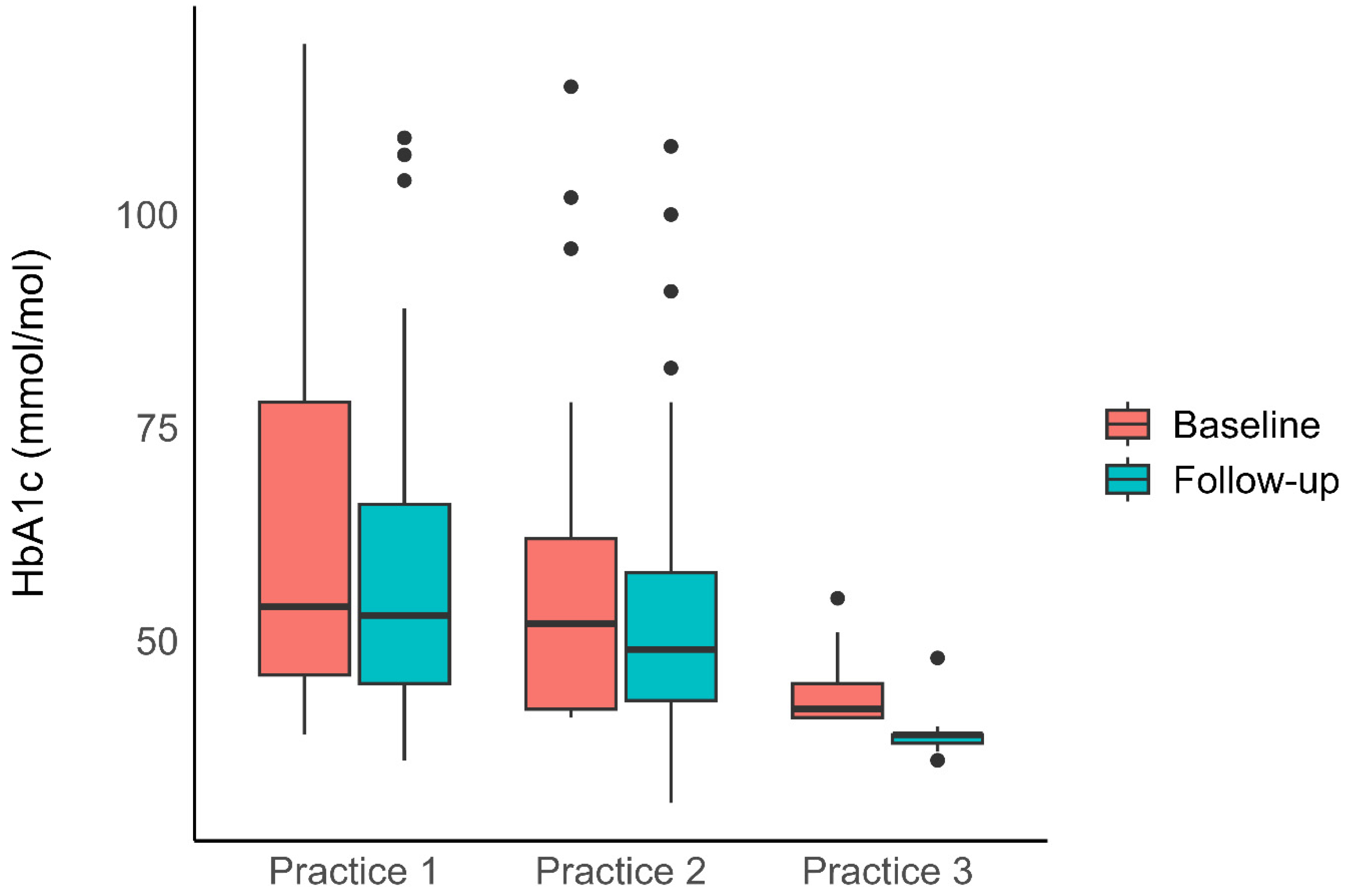
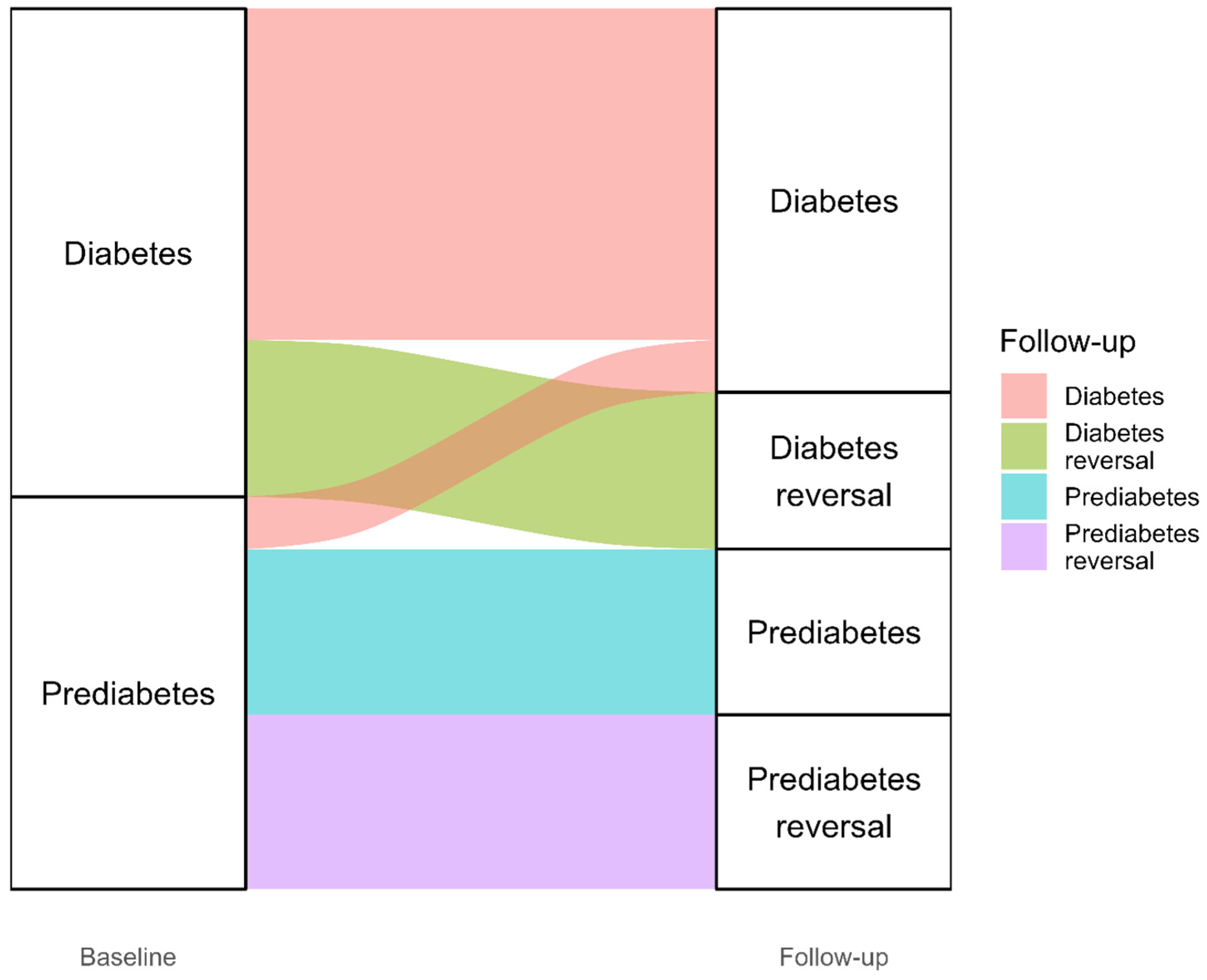
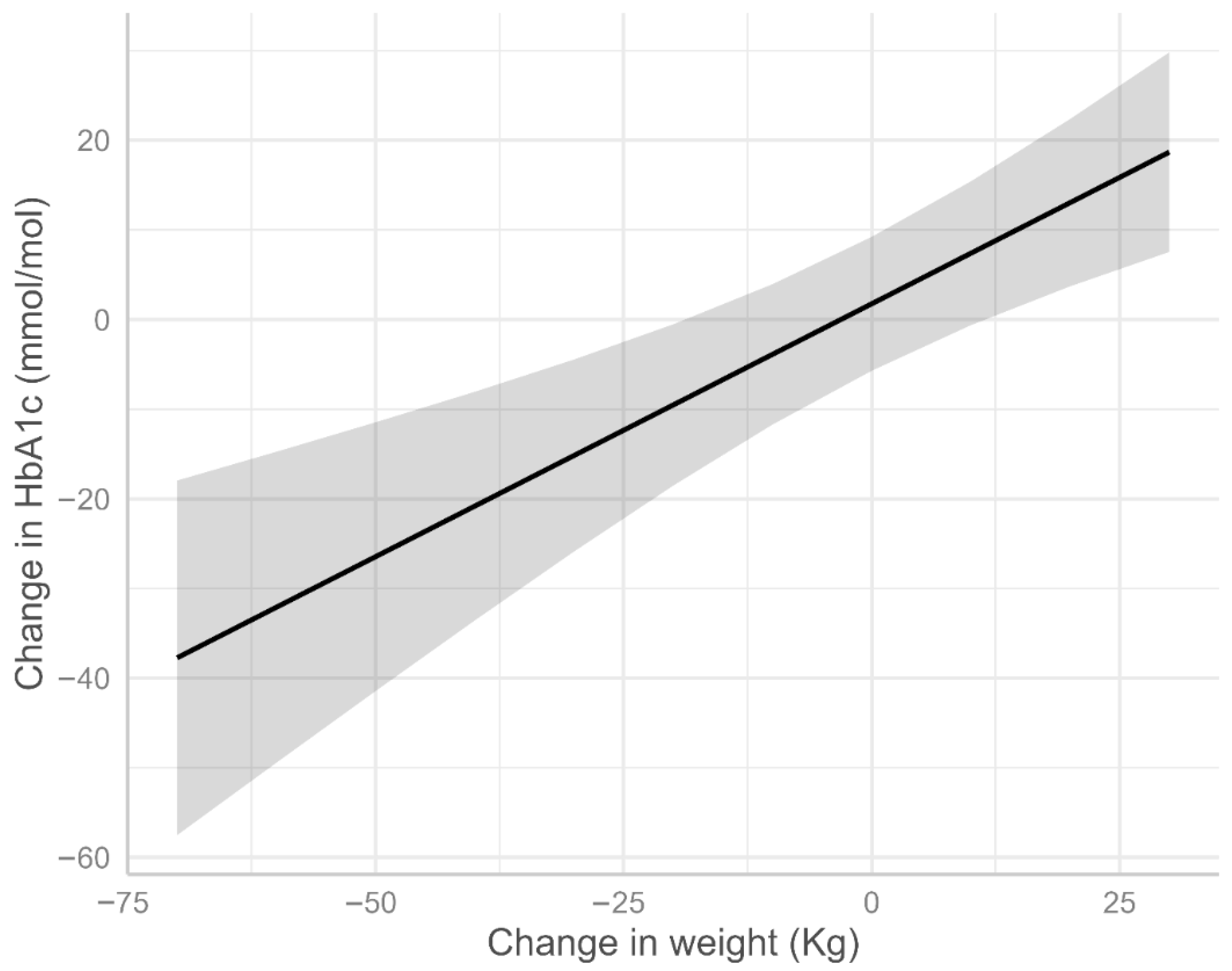
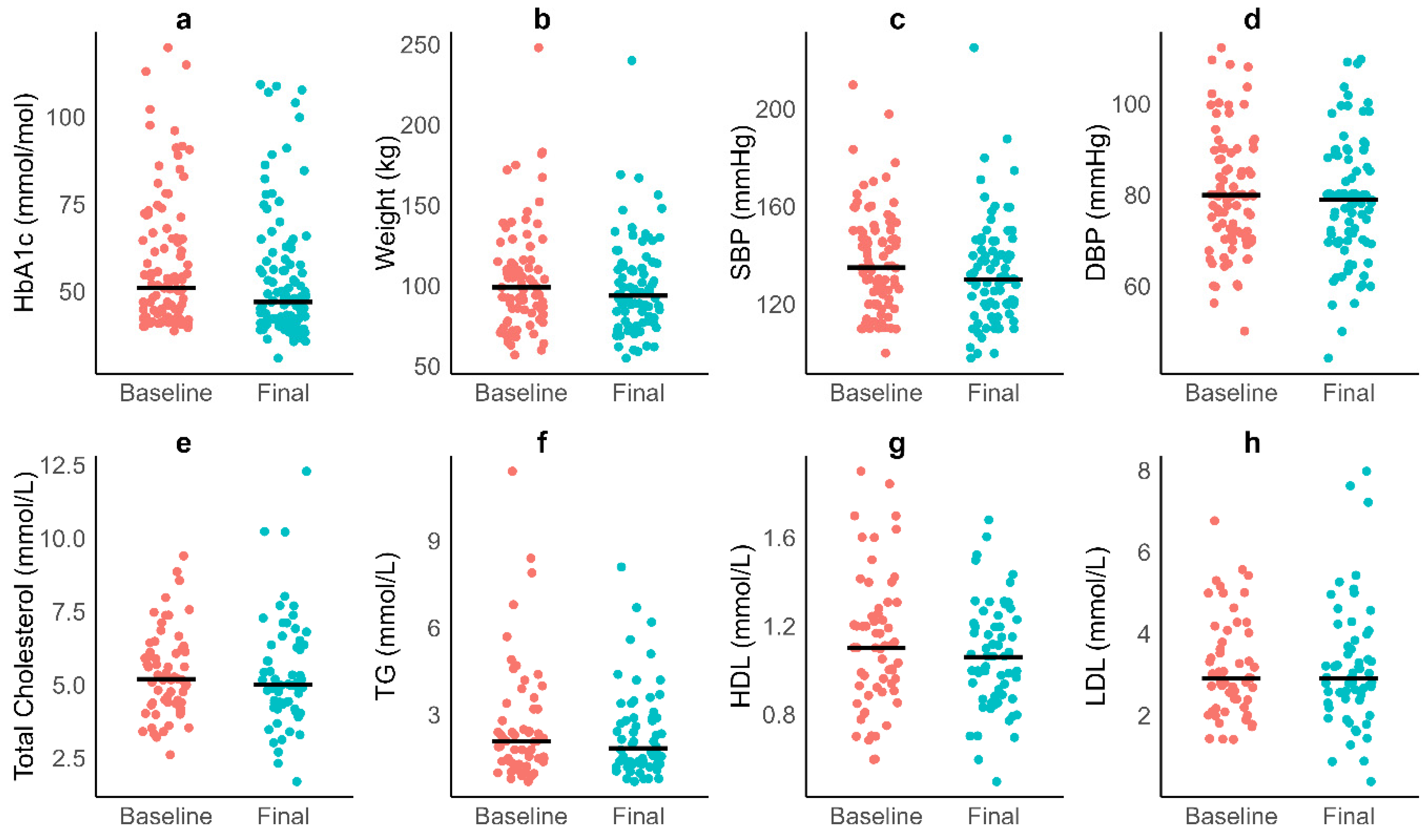
Background/Objectives: The global epidemic of type 2 diabetes (T2D) is a critical public health issue, particularly in New Zealand, where prevalence rates are high, especially among Māori and Pacific people. Recent research indicates that dietary interventions, particularly carbohydrate reduction, can lead to the remission or reversal of T2D. However, little is known about how such approaches perform when implemented in routine New Zealand primary care, particularly within high-risk and underserved populations. This study aimed to evaluate changes in HbA1c, diabetes status, and cardiometabolic outcomes among adults with prediabetes and T2D engaged in such a model of care. Methods: This study reports findings from a retrospective, observational, real-world, multi-site clinical audit (service evaluation) of a holistic model of care implemented in three primary care practices in New Zealand. The model of care is characterised by a three-pronged approach: whole food, carbohydrate reduction; a health-coach, behaviour-change-based delivery approach; and community- or peer-based initiatives. Audit data from 106 patients with prediabetes (PD) and T2D were analysed (median follow-up 19 months; IQR 6–32) to assess changes in glycosylated haemoglobin (HbA1c) levels, diabetes status, and cardiometabolic outcomes. Results: We observed an overall reduction in HbA1c (median change −3 mmol/mol (IQR: −7 to 3), p = 0.004), with 32% of patients with T2D at baseline achieving reversal and 44% of those with PD attaining normoglycaemia at final follow-up. Weight loss was associated with greater HbA1c reduction (0.56 mmol/mol decrease per kg lost) and additional improvements seen in lowered alanine aminotransferase (ALT). HDL cholesterol showed a small decline (r = 0.31), and triglycerides and blood pressure showed no significant change, indicating that these measures remained broadly stable over the evaluation period. Conclusions: Given the retrospective and uncontrolled audit design, findings should be interpreted with appropriate caution. However, the consistent improvements observed across multiple practices suggest that carbohydrate-reduction strategies within holistic models of care can meaningfully improve diabetes outcomes in real-world primary care settings. Future research should evaluate longer-term sustainability, implementation fidelity, and the applicability of this model at scale, particularly for Māori and Pacific communities.
Keywords: carbohydrate reduction; prediabetes; remission; holistic; health-coaching carbohydrate reduction; prediabetes; remission; holistic; health-coaching