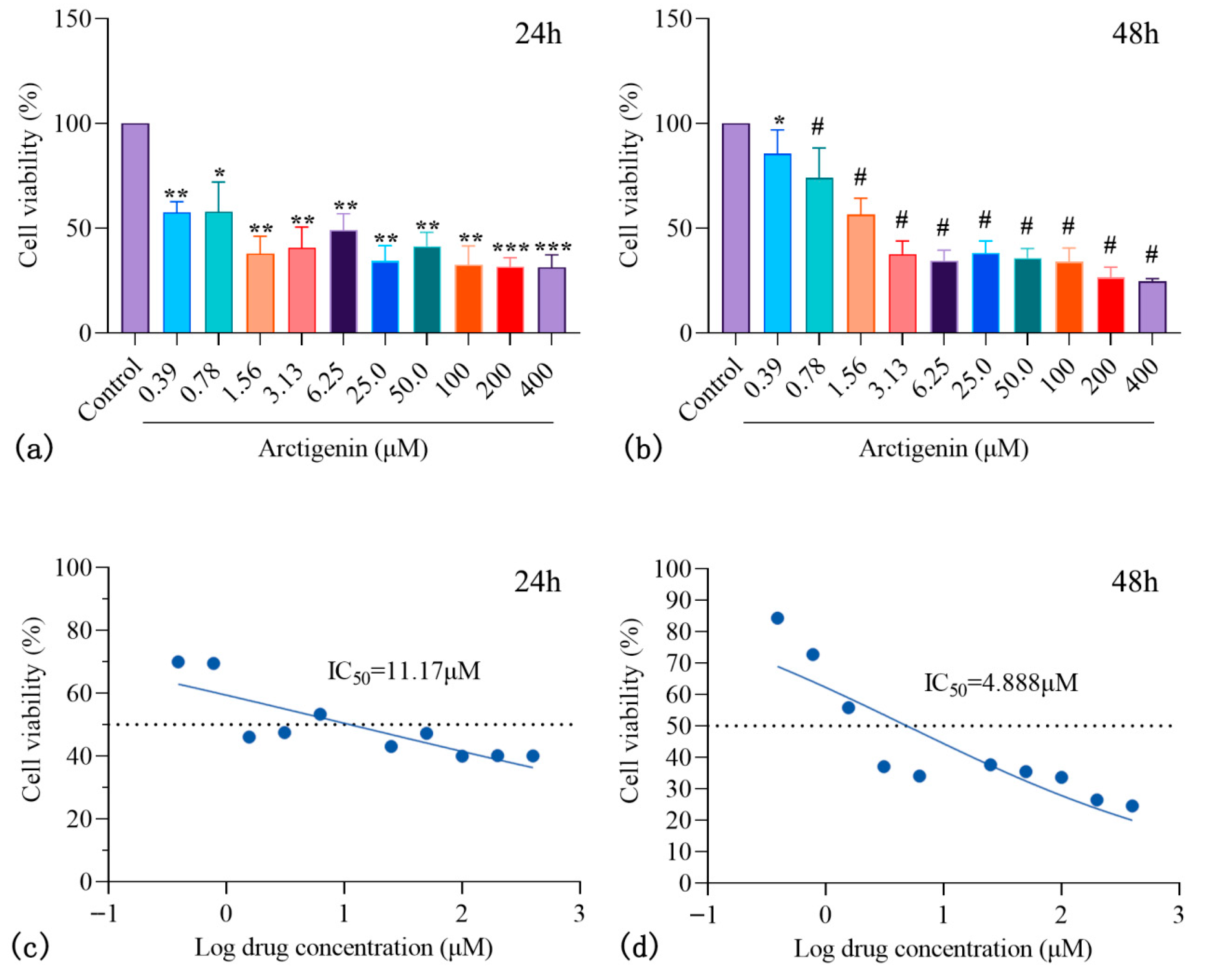
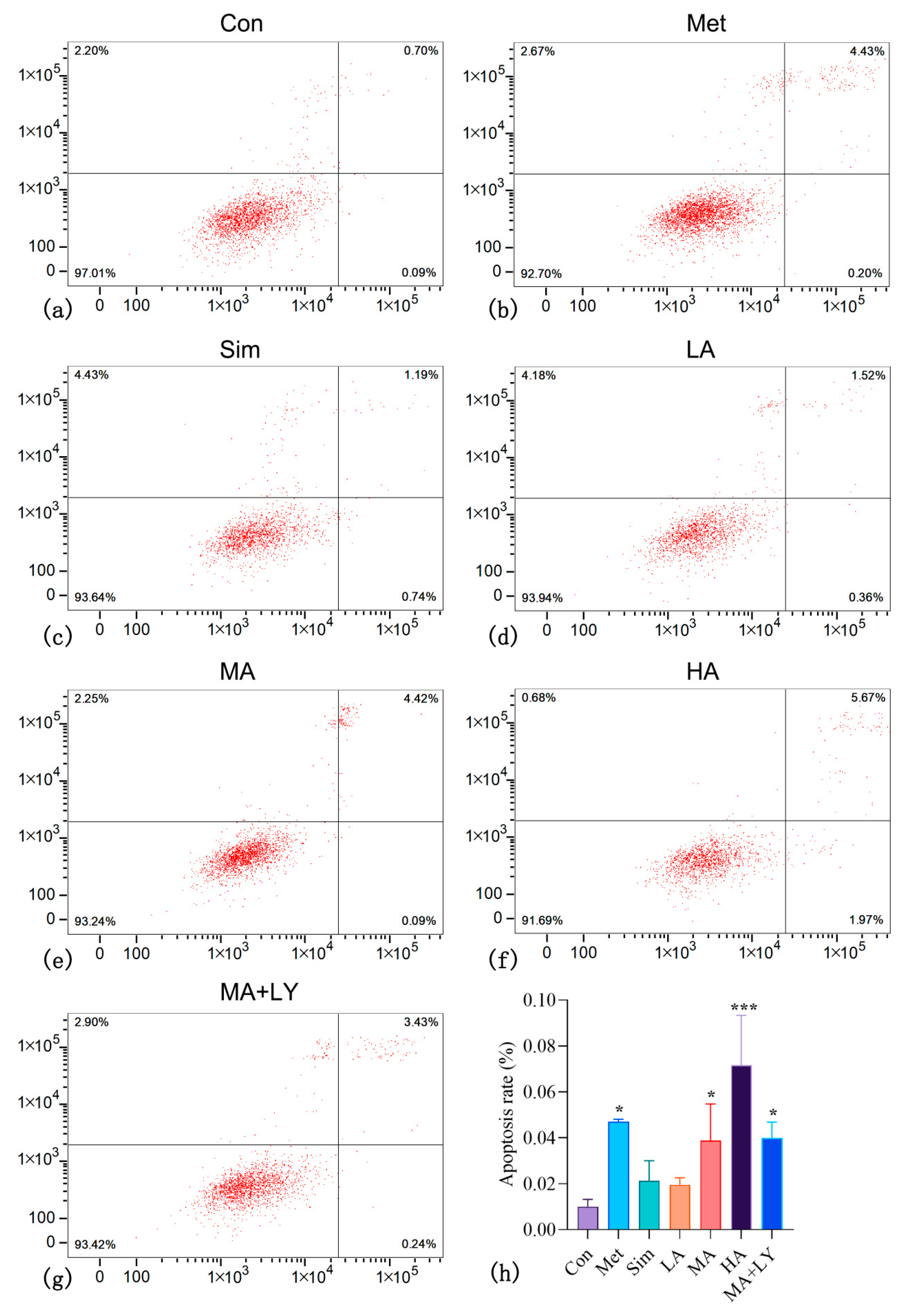
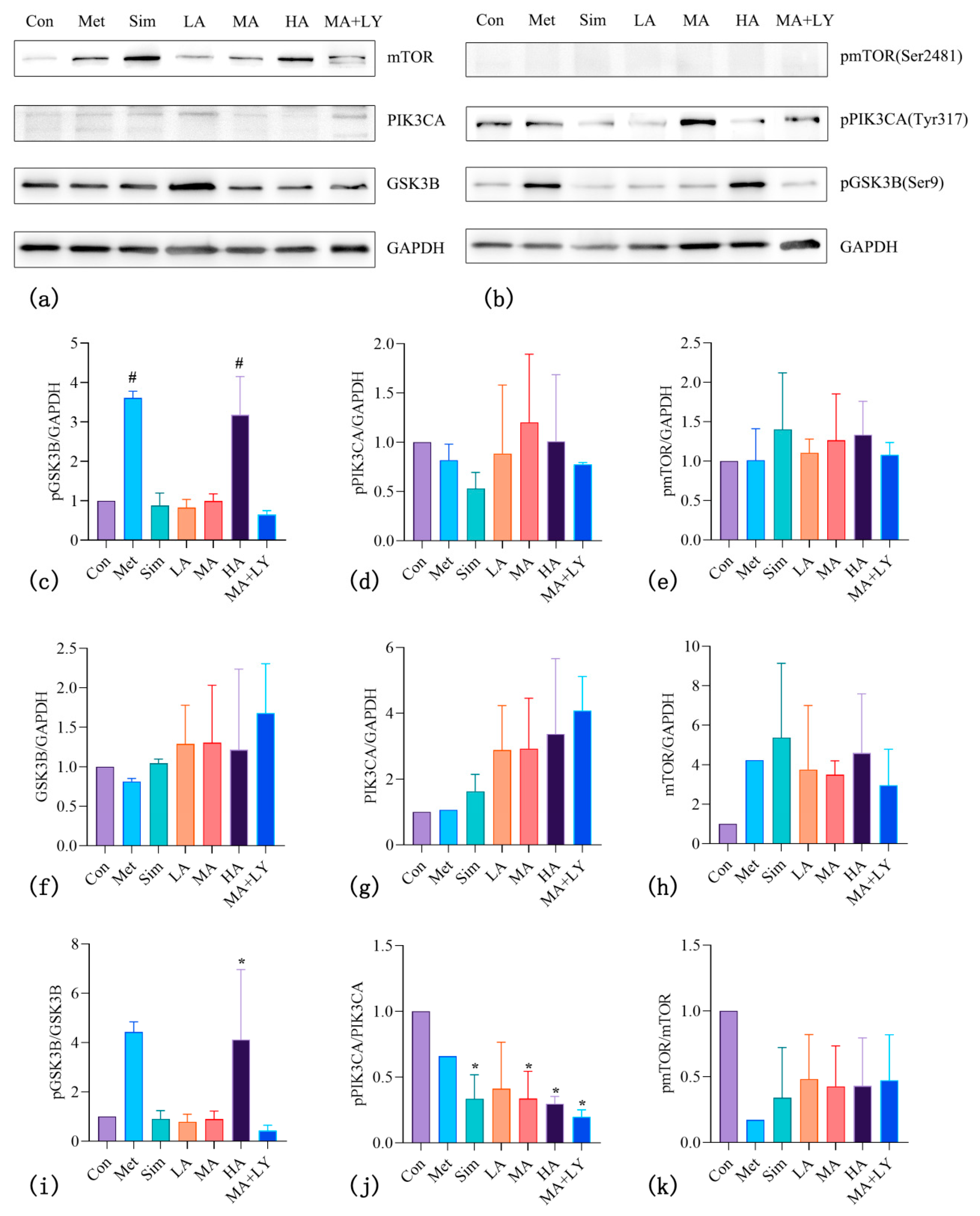
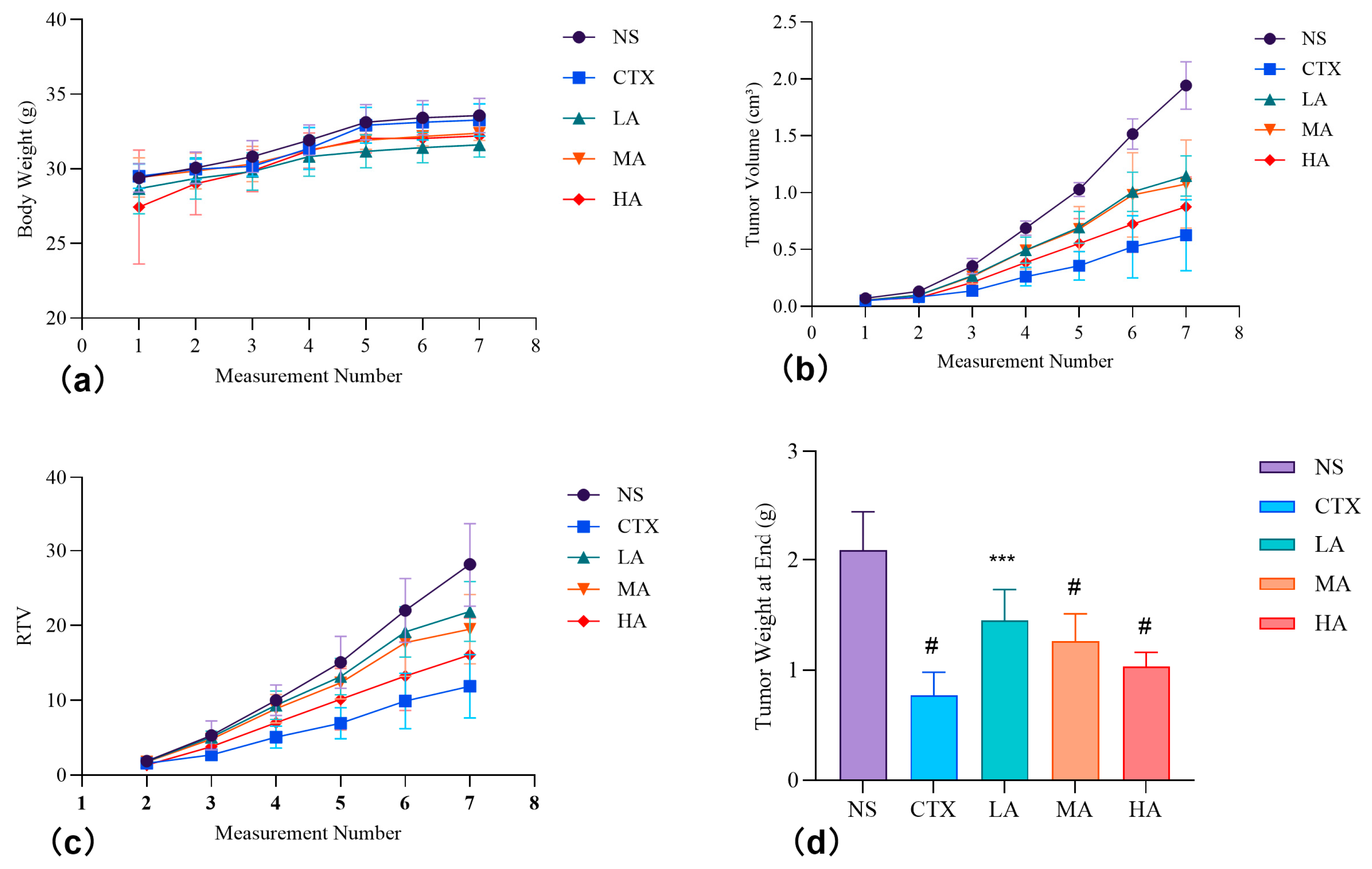
Arctigenin from Saussurea medusa Maxim. Targets the PI3K/AKT Pathway to Inhibit Hepatocellular Carcinoma Proliferation and Induces Apoptosis

Abstract
Share and Cite
Yu, R.; Chen, J.; Yu, R. Arctigenin from Saussurea medusa Maxim. Targets the PI3K/AKT Pathway to Inhibit Hepatocellular Carcinoma Proliferation and Induces Apoptosis. Nutrients 2025, 17, 3151. https://doi.org/10.3390/nu17193151
Yu R, Chen J, Yu R. Arctigenin from Saussurea medusa Maxim. Targets the PI3K/AKT Pathway to Inhibit Hepatocellular Carcinoma Proliferation and Induces Apoptosis. Nutrients. 2025; 17(19):3151. https://doi.org/10.3390/nu17193151
Chicago/Turabian StyleYu, Ruitao, Jinghua Chen, and Ruixue Yu. 2025. "Arctigenin from Saussurea medusa Maxim. Targets the PI3K/AKT Pathway to Inhibit Hepatocellular Carcinoma Proliferation and Induces Apoptosis" Nutrients 17, no. 19: 3151. https://doi.org/10.3390/nu17193151
APA StyleYu, R., Chen, J., & Yu, R. (2025). Arctigenin from Saussurea medusa Maxim. Targets the PI3K/AKT Pathway to Inhibit Hepatocellular Carcinoma Proliferation and Induces Apoptosis. Nutrients, 17(19), 3151. https://doi.org/10.3390/nu17193151