Diatomaceous Earth Supplementation as a Bioavailable Silicon Source Modulates Postprandial Lipid Metabolism in Healthy Female Rats

 , , , , ,
 Highlights
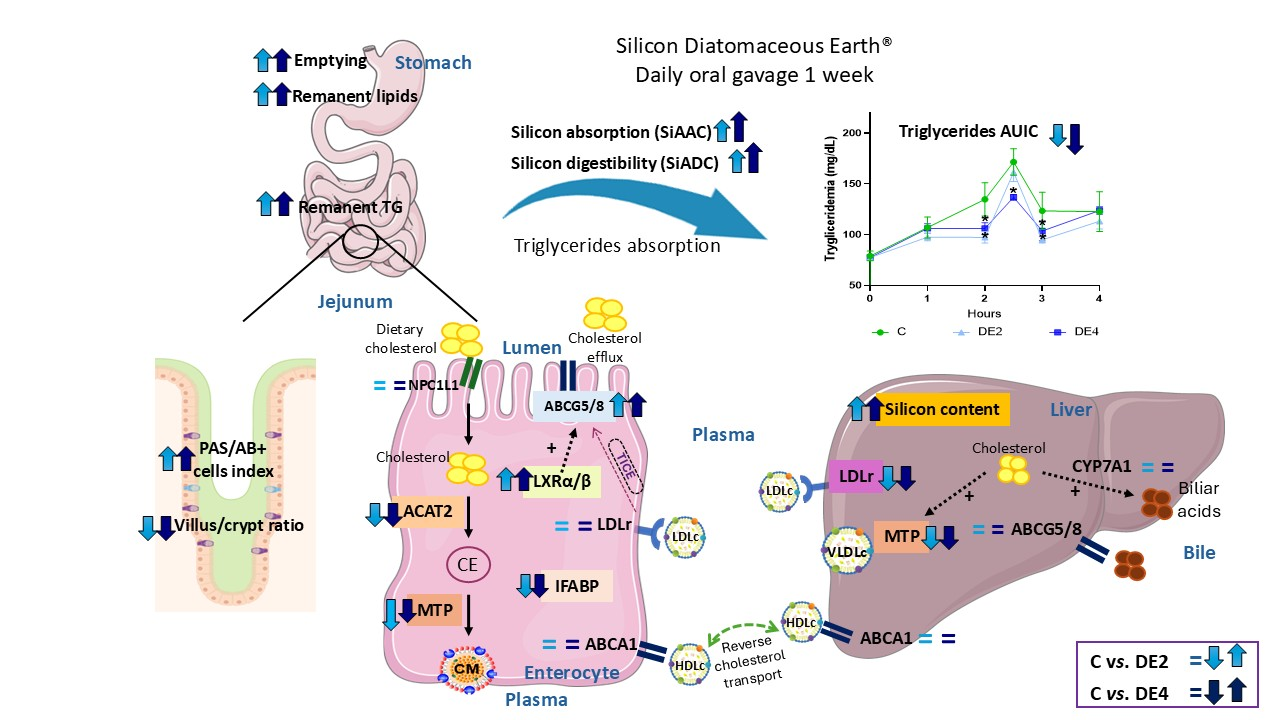
- Diatomaceous Earth (DE) supplementation enhanced silicon bioavailability and reduced postprandial triglyceridemia in healthy female rats.
- DE induced intestinal mucosal adaptations, including reduced absorptive surface and increased goblet cell numbers.
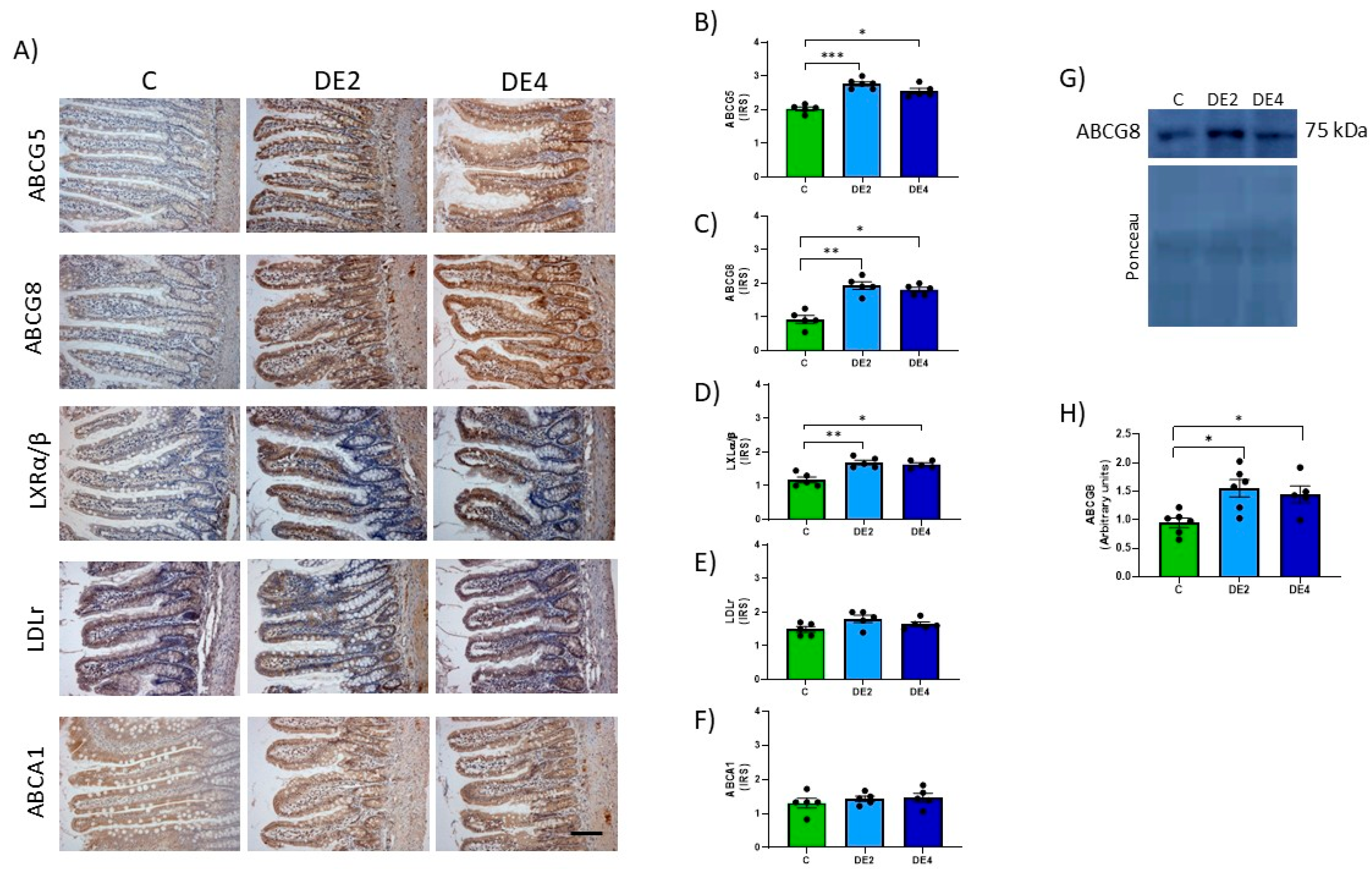
- DE modulated key intestinal and hepatic proteins involved in lipid absorption and transport.
- DE shows potential as a dietary ingredient for managing postprandial lipemia and promoting gut health.
Abstract
1. Introduction
2. Materials and Methods
2.1. Animals and Treatments
2.2. Determination of Silicon Content in Food, Water, Feces, Urine, Plasma, and Liver
2.3. Assessment of Silicon Digestibility and Absorption Coefficients
2.4. Collection and Characterization of Gastric and Intestinal Lipid Content
2.5. Morphometric Measurements
2.6. Detection and Quantification of Intestinal Mucins
2.7. Immunohistochemical Staining
2.8. Western Blot Analysis
2.9. Statistical Analysis
3. Results
3.1. Ponderal Parameters, Hepatic, Fecal and Urine Silicon Contents, and Apparent Digestibility Silicon Absolute Absorption Coefficients
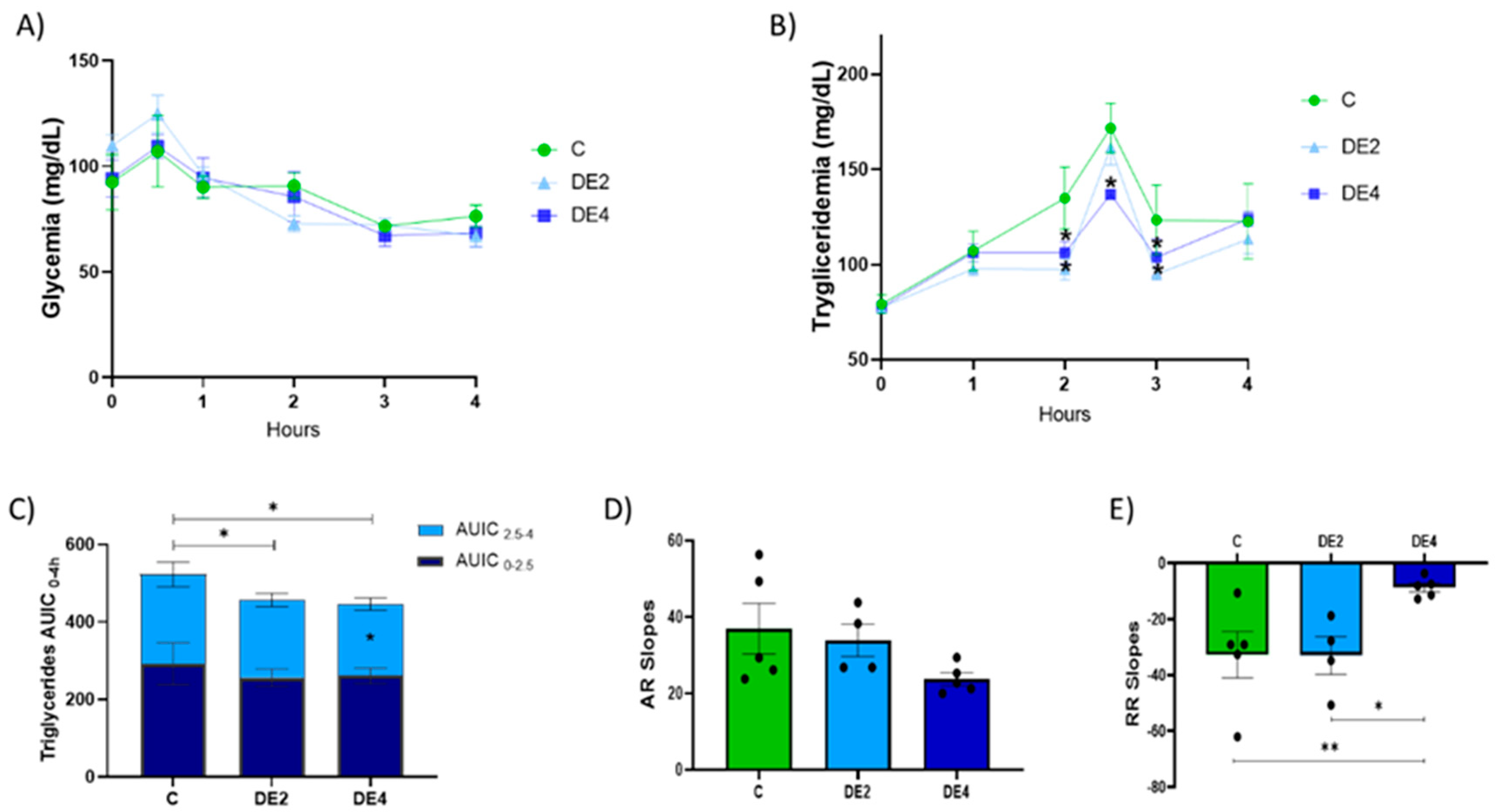
3.2. Postprandial Glycemia and Triglyceridemia
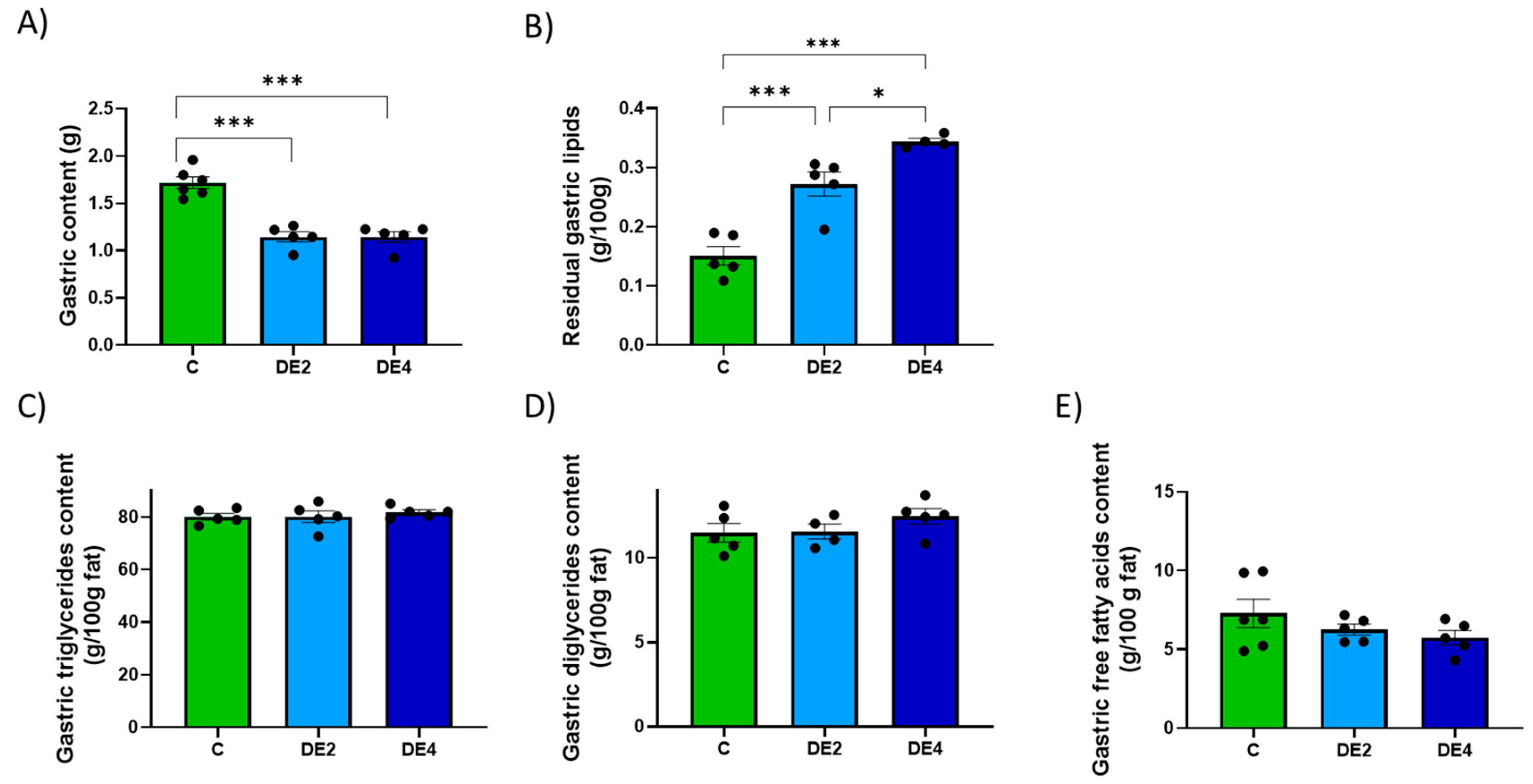
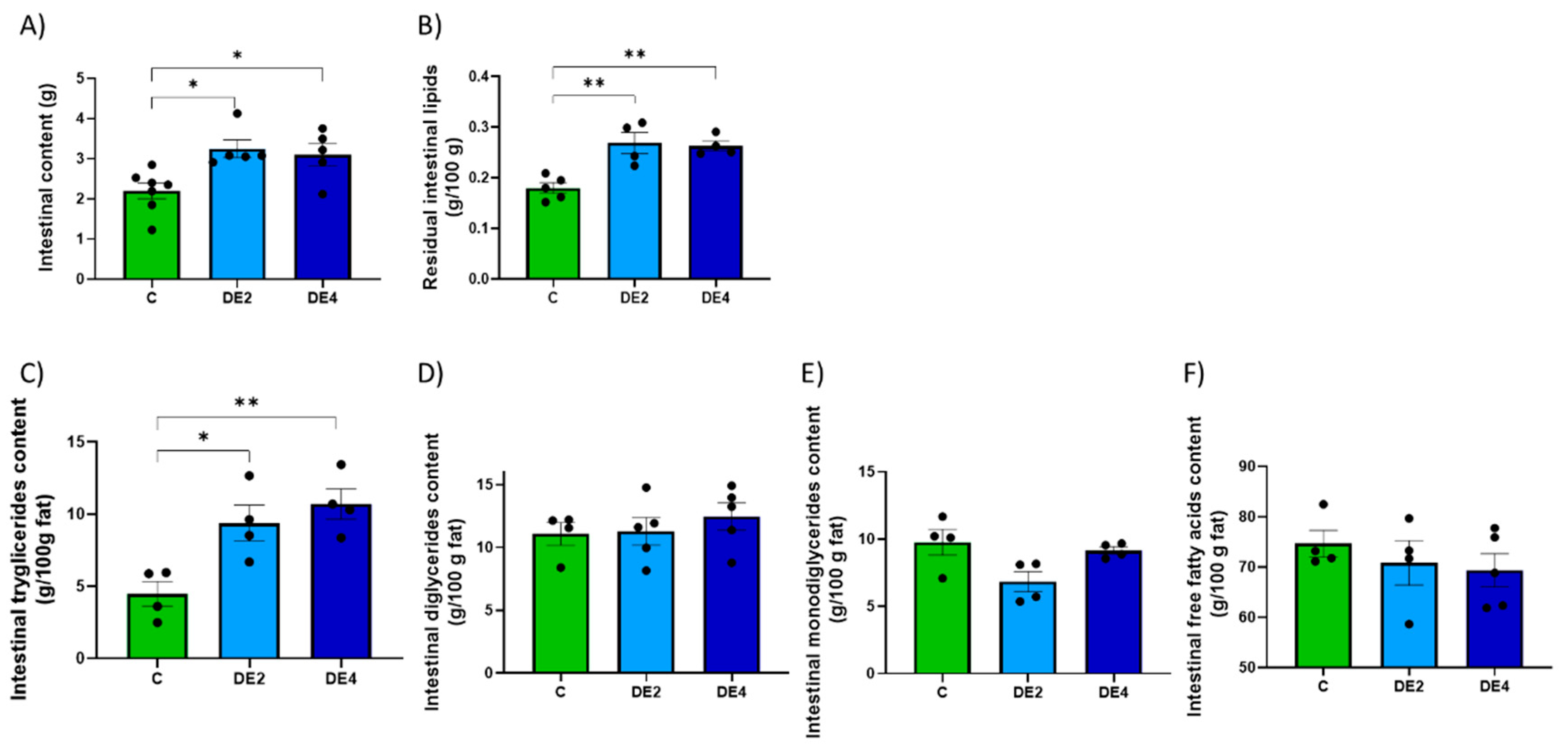
3.3. Gastric and Intestinal Contents and Lipid Composition
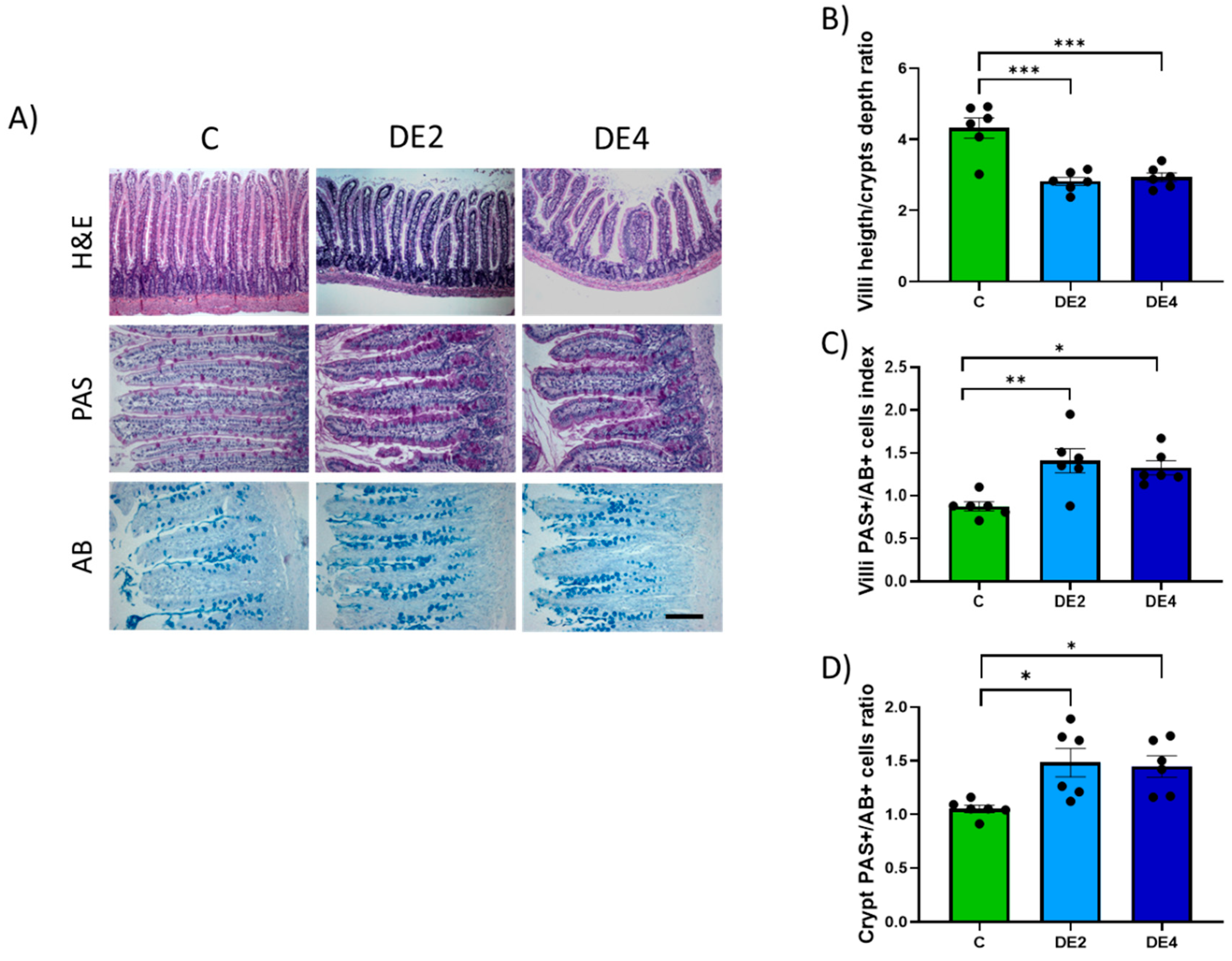
3.4. Morphometric Parameters and Mucin Production in the Jejunal Mucosa
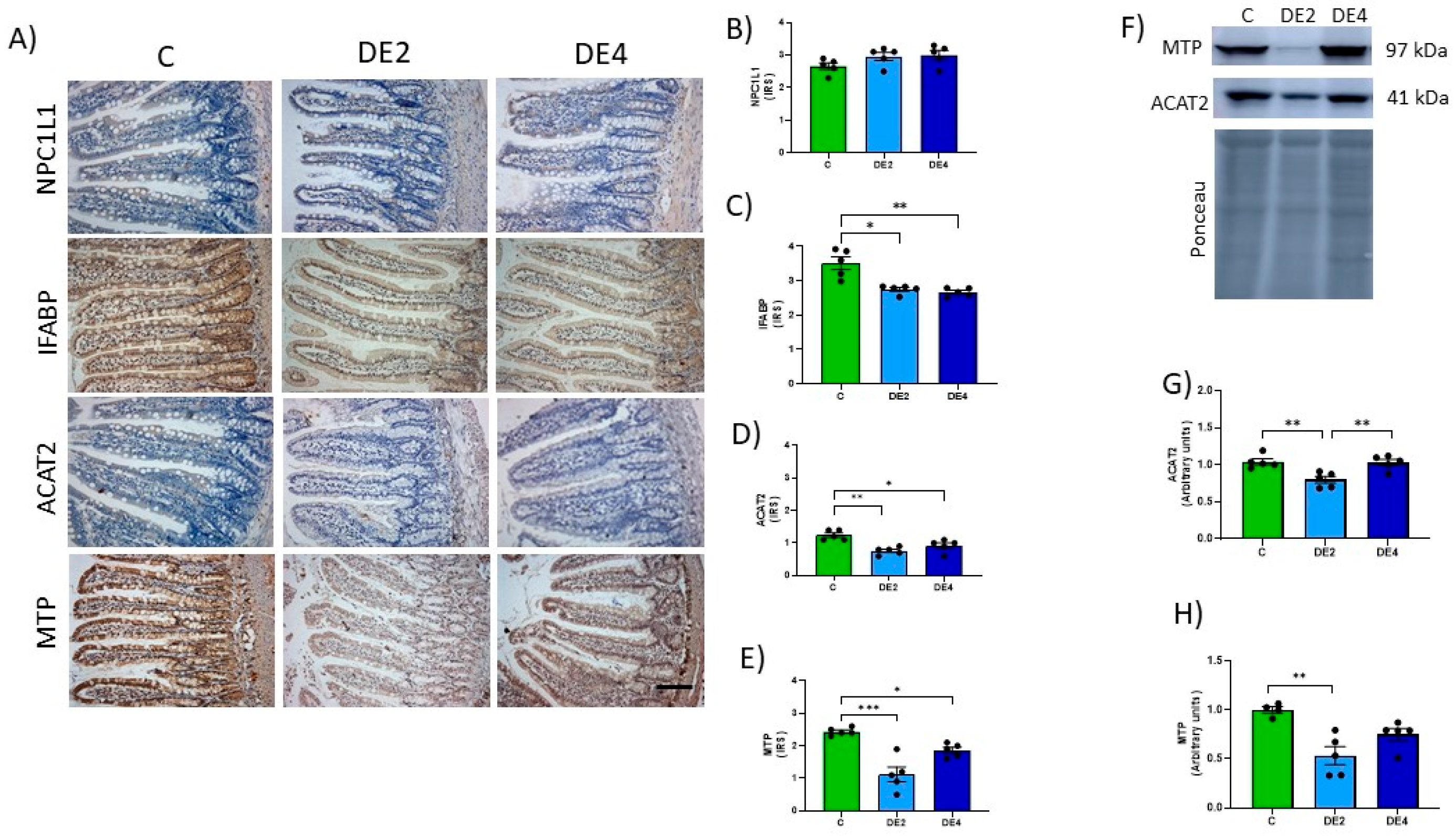
3.5. Jejunal Lipid Absorption Markers
3.6. Jejunal Cholesterol Efflux Markers
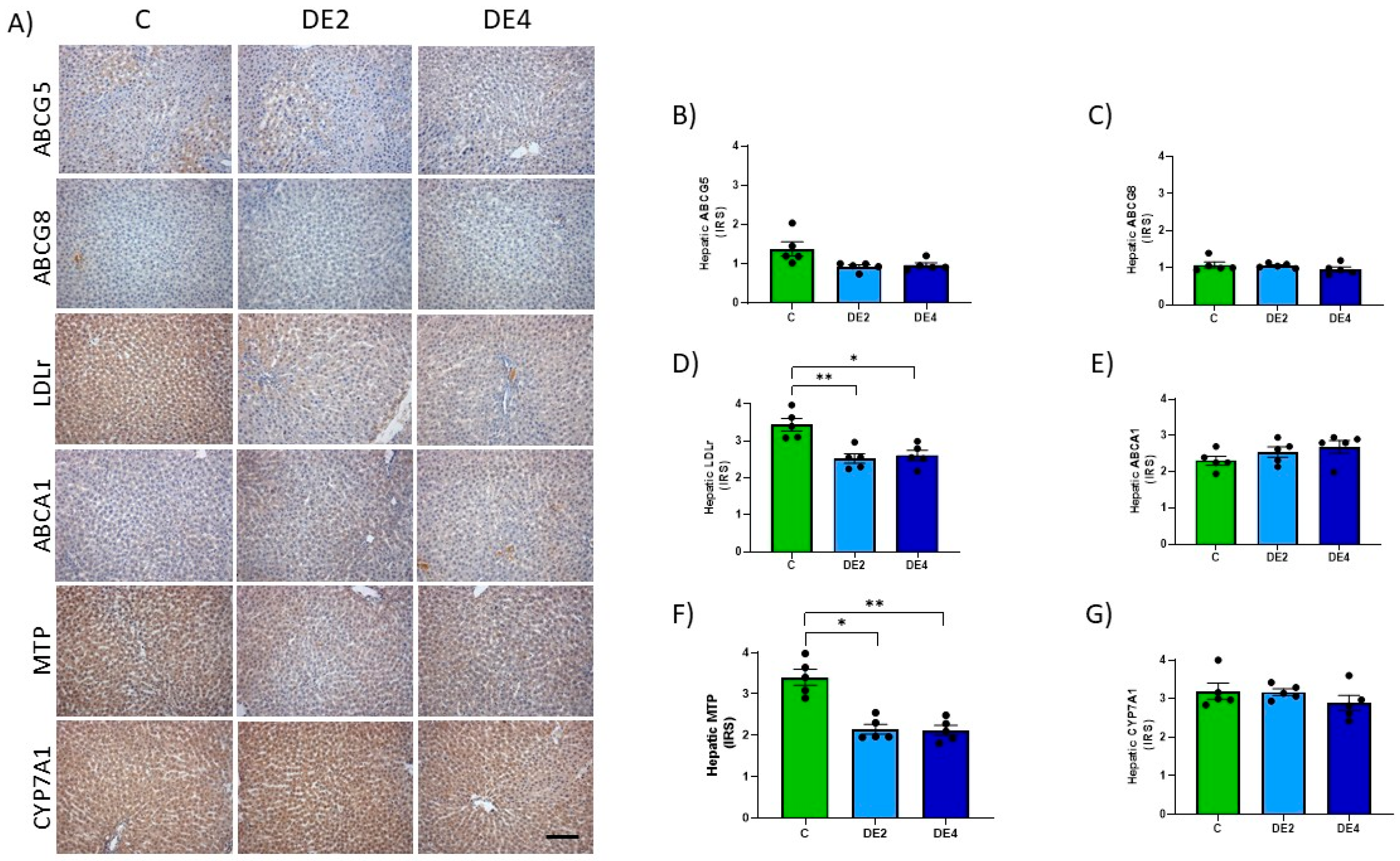
3.7. Hepatic Cholesterol Metabolism Markers
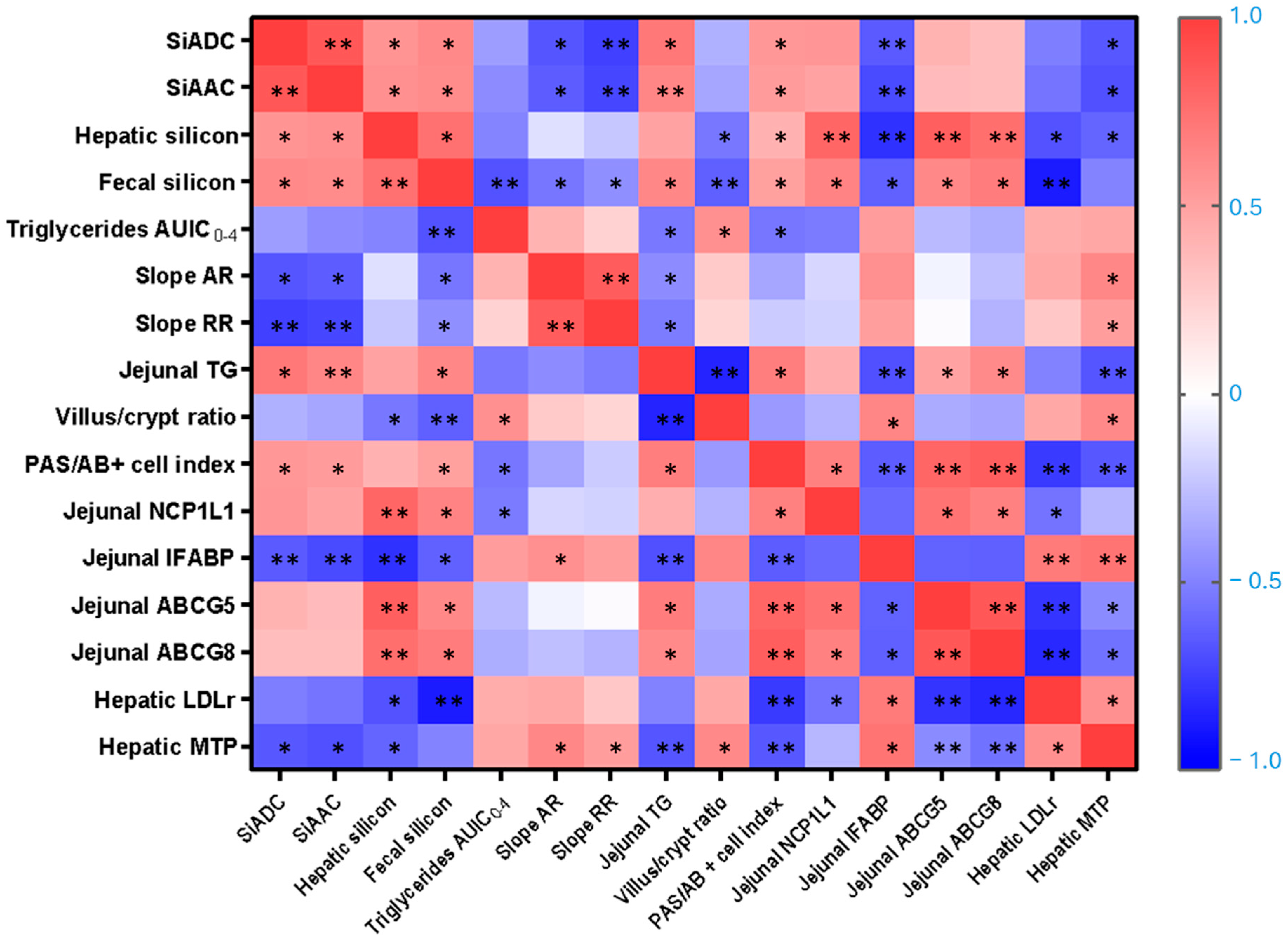
3.8. Heatmap
4. Discussion
5. Conclusions
Author Contributions
Funding
Institutional Review Board Statement
Informed Consent Statement
Data Availability Statement
Acknowledgments
Conflicts of Interest
Abbreviations
| AB | Alcian blue |
| ABCA1 | ATP-binding cassette subfamily A1 |
| ABCG5 | ATP-binding cassette subfamily G member 5 |
| ABCG8 | ATP-binding cassette subfamily G member 8 |
| ACAT2 | Acetyl-CoA acetyltranferase 2 |
| ANOVA | Analysis of the variance |
| AR | Absorption rate |
| ASNP | Amorphous silica nanoparticles |
| AUIC | Area under the incremental curve |
| CYP7A1 | Cholesterol 7 alpha-hydroxylase |
| DAB | 3,3′-diminobenzidine |
| DE | Diatomaceous earth |
| DG | Diglycerides |
| FAAS | Atomic absorption spectroscopy |
| FFA | Free fatty acids |
| H&E | Hematoxylin and eosin |
| HPSEC | High-performance size-exclusion chromatography |
| ICP-OES | Inductively coupled plasma optical emission spectrometry |
| IFABP | Fatty acid-binding protein |
| IRS | Immunoreactivity score |
| LDLr | Low-density lipoprotein receptor |
| LxR | Liver X receptor transcription factor |
| MG | Monoglycerides |
| MTP | Microsomal triglyceride transfer protein |
| NPC1L1 | Niemann-Pick C1-like 1 |
| OGTT | Oral glucose tolerance test |
| OTTT | Oral triglycerides tolerance test |
| PAS | Periodic acid-Schiff |
| RCT | Reverse cholesterol transport |
| RR | Removal rate |
| SiAAC | Silicon absolute absorption coefficient |
| SiADC | Silicon apparent digestibility coefficient |
| SI-RM | Silicon-enriched restructured meat |
| T2DM | Type 2 Diabetes Mellitus |
| TG | Triglycerides |
| THF | Tetrahidrofurane |
| TICE | Transintestinal cholesterol excretion |
References
- Mwangi, J. Usage of Human Diatomaceous Earth. Ann. Limnol. Oceanogr. 2023, 8, 9–12. [Google Scholar] [CrossRef] [Scilit]
- Younes, M.; Aggett, P.; Aguilar, F.; Crebelli, R.; Dusemund, B.; Filipi, M.; Frutos, M.J.; Galtier, P.; Gott, D.; Gundert-Remy, U.; et al. Re-Evaluation of Silicon Dioxide (E 551) as a Food Additive. EFSA J. 2018, 16, e05088. [Google Scholar] [CrossRef] [Scilit]
- World Health Organization. Evaluation of Certain Food Additives and Contaminants: Seventy-Third Report of the Joint FAO/WHO Expert Committee on Food Additives. Available online: https://www.who.int/publications/i/item/9789241209601 (accessed on 30 May 2025).
- Sadowska, A.; Świderski, F. Sources, Bioavailability, and Safety of Silicon Derived from Foods and Other Sources Added for Nutritional Purposes in Food Supplements and Functional Foods. Appl. Sci. 2020, 10, 6255. [Google Scholar] [CrossRef] [Scilit]
- González González, M.P.; Merino Martín, J.J.; Benedí González, J. Silicon in the Earth and in the Universe: Possible Contribution of Silicon as Part of Other Life Type and Its Protective/Detrimental Effects in Live Organisms; LAP LAMBERT Academic Publishing: London, UK, 2023; Volume 1, ISBN 978-620-5-49394-6. [Google Scholar]
- Martin, K.R. Silicon: The Health Benefits of a Metalloid. In Interrelations Between Essential Metal Ions and Human Diseases; Sigel, A., Sigel, H., Sigel, R.K.O., Eds.; Springer: Dordrecht, The Netherlands, 2013; Volume 13, pp. 451–473. ISBN 978-94-007-7499-5. [Google Scholar]
- Rondanelli, M.; Faliva, M.A.; Peroni, G.; Gasparri, C.; Perna, S.; Riva, A.; Petrangolini, G.; Tartara, A. Silicon: A Neglected Micronutrient Essential for Bone Health. Exp. Biol. Med. 2021, 246, 1500–1511. [Google Scholar] [CrossRef] [Scilit]
- Sripanyakorn, S.; Jugdaohsingh, R.; Dissayabutr, W.; Anderson, S.H.C.; Thompson, R.P.H.; Powell, J.J. The Comparative Absorption of Silicon from Different Foods and Food Supplements. Br. J. Nutr. 2009, 102, 825–834. [Google Scholar] [CrossRef] [Scilit]
- Sripanyakorn, S.; Jugdaohsingh, R.; Elliott, H.; Walker, C.; Mehta, P.; Shoukru, S.; Thompson, R.P.H.; Powell, J.J. The Silicon Content of Beer and Its Bioavailability in Healthy Volunteers. Br. J. Nutr. 2004, 91, 403–409. [Google Scholar] [CrossRef] [Scilit]
- Henstock, J.R.; Canham, L.T.; Anderson, S.I. Silicon: The Evolution of Its Use in Biomaterials. Acta Biomater. 2015, 11, 17–26. [Google Scholar] [CrossRef] [Scilit]
- Tsushima, Y.; Hatipoglu, B. Diabetes and Lipids: A Review and Update on Lipid Biomarkers and Cardiovascular Risk. Endocr. Pract. 2025, 31, 677–685. [Google Scholar] [CrossRef] [Scilit]
- Wang, T.Y.; Liu, M.; Portincasa, P.; Wang, D.Q.-H. New Insights into the Molecular Mechanism of Intestinal Fatty Acid Absorption. Eur. J. Clin. Investig. 2013, 43, 1203–1223. [Google Scholar] [CrossRef] [Scilit] [PubMed]
- Garcimartín, A.; López-Oliva, M.E.; Macho-González, A.; Bastida, S.; Benedí, J.; Sánchez-Muniz, F.J. Hypoglycaemic and Hypotriglyceridaemic Postprandial Properties of Organic Silicon. J. Funct. Foods 2017, 29, 290–294. [Google Scholar] [CrossRef] [Scilit]
- Peluso, M.R.; Schneeman, B.O. A Food-Grade Silicon Dioxide Is Hypocholesterolemic in the Diet of Cholesterol-Fed Rats. J. Nutr. 1994, 124, 853–860. [Google Scholar] [CrossRef] [Scilit]
- Hernández-Martín, M.; Macho-González, A.; Garcimartín, A.; López-Oliva, M.E.; Bocanegra, A.; Redondo-Castillejo, R.; Bastida, S.; Benedí, J.; Sánchez-Muniz, F.J. Silicon-Enriched Meat Positively Improves Plasma Lipidaemia and Lipoproteinaemia, LDLr, and Insulin Capability and the Signalling Pathway Induced by an Atherogenic Diet in Late-Stage Type 2 Diabetes Mellitus Rats. Food Funct. 2024, 15, 1513–1526. [Google Scholar] [CrossRef] [Scilit]
- Panzoldo, N.B.; Urban, A.; Parra, E.S.; Oliveira, R.; Zago, V.S.; Da Silva, L.R.; De Faria, E.C. Differences and Similarities of Postprandial Lipemia in Rodents and Humans. J. Lipids Health Dis. 2011, 10, 86. [Google Scholar] [CrossRef] [Scilit]
- Wit, M.; Trujillo-Viera, J.; Strohmeyer, A.; Klingenspor, M.; Hankir, M.; Sumara, G. When Fat Meets the Gut-Focus on Intestinal Lipid Handling in Metabolic Health and Disease. EMBO Mol. Med. 2022, 14, e14742. [Google Scholar] [CrossRef] [Scilit]
- Hernández-Martín, M.; Garcimartín, A.; Bocanegra, A.; Redondo-Castillejo, R.; Quevedo-Torremocha, C.; Macho-González, A.; García Fernández, R.A.; Bastida, S.; Benedí, J.; Sánchez-Muniz, F.J.; et al. Silicon as a Functional Meat Ingredient Improves Jejunal and Hepatic Cholesterol Homeostasis in a Late-Stage Type 2 Diabetes Mellitus Rat Model. Foods 2024, 13, 1794. [Google Scholar] [CrossRef] [Scilit]
- Hernández-Martín, M.; Garcimartín, A.; Bocanegra, A.; Macho-González, A.; García-Fernández, R.A.; de Pascual-Teresa, S.; Redondo-Castillejo, R.; Bastida, S.; Sánchez-Muniz, F.J.; Benedí, J.; et al. Silicon-Enriched Meat Ameliorates Diabetic Dyslipidemia by Improving Cholesterol, Bile Acid Metabolism and Ileal Barrier Integrity in Rats with Late-Stage Type 2 Diabetes. Int. J. Mol. Sci. 2024, 25, 11405. [Google Scholar] [CrossRef] [Scilit] [PubMed]
- Breugelmans, T.; Oosterlinck, B.; Arras, W.; Ceuleers, H.; De Man, J.; Hold, G.L.; De Winter, B.Y.; Smet, A. The Role of Mucins in Gastrointestinal Barrier Function during Health and Disease. Lancet Gastroenterol. Hepatol. 2022, 7, 455–471. [Google Scholar] [CrossRef] [Scilit] [PubMed]
- Hernández Martín, M.; Bocanegra, A.; Garcimartín, A.; Macho-González, A.; Redondo-Castillejo, R.; García Fernández, R.A.; Apaza Ticona, L.; Bastida, S.; Benedí, J.; Sánchez-Muniz, F.J.; et al. Silicon-Enriched Functional Meat Enhances Colonic Barrier Function by Regulating Tight Junction Protein Expression, Oxidative Stress, and Inflammation Responses in a Diabetic Dyslipidemia Model. Food Funct. 2025, 16, 4085. [Google Scholar] [CrossRef] [Scilit]
- Hernández-Martín, M.; Bocanegra, A.; Redondo-Castillejo, R.; Macho-González, A.; Sánchez-Muniz, F.J.; Benedí, J.; Bastida, S.; García-Fernández, R.A.; Garcimartín, A.; López-Oliva, M.E. Could Duodenal Molecular Mechanisms Be Involved in the Hypocholesterolemic Effect of Silicon Used as Functional Ingredient in Late-Stage Type 2 Diabetes Mellitus? Mol. Nutr. Food Res. 2022, 66, 2200104. [Google Scholar] [CrossRef] [Scilit] [PubMed]
- Cofrades, S.; Hernández-Martín, M.; Garcimartín, A.; Saiz, A.; López-Oliva, M.E.; Benedí, J.; Álvarez, M.D. Impact of Silicon Addition on the Development of Gelled Pork Lard Emulsions with Controlled Lipid Digestibility for Application as Fat Replacers. Gels 2023, 9, 728. [Google Scholar] [CrossRef] [Scilit]
- Garcimartín, A.; Santos-López, J.A.; Bastida, S.; Benedí, J.; Sánchez-Muniz, F.J. Silicon-Enriched Restructured Pork Affects the Lipoprotein Profile, VLDL Oxidation, and LDL Receptor Gene Expression in Aged Rats Fed an Atherogenic Diet. J. Nutr. 2015, 145, 2039–2045. [Google Scholar] [CrossRef] [Scilit] [PubMed]
- Vitality Gesf Tierra de Diatomeas. Available online: https://vitalitygesf.es/tierra-de-diatomeas/ (accessed on 20 June 2025).
- Jugdaohsingh, R.; Anderson, S.H.; Tucker, K.L.; Elliott, H.; Kiel, D.P.; Thompson, R.P.; Powell, J.J. Dietary Silicon Intake and Absorption. Am. J. Clin. Nutr. 2002, 75, 887–893. [Google Scholar] [CrossRef] [Scilit] [PubMed]
- Sündermann, A.; Eggers, L.F.; Schwudke, D. Liquid Extraction: Bligh and Dyer. In Encyclopedia of Lipidomics; Wenk, M.R., Ed.; Springer: Dordrecht, The Netherlands, 2016; pp. 1–4. ISBN 978-94-007-7864-1. [Google Scholar]
- Dobarganes, M.C.; Márquez-Ruiz, G. Formation and Analysis of Oxidized Monomeric, Dimeric, and Higher Oligomeric Triglycerides. In Deep Frying, 2nd ed.; Erickson, M.D., Ed.; AOCS Press: Champaign, IL, USA, 2007; pp. 87–110. ISBN 978-1-893997-92-9. [Google Scholar]
- Segú, H.; Jalševac, F.; Pinent, M.; Ardévol, A.; Terra, X.; Blay, M.T. Intestinal Morphometric Changes Induced by a Western-Style Diet in Wistar Rats and GSPE Counter-Regulatory Effect. Nutrients 2022, 14, 2608. [Google Scholar] [CrossRef] [Scilit]
- Osho, S.O.; Wang, T.; Horn, N.L.; Adeola, O. Comparison of Goblet Cell Staining Methods in Jejunal Mucosa of Turkey Poults. Poult. Sci. 2017, 96, 556–559. [Google Scholar] [CrossRef] [Scilit]
- Najda, J.; Gminski, J.; Drozdz, M.; Flak, A. The Effect of Silicon (Si) on Lipid Parameters in Blood Serum and Arterial Wall. Biol. Trace Elem. Res. 1991, 31, 235–247. [Google Scholar] [CrossRef] [Scilit] [PubMed]
- Palmisano, B.T.; Zhu, L.; Stafford, J.M. Role of Estrogens in the Regulation of Liver Lipid Metabolism. Adv. Exp. Med. Biol. 2017, 1043, 227–256. [Google Scholar] [CrossRef] [Scilit]
- Robinson, G.A.; Peng, J.; Peckham, H.; Radziszewska, A.; Butler, G.; Pineda-Torra, I.; Jury, E.C.; Ciurtin, C. Sex hormones drive changes in lipoprotein metabolism. iScience 2021, 24, 103257. [Google Scholar] [CrossRef] [Scilit]
- Zhang, D.; Wei, Y.; Huang, Q.; Chen, Y.; Zeng, K.; Yang, W.; Chen, J.; Chen, J. Important Hormones Regulating Lipid Metabolism. Molecules 2022, 27, 7052. [Google Scholar] [CrossRef] [Scilit]
- Lunagariya, N.A.; Patel, N.K.; Jagtap, S.C.; Bhutani, K.K. Inhibitors of Pancreatic Lipase: State of the Art and Clinical Perspectives. EXCLI J. 2014, 13, 897–921. [Google Scholar]
- Bülbül, M.; Çokdinleyen, S. Natural Lipase Inhibitors in Recent Years: A Review. ChemistrySelect 2024, 9, e202401091. [Google Scholar] [CrossRef] [Scilit]
- Moghimipour, E.; Ameri, A.; Handali, S. Absorption-Enhancing Effects of Bile Salts. Molecules 2015, 20, 14451–14473. [Google Scholar] [CrossRef] [Scilit]
- Naquvi, K. Natural Polyphenol-Rich Inhibitors of Pancreatic Lipase for Obesity Management—A Systematic Review. J. Angiother. 2024, 8, 1–17. [Google Scholar] [CrossRef] [Scilit]
- Hou, X.D.; Qin, X.Y.; Hou, J.; Tang, H.; Ge, G.B. The Potential of Natural Sources for Pancreatic Lipase Inhibitors: A Solution of the Obesity Crisis? Expert Opin. Drug Discov. 2022, 17, 1295–1298. [Google Scholar] [CrossRef] [Scilit] [PubMed]
- May, K.L.; Pham, A.C.; Ramirez, G.; Herrera-Hidalgo, C.; Naeem Iqbal, M.; Robert-Nicoud, G.; Clulow, A.J.; Bengtsson, T.; Boyd, B.J. Towards Mesoporous Silica as a Pharmaceutical Treatment for Obesity—Impact on Lipid Digestion and Absorption. Eur. J. Pharm. Biopharm. 2022, 173, 1–11. [Google Scholar] [CrossRef] [Scilit]
- Scholey, D.V.; Belton, D.J.; Burton, E.J.; Perry, C.C. Bioavailability of a Novel Form of Silicon Supplement. Sci. Rep. 2018, 8, 17022. [Google Scholar] [CrossRef] [Scilit] [PubMed]
- Yoshida, T.; Yoshioka, Y.; Takahashi, H.; Misato, K.; Mori, T.; Hirai, T.; Nagano, K.; Abe, Y.; Mukai, Y.; Kamada, H.; et al. Intestinal Absorption and Biological Effects of Orally Administered Amorphous Silica Particles. Nanoscale Res. Lett. 2014, 9, 532. [Google Scholar] [CrossRef] [Scilit]
- Wu, W.-Y.; Chou, P.-L.; Yang, J.-C.; Chien, C.-T. Silicon-Containing Water Intake Confers Antioxidant Effect, Gastrointestinal Protection, and Gut Microbiota Modulation in the Rodents. PLoS ONE 2021, 16, e0248508. [Google Scholar] [CrossRef] [Scilit]
- Bianchi, M.G.; Chiu, M.; Taurino, G.; Bergamaschi, E.; Turroni, F.; Mancabelli, L.; Longhi, G.; Ventura, M.; Bussolati, O. Amorphous Silica Nanoparticles and the Human Gut Microbiota: A Relationship with Multiple Implications. J. Nanobiotechnol. 2024, 22, 45. [Google Scholar] [CrossRef] [Scilit]
- Michalski, M.-C.; Couëdelo, L.; Penhoat, A.; Vaysse, C.; Vors, C. Bioavailability and Metabolism of Dietary Lipids. In Lipids and Edible Oils; Galanakis, C.M., Ed.; Academic Press: Cambridge, MA, USA, 2020; pp. 45–92. ISBN 978-0-12-817105-9. [Google Scholar]
- Basile, E.J.; Launico, M.V.; Sheer, A.J. Physiology, Nutrient Absorption. In StatPearls; StatPearls Publishing: Treasure Island, FL, USA, 2025. [Google Scholar]
- Guo, Z.; Martucci, N.J.; Liu, Y.; Yoo, E.; Tako, E.; Mahler, G.J. Silicon Dioxide Nanoparticle Exposure Affects Small Intestine Function in an in Vitro Model. Nanotoxicology 2018, 12, 485–508. [Google Scholar] [CrossRef] [Scilit]
- Tarabova, L.; Makova, Z.; Piesova, E.; Szaboova, R.; Faixova, Z. Intestinal Mucus Layer and Mucins (A Review). Folia Vet. 2016, 60, 21–25. [Google Scholar] [CrossRef] [Scilit]
- Corfield, A.P. Mucins: A Biologically Relevant Glycan Barrier in Mucosal Protection. Biochim. Biophys. Acta (BBA) Gen. Subj. 2015, 1850, 236–252. [Google Scholar] [CrossRef] [Scilit]
- Shimada, M.; Koyama, Y.; Kobayashi, Y.; Matsumoto, Y.; Kobayashi, H.; Shimada, S. Si-Based Agent Alleviated Small Bowel Ischemia-Reperfusion Injury through Antioxidant Effects. Sci. Rep. 2024, 14, 4141. [Google Scholar] [CrossRef] [Scilit]
- Hussain, M.M. Intestinal Lipid Absorption and Lipoprotein Formation. Curr. Opin. Lipidol. 2014, 25, 200–206. [Google Scholar] [CrossRef] [Scilit]
- Anspach, G.B.; Chauhan, I.; Savage, E.L.; Poole, B.; Noffsinger, V.P.; Fu, X.; Wang, Z.; Temel, R.E.; Gordon, S.R.; Helsley, R.N.; et al. ABCG5 ABCG8-Independent Mechanisms Fail to Maintain Sterol Balance in Mice Fed a High Cholesterol Diet. bioRxiv 2025, 11, 637687. [Google Scholar] [CrossRef] [Scilit]
- Meoli, L.; Ben-Zvi, D.; Panciotti, C.; Kvas, S.; Pizarro, P.; Munoz, R.; Stylopoulos, N. Intestine-Specific Overexpression of LDLR Enhances Cholesterol Excretion and Induces Metabolic Changes in Male Mice. Endocrinology 2018, 160, 744–758. [Google Scholar] [CrossRef] [Scilit]
- Duan, Y.; Gong, K.; Xu, S.; Zhang, F.; Meng, X.; Han, J. Regulation of Cholesterol Homeostasis in Health and Diseases: From Mechanisms to Targeted Therapeutics. Signal Transduct. Target. Ther. 2022, 7, 265. [Google Scholar] [CrossRef] [Scilit]
- Ouimet, M.; Barrett, T.J.; Fisher, E.A. HDL and Reverse Cholesterol Transport: Basic Mechanisms and Their Roles in Vascular Health and Disease. Circ. Res. 2019, 124, 1505–1518. [Google Scholar] [CrossRef] [Scilit] [PubMed]
- Aldworth, H.; Hooper, N.M. Post-Translational Regulation of the Low-Density Lipoprotein Receptor Provides New Targets for Cholesterol Regulation. Biochem. Soc. Trans. 2024, 52, 431–440. [Google Scholar] [CrossRef] [Scilit] [PubMed]
- Matsuo, M. Regulation of Cholesterol Transporters by Nuclear Receptors. Receptors 2023, 2, 204–219. [Google Scholar] [CrossRef] [Scilit]


| C | DE2 | DE4 | p | |
|---|---|---|---|---|
| Body weight increase (g) | −0.71 ± 4.41 | 2.50 ± 5.58 | 3.83 ± 8.03 | NS |
| Stomach weight (g) | 1.32 ± 0.11 | 1.42 ± 0.11 | 1.41 ± 0.16 | NS |
| Small intestine weight (g) | 5.90 ± 0.96 | 6.68± 0.70 | 6.43 ± 1.00 | NS |
| Small intestine length (cm) | 101.8 ± 3.90 | 107.3 ± 6.40 | 103.1 ± 7.00 | NS |
| Liver weight (g) | 5.35 ± 0.44 | 6.13 ± 0.48 | 5.59 ± 0.74 | NS |
| Fecal excretion (24 h) (g dry matter) | 1.56 ± 0.24 | 1.74 ± 0.29 | 2.02 ± 0.36 * | 0.045 |
| Fecal moisture (24 h) (%) | 46.10 ± 1.75 | 46.70 ± 4.10 | 50.84 ± 1.75 *# | 0.016 |
| Urine volume (24 h) (mL) | 18.70 ± 9.20 | 15.50 ± 5.10 | 17.50 ± 3.80 | NS |
| Hepatic silicon content (µg/g) | 1.89 ± 0.71 | 10.73 ± 3.40 * | 8.18 ± 1.67 * | <0.001 |
| Fecal silicon content (µg/g dry matter) | 1.67 ± 0.26 | 3.37 ± 0.79 * | 3.55 ± 0.87 * | <0.001 |
| Urine silicon (µg/g) | 0.22 ± 0.08 | 0.22± 0.04 | 0.22 ± 0.04 | NS |
| SiADC (%) | 5.43 ± 2.11 | 29.46 ± 6.48 * | 44.14 ± 9.98 *# | <0.001 |
| SiAAC (mg) | 0.36 ± 0.43 | 2.23 ± 0.92 * | 4.25 ± 0.91 *# | 0.0002 |
Disclaimer/Publisher’s Note: The statements, opinions and data contained in all publications are solely those of the individual author(s) and contributor(s) and not of MDPI and/or the editor(s). MDPI and/or the editor(s) disclaim responsibility for any injury to people or property resulting from any ideas, methods, instructions or products referred to in the content. |
© 2025 by the authors. Licensee MDPI, Basel, Switzerland. This article is an open access article distributed under the terms and conditions of the Creative Commons Attribution (CC BY) license (https://creativecommons.org/licenses/by/4.0/).
Share and Cite
Redondo-Castillejo, R.; Hernández-Martín, M.; Issa-García, J.Á.; Bocanegra, A.; Garcimartín, A.; Macho-González, A.; Bastida, S.; Sánchez-Muniz, F.J.; Benedí, J.; López-Oliva, M.E. Diatomaceous Earth Supplementation as a Bioavailable Silicon Source Modulates Postprandial Lipid Metabolism in Healthy Female Rats. Nutrients 2025, 17, 2452. https://doi.org/10.3390/nu17152452
Redondo-Castillejo R, Hernández-Martín M, Issa-García JÁ, Bocanegra A, Garcimartín A, Macho-González A, Bastida S, Sánchez-Muniz FJ, Benedí J, López-Oliva ME. Diatomaceous Earth Supplementation as a Bioavailable Silicon Source Modulates Postprandial Lipid Metabolism in Healthy Female Rats. Nutrients. 2025; 17(15):2452. https://doi.org/10.3390/nu17152452
Chicago/Turabian StyleRedondo-Castillejo, Rocío, Marina Hernández-Martín, Jousef Ángel Issa-García, Aránzazu Bocanegra, Alba Garcimartín, Adrián Macho-González, Sara Bastida, Francisco J. Sánchez-Muniz, Juana Benedí, and M. Elvira López-Oliva. 2025. "Diatomaceous Earth Supplementation as a Bioavailable Silicon Source Modulates Postprandial Lipid Metabolism in Healthy Female Rats" Nutrients 17, no. 15: 2452. https://doi.org/10.3390/nu17152452
APA StyleRedondo-Castillejo, R., Hernández-Martín, M., Issa-García, J. Á., Bocanegra, A., Garcimartín, A., Macho-González, A., Bastida, S., Sánchez-Muniz, F. J., Benedí, J., & López-Oliva, M. E. (2025). Diatomaceous Earth Supplementation as a Bioavailable Silicon Source Modulates Postprandial Lipid Metabolism in Healthy Female Rats. Nutrients, 17(15), 2452. https://doi.org/10.3390/nu17152452