Systematic Review

E-Health and M-Health in Obesity Management: A Systematic Review and Meta-Analysis of RCTs †

by
Manuela Chiavarini
1,
Irene Giacchetta
2,*,
Patrizia Rosignoli
3 and
Roberto Fabiani
3
1
Department of Health Sciences, University of Florence, Viale GB Morgagni 48, 50134 Florence, Italy
2
Local Health Unit of Bologna, Department of Hospital Network, Hospital Management of Maggiore and Bellaria, 40124 Bologna, Italy
3
Department of Chemistry, Biology and Biotechnology, University of Perugia, 06123 Perugia, Italy
*
Author to whom correspondence should be addressed.
Body Mass Index; Humans; Obesity; Obesity Management; Randomized Controlled Trials as Topic; Telemedicine.
Nutrients 2025, 17(13), 2200; https://doi.org/10.3390/nu17132200
Submission received: 7 June 2025 / Revised: 25 June 2025 / Accepted: 29 June 2025 / Published: 1 July 2025

Abstract

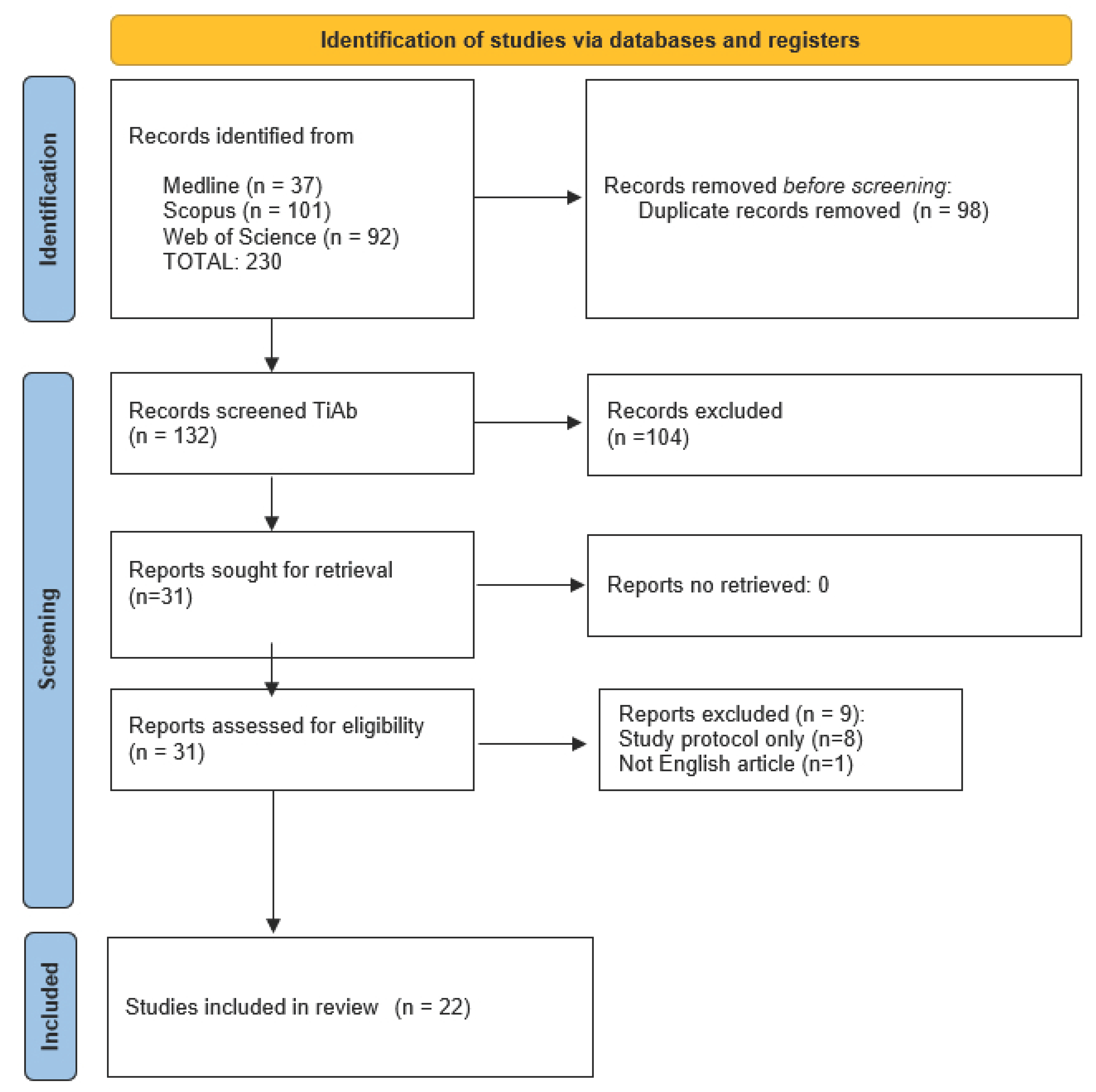
Background: Obesity in adults is a growing health concern. The principal interventions used in obesity management are lifestyle-change interventions such as diet, exercise, and behavioral therapy. Although they are effective, current treatment options have not succeeded in halting the global rise in the prevalence of obesity or achieving sustained long-term weight maintenance at the population level. E-health and m-health are both integral components of digital health that focus on the use of technology to improve healthcare delivery and outcomes. The use of eHealth/mHealth might improve the management of some of these treatments. Several digital health interventions to manage obesity are currently in clinical trials. Objective: The aim of our systematic review is to evaluate whether digital health interventions (e-Health and m-Health) have effects on changes in anthropometric measures, such as weight, BMI, and waist circumference and behaviors such as energy intake, eating behaviors, and physical activity. Methods: A search was conducted for randomized controlled trials (RCTs) conducted through 4 October 2024 through three databases (Medline, Web of Science, and Scopus). Studies were included if they evaluated digital health interventions (e-Health and m-Health) compared to control groups in overweight or obese adults (BMI ≥ 25 kg/m2) and reported anthropometric or lifestyle behavioral outcomes. Study quality was assessed using the Cochrane Risk of Bias Tool (RoB 2). Meta-analyses were performed using random-effects or fixed-effects models as appropriate, with statistical significance set at p < 0.05. Results: Twenty-two RCTs involving diverse populations (obese adults, overweight individuals, postpartum women, patients with eating disorders) were included. Digital interventions included biofeedback devices, smartphone apps, e-coaching systems, web-based interventions, and mixed approaches. Only waist circumference showed a statistically significant reduction (WMD = −1.77 cm; 95% CI: −3.10 to −0.44; p = 0.009). No significant effects were observed for BMI (WMD = −0.43 kg/m2; p = 0.247), body weight (WMD = 0.42 kg; p = 0.341), or lifestyle behaviors, including physical activity (SMD = −0.01; p = 0.939) and eating behavior (SMD = −0.13; p = 0.341). Body-fat percentage showed a borderline-significant trend toward reduction (WMD = −0.79%; p = 0.068). High heterogeneity was observed across most outcomes (I2 > 80%), indicating substantial variability between studies. Quality assessment revealed predominant judgments of “Some Concerns” and “High Risk” across the evaluated domains. Conclusions: Digital health interventions produce modest but significant benefits on waist circumference in overweight and obese adults, without significant effects on other anthropometric or behavioral parameters. The high heterogeneity observed underscores the need for more personalized approaches and future research focused on identifying the most effective components of digital interventions. Digital health interventions should be positioned as valuable adjuncts to, rather than replacements for, established obesity treatments. Their integration within comprehensive care models may enhance traditional interventions through continuous monitoring, real-time feedback, and improved accessibility, but interventions with proven efficacy such as behavioral counseling and clinical oversight should be maintained.
Keywords: e-health; m-health; management; obesity; systematic review e-health; m-health; management; obesity; systematic review