Article

Reconstructing Horizontal Displacement Through Deep Learning in Multiple-Pairwise Satellite Image Correlation


1
State Key Laboratory of Earthquake Dynamics and Forecasting, Institute of Geology, China Earthquake Administration, Beijing 100029, China
2
Faculty of Land Resources Engineering, Kunming University of Science and Technology, Kunming 650000, China
*
Author to whom correspondence should be addressed.
Remote Sens. 2026, 18(5), 704; https://doi.org/10.3390/rs18050704
Submission received: 27 November 2025 / Revised: 4 February 2026 / Accepted: 5 February 2026 / Published: 27 February 2026
(This article belongs to the Section Remote Sensing in Geology, Geomorphology and Hydrology)

Abstract

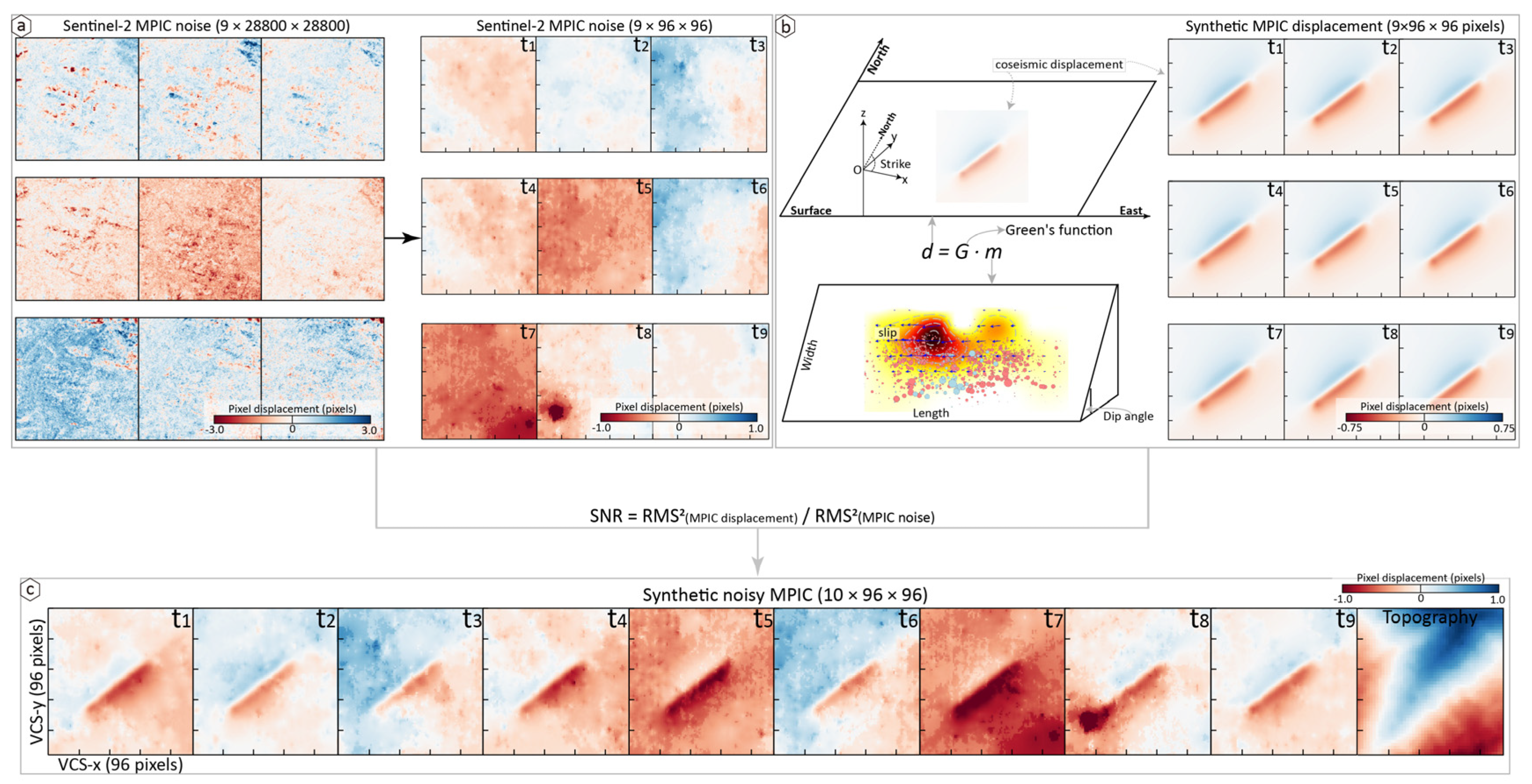
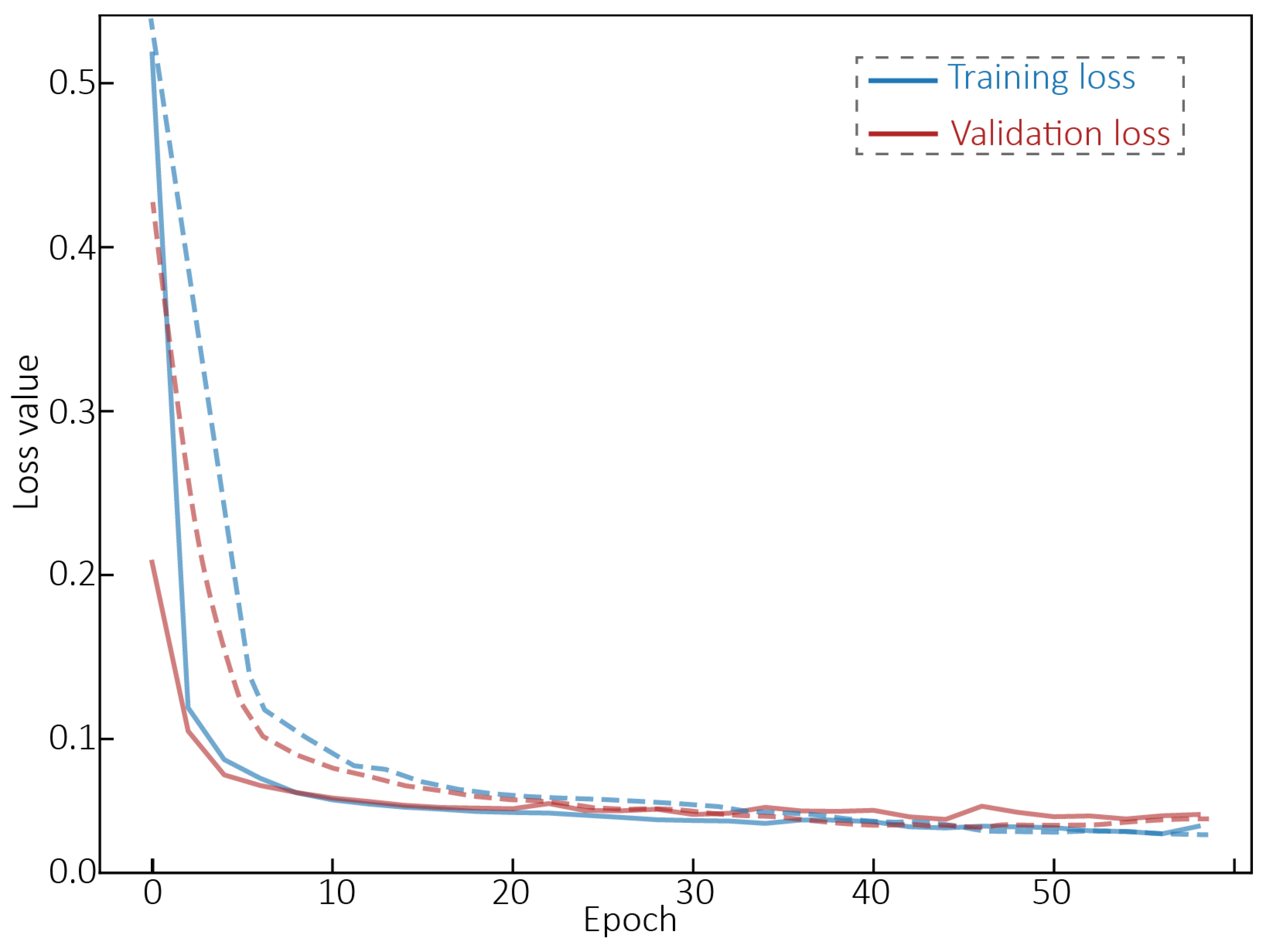
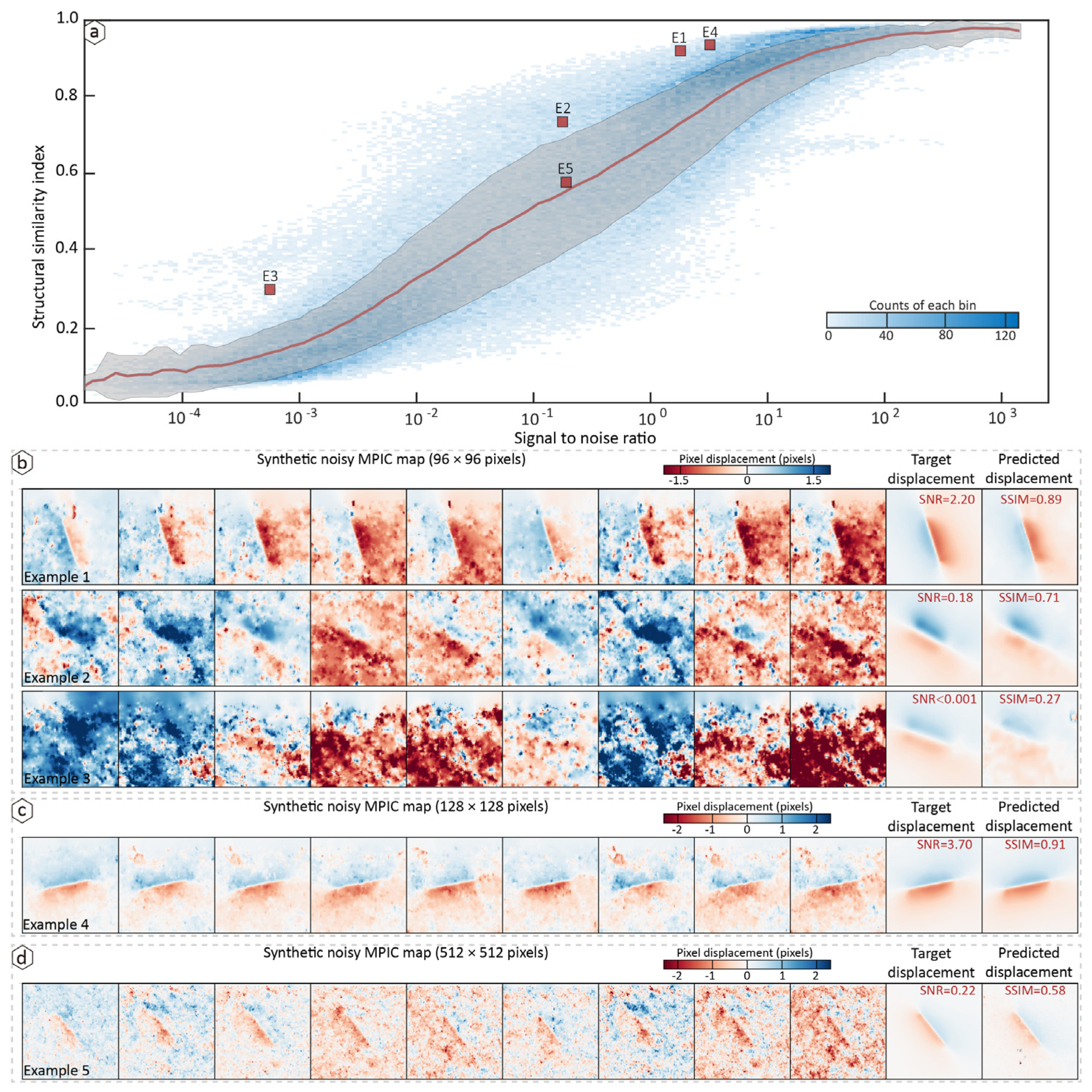
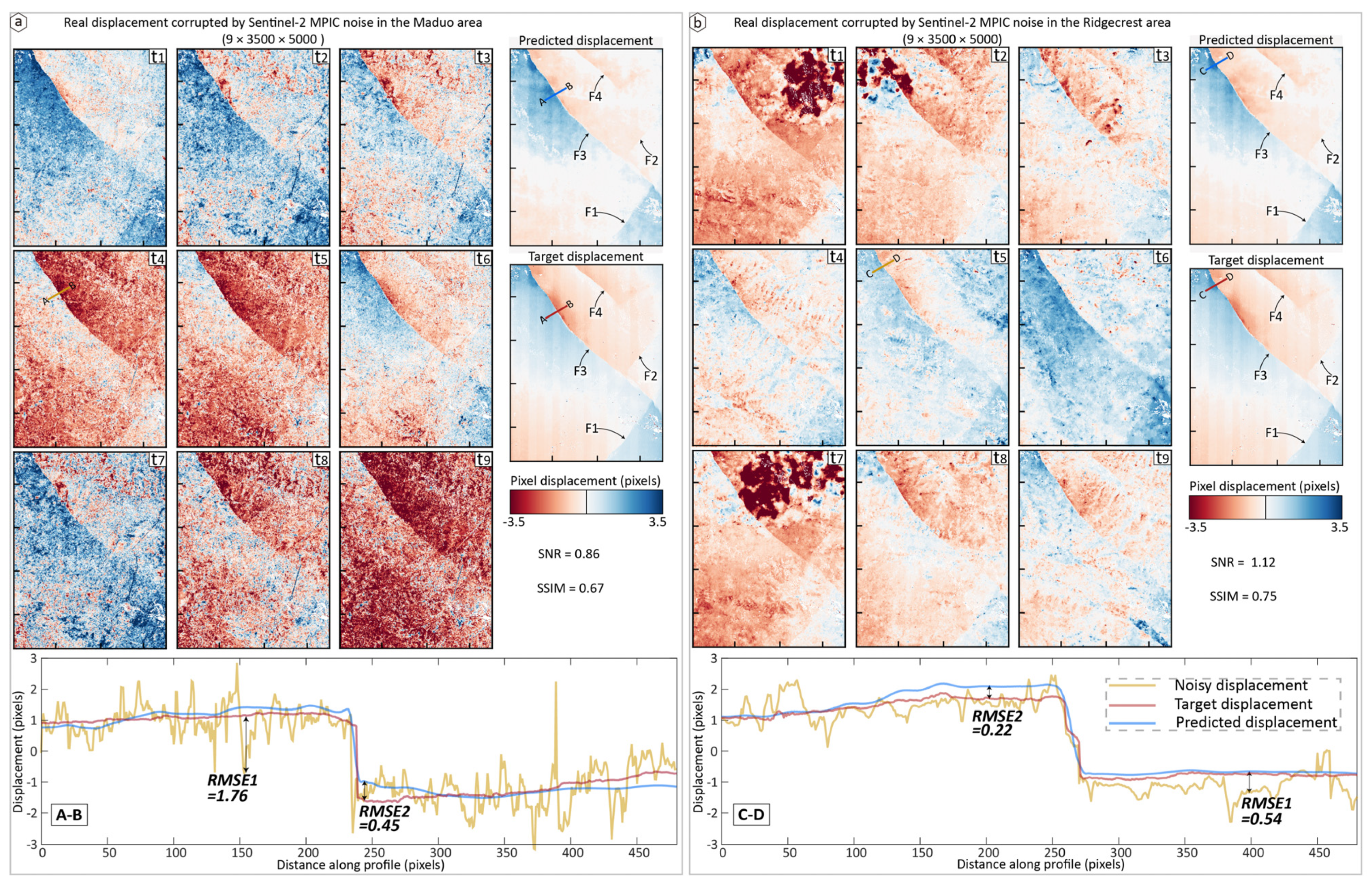
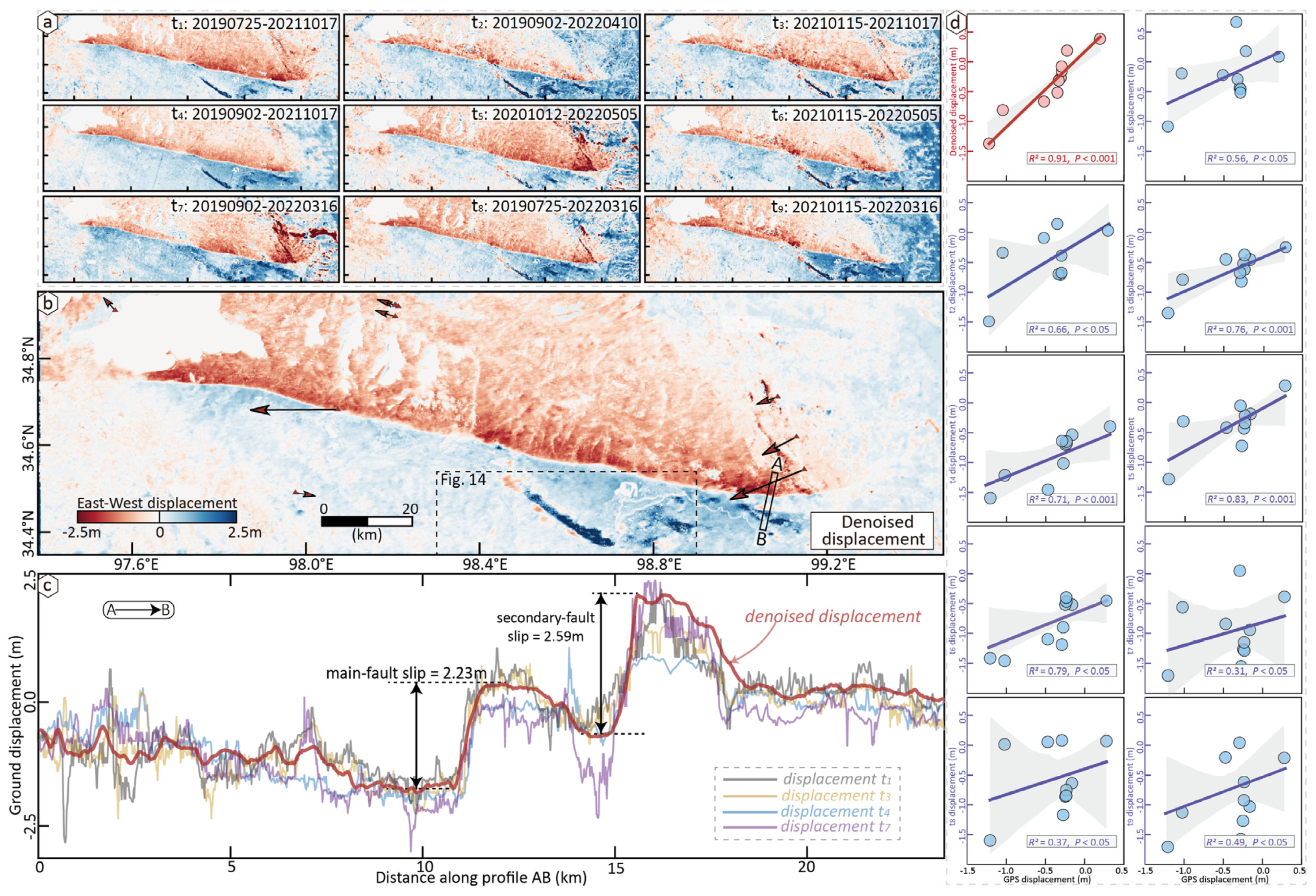
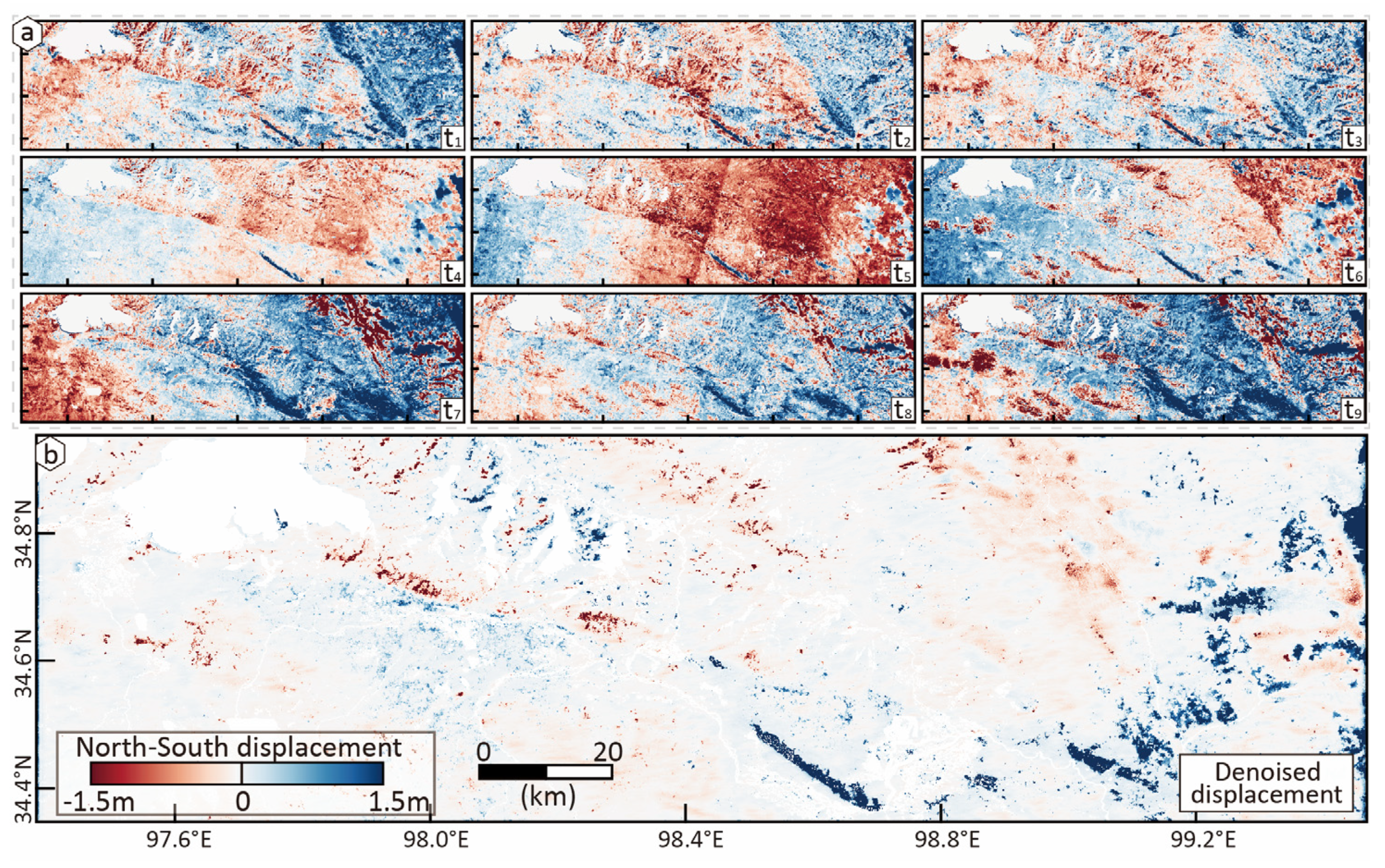
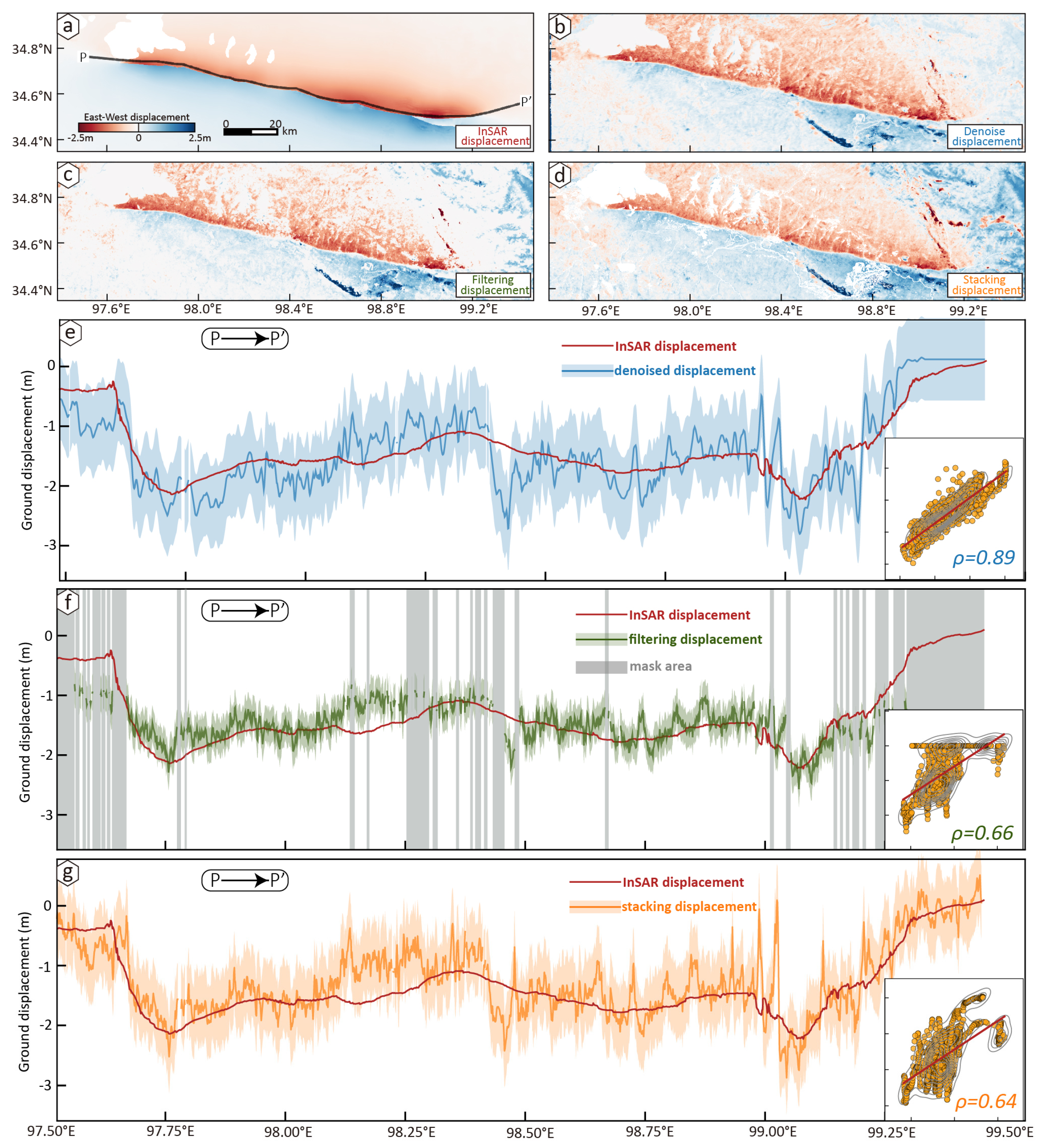
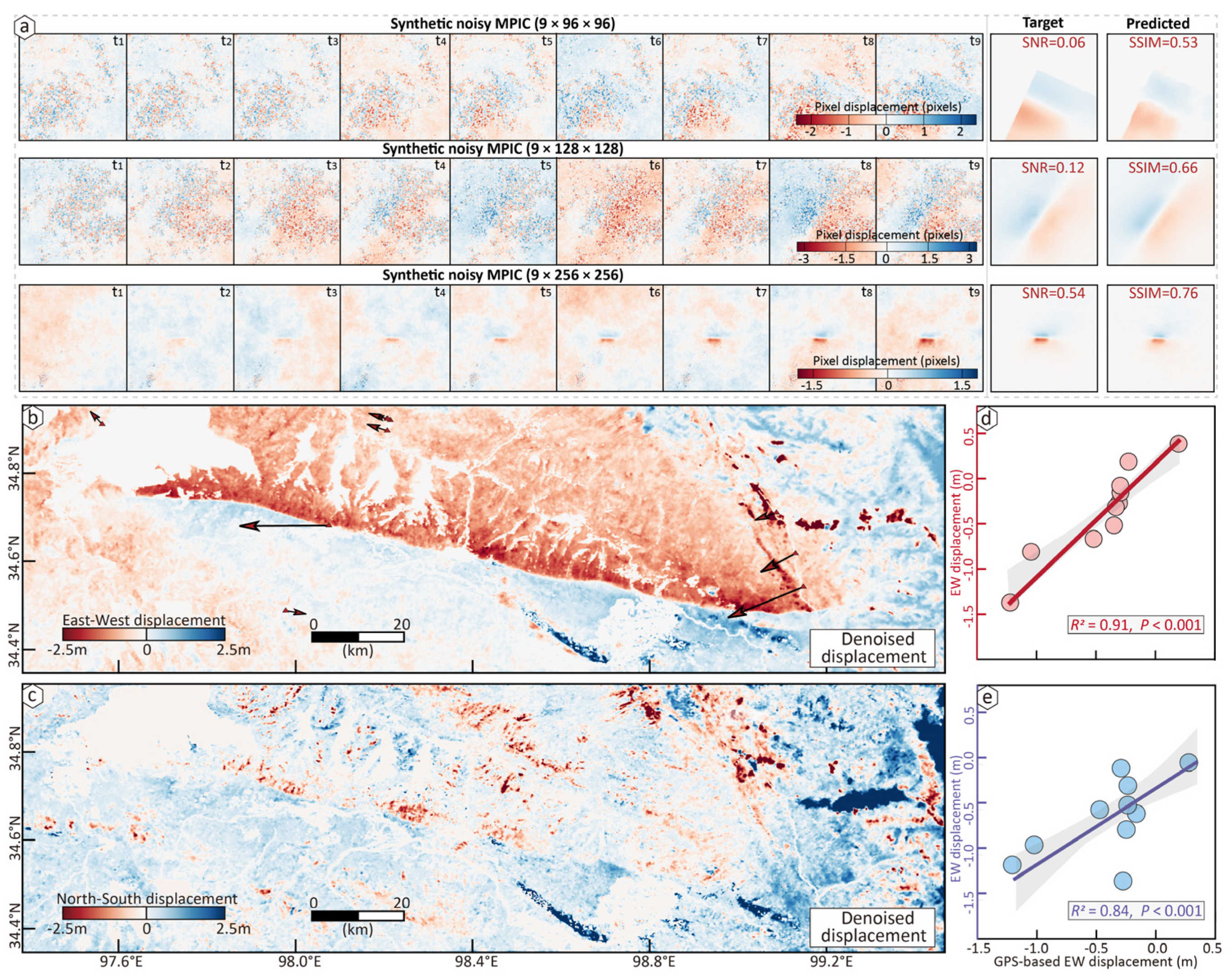
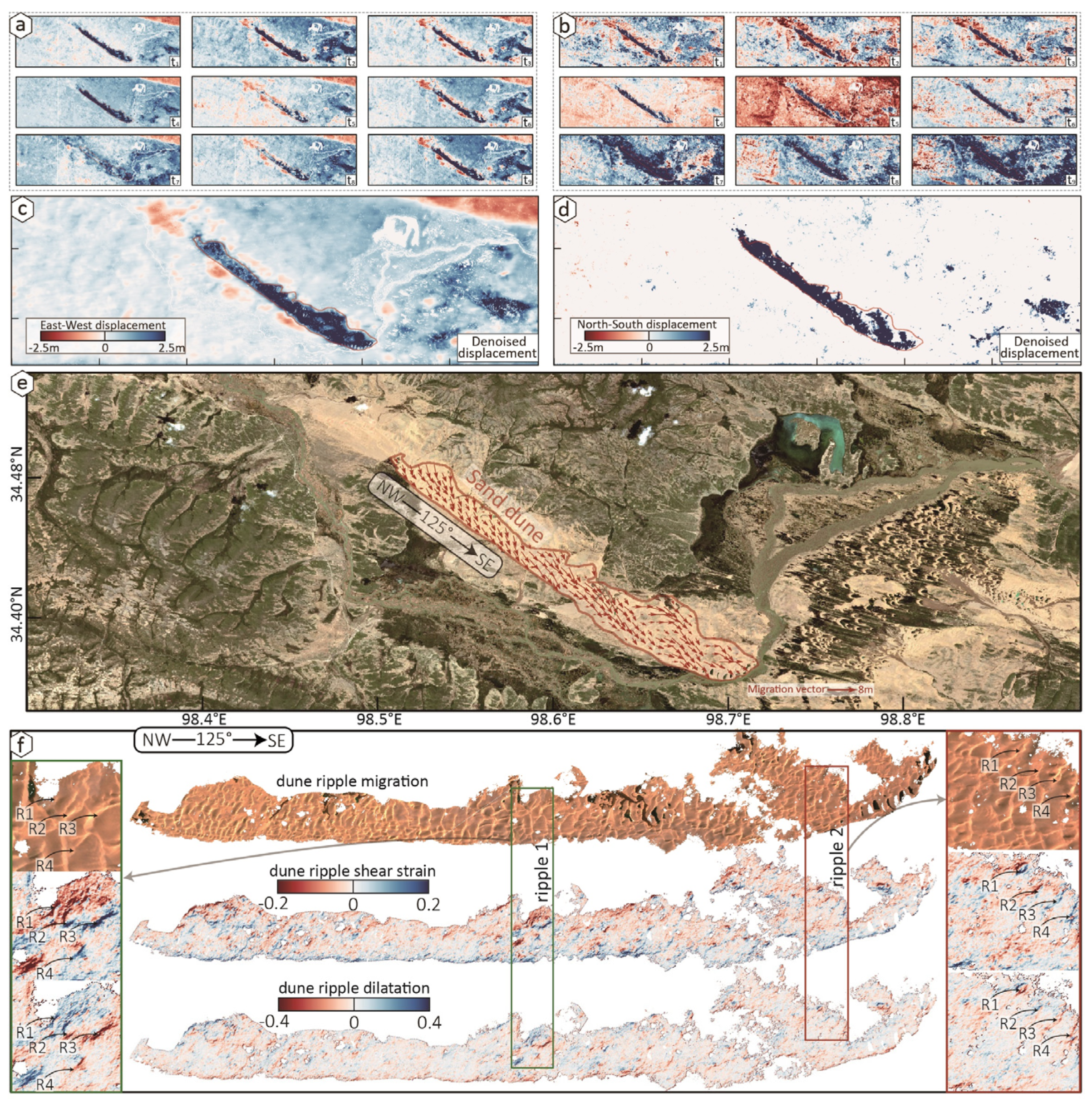
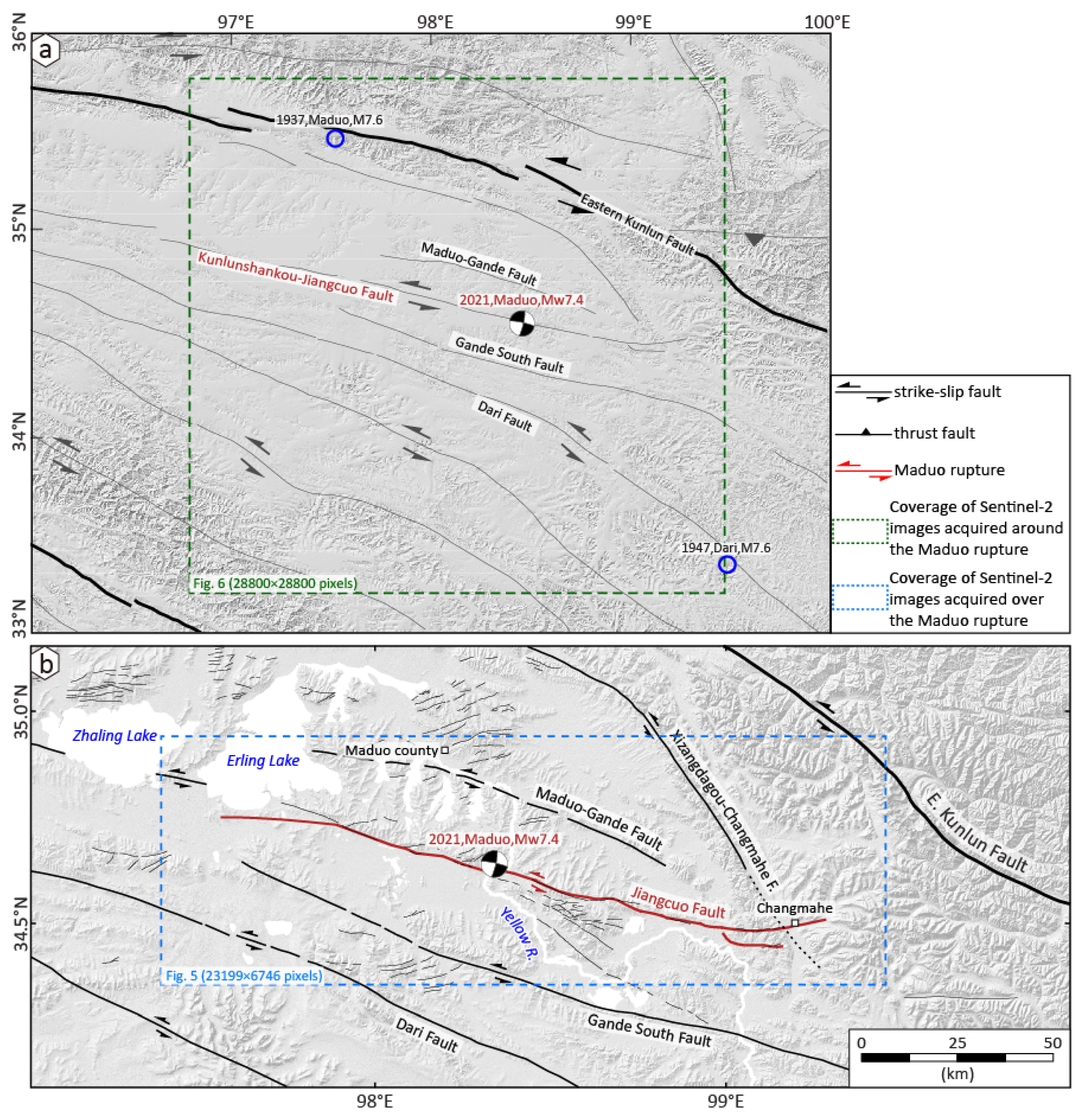
High-resolution satellite images are frequently used to measure horizontal displacements caused by earthquakes, providing valuable insights into rupture behaviors and mechanical properties of seismogenic faults. The displacement of interest, however, is often contaminated by correlated noises. Therefore, accurate separation of the displacement from noise is crucial to improve the quality of the deformation map. In this study, we used a deep-learning autoencoder to eliminate noise and reconstruct clean displacement in multiple-pairwise satellite image correlation (MPIC). To achieve the desired denoising performance, the autoencoder was initially trained and validated on the MPIC synthetic datasets with simulated noises and noises from Sentinel-2 images, respectively. The experimental results indicate that our autoencoder successfully recovered denoised displacement signals in the input MPICs under various noise conditions. Upon applying the autoencoder to the actual MPICs over the 2021 Maduo earthquake, the denoised displacements were successfully reconstructed, showcasing its capability to real MPIC data. A higher consistency between the autoencoder’s reconstruction and GPS- and InSAR-based displacements demonstrated that our encoder outperforms both traditional denoising methods and the autoencoder trained on synthetic data. Moreover, the autoencoder can also recover the clean surface signal associated with a dune migration near the Maduo rupture, revealing a previously unreported migrating feature. Overall, the autoencoder exhibits potential in reconstructing high-quality horizontal displacements related to a range of tectonic and geomorphological processes.
Keywords: deep learning autoencoder; satellite optical MPIC; removing correlated noise; reconstructing surface displacement deep learning autoencoder; satellite optical MPIC; removing correlated noise; reconstructing surface displacement