


Highlights
What are the main findings?
- The VMNUI method was constructed for extracting urban form footprints based on vegetation, moisture, and calibrated multi-source nighttime light data. The VMNUI mitigates nighttime light data saturation and blooming, attaining a Kappa ≥ 0.80 and an OA ≥ 0.95 in mapping Fujian’s urban form, and reveals the spatiotemporal evolution, centroid migration, and clustering dynamics in Fujian for the period 1992–2022.
- A GTWR model is integrated to quantify drivers of long-term urban expansion. Geographical Detector indicates that precipitation, population, highway density, and fixed-asset investment are the top single drivers, while GDP ∩ fixed-asset investment yields the strongest synergy. GTWR further reveals that slope-aspect, GDP, and secondary industry size are the greatest contributors to expansion in eastern Fujian, whereas population, urbanization rate and mean temperature are the principal drivers in western Fujian.
What are the implications of the main findings?
- The VMNUI–NTL framework provides a reproducible, high-resolution, and low-cost approach to mapping urban spatial morphology in regions with similar data availability and urban characteristics.
- The nationwide driver hierarchy and east–west contrast pattern identified in Fujian can be directly transferred to other provincial-level units to forecast expansion hotspots and tailor region-specific territorial–spatial plans.
Abstract
Rapid urbanization complicates the precise, timely quantification of urban spatial morphology. This study examined urban spatial morphology in Fujian Province, integrating DMSP-OLS and NPP-VIIRS nighttime light imagery from 1992 to 2022 to extract the built-up urban footprint via the constructed VMNUI. This method achieved an overall accuracy >0.95 and a Kappa coefficient of 0.80 when the results were compared against land use samples. Utilizing Centroid Migration Analysis, clustering, Geographical Detector, and GTWR, we quantitatively analyzed Fujian’s urban spatial form and its driving mechanisms. The results indicate that the calibration and integration of NTL data effectively resolved saturation and overflow issues in the DMSP data, revealing an urban expansion rate of 3.79%, which centered on coastal areas. Geographical Detector analysis identified fixed-asset investment (q = 0.83), population (0.80), precipitation (0.78), and highway density (0.76) as dominant factors; GDP ∩ fixed-asset investment yielded the strongest interaction (0.873). GTWR further identified that slope aspect, GDP, and secondary industry share accelerated expansion in eastern Fujian, whereas population, urbanization rate, and mean temperature were key drivers of expansion in the west. This study analyzed the spatiotemporal evolution patterns and driving mechanisms of urban spatial form development in Fujian Province over a long period, and based on the results, actionable, science-based optimization strategies with practical implications are proposed for sustainable development in the region.
1. Introduction
Urbanization is one of the most striking transformations in the evolution of human society, as it epitomizes the inherent regularities and inexorable tendencies of societal advancement. As a quintessential process of social metamorphosis, urbanization is not merely the spatial concentration of a population within an urban agglomeration; it signifies profound reconfigurations in socio-economic structures, spatial morphologies, and modes of everyday life. This process is at the core of humanity’s civilizational trajectory and serves as a pivotal metric for gauging the extent of social modernization [1,2,3]. Urbanization is inherently multidimensional, and the scope of its study has expanded to include cross-disciplinary investigations, catalyzing an integrative research paradigm that spans demography, geography, economics, sociology, and beyond [4,5]. The outcome of this convergence is a comprehensive academic agenda anchored in a multi-perspectival epistemology. By permeating and restructuring disciplinary boundaries, this transdisciplinary knowledge-production network has forged a compound theoretical framework based on urban spatial restructuring, mechanisms of population mobility, economic agglomeration effects, and transformations in social morphology. As a result, urban studies have undergone a paradigmatic shift from traditional, discipline-bound analyses to study of cities as complex, adaptive systems [6].
1.1. Urban Spatial Morphology Identification Based on Nighttime Light Data
Nighttime Light Remote Sensing (NTL) data provide a novel vantage point and methodological aperture, offering a straightforward and synoptic depiction of the intensity and spatial distribution of anthropogenic activity throughout the urbanization process. With the advancement of cross-sensor consistency calibration methods for nighttime light remote sensing [7], long-term NTL time series provide a reliable foundation for studying the evolution of urban spatial morphology. The delineation of urban spatial morphology elucidates the patterns and regularities fundamental to urban expansion, offering a solid theoretical foundation for the study of urban form [8,9,10,11]. To date, the extraction of urban spatial morphology from Nighttime Light Remote Sensing data has yielded substantial achievements. Methodologically, threshold-based image-classification techniques, encompassing empirically determined threshold segmentation [12], change-point detection [13], statistical data-driven approaches [14], and comparative analyses with fine-resolution imagery [15], are the most widely adopted approaches. These heterogeneous methods effectively extract urban spatial signatures from Nighttime Light Remote Sensing datasets, providing a critical empirical foundation for urban planning, development monitoring, and related research [16].
Peng et al. [17] leveraged the DMSP-OLS NTL time-series to delineate urban morphologies in China from 2000 to 2012 by applying threshold-based segmentation to the imagery. However, the resultant spatial boundaries remained highly sensitive to the selection of an optimal threshold, constraining the robustness of their findings. Change-point detection derives thresholds directly from the statistical characteristics of Nighttime Light Remote Sensing data, offering strong objectivity but entailing a considerable workload. Statistical data-driven approaches to extracting urban spatial morphology offer pronounced advantages regarding data foundation, scientific rigor, and objectivity; nevertheless, they exhibit inherent disadvantages in terms of data dependency, residual subjectivity, analytical complexity, and temporal responsiveness. Dong et al. [18] employed statistical data-driven approaches to ascertain the optimal threshold for delineating the spatial extent of large metropolitan agglomerations. Although their method was easy to use, its delineations lacked precision. Comparative analysis with high-resolution images enables accurate acquisition of intra-urban data on element distribution, morphology, and structure, which are vital for understanding urban development. However, this method is costly, limiting its application in large-scale urban spatial morphology studies. Wang et al. [19] proposed a dynamic minimum spanning tree (DMST) combined with subgraph segmentation to delineate temporally evolving urban spatial morphologies, specifically incorporating spatial adjacency between urban entities. Meng et al. [20] conducted a comparative analysis of urban spatial boundaries derived from Landsat imagery and DMSP NTL to ascertain their convergences and divergences, aiming to determine the optimal threshold for boundary delineation. Shi et al. [21] utilized the previously generated “SNPP-VIIRS-like” consistent Nighttime Light Remote Sensing dataset to delineate and evaluate global urban spatial morphology from 2000 to 2020. Their proposed K-means algorithm and processing workflow extract urban spatial patterns at the pixel level using radiance data from “SNPP-VIIRS-like” sources. However, these methods face limitations in accuracy and resource demands, hindering progress in urban spatial morphology identification. Therefore, new identification approaches are urgently required.
Scholars have demonstrated that constructing index-based approaches can improve the precision of urban spatial morphology delineation. Sharma et al. [22] developed the Enhanced Urban Built-up Index (EUBI) and successfully extracted urban spatial patterns using this metric. Zheng et al. [23] constructed the Enhanced Nighttime Urban Index (ENUI) by integrating multiple remote-sensing indices and validated its accuracy; their results demonstrated markedly higher delineation precision. Other studies have improved the accuracy of urban morphology extraction by applying logarithmic transformation to Nighttime Light Remote Sensing data or by fusing these data with finer-resolution remote-sensing datasets [24,25].
Tracking the shifting shape of cities over time exposes the human activities driving urbanization, uncovers the effects of economic advancement, population increases, and policy assistance on urban form, and provides a solid theoretical foundation for sustainable urban development [26,27,28,29,30]. Bu et al. [31] employed a high-resolution data comparison approach to define the urban spatial extent of the Yellow River urban agglomeration in Ningxia for five benchmark years and subsequently analyzed the region’s urban morphology across three dimensions—form, scale, and structure. Fan et al. [32] leveraged 2012–2021 NTL data to delineate city–town evolution in the Lanzhou–Xining agglomeration, combining scaling metrics, growth-mode theory and standard deviational ellipses. Xie et al. [33] leveraged NPP-VIIRS NTL to analyze the hierarchical and county-level spatiotemporal dynamics of city-size distribution in the Haixi Economic Zone from 2012 to 2019, applying Nighttime Light statistical analysis, the rank–size rule, and the Nighttime Light Development Index. Zhao et al. [34] utilized continuous NTL data to characterize the spatiotemporal trajectories of urban spatial morphology within their study area. Li et al. [35] implemented a support vector machine classifier to map detailed land-use types across Dalian’s urban space. Marzialetti et al. [36] examined the mechanisms of urbanization in subtropical megacities in South America using multitemporal satellite imagery from 2010 to 2021, demonstrating the practical utility of remote-sensing data for elucidating urban spatial expansion. Jiang [37] constructed a novel city-level panel dataset that fuses satellite NTL imagery with gridded population data to analyze the hierarchical evolution of an urban system. Li et al. [38] drew on sixteen years of NTL data to chart Wuhan’s growth trajectory.
As research on urban spatial form has advanced, the spatiotemporal evolution of urban morphology has become a focal topic, producing an increasingly rich body of empirical evidence. Huang et al. [39] employed multi-temporal high-resolution imagery to extract both mesoscale and microscale morphological evolution patterns in Tianjin’s Binhai New Area, identifying edge expansion, linear extension, industrial land development, demolition–construction cycles, and mixed growth as coexisting evolutionary modes across different development stages. Yang et al. [40] analyzed the valley-constrained morphological evolution of Lanzhou by integrating street-network metrics with remote-sensing data, demonstrating that terrain fundamentally shapes long-term urban expansion trajectories and induces a persistent, corridor-like spatial structure. Ji et al. [41] delineated peri-urban transformation in Chengdu using K-means clustering and multi-source geospatial data, revealing the emergence and outward diffusion of polycentric structures and the dynamic reconfiguration of the urban–rural interface. Hu et al. [42] further showed, through an analysis of coastal urban vitality and spatial structure, that coastal cities exhibit a coupled evolution of functional activity intensity and spatial morphology, with morphological restructuring strongly linked to fluctuations in coastal vitality.
Scholars have undertaken extensive investigations to refine urban spatiotemporal evolution analyses. Tian et al. [43] analyzed urban spatial sprawl and morphological change using high-resolution remote-sensing datasets, thereby acquiring the geospatial object-based change information critical for characterizing urban dynamics. Ma [44] fused DMSP-OLS and NPP-VIIRS NTL to track the Pearl River Delta’s sprawl and its drivers, using expansion intensity, Moran’s I, hotspot mapping, and a multidimensional factor model. Stokes et al. [45] compared India and the United States to highlight how divergent urban development paths unfold over space and time. Ma [46] used NTL data to measure sprawl, urbanization timing, shifts in spatial structure, and diffusion speed, offering a benchmark for studying and managing city growth. Lu et al. [47] constructed a 1914–2018 time series of nine epochs by integrating multi-source remote-sensing imagery and historical cartographic datasets, tracking the progressive expansion of Hangzhou’s urban spatial morphology across more than a century. Chang et al. [48] employed NTL data to evaluate and analyze spatiotemporal disparities in China’s urban spatial morphology. Xu and Xu. [49], relying on NTL data, demonstrated that the Yangtze River Delta urban agglomeration exhibits a relatively balanced city-size distribution. Do et al. [50] fused GIS layers with remote-sensing imagery to chart the directional spread and urbanization tempo of Lao Cai City in northern Vietnam. Using DMSP-OLS NTL, Alahmadi and Atkinson [51] investigated the spatiotemporal evolution of urban expansion in Saudi Arabia across multiple scales. Ch et al. [52] classified calibrated NTL data by radiance intensity and, through analyses of urbanization level, population density, and city-size distribution, estimated the areal extent of global metropolitan regions. Zheng et al. [53] combined NPP-VIIRS NTL with Landsat images to dissect how the Guangdong–Hong Kong–Macao Greater Bay Area has expanded across distinct time windows. Collectively, these studies confirm that nighttime light data are useful for researching how city shapes shift over space and time, but they also have inherent constraints. In practice, NTL data are routinely complemented by additional data—such as socioeconomic datasets and high-resolution imagery—to compensate for their inherent limitations, thereby enabling a more comprehensive characterization of urban spatial morphological evolution [54].
1.2. Spatiotemporal Evolution and Driving Mechanisms of Urban Spatial Morphology
As urbanization accelerates and urban spatial morphology expands rapidly, the evolutionary characteristics of this expansion have become a focal research topic, yielding a substantial body of findings. Talkhabi et al. [55] employed Shannon entropy in conjunction with the Holdren model to quantify the magnitude of urban spatial sprawl in a metropolitan region over a certain period. Wang et al. [56] tracked the 1990–2020 expansion of the Central Plains urban agglomeration and found a J-shaped surge: the expansion extended NW–SE, while the urban center of gravity slid steadily south. Alajizah and Altuwaijri [57] evaluated Riyadh’s urban environment and its link to urban sprawl. Their findings show that the city’s built-up area doubled between 2000 and 2020, with a 106% increase, and that urban environmental degradation was closely tied to this expansion. Qiu et al. [58] reported that China’s urban spatial morphology had expanded from 414.67 km2 in 1990 to 1406.29 km2 in 2018, an increase of 239.13%. Likewise, Zheng et al. [59] quantitatively evaluate the spatiotemporal evolution of large urban agglomeration expansion during 1995–2020 by nighttime light and spectral data. Regarding projections, Gao et al. [60] developed an empirically based global forecast of twenty-first-century urban spatial morphology and predicted that urban development intensity will increase by a factor of 1.8 to 5.9 by 2100. Collectively, these studies indicate that most existing research has concentrated on short-term expansion within individual cities or urban agglomerations, with a lack of long-term monitoring of urban spatial morphological expansion using high-resolution NTL datasets. Investigating the drivers of urban expansion can provide not only an essential theoretical foundation for urban planning and governance but also practical guidance for sustainable urban development, offering significant theoretical and applied value [61,62,63]. Building on this imperative, scholars have conducted a variety of pioneering studies on urban spatial morphological expansion by leveraging multi-source NTL data [64,65]. Research has been conducted at metropolitan, provincial, and urban agglomeration scales, addressing the determinants and dynamic patterns of urban expansion alongside spatial growth simulation and forecasting [66,67,68]. Chen et al. [69] proposed a “trend–pattern–efficiency–coordination” framework that blends multi-source imagery with census data to track decadal urban expansion across the Lower Yellow River agglomeration from 1990 to 2020, gauging both its sustainability and spatiotemporal dynamics. Hennig et al. [70] proposed a suite of targeted measures to curb unplanned urban expansion and confirmed that economic forces and policy interventions are the principal drivers in their study area. Hosseini and Hajilou [71] identified twenty-two key determinants, concluding that they constitute the most influential factors driving unplanned urban growth in Iran. Zhang et al. [72] demonstrated that economic variables exert the strongest influence on urban spatial morphological expansion. Feng et al. [73] analyzed the drivers of urban expansion in Henan Province and verified that population dynamics, economic development, and living standards are the dominant contributing factors. Shorabeh et al. [74] integrated NTL with climatic datasets to examine how urban development-driven changes alter the physical properties of land surfaces under varying climatic conditions. Luo [75] identified economic growth, population increases, transportation infrastructure, and industrial structure as the principal drivers of urban expansion in Ganzhou. Osman et al. [76] selected seven explanatory variables to explore the determinants of urban growth in Giza Governorate, concluding that neighborhood effects exert the strongest influence. Yang et al. [77] linked real estate investment, per capita fiscal spending, and the urban–rural income gap to the share of urban population to unpack the drivers of urbanization. Moreover, empirical studies indicate that socioeconomic variables, particularly population size and land value, constitute the principal determinants of urban scale. Natural geography’s influence on sprawl has lessened, while the effects of administrative control and land-use policy have strengthened [66].
Beyond identifying statistical associations, recent studies have attempted to characterize how different drivers operate across development stages, spatial contexts, and expansion modes. Several representative works have provided valuable insights. Tang et al. [78] employed ESTDA and GTWR to reveal that the Bohai Rim urban agglomeration exhibits a shifting configuration of drivers, with early-stage growth primarily shaped by economic scale and population agglomeration, while later-stage expansion is strongly influenced by industrial restructuring and policy guidance. Wei et al. [79] combined machine learning models with a pattern–function coupling framework to assess how GDP density, transport accessibility, ecological quality, and public service distribution collectively influence the spatial impacts of various urban expansion modes, revealing distinct responses among edge, outlying, and infill growth. In Beijing, Cheng et al. [80] showed that the spatial differentiation of ecosystem services is strongly driven by landscape fragmentation, green–blue space configuration, and socioeconomic gradients, highlighting the ecological constraints embedded in urban land expansion. Tian et al. [81] focused on Xining, finding that industrial park development and functional zoning exert decisive influences on land conversion, triggering pronounced population clustering and spatial restructuring. At the national scale, Feng et al. [82] demonstrated that China’s prevailing edge and outlying expansion patterns reflect the combined effects of topographic constraints, connectivity structures, and socioeconomic gradients, thereby underscoring the spatial heterogeneity of expansion drivers across regions.
Artificial Intelligence (AI) and machine learning (ML) are increasingly recognized for their utility in analyzing drivers of urban spatial morphological changes. Wu et al. [83] employed a random forest algorithm to identify the determinants of urban spatial morphological change, whereas Ye et al. [84] used principal component analysis followed by stepwise regression to rank driver importance. Conventional regression approaches, however, require assumptions about the data’s probability distribution and the linear or non-linear nature of predictor functions, and spatial regression models are often susceptible to multicollinearity [85]. AI and ML techniques, by contrast, excel at handling complex tasks and deriving decisions from high-dimensional data. Random forest, in particular, can capture non-linear associations among explanatory variables with high simulation accuracy while simultaneously ranking variable importance, thereby offering a more robust explanation of urban expansion mechanisms [86,87]. Liu et al. [88] integrated multi-source NTL imagery to quantify spatiotemporal patterns of urban expansion in Myanmar’s delta region and employed random forest regression to disentangle its underlying determinants. Their findings reveal that human connectivity, geographic location, and socio-economic considerations collectively shape urban growth in the region, a synthesis they termed the “four-force” driver model. In summary, although NTL data provides extensive, long-term information on changes in nighttime radiance, it cannot directly capture specific drivers such as policy shifts, economic fluctuations, or population movements; these factors must be inferred by integrating the imagery with ancillary socio-economic and administrative datasets.
NTL imagery provides a unique perspective for monitoring urban spatial dynamics; its large-scale coverage and high temporal responsiveness effectively compensate for the pronounced lags and high costs associated with conventional survey data. Although NTL data have become a critical source for studying urban spatial morphology, and despite recent notable advances in data calibration and fusion, information extraction, and driving-mechanism analysis, persistent constraints on data quality and methodological innovation give rise to the following bottlenecks, which require urgent resolution:
- (i)
- Timely and accurate mapping of urban spatial morphology using NTL data is crucial for tackling environmental issues resulting from rapid urban land-cover changes and optimizing land use for global urban sustainability. However, the use of NPP-VIIRS data is hampered by significant overspill effects, especially over vegetated and water areas within cities. To address this, this study introduces and validates the VMNUI, which combines the NDMI and NDWI to reduce overspill contamination, offering a new, adaptable tool for large-scale urban spatial morphology identification and change monitoring across global urban areas.
- (ii)
- Previous studies used spatial–econometric models to show correlations between urban expansion and explicit factors like GDP and population, but they struggled to quantify latent drivers such as policy, topography, climate, and road accessibility. Most analyses also relied on global regression, ignoring spatial heterogeneity and local variations in driving mechanisms, such as differences between the development of new areas and inner-city renewal. To fill these gaps, this study used twelve explanatory variables across six dimensions—policy, elevation, climate, road networks, economy, and population—and applied the Geographical Detector model and GTWR to analyze the mechanisms driving urban spatial morphology changes in Fujian Province.
2. Materials and Methods
2.1. Study Area
Fujian Province is situated on the southeastern coast of China, between 23°30′ and 28°22′ N and 115°50′ and 120°40′ E (Figure 1). Bounded by Guangdong to the south, Zhejiang to the north, and Jiangxi to the west and fronting the Taiwan Strait and East China Sea to the east, the province occupies a clearly demarcated and strategically important location. This distinctive location has a diverse physiography: the eastern littoral presents a typical maritime landscape, with a convoluted coastline exceeding 3 752 km that hosts numerous natural deep-water harbors. Inland to the west, the Wuyi and Daiyun Mountains dominate, forming a rugged hilly–mountainous system with a relief exceeding 1 800 m. The resulting complex geological structure and varied landforms contain abundant mineral and biological resources and sustain relatively intact ecosystems. Administratively, the province comprises nine prefecture-level units and eighty-five county-level divisions. Fuzhou, the provincial capital, functions as the political, economic, and cultural nucleus complemented by the Xiamen Special Economic Zone and the historic city of Quanzhou, each with distinctive strengths in economic positioning, cultural continuity, and social development. Together, these cities constitute a regional development pattern that integrates maritime and mountainous characteristics. Additionally, agriculture serves as a vital pillar of Fujian Province’s economic development, providing a crucial scientific basis for future research.
Figure 1.
Administrative zoning map of Fujian Province.
2.2. Data Sources
The Landsat images employed in this research were acquired from the Geospatial Data Cloud (https://www.gscloud.cn/). Specifically, Landsat TM scenes were used for 1995, 2000, 2005, and 2010, whereas Landsat 8 OLI scenes were selected for 2015 and 2020. The NTL data were derived from the “DMSP-OLS-like” dataset produced by Zheng et al. [7] for Fujian Province for the period 1992–2022 and resampled to 30 m. To minimize cloud contamination, only images with less than 10% cloud cover were retained; all scenes correspond to path/row 119-43 (Table 1). The downloaded imagery was pre-processed in ENVI 5.3, including atmospheric and radiometric correction, to enhance accuracy and reliability. Subsequently, NDVI and NDWI derived from the Landsat imagery were employed to calibrate the Nighttime Light Remote Sensing data, thereby mitigating saturation and overspill effects in the nighttime light signals.
Table 1.
Landsat dataset overview.
2.3. Urban Spatial Morphology Identification Methods
2.3.1. VMNUI Construction
Drawing on a multi-source data-fusion framework, this study integrated DMSP-OLS and NPP-VIIRS NTL with Landsat imagery to develop a Vegetation–Moisture–Nighttime Light Urban Index (VMNUI). The Normalized Difference Moisture Index (NDMI) and Normalized Difference Water Index (NDWI) were fused with nighttime radiance in a composite feature space, and an optimal threshold was applied to extract the urban morphology with high precision. Accuracy was assessed by constructing confusion matrices for comparison against the Land-Use/Land-Cover Change reference product (LUCC data description: Land Cover Maps with a 30-m resolution. Source: Resource and Environment Data Cloud Platform (http://www.resdc.cn/). Time: 1995–2020).
where the digital number (DN) of the NTL data is denoted as NTL, the near-infrared band is abbreviated as NIR, the short-wave infrared-1 band is denoted by SWIR1, the red band is represented by R, and the green band is signified by G.
Due to the suppression of the sharp increase in radiance over the urban core, the contrast between non-core urban and suburban areas is amplified, further enlarging the NTL difference between urban and non-urban areas [89]. Consequently, applying the Lg(NTL) function, i.e., a logarithmic transformation of the DMSP-OLS NTL composite, enhances the efficiency of urban-land extraction from NTL data.
The NDMI was derived from Landsat-8 OLI; its range is [–1, 1]. An NDMI > 0 indicates water-rich vegetation canopies and water bodies, with values approaching 1 signifying a higher moisture content. In contrast, an NDMI < 0 corresponds to dry surfaces such as rock, buildings, and other built structures with little moisture [90]. Thus, a larger NDMI denotes greater moisture coverage. The expression (1 − NDMI) therefore assigns higher weights to non-water surfaces. In city centers—rather than in peri-urban zones—this increases the variability of core area values: (1 − NDMI) approaches 1 in dense urban cores and 0 in vegetated, non-urban areas. Combining (1 − NDMI) with NTL data mitigates the overflow effect of water-surface reflections on urban core nighttime lights and accelerates the detection of intra-urban variations. The NDWIa ranges within [–1, 1]; an NDWIa > 0 is classified as water, and an NDWIa < 0 is classified as non-water [91].
Following Zheng et al. [53], this study employed the VMNUI to extract built-up areas. Specifically, urban built-up areas derived from 30 m land-use/cover data provides a reference to determine the optimal VMNUI threshold. Because the spatial resolution of the land-use/cover data (30 m) is much finer than that of the NPP-VIIRS data (500 m), using the former as a reference for accuracy assessment is both feasible and acceptable [92,93,94]. The optimal VMNUI threshold was selected using the following formula:
where Tj is the VMNUI threshold for city j, and Kappaj is the kappa coefficient calculated between the built-up area extracted using the VMNUI at threshold Tj and the reference data. The complete procedure is as follows: built-up patches are first extracted from the VMNUI image using the threshold Tj, and the extracted area is then compared with the reference data to compute the kappa value. and denote the minimum and maximum VMNUI values in city j, respectively.
The land-use/cover dataset published by the Chinese Academy of Sciences has been demonstrated to accurately represent the actual land-use/cover conditions of China for the corresponding years [23]. Following the findings of Liu et al. and He et al. [95,96], this study used the “urban land” class from this dataset as a reference for validating the extraction results, ensuring the reliability of the assessment.
2.3.2. Accuracy Evaluation Metrics
We used a quantitative method to verify the reliability of our urban spatial morphology extraction method. Using a high-resolution Land-Use/Land-Cover Change (LUCC) dataset as a benchmark, we systematically calculated the producer accuracy (PA), user accuracy (UA), F-score, overall accuracy (OA), and Kappa coefficient to simultaneously assess the accuracy and confidence of the derived data. Following the methodological framework proposed by Shao et al. [97], we constructed the confusion matrix shown in Table 2 for multidimensional validation. Specifically, PA gauges the likelihood that reference pixels of a class are accurately detected, UA quantifies how many labeled pixels actually belong to that class, OA is the number of correctly assigned pixels divided by the total sample; the F score harmonizes PA and UA within [0, 1], and the Kappa coefficient provides a statistical measure of agreement with the classification results [98].
Table 2.
Confusion matrix.
Building on the confusion matrix, we further derived the F-score, overall accuracy (OA), and Kappa coefficient. The corresponding mathematical formulations are presented below.
where N indicates the total number of validation sample points within the study area, nJJ denotes the correctly classified samples located on the main diagonal of the confusion matrix, and nj and nj+ correspond to the column total and row total for class j in the error matrix, respectively.
2.4. Quantifying the Spatiotemporal Patterns of Urban Spatial Morphology
This study first employed the enhanced VMNUI to delineate urban spatial morphology. Four canonical indicators—annual increase (AI), expansion rate (ER), annual growth rate (AGR), and Urban Expansion Intensity Differentiation Index (UEDI)—were used to track Fujian’s urban morphological change for the period 1995–2020. The corresponding equations are presented below [53].
where UAi and UAj are the urban spatial morphology areas (km2) in years i and j, respectively, and m is the length of the study interval (years). Ut1n and Ut2n denote the urban spatial morphology area of city n at times t1 and t2, while Ut1 and Ut2 represent the total urban land area of all cities at t1 and t2, respectively. Based on each city’s UEDI value, the natural breaks method was utilized to categorize urban spatial morphology expansion into three types: slow (UEDI ≤ 1), moderate (1 < UEDI < 2), and rapid (UEDI ≥ 2).
2.4.1. Urban Spatial Morphology Agglomeration Analysis
- Moran’s I Index
After extracting long-term spatiotemporal information on urban spatial morphology across Fujian Province from the NTL data, this study adopted the spatial autocorrelation model from quantitative geography to examine spatial dependence and associations among geographical data [99]. The relevant equations are as follows:
where n refers to the total number of geographical units in the urban spatial morphology of Fujian Province, the total number of which is 9; Yi denotes the expansion area of the ith urban unit; and Wij indicates whether two units are spatially adjacent, taking a value of 1 if adjacent and 0 otherwise. Moran’s I ranges from −1 to 1; a value close to 1 signifies that urban spatial expansion exhibits strong clustering, whereas a value close to −1 indicates a pronounced tendency toward dispersion.
- 2.
- Hotspot Analysis
This study employed the Getis–Ord General Gi* to capture the local spatial autocorrelation of urban expansion across Fujian, enabling the mapping of hot and cold spots [54], as follows:
The Gi*(d) statistic is standardized as follows:
where Wij(d) denotes the spatial weight matrix determined by distance; xi and xj represent the urban spatial morphology areas of city i and city j in Fujian Province, respectively; E(G) is the expected value; and Var(Gi*) is the variance of the statistic. When Z(Gi*) exhibits a positive value and statistical significance, it indicates that the surrounding values are relatively high, identifying region as a hotspot. Conversely, when Z(Gi*) exhibits a negative value and statistical significance, it indicates that the surrounding values are relatively low, identifying region i as a cold spot.
2.4.2. Centroid Migration Analysis of Urban Spatial Morphology
- Urban Centroid Calculation
In urban spatial morphology, the urban centroid provides an intuitive indicator of the direction and dynamics of urban expansion. By tracing the trajectory of this centroid, one can discern a city’s growth trends across different periods, providing scientific guidance for urban planning and management [100]. The relevant formulas are as follows:
where Dmn is the centroid migration distance between years n and m, with (Xm, Ym) and (Xn, Yn) denoting the easting and northing coordinates.
The formula for the angular change in the centroid is given in Equation (19).
where αm is the clockwise azimuth from north of the centroid migration vector between the years n and m, and (Xm, Ym), (Xn, Yn) are the easting and northing coordinates.
Using the urban spatial morphologies extracted from the multi-source DMSP-OLS and NPP-VIIRS NTL data, the formulas above were applied to compute the centroid migration trajectory and azimuthal change in urban spatial morphology in Fujian Province for the period 1995–2020.
- 2.
- Standard Deviational Ellipse Analysis
Standard deviational ellipse analysis involves several key parameters: the coordinates of the ellipse centroid, its directional orientation, and the lengths of the major and minor axes, as specified in Equations (20)–(22). Because the migration trajectory of these ellipse centroids effectively captures the directional expansion of urban spatial morphology in Fujian Province, this study employed the standard deviational ellipse method to quantify the directional and distributional trends in centroid movement across successive time intervals.
where SDEx and SDEy denote the centroid coordinates of the standard deviational ellipse of urban spatial morphology; xi and yi are the geographic coordinates of the ith urban patch; and ωi is the weight assigned to the patch to reflect its relative importance. The orientation angle of the ellipse α is defined as the clockwise angle from true north to its major axis. σx and σy represent the lengths of the major and minor axes of the standard deviational ellipse, respectively.
2.5. Assessment Model and Indicator Selection for Mechanisms Driving Urban Spatial Morphology
2.5.1. Geographical Detector Model
Geographical Detector is a statistical methodology founded on spatial stratified heterogeneity theory. Its core principle quantifies the coupling between independent and dependent variables by assessing the degree to which their spatial distributions coincide [101]. The model presupposes a statistically meaningful link between predictors and the response variable; their respective spatial patterns should exhibit a marked association. Initially developed by Jinfeng Wang’s team to examine drivers of endemic diseases, the technique has since been applied in a variety of fields and is now a key tool for analyzing spatial relationships in coupled human–natural systems [102].
Employing the factor-detection and interaction-detection modules of the Geographical Detector, this study systematically dissected the driving mechanisms and synergistic effects underlying urban spatial–morphological expansion in Fujian Province. Spatial heterogeneity, a fundamental geographical property, is ubiquitous in regional development. The Geographical Detector quantifies this heterogeneity through the q statistic, which is calculated as follows:
Let h = 1,…, L index the strata of factor X or variable Y; Nh and N are the sample counts in stratum h and the whole region, respectively. The within-stratum variance of Y is σh2, the total variance is σ2, and their pooled forms yield the SSW (within-strata sum of squares) and SST (total sum of squares). The q-statistic, bounded by [0, 1], increases with the spatial heterogeneity of Y; under stratification by X, it measures X’s explanatory share. A q of 1 implies X accounts for all spatial variation in Y, 0 denotes no association, and each 0.1 increment corresponds to a 10% gain in explained heterogeneity.
Interaction detection evaluates whether two predictors, X1 and X2, jointly alter the explanation of Y. First, the individual q-values q(X1) and q(X2) are calculated; next, the X1 and X2 layers are overlaid to create a new polygon set, and the interaction q-value q(X1∩X2) is derived; finally, the three q-values are compared. Following the method described in [103], this comparison yields one of five interaction types, as shown in Table 3.
Table 3.
Interaction detection.
2.5.2. Geographically and Temporally Weighted Regression Model
The Geographically and Temporally Weighted Regression (GTWR) model can capture how the relationships between dependent and independent variables differ across locations and through time, thereby revealing spatiotemporal non-stationarity. In this study, urban spatial morphology in Fujian Province was taken as the dependent variable, while slope, aspect, average annual temperature (AAT), average annual precipitation (AAP), population, GDP, secondary industry, tertiary industry, density of classified road mileage (DRM density), urbanization rate (UR), per capita local fiscal expenditure (PCLFE), and fixed-asset investment (FAI) served as independent variables. The GTWR model is formulated as follows:
In this equation, β0(uᵢ, vᵢ, tᵢ) serves as the spatiotemporal intercept term corresponding to location i; (uᵢ, vᵢ, tᵢ) indicates the space–time coordinates of region i; xᵢⁿ stands for the n-th explanatory variable of region i; εᵢ is the relevant error term; and βₖ(uᵢ, vᵢ, tᵢ) denotes the spatiotemporally varying coefficient for the k-th variable, with its estimation carried out as follows:
where (ui, vi, ti) is the estimated value of βₖ(uᵢ, vᵢ, tᵢ); X is the matrix containing the regional explanatory variables, with XT denoting its transpose; y is the vector of observations for all spatial units; and W(ui, vi, ti) is the spatiotemporal weight matrix. The spatiotemporal distance between region i and region j is calculated as follows:
where λ and μ are adjustment coefficients, and uj, vj, and tj represent the spatial and temporal coordinates of region j, respectively.
Bandwidth selection has a crucial influence on the development of the spatiotemporal weight matrix. This study employed the AICC (Akaike Information Criterion with correction) to adaptively select the bandwidth, thereby refining the weight matrix for improved model performance.
2.5.3. Indicator Selection
This study used the urban spatial morphology of Fujian Province as the dependent variable and selects twelve independent variables, as listed in Table 4. Slope reflects the degree of land-surface inclination and directly influences development costs and engineering difficulty [104]. More than eighty percent of Fujian is mountainous or hilly; areas with higher slopes require more earthwork, infrastructure reinforcement, and construction inputs, which tend to slow the pace of land development and reduce the likelihood of dense, contiguous built-up areas forming. Slope, therefore, serves as an important indicator for explaining variations in urban form, particularly the tendency toward compactness or fragmentation, rather than imposing a strict directional constraint on urban expansion [105].
Table 4.
Indicator selection for model variables.
Aspect determines insolation, ventilation, and precipitation distribution, thereby affecting building layouts and land-use types [106]. In Fujian’s subtropical monsoon climate, south-facing slopes are preferred for residential and agricultural development, whereas shaded north-facing slopes are often reserved for ecological use, indirectly guiding the differentiated configuration of urban morphology. The average annual temperature indicates the thermal resource base of urban areas [107]. Temperature affects energy consumption, agricultural suitability, and habitability; warmer zones (such as Zhangzhou and Xiamen) attract population inflows and stimulate outward urban expansion. Annual precipitation governs water availability and flood risk. Regions with abundant rainfall (such as the Min River basin) readily support urban growth, but intense storms, such as in northwest Fujian, may restrict high-intensity development and lead to more dispersed urban forms [108]. Population scale captures the demand for housing and infrastructure. Population growth directly drives residential and commercial land expansion, as seen in densely populated Fuzhou and Quanzhou, and represents the core driver of urban sprawl [109]. GDP reflects economic vitality. High-growth zones (such as the Southern Fujian Golden Triangle) show accelerated spatial expansion as a result of industrial clustering and capital investment, creating a polycentric urban structure [110]. The secondary industry share indicates the degree of industrialization. Industries (such as the petrochemical and machine industries) require large industrial sites, promoting leapfrog expansion toward suburban areas or ports (like Meizhou Bay and Ningde). The proportion of tertiary industry indicates urban functional upgrading [111]. Services (such as finance and commerce) concentrate in central city areas, encouraging high-density development (e.g., Xiamen Island CBD) and curbing disorderly sprawl. The density of classified roads reflects urban accessibility. High-grade expressways (such as the Shenyang–Haikou and Fuzhou–Yinchuan corridors) guide urban growth along transport axes, yielding ribbon- or star-shaped morphologies [112]. The urbanization rate describes the stage of urbanization. It rose from roughly 30% in 1995 to about 68% in 2020, an increase that directly enlarged urban morphological areas and fostered the development of satellite towns (such as Fuzhou–Changle and Xiamen–Xiang’an) [113]. The per capita local fiscal expenditure indicates government resource allocation [114]. High-expenditure areas (such as the Xiamen Special Economic Zone) can steer spatial restructuring through targeted infrastructure investment (subways; new districts), as exemplified by Xiamen’s cross-island development. Fixed-asset investment determines land development intensity and directly drives land urbanization, creating enclave growth poles [115]. In summary, natural factors (slope and climate) impose rigid constraints on expansion, socioeconomic factors (population and economy) act as endogenous drivers, and policy factors (fiscal capacity and investment) embody external interventions, comprising a nature–economy–institution analytical framework.
3. Results
3.1. Comparison of Extraction Precision
The data for 2000, 2010, and 2020 are presented in Figure 2. For all cities, the overall accuracy (OA) and Kappa coefficient derived from the built-up areas extracted via the VMNUI were higher than those obtained by LOT, indicating that the VMNUI offers greater precision. For instance, in 2010, the average OA and average Kappa coefficient achieved via the VMNUI were 92.56% and 0.80, respectively, whereas the corresponding values for LOT were 81.11% and 0.48 (Figure 2). Therefore, the VMNUI can significantly improve the extraction of urban built-up areas.
Figure 2.
Comparisons of OA and Kappa values for urban built-up area extraction using LOT and VMNUI for (a) 2000, (b) 2010, and (c) 2020. “LOT OA” and “VMNUI OA” represent the OA values derived from LOT and VMNUI extraction, respectively; “LOT Kappa” and “VMNUI Kappa” denote the Kappa values obtained via LOT and VMNUI extraction, respectively.
3.2. Identify of Urban Spatial Form
Based on the VMNUI, we extracted the urban spatial patterns of Fujian Province and validated the results. This method effectively mitigates the excessive saturation of NTL in urban core areas and its overflow into vegetated water bodies, thereby enhancing internal urban heterogeneity. Figure 3 clearly delineates the boundary between urban and non-urban spatial patterns, enabling their effective differentiation. This approach yields more refined urban feature information and significantly improves the accuracy of urban spatial pattern recognition.
Figure 3.
Urban spatial form of Fujian Province in 1995 and 2020.
Based on the VMNUI and combined with the optimal threshold, the urban spatial forms in Fujian Province in 1995, 2000, 2005, 2010, 2015, and 2020 were identified. The results are shown in Figure 3. Accuracy was assessed with the confusion matrix, yielding PA, UA, F-score, OA, and Kappa values (Figure A1 and Table A1); the results reported in Table 5 show that the proposed approach achieves high accuracy in delineating urban spatial forms. The average OA value reaches 95.39%, the average UA value is 91.42%, the average F-score value is 86.91%, and the average Kappa value is 80.23%. This indicates that the urban information identified using our approach is highly reliable and can provide strong support for subsequent research on urban spatial changes.
Table 5.
Accuracy evaluation indicators.
3.3. Results of the Spatiotemporal Evolution of Urban Spatial Form
3.3.1. Spatiotemporal Evolution of Urban Spatial Form
To elucidate the spatiotemporal evolution of urban spatial morphology across Fujian Province, a quantitative evaluation was conducted based on the AI, ER, AGR, and UEDP of the spatial form of each city.
- (i)
- Annual growth (AI) is shown in Figure 4 and Table 6. Regarding the core coastal cities in Fujian, namely Fuzhou, Xiamen, and Quanzhou, the expansion of Fuzhou’s urban spatial form shows an accelerating trend. After 2010, the annual growth volume was six times that of the period from 1995 to 2000. The expansion of Xiamen’s urban spatial form was fast at first and stabilized later. The peak period was from 2005 to 2010. Due to spatial constraints, it no longer expands at a high speed. The expansion of Quanzhou’s urban spatial form fluctuates significantly. After 2010, growth slowed down due to administrative division restrictions. Regarding the secondary coastal central cities, Zhangzhou and Putian, the expansion of Zhangzhou’s urban spatial form shows a pattern of first rising and then falling. It reached a peak from 2005 to 2010 and then declined gradually. Putian expanded slowly from 1995 to 2005, expanded rapidly from 2005, and then gradually stabilized. Among the inland cities Sanming, Nanping, Longyan, and Ningde, Longyan’s expansion increased steadily. After 2000, it was significantly driven by industry. Ningde’s expansion accelerated in the later stage, with the average annual increment doubling after 2020. Sanming and Nanping were affected by their mountainous geographical locations and lagged behind in expansion from 1995 to 2005, only starting to grow steadily after 2005. Generally speaking, Fujian’s urban growth exhibits a clear coastal–inland gradient, expanding in distinct policy- and industry-driven stages.Figure 4. Annual growth (AI) of all cities in the study area from 1995 to 2020.Table 6. Results of AI quantitative evaluation of spatial form in Fujian Province.
- (ii)
- The expansion rate (ER) is shown in Figure 5 and Table 7. Xiamen exhibits an expansion characteristic of “high-speed–stabilizing”. From 2000 to 2005, the ER reached a peak of 52.9% and later dropped to 25.0%. This change indicates that after early rapid expansion, Xiamen’s growth has slowed significantly in the past few years, limited by the geographical conditions of the island. Fuzhou’s expansion rate has been continuously high. From 2005 to 2010, its ER jumped to 50.0%. This indicates that the development of Fuzhou’s urban spatial form has strong continuity, especially after Changle was converted from a city to a district, and that the expansion momentum is strong. Quanzhou’s expansion rate fluctuates greatly. From 2000 to 2005, the ER reached 45.5%, dropped to 42.9% from 2010 to 2015, and then further dropped to 25.0% from 2015 to 2020. This shows that after initial rapid expansion, Quanzhou has lost its expansion momentum in recent years, having been restricted by the administrative division.Figure 5. Expansion rate (ER) of all cities in the study area from 1995 to 2020.Table 7. Results of ER quantitative evaluation of spatial form in Fujian Province.
Zhangzhou’s expansion rate is relatively stable, maintaining the ER between 33.3% and 50.0% in each period. The highest ER occurred from 2005 to 2010 (50.0%), reflecting that as the hinterland of Xiamen, its development is relatively balanced. Putian’s expansion rate first increased and then decreased. Its ER climbed to 60.0% from 2005 to 2010 and dropped to 20.0% from 2015 to 2020. This city is obviously restricted by its terrain, and its expansion is weak in the later period. The expansion rate of Longyan has steadily increased, and its ER rose to 40.0% from 2015 to 2020, demonstrating its development potential as an inland central city. Ningde showed explosive growth, with an ER reaching 40.0% from 2010 to 2015 and continuing to grow to 45% from 2015 to 2020. Ningde benefits from the driving force of the lithium battery–new energy industry. The ER of Sanming and Nanping was sluggish from 1995 to 2005, with both cities experiencing an expansion peak after 2005. However, as they are limited by their geographical location, their development momentum is still unclear.
- (iii)
- Annual Growth Rate (AGR). As shown in Figure 6 and Table 8, the coastal core areas, represented by Xiamen and Fuzhou, experienced extraordinary growth. From 2000 to 2005, Xiamen’s AGR reached the provincial peak of 10.2%. It dropped to 5.8% after 2010, reflecting the land constraint effect. Fuzhou continuously maintained an annual growth rate of over 6%, and its AGR reached 7.1% from 2005 to 2010, mainly due to the policy change in which Changle transitioned from a county-level city to a district, undergoing “axial + leap-frogging” expansion. Ningde and Zhangzhou, as emerging growth poles, grew rapidly. From 2010 to 2015, their AGRs jumped to 12.3%, demonstrating a special growth model of “integration of industry and city”. At each stage, Zhangzhou’s AGR was over 5%, and the effect of integrating Xiamen and Zhangzhou was significant. The AGR of inland cities, represented by Longyan and Sanming, showed differentiation. From 2010 to 2020, Longyan maintained an AGR of 4.2%, driven by the economic development zone, while Sanming’s AGR dropped to 1.8% due to the intensification of population loss.Figure 6. Annual growth rate (AGR) of all cities in the study area from 1995 to 2020.Table 8. Results of AGR quantitative evaluation of spatial form in Fujian Province.
- (iv)
- Urban Expansion Differentiation Index (UEDI). Figure 7 and Table 9, grounded in UEDI findings, partition Fujian’s urban expansion into three principal categories: slow expansion (Xiamen, Fuzhou, and Quanzhou), medium-level expansion (Zhangzhou, Putian and Longyan), and rapid expansion (Sanming, Nanping, and Ningde). From 1995 to 2020, urban expansion was observed across all cities. The cities showed slow and medium-scale expansion between 1995 and 2005, and the majority shifted to medium and rapid expansion from 2005 to 2020. Specifically, Sanming and Nanping underwent notable expansion from 2010 to 2015, and Ningde’s expansion from 2015 to 2020 was especially striking. In general, urban spatial form in Fujian Province followed a pattern of initial slow expansion followed by rapid expansion.Figure 7. Expansion Intensity Differentiation Index (UEDI) of all cities in the study area from 1995 to 2020.Table 9. Results of UEDI quantitative evaluation of spatial form in Fujian Province.
3.3.2. Analysis of Moran’s I Index
Moran’s I index is employed to compute the autocorrelation of the agglomeration features of urban spatial forms in Fujian Province across different years. In this study, the p-values of Moran’s index are all less than 0.01, and all pass the significance test. As illustrated in Figure 8 and Figure 9, the presented data correspond to the Moran’s I index and Z-value of the spatial form of each city in Fujian Province over the period 1995–2020. The results indicate that urban spatial patterns exhibited a low degree of spatial clustering in 1995; significant agglomeration in 2000; strong agglomeration in 2005; and significant agglomeration in 2010, 2015, and 2020. The change in Moran’s I index shows an “inverted U-shaped” trend—it continued to rise from 1995 to 2005 and slowly declined after 2005. The peak clustering of urban spatial form occurred in 2005, likely reflecting the implementation of the Western Shore Taiwan Strait Economic Zone policy.
Figure 8.
Moran’s I index of the spatial form of each city in Fujian Province from 1995 to 2020. Note: FZ, Fuzhou; XM, Xiamen; PT, Putian; SM, Sanming; QZ, Quanzhou; ZZ, Zhangzhou; NP, Nanping; LY, Longyan; ND, Ningde.
Figure 9.
Z-value of the spatial form of each city in Fujian Province from 1995 to 2020. Note: FZ, Fuzhou; XM, Xiamen; PT, Putian; SM, Sanming; QZ, Quanzhou; ZZ, Zhangzhou; NP, Nanping; LY, Longyan; ND, Ningde.
3.3.3. Agglomeration Effect of Urban Spatial Form Distribution
An agglomeration analysis was conducted on the urban spatial forms in Fujian Province from 1995 to 2020. As shown in Figure 10, from 1995 to 2000, the urban spatial forms were relatively dispersed. The coastal cities initially formed small-scale agglomerations, but the development intensity in inland areas was low. From 2000 to 2010, Xiamen, Fuzhou, and Quanzhou formed a significant high-density agglomeration belt. From 2010 to 2020, the new urbanization policy promoted the development of multiple centers, leading to the rise of secondary central cities such as Ningde and Putian, and the spatial distribution gradually became more balanced.
Figure 10.
Agglomeration and distribution of urban spatial forms in Fujian Province.
3.3.4. Hotspot Analysis
Using corrected NTL data and prefecture-level cities as units, we applied spatial statistics to systematically evaluate Fujian’s urban development dynamics. As shown in Figure 11, the agglomeration trend of regional development was revealed by calculating the Getis–Ord General Gi* index (G value) of six time sections from 1995 to 2020. As shown in Figure 12 (the complete figure, with results from 1995 to 2020, is shown in Figure A2), in the data processing stage, natural breakpoints classification was utilized to categorize the Gi* statistic into seven grade intervals, and a spatial distribution map reflecting the cold spot–hotspot pattern of urban expansion was generated. This quantitative spatial analysis method effectively identifies the spatial heterogeneity characteristics of urban expansion at different development stages.
Figure 11.
G values of the spatial forms of cities in Fujian Province from 1995 to 2020. Note: FZ, Fuzhou; XM, Xiamen; PT, Putian; SM, Sanming; QZ, Quanzhou; ZZ, Zhangzhou; NP, Nanping; LY, Longyan; ND, Ningde.
Figure 12.
Hotspot analysis of urban spatial forms in Fujian Province.
In 1995, Zhangzhou, Xiamen, Quanzhou, and Fuzhou were the central “hotspot zones”; in 2000, some “hotspot zones” in Fuzhou had turned into “cold spot zones”. In 2005, the “hotspot zones” further extended to Longyan City; in 2010, the hotspot areas in Xiamen, Quanzhou, and Longyan further expanded, indicating that from 1995 to 2010, the hotspot areas in Xiamen, Quanzhou, and Longyan further expanded, and overall urban expansion in Fujian Province showed a significant increase, with hotspots dominating the coastal regions. Cold spots, on the other hand, were still evident in the mountainous areas of Wuyishan and parts of Longyan’s hinterland, highlighting the challenges of urbanization in geographically constrained regions. In 2015, the changes in Quanzhou, Zhangzhou, and Fuzhou were the most significant, with the “hotspot zones” in these cities continuing to expand and the radiation-driving effect of the eastern urban agglomeration’s development becoming more prominent, indicating that urban expansion hotspots were mainly distributed among the large eastern cities. Although they diminished in some areas, “cold spot zones” remained present in the northwest inland regions, suggesting that certain areas continued to lag behind in terms of urban development. In 2020, due to the influence of factors such as terrain and policy, the “hotspot zones” of urban spatial form in Fujian Province were still mainly distributed among the eastern coastal cities. Consequently, during 2015–2020, NTL hotspots continued to enlarge along the eastern seaboard—in Fuzhou, Quanzhou and Xiamen—confirming that prefecture-level central cities anchored Fujian’s latest wave of urban growth. However, “cold spot zones” still remain in remote mountainous regions, which highlights the need to continuously promote balanced regional development and address fundamental issues in these cold spot areas.
3.4. Analysis of the Migration of the Center of Gravity of the Urban Spatial Form
Using the urban-gravity migration formula, we derived the 1995–2020 trajectory of Fujian’s urban spatial centroid, shown in Figure 13. The standard deviation ellipses of urban spatial form and the migration trajectories of each city’s center of gravity during the full 1995–2020 research period show that Zhangzhou City’s urban center of gravity had the largest migration distance (9342.18 m), with a migration angle of 35.91° west-by-north, while Xiamen City’s urban spatial form’s center of gravity had the smallest migration distance (750.28 m) and a migration angle of 31.83° east-by-south. During the period from 1995 to 2020, the cities whose urban spatial form’s center of gravity migrated more than 5000 m included Fuzhou, Quanzhou, Putian, and Ningde, among which Fuzhou City’s urban spatial form’s center of gravity moved 5642.74 m in the direction of 36.53° north-by-east; Quanzhou City’s urban spatial form’s center of gravity 9316.18 m in the direction of 38.59° west-by-south; Putian City’s urban spatial form’s center of gravity moved 7532.02 m in the direction of 27.61° south-by-east; and the Ningde City’s urban spatial form’s center of gravity moved 5659.43 m in the direction of 34.87° north-by-west.
Figure 13.
Analysis of the migration of the center of gravity of urban spatial forms in Fujian Province from 1995 to 2020.
Sanming and Nanping each had centers of gravity with a migration distance between 2000 and 5000 m. Specifically, the center of gravity of Sanming City’s urban spatial form migrated 3759.12 m in the direction of 15.92° north-by-east, and the center of gravity of Nanping City’s urban spatial form migrated 4271.66 m in the direction of 15.68° north-by-east. Xiamen and Longyan’s centers of gravity had migration distances of less than 2000 m. Specifically, Xiamen’s urban core migrated 750.28 m along a 31.83° east–southeast bearing, compared to Longyan’s 901.43 m displacement at 32.87° east–southeast.
Throughout the 1995–2020 research period, the migration angles of the gravity centers of various cities in Fujian Province exhibited notable differences. Quanzhou City’s center of gravity had the most significant migration angle, reaching 38.59° west-by-south; while Nanping City had the smallest at only 15.68° north-by-east. Specifically, the urban-form centroid shifted northeast in three Fujian cities: Fuzhou, Sanming, and Nanping. There were two cities with a northwest migration direction, namely Zhangzhou and Ningde; there were three cities with a southeast migration direction, namely Xiamen, Putian, and Longyan; and Quanzhou was only one city with a southwest migration direction.
Across the five study periods, 19 of the 54 city-level centroid shifts in Fujian pointed northeast—the dominant direction. Northwest centroid shifts occurred 14 times, while southeast shifts occurred 12 times. Only 10 southwest shifts occurred.
3.5. Analysis Results of the Geodetector Model
3.5.1. Factor Detection Analysis
In 1995, The p-value of the slope factor was over 0.05, whereas the p-values of all other driving factors were 0, passing the significance test. Except for the slope factor, the driving factors shaping Fujian’s urban spatial expansion, ranked by influence from strongest to weakest, are as follows: AAP > secondary industry > FAI > slope > aspect (Figure 14). Among the top six core driving factors in terms of influence, each factor showed an explanatory power of over 53%. Statistical data show that during this period, urban spatial differentiation in Fujian Province was mainly affected by six elements, namely average annual temperature, urbanization rate, GDP, population, the mileage density of graded roads, and per capita local fiscal expenditure. The q-values of five driving factors, such as the tertiary industry and AAP, were in the range of 0.350–0.499, with relatively weak explanatory power. In conclusion, in 1995, natural, socioeconomic, and policy-related driving factors all had an impact on urban spatial form expansion in Fujian Province.
Figure 14.
Detection and analysis of urban spatial form factors in Fujian Province from 1995 to 2020. Note: X1: Slope; X2: Aspect; X3: Average Annual Temperature; X4: Average Annual Precipitation; X5: Population; X6: GDP; X7: Secondary Industry; X8: Tertiary Industry; X9: Density of Classified Highways; X10: Urbanization Rate; X11: Per capita Local Fiscal Expenditure; X12: Fixed-Asset Investment.
In 2000, except for the p-values of slope and aspect being greater than 0.05, the p-values of driving factors were 0, passing the significance test. Except for the slope and aspect factors, other contributing factors shaping the spatial development of cities in Fujia ranked as follows from greatest to smallest: population > FAI > secondary industry > tertiary industry > GDP > UR > PCLFE > DRM Density > AAP > AAT (Figure 14). In terms of influence, each of the top five core driving factors shows an explanatory power of over 70%. Statistical data show that during this period, urban spatial differentiation in Fujian Province was mainly affected by five elements: population, fixed-asset investment, secondary industry, tertiary industry, and GDP. The q-values of 5 driving factors such as the urbanization rate and per capita local fiscal expenditure range from 0.372 to 0.654, with relatively weak explanatory power. In summary, in 2000, natural, socio-economic and policy driving factors all had an influence on the expansion of the urban spatial form in Fujian Province.
In 2005, except for the p-values of slope and aspect being greater than 0.05, the p-values of driving factors were all 0, passing the significance test. Excluding the slope and aspect factors, the descending ranking of the ancillary determinants’ influence on the morphological expansion of Fujian’s urban areas is as follows: MAP > PCLFE > tertiary industry > FAI > secondary industry > population > GDP > AAT > DRM Density > UR (Figure 14). In terms of influence, each of the top five core driving factors shows an explanatory power of over 75%. Statistical data show that during this period, urban spatial differentiation in Fujian Province was mainly affected by five elements: AAP, PCLFE, tertiary industry, FAI, and secondary industry. In 2005, the q-values of population, GDP and three other drivers ranged from 0.330 to 0.644, indicating modest individual influence: natural, socio-economic, and policy forces jointly shaped Fujian’s urban expansion.
In 2010, except for the p-values of slope, aspect, and the mileage density of graded highways being greater than 0.05, the p-values of the driving factors were 0, passing the significance test. Excluding slope, aspect, and the mileage density of graded highways factors, other factors shaping Fujian’s urban form ranked, from strongest to weakest impact, as follows: AAP > tertiary industry > PCLFE > secondary industry > population > UR > AAT > FAI > GDP (Figure 14). In terms of influence, each of the top eight core driving factors shows an explanatory power of over 71%. Statistical data show that during this period, urban spatial differentiation in Fujian Province was mainly affected by eight elements: average annual precipitation, tertiary industry, tertiary industry, per capita local fiscal expenditure, secondary industry, population, urbanization rate, average annual temperature and fixed-asset investment. The q-value of the GDP factor is 0.617, with relatively weak explanatory power. In summary, in 2010, natural, socio-economic, and policy driving factors all had an impact on the expansion of the urban spatial form in Fujian Province.
In 2015, except for the p-values of slope, aspect, and GDP being greater than 0.05, the p-values of the driving factors were less than 0.05, passing the significance test. Except for the slope, aspect, and GDP factors, driving factors affected the expansion of urban spatial form in Fujian Province with different intensities, and their influence, in descending order, is as follows: AAP > FAI > AAT > PCLFE > tertiary industry > UR > secondary industry > DRM Density > population (Figure 14). In terms of influence, each of the top five core driving factors shows an explanatory power of over 70%. Statistical data show that during this period, urban spatial differentiation in Fujian Province was mainly by five elements: average annual precipitation, fixed-asset investment, average annual temperature, per capita local fiscal expenditure, and tertiary industry. The q-values of four driving factors, such as the urbanization rate and secondary industry, range from 0.171 to 0.419, with relatively weak explanatory power. In summary, a confluence of biophysical, socio-economic, and institutional determinants governed the urban spatial configuration of Fujian Province in 2015.
In 2020, the p-values corresponding to all driving factors were 0, indicating that they successfully passed the significance test. Each driving factor exerts a different degree of influence on the expansion of urban spatial form in Fujian Province; their influence in descending order is as follows: FAI > tertiary industry > AAP > DRM Density > AAT > population > UR > PCLFE > GDP > secondary industry > aspect > slope (Figure 14). In terms of influence, each of the top four core driving factors shows an explanatory power of over 76%. Statistical data show that during this period, urban spatial differentiation in Fujian Province was mainly affected by four elements: fixed-asset investment, tertiary industry, average annual precipitation, and the mileage density of graded highways. The q-values of eight driving factors, such as average annual temperature and population, range from 0.330 to 0.587, with relatively weak explanatory power. In summary, in 2020, natural, socio-economic and policy driving factors all had an effect on the expansion of the urban spatial form in Fujian Province.
3.5.2. Interaction Detection Analysis
The 1995 interaction detection analysis (Figure 15) revealed that pairwise interactions among the 12 independent variables generated a synergistic enhancement effect, indicating that interactive configurations yielded a marked increase in explanatory variance over singular determinants. This phenomenon reveals that the comprehensive influence produced by the coupling effect of each driving factor is significantly better than the explanatory ability when they act alone, confirming that the development of the urban spatial form pattern in Fujian Province is the result of the synergistic effect of multi-dimensional factors. The maximum q-value was attributed to the interaction term combining the slope aspect with AAT (0.978), followed by that between the slope aspect and per capita local fiscal expenditure (0.884), slope aspect and annual average precipitation (0.843), slope aspect and GDP (0.839), and slope aspect and graded-highway mileage density (0.835). The interactions between other factors were all weaker than those between the slope aspect and the other five factors, collectively demonstrating the primacy of the slope aspect–factor interaction term within the determinantal structure of Fujian’s urban spatial configuration.
Figure 15.
Results of interactive detection analysis of each driving factor of urban spatial in Fujian from 1995 to 2020. Note: X1: Slope; X2: Aspect; X3: Average Annual Temperature; X4: Average Annual Precipitation; X5: Population; X6: GDP; X7: Secondary Industry; X8: Tertiary Industry; X9: Density of Classified Highways; X10: Urbanization Rate; X11: Per-capita Local Fiscal Expenditure; X12: Fixed-Asset Investment.
The 2000 interaction detection analysis (Figure 15) indicated that all variable interactions demonstrated a two-factor enhancement effect, and the q-value increased significantly. However, there were obvious differences in the enhancement amplitude: the minimum increase occurred in the interaction between slope and aspect (0.359–0.140), and the maximum increase occurred in the interaction between AAT and AAP (0.919–0.372). AAP showed the strongest interaction effect, and the interaction q-values with annual average temperature, population, GDP, secondary industry, urbanization rate, etc., were all > 0.91. Fixed-asset investment, as the secondary dominant factor, had interaction q-values > 0.79 with population, secondary industry, tertiary industry, etc. The interaction between AAT and AAP reached the highest q-value (0.919), revealing the response mechanism of the expansion of the urban spatial form in Fujian Province under climate constraints. High q-values (> 0.915) appeared in the interactions between urbanization rate, annual average precipitation, and population, reflecting the strengthening effect of policy orientation on urban spatial expansion in Fujian Province.
The 2005 interaction detection analysis (Figure 15) revealed purely two-factor enhancement for every pair, with markedly higher q-values. The interaction q-value between annual average precipitation and the slope aspect reached a peak of 0.970, indicating a “windward slope–rainy area” development preference pattern in cities in Fujian Province. The 0.720 q-statistic for the AAT–aspect term quantifies the urban development-promoting role of insolation-warmed slopes. These findings indicate the strengthening effect of the super-strong coupling of climate and terrain factors on the expansion of the urban spatial form in Fujian Province. The interaction q-value between per capita local fiscal expenditure and slope was 0.877, revealing a typical phenomenon in which policy impacts overcome terrain limitations. The interaction q-value for per capita local fiscal expenditure and the annual average precipitation was 0.876, reflecting the policy inclination towards urban ecologically sensitive areas, and the policy drive was prominent. The interaction q-value between secondary industry and graded-highway mileage density was 0.788, and that between tertiary industry and graded-highway mileage density was also 0.788, reflecting the new relationship between urban spatial industries and facilities and showing that traffic conditions have a stronger driving effect on the service industry.
The interaction detection analysis for 2010 showed (Figure 15) that all variable interactions presented a two-factor enhancement effect, and interactive q-statistics uniformly surpassed the individual explanatory ceilings of the constituent factors. The q-value representing the interaction between AAP and slope aspect reached a peak of 0.983, and the q-value for the interaction between AAT and slope was 0.799, demonstrating the combined topographic–climatic impact on urban morphogenesis. The interaction q-value for tertiary industry and slope aspect was 0.960, and the interaction q-value for per capita local fiscal expenditure and slope aspect was 0.961, reflecting that policies for the development of urban spatial form support areas with suitable terrain. The interaction q-value for grade-highway mileage density and fixed-asset investment was 0.942, and the interaction q-value for grade-highway mileage density and tertiary industry was 0.936, reflecting the guiding effect of traffic on the development of urban spatial form.
The interactive detection analysis for 2015 shows (Figure 15) that the interaction of all variables presents a two-factor enhancement effect, and the q-value increases significantly. The interaction of AAp and GDP yields q = 0.930, supporting the “climate-comfortable area and economic agglomeration” model of urban spatial form. An interaction q-value of 0.764 for AAT and the tertiary sector indicates that service activities concentrate in climatically amenable parts of the city. The findings signal the emergence of a coupled human–natural system reshaping Fujian’s urban morphology. The interaction q-value for per capita local fiscal expenditure and the tertiary industry is 0.919, reflecting a policy inclination towards the service industry. The interaction q-value for fixed-asset investment and the urbanization rate is 0.892, indicating that urban spatial form in Fujian Province develops through investment-driven urbanization. The interaction q-value of the density of graded highway mileage and per capita local fiscal expenditure is 0.713, emphasizing the synergistic effect of policy and infrastructure construction. Despite fewer traffic constraints, the standalone explanatory power remains low (q = 0.264).
The interactive detection analysis for 2020 shows (Figure 15) that two-way interaction has a supporting effect, pushing q-values sharply upward. Tertiary industry coupled with AAP scored 0.960, while its pairing with FAI achieved the highest value of 0.965—evidence of an emerging synergy between modern services and capital that is steering urban expansion in the province. The interaction q-value for the AAT and GDP is 0.965, and the interaction q-value for the AAP and slope aspect is 0.869, forming a pattern of priority development in climate-comfortable areas. The interaction of DRM Density with GDP yields q = 0.965, and with FAI q = 0.945, underscoring how transport infrastructure catalyzes urban spatial expansion.
3.6. Mechanism Driving Urban Spatial Form
Using ArcGIS 10.2 software, spatiotemporal geographically weighted regression analysis was conducted for an in-depth exploration of the data. The results show that during the period from 1995 to 2020, both the obtained R2 value and the adjusted R2 value are as high as 0.93. According to the regression analysis results, GTWR-based local spatial regression offers a robust and accurate portrayal of Fujian’s urban form evolution for the period 1995–2020.
As shown in Figure 16, since 1995, changes in the east Fujian urban fringe have been strongly propelled by slope orientation, PCLFE, and FAI, whereas the density of classified highways played only a minor role. In the west, DRM density was the dominant driver, while annual precipitation, secondary and tertiary industries, and the urbanization rate collectively exerted a marked constraining effect. Along the southern belt, urban expansion was chiefly advanced by graded-highway density and GDP, tempered by a pronounced inhibiting effect due to the urbanization rate; PCLFA and FAI contributed only marginally. In the north, AAT emerged as the prime accelerator, with slope orientation, population, and GDP providing comparatively weak stimuli.
Figure 16.
Spatial distribution of regression coefficients of impact indicators of 12 driving mechanisms in 1995.
As shown in Figure 17, in 2020, GDP, UR and PCLFE strongly propelled urban expansion in eastern Fujian, whereas slope aspect, AAT and AAP exerted only a minor influence. In the western region, the population generally had a relatively strong reverse promoting effect on the expansion of urban spatial form, indicating serious population loss during the urban development process and reflecting the relatively backward development situation in the western region. In the southern region, slope aspect, AAT, AAP, and FAI had a relatively strong impact on the expansion of urban spatial form, while the influences of the tertiary industry, urbanization rate, and per capita local fiscal expenditure were relatively weak. In the northern region, the positive impacts of slope, UR, and PCLFE were the most obvious, indicating that urban spatial expansion in the north was primarily shaped by natural conditions and policy interventions, with GDP and secondary industry exerting only modest influence—suggesting that socioeconomic forces were not the dominant drivers.
Figure 17.
Spatial distribution of regression coefficients of impact indicators of 12 driving mechanisms at the municipal scale in 2020.
4. Discussion
4.1. Comparison of Corrected Images Using Different Correction Methods
Figure 18 compares the corrected images obtained by applying different correction methods to images of various cities. In the DMSP-OLS nighttime light imagery, the coastal or riparian areas and lakefront zones of cities are significantly affected by nighttime light overflow. This overflow is the most prominent feature of the imagery, with the light signal notably impacting the surrounding water bodies. Figure 18 also shows that neither the VANUI nor HSI [116] can effectively distinguish water bodies from urban land; in contrast, the VMNUI can eliminate water areas within cities, thereby clearly revealing the true spatial distribution of urban land. In summary, the VMNUI-corrected imagery alleviates the nighttime light overflow phenomenon to a certain extent.
Figure 18.
Visual comparison for corrected images of various cities obtained by different approaches.
4.2. Temporal Heterogeneity Analysis of Impact Indicators for Mechanisms Driving Urban Spatial Form
Violin plots of the regression coefficients for each indicator influencing urban spatial morphology were generated separately for each year across all prefecture-level cities in Fujian Province (Figure 19). Below, we provide an in-depth analysis of the temporal heterogeneity exhibited by every driving factor.
Figure 19.
GTWR coefficients of driving mechanism impact indicators from 1995 to 2020.
The influence of 12 impact indicators on spatial form expansion varies across different years in cities throughout Fujian Province. Figure 19 illustrates the trends in regression coefficients for each impact indicator.
Slope: Coefficients peaked around 2000 and subsequently declined, signaling a waning topographic constraint. Early urbanization required adaptation to terrain, whereas advancing planning techniques and engineering capabilities progressively neutralized this influence.
Aspect: Coefficients fluctuated markedly around 2000 before stabilizing, indicating that initial development privileged solar access and ventilation. As urbanization matured, these micro-climatic considerations became less decisive.
Mean annual temperature: Consistently positive coefficients confirm the expansion-promoting effect of warm climates, yet the recent dispersion hints at either intensifying heat-island effects or emerging climate-adaptation policies.
Mean annual precipitation: Coefficients remained stable overall, but sporadic negative outliers suggest that extreme rainfall events can locally suppress development by increasing the risk of flooding.
Population: Early coefficients were strongly positive, whereas recent distributions have shifted rightward and now include negative values. This reflects the weakening of population agglomeration and, in some resource-dependent cities, outright demographic contraction.
GDP: Coefficients stayed positive and converged, underscoring the persistent centrality of socio-economic growth. The shrinking upper tail, however, indicates diminishing marginal returns.
Secondary industry: From an initially wide spread, coefficients converged over time. Early industrialization drove heterogeneous urban forms—pronounced in coastal prefectures, muted in mountainous interiors—whereas recent industrial upgrading has homogenized its spatial imprint.
Tertiary industry: A pronounced rightward shift coupled with greater dispersion evidences the growing but increasingly uneven influence of services. Core cities such as Fuzhou and Xiamen receive disproportionate benefits.
Density of classified roads: Persistently positive and narrowing coefficients reveal a maturing transport network that improves accessibility even in peripheral regions.
Urbanization rate: A gradual rightward drift of coefficients mirrors the intensifying policy impetus for spatial expansion.
Per capita local fiscal expenditure: Multimodal distributions emerge as the focus of transfer payments evolves, e.g., with preferential allocation for poverty alleviation.
Fixed-asset investment: Coefficients were widely dispersed in the early stage but have recently clustered negatively, implying a shift from quantitative expansion to qualitative improvement, as ecological restoration projects supplant greenfield construction.
Synthesizing these patterns indicates that the 1995–2005 period was dominated by natural factors amid highly dispersed socio-economic signals, reflecting pronounced regional disparities during the initial rapid-growth phase. The 2005–2015 interval saw socio-economic drivers strengthen and stabilize, yet tertiary industry and fiscal expenditure diverged, signaling a transition toward service-oriented and fine-tuned development. After 2015, indicators such as fixed-asset investment turned predominantly negative, likely in response to the “Territorial Spatial Planning” framework and its emphasis on ecological protection and stock-based renewal.
5. Conclusions
5.1. Summary
This study integrated and calibrated nighttime light remote sensing imagery and the VMNUI to extract the urban spatial patterns of Fujian Province from 1995 to 2020, and conducted spatiotemporal evolution and driving mechanism analyses. First, through urban center migration and cluster analysis, this study examined the evolution of the province’s spatial patterns. Subsequently, by integrating Geographical Detector with GTWR models, it analyzed the driving factors behind the expansion of Fujian’s urban spatial patterns. This study’s key findings and policy implications are as follows:
- (i)
- This study applied an integrated NTL preprocessing workflow to correct and fuse DMSP-OLS (1992–2013) and NPP-VIIRS (2012–2022) night-time light imagery, generating a consistent long-term dataset suitable for urban spatial form monitoring. Based on this harmonized dataset, the VMNUI was constructed to extract the urban spatial form, followed by accuracy assessment using a confusion matrix. The results show that the mean F-score reaches 86.91%, overall accuracy is 95.39%, and the Kappa coefficient is 80.23%, confirming that the dataset and extraction method meet reliability requirements for spatiotemporal urban-change analysis. Consequently, the annual spatial extent of Fujian’s urban form from 1995 to 2020 was successfully determined, providing fundamental support for subsequent evolution and mechanism studies.
- (ii)
- Based on the identified urban spatial form, this study selected diverse urban expansion indicators to analyze the spatiotemporal evolution characteristics of cities in Fujian Province. The study data reveal that between 1995 and 2020, within Fujian Province’s urban spatial form, the expansion intensity index of the spatial pattern of central and sub-central cities showed a gradual upward trend, with a stronger growth trend observed for the expansion intensity of sub-central cities’ spatial patterns. This result indicates that the sub-central cities examined possess stronger potential and a greater driving force for urban expansion. During the 1995–2020 period, the expansion of Fujian’s urban spatial form presented a “northwest–southeast”-oriented distribution pattern; meanwhile, the center of gravity of the province’s urban spatial form moved toward the northwest, with a migration distance of 16,583.21 m and a migration angle of 32.32° west–north. Among the cities in Fujian, Zhangzhou’s urban spatial form’s center of gravity exhibits the longest migration distance, measuring 9342.18 m and oriented at an absolute bearing of 324.09° (equivalent to a 35.91° west–north angle), while Xiamen has the shortest migration distance at only 779.65 m, with an absolute bearing of 146.04°(equivalent to a 33.96° east–south angle). Between 1995 and 2020, four, three, three and one Fujian cities shifted their urban-form centroid northeast, northwest, southeast, and southwest, respectively. Hotspots of expansion remained fixed, and global Moran’s I remained highly significant, confirming persistent spatial clustering.
- (iii)
- The Geographical Detector model identified 1995–2000 as the incipient stage of Fujian’s urban spatial expansion. During this period, natural factors were dominant (the single-factor q-value of the average annual precipitation was 0.510), and the phenomenon of two-factor enhancement appears for the first time, with a maximum q-value of 0.920. An acceleration phase occurred in 2000–2010: economic drivers surged, and the precipitation–population pair yielded q > 0.9. Then, 2010–2020 was a phase of maturity, with the tertiary sector anchoring a four-dimensional interaction network; slope rises from non-significance (q = 0, 1995) to relevance (q = 0.330, 2020), while policy shifts from ancillary to dominant. Using long-term sequence data, this study provides a comprehensive explanation for the long-term evolution of the driving mechanisms of urban expansion in Fujian Province, providing a historically based decision-making tool for future territorial–spatial planning.
- (iv)
- By analyzing the GTWR model, this study revealed that the model is capable of identifying key factors (population, GDP, secondary industry, and tertiary industry) affecting urban spatial form expansion and uncovering spatiotemporal heterogeneity. Through visualization tools such as violin diagrams, the spatiotemporal heterogeneity of various driving factors’ influence urban expansion is demonstrated, along with an analysis of the influence of intensity and direction. The GTWR model offers dual value: it not only specifies which factors impact urban expansion but also explores the intensity and direction of those impacts. Overall, the impact of the aforementioned driving factors on urban spatial form was more notable in the early stage and diminished over time. This trend plausibly reflects advancing urbanization and upgraded planning/building technologies, and these insights advance our understanding of spatial form dynamics and inform urban policy design.
5.2. Suggestion and Future
An in-depth analysis of the spatiotemporal evolution of urban spatial form and its driving mechanisms in Fujian Province was conducted using NTL data. In the future, more in-depth exploration can be conducted, as described below.
Future work should fuse heterogeneous feeds—social media traces, Sentinel-2 imagery, and POI layers—to build a triaxial “nighttime light–socio-economic–land-use” framework. For example, by introducing a transfer learning model, the dynamic coupling of nighttime light intensity with parameters such as energy consumption and population density can be achieved to improve the accuracy of urban spatial expansion simulation. In addition, to address the issue that clouds and aerosols can easily interfere with nighttime light data, a data repair algorithm based on generative adversarial networks should be developed to enhance the continuity of time-series data.
Future work can build a “Pressure–State–Response” PSR model of Fujian’s urban spatial pattern using the available data sources. By integrating the constraints of nighttime light dynamics and ecological red lines, a multi-scenario simulation system can be developed. For example, the application potential of NTL data in the identification of “urban shrinkage” can be explored. In response to the decline of some resource-based towns in northwestern Fujian, an early warning and spatial optimization and regulation mechanism can be established. An evaluation platform can be developed to monitor the health of the urban spatial form in Fujian Province and detect problems in real time, such as the “pancake-like” sprawl of cities and the spread of light pollution. Combined with UAV aerial photography and ground sensor networks, an integrated “air–space–ground” monitoring system can be constructed to support the resilience assessment, renewal, and transformation of smart cities. In addition, by comparing urban evolution models of the Western Taiwan Strait Urban Agglomeration with those of the Yangtze River Delta and Pearl River Delta, the Chinese theory of mountain–coastal composite urbanization can be refined to provide a reference paradigm for similar regions globally.
Author Contributions
Conceptualization, Y.Z. and K.Y.; methodology, Y.Z., K.Y. and H.L.; validation, W.Z., S.L. and H.L.; formal analysis, Y.Z., H.L. and W.Z.; writing—original draft preparation, Y.Z. and K.Y.; writing—review and editing, W.Z., S.L. and K.Y.; supervision, S.L.; project administration, Y.Z. All authors have read and agreed to the published version of the manuscript.
Funding
This research was funded by the National Natural Science Foundation of China, grant number 42501256; the Fujian Provincial Natural Science Foundation of China, grant number 2022J011229; and the Science and Technology Planning Project of Fujian Province, grant number 2025Y4010.
Data Availability Statement
The original contributions presented in this study are included in the article. Further inquiries can be directed to the corresponding author.
Acknowledgments
The authors thank the anonymous reviewers for their constructive comments and suggestions. This research was supported by the National Natural Science Foundation of China (42501256), the Fujian Provincial Natural Science Foundation of China (2022J011229) and the Science and Technology Planning Project of Fujian Province (2025Y4010).
Conflicts of Interest
The authors declare no conflicts of interest.
Appendix A
Figure A1.
Urban Spatial Form of Fujian Province from 1995 to 2020.
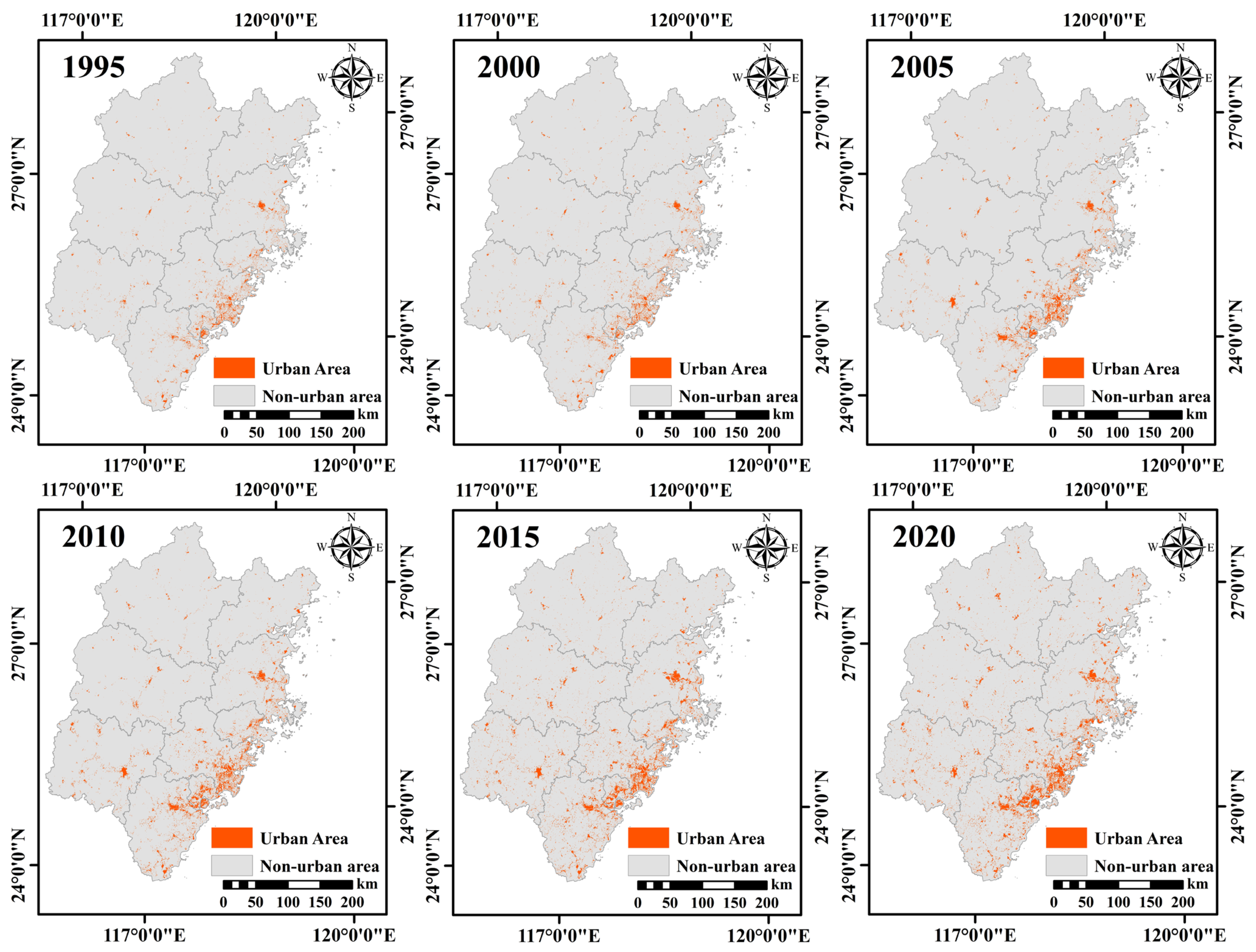
Table A1.
Table of accuracy evaluation indicators.
Figure A2.
Hotspot analysis of urban spatial form in Fujian Province.
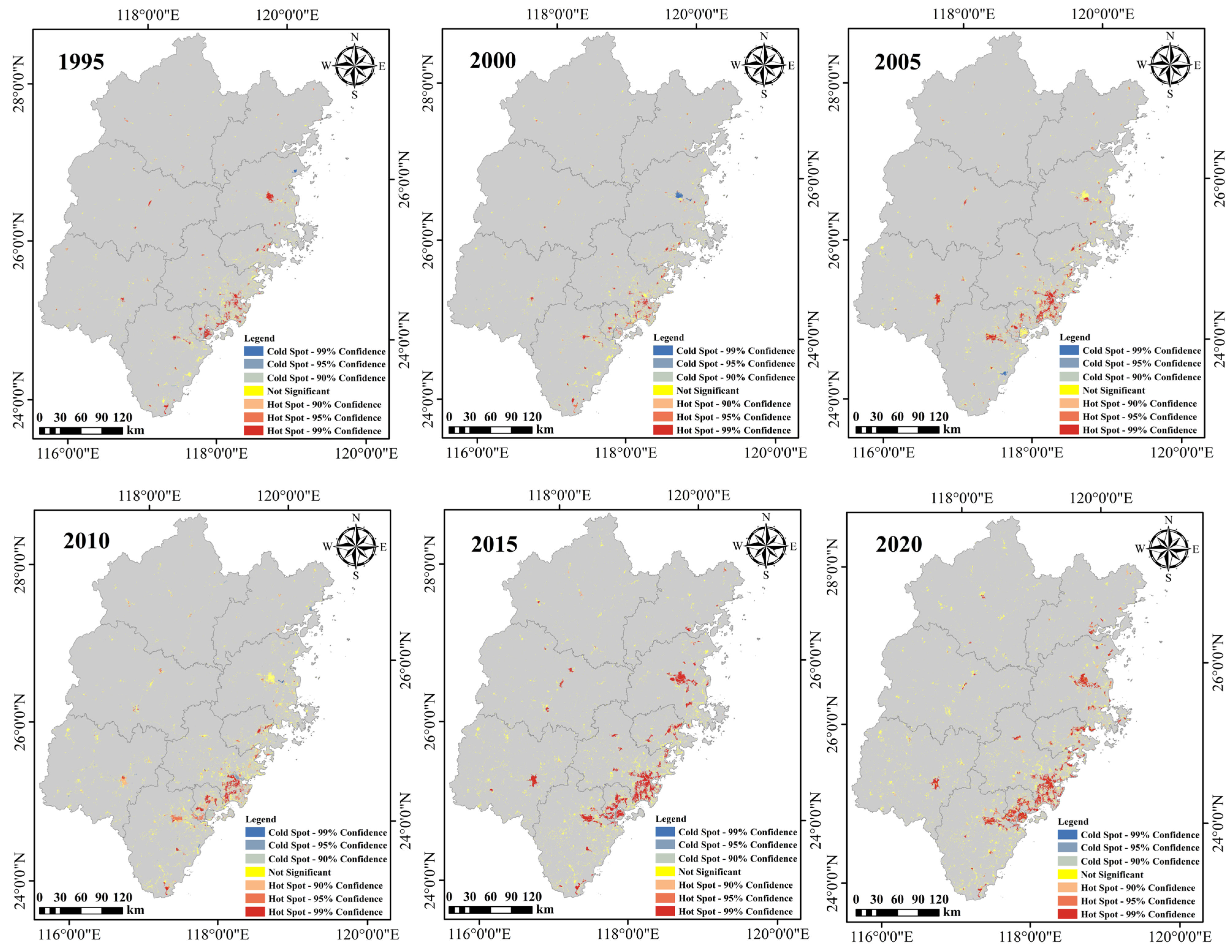
References
- Wang, H.; Wang, Q.; Zhang, X.; Du, S.; Bai, L.; Xiong, S. Mapping global annual urban land cover fractions (2001–2020) derived with multi-objective deep learning. Int. J. Appl. Earth Obs. Geoinf. 2025, 136, 104404. [Google Scholar] [CrossRef] [Scilit]
- Firozjaei, M.K.; Mijani, N.; Fathololoumi, S.; Arsanjani, J.J. Forecasting spatiotemporal dynamics of daytime surface urban cool islands in response to urbanization in drylands: Case study of Kerman and Zahedan cities, Iran. Remote Sens. 2024, 16, 4416. [Google Scholar] [CrossRef] [Scilit]
- Li, X.; Li, C.; Yu, S.; Cheng, L.; Li, D.; Wang, J.; Zhao, H. Dynamic simulation of land use change and assessment of carbon storage based on the PLUS model: A case study of the most livable city, Weihai, China. Sustainability 2024, 16, 10826. [Google Scholar] [CrossRef] [Scilit]
- Kharel, S.; Pradhan, P.M.; Gautam, S. Demographics-urbanization interrelationship in Nepal. Interdiscip. J. Manag. Soc. Sci. 2025, 6, 272–285. [Google Scholar] [CrossRef] [Scilit]
- Lee, Y.; Han, S. Exploring urban housing disadvantages and economic struggles in Seoul, South Korea. npj Urban Sustain. 2024, 4, 21. [Google Scholar] [CrossRef] [Scilit]
- Wang, Q.; Guan, Q.; Sun, G. Spatio-temporal characteristics of urbanization in Vietnam from a multi-scale perspective: Based on night light data. World Reg. Stud. 2023, 32, 61–74. [Google Scholar] [CrossRef]
- Zheng, Y.; Yang, K.; Wei, C.; Fu, M.; Fan, M. An Improved Cross-Sensor Calibration Approach for DMSP-OLS and NPP-VIIRS Nighttime Light Data. IEEE J. Sel. Top. Appl. Earth Obs. Remote Sens. 2025, 18, 865–877. [Google Scholar] [CrossRef] [Scilit]
- Cao, X.; Hu, Y.; Zhu, X.; Shi, F.; Zhuo, L.; Chen, J. A simple self-adjusting model for correcting the blooming effects in DMSP-OLS nighttime light images. Remote Sens. Environ. 2019, 224, 401–411. [Google Scholar] [CrossRef] [Scilit]
- Wang, Y.; Liu, K. Toward sustainable urban development: Exploring the polycentric transition of Chinese cities through nighttime lights. Sustainability 2025, 17, 2013. [Google Scholar] [CrossRef] [Scilit]
- Zheng, Q.; Weng, Q.; Wang, K. Characterizing urban land changes of 30 global megacities using nighttime light time series stacks. ISPRS J. Photogramm. Remote Sens. 2021, 173, 10–23. [Google Scholar] [CrossRef] [Scilit]
- Hu, X.; Qian, Y.; Pickett, S.T.; Zhou, W. Urban mapping needs up-to-date approaches to provide diverse perspectives of current urbanization: A novel attempt to map urban areas with nighttime light data. Landsc. Urban Plan. 2020, 195, 103709. [Google Scholar] [CrossRef] [Scilit]
- Zhao, M.; Zhou, Y.; Li, X.; Cheng, W.; Zhou, C.; Ma, T.; Huang, K. Mapping urban dynamics (1992–2018) in Southeast Asia using consistent nighttime light data from DMSP and VIIRS. Remote Sens. Environ. 2020, 248, 111980. [Google Scholar] [CrossRef] [Scilit]
- Yang, H.; Wang, X.; Zhang, S.; Li, X. Change characteristics of urban heat island effect and its response to urban expansion in Gansu Province. Remote Sens. Technol. Appl. 2025, 40, 110–121. [Google Scholar]
- He, X.; Zhang, F.; Han, Q.; Zhou, T.; Liu, X.; Yu, X. Urban spatio-temporal patterns evolution analysis in arid areas based on mutation detection method. Geospat. Inf. 2023, 21, 9–13. [Google Scholar] [CrossRef]
- Xu, P.; Lin, M.; Jin, P. Spatio-temporal dynamics of urbanization in China using DMSP/OLS nighttime light data from 1992–2013. Chin. Geogr. Sci. 2021, 31, 70–80. [Google Scholar] [CrossRef] [Scilit]
- Zhang, H.; Ning, X.; Wang, H.; Shao, Z. High accuracy urban expansion monitoring and analysis of China’s provincial capitals from 2000 to 2015 based on high-resolution remote sensing imagery. Acta Geogr. Sin. 2018, 73, 2345–2363. Available online: https://www.geog.com.cn/CN/10.11821/dlxb201812006 (accessed on 11 January 2026).
- Peng, J.; Lin, H.; Chen, Y.; Blaschke, T.; Luo, L.; Xu, Z.; Wu, J. Spatiotemporal evolution of urban agglomerations in China during 2000–2012: A nighttime light approach. Landsc. Ecol. 2020, 35, 421–434. [Google Scholar] [CrossRef] [Scilit]
- Dong, H.; Li, R.; Li, J.; Li, S. Study on urban spatiotemporal expansion pattern of three first-class urban agglomerations in China derived from integrated DMSP-OLS and NPP-VIIRS nighttime light data. J. Geo-Inf. Sci. 2020, 22, 1161–1174. [Google Scholar] [CrossRef]
- Wang, C.; Yu, B.; Chen, Z.; Liu, Y.; Song, W.; Li, X.; Wu, J. Evolution of urban spatial clusters in China: A graph-based method using nighttime light data. Ann. Am. Assoc. Geogr. 2022, 112, 56–77. [Google Scholar] [CrossRef] [Scilit]
- Meng, J.; Tang, B.; Zhang, H.; Zhan, H.; Lin, Y. Spatial distribution pattern and influencing factor analysis of rural tourism sites in Inner Mongolia. J. Resour. Ecol. 2025, 16, 524–534. [Google Scholar] [CrossRef] [Scilit]
- Shi, K.; Wu, Y.; Liu, S.; Chen, Z.; Huang, C.; Cui, Y. Mapping and evaluating global urban entities (2000–2020): A novel perspective to delineate urban entities based on consistent nighttime light data. GISci. Remote Sens. 2023, 60, 2161199. [Google Scholar] [CrossRef] [Scilit]
- Sharma, R.C.; Tateishi, R.; Hara, K.; Gharechelou, S.; Iizuka, K. Global mapping of urban built-up areas of year 2014 by combining MODIS multispectral data with VIIRS nighttime light data. Int. J. Digit. Earth 2016, 9, 1004–1020. [Google Scholar] [CrossRef] [Scilit]
- Zheng, Y.; Tang, L.; Wang, H. An improved approach for monitoring urban built-up areas by combining NPP-VIIRS nighttime light, NDVI, NDWI, and NDBI. J. Clean. Prod. 2021, 328, 129488. [Google Scholar] [CrossRef] [Scilit]
- Qin, M.; Liu, Y.; Zhang, Y.; Zhang, Y.; Hou, J. Extraction of urban buildings from high-resolution remote sensing images based on improved U-Net model. J. Lanzhou Univ. (Nat. Sci.) 2022, 58, 254–261. Available online: https://link.cnki.net/doi/10.13885/j.issn.0455-2059.2022.02.014 (accessed on 11 January 2026).
- Li, X.; Wang, P.; Zeng, Y. Urban impervious surface extraction based on the deep features of high-resolution remote sensing image and ensemble learning. Acta Geod. Cartogr. Sin. 2024, 53, 700–711. [Google Scholar]
- Deo, P.; Siddiqui, M.A.; Ramiz, M.; Siddiqui, L.; Naqvi, H.R.; Shakeel, A.; Dwivedi, D. Measuring the spatial dynamics of urban sprawl in Jaipur City. GeoJournal 2024, 89, 108. [Google Scholar] [CrossRef] [Scilit]
- Wang, G.; Peng, W.; Zhang, L.; Xiang, J.; Shi, J.; Wang, L. Quantifying urban expansion and its driving forces in Chengdu, western China. Egypt. J. Remote Sens. Space Sci. 2023, 26, 1057–1070. [Google Scholar] [CrossRef] [Scilit]
- Liu, C.; Xu, H. Simulation and analysis of ecological early-warning of urban construction land expansion based on digital sensing feature recognition and remote sensing spatial analysis technology. Phys. Chem. Earth 2023, 132, 103484. [Google Scholar] [CrossRef] [Scilit]
- Cruz-Bello, G.M.; Galeana-Pizaña, J.M.; González-Arellano, S. Urban growth in peri-urban, rural and urban areas: Mexico City. Build. Cities 2023, 4, 1–16. [Google Scholar] [CrossRef] [Scilit]
- Al-Hameedi, W.M.M.; Chen, J.; Faichia, C.; Al-Shaibah, B.; Nath, B.; Kafy, A.A.; Al-Aizari, A. Remote sensing-based urban sprawl modeling using multilayer perceptron neural network Markov chain in Baghdad, Iraq. Remote Sens. 2021, 13, 4034. [Google Scholar] [CrossRef] [Scilit]
- Bu, Z.; Bai, L.; Zhang, J. Spatio-temporal evolution of Ningxia urban agglomeration along the Yellow River based on nighttime light remote sensing. Remote Sens. Nat. Resour. 2022, 34, 169–176. Available online: https://www.gtzyyg.com/article/2022/2097-034X/2097-034X-34-1-169.shtml (accessed on 11 January 2026).
- Fan, L.; Li, B. A spatio-temporal pattern analysis of urban areas from nighttime light: A case study of Lanxi urban agglomeration. J. Lanzhou Univ. (Nat. Sci.) 2023, 59, 720–726. Available online: https://link.cnki.net/doi/10.13885/j.issn.0455-2059.2023.06.002 (accessed on 11 January 2026).
- Xie, J.; Li, X.; Xu, H. Spatial-temporal evolution analysis of urban development in the Western Taiwan Straits Economic Zone using night-time light imagery. J. Appl. Sci. 2021, 39, 456–468. [Google Scholar] [CrossRef]
- Zhao, M.; Cheng, C.; Zhou, Y.; Li, X.; Shen, S.; Song, C. A global dataset of annual urban extents (1992–2020) from harmonized nighttime lights. Earth Syst. Sci. Data 2022, 14, 517–534. [Google Scholar] [CrossRef] [Scilit]
- Li, X.; Song, Y.; Liu, H.; Hou, X. Extraction of urban built-up areas using nighttime light (NTL) and multi-source data: A case study in Dalian City, China. Land 2023, 12, 495. [Google Scholar] [CrossRef] [Scilit]
- Marzialetti, F.; Gamba, P.; Sorriso, A.; Carranza, M.L. Monitoring urban expansion by coupling multi-temporal active remote sensing and landscape analysis: Changes in the metropolitan area of Cordoba (Argentina) from 2010 to 2021. Remote Sens. 2023, 15, 336. [Google Scholar] [CrossRef] [Scilit]
- Jiang, Y. Asian cities: Spatial dynamics and driving forces. Ann. Reg. Sci. 2021, 66, 609–654. [Google Scholar] [CrossRef] [Scilit]
- Li, J.; Gong, J.; Yang, J.; Li, S. Urban spatial pattern evolution of Wuhan City based on nighttime light. Remote Sens. Inf. 2017, 32, 133–141. [Google Scholar] [CrossRef] [Scilit]
- Huang, X.; Cheng, R.; Wu, J.; Yang, W.; Zhang, L.; Li, P.; Zhu, W. Extracting Meso- and Microscale Patterns of Urban Morphology Evolution: Evidence from Binhai New Area of Tianjin, China. Land 2024, 13, 1735. [Google Scholar] [CrossRef] [Scilit]
- Yang, M.; Qian, Y.; Li, X.; Ou, Y.; Zeng, J. River Valley Urban Network and Morphology: A Study on the Urban Morphology Evolution of Lanzhou. PLoS ONE 2024, 19, e0302686. [Google Scholar] [CrossRef] [Scilit]
- Ji, D.; Tian, J.; Zhang, J.; Zeng, J.; Namaiti, A. Identification and Spatiotemporal Evolution Analysis of the Urban–Rural Fringe in Polycentric Cities Based on K-Means Clustering and Multi-Source Data: A Case Study of Chengdu City. Land 2024, 13, 1727. [Google Scholar] [CrossRef] [Scilit]
- Hu, C.; Xu, L.; Cai, X.; Tian, D.; Zhuang, S. Research on the Spatiotemporal Pattern and Influencing Mechanism of Coastal Urban Vitality: A Case Study of Bayuquan. Buildings 2024, 14, 2173. [Google Scholar] [CrossRef] [Scilit]
- Tian, S.; Zhong, Y.; Zheng, Z.; Ma, A.; Tan, X.; Zhang, L. Large-scale deep learning based binary and semantic change detection in ultra high resolution remote sensing imagery: From benchmark datasets to urban application. ISPRS J. Photogramm. Remote Sens. 2022, 193, 164–186. [Google Scholar] [CrossRef] [Scilit]
- Ma, R. Analysis of the spatial expansion pattern and its driving factors of Pearl River Delta urban-metropolitan region on the basis of DMSP/OLS and NPP/VIIRS image. J. Baoji Univ. Arts Sci. (Nat. Sci. Ed.) 2018, 38, 68–75. Available online: https://link.cnki.net/doi/10.13467/j.cnki.jbuns.2018.03.007 (accessed on 11 January 2026).
- Stokes, E.C.; Seto, K.C. Characterizing urban infrastructural transitions for the Sustainable Development Goals using multi-temporal land, population, and nighttime light data. Remote Sens. Environ. 2019, 234, 111430. [Google Scholar] [CrossRef] [Scilit]
- Ma, T. Spatiotemporal characteristics of urbanization in China from the perspective of remotely sensed big data of nighttime light. J. Geo-Inf. Sci. 2019, 21, 59–67. [Google Scholar] [CrossRef]
- Lu, H.; Wang, R.; Ye, R.; Fan, J. Monitoring long-term spatiotemporal dynamics of urban expansion using multisource remote sensing images and historical maps: A case study of Hangzhou, China. Land 2023, 12, 144. [Google Scholar] [CrossRef] [Scilit]
- Chang, Z.; Liu, S.; Wu, Y.; Shi, K. The regional disparity of urban spatial expansion is greater than that of urban socioeconomic expansion in China: A new perspective from nighttime light remotely sensed data and urban land datasets. Remote Sens. 2022, 14, 4348. [Google Scholar] [CrossRef] [Scilit]
- Xu, Z.; Xu, Y. Study on the spatio-temporal evolution of the Yangtze River Delta urban agglomeration by integrating DMSP/OLS and NPP/VIIRS nighttime light data. J. Geo-Inf. Sci. 2021, 23, 837–849. [Google Scholar] [CrossRef]
- Do, T.A.T.; Do, A.N.T.; Tran, H.D. Quantifying the spatial pattern of urban expansion trends in the period 1987–2022 and identifying areas at risk of flooding due to the impact of urbanization in Lao Cai city. Ecol. Inform. 2022, 72, 101912. [Google Scholar] [CrossRef] [Scilit]
- Alahmadi, M.; Atkinson, P.M. Three-fold urban expansion in Saudi Arabia from 1992 to 2013 observed using calibrated DMSP-OLS night-time lights imagery. Remote Sens. 2019, 11, 2266. [Google Scholar] [CrossRef] [Scilit]
- Ch, R.; Martin, D.A.; Vargas, J.F. Measuring the size and growth of cities using nighttime light. J. Urban Econ. 2021, 125, 103254. [Google Scholar] [CrossRef] [Scilit]
- Zheng, Y.; He, Y.; Zhou, Q.; Wang, H. Quantitative evaluation of urban expansion using NPP-VIIRS nighttime light and Landsat spectral data. Sustain. Cities Soc. 2022, 76, 103338. [Google Scholar] [CrossRef] [Scilit]
- Wu, W.B.; Ma, J.; Meadows, M.E.; Banzhaf, E.; Huang, T.Y.; Liu, Y.F.; Zhao, B. Spatio-temporal changes in urban green space in 107 Chinese cities (1990–2019): The role of economic drivers and policy. Int. J. Appl. Earth Obs. Geoinf. 2021, 103, 102525. [Google Scholar] [CrossRef] [Scilit]
- Talkhabi, H.; Ghalehteimouri, K.J.; Mehranjani, M.S.; Zanganeh, A.; Karami, T. Spatial and temporal population change in the Tehran Metropolitan Region and its consequences on urban decline and sprawl. Ecol. Inform. 2022, 70, 101731. [Google Scholar] [CrossRef] [Scilit]
- Wang, Y.; Wu, Q.; Song, J. Multi-scale analysis of China’s transportation carbon emissions based on nighttime light data. Environ. Sci. Pollut. Res. 2023, 30, 52266–52287. [Google Scholar] [CrossRef] [Scilit]
- Alajizah, S.M.; Altuwaijri, H.A. Assessing the impact of urban expansion on the urban environment in Riyadh City (2000–2022) using geospatial techniques. Sustainability 2024, 16, 4799. [Google Scholar] [CrossRef] [Scilit]
- Qiu, Y.; Xu, S.; Xiao, W.; He, T.; Lu, D.; Ruan, L.; Wang, K. Urban concrete forest: China’s 3D urban expansion over the last three decades. J. Urban Plan. Dev. 2024, 150, 04024003. [Google Scholar] [CrossRef] [Scilit]
- Zheng, Y.; Cai, Y.; Yang, K.; Fan, M.; Fu, M.; Wei, C. Quantitative spatiotemporal evolution of large urban agglomeration expansion based on 1995–2020 nighttime light and spectral data. Ecol. Inform. 2024, 84, 102824. [Google Scholar] [CrossRef] [Scilit]
- Gao, J.; O’Neill, B.C. Mapping global urban land for the 21st century with data-driven simulations and Shared Socioeconomic Pathways. Nat. Commun. 2020, 11, 2302. [Google Scholar] [CrossRef] [Scilit]
- Dekolo, S.; Ekum, M.I.; James, O.K.; Aigbavboa, C.; Gumbo, T. Safeguarding rural-urban linkages: Modeling drivers of peri-urban sprawl and impacts on ecosystem services. Front. Sustain. Cities 2025, 7, 1535619. [Google Scholar] [CrossRef] [Scilit]
- Yehya, A.A.K.; Nguyen, T.T.; Wiehle, M.; Buerkert, A. Drivers of urbanization effects in five countries of the MENA region–A review. J. Land Use Sci. 2024, 19, 304–320. [Google Scholar] [CrossRef] [Scilit]
- Li, D.; Tang, J.; Hu, Q.; Dong, M.; Chithpanya, S. Spatiotemporal urban evolution along the China–Laos railway in Laos determined using multiple sources of remote-sensed landscape indicators and interpretable machine learning. Land 2024, 13, 2094. [Google Scholar] [CrossRef] [Scilit]
- Zhang, F.; Zhang, Q.; Xu, M. Remote sensing insights into urban–rural imbalance and sustainable development: A case study in Guangdong, China. Sustainability 2025, 17, 2247. [Google Scholar] [CrossRef] [Scilit]
- Basu, T.; Das, A.; Pereira, P. Exploring the drivers of urban expansion in a medium-class urban agglomeration in India using the remote sensing techniques and geographically weighted models. Geogr. Sustain. 2023, 4, 150–160. [Google Scholar] [CrossRef] [Scilit]
- Jia, M.; Zhang, H.; Yang, Z. Compactness or sprawl: Multi-dimensional approach to understanding the urban growth patterns in Beijing-Tianjin-Hebei region, China. Ecol. Indic. 2022, 138, 108816. [Google Scholar] [CrossRef] [Scilit]
- Cao, H.; Chen, J.; Chen, C.; Li, P. Identification of multi-temporal urban growth patterns with a modified urban growth index: Case study of three fast growing cities in the Greater Mekong Subregion (GMS). Ecol. Indic. 2022, 142, 109206. [Google Scholar] [CrossRef] [Scilit]
- Yang, Z.; Chen, Y.; Wu, Z. How urban expansion affects the thermal environment? A study of the impact of natural cities on the thermal field value and footprint of thermal environment. Ecol. Indic. 2021, 126, 107632. [Google Scholar] [CrossRef] [Scilit]
- Chen, D.; Yang, X.; Li, X.; Fu, H.; Duan, Y. Quantifying urban land expansion using remote sensing data and multi-evaluation indices in the Lower Yellow River, China. Environ. Sustain. Indic. 2025, 26, 100643. [Google Scholar] [CrossRef] [Scilit]
- Hennig, E.I.; Schwick, C.; Soukup, T.; Orlitová, E.; Kienast, F.; Jaeger, J.A. Multi-scale analysis of urban sprawl in Europe: Towards a European de-sprawling strategy. Land Use Policy 2015, 49, 483–498. [Google Scholar] [CrossRef] [Scilit]
- Hosseini, S.H.; Hajilou, M. Drivers of urban sprawl in urban areas of Iran. Pap. Reg. Sci. 2019, 98, 1137–1159. [Google Scholar] [CrossRef] [Scilit]
- Zhang, N.; Zhang, H.; Li, A. Analysis of urban expansion characteristics and driving force of Taiyuan City based on nightlight images. Bull. Surv. Mapp. 2022, 11, 79–83. Available online: https://link.cnki.net/doi/10.13474/j.cnki.11-2246.2022.0329 (accessed on 11 January 2026).
- Feng, X.; Tang, L.; Hu, Y.; Chen, X.; Peng, W. Research on urban expansion and driving forces in Henan Province based on night light data. Geomat. Spat. Inf. Technol. 2022, 45, 79–83. [Google Scholar] [CrossRef]
- Shorabeh, S.N.; Kakroodi, A.A.; Firozjaei, M.K.; Minaei, F.; Homaee, M. Impact assessment modeling of climatic conditions on spatial-temporal changes in surface biophysical properties driven by urban physical expansion using satellite images. Sustain. Cities Soc. 2022, 80, 103757. [Google Scholar] [CrossRef] [Scilit]
- Luo, X. Analysis on the Characteristics and Driving Forces of Spatial and Temporal Changes of ZhangGong District City Expansion in Ganzhou City. Master’s Thesis, East China University of Technology, Nanchang, China, 2021. [Google Scholar] [CrossRef]
- Osman, T.; Divigalpitiya, P.; Arima, T. Driving factors of urban sprawl in Giza governorate of the Greater Cairo Metropolitan Region using a logistic regression model. Int. J. Urban Sci. 2016, 20, 206–225. [Google Scholar] [CrossRef] [Scilit]
- Yang, Z.; Lei, J.; Li, J.G. Identifying the determinants of urbanization in prefecture-level cities in China: A quantitative analysis based on spatial production theory. Sustainability 2019, 11, 1204. [Google Scholar] [CrossRef] [Scilit]
- Tang, X.; Qu, W.; Zhang, J.; Li, G.; Zhang, X.; Yang, S.; Han, R. Driving Mechanism of Urban Expansion in the Bohai Rim Urban Agglomeration from the Perspective of Spatiotemporal Dynamic Analysis. Sci. Rep. 2024, 14, 31191. [Google Scholar] [CrossRef] [Scilit]
- Wei, Z.; Jiang, P.; Chen, Z. A New Quantitative Entropic Method for Exploring the Urban Sprawl Mechanism: Taking Beijing as an Example. Rev. Int. Geomat. 2025, 34, 461–485. [Google Scholar] [CrossRef] [Scilit]
- Cheng, C.; Hu, Y.; Li, F.; Zhao, M.; Wang, P. Impact of Green and Blue Spaces on Ecosystem Services in Beijing: Spatiotemporal Dynamics and Driving Mechanisms. Glob. Sustain. 2025, 8, e27. [Google Scholar] [CrossRef] [Scilit]
- Tian, M.; He, Z.; Wei, J.; Tian, Y. Empirical Analysis on the Mechanism of Industrial Park Driving Urban Expansion: A Case Study of Xining City. Land 2024, 13, 1577. [Google Scholar] [CrossRef] [Scilit]
- Feng, X.; Wang, S.; Li, Y.; Yang, J.; Lei, K.; Yuan, W. Spatial Heterogeneity and Driving Mechanisms of Carbon Emissions in Urban Expansion Areas: A Research Framework Coupled with Patterns and Functions. Land Use Policy 2024, 143, 107209. [Google Scholar] [CrossRef] [Scilit]
- Wu, H.; Lin, A.; Xing, X.; Song, D.; Li, Y. Identifying core driving factors of urban land use change from global land cover products and POI data using the random forest method. Int. J. Appl. Earth Obs. Geoinf. 2021, 103, 102475. [Google Scholar] [CrossRef] [Scilit]
- Ye, J.; Hu, Y.; Zhen, L.; Wang, H.; Zhang, Y. Analysis on land-use change and its driving mechanism in Xilingol, China, during 2000–2020 using the Google Earth Engine. Remote Sens. 2021, 13, 5134. [Google Scholar] [CrossRef] [Scilit]
- Liu, X.; Wei, M.; Li, Z.; Zeng, J. Multi-scenario simulation of urban growth boundaries with an ESP-FLUS model: A case study of the Min Delta region, China. Ecol. Indic. 2022, 135, 108538. [Google Scholar] [CrossRef] [Scilit]
- Zhou, L.; Dang, X.; Sun, Q.; Wang, S. Multi-scenario simulation of urban land change in Shanghai by random forest and CA-Markov model. Sustain. Cities Soc. 2020, 55, 102045. [Google Scholar] [CrossRef] [Scilit]
- Wu, R.; Wang, J.; Zhang, D.; Wang, S. Identifying different types of urban land use dynamics using Point-of-interest (POI) and Random Forest algorithm: The case of Huizhou, China. Cities 2021, 114, 103202. [Google Scholar] [CrossRef] [Scilit]
- Liu, X.; Li, Y.; Zhang, S.; Niu, Q. Spatiotemporal patterns, driving mechanism, and multi-scenario simulation of urban expansion in Min Delta Region, China. Ecol. Indic. 2024, 158, 111312. [Google Scholar] [CrossRef] [Scilit]
- Yu, B.; Tang, M.; Wu, Q.; Yang, C.; Deng, S.; Shi, K.; Peng, C.; Wu, J.; Chen, Z. Urban built-up area extraction from log-transformed NPP-VIIRS nighttime light composite data. IEEE Geosci. Remote Sens. Lett. 2018, 15, 1279–1283. [Google Scholar] [CrossRef] [Scilit]
- Qian, L.; Cui, H. Relationship between normalized difference moisture index and land surface temperature. Geogr. Res. 2008, 27, 1358–1366. [Google Scholar] [CrossRef]
- McFeeters, S.K. The use of the Normalized Difference Water Index (NDWI) in the delineation of open water features. Int. J. Remote Sens. 1996, 17, 1425–1432. [Google Scholar] [CrossRef] [Scilit]
- Henderson, M.; Yeh, E.T.; Gong, P.; Elvidge, C.; Baugh, K. Validation of urban boundaries derived from global night-time satellite imagery. Int. J. Remote Sens. 2003, 24, 595–609. [Google Scholar] [CrossRef] [Scilit]
- Cao, X.; Chen, J.; Imura, H.; Higashi, O. A SVM-based method to extract urban areas from DMSP-OLS and SPOT VGT data. Remote Sens. Environ. 2009, 113, 2205–2209. [Google Scholar] [CrossRef] [Scilit]
- He, C.; Shi, P.; Li, J.; Chen, J.; Pan, Y.; Li, J.; Zhuo, L.; Ichinose, T. Restoring urbanization process in China in the 1990s by using non-radiance-calibrated DMSP/OLS nighttime light imagery and statistical data. Chin. Sci. Bull. 2006, 51, 1614–1620. [Google Scholar] [CrossRef] [Scilit]
- Liu, Z.; He, C.; Zhang, Q.; Huang, Q.; Yang, Y. Extracting the dynamics of urban expansion in China using DMSP-OLS nighttime light data from 1992 to 2008. Urban Plan. 2012, 106, 62–72. [Google Scholar] [CrossRef] [Scilit]
- He, C.; Liu, Z.; Tian, J.; Ma, Q. Urban expansion dynamics and natural habitat loss in China: A multiscale landscape perspective. Glob. Change Biol. 2014, 20, 2886–2902. [Google Scholar] [CrossRef] [Scilit]
- Shao, G.; Tang, L.; Zhang, H. Introducing image classification efficacies. IEEE Access 2021, 9, 134809–134816. [Google Scholar] [CrossRef] [Scilit]
- Mudereri, B.T.; Abdel-Rahman, E.M.; Dube, T.; Niassy, S.; Khan, Z.; Tonnang, H.E.; Landmann, T. A two-step approach for detecting Striga in a complex agroecological system using Sentinel-2 data. Sci. Total Environ. 2021, 762, 143151. [Google Scholar] [CrossRef] [Scilit]
- Hu, X.; Ma, C.; Huang, P.; Guo, X. Ecological vulnerability assessment based on AHP-PSR method and analysis of its single parameter sensitivity and spatial autocorrelation for ecological protection—A case of Weifang City, China. Ecol. Indic. 2021, 125, 107464. [Google Scholar] [CrossRef] [Scilit]
- Wang, H.; Zhang, B.; Liu, Y.; Liu, Y.; Xu, S.; Zhao, Y.; Hong, S. Urban expansion patterns and their driving forces based on the center of gravity-GTWR model: A case study of the Beijing-Tianjin-Hebei urban agglomeration. J. Geogr. Sci. 2020, 30, 297–318. [Google Scholar] [CrossRef] [Scilit]
- Shi, F. Land Use/Land Cover Change, Driving Forces, and Prediction in the Huangshui River Basin, Qinghai. Master’s Thesis, Qinghai Normal University, Xining, China, 2024. [Google Scholar] [CrossRef]
- Wang, J.; Xu, C. Geodetector: Principle and prospective. Acta Geogr. Sin. 2017, 72, 116–134. [Google Scholar] [CrossRef]
- Jiang, L.; Chen, X.; Zhu, H. The spatial heterogeneity distribution of Chinese urban nursing homes and socio-economic driving factors. Acta Geogr. Sin. 2021, 76, 1951–1964. [Google Scholar] [CrossRef]
- Zhou, L.; Dang, X.; Mu, H.; Wang, B.; Wang, S. Cities are going uphill: Slope gradient analysis of urban expansion and its driving factors in China. Sci. Total Environ. 2021, 775, 145836. [Google Scholar] [CrossRef] [Scilit] [PubMed]
- Shi, K.; Yu, B.; Ma, J.; Cao, W.; Cui, Y. Impacts of slope climbing of urban expansion on global sustainable development. Innovation 2023, 4, 100529. [Google Scholar] [CrossRef] [Scilit] [PubMed]
- Zhang, Y.; Sun, J.; Song, X.; Lu, Y. Revealing the main factors affecting global forest change at distinct altitude gradients. Ecol. Indic. 2023, 148, 110131. [Google Scholar] [CrossRef] [Scilit]
- Ma, S.; Zhou, C.; Pan, J.; Yang, G.; Sun, C.; Liu, Y.; Chen, X.; Zhao, Z. Leachate from municipal solid waste landfills in a global perspective: Characteristics, influential factors and environmental risks. J. Clean. Prod. 2022, 333, 130234. [Google Scholar] [CrossRef] [Scilit]
- He, X.; Qian, Y.; Li, Z.; Yang, S.; Tian, J.; Wang, Q.; Lei, J.; Qi, R.; Feng, C. Identification of factors influencing the microplastic distribution in agricultural soil on Hainan Island. Sci. Total Environ. 2023, 874, 162426. [Google Scholar] [CrossRef] [Scilit]
- Liu, Y.; Zhang, X.; Xu, M.; Zhang, X.; Shan, B.; Wang, A. Spatial patterns and driving factors of rural population loss under urban–rural integration development: A micro-scale study on the village level in a hilly region. Land 2022, 11, 99. [Google Scholar] [CrossRef] [Scilit]
- Huang, Z.; Li, S.; Peng, Y.; Gao, F. Spatial non-stationarity of influencing factors of China’s county economic development base on a multiscale geographically weighted regression model. ISPRS Int. J. Geo-Inf. 2023, 12, 109. [Google Scholar] [CrossRef] [Scilit]
- Yuan, X.; Chen, B.; He, X.; Zhang, G.; Zhou, C. Spatial Differentiation and Influencing Factors of Tertiary Industry in the Pearl River Delta Urban Agglomeration. Land 2024, 13, 172. [Google Scholar] [CrossRef] [Scilit]
- Getu, K.; Bhat, H.G. Application of geospatial techniques and binary logistic regression model for analyzing driving factors of urban growth in Bahir Dar city, Ethiopia. Heliyon 2024, 10, e25137. [Google Scholar] [CrossRef] [Scilit]
- Zhang, H.; Chen, M.; Liang, C. Urbanization of county in China: Spatial patterns and influencing factors. J. Geogr. Sci. 2022, 32, 1241–1260. [Google Scholar] [CrossRef] [Scilit]
- Kiziltan, M.; Yereli, A.B. Evaluating local fiscal capacity and fiscal effort of Turkish local governments: Evidence from spatial panel data analysis. Econ. Change Restruct. 2023, 56, 441–472. [Google Scholar] [CrossRef] [Scilit]
- Deng, L.; Zhang, Q.; Cheng, Y.; Cao, Q.; Wang, Z.; Wu, Q.; Qiao, J. Underlying the influencing factors behind the heterogeneous change of urban landscape patterns since 1990: A multiple dimension analysis. Ecol. Indic. 2022, 140, 108967. [Google Scholar] [CrossRef] [Scilit]
- Zhang, Q.; Schaaf, C.; Seto, K.C. The Vegetation Adjusted NTL Urban Index: A new approach to reduce saturation and increase variation in nighttime luminosity. Remote Sens. Environ. 2013, 129, 32–41. [Google Scholar] [CrossRef] [Scilit]
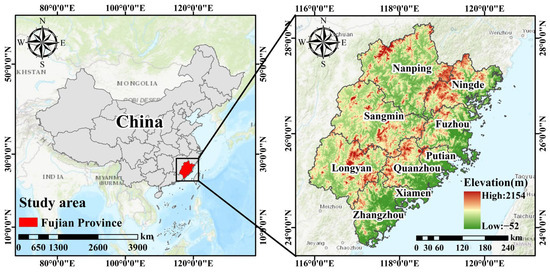
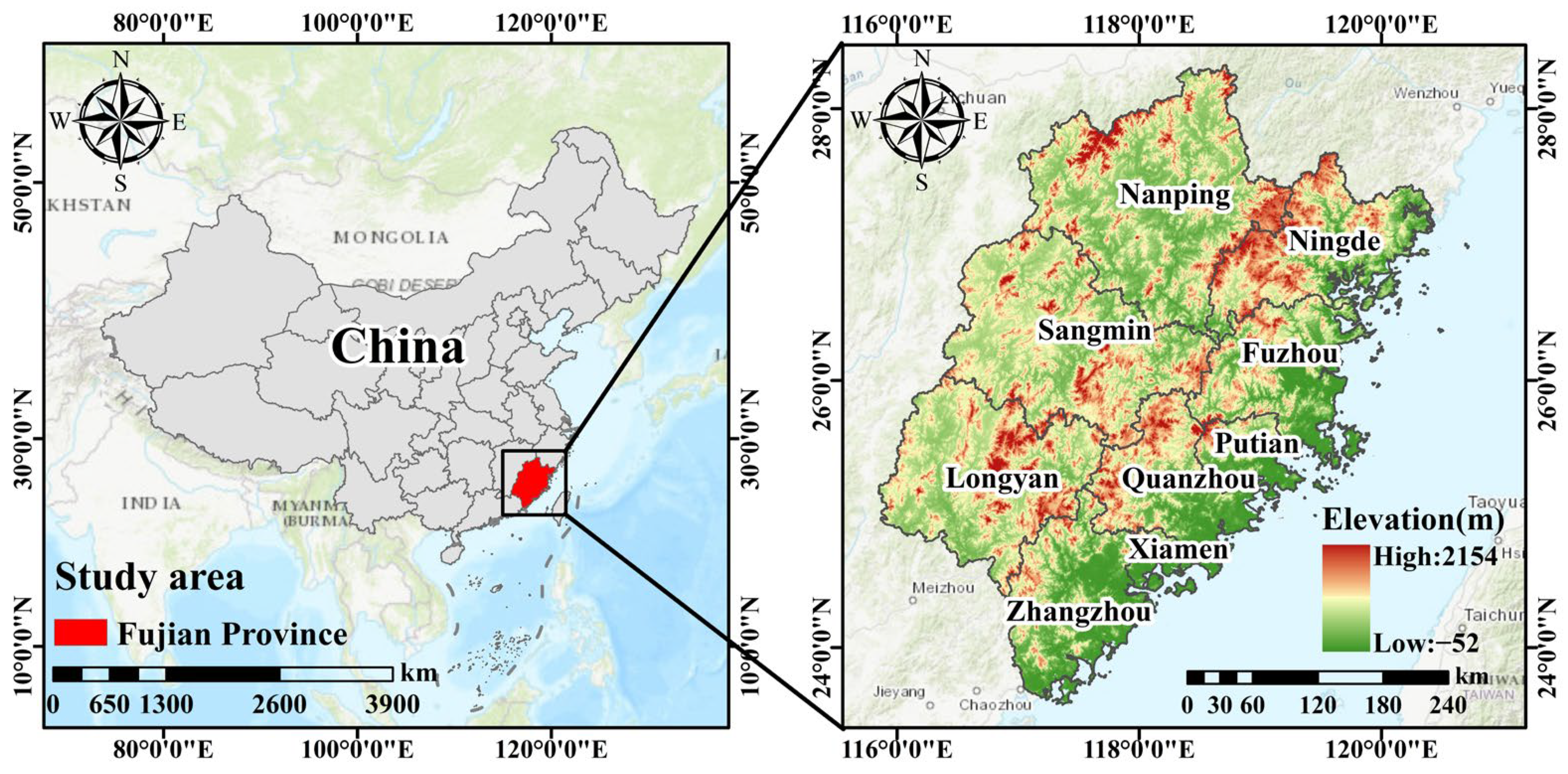
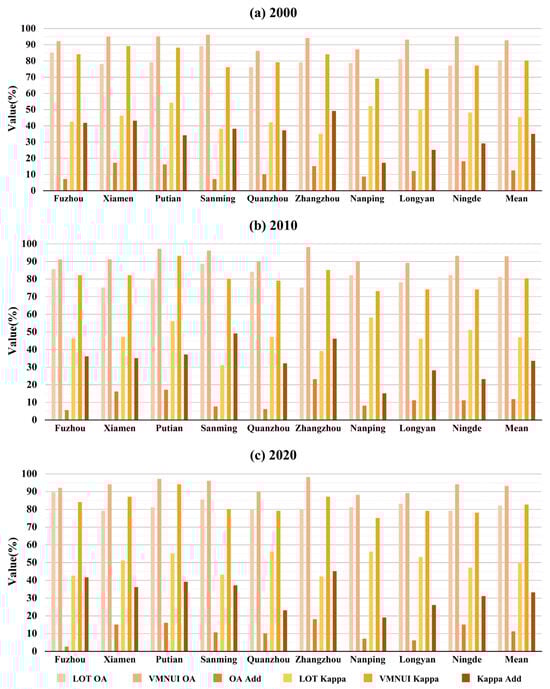
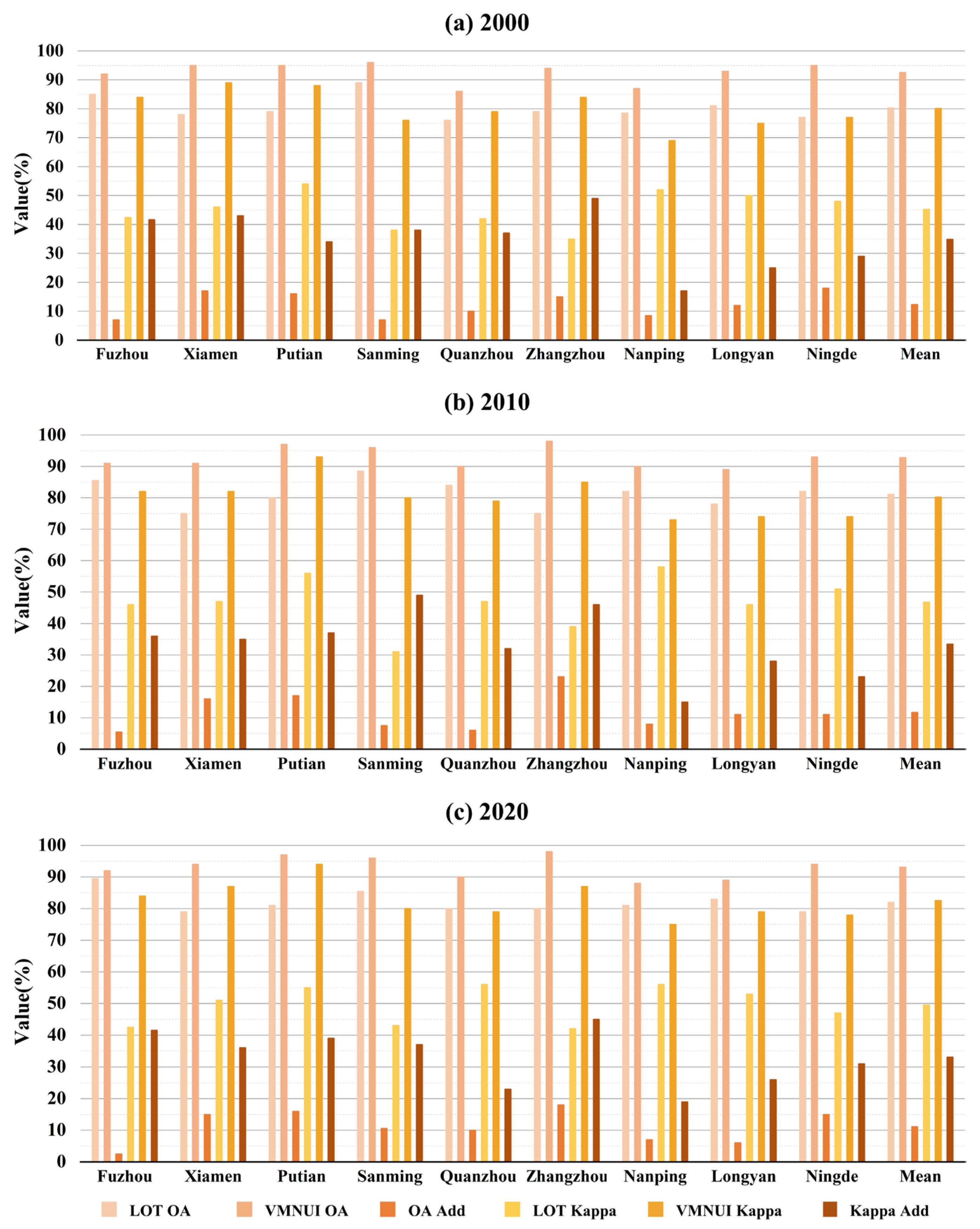
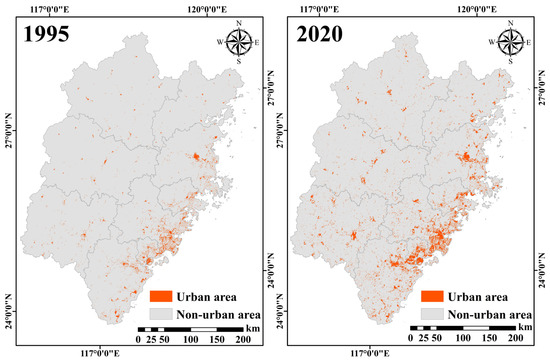
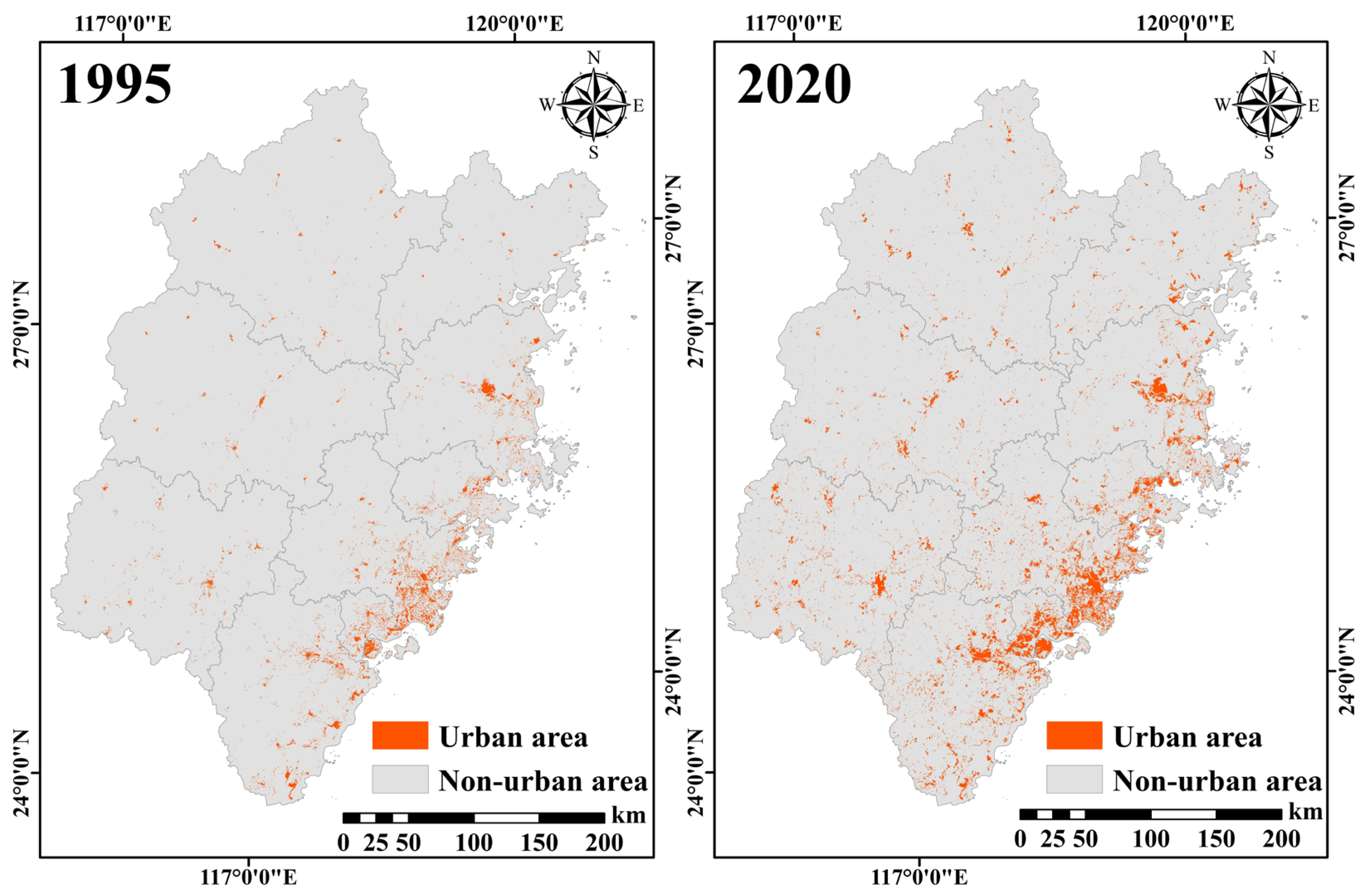
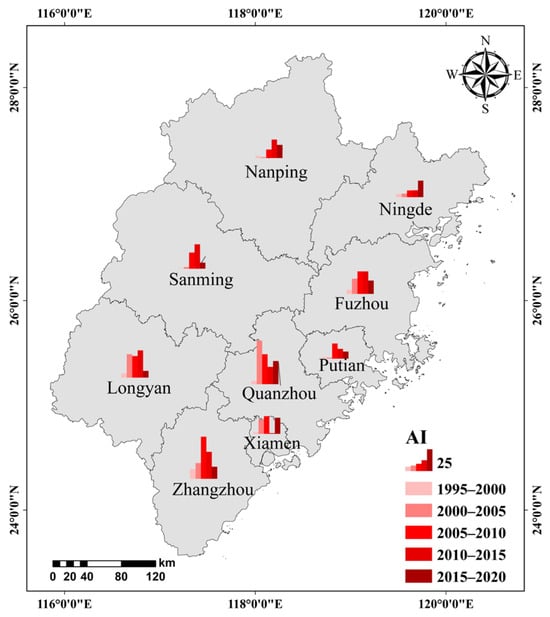
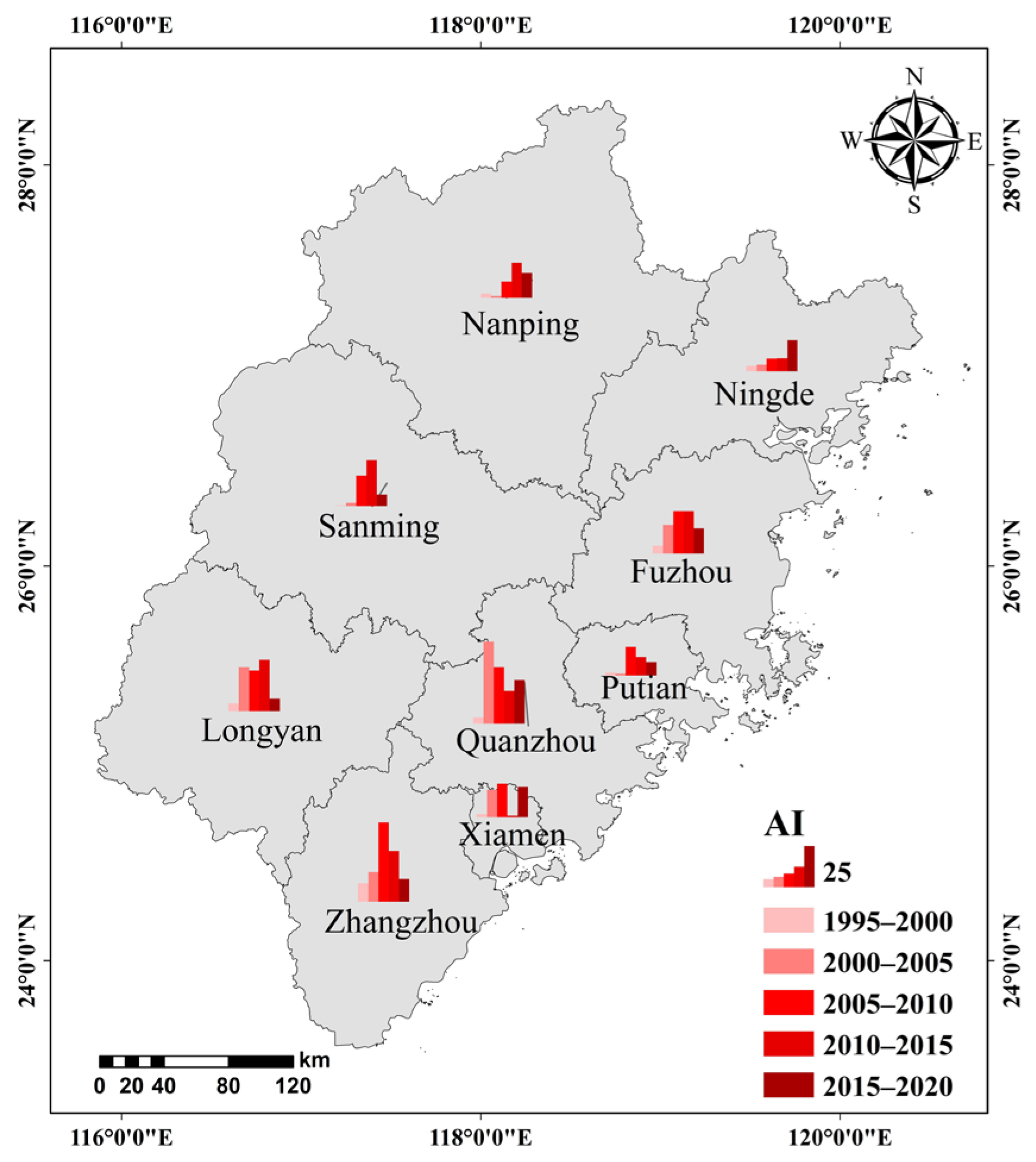
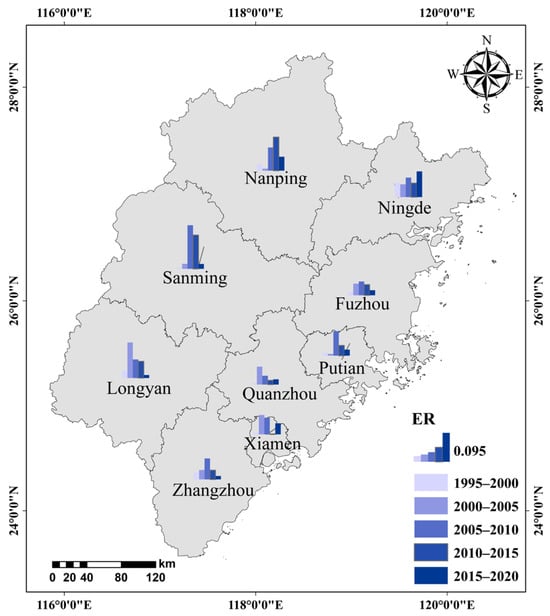
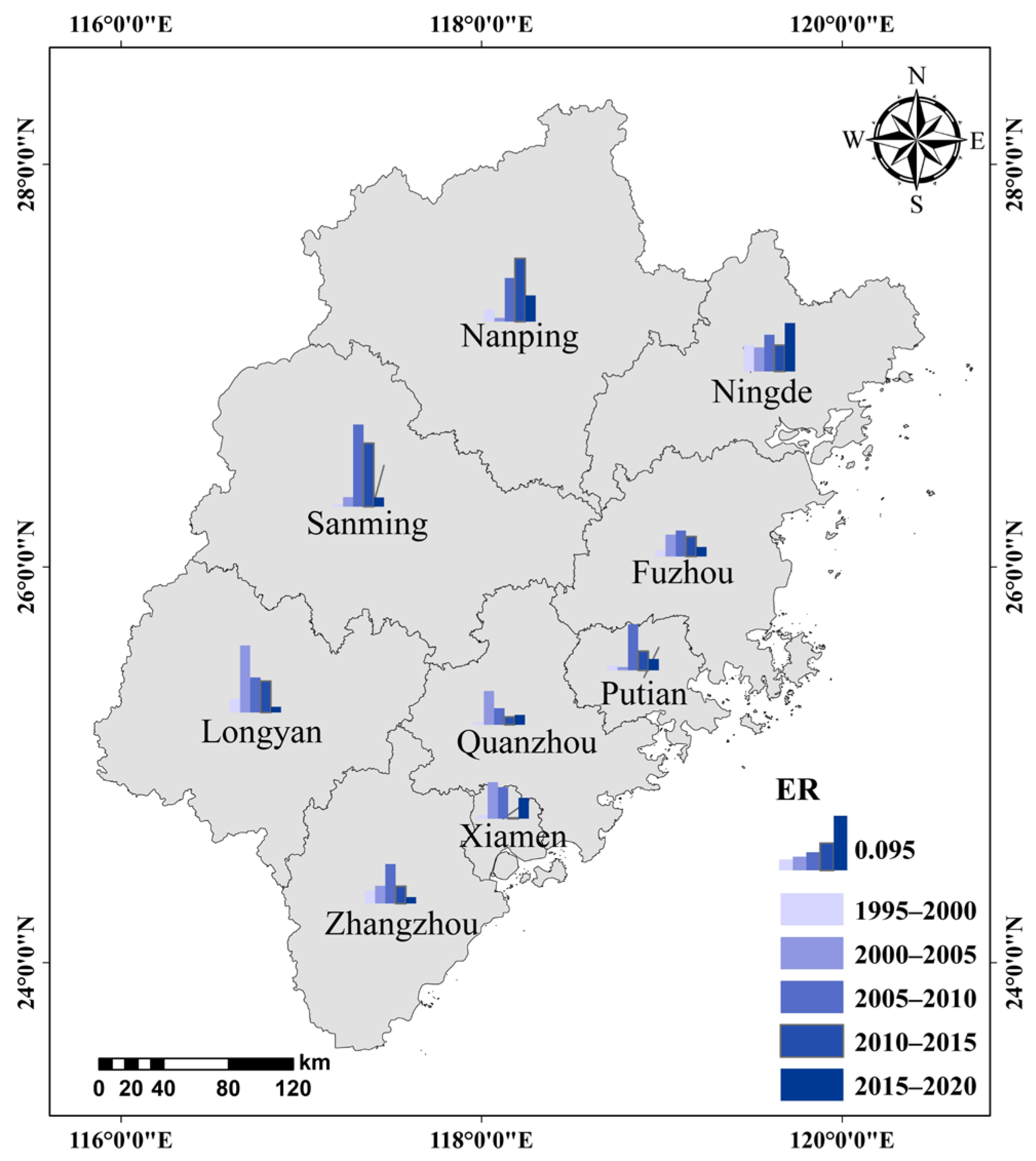
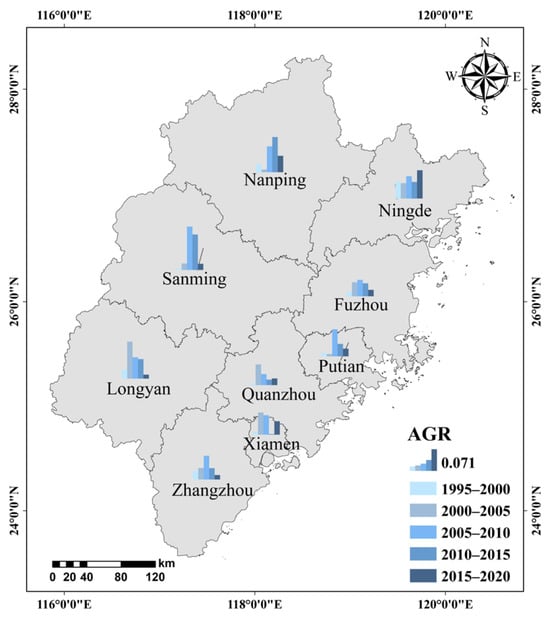
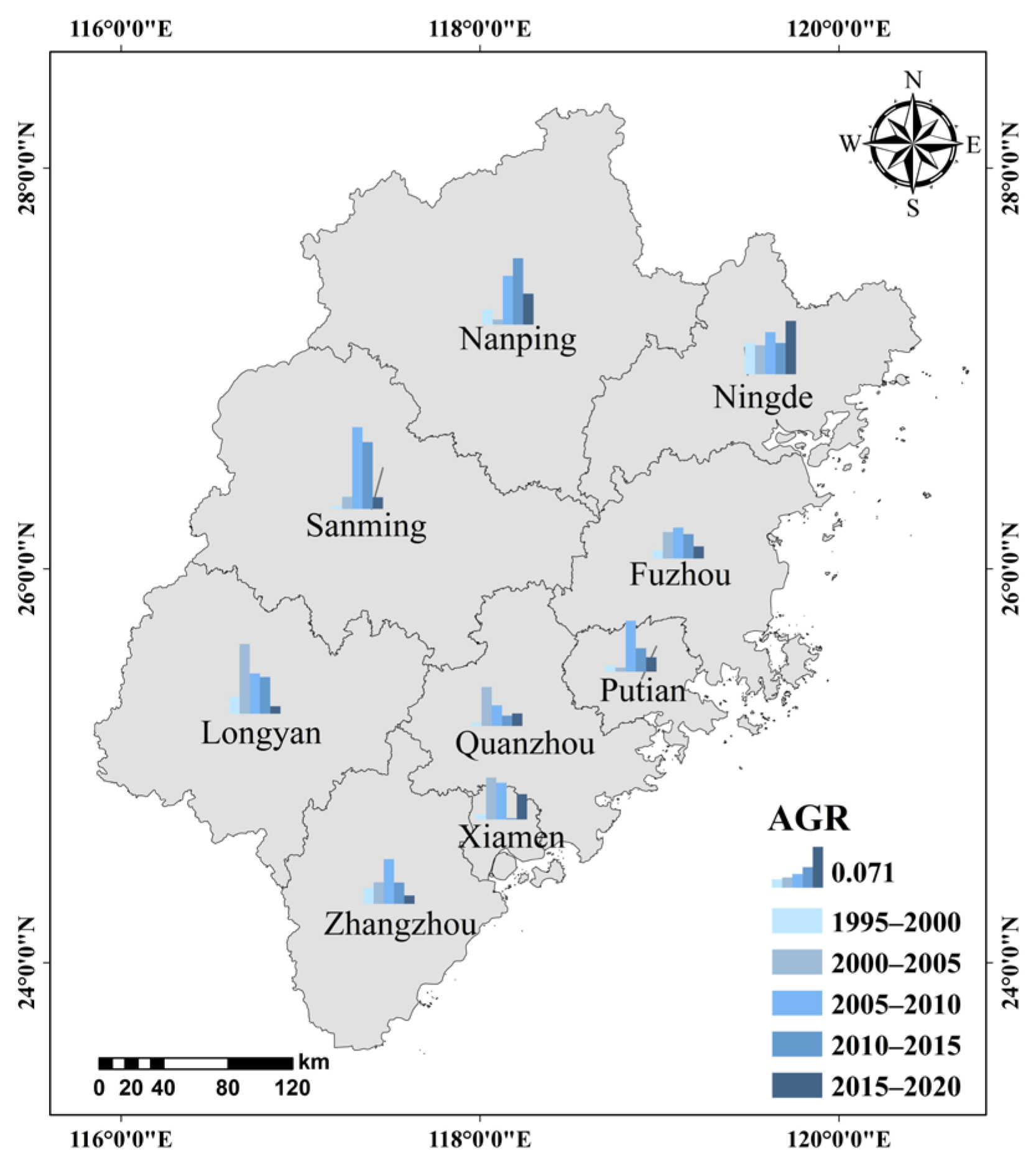
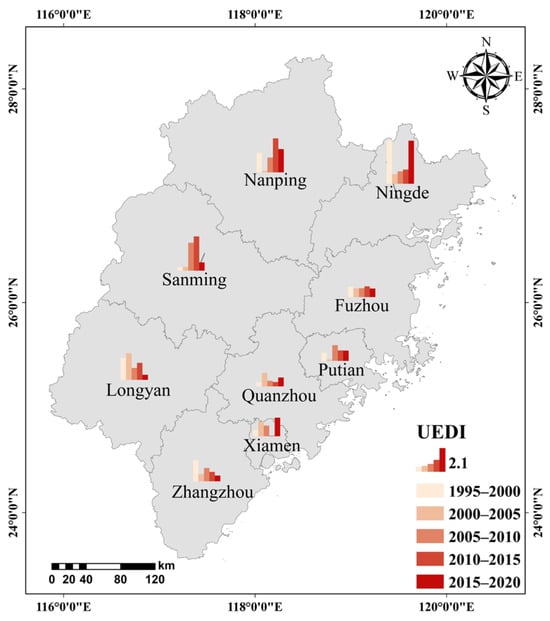
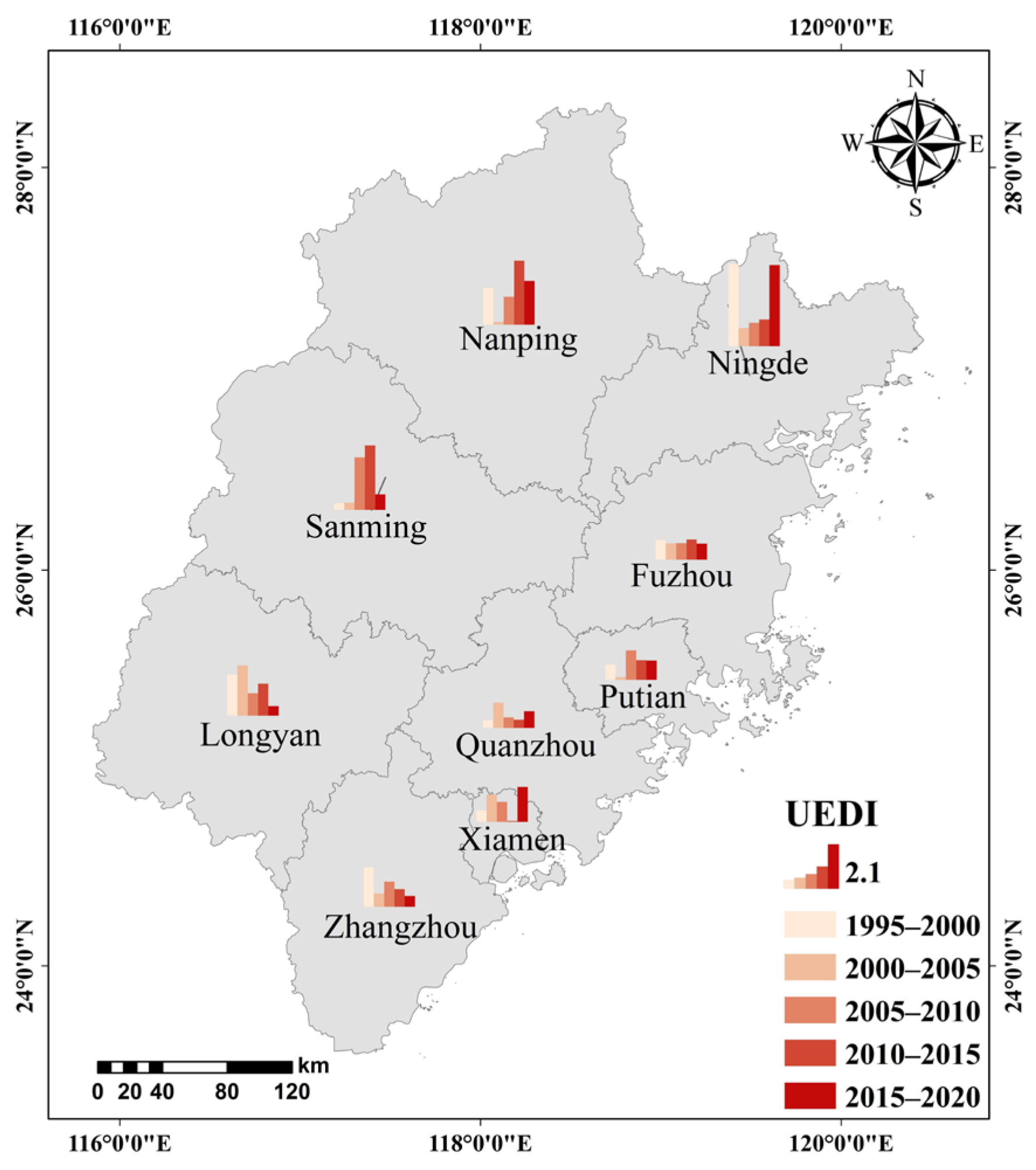
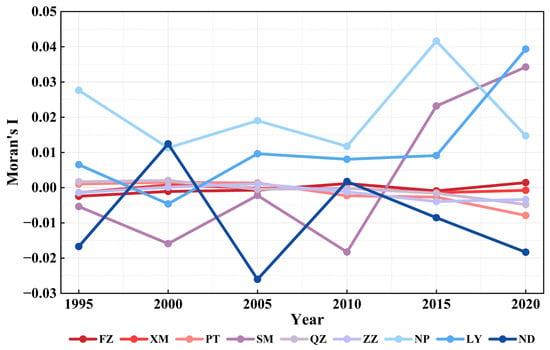
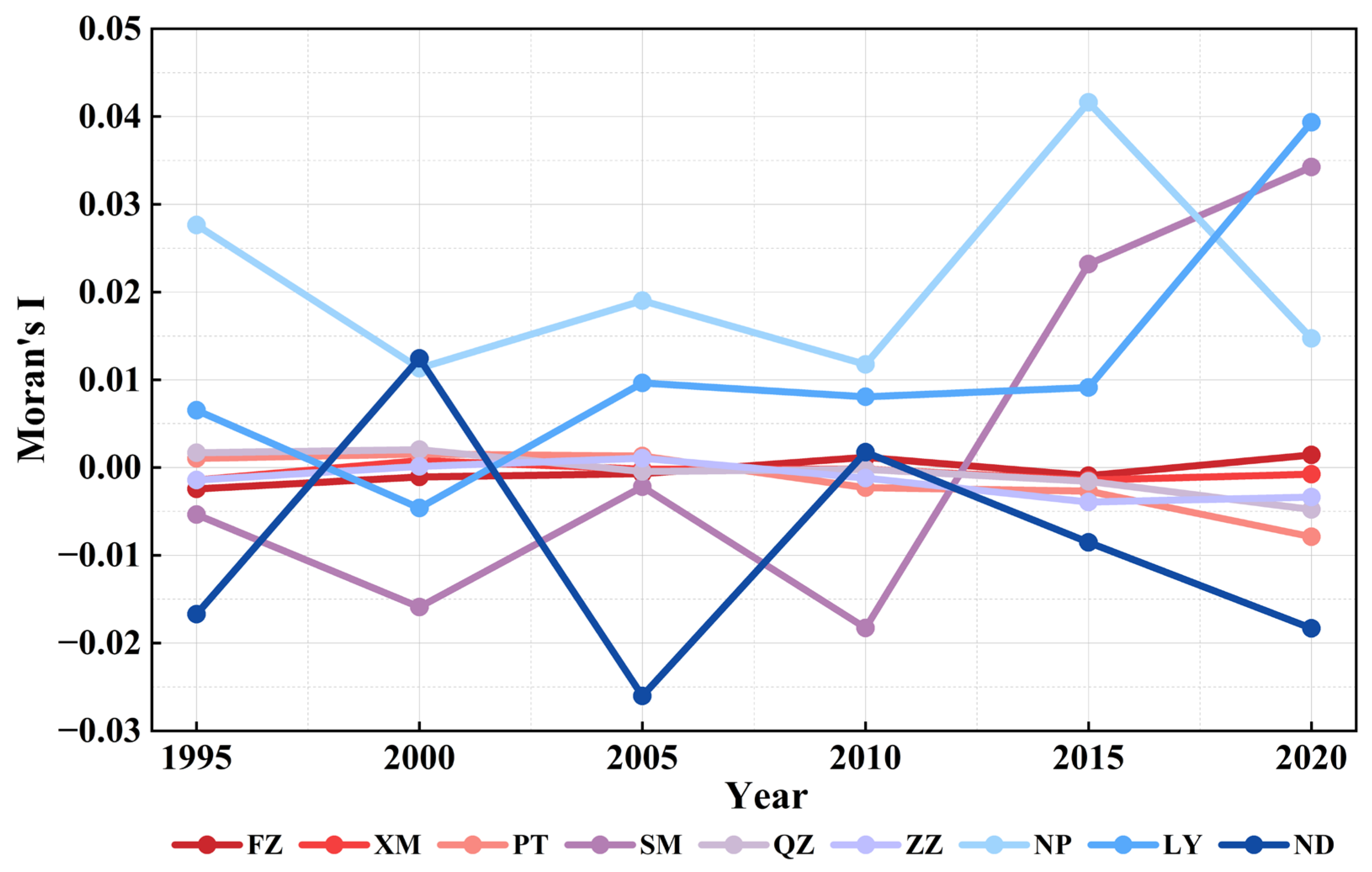
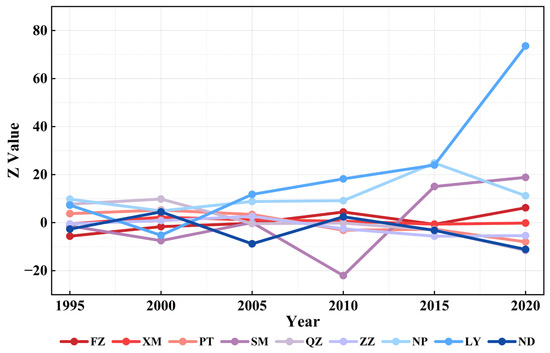
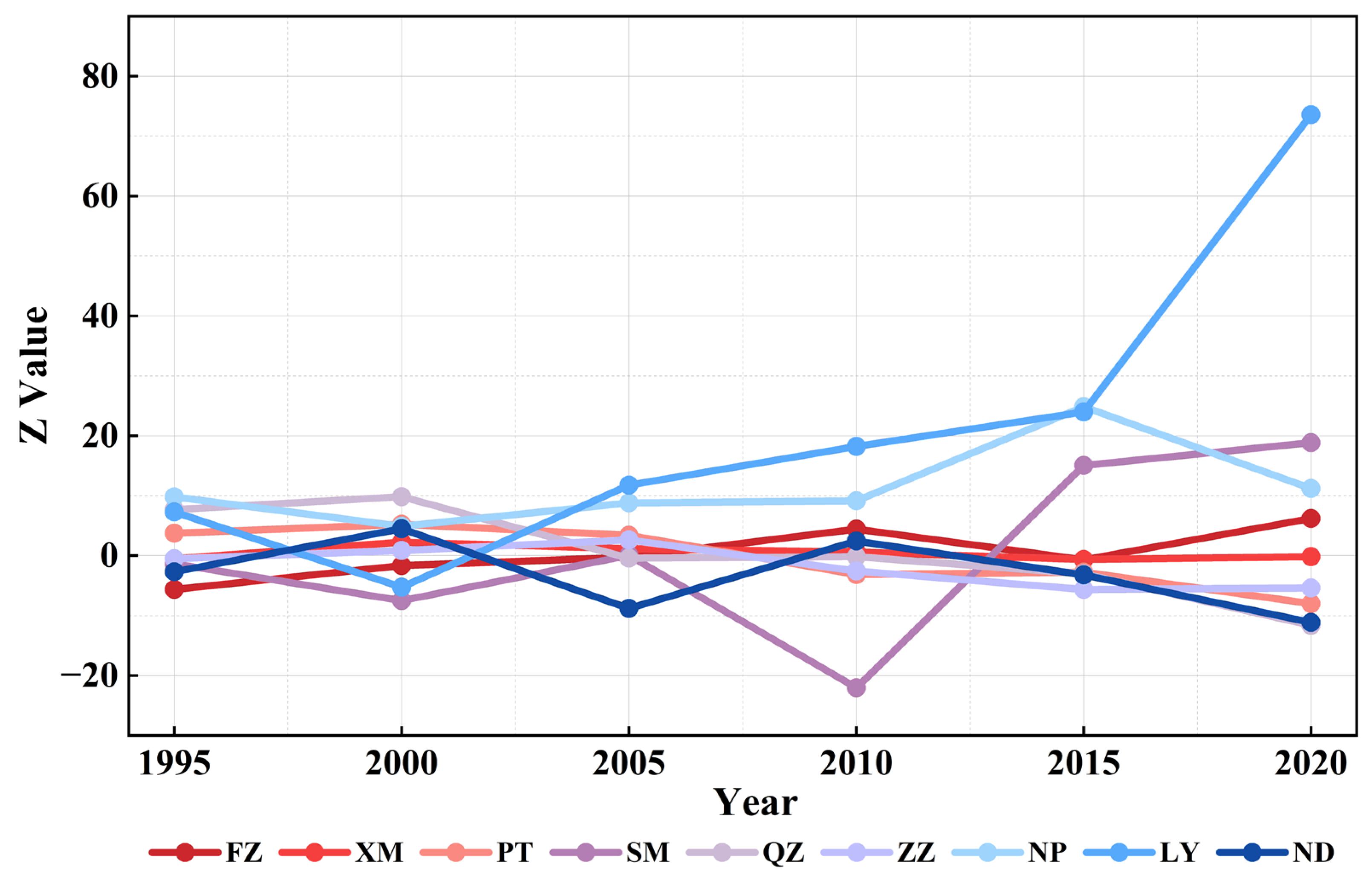
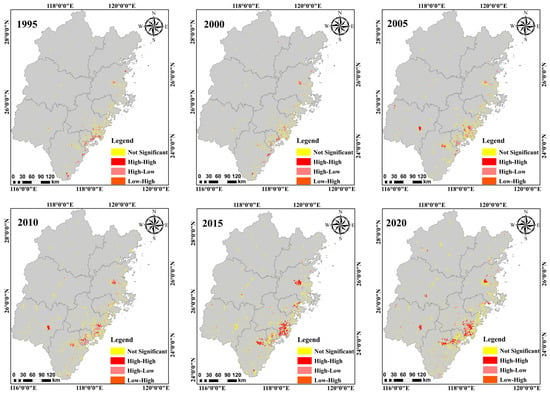
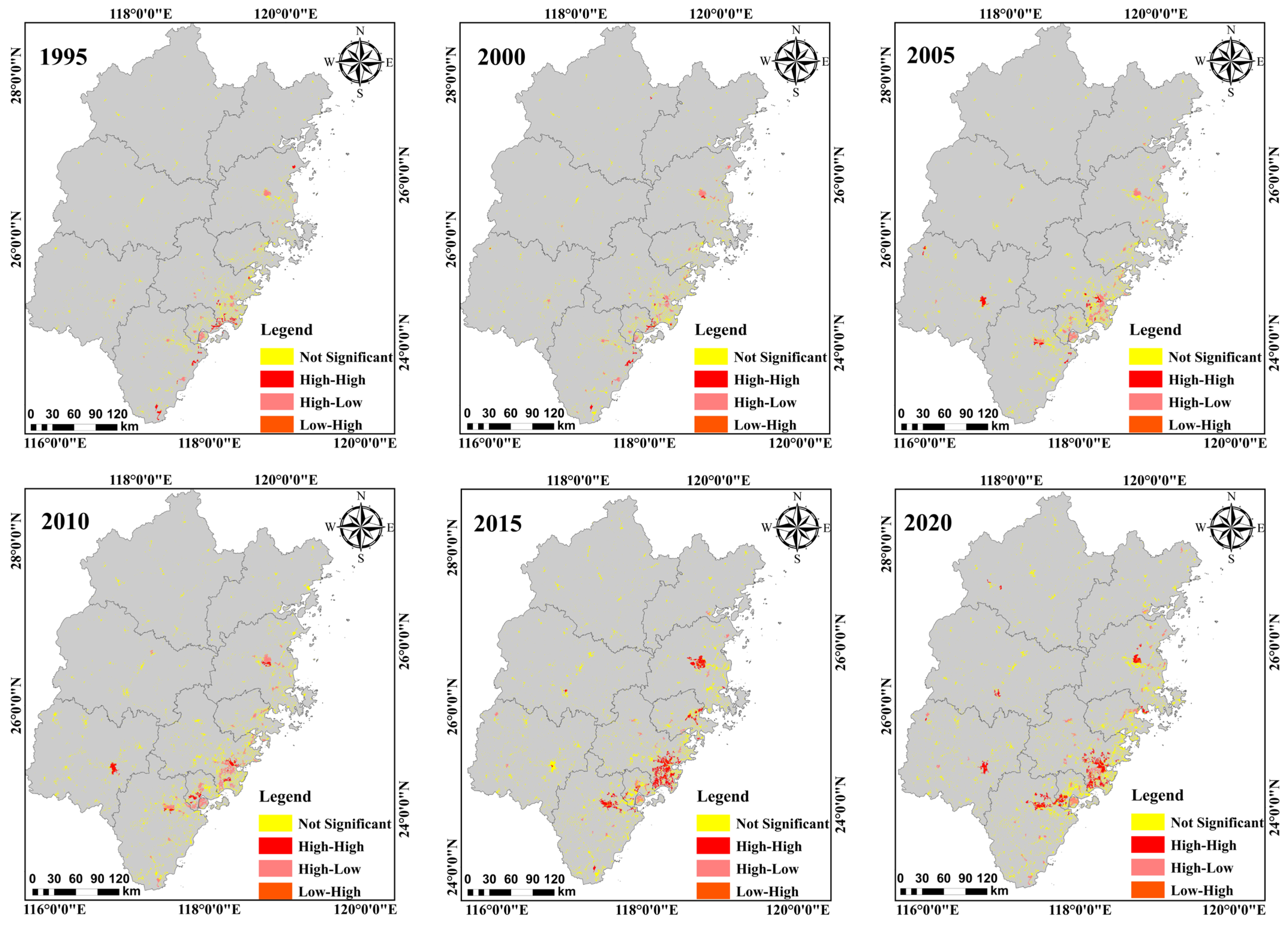
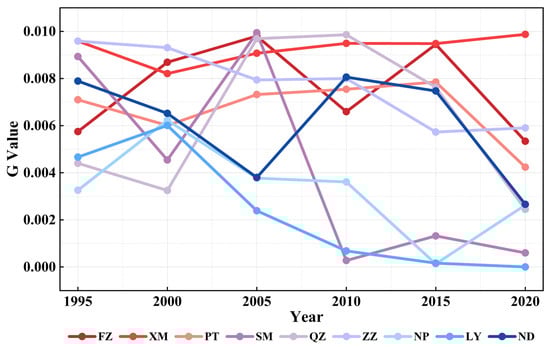
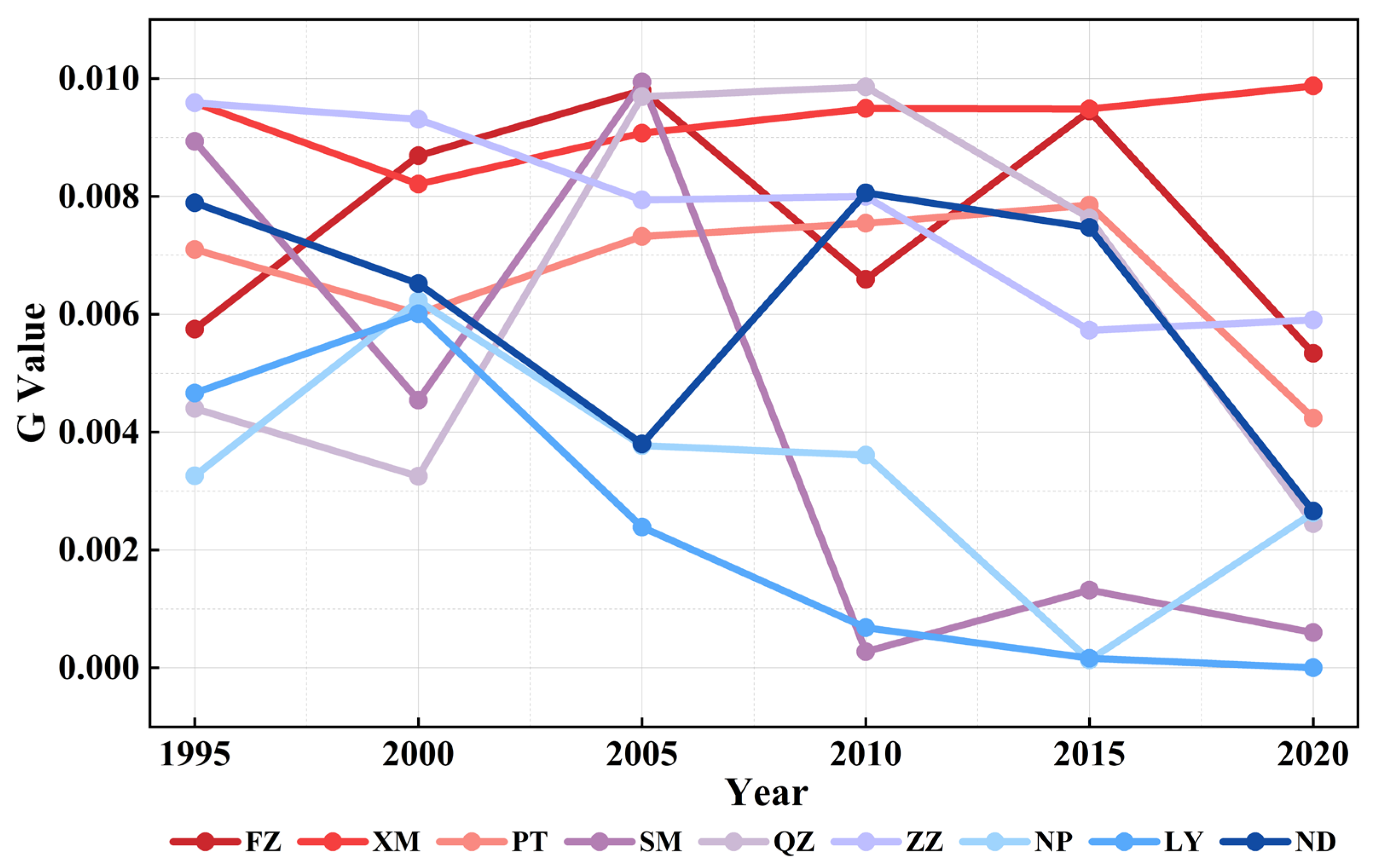
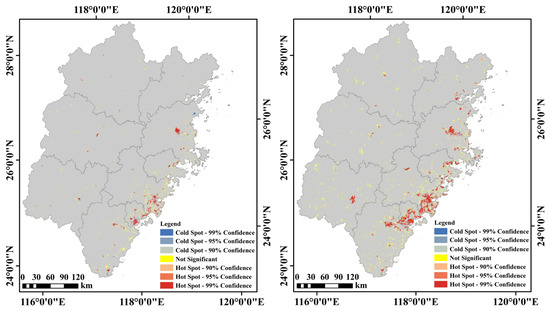
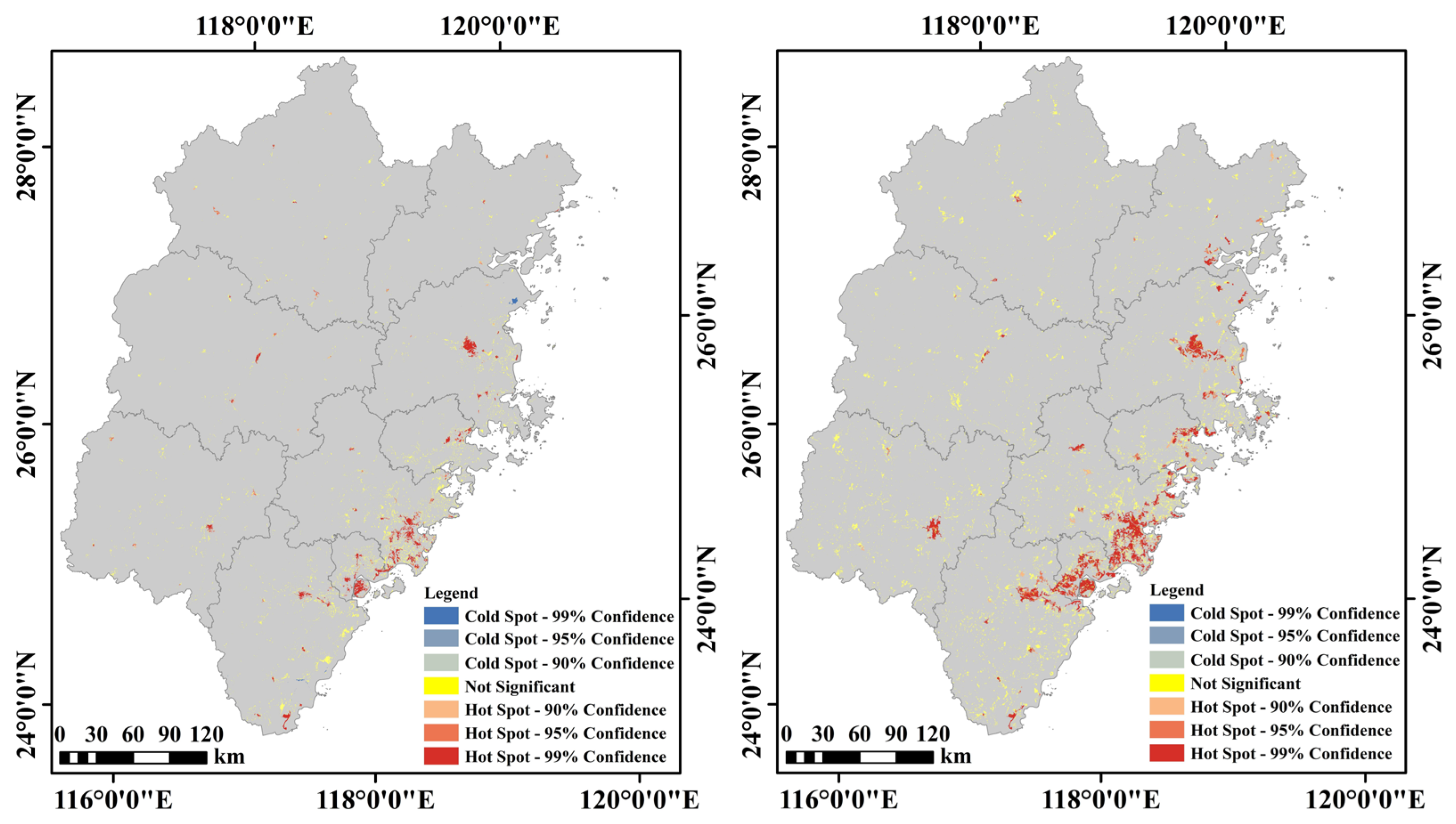
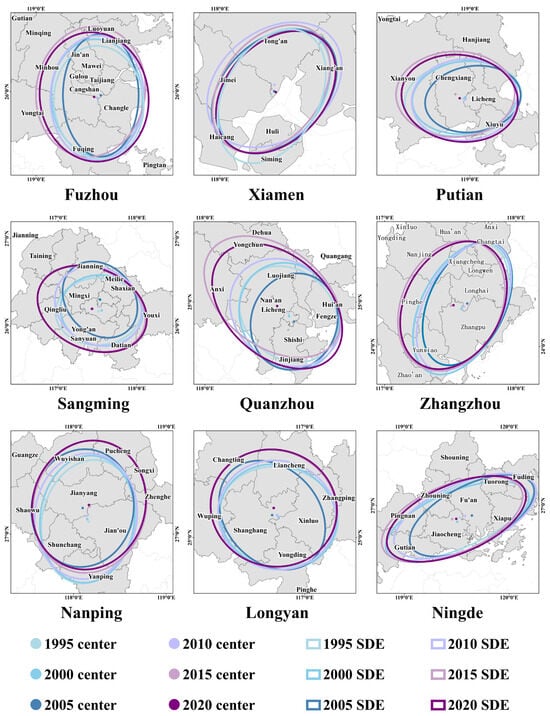
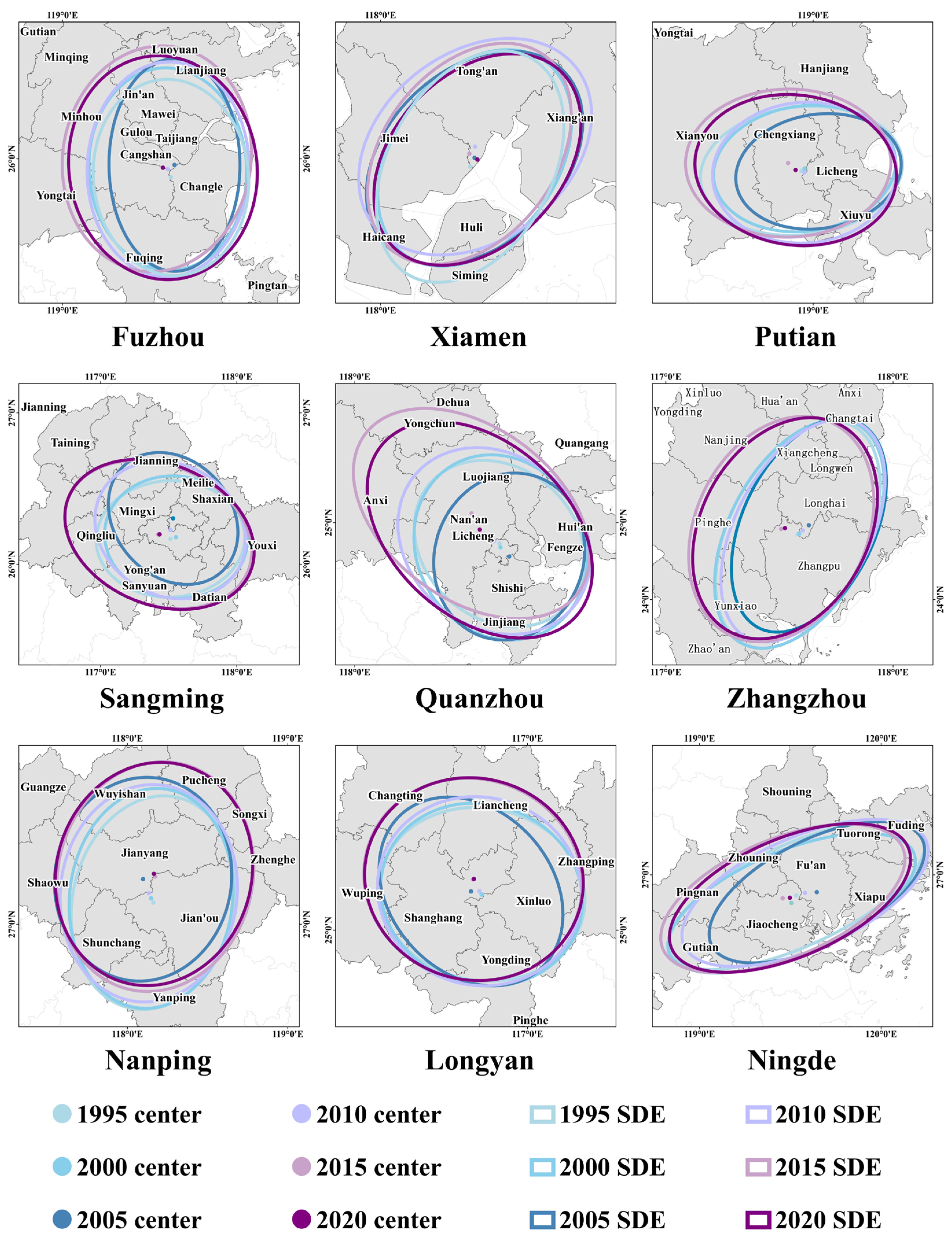
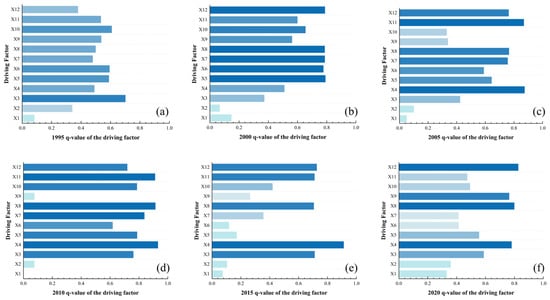
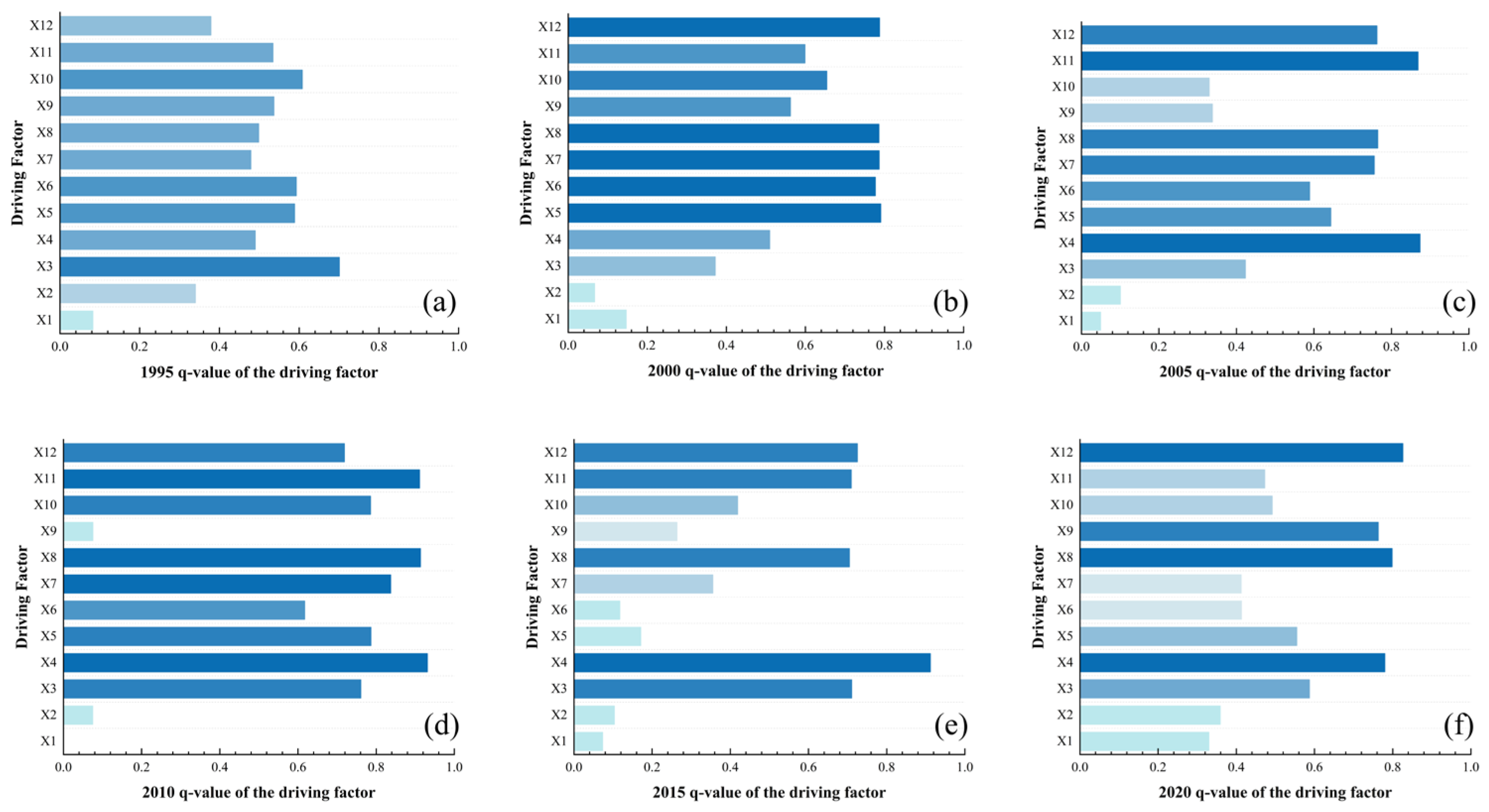
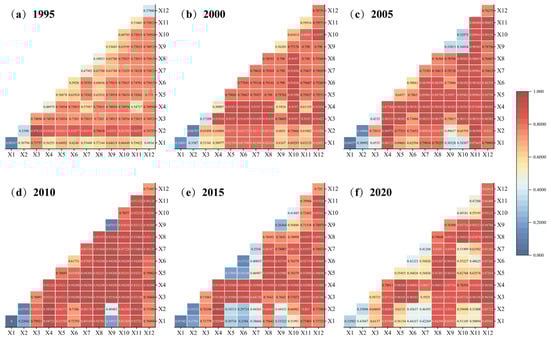
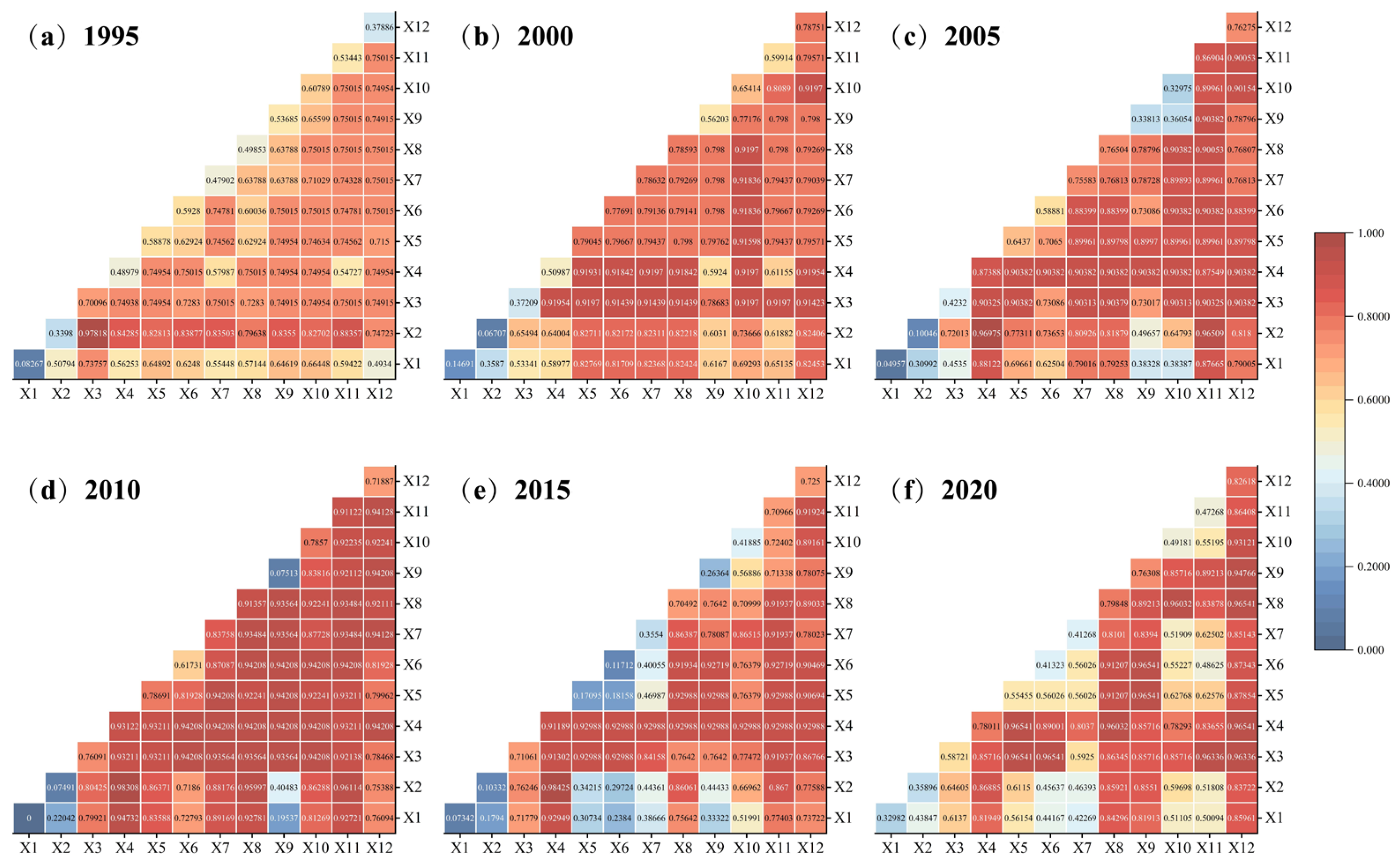
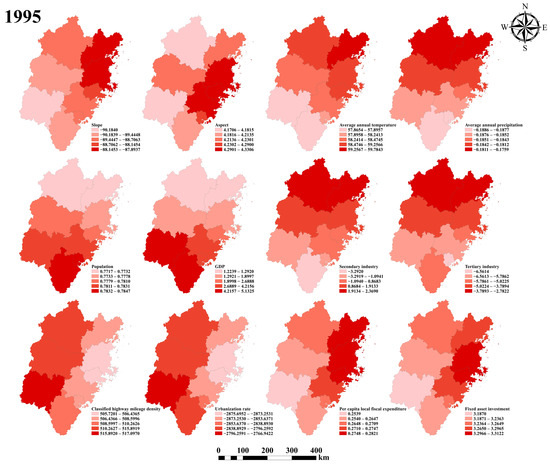
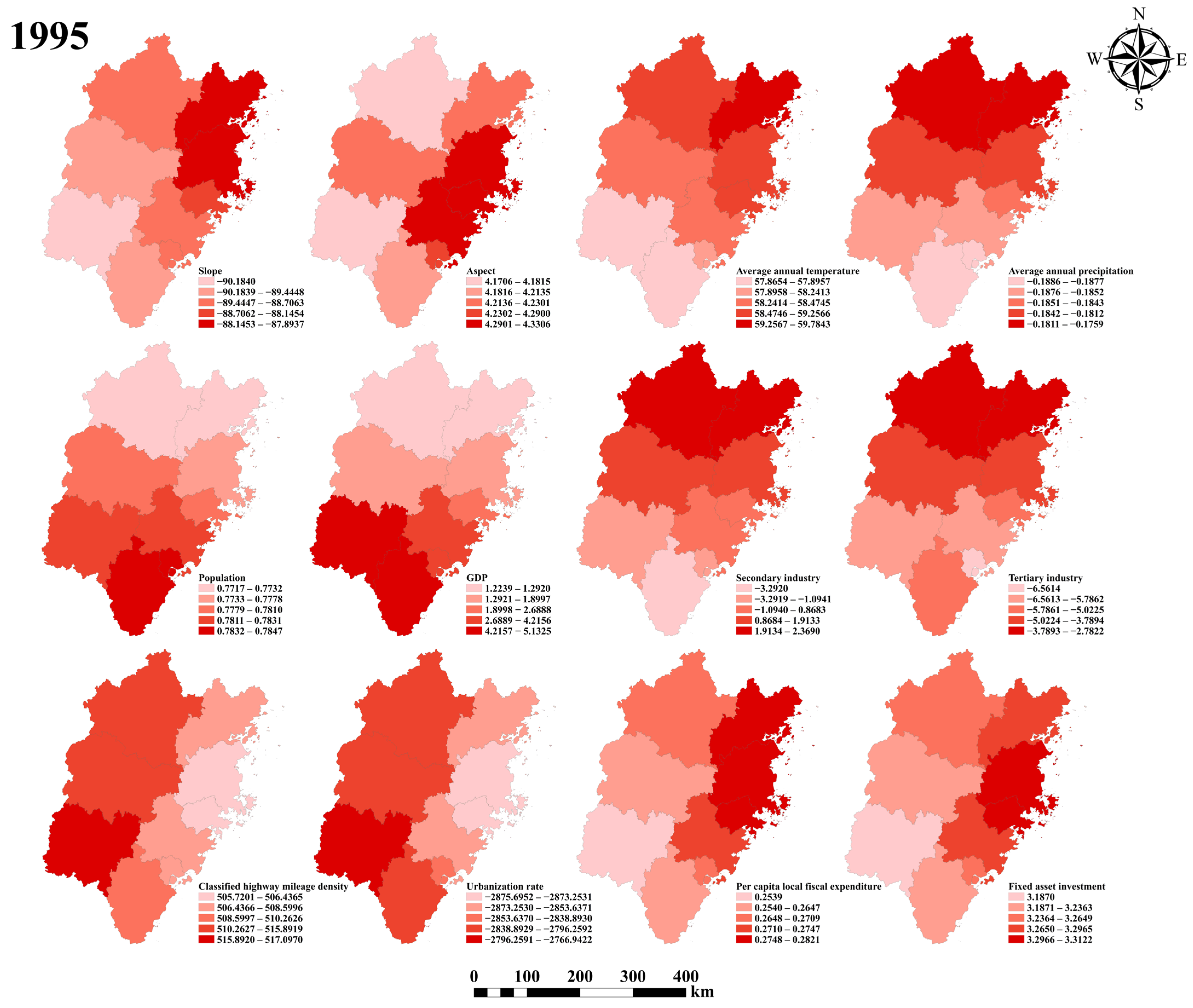
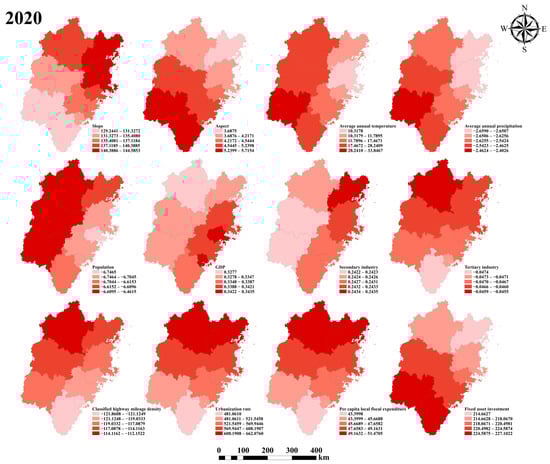
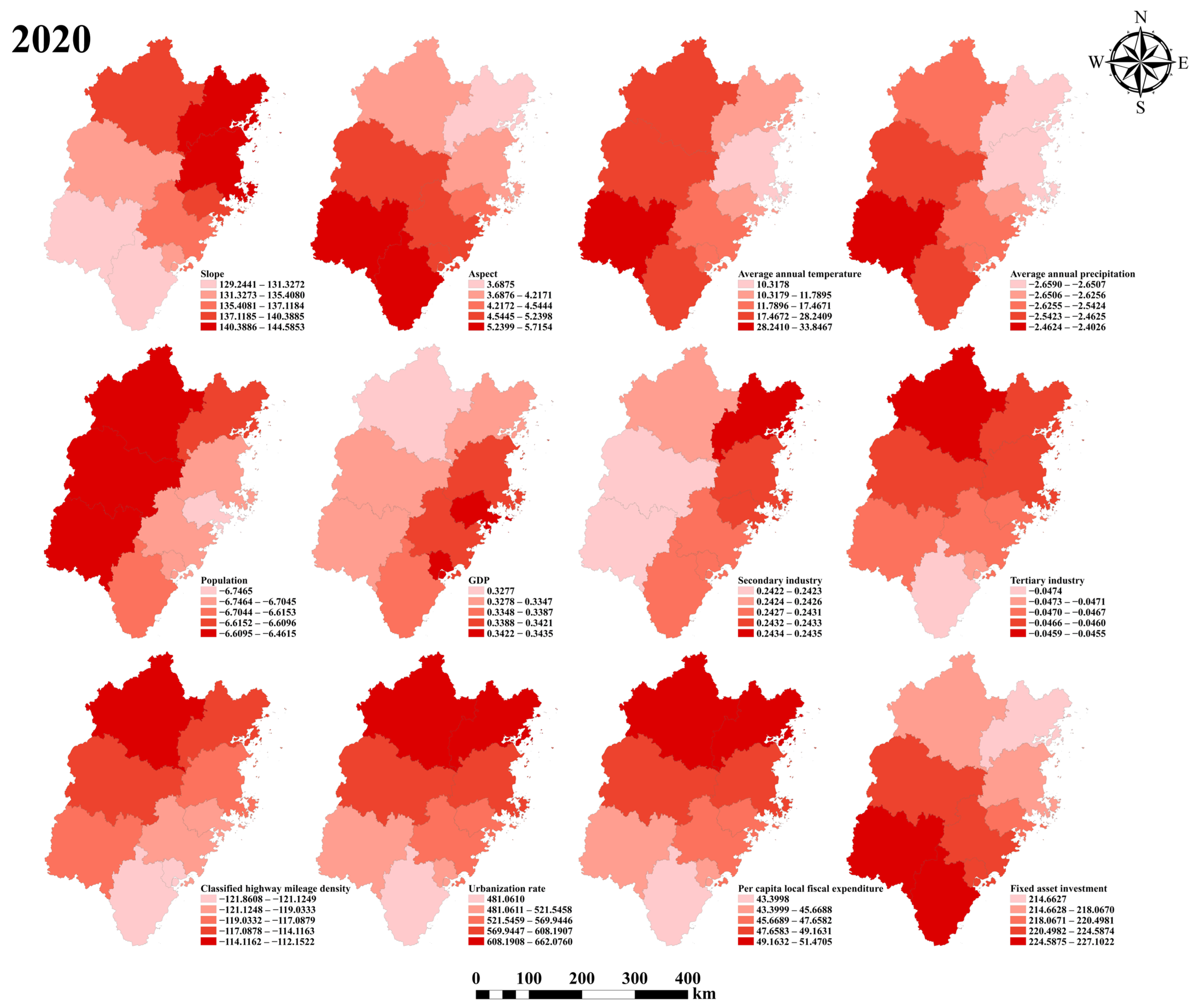
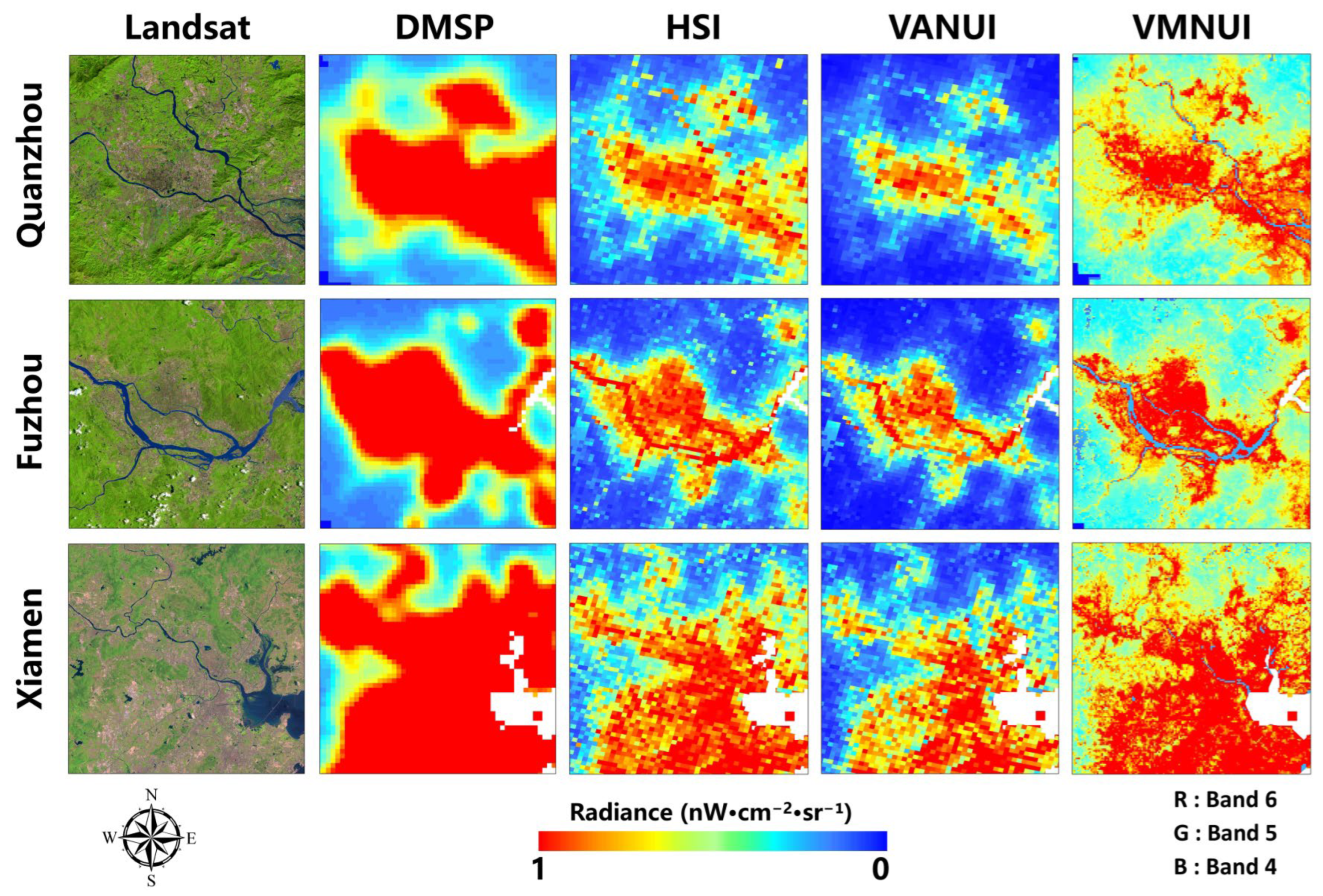
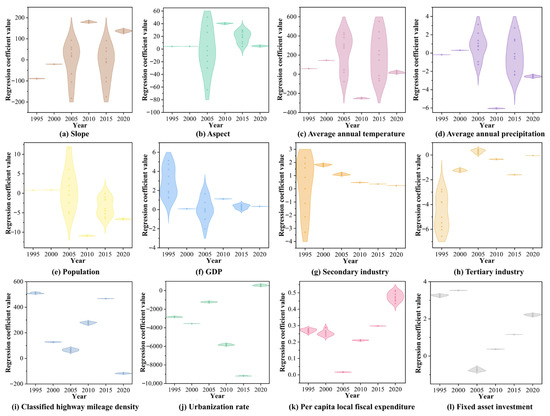
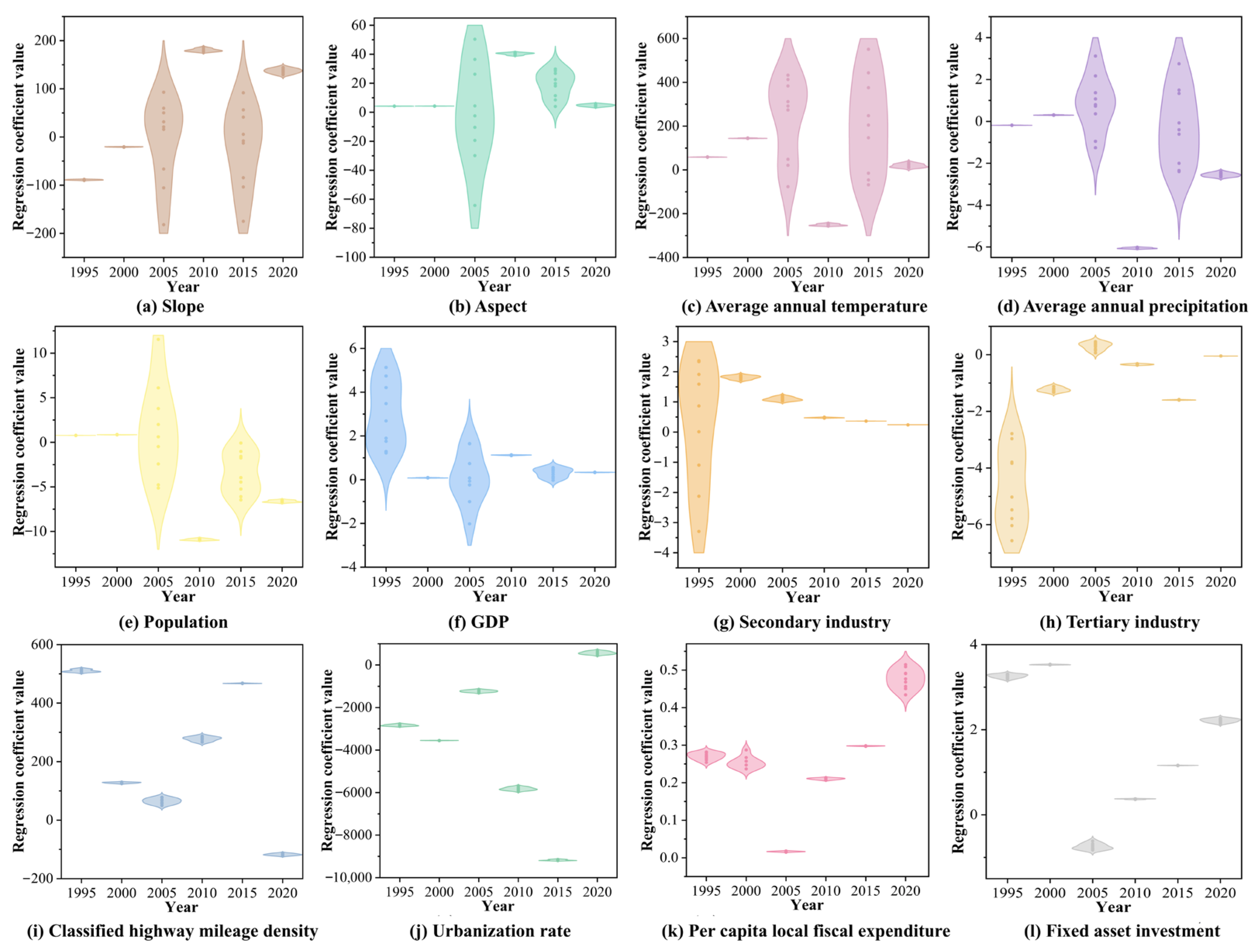

Disclaimer/Publisher’s Note: The statements, opinions and data contained in all publications are solely those of the individual author(s) and contributor(s) and not of MDPI and/or the editor(s). MDPI and/or the editor(s) disclaim responsibility for any injury to people or property resulting from any ideas, methods, instructions or products referred to in the content. |
© 2026 by the authors. Licensee MDPI, Basel, Switzerland. This article is an open access article distributed under the terms and conditions of the Creative Commons Attribution (CC BY) license.