Article

Geometry-Aware InSAR Feedback Purification Sampling for Negative Sample Selection in Landslide Susceptibility Assessment: A Case Study in the Shigatse Region

1
School of Geography and Information Engineering, China University of Geosciences, Wuhan 430078, China
2
Innovation Base for Monitoring, Evaluation, and Early Warning Technology of Territorial Space Ecological Restoration in the Southern Hilly and Mountainous Region of China, Chinese Geological Society, Changsha 410600, China
3
Badong National Observation and Research Station of Geohazards, China University of Geosciences, Wuhan 430074, China
*
Author to whom correspondence should be addressed.
Remote Sens. 2026, 18(15), 2591; https://doi.org/10.3390/rs18152591
Submission received: 19 June 2026 / Revised: 24 July 2026 / Accepted: 3 August 2026 / Published: 5 August 2026

Abstract

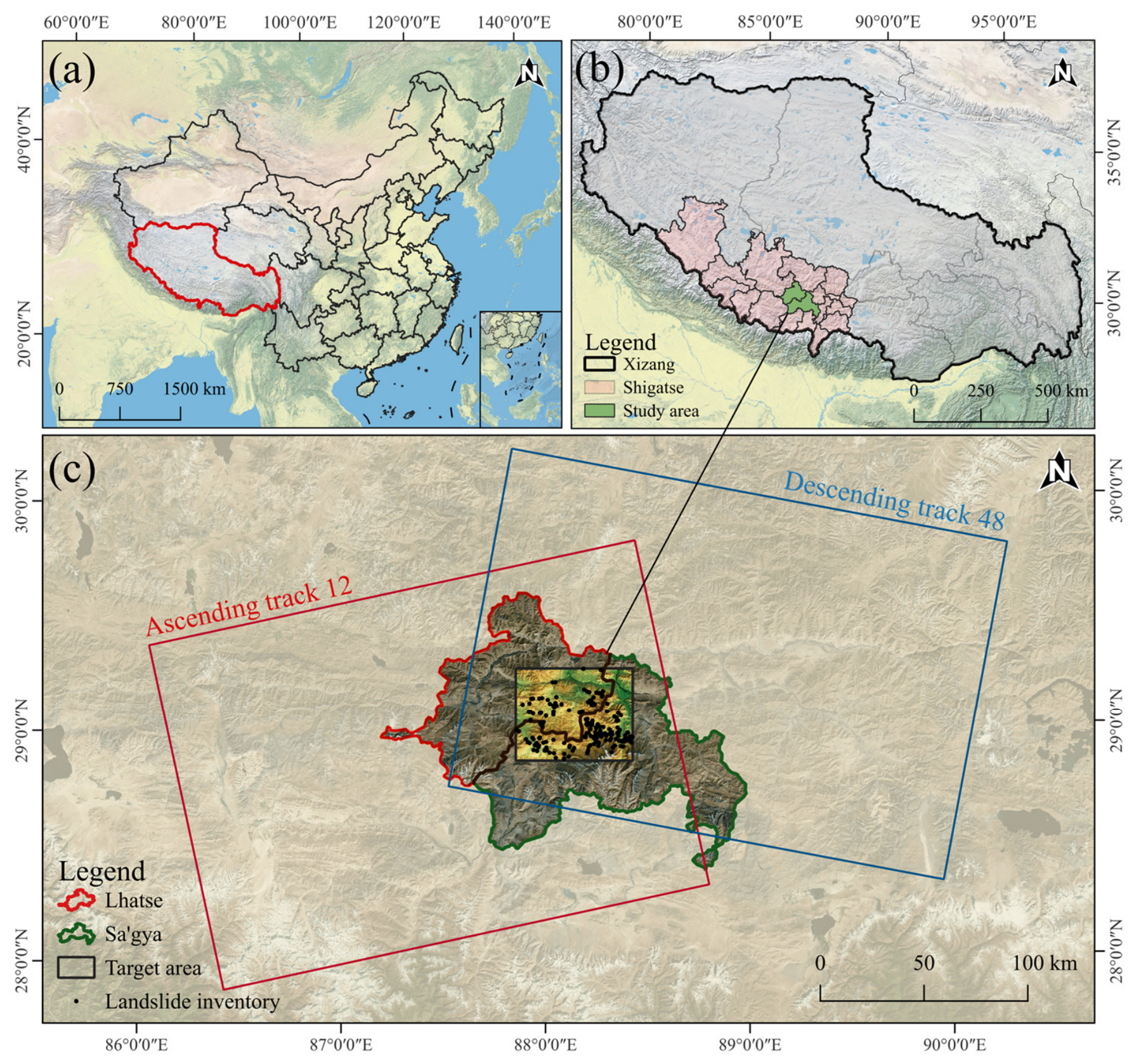
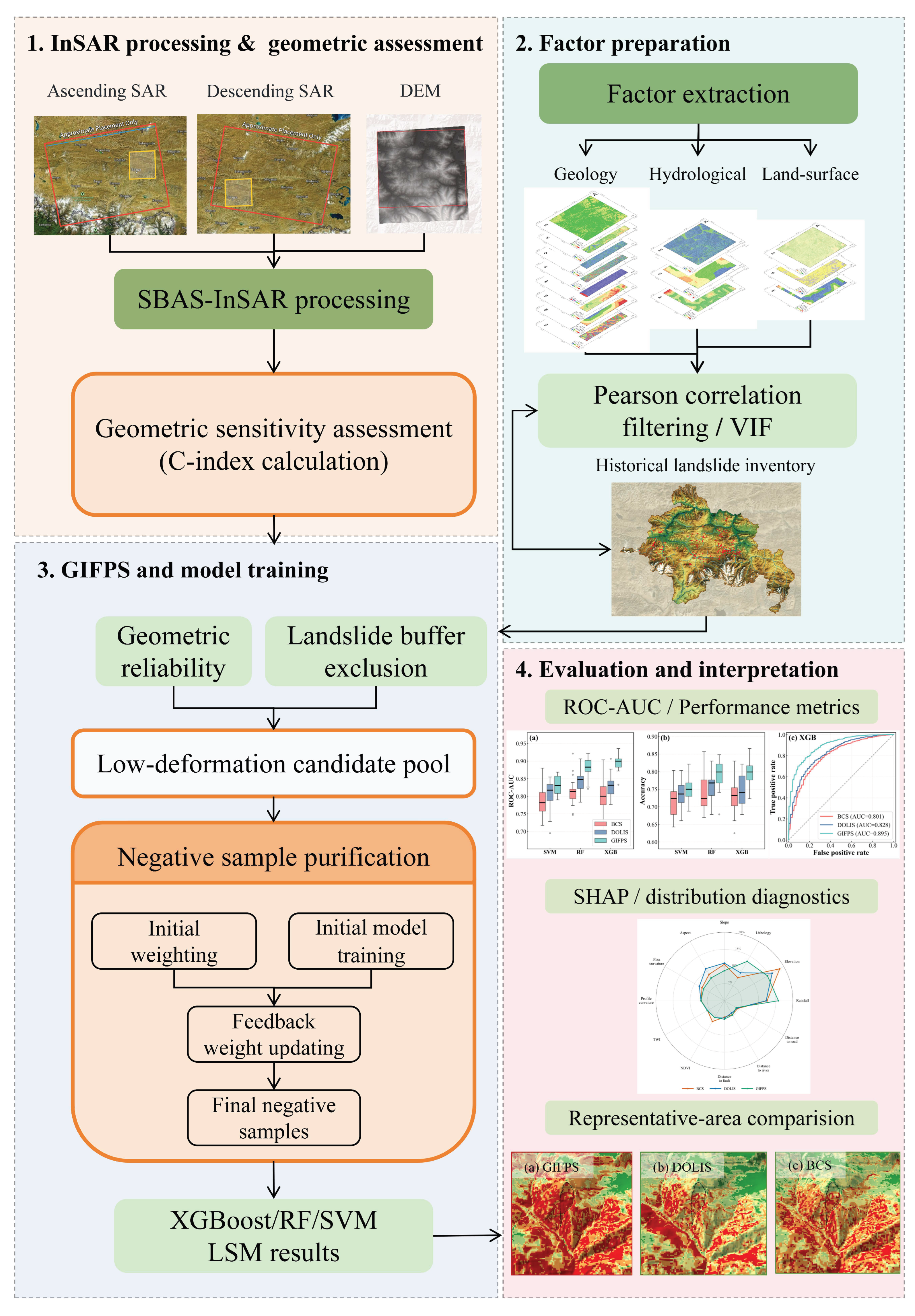
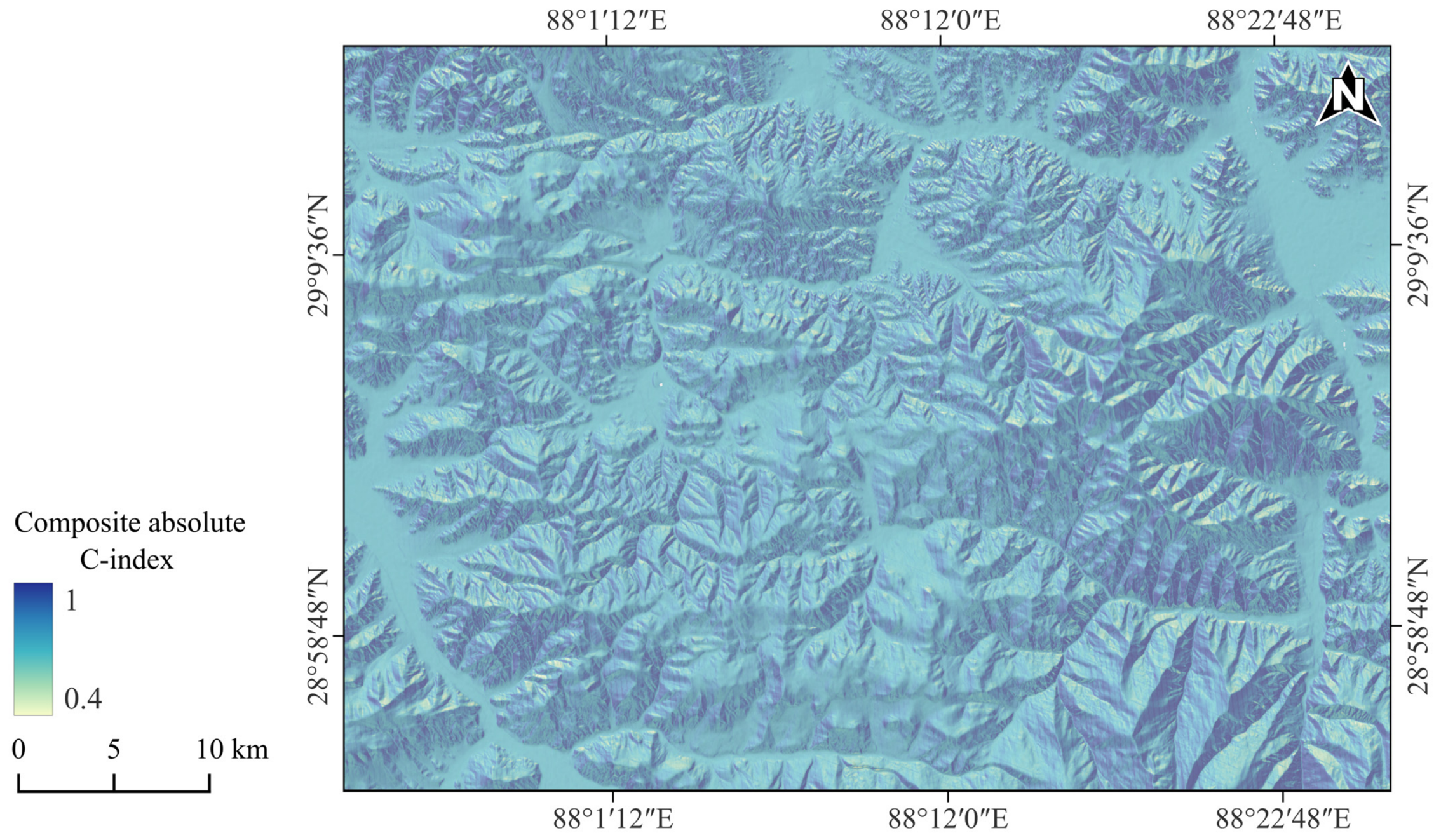
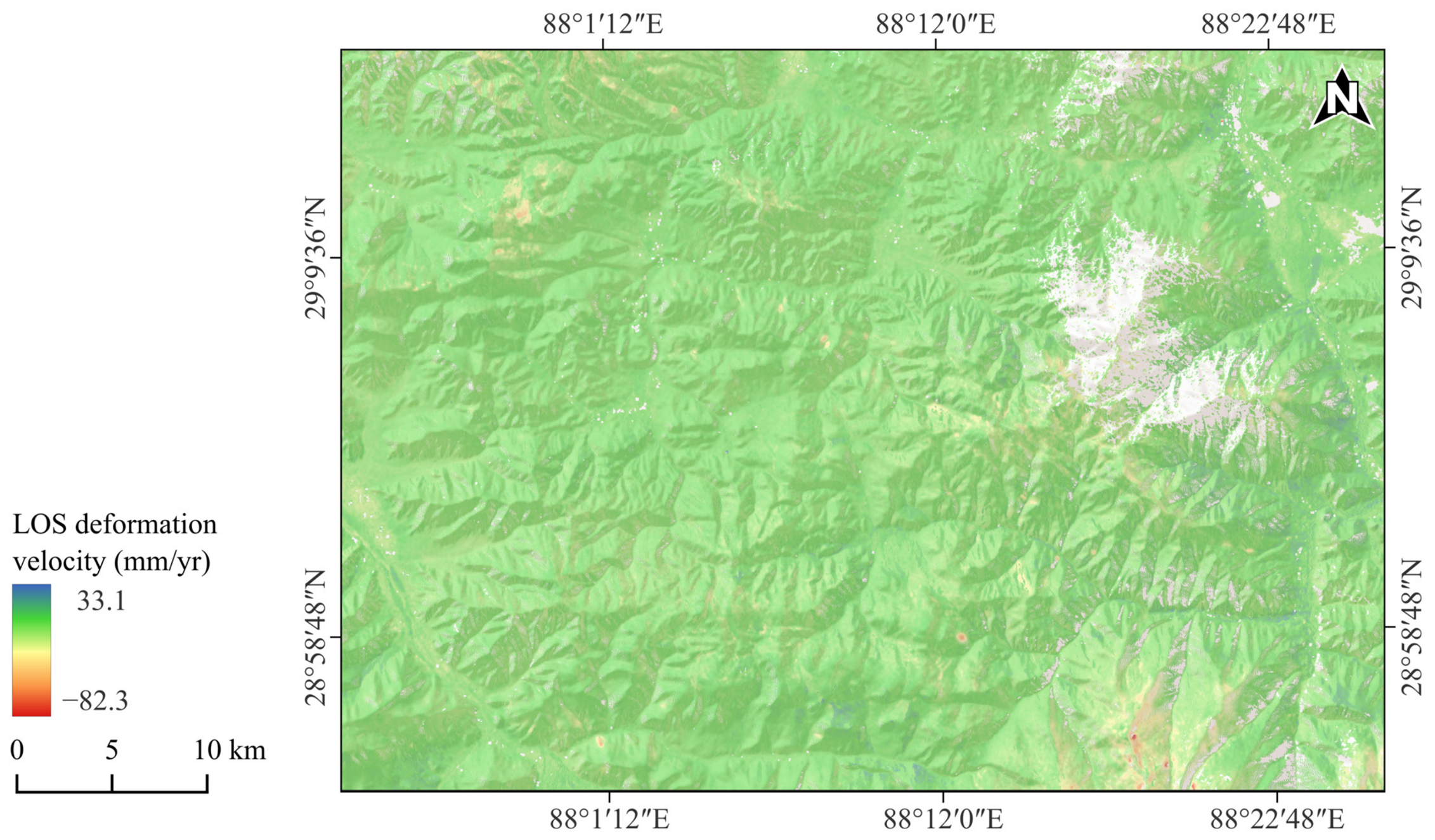
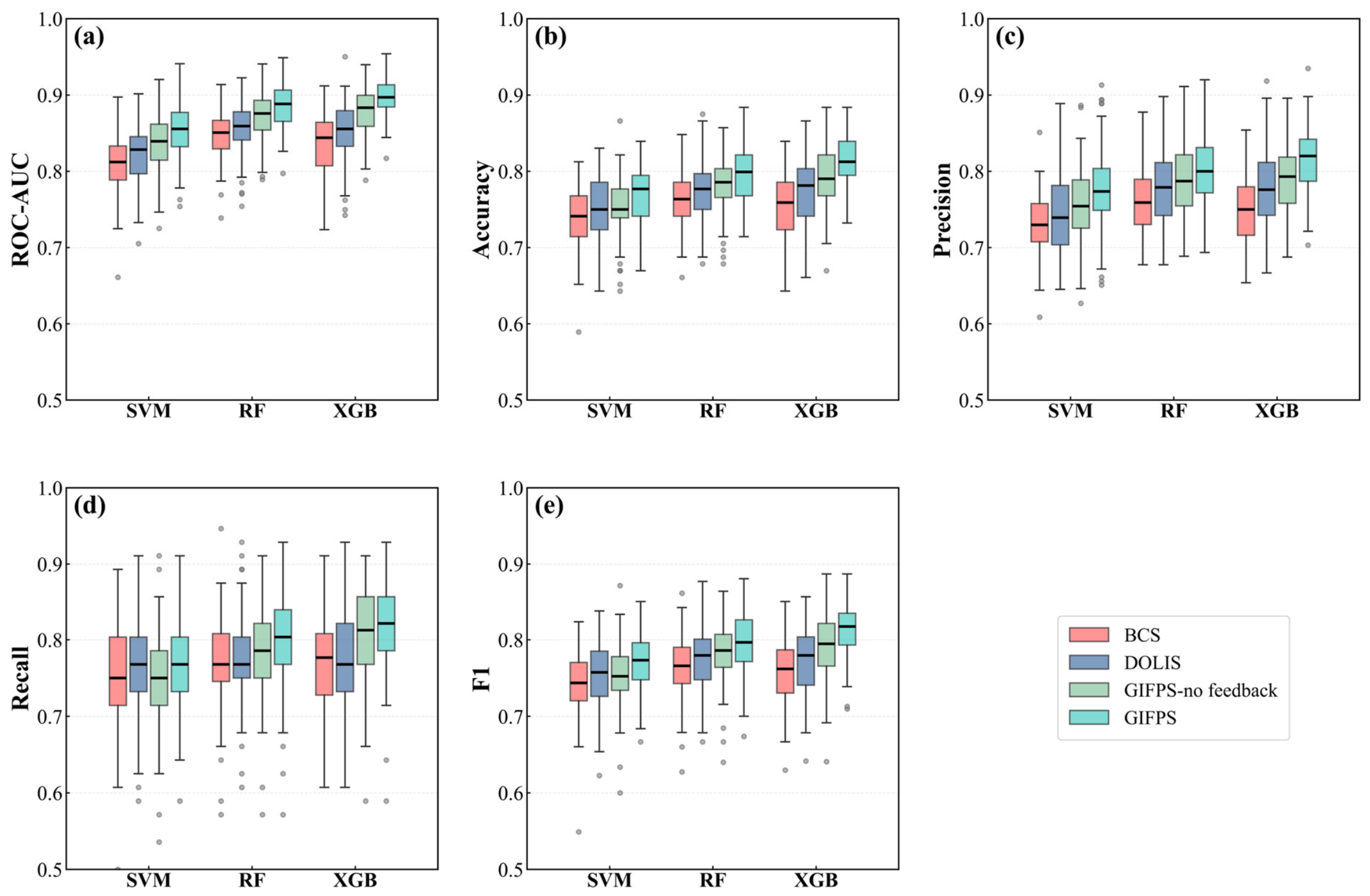
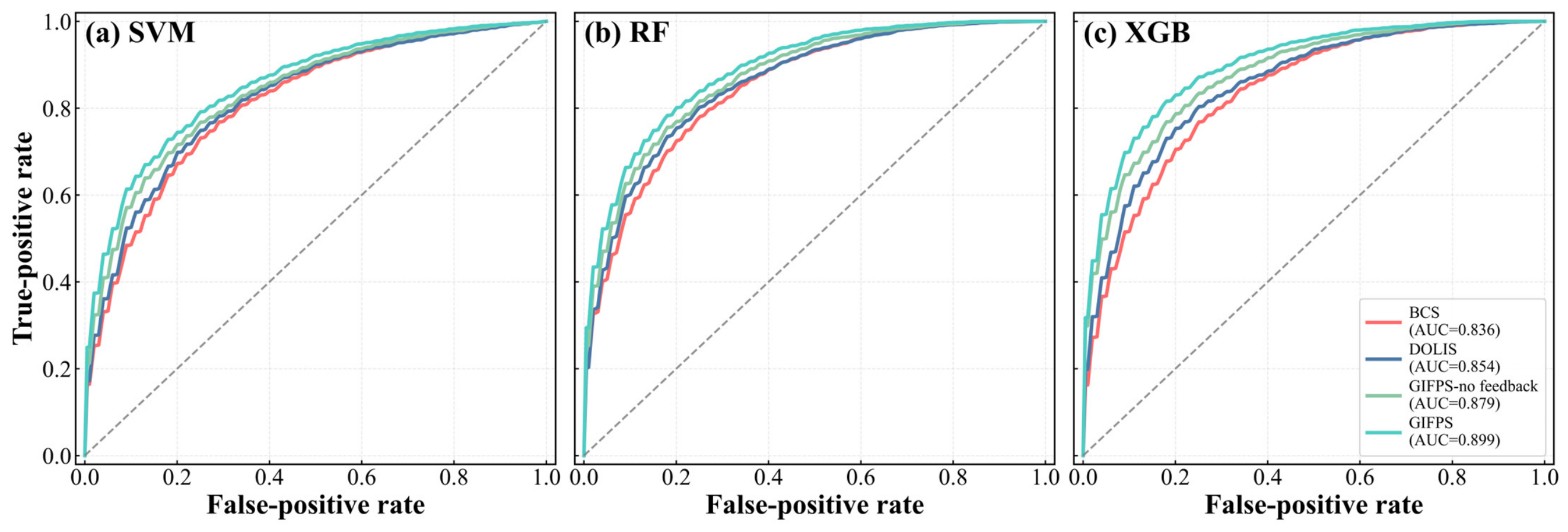
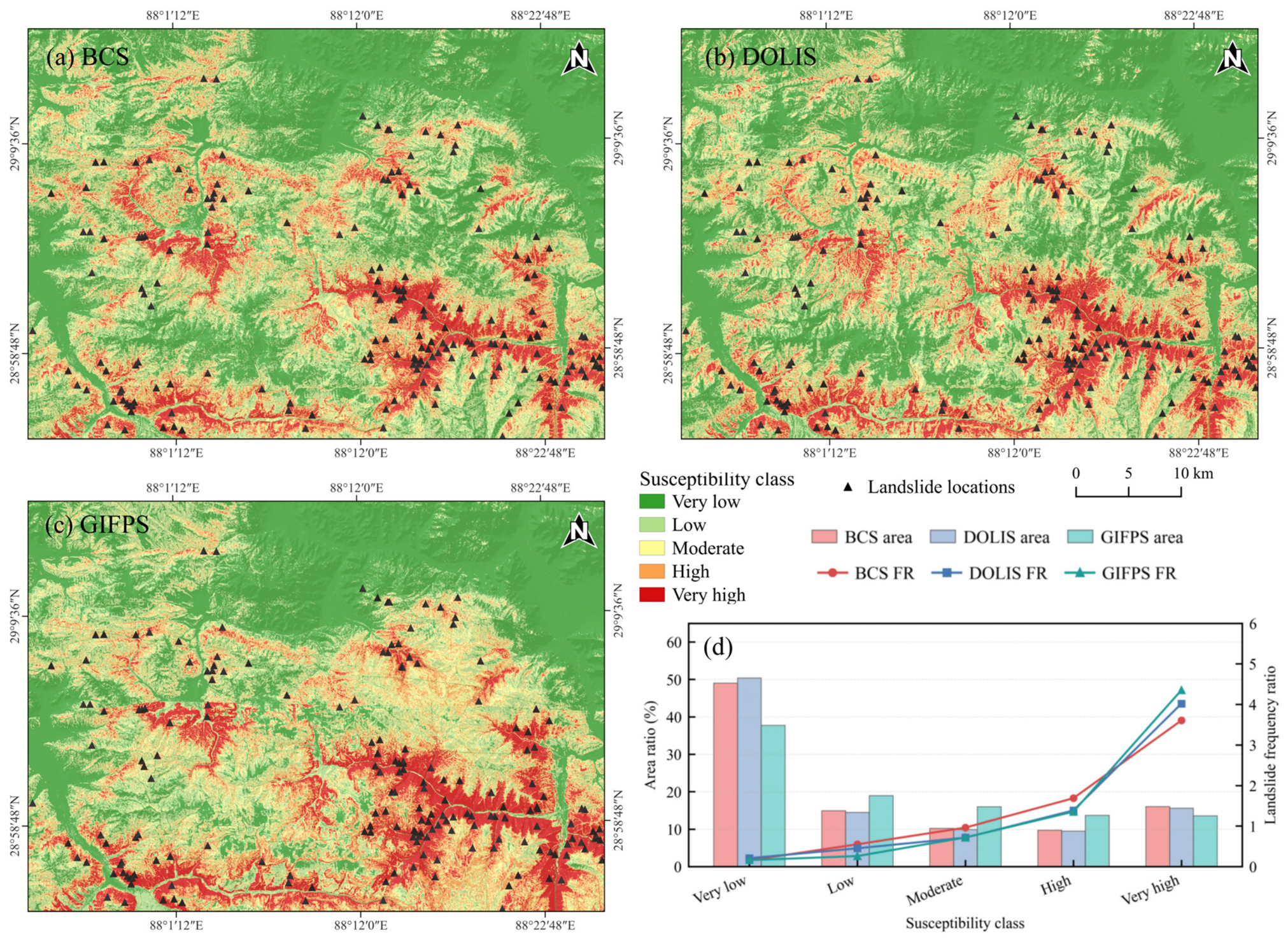
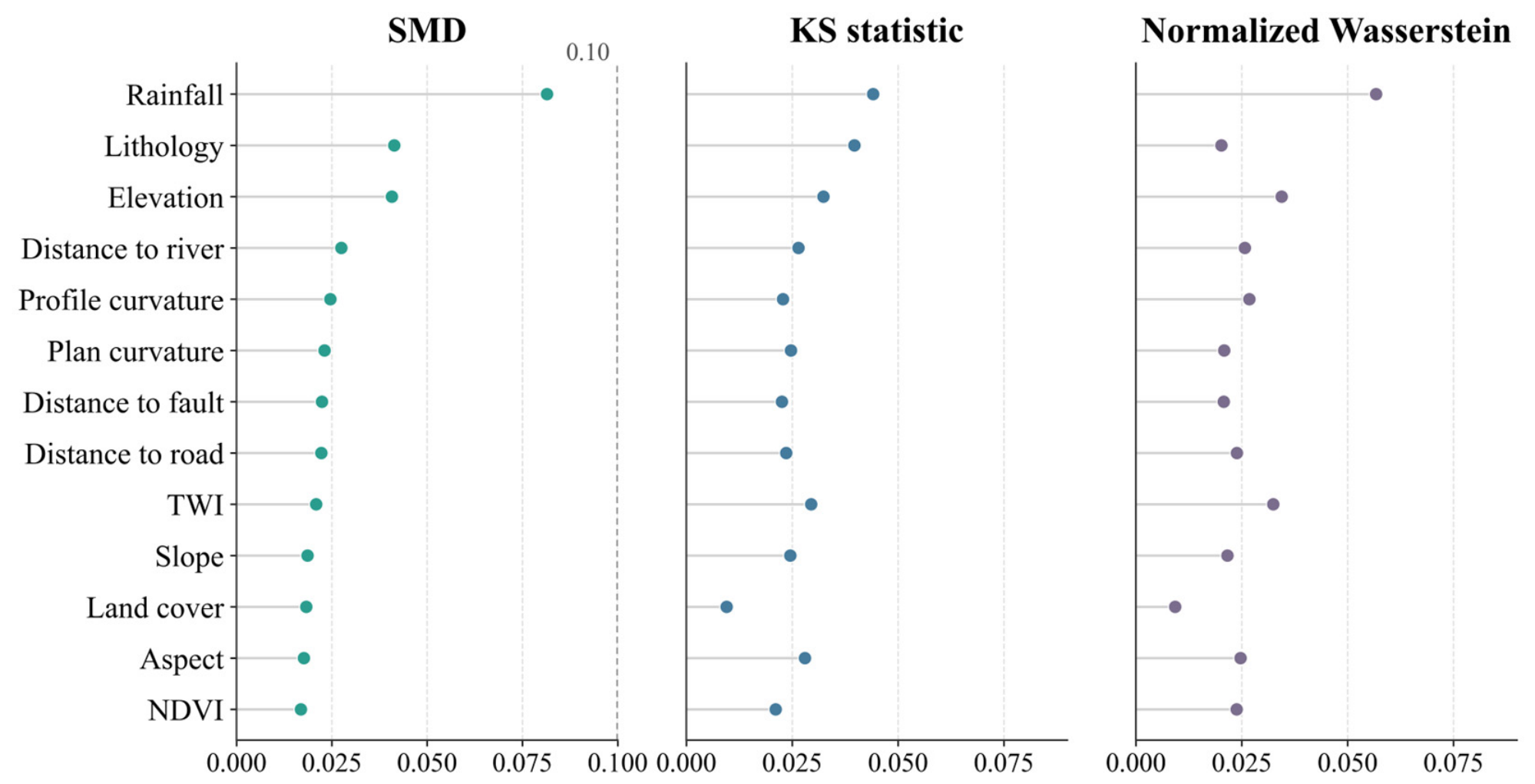
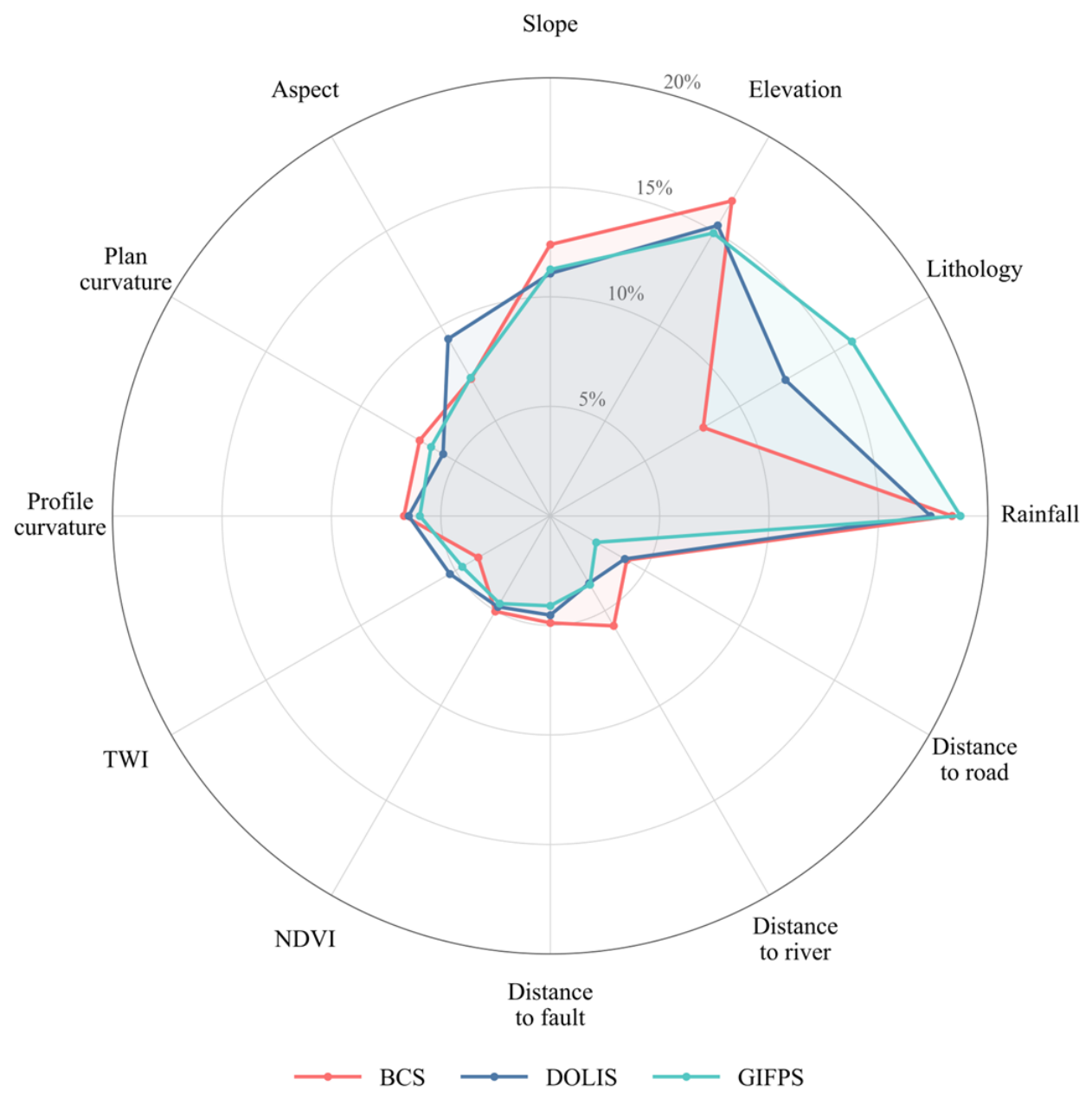
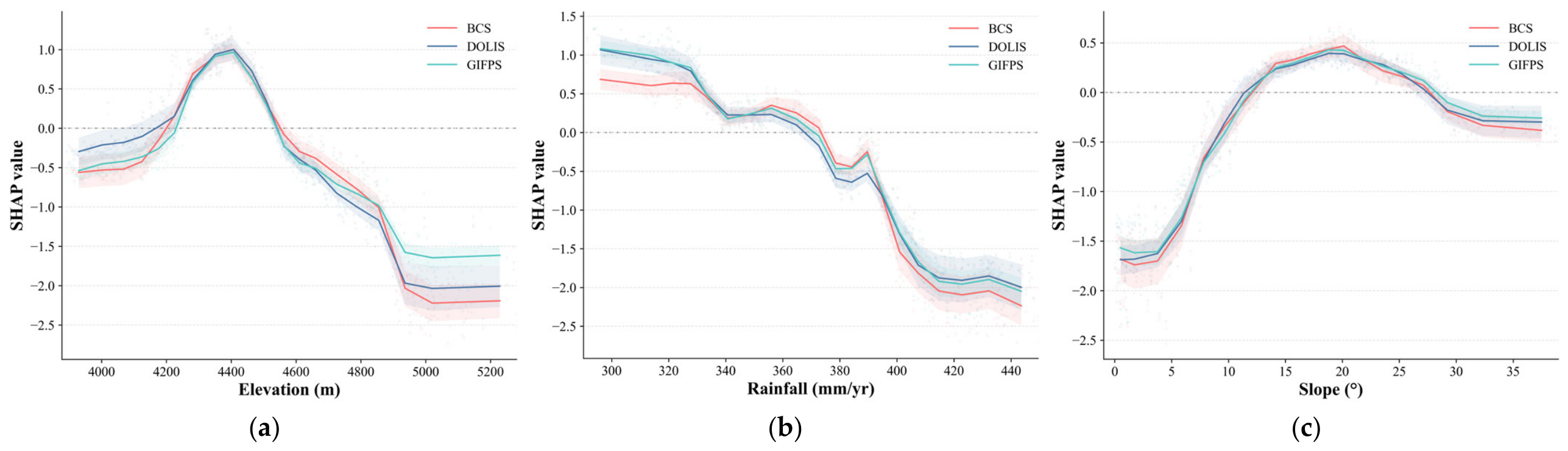
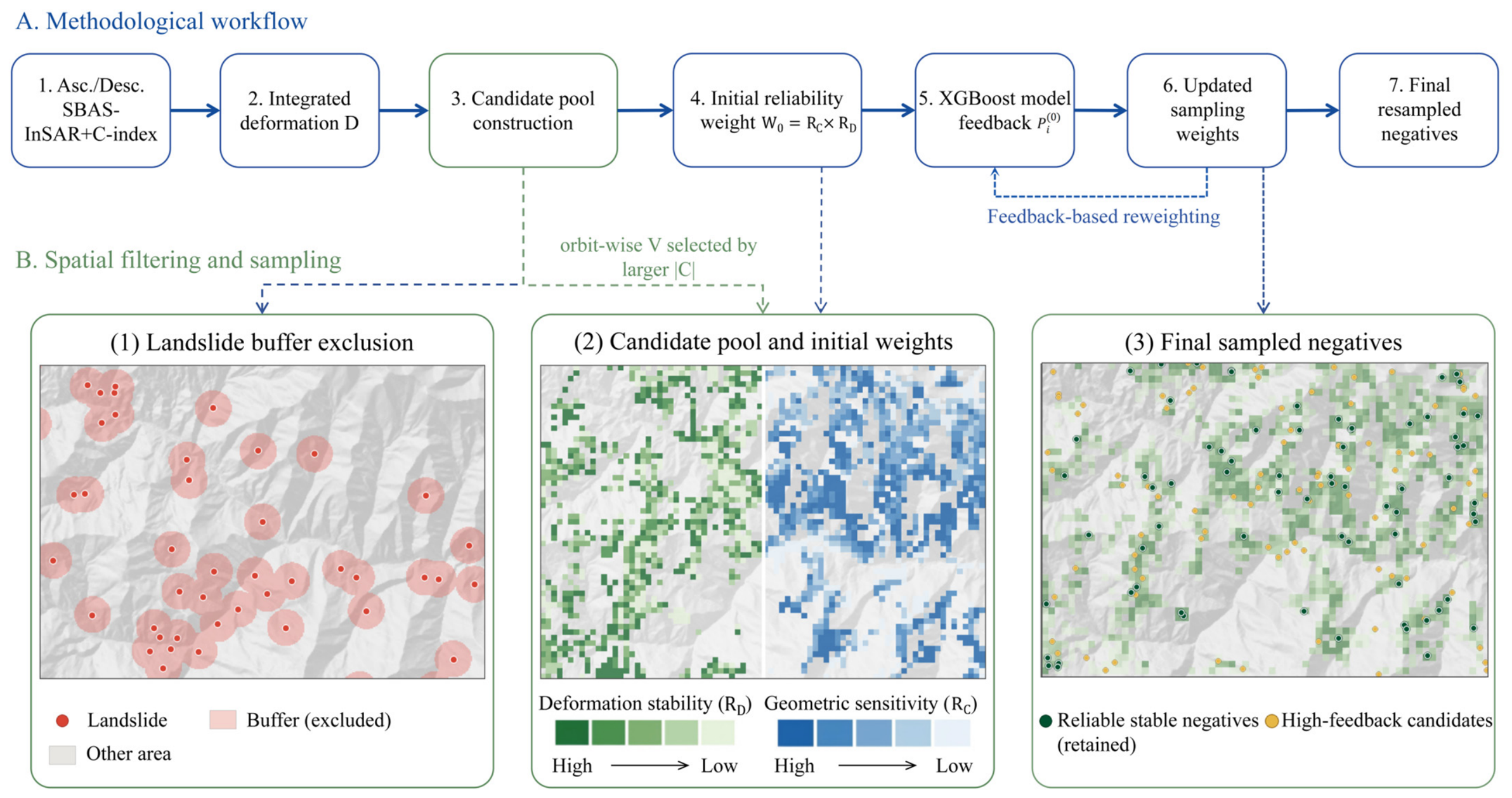
Negative sample selection is a major source of uncertainty in landslide susceptibility assessment (LSA), because areas without recorded landslides cannot be directly regarded as stable. Small baseline subset interferometric synthetic aperture radar (SBAS-InSAR) deformation can provide useful constraints for identifying low-deformation candidate areas. However, in steep alpine canyon terrain, low line-of-sight (LOS) deformation may result from unfavorable SAR viewing geometry rather than true slope stability. To address this problem, this study proposes a geometry-aware InSAR feedback purification sampling strategy (GIFPS) for negative sample selection. GIFPS integrates ascending and descending SBAS-InSAR deformation, C-index-based LOS geometric sensitivity, and model feedback to select more reliable negative samples. The method has been evaluated in the Shigatse region of the Qinghai–Tibet Plateau and compared with buffer-controlled sampling (BCS) and dual-orbit low-deformation intersection sampling (DOLIS). Repeated experiments using support vector machine (SVM), random forest (RF), and extreme gradient boosting (XGBoost) show that GIFPS consistently improves model performance. Compared with BCS and DOLIS, GIFPS increases the mean ROC-AUC by 4.77 percentage points and 3.58 percentage points, respectively, and increases the mean F1-score by 3.75 percentage points and 2.59 percentage points, respectively. The ROC-AUC improvements are statistically significant according to paired Wilcoxon signed-rank tests. Susceptibility zoning, SHAP interpretation, and sample-distribution diagnostics further show that GIFPS improves spatial discrimination mainly through reliability-oriented negative sample selection, rather than by excessively narrowing the conditioning-factor distribution of candidate samples. These results suggest that GIFPS provides an interpretable InSAR-assisted strategy for negative sample selection in LSA in complex alpine canyon areas.
Keywords: landslide susceptibility assessment; SBAS-InSAR; negative sample purification; geometric sensitivity; C-index; Shigatse landslide susceptibility assessment; SBAS-InSAR; negative sample purification; geometric sensitivity; C-index; Shigatse