Analysis of the Effect of Vegetation Types in Industrial Heat Source Radiation Areas on PM2.5 Concentration Reduction in the Beijing–Tianjin–Hebei Region

Highlights
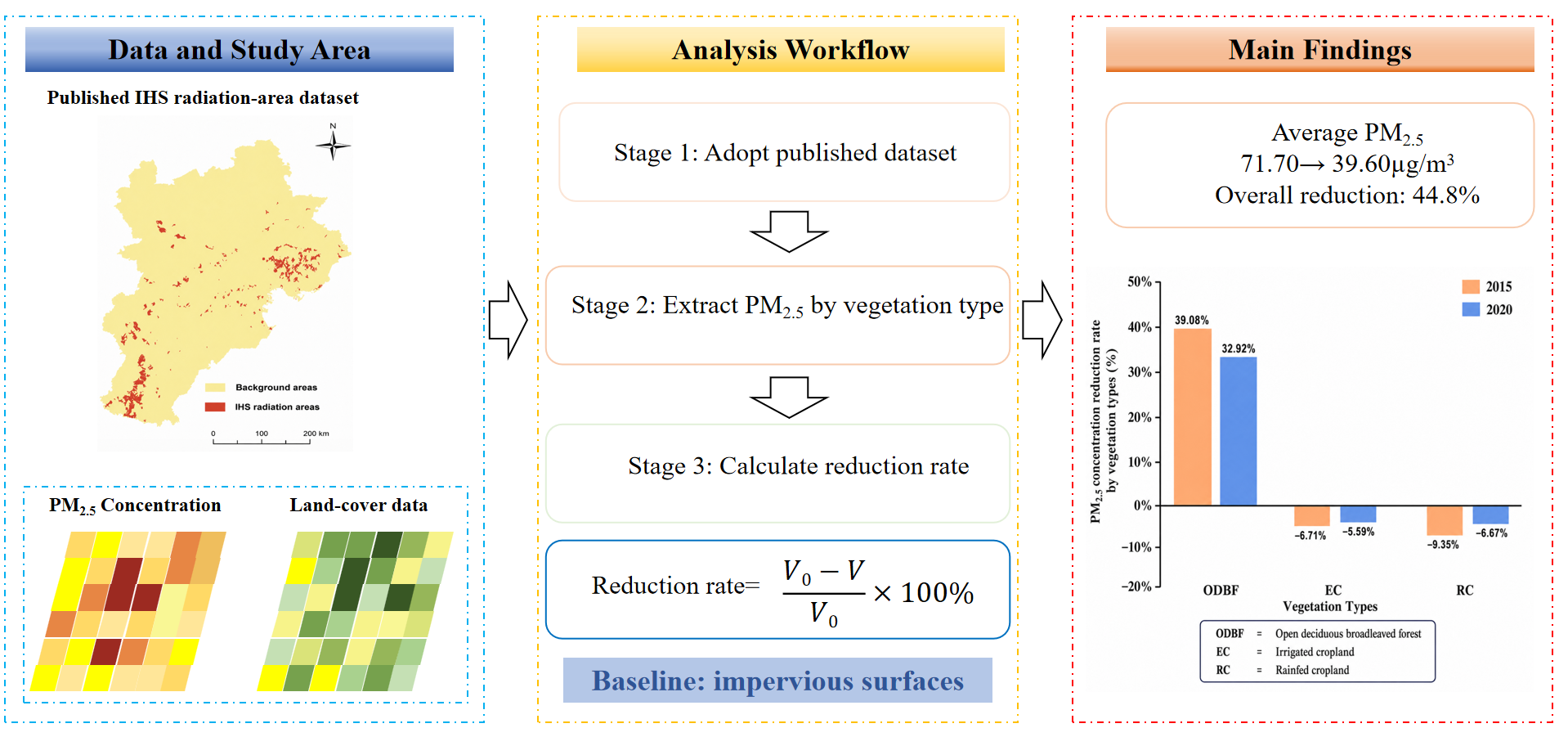
- This study proposes a systematic analysis approach based on industrial heat source radiation areas, PM2.5, land cover, and digital elevation model data to systematically evaluate the PM2.5 reduction effects of different vegetation types within industrial heat source radiation areas.
- Validated in the Beijing–Tianjin–Hebei region, the results indicate that vegetation can significantly reduce PM2.5 in industrially influenced areas, with varying effects among different vegetation types.
- They provide a reference for ecological buffer design and urban ecological planning in industrial zones.
- They offer a scientific basis for vegetation optimization, emission mitigation, and sustainable air quality management.
Abstract
1. Introduction
2. Materials and Methods
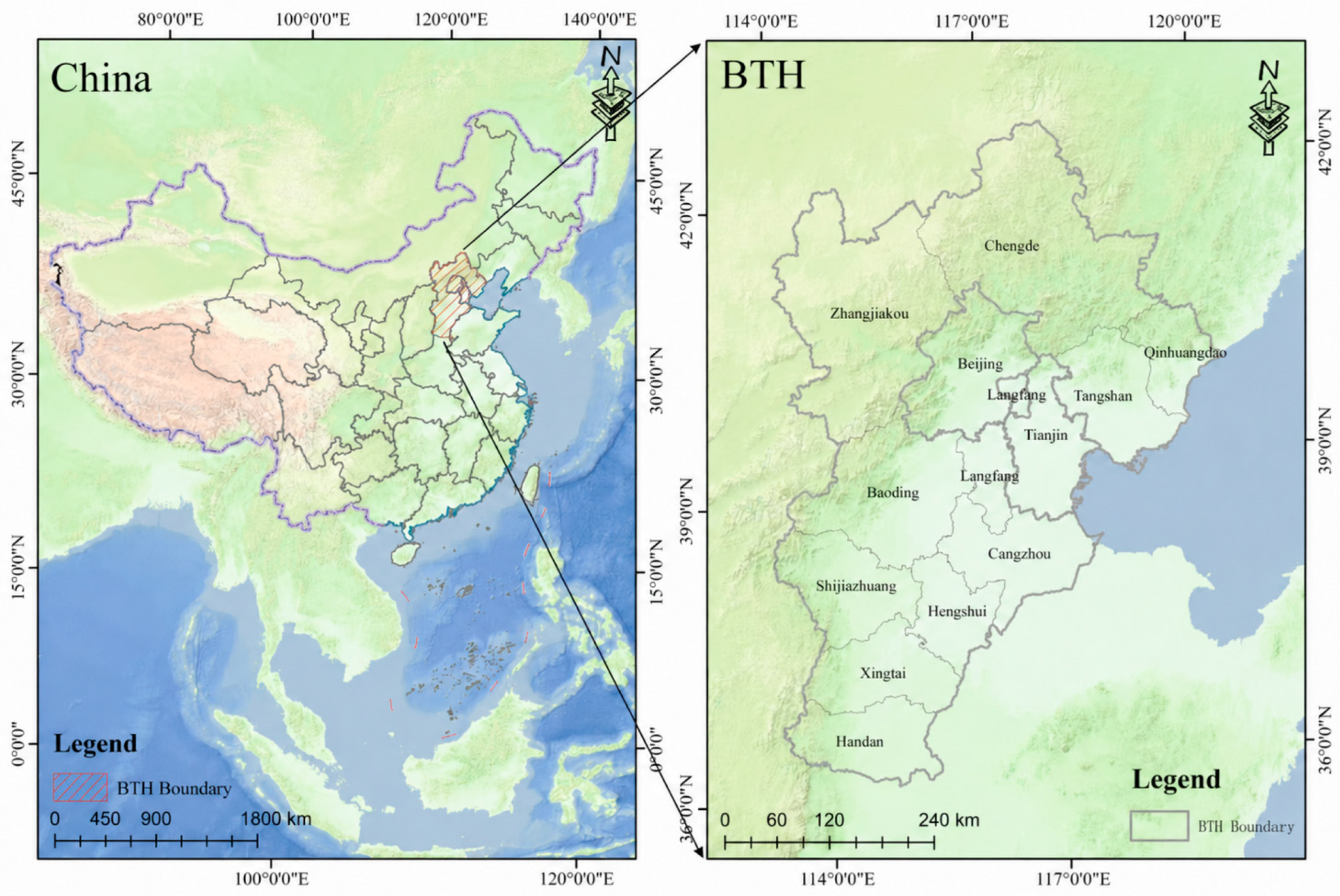
2.1. Study Area
2.2. Data Sources
2.2.1. PM2.5 Concentration Data
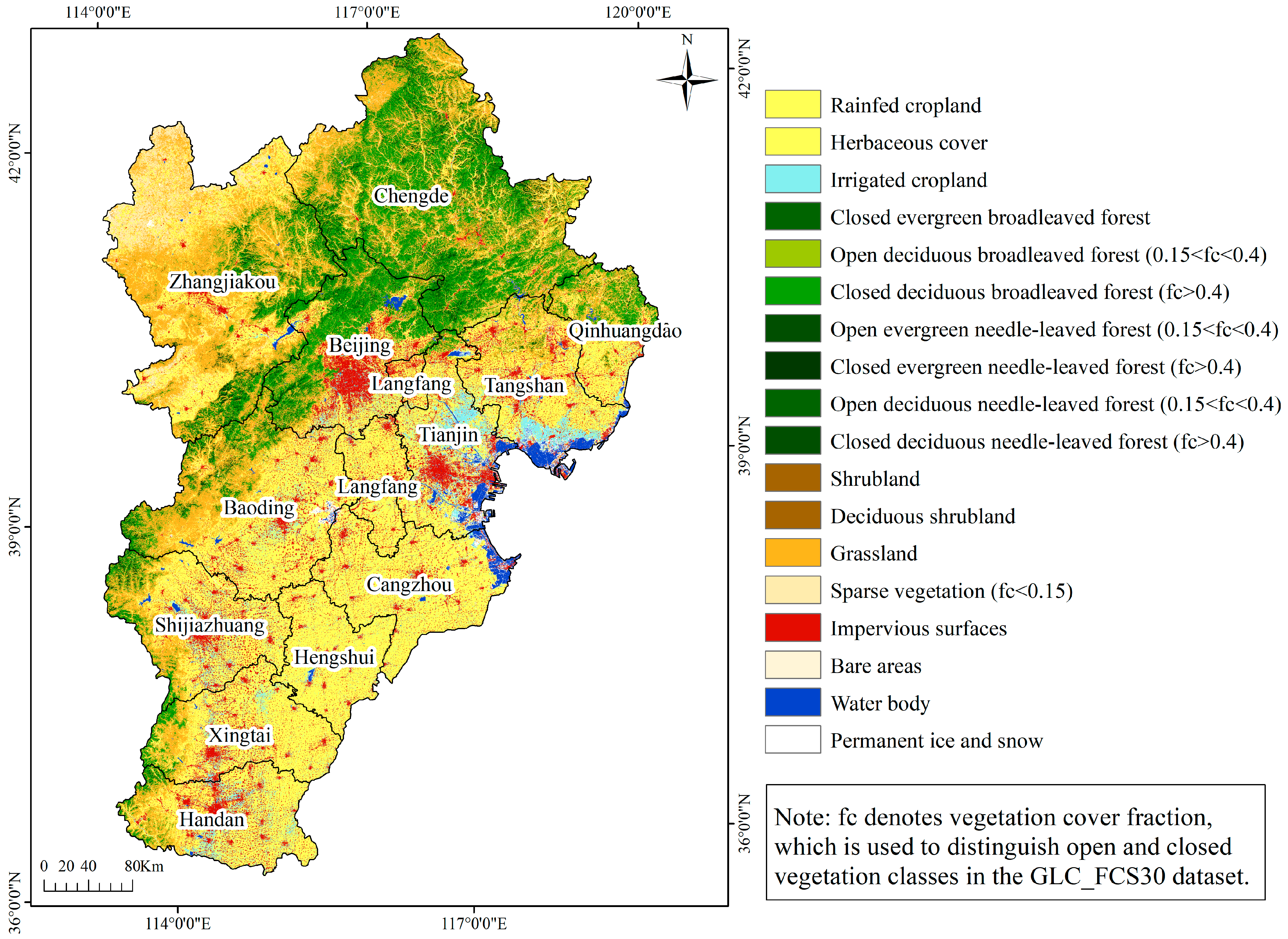
2.2.2. Land-Cover Data
2.2.3. Industrial Heat Source (IHS) Data
2.3. Method
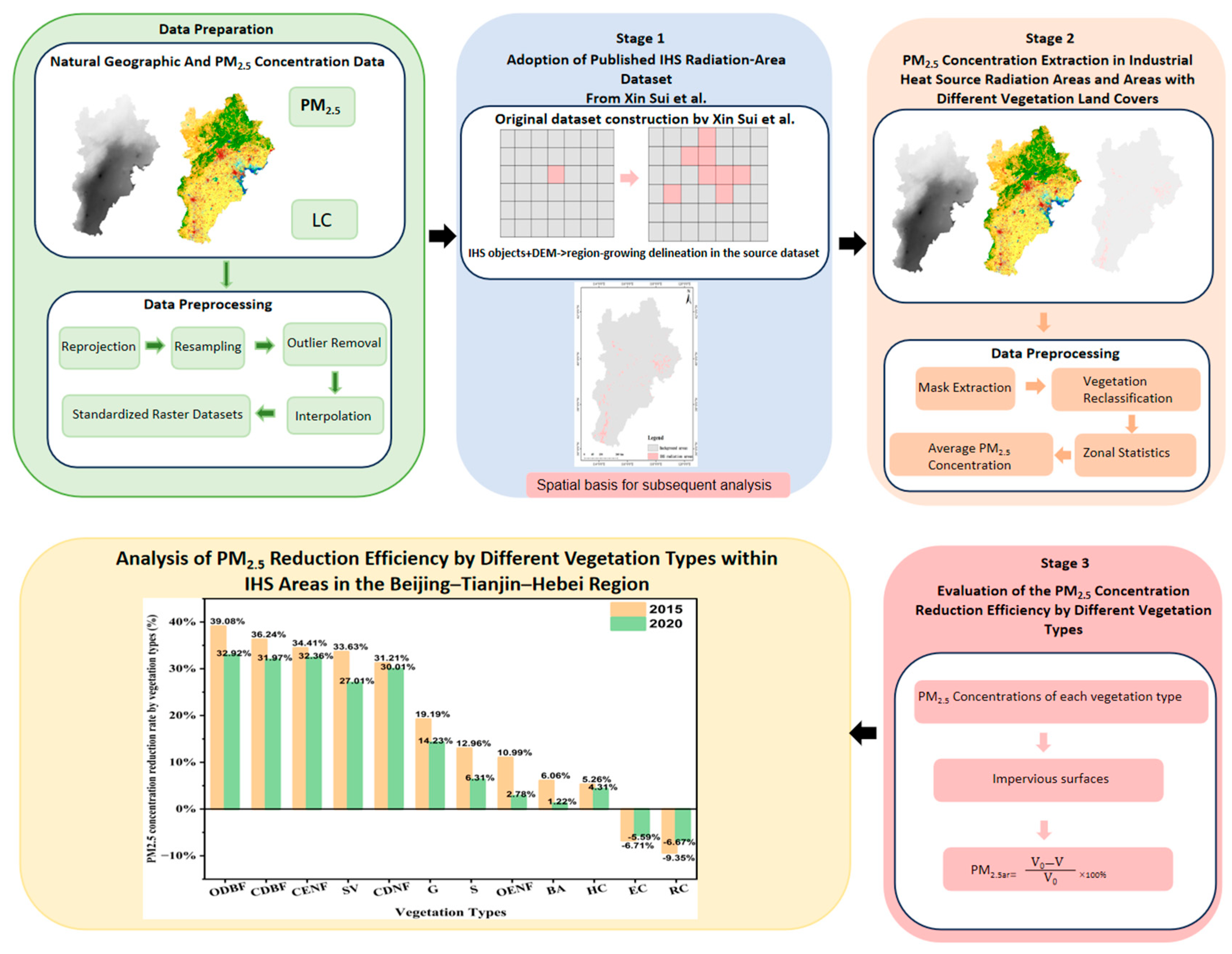
2.3.1. Data Preparation
2.3.2. Extraction of PM2.5 Concentrations Within IHS Radiation Areas and Selected Land-Cover Classes
2.3.3. Calculation of PM2.5 Concentration Reduction Rates by Vegetation Type
3. Results
3.1. Temporal Variation in PM2.5 Concentrations in IHS Radiation Areas of the BTH Region (2015 vs. 2020)
3.2. Spatial Differentiation of PM2.5 Concentration Reduction at Multiple Scales: BTH Region, Provincial and Municipal Levels
3.3. PM2.5 Concentration Reduction Rate by Vegetation Type in IHS Radiation Areas
4. Discussion
4.1. Spatiotemporal Distribution of PM2.5 Concentrations in Different Types of Industrial Plants in IHS Radiation Areas (2015–2020)
4.1.1. PM2.5 Spatiotemporal Characteristics of Continuously Operating Industrial Plants
4.1.2. PM2.5 Spatiotemporal Characteristics of Discontinued Industrial Plants
4.1.3. PM2.5 Spatiotemporal Characteristics of Newly Added Industrial Plants
4.2. Limitations of This Study
5. Conclusions
- (1)
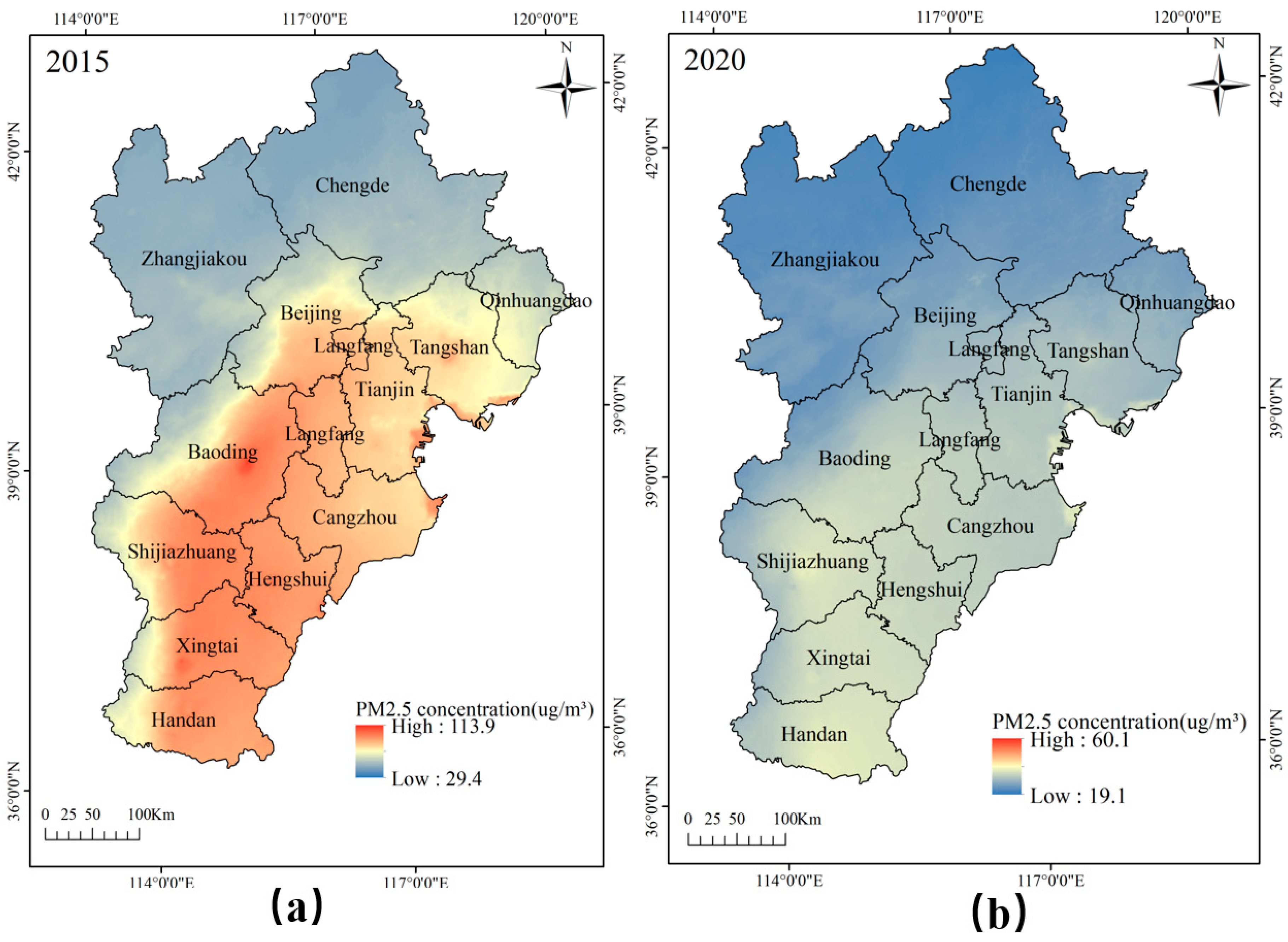
- From 2015 to 2020, PM2.5 concentrations in the IHS radiation areas of the Beijing–Tianjin–Hebei region exhibit an overall decreasing trend. Spatially, the pattern shifted from “higher PM2.5 concentrations in the central–southern areas and lower concentrations in the northern areas” in 2015 to “marked improvement in the southern areas and steady improvement in the northern areas” in 2020, indicating reduced regional disparities and reflecting the effectiveness of industrial reform measures and regional environmental policies.
- (2)
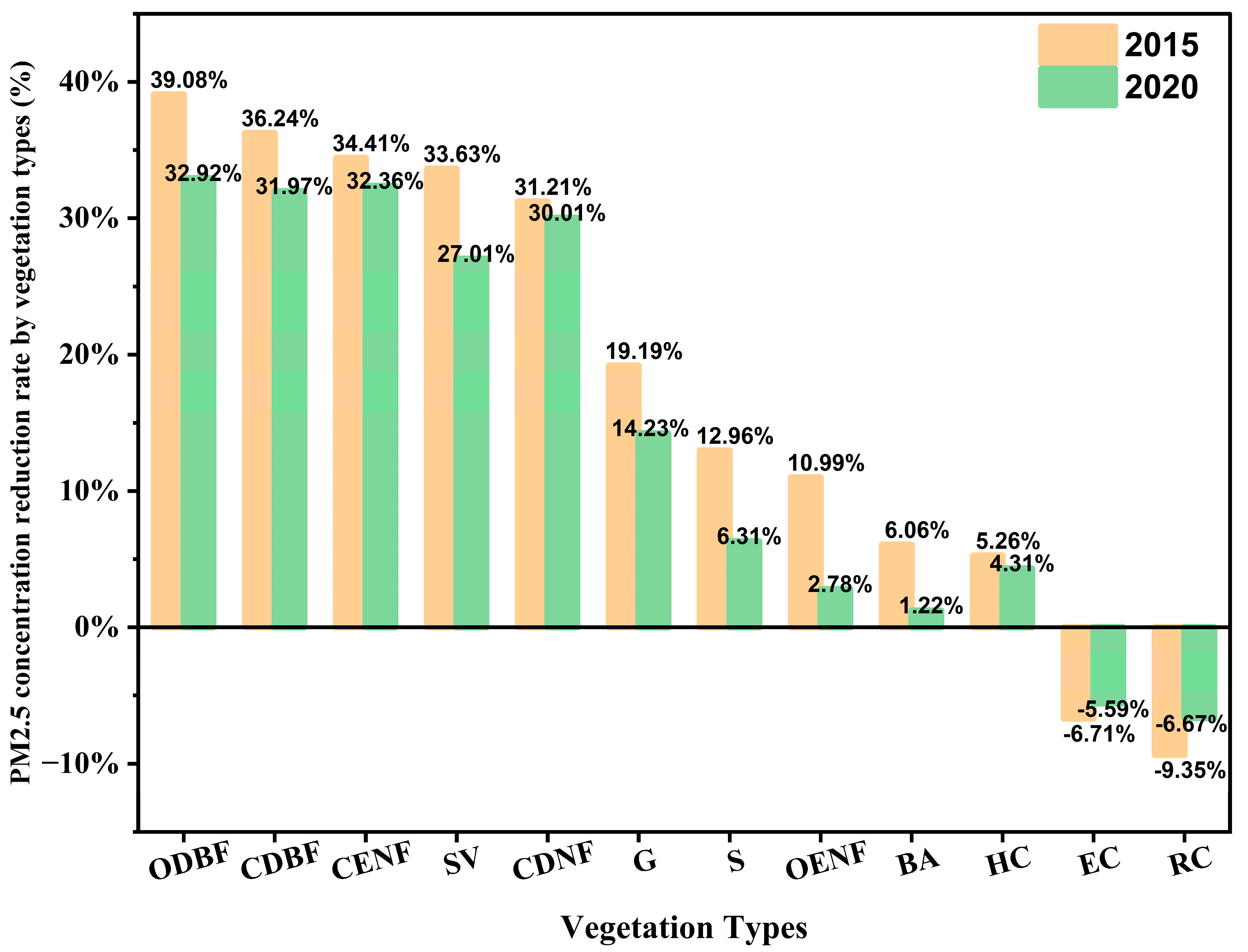
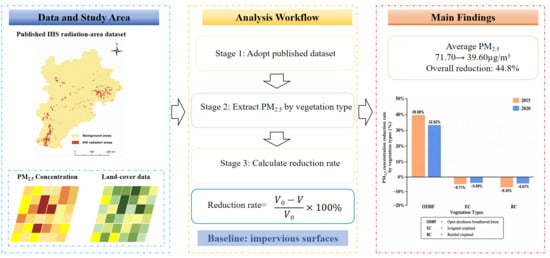
- This study selected 12 land-cover and vegetation classes for comparative analysis; significant differences were observed in PM2.5 concentration reduction rates among these selected classes. Open deciduous broadleaved forests achieve the highest reduction rate at 39.08%, whereas rainfed cropland and irrigated cropland show lower efficiencies, at −9.35% and −6.71%, respectively. These results indicate that vegetation structure and density are critical determinants of PM2.5 mitigation, with high-density and structurally complex forest types demonstrating greater potential for particulate matter removal through processes such as particle adsorption, deposition, and microclimate regulation.
- (3)
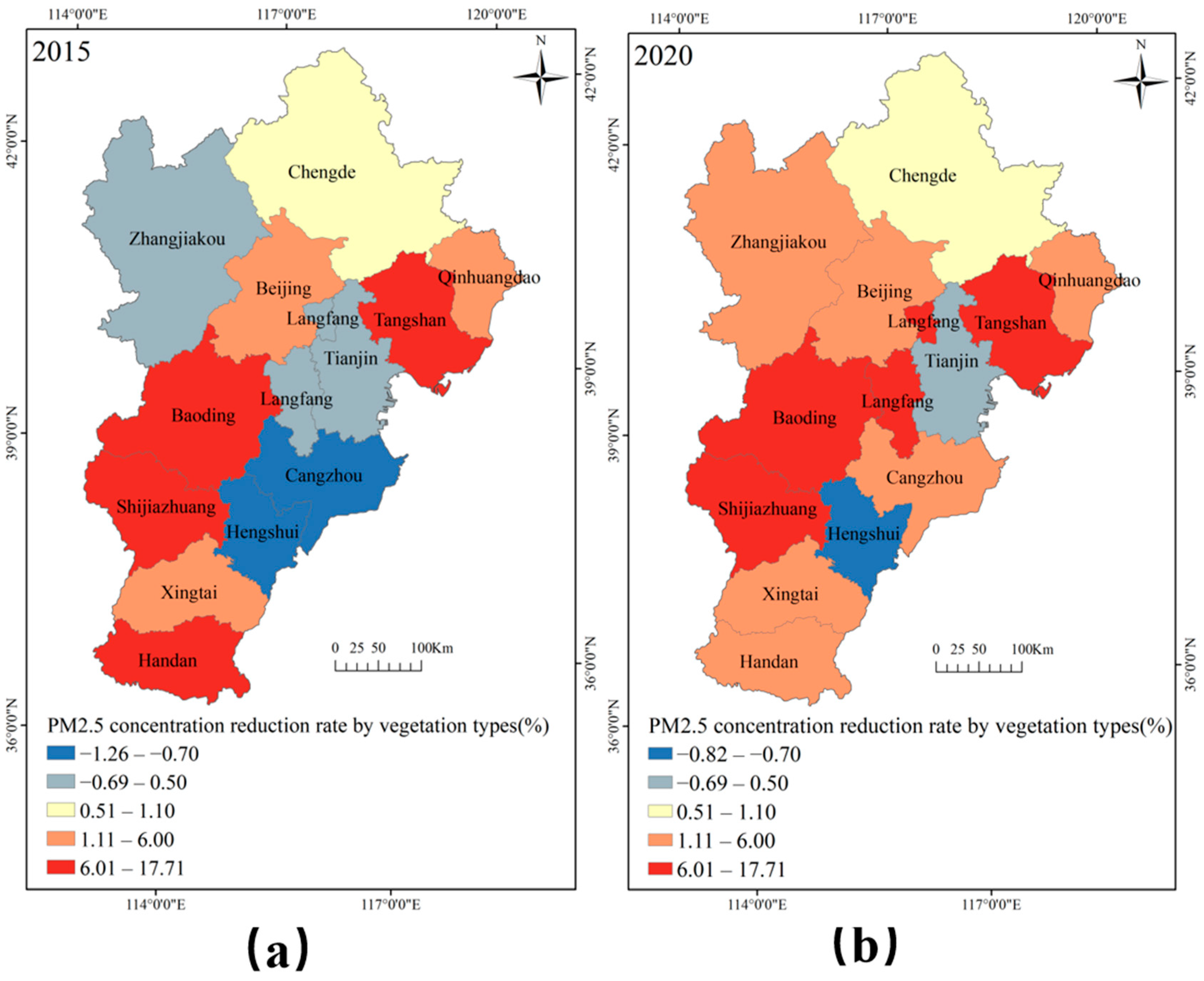
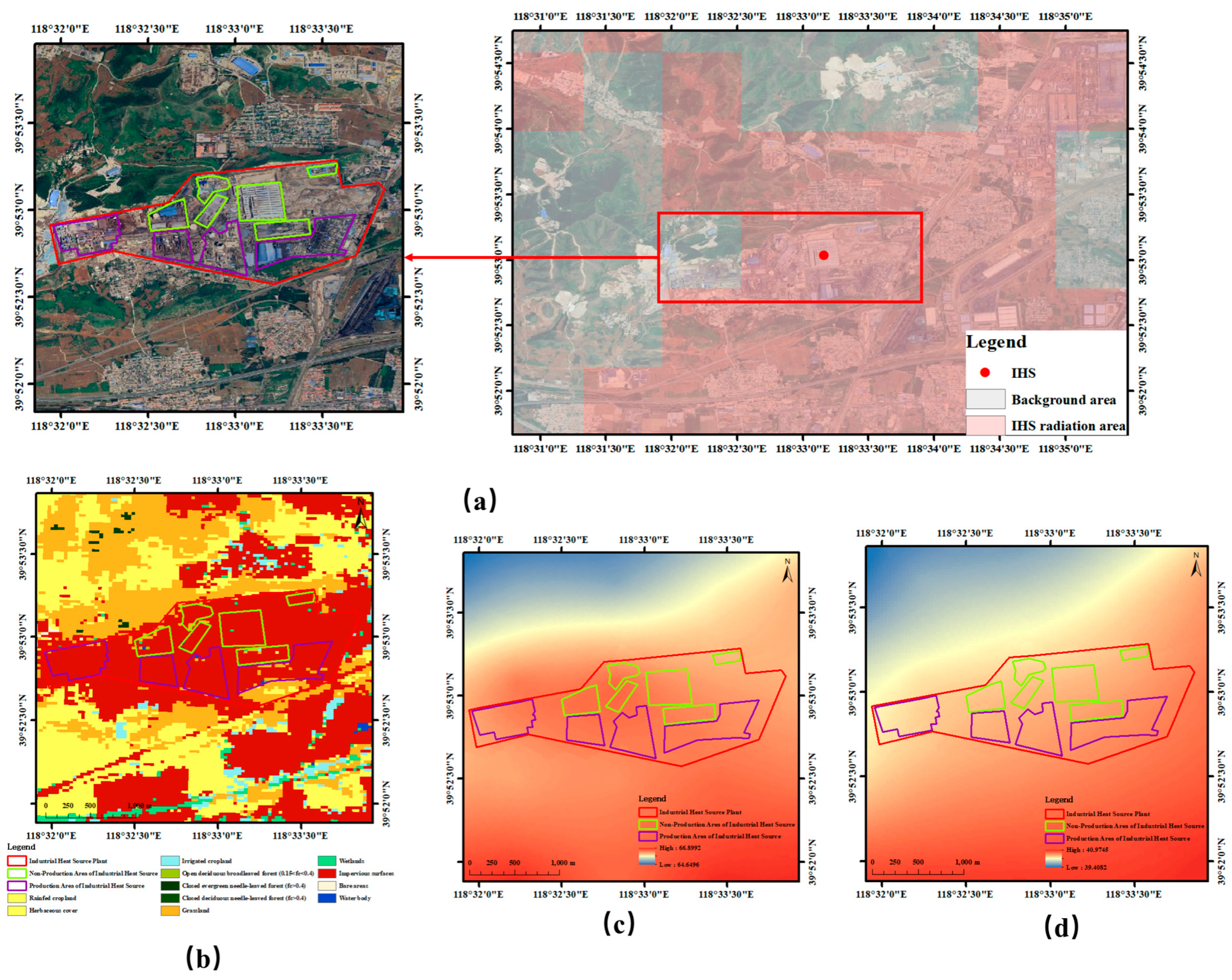
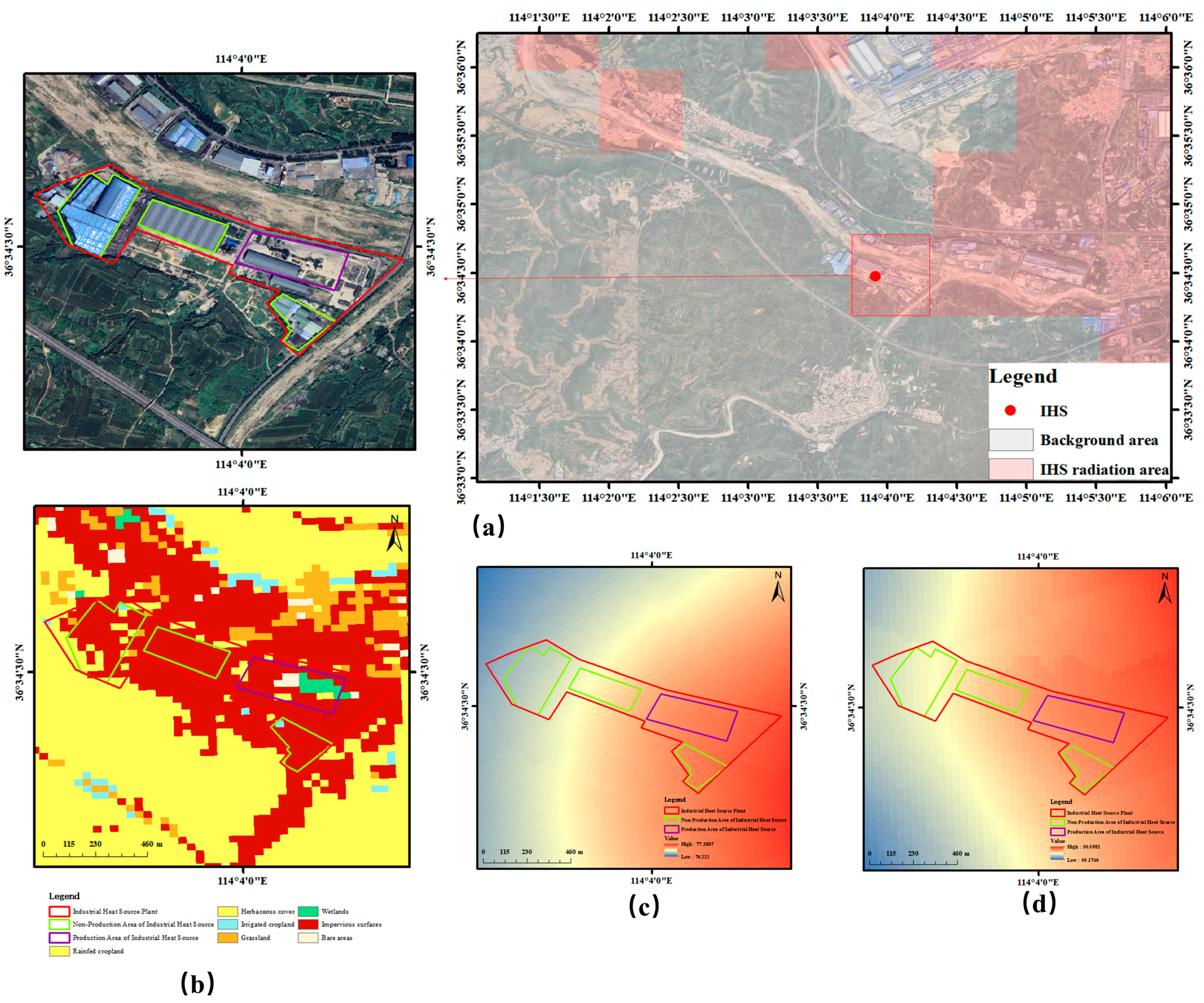
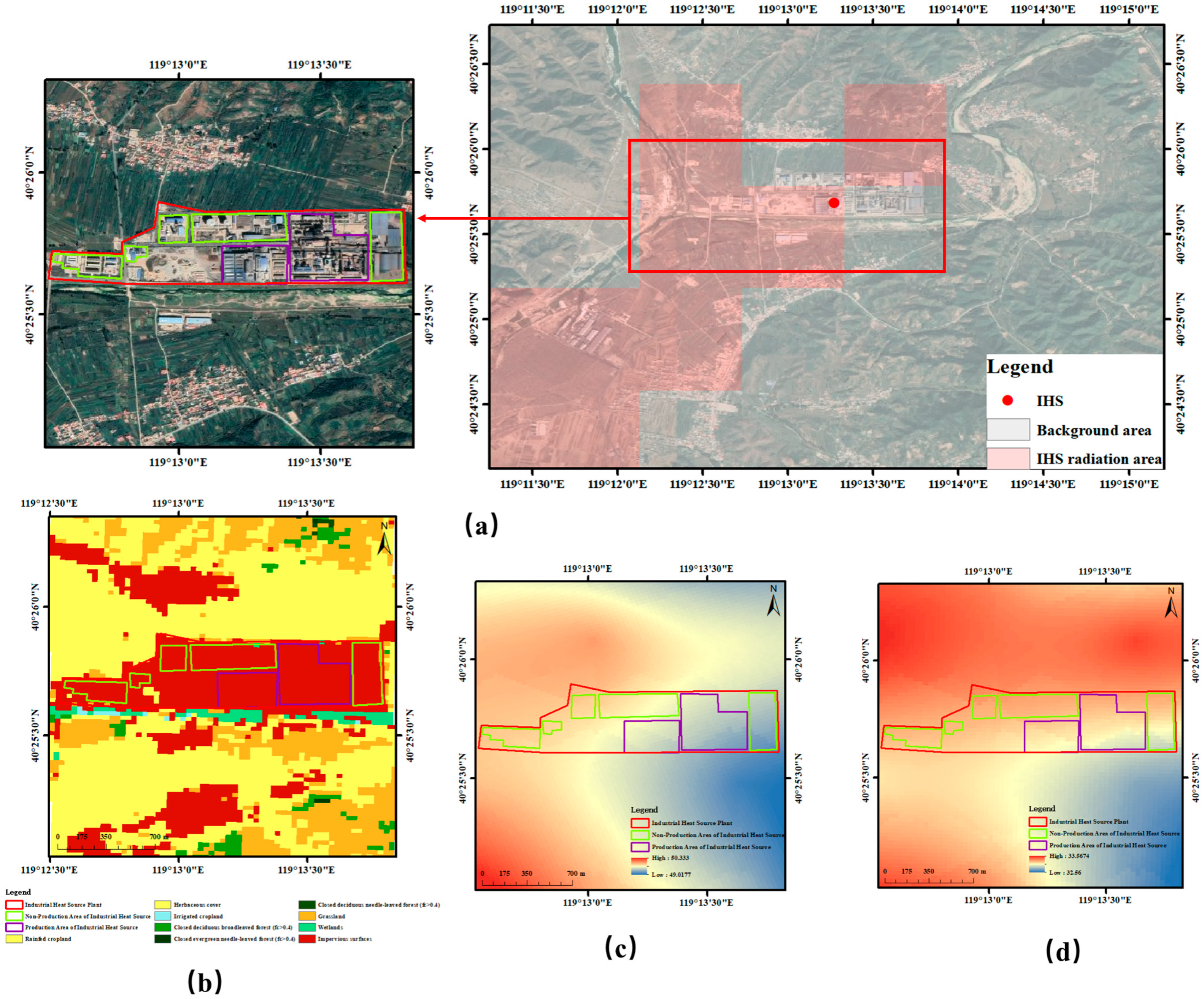
- Case studies in industrial cities such as Handan and Tangshan demonstrate that efficient vegetation can partially mitigate PM2.5 concentrations even under continuous industrial activity.
Author Contributions
Funding
Data Availability Statement
Acknowledgments
Conflicts of Interest
References
- Pozo-Luyo, C.A.; Cruz-Duarte, J.M.; Amaya, I.; Ortiz-Bayliss, J.C. Forecasting PM2.5 Concentration Levels Using Shallow Machine Learning Models on the Monterrey Metropolitan Area in Mexico. Atmos. Pollut. Res. 2023, 14, 101898. [Google Scholar] [CrossRef]
- Xiang, X.; Shi, G.; Wu, X.; Yang, F. The Extraordinary Trend of the Spatial Distribution of PM2.5 Concentration and Its Meteorological Causes in Sichuan Basin. Atmosphere 2022, 13, 853. [Google Scholar] [CrossRef]
- Silva, R.A.; Adelman, Z.; Fry, M.M.; West, J.J. The Impact of Individual Anthropogenic Emissions Sectors on the Global Burden of Human Mortality Due to Ambient Air Pollution. Environ. Health Perspect. 2016, 124, 1776–1784. [Google Scholar] [CrossRef]
- Lei, Q. Harm and Control Strategies of Atmospheric Fine Particulate Matter PM2.5. Low. Carbon World 2020, 10, 23–24. [Google Scholar] [CrossRef]
- Sharma, K.; Kumar, P.; Sharma, J.; Thapa, S.D.; Gupta, A.; Rajak, R.; Baruah, B.; Prakash, A.; Ranjan, R.K. Characterization of Polycyclic Aromatic Hydrocarbons (PAHs) Associated with Fine Aerosols in Ambient Atmosphere of High-Altitude Urban Environment in Sikkim Himalaya. Sci. Total Environ. 2023, 870, 161987. [Google Scholar] [CrossRef]
- Yang, Z. The Study on the Effect of Vegetation Coverage Change on Urban PM2.5 Reduction Efficiency. Flower Bonsai 2025, 18, 82–84. [Google Scholar]
- Zhao, C.; Wang, Y.; Wang, Y.; Zhang, H.L. A Review of the Relationship Between Fine Particulate Matter (PM2.5) and Vegetation. J. Ecol. 2013, 32, 2203–2210. [Google Scholar] [CrossRef]
- Wang, L.; Huang, L.; Wan, X.; Zhang, Y.; Wang, H. Research Progress on the Role of Urban Forests in Regulating Atmospheric Particles (Especially PM2.5). J. Nanjing For. Univ. (Nat. Sci. Ed.) 2016, 40, 148–154. [Google Scholar]
- Li, W.; Lu, W. The Relationship Between PM2.5 Concentration and Land Use and Vegetation Coverage in Taiyuan City. J. Heilongjiang Univ. Sci. Technol. 2024, 34, 249–254. [Google Scholar]
- Zhuo, H. The Correlation Between Atmospheric PM2.5 Temporal and Spatial Variation and Surface Vegetation Coverage in Fujian Province. J. Quanzhou Norm. Univ. 2025, 43, 71–77. [Google Scholar] [CrossRef]
- Feng, X.; Zhang, X.; Wang, J. The Effect of Vegetation Coverage on the Temporal and Spatial Distribution of PM2.5 in Yunnan Province. J. Jiangxi Agric. Univ. 2022, 34, 148–154. [Google Scholar] [CrossRef]
- Zhao, W.; Yu, Z.; Wang, R.; Gao, Q.; Peng, Q.; Yang, P. Temporal and Spatial Characteristics of PM2.5 in Shijiazhuang and Its Response to Land Use Changes. J. Ecol. Environ. 2020, 29, 2404–2413. [Google Scholar] [CrossRef]
- Zhang, K.; Zhang, Y.; Li, C.; Dai, Z. Seasonal Differences in the Relationship Between PM2.5 and Land Use Types: A Case Study of Weifang City. Environ. Eng. 2021, 39, 72–78. [Google Scholar] [CrossRef]
- Liang, X.; Liu, Z.; Zhai, L.; Ji, L.; Feng, Y.; Sang, H. Spatial Terrestrial Carbon Emissions/Sequestrations Evolution Based on Ecological Network Analysis in Beijing-Tianjin-Hebei Urban Agglomeration. Ecol. Eng. 2023, 189, 106914. [Google Scholar] [CrossRef]
- Xue, W.; Zhang, J.; Hu, X.; Yang, Z.; Wei, J. Hourly Seamless Surface O3 Estimates by Integrating the Chemical Transport and Machine Learning Models in the Beijing-Tianjin-Hebei Region. Int. J. Environ. Res. Public Health 2022, 19, 8511. [Google Scholar] [CrossRef]
- Xu, M. Study on Soil Organic Pollution in Industrial Areas of the Beijing-Tianjin-Hebei Region and Its Correlation with Environmental Factors. Master’s Thesis, Nanjing Agricultural University, Nanjing, China, 2022. [Google Scholar] [CrossRef]
- Xie, Z.; Li, Y.; Qin, Y. Allocation of Control Targets for PM2.5 Concentration: An Empirical Study from Cities of Atmospheric Pollution Transmission Channel in the Beijing-Tianjin-Hebei District. J. Clean. Prod. 2020, 270, 122545. [Google Scholar] [CrossRef]
- Zhu, Z.; Liao, H. Evaluation on the Effects of Joint Prevention and Control of Air Pollution in Beijing-Tianjin-Hebei Region and Its Surrounding Areas—An Empirical Study Based on Multi-period Difference-in-Difference Model. J. China Univ. Geosci. (Soc. Sci. Ed.) 2022, 22, 142–156. [Google Scholar] [CrossRef]
- Liu, N.; Li, S.; Zhang, F. Multi-Scale Spatiotemporal Variations and Drivers of PM2.5 in Beijing-Tianjin-Hebei from 2015 to 2020. Atmosphere 2022, 13, 1993. [Google Scholar] [CrossRef]
- NGA.STND.0036_1.0.0_WGS84; Department of Defense World Geodetic System 1984: Its Definition and Relationships with Local Geodetic Systems. National Geospatial-Intelligence Agency: Springfield, VA, USA, 2014.
- Wei, J.; Li, Z.; Lyapustin, A.; Sun, L.; Peng, Y.; Xue, W.; Su, T.; Cribb, M. Reconstructing 1-Km-Resolution High-Quality PM2.5 Data Records from 2000 to 2018 in China: Spatiotemporal Variations and Policy Implications. Remote Sens. Environ. 2021, 252, 112136. [Google Scholar] [CrossRef]
- Wei, J.; Li, Z.; Cribb, M.; Huang, W.; Xue, W.; Sun, L.; Guo, J.; Peng, Y.; Li, J.; Lyapustin, A.; et al. Improved 1Km Resolution PM2.5 Estimates across China Using Enhanced Space–Time Extremely Randomized Trees. Atmos. Chem. Phys. 2020, 20, 3273–3289. [Google Scholar] [CrossRef]
- Wei, J.; Li, Z. ChinaHighPM2.5: Big Data Seamless 1 km Ground-level PM2.5 Dataset for China (2000–Present). Natl. Tibet. Plateau 2023. [Google Scholar] [CrossRef]
- Zhang, X.; Zhao, T.; Xu, H.; Liu, W.; Wang, J.; Chen, X.; Liu, L. GLC_FCS30D: The first global 30 m land-cover dynamics monitoring product with a fine classification system for the period from 1985 to 2022 generated using dense-time-series Landsat imagery and the continuous change-detection method. Earth Syst. Sci. Data 2024, 16, 1353–1381. [Google Scholar] [CrossRef]
- Ma, C.; Sui, X.; Zeng, Y.; Yang, J.; Xie, Y.; Li, T.; Zhang, P. Classification of Industrial Heat Source Objects Based on Active Fire Point Density Segmentation and Spatial Topological Correlation Analysis in the Beijing–Tianjin–Hebei Region. Sustainability 2022, 14, 11228. [Google Scholar] [CrossRef]
- Zeng, Y.; Sui, X.; Ma, C.; Liao, R.; Yang, J.; Wang, D.; Zhang, P. Industrial Heat Source-Related PM2.5 Concentration Estimates and Analysis Using New Three-Stage Model in the Beijing–Tianjin–Hebei Region. Atmosphere 2024, 15, 131. [Google Scholar] [CrossRef]
- Liu, C.; Hu, S.C.; Tang, L.N. Reduction effects of plant community on the concentration of atmospheric fine particles in a cold zone campus. Acta Ecol. Sin. 2021, 41, 6227–6233. [Google Scholar] [CrossRef]



| No. | Variable | Dataset | Period | Spatial Resolution | Temporal Resolution | Data Source |
|---|---|---|---|---|---|---|
| 1 | PM2.5 Concentration (PM2.5) | Comprehensive High-Resolution Air Pollution | 2015, 2020 | 1 km | Annual | National Tibetan Plateau/Third Pole Environment Data Center (https://doi.org/10.5281/zenodo.3539349, accessed on 1 January 2026) |
| 2 | Land Cover (LC) | GlobeLand30 | 2015, 2020 | 30 m × 30 m | Annual | (https://www.cbas.ac.cn/yjjz/202403/t20240327_489908.html, accessed on 1 January 2026) |
| 3 | Industrial Heat Source Radiation Area (IHS) | A dataset of in-operation industrial heat source objects in BTH | 2012–2021 | 1 km × 1 km | Annual | Science Data Bank (https://doi.org/10.57760/sciencedb.j00001.00430, accessed on 1 January 2026) |
Disclaimer/Publisher’s Note: The statements, opinions and data contained in all publications are solely those of the individual author(s) and contributor(s) and not of MDPI and/or the editor(s). MDPI and/or the editor(s) disclaim responsibility for any injury to people or property resulting from any ideas, methods, instructions or products referred to in the content. |
© 2026 by the authors. Licensee MDPI, Basel, Switzerland. This article is an open access article distributed under the terms and conditions of the Creative Commons Attribution (CC BY) license.
Share and Cite
Ma, C.; Liu, N.; Zeng, Y.; Qin, K.; Sui, X. Analysis of the Effect of Vegetation Types in Industrial Heat Source Radiation Areas on PM2.5 Concentration Reduction in the Beijing–Tianjin–Hebei Region. Remote Sens. 2026, 18, 1890. https://doi.org/10.3390/rs18121890
Ma C, Liu N, Zeng Y, Qin K, Sui X. Analysis of the Effect of Vegetation Types in Industrial Heat Source Radiation Areas on PM2.5 Concentration Reduction in the Beijing–Tianjin–Hebei Region. Remote Sensing. 2026; 18(12):1890. https://doi.org/10.3390/rs18121890
Chicago/Turabian StyleMa, Caihong, Nian Liu, Yi Zeng, Kai Qin, and Xin Sui. 2026. "Analysis of the Effect of Vegetation Types in Industrial Heat Source Radiation Areas on PM2.5 Concentration Reduction in the Beijing–Tianjin–Hebei Region" Remote Sensing 18, no. 12: 1890. https://doi.org/10.3390/rs18121890
APA StyleMa, C., Liu, N., Zeng, Y., Qin, K., & Sui, X. (2026). Analysis of the Effect of Vegetation Types in Industrial Heat Source Radiation Areas on PM2.5 Concentration Reduction in the Beijing–Tianjin–Hebei Region. Remote Sensing, 18(12), 1890. https://doi.org/10.3390/rs18121890