Article

Geographically Constrained Machine Learning-Based Kernel-Driven Method for Downscaling of All-Weather Land Surface Temperature

1
Institute of Remote Sensing and Earth Sciences, School of Information Science and Technology, Hangzhou Normal University, Hangzhou 311121, China
2
Zhejiang Provincial Key Laboratory of Urban Wetlands and Regional Change, Hangzhou Normal University, Hangzhou 311121, China
Remote Sens. 2025, 17(8), 1413; https://doi.org/10.3390/rs17081413
Submission received: 22 January 2025 / Revised: 26 March 2025 / Accepted: 11 April 2025 / Published: 16 April 2025

Abstract

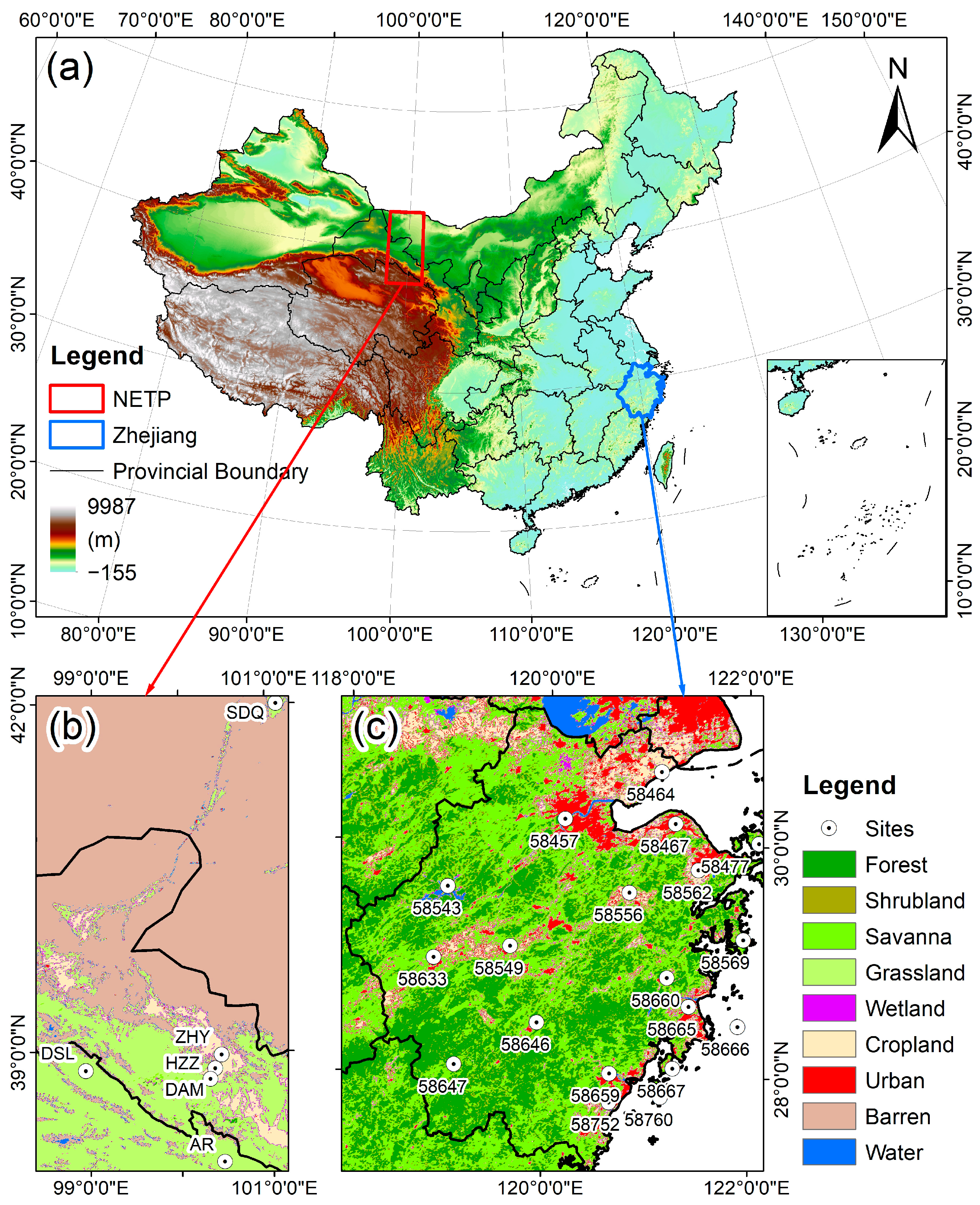
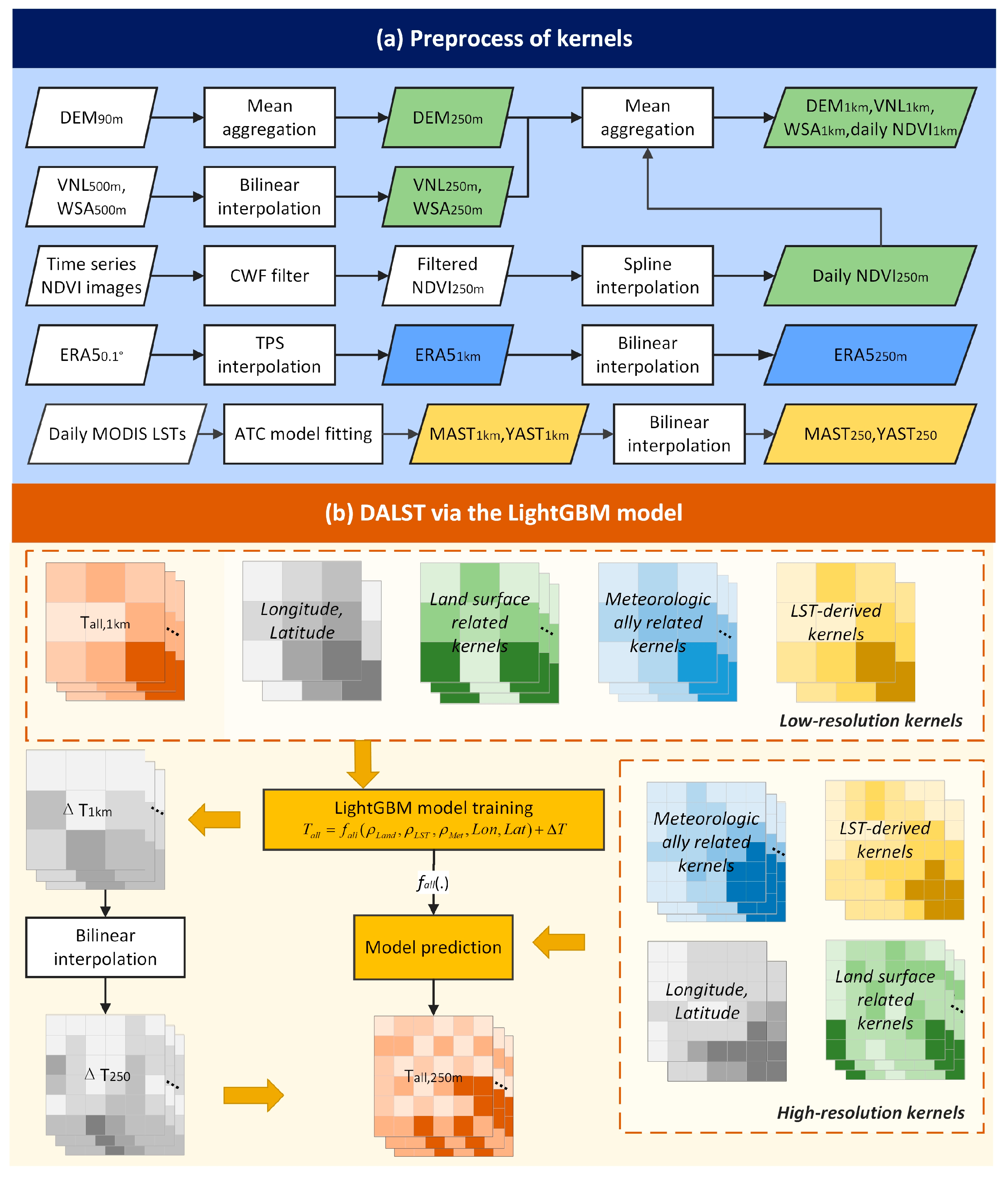
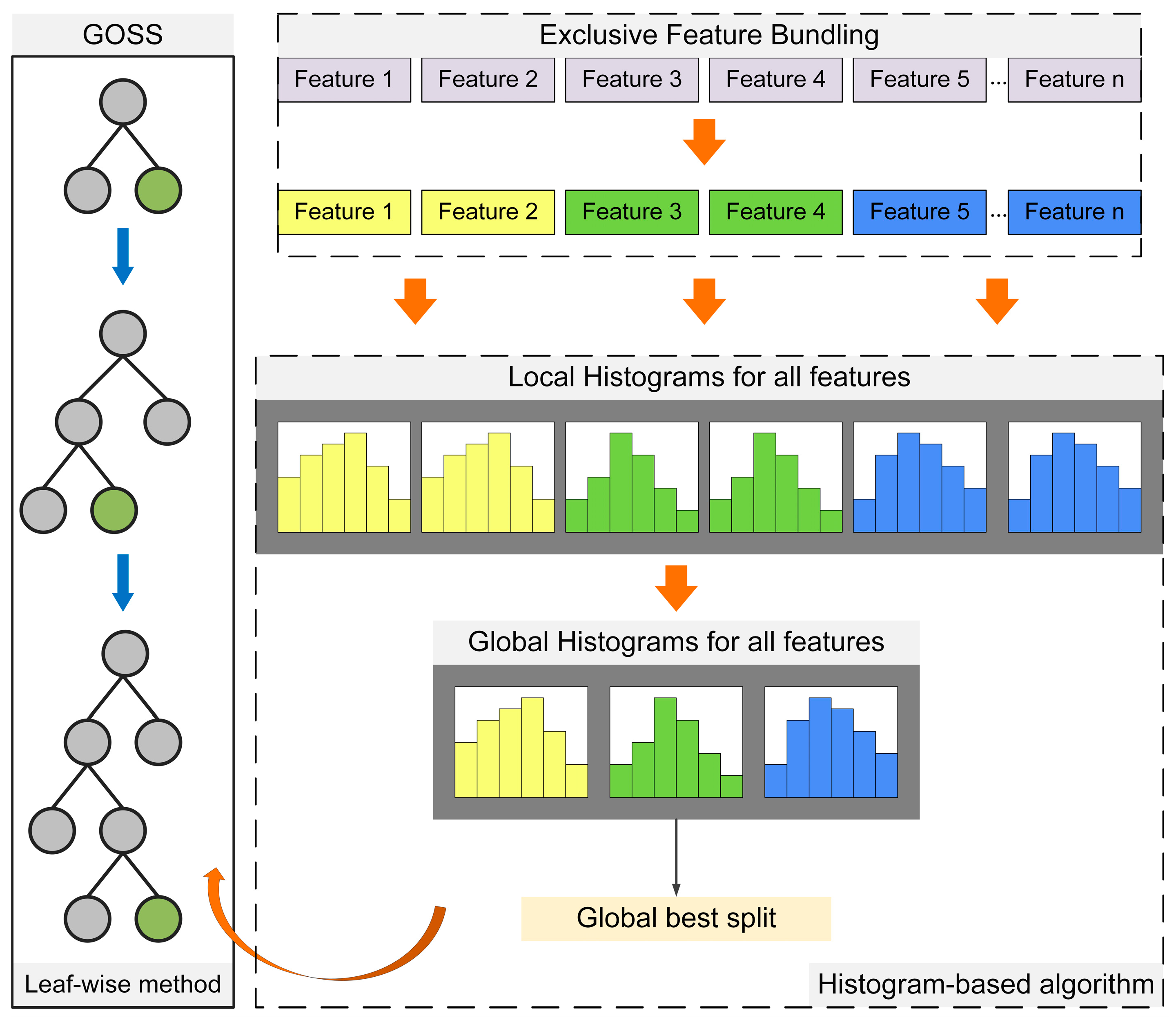
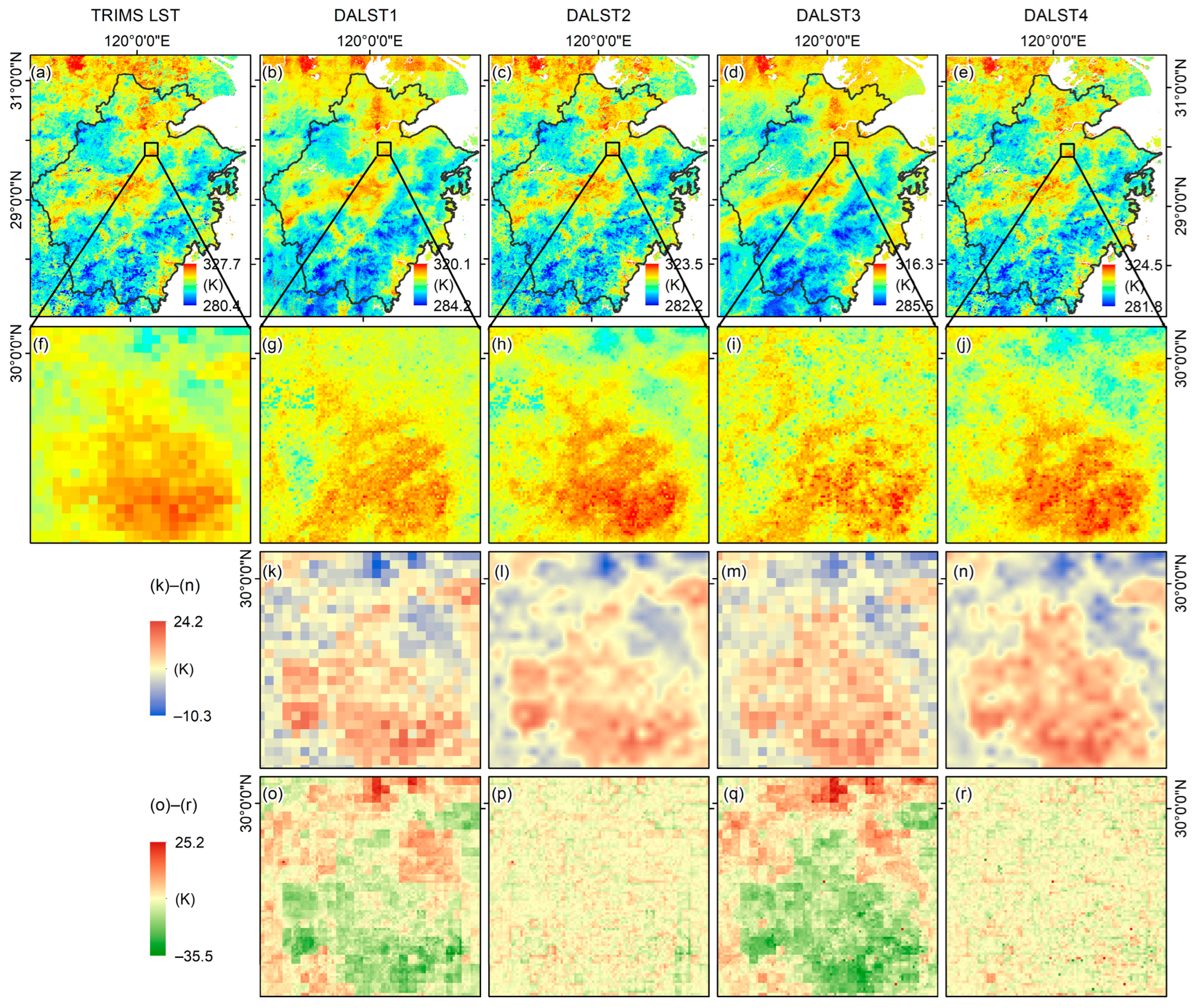
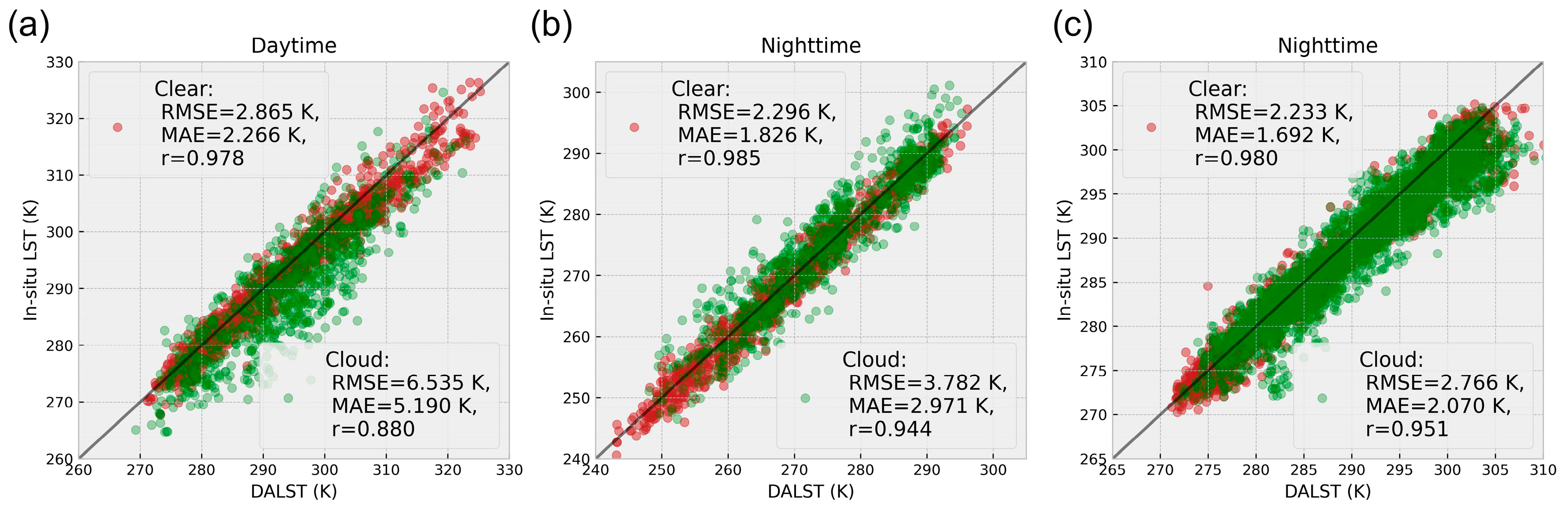
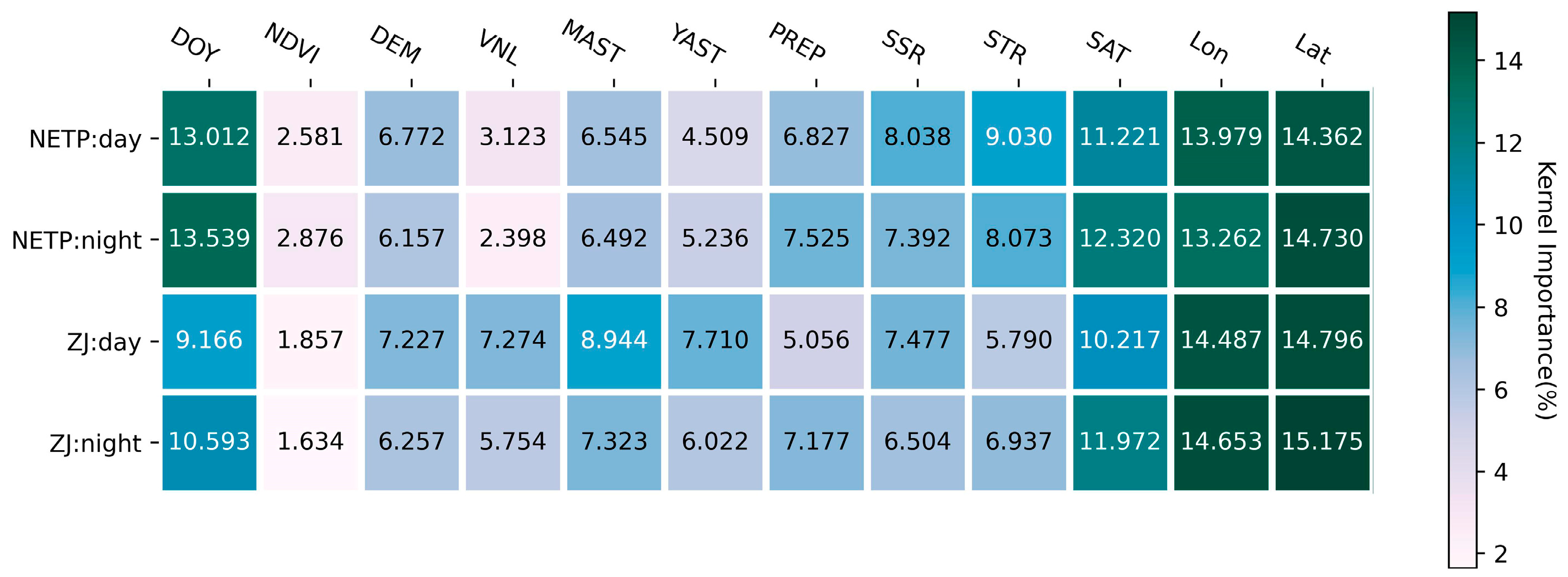
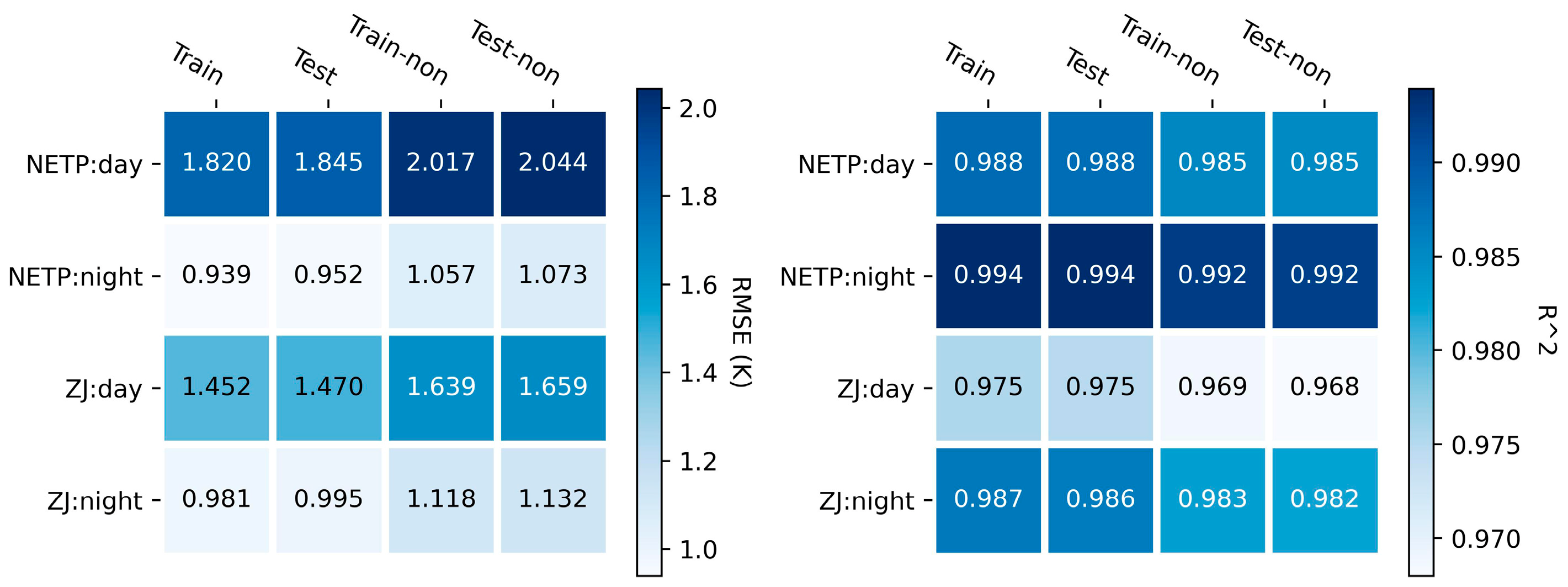
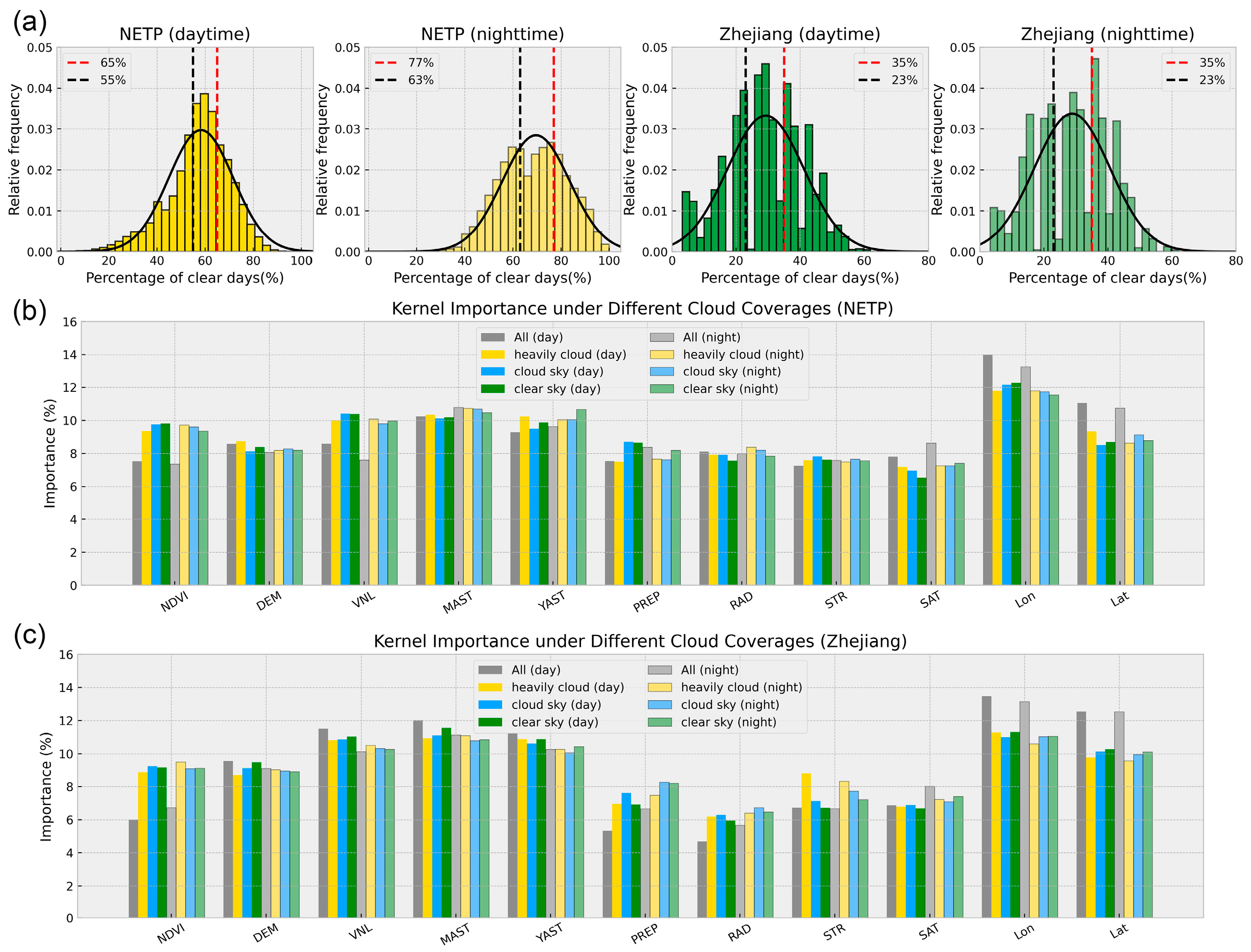
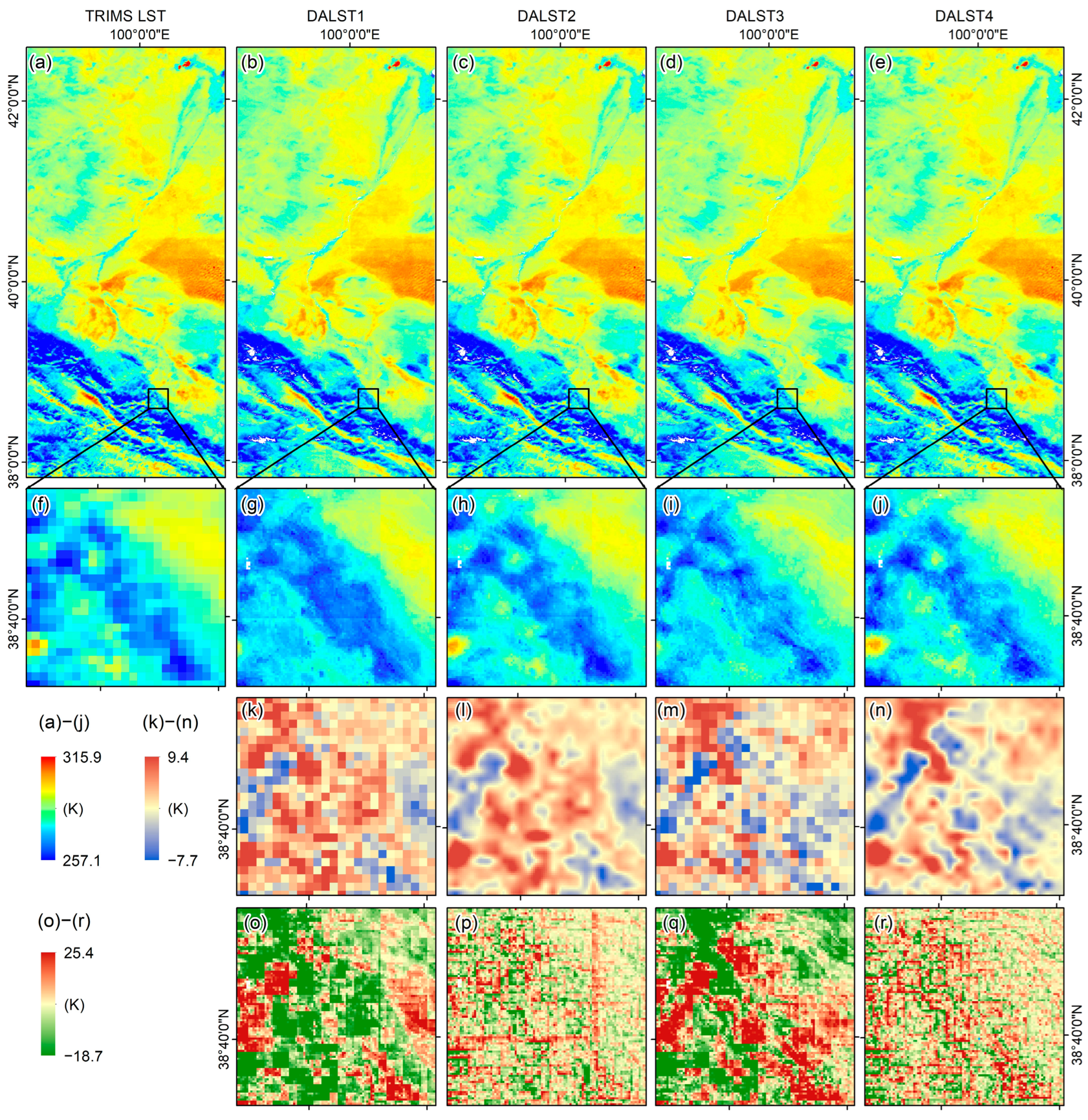
The reconstruction of all-weather land surface temperature (LST) has gained increasing attention in recent years, and many reconstructed LST products have been published. However, the spatial resolution of most LST products is still lower than 1 km, which limits the application of all-weather LSTs. This study proposed the geographically constrained machine learning-based kernel-driven method (Geo-MLKM), which is incorporated with the light gradient-boosting machine (LightGBM) model to explore its feasibility in the downscaling of all-weather LST (DALST). Using data from the northeastern Tibetan Plateau (NETP) region and Zhejiang Province, the relationship between all-weather LST and various kernels (i.e., land surface-related kernels, LST-derived kernels, and meteorologically related kernels) was trained to compare the kernel importance; then, advisable kernels were selected for the implementation of DALST. Compared with the 1 km resolution all-weather LST product, the downscaled LST at 250 m obviously adds more spatial details. Evaluated with the in situ measurement, the average root mean square error (RMSE) and r value of the downscaled LST are 2.465 K and 0.981 for clear skies and 4.361 K and 0.925 for cloudy skies, respectively. Compared with the all-weather LST product, the downscaled LST can reduce RMSE by 0.391 K. These results indicate that the Geo-MLKM method is promising for effectively implementing the DALST at a large scale and for generating a large number of high-resolution all-weather LSTs for environmental studies.
Keywords: land surface temperature; spatial downscaling; machine learning; light gradient-boosting machine; regression kernels land surface temperature; spatial downscaling; machine learning; light gradient-boosting machine; regression kernels