Article

Spatiotemporal Dynamics and Driving Factors of Small and Micro Wetlands in the Yellow River Basin from 1990 to 2020

1
State Key Laboratory of Environmental Criteria and Risk Assessment, Chinese Research Academy of Environmental Sciences, Beijing 100012, China
2
State Environmental Protection Key Laboratory of Regional Eco-Process and Function Assessment, Chinese Research Academy of Environmental Science, Beijing 100012, China
3
College of Ecology, Lanzhou University, Lanzhou 730000, China
4
College of Ecology and Environment, Zhengzhou University, Zhengzhou 450001, China
*
Author to whom correspondence should be addressed.
Remote Sens. 2024, 16(3), 567; https://doi.org/10.3390/rs16030567
Submission received: 4 December 2023 / Revised: 25 January 2024 / Accepted: 28 January 2024 / Published: 1 February 2024
(This article belongs to the Special Issue Remote Sensing for the Study of the Changes in Wetlands)

Abstract

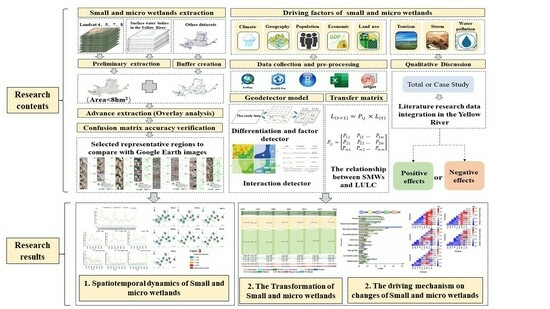
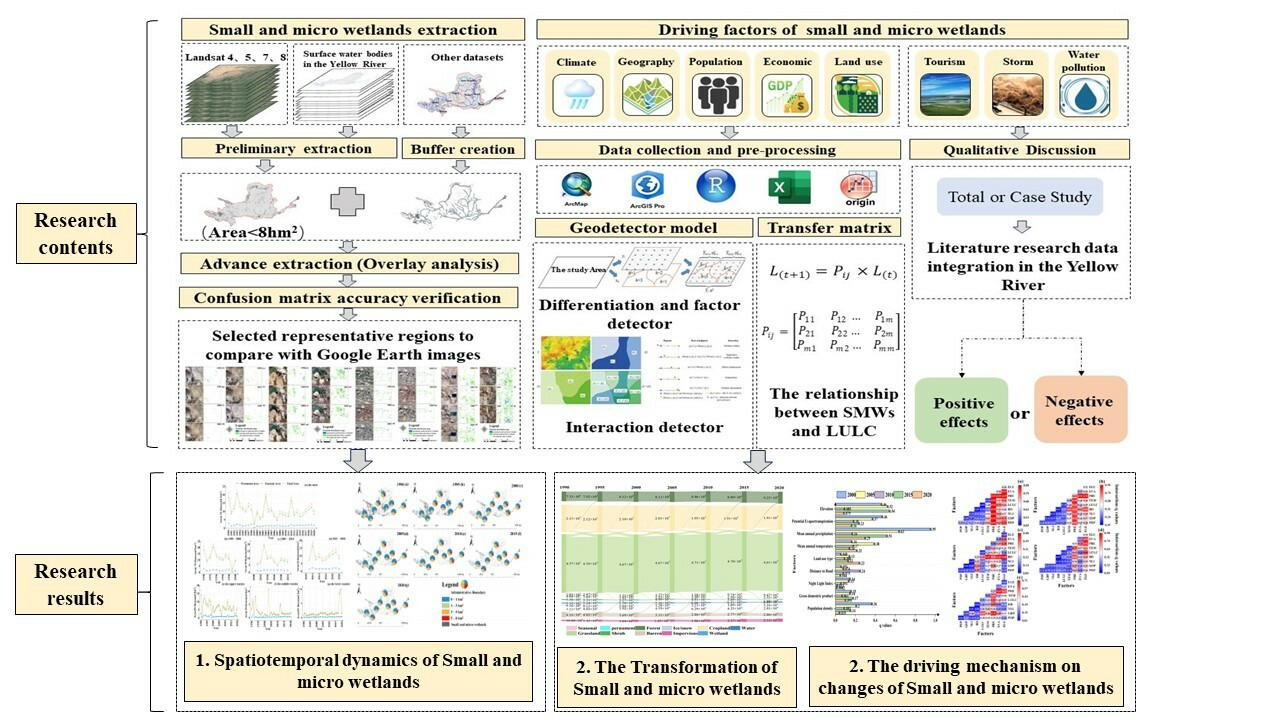
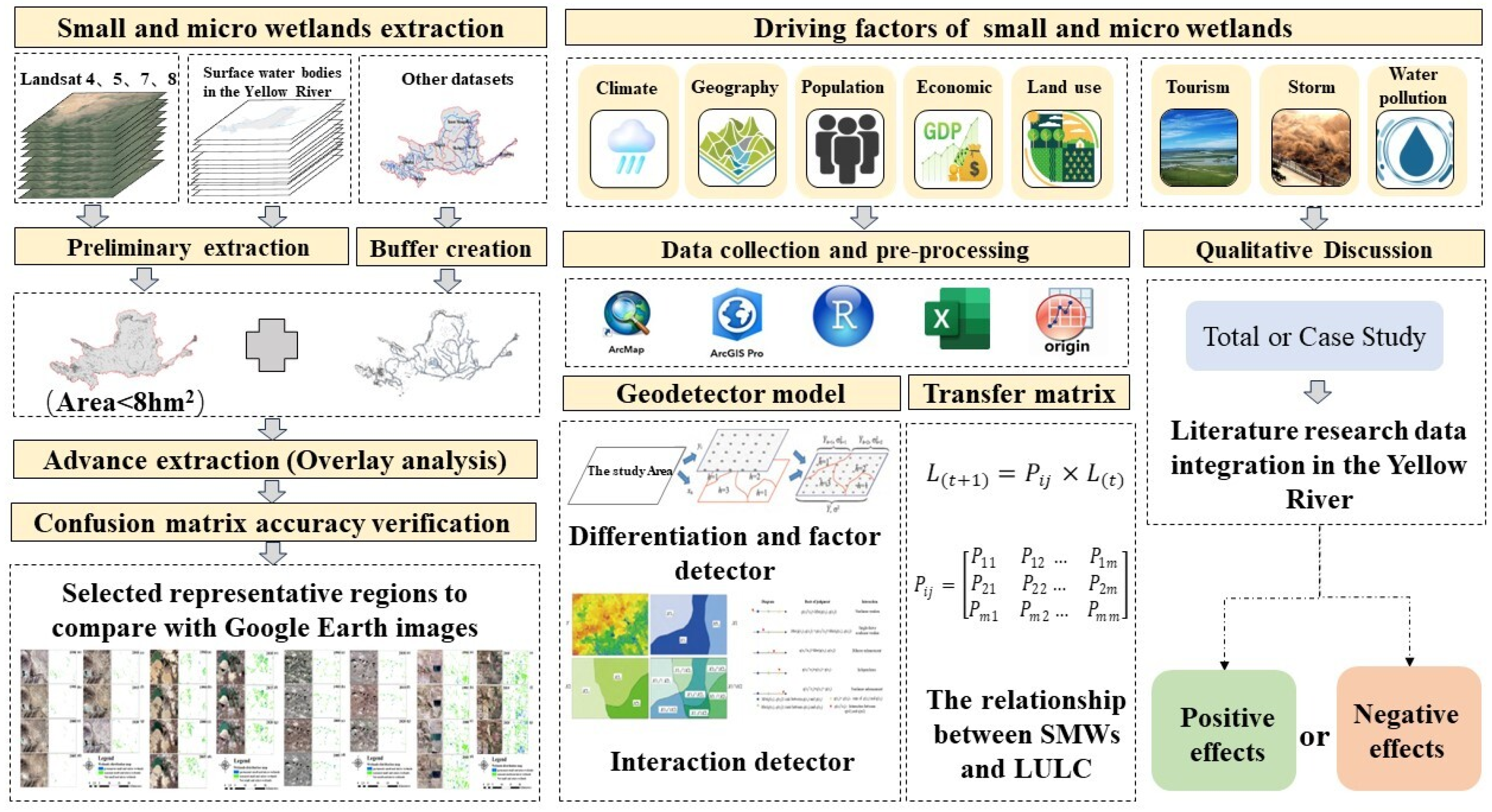
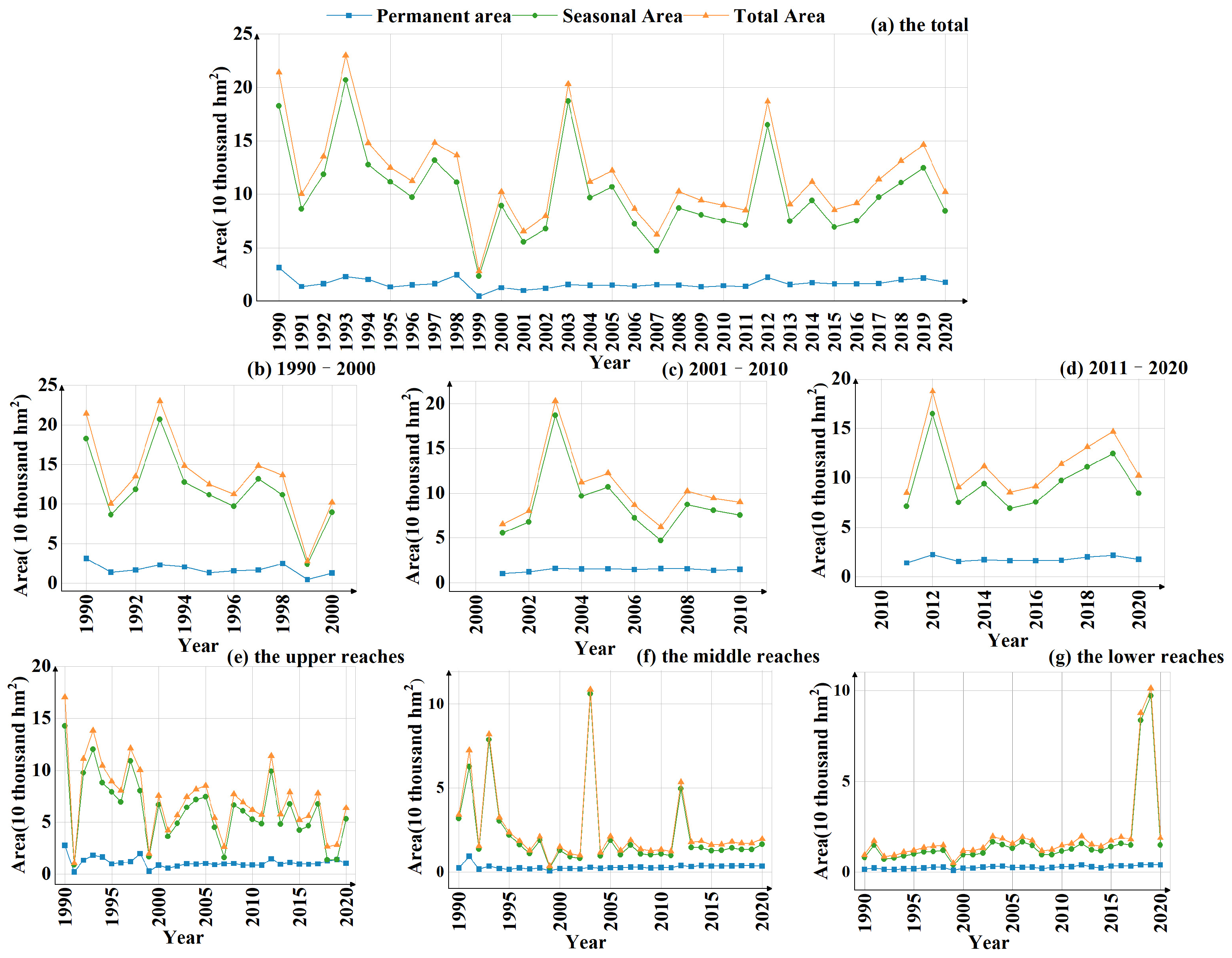
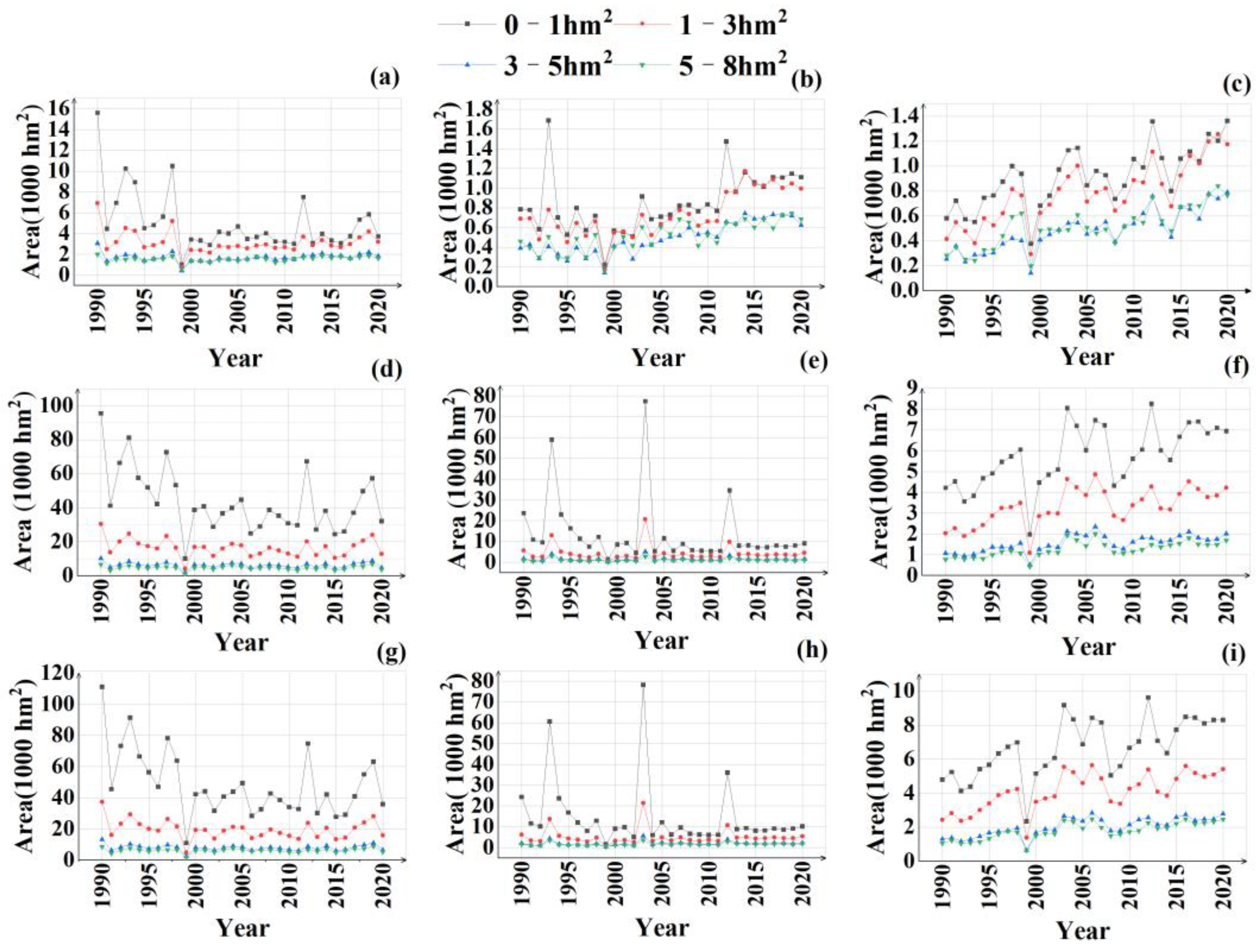
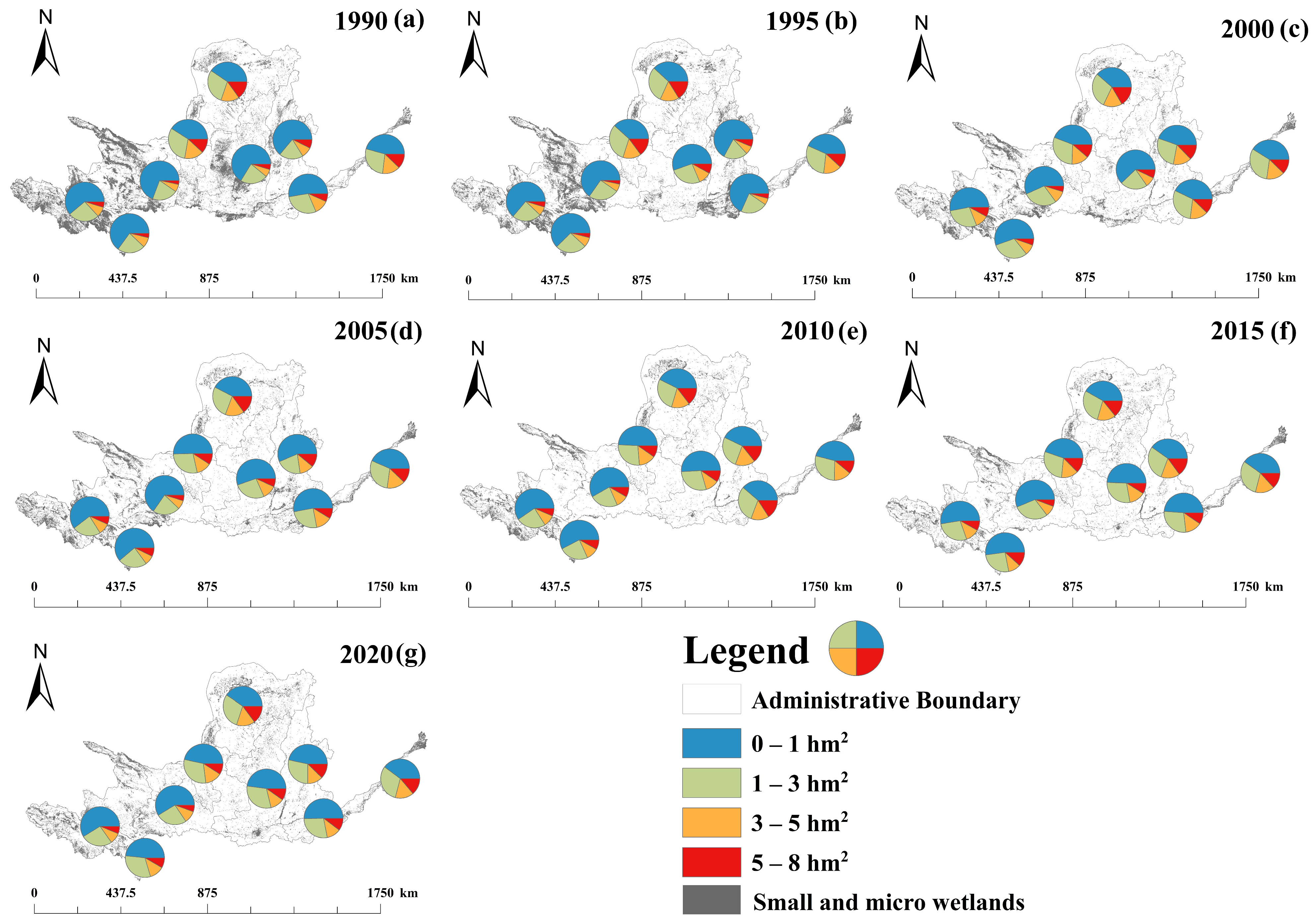
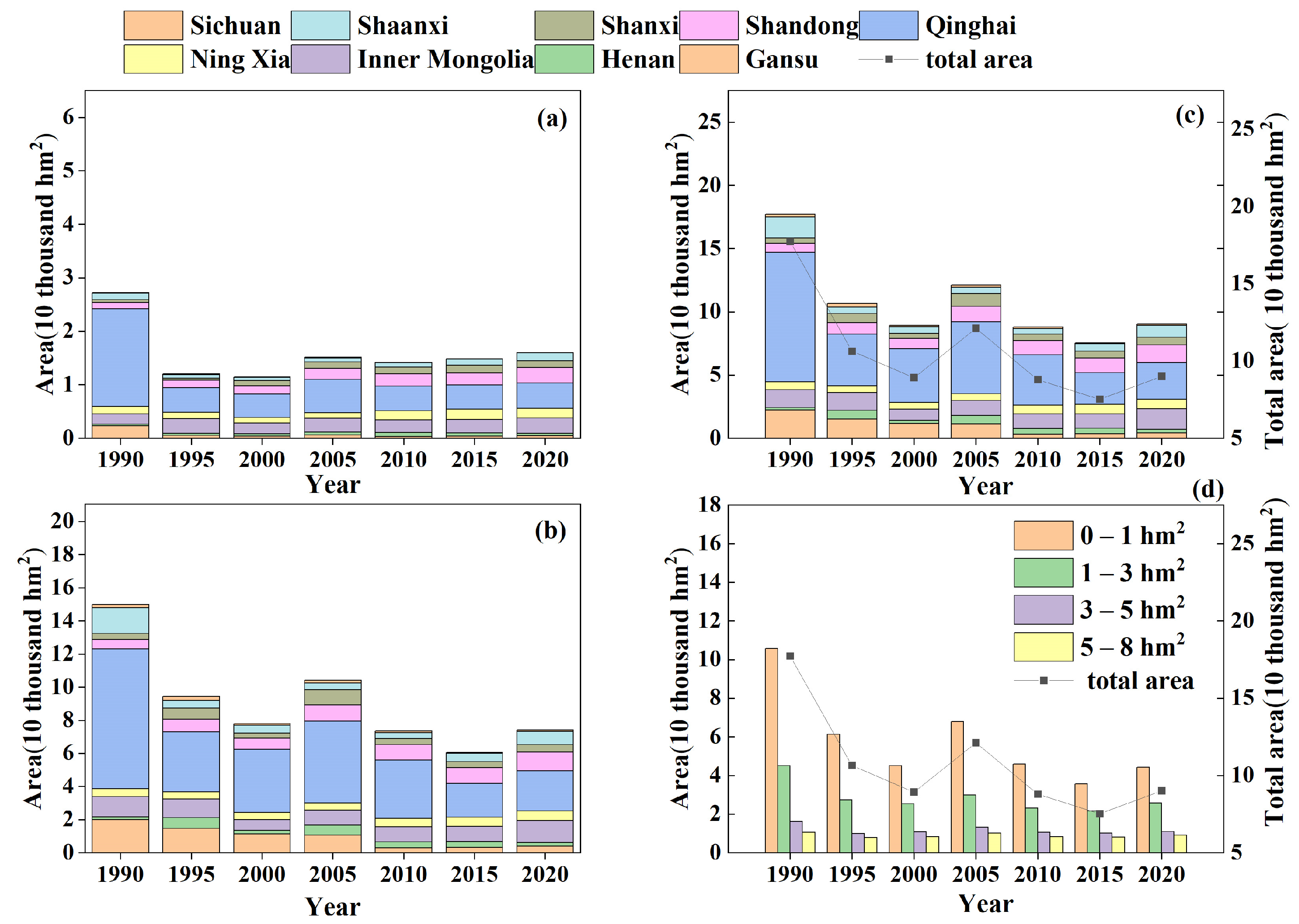
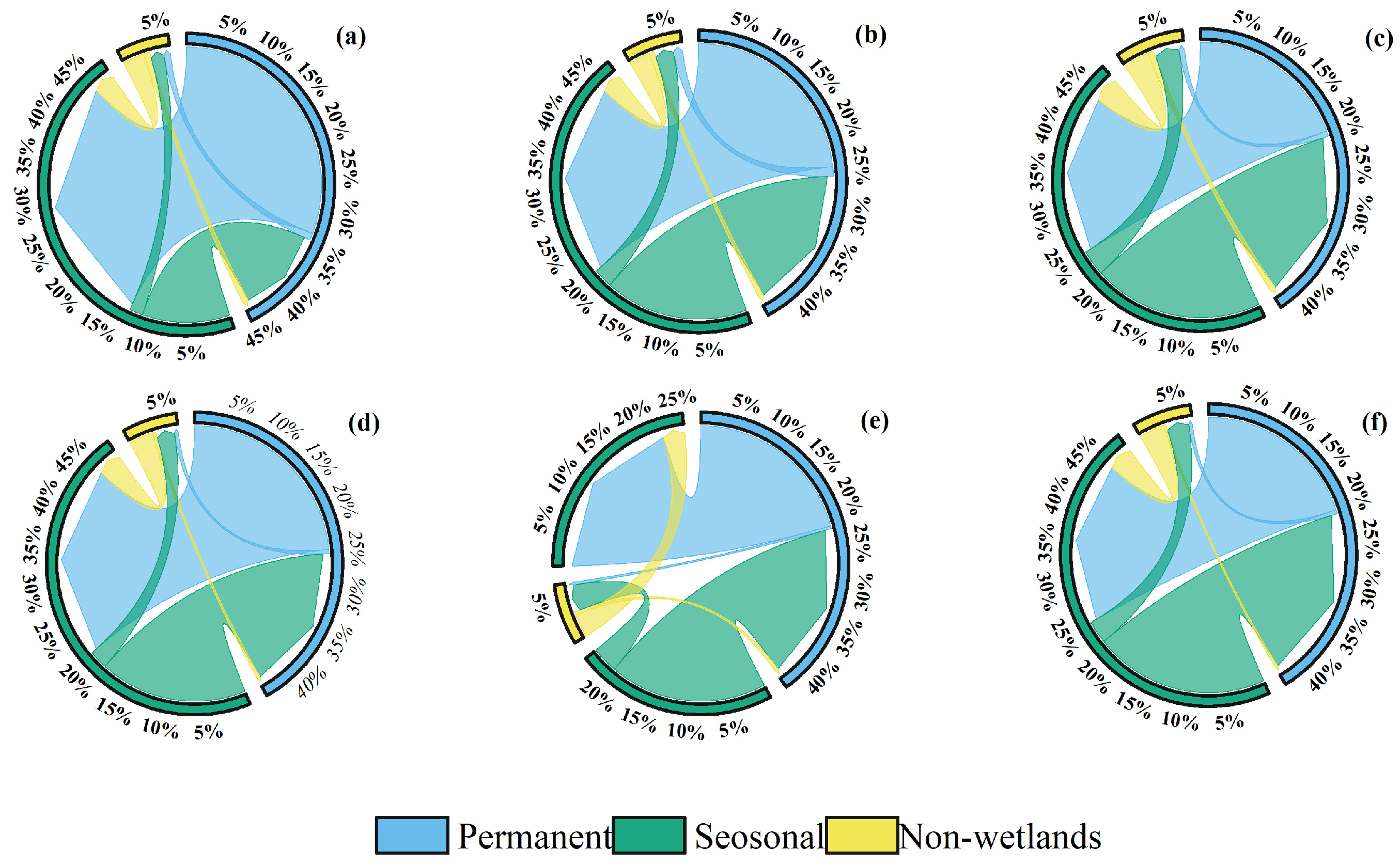
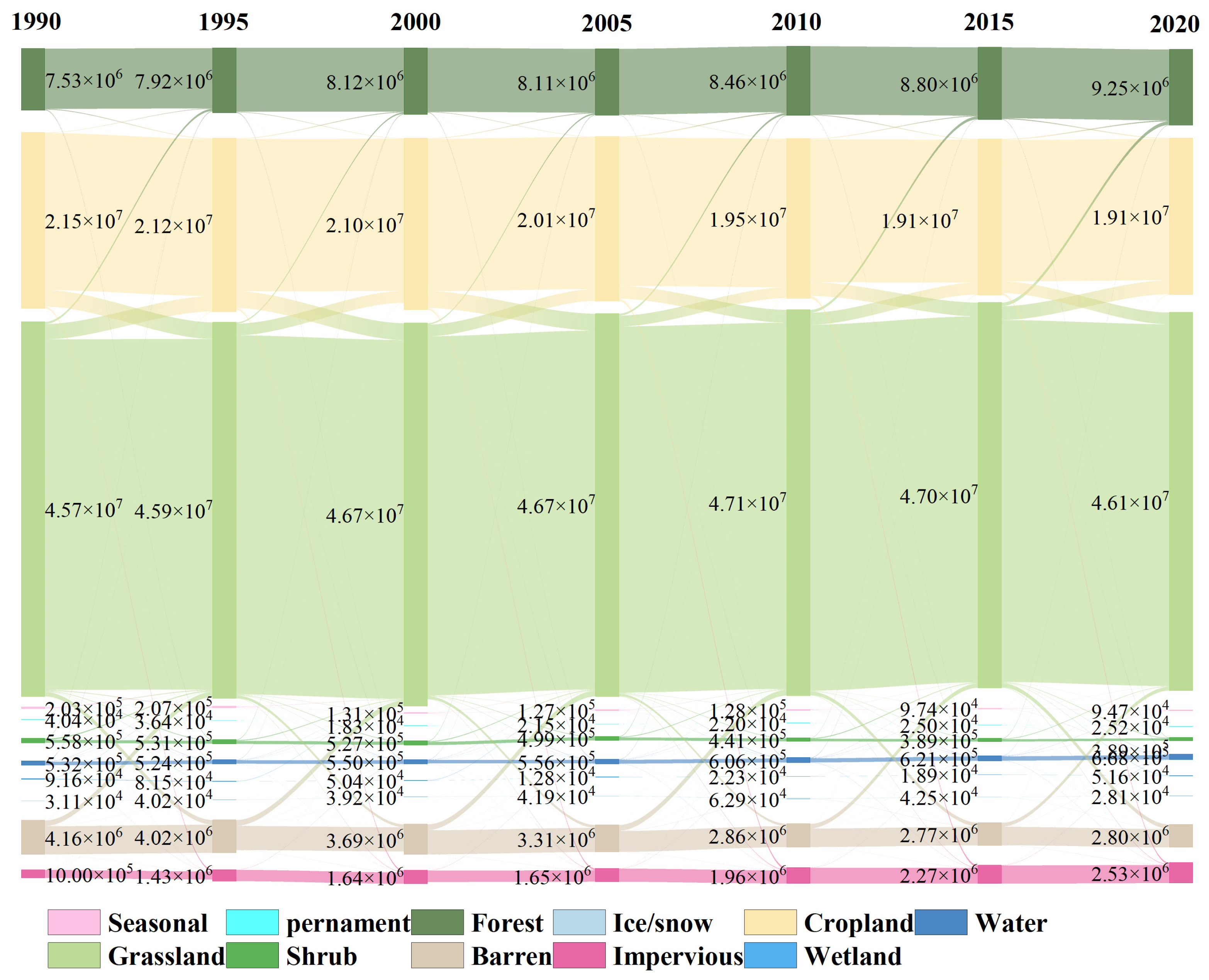
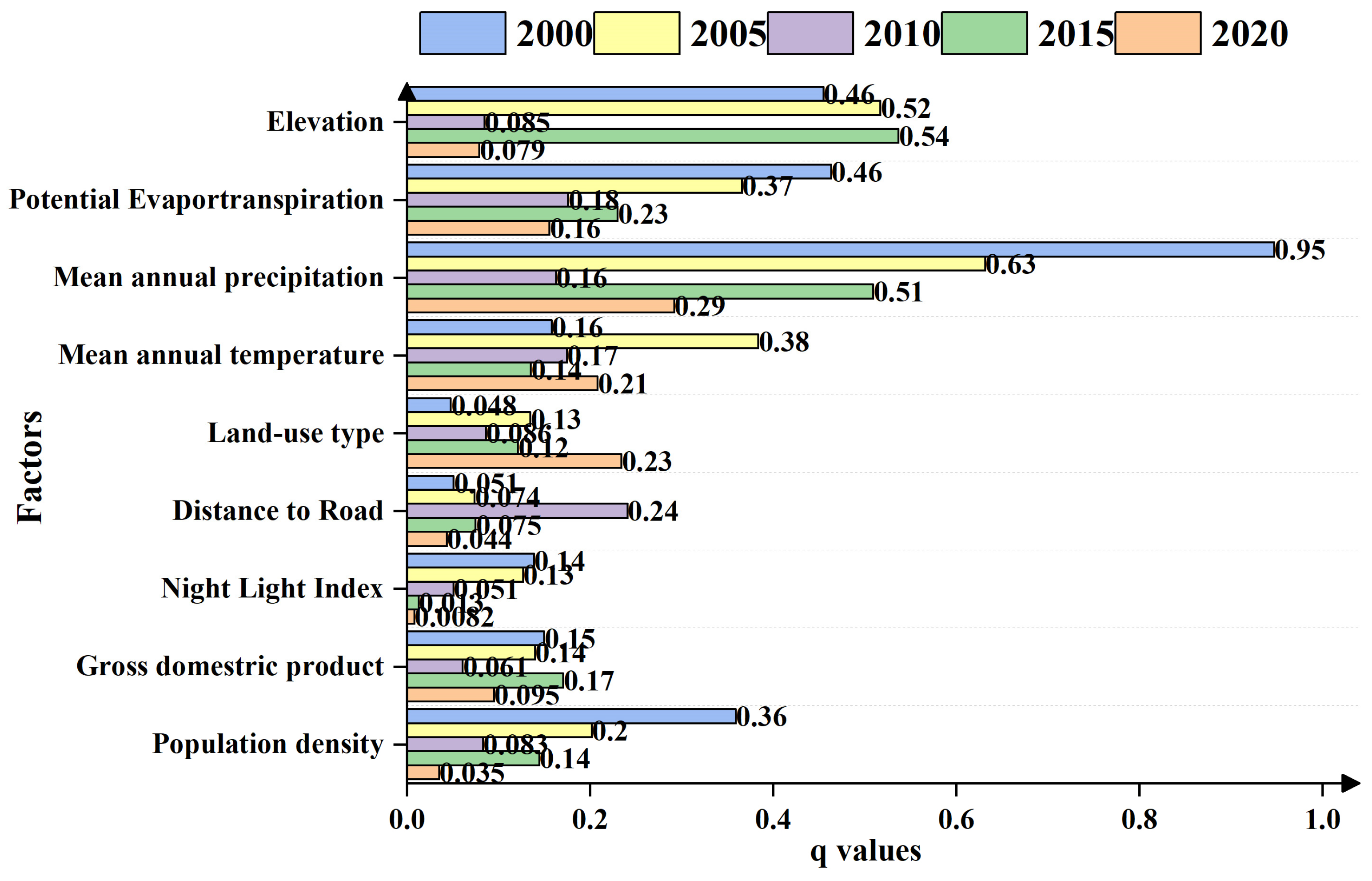
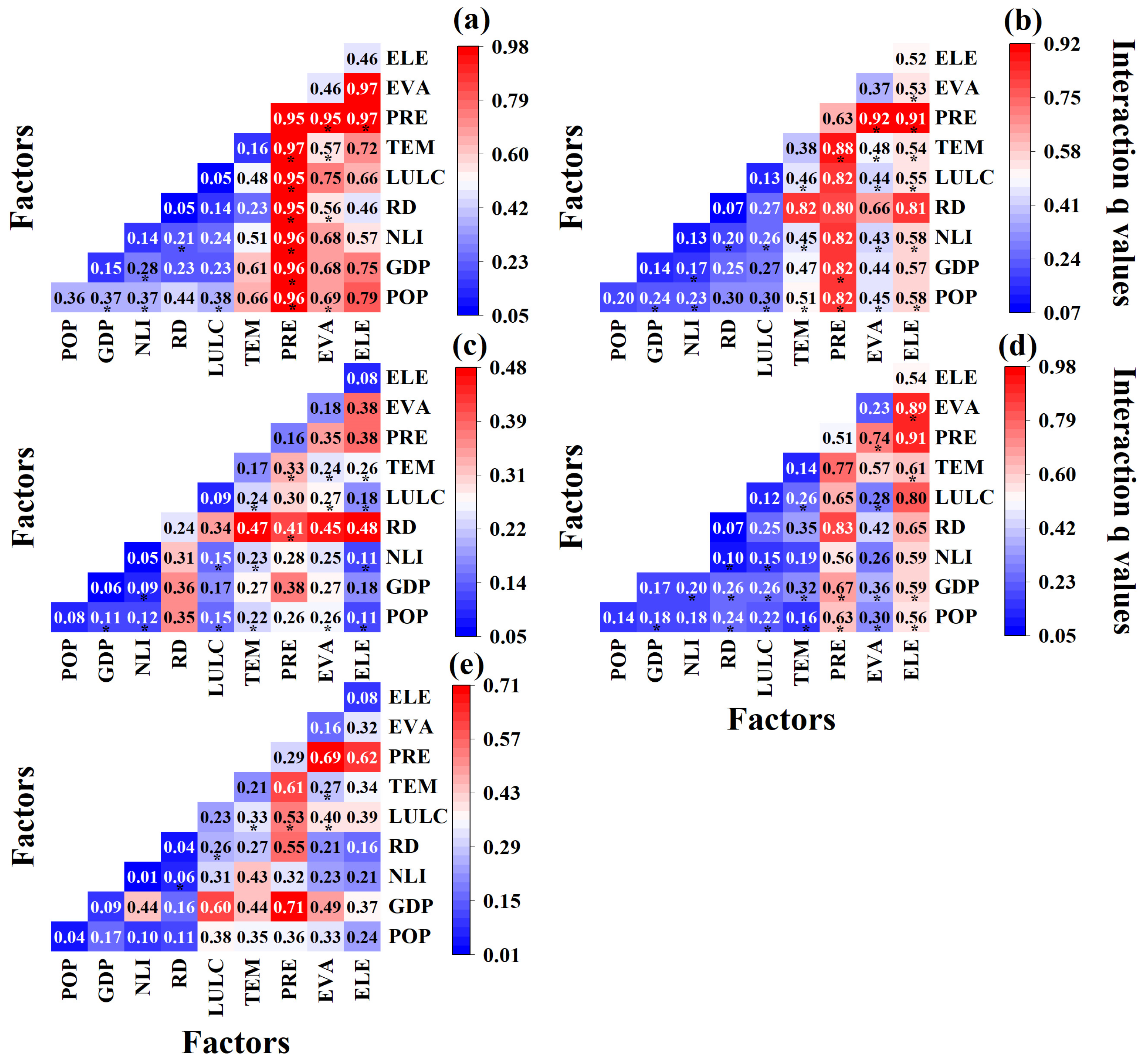
Comprehending the spatiotemporal dynamics and driving factors of small and micro wetlands (SMWs) holds paramount significance in their conservation and sustainable development. This paper investigated the spatiotemporal evolution and driving mechanisms of SMWs in the Yellow River Basin, utilizing buffer zones, overlay analysis, and the Geodetector model based on Landsat satellite images and an open-surface water body dataset from 1990 to 2020. The results revealed that (1) from 1990 to 2020, SMWs in the Yellow River Basin exhibited an overall pattern of fluctuation reduction. The total area decreased by approximately 1.12 × 10⁵ hm2, with the predominant decline occurring in the 0–1 hm2 and 1–3 hm2 size categories. In terms of spatial distribution, SMWs in Qinghai and Gansu decreased significantly, while the SMWs in Inner Mongolia, Henan, and Shandong gradually increased. (2) From 1990 to 2020, SMWs were mostly converted into grassland and cropland, with some transformed into impervious water surface and barren, and only a small percentage converted into other land types in the Yellow River basin. (3) The alterations in SMWs were influenced by factors, with their interplay exhibiting nonlinear or bilinear enhancement. Among these factors, annual precipitation, elevation, and potential evapotranspiration were the primary natural factors influencing the changes in the distribution of SMWs. On the other hand, land use cover type, gross domestic product (GDP), and road distance were the main anthropogenic factors.
Keywords: small and micro wetlands; the Yellow River Basin; driving factors small and micro wetlands; the Yellow River Basin; driving factors
Graphical Abstract