Article

Spatiotemporal Variations and Characteristics of CO, H2CO and HCN Emissions from Biomass Burning Monitored by FTIR Spectroscopy


1
Key Laboratory of Environmental Optics and Technology, Anhui Institute of Optics and Fine Mechanics, Hefei Institutes of Physical Science, Chinese Academy of Sciences, Hefei 230031, China
2
University of Science and Technology of China, Hefei 230026, China
3
Guangdong-Hongkong-Macau Joint Laboratory of Collaborative Innovation for Environmental Quality, Guangzhou 510000, China
4
State Environmental Protection Key Laboratory of Sources and Control of Air Pollution Complex, Beijing 100084, China
5
Department of Automation, Hefei University, Hefei 230601, China
6
Department of Precision Machinery and Precision Instrumentation, University of Science and Technology of China, Hefei 230026, China
7
Anhui Province Key Laboratory of Polar Environment and Global Change, University of Science and Technology of China, Hefei 230026, China
8
Center for Excellence in Regional Atmospheric Environment, Institute of Urban Environment, Chinese Academy of Sciences, Xiamen 361021, China
9
Key Laboratory of Precision Scientific Instrumentation of Anhui Higher Education Institutes, University of Science and Technology of China, Hefei 230026, China
*
Author to whom correspondence should be addressed.
Remote Sens. 2024, 16(19), 3586; https://doi.org/10.3390/rs16193586
Submission received: 18 July 2024 / Revised: 14 September 2024 / Accepted: 22 September 2024 / Published: 26 September 2024

Abstract

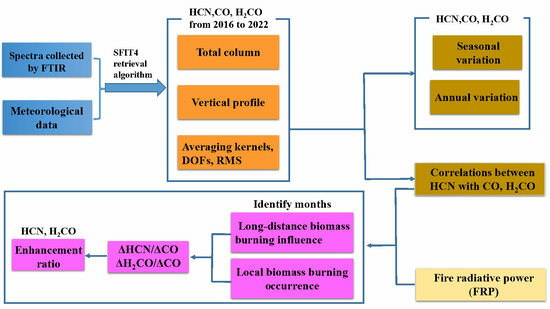
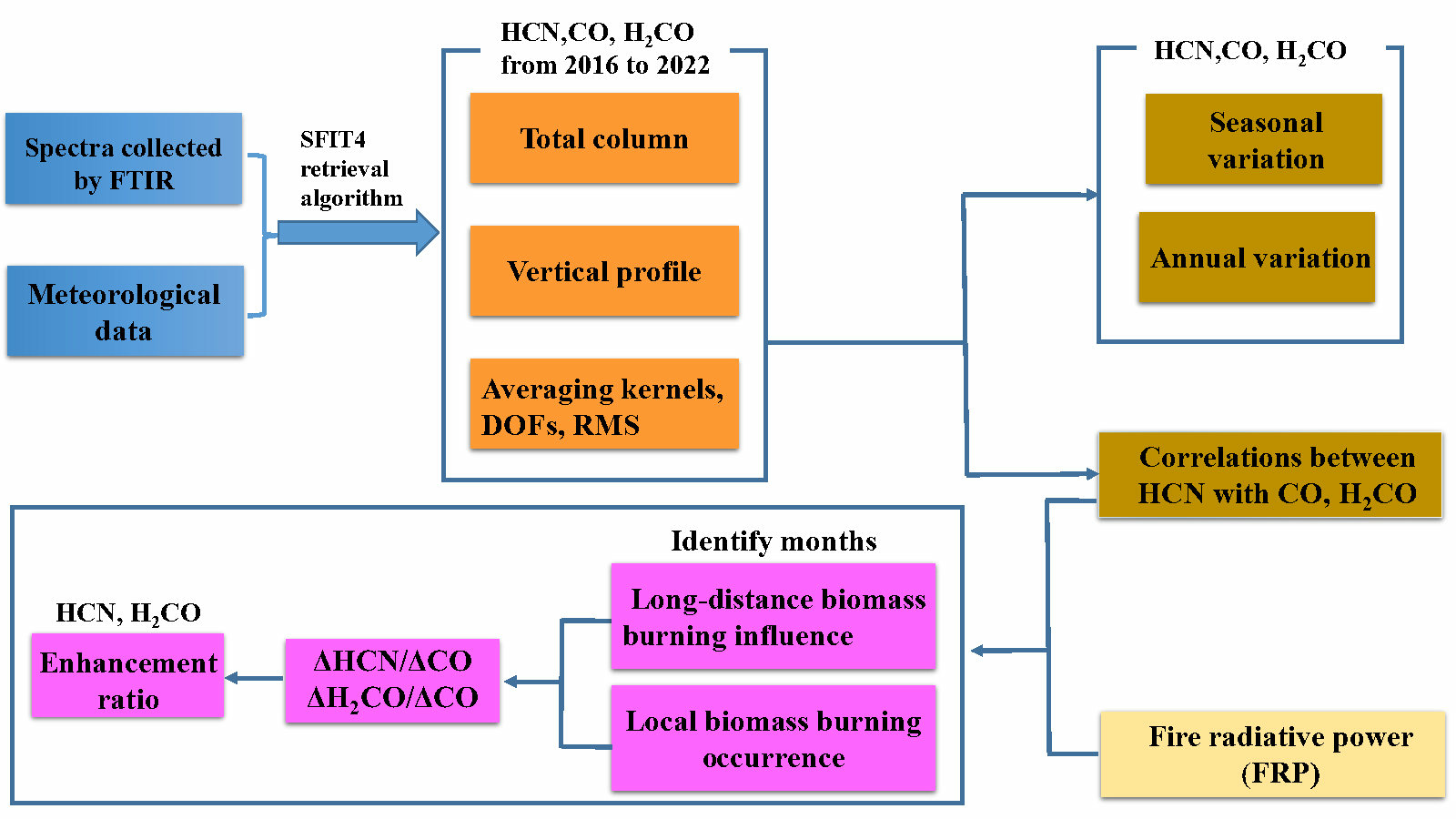
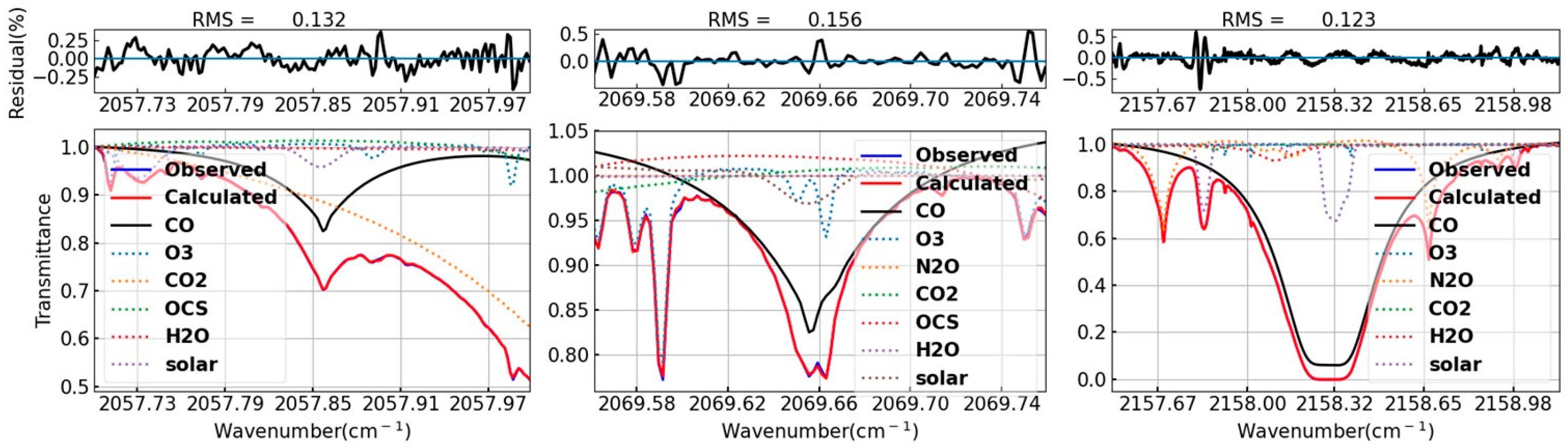
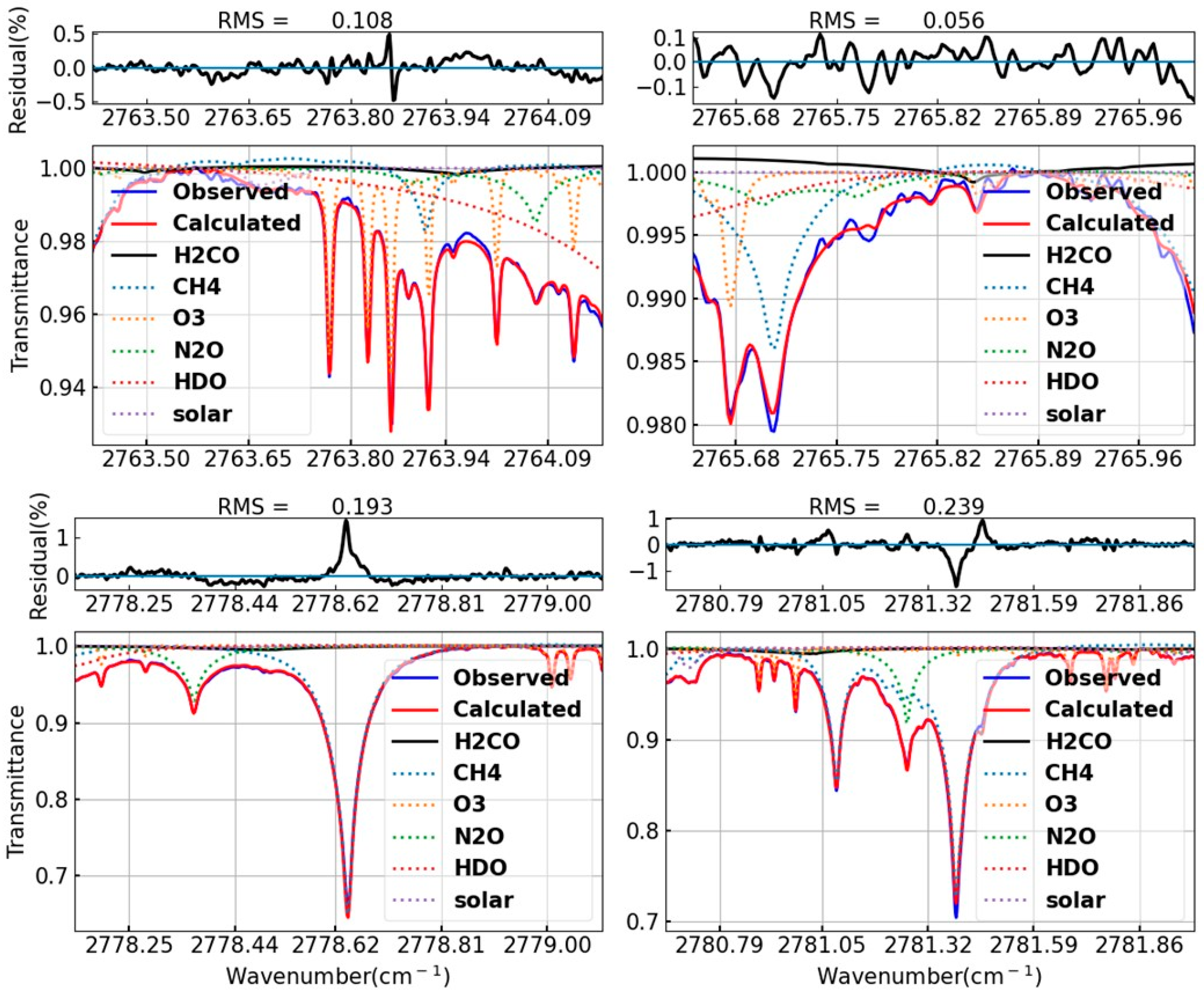
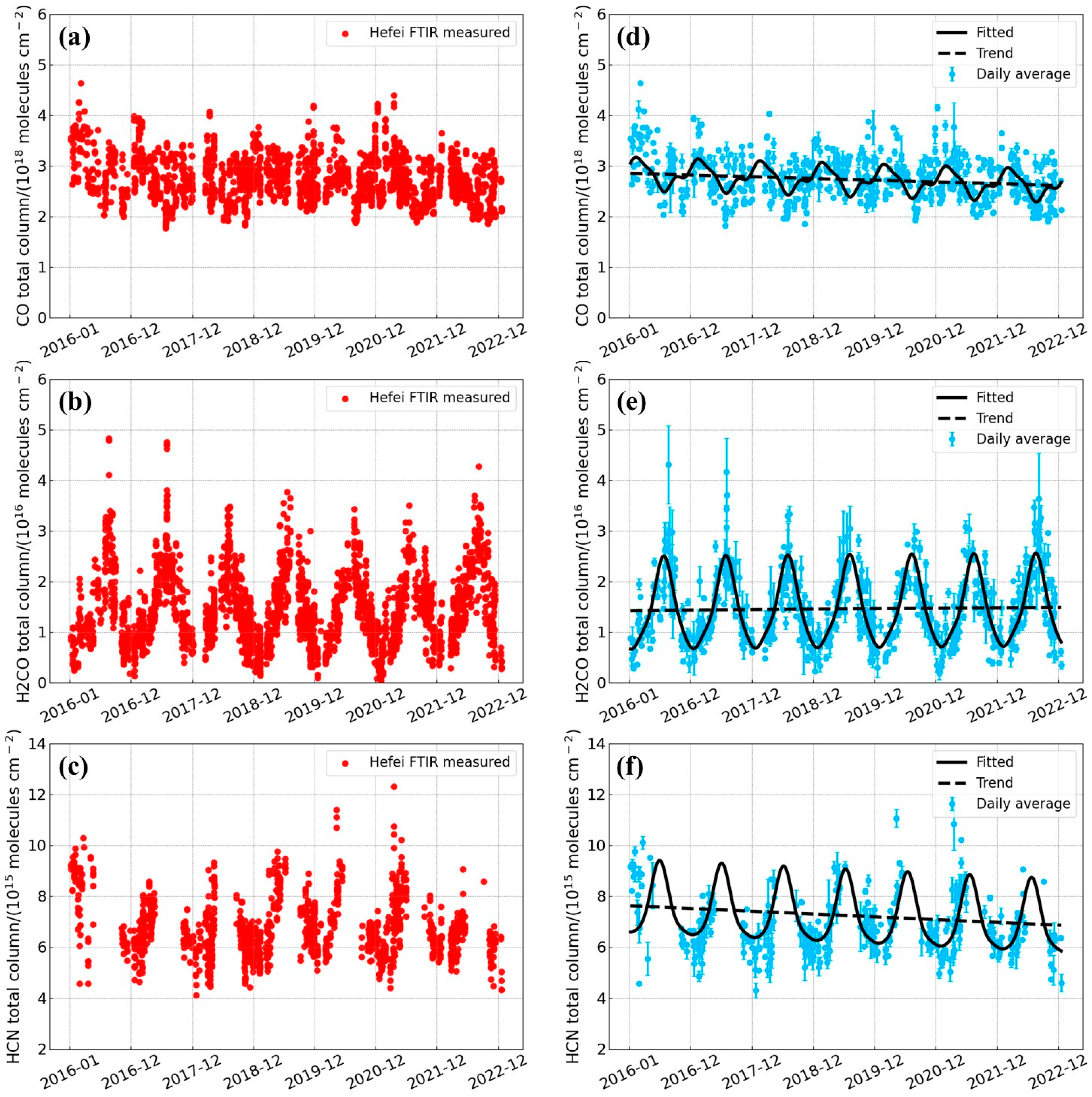
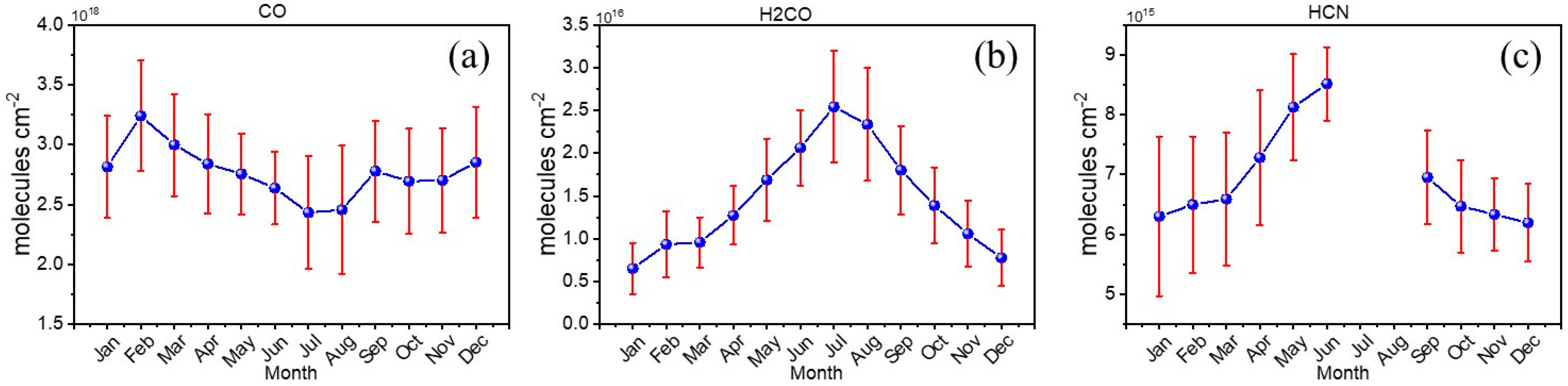
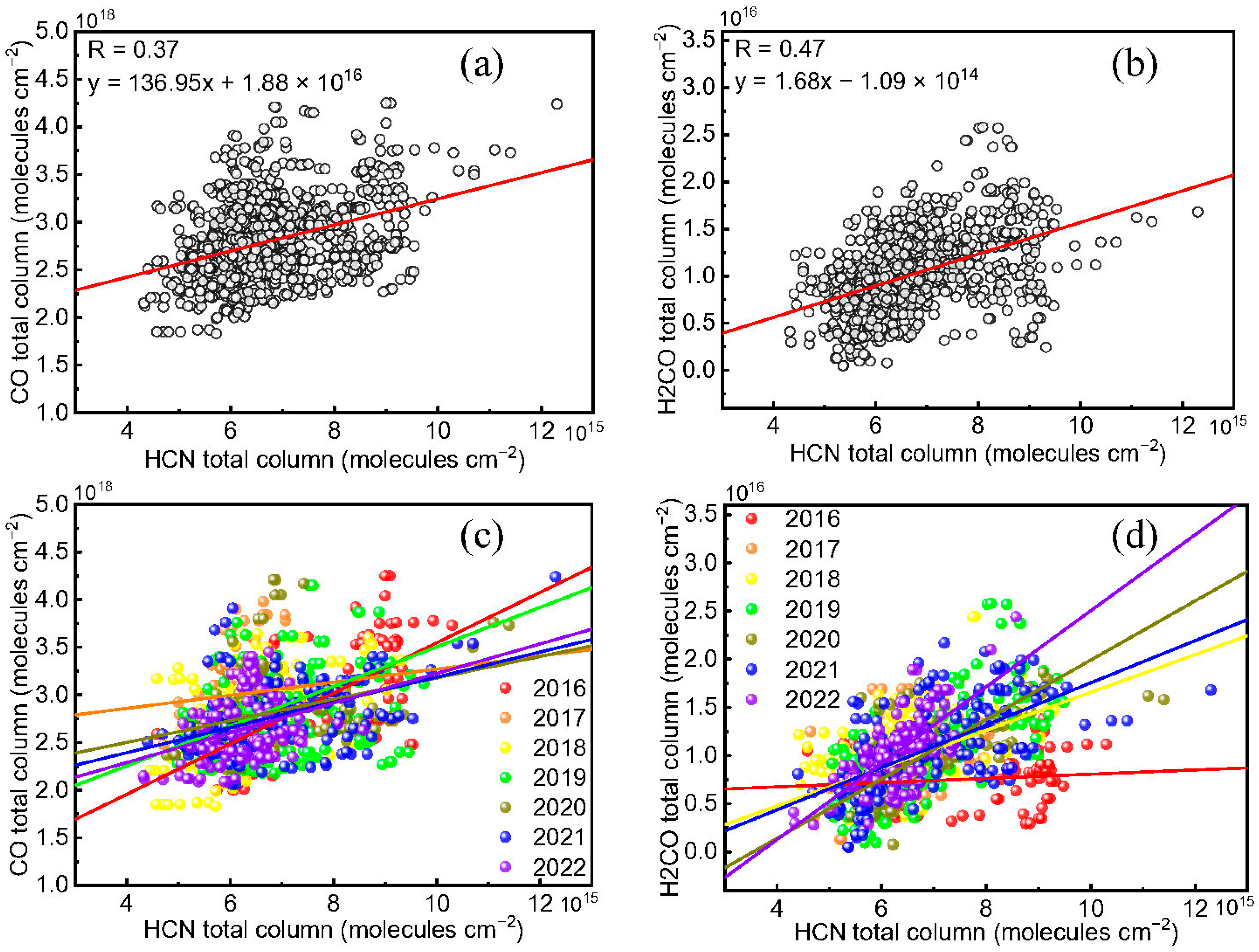
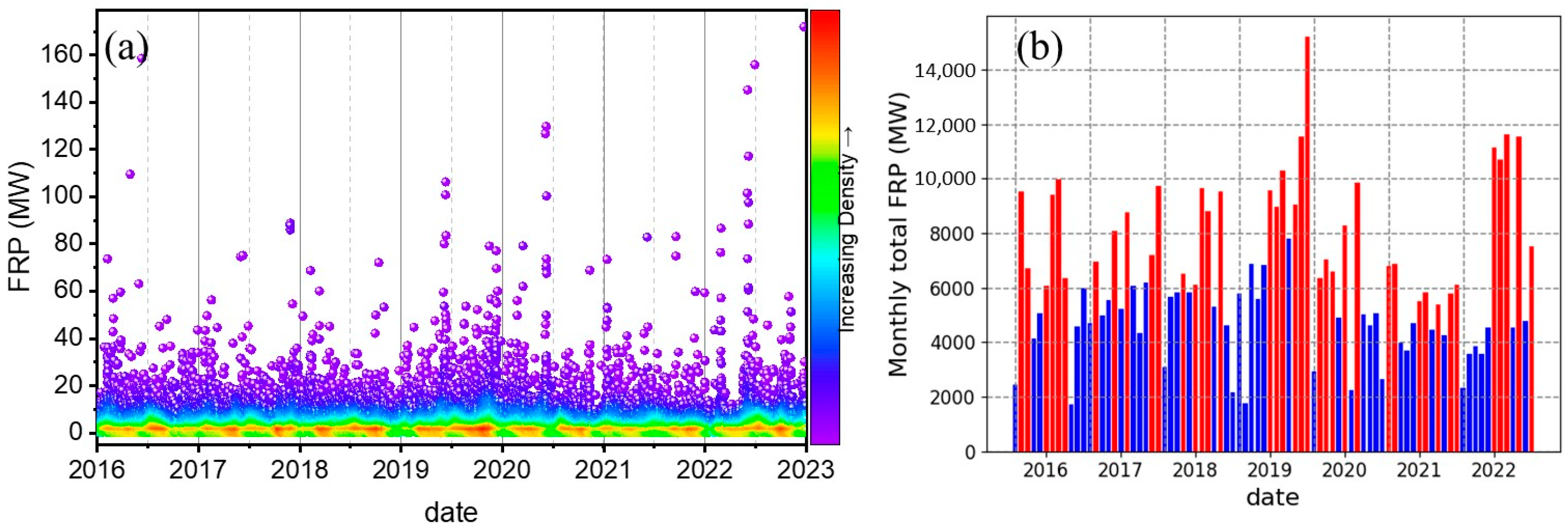
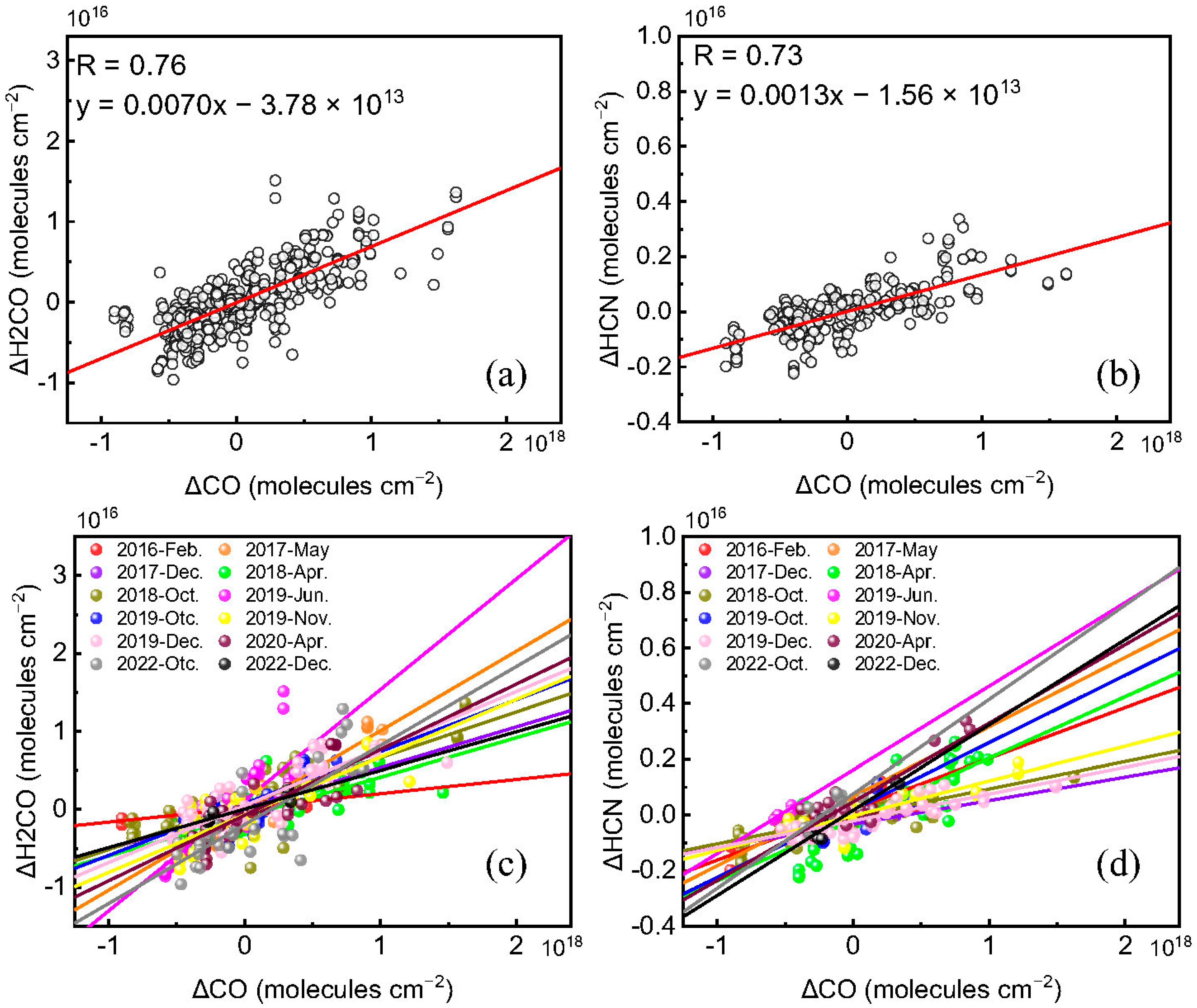
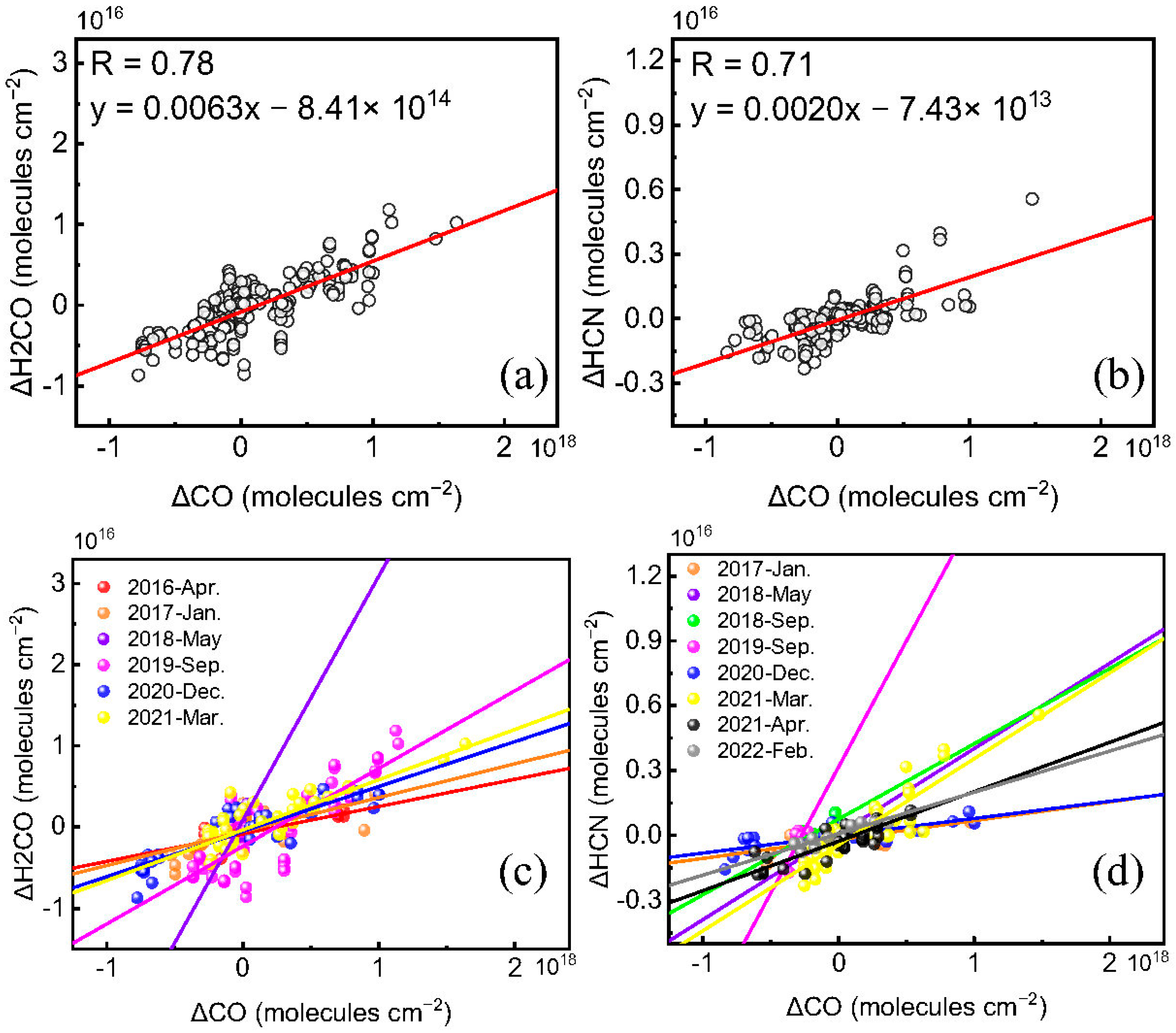
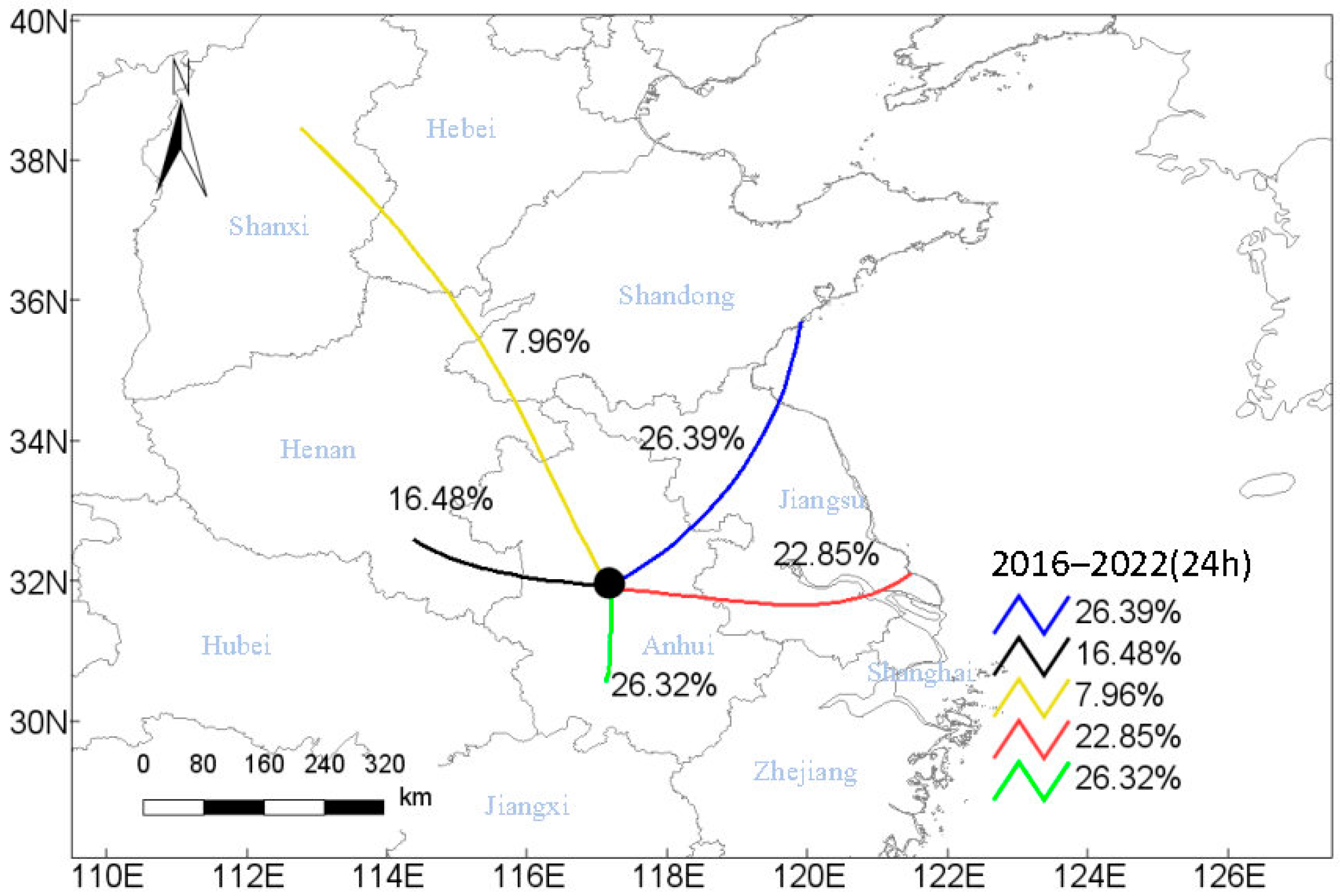
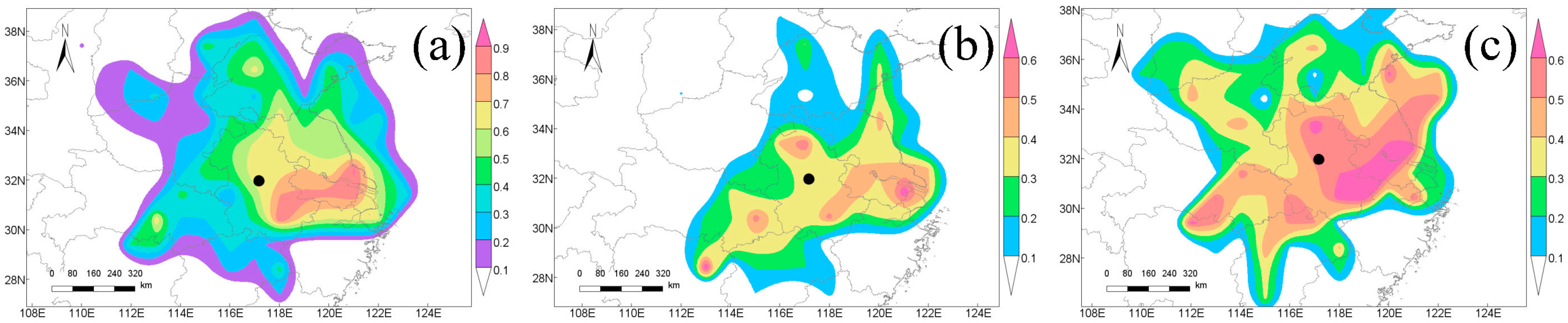
Studies of the impact of biomass burning and the emissions of trace gases from biomass burning, especially using long-term observations, are scarce in China. We utilize solar absorption spectra obtained via ground-based high-resolution Fourier transform infrared (FTIR) spectroscopy to retrieve the atmospheric total columns and vertical profiles of carbon monoxide (CO), formaldehyde (H2CO), and hydrogen cyanide (HCN) in Hefei, China. Seasonal and interannual variability in the three gases from 2016 to 2022 are analyzed. Atmospheric CO shows significant seasonal variations, peaking during spring and winter, and declining during summer, with a seasonal amplitude of 8.07 × 10¹⁷ molecules cm−2 and a seasonal variability of 29.35%. H2CO and HCN have similar seasonal patterns to each other, with high concentrations in summer and low concentrations in winter. The seasonal amplitude of H2CO and HCN are 1.89 × 10¹⁶ molecules cm−2 and 2.32 × 10¹⁵ molecules cm−2, respectively, with a seasonal variability of 133.07% and 34.69%, respectively. The means of the annual variation rate for CO, H2CO, and HCN are (−2.67 ± 2.88)% yr−1, (2.52 ± 12.48)% yr−1 and (−3.48 ± 7.26)% yr−1, respectively. To assess the influence of biomass burning on the variations in column concentrations of the three gases, the correlation between CO, H2CO, and HCN was analyzed. The months during which the monthly correlation coefficient between CO and H2CO with HCN exceeds 0.8, and the fire radiative power (FRP) observed by satellites is larger than its monthly average are regarded as a biomass-burning occurrence in Anhui province. Additionally, the enhancement ratios of ΔH2CO/ΔCO and ΔHCN/ΔCO were calculated for the periods impacted by the biomass burning. Finally, backward trajectory cluster analysis and the potential source contribution function (PSCF) calculation identified the air mass transport pathways and the potential source areas at the Hefei site.
Keywords: remote sensing; enhancement ratio; biomass burning; total column; Fourier transform infrared spectroscopy remote sensing; enhancement ratio; biomass burning; total column; Fourier transform infrared spectroscopy
Graphical Abstract