Article

A Fine-Grained Ship-Radiated Noise Recognition System Using Deep Hybrid Neural Networks with Multi-Scale Features


1
School of Marine Science and Technology, Tianjin University, Tianjin 300072, China
2
School of Social Sciences, Nanyang Technological University, Singapore 639798, Singapore
3
Tianjin Port Environmental Monitoring Engineering Technology Center, Tianjin 300072, China
*
Author to whom correspondence should be addressed.
Remote Sens. 2023, 15(8), 2068; https://doi.org/10.3390/rs15082068
Submission received: 3 March 2023 / Revised: 6 April 2023 / Accepted: 12 April 2023 / Published: 14 April 2023
(This article belongs to the Special Issue Remote Sensing for Maritime Monitoring and Vessel Identification)

Abstract

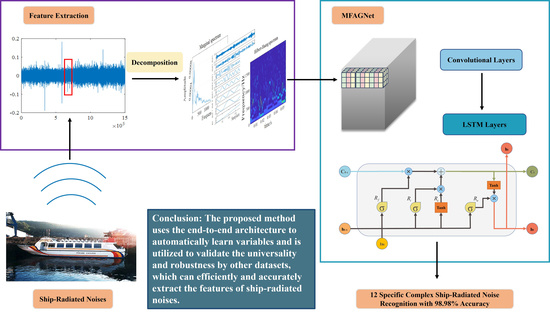
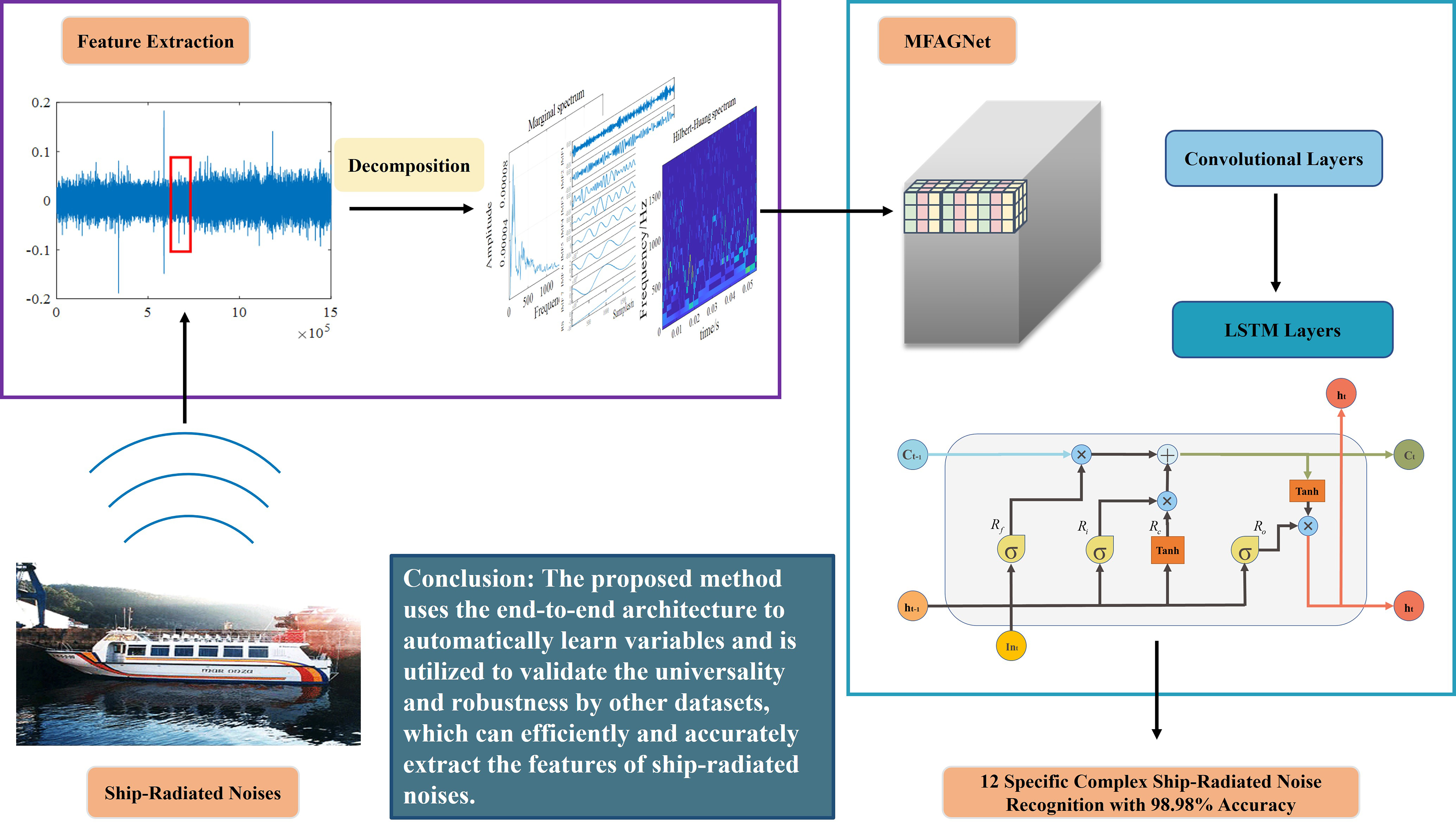
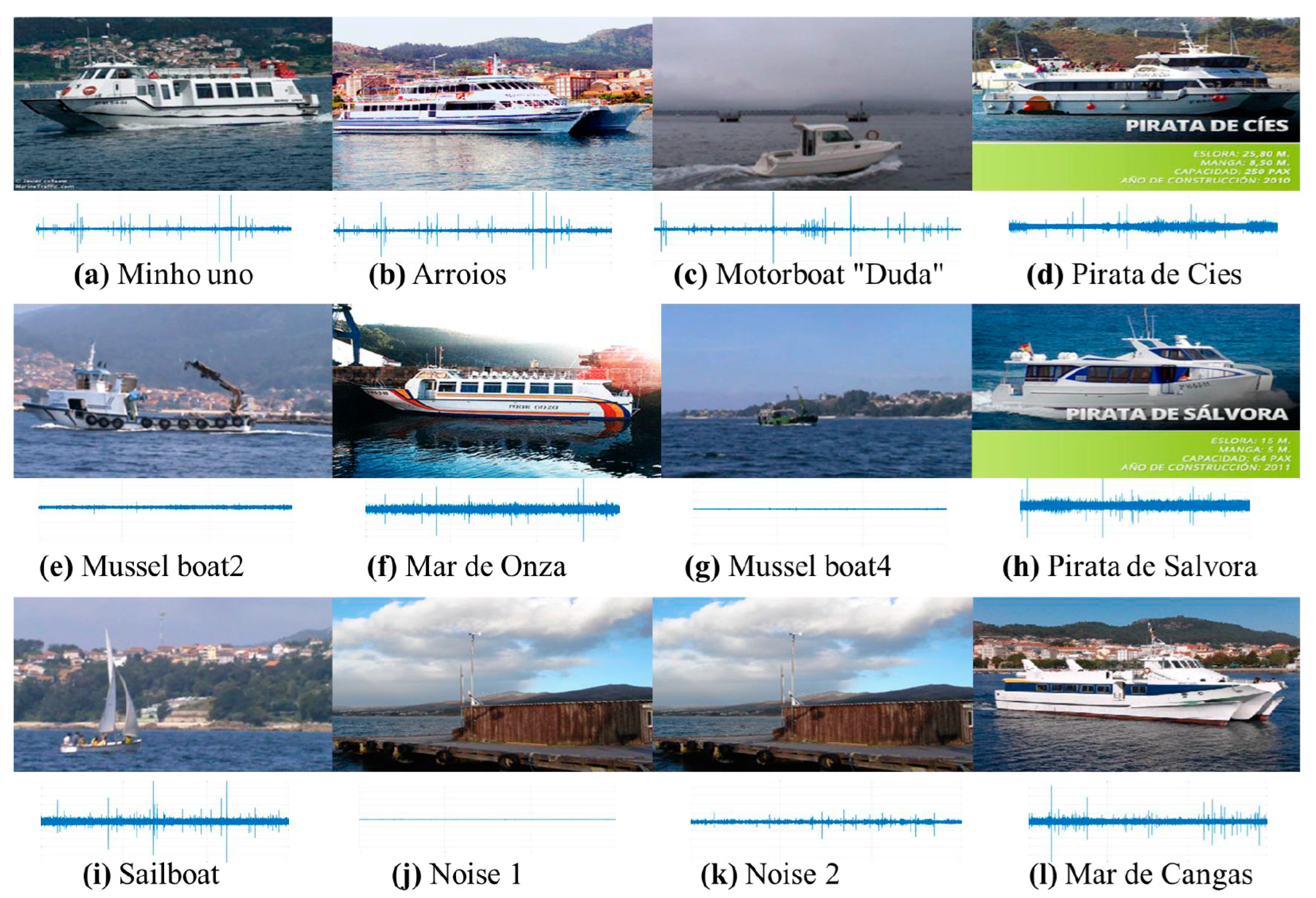
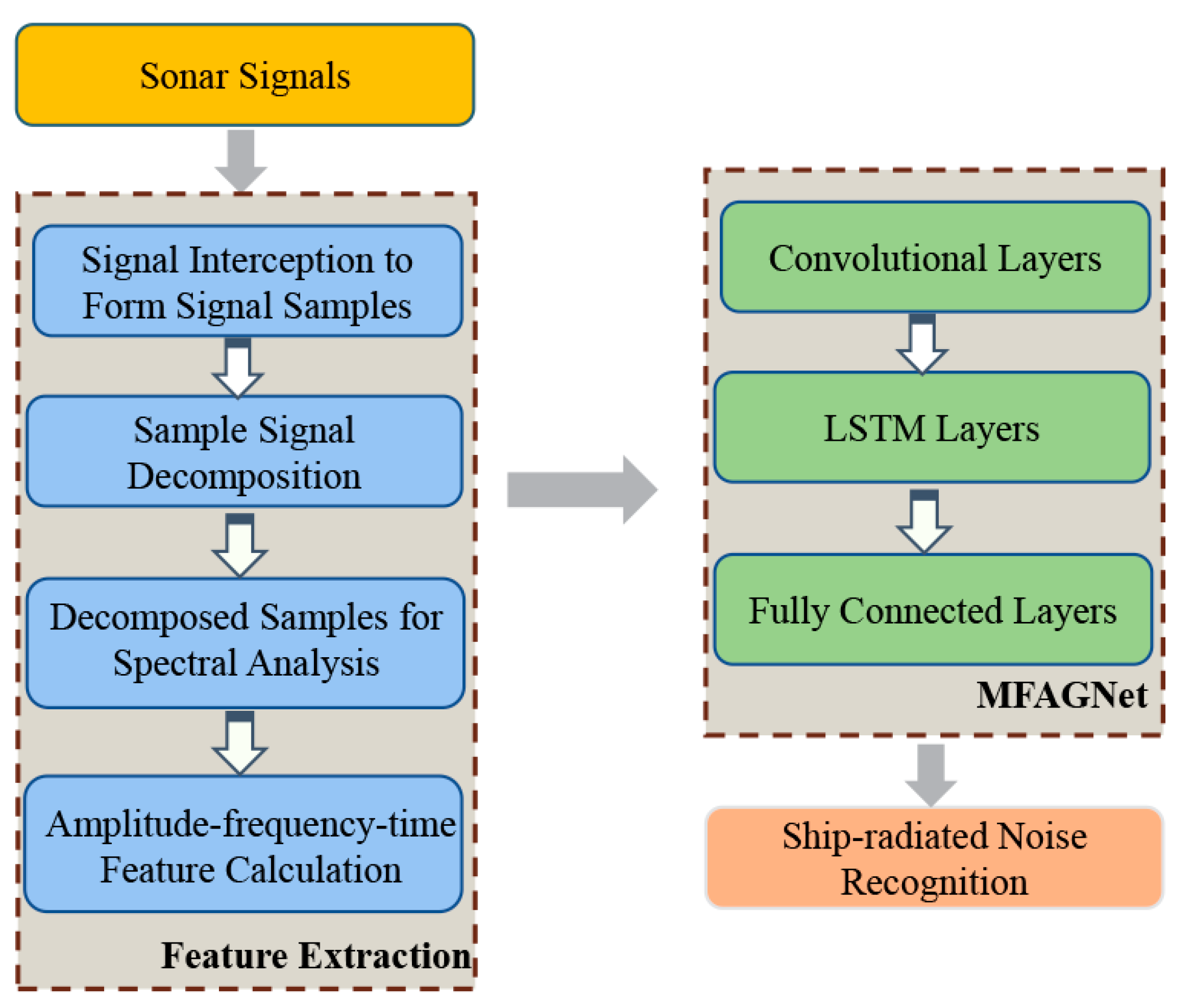
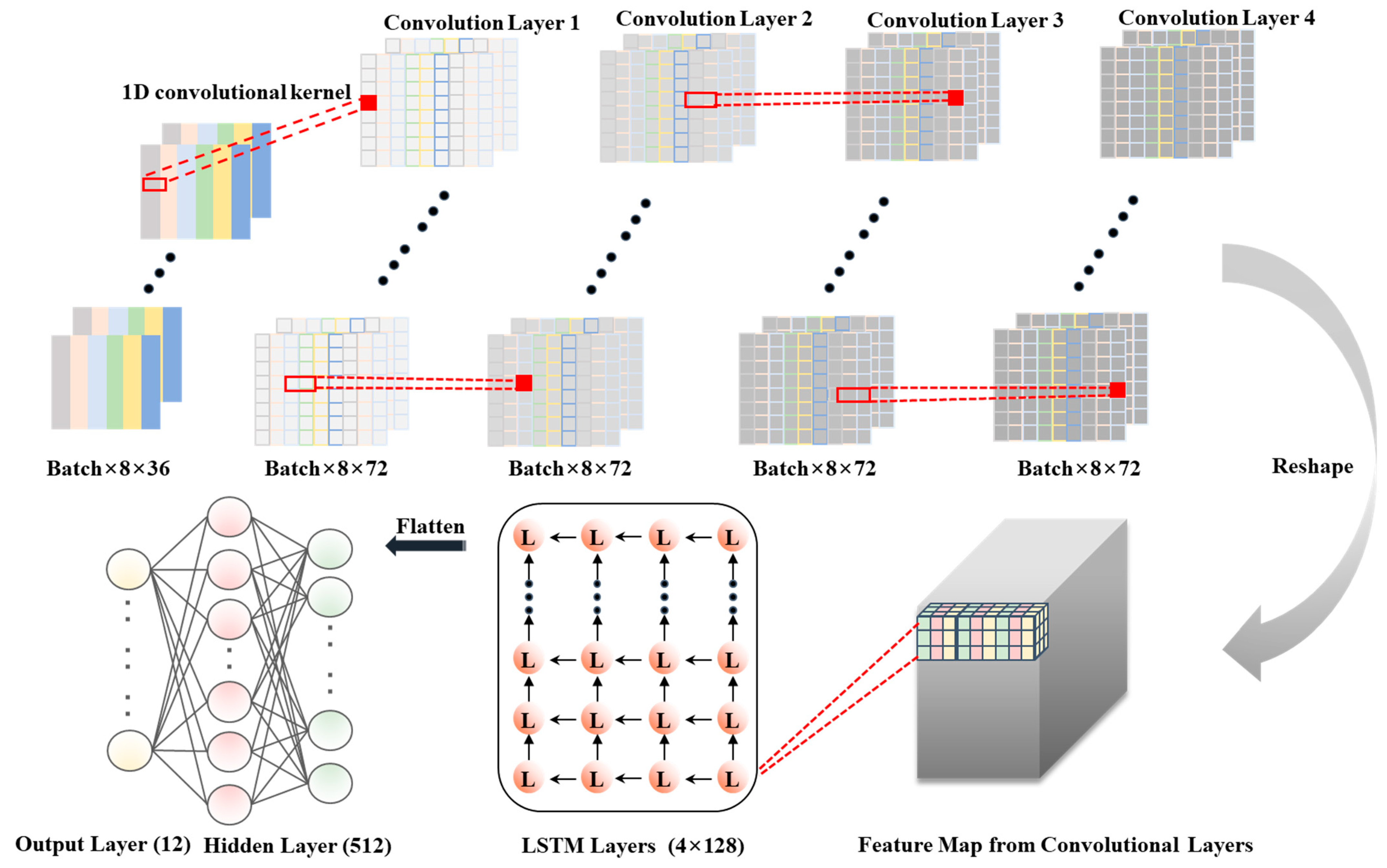
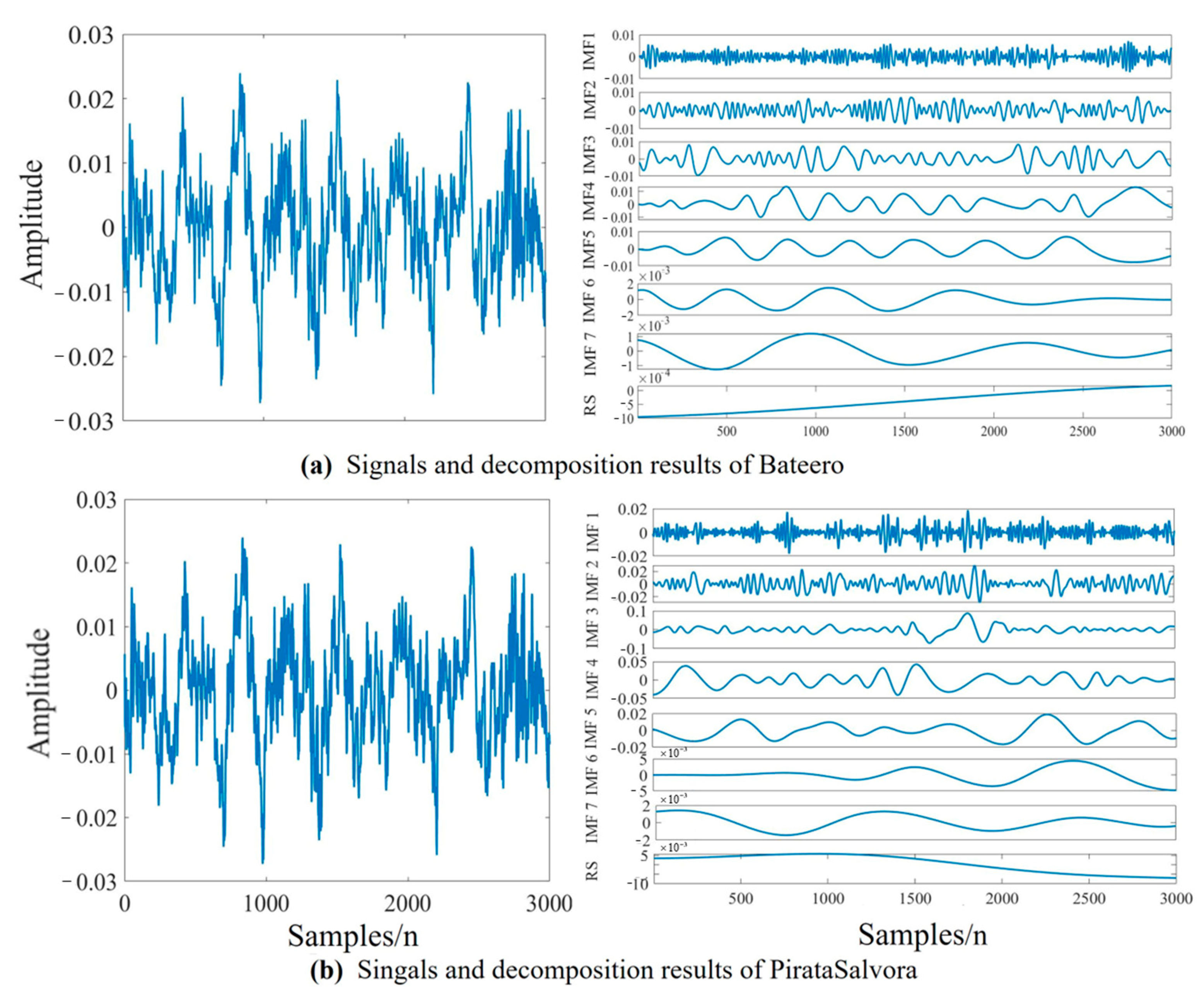
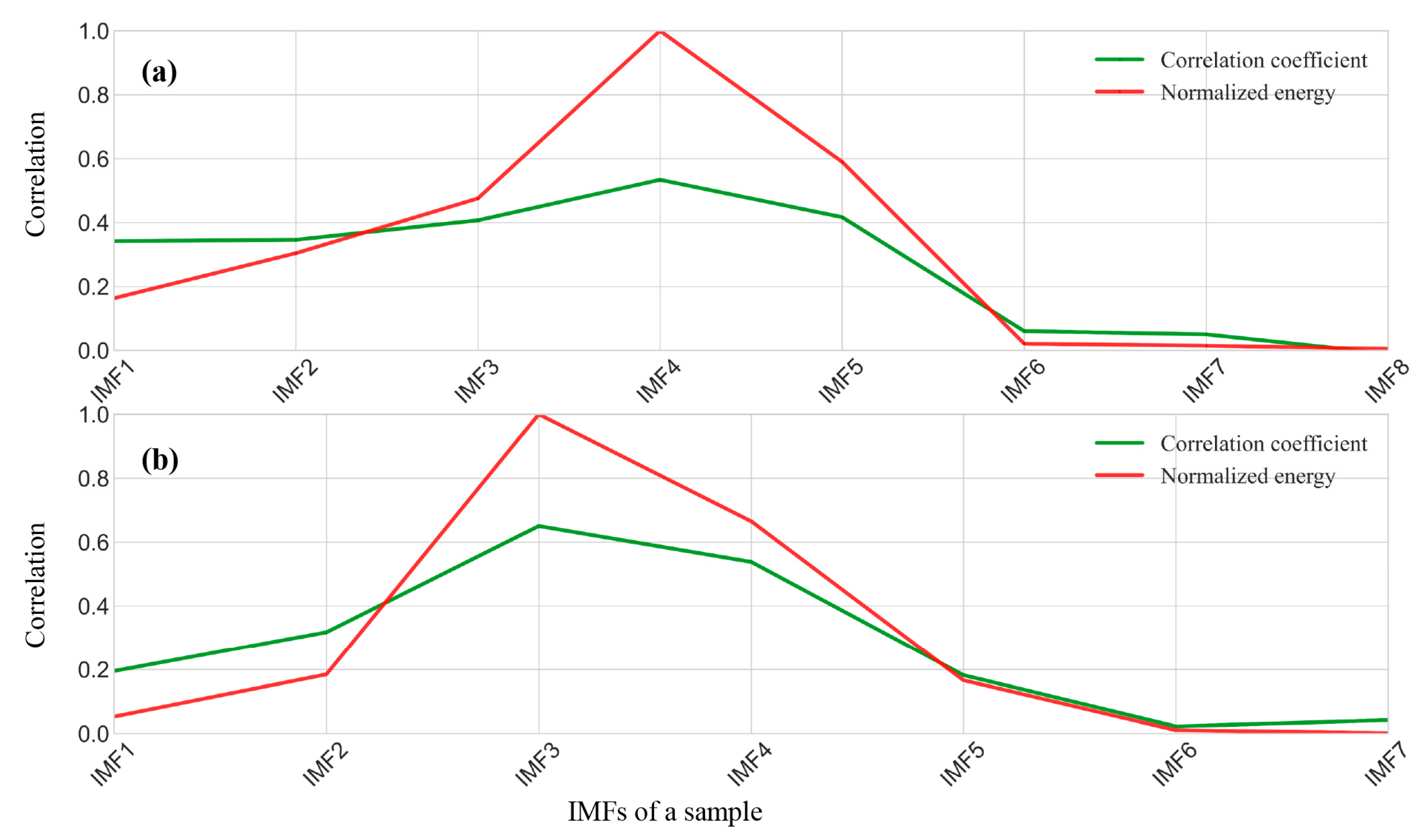
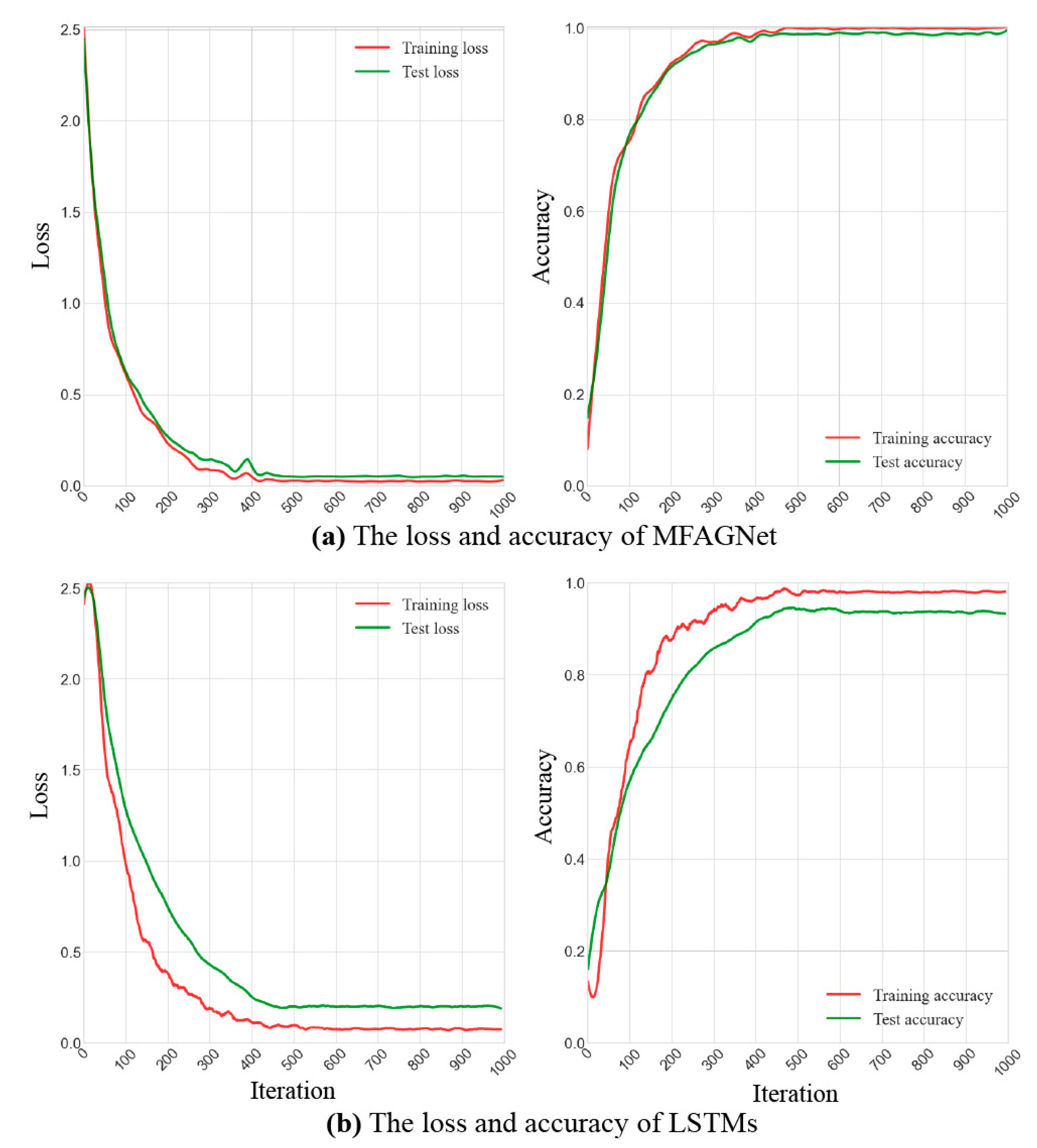
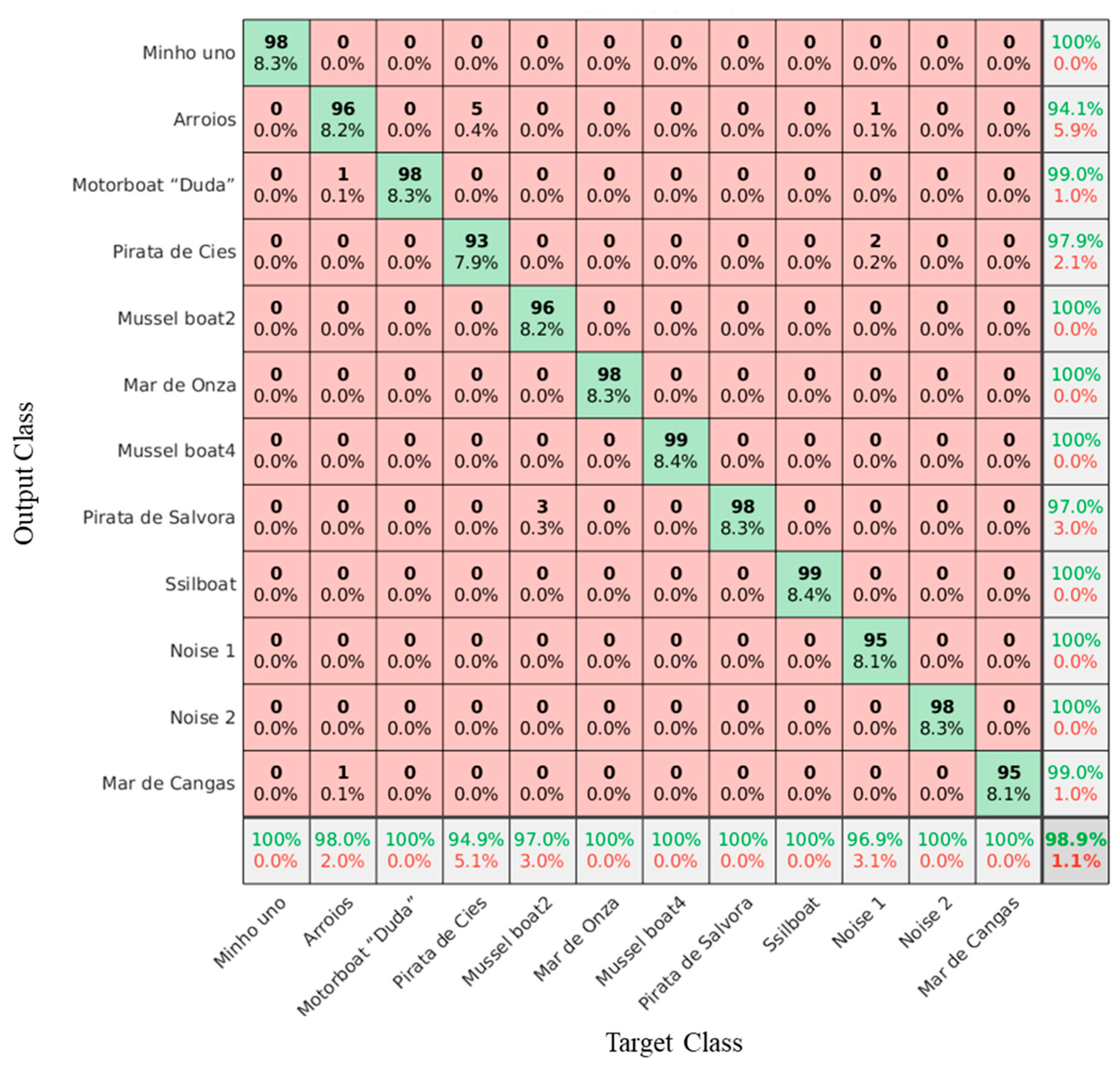
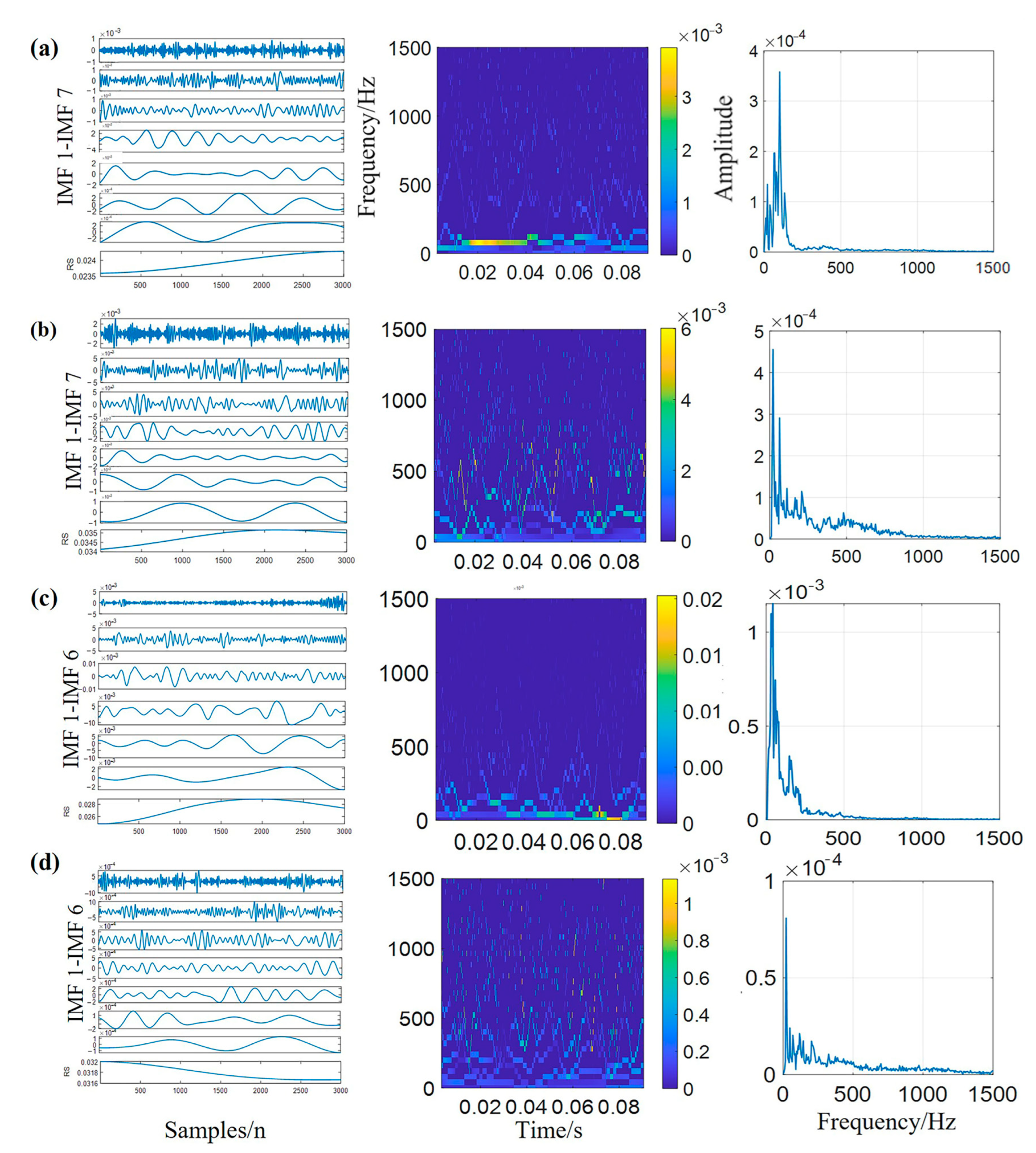
Fine-grained ship-radiated noise recognition methods of different specific ships are in demand for maritime traffic safety and general security. Due to the high background noise and complex transmission channels in the marine environment, the accurate identification of ship radiation noise becomes quite complicated. Existing ship-radiated noise-based recognition systems still have some shortcomings, such as the imperfection of ship-radiated noise feature extraction and recognition algorithms, which lead to distinguishing only the type of ships rather than identifying the specific vessel. To address these issues, we propose a fine-grained ship-radiated noise recognition system that utilizes multi-scale features from the amplitude–frequency–time domain and incorporates a multi-scale feature adaptive generalized network (MFAGNet). In the feature extraction process, to cope with highly non-stationary and non-linear noise signals, the improved Hilbert–Huang transform algorithm applies the permutation entropy-based signal decomposition to perform effective decomposition analysis. Subsequently, six learnable amplitude–time–frequency features are extracted by using six-order decomposed signals, which contain more comprehensive information on the original ship-radiated noise. In the recognition process, MFAGNet is designed by applying unique combinations of one-dimensional convolutional neural networks (1D CNN) and long short-term memory (LSTM) networks. This architecture obtains regional high-level information and aggregate temporal characteristics to enhance the capability to focus on time–frequency information. The experimental results show that MFAGNet is better than other baseline methods and achieves a total accuracy of 98.89% in recognizing 12 different specific noises from ShipsEar. Additionally, other datasets are utilized to validate the universality of the method, which achieves the classification accuracy of 98.90% in four common types of ships. Therefore, the proposed method can efficiently and accurately extract the features of ship-radiated noises. These results suggest that our proposed method, as a novel underwater acoustic recognition technology, is effective for different underwater acoustic signals.
Keywords: ship-radiated noise recognition; underwater acoustics; muti-scale features; artificial intelligence; feature extraction; deep learning; ship classification; convolutional neural network; long short-term memory ship-radiated noise recognition; underwater acoustics; muti-scale features; artificial intelligence; feature extraction; deep learning; ship classification; convolutional neural network; long short-term memory
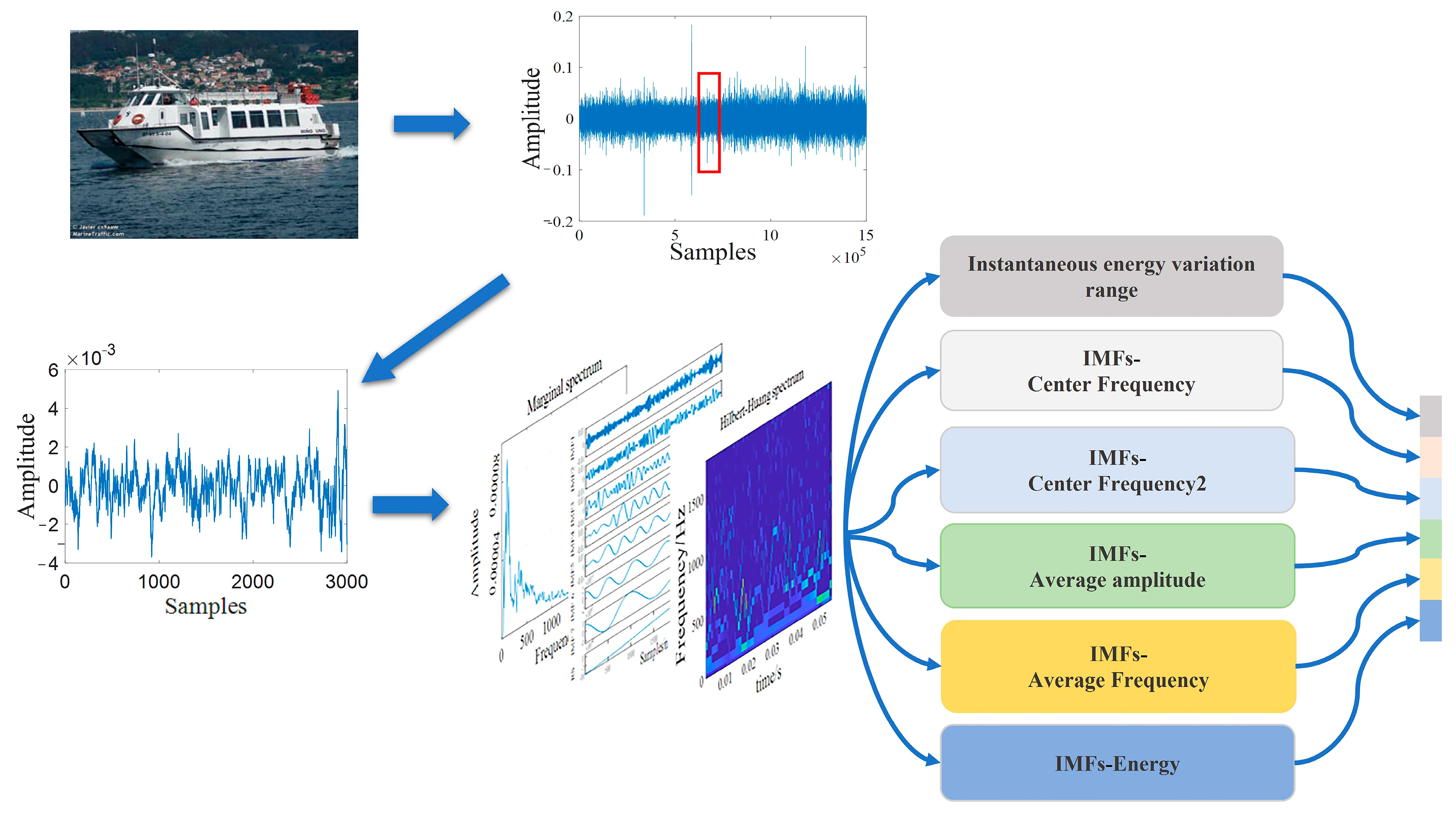
Graphical Abstract