Article

Effects of Surface Wave-Induced Mixing and Wave-Affected Exchange Coefficients on Tropical Cyclones

1
Frontier Science Center for Deep Ocean Multispheres and Earth System (FDOMES), Ocean University of China, 238 Songling Road, Qingdao 266100, China
2
Physical Oceanography Laboratory, Ocean University of China, 238 Songling Road, Qingdao 266100, China
3
College of Oceanic and Atmospheric Sciences, Ocean University of China, 238 Songling Road, Qingdao 266100, China
4
Qingdao Municipal Marine Development and Promotion Center, 17 Shandong Road, Qingdao 266071, China
*
Author to whom correspondence should be addressed.
Remote Sens. 2023, 15(6), 1594; https://doi.org/10.3390/rs15061594
Submission received: 14 January 2023 / Revised: 1 March 2023 / Accepted: 13 March 2023 / Published: 15 March 2023

Abstract

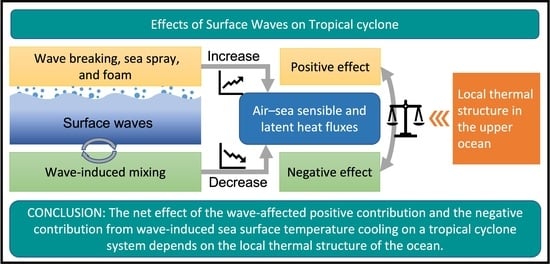
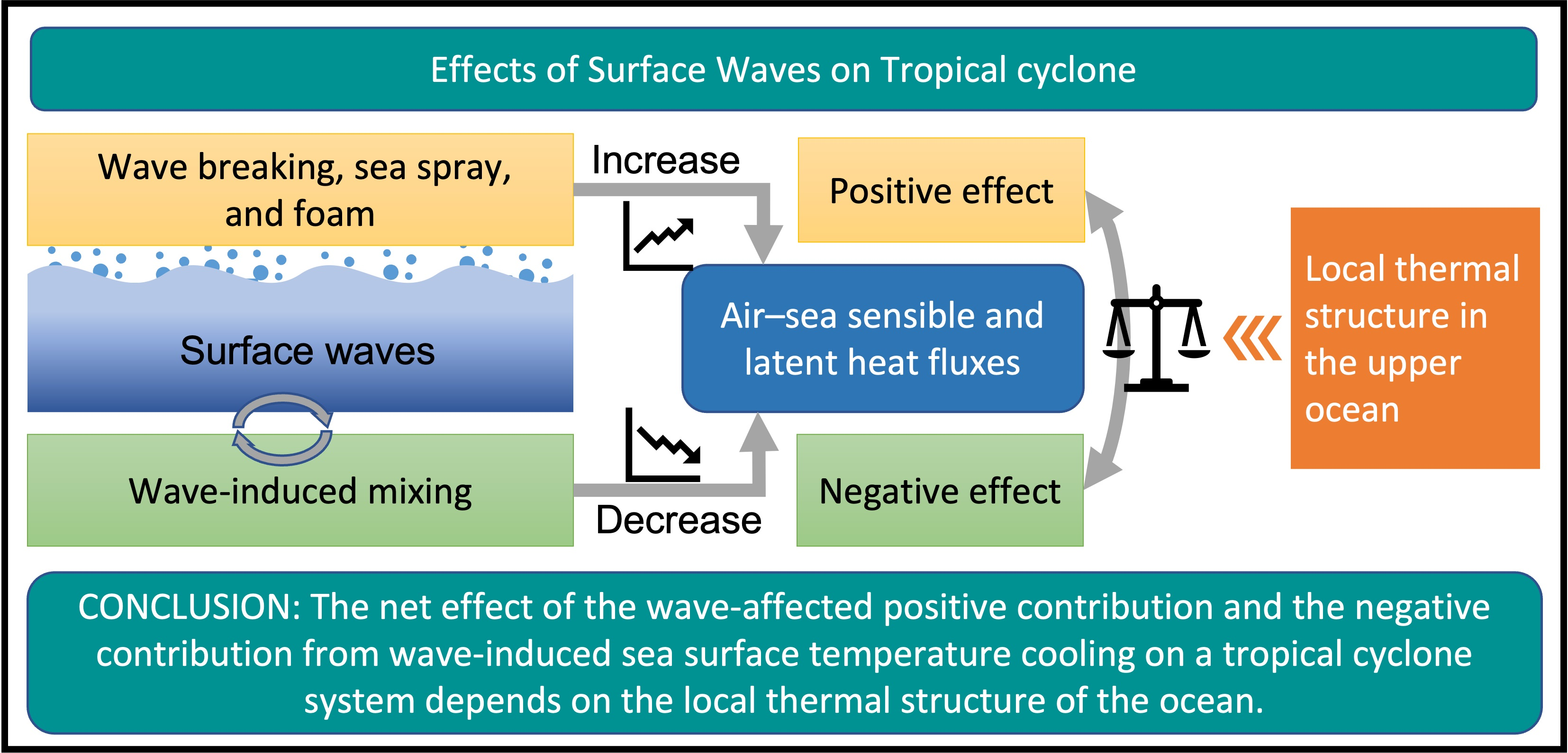
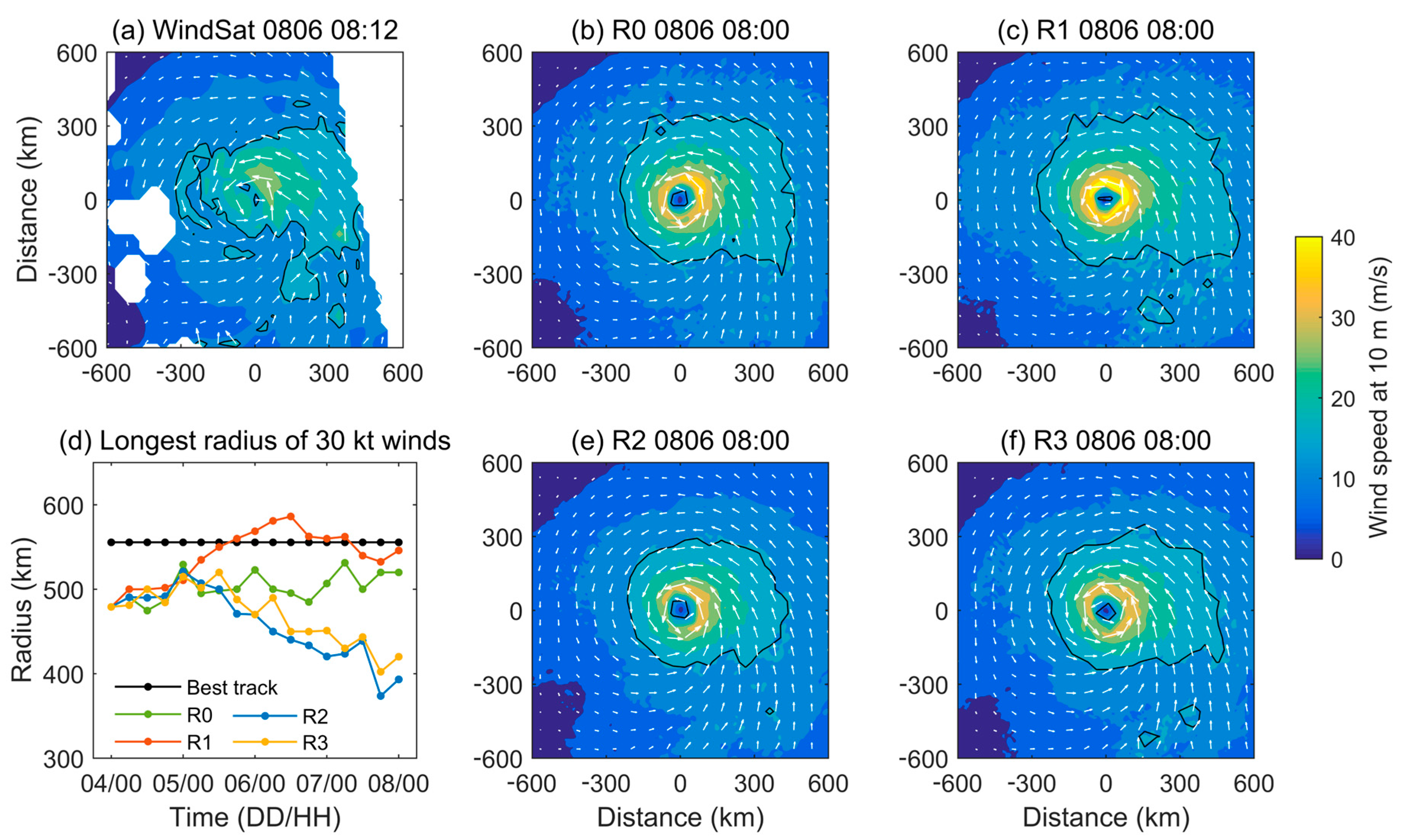
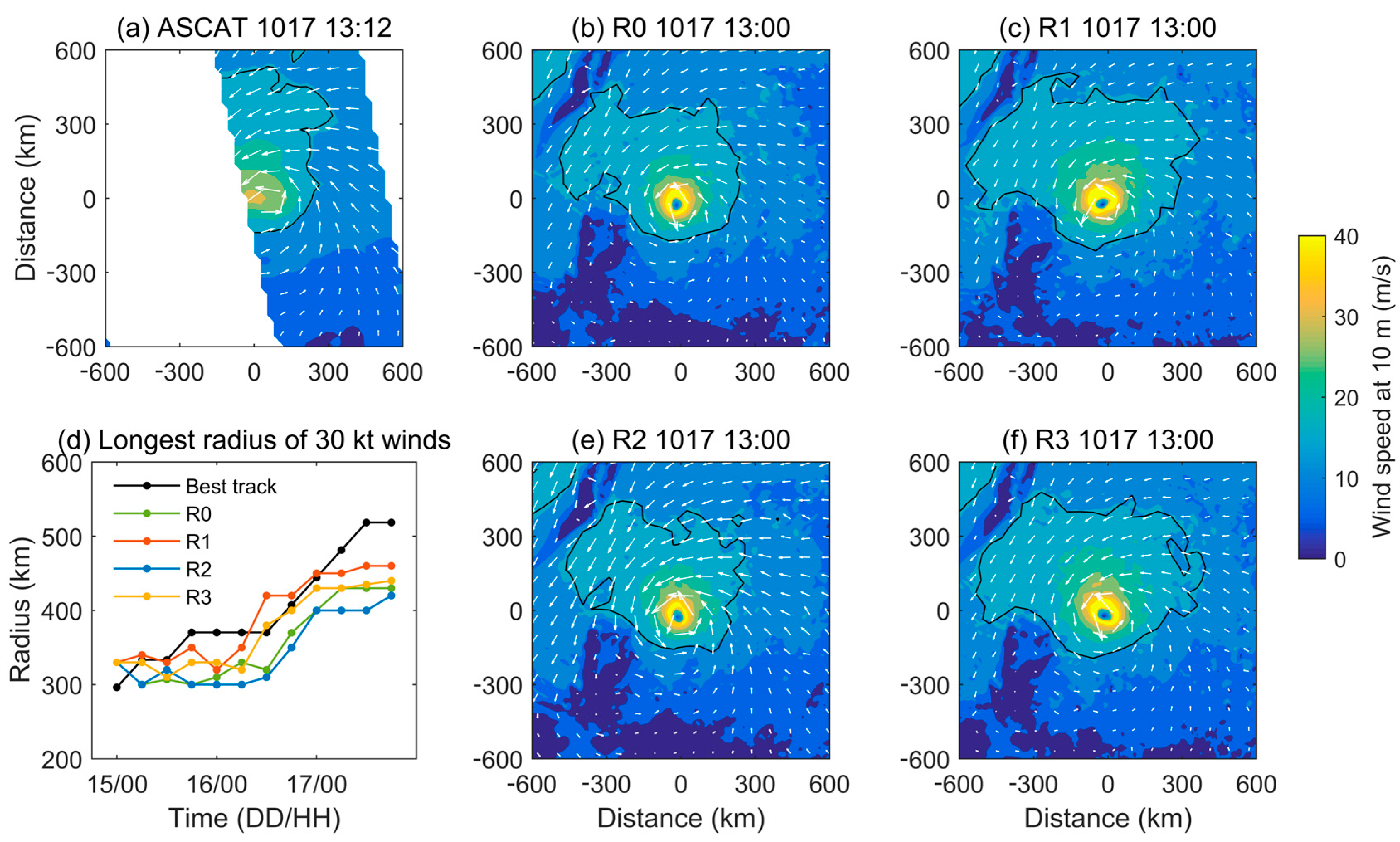
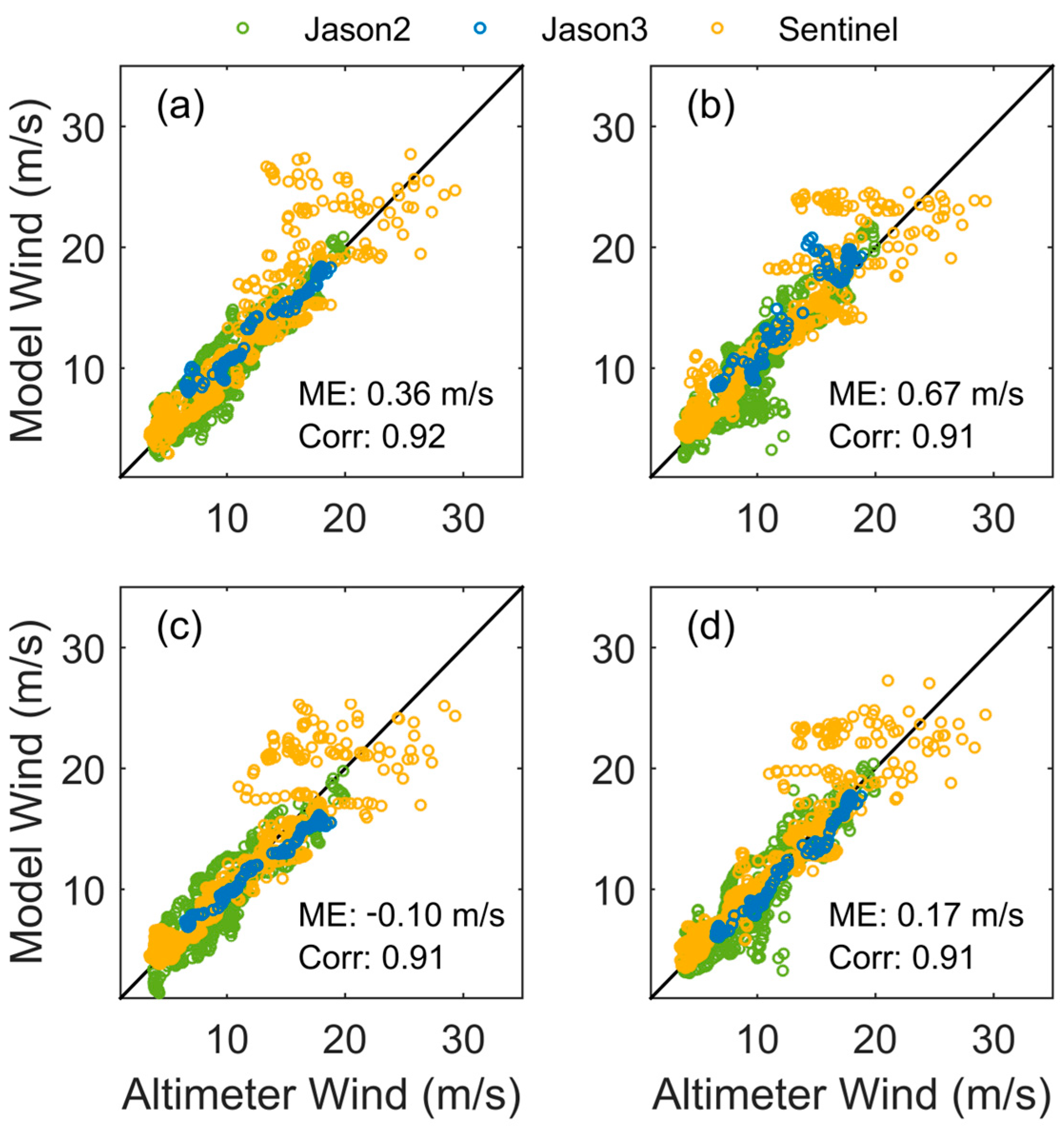
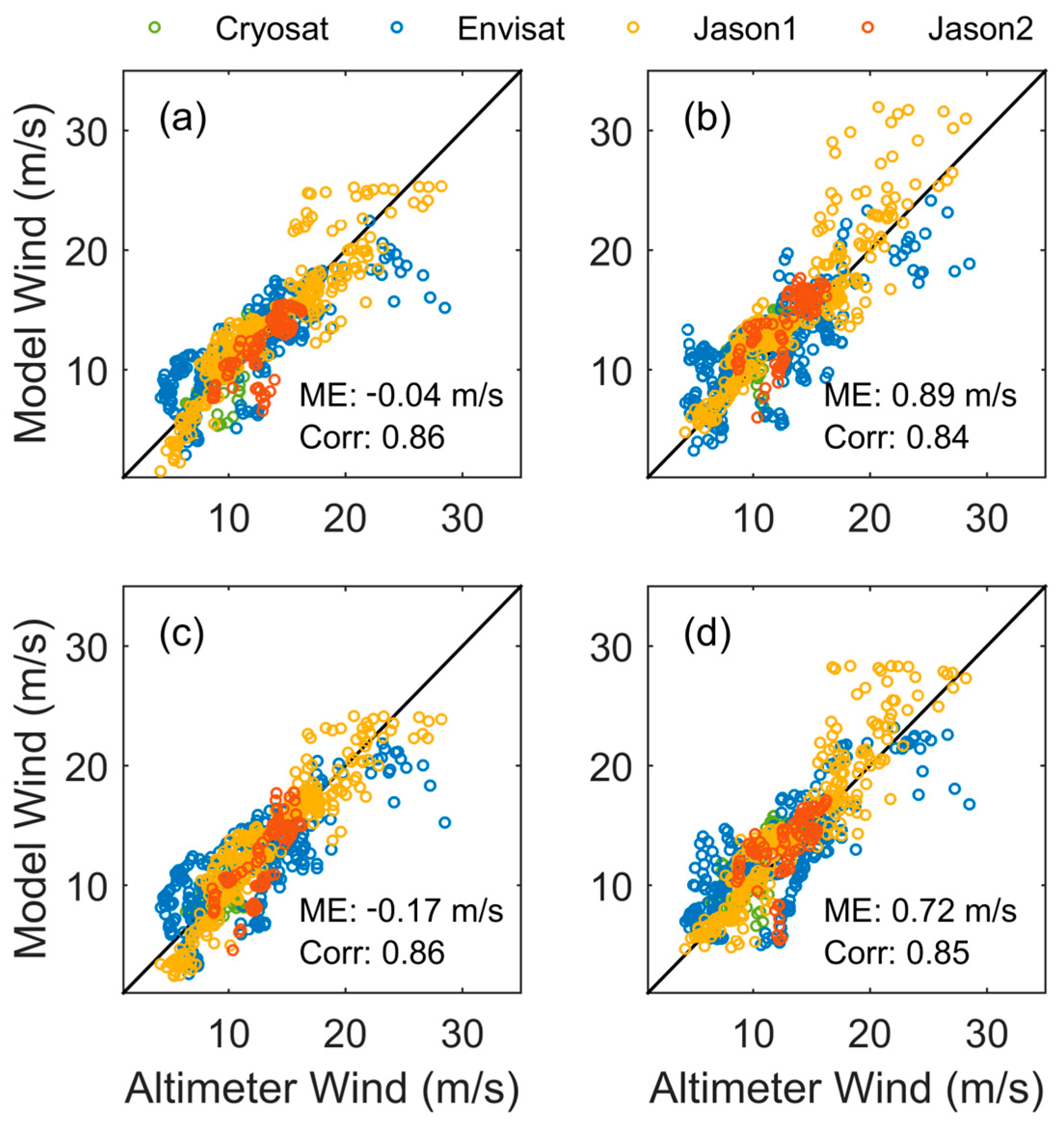
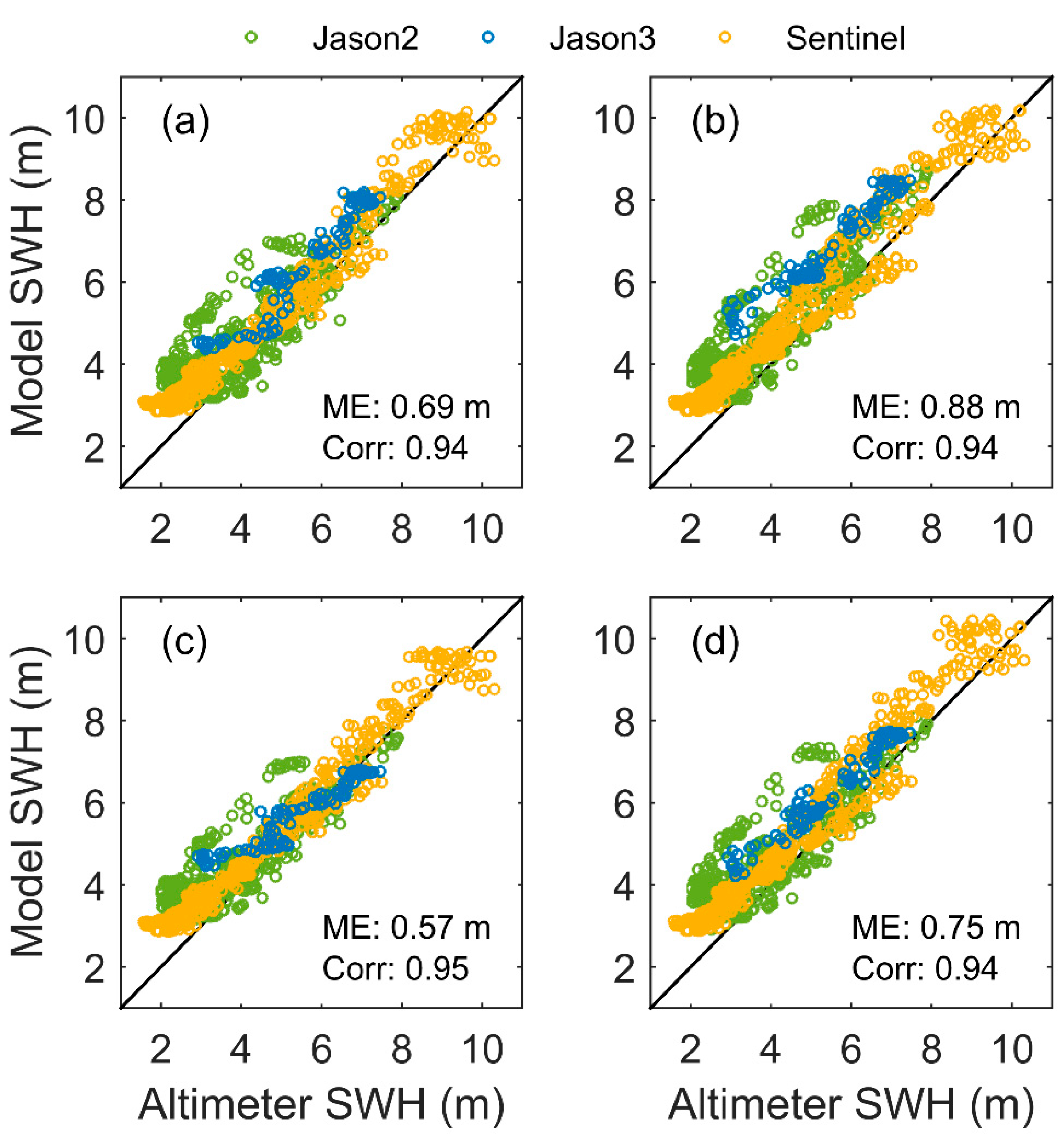
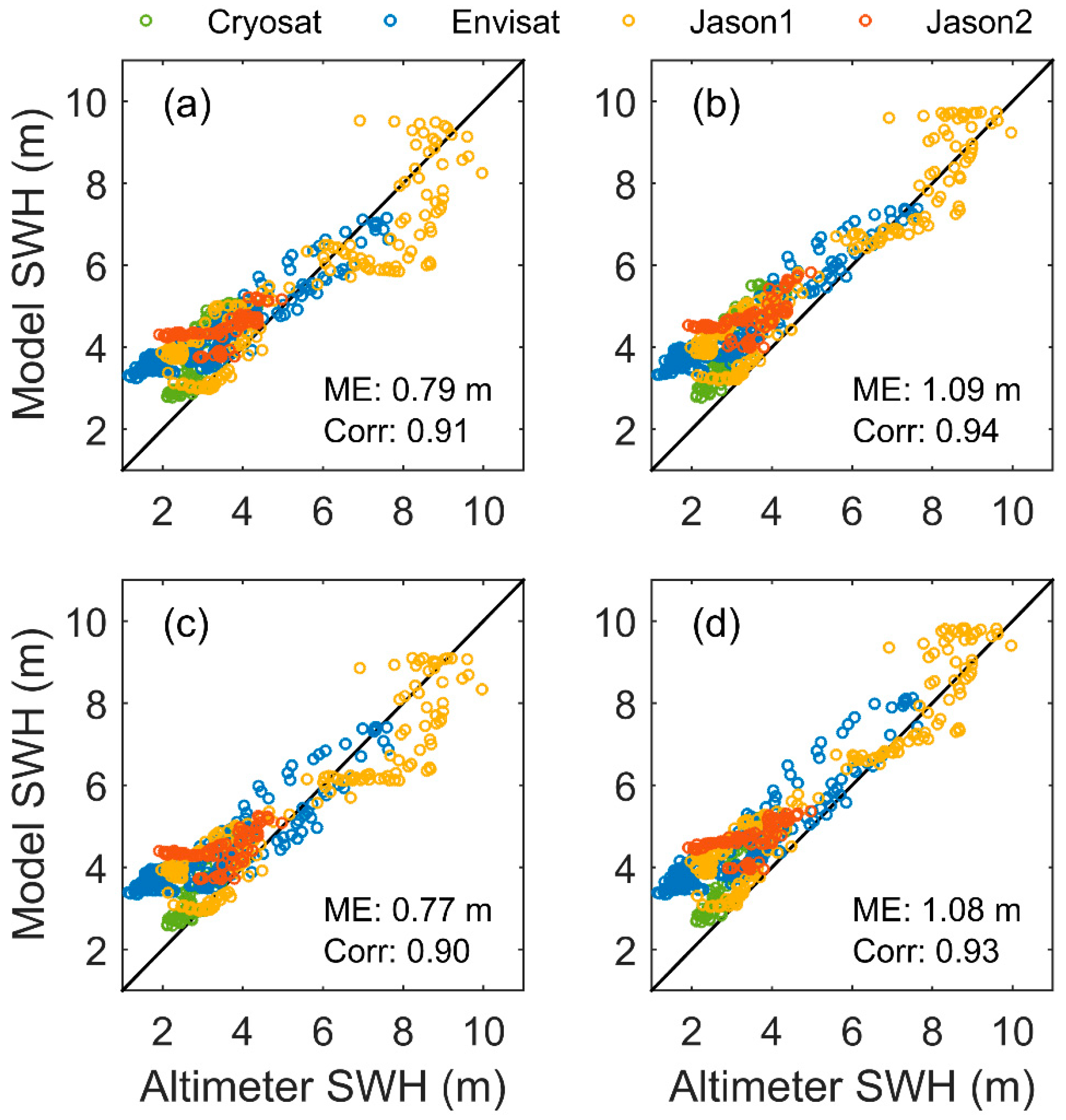
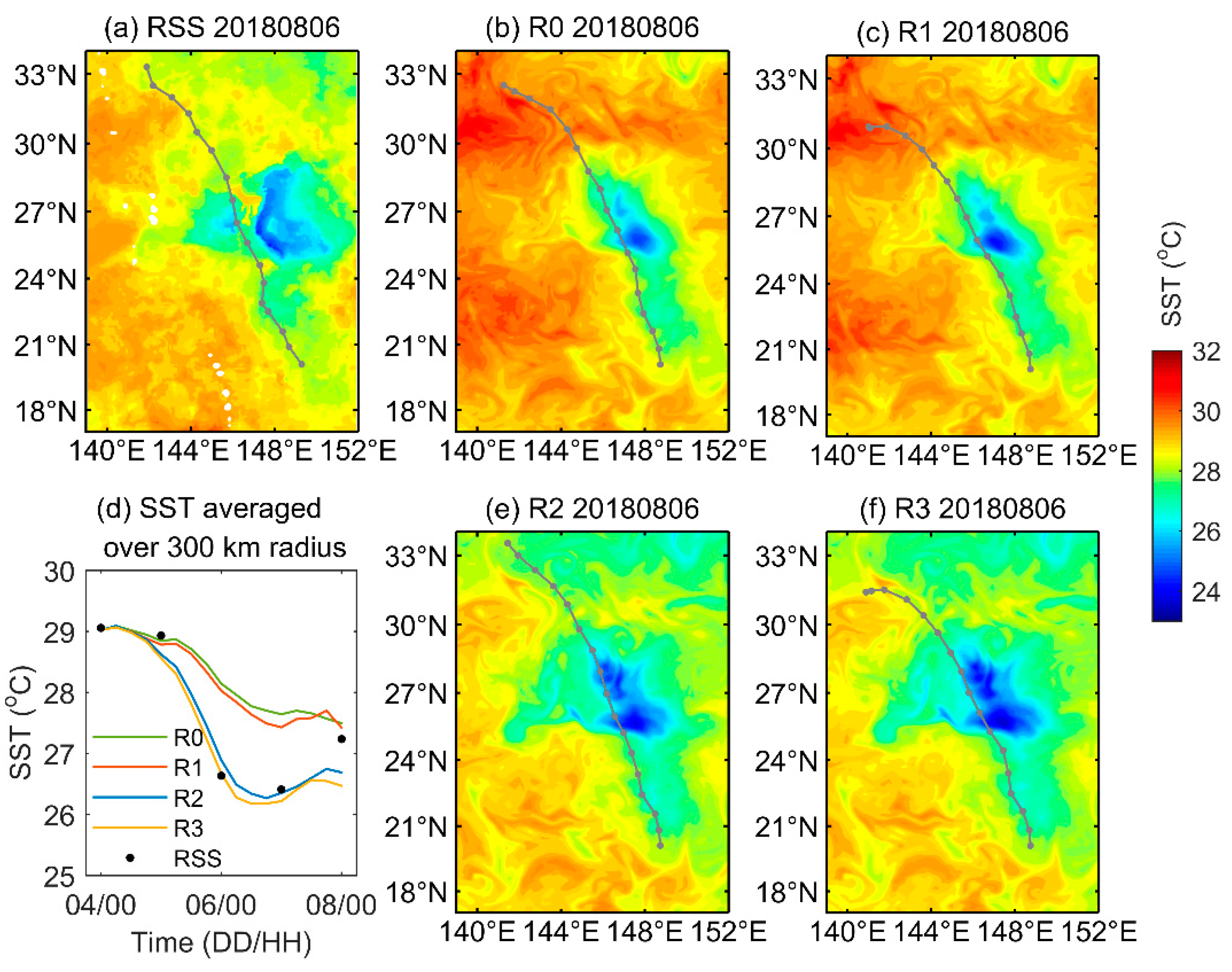
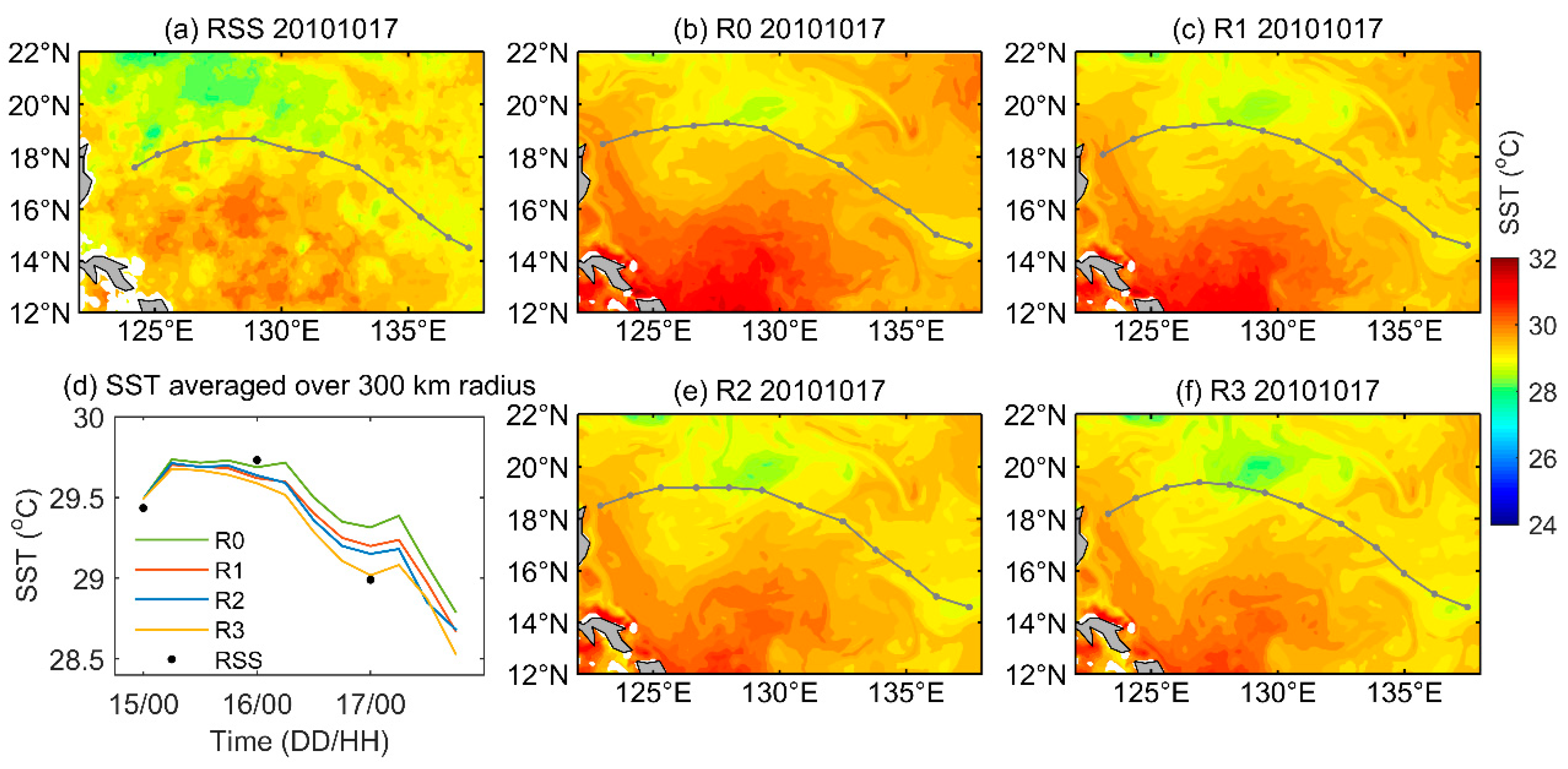
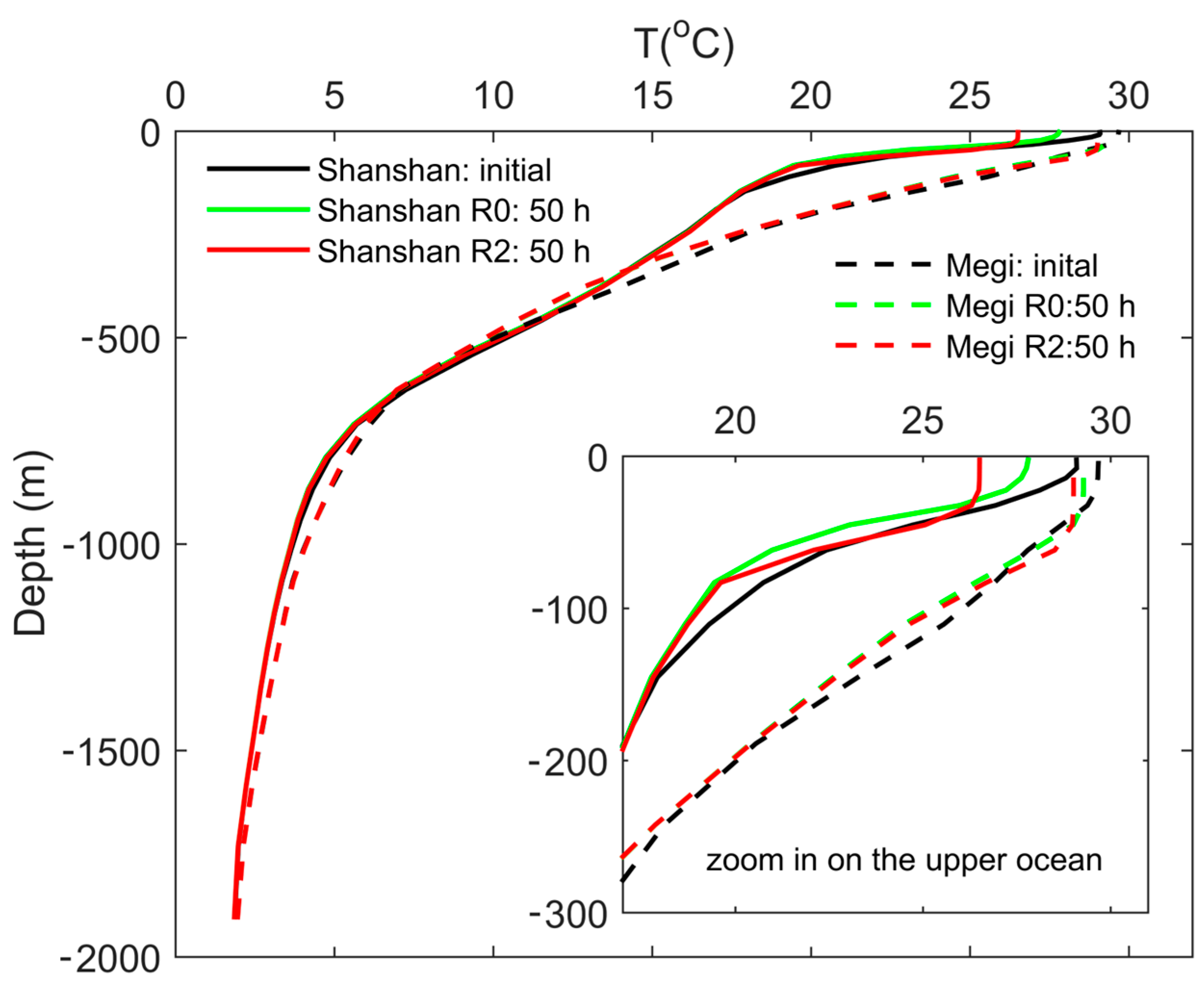
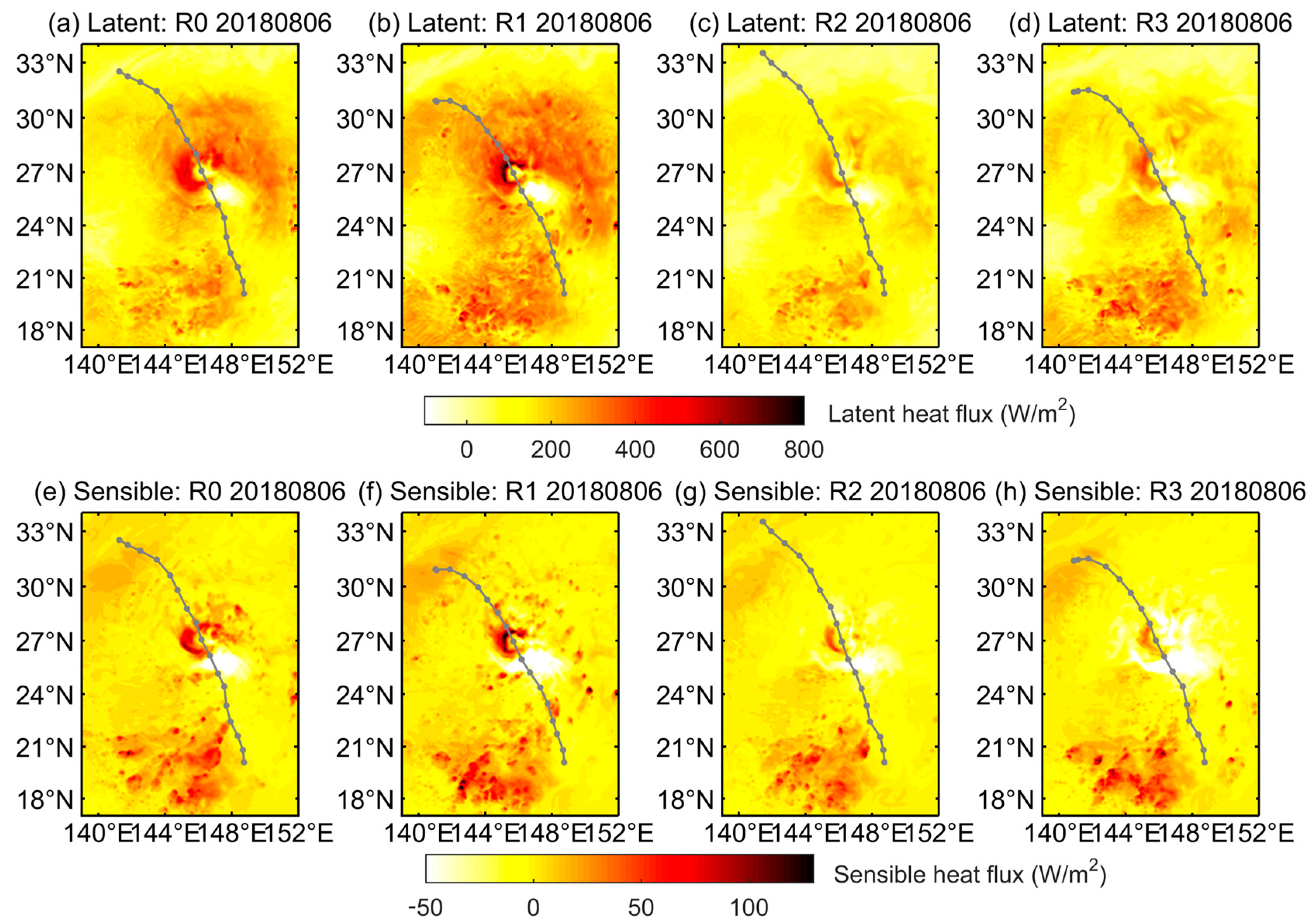
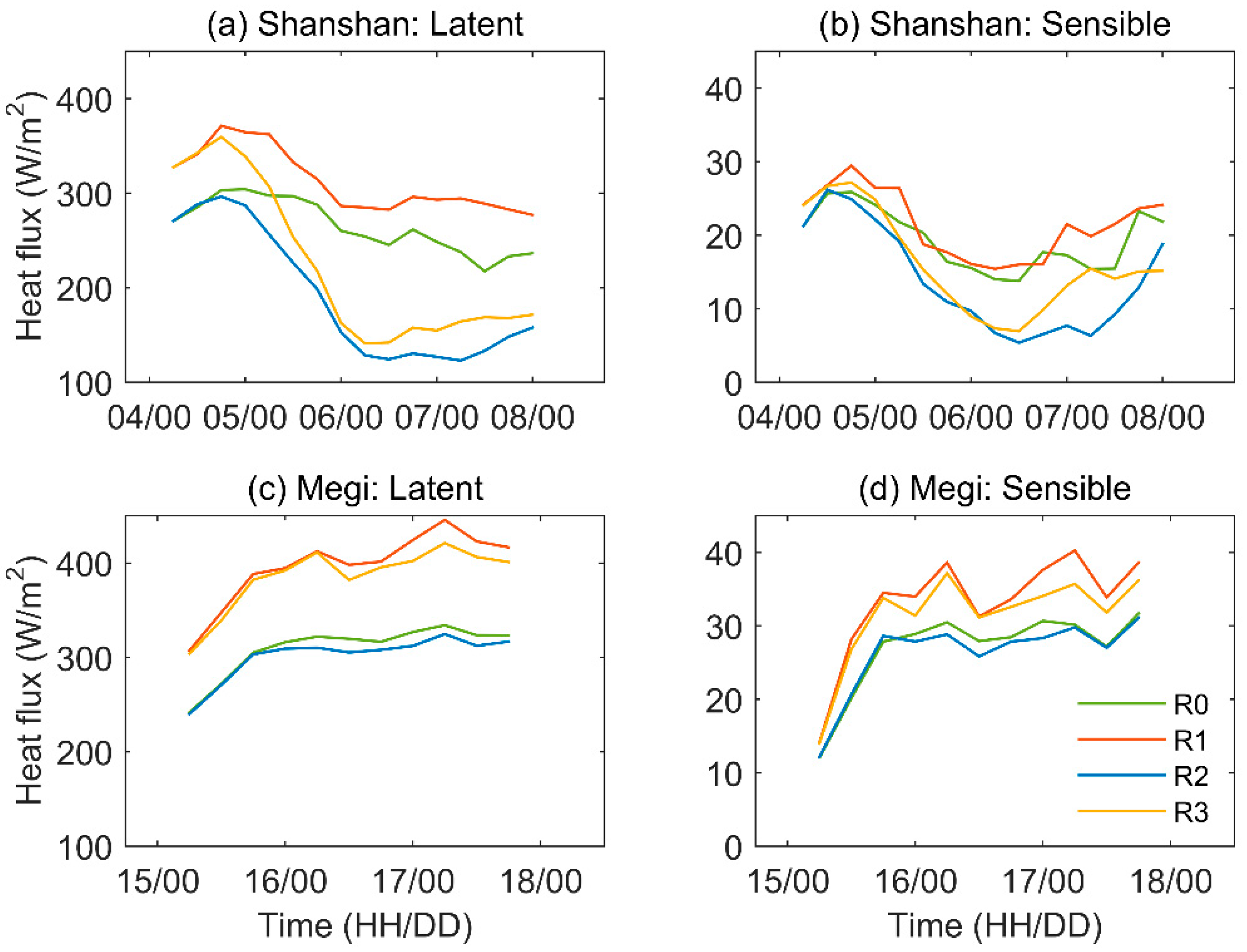
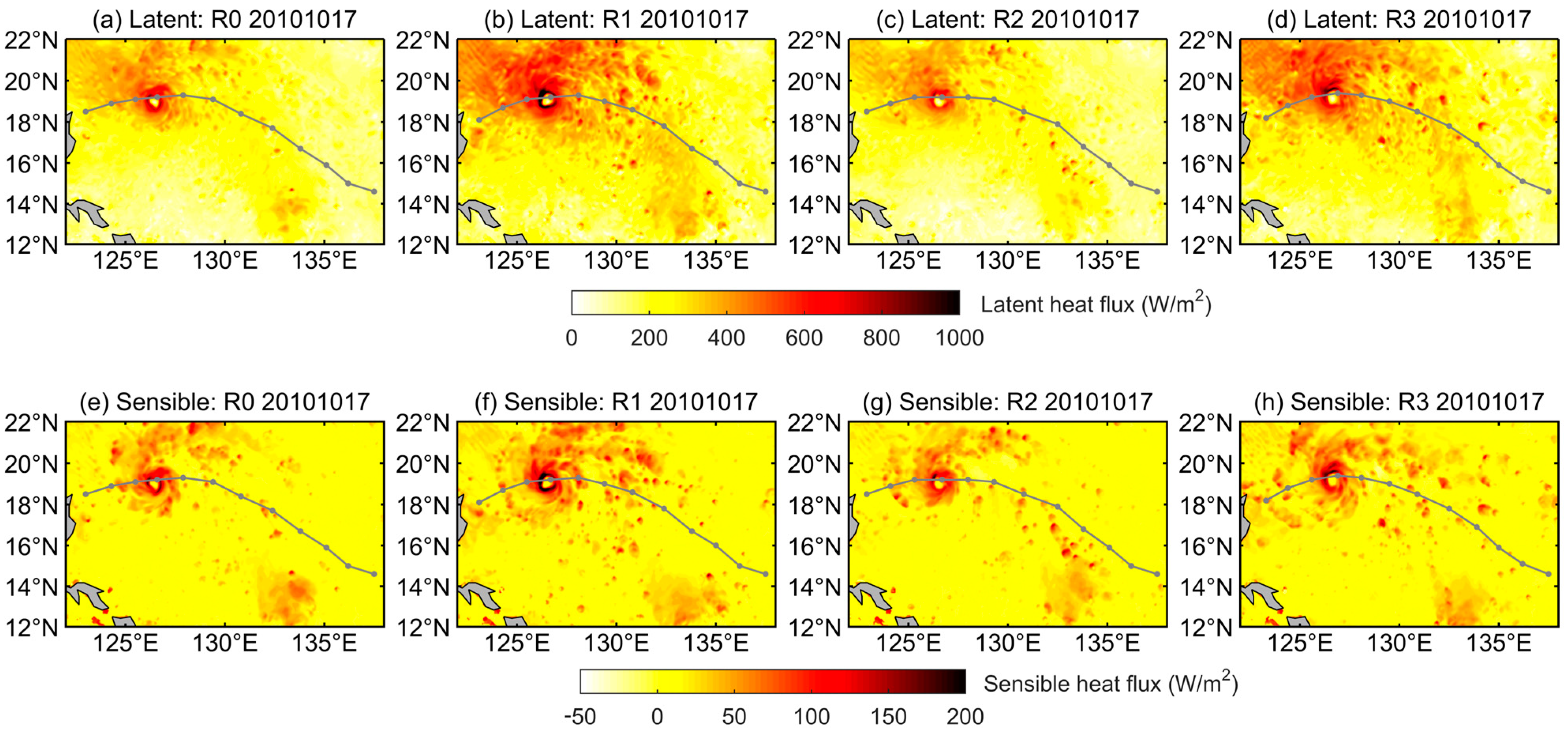
Surface waves perform a crucial role in modulating tropical cyclone (TC) systems and have proved to be key for numerical TC predictions. In this study, we investigate the effects of wave-induced mixing and wave-affected surface exchange coefficients using a coupled ocean–atmosphere–wave model for two real TC cases: Shanshan (2018) and Megi (2010). The results demonstrate that wave-affected surface exchange coefficients enhance air–sea heat fluxes and have a significantly positive effect on simulated TC intensity, size, and strengthening process. In contrast, the wave-induced mixing has a negative impact on TC intensity and size and is not conducive to TC intensification and maintenance. The net effect of these two factors is a balance between the wave-affected positive contribution and the negative contribution from wave-induced sea surface temperature cooling. We find that the effect of wave-induced mixing on a TC system depends on the local thermal structure of the ocean. When the thermocline is weak and there is warm water at the wave-induced mixing penetration depth, the negative effect of the wave-induced mixing is weak. However, when there is cold subsurface water and a strong thermocline, wave-induced mixing has a significant impact, which exceeds the wave-driven positive feedback.
Keywords: tropical cyclone; wave-induced mixing; wave-affected surface exchange coefficients tropical cyclone; wave-induced mixing; wave-affected surface exchange coefficients
Graphical Abstract