Communication

Frequency Increment Design Method of MR-FDA-MIMO Radar for Interference Suppression

National Key Laboratory of Radar Signal Processing, Xidian University, Xi’an 710071, China
*
Author to whom correspondence should be addressed.
Remote Sens. 2023, 15(16), 4070; https://doi.org/10.3390/rs15164070
Submission received: 25 May 2023 / Revised: 13 August 2023 / Accepted: 15 August 2023 / Published: 17 August 2023

Abstract

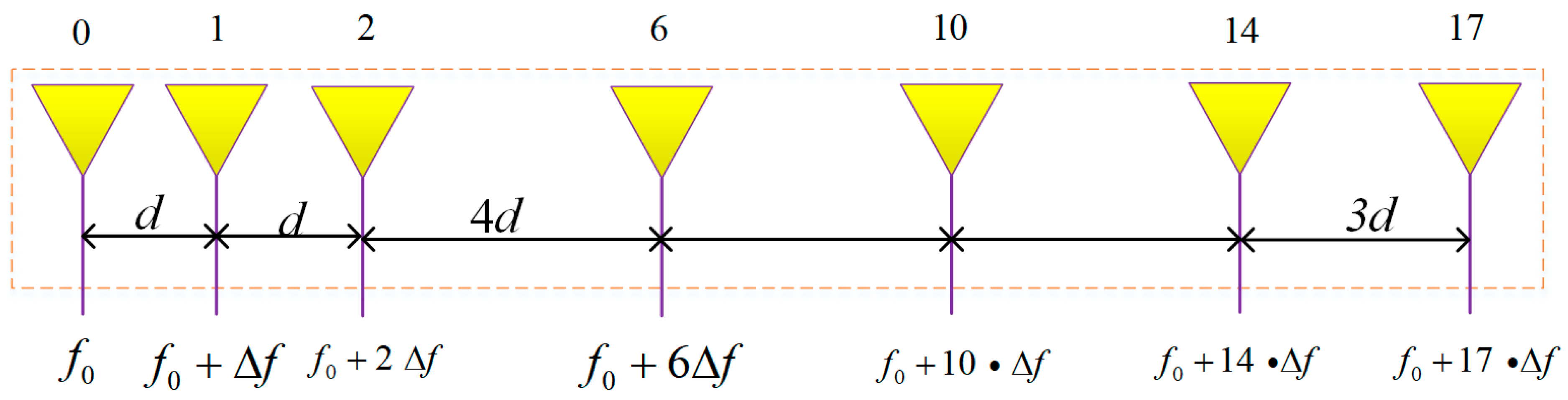
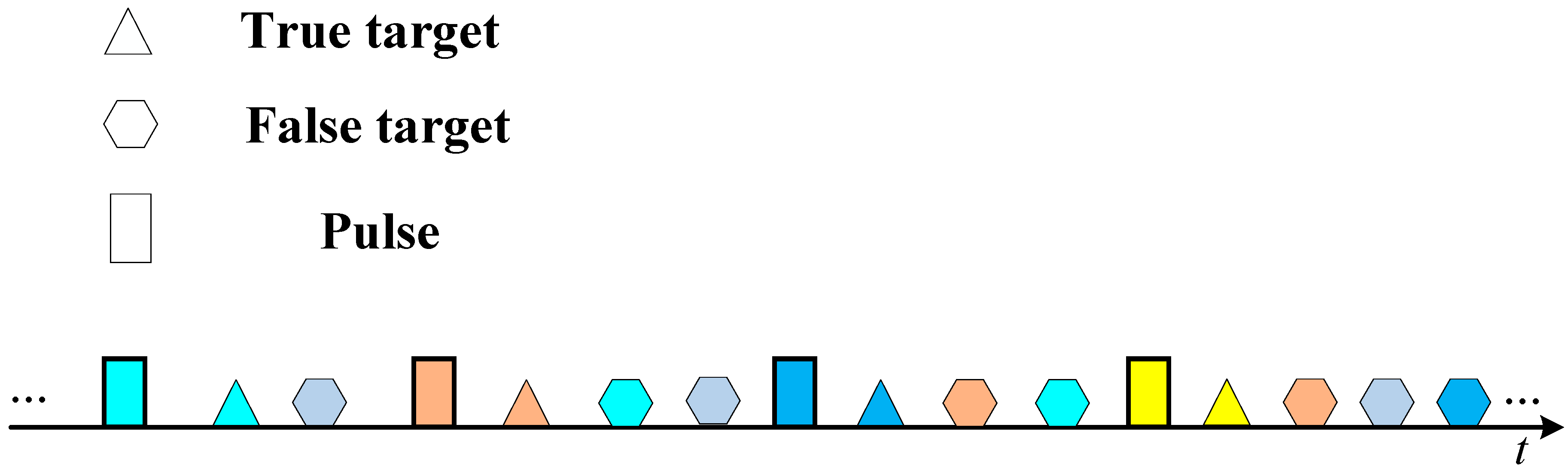
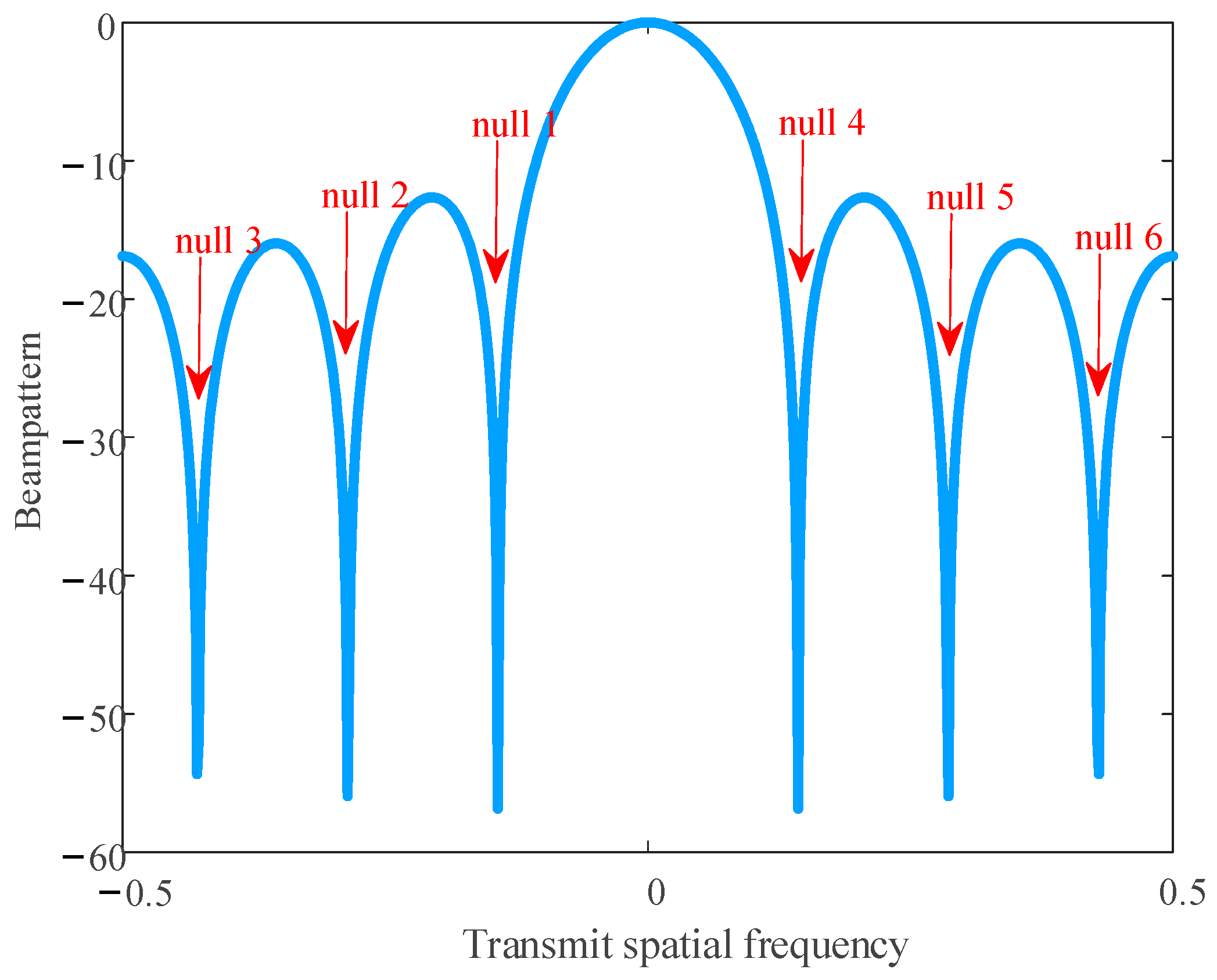
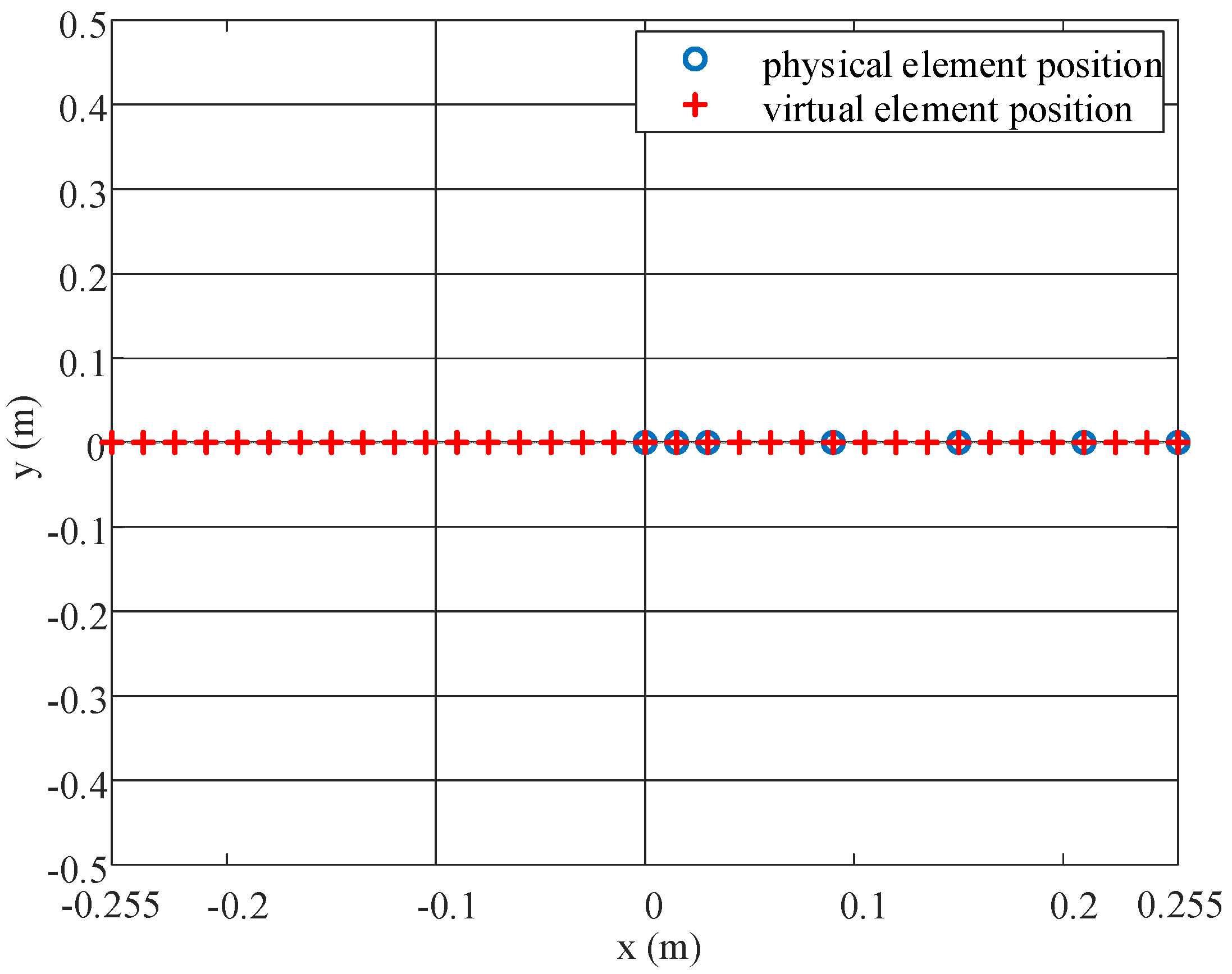
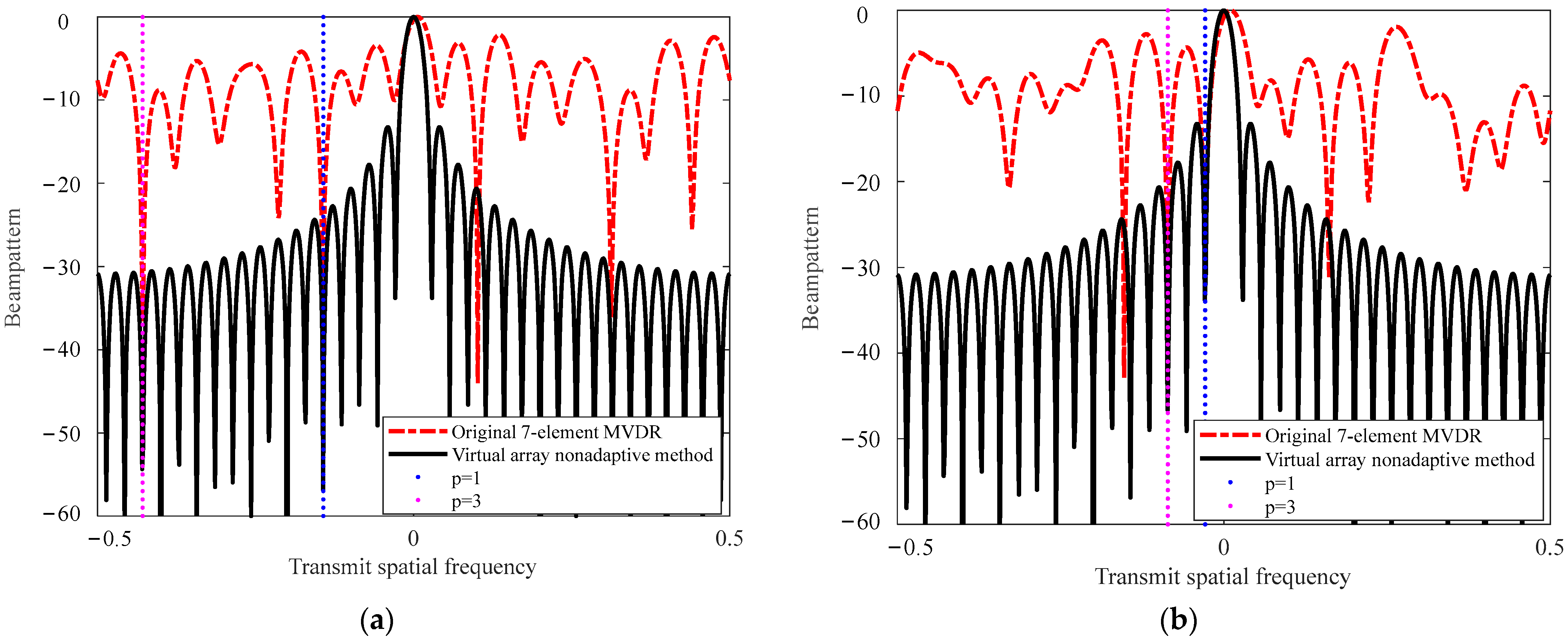
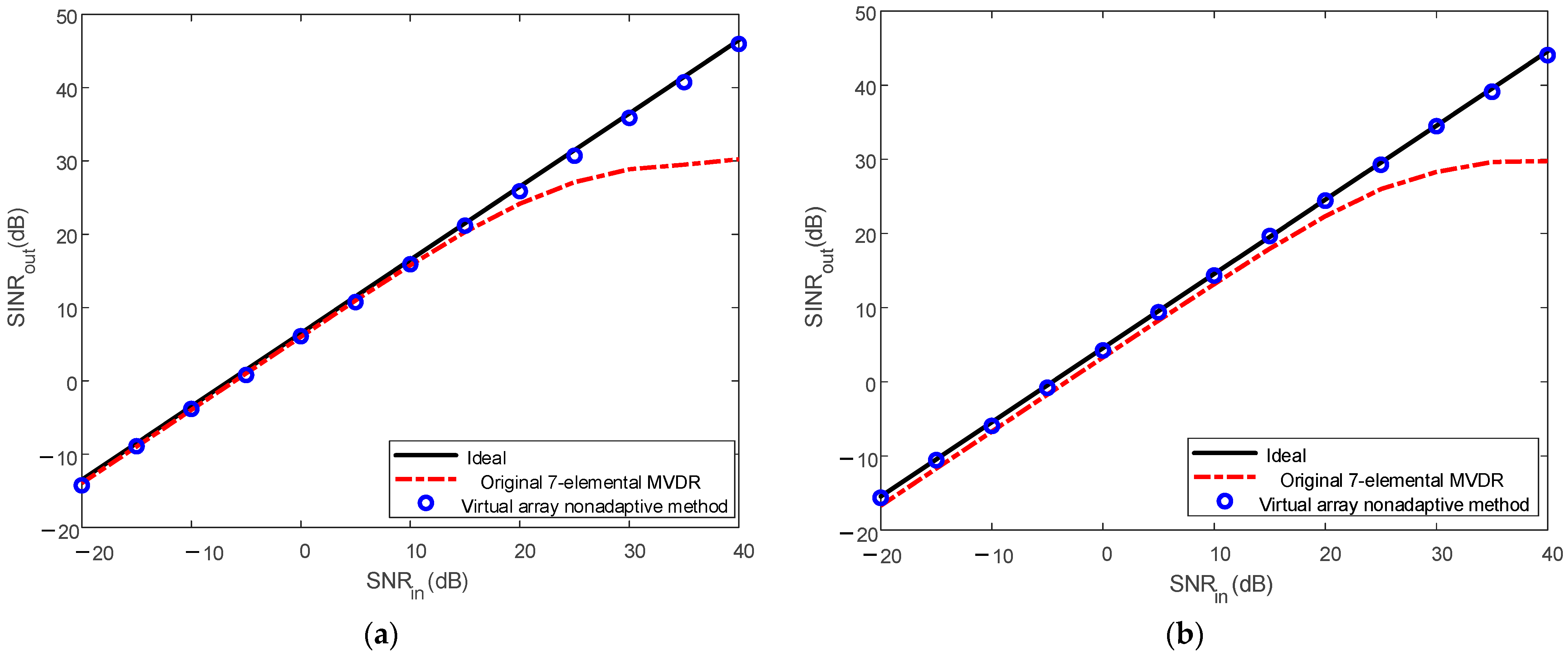
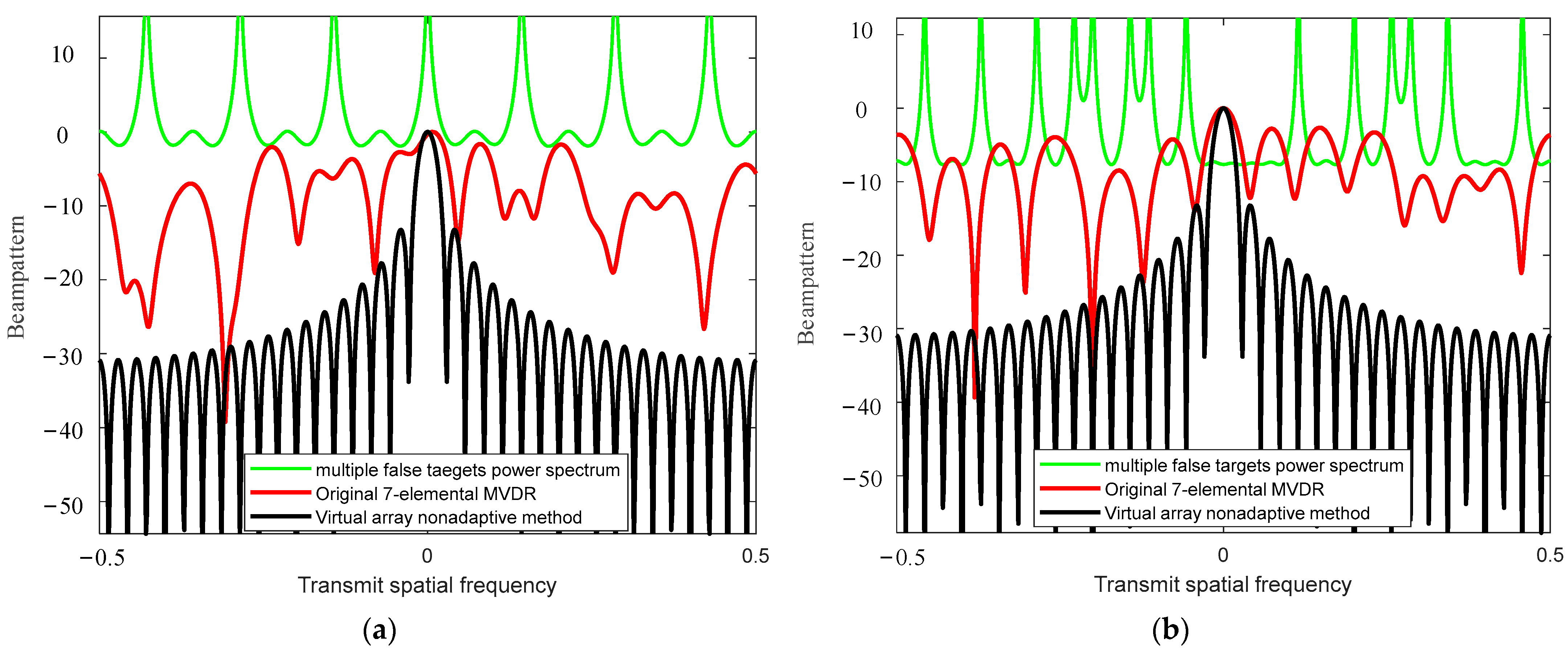
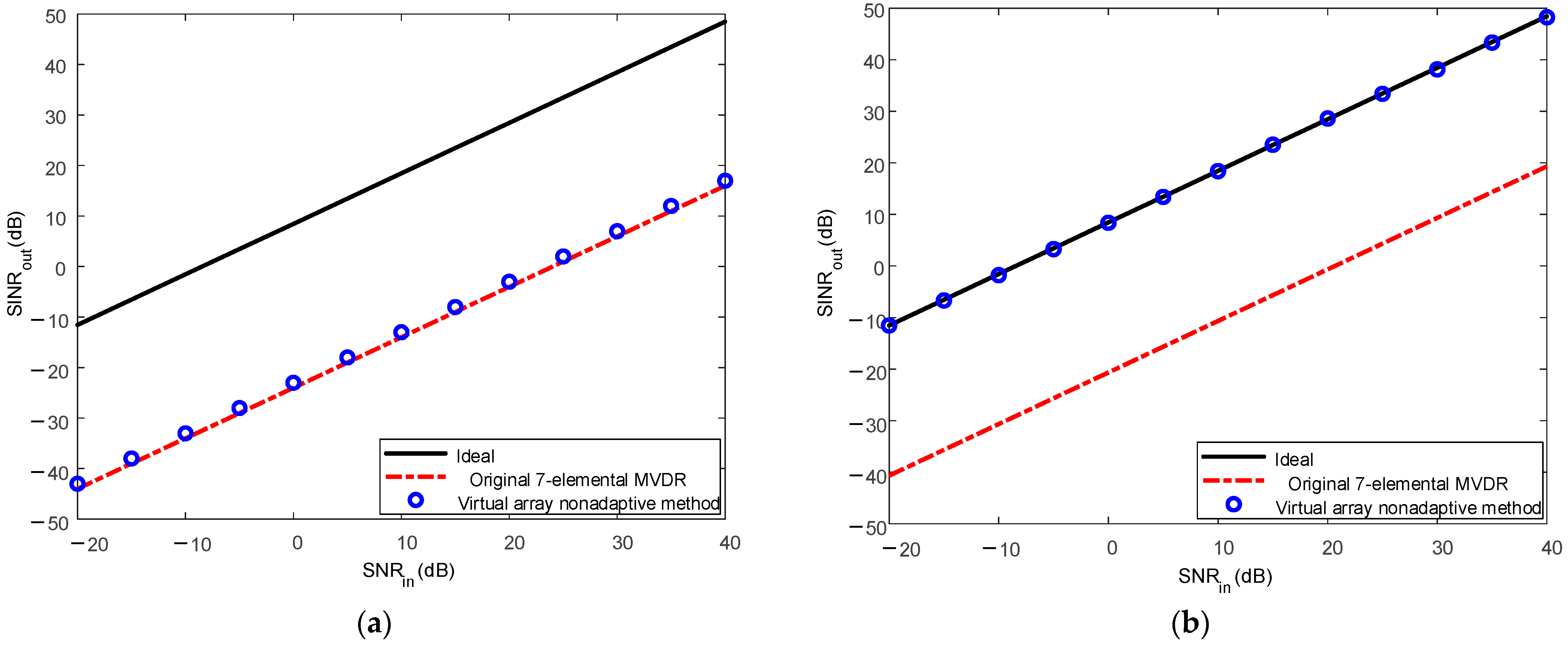
In the present complex electromagnetic environment, radar target detection is threatened by different kinds of interferences, especially mainlobe deceptive interference, which occupies the same energy distributions of targets spatially, meaning that targets and interferences cannot be discriminated. To make matters worse, the number of suppressible interferences is limited by the number of physical array elements, leading to the degradation of the suppression performance of traditional radar. In this work, we propose a frequency-increment-based interference suppression method for minimum redundancy frequency diverse array multiple-input multiple-output (MR-FDA-MIMO) radar, which effectively solves the aforementioned two problems. The interference suppression method consists of two steps: (i) in the sidelobe barrage interference suppression stage, the interference-plus-noise covariance matrix is reconstructed to overcome the influence of the true targets and mainlobe deceptive interference on the performance of the beamformer; (ii) in the mainlobe deceptive interference suppression stage, a nonadaptive beamforming method is employed to suppress mainlobe deceptive interference and overcome the impact of insufficient virtual samples on interference suppression performance. Additionally, we design a frequency-increment-based MR-FDA-MIMO radar, fully utilizing the advantages of the virtual array to enhance interference suppression performance and increase the number of interferences. Numerical experiments undertaken demonstrate the effectiveness of the algorithm under different scenarios.
Keywords: frequency diverse array; multiple-input multiple-output radar; minimum redundancy array; nonadaptive beamforming; frequency increment frequency diverse array; multiple-input multiple-output radar; minimum redundancy array; nonadaptive beamforming; frequency increment