Article

Carbon Sink under Different Carbon Density Levels of Forest and Shrub, a Case in Dongting Lake Basin, China

1
State Key Laboratory of Urban and Regional Ecology, Research Center for Eco-Environmental Sciences, Chinese Academy of Sciences, Beijing 100085, China
2
School of Geography and Resource Sciences, Sichuan Normal University, Chengdu 610101, China
3
College of Resources and Environment, University of Chinese Academy of Sciences, Beijing 100049, China
*
Author to whom correspondence should be addressed.
Remote Sens. 2022, 14(11), 2672; https://doi.org/10.3390/rs14112672
Submission received: 14 April 2022 / Revised: 28 May 2022 / Accepted: 30 May 2022 / Published: 2 June 2022

Abstract

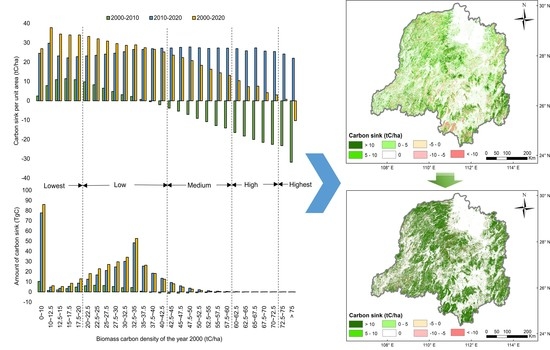
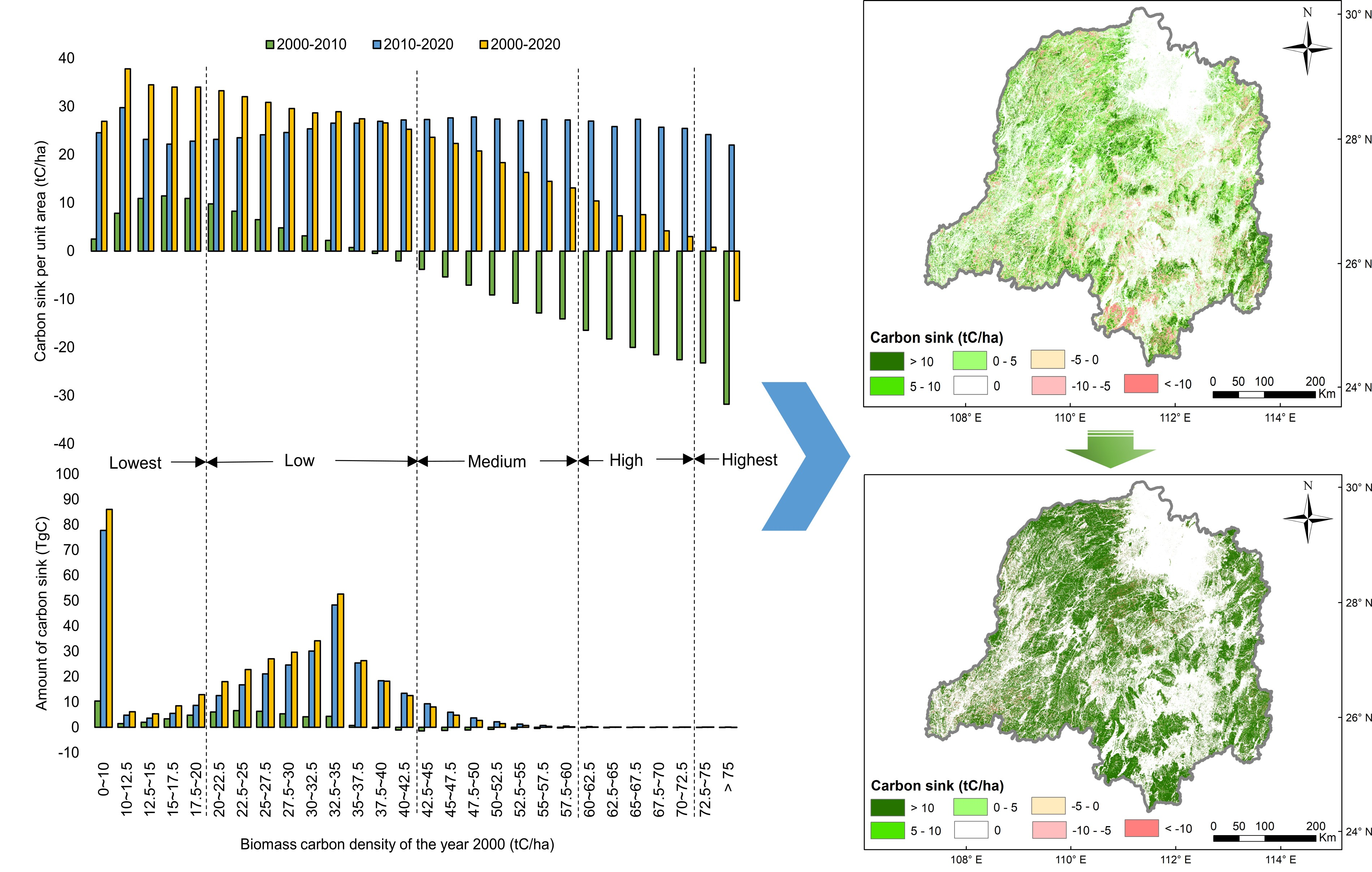
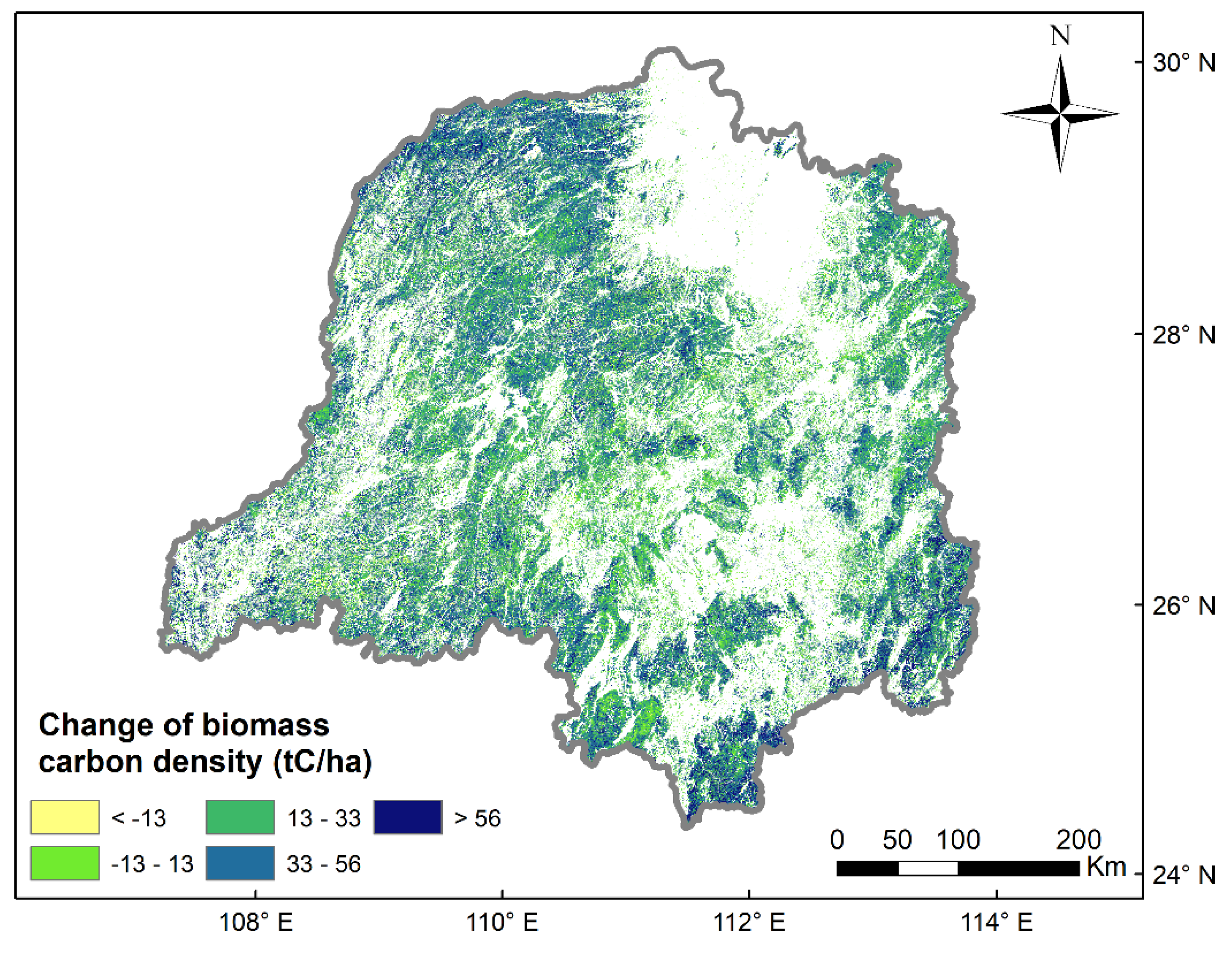
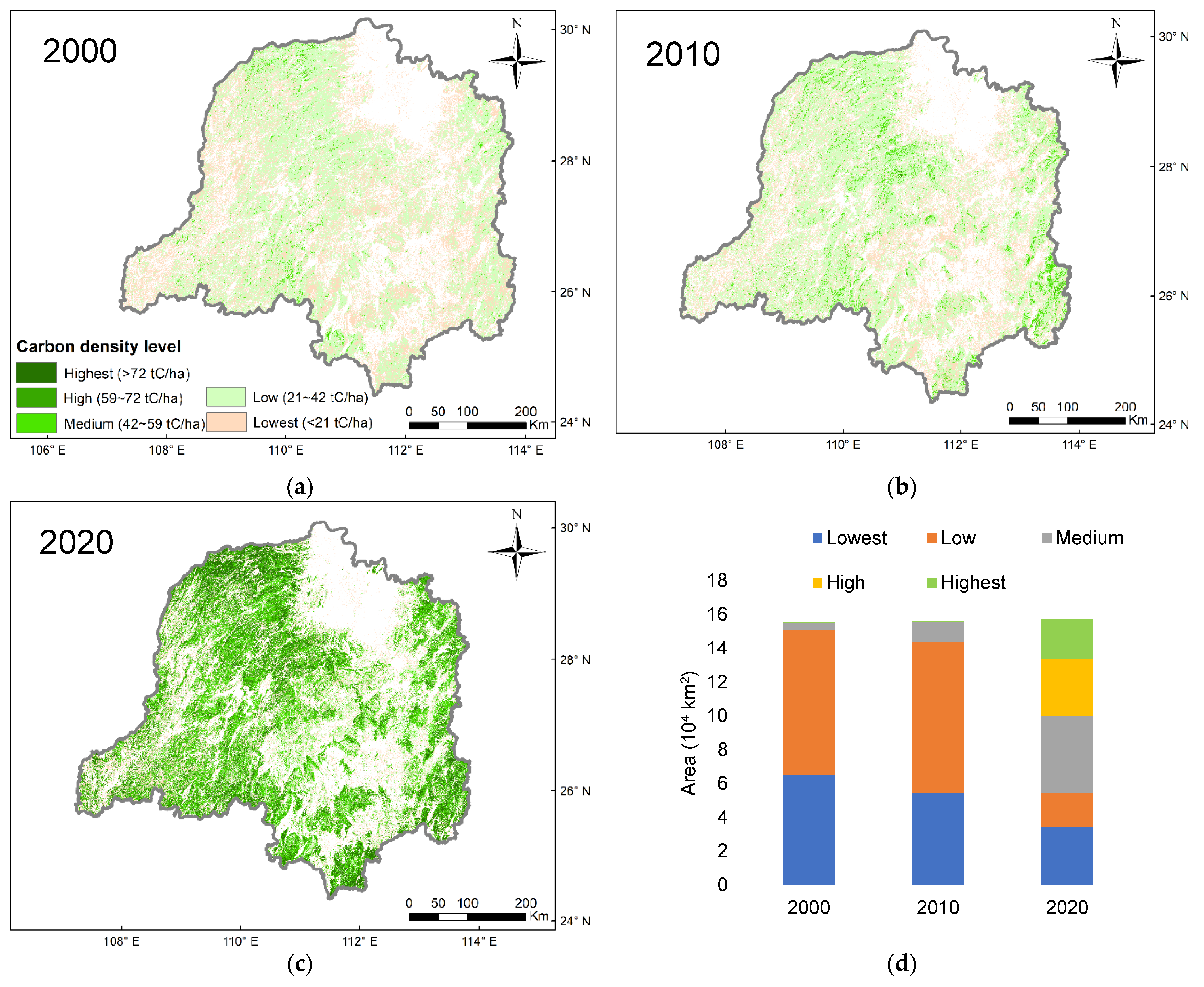
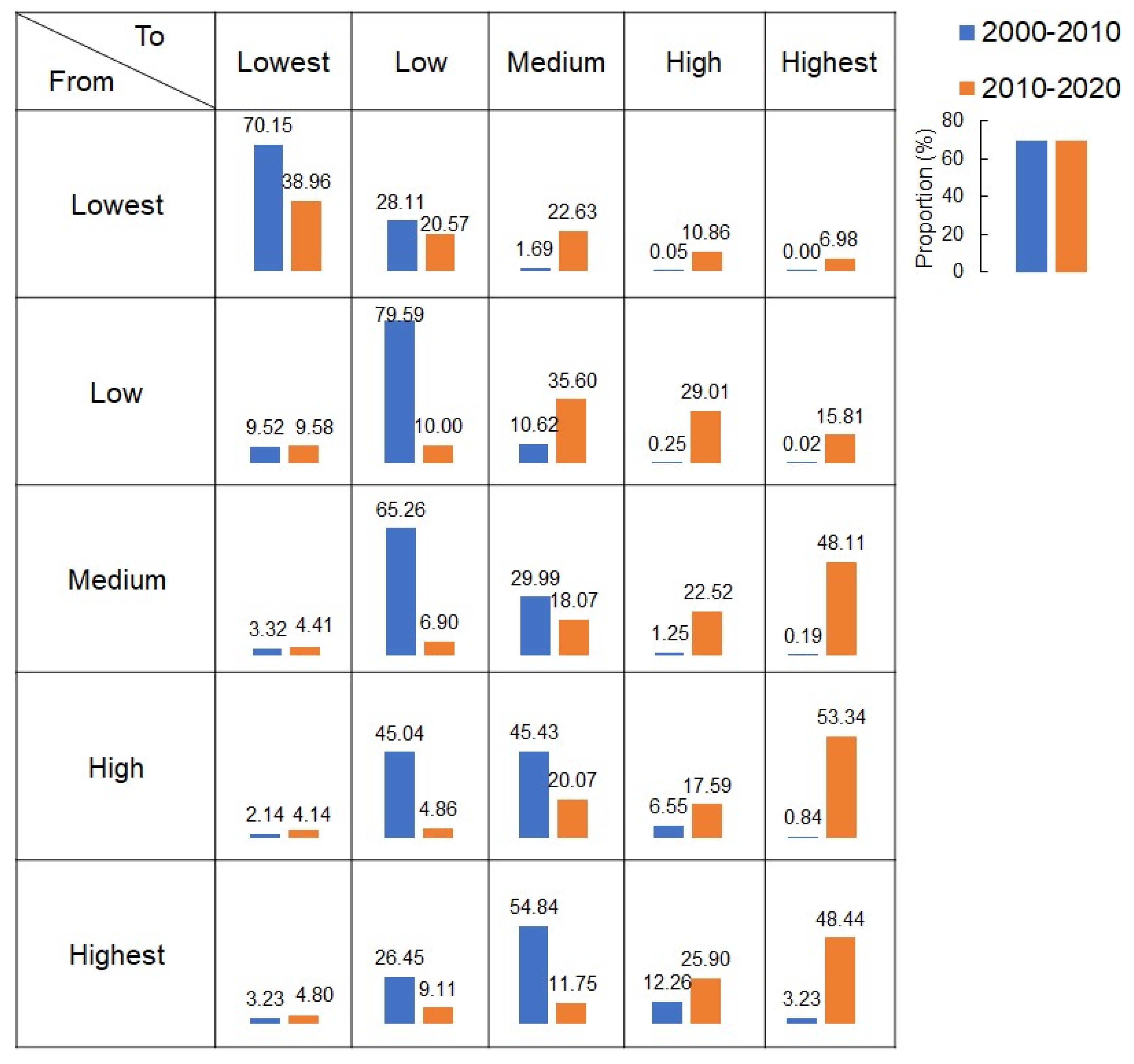
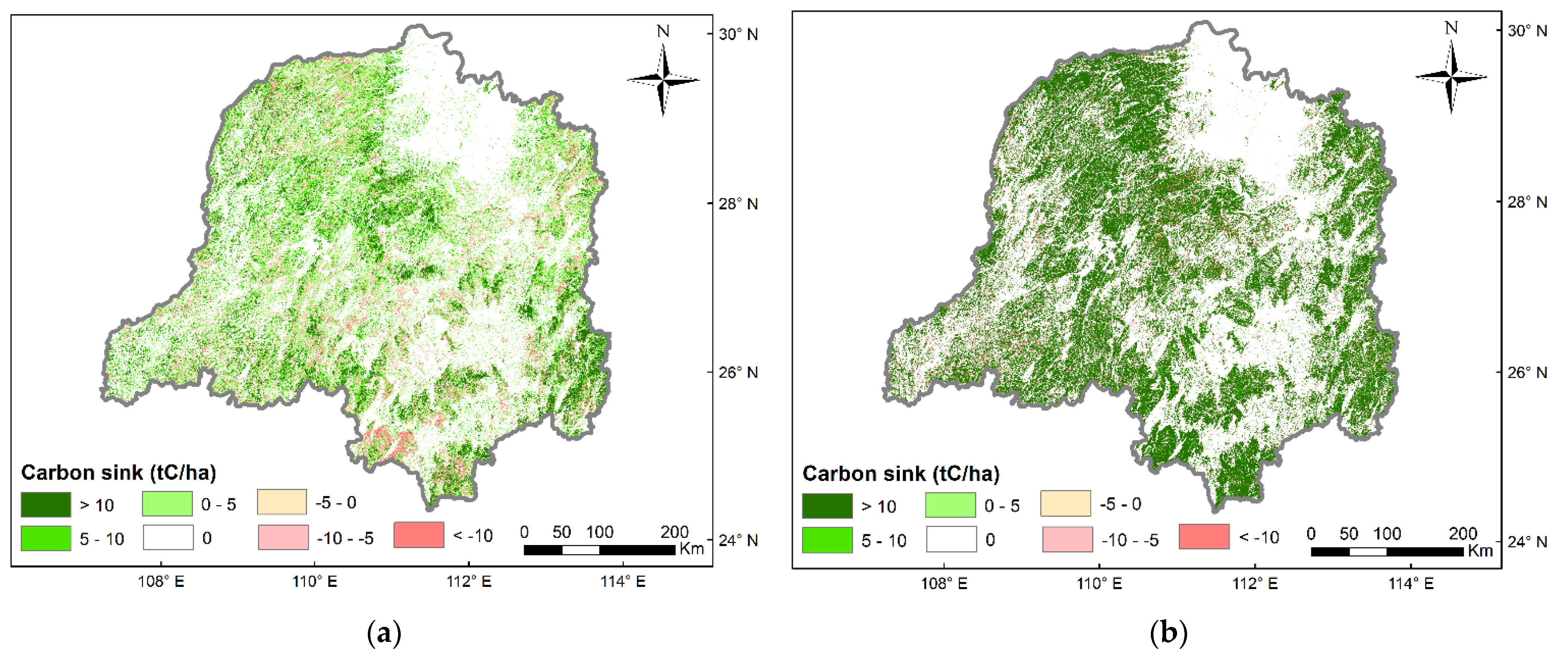
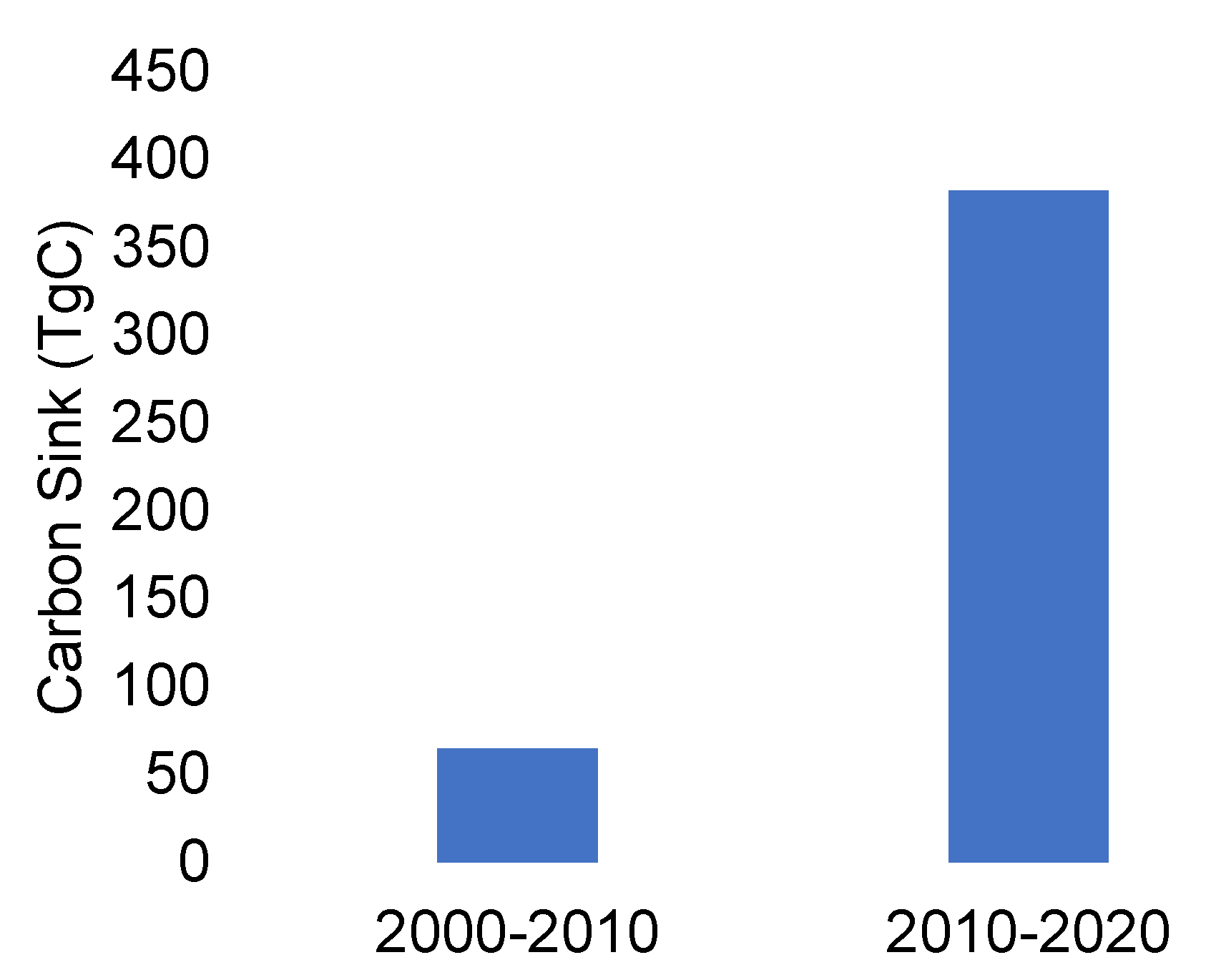
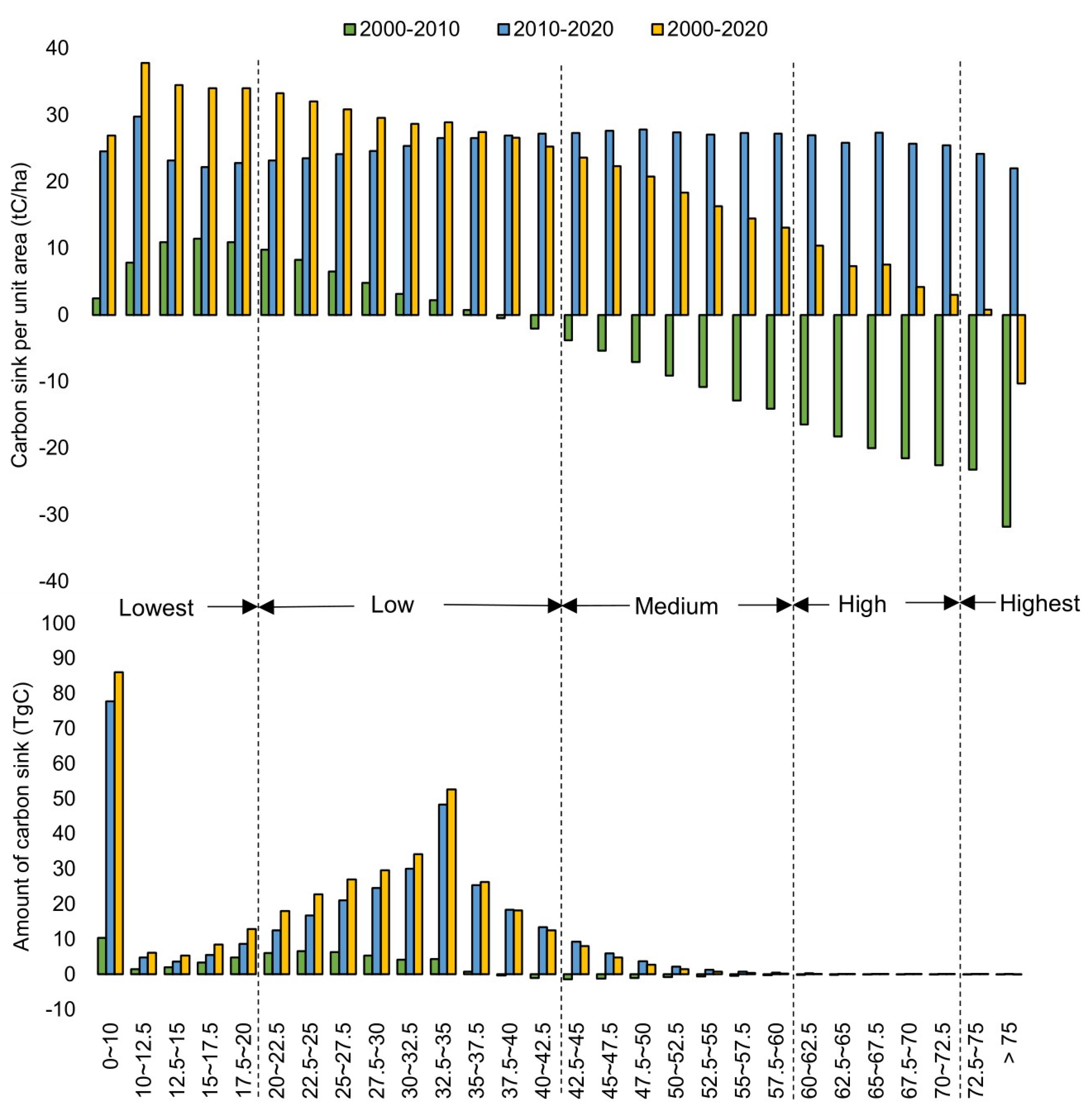
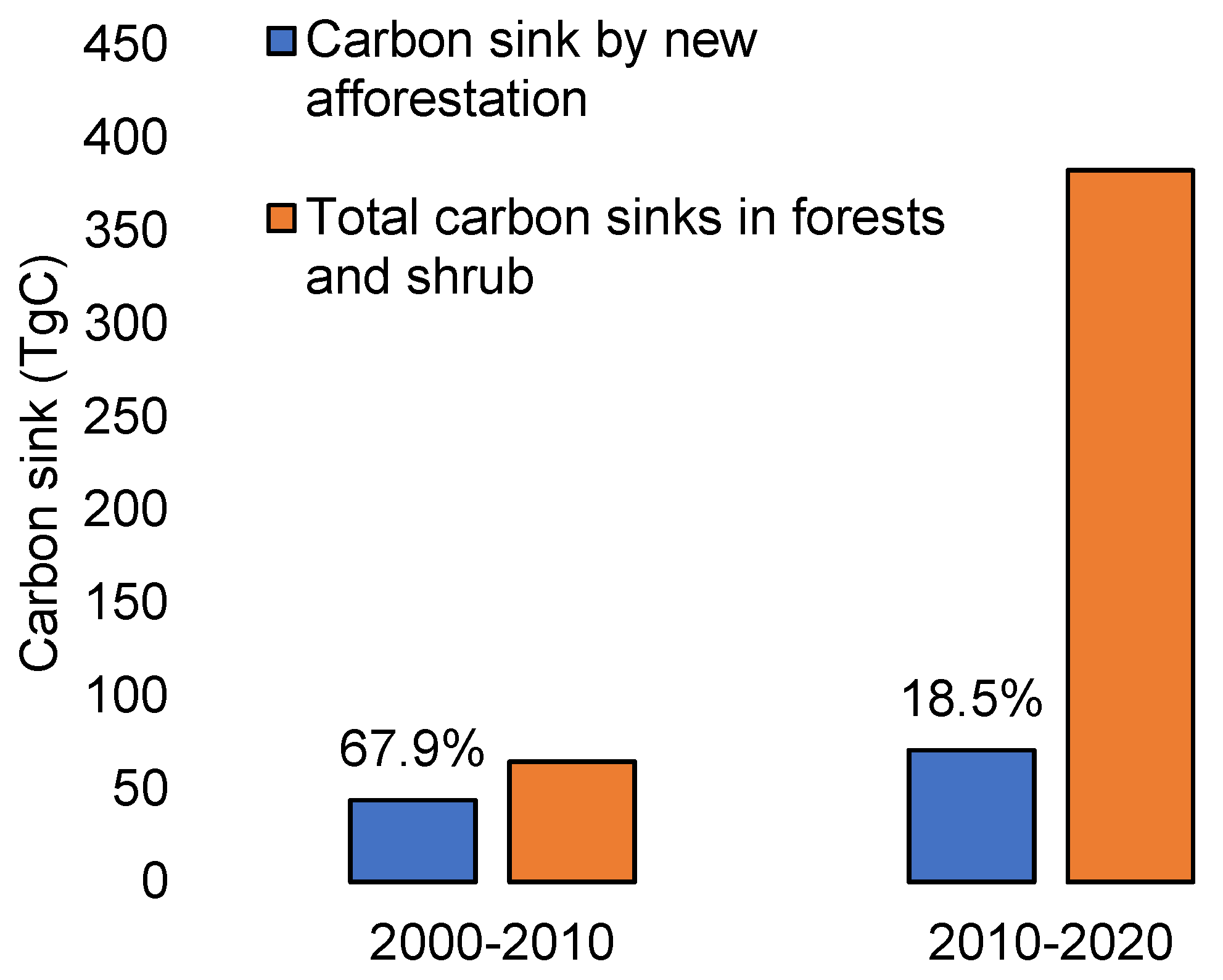
Terrestrial ecosystems play a critical role in the global carbon cycle and climate change mitigation. Studying the temporal and spatial dynamics of carbon sink and the driving mechanisms at the regional scale provides an important basis for ecological restoration and ecosystem management. Taking the Dongting Lake Basin as an example, we assessed the carbon sinks of forest and shrub from 2000 to 2020 based on the maps of biomass that were obtained by remote sensing, and analyzed the dynamics of carbon sinks that were contributed by different biomass carbon density levels of constant forest and shrub and new afforestation over the past two decades. The results showed that the carbon sink of forest and shrub in the Dongting Lake Basin grew rapidly from 2000 to 2020: carbon sink increased from 64.64 TgC between 2000 and 2010, to 382.56 TgC between 2010 and 2020. The continuous improvement of biomass carbon density has made a major contribution to carbon sink, especially the carbon density increase in low carbon density forests and shrubs. Carbon-dense forests and shrubs realized their contribution to carbon sink in the second decade after displaying negative carbon sink in the first decade. Carbon sink from new afforestation increased 61.16% from the first decade to the second decade, but the contribution proportion decreased. The overall low carbon density of forest and shrub in the Dongting Lake Basin and their carbon sink dynamics indicated their huge carbon sequestration potential in the future. In addition to continuously implementing forest protection and restoration projects to promote afforestation, the improvement of ecosystem quality should be paid more attention in ecosystem management for areas like Dongting Lake Basin, where ecosystems, though severely degraded, are important and fragile, to realize their huge carbon sequestration potential.
Keywords: carbon sequestration; forest ecosystem; remote sensing; biomass carbon sequestration; forest ecosystem; remote sensing; biomass
Graphical Abstract