Article

Seasonal Precipitation Variability and Non-Stationarity Based on the Evolution Pattern of the Indian Ocean Dipole over the East Asia Region


1
State Key Laboratory of Water Resources and Hydropower Engineering Science, Wuhan University, Wuhan 430072, China
2
Department of Safety and Disaster Prevention Research, Seoul Institute of Technology, Seoul 03909, Korea
3
Operational Systems Development Department, National Institute of Meteorological Sciences, Jeju 63568, Korea
*
Author to whom correspondence should be addressed.
Remote Sens. 2021, 13(9), 1806; https://doi.org/10.3390/rs13091806
Submission received: 23 March 2021 / Revised: 21 April 2021 / Accepted: 29 April 2021 / Published: 6 May 2021
(This article belongs to the Special Issue Remote Sensing of Hydro-Meteorology)

Abstract

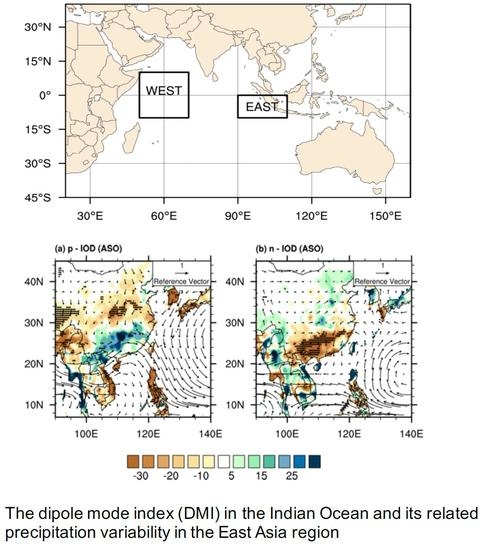
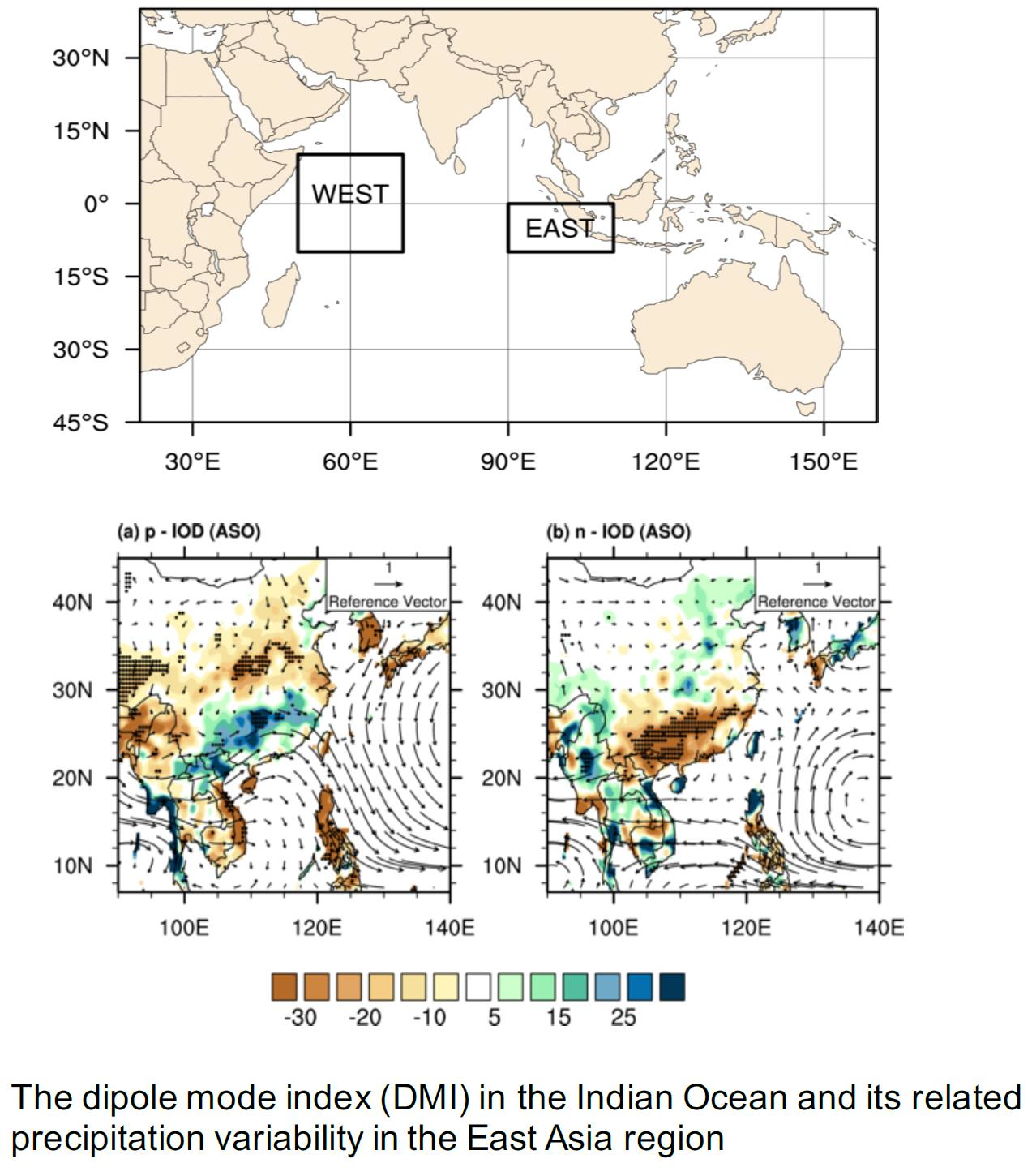
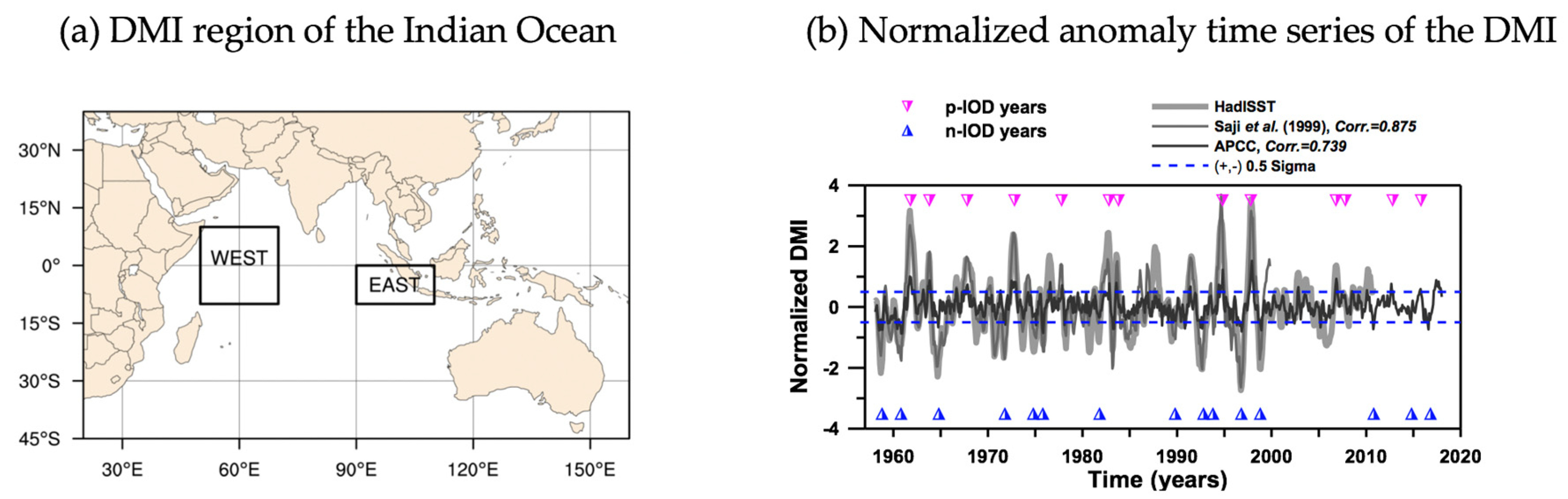
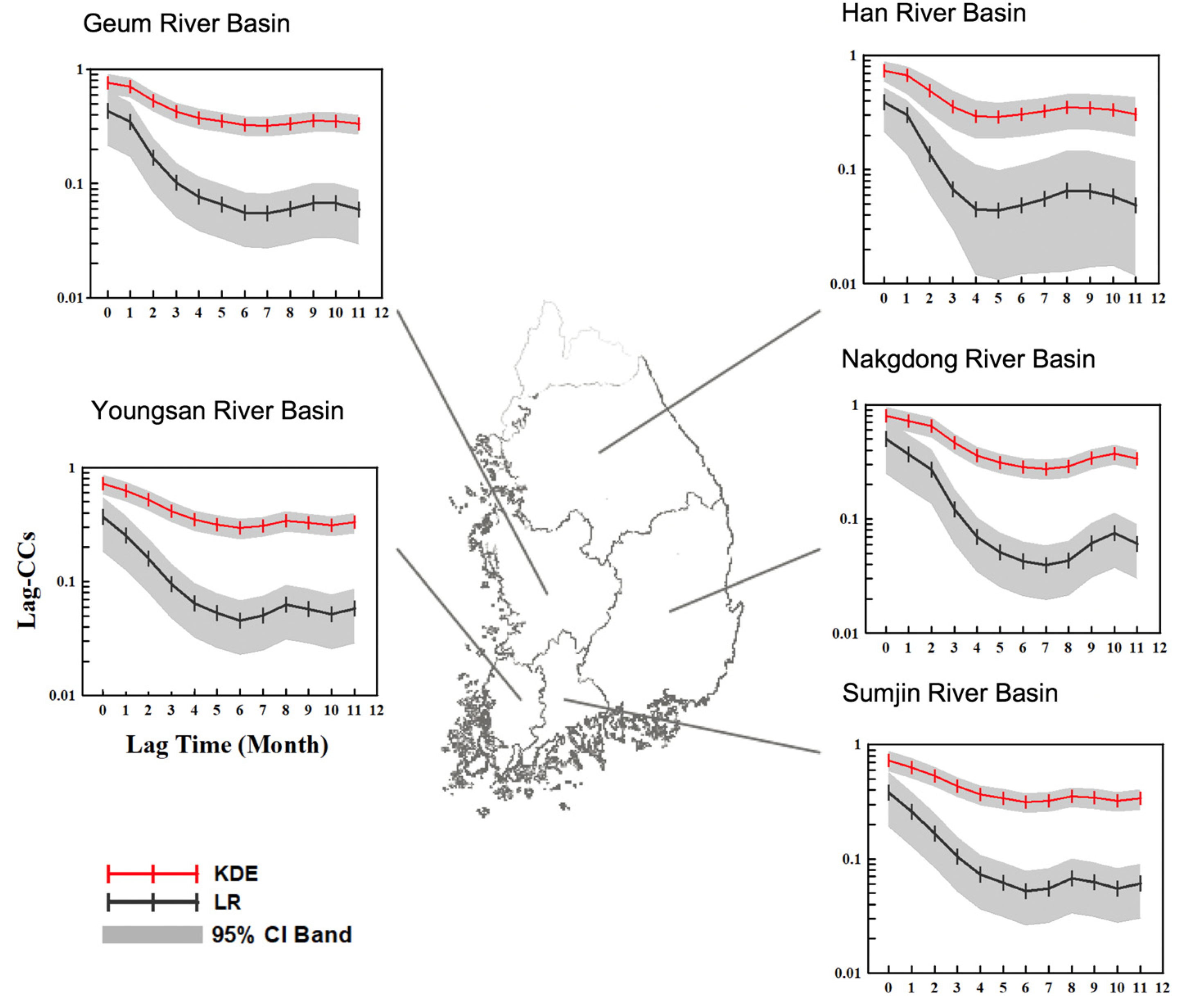
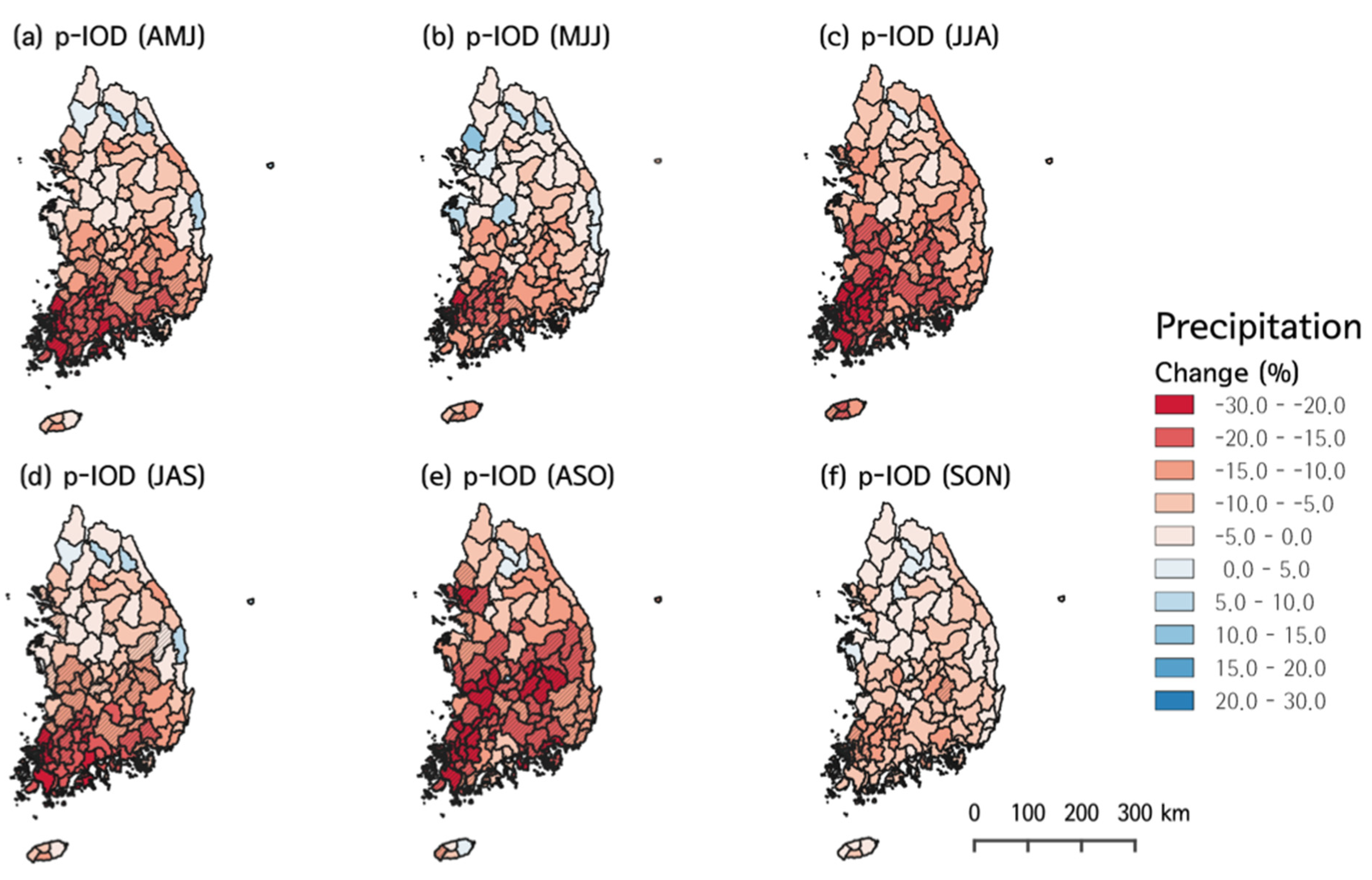
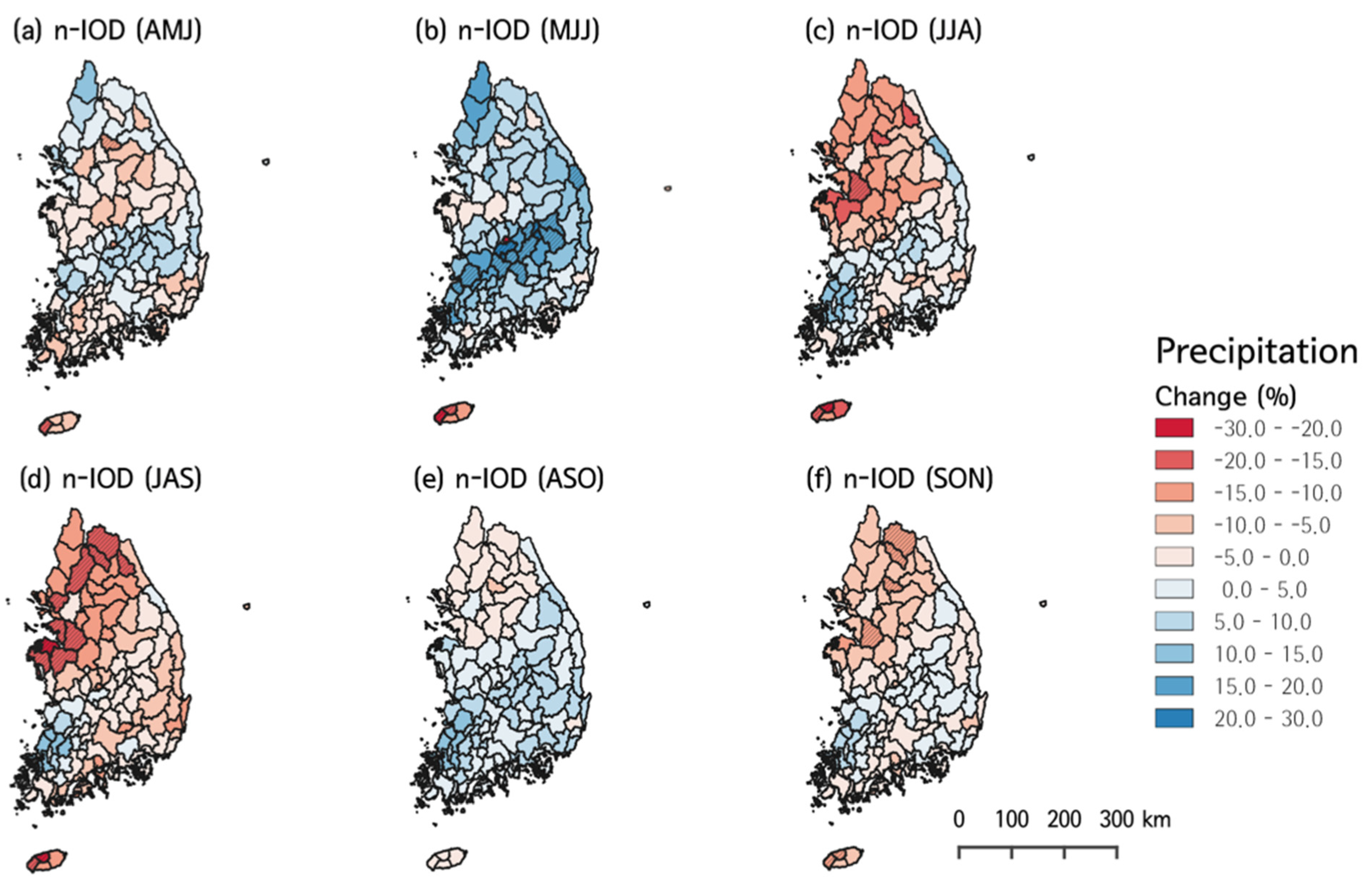
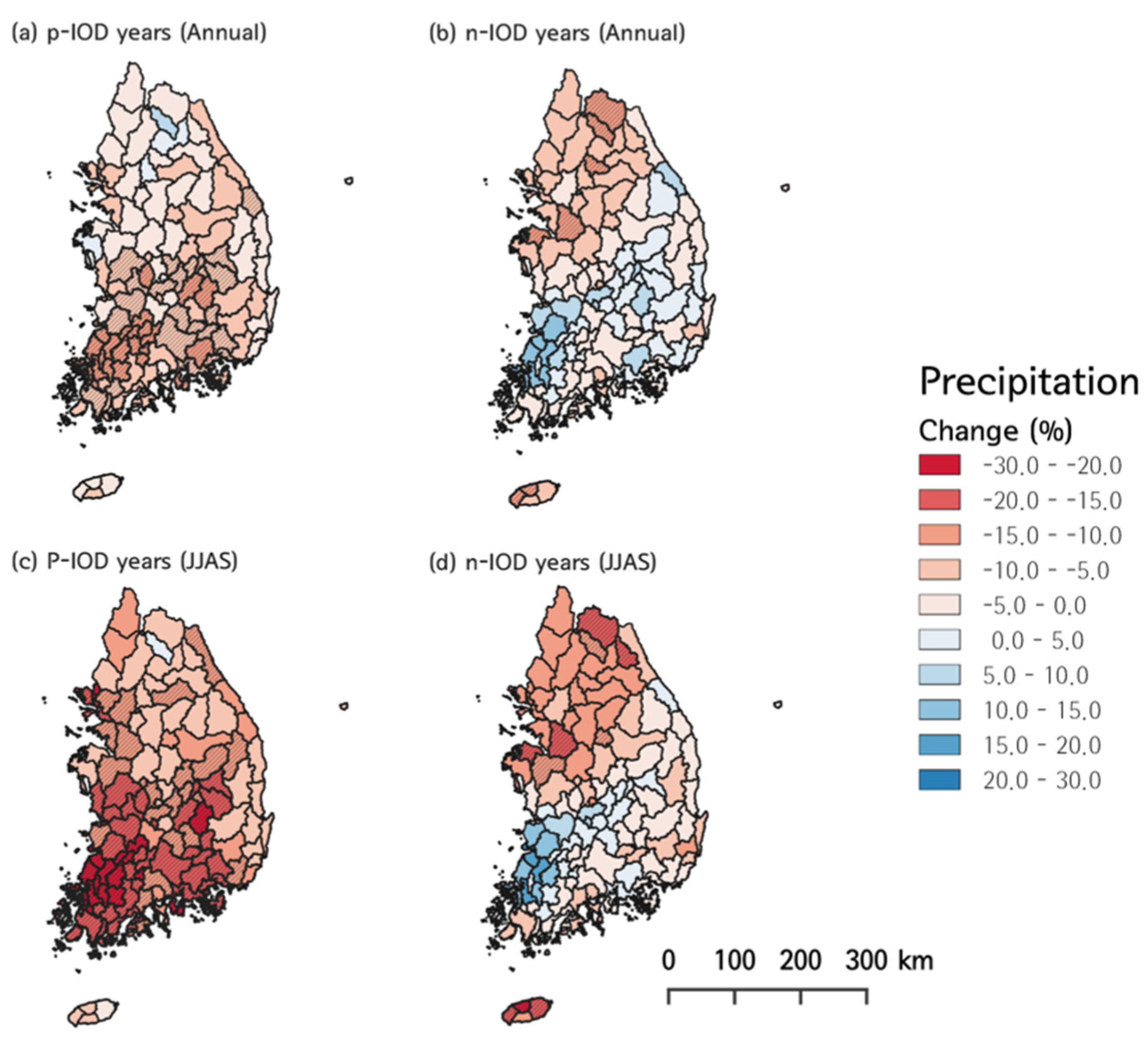
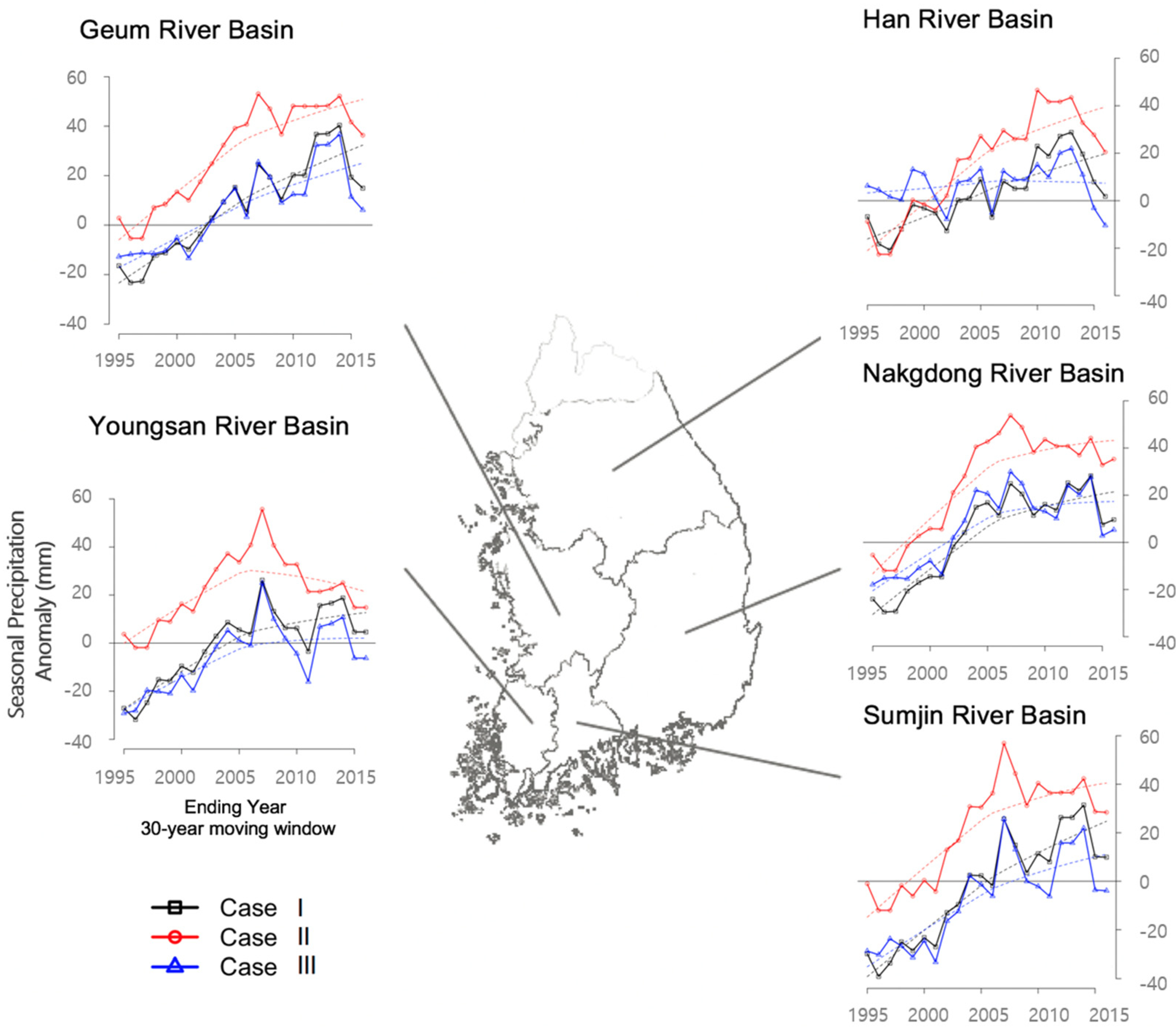
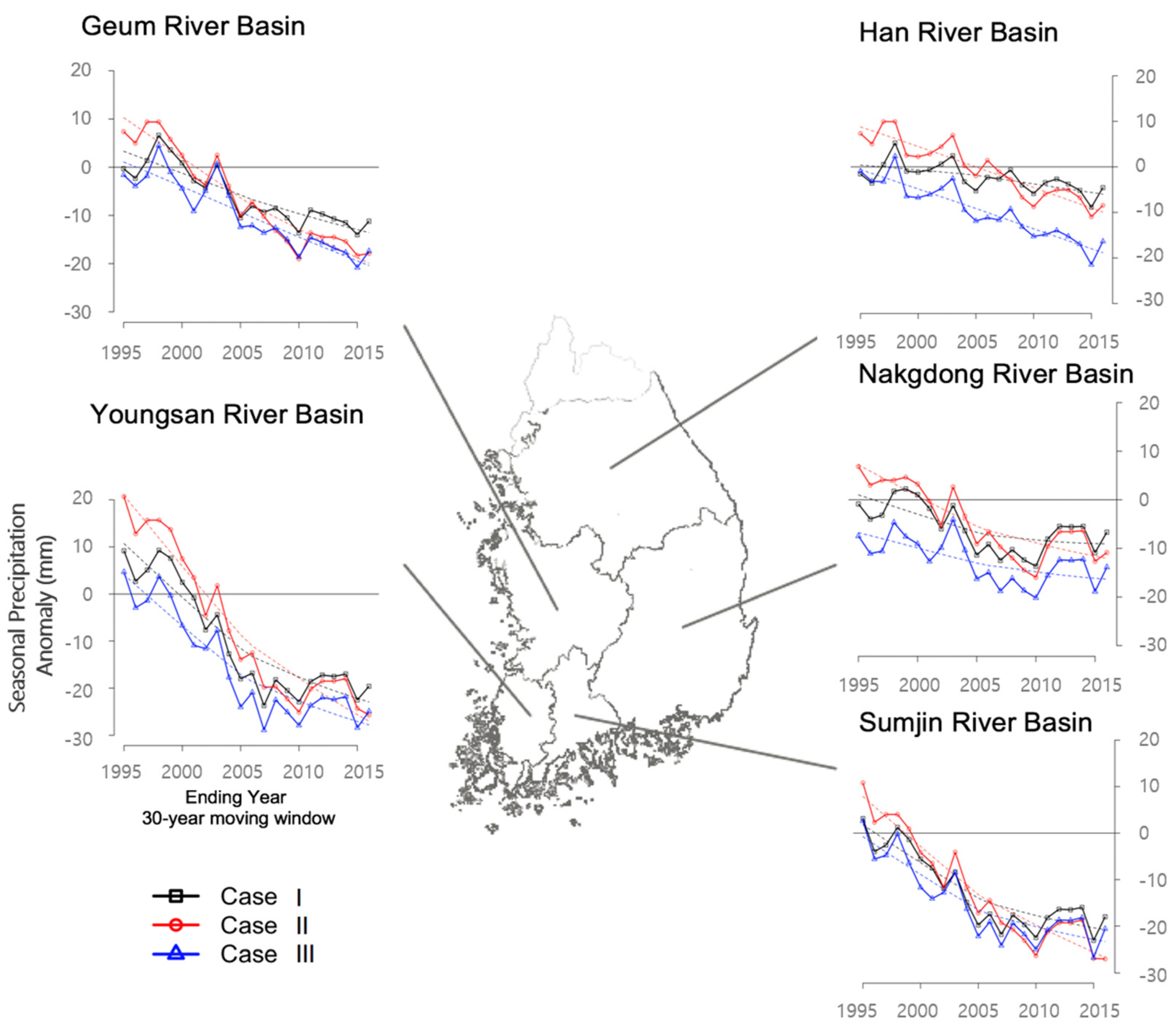
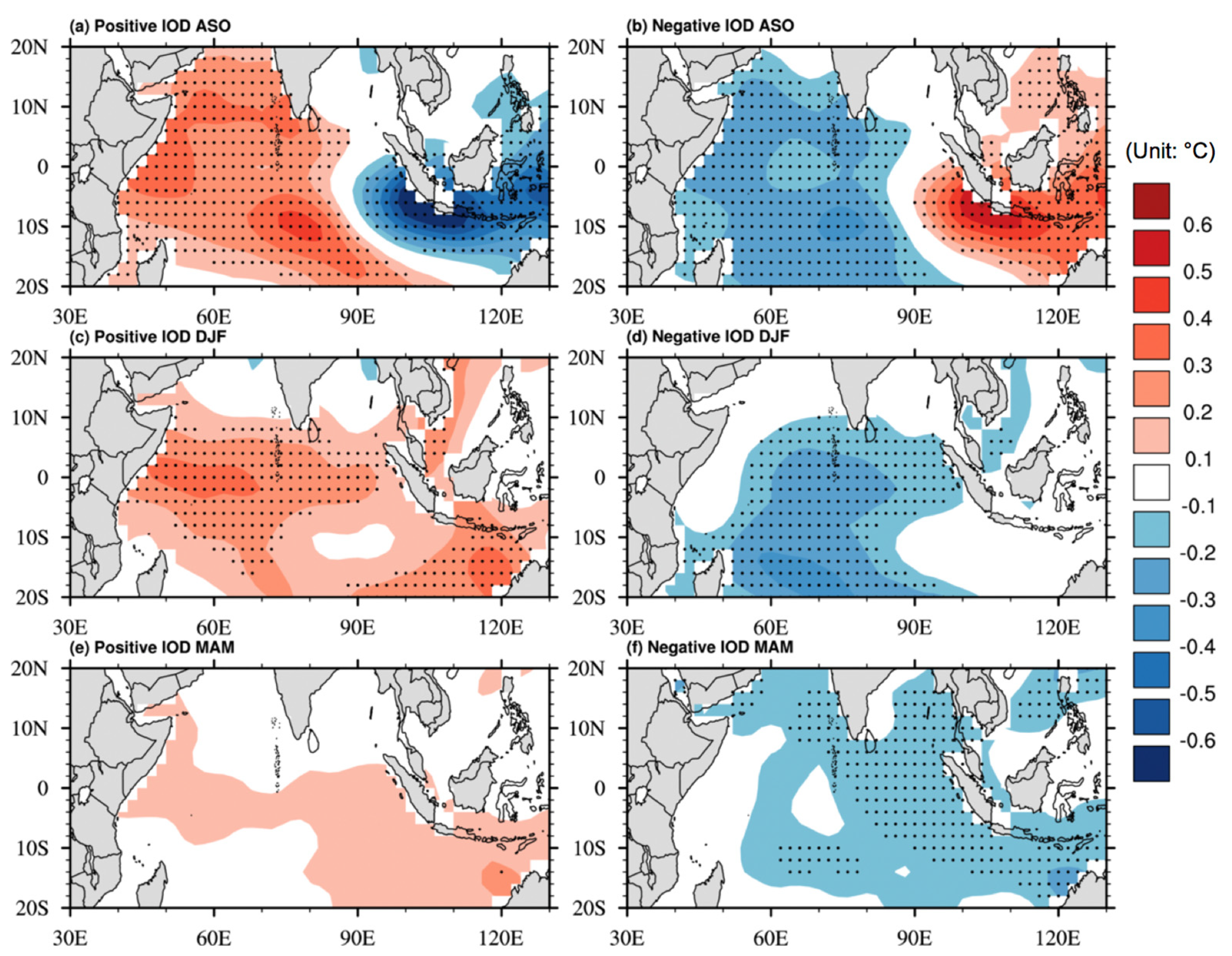
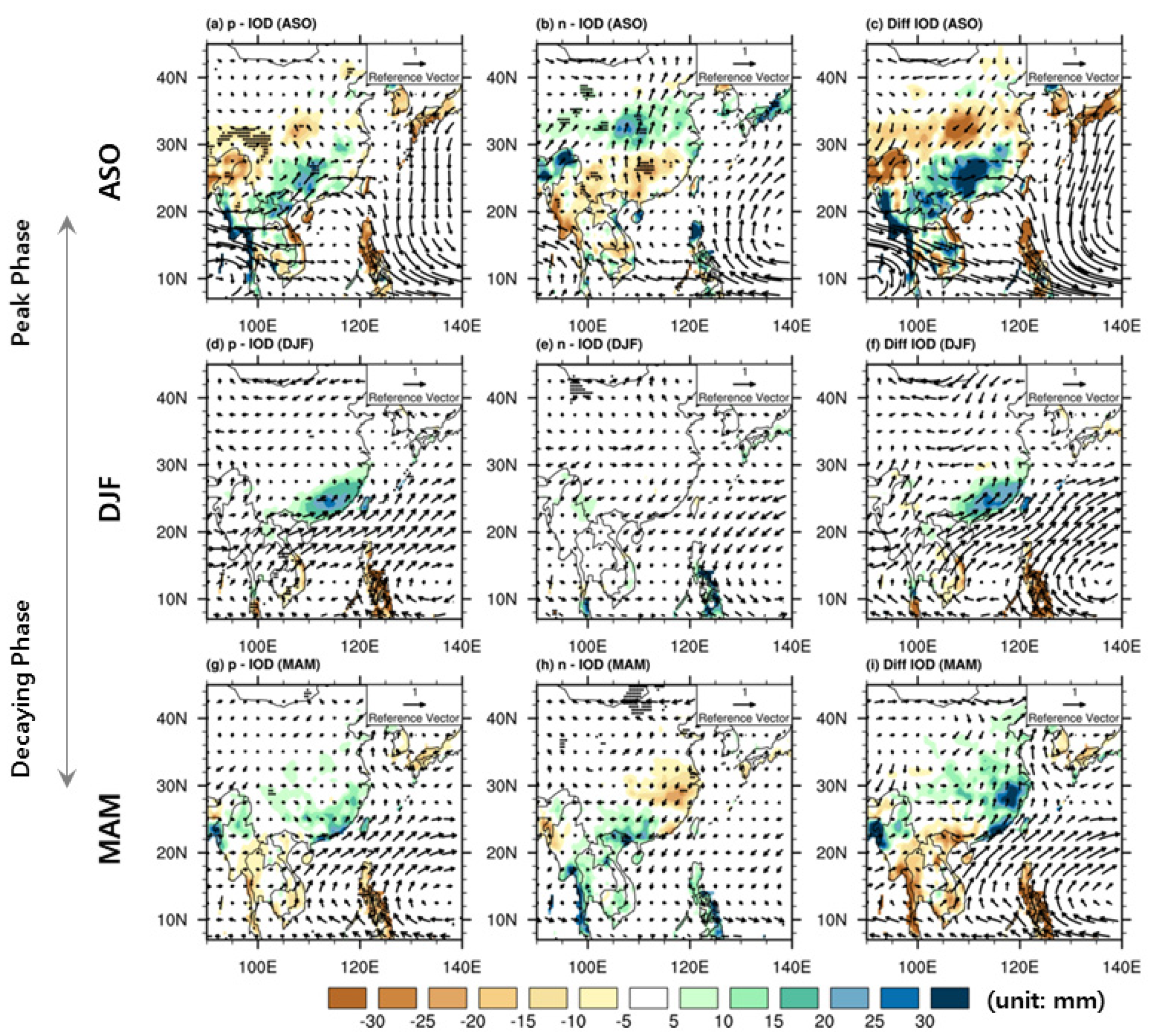
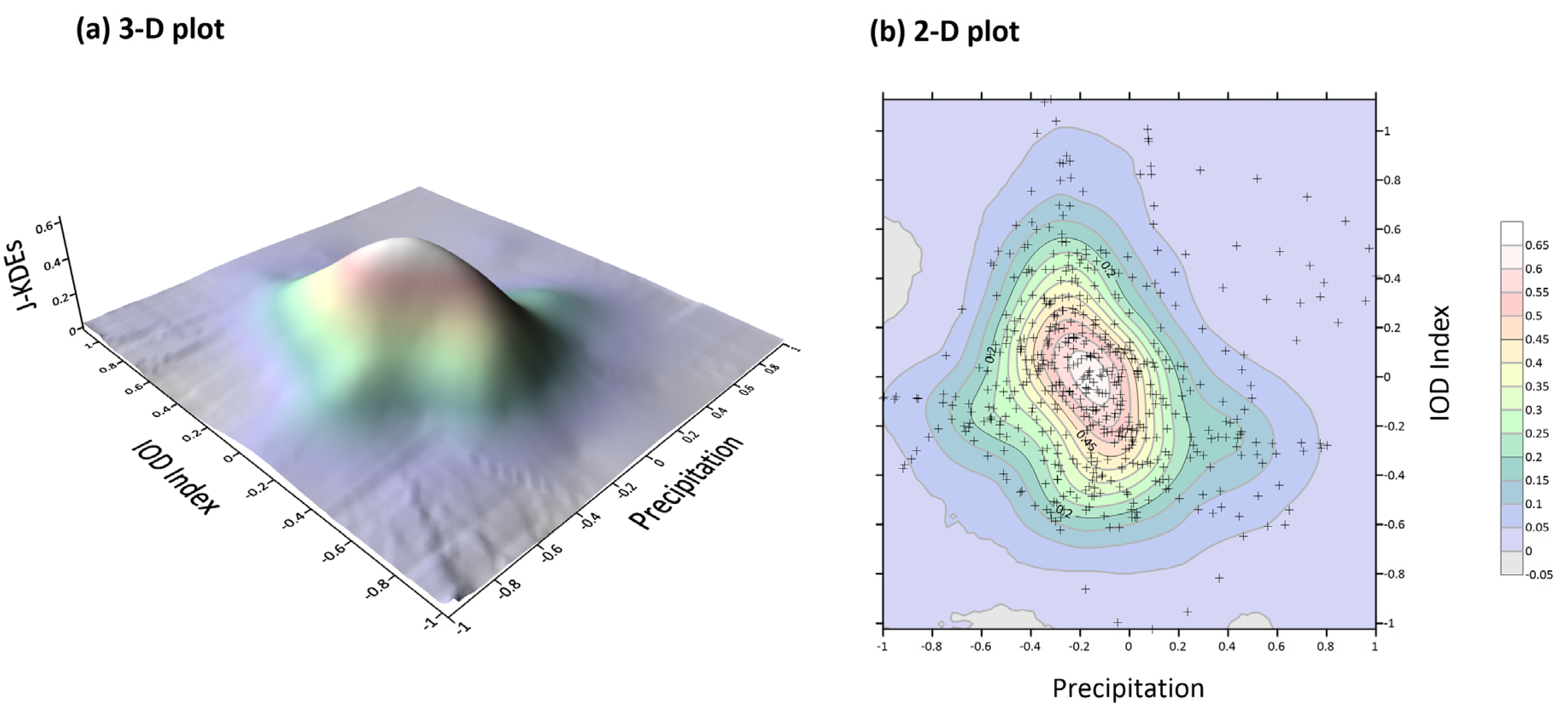
Non-linear behavioral links with atmospheric teleconnections were identified between the Indian Ocean Dipole (IOD) mode and seasonal precipitation over East Asia (EA) using statistical models. The analysis showed that the lower the lag time, the higher the correlation; more than a two-fold correlation for non-linear regression with a kernel density estimator than for the linear regression method. When the IOD peaked, a pattern of significant reductions in seasonal precipitation during the negative IOD period occurred throughout the Korean Peninsula (KP). The occurrence of the positive IOD was in line with the El Niño phenomenon and generated greater seasonal precipitation than only the positive IOD, which takes place from March to May. This change occurred more in the cold tongue El Niño than the warm pool El Niño, inducing much higher spring precipitation throughout the KP. When negative IODs and La Niña coincided, there was slightly greater precipitation from March to May compared to the sole occurrence of negative IODs. In positive (negative) IOD years, there was anti-cyclonic (cyclonic) circulation in the South China Sea (SCS), helping to transport moisture to EA. The composite precipitation anomalies in the positive (negative) IOD years show above (below) normal precipitation in southern China. In contrast, other parts of the EA experienced drier (humid) signals than normal years. In positive IOD years, the anti-cyclonic circulation strength of the Bay of Bengal and the SCS continued until autumn and spring of the following year. This shows possible remote connections between climate events related to the tropical Indian Ocean and variations in precipitation over EA.
Keywords: Indian Ocean Dipole mode; El Niño–Southern Oscillation; singular spectrum analysis; mutual information; non-stationarity of seasonal precipitation Indian Ocean Dipole mode; El Niño–Southern Oscillation; singular spectrum analysis; mutual information; non-stationarity of seasonal precipitation
Graphical Abstract