Article

A Regional Zenith Tropospheric Delay (ZTD) Model Based on GPT3 and ANN

1
College of Geoscience and Surveying Engineering, China University of Mining and Technology-Beijing, Beijing 100083, China
2
School of Geodesy and Geomatics, Wuhan University, Wuhan 430079, China
3
School of Earth Science, The Ohio State University, Columbus, OH 43210, USA
4
State Key Laboratory of Resources and Environmental Information System, Institute of Geographic Sciences and Natural Resources Research, Beijing 100101, China
*
Author to whom correspondence should be addressed.
Remote Sens. 2021, 13(5), 838; https://doi.org/10.3390/rs13050838
Submission received: 22 January 2021 / Revised: 16 February 2021 / Accepted: 20 February 2021 / Published: 24 February 2021
(This article belongs to the Special Issue Climate Modelling and Monitoring Using GNSS)

Abstract

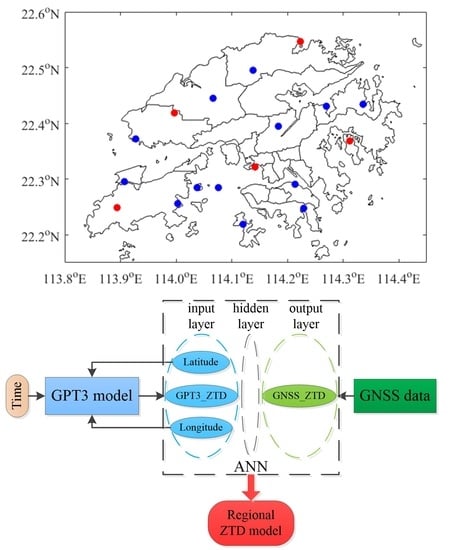
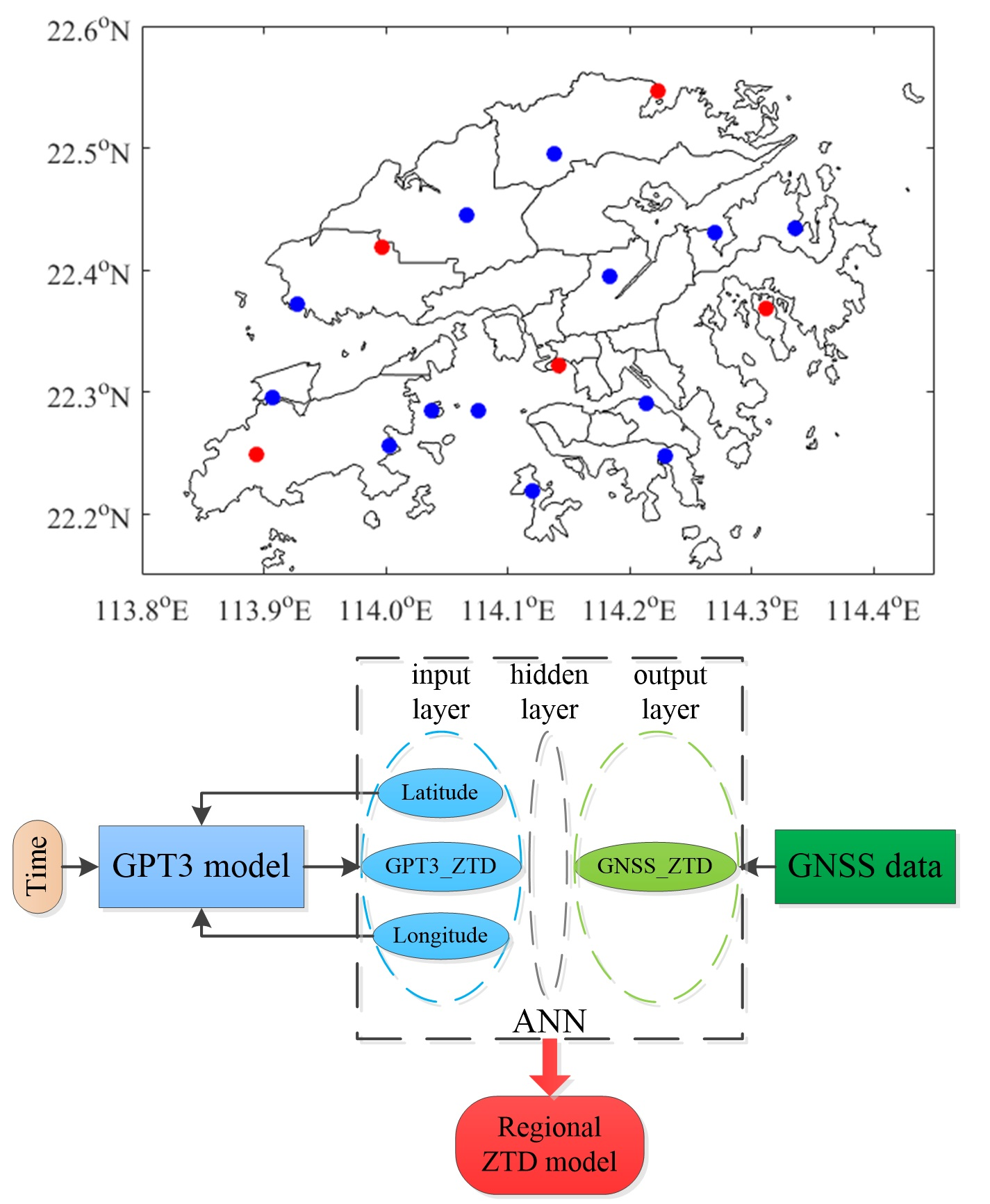
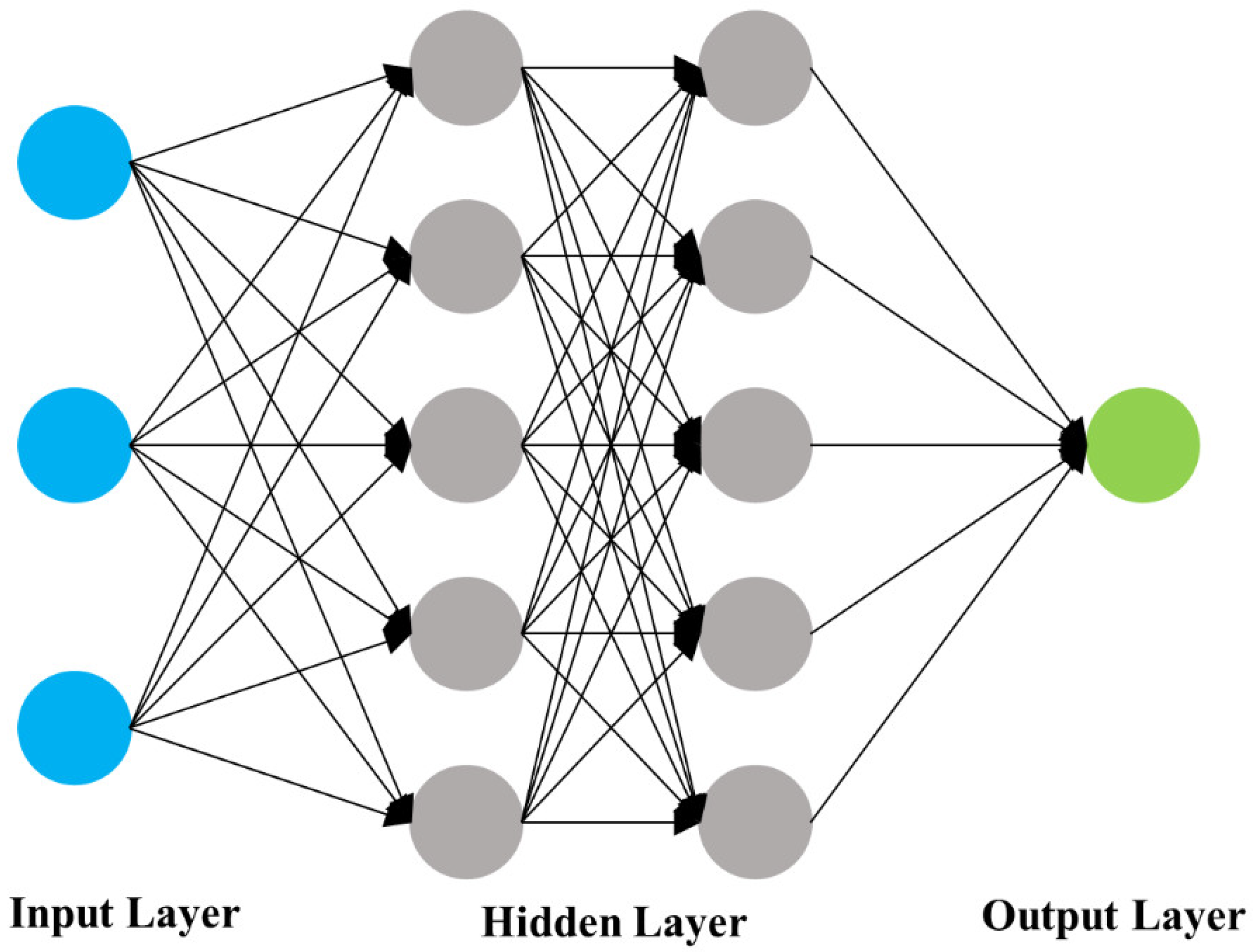
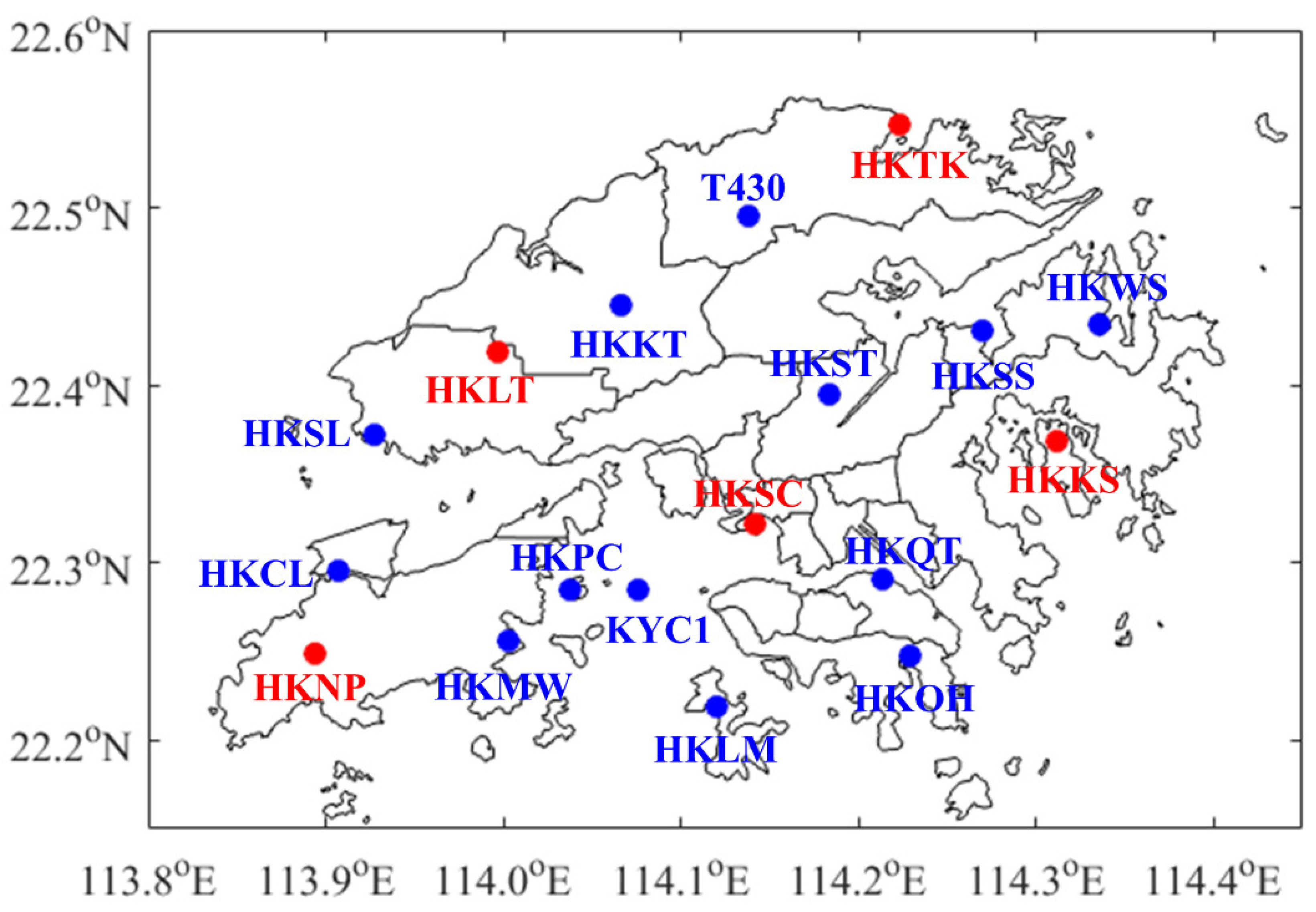
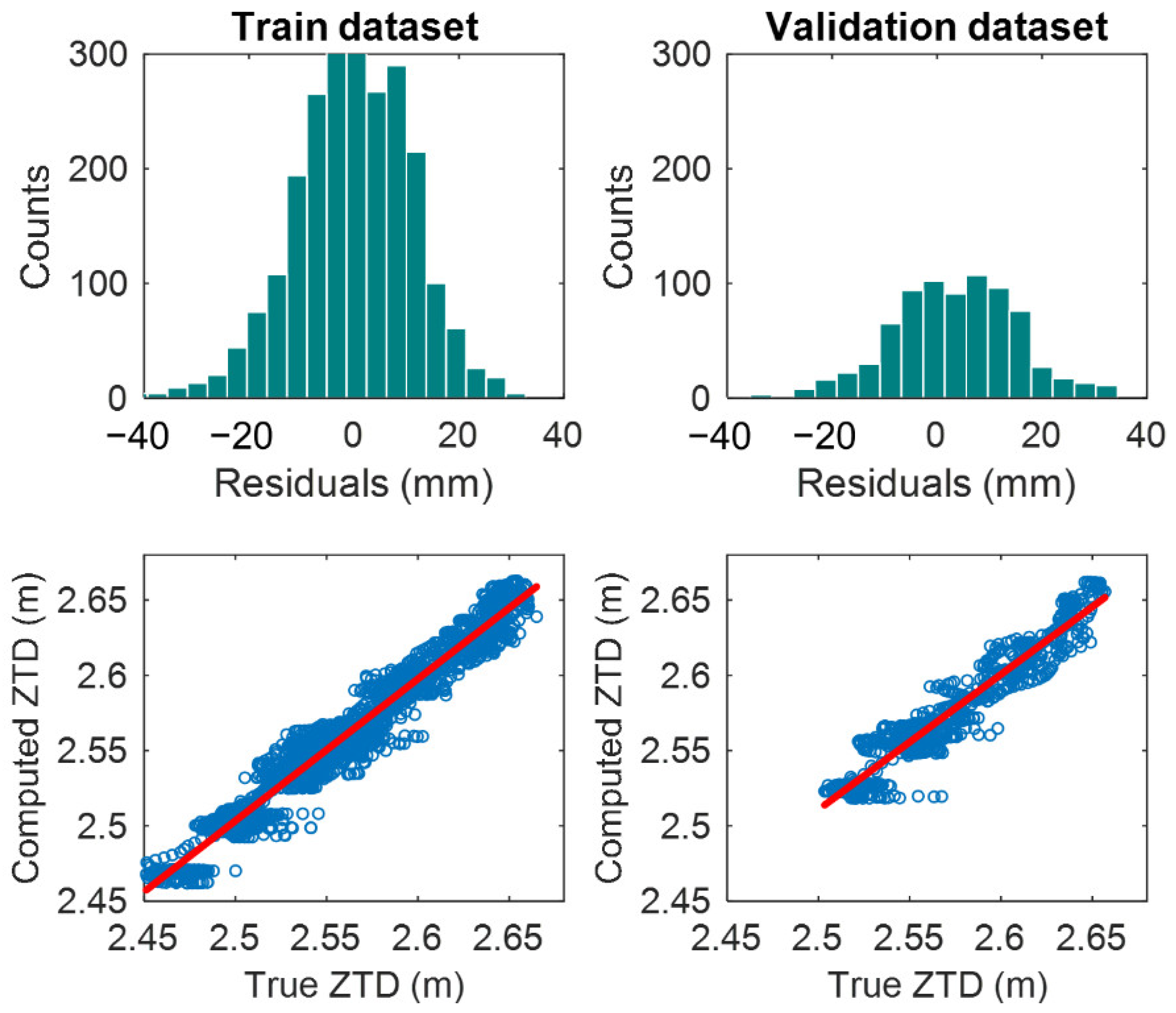
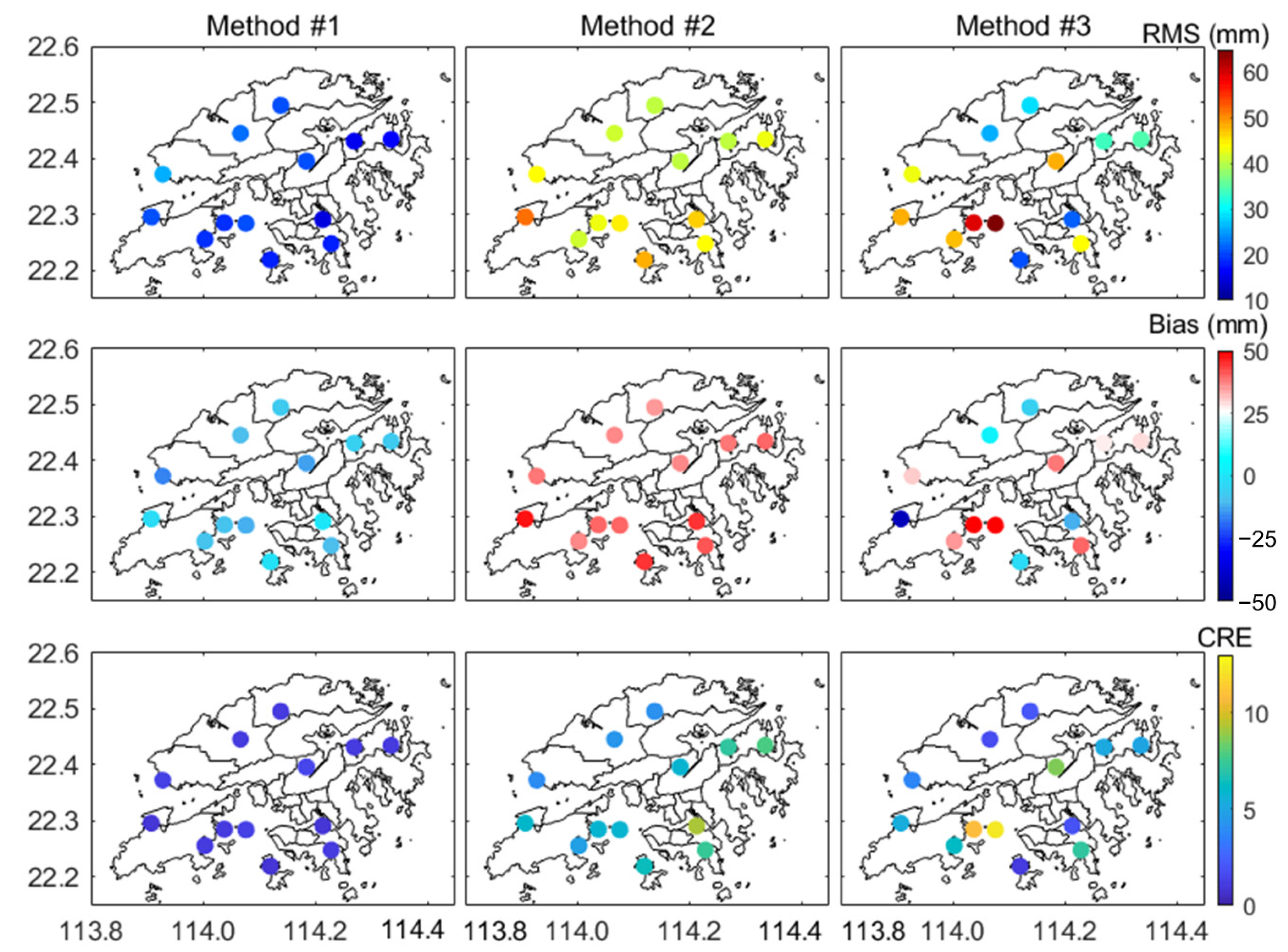
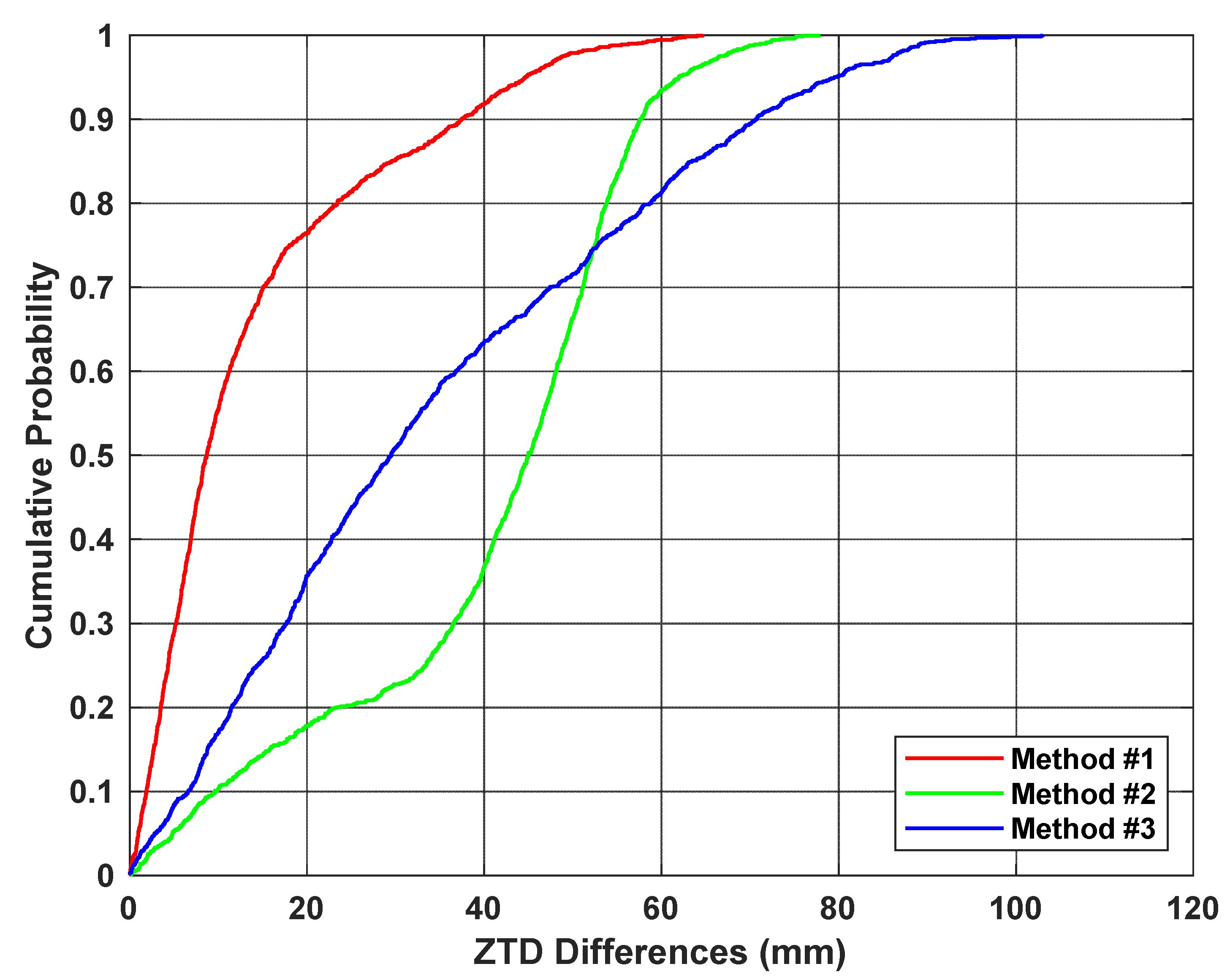
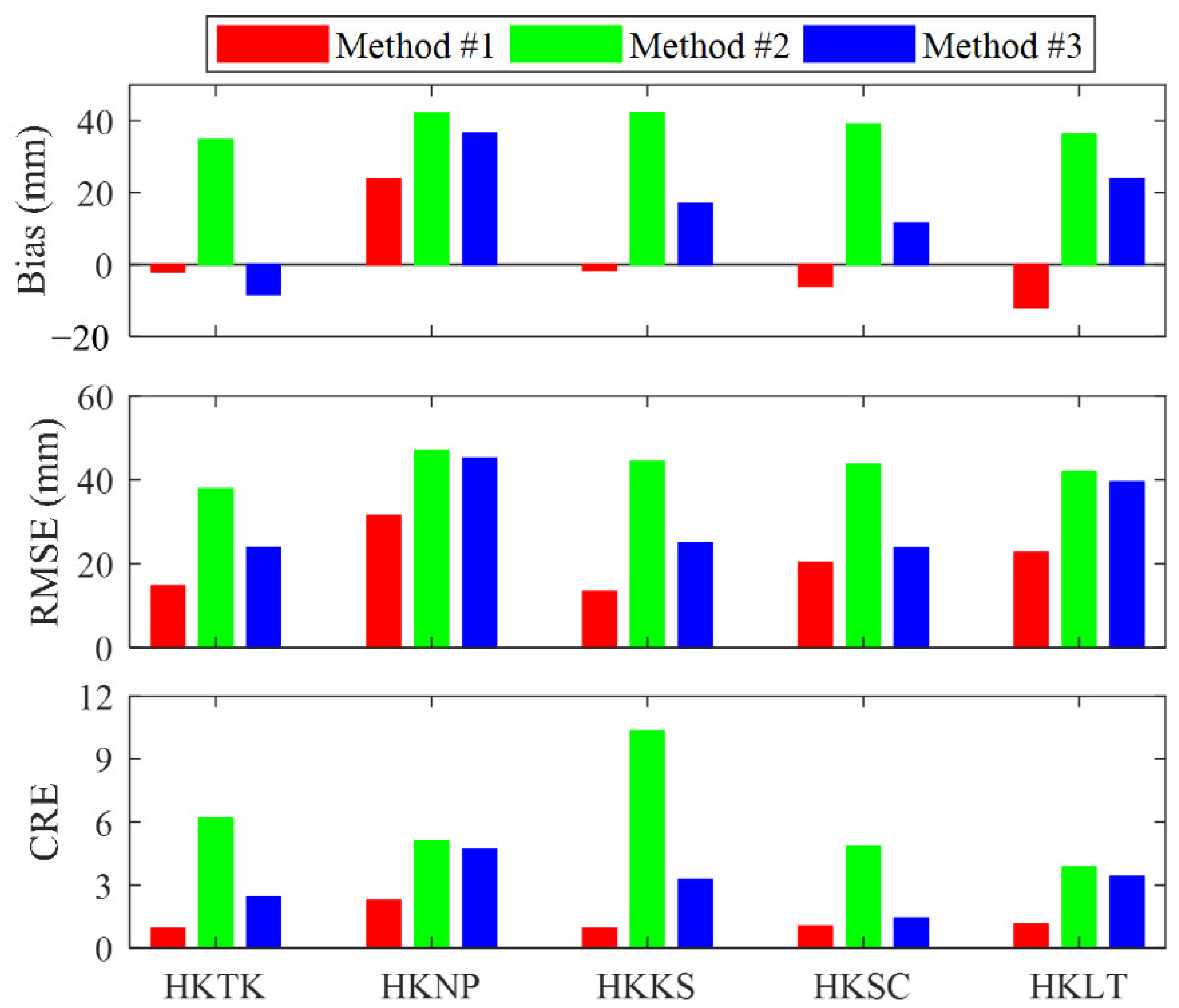
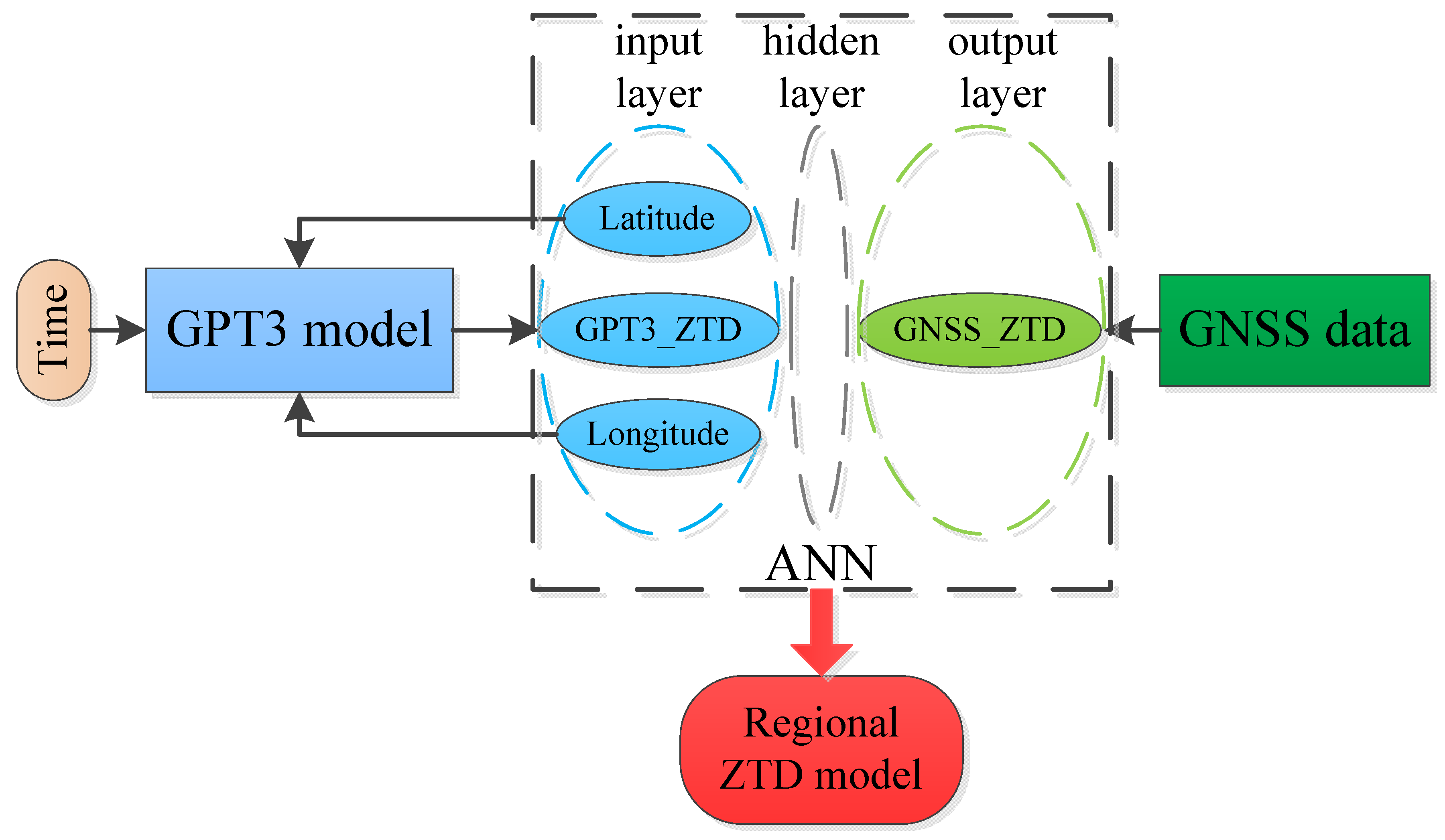
The delays of radio signals transmitted by global navigation satellite system (GNSS) satellites and induced by neutral atmosphere, which are usually represented by zenith tropospheric delay (ZTD), are required as critical information both for GNSS positioning and navigation and GNSS meteorology. Establishing a stable and reliable ZTD model is one of the interests in GNSS research. In this study, we proposed a regional ZTD model that makes full use of the ZTD calculated from regional GNSS data and the corresponding ZTD estimated by global pressure and temperature 3 (GPT3) model, adopting the artificial neutral network (ANN) to construct the correlation between ZTD derived from GPT3 and GNSS observations. The experiments in Hong Kong using Satellite Positioning Reference Station Network (SatRet) were conducted and three statistical values, i.e., bias, root mean square error (RMSE), and compound relative error (CRE) were adopted for our comparisons. Numerical results showed that the proposed model outperformed the parameter ZTD model (Saastamoinen model) and the empirical ZTD model (GPT3 model), with an approximately 56%/52% and 52%/37% RMSE improvement in the internal and external accuracy verification, respectively. Moreover, the proposed method effectively improved the systematic deviation of GPT3 model and achieved better ZTD estimation in both rainy and rainless conditions.
Keywords: zenith tropospheric delay; GPT3 model; artificial neural network; GNSS zenith tropospheric delay; GPT3 model; artificial neural network; GNSS
Graphical Abstract