Article

Impact of Winter Snowfall on Vegetation Greenness in Central Asia
1
State Key Laboratory of Desert and Oasis Ecology, Xinjiang Institute of Ecology and Geography, Chinese Academy of Sciences, Urumqi 830011, China
2
Ili Station for Watershed Ecosystem Research, Chinese Academy of Sciences, Xinyuan 835800, China
3
Research Center for Ecology and Environment of Central Asia, Chinese Academy of Sciences, Urumqi 830011, China
4
Xinjiang Key Laboratory of Water Cycle and Utilization in Arid Zone, Urumqi 830011, China
5
University of Chinese Academy of Sciences, Beijing 100049, China
*
Author to whom correspondence should be addressed.
Remote Sens. 2021, 13(21), 4205; https://doi.org/10.3390/rs13214205
Submission received: 20 August 2021 / Revised: 26 September 2021 / Accepted: 14 October 2021 / Published: 20 October 2021
(This article belongs to the Section Remote Sensing in Agriculture and Vegetation)

Abstract

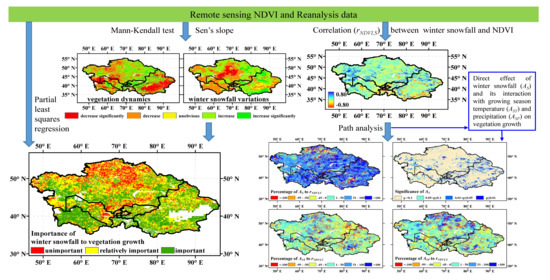
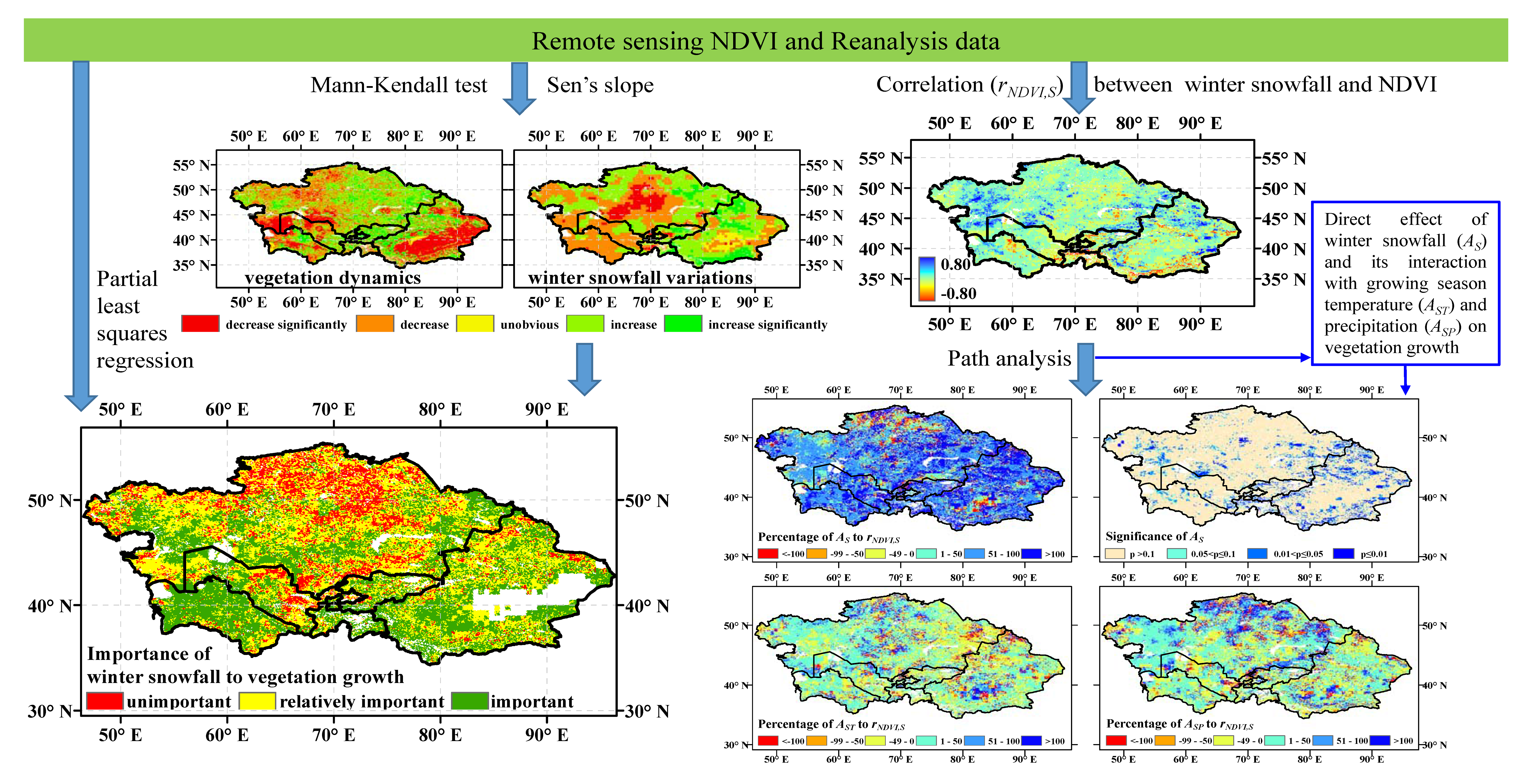
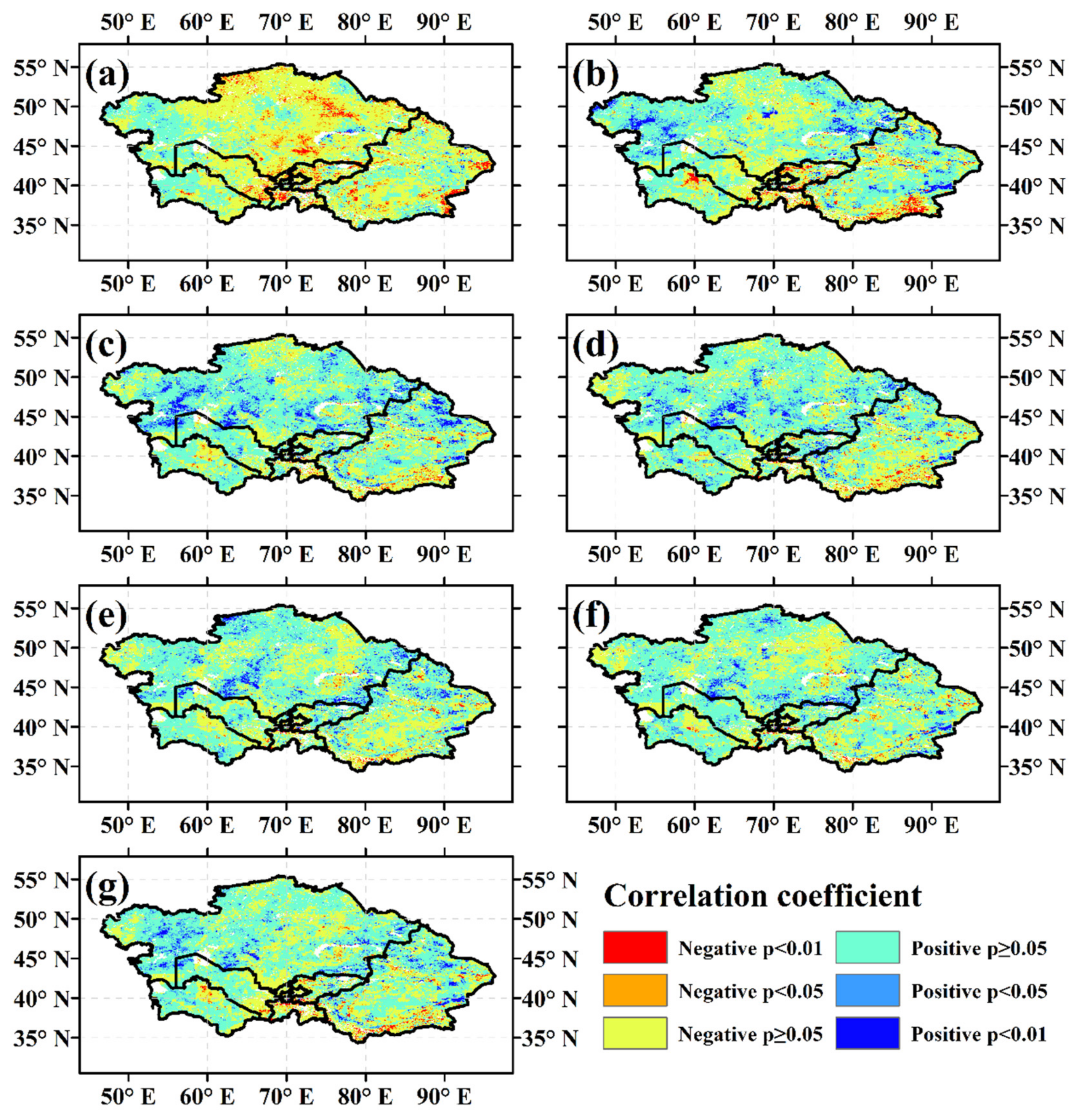
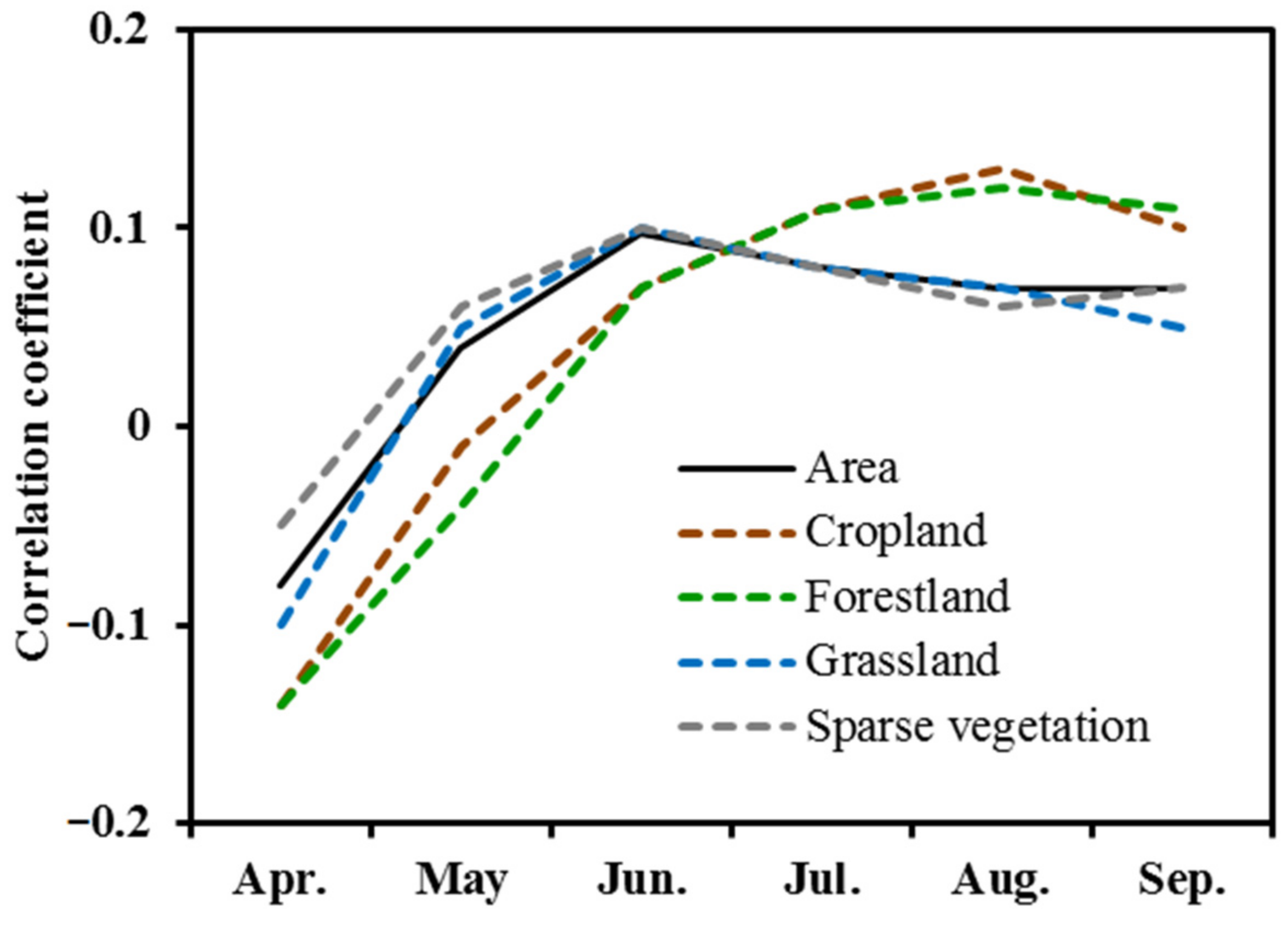
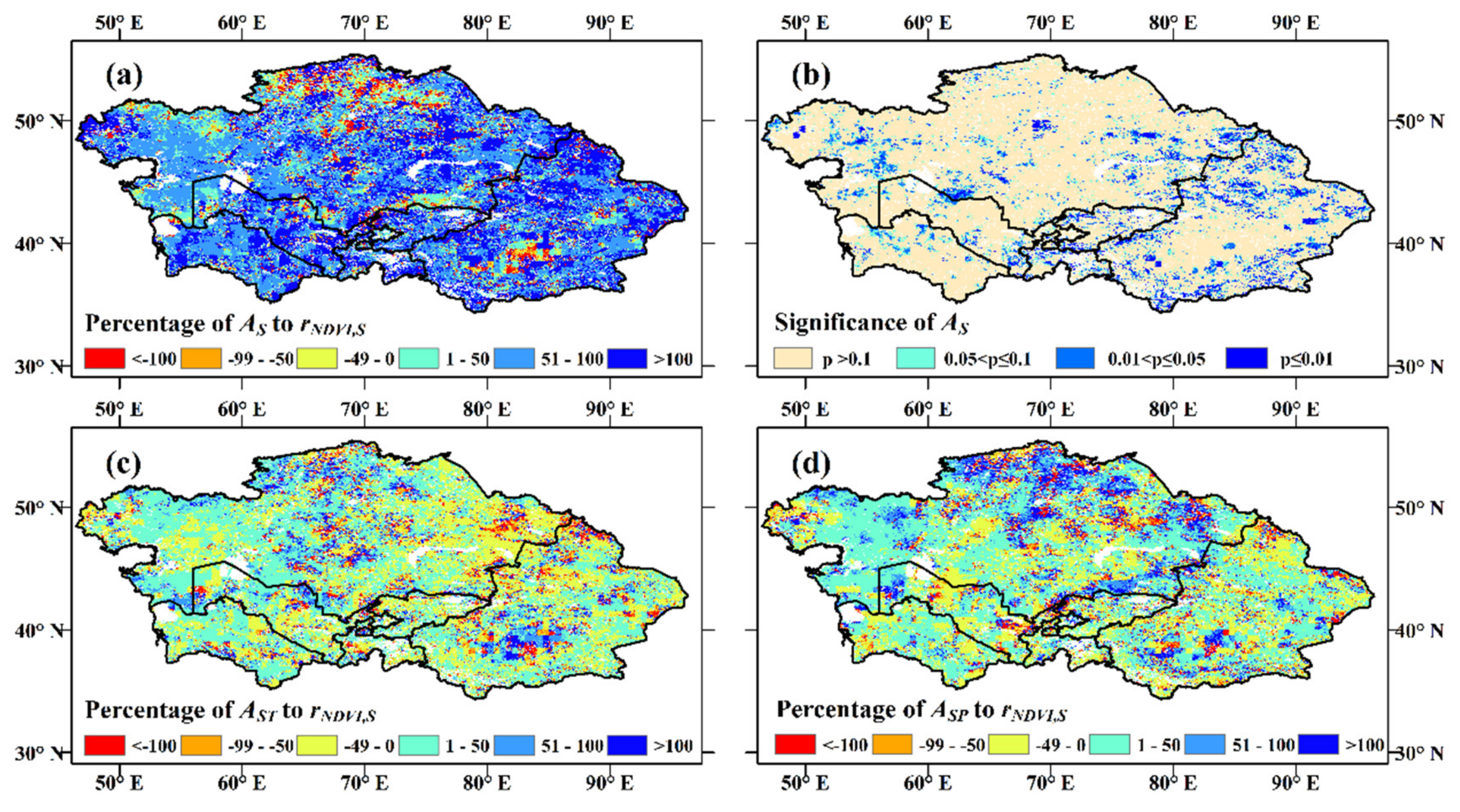
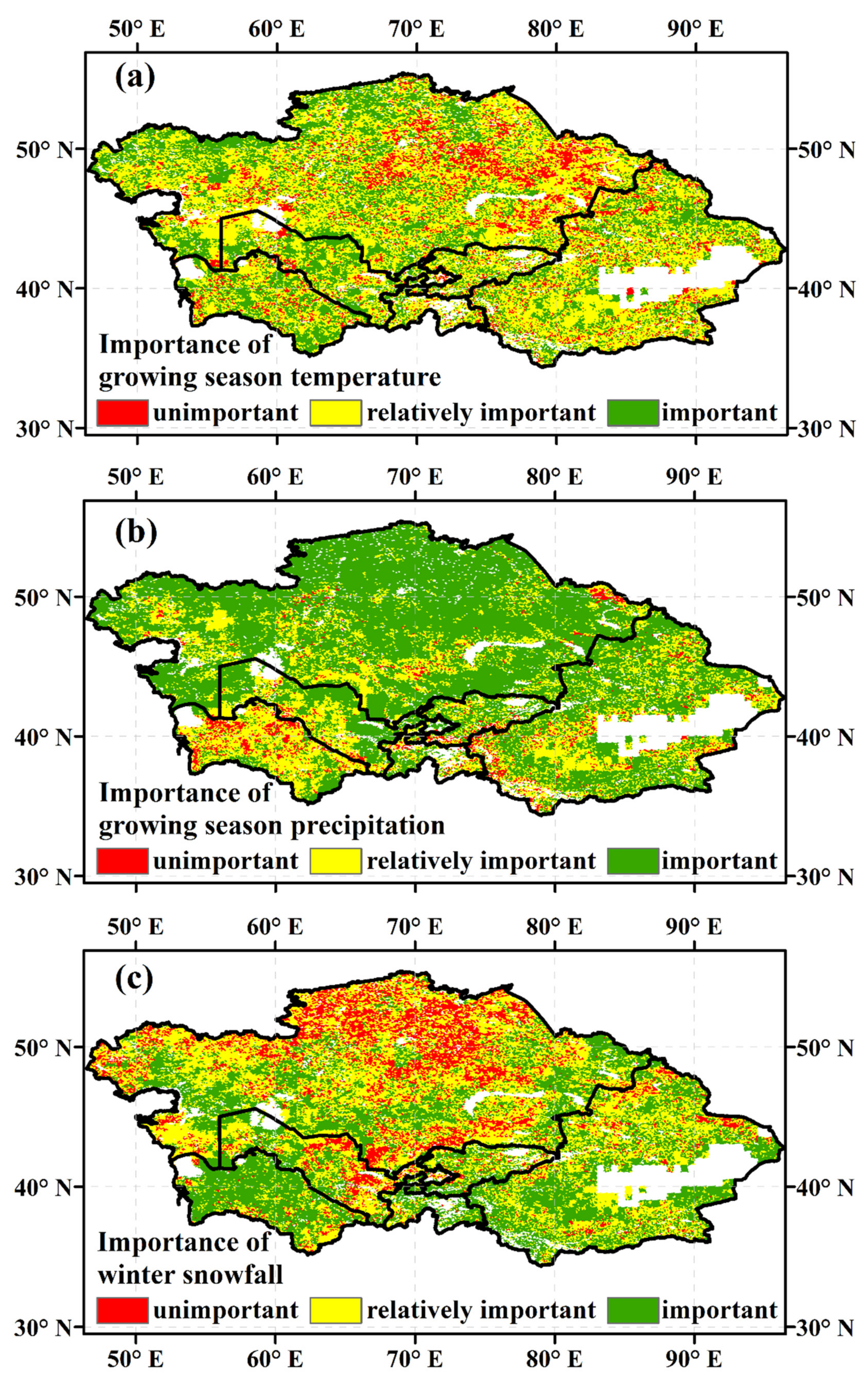
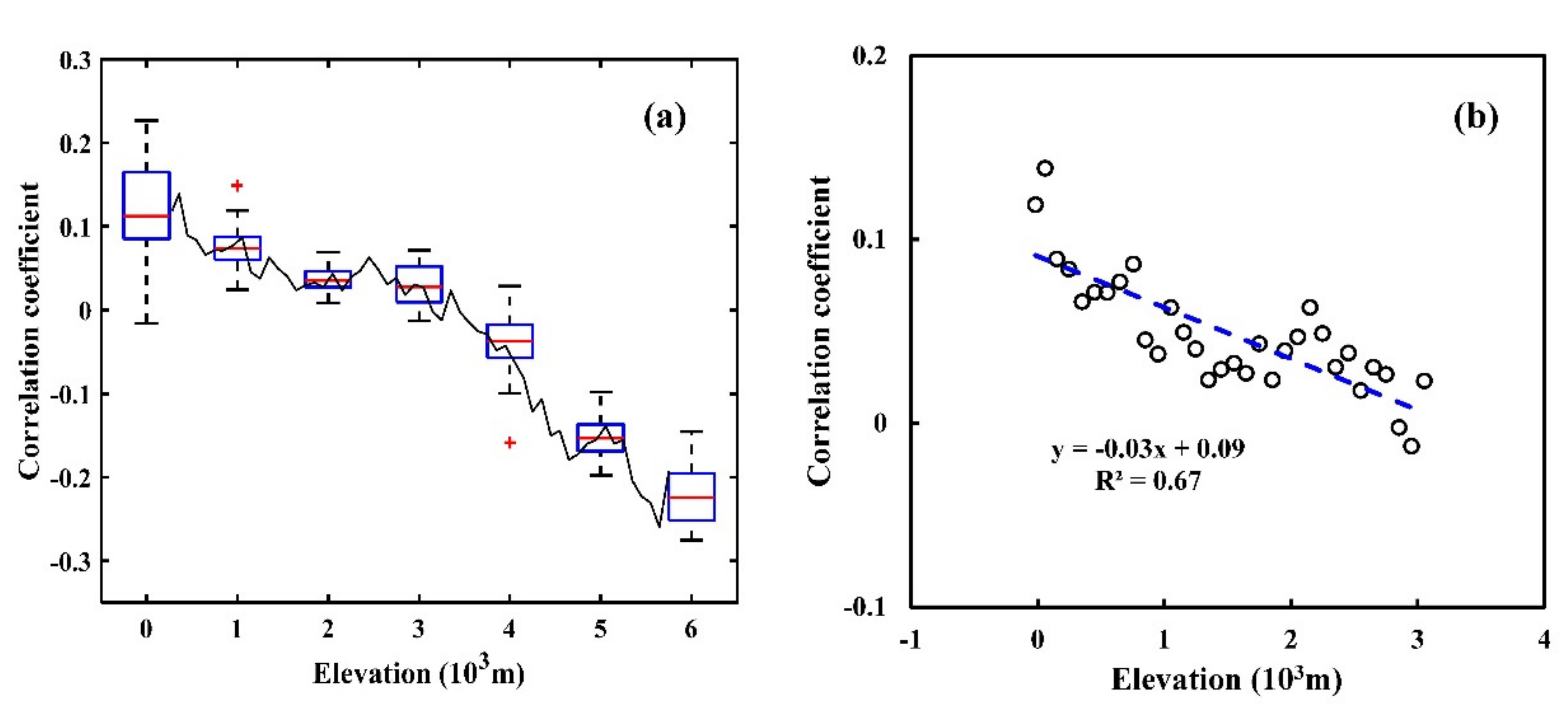
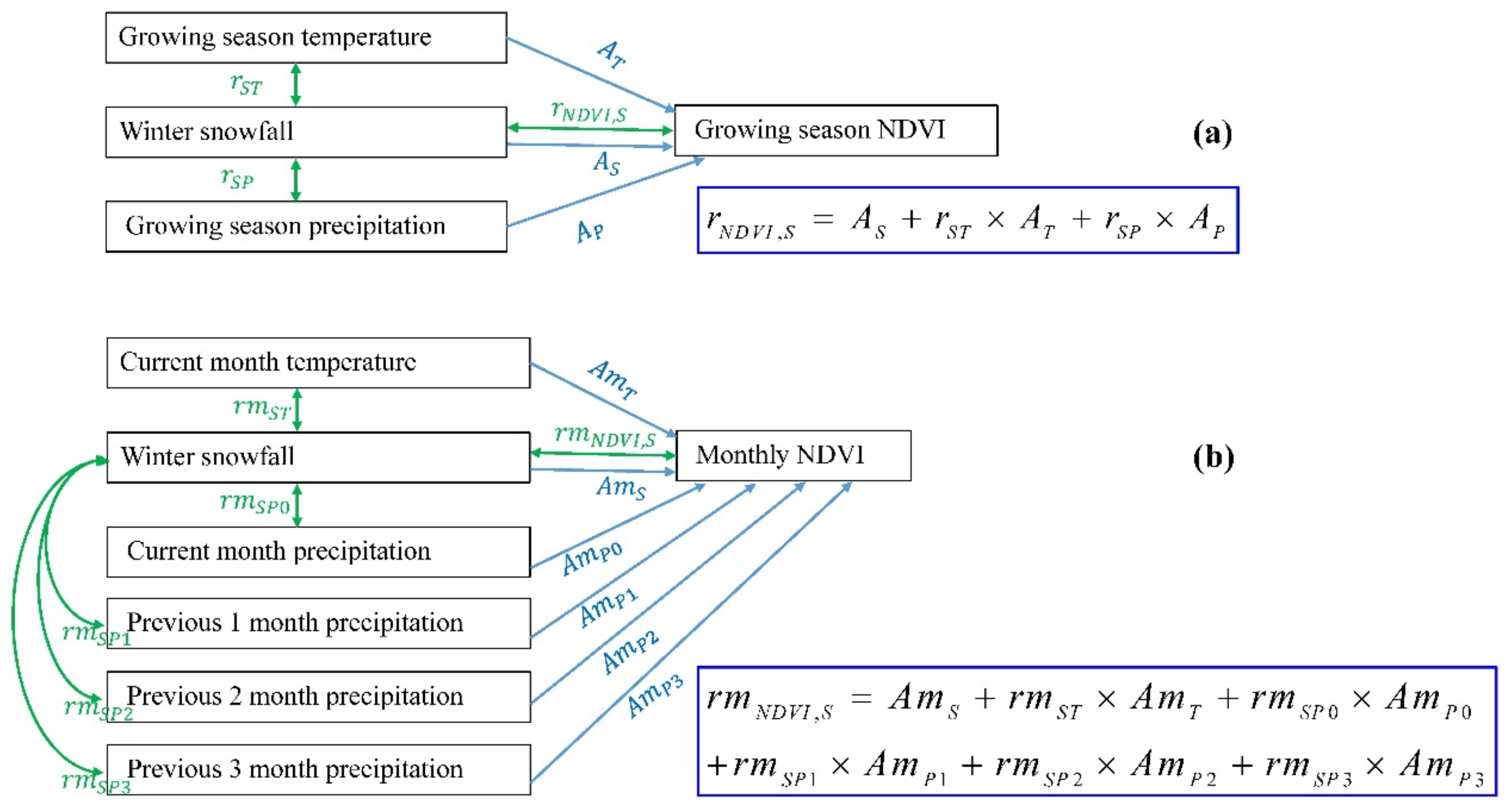
Snowfall is an important climatic variable with remarkable impacts on vegetation greenness in the alpine and extra-tropical regions. Central Asia (CA) is located in the middle latitude with high mountains, and the ecosystem is vulnerable to climate change in CA. In this region, the vegetation response to winter snowfall and its interactions with growing season climatic factors on vegetation greenness is still unclear. Thus, this study attempted to examine the impact of winter snowfall on vegetation greenness with remote-sensing vegetation index and reanalysis climatic data, and to investigate the interactions between winter snowfall and growing season climatic factors and their influence on vegetation growth via path analysis. The results showed that there is a generally positive correlation between winter snowfall and vegetation greenness from May to September and during the whole growing season (April to September). This positive correlation was significant in 8% of the study area for the whole growing season. However, the increase in winter snowfall was not beneficial to the regional vegetation growth in April. The vegetation response to winter snowfall also relates to land-cover type and elevation. The vegetation greenness in grassland was depicted to be more sensitive to winter snowfall than that in forestland. The response turned from positive to negative when the elevation increased from below 3000 m to above 3000 m. Moreover, the impact of winter snowfall on vegetation greenness was not regulated by temperature and precipitation in the growing season in more than 70% of CA. The impact relates to the interaction with April temperature in Central Kazakhstan, and is regulated by growing season precipitation in North Kazakhstan where annual precipitation mainly occurs in the growing season. The impact of winter snowfall on vegetation greenness is more important than growing season precipitation and temperature in some areas, since annual precipitation does not concentrate in the growing season or the relative increase of winter snowfall is great in these places. The results of the present study improve the understanding of vegetation response to climate change, and provide a scientific reference for environmental protection in CA and similar regions.
Keywords: vegetation greenness; snowfall; interaction; path analysis; Central Asia vegetation greenness; snowfall; interaction; path analysis; Central Asia
Graphical Abstract