Article

Creating and Testing Explainer Videos for Earth Observation
Department of Geography, Ruhr-University Bochum, 44801 Bochum, Germany
*
Author to whom correspondence should be addressed.
Remote Sens. 2021, 13(20), 4178; https://doi.org/10.3390/rs13204178
Submission received: 2 September 2021 / Revised: 8 October 2021 / Accepted: 14 October 2021 / Published: 19 October 2021
(This article belongs to the Collection Teaching and Learning in Remote Sensing)

Abstract

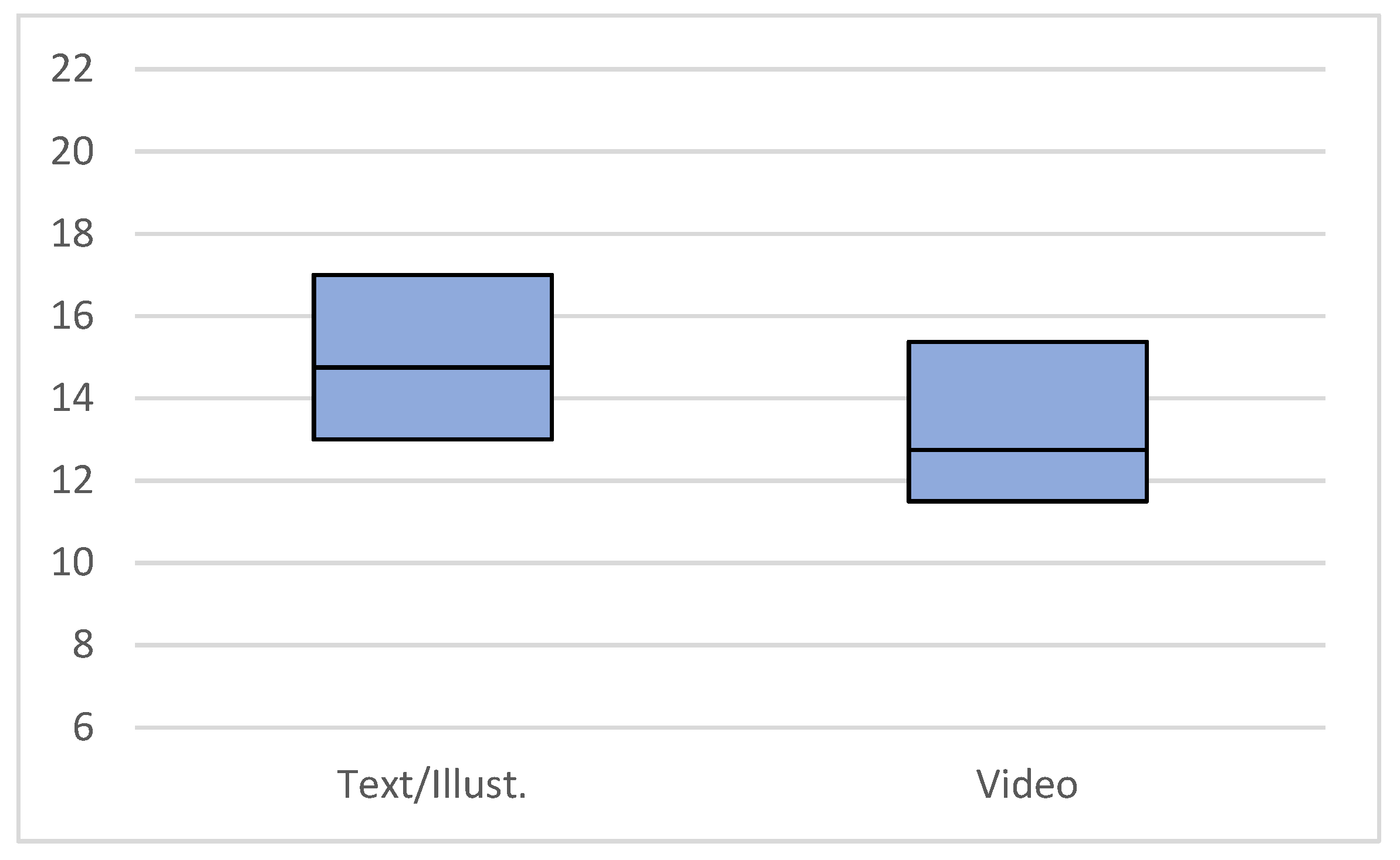
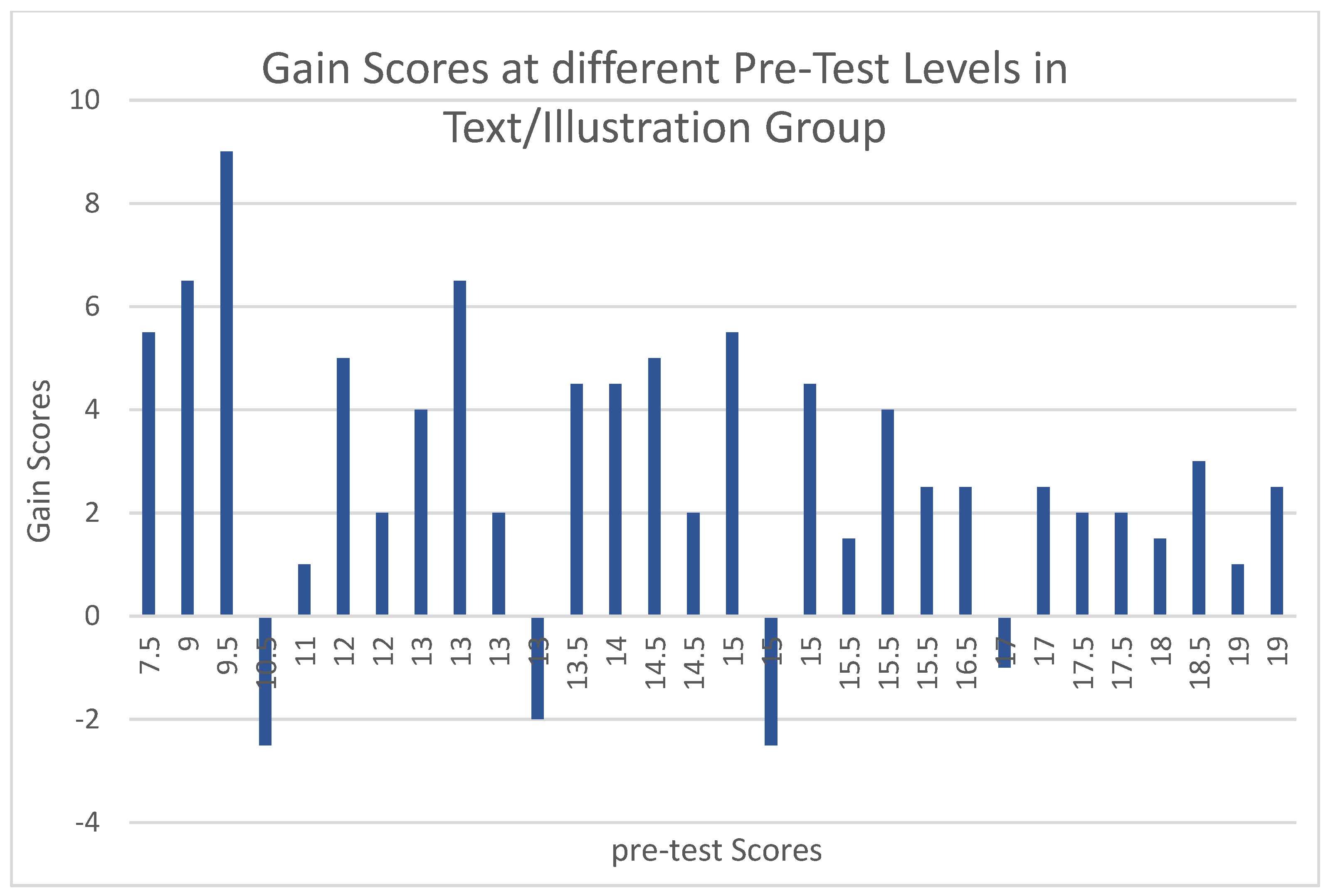
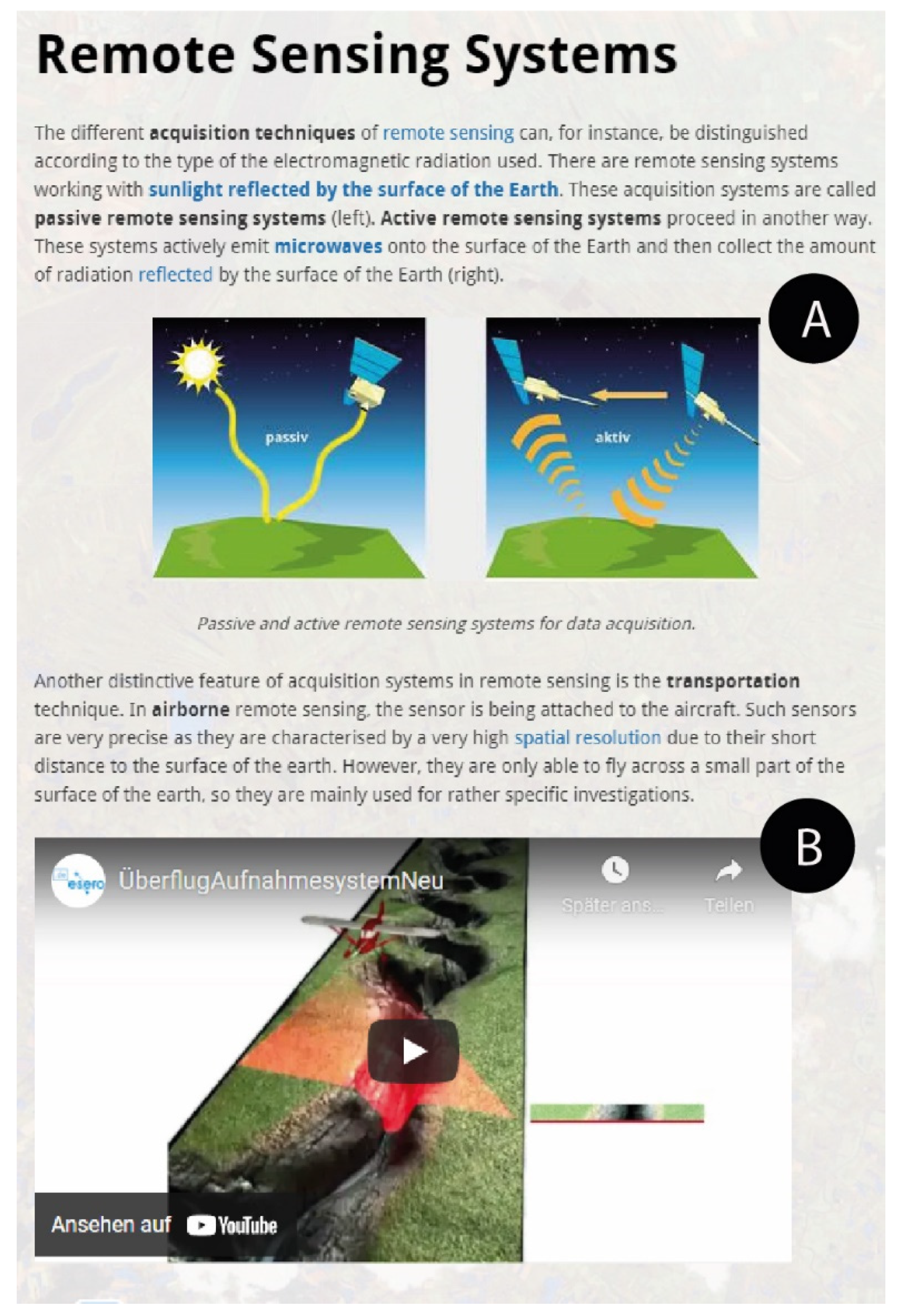
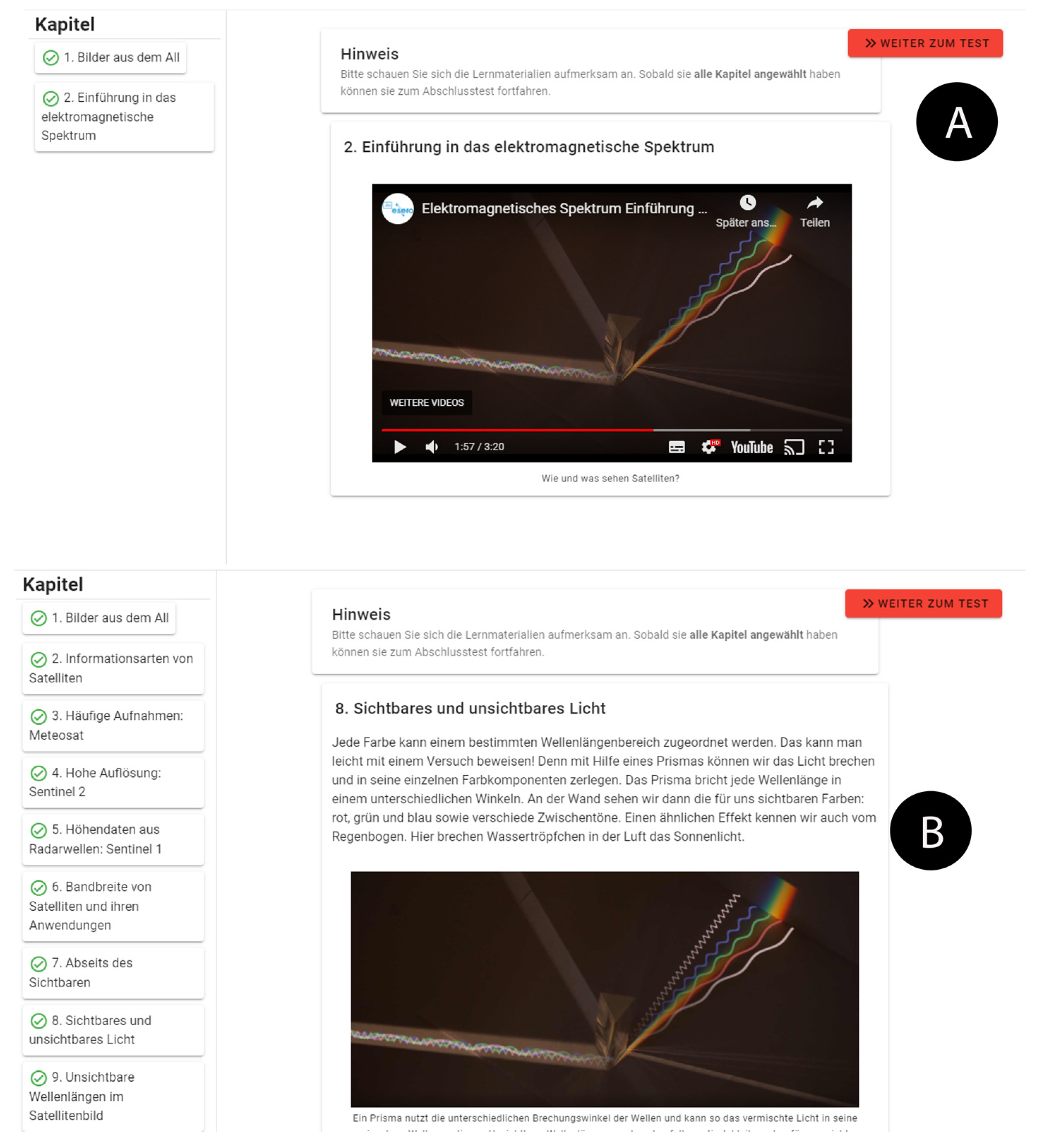
Learning videos can be concise learning packages that offer a wide range of possibilities when it comes to present topics in an up-to-date way and disseminating them in a variety of learning environments. Videos are already a primary source of information in our society; however, few examples convey earth observation topics. Over recent decades, numerous studies established guidelines on how educational videos can be successful. This paper presents a workflow to use these guidelines in the creation of learning videos covering the basic concepts of earth observation. The target groups for these videos are secondary students as well as anyone interested in learning about earth observation. Two of those videos, one on earth observation in general and one on the basics of the electromagnetic spectrum, were used in this research. To test whether or not the workflow leads to effective learning videos and to compare them to traditional text and illustration material derived from those videos, a pre-test/post-test study was undertaken focusing on German pupils in their final year at secondary school as well as first semester university students. Due to the special circumstances faced during the COVID-19 crisis, this experimental setup used a combination of online questionnaire tools and a web environment. The results show that both methods were effective resources that led to a significant increase in knowledge—raising the test results by 21% for the video and 13% for the text and illustration group.
Keywords: earth observation; explainer videos; secondary students; educational videos; electromagnetic spectrum earth observation; explainer videos; secondary students; educational videos; electromagnetic spectrum