Article

An Investigation of Extreme Weather Impact on Precipitable Water Vapor and Vegetation Growth—A Case Study in Zhejiang China

1
School of Geodesy and Geomatics, Wuhan University, Wuhan 430072, China
2
School of Resources and Environmental Science and Engineering, Hubei University of Science and Technology, Xianning 437100, China
3
College of Geomatics, Xi’an University of Science and Technology, Xi’an 710054, China
4
College of Geomatics and Geoinformation, Guilin University of Technology, Guilin 541004, China
*
Author to whom correspondence should be addressed.
Remote Sens. 2021, 13(18), 3576; https://doi.org/10.3390/rs13183576
Submission received: 1 August 2021 / Revised: 3 September 2021 / Accepted: 5 September 2021 / Published: 8 September 2021
(This article belongs to the Special Issue Carbon, Water and Climate Monitoring Using Space Geodesy Observations)

Abstract

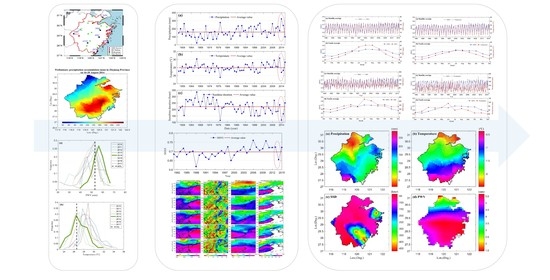
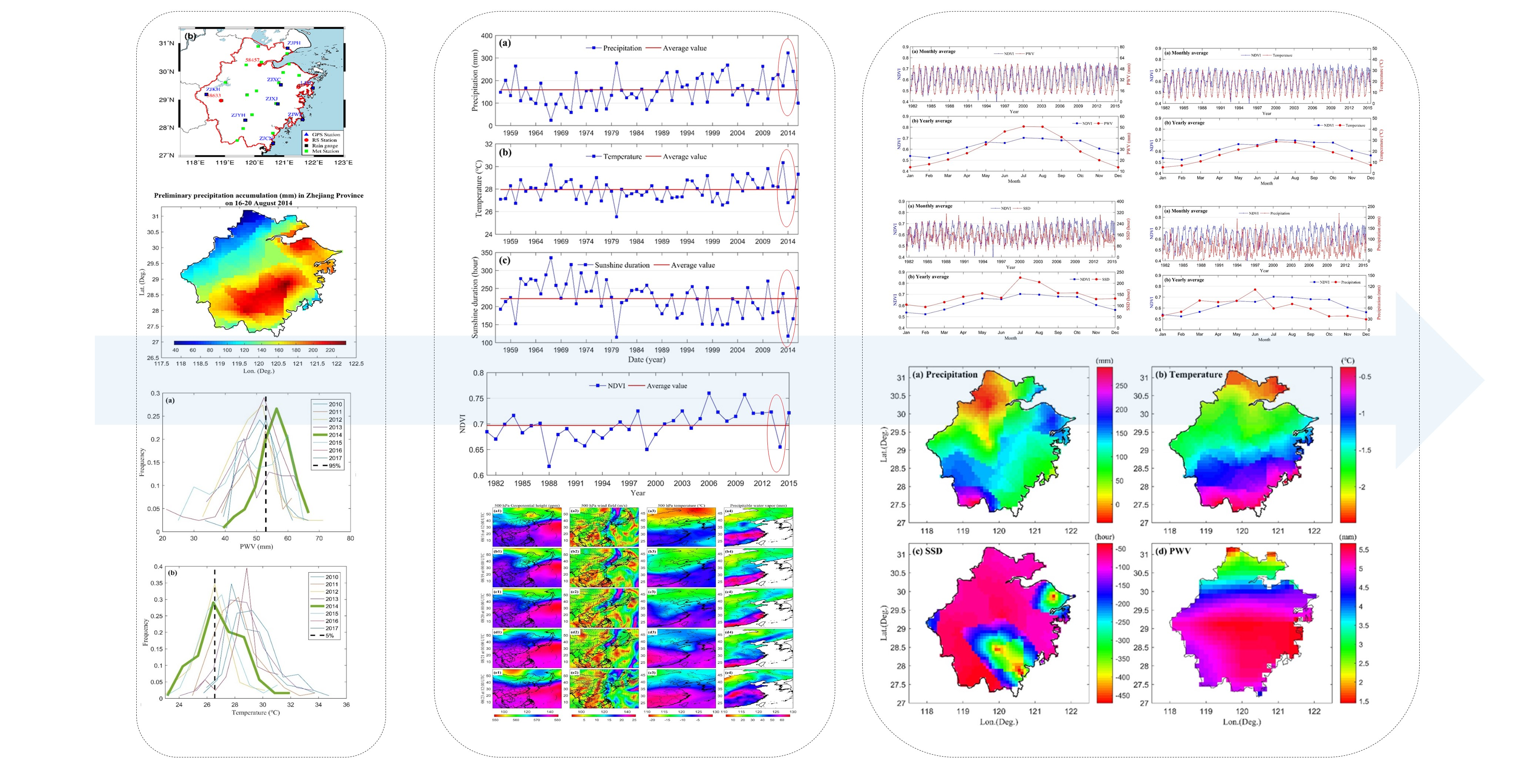
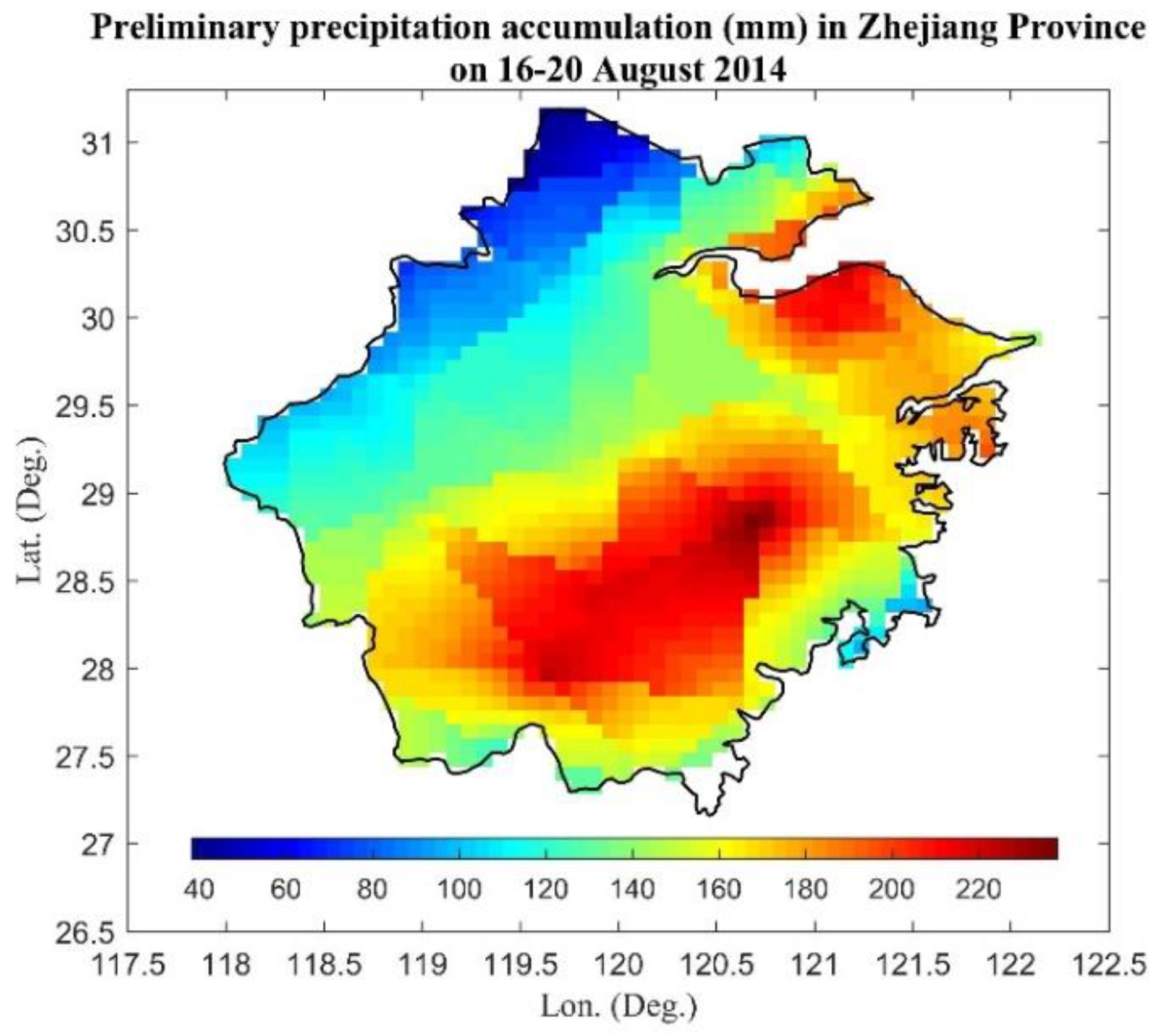
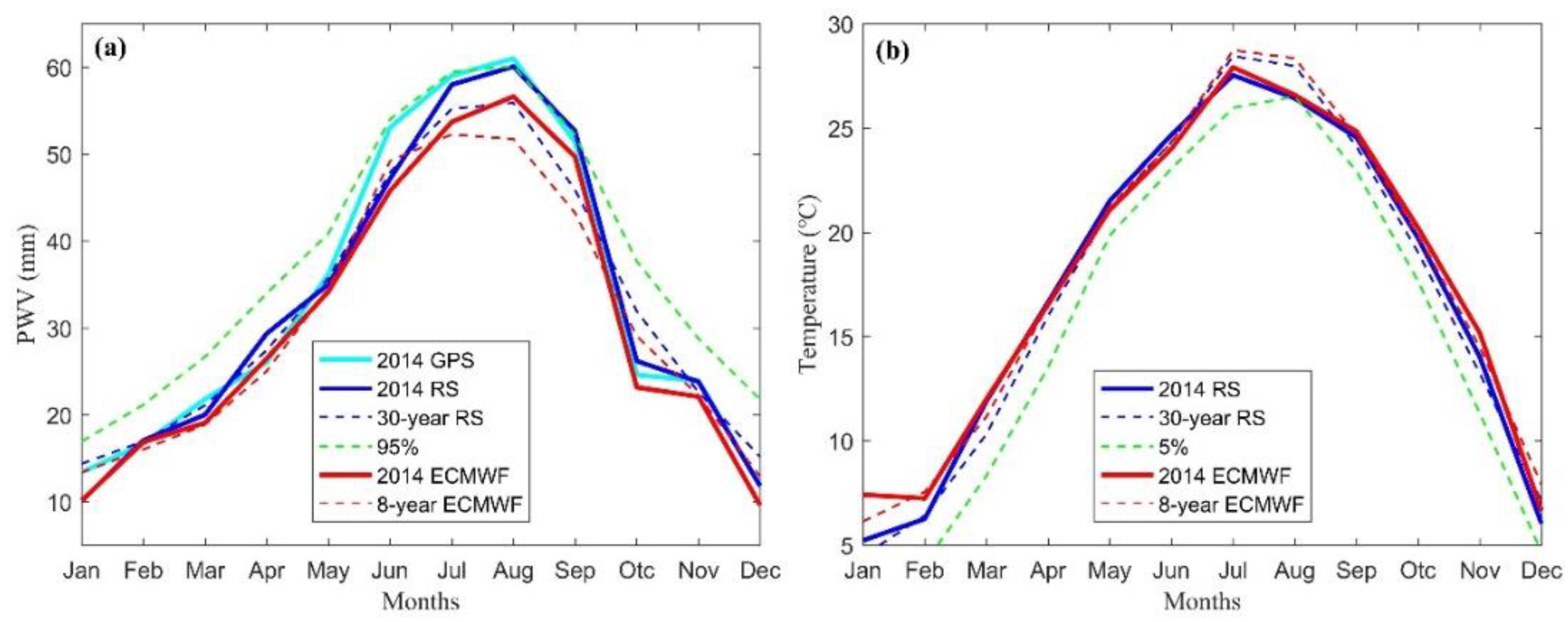
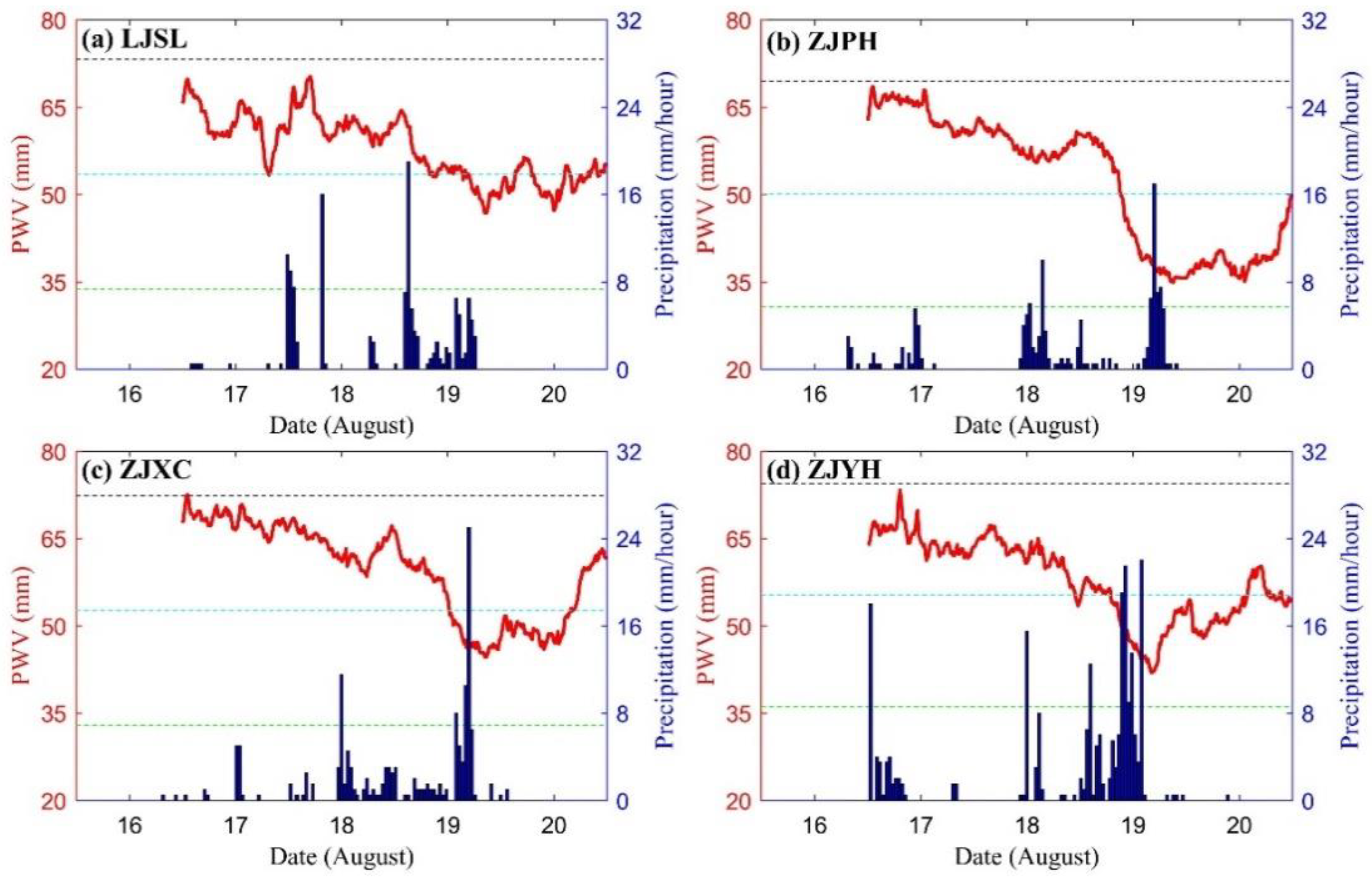
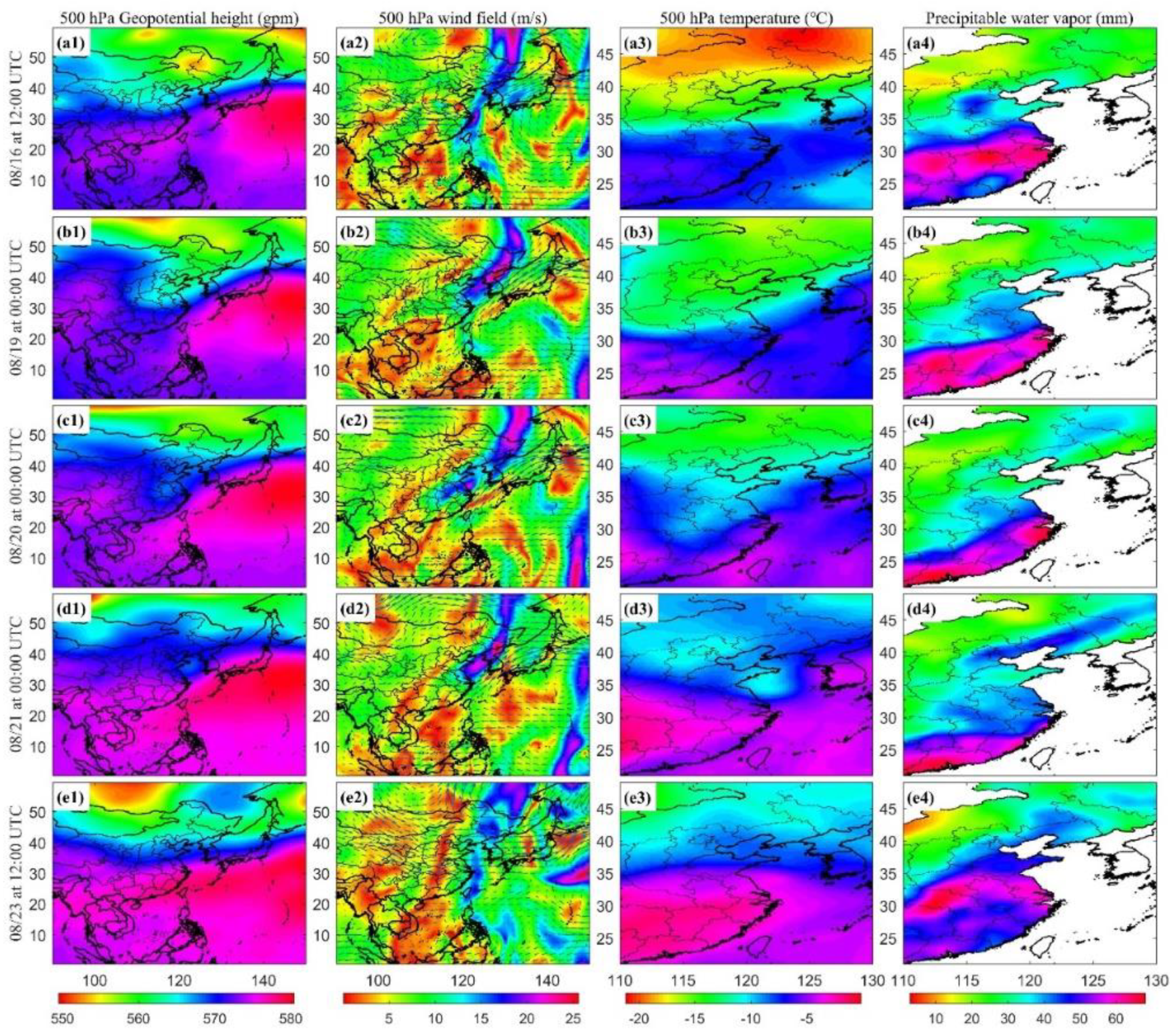
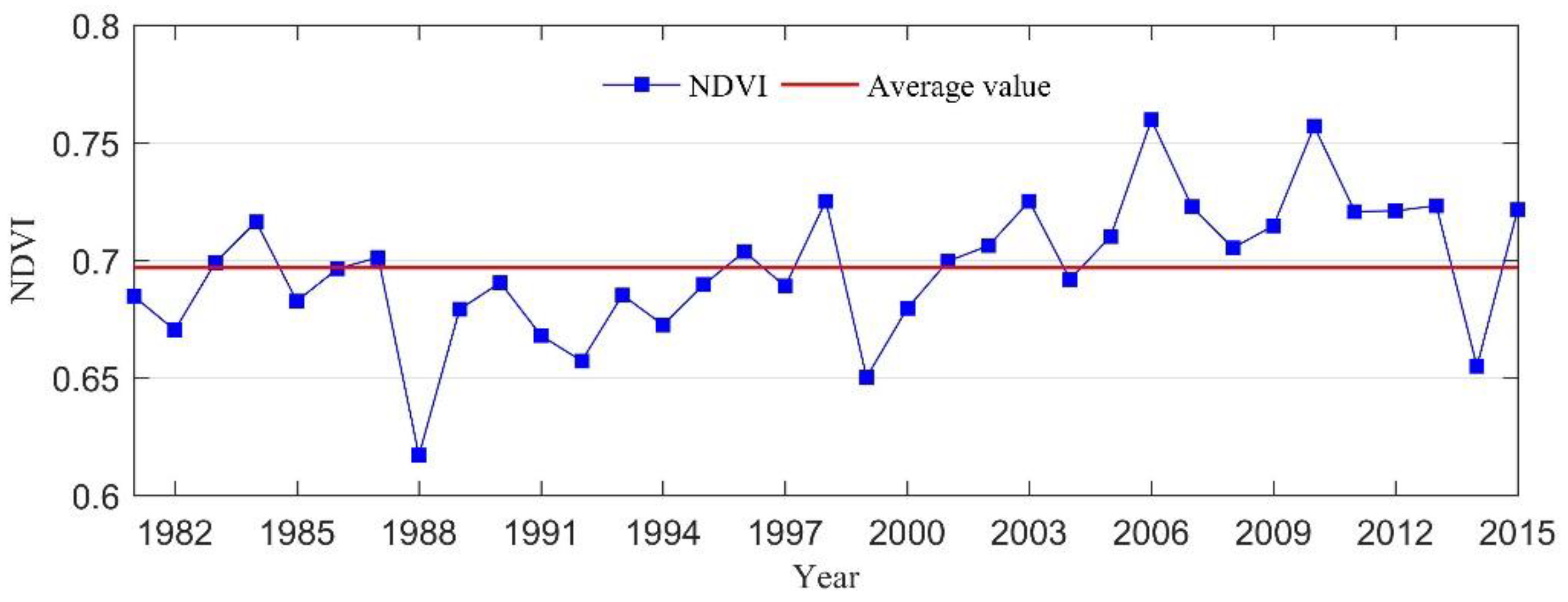
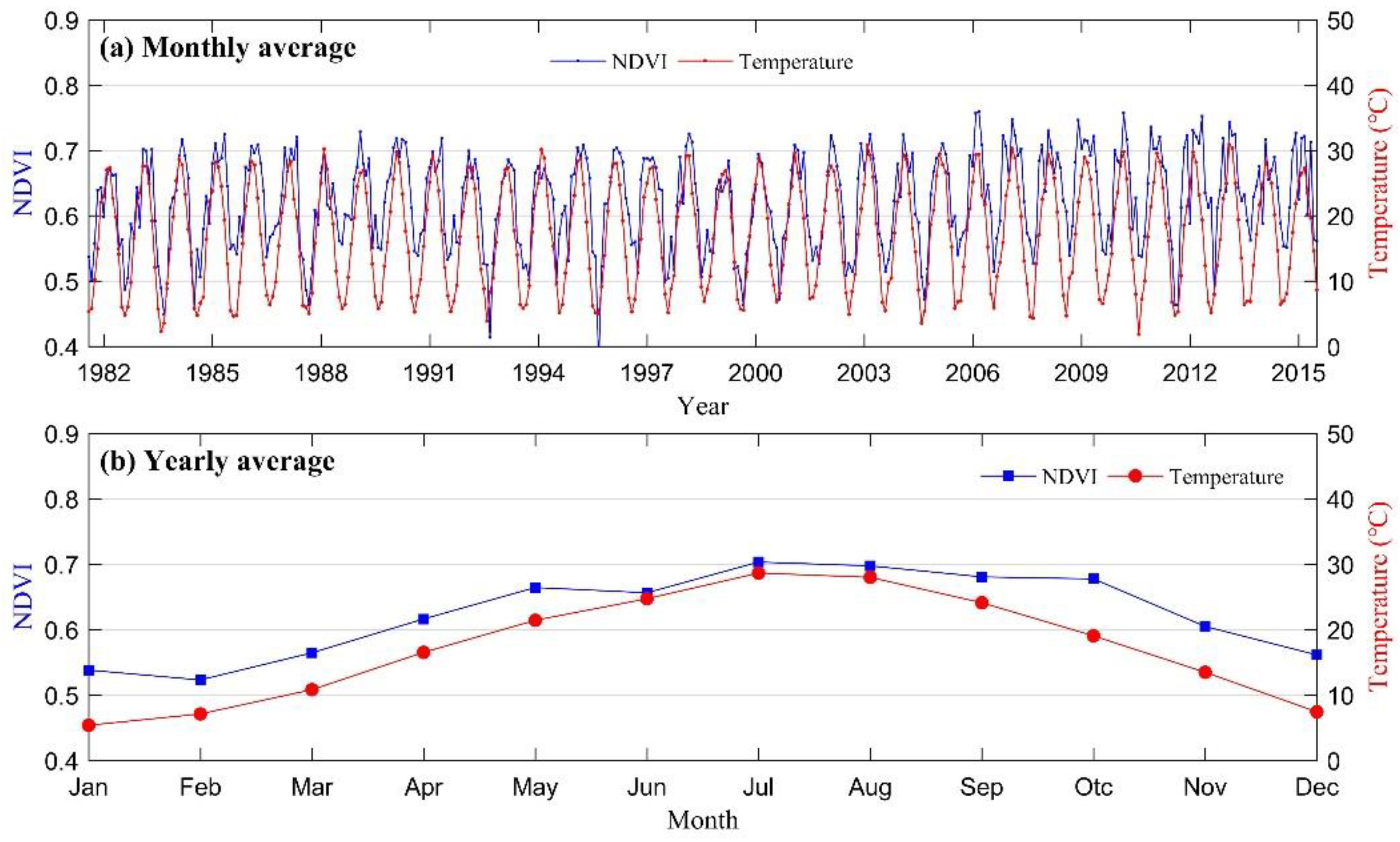
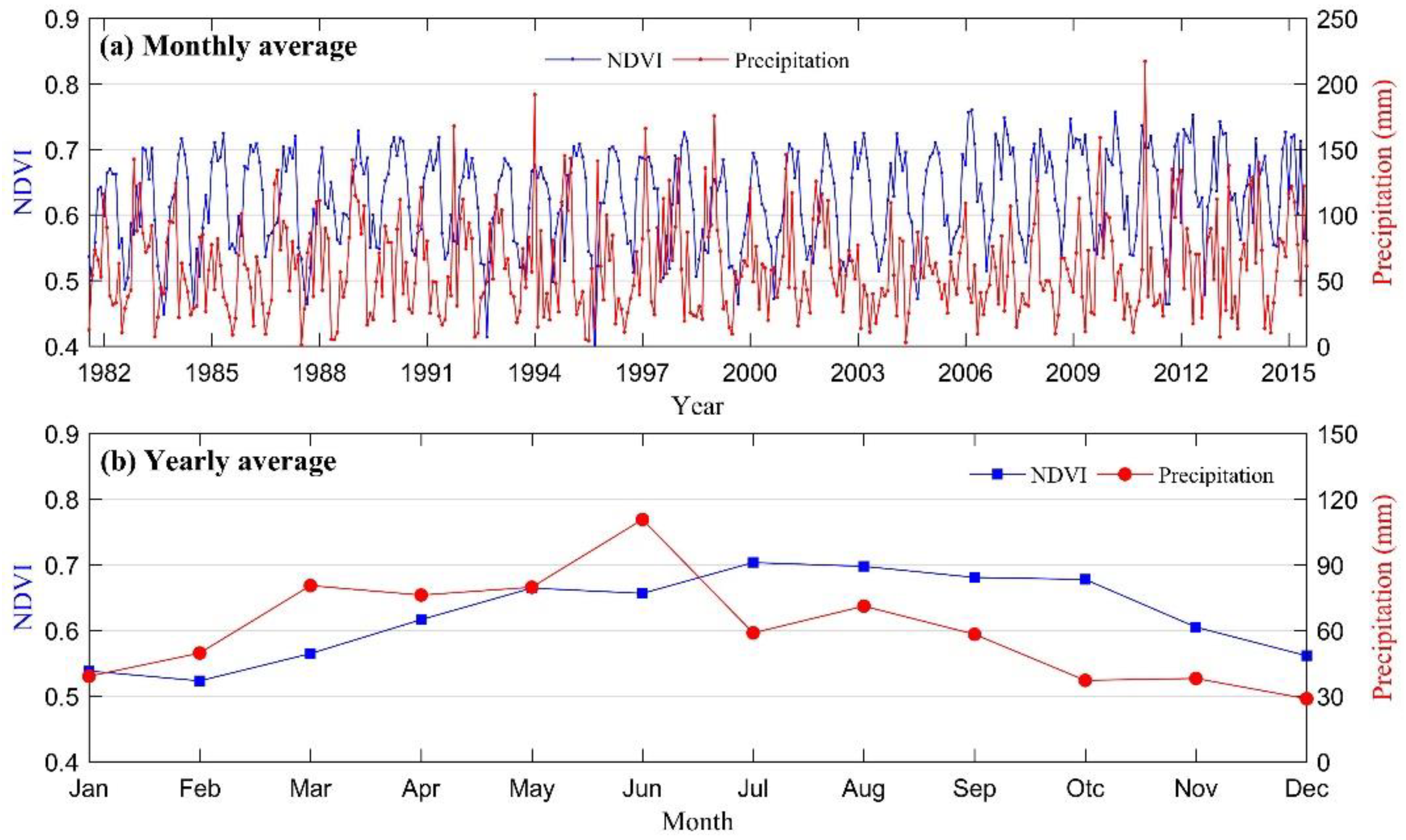
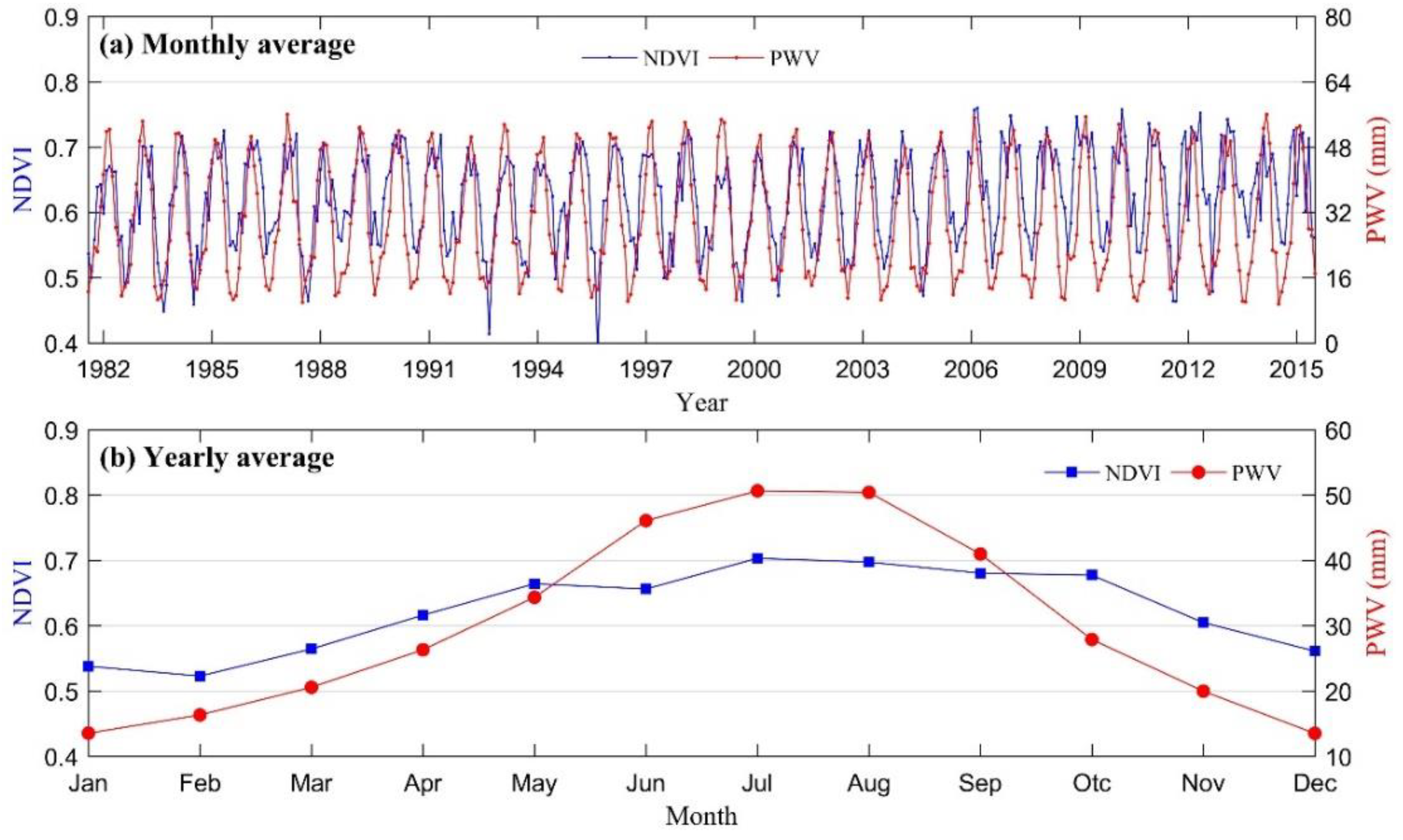
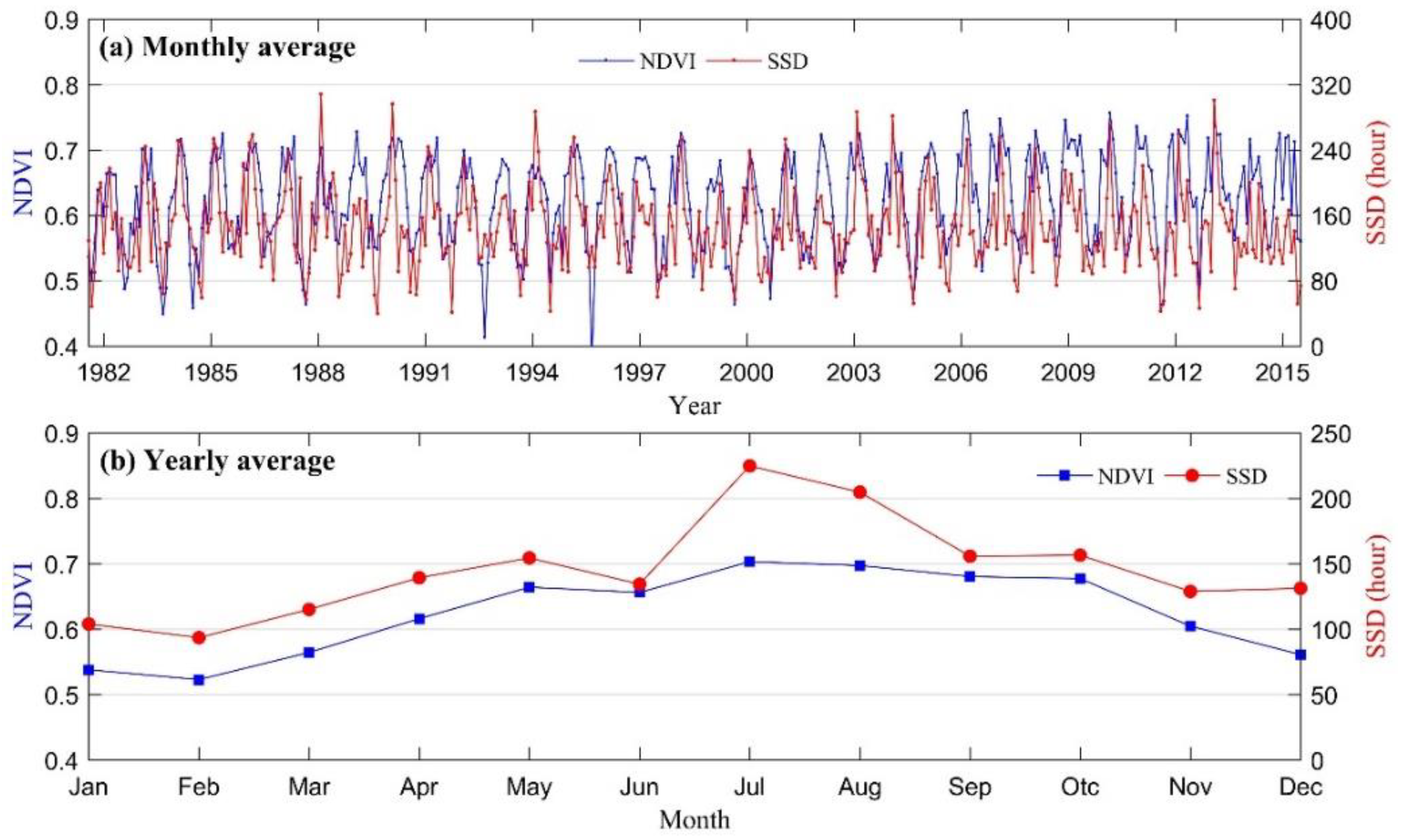
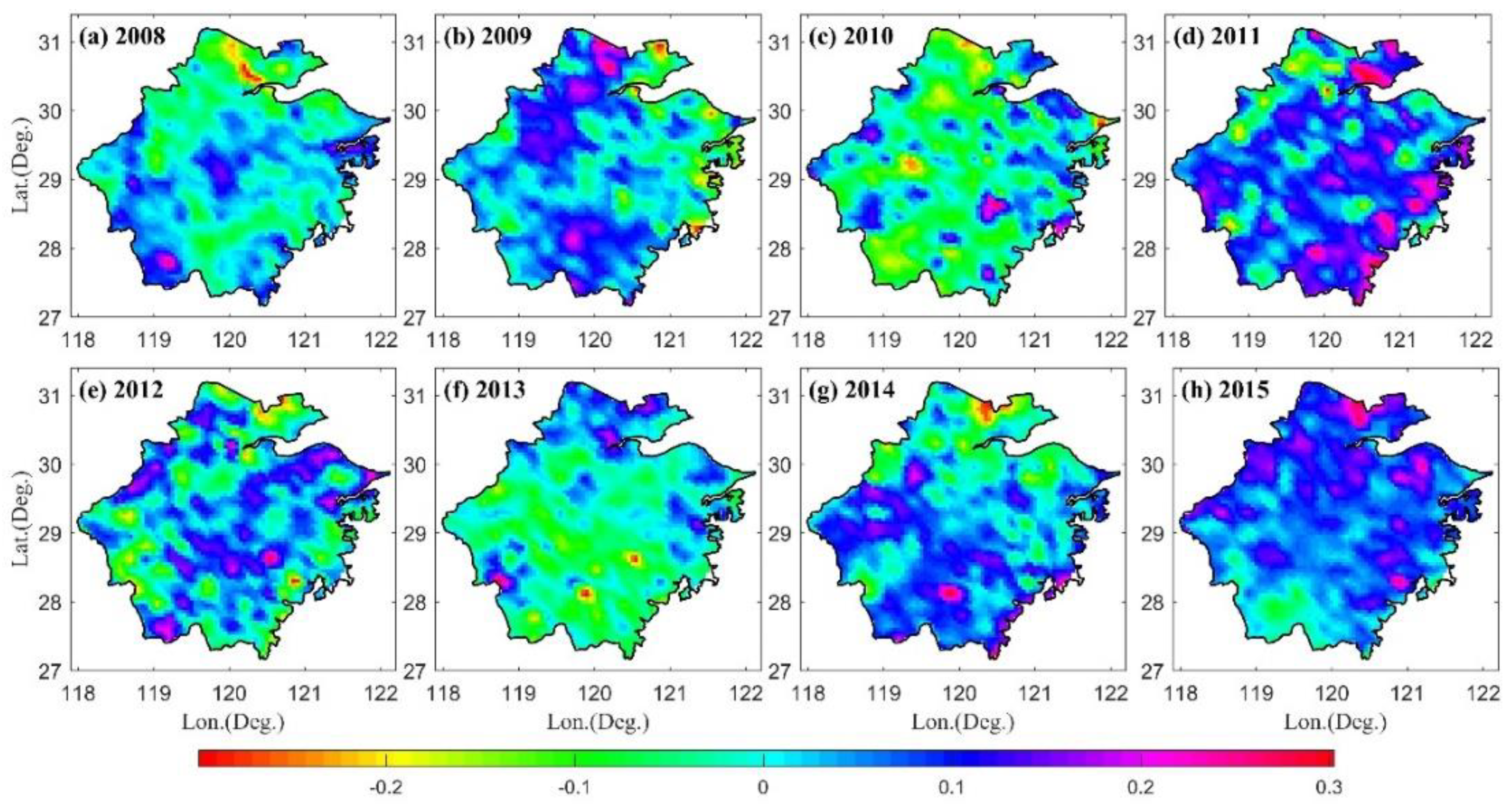
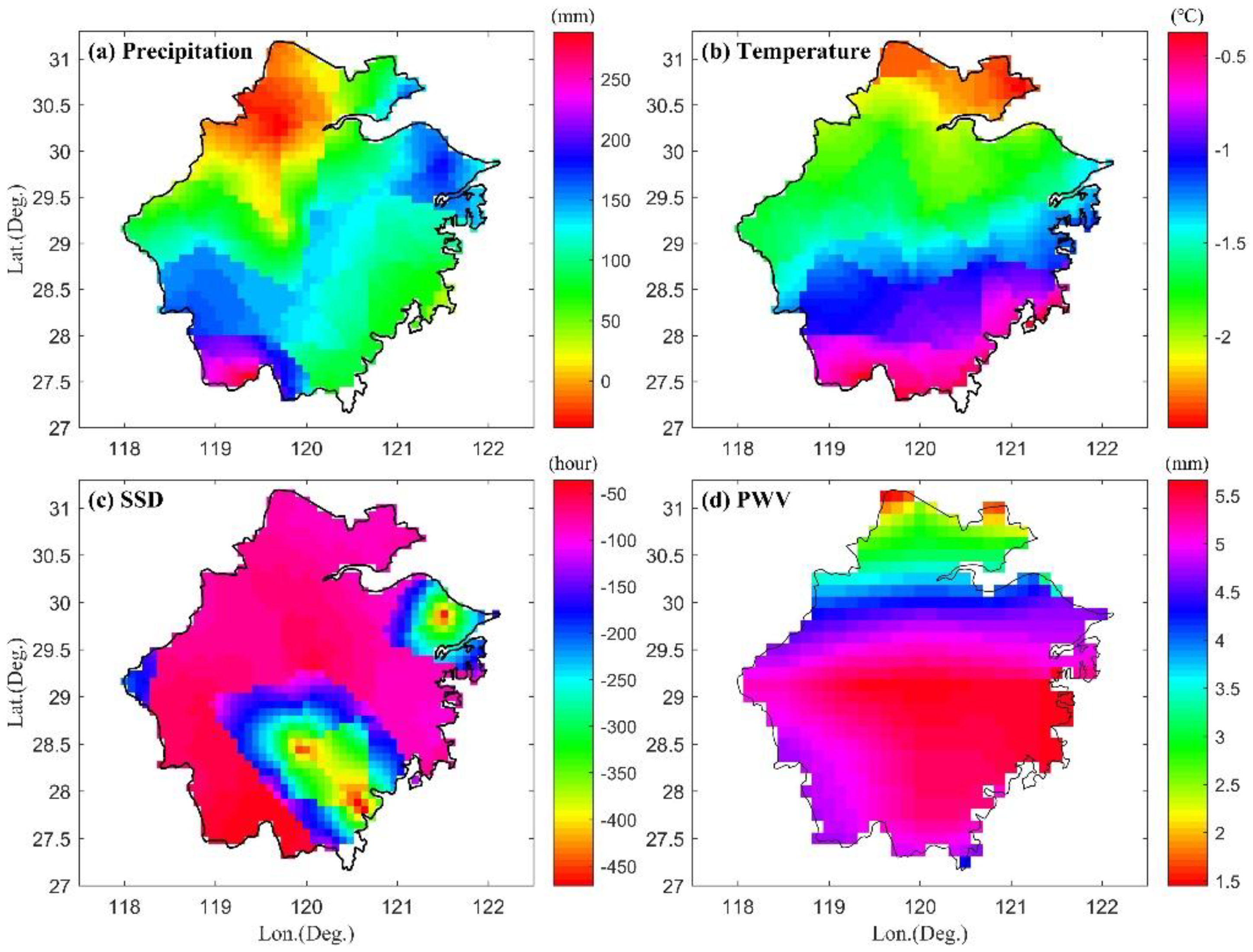
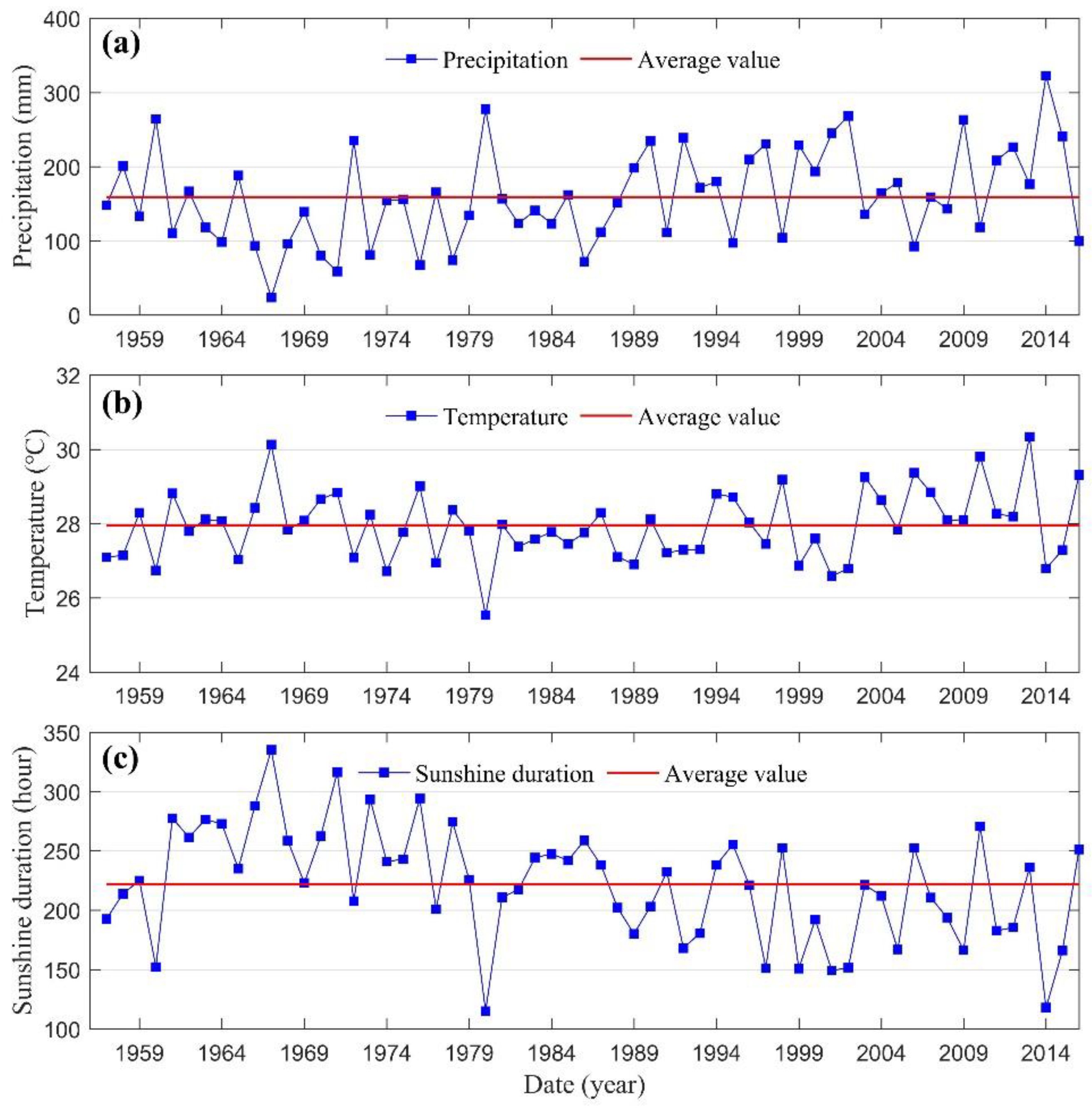
Zhejiang province in China experienced an extreme climate phenomenon in August 2014 with temperature rises, sunshine duration decreases, and precipitation increases, particularly, the successive heavy rainfall events occurring from 16 to 20 August 2014 that contributed to this climate anomaly. This study investigates the spatial-temporal variation characteristics of precipitable water vapor (PWV) and the normalized difference vegetation index (NDVI) associated with this phenomenon. Multiple sources of PWV values derived from the Global Positioning System (GPS), Radiosonde (RS) and European Centre for Medium-Range Weather Forecasts (ECMWF) ERA-Interim data are used with different spatiotemporal resolutions. The monthly averaged PWV in August 2014 exceeded the 95% percentiles of climatological value (53 mm) while the monthly averaged temperature was less than the 5% percentiles of climatological value (26.6 °C). Before the extreme precipitation, the PWV increased from the yearly averaged value of about 35 mm to more than 60 mm and gradually returned to the August climatological average of 50 mm after the precipitation ended. A large-scale atmospheric water vapor was partially conveyed by the warm wet air current of anticyclones which originated over the South China Sea (25° N, 130° E) and the Western Pacific Ocean. The monthly NDVI variation over the past 34 years (1982–2015) was investigated in this paper and the significant impact of extreme climate on vegetation growth in August 2014 was found. The extreme negative temperature anomaly and positive PWV anomaly are the major climate-driven factors affecting vegetation growth in the north and south of Zhejiang province with correlation coefficients of 0.83 and 0.72, respectively, while the extreme precipitation does not show any apparent impact on NDVI.
Keywords: European Centre for Medium-Range Weather Forecasts (ECMWF); Global Positioning System (GPS); normalized difference vegetation index (NDVI); precipitable water vapor (PWV) European Centre for Medium-Range Weather Forecasts (ECMWF); Global Positioning System (GPS); normalized difference vegetation index (NDVI); precipitable water vapor (PWV)
Graphical Abstract