Article

Optical Property Model for Cirrus Clouds Based on Airborne Multi-Angle Polarization Observations

1
Department of Atmospheric Sciences, Texas A&M University, College Station, TX 77843, USA
2
Laboratory for Atmospheric and Space Physics, University of Colorado, Boulder, CO 80309, USA
3
Science and Technology Corporation (STC), Madison, WI 53705, USA
*
Author to whom correspondence should be addressed.
Remote Sens. 2021, 13(14), 2754; https://doi.org/10.3390/rs13142754
Submission received: 8 June 2021 / Revised: 8 July 2021 / Accepted: 9 July 2021 / Published: 13 July 2021
(This article belongs to the Special Issue Scattering by Ice Crystals in the Earth's Atmosphere)

Abstract

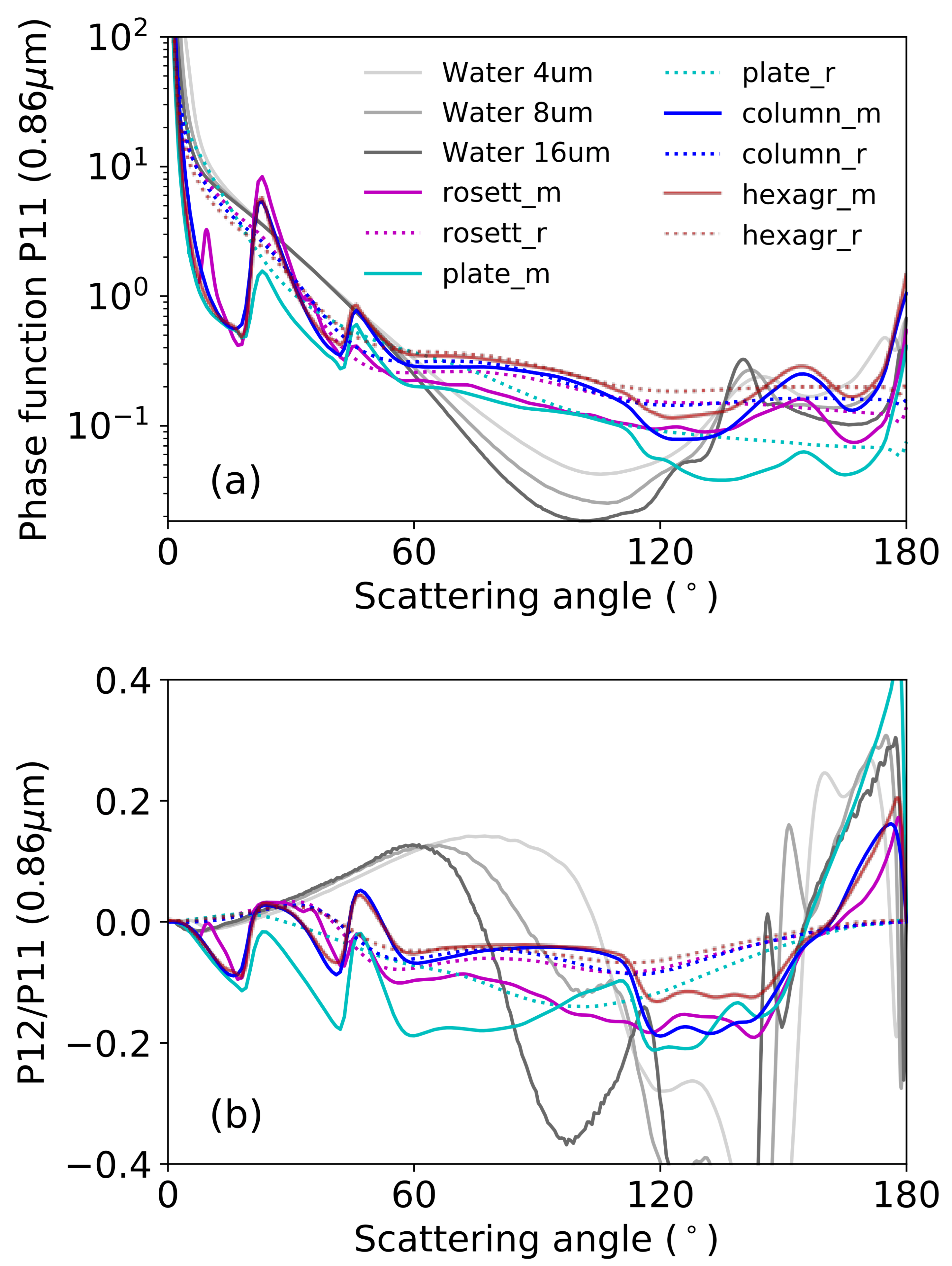
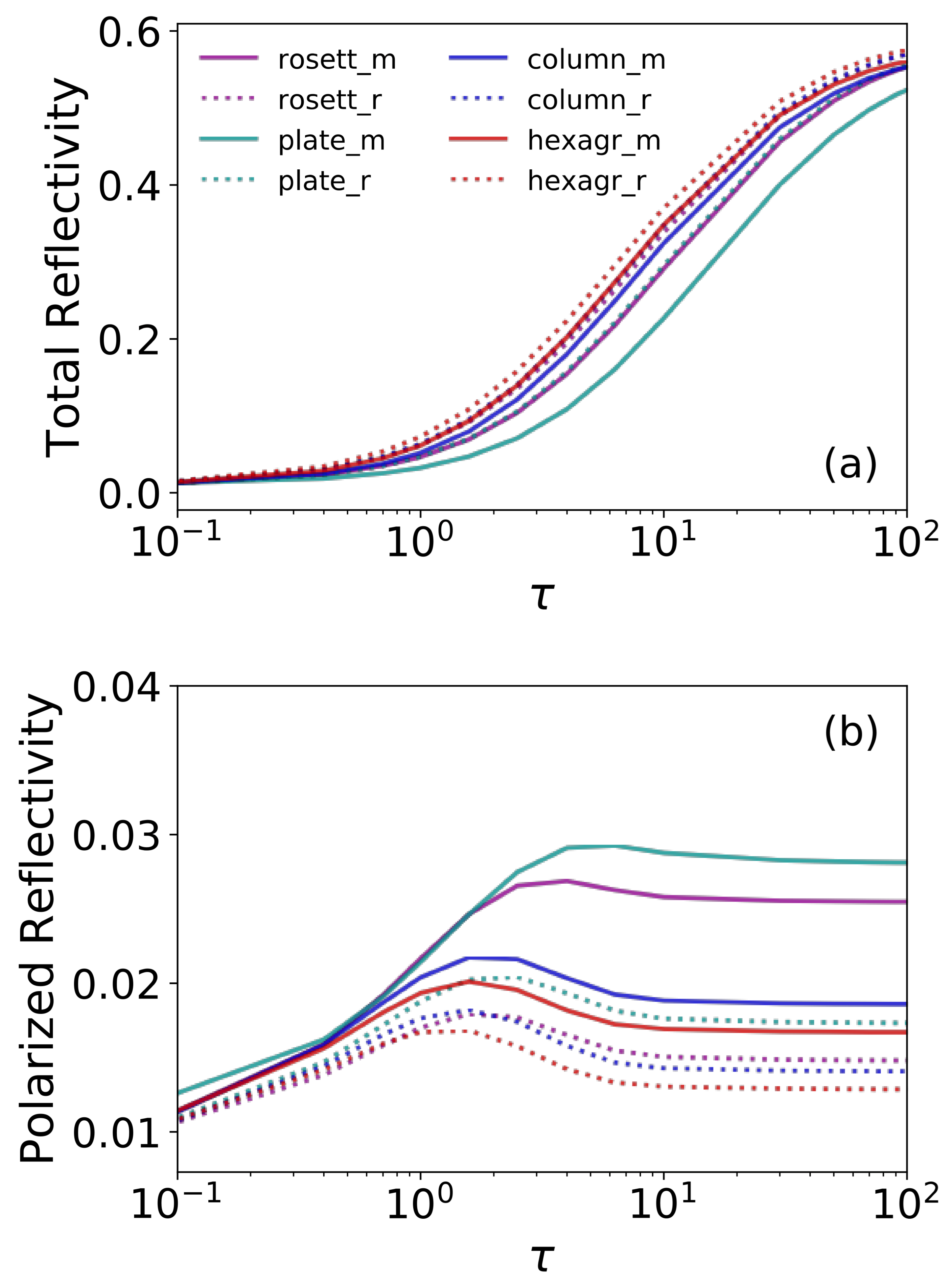
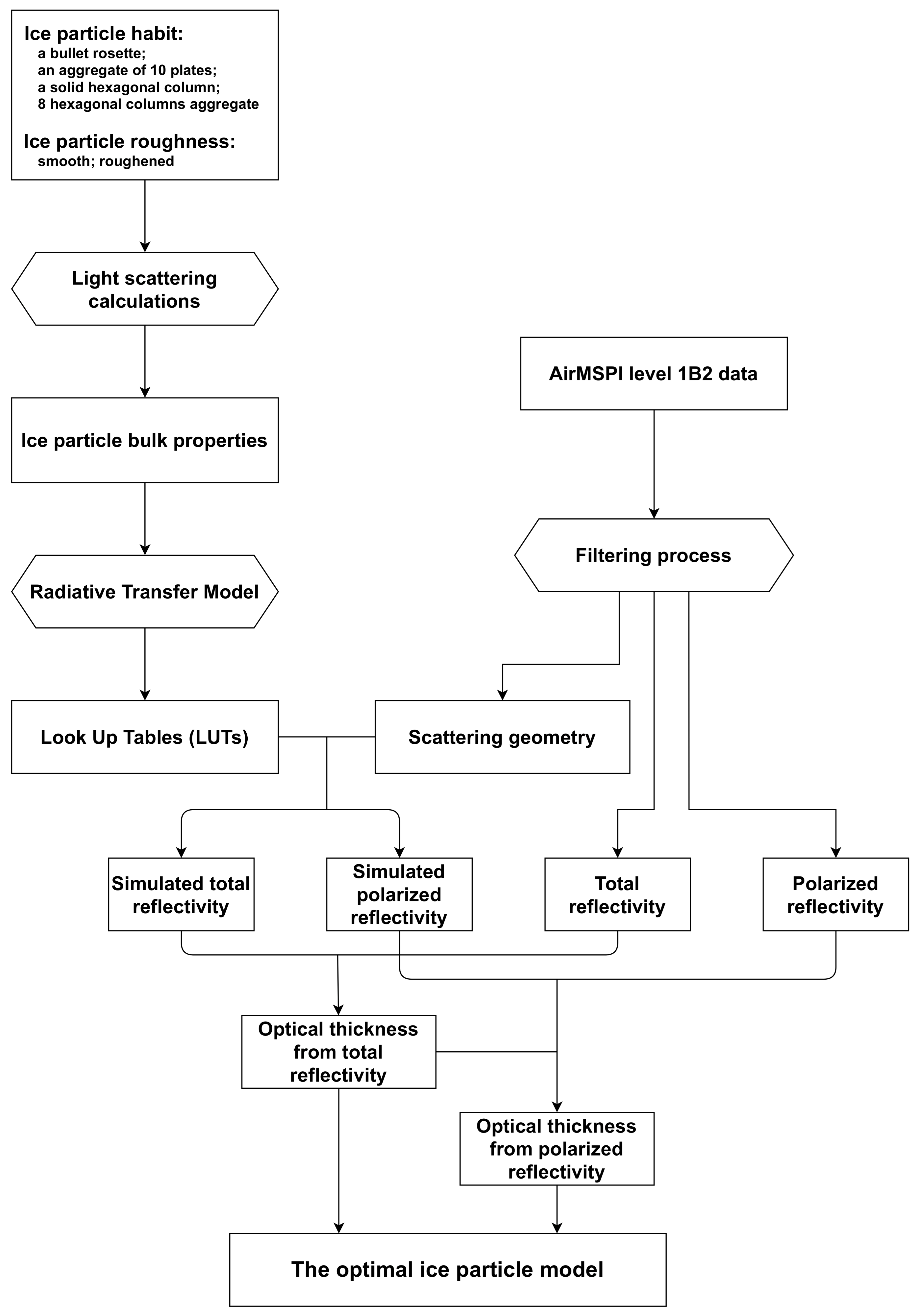
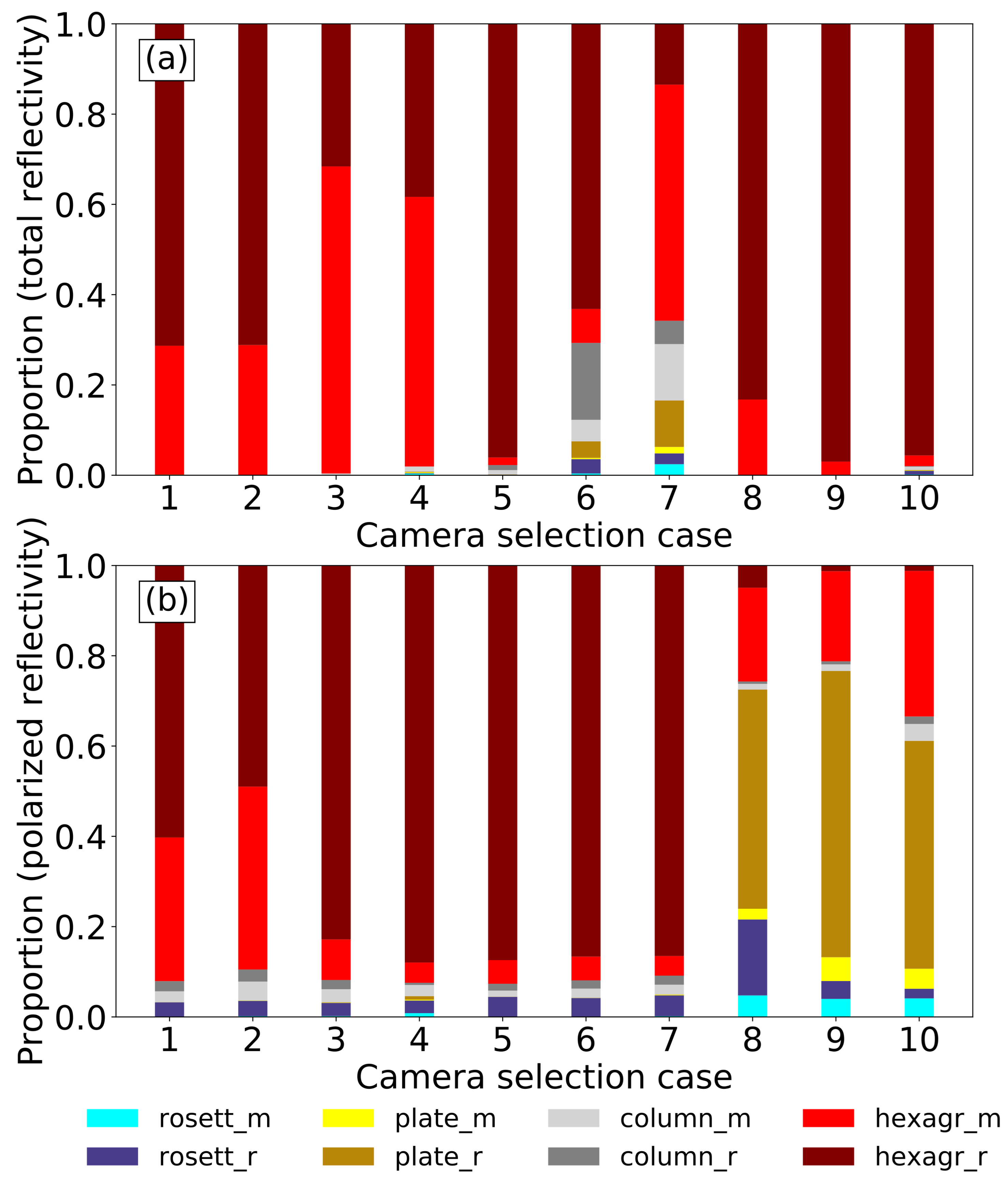
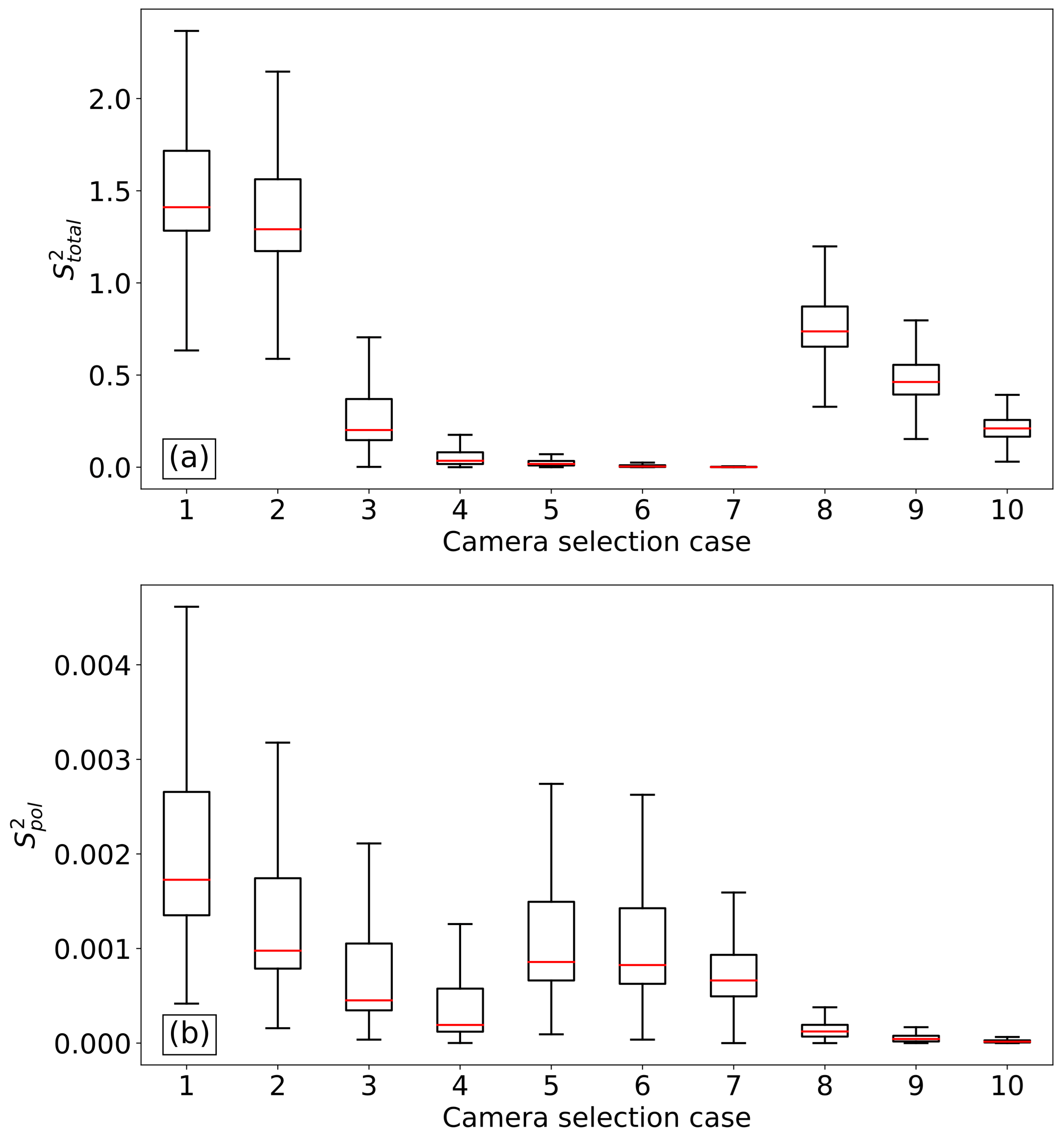
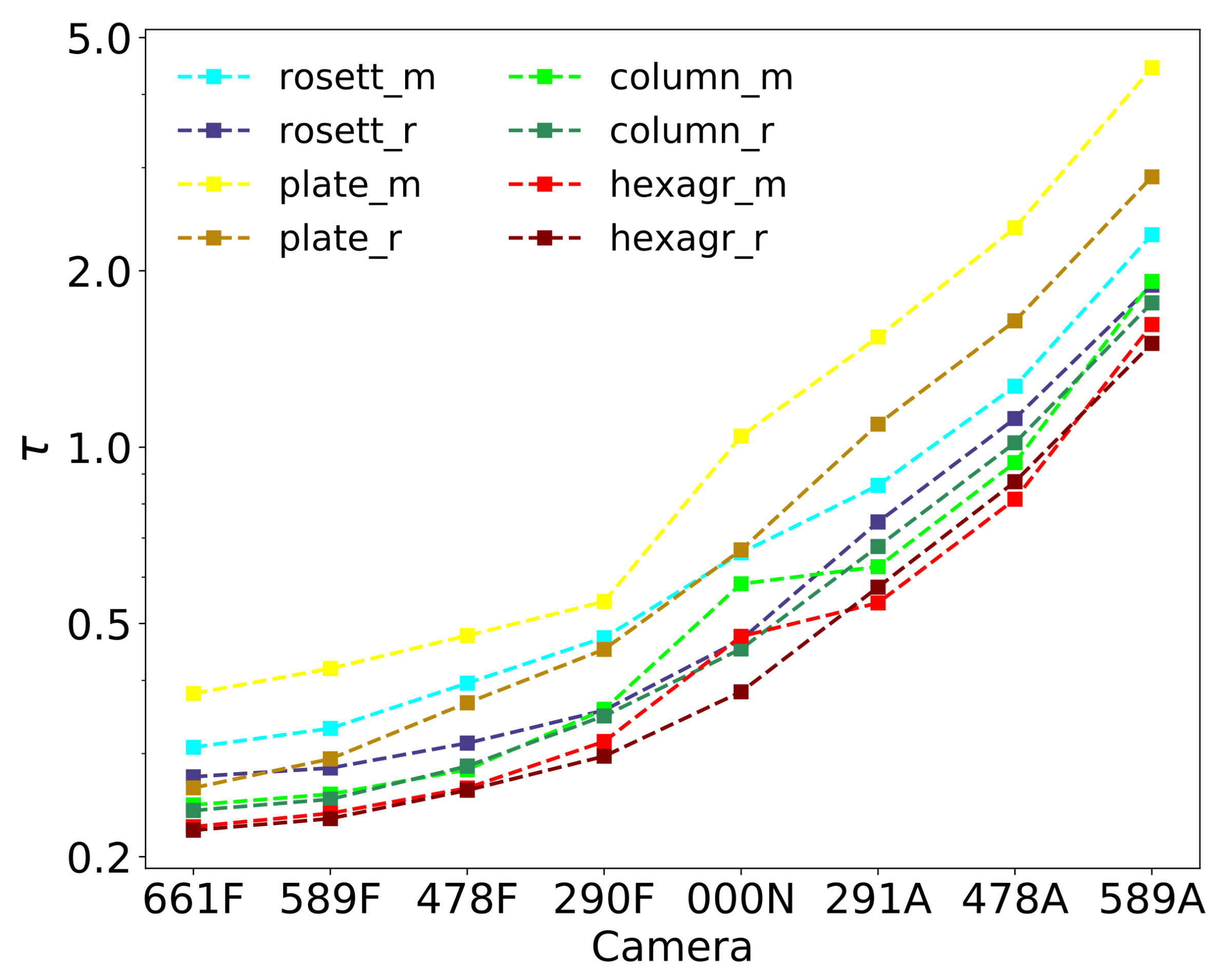
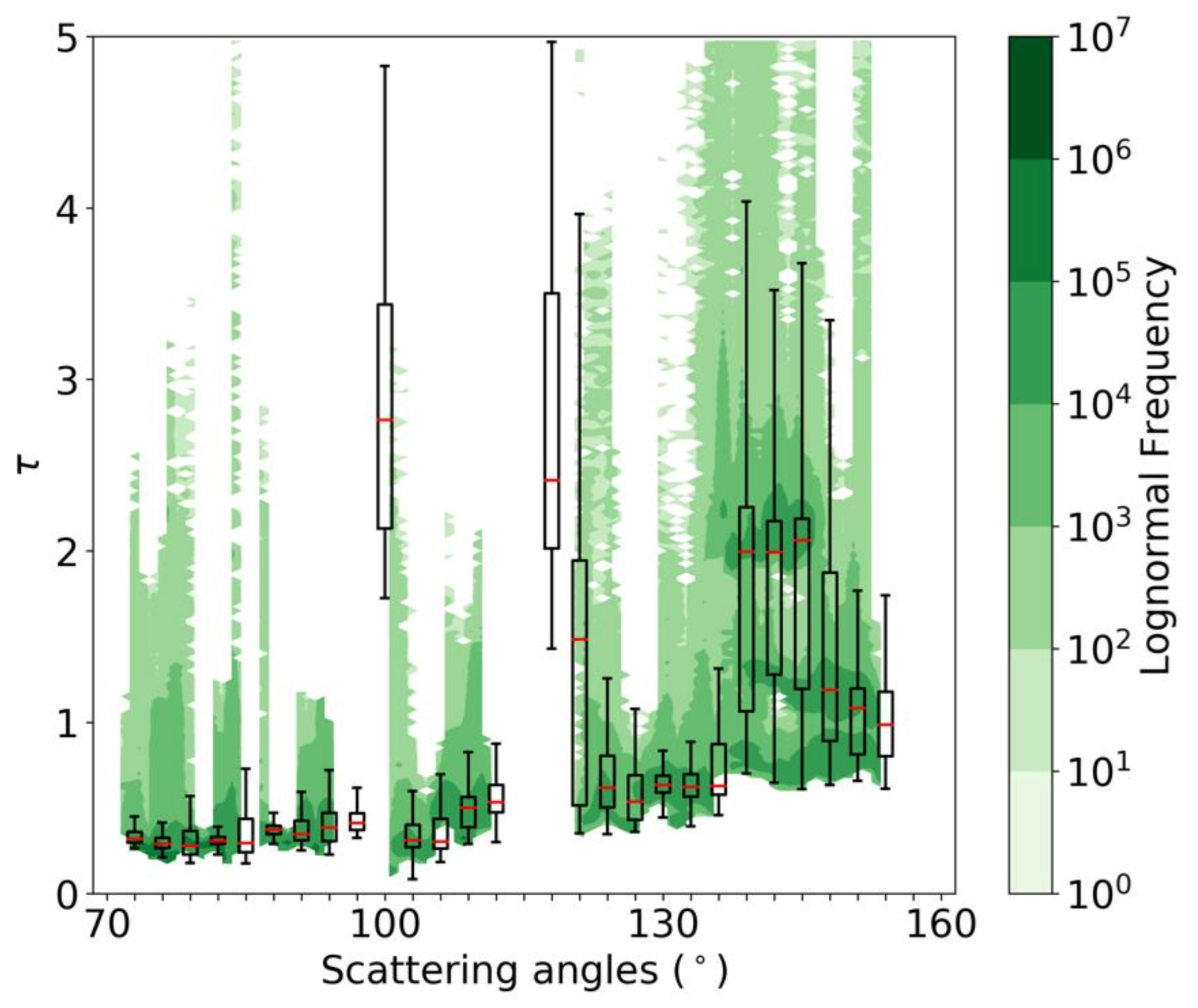
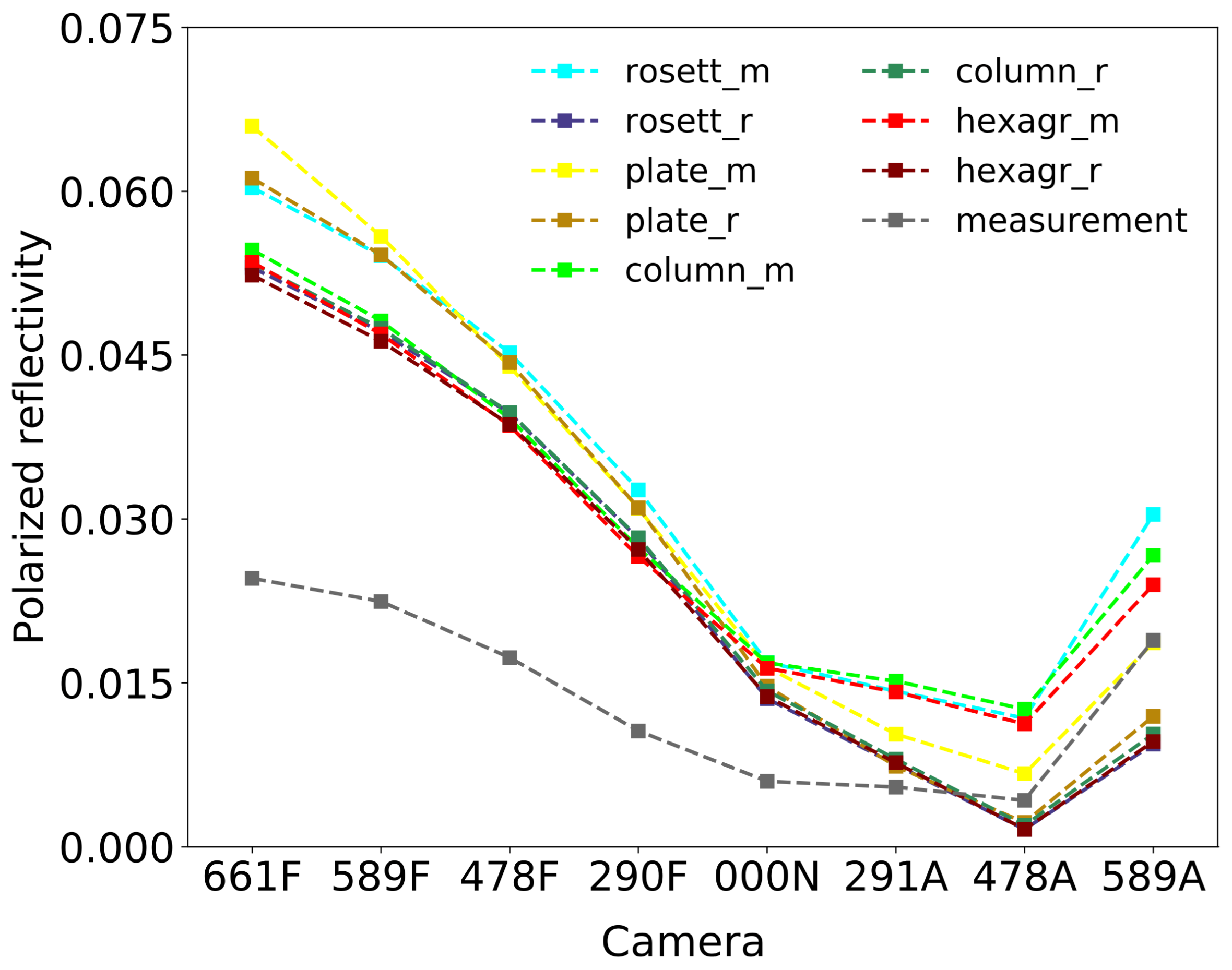
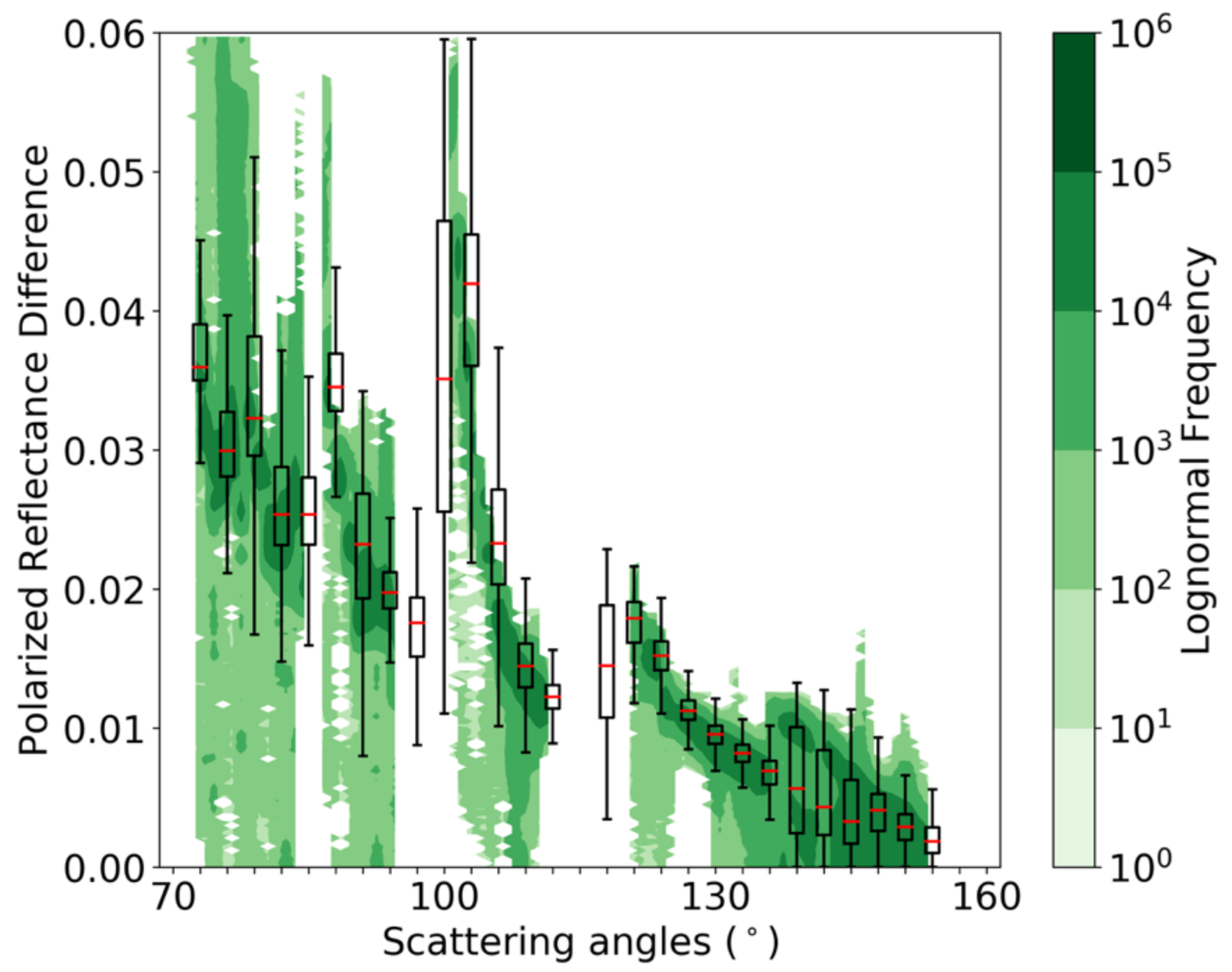
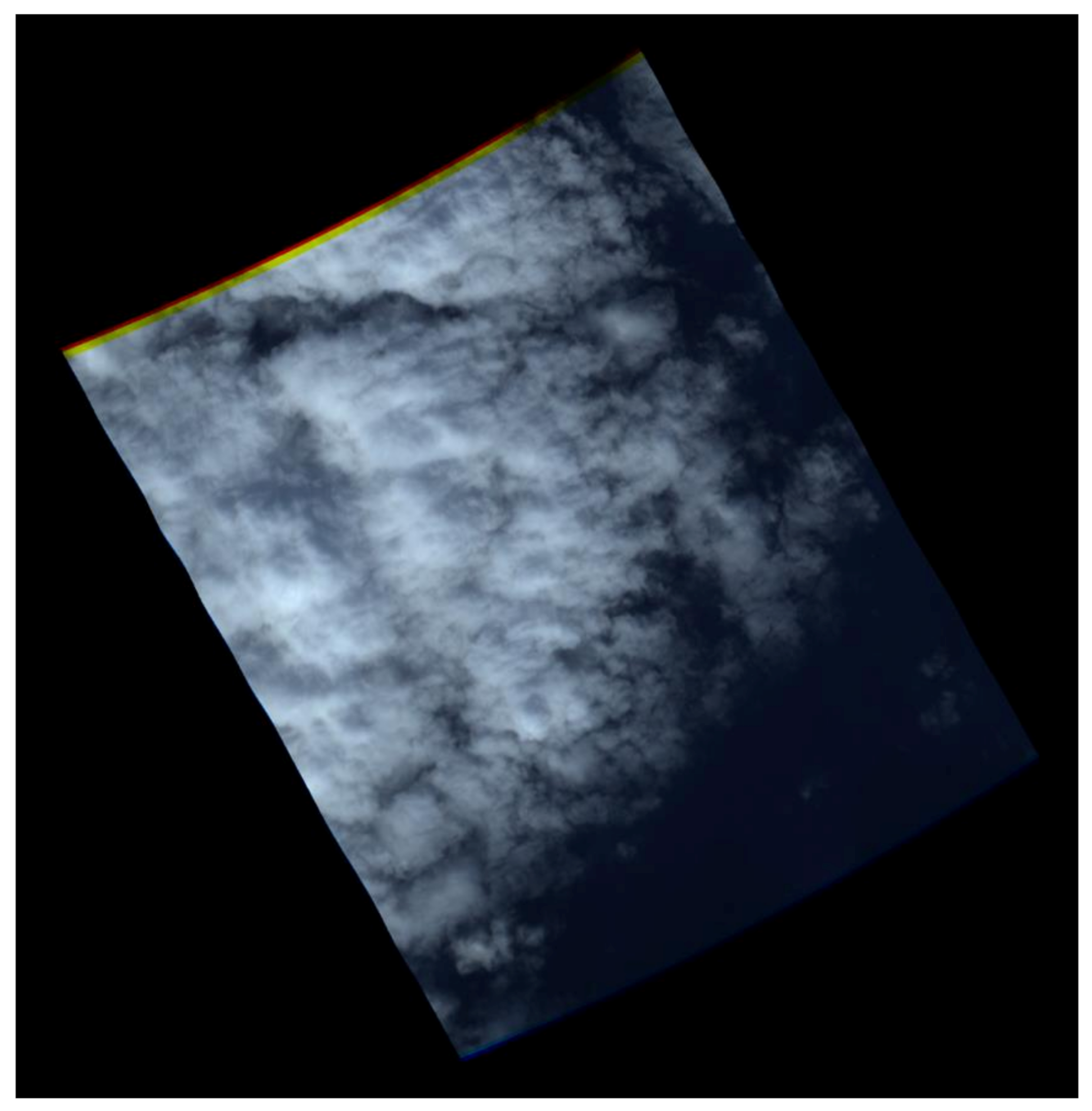
We present an improved remote sensing technique to infer an optimal habit/shape model for ice particles in cirrus clouds using multi-angle polarimetric measurements at 865 nm made by the Airborne Multi-angle SpectroPolarimeter Imager (AirMSPI) instrument. The common method of ice model inference is based on intensity (total reflectivity) measurements, which is generally not applicable to optically thin ice clouds (i.e., cirrus clouds) where single scattering dominates. The new approach is able to infer an ice model in clouds with optical thicknesses smaller than 5. The improvement is made by first assuming the optical thickness retrieved using total reflectivity. Subsequently, the polarized reflectivity is calculated based on look-up tables generated from simulated polarized reflectances computed for cirrus clouds in conjunction with eight ice particle models. The ice particle model that leads to the closest fit to the measurements is regarded as the optimal ice particle model. Additionally, an alternative method is applied that does not consider polarized reflectivity. These two methods are applied to a data sample as a proof-of-concept study where AirMSPI observed a single cirrus layer. In this case study, the hexagonal column aggregate model works for most pixels both with and without considering polarized reflectivities. The retrieval cost function is high when the camera pairs with large zenith angles are included in the retrievals. This result suggests that further studies will be necessary to have a better understanding of all eight selected ice particle models at scattering angles smaller than 100°.
Keywords: ice clouds; cirrus clouds; polarization; multi-angular camera; particle shape; optical property model; retrieval ice clouds; cirrus clouds; polarization; multi-angular camera; particle shape; optical property model; retrieval