Article

Effects on the Double Bounce Detection in Urban Areas Based on SAR Polarimetric Characteristics


by
José Manuel Delgado Blasco
1,2,*,
Magdalena Fitrzyk
3,
Jolanda Patruno
1,
Antonio Miguel Ruiz-Armenteros
2,4,5 and
Mattia Marconcini
6
1
RHEA Group, Via di Grotta Portella 6/8, 00044 Frascati, Italy
2
Grupo de Investigación Microgeodesia Jaén (PAIDI RNM-282), Universidad de Jaén, Campus Las Lagunillas s/n, 23071 Jaén, Spain
3
RSAC c/o ESA-ESRIN, Largo Galileo Galilei 1, 00044 Frascati, Italy
4
Dpto. Ingeniería Cartográfica, Geodésica y Fotogrametría, Universidad de Jaén, EPSJ, Campus Las Lagunillas s/n, Edif. A3, 23071 Jaén, Spain
5
Centro de Estudios Avanzados en Ciencias de la Tierra, Energía y Medio Ambiente CEACTEMA, Universidad de Jaén, Campus Las Lagunillas, s/n, 23071 Jaén, Spain
6
German Aerospace Center (DLR), Oberpfaffenhofen, 82234 Wessling, Germany
*
Author to whom correspondence should be addressed.
Remote Sens. 2020, 12(7), 1187; https://doi.org/10.3390/rs12071187
Submission received: 18 February 2020 / Revised: 24 March 2020 / Accepted: 2 April 2020 / Published: 7 April 2020

Abstract

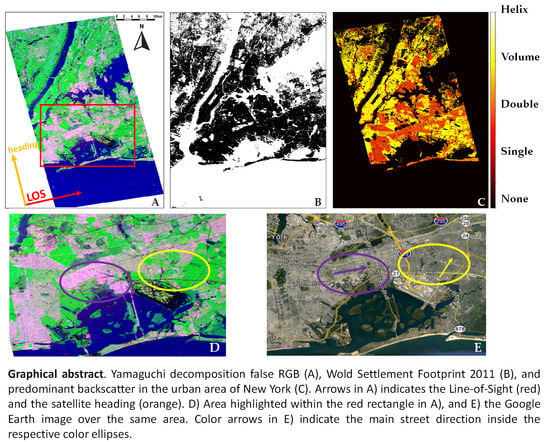
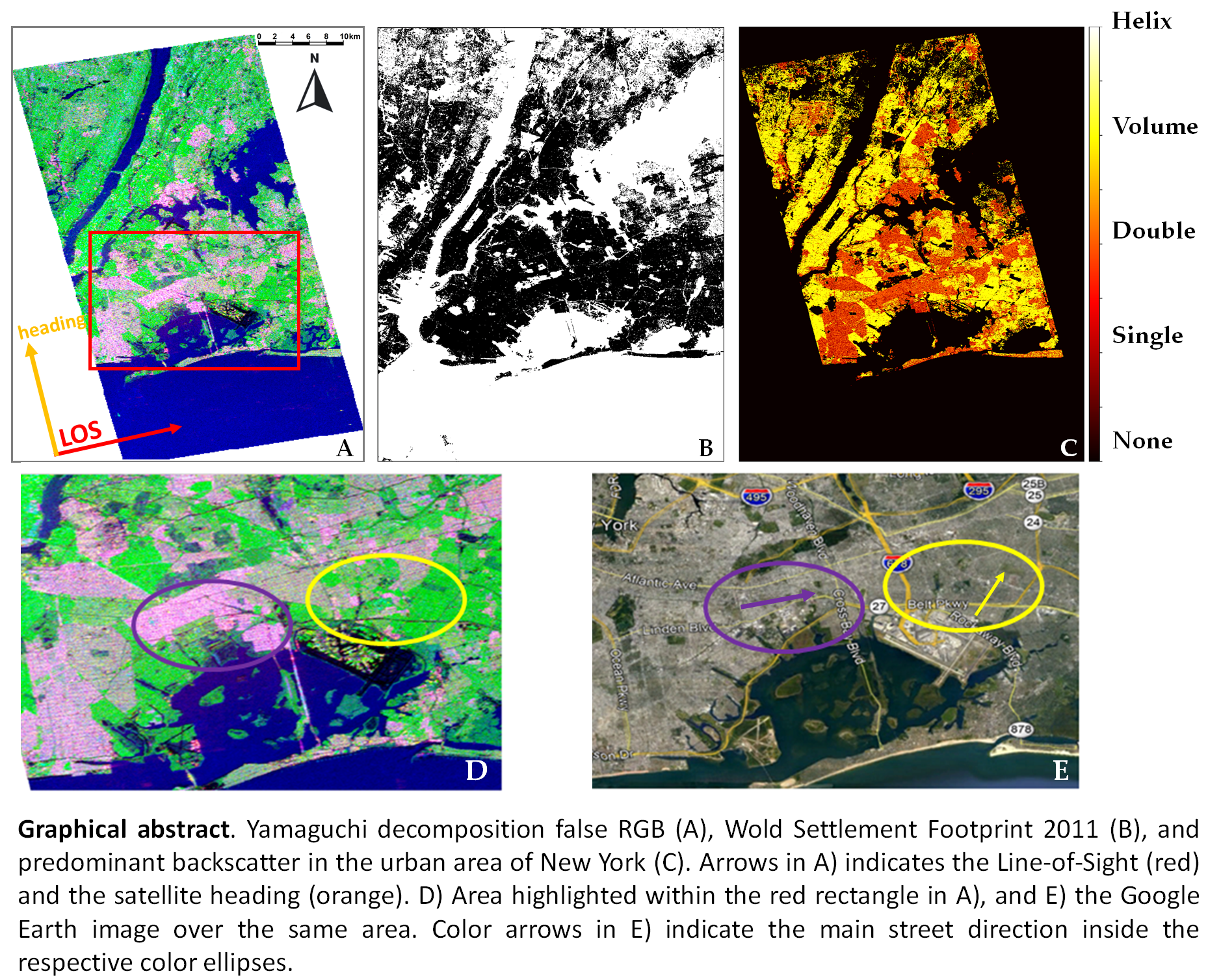
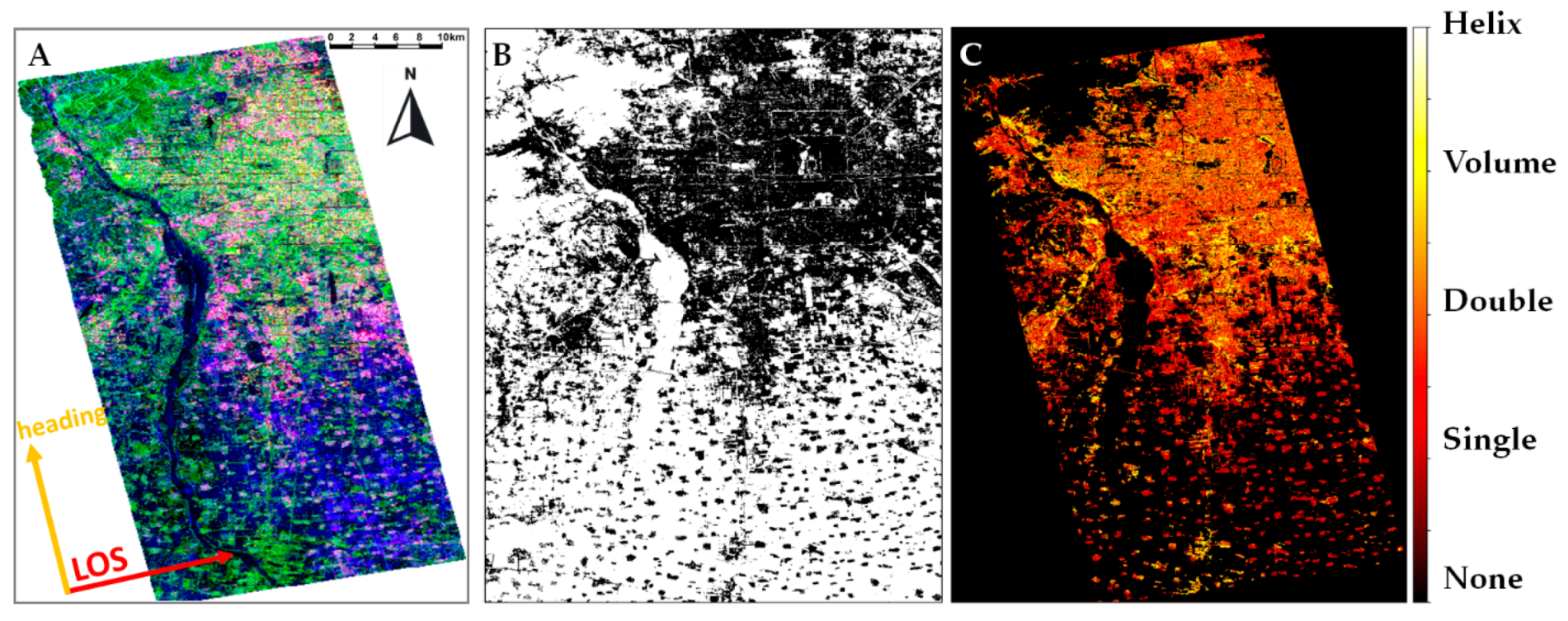
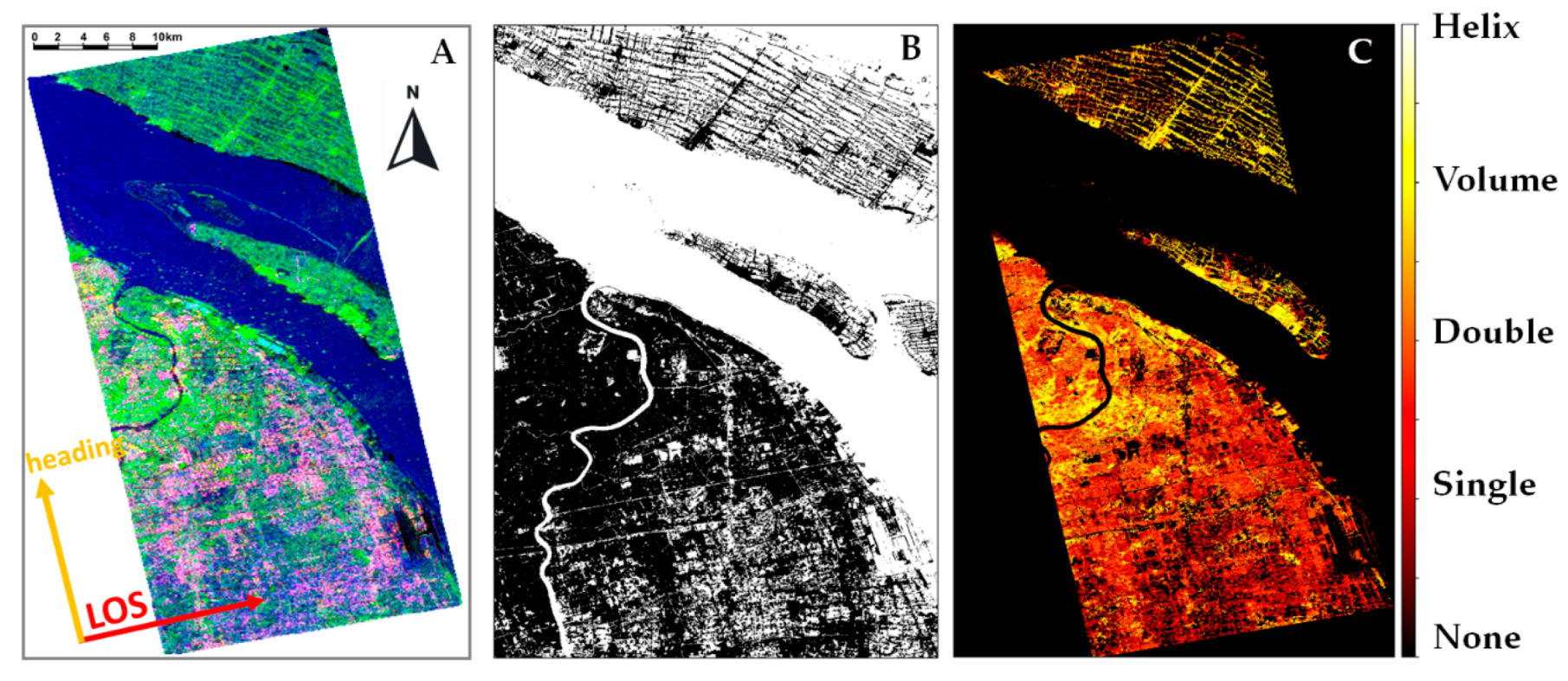
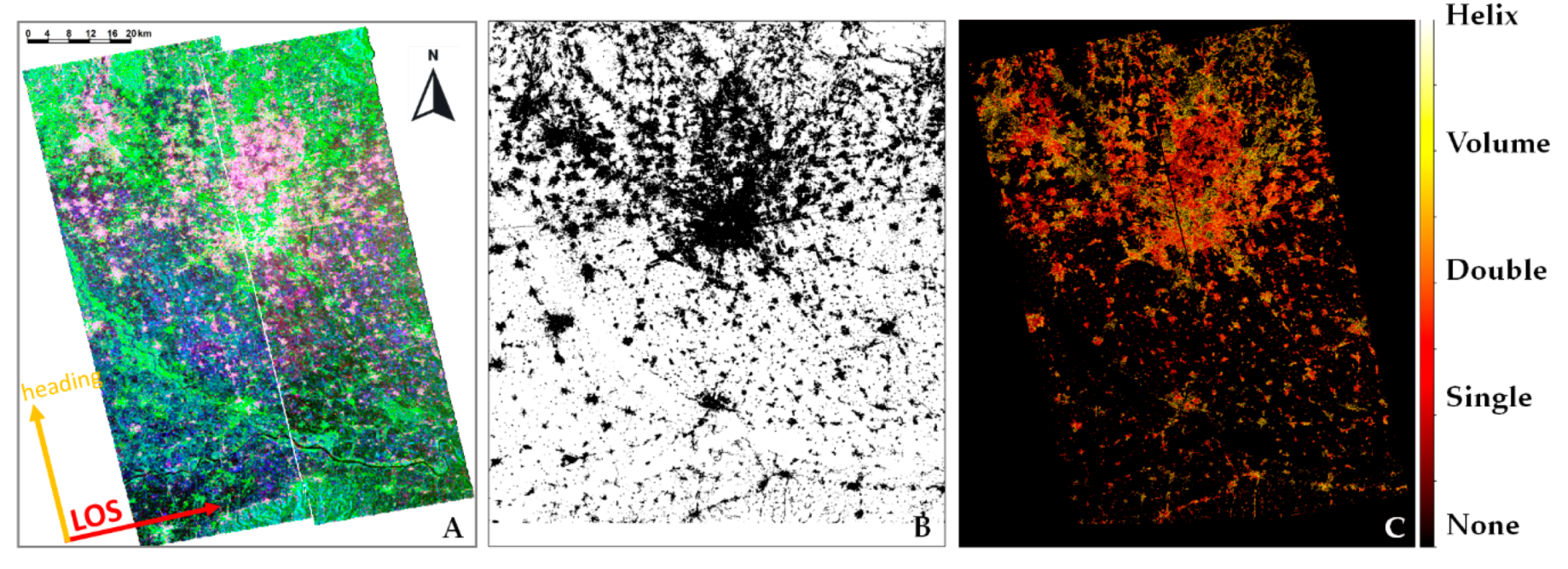
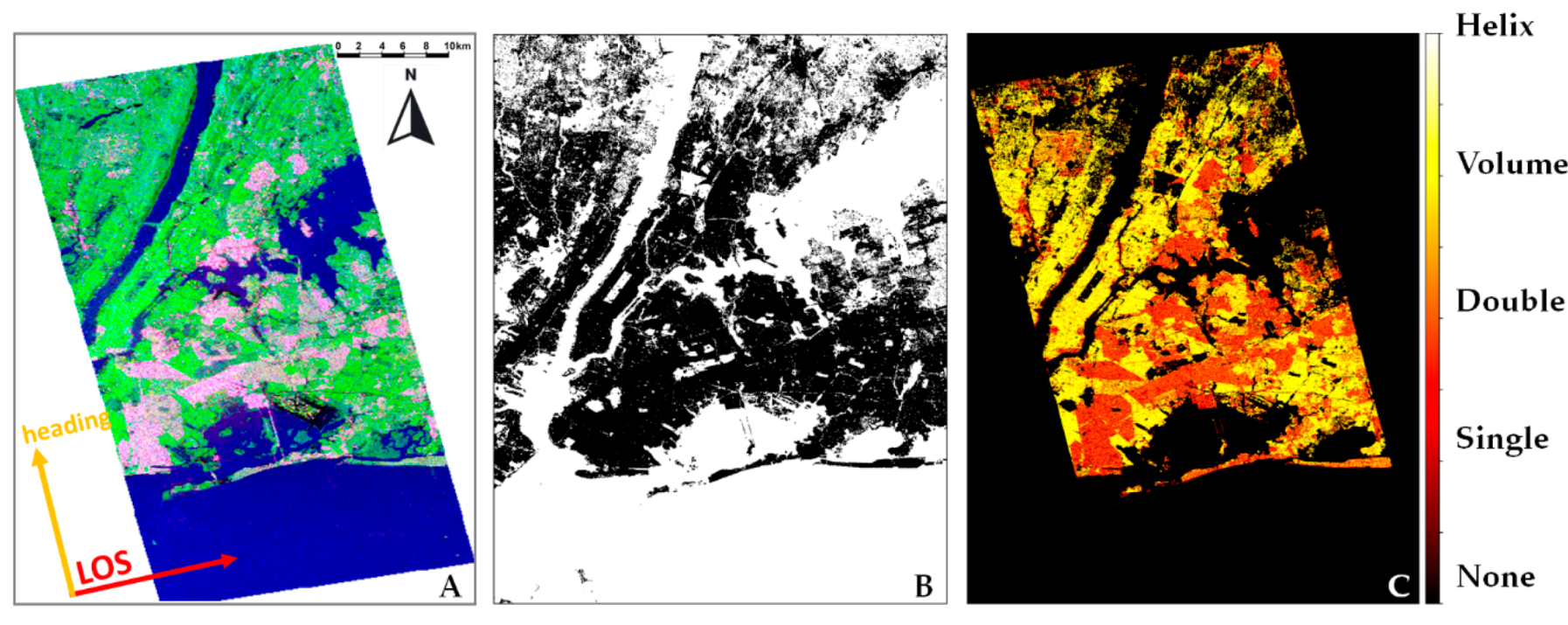
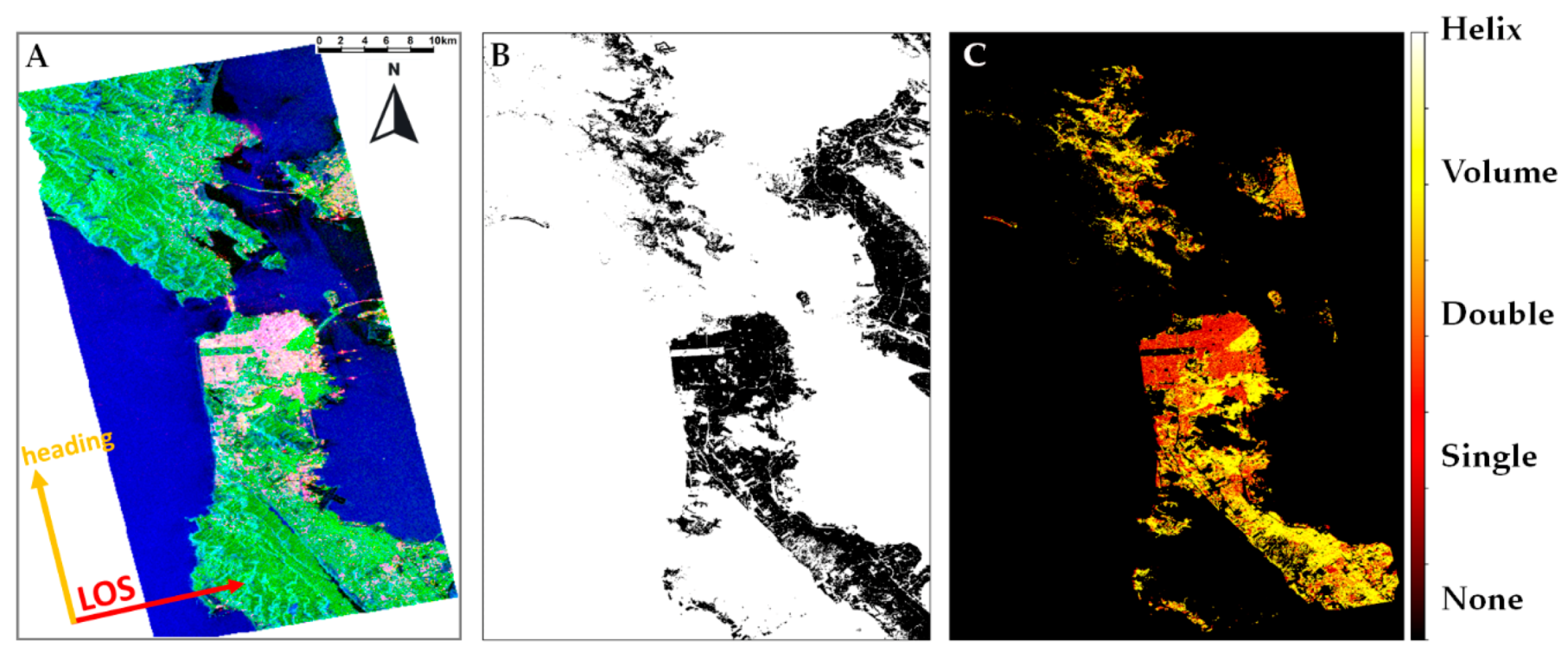
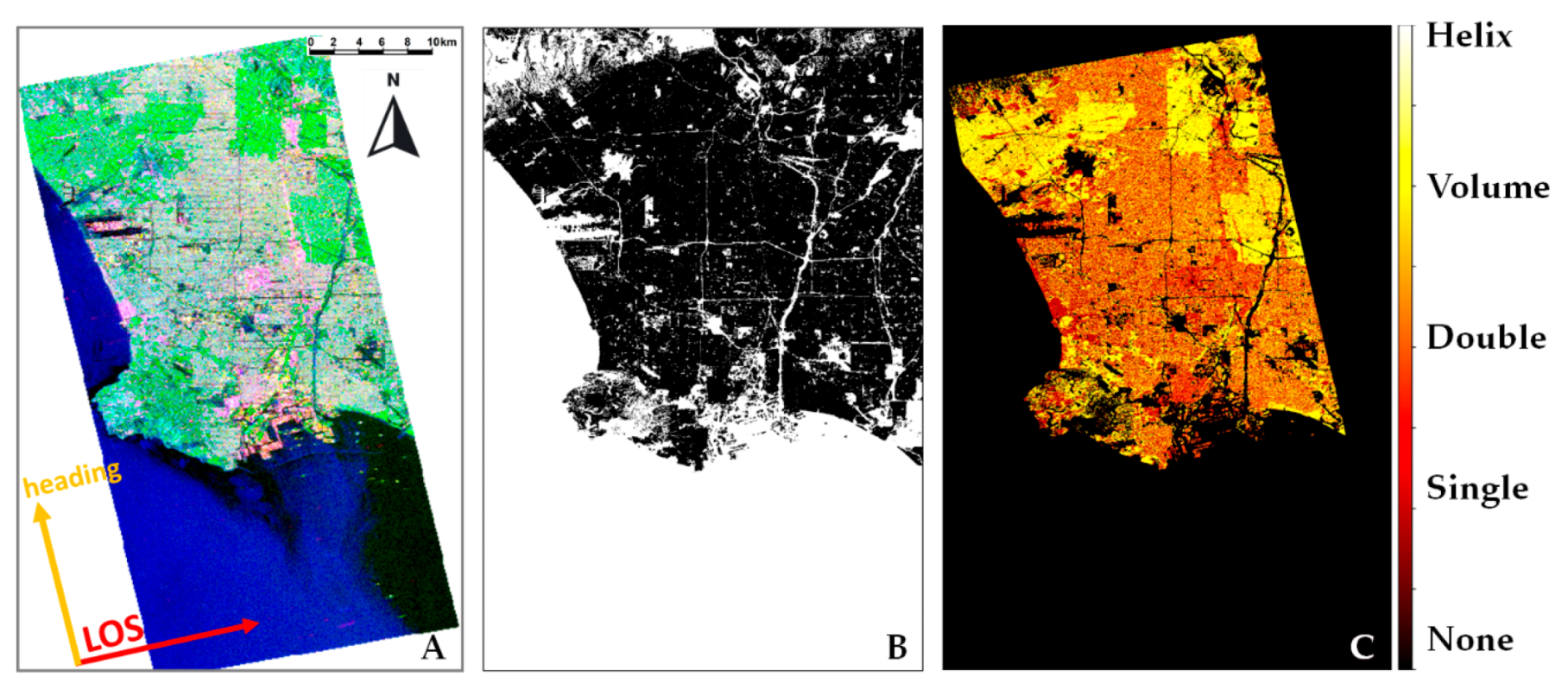
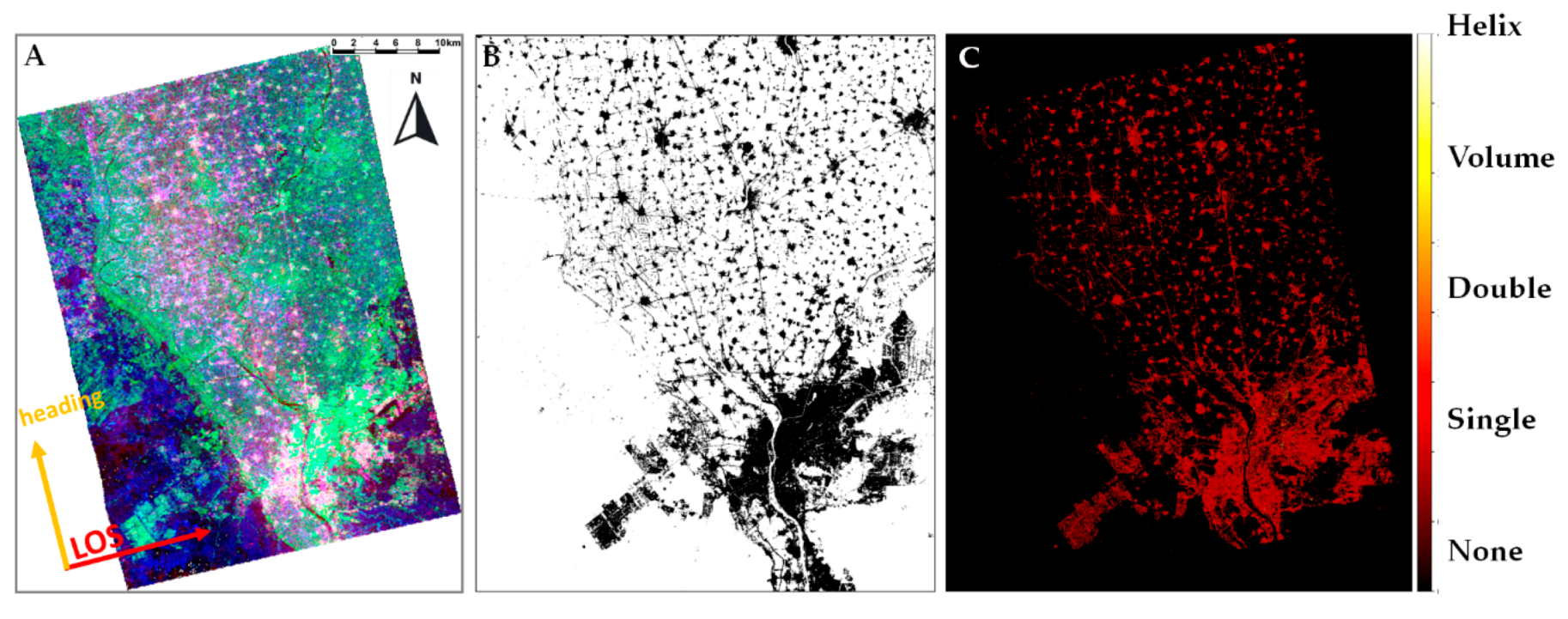
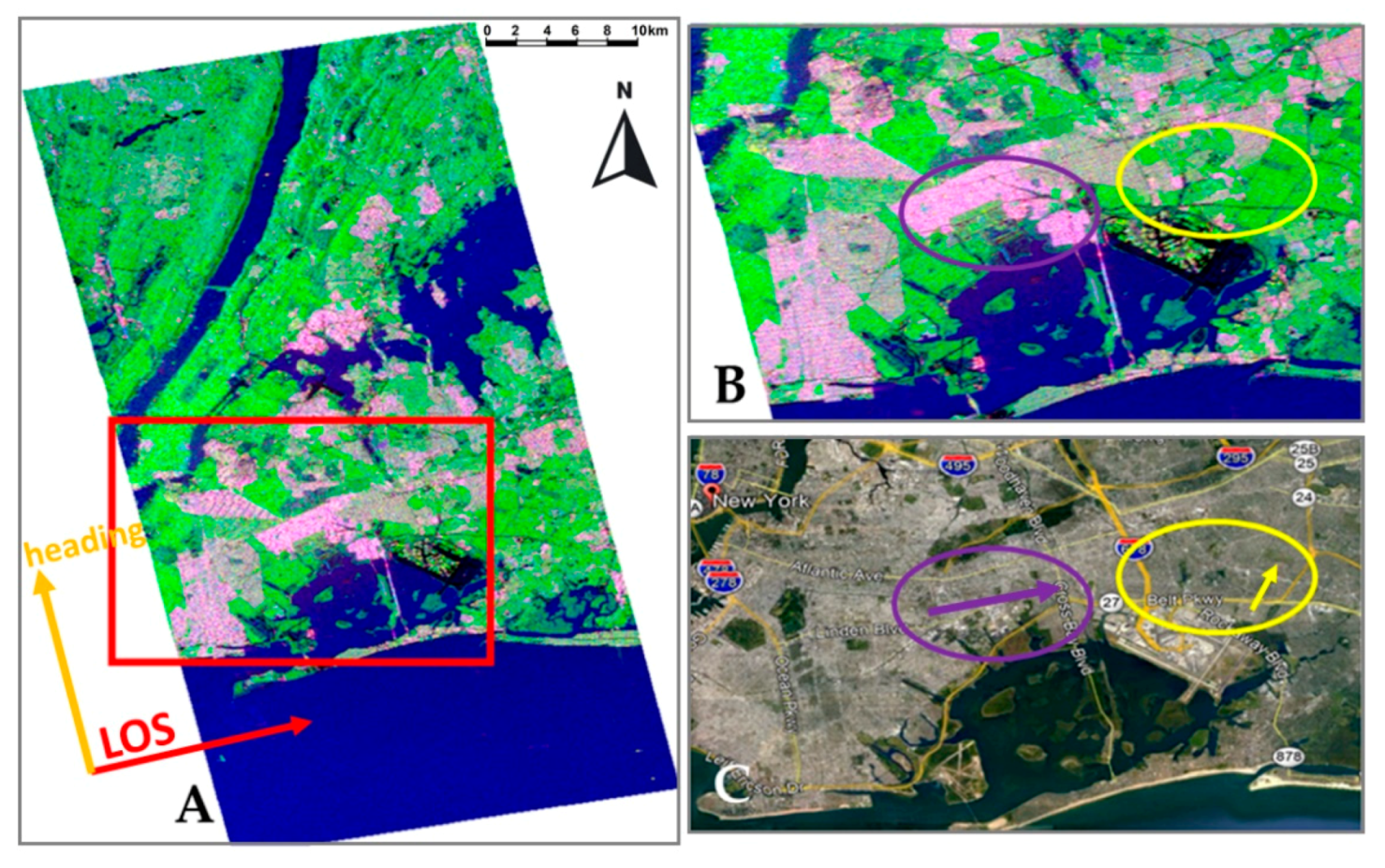
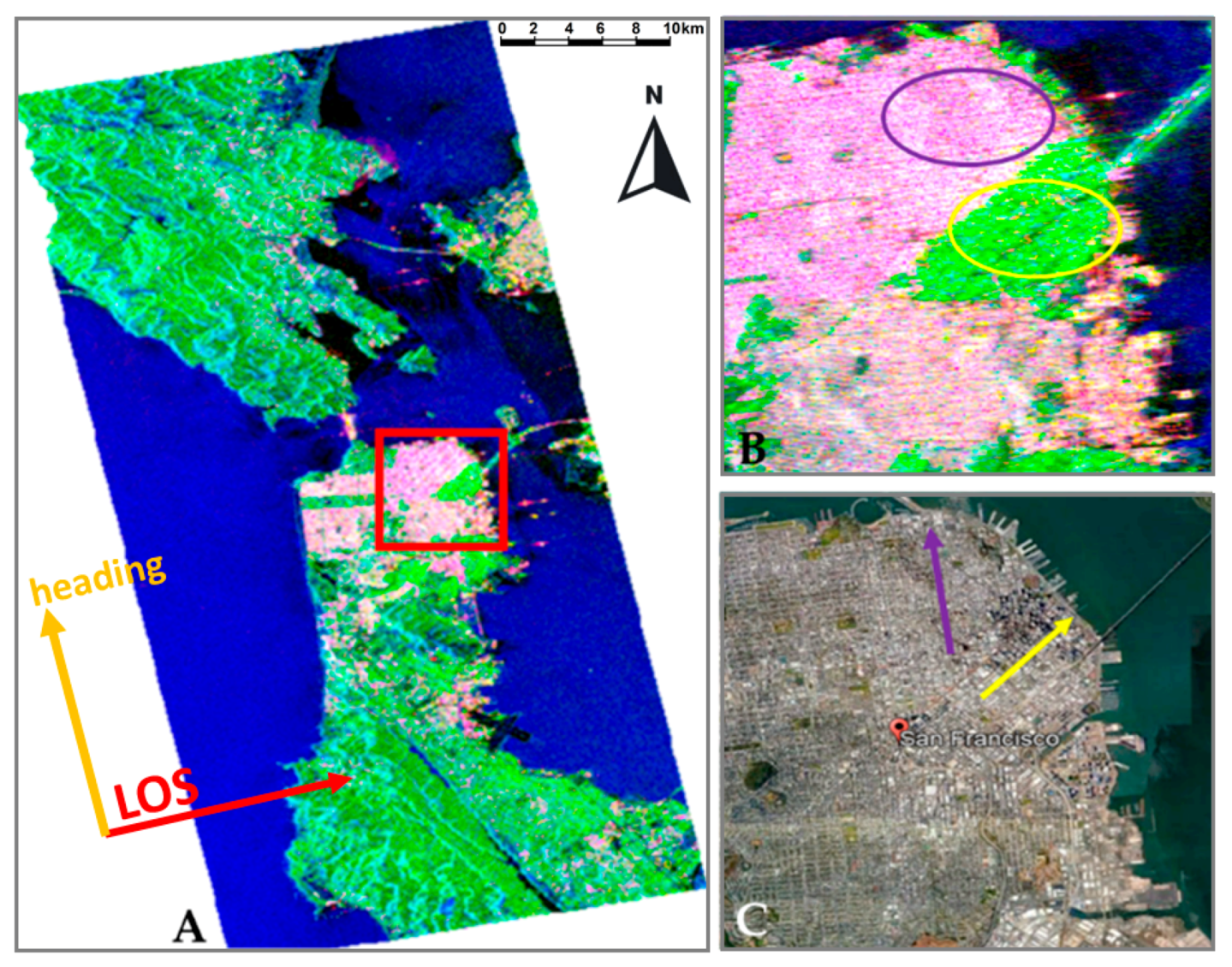
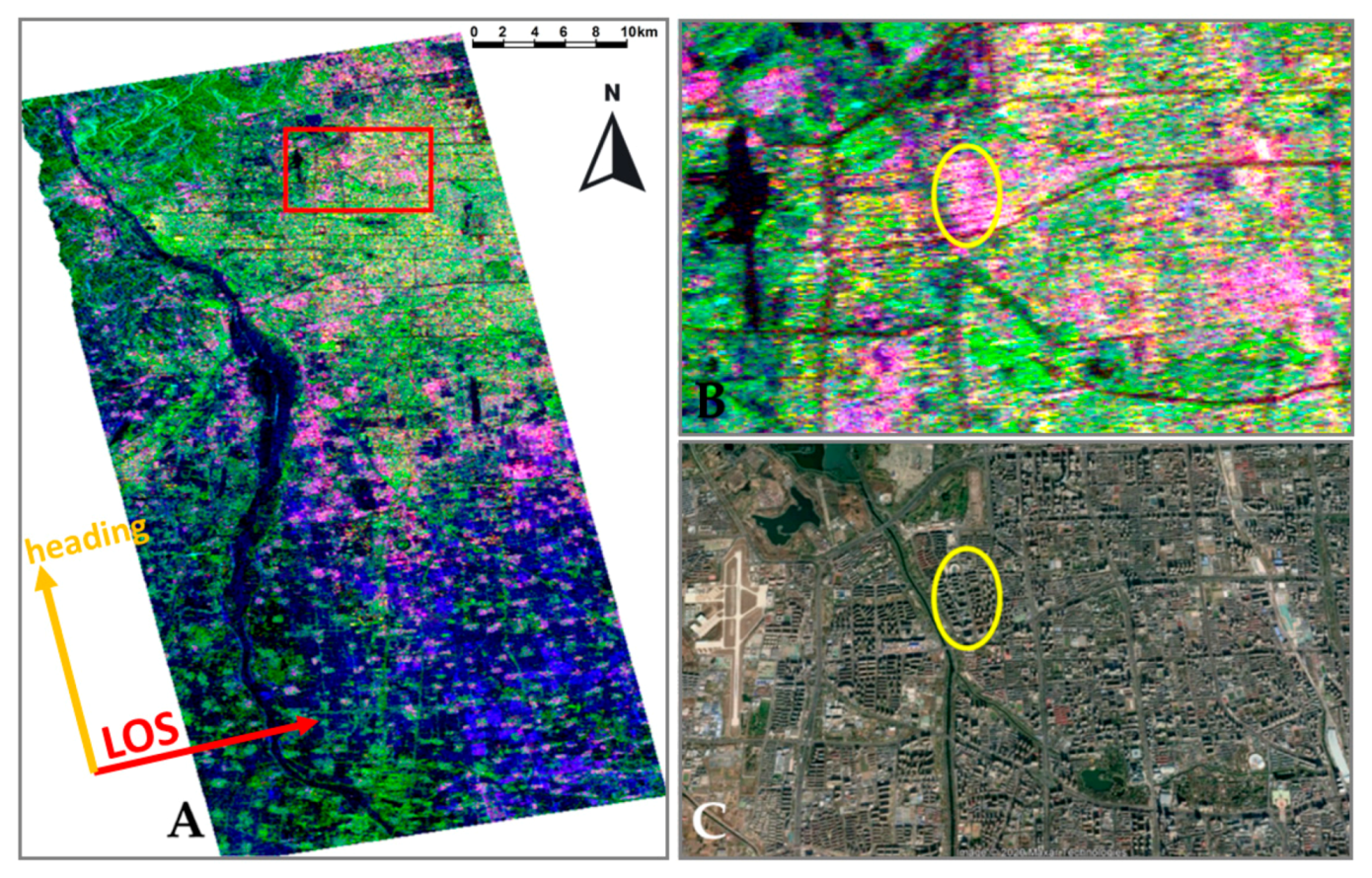
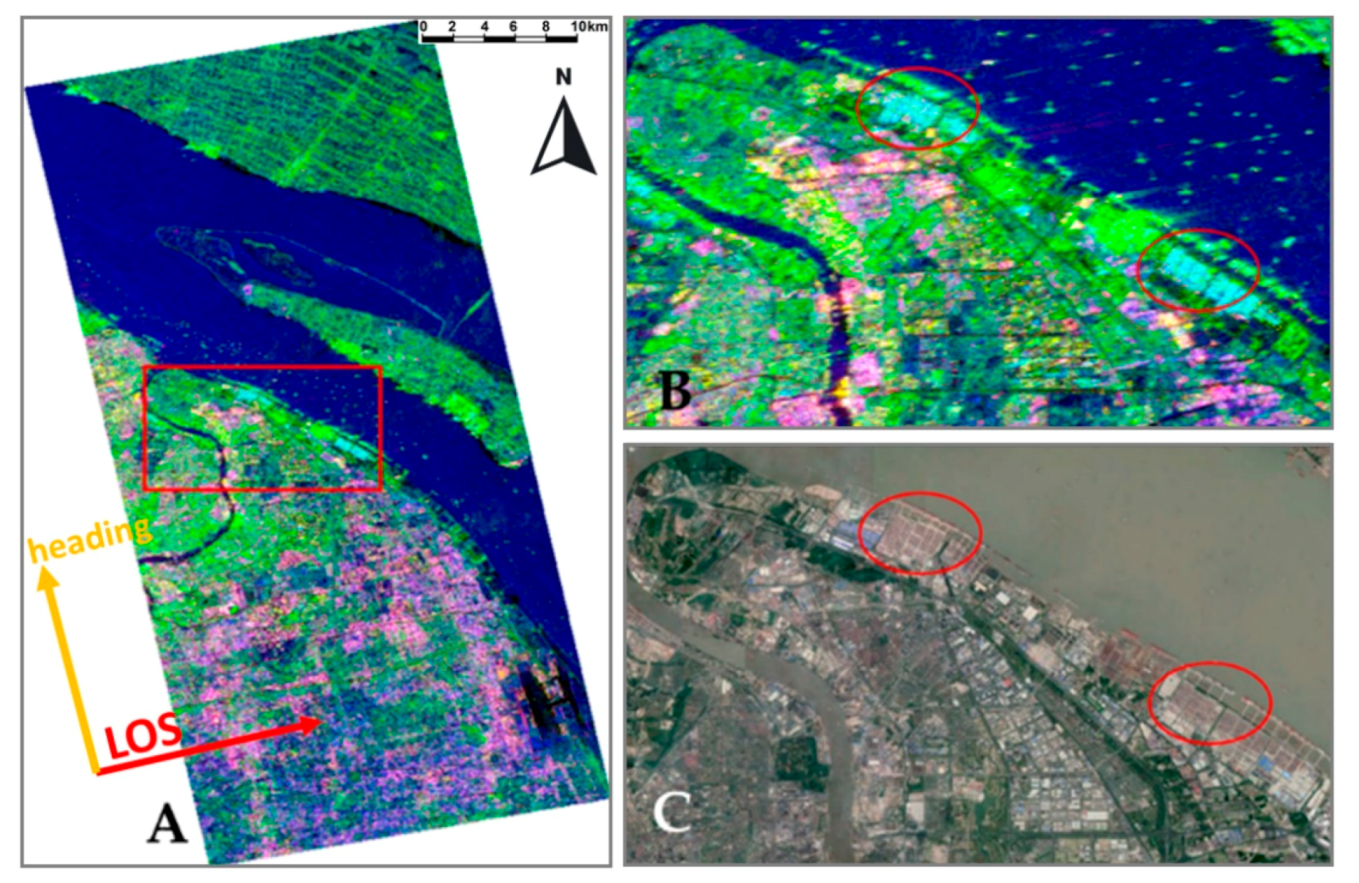
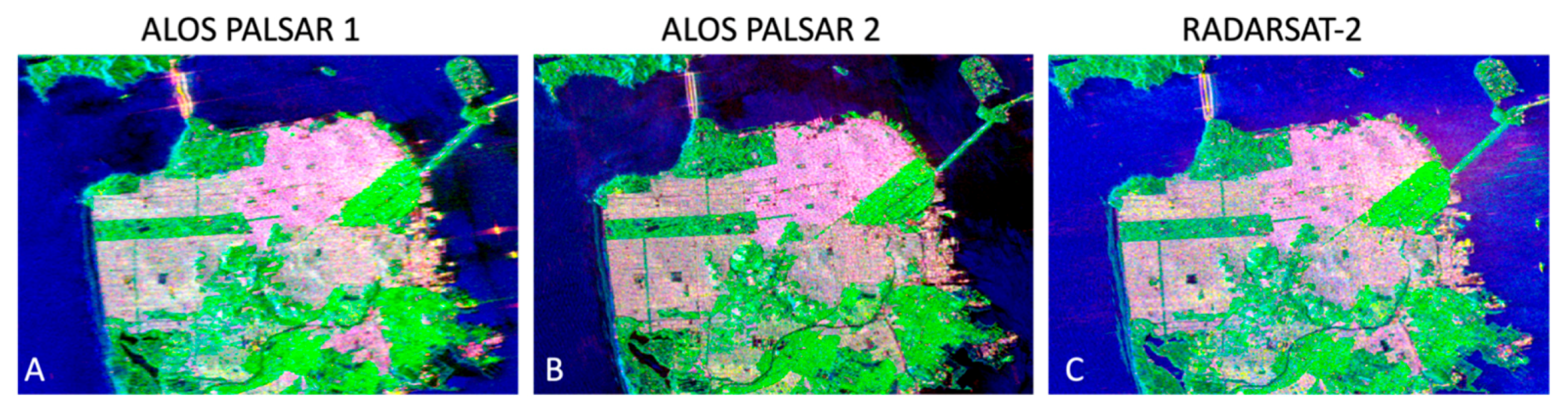
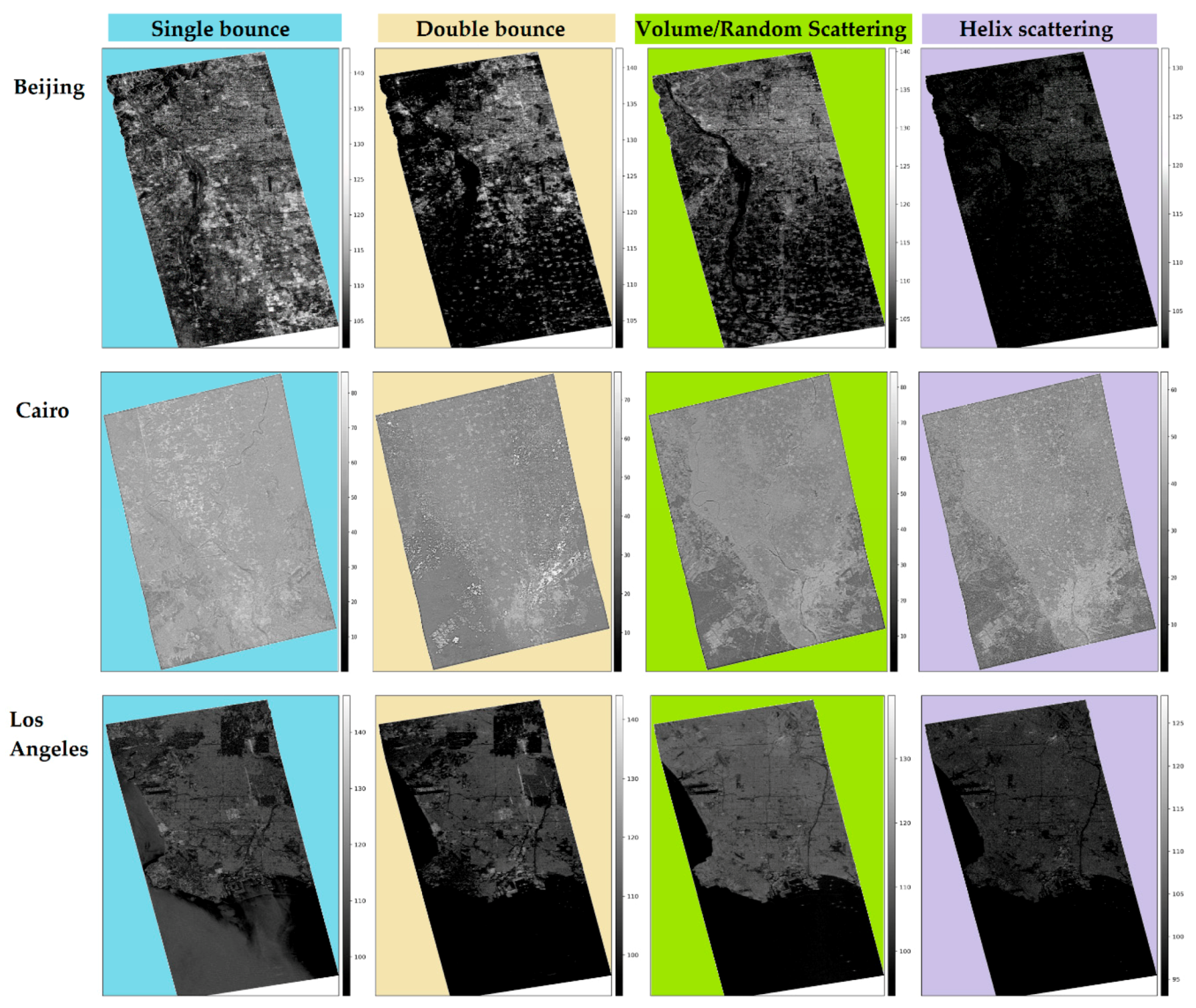
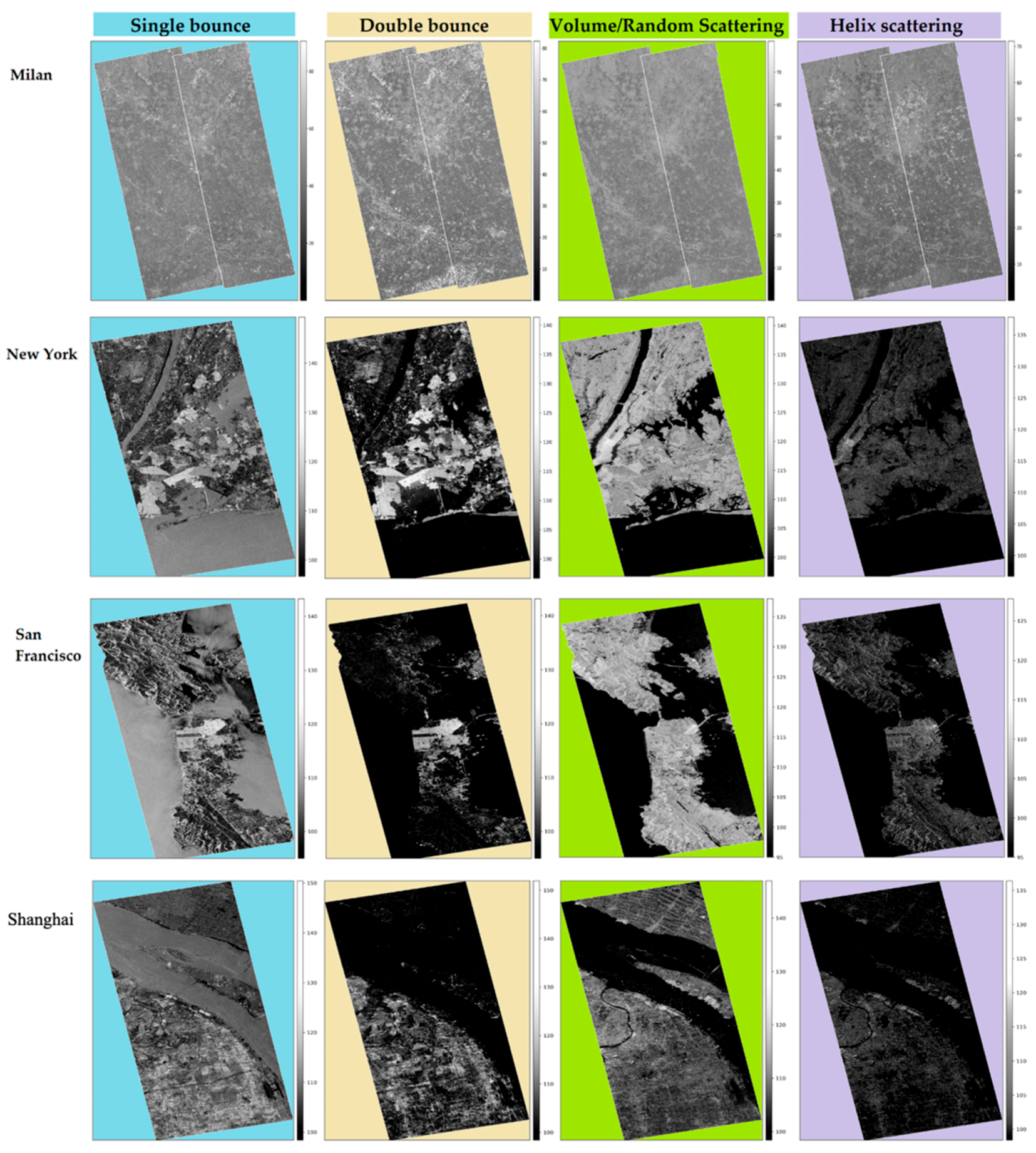
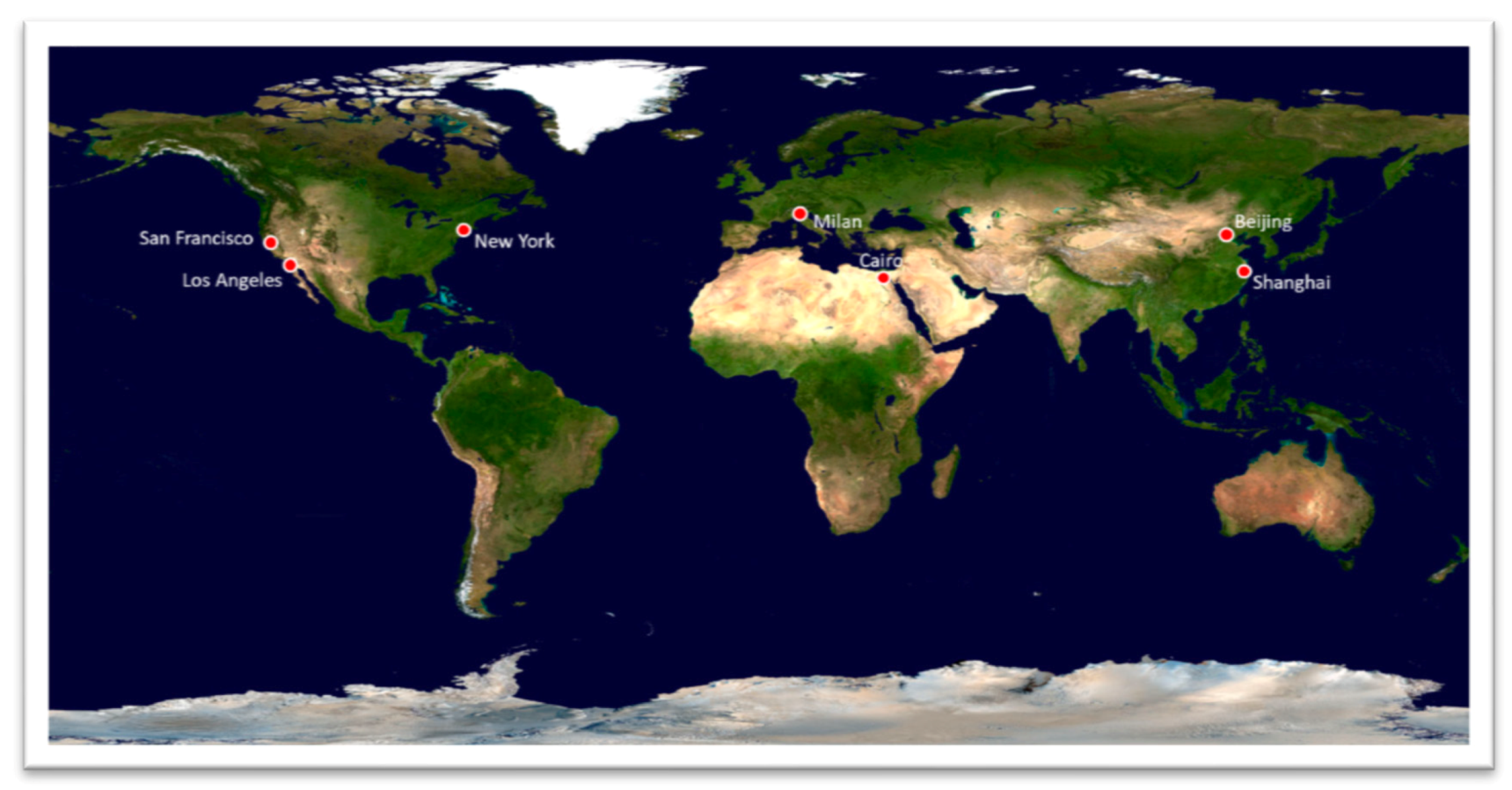
Synthetic Aperture Radar (SAR) polarimetric datasets are widely used in the detection and classification of urban areas. Most methods used today are based on the decomposition of fully polarimetric SAR data, which allows for the extraction of physical information about the nature of the medium and the application of proper classification methods. According to the theory, the main and predominant backscattering mechanism for buildings is double bounce. However, when analyzing urban environments, the observed predominant backscatter may differ from theory depending on many aspects. In this paper, we analyze fully polarimetric ALOS PALSAR data for various cities located on different continents, proving that the theory does not hold for most cases. There are many factors that have an impact on the detected backscatter mechanism, and the theoretical principle of predominant double bounce in urban areas can be met only under specific conditions. These factors are, among others, the orientation of the buildings, the dimensions of the streets, the type of construction (i.e., numerous planes on the roof), etc. This paper also mentions the canonical example of San Francisco, widely analyzed in the literature, as a case showing the impact of building deorientation on double bounce scattering. This area of interest is also discussed in terms of the impact of SAR data resolution on the detection of specific backscatter mechanisms. The findings of this work are very useful for increasing the awareness of the utilization of classification approaches where only pixels with double bounce backscatter mechanisms are classified as urban areas. Moreover, the article lists factors that should be taken into consideration when performing urban area detection based only on polarimetric data and standard algorithms, such as street and building orientation, building heights, and structures.
Keywords: buildings; urban areas; radar polarimetry; full-polarimetric SAR; backscatter mechanisms; double bounce; Yamaguchi decomposition; ALOS PALSAR; world settlements footprint buildings; urban areas; radar polarimetry; full-polarimetric SAR; backscatter mechanisms; double bounce; Yamaguchi decomposition; ALOS PALSAR; world settlements footprint
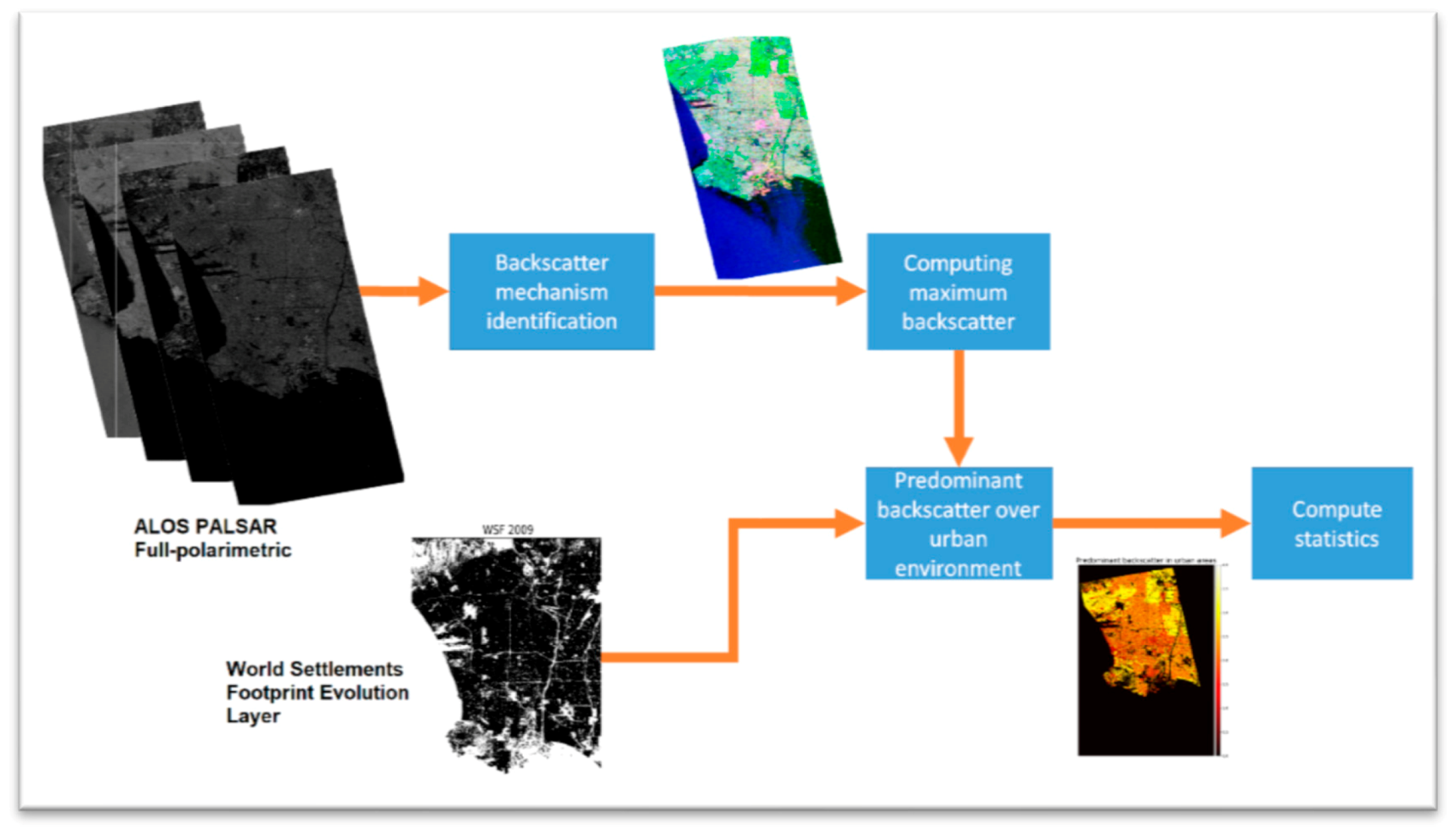
Graphical Abstract