Article

Minimum Redundancy Array—A Baseline Optimization Strategy for Urban SAR Tomography

1
Institute for Geo-Informatics and Digital Mine Research, School of Resources and Civil Engineering, Northeastern University, Shenyang 110819, China
2
Istituto Nazionale di Geofisica e Vulcanologia, 00143 Rome, Italy
3
Shenyang Geotechnical Investigation & Surveying Research Institute, Shenyang 110004, China
*
Author to whom correspondence should be addressed.
Remote Sens. 2020, 12(18), 3100; https://doi.org/10.3390/rs12183100
Submission received: 17 July 2020 / Revised: 16 September 2020 / Accepted: 18 September 2020 / Published: 22 September 2020

Abstract

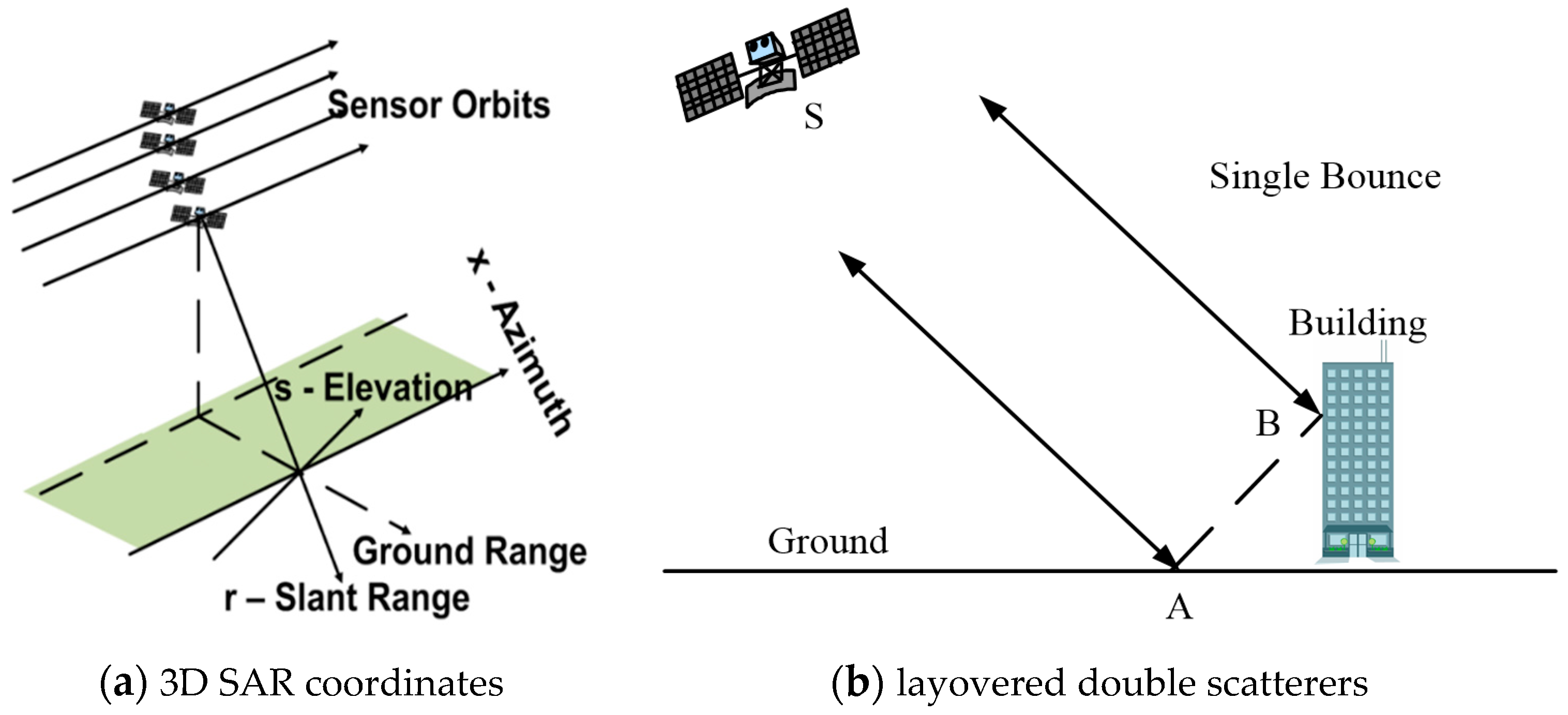
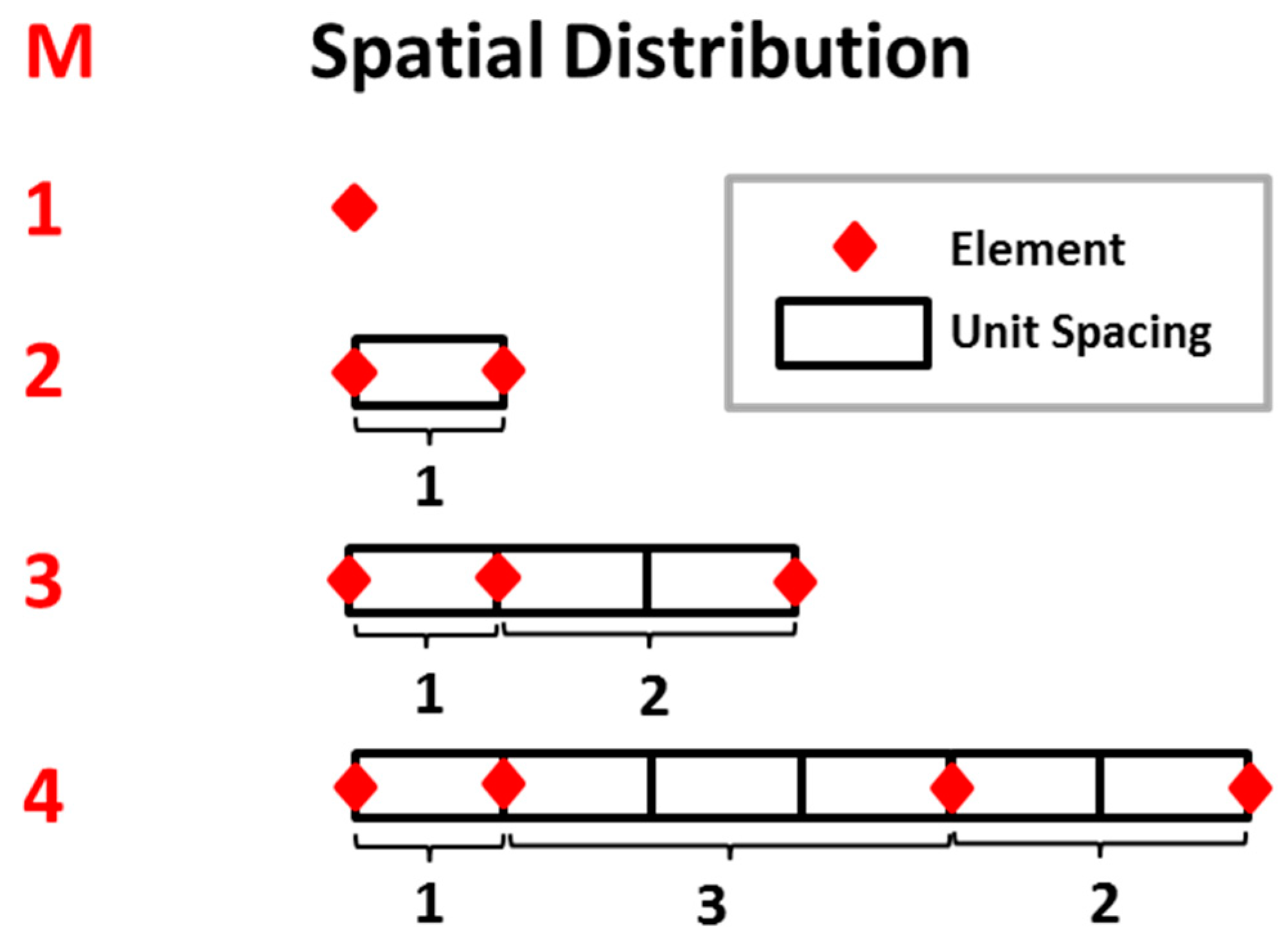
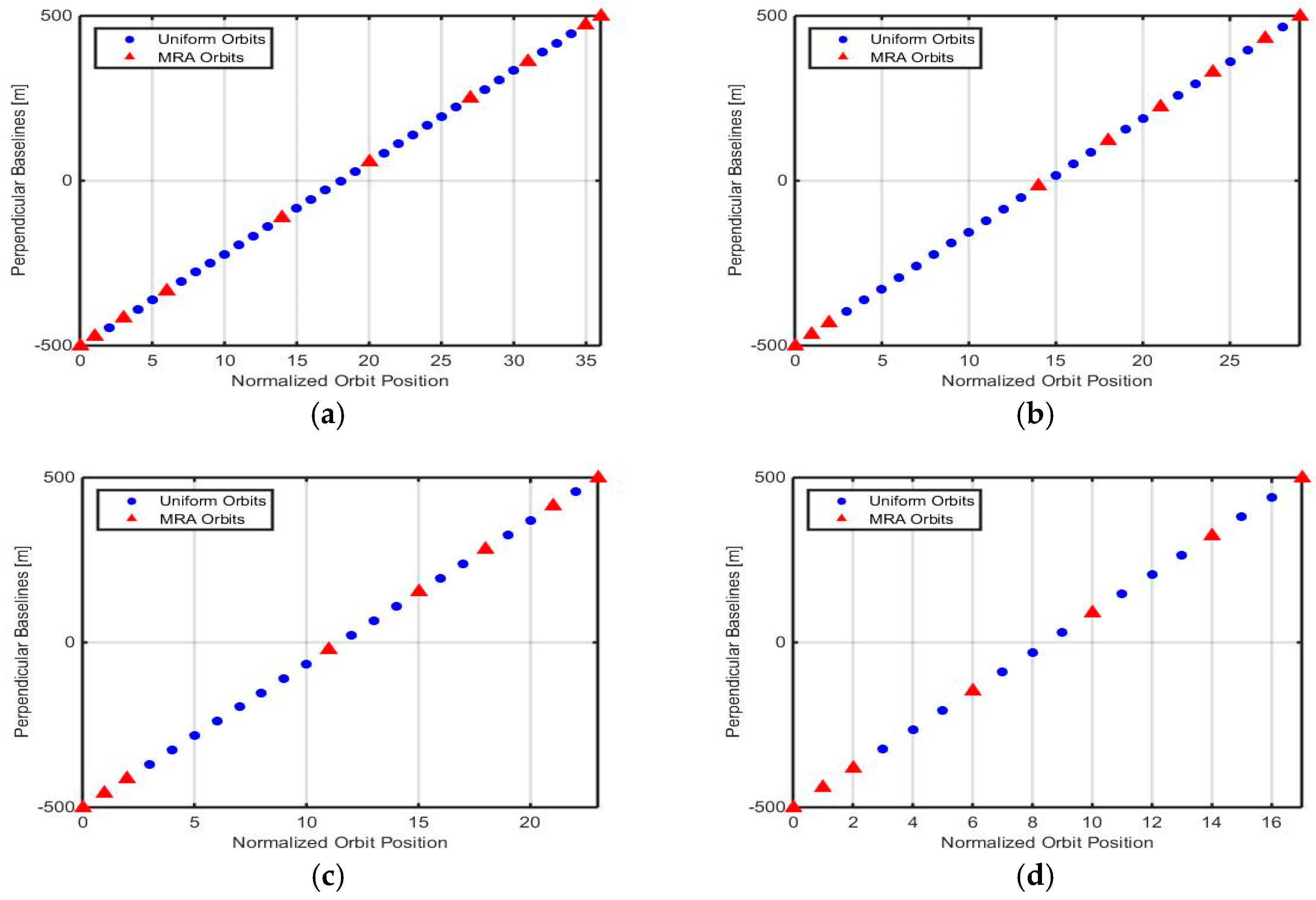
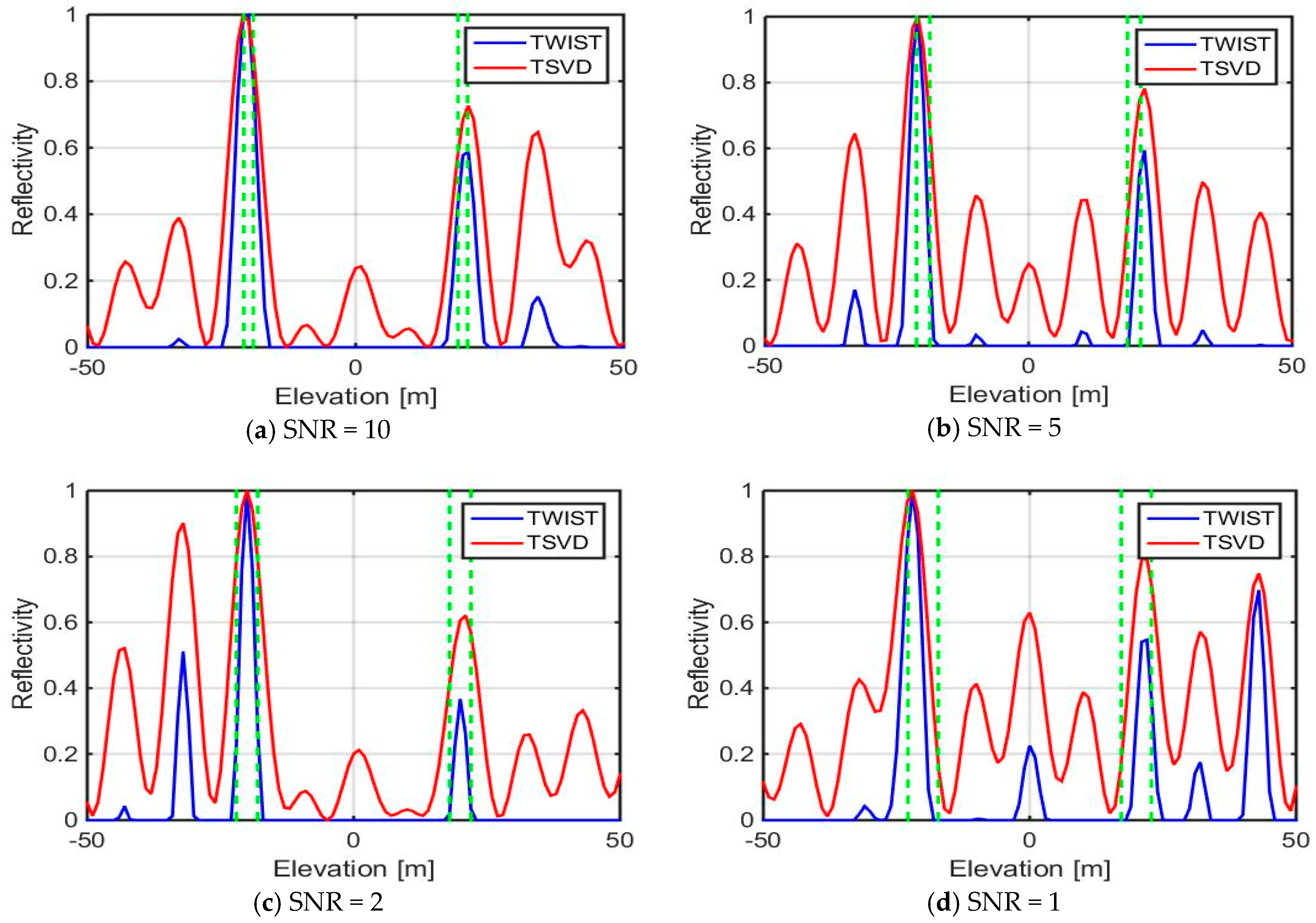
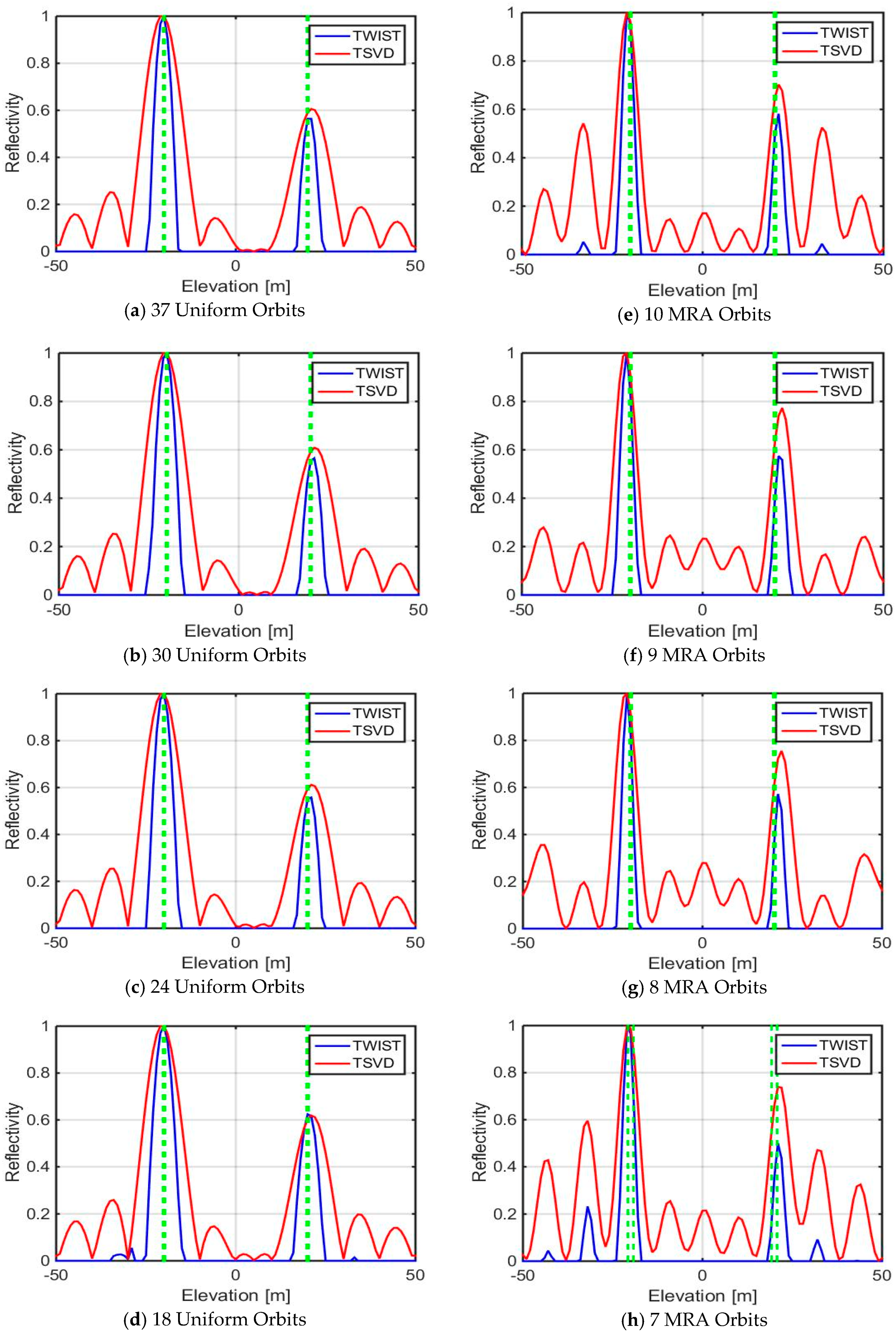
Synthetic aperture radar (SAR) tomography (TomoSAR) is able to separate multiple scatterers layovered inside the same resolution cell in high-resolution SAR images of urban scenarios, usually with a large number of orbits, making it an expensive and unfeasible task for many practical applications. Targeting at finding out the minimum number of images necessary for tomographic reconstruction, this paper innovatively applies minimum redundancy array (MRA) for tomographic baseline array optimization. Monte Carlo simulations are conducted by means of Two-step Iterative Shrinkage/Thresholding (TWIST) and Truncated Singular Value Decomposition (TSVD) to fully evaluate the tomographic performance of MRA orbits in terms of detection rates, Cramer Rao Lower Bounds, as well as resistance against sidelobes. Experiments on COSMO-SkyMed and TerraSAR-X/TanDEM-X data are also conducted in this paper. The results from simulations and experiments on real data have both demonstrated that introducing MRA for baseline optimization in SAR tomography can benefit from the dramatic reduction of necessary orbit numbers, if the recently proposed TWIST method is used for tomographic reconstruction. Although the simulation and experiments in this manuscript are carried out using spaceborne data, the outcome of this paper can also give examples for airborne TomoSAR when designing flight orbits using airborne sensors.
Keywords: minimum redundancy array; SAR tomography; baseline optimization; two-step iterative shrinkage/thresholding; truncated singular value decomposition minimum redundancy array; SAR tomography; baseline optimization; two-step iterative shrinkage/thresholding; truncated singular value decomposition