Article

Debris Flow Susceptibility Mapping Using Machine-Learning Techniques in Shigatse Area, China


1
School of Automation, Nanjing University of Information Science & Technology, Nanjing 210044, China
2
School of Computer and Software, Nanjing University of Information Science & Technology, Nanjing 210044, China
3
Center for Space and Remote Sensing Research, National Central University, Taoyuan 32001, Taiwan
*
Authors to whom correspondence should be addressed.
Remote Sens. 2019, 11(23), 2801; https://doi.org/10.3390/rs11232801
Submission received: 8 October 2019 / Revised: 5 November 2019 / Accepted: 21 November 2019 / Published: 27 November 2019

Abstract

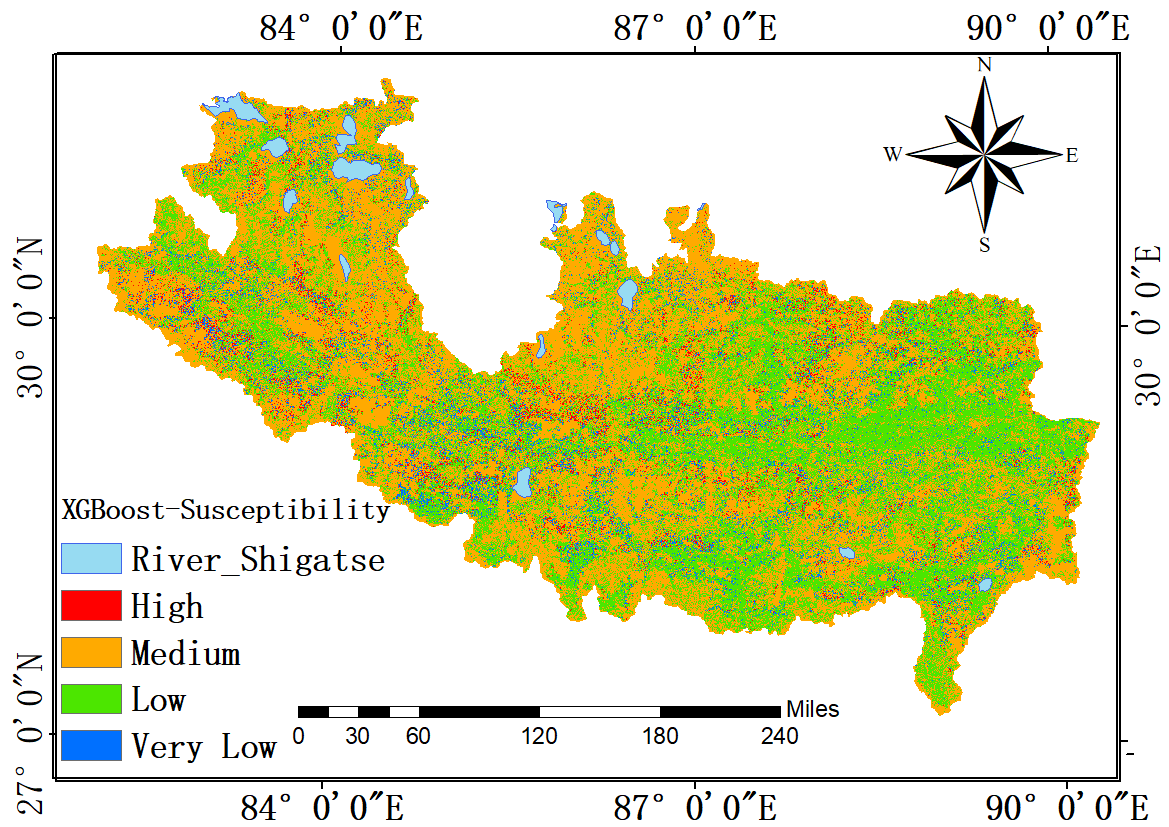
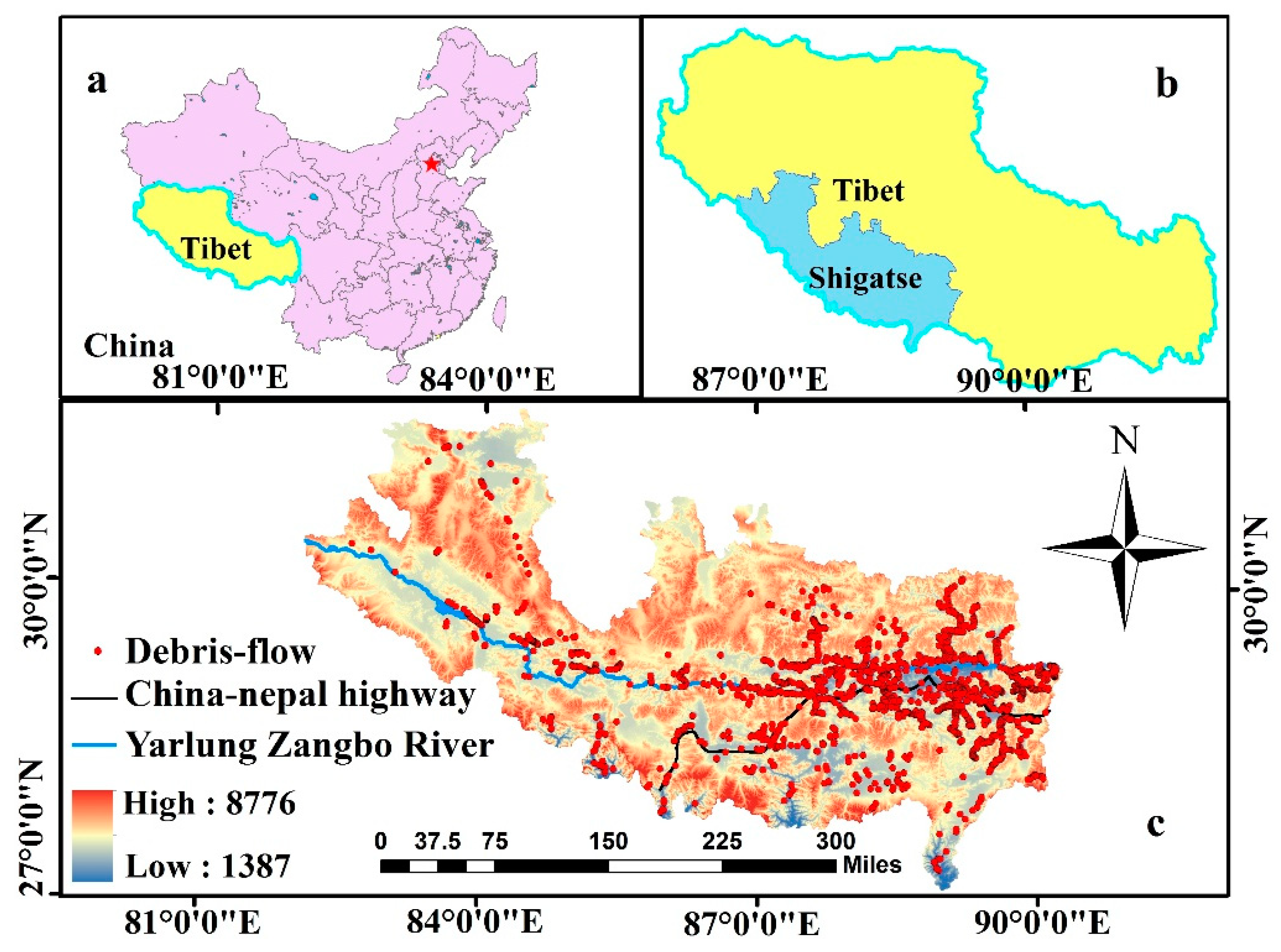
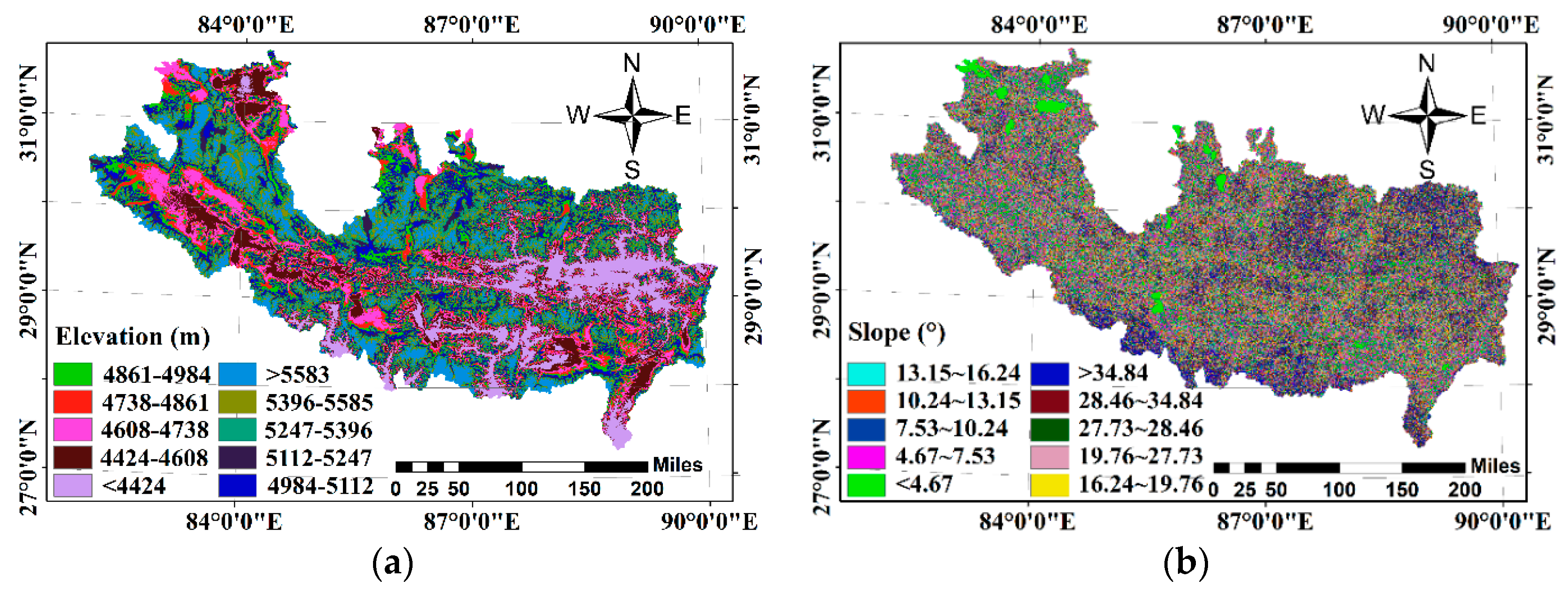
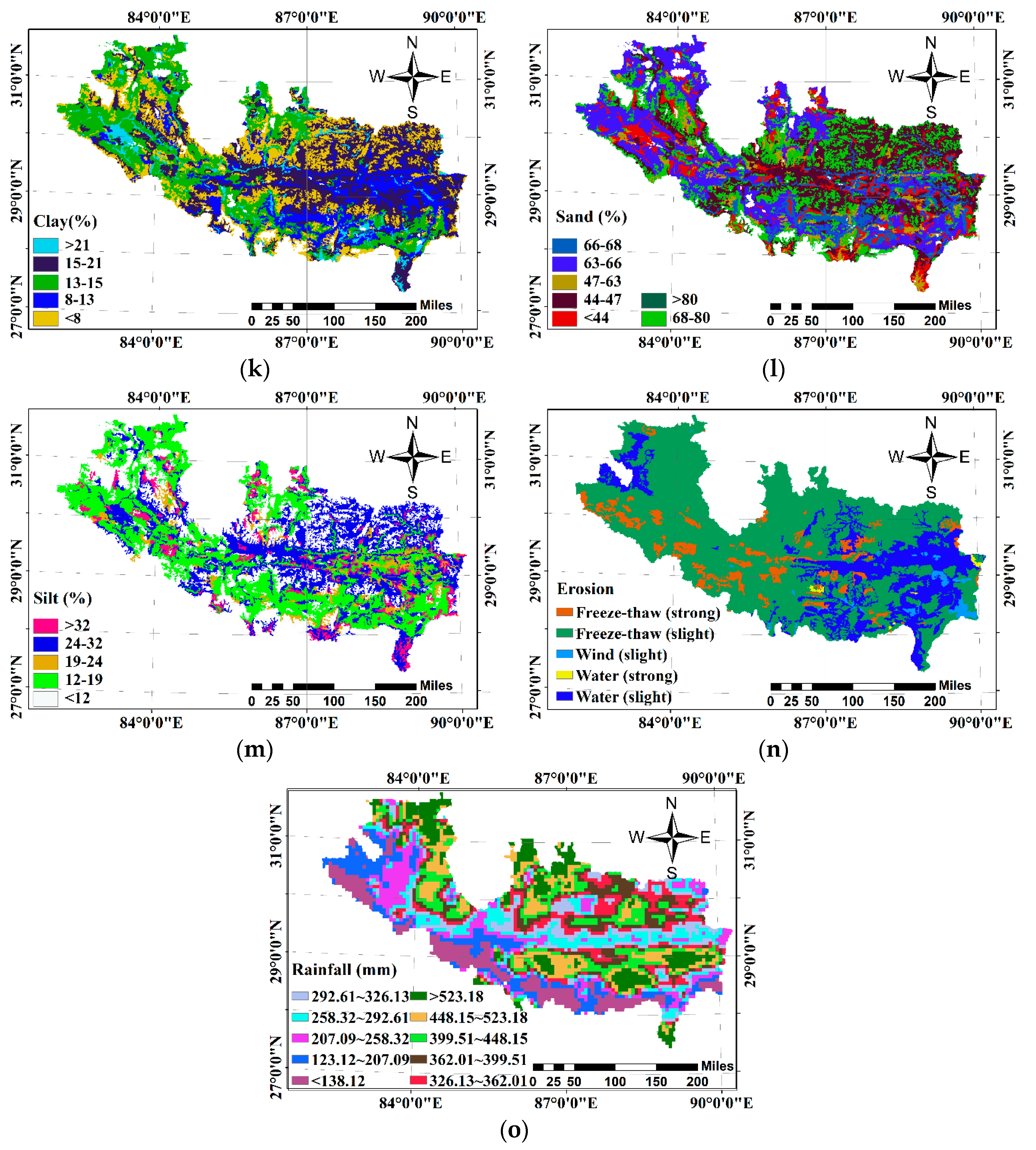
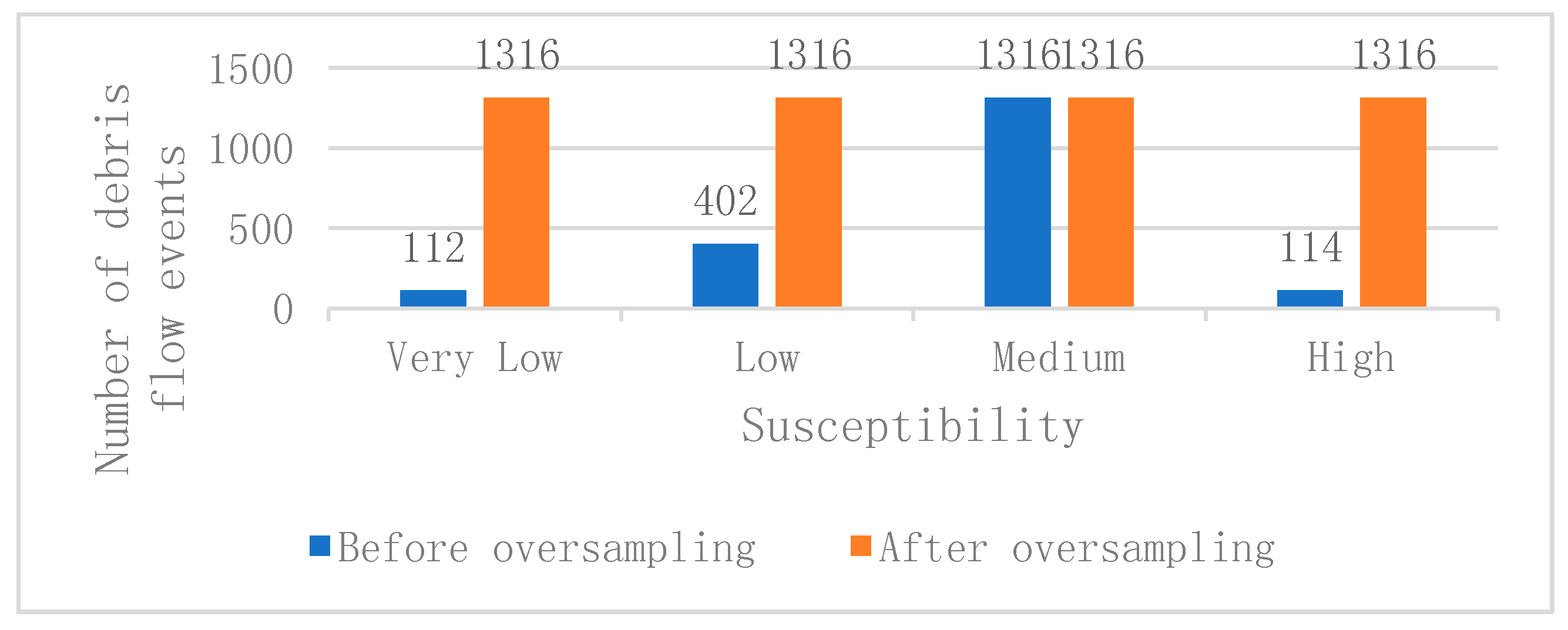
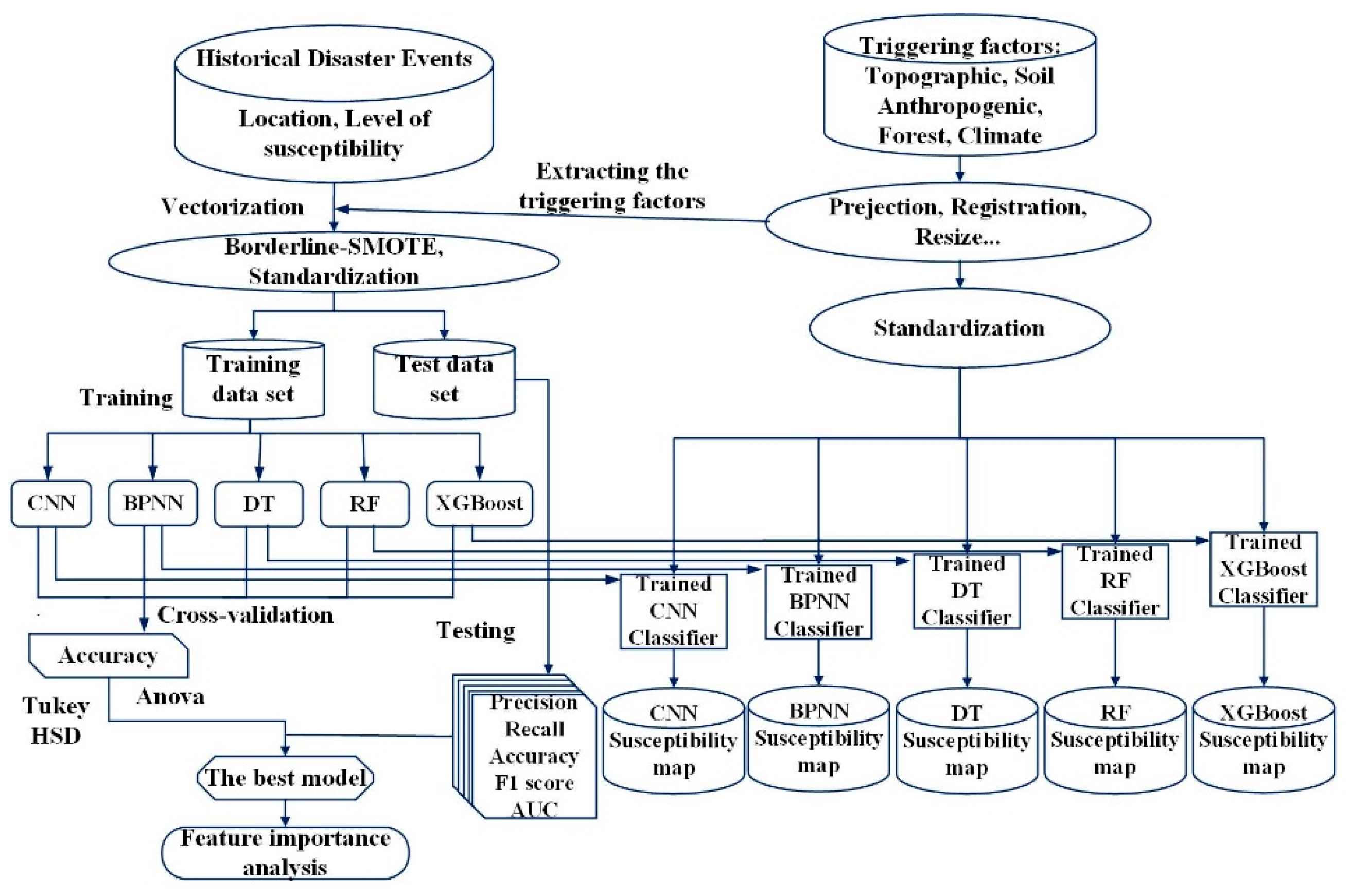
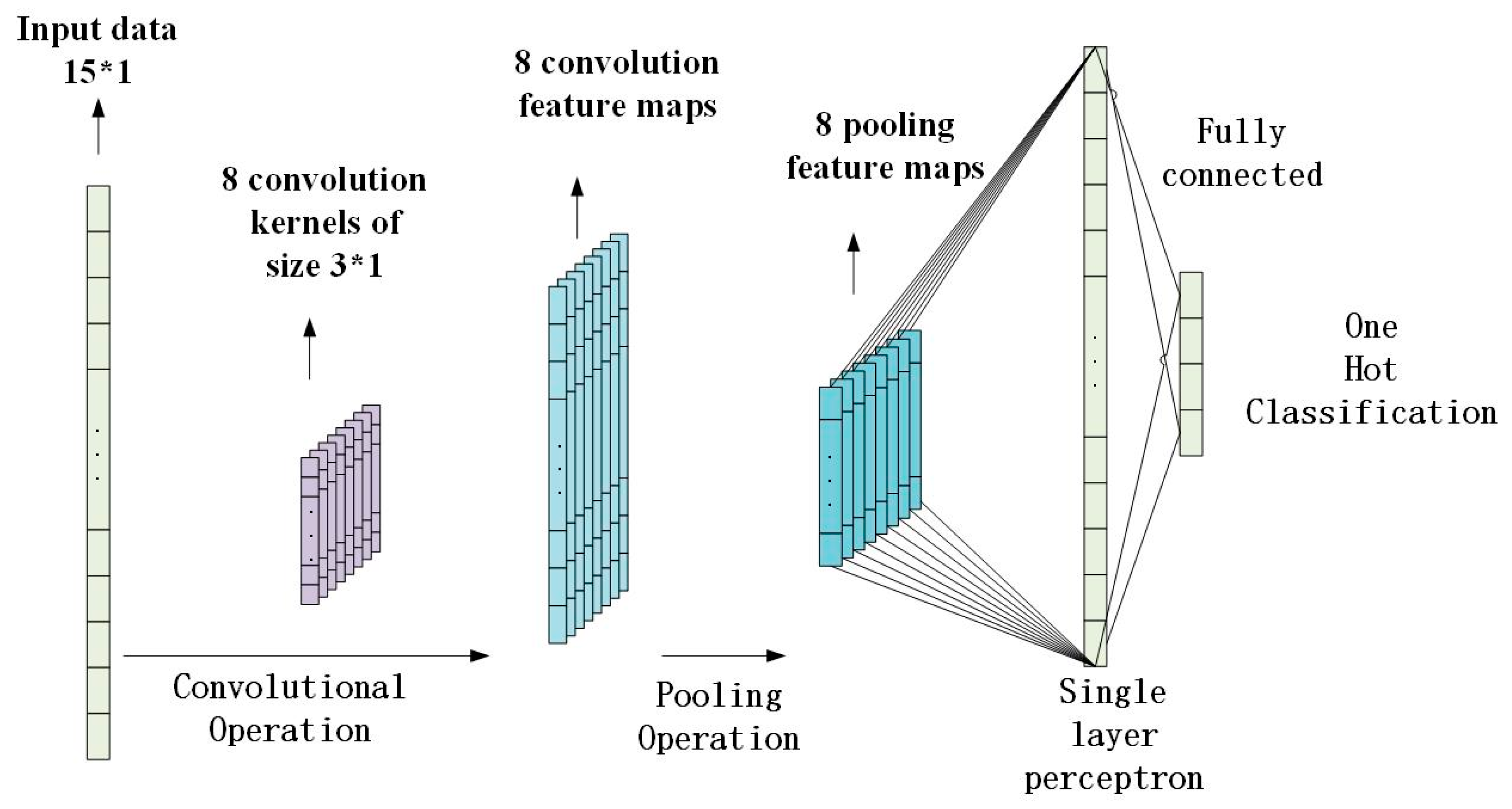
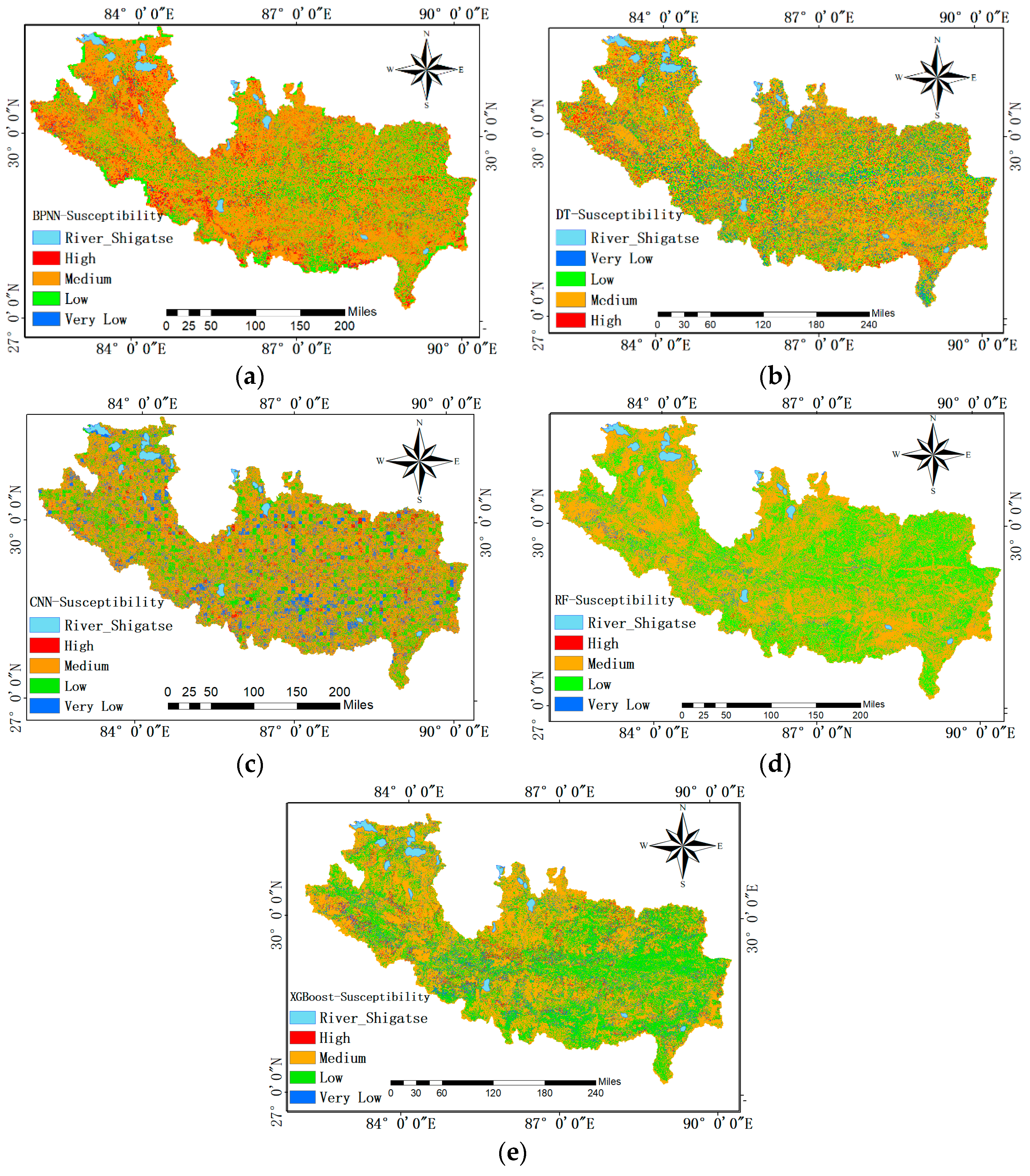
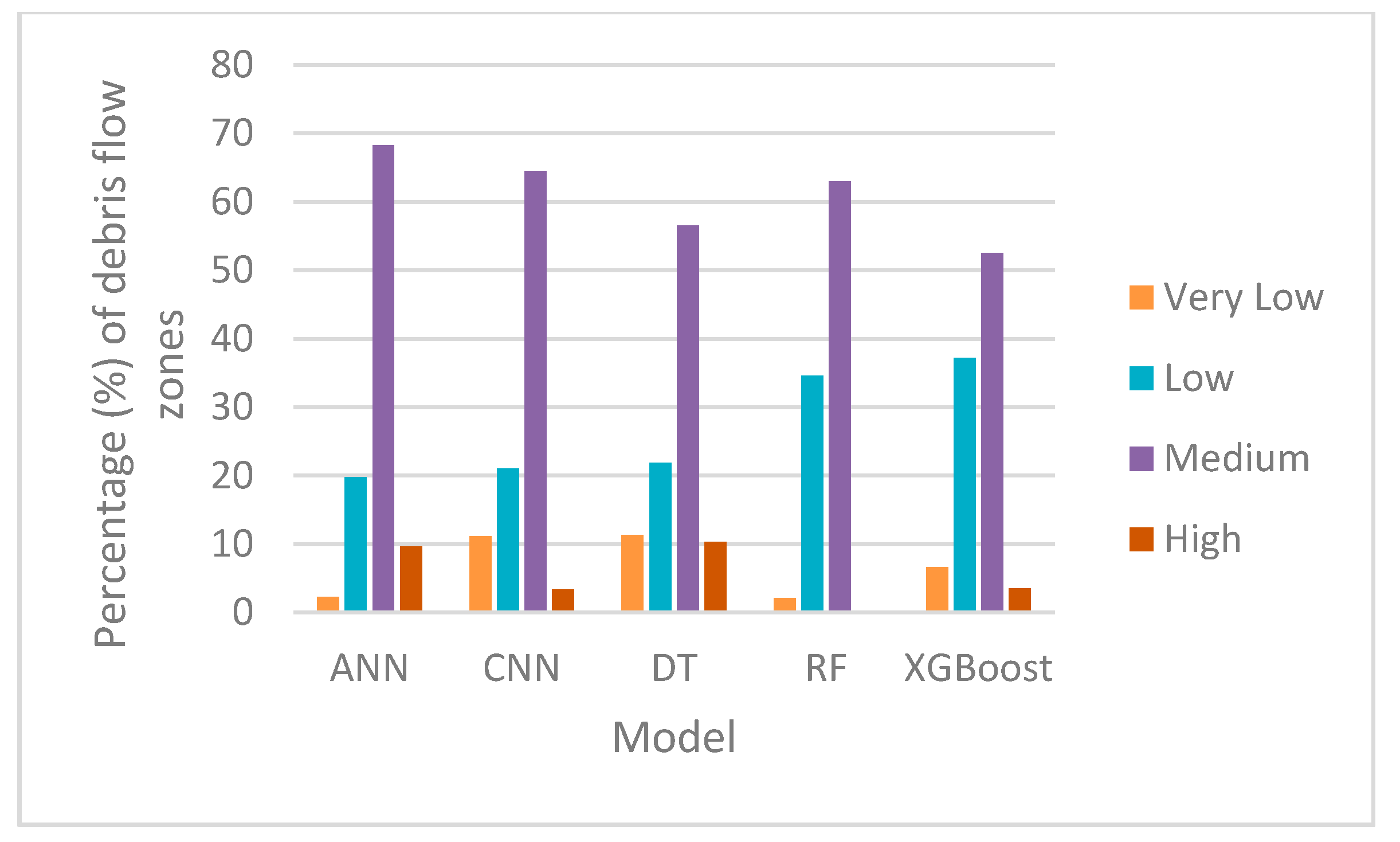
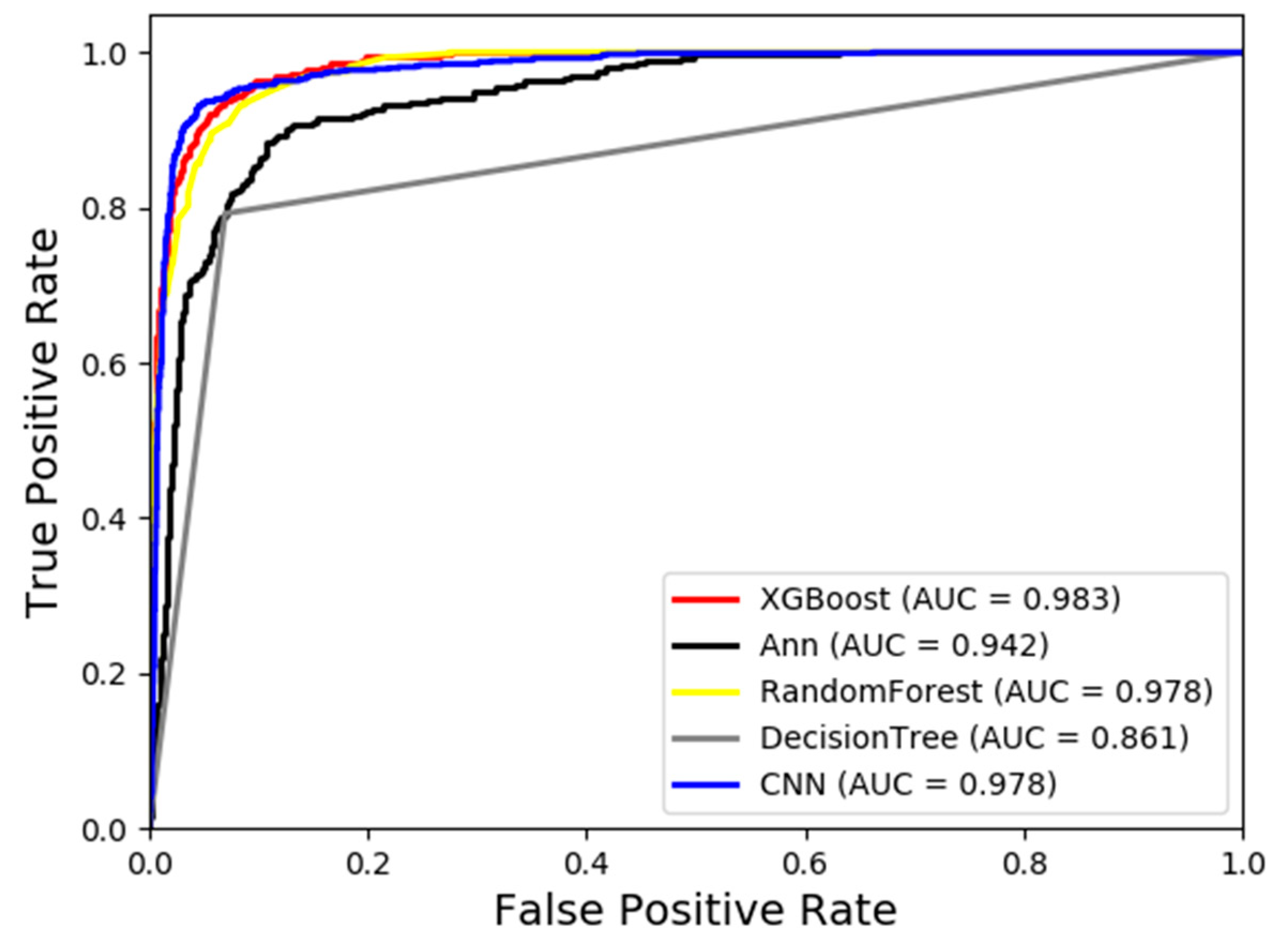
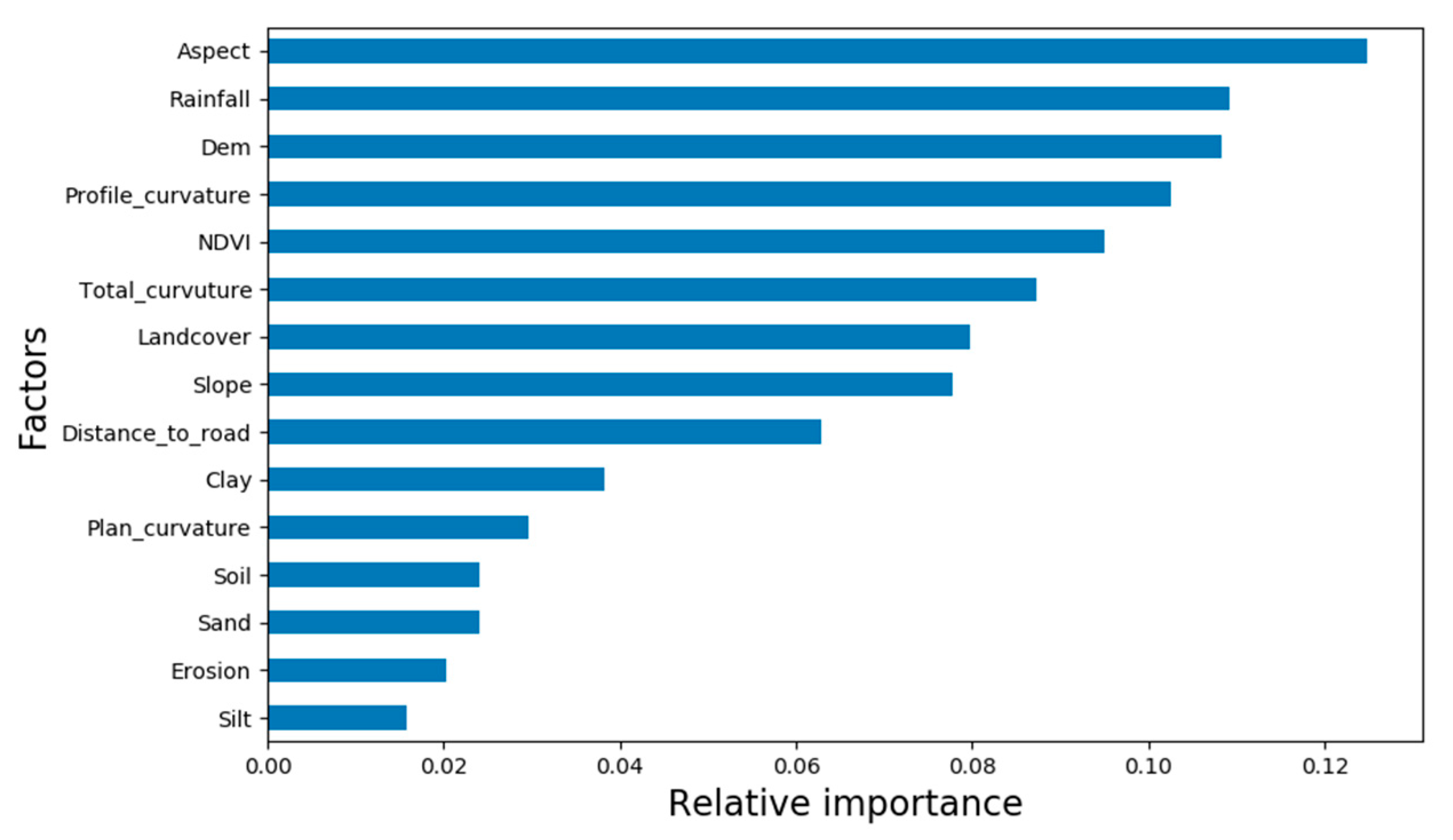
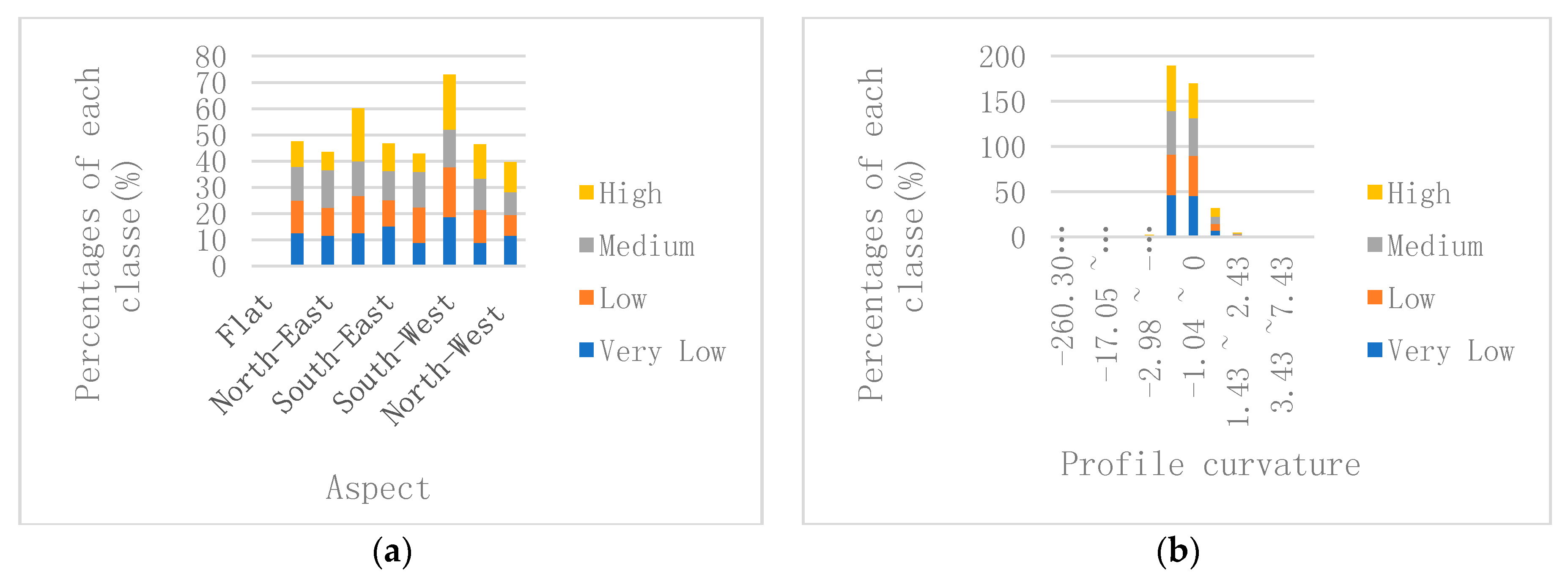
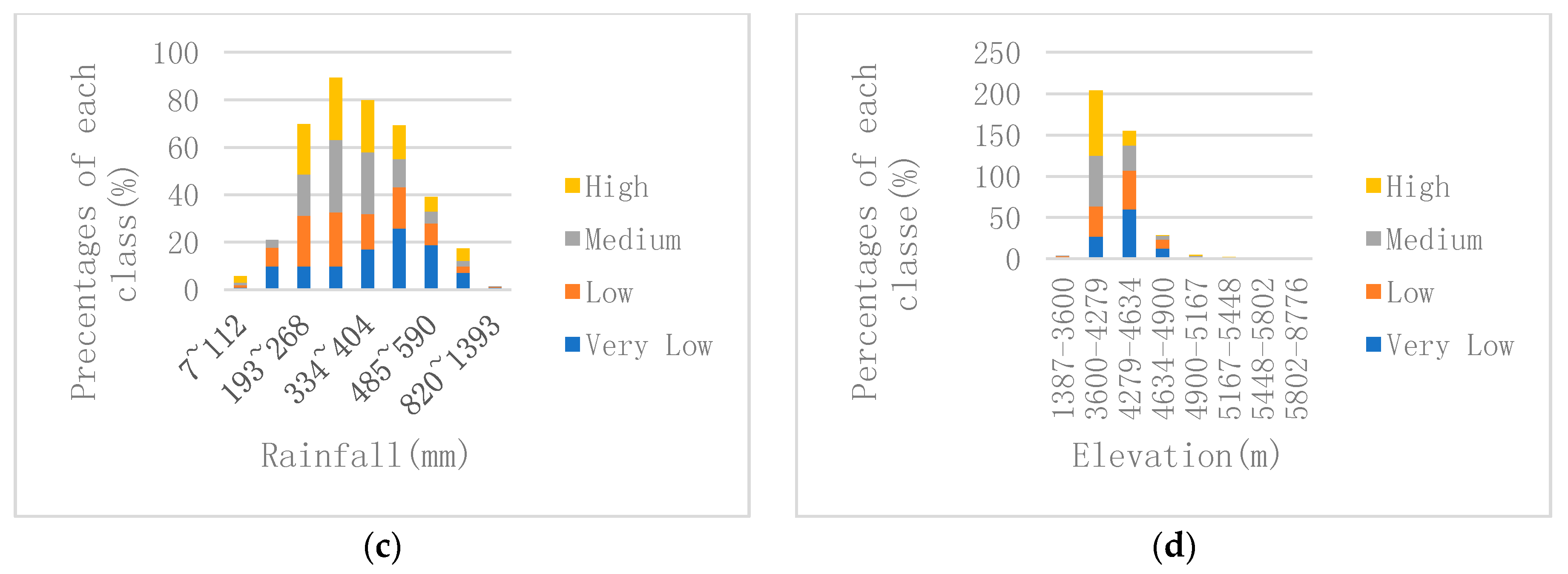
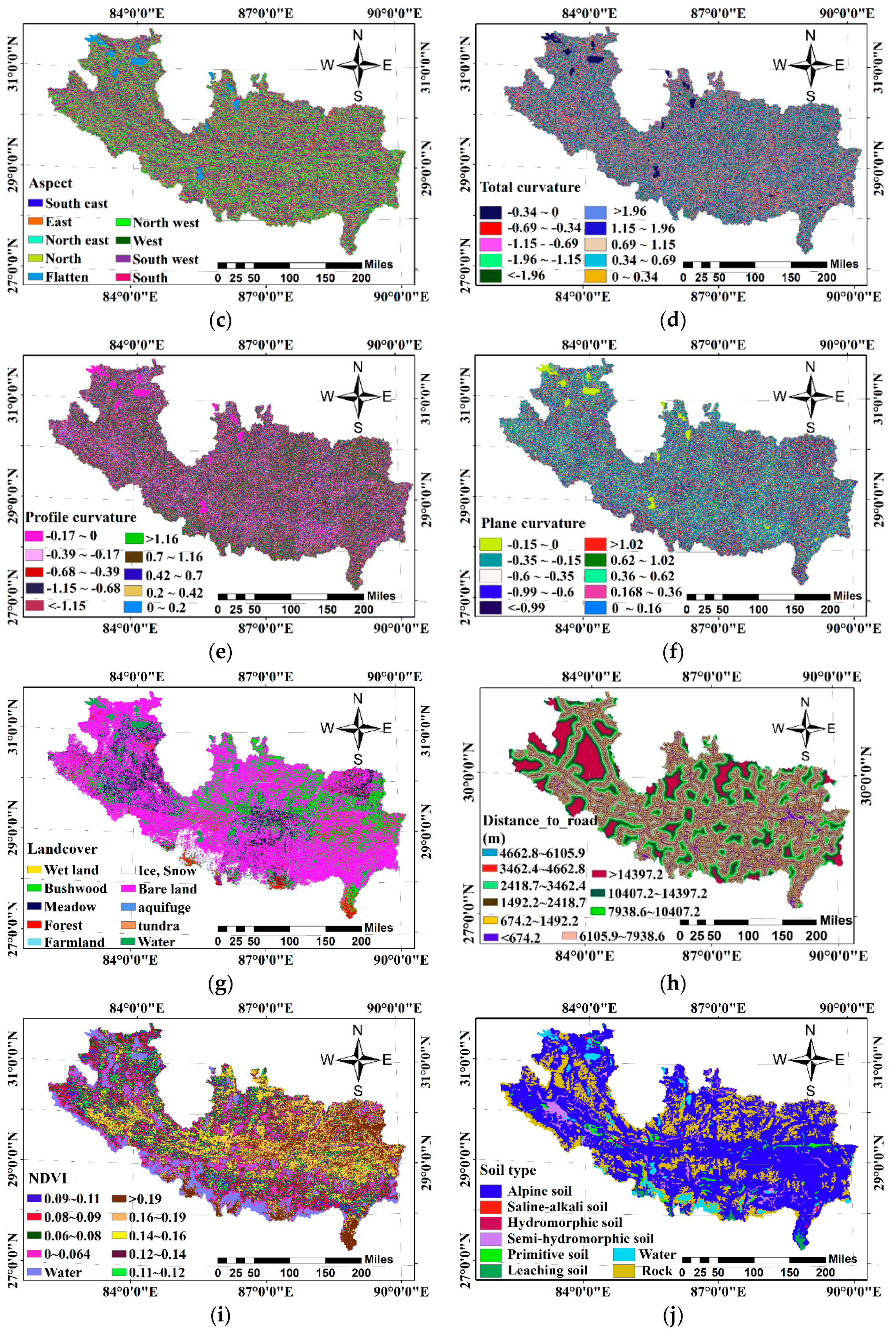
Debris flows have been always a serious problem in the mountain areas. Research on the assessment of debris flows susceptibility (DFS) is useful for preventing and mitigating debris flow risks. The main purpose of this work is to study the DFS in the Shigatse area of Tibet, by using machine learning methods, after assessing the main triggering factors of debris flows. Remote sensing and geographic information system (GIS) are used to obtain datasets of topography, vegetation, human activities and soil factors for local debris flows. The problem of debris flow susceptibility level imbalances in datasets is addressed by the Borderline-SMOTE method. Five machine learning methods, i.e., back propagation neural network (BPNN), one-dimensional convolutional neural network (1D-CNN), decision tree (DT), random forest (RF), and extreme gradient boosting (XGBoost) have been used to analyze and fit the relationship between debris flow triggering factors and occurrence, and to evaluate the weight of each triggering factor. The ANOVA and Tukey HSD tests have revealed that the XGBoost model exhibited the best mean accuracy (0.924) on ten-fold cross-validation and the performance was significantly better than that of the BPNN (0.871), DT (0.816), and RF (0.901). However, the performance of the XGBoost did not significantly differ from that of the 1D-CNN (0.914). This is also the first comparison experiment between XGBoost and 1D-CNN methods in the DFS study. The DFS maps have been verified by five evaluation methods: Precision, Recall, F1 score, Accuracy and area under the curve (AUC). Experiments show that the XGBoost has the best score, and the factors that have a greater impact on debris flows are aspect, annual average rainfall, profile curvature, and elevation.
Keywords: debris flow susceptibility; remote sensing; GIS; oversampling methods; back propagation neural network; one-dimensional convolutional neural network; decision tree; random forest; extreme gradient boosting debris flow susceptibility; remote sensing; GIS; oversampling methods; back propagation neural network; one-dimensional convolutional neural network; decision tree; random forest; extreme gradient boosting
Graphical Abstract