Article

Municipal Solid Waste Characterization According to Different Income Levels: A Case Study
by
Huseyin Kurtulus Ozcan
1,*,
Senem Yazici Guvenc
2,
Lokman Guvenc
3 and
Goksel Demir
4
1
Department of Environmental Engineering, Engineering Faculty, Istanbul University, Avcilar Campus, 34320 Avcilar, Istanbul, Turkey
2
Department of Environmental Engineering, Faculty of Civil Engineering, Davutpasa Campus, Yıldız Technical University, 34220 Istanbul, Turkey
3
Kartal Municipality Directorate of Environmental Protection, Kartal, 34860 Istanbul, Turkey
4
Department of Urban and Regional Planning, Architecture Faculty, Kayali Campus, Kirklareli University, 39100 Kirklareli, Turkey
*
Author to whom correspondence should be addressed.
Sustainability 2016, 8(10), 1044; https://doi.org/10.3390/su8101044
Submission received: 3 September 2016 / Revised: 4 October 2016 / Accepted: 10 October 2016 / Published: 18 October 2016
(This article belongs to the Special Issue Sustainability in Solid Waste Management)

Abstract

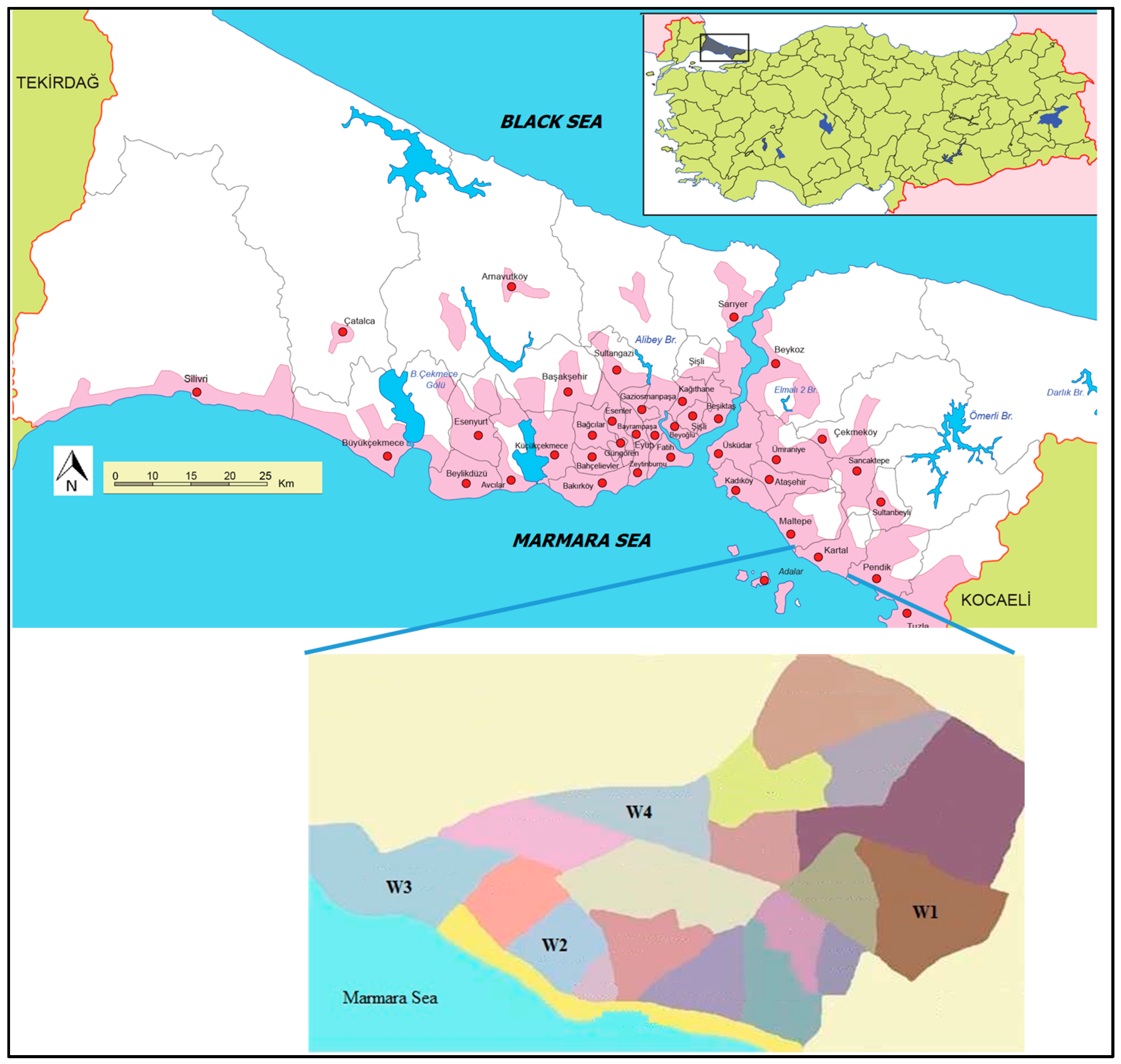
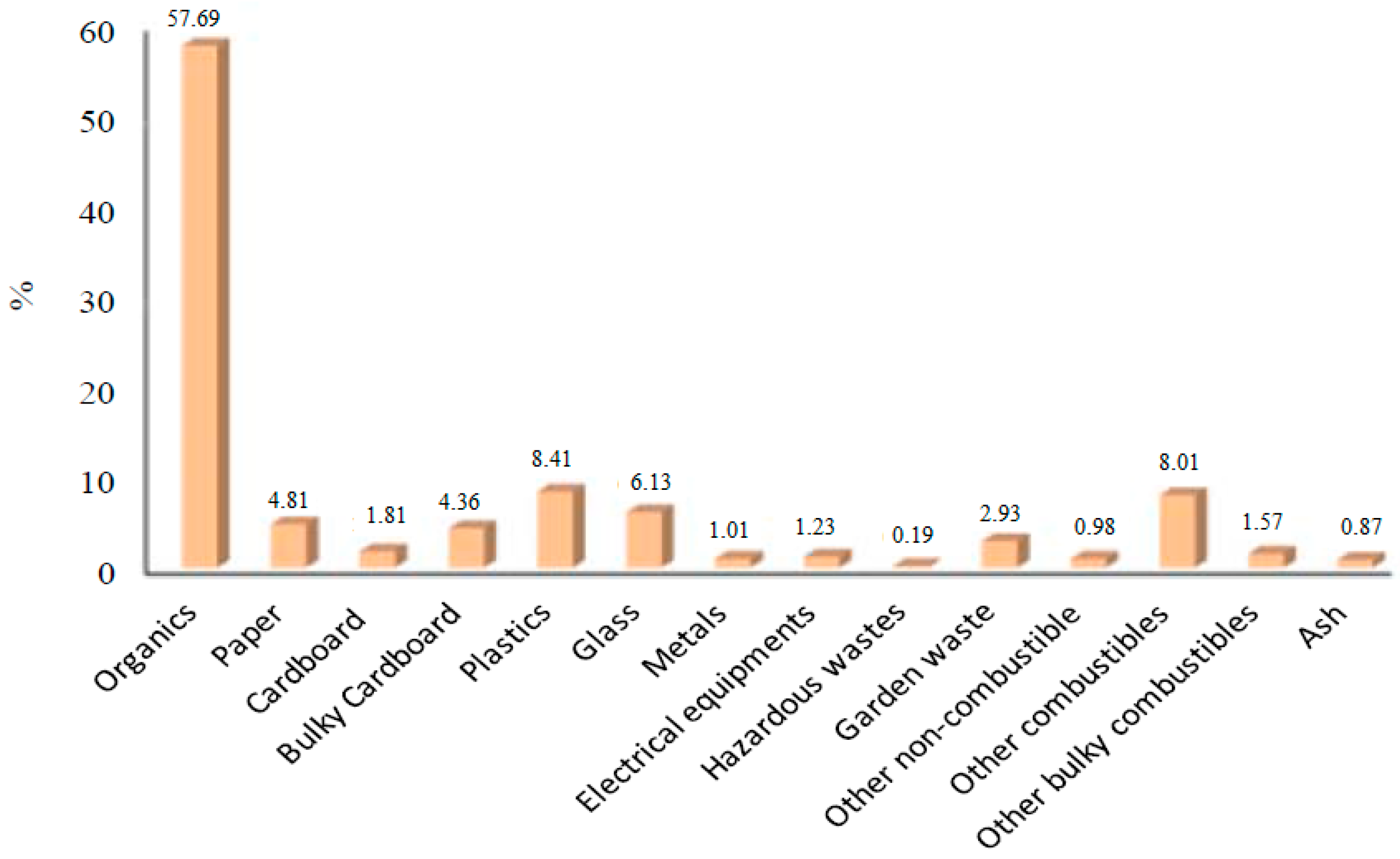
Solid waste generation and characterization are some of the most important parameters which affect environmental sustainability. Municipal solid waste (MSW) characterization depends on social structure and income levels. This study aims to determine the variations in waste components within MSW mass by income levels and seasonal conditions following the analysis conducted on the characterization of solid wastes produced in the Kartal district of the province of Istanbul, which is the research area of this study. To this end, 1.9 tons of solid waste samples were collected to represent four different lifestyles (high, medium, and low income levels, and downtown) in the winter and summer periods, and characterization was made on these samples. In order to support waste characterization, humidity content and calorific value analyses were also conducted and various suggestions were brought towards waste management in line with the obtained findings. According to the results obtained in the study, organic waste had the highest rate of waste mass by 57.69%. Additionally, significant differences were found in municipal solid waste components (MSWC) based on income level. Average moisture content (MC) of solid waste samples was 71.1% in moisture analyses. The average of calorific (heating) value (HHV) was calculated as 2518.5 kcal·kg−1.
Keywords: municipal solid waste (MSW); characterization; sustainability; waste management municipal solid waste (MSW); characterization; sustainability; waste management