Article

Development and Validation of a Regionally Optimized Newmark Model for Coseismic Landslide Hazard Assessment in Southwest China


1
Institute of Disaster Prevention, College of Disaster Prevention and Reduction Engineering, Sanhe 065201, China
2
Langfang City Key Laboratory of Research and Application of Geosynthetic Reinforced Soil Structure, Sanhe 065201, China
3
China Earthquake Disaster Prevention Center, Beijing 100029, China
4
Hebei Key Laboratory of Earthquake Disaster Prevention and Risk Assessment, Sanhe 065201, China
*
Author to whom correspondence should be addressed.
Sustainability 2026, 18(9), 4552; https://doi.org/10.3390/su18094552
Submission received: 1 April 2026 / Revised: 24 April 2026 / Accepted: 30 April 2026 / Published: 5 May 2026
(This article belongs to the Section Hazards and Sustainability)

Abstract

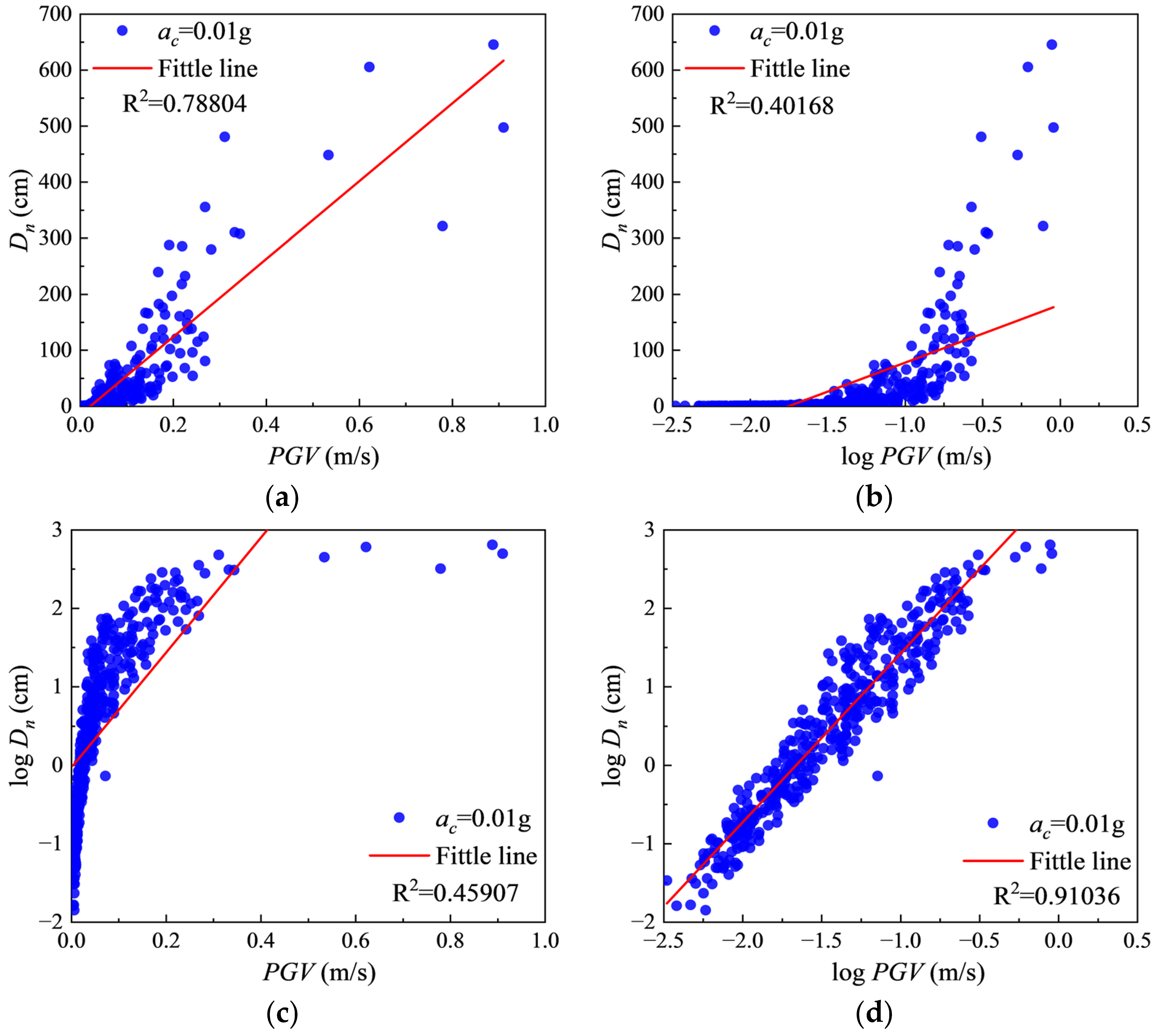
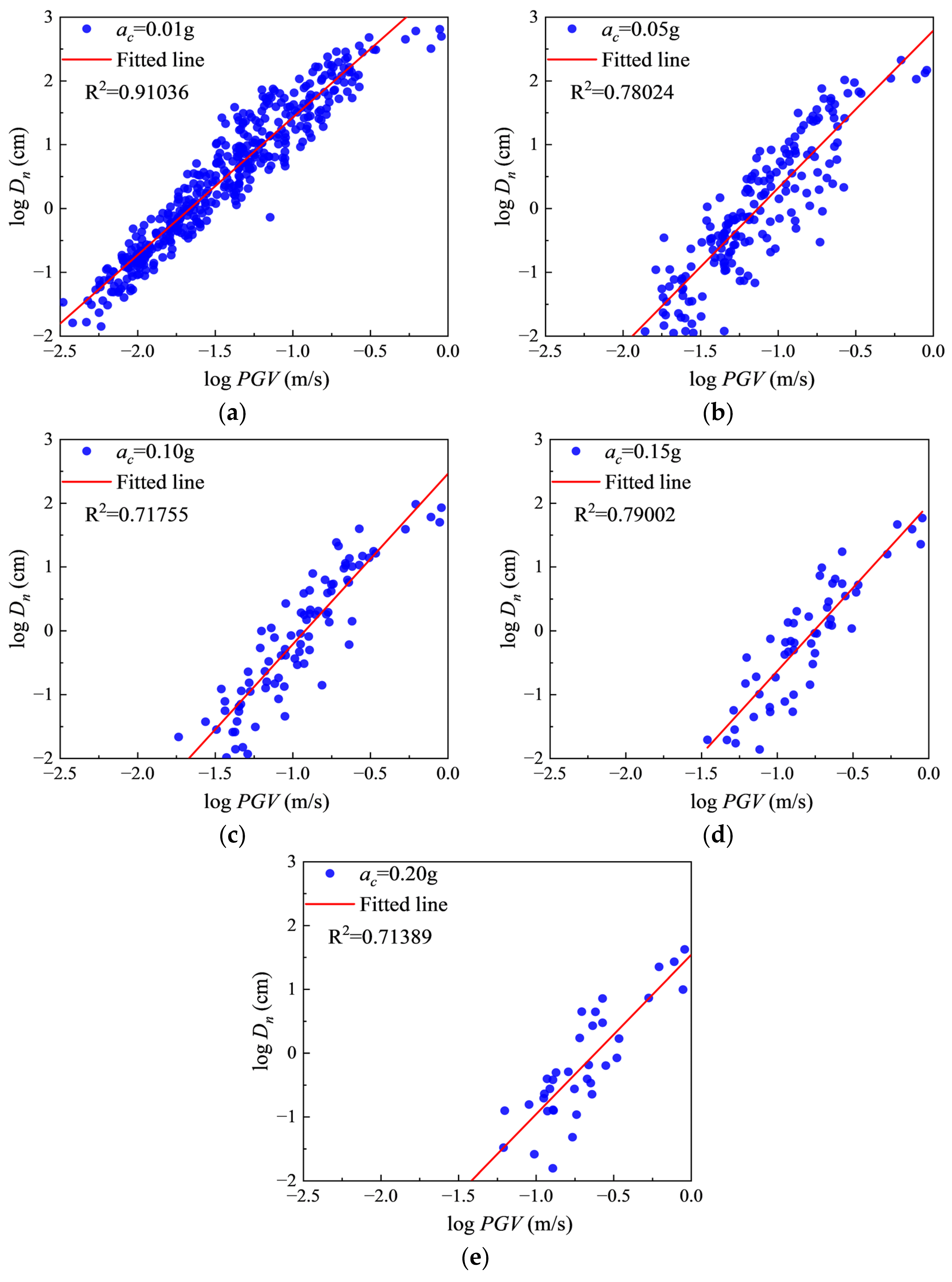
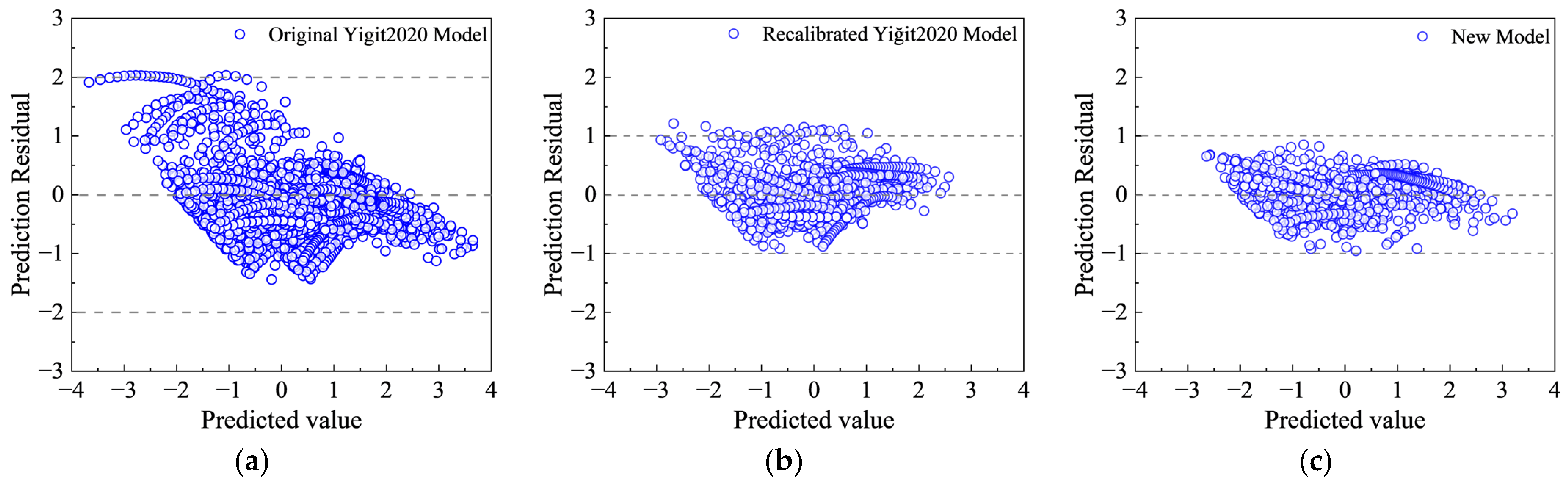
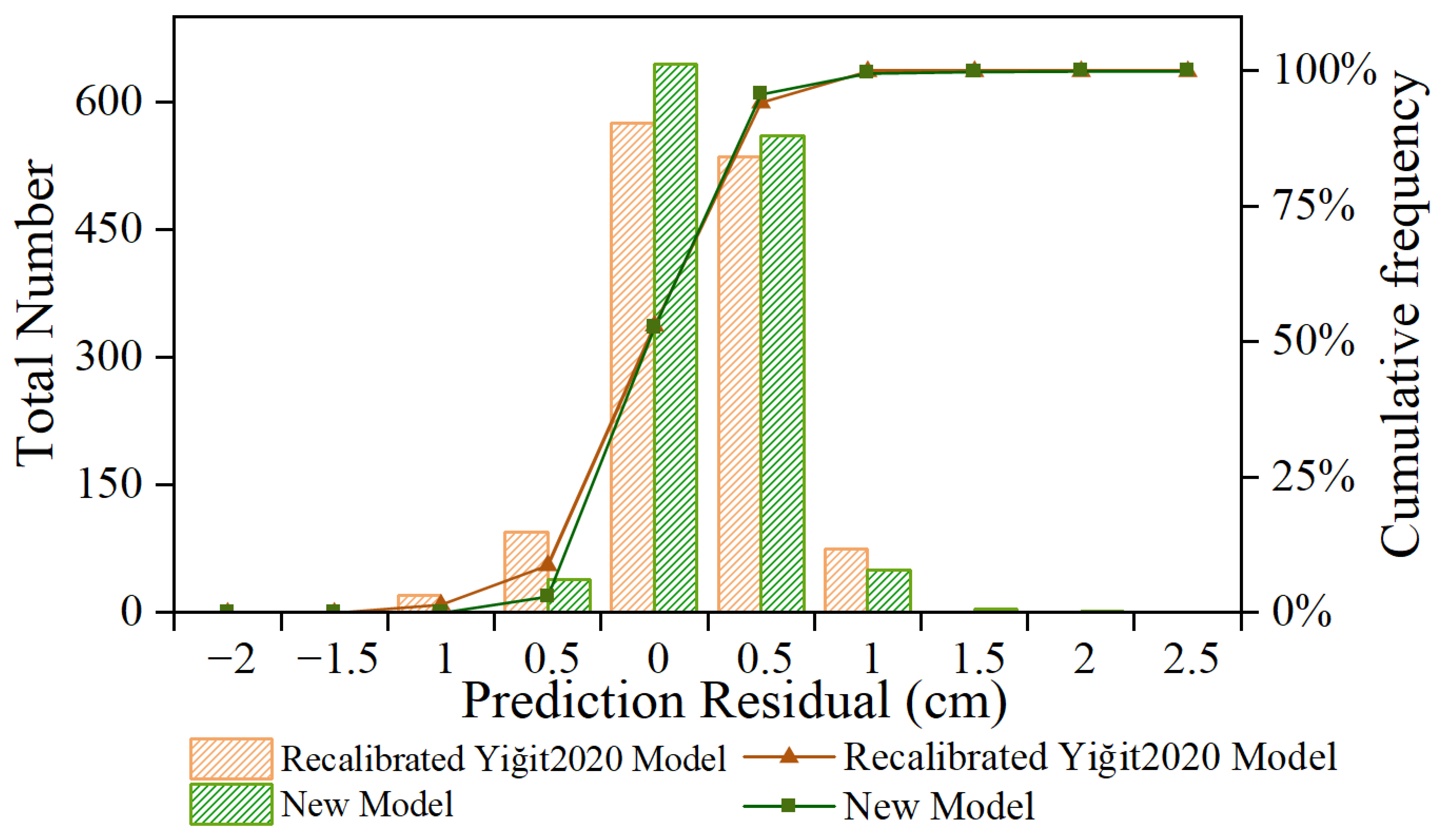
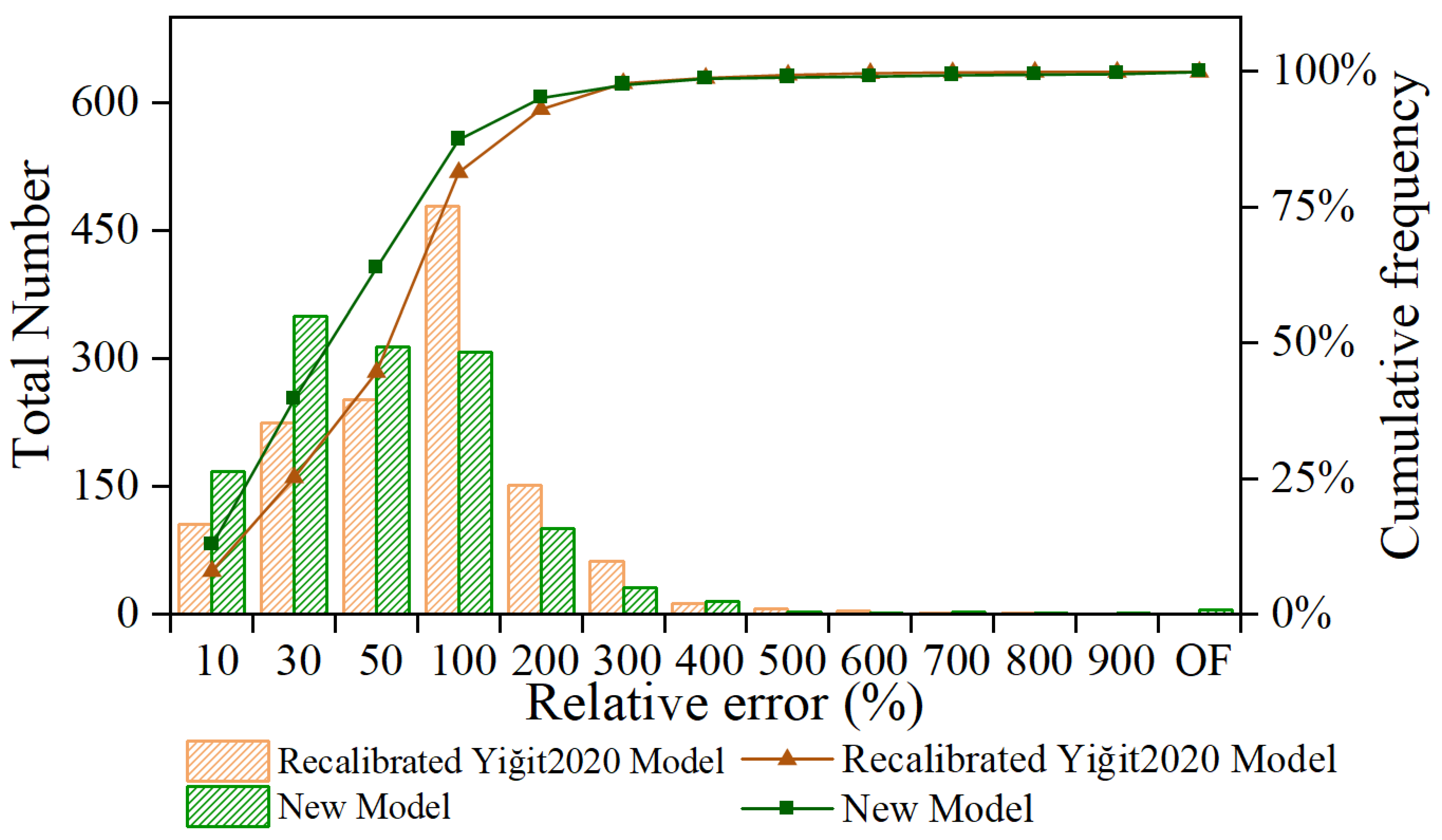
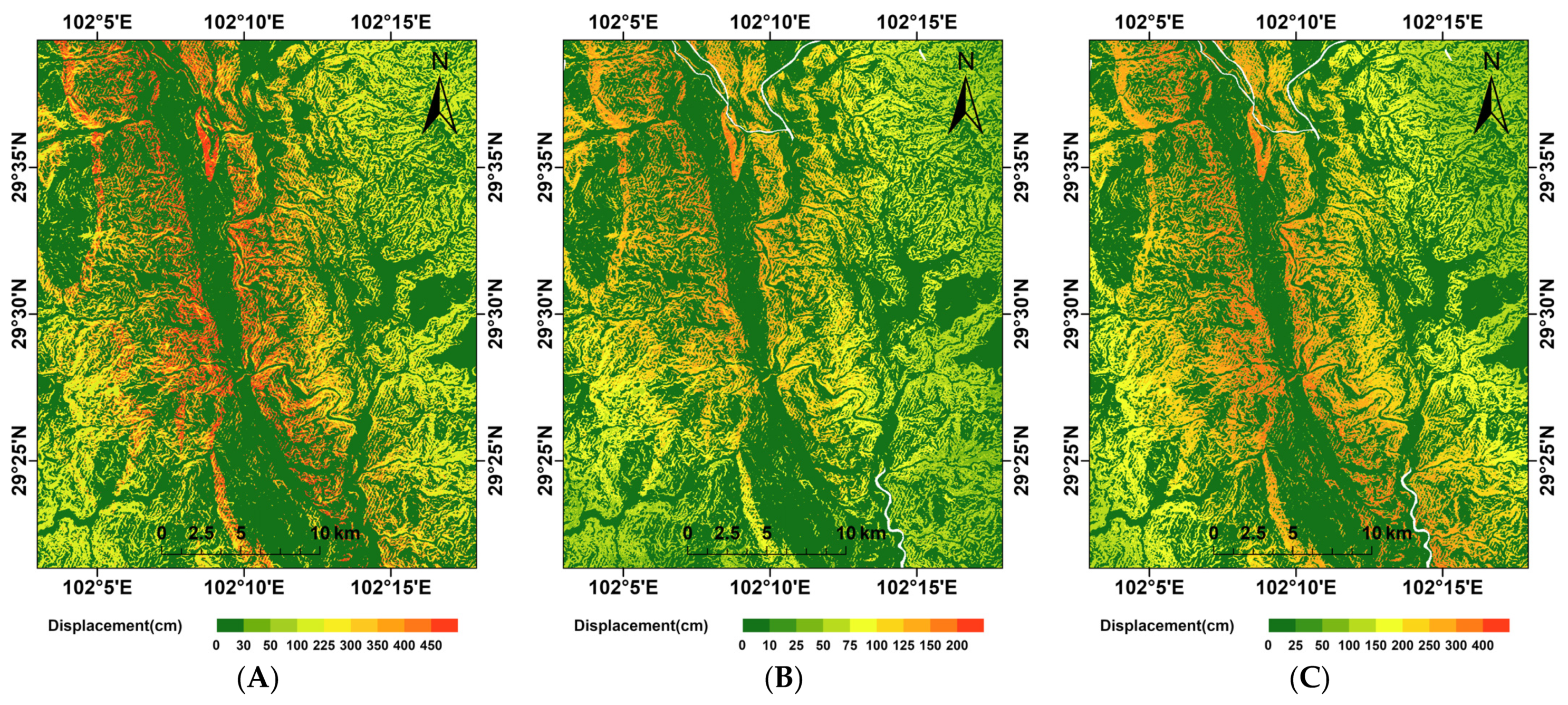
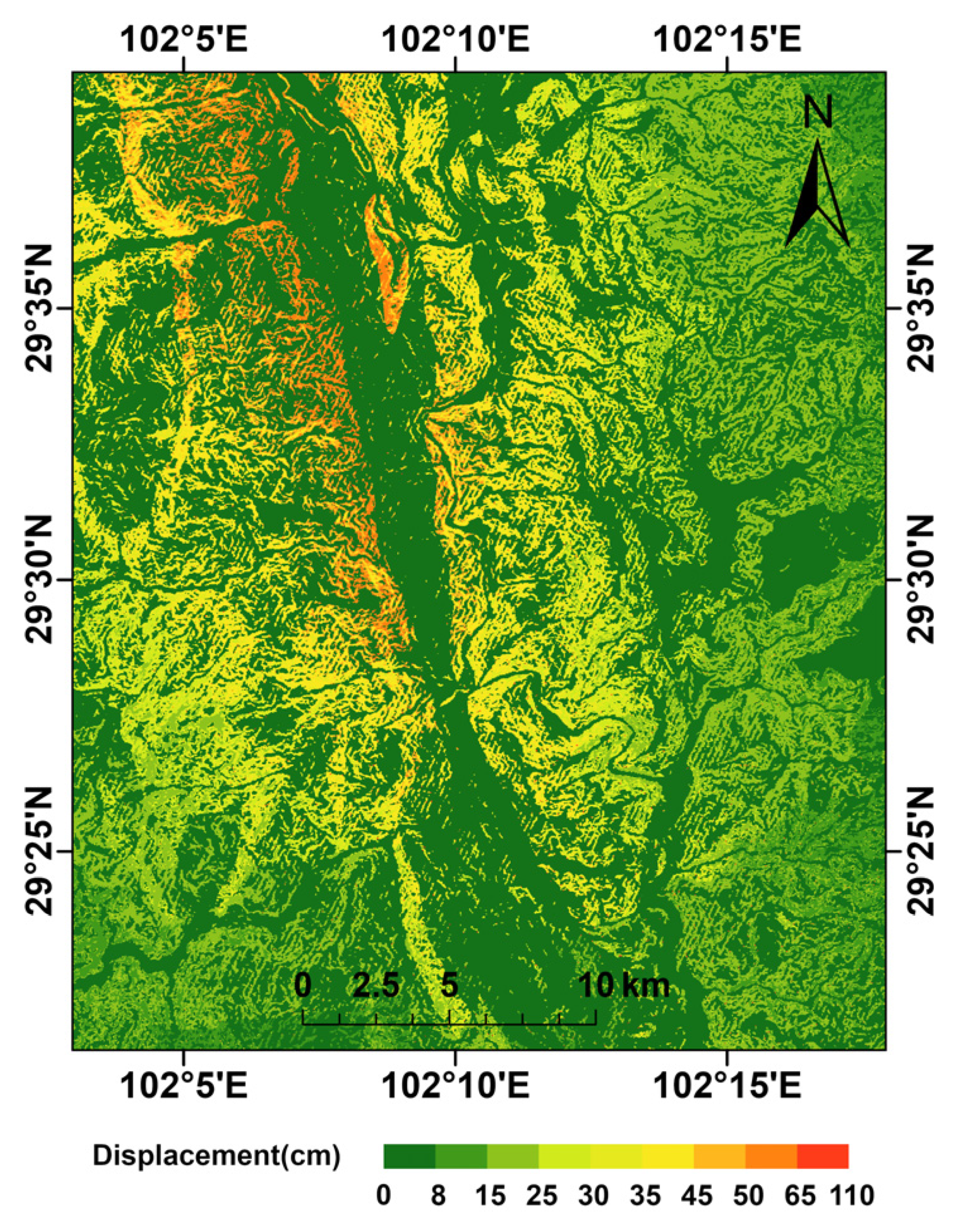
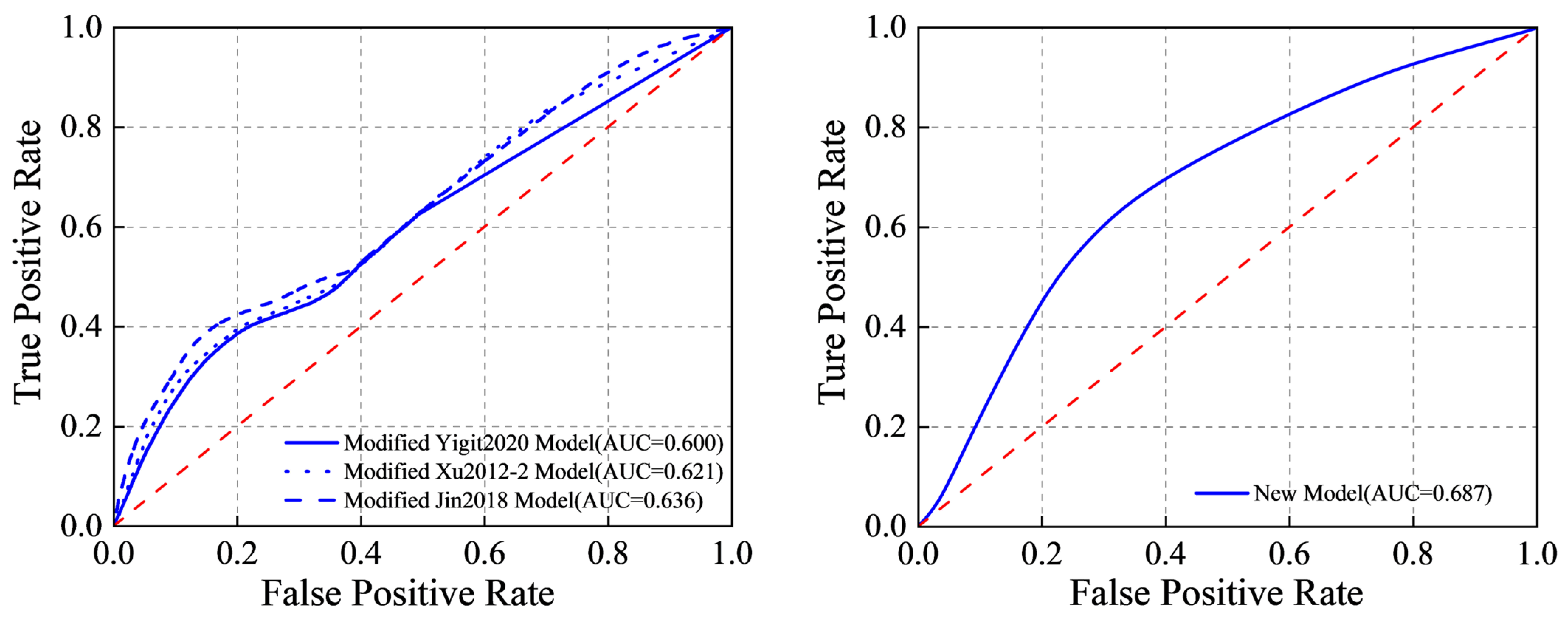
Regional coseismic landslide hazard assessment is important for disaster risk reduction and sustainable development in seismically active mountainous regions. Existing Newmark displacement prediction models exhibit systematic bias when applied to Southwest China due to the region’s distinctive seismotectonic and topographic characteristics. This study addresses this limitation by systematically evaluating and recalibrating seven established models using 591 horizontal strong-motion records from nine significant regional earthquakes (2007–2022). Among the recalibrated versions, the Yiğit2020 framework performed best but showed potential for further improvement. Analysis revealed a stable log-linear correlation between peak ground velocity (PGV) and Newmark displacement, with an average of 0.78 under different critical acceleration levels. By incorporating a log PGV term, a new model was developed, achieving improved performance with an R2 of 0.92 and a standard deviation (σ) of 0.30. Validation results further showed that the new model reduced the mean relative error from 74.22% to 66.43% and the median relative error from 53.83% to 38.90%, compared with the recalibrated Yiğit2020 model. In a case study of the 2022 Luding Ms 6.8 earthquake, the proposed model yielded the highest landslide discrimination capability (AUC = 0.687), outperforming other models (AUC = 0.600–0.636). These results support more reliable regional hazard zoning and rapid post-earthquake risk identification, thereby contributing to sustainable land-use planning, infrastructure resilience, and disaster risk reduction in seismically active mountainous regions.
Keywords: Newmark displacement prediction model; Southwest China; Coseismic landslide prediction; hazard assessment; disaster risk reduction; infrastructure resilience; sustainable land-use planning Newmark displacement prediction model; Southwest China; Coseismic landslide prediction; hazard assessment; disaster risk reduction; infrastructure resilience; sustainable land-use planning