1. Introduction
At present, the coordinated advancement of ecological sustainability and high-quality economic development has become a central issue faced by countries worldwide. Since the formal adoption of the Paris Agreement in 2016, more than 130 countries have explicitly pledged to achieve carbon neutrality. This global consensus has fundamentally reshaped the rules of international trade and the structure of global competition. With the formal operationalization of the carbon market mechanism under Article 6.4 of the Paris Agreement [
1] and the issuance of the first carbon credits under this mechanism, low-carbon compliance and carbon cost accounting are increasingly becoming key entry requirements in international trade. Coupled with the continuous implementation of green trade policies and environmental regulatory measures across countries, the export space for pollution-intensive products has been progressively compressed, posing unprecedented shocks and challenges to export trade worldwide.
In the field of international economics, export sophistication has long been regarded as a core indicator for measuring the technological content of export products and is widely considered a key factor in enhancing a country’s export competitiveness and its position in global value chains [
2,
3,
4]. However, traditional industrial upgrading is often accompanied by increases in energy consumption intensity. Under the current landscape of international green trade barriers, even products with very high technological sophistication may lose their competitive advantage if their production processes rely heavily on carbon-intensive energy, as they would bear substantial “carbon costs”. This tension between technological advancement and environmental costs has placed unprecedented pressure on the pathways for upgrading export sophistication. Against this backdrop, a critical question has become increasingly salient: how can countries design environmental regulatory policies that effectively control environmental pollution and fulfill low-carbon commitments while simultaneously promoting the technological upgrading of export products?
Although environmental regulation has been rapidly advanced and widely implemented across many countries, existing studies have yet to reach a consensus on the relationship between environmental regulation and export sophistication. On one hand, stricter environmental regulation may hinder the improvement of export sophistication. Hering and Poncet examine the effects of a specific environmental policy by focusing on selected cities in China, where stricter controls on sulfur dioxide emissions were implemented. Their findings indicate that, following the policy implementation, the export scale of related industries in the regulated cities declined. Moreover, the higher the level of pollution in a city, the stronger the negative impact on its exports [
5]. On the other hand, stricter environmental regulation may also stimulate improvements in export technological sophistication. Weiss and Anisimova analyze the Swedish pulp and paper industry and conduct an econometric test of the Porter Hypothesis. Their results show that flexible and dynamic command-and-control environmental regulation can effectively generate an innovation compensation effect by improving energy efficiency [
6]. Against this backdrop, this paper aims to systematically disentangle the mechanisms through which environmental regulation affects export sophistication, thereby providing an institutional foundation for addressing the “environment–technology” dual externality problem in global value chains. This is expected to help prevent policy mismatches or delays arising from ambiguity or lack of clarity in their relationship, which may otherwise lead to distortions in global industrial chains or even stagnation in international cooperation. Moreover, the failures at Copenhagen and the fraught adoption at Cancun illustrate that clarifying how environmental regulation influences export sophistication also affects the legitimacy and acceptability of international environmental governance cooperation—making it critically important for understanding and balancing economic development levels, environmental protection, and technological progress [
4].
This study examines the impact of environmental regulation on export sophistication using panel data from 67 countries over the period 1995–2020. We first construct a panel smooth transition regression (PSTR) model to conduct a preliminary test of the relationship between environmental regulation and export sophistication. Subsequently, multiple research methods—including the sample exclusion method, variable substitution method, period adjustment method, instrumental variable method and quantile regression method—are employed to thoroughly and rigorously verify the nonlinear relationship between the two variables. The results indicate a significant “U-shaped” relationship between environmental regulation and export sophistication. Moreover, the effect of environmental regulation becomes more pronounced and stable as the level of export sophistication increases, making the theoretically hypothesized inverted-N pattern unlikely to occur in practice. While this “U-shaped” relationship is generally applicable to both developed and developing countries, country heterogeneity persists. Notably, a positive incentive effect of environmental regulation on export sophistication emerges only when a country’s technological level reaches a certain threshold; countries with relatively weak technological capacity and innovation capability may lack the ability to form the turning point of the “U-shaped” curve.
Compared with the existing literature, the marginal contributions of this study may lie in the following aspects:
First, using the PSTR model to pre-test the linear or nonlinear relationship between environmental regulation and export sophistication before constructing the functional relationship, which increases the scientific and rationality of model setting and provides a more solid foundation for accurately reflecting their true relationship.
Second, selecting cross-national panel data to test whether the relationship between environmental regulation and export sophistication is applicable at the international level, thereby providing reference and basis for the formulation of international environmental governance policies.
Third, considering the widespread flow and deep integration of production factors across countries, this paper constructs an indicator for export sophistication under the background of globalized production based on inter-country input–output relationships.
Fourth, inspired by the theory of ecological fallacy, this paper does not limit itself to the conventional classification of developed and developing countries but seeks theoretical and practical support from multiple perspectives with a goal-oriented approach. For instance, this paper directly classifies based on the level of export sophistication and conducts further heterogeneity analysis using quantile regression.
The remainder of this paper is organized as follows:
Section 2 reviews the relevant literature on environmental regulation and export sophistication.
Section 3 elaborates the theoretical mechanisms and formulates the research hypotheses.
Section 4 presents the research design, including the specification of the preliminary model, variable measurement, sample selection, data sources, and the construction of the baseline regression model.
Section 5 reports the empirical results and tests the proposed hypotheses, covering the baseline regression analysis, endogeneity analysis, robustness checks, and heterogeneity tests.
Section 6 discusses the main findings and theoretical contributions.
Section 7 concludes the paper, provides implications, reflects on the study’s limitations, and outlines directions for future research.
2. Literature Review
2.1. Environmental Regulation
The concept of environmental regulation was first articulated by Dasgupta and Heal, who defined it as the policies and enforcement measures implemented by governments to seek a dynamic balance between high-quality economic development and ecological sustainability [
7]. With ongoing economic and social development, the instruments of environmental regulation have continuously evolved, and academic understanding of environmental regulation has undergone multiple stages of diversification, leading to systematic classifications from different research perspectives.
According to the governing actor of regulation, Ren et al. categorize top-down, government-led and mandatory pollution control measures imposed on firms as formal environmental regulation, whereas bottom-up, voluntary public participation in environmental governance is classified as informal environmental regulation [
8]. Based on the timing of regulatory intervention, Lian et al. distinguish ex ante environmental regulation, referring to preventive measures implemented prior to firms’ pollutant emissions, from ex post environmental regulation, denoting punitive measures adopted after pollution has occurred [
9]. Furthermore, in terms of the intensity of government intervention, Peng et al. define traditional environmental protection policies enforced through mandatory administrative orders as command-and-control environmental regulation, while more flexible regulatory approaches implemented through various market mechanisms are categorized as market-based environmental regulation [
10].
2.2. Export Sophistication
In the field of international economics, since Hausmann et al. formally introduced the concept of “export sophistication”, it has become one of the principal indicators for assessing the technological content and value-added embodied in exported goods [
2]. It reflects a country’s export technological level, export quality, export competitiveness, and its position in international trade [
3,
4,
11,
12].
Existing studies on the measurement of export sophistication can be broadly classified into three approaches:
First, Lall et al. constructed an export sophistication index based on the income levels of exporting economies [
13]. Compared with commonly used high-aggregation classification methods such as factor intensity and technology intensity, this approach allows for flexible and rapid computation across any level of aggregation and any time period.
Second, Hausmann et al. argued that the productivity levels of different traded goods vary significantly, and countries with a higher share of high-productivity goods in their export structure tend to exhibit superior overall economic performance. Based on this perspective, they developed the EXPY model to measure export sophistication, which involves two steps. In the first step, a product-level income–productivity ratio (the PRODY index) is constructed, which ranks goods according to their implied productivity and thus quantifies the productivity attributes of individual products. In the second step, the PRODY indices obtained in the first step are aggregated according to the composition of a country’s export basket to derive a corresponding income–productivity ratio at the country level, reflecting the overall productivity aligned with the nation’s export specialization pattern. This model has become the mainstream tool for measuring export sophistication. Although recent studies have proposed multidimensional refinements from various research perspectives, they generally adhere to this two-step calculation framework, and its application has expanded to multiple levels, including national, regional, sectoral, and product levels [
2].
Third, Schott compared developing countries with OECD economies and examined export sophistication from two dimensions. First, market share and product penetration are used to assess the scale foundation and breadth of developing countries’ export baskets. The export similarity index is then further integrated into a structural similarity measure of export composition, which serves as an indicator of export sophistication. Second, the unit value of exported products is employed as a core proxy variable, providing a supplementary measure of export sophistication from the perspective of vertical differentiation among varieties within the same product category [
14].
2.3. Environmental Regulation and Export Sophistication
Currently, the academic community’s views on the relationship between environmental regulation and export sophistication can be summarized into several categories: A few argue that environmental regulation is detrimental to the enhancement of export sophistication. For instance, He and Tang selected the pollutant reduction targets disclosed in the work reports of prefecture-level governments as a proxy for environmental regulation. Using data from China’s manufacturing enterprises from 2002 to 2009, he examined the relationship between environmental regulation and export sophistication [
15]. The results suggest that environmental regulation may negatively impact export sophistication through productivity, product switching activities, and trade credit. However, Wang et al., Song and Ding and Ge et al. argue that environmental regulation benefits the improvement of export sophistication [
16,
17,
18]. For example, Ge et al., based on data from China’s manufacturing sector from 1998 to 2007, found that the joint effect of environmental regulation and financial constraints might hinder the improvement of the green technological complexity of export products, because the positive effect of environmental regulation cannot offset the negative effect of financial constraints [
18]. In contrast, nonlinear research conclusions have gained more support, with most studies suggesting a “U-shaped” relationship between environmental regulation and export sophistication [
4,
19,
20]. The explanation by Hu et al. is typical, as they argue that environmental regulation initially hinders the upgrading of export sophistication; however, when the intensity of environmental regulation reaches a certain level, it promotes the improvement of export sophistication [
20]. Additionally, some studies support more complex nonlinear relationships, such as “N-shaped”. Wang et al. using data from 30 provinces (cities, regions) in China from 2004 to 2016, found that there is an “N-shaped” relationship between environmental regulation and export sophistication [
21].
Given the relatively small amount of direct literature on the relationship between environmental regulation and export sophistication both domestically and internationally, the concept of “export sophistication” has been extended to measure aspects such as export “competitiveness”, “technology” and “quality”. After considering these dimensions, it was found that the impact of environmental regulation on export sophistication also follows the aforementioned patterns: monotonic regression [
22], monotonic promotion [
23,
24,
25,
26,
27,
28], “U-shaped” [
29,
30,
31,
32,
33] and inverted “N-shaped” [
34].
2.4. Identification of the Research Gap
In summary, the existing literature has provided a rich discussion on the relationship between environmental regulation and export sophistication, laying an important theoretical and empirical foundation for this study. Nevertheless, several aspects warrant further extension.
First, with regard to the construction of export sophistication indicators, most existing studies fail to account for the cross-border flows of intermediate goods under globalized production networks, making it difficult to accurately capture the real-world allocation and deep integration of production factors on a global scale. Second, regarding model specification, many existing studies directly assume a functional form between environmental regulation and export sophistication, which partially undermines the objectivity and rigor of model selection. Third, from the research perspective, prior work largely focuses on single-country analyses at the provincial, sectoral, or firm level, with relatively few systematic investigations at the cross-national level. Fourth, in heterogeneity analysis, most studies continue to use the traditional classification of developed versus developing countries. While this classification has certain merits, its relatively single-dimensional approach and limited consideration of intrinsic developmental differences among countries may introduce biases and hinder the precise identification of differentiated effects of environmental regulation on export sophistication, thereby limiting the policy relevance and practical explanatory power of the findings.
In light of these limitations, this study seeks to address the existing gaps by systematically examining the mechanisms through which environmental regulation affects export sophistication, with the aim of providing useful insights for achieving the coordinated advancement of environmental protection and high-quality trade development.
4. Research Design
Although the “U-shaped” relationship is the most representative in current research on environmental regulation and export sophistication and is a reasonable inference based on relevant classical theories, does it still apply at the international level? Following the principles of objectivity and scientific rigor, we will first pre-test the appropriate functional form of the relationship using cross-national data based on the PSTR model to construct the benchmark test model.
4.1. Pre-Test Model Setup
In order to examine whether there exists a nonlinear relationship between environmental regulation and export sophistication, and to understand the nature of this nonlinear relationship, drawing on the work of Duarte et al. [
43], we will use the core explanatory variable
as a transition variable to construct the following panel smooth transition model for pre-testing:
In Equation (1),
represents the country;
represents the time;
represents the dependent variable, which is export sophistication;
represents the unobserved national difference, i.e., the individual effect;
represents the independent variable, which is environmental regulation, with energy intensity
and carbon emission intensity
used as proxy variables in this study; and
represents the regression coefficient of the environmental regulation variable. As noted in the literature review, export sophistication is also influenced by many other factors. Therefore, following the research by Wang et al. [
21] control variables
including economic development level, human capital, research and development investment, foreign direct investment, infrastructure construction, and trade openness, are added to the model.
is a continuous function, i.e., the transition function;
represents the number of transition functions. If the transition function is
, then the model has
intervals;
represents the random factors affecting country
at time
, i.e., the random disturbance term. The transition function
is typically expressed as the following logistic function:
In Equation (2), is the transition variable; is the location parameter of the transition function; is the slope parameter of the transition function, which determines the smoothness of the transition; and represents the number of transitions, usually taking values of 1 or 2.
4.2. Variable Selection
4.2.1. Dependent Variable
Due to the differing observation focuses and application contexts, there are significant differences in the industry classification standards used by various databases. Using the industry classification reference table provided by the TIVA database, we match the input–output table (ICIO), the International Standard Industry Classification (ISIC Rev. 4), and the National Economic Industry Classification in China’s industrial statistics (GB/T 4754-2011) to calculate the export sophistication of each country.
Following the approach of Hausmann et al. [
2], export sophistication is typically represented by the technology level weighted by export volume, where the technology level is proxied by per capita income. First, the average technological complexity of a particular industry is calculated using export volume as the weight:
In Equation (3),
represents the country,
represents the industry,
represents the export volume of industry
in country
,
represents the total export volume of all industries in country
, and
represents the per capita income level of country
. Then, based on Equation (3), the export sophistication index for a country is calculated by using the proportion of each industry’s export volume to the total export volume of all industries in that country as the weight:
However, in the context of globalized production, the export weight calculation in Equation (3) includes foreign value, which cannot accurately reflect the actual export value of a country. Moreover, Equation (4) fails to consider the impact of intermediate inputs from trade partners on the export sophistication of the country. Therefore, to more accurately measure the average technological level, we first refer to the method of Qi and Wang [
44], replacing total export value with the domestic value added in exports, and calculate the average technological complexity of each industry:
where
represents the domestic value added in the export of industry
in country
, and
represents the domestic value added in the total exports of all industries in the country
. Based on the above weighted calculation results, and drawing on the approach of Yao and Zhang [
45], the composite technological content of an industry is defined through the input–output relationship:
where
represents the direct consumption coefficient, indicating the proportion of the consumption of value
induced by the value of production of
, while
denotes the ratio of newly created value
in the final product production (assembly) process to the total value.
Based on the calculations from Formula (6), the export technological content at the industry level for each country is determined. Let
represent the proportion of the export value of the
industry in each country to the total exports. Then, according to Formula (7), the overall export sophistication of a country can be calculated as
4.2.2. Independent Variable
A significant portion of environmental pollution comes from the emissions of waste products during energy production and consumption. Therefore, following the research approach of Ang and Goh [
46], “the ratio of gross domestic product to energy consumption”
is selected as an indicator to measure environmental regulation. A higher value of this ratio indicates stronger environmental regulation. Additionally, “the ratio of GDP to the sum of per-unit carbon dioxide emissions and per-unit sulfur dioxide emissions”
is chosen as a second indicator of environmental regulation for robustness checks (Besides the greenhouse gas widely recognized by countries around the world, carbon dioxide, this paper also considers sulfur dioxide. The reason for this is that sulfur dioxide is considered the most directly perceptible air pollutant, and the World Health Organization has listed it as one of the six ‘typical’ air pollutants).
4.2.3. Control Variables
This study follows Wang et al. [
21] and Fan [
47] in selecting the control variables, which are described in detail as follows: (1) The process of firms engaging in foreign trade is also one of learning from and absorbing advanced international technologies, which in turn contributes to the improvement of export sophistication. This study measures trade openness
as the ratio of the sum of merchandise trade and service trade to gross domestic product (GDP), i.e., (merchandise trade + service trade)/GDP. (2) During the process of attracting foreign direct investment, a country can simultaneously absorb advanced technologies, managerial practices, and innovation resources associated with capital inflows, thereby promoting the upgrading of export sophistication. This study measures foreign direct investment
as the net inflow of FDI as a percentage of GDP [
48]. (3) Countries with higher levels of economic development tend to undertake more intensive R&D activities, which in turn contribute to upgrading the technological content of their exports. This study measures the level of economic development
using GDP per capita. (4) In general, a higher share of R&D expenditure is considered conducive to technological progress and productivity improvement, thereby promoting the enhancement of export sophistication. This study measures R&D input
as R&D expenditure as a percentage of GDP [
49]. (5) As the level of human capital continues to improve, the division of labor becomes more specialized and production efficiency is enhanced, which in turn further promotes the improvement of export sophistication. This study measures human capital
using the percentage of the total population enrolled in higher education institutions. (6) The development and diffusion of the internet can effectively alleviate information barriers in trade, and by reducing export costs and market risks while expanding the boundaries of transactions, it contributes to export upgrading in terms of technological sophistication. This study measures infrastructure development
using internet usage rate.
4.3. Data Description
This paper conducts empirical research using data from 67 countries (Argentina, Australia, Austria, Belarus, Belgium, Brazil, Brunei Darussalam, Bulgaria, Canada, Chile, China, Colombia, Costa Rica, Croatia, Cyprus, the Czech Republic, Denmark, Egypt, Estonia, Finland, France, Germany, Greece, Hungary, Iceland, India, Indonesia, Ireland, Israel, Italy, Japan, Kazakhstan, South Korea, Latvia, Lithuania, Luxembourg, Malaysia, Malta, Mexico, Morocco, Myanmar, Netherlands, New Zealand, Norway, Pakistan, Peru, Philippines, Poland, Portugal, Romania, the Russian Federation, Saudi Arabia, Senegal, Singapore, Slovakia, Slovenia, South Africa, Spain, Sweden, Switzerland, Thailand, Tunisia, Turkey, Ukraine, the United Kingdom, the United States, and Vietnam) in the TiVA database from 1995 to 2020 (this period covers a critical stage in the evolution of global environmental regulation and export technological upgrading, while also ensuring the availability and continuity of data for the key variables). To reduce the impact of heteroscedasticity on the final results, the natural logarithmic form is applied to variables such as export sophistication. To address the influence of outliers, a 1% bilateral trimming procedure is applied. The data used come from the OECD database, World Bank database, the European Union Global Atmospheric Emissions Database and United Nations Commodity Trade Statistics Database.
Table 1 presents the descriptive statistics of the main variables. A comparison shows that the standard deviation of foreign direct investment is relatively large, indicating significant individual differences in the levels of
among the sample countries. This feature may stem from significant differences among countries in terms of economic scale, degree of openness, and capacity to attract foreign investment, which in turn lead to substantial fluctuations in the share of FDI in GDP across the cross-country sample. This is also consistent with the typical characteristics of cross-country macroeconomic data. Given that foreign direct investment is a control variable and has undergone basic data processing, no further processing is done for this variable.
4.4. Preliminary Test Results
Table 2 reports the results of the model specification pre-tests based on the PSTR model. Under the null hypothesis
(linear model) and the alternative hypothesis
(nonlinear model with at least one transition function), the LM, LMF, and LRT statistics all strongly reject the null hypothesis at the 1% significance level. This indicates that, compared with a linear model, a nonlinear model with at least one location-specific transition function is more appropriate, suggesting that the impact of environmental regulation on export sophistication exhibits a significant nonlinear regime-switching feature. In a further test for remaining nonlinearity
, all
p-values exceed 0.1, indicating that the null hypothesis cannot be rejected. This implies that the optimal number of transition functions in the model is, meaning the model contains only one transition function and two regimes.
Table 3 reports the estimation results of the PSTR model using environmental regulation
as the transition variable. The results indicate the presence of a single transition, with the location parameter of the transition function at
or
. These two location parameters essentially represent the critical thresholds at which the impact of environmental regulation on export sophistication undergoes a smooth transition. Specifically, the threshold
or
corresponds to the critical level of
or
, marking the point at which regulatory intensity shifts from relatively weak to relatively strong. The results suggest that when environmental regulation is below
or
, its coefficient is
or
, both of which are not statistically significant. This implies that under the low regime, environmental regulation exerts an insignificant inhibitory effect on export sophistication. Once environmental regulation exceeds the threshold and enters the high regime, the coefficient becomes
or
, both of which are significantly positive at the 1% level. This indicates that in the high regime, the strengthening of environmental regulation significantly promotes the improvement of export sophistication. Overall, as the intensity of environmental regulation increases, its effect on export sophistication smoothly transitions from an insignificant negative effect in the low regime to a significant positive effect in the high regime. Hence, these results provide preliminary evidence of a significant “U-shaped” relationship between environmental regulation and export sophistication. It is also found that the threshold value
lies within the actual distribution range of environmental regulation in the sample, being slightly higher than the sample minimum and significantly lower than the sample mean. This indicates that, during the sample period, most countries have already crossed the critical threshold of environmental regulation, thereby achieving a transition in its impact on export sophistication from the cost-compliance effect to the innovation compensation effect. The fact that the threshold is significantly lower than the sample mean may be attributed to two possible explanations. First, environmental regulation in most countries may have already reached a relatively stringent level, allowing them to surpass the critical turning point from inhibitory to promotive effects. Second, given that the sample covers a large number of countries, there exists substantial cross-country heterogeneity in terms of economic development levels and environmental governance capacity, leading to variations in the distribution of regulatory intensity. This heterogeneity ultimately results in the estimated threshold lying within a reasonable range below the sample mean.
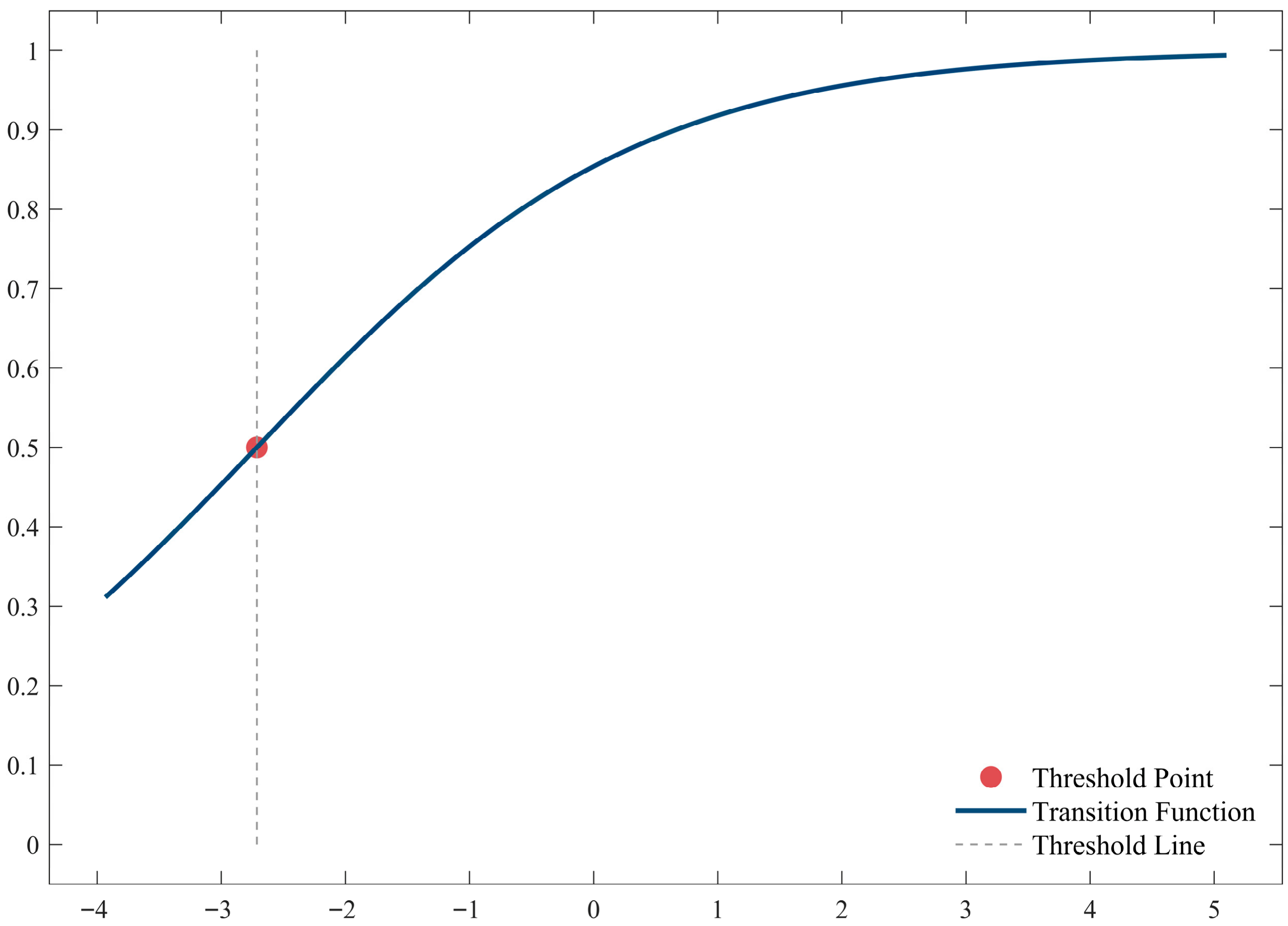
Figure 1 illustrates the smooth transition function of
with respect to export sophistication. The function exhibits a relatively steep smooth transition around the threshold value
, with a slope parameter of
. This indicates that once the intensity of environmental regulation crosses this critical value, its impact on export sophistication shifts rapidly from the “low regime” to the “high regime” within a relatively narrow interval.
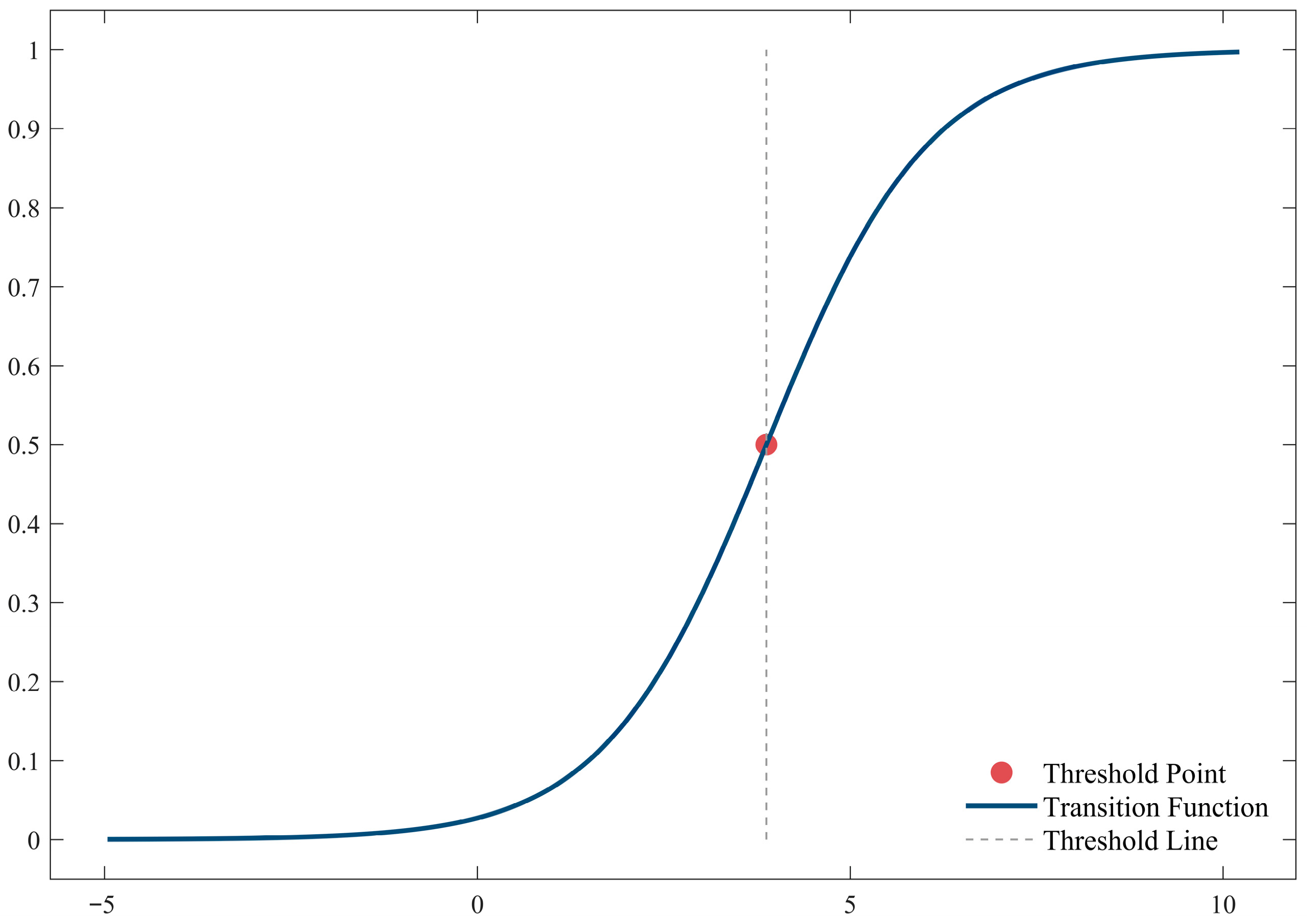
Figure 2 presents the smooth transition function of
. The slope parameter,
, is comparatively smaller, resulting in a more gradual transition around the threshold
.
It is worth noting that the location parameter of is negative. This arises because the transition variable has been demeaned through the two-way fixed effects transformation, meaning that the estimated threshold reflects the critical value of environmental regulation intensity after demeaning rather than its absolute level in the original data. Therefore, this result does not contradict the descriptive statistics, in which the raw values are all positive. Although differences exist in the transition speed and threshold location between and , both specifications consistently reveal a nonlinear “U-shaped” relationship between environmental regulation and export sophistication, characterized by an initial inhibitory effect followed by a promoting effect. These findings provide strong support for the objective selection of the model specification based on the data characteristics, thereby enhancing the rigor of the subsequent empirical analysis.
4.5. Model Selection
Based on the above analysis, this paper introduces the square term of environmental regulation and constructs the following panel econometric model to further empirically test the relationship between environmental regulation at the international level and export sophistication:
In Equation (8), represents the country-year two-dimensional fixed effects, represents the constant term, and represents the regression coefficients corresponding to the control variables. In Equation (8), if the coefficient of the quadratic term is positive, it indicates that the “U-shaped” relationship between environmental regulation and export sophistication holds. Additionally, if the coefficient of the linear term is negative, the economic significance of this verifies the theoretical hypothesis. If the coefficient of the quadratic term is negative, it reflects that the relationship between environmental regulation and export sophistication at the international level presents an inverted “U-shaped” relationship.
6. Discussion
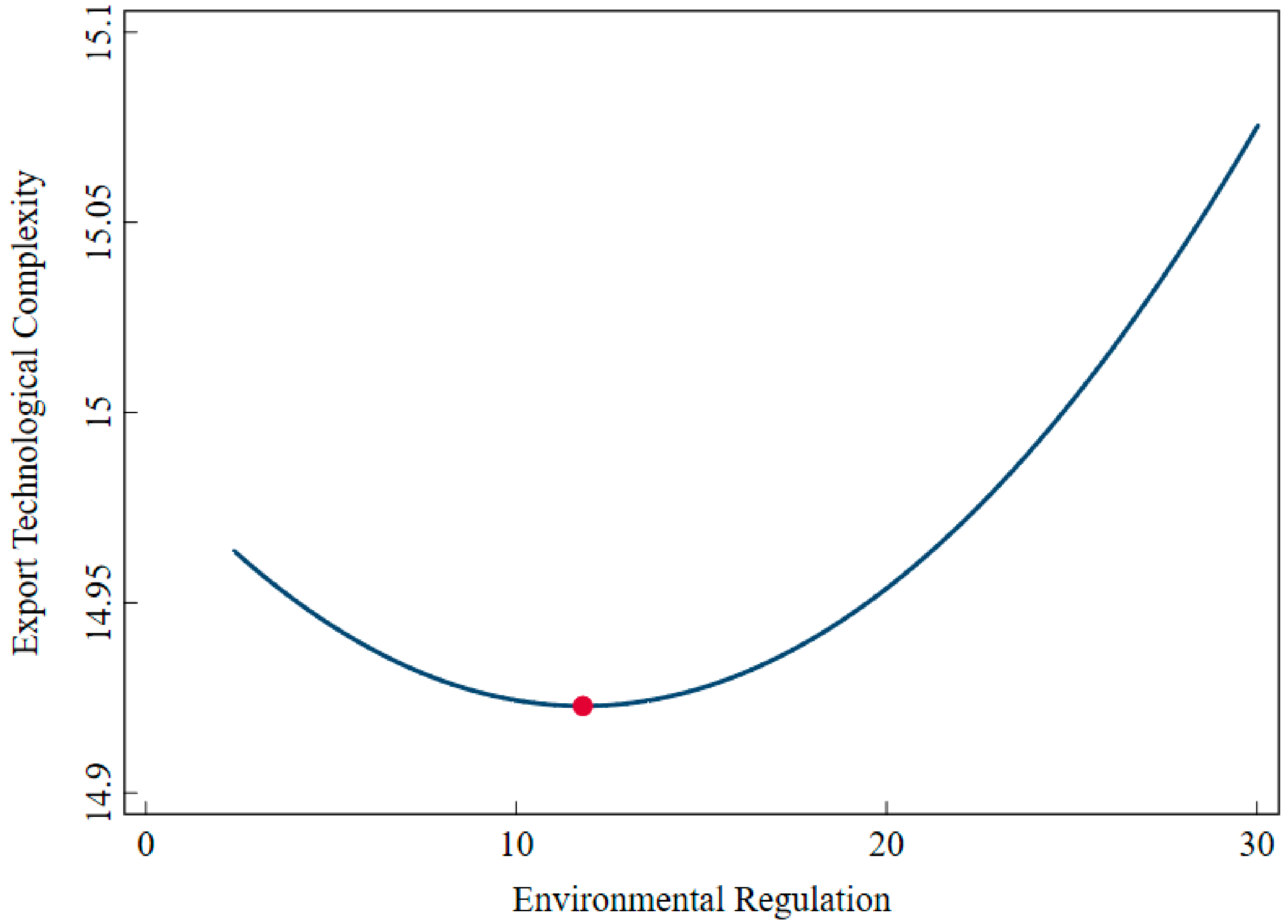
This study examines the impact of environmental regulation on export sophistication from a global perspective. The results reveal a significant “U-shaped” relationship between environmental regulation and export sophistication. Specifically, prior to the turning point, relatively low levels of environmental regulation primarily exert a cost-compliance effect, crowding out firms’ production and R&D resources and thereby inhibiting improvements in export sophistication. However, once regulatory intensity surpasses the threshold, the innovation compensation effect gradually becomes dominant. Stricter environmental standards incentivize firms to engage in green technological innovation, enhance production efficiency, and improve energy utilization, ultimately promoting higher levels of export sophistication. Therefore, this turning point can be regarded as a critical threshold at which environmental regulation shifts from being dominated by the cost-compliance effect (inhibitory) to the innovation compensation effect (promotional), and also represents the key juncture for achieving the coordinated development of environmental protection and export technological upgrading.
The above findings generally support the “innovation compensation effect” and the Porter Hypothesis, suggesting that appropriately designed environmental regulation can enhance production efficiency and export competitiveness by incentivizing firms to engage in green technological innovation [
23,
62]. At the same time, this study partially revises the conclusions of research that focuses solely on the “cost-compliance effect”. Such studies argue that environmental regulation increases firms’ compliance costs and continuously crowds out productive and R&D investments, thereby exerting a negative impact on technological upgrading [
63]. However, the present study finds that this inhibitory effect is significant only at relatively low levels of regulatory intensity. As regulatory stringency increases, export sophistication undergoes structural adjustment. A possible explanation is that, once environmental regulation reaches a certain threshold, the external constraints faced by firms are no longer limited to cost pressures but gradually evolve into innovation-inducing incentives. This transformation encourages firms to achieve both regulatory compliance and efficiency gains through technological progress. By integrating these two strands of the literature, this study reveals the stage-dependent nature of the economic effects of environmental regulation. Moreover, by extending the analysis from the single-country or industry level to a cross-country perspective, it provides new empirical evidence for understanding the international generalizability of these effects.
Given the significant cross-country differences in economic capacity, resource allocation, and environmental governance [
64], this study further conducts a heterogeneity analysis of the impact of environmental regulation on export sophistication. The results, based on classification by the level of economic development, indicate that although some degree of heterogeneity exists, the “U-shaped” relationship between environmental regulation and export sophistication holds significantly for both developed and developing countries. This suggests that, overall, appropriately designed environmental regulation contributes to the upgrading of export technology across countries. It is also found that the absolute values of both the linear and quadratic coefficients are larger for developing countries than for developed countries. This implies that the turning point of environmental regulation is relatively higher in developing countries and that the marginal effects are more pronounced. Accordingly, it can be inferred that, compared with developed countries, environmental regulation exerts a stronger promoting effect on export sophistication in developing countries once the critical threshold has been surpassed.
Finally, inspired by the ecological fallacy [
59,
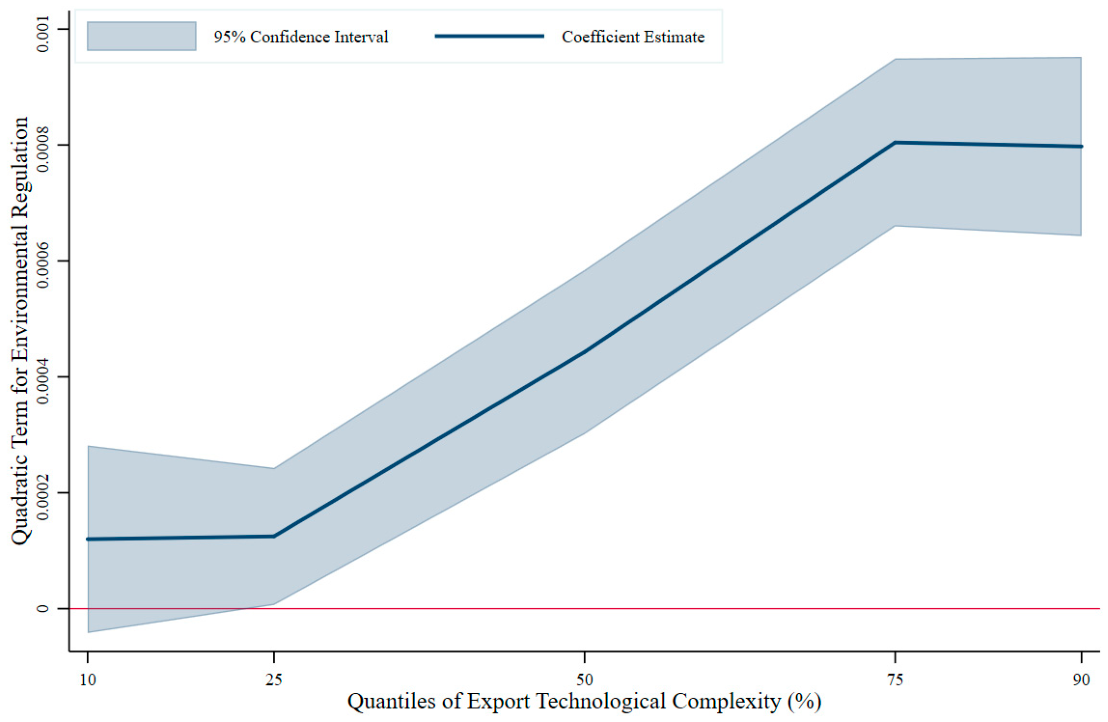
60], this study adopts a goal-oriented approach and further divides the sample into quantiles based on the level of export sophistication. The results show that when export sophistication is at a relatively low level (e.g., the 10th percentile), the “U-shaped” relationship is no longer significant. This can be explained by the fact that in countries with relatively low export technological levels, environmental regulation is generally lax, and both the cost pressure and innovation-inducing effects are weak—insufficient to impose effective constraints or to stimulate green technological upgrading. Only when export sophistication surpasses a certain threshold, accompanied by a corresponding increase in regulatory intensity, does the mechanism of environmental regulation gradually shift from cost crowding-out to innovation-driven effects, thereby making the “U-shaped” relationship more evident. In addition, as export sophistication continues to increase, the coefficient of the squared term of environmental regulation exhibits an overall upward trend and gradually stabilizes after the 75th percentile, while remaining highly significant. This result suggests that, for countries with relatively high levels of export sophistication, industries have largely completed their green transformation, with well-developed clean production systems and green innovation mechanisms. As a result, the additional scope for environmental regulation to further induce export technological upgrading becomes relatively limited. Moreover, once green industrial development enters a stable stage, there is no need for governments to blindly intensify regulatory stringency. Consequently, the marginal regulation-induced upgrading effect of environmental regulation gradually slows down and stabilizes, exhibiting a clear pattern of diminishing marginal returns. This finding is consistent with the observed pattern in technologically advanced economies, where innovation space narrows and the pace of innovation tends to slow. It is worth noting that the conclusion—based on the Human Development Index (HDI)—that developing countries exhibit stronger marginal effects is not supported by the quantile regression results based on export sophistication. A possible explanation is that the HDI, as a composite indicator, does not fully align with the industrial technological level reflected by export sophistication. Some economies classified as developed countries may not necessarily exhibit higher export sophistication than certain developing countries, leading to discrepancies in heterogeneity results under different classification criteria. This phenomenon, to some extent, reflects the divergence between macro-level classifications and micro-level technological structures.
7. Conclusions, Implications and Limitations
7.1. Conclusions
Based on a cross-country panel dataset covering 67 countries from the TiVA database over the period 1995–2020, this paper first constructs a panel smooth transition model to pre-test the relationship between environmental regulation and export sophistication. On this basis, various research methods—including the sample exclusion method, the variable substitution method, the period adjustment method, the instrumental variable method and the quantile regression model—are employed to thoroughly and deeply validate the nonlinear relationship and spatial spillover effects between the two. The study ultimately arrives at the following conclusions:
First, there is a significant “U-shaped” relationship between environmental regulation and export sophistication. This relationship remains robust regardless of whether countries are classified as developed or developing based on the Human Development Index, or whether classification is based on export sophistication.
Second, the “U-shaped” relationship between environmental regulation and export sophistication is universally applicable to both developed and developing countries, but national heterogeneity exists. The turning point at which environmental regulation transitions from a cost effect to an innovation effect is higher for developing countries than for developed countries. Additionally, the marginal effect of environmental regulation is stronger in developing countries than in developed countries.
Third, the impact of environmental regulation on export sophistication becomes more significant and stable as export sophistication increases. In real-world economic contexts, the theoretically predicted inverted “N-shaped” trend is unlikely to emerge.
Fourth, environmental regulation can only positively incentivize export sophistication when the technological level reaches a certain threshold. If a country’s technological level and innovation capacity are too weak, it may not be able to sustain the upward trend of the “U-shaped” curve.
7.2. Implications
Based on the above conclusions, this study provides the following policy recommendations:
First, since there is a significant and stable “U-shaped” relationship between environmental regulation and export sophistication, governments should guide microeconomic actors in the early stage of environmental regulation (the “cost-following” hypothesis stage) to actively engage in green technological innovation. This can be achieved by optimizing production processes, developing more energy-efficient and environmentally friendly production technologies, and improving energy efficiency to reduce waste emissions and lower environmental governance costs. This way, when environmental regulation transitions to the relatively mature stage (the “innovation compensation” hypothesis stage), microeconomic entities can leverage their technological and financial advantages to achieve innovation-driven compensation at an earlier stage. During this process, governments must also formulate scientific, reasonable, and forward-looking environmental regulation policies to provide necessary policy support for innovation activities, such as tax incentives and R&D subsidies. These measures can reduce the risks and costs associated with innovation, shorten the time required to reach the turning point of the “U-shaped” relationship, and positively stimulate enterprises to enhance technological innovation.
Second, for countries that have not yet crossed the turning point of environmental regulation, governments should continue to strengthen environmental oversight and guidance. Through mechanisms that impose constraints and pressures, microeconomic actors should be encouraged to increase investment in technological research and innovation, gradually shifting toward higher value-added and higher technological content in exports.
Third, in contrast, for countries that have already surpassed the environmental regulation turning point, governments need to comprehensively assess national conditions and define an optimized, scientifically sound, and rational range of environmental regulation intensity. This ensures a balance between low-carbon emission reduction goals and technological progress, fostering high-quality economic growth and sustainable environmental development in a coordinated and mutually beneficial manner. Governments must also prevent excessive regulation that could stifle corporate innovation and development, thereby avoiding the risk of slipping into the third phase of the inverted “N-shaped” theoretical relationship between environmental regulation and export sophistication.
Fourth, although the “U-shaped” relationship between environmental regulation and export sophistication remains consistently significant under different heterogeneity classification standards, the conclusions drawn from different classifications vary. This suggests that when formulating international policies and assigning responsibilities among nations, relying solely on broad labels such as “developed” and “developing” countries may be insufficient. Instead, a more multi-dimensional approach should be adopted, integrating both theoretical and practical considerations. In particular, classifications based directly on policy objectives—such as the level of export sophistication—may provide a more scientific and rational basis for international negotiations and policymaking.
7.3. Research Limitations and Future Research Directions
This study still has certain limitations; however, these shortcomings also provide useful directions for future research: (1) Due to data availability constraints, this study is based on a sample of 67 countries, which may introduce a certain degree of selection bias. Future research could expand the sample size as data availability improves, thereby enhancing the robustness and generalizability of the findings. (2) This study primarily focuses on the country level in examining the impact of environmental regulation on export sophistication. Beyond the national level, exploring the underlying mechanisms from an industry perspective is equally important. For example, future studies could utilize sector-level data (e.g., manufacturing and services) to investigate how environmental regulation affects export sophistication across industries. In addition, research could be further extended to the product level to examine the impact of environmental regulation on the technological sophistication of specific exported goods, thereby generating more detailed and precise insights. (3) This study treats countries as independent analytical units and does not fully account for potential spatial linkages and interaction effects among them. In reality, a country’s environmental regulation policies may generate spatial spillover effects on neighboring countries through channels such as trade linkages, technology diffusion, industrial relocation, and transboundary pollution. Future research could incorporate appropriate spatial econometric models to explicitly account for spatial dependence and dynamic characteristics, thereby providing a more comprehensive assessment of the overall effects of environmental regulation on export sophistication.