Article

Surveying Techniques for Built Heritage Conservation: A Comparative Perspective of Workflows for Monument Restoration

Department of Overland Communication Ways, Foundations and Cadastral Survey, Politehnica University Timisoara, No. 2 Traian Lalescu Str., 300223 Timisoara, Romania
*
Author to whom correspondence should be addressed.
Sustainability 2026, 18(9), 4237; https://doi.org/10.3390/su18094237
Submission received: 11 March 2026 / Revised: 14 April 2026 / Accepted: 16 April 2026 / Published: 24 April 2026

Abstract

This study presents a comparative evaluation of three modern surveying techniques—UAV photogrammetry, static tripod-based LiDAR scanning, and handheld mobile LiDAR—applied in the context of historic monument restoration. The focus is on analysing workflow efficiency, data accuracy, and adaptability to complex architectural features, including interior wall paintings, which are integral to the monument’s heritage value. Particular attention is given to how each technique captures surface texture, color fidelity, and material deterioration. The study also examines performance around intricate architectural elements such as vaulted ceilings, apses, cornices, columns, and carved stone portals, where occlusions, tight clearances, and fine ornamentation challenge coverage and resolution. By evaluating the strengths and limitations of each approach, the research highlights methodological considerations relevant for conservation professionals. The results indicate that the Static TLS is the most demanding workflow, requiring complex total station integration for control and station points. It produced the highest data density, with acquisition rates of one million points per second, making it the most hardware-intensive and difficult to manipulate. UAV photogrammetry provided a balanced middle-ground; it required minimal physical effort during acquisition and produced datasets that were significantly easier to manage. Handheld SLAM LiDAR emerged as the most productive solution for rapid coverage. While the handheld scanner’s image quality was lower than the photogrammetry, it still provided enough detail for the structural assessment and documentation needed. Although the point cloud lacked the extreme geometric detail provided by the TLS, the FARO Connect software made georeferencing and data manipulation significantly more efficient.

1. Introduction

Cultural heritage objects represent fundamental expressions of human history, identity, and collective memory. Built heritage, including historic monuments, archaeological sites, and traditional architectural ensembles, embodies material evidence of social, technological, artistic, and symbolic developments across time. These structures function not only as historical testimonies, but also as active cultural resources that contribute to social cohesion, cultural continuity, education, and sustainable regional development. Their preservation therefore constitutes both a scientific responsibility and a societal priority, as the accurate documentation and safeguarding of heritage assets are essential for ensuring their long-term transmission and interpretation [1]. Furthermore, heritage environments play a critical role in shaping cultural landscapes and community identity, reinforcing the need for systematic conservation strategies grounded in scientific assessment and monitoring [2].
The uniqueness and irreplaceability of cultural heritage assets make their documentation and conservation essential components of heritage management strategies. Each object is characterized by material specificity, historical stratification, and vulnerability to environmental degradation, human intervention, and accidental damage. As emphasized in research on digital reconstruction and conservation processes, accurate documentation is a prerequisite for preservation, particularly in the case of fragile or fragmented artefacts where digitization supports monitoring, reconstruction, and long-term safeguarding. Recent studies demonstrate that advanced digital survey methods, including photogrammetry and high-resolution point cloud acquisition, enable the precise recording and analysis of architectural and material features, supporting both conservation planning and restoration interventions [3]. Moreover, the transformation of 3D survey data into structured and interoperable digital models has become increasingly important for long-term heritage management, allowing the integration of geometric, material, and diagnostic information within comprehensive conservation frameworks [4].
The integration of multiple data acquisition techniques has become particularly relevant for built heritage documentation. Complex architectural structures often require combined terrestrial and aerial survey methods to capture geometry at different scales and levels of detail, particularly in the case of large or morphologically complex sites where multi-platform UAV mapping and ground-based measurements must be used in complementary ways [5]. Research on the digitization of historic buildings in Romania demonstrates that photogrammetry, laser scanning, and virtual visualization can be integrated into comprehensive workflows that enable both scientific analysis and public accessibility, while also supporting the accurate recording of architectural elements and decorative details through high-resolution digital acquisition [6].
At the European level, the preservation of cultural heritage is widely recognized as a strategic objective linked to sustainable development, innovation, and cultural identity. The European Union actively supports research, digitization, and conservation initiatives through dedicated funding programs aimed at protecting heritage assets and enhancing their accessibility, particularly through large-scale digital transformation strategies and heritage digitization infrastructures [7]. These policies promote the adoption of advanced digital technologies, interdisciplinary collaboration, and integrated heritage management frameworks, including the development of Heritage Building Information Modeling (HBIM) environments and data-driven conservation systems designed to support long-term monitoring and informed intervention planning [8]. Within this context, the development of standardized digital documentation methods and interoperable workflows has become a central priority for both research and professional practice, especially as European heritage institutions increasingly rely on structured 3D data integration and multi-source survey datasets to ensure the consistency, accessibility, and sustainability of conservation processes, as demonstrated by recent Romanian studies integrating laser scanning, UAV photogrammetry, and BIM-based modeling for complex heritage documentation and management [9].
European-funded research projects increasingly focus on the integration of high-precision surveying technologies, 3D modeling, and digital data management systems to improve conservation outcomes. Among such initiatives, projects dedicated to advanced heritage digitization, including the Living Forever the Past through a 3Digital World (LIP3D) project, aim to develop innovative workflows for accurate spatial recording, modeling, and analysis of historic structures. The LIP3D project, co-funded by the European Union under the DIGITAL 2023 CLOUD DATA AI 05 CULTHERITAGE action, brings together a consortium of European universities and research institutions, including Politehnica University Timisoara (Romania), with the objective of exploring and operationalizing cutting edge digital technologies such as 3D scanning, virtual reality (VR), and augmented reality (AR) to reconstruct, visualize, and preserve archaeological and built heritage sites. These initiatives reflect the growing transition from traditional survey methods toward data driven, technology-assisted conservation practices that enhance precision, reproducibility, and long-term monitoring capabilities across European heritage contexts.
The conservation of heritage buildings requires comprehensive documentation of architectural geometry, material surfaces, and deterioration patterns in order to support diagnosis, intervention planning, and long-term monitoring [10,11]. Across Europe, the rehabilitation of historic buildings has become a strategic priority for developed communities within the European Union [12], reflecting a broader commitment to cultural sustainability, urban regeneration, and identity preservation. Adaptive reuse of heritage structures has gained particular prominence, as historic buildings are increasingly transformed to accommodate contemporary cultural, social, and economic functions while preserving their architectural and historical value The growing public interest in experiencing historic environments—whether for cultural events, tourism, or leisure activities—has reinforced the importance of responsible restoration practices that balance conservation principles with modern usability [12]. Over the past two decades, the rapid development of digital surveying technologies has significantly transformed the ways in which historic structures are recorded, analyzed, and interpreted [13,14,15]. Image-based modeling, terrestrial laser scanning (TLS), and, more recently, mobile and UAV-based LiDAR systems, have introduced unprecedented levels of geometric precision, spatial completeness, and visual realism into conservation practice. Their widespread adoption has been facilitated not only by improvements in sensor resolution and processing algorithms, but also by increased accessibility of hardware and user-friendly software ecosystems [16]. At the same time, conservation ethics increasingly demand non-invasive documentation strategies that minimize physical contact with fragile surfaces, frescoes, and structural elements [17]. Terrestrial laser scanning (TLS) has emerged as a fundamental technique for the 3D documentation and analysis of historical monuments, due to its high accuracy, ability to capture billions of points, and the automation of data acquisition processes. TLS systems record not only angular and linear measurements but also laser-beam reflectance intensity, which can provide additional information on the material properties of the surveyed object. The acquired point clouds can vary in density, field of view, noise level, incident angle, waveform, and texture information, while the main advantage remains the capability to capture untextured surfaces that are otherwise difficult to measure. TLS is not without limitations: instrumental errors, object reflectivity, beam divergence (including mixed-edge effects), and environmental conditions such as temperature and atmospheric factors can all influence the accuracy of measurements and introduce noise or data gaps [18]. Digital surveying thus occupies a central role at the intersection of heritage protection, technological innovation, and methodological standardization.
A critical aspect in built heritage conservation is the understanding of material degradation mechanisms under complex environmental conditions. Recent studies indicate that the combined effects of freeze–thaw cycles and salt-induced weathering lead to progressive deterioration processes, including increased porosity, crack propagation, and a reduction in mechanical strength. To investigate such phenomena, advanced non-destructive techniques, such as Acoustic Emission (AE) and Computed Tomography (CT), have been increasingly employed, enabling multi-scale analysis by correlating internal microstructural changes with macroscopic mechanical behavior. These approaches provide valuable insights for the diagnosis and monitoring of heritage materials, supporting more informed and sustainable restoration interventions [19].
In addition to these diagnostic approaches, the interpretation of degradation processes increasingly relies on the integration of complementary analytical methods, which enable a more comprehensive understanding of material behavior under varying conditions. The correlation of data obtained through different techniques supports the identification of underlying transformation mechanisms and interactions that are not directly observable when using a single method. Within the field of built heritage conservation, this perspective reinforces the need for combined investigative workflows, where structural, material, and environmental data are analyzed to improve the accuracy of condition assessment and to support more effective and targeted restoration strategies [20].
Churches, in particular, present complex morphological and conservation challenges that test the limits of current surveying technologies. The combination of expansive interiors, vertical spatiality, vaulted ceilings, sculptural ornamentation, iconostasis elements, and intricate polychrome surfaces demands documentation techniques capable of capturing both fine geometric detail and high-fidelity color information [14,21]. Moreover, the layered historical transformations characteristic of ecclesiastical architecture introduce irregular geometries and heterogeneous materials that complicate acquisition and processing. While most heritage documentation focuses on monumental and religious buildings, historic cemeteries are just as valuable, facing their own unique conservation challenges because of their varied materials, exposure to the elements, and rich layers of history [22]. A case study from the São Martinho region in southern Brazil highlights the significance of detailed material analysis for understanding funerary heritage, revealing that blue paints on historic monuments contain protein resins and vegetal oils, with evidence of ultramarine pigment. These findings indicate the use of traditional, non-industrial techniques and demonstrate the effects of aging and environmental degradation, emphasizing the specific conservation needs of Brazilian cemeteries. By combining photogrammetric documentation with such analytical investigations, researchers can accurately capture both structural and decorative features, supporting data-driven conservation strategies. These results underscore the importance of developing policies and methodologies aimed at preserving the complex cultural, artistic, and architectural values of funerary heritage [22]. Conservation interventions frequently require detailed recording of deterioration phenomena such as moisture ingress, salt crystallization, paint loss, biological colonization, structural cracks, and deformation patterns [23]. These requirements make churches particularly suitable as testbeds for evaluating surveying workflows, since they combine architectural complexity, environmental variability, and high conservation sensitivity. Church restoration continues to be a focal point in heritage conservation research, with recent studies emphasizing the indispensable role of digital surveying in both analysis and intervention planning. For example, the comprehensive 3D reconstruction of St. Adalbert Church in Gdańsk, Poland, illustrated how hybrid workflows improve geometric completeness and enable advanced lighting-based degradation evaluation, demonstrating the increasing precision and diagnostic power of combined remote sensing techniques in ecclesiastical heritage contexts [23].
Monitoring and assessing structural performance is essential across both modern and historic constructions. Techniques used for bridges, such as analyzing long-term temperature and displacement data to detect subtle structural changes, illustrate how precise measurements can provide early warnings of material or structural degradation. Similarly, in heritage conservation, high-resolution surveying and monitoring enable the detection of vulnerabilities in monuments, guiding targeted restoration interventions [24].
Researchers have also developed ways to keep an eye on structures under more challenging conditions, like strong winds. Using techniques that combine data from different sensors, such as GPS and accelerometers, engineers can track how bridge towers move in real time and spot unusual behavior before it becomes a problem. This approach shows that whether you are monitoring a modern bridge or an historic monument, bringing together multiple sources of information makes it easier to detect issues early and take action to protect the structure [25].
In recent years, UAV photogrammetry has expanded the capability to document roofs, façades, and elevated architectural elements that historically required scaffolding or expensive rigging. Structure-from-Motion (SfM) techniques have enabled dense 3D point cloud generation and high-resolution texture mapping from overlapping aerial images, achieving detailed surface reconstructions suitable for conservation analysis. However, photogrammetric workflows remain sensitive to lighting variability, surface reflectivity, and image overlap parameters, all of which can significantly influence reconstruction fidelity in built heritage contexts [16].
Effective conservation of built heritage requires the systematic acquisition and integration of environmental, historical, and structural information to reconstruct a comprehensive diagnostic framework that guides restoration strategies. Geomatics technologies play a crucial role in this process, offering versatile tools for monitoring, mapping, and analyzing heritage sites, particularly in the context of climate-related risks. The use of drones, GIS platforms, and geospatial databases enables the collection, spatialization, and interpretation of heterogeneous data, while collaborative repositories facilitate the sharing of information, climate models, and site-specific observations at the national and international levels. Advanced analytical approaches, including static modeling or predictive machine learning techniques, can be applied to assess the current state and fore-cast the longevity of cultural assets, providing data-driven support for decision making in conservation planning. The integration of intuitive interfaces and automated pattern detection further enhances the usability of these systems, allowing heritage professionals to efficiently evaluate multiple surveying datasets and optimize workflows for restoration projects [22].
This study presents a comparative evaluation of three contemporary surveying methodologies—UAV-based photogrammetry, static tripod-mounted terrestrial LiDAR, and handheld mobile LiDAR—applied within the context of built heritage conservation [26]. Each approach was implemented at a distinct ecclesiastical site: the Cemetery Church of Bulgăruș, the Orthodox Church of Recaș in Timiș County, and the Orthodox Church of Poiana in Caraș-Severin County. These sites were intentionally selected to represent diverse spatial configurations, architectural complexities, and environmental conditions, including variations in interior volume, lighting, material composition, and accessibility, all of which can influence survey planning and data acquisition strategies. By examining three different churches, the study provides insights into the adaptability and operational performance of each technology under realistic heritage conditions, including challenges such as high verticality, occlusions, fine ornamental detail, and confined interiors.
Rather than focusing exclusively on numerical accuracy or point cloud metrics, the research emphasizes a workflow-oriented perspective, assessing the full documentation pipeline from field acquisition to post-processing, registration, mesh generation, texture mapping, and production of conservation-ready outputs. Particular attention is paid to the capacity of each method to capture geometric detail, surface texture, color fidelity, and indicators of material deterioration. In Romania and comparable European contexts, recent practice underscores that the application of modern digital platforms—such as high-resolution 3D scanning and photogrammetry—goes beyond simple documentation; it plays a strategic role in prioritizing conservation measures, informing restoration design, and facilitating community engagement with heritage sites. Such approaches are particularly pertinent for wooden churches and other endangered ecclesiastical structures, where detailed interior digitization allows conservators to monitor material decay and plan interventions in a targeted and resource-efficient manner [27]. Spatial models can be employed to study the lighting conditions within churches, which is crucial for assessing potential material degradation. Practically, light exposure is considered a direct influencing factor: areas that remain in shadow are often more prone to deterioration, particularly in the presence of moisture or biological growth such as lichens. While point cloud analysis is the method most commonly used in the literature to investigate these effects, the sheer volume of data can make comprehensive evaluation challenging, requiring efficient processing strategies to extract meaningful information from large-scale 3D datasets [14].

2. Materials and Methods

This research is designed as a comparative evaluation of surveying workflows rather than a sensor-to-sensor precision analysis. While traditional accuracy studies often use a single benchmark monument to isolate sensor performance, this study intentionally utilizes diverse sites to test the operational adaptability of each technology under realistic field constraints. By matching each method to a site that mirrors its intended profession-al use-case, such as using a UAV for a structurally compromised building or a handheld scanner for restricted attic access, the study evaluates the productivity and feasibility of the entire documentation pipeline, from field acquisition to CAD deliverable.
The three churches selected as case studies exhibit architectural features commonly found in historic ecclesiastical structures, including vaulted ceilings, apses, columned naves, decorative cornices, stone portals, and polychrome interior surfaces [10]. Despite these shared characteristics, the sites differ significantly in geometric complexity, lighting conditions, and the extent of material deterioration, offering a varied spectrum of conservation challenges. Each methodology was selected based on the specific structural and environmental challenges of the respective sites to facilitate a comprehensive workflow comparison.
  • Cemetery Church of Bulgăruș—surveyed using UAV photogrammetry. Due to the high state of degradation, interior access was deemed unsafe for personnel; a drone was utilized to capture data without physical entry.
  • Orthodox Church of Recaș—surveyed with a Leica P7000 terrestrial laser. The building’s open spatial configuration and lack of an attic permitted the efficient use of a tripod-based TLS system.
  • Orthodox Church of Poiana—surveyed using a FARO Orbis (UNIVERSAL GLOBAL DEVICE, Surabaya, Indonesia) handheld which has installed Faro Connect software. This site featured a very small attic entrance that was inaccessible to traditional tripod setups, making the handheld scanner the only viable option for complete coverage.
Collectively, these sites represent a diverse cross-section of operational and technical challenges commonly encountered in heritage surveying, including restricted accessibility, complex spatial configurations, variable lighting, and the need to capture fine architectural and decorative detail [17]. This diversity allows for a comprehensive comparative assessment of workflow efficiency.

2.1. Equipment Overview

The photogrammetric workflow implemented for the Cemetery Church of Bulgăruș employed a DJI Mavic 3 Enterprise UAV equipped with a 4/3″ CMOS sensor, a mechanical shutter, and an integrated RTK module to enhance positional precision and facilitate reliable alignment during processing [17]. UAV photogrammetry follows established best practices that combine nadir and oblique imagery to maximize surface coverage, improve geometric completeness, and ensure sufficient overlap for dense point cloud reconstruction—practices that are widely recognized in heritage documentation for supporting structural analysis and high-resolution surface modeling [14,15]. The precision offered by RTK-enabled UAV platforms not only improves the accuracy of georeferenced models but also streamlines integration with ground control and site coordinate systems, reducing reliance on extensive ground control point networks.
For the Orthodox Church of Recaș, a fixed terrestrial laser scanner—the Leica P7000 series—was employed to produce dense, centimeter-level point clouds with full 360° coverage. Static TLS systems are capable of capturing highly accurate and repeatable measurements that are largely unaffected by ambient lighting conditions, making them particularly suitable for detailed interior documentation and complex architectural geometries [28]. The resulting datasets provide a reliable geometric framework for condition assessment, enabling precise measurement of structural elements, cracks, and surface irregularities as required for informed conservation planning [15]. Terrestrial laser scanning also supports comprehensive as-built documentation that can be archived for future comparative analysis and change detection.
The handheld workflow applied at the Orthodox Church of Poiana utilized a FARO Orbis scanner, a lightweight SLAM-based mapping system that combines LiDAR measurements with inertial and visual positioning to generate continuous point clouds along surveyor pathways. The mobility of SLAM-based handheld systems allows for rapid data acquisition in confined or cluttered interiors where tripod-mounted systems may be impractical, enhancing operational efficiency without extensive setup time [27]. Although SLAM workflows may exhibit slightly lower point density and positional precision compared to static TLS in long-range captures, they provide valuable rapid representations of interior spaces and fine architectural details, particularly in scenarios requiring tight access or limited field time [23]. The choice of handheld LiDAR is increasingly supported in the heritage documentation literature, highlighting its effectiveness for documenting complex spatial environments and facilitating early-stage condition analysis.

2.2. Acquisition Workflows

2.2.1. Photogrammetry Workflow

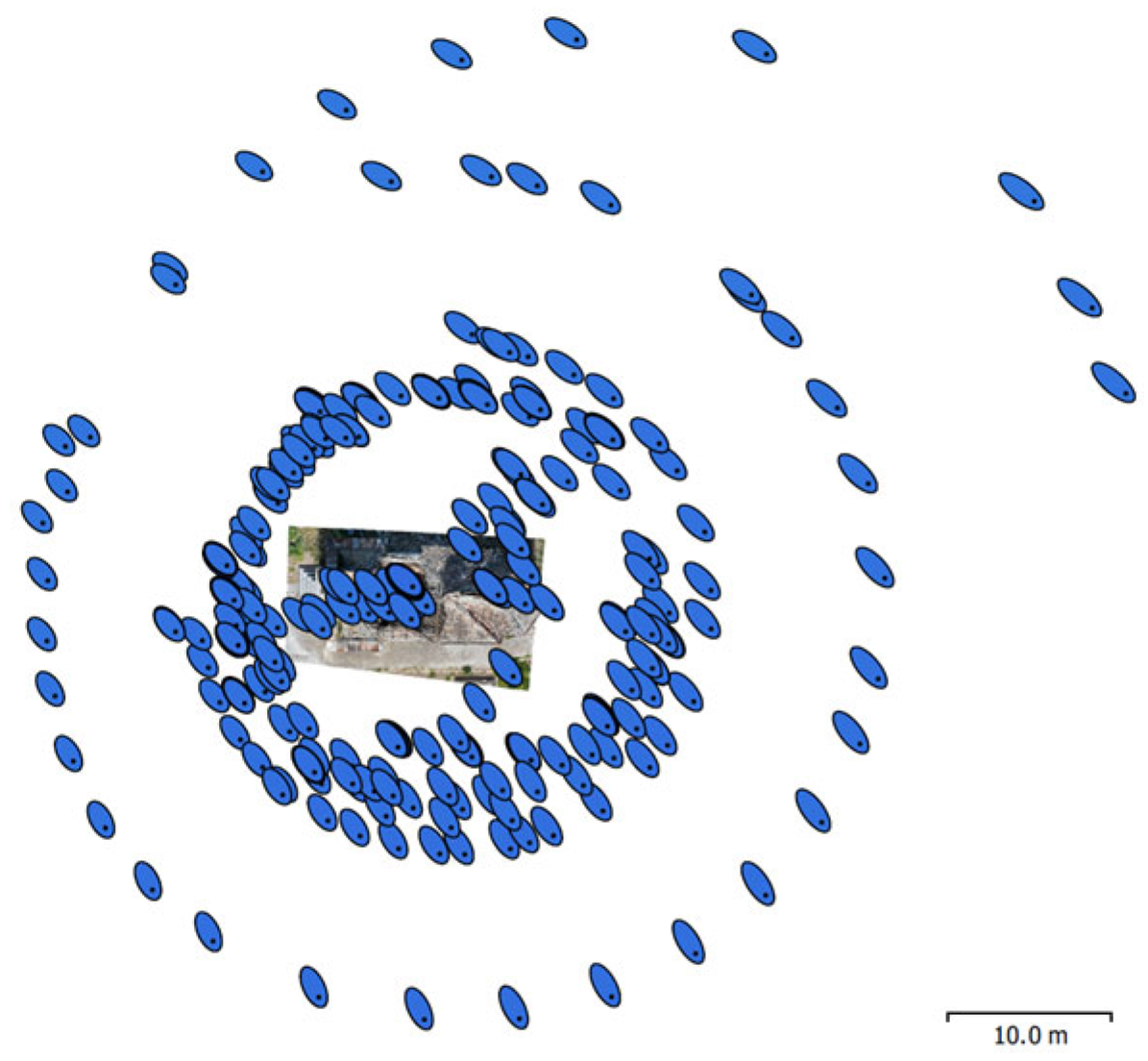
The exterior image acquisition (Figure 1) for the Cemetery Church of Bulgăruș was conducted manually, consisting of 424 images with a targeted 80% overlap between consecutive frames, with the camera oriented perpendicular to the walls at an approximate distance of 5 meters. This configuration ensured sufficient coverage and allowed for accurate 3D reconstruction of vertical surfaces [29]. To enhance dataset redundancy and capture all architectural features, several circular orbits around the building were performed, providing multiple perspectives of façades, portals, and cornices, consistent with established heritage photogrammetry best practices [30]. The flight altitude was low, with a maximum of 20 m above ground. The sensor configuration utilized for data acquisition was a frame-type camera characterized by a resolution of 5280 × 3956 pixels, a focal length of 12.29 mm, and a physical pixel pitch of 3.36 × 3.36 μm. The use of multiple viewpoints from different angles not only reduces occlusions but also improves the robustness of feature matching and depth estimation, key factors in multi-camera systems for reliable 3D modeling. Furthermore, careful planning of camera spacing and orientations enhances measurement consistency across complex architectural geometries, demonstrating how system configuration directly affects reconstruction precision and data reliability [31].
Due to significant roof damage, additional image acquisition was conducted from within the building. In areas where UAV flight was not feasible, the drone camera was employed as a handheld device to document interior surfaces and structural elements. The partially open roof allowed natural light to illuminate interior features, mitigating typical low-light limitations. In other low-light heritage contexts, careful control of exposure, use of slow shutter speeds, and high dynamic range imaging are often necessary to ensure sufficient signal-to-noise ratios and accurate color reproduction in photogrammetric datasets [32].
This approach allowed the integration of both UAV-acquired and handheld imagery into a unified dense point cloud, providing high-resolution geometric and radiometric data suitable for heritage documentation. The methodology highlights the flexibility of UAV photogrammetry in adaptive field conditions and underscores the importance of planning acquisition strategies [14] according to both architectural complexity and site-specific constraints.
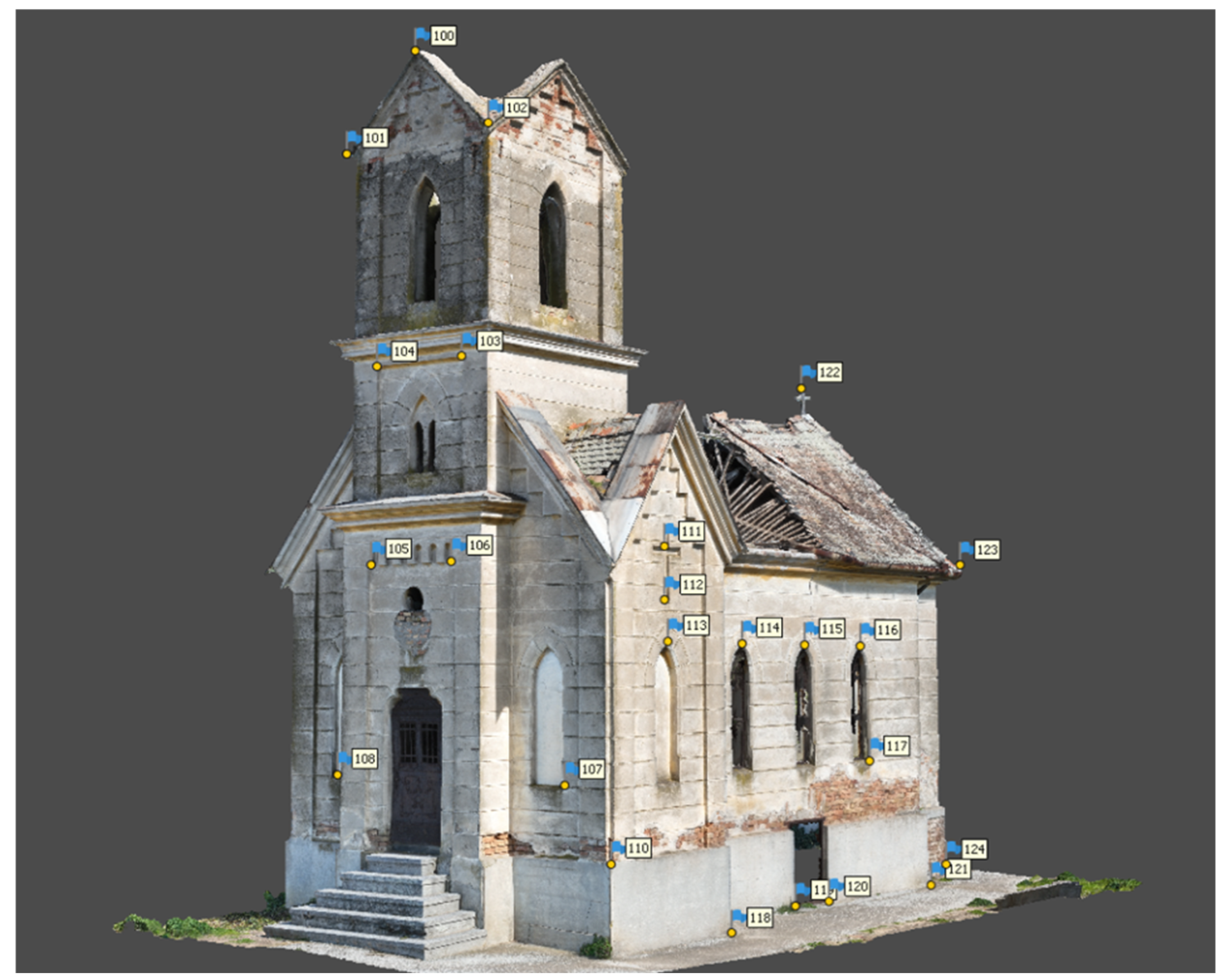
A total number of 24 ground control points (GCPs) were strategically distributed around the Cemetery Church of Bulgăruș, as shown in Figure 2, and surveyed using high-precision GNSS instruments or a total station to ensure reliable georeferencing of the photogrammetric dataset [33]. In heritage documentation, the number, distribution, and quality of GCPs directly influence the geometric fidelity of the final 3D model. Studies have shown that well-distributed GCPs along the periphery and key architectural features—such as portals, corners, and decorative elements—enhance the robustness of point cloud registration and mitigate distortions in complex façades [34].

2.2.2. Terrestrial Laser Scanner Workflow

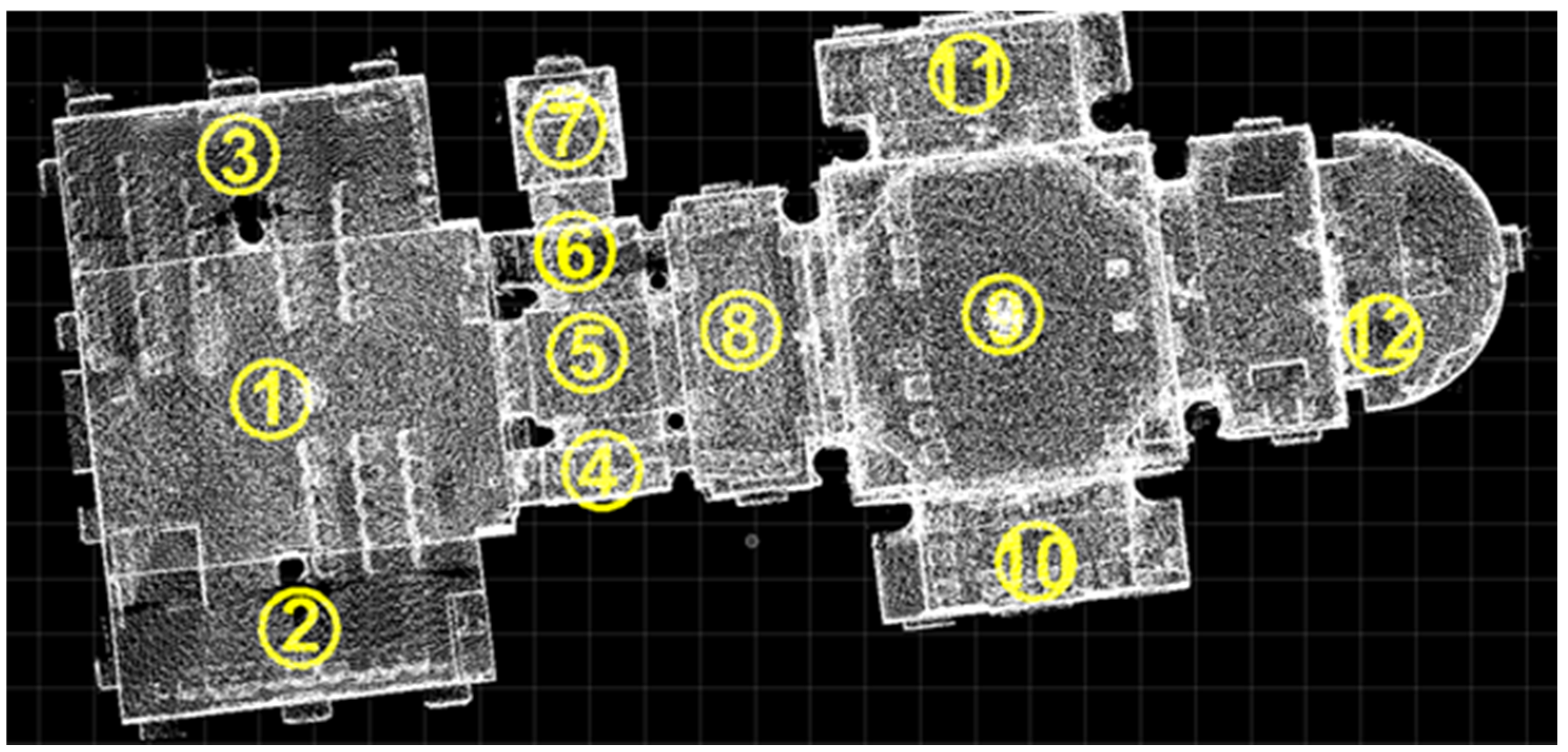
The placement of terrestrial laser scanner (TLS) stations was carefully planned to capture all important architectural elements (Figure 3) while minimizing occlusions [35]. Stations were systematically arranged along the longitudinal axis of the nave, complemented by additional positions in the transepts, lateral chapels, and other key vantage points, such as elevated galleries and beneath vault intersections. This spatial distribution was designed to optimize line-of-sight coverage, reduce blind zones, and capture complex surfaces including vaulted ceilings, cornices, columns, and stone portals [36]. Consequently, while TLS provides unparalleled precision for monument documentation, the choice and configuration of the scanning workflow must be adapted to the specific characteristics of each heritage object, including size, shape, material, accessibility, and the goals of the conservation study [18].
Strategic station placement (Figure 3) also facilitated multiple overlapping scans, which are essential for accurate registration and point cloud merging. By ensuring sufficient overlap between scans, errors in alignment are minimized, producing a coherent and metrically reliable 3D model.
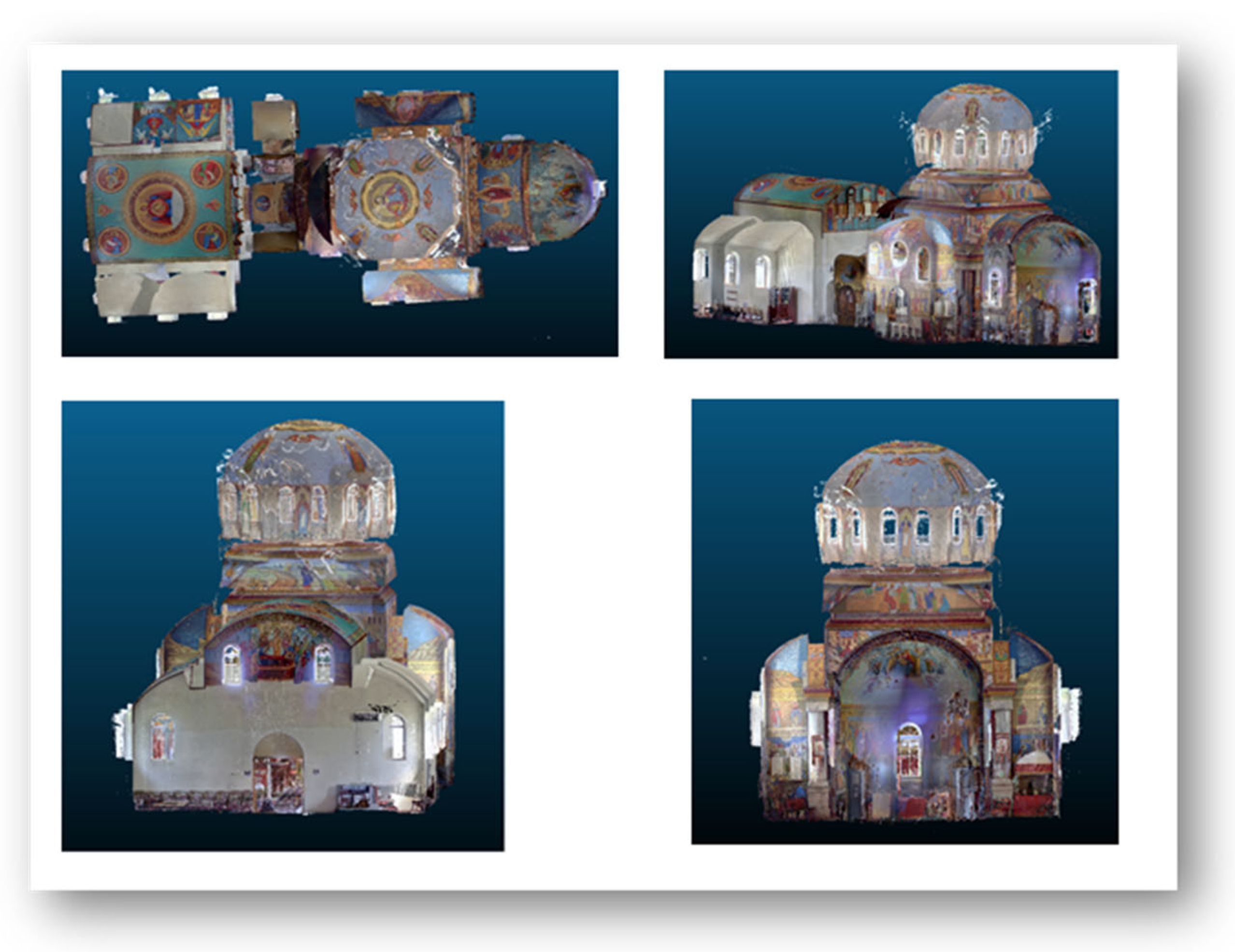
By positioning stations with sufficient overlap, the scans could be accurately merged into a single. Geometric alignment between stations was achieved through paper targets placed within overlapping fields of view. These targets provided a reliable reference for initial registration, which was then refined using cloud-to-cloud algorithms within the processing environment [13]. The resulting bundle adjustment typically yielded residual errors within the sub-centimeter range, consistent with established benchmarks for TLS in heritage documentation. This careful combination of station planning, target-based registration, and algorithmic refinement ensured that the final point cloud accurately captured both the overall geometry and the fine architectural details of the church interiors, as can be seen in Figure 4.

2.2.3. Mobile SLAM Laser Scanner

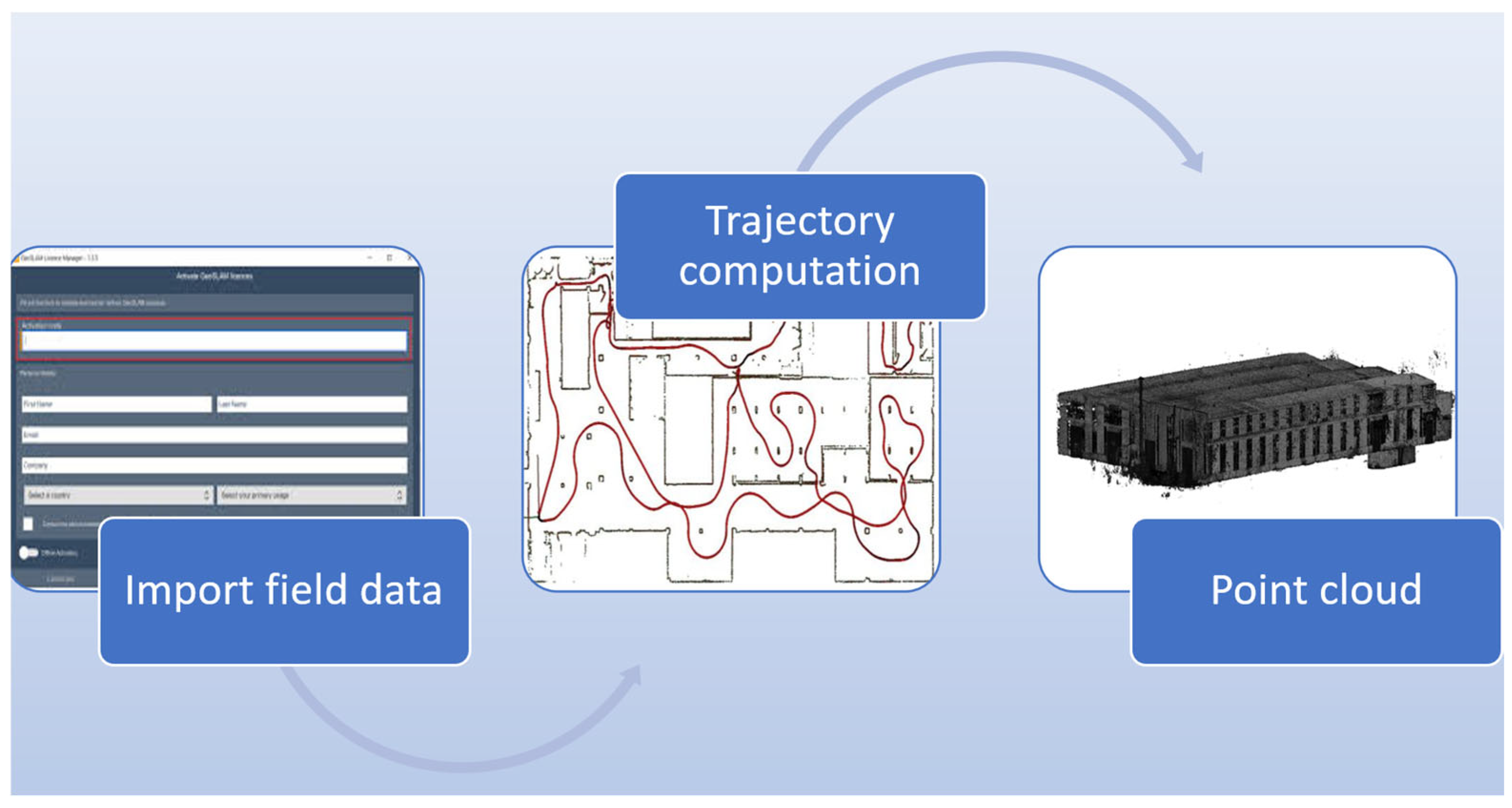
The handheld mobile LiDAR survey was conducted following predefined trajectories designed to maximize spatial coverage while maintaining the stability of the SLAM-based mapping system [14]. The operator navigated continuous, looped paths that encompassed all interior spaces, including naves, transepts, and chapels, ensuring that every architectural element was adequately captured. The use of closed loops is critical in SLAM-based systems (Figure 5) to minimize cumulative drift and correct positional errors that can arise during continuous scanning [37].
To further enhance geometric reliability, multiple redundant passes were performed over areas of architectural or decorative interest, such as columns, vaulted ceilings, and intricately carved portals. These repeated traversals strengthen the trajectory estimation and improve the overall consistency of the generated point cloud, providing a more robust and metrically accurate representation of the interior spaces [38].
The workflow (Figure 5) highlights the adaptability of handheld LiDAR for surveying complex and confined environments where traditional tripod-based systems may be difficult or impractical to deploy, while still delivering high-density 3D data suitable for detailed condition assessment and conservation planning.
Because FARO Orbis relies on integrated RGB sensors for color augmentation, the quality of chromatic information was strongly influenced by poor lightning conditions, and the colorization of the point cloud was skipped [21]. LED lightning could have been employed to enhance illumination conditions.
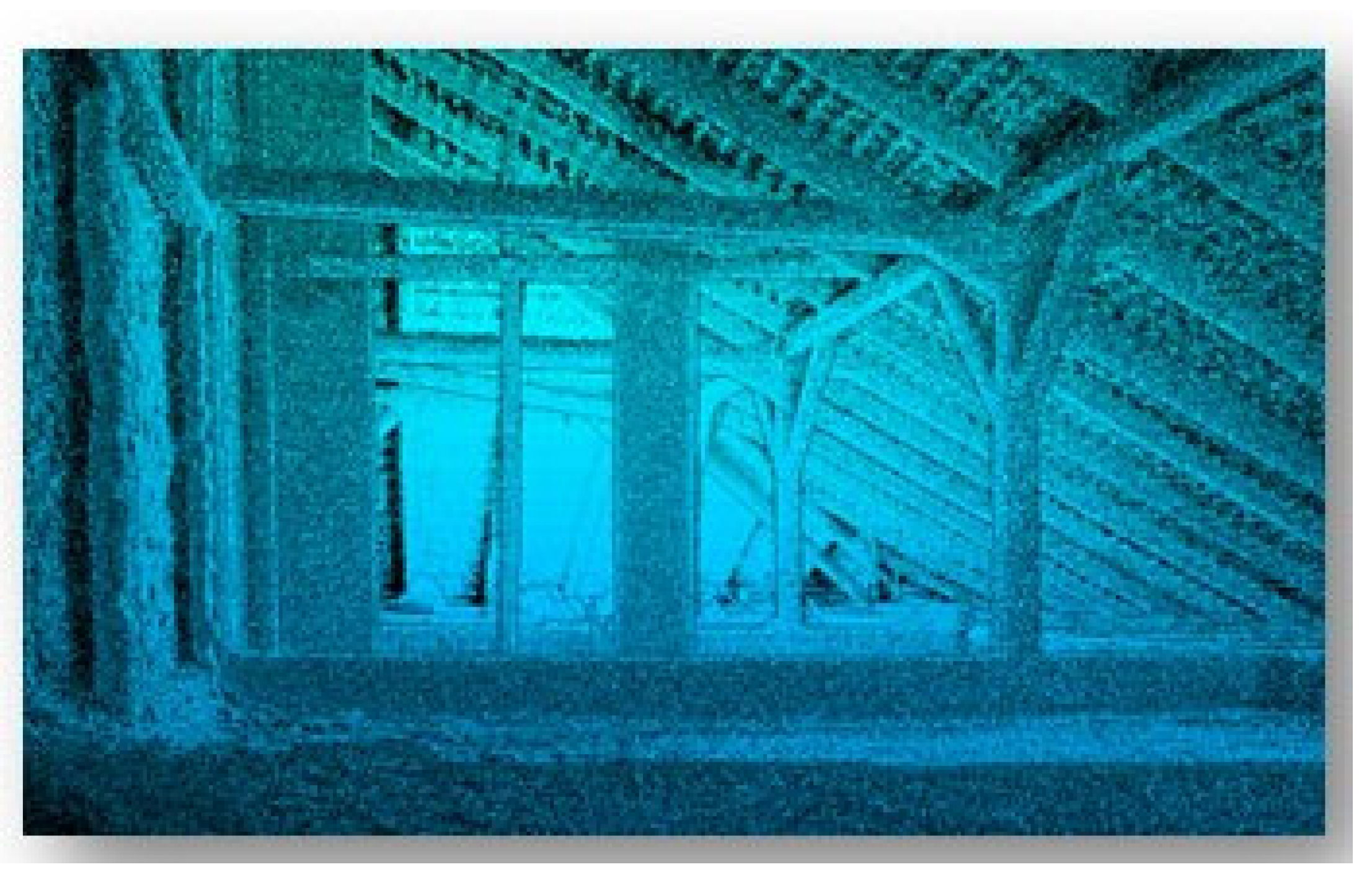
Post-processing was conducted in FARO SCENE, where the dataset underwent SLAM trajectory optimization, loop closure refinement and automated noise filtering (Figure 6). Subsequent segmentation procedures were applied to enhance interpretability and prepare the point cloud for CAD and conservation analysis. The resulting mobile LiDAR dataset provided a rapid and reasonably complete representation of the interior architectural geometry (Figure 7) [39].
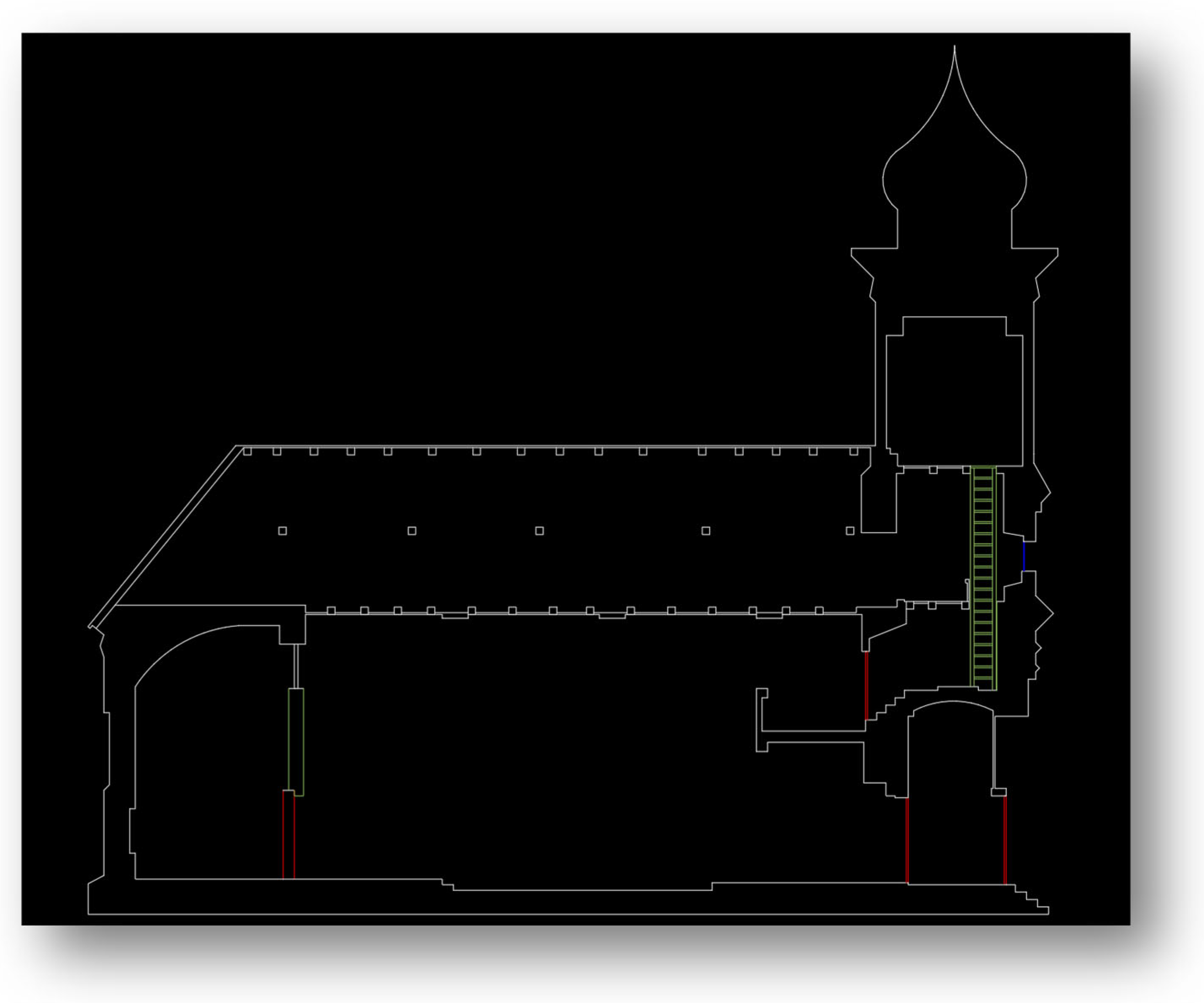
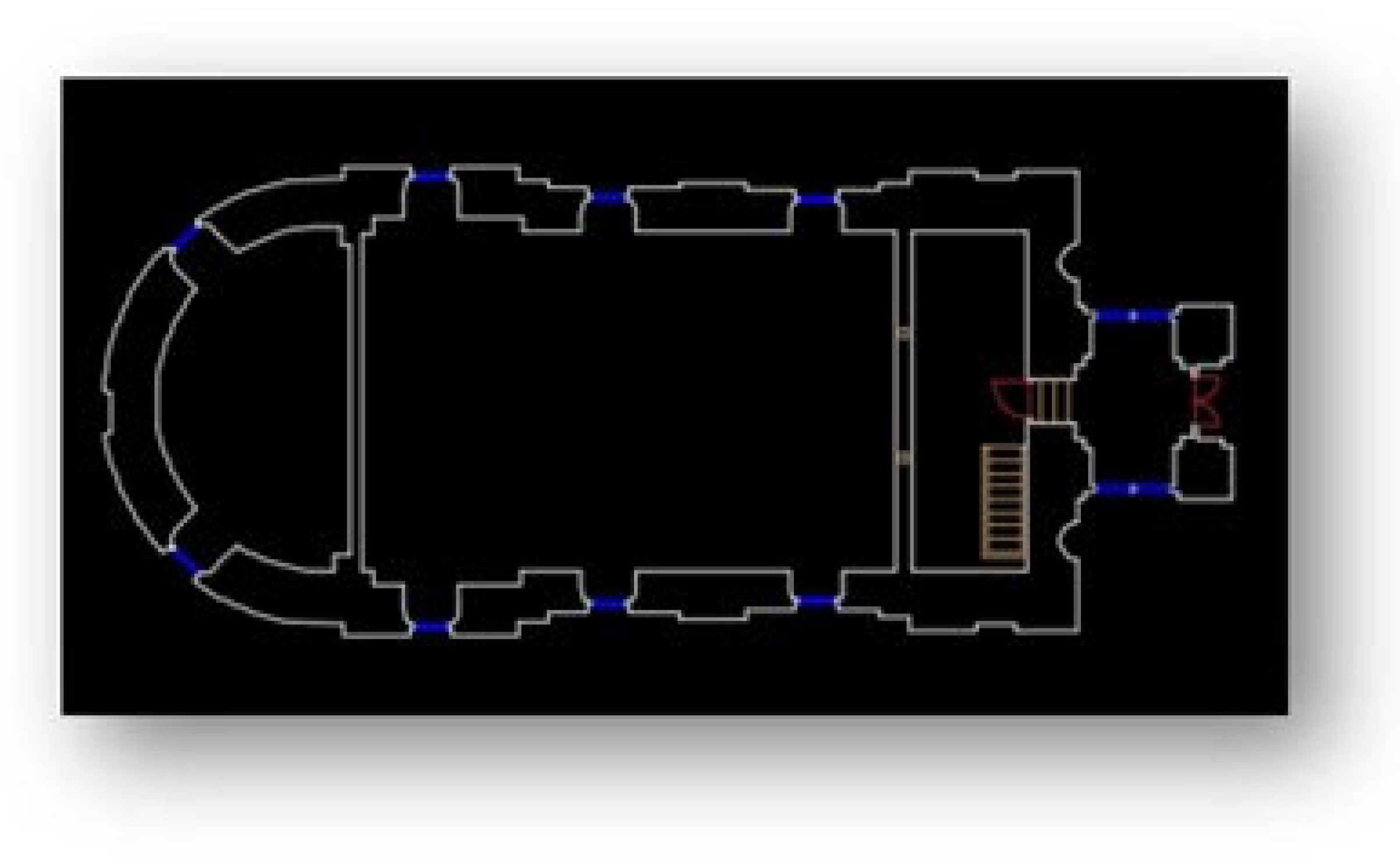
Point clouds from all three survey approaches were imported into a Computer-Aided Design (CAD) environment to facilitate the production of the standardized 2D deliverables and analytical outputs that are essential for conservation and restoration planning (Figure 8). Integrating 3D point cloud data into CAD platforms enables the extraction of reliable floor plans, elevations, and sections with high geometric fidelity, providing measurable and traceable documentation of architectural features and structural conditions [40]. These CAD-derivative drawings serve as fundamental inputs for restoration design, construction detailing and interpretations.
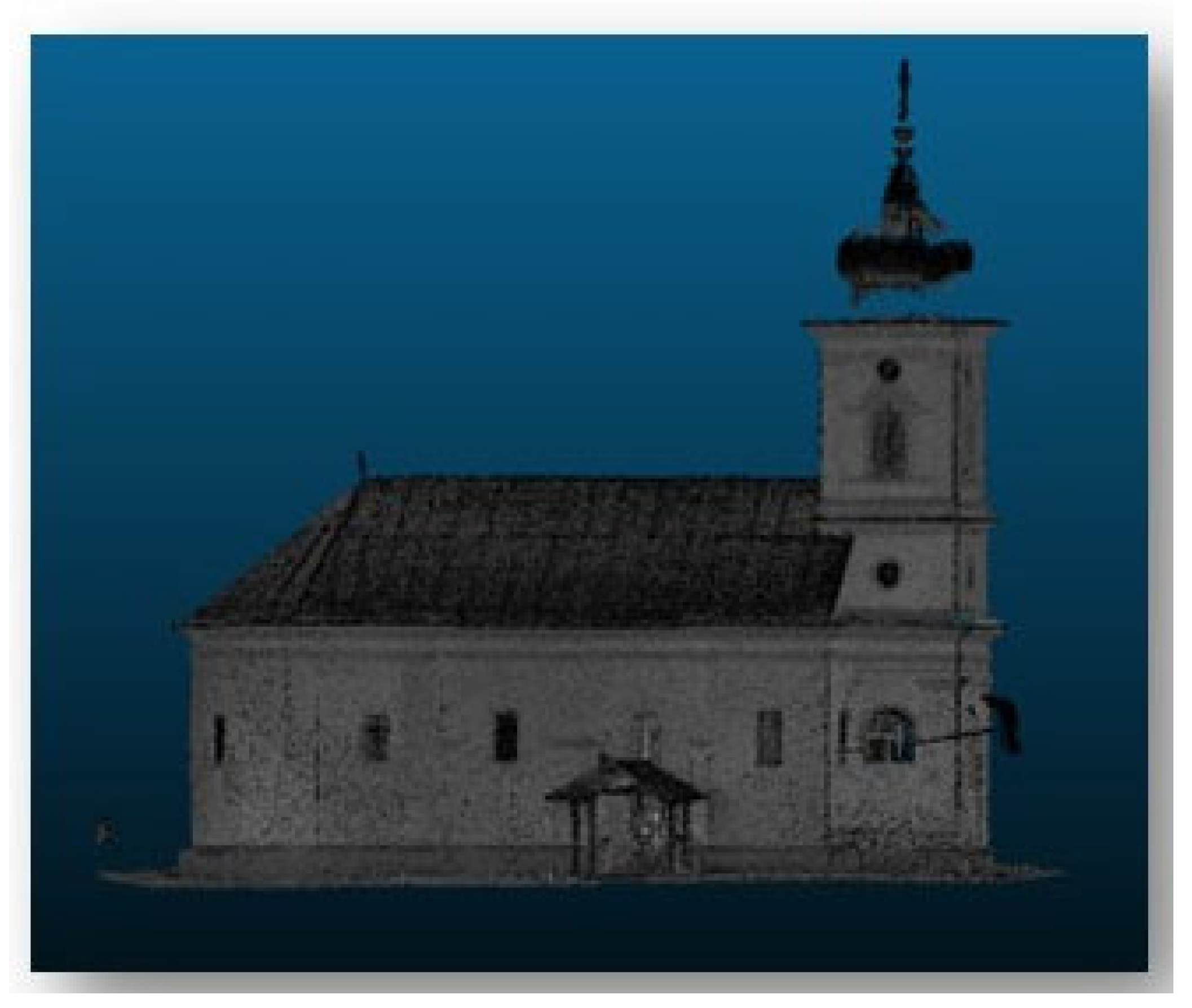
Figure 8 illustrates a sectional elevation that documents the building’s vertical configuration, including structural elements, wall thicknesses, stair geometry, and the tower profile. This section reveals internal spatial relationships and height variations derived directly from the scanned dataset, enabling detailed interpretation of construction features that are not evident in plan representation.
Figure 9 shows the corresponding floor plan extracted from the same point cloud model, defining the horizontal spatial organization of the structure, including wall alignments, openings, and circulation zones. Together, these representations demonstrate the workflow of convertings dense point cloud measurements into precise 2D architectural documentation, providing an accurate and measurable depiction of both the vertical and horizontal spatial characteristics of the surveyed building.
Together, these representations demonstrate the workflow of converting dense point cloud measurements into precise 2D architectural documentation, providing an accurate and measurable depiction of both the vertical and horizontal spatial characteristics of the surveyed building.

3. Results

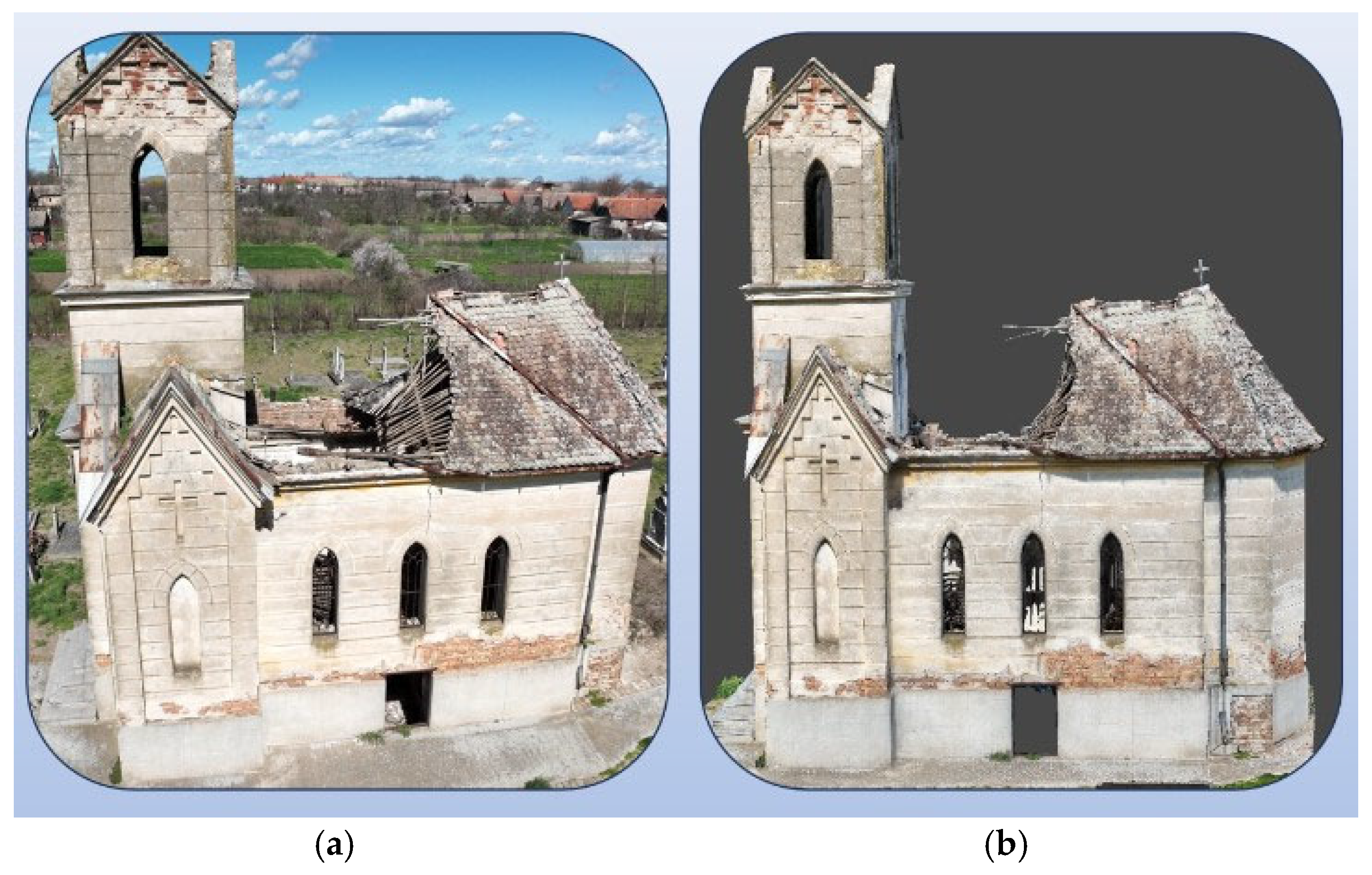
The first case study concerns the Cemetery Church of Bulgăruș, which was documented using UAV-based photogrammetry. The photogrammetric workflow resulted in a dense point cloud representing the full geometry of the monument, a high-resolution triangulated mesh, a photorealistic textured 3D model and an orthomosaic and digital surface model (DSM). The final textured model achieved complete coverage of both exterior and interior surfaces. The spatial resolution allowed for detailed visualization of architectural elements, masonry texture, cracks, and structural discontinuities. The textured 3D model enabled a comprehensive visual and metric inspection of the monument (Figure 10). The ability to inspect the model from arbitrary viewpoints significantly improved the identification of structural instabilities compared to traditional 2D documentation. Surface measurements (distances, areas, crack lengths) were performed directly on the 3D geometry, allowing quantitative documentation of damage extent. One of the primary outcomes of this case study was the estimation of debris volume located inside the church.
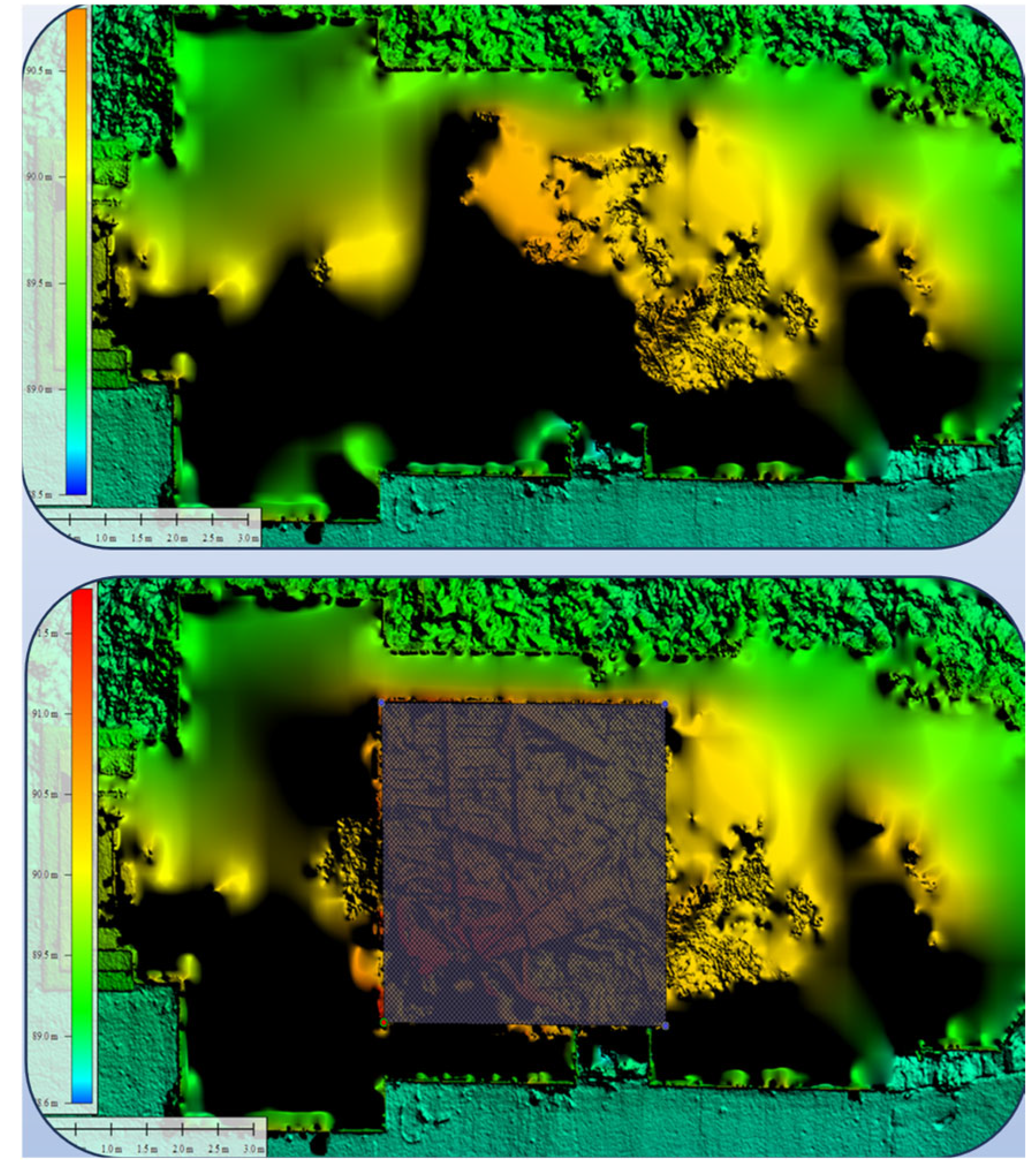
Using the reconstructed 3D geometry, the debris region was isolated from the main structural surfaces. A reference surface representing the original floor level was reconstructed and a volumetric comparison between the debris surface and the reference plane was performed (Figure 11) using the following equation:
V = S 1 S 2 A
Equation (1) The volume of debris, denoted by V, is calculated by determining the differential elevation between the debris top surface S1 and the church floor surface S2, integrated over the total area of the contributing pixels A.
The calculated debris volume provided a quantitative indicator of collapse magnitude and material displacement within the structure.
The photogrammetric survey of the Cemetery Church of Bulgăruș successfully produced a high-resolution, metrically reliable 3D model suitable for architectural documentation, structural damage assessment, quantitative geometric measurements, and volumetric calculations.
The second case study concerns the Orthodox Church of Recaș, which was documented using terrestrial laser scanning (TLS). The TLS survey produced a high-density colored point cloud representing the church and its architectural elements. The integration of RGB information with geometric data enabled the generation of a metrically accurate and visually interpretable dataset. The high point density facilitated the clear identification of wall edges, surface irregularities, and transitions between structural components.
To derive a structured 3D representation, cross-sections of the point cloud were extracted at key architectural locations, including wall intersections, cornice transitions, arch springing lines, and areas characterized by variations in wall thickness. These sections allowed the precise identification of geometric discontinuities and architectural edges. Based on the extracted profiles, the boundaries of walls and decorative elements were vectorized.
The vectorization process resulted in accurate 3D polylines describing wall perimeters and architectural components. This approach ensured that the reconstructed geometry followed the actual structural morphology of the building rather than simplified geometric approximations.
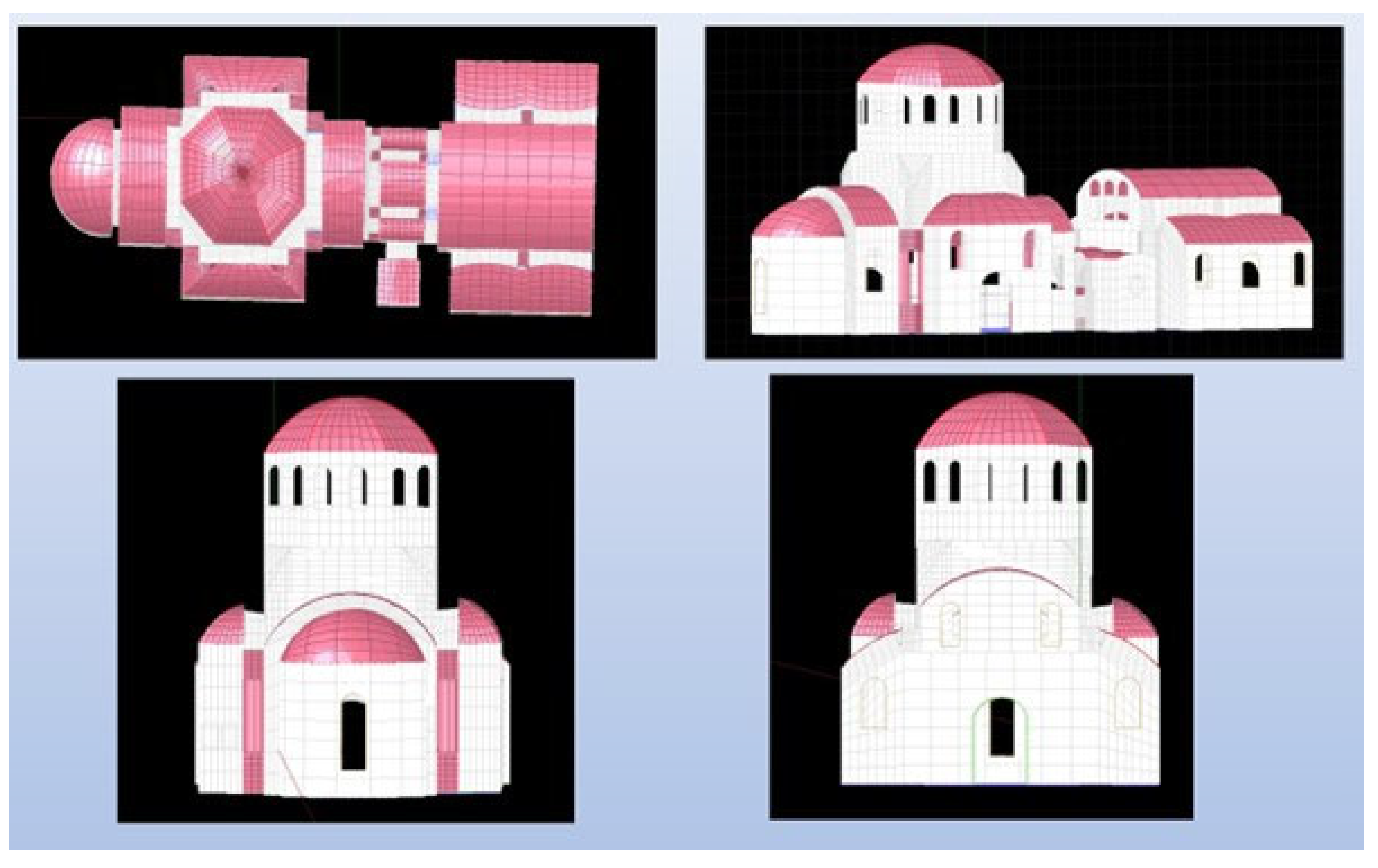
Subsequently, solid surfaces were generated between the extracted vector lines to produce a complete 3D solid model of the church (Figure 12). The resulting model represents the full structural envelope of the building while preserving geometric fidelity to the TLS dataset, thereby enabling reliable geometric measurements and accurate surface area computations. The transformation from point cloud to solid geometry enabled the transition from purely descriptive documentation to quantitative spatial analysis.
The third case study concerns the Orthodox Church of Paiana, which was documented using a handheld LiDAR system. The objective of the survey was to rapidly capture the complete geometry of the structure in order to assess its structural condition and support financial planning for future reconstruction.
The handheld scanning approach enabled continuous data acquisition across both the interior and exterior spaces of the church. The high mobility of the system facilitated rapid coverage of complex architectural areas and allowed the documentation of spaces that are typically difficult to capture using static scanning systems.
The survey produced a dense 3D point cloud representing the principal structural and architectural components of the building, including walls, roof structures, vaults, and visibly damaged areas. SLAM-based processing ensured the coherent alignment of the dataset without requiring extensive ground control infrastructure.
The resulting 3D point cloud enabled a detailed assessment of the building’s structural condition. Cross-sections extracted from the dataset allowed the evaluation of verticality deviations and variations in wall thickness. These analyses provided quantitative indicators of potential structural instability.
Furthermore, the ability to navigate the dataset in a fully three-dimensional environment facilitated comprehensive visual inspection of the monument without the need for repeated on-site visits, thereby supporting efficient structural assessment and documentation.

4. Conclusions and Discussions

The use of photogrammetry, terrestrial laser scanning (TLS), and mobile LiDAR reveals the specific operational boundaries of each technology when applied to heritage structures. This study highlights that the choice of instrumentation is dictated by the immediate physical environment, ranging from collapsed interior spaces to high-altitude exterior surfaces, rather than a singular, universal solution.

4.1. Individual Tool Performance and Environmental Constraints

UAV photogrammetry was the primary tool for documenting the hazardous environment of monuments in an advanced state of degradation. While it provided superior resolution for surface textures, its dependence on ambient light and clear lines of sight rendered it ineffective for the dark, occluded interior sections of the churches.
Terrestrial laser scanning (TLS) served as the benchmark for geometric precision, particularly for stable architectural features. However, the presence of voluminous debris and structural instability posed significant logistical hurdles; for example, its heavy weight and the need for multiple stations in places with many visibility impairments limit its reach in the most hazardous zones. Another factor is the high cost of the equipment, which disincentivizes use in risky scenarios.
Mobile LiDAR: In contrast to TLS, mobile LiDAR provided the necessary mobility to navigate constrained and narrow interior environments. Its ability to capture data while in motion allowed for the documentation of areas that were inaccessible to static scanners, albeit with a slight trade-off in point density compared to TLS.

4.2. Navigation of Acquisition Challenges

The primary challenge across all sites was the irregular geometry caused by the architectural style of Orthodox churches. In these environments, the selection of identifiable ornamental corners proved crucial for maintaining geometric fidelity. This strategy was particularly effective for stabilizing mobile LiDAR trajectories, which required complex navigation through recognizable architectural features to ensure spatial consistency and minimize drift.

4.3. Evaluation of Methodological Contributions

The results reinforce the necessity of a diversified “toolkit” when planning a survey of a monument. Each methodology demonstrated a specific domain of excellence: photogrammetry for visual and textural documentation, TLS for high-precision static geometry, and mobile LiDAR for rapid mapping of high-risk, enclosed spaces. For surveying firms operating in complex heritage contexts, the ability to deploy these technologies independently, tailored to the environment, ensures an optimal balance between high-fidelity data acquisition and operational efficiency.

Author Contributions

All authors have contributed to the work as follows: Conceptualization, project administration, funding acquisition, S.H.; methodology, software, investigation, resources, G.C.; validation, supervision, C.-B.V.; formal analysis, visualization, C.G.; data curation, A.-D.C.; writing—original draft preparation, G.C. and A.-D.C.; writing—review and editing, A.-D.C. and C.-B.V. All authors have read and agreed to the published version of the manuscript.

Funding

The study presented in this article was funded by the Project Lip3D: Living forever the Past through a 3Digital world. Digital Europe Programme (DIGITAL), grant number 101173974, DIGITAL-2023-CLOUD-DATA-AI-05-CULTHERITAGE. Funded by the European Union. Views and options expressed are, however, those of the author(s) only and do not necessarily reflect those of the European Union or European Health and Digital Executive Agency (HaDEA). Neither the European Union nor the granting authority can be held responsible for them.

Institutional Review Board Statement

Not applicable.

Informed Consent Statement

Not applicable.

Data Availability Statement

The data presented in this study are available on request from the corresponding author due to legal considerations, as the dataset constitutes the intellectual property of a private company.

Conflicts of Interest

The authors declare no conflicts of interest.

Abbreviations

The following abbreviations are used in this manuscript:
UAVUnmanned Aerial Vehicle
LiDARLight Detection and Ranging
TLSTerrestrial Laser Scanning
RTKReal-Time Kinematic (GPS positioning)
SLAMSimultaneous Localization and Mapping
GCPGround Control Point
RGBRed, Green, Blue (color channels)
CADComputer-Aided Design
SfMStructure from Motion

References

  1. Comes, R.; Neamțu, C.G.D.; Grec, C.; Buna, Z.L.; Găzdac, C.; Mateescu-Suciu, L. Digital Reconstruction of Fragmented Cultural Heritage Assets: The Case Study of the Dacian Embossed Disk from Piatra Roșie. Appl. Sci. 2022, 12, 8131. [Google Scholar] [CrossRef]
  2. Pascu, M.; Pătru-Stupariu, I. The Assessment of the Authenticity and Conservation Status of Cultural Landscapes in Southern Transylvania (Romania). Geographies 2021, 1, 3–21. [Google Scholar] [CrossRef]
  3. Salagean-Mohora, I.; Anghel, A.A.; Frigura-Iliasa, F.M. Photogrammetry as a Digital Tool for Joining Heritage Documentation in Architectural Education and Professional Practice. Buildings 2023, 13, 319. [Google Scholar] [CrossRef]
  4. Crisan, A.; Pepe, M.; Costantino, D.; Herban, S. From 3D Point Cloud to an Intelligent Model Set for Cultural Heritage Conservation. Heritage 2024, 7, 1419–1437. [Google Scholar] [CrossRef]
  5. Stal, C.; Covataru, C.; Müller, J.; Parnic, V.; Ignat, T.; Hofmann, R.; Lazar, C. Supporting Long-Term Archaeological Research in Southern Romania Chalcolithic Sites Using Multi-Platform UAV Mapping. Drones 2022, 6, 277. [Google Scholar] [CrossRef]
  6. Caciora, T.; Jubran, A.; Ilies, D.C.; Hodor, N.; Blaga, L.; Ilies, A.; Grama, V.; Sebesan, B.; Safarov, B.; Ilies, G.; et al. Digitization of the Built Cultural Heritage: An Integrated Methodology for Preservation and Accessibilization of an Art Nouveau Museum. Remote Sens. 2023, 15, 5763. [Google Scholar] [CrossRef]
  7. Gasmi, G.; Prlja, D. Perspectives of digitization of cultural heritage in European countries. Fiat Iustitita 2020, 1, 83–91. Available online: http://ricl.iup.rs/id/eprint/902 (accessed on 14 April 2026).
  8. Lavric, I.; Oniga, V.-E.; Loghin, A.-M.; Covatariu, G.; Maleș, G.-C. Evaluating BIM and Mesh-Based 3D Modeling Approaches for Architectural Heritage: The Dosoftei House in Iași City, Romania. Appl. Sci. 2025, 15, 9409. [Google Scholar] [CrossRef]
  9. Dragomir, L.O.; Popescu, C.A.; Herbei, M.V.; Popescu, G.; Herbei, R.C.; Salagean, T.; Bruma, S.; Sabou, C.; Sestras, P. Enhancing Conventional Land Surveying for Cadastral Documentation in Romania with UAV Photogrammetry and SLAM. Remote Sens. 2025, 17, 2113. [Google Scholar] [CrossRef]
  10. López, F.J.; Lerones, P.M.; Llamas, J.; Gómez-García-Bermejo, J.; Zalama, E. A framework for using point cloud data of heritage buildings toward geometry modeling in a BIM context: A case study on Santa Maria La Real De Mave Church. Int. J. Archit. Herit. 2017, 11, 965–986. [Google Scholar] [CrossRef]
  11. Yang, X.; Grussenmeyer, P.; Koehl, M.; Macher, H.; Murtiyoso, A.; Landes, T. Review of built heritage modelling: Integration of HBIM and other information techniques. J. Cult. Herit. 2020, 46, 350–360. [Google Scholar] [CrossRef]
  12. Pescari, S.; Budău, L.; Vîlceanu, C.-B. Rehabilitation and Restoration of the Main Façade of Historical Masonry Building—Romanian National Opera Timișoara. Case Stud. Constr. Mater. 2023, 18, e01838. [Google Scholar] [CrossRef]
  13. Liu, J.; Azhar, S.; Willkens, D.; Li, B. Static Terrestrial Laser Scanning (TLS) for Heritage Building Information Modeling (HBIM): A Systematic Review. Virtual Worlds 2023, 2, 90–114. [Google Scholar] [CrossRef]
  14. Xing, Y.; Yang, S.; Fahy, C.; Harwood, T.; Shell, J. A Scoping Review of Photogrammetry in Cultural Building Documentation. Electronics 2025, 14, 3666. [Google Scholar] [CrossRef]
  15. Waas, M.; Zell, D. Practical 3D Photogrammetry for the Conservation and Documentation of Cultural Heritage. In Proceedings of the 18th International Conference on Cultural Heritage and New Technologies, Vienna, Austria, 11–13 November 2013; Available online: https://chnt.at/wp-content/uploads/Waas_Zell_2014.pdf (accessed on 14 April 2026).
  16. Elhashash, M.; Albanwan, H.; Qin, R. A Review of Mobile Mapping Systems: From Sensors to Applications. Sensors 2022, 22, 4262. [Google Scholar] [CrossRef] [PubMed]
  17. Waykar, Y.A.; Marathwada, B.A. A Comparative Analysis of Photogrammetry and LIDAR Technology for Heritage Site Conservation. IJSREM 2022, 6, 1–12. Available online: https://www.researchgate.net/publication/376809059_A_Comparative_Analysis_of_Photogrammetry_and_LIDAR_Technology_for_Heritage_Site_Conservation (accessed on 14 April 2026).
  18. Markiewicz, J.; Tobiasz, A.; Kot, P.; Muradov, M.; Shaw, A.; Al-Shamma’a, A. Review of Surveying Devices for Structural Health Monitoring of Cultural Heritage Buildings. In Proceedings of the 2019 12th International Conference on Developments in eSystems Engineering (DeSE), Kazan, Russia, 7–10 October 2019; pp. 597–601. [Google Scholar] [CrossRef]
  19. Hu, Z.; Yang, Y.; Zhang, H. Durability and damage evolution of steel fiber and Nano-SiO2 reinforced concrete under freeze-thaw and salt erosion environments based on acoustic emission and Computed Tomography analysis. J. Build. Eng. 2025, 115, 114595. [Google Scholar] [CrossRef]
  20. Wen, X.-J.; Zhan, Q.; Ye, H.; Xu, J.; Qian, B.; Luo, R.; Wu, X.; Liu; Fei, Z.; Guo, H. Synergistic surface plasmon resonance effect of Ag and S-scheme heterojunction in Ag/AgBr/Bi24O31Cl10 towards enhanced enrofloxacin removal: Performance, degradation pathways and synergistic mechanism. Environ. Res. 2026, 288, 123249. [Google Scholar] [CrossRef]
  21. Di Stefano, F.; Chiappini, S.; Gorreja, A.; Balestra, M.; Pierdicca, R. Mobile 3D scan LiDAR: A literature review. Geomat. Nat. Haz Risk 2021, 12, 2387–2429. [Google Scholar] [CrossRef]
  22. Barrile, V.; Gattuso, C.; Genovese, E. Review of Geomatics Solutions for Protecting Cultural Heritage in Response to Climate Change. Heritage 2024, 7, 7031–7049. [Google Scholar] [CrossRef]
  23. Tysiąc, P.; Sieńska, A.; Tarnowska, M.; Kedziorski, P.; Jagoda, M. Combination of terrestrial laser scanning and UAV photogrammetry for 3D modelling and degradation assessment of heritage building: St. Adalbert Church in Gdansk, Poland. Herit. Sci. 2023, 11, 53. [Google Scholar] [CrossRef]
  24. Shi, Y.; Wang, Y.; Wang, L.-N.; Wang, W.-N.; Yang, T.-Y. Bridge Cable Performance Warning Method Based on Temperature and Displacement Monitoring Data. Buildings 2025, 15, 2342. [Google Scholar] [CrossRef]
  25. Shi, Y.; Wang, Y.; Wang, L.-N.; Wang, W.-N.; Yang, T.-Y. Bridge Tower Warning Method Based on Improved Multi-Rate Fusion Under Strong Wind Action. Buildings 2025, 15, 2733. [Google Scholar] [CrossRef]
  26. Conti, A.; Pagliaricci, G.; Bonora, V.; Tucci, G. A Comparison Between Terrestrial Laser Scanning and Hand-Held Mobile Mapping for the Documentation of Built Heritage. Int. Arch. Photogramm. Remote Sens. Spat. Inf. Sci. 2024, XLVIII-2/W4-2024, 141–147. [Google Scholar] [CrossRef]
  27. Angheluță, L.-M.; Ignuța Acimov, A.; Gora, C.; Chiricuță, A.I.; Popovici, A.I.; Obradovici, V. Documenting Romania’s Wooden Churches: Integrating Modern Digital Platforms with Vernacular Conservation. Heritage 2025, 8, 103. [Google Scholar] [CrossRef]
  28. Biasion, A.; Moerwald, T.; Walser, B.; Walsh, G. A new approach to the Terrestrial Laser Scanner workflow: The RTC360 solution. In Proceedings of the FIG Working Week, Geospatial Information for a Smarter Life and Environmental Resilience, Hanoi, Vietnam, 22–26 April 2019; Available online: https://www.fig.net/resources/proceedings/fig_proceedings/fig2019/papers/ts05f/TS05F_biasion_et_al_9968.pdf (accessed on 14 April 2026).
  29. Taddia, Y.; González-García, L.; Zambello, E.; Pellegrinelli, A. Quality Assessment of Photogrammetric Models for Façade and Building Reconstruction Using DJI Phantom 4 RTK. Remote Sens. 2020, 12, 3144. [Google Scholar] [CrossRef]
  30. Martínez-Carricondo, P.; Carvajal-Ramírez, F.; Yero-Paneque, L.; Agüera-Vega, F. Combination of nadiral and oblique UAV photogrammetry and HBIM for the virtual reconstruction of cultural heritage. Case study of Cortijo del Fraile in Níjar, Almería (Spain). Build. Res. Inf. 2020, 48, 140–159. [Google Scholar] [CrossRef]
  31. Yin, Z.; Chen, Y.; She, P.; Liu, C.; He, X.; Lv, S. Modeling the measurement precision of a multi-camera system. Opt. Lett. 2025, 50, 6489–6492. [Google Scholar] [CrossRef]
  32. Ntregka; Georgopoulos; Quintero. Photogrammetric exploitation of HDR images for Cultural Heritage documentation. ISPRS Ann. Photogramm. Remote Sens. Spat. Inf. Sci. 2013, II-5/W1, 209–214. [Google Scholar] [CrossRef]
  33. Niu, Z.; Xia, H.; Tao, P.; Ke, T. Accuracy Assessment of UAV Photogrammetry System with RTK Measurements for Direct Georeferencing. ISPRS Ann. Photogramm. Remote Sens. Spat. Inf. Sci. 2024, X-1-2024, 169–176. [Google Scholar] [CrossRef]
  34. James, M.R.; Robson, S. Mitigating systematic error in topographic models derived from UAV and ground-based image networks. Earth Surf. Process. Landf. 2014, 39, 1413–1420. [Google Scholar] [CrossRef]
  35. Al Khalil, O. Structure from motion (SfM) photogrammetry as alternative to laser scanning for 3D modelling of historical monuments. Open Sci. J. 2020, 5, 2. [Google Scholar] [CrossRef]
  36. Russhakim, N.A.S.; Ariff, M.F.M.; Majid, Z.; Idris, K.M.; Darwin, N.; Abbas, M.A.; Zainuddin, K.; Yusoff, A.R. The suitability of Terrestrial Laser Scanning for building survey and mapping applications. Int. Arch. Photogramm. Remote Sens. Spat. Inf. Sci. 2019, XLII-2/W9, 663–670. [Google Scholar] [CrossRef]
  37. Nocerino, E.; Menna, F.; Remondino, F.; Toschi, I.; Rodríguez-Gonzálvez, P. Investigation of indoor and outdoor performance of two portable mobile mapping systems. Videometrics Range Imaging Appl. XIV 2017, 10332, 125–139. [Google Scholar] [CrossRef]
  38. Trybała, P.; Kasza, D.; Wajs, J.; Remondino, F. Comparison of low-cost handheld LiDAR-based SLAM systems for mapping underground tunnels. Int. Arch. Photogramm. Remote Sens. Spat. Inf. Sci. 2023, XLVIII-1-W1 2023, 517–524. [Google Scholar] [CrossRef]
  39. Tanduo, B.; Teppati Losè, L.; Chiabrando, F. Documentation of complex environments in cultural heritage sites. A SLAM-based survey in the Castello del Valentino basement. Int. Arch. Photogramm. Remote Sens. Spat. Inf. Sci. 2023, XLVIII-1-W1-2023, 489–496. [Google Scholar] [CrossRef]
  40. Altuntas, C. Integration of Point Clouds Originated from Laser Scanner and Photogrammetric Images for Visualization of Complex Details of Historical Buildings. Int. Arch. Photogramm. Remote Sens. Spat. Inf. Sci. 2015, XL-5/W4, 431–435. [Google Scholar] [CrossRef]
Figure 1. Image acquisition camera location for the Church of Bulgăruș data set.
Sustainability 18 04237 g001
Figure 2. Ground control points distribution for the Church of Bulgăruș.
Sustainability 18 04237 g002
Figure 3. Terrestrial laser scanner station point distribution for the Church of Recaș.
Sustainability 18 04237 g003
Figure 4. Terrestrial laser scanner station point cloud views of the Church of Recaș.
Sustainability 18 04237 g004
Figure 5. SLAM workflow for the Church of Poiana.
Sustainability 18 04237 g005
Figure 6. Noise filtering applied to mobile laser scanner point cloud, Church of Poiana.
Sustainability 18 04237 g006
Figure 7. Point cloud visualization of interior architectural features, Church of Poiana.
Sustainability 18 04237 g007
Figure 8. Sectional elevation derived from point cloud data, Church of Poiana.
Sustainability 18 04237 g008
Figure 9. Plan view derived from point cloud data, Church of Poiana.
Sustainability 18 04237 g009
Figure 10. Exterior view of the Church of Bulgăruș: (a) Photograph captured during field survey; (b) textured 3D model.
Sustainability 18 04237 g010
Figure 11. Volumetric analysis of the debris at the Church of Bulgăruș using Equation (1).
Sustainability 18 04237 g011
Figure 12. 3D solid model of the Church of Recaș.
Sustainability 18 04237 g012
Disclaimer/Publisher’s Note: The statements, opinions and data contained in all publications are solely those of the individual author(s) and contributor(s) and not of MDPI and/or the editor(s). MDPI and/or the editor(s) disclaim responsibility for any injury to people or property resulting from any ideas, methods, instructions or products referred to in the content.